Sober bars are transforming nightlife by offering alcohol-free spaces where people can socialize without pressure to drink. These venues serve creative non-alcoholic drinks like mocktails, functional beverages, and alcohol-free spirits, appealing to the growing number of people cutting back on alcohol for health, lifestyle, or personal reasons. With 49% of Americans reducing alcohol consumption and 22% planning to visit sober bars in 2025, these spaces are meeting a real demand.
Key Points:
- Alcohol-Free Options: Sober bars focus on craft mocktails, mood-boosting drinks, and wellness-focused ingredients.
- Inclusive Atmosphere: Designed for everyone, non-drinkers feel welcome without social pressure.
- Health-Focused: Many sober bars emphasize well-being with drinks that reduce stress or improve mood.
- Market Growth: Non-alcoholic beverage sales rose 33% in 2024, reaching $331 million.
Sober bars are not just a trend - they’re reshaping nightlife with inclusive, alcohol-free social spaces that prioritize connection and health.
Alcohol-Free Bars Open Across The U.S.
Problems with Standard Bars
Traditional bars can be tough for people who choose not to drink. In fact, 70% of non-drinkers report feeling social pressure in these spaces [1]. This creates a growing demand for venues where socializing isn’t tied to alcohol.
Pressure to Drink
Bars often make non-drinkers feel out of place because of group dynamics. A 2022 survey by the American Addiction Centers revealed that 62% of people feel pressured to drink in bar settings, and 38% admit pretending their non-alcoholic drink was alcoholic just to avoid awkward conversations. Here’s how this pressure shows up:
| Type of Pressure | Impact on Non-Drinkers |
|---|---|
| Peer Pressure | Constantly having to explain choices |
| Social Expectations | Feeling excluded from drinking rituals |
| Financial Challenges | Mocktails costing as much as cocktails |
This ongoing need to justify their decisions stands in stark contrast to the welcoming atmosphere of sober bars.
Limited Non-Alcoholic Options
Another problem is the lack of variety in non-alcoholic drinks. Most bars focus on their alcohol menus, leaving little room for creative or appealing non-alcoholic options. This imbalance fails to meet the preferences of modern customers.
Non-Drinkers Feel Excluded
Alcohol-focused environments often leave non-drinkers feeling overlooked. Some key issues include:
- Spaces designed with drinkers in mind
- Overpriced mocktails, sometimes costing up to $15 despite simpler ingredients
- 62% of non-drinkers feeling pressured to drink just to fit in socially
These barriers explain why sober bars are becoming essential for people looking for inclusive, alcohol-free spaces to connect with others.
What Makes Sober Bars Different
Sober bars are reshaping nightlife by focusing on three standout features that set them apart.
Alcohol-Free Drink Selection
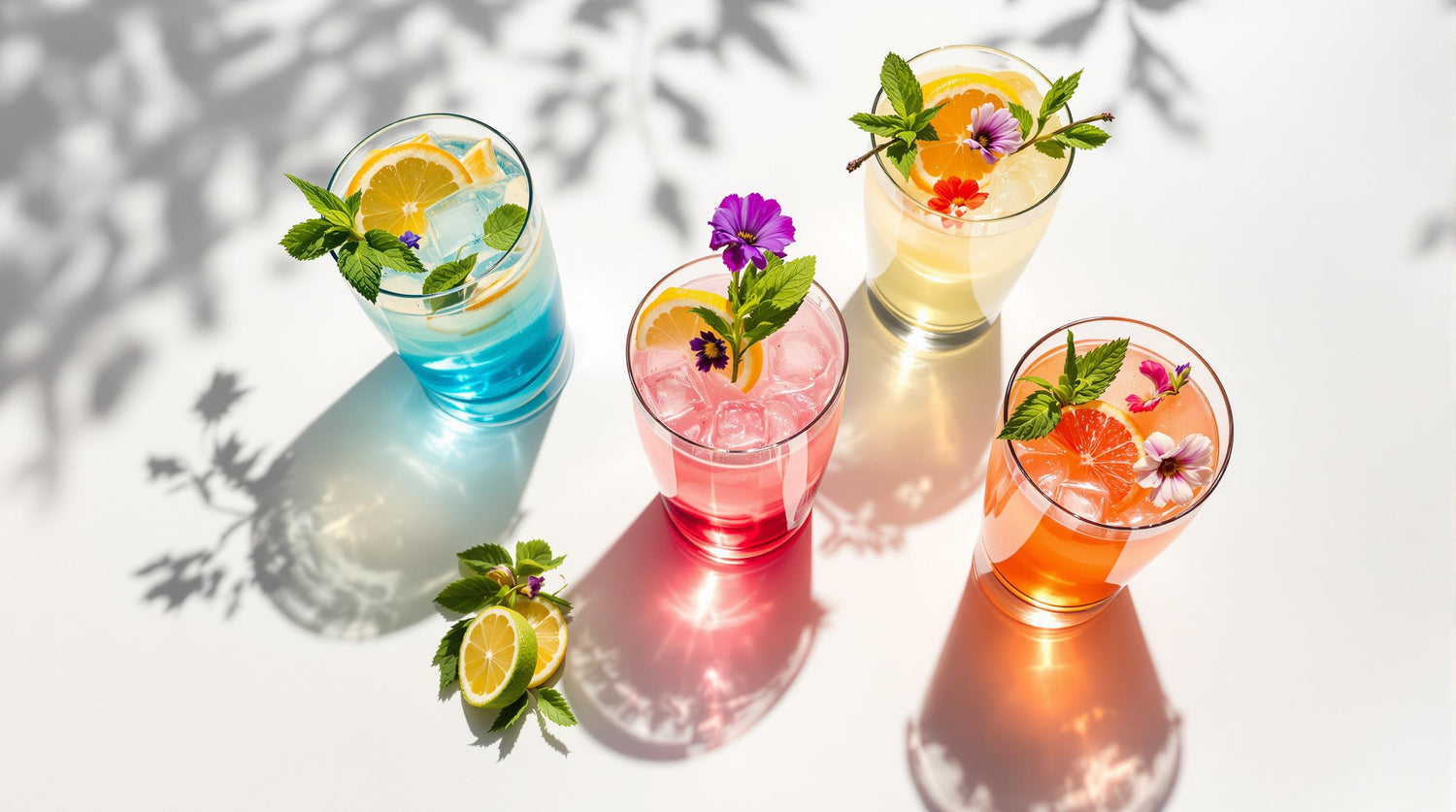
Sober bars are known for serving elevated non-alcoholic drinks that go way beyond the usual sodas and juices. For example, Ocean Beach Cafe in San Francisco offers "pretty drinks in nice glasses" [7], giving customers the same visual and sensory experience as traditional cocktails.
Here’s a glimpse of the drink options you’ll often find:
| Beverage Category | Highlights |
|---|---|
| Craft Mocktails | Complex flavors, artistic presentation |
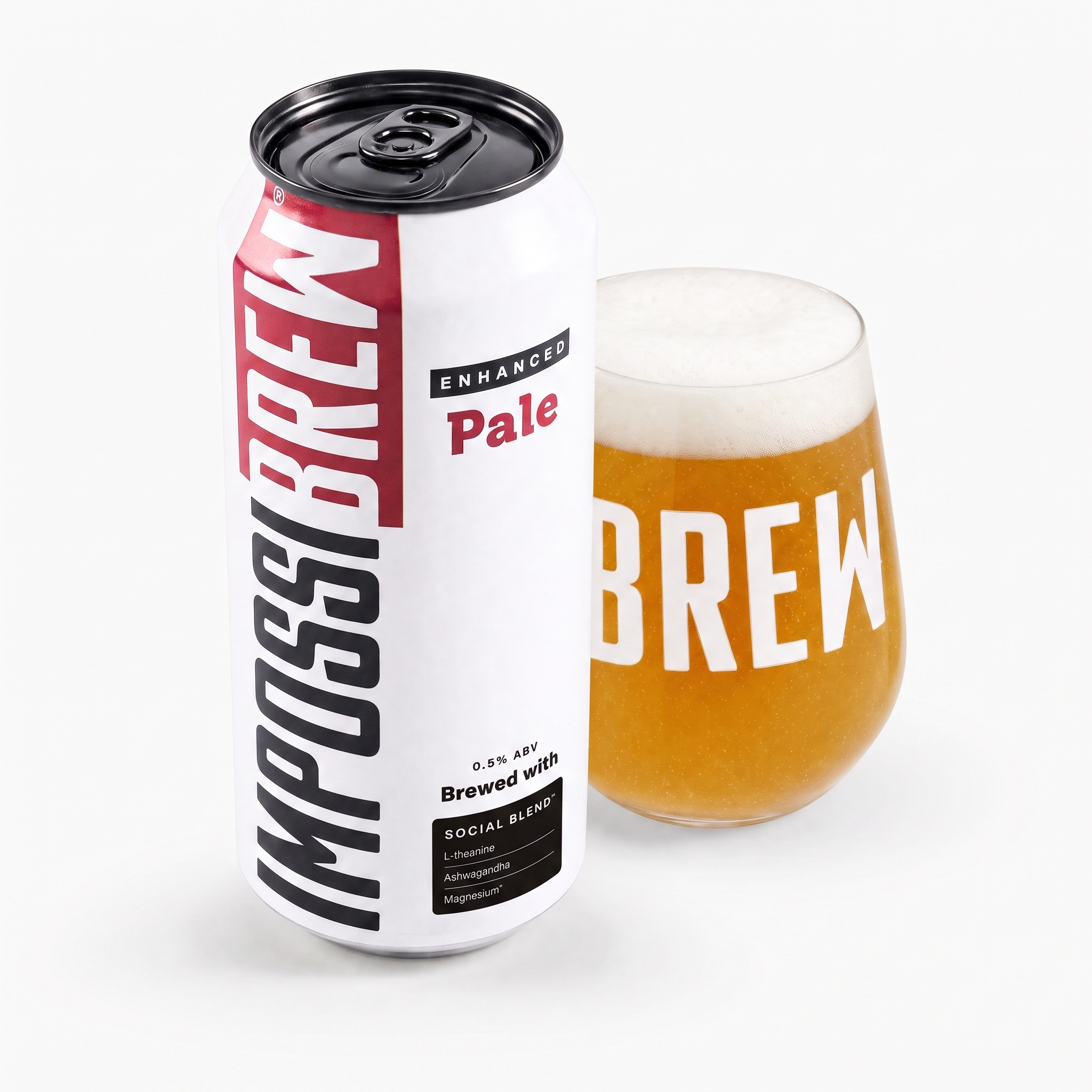
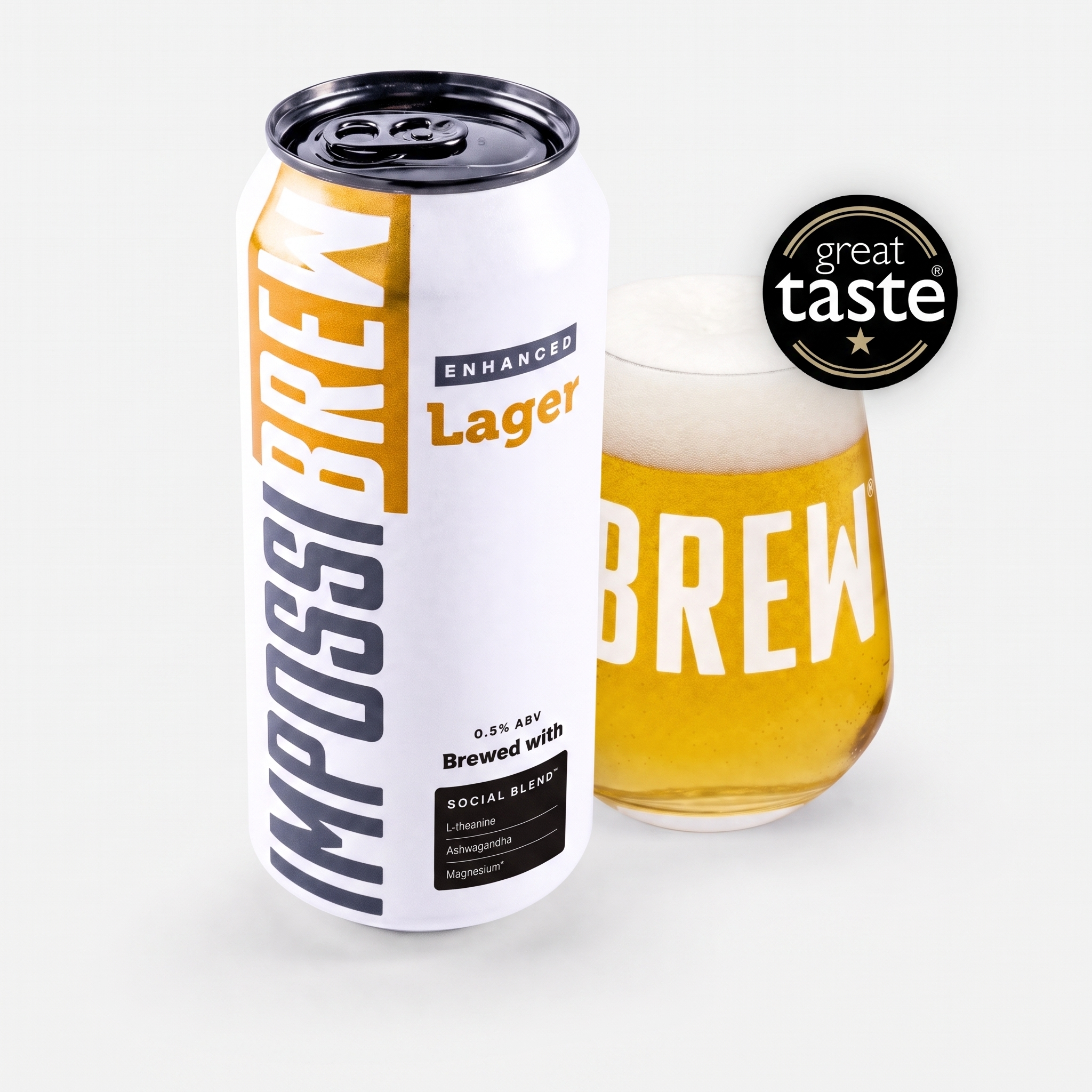
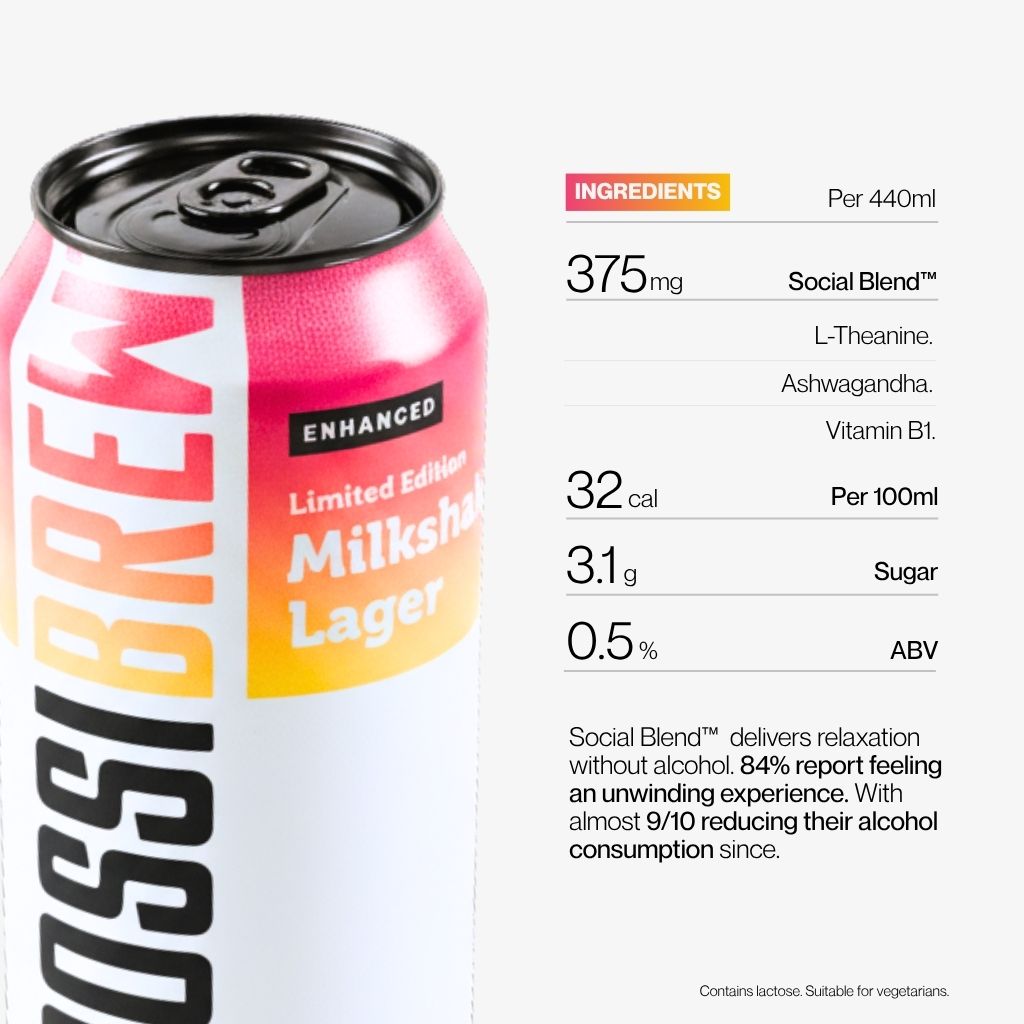
| Enhanced Drinks | Social Blend™ technology, mood-boosting |
| Functional Beverages | Health-focused ingredients like adaptogens |
| Alcohol-Free Classics | Familiar flavors without the alcohol |
Open to Everyone
Sober bars pride themselves on creating spaces where anyone can feel welcome, regardless of why they’re skipping alcohol. Volstead by Unity in Philadelphia is a great example, offering a welcoming space for anyone looking to make changes to their drinking habits [2].
These venues reimagine the typical bar layout to encourage socializing and connection in a more inclusive way. The goal is to foster a sense of community where everyone feels at ease, no matter their lifestyle choices.
Focus on Health
Health is a major focus for sober bars, aligning with the 49% of Americans who are cutting back on alcohol for health reasons [5]. Hekate Café & Elixir Lounge in New York City takes this to the next level with over 30 different non-alcoholic elixirs made with ingredients like kava and blue lotus [8].
Health-conscious offerings often include:
- Drinks made with organic, wellness-focused ingredients
- Events centered around mental and physical well-being
- Resources on the benefits of living alcohol-free
- Drinks designed to reduce stress or boost mood
- Activities that encourage healthy, active lifestyles
With non-alcoholic beverage sales up 33% [6], sober bars are quickly becoming a key part of modern nightlife. Their mix of inventive drinks, welcoming vibes, and health-first focus is redefining what a night out can look like.
sbb-itb-a752bf8
Drinks with Added Benefits
Sober bars are stepping up their game by offering drinks that go beyond just being alcohol-free. These functional beverages are designed to provide specific perks, making the experience more appealing for health-conscious patrons.
What Are Enhanced Drinks?
These non-alcoholic drinks combine refined flavors with ingredients aimed at supporting wellness. They cater to the growing trend of people prioritizing health, with 49% of drinkers reducing alcohol consumption for this reason[5].
| Ingredient Type | Examples | Benefits |
|---|---|---|
| Adaptogens | Ashwagandha, Rhodiola | Helps manage stress and promote balance |
| Nootropics | L-theanine, Caffeine | Improves focus and boosts mood |
| Botanicals | Kava, Damiana | Encourages relaxation and social comfort |
IMPOSSIBREW®: A Leader in Functional Beverages
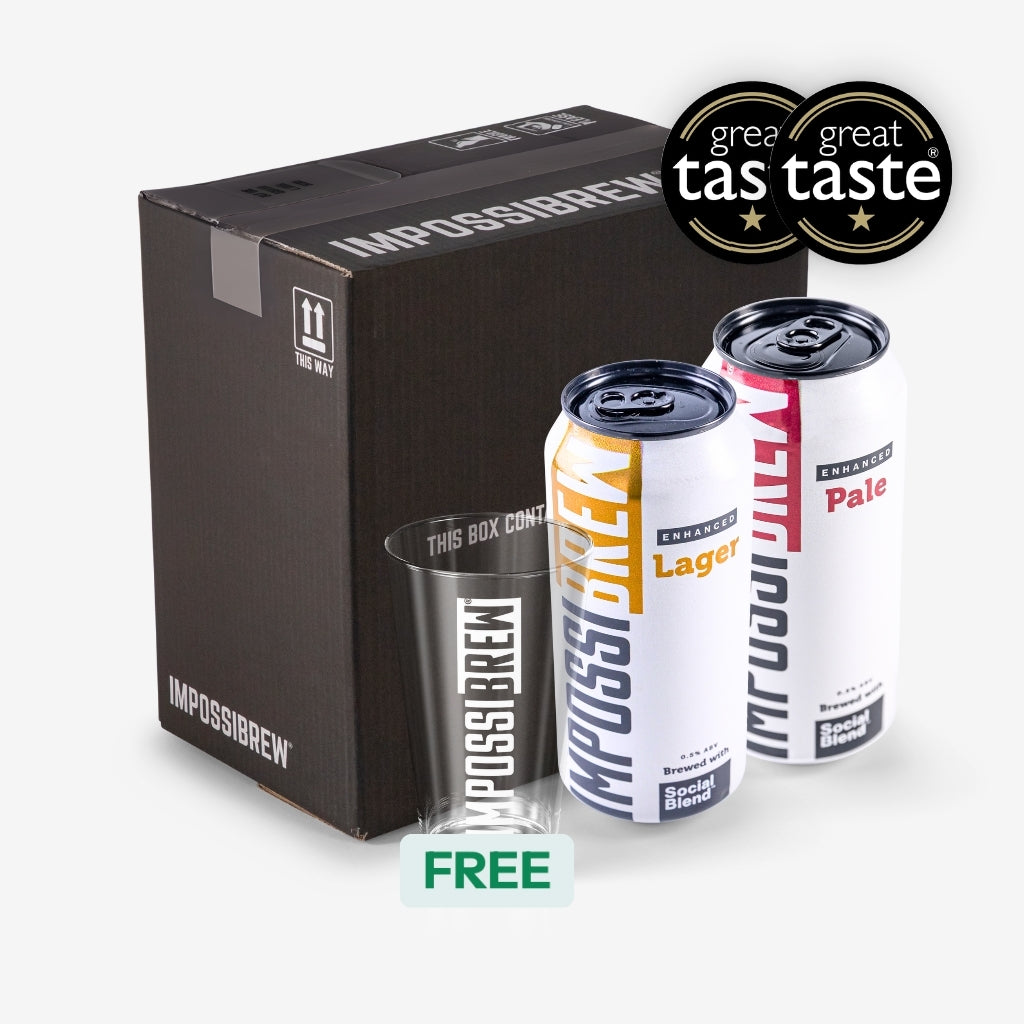
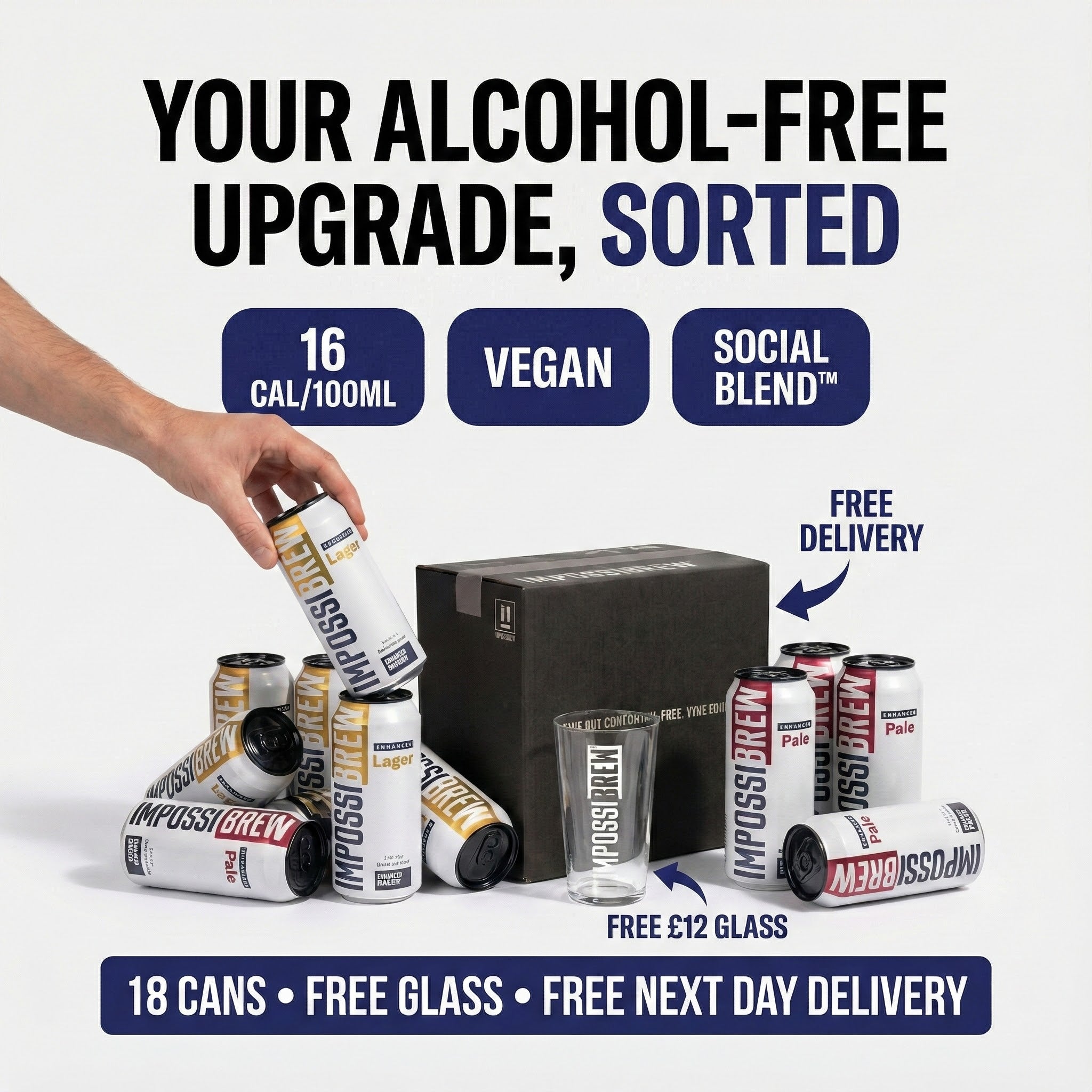
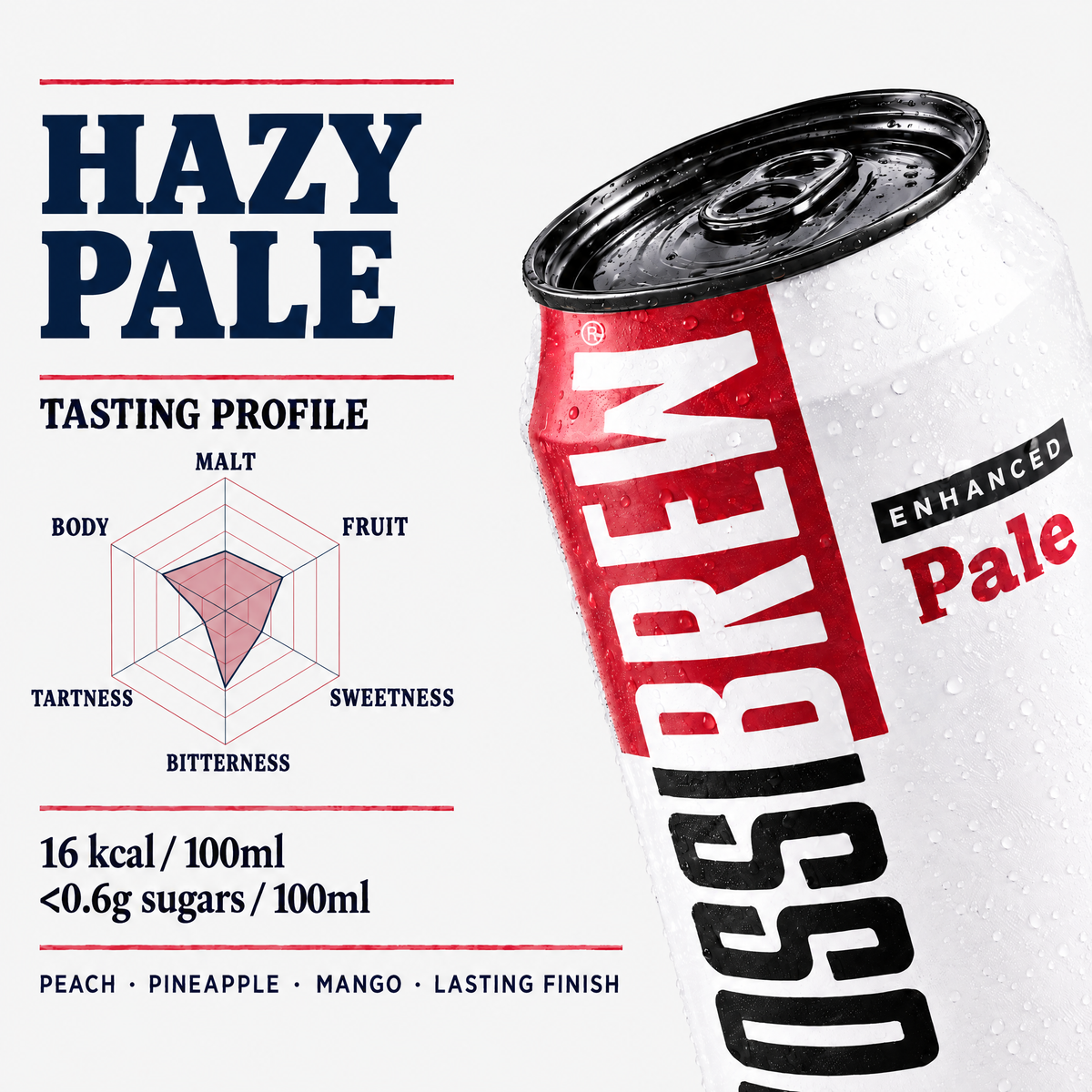
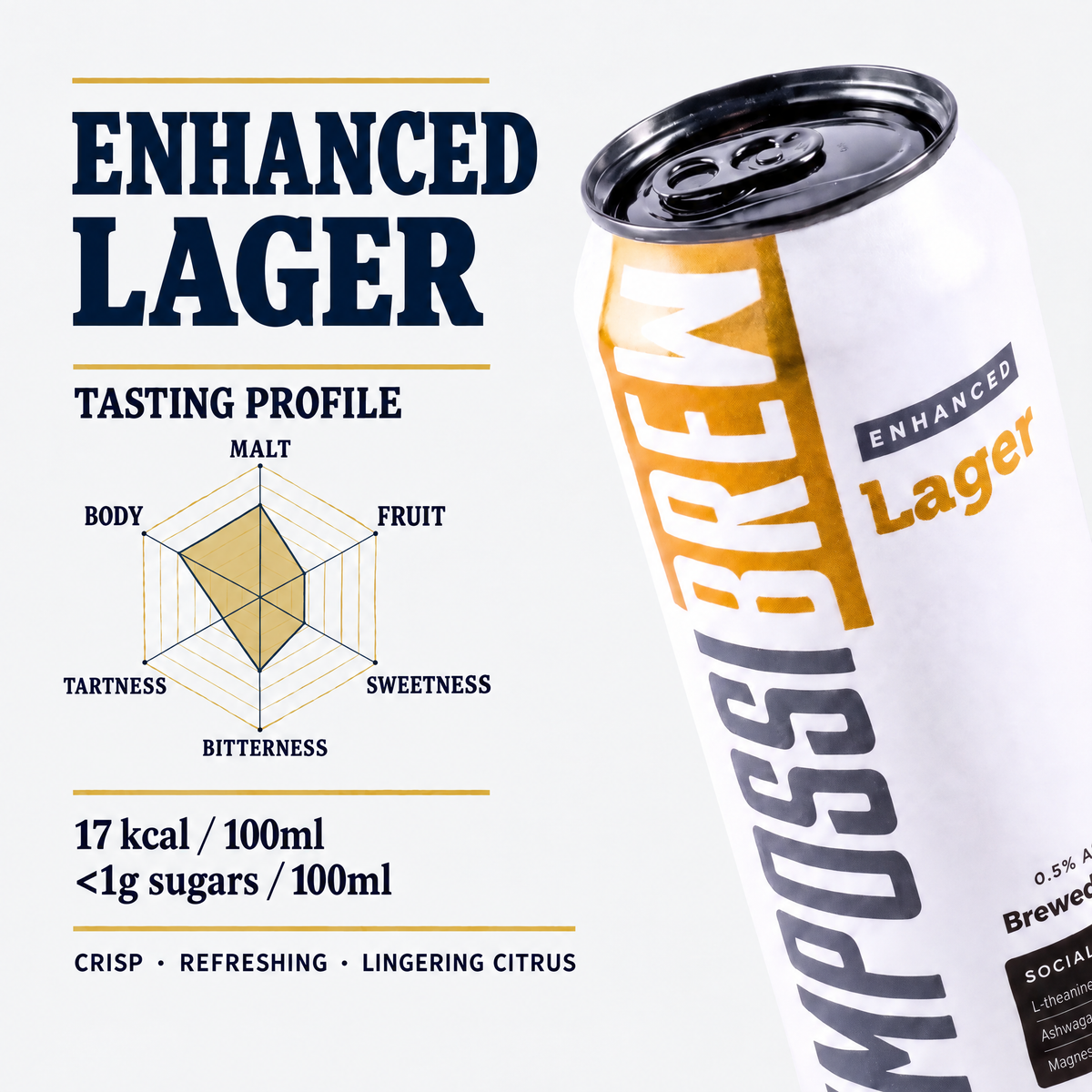
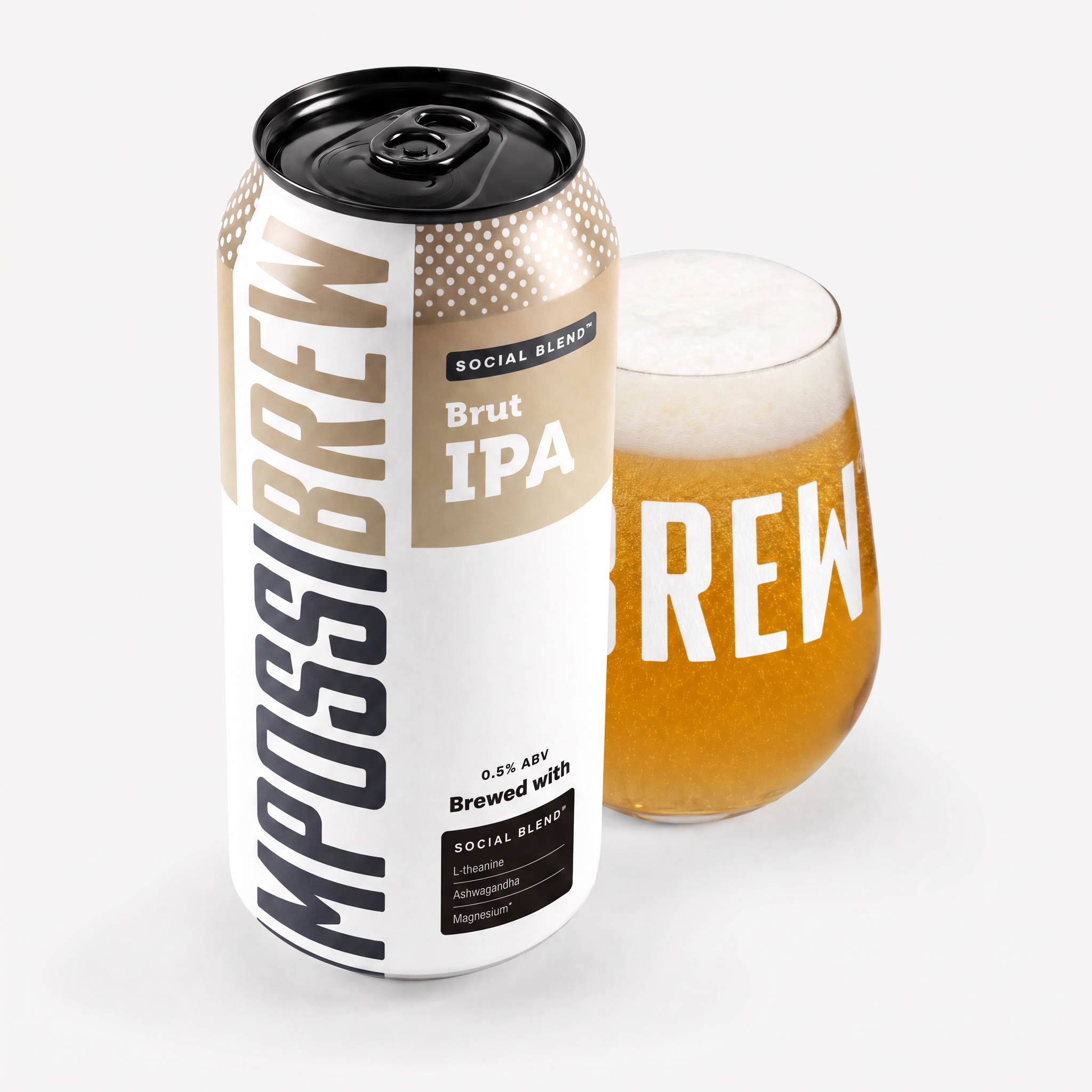
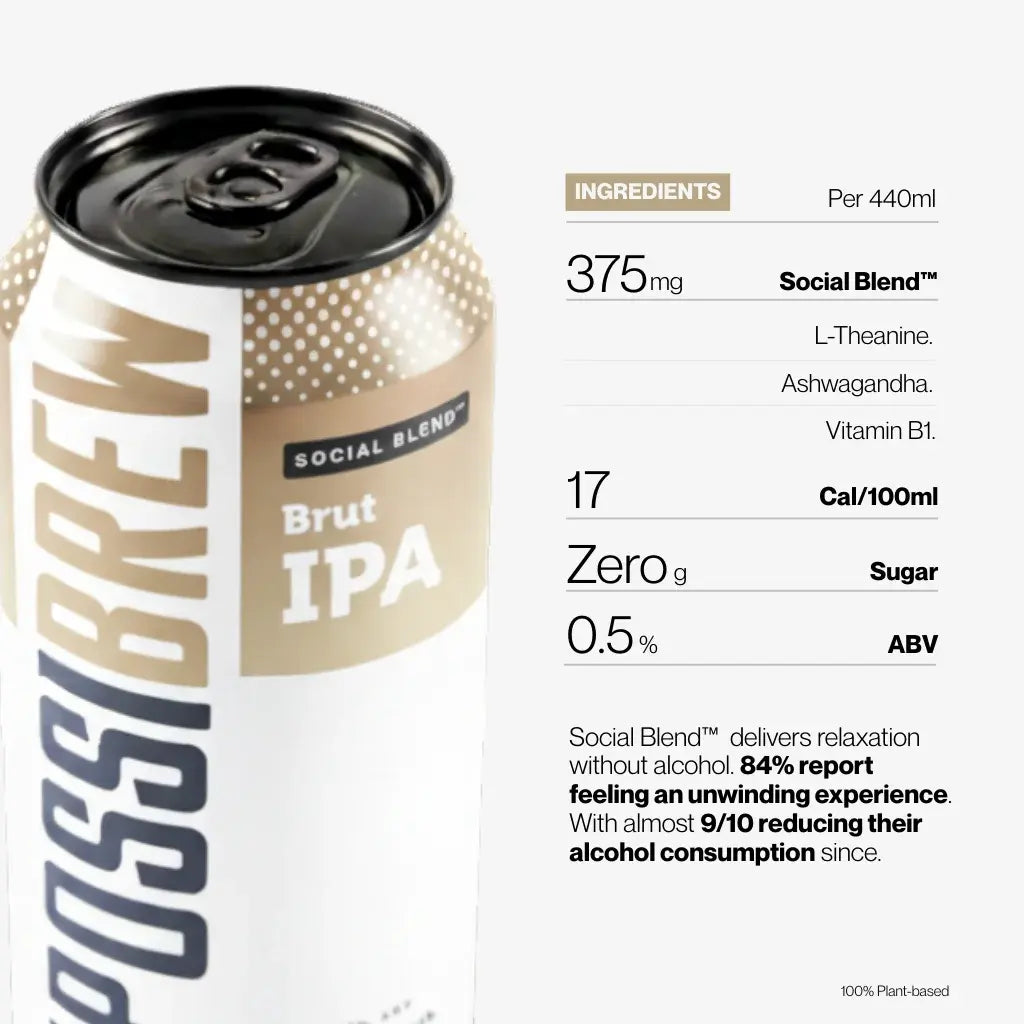
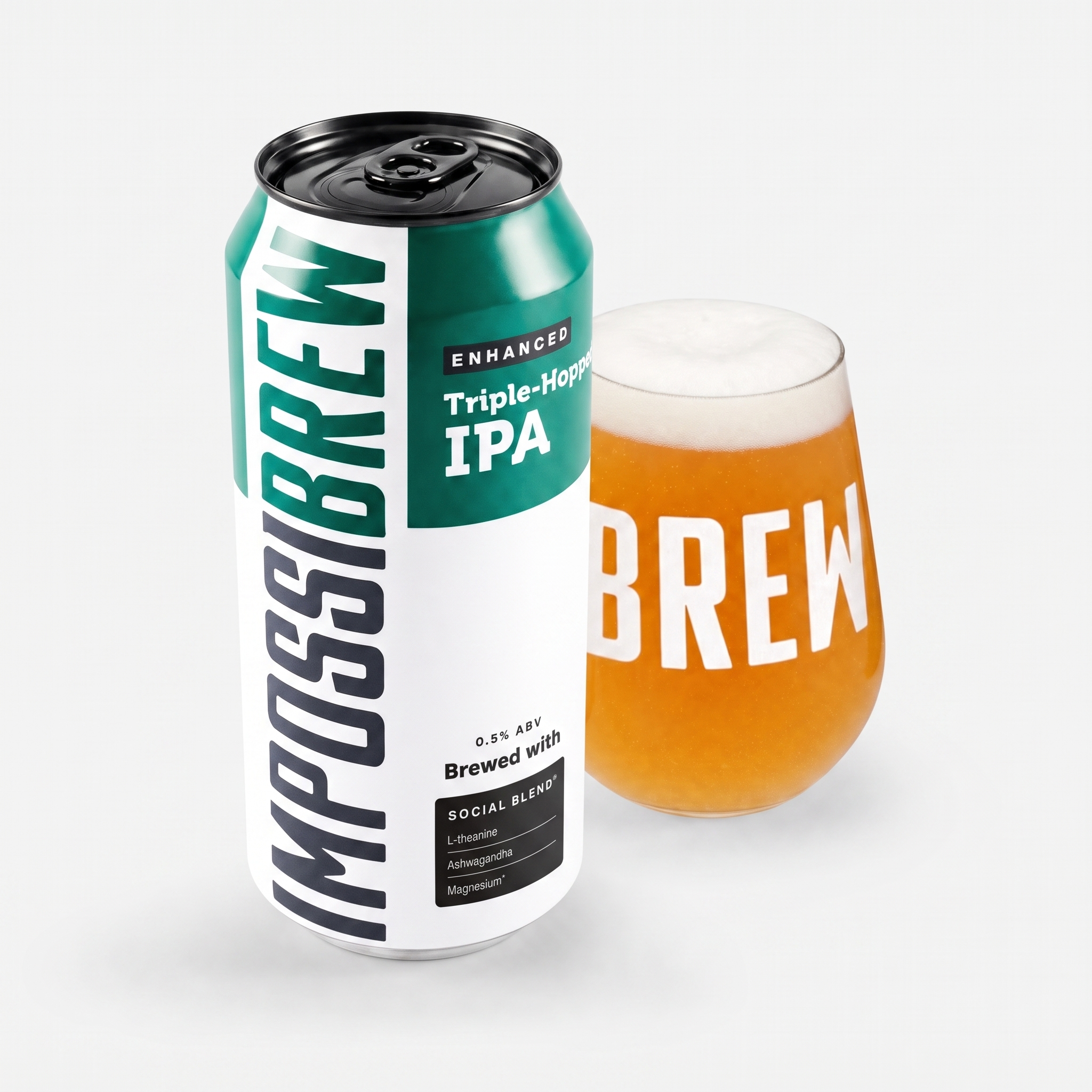
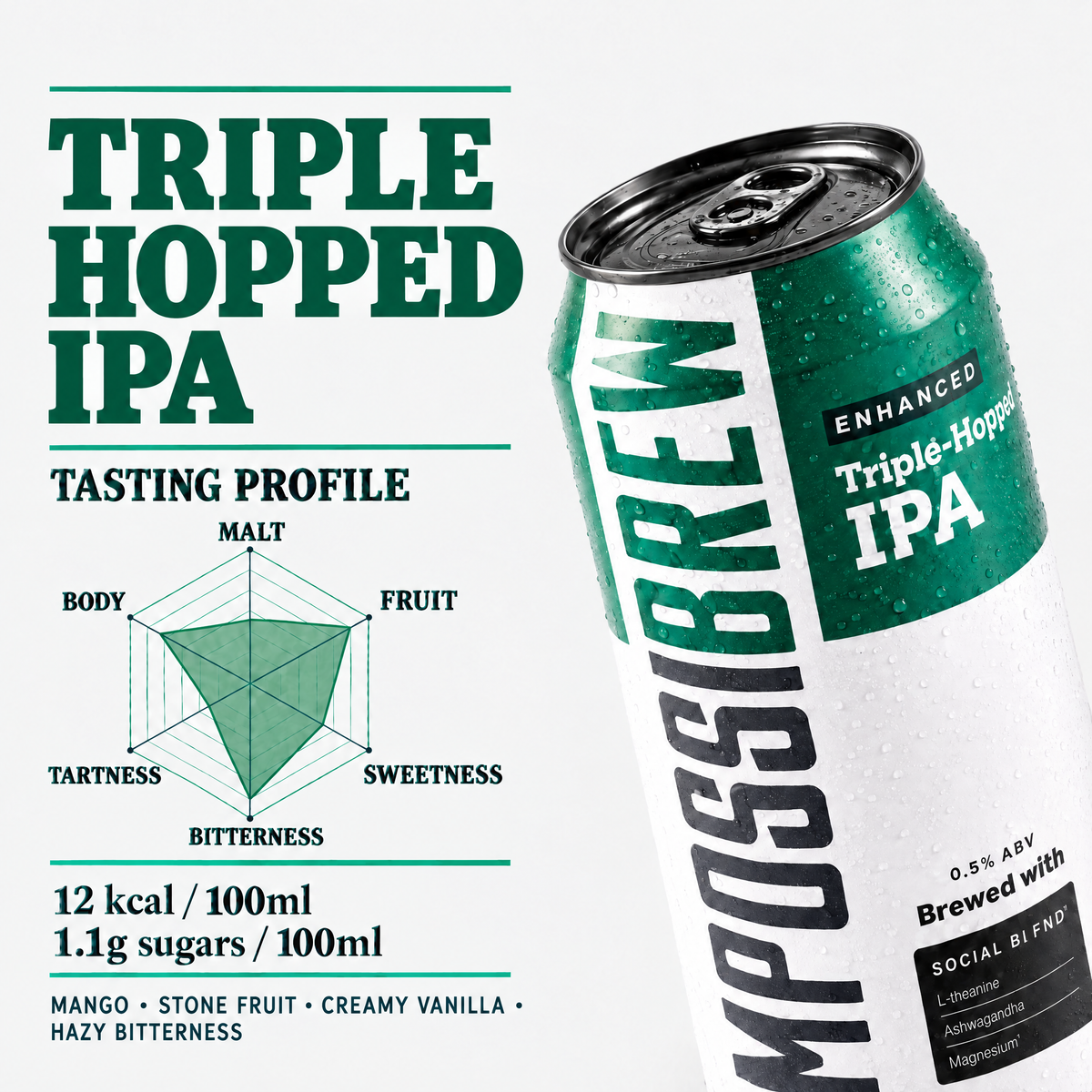
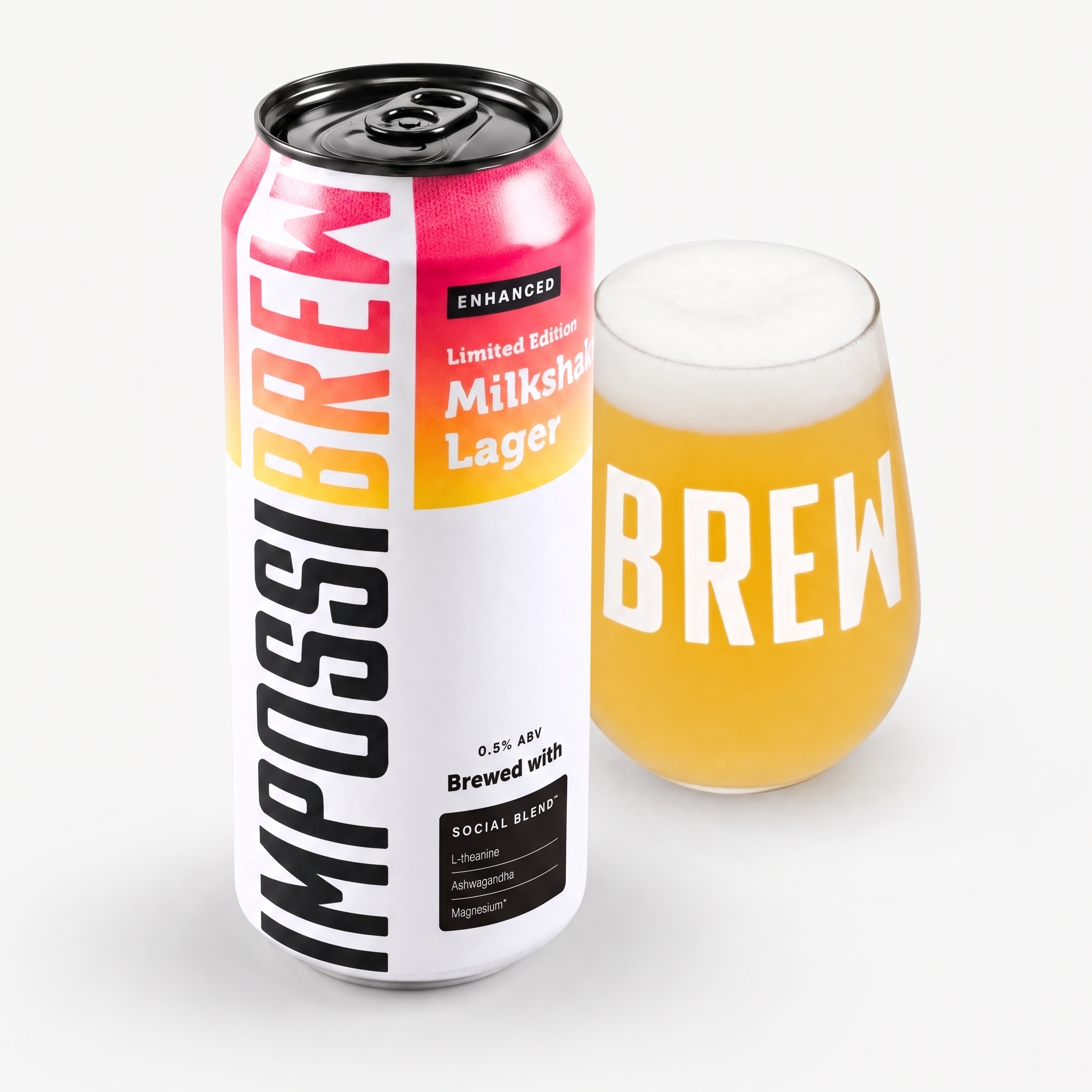
IMPOSSIBREW® has made a name for itself in this space with its Social Blend™. This unique mix of ingredients mimics the relaxing effects of beer, creating a social vibe without alcohol. It’s no surprise that 68% of sober bar visitors are drawn to drinks that enhance mood[5].
A Growing Market
The U.S. functional beverage market is on track to hit $48.4 billion by 2026[4]. Enhanced non-alcoholic drinks are taking the lead, fueled by sober bars offering menus that combine great taste with wellness benefits. The focus has shifted from simple alcohol-free options to drinks that actively promote a sense of wellbeing.
What's Next for Sober Bars
Long-Term Outlook
Sober bars continue to gain traction, thanks in part to their embrace of functional beverages like IMPOSSIBREW®'s Social Blend™. The numbers back up their growth: since 2022, 61 million new buyers have entered the market, and businesses like Sans Bar have seen a 150% revenue increase after expanding [9].
Changes in Regular Bars
Traditional bars are adjusting to shifting customer preferences by introducing new features:
| Change | What It Includes | Why It Matters |
|---|---|---|
| Expanded Mocktail Menus | Non-alcoholic, craft-style cocktails | Gives non-drinkers more refined options |
| Functional Beverages | Drinks like IMPOSSIBREW® | Provides relaxation without alcohol |
| Hybrid Spaces | Alcohol-free zones within bars | Welcomes all patrons, regardless of drinking habits |
These changes reflect the rapid growth of the non-alcoholic beverage market, which is expected to reach $1,732.7 billion by 2028 [3]. They also help address the feeling of exclusion often faced by non-drinkers in traditional bar settings.
New Ideas in Social Spaces
Alcohol-free venues are getting more creative with their offerings:
- Co-working sober bars: Combine work-friendly spaces during the day with social hubs at night, weaving wellness into everyday life.
- Membership models: Provide curated, alcohol-free experiences tailored to members.
- Festival pop-ups: Bring alcohol-free options to events, expanding beyond permanent venues.
- Virtual sober bars: Deliver drink kits to customers, offering an at-home social experience similar to the remote-friendly trends that emerged post-2020.
These ideas go beyond serving drinks - they aim to create inclusive, engaging social environments. By focusing on connection and diverse experiences, they’re reshaping what nightlife can look like without centering it around alcohol.
Conclusion
Sober bars are reshaping nightlife by offering a fresh alternative to traditional drinking culture. They address common issues like the exclusion of non-drinkers, limited non-alcoholic options, and the growing demand for healthier choices.
These spaces go beyond serving alcohol-free drinks - they create welcoming environments where everyone can enjoy elevated social experiences without the pressure to drink. This aligns with a broader trend toward wellness-focused products, such as IMPOSSIBREW®'s Social Blend™, which caters to those seeking mindful alternatives.
By tackling the challenges that non-drinkers often face in conventional bars, sober venues have inspired advancements in non-alcoholic beverages and redefined what socializing can look like. This shift reflects changing attitudes toward health, connection, and entertainment.
Sober bars show that meaningful social experiences don’t require alcohol, setting the stage for a new era of nightlife centered on inclusivity and wellbeing.
FAQs
What is the point of a sober bar?
Sober bars bring the lively vibe of a traditional bar but leave out the alcohol. They serve drinks like craft mocktails and beverages such as IMPOSSIBREW®'s Social Blend™. With 22% of Americans planning to visit sober bars by 2025[5], it's clear there's interest in spaces that offer something different from the usual alcohol-focused scene.
How do sober bars create an inclusive atmosphere?
These bars keep the familiar bar look and feel while removing the pressure to drink. Bartenders whip up complex non-alcoholic drinks, and events like trivia nights are common, making it easy for people to connect in a relaxed, welcoming setting.
Why are sober bars gaining momentum?
A few key reasons are driving their popularity:
- Growing interest in healthier lifestyles
- More people seeking alcohol-free social options
- The expanding variety of non-alcoholic drinks available
What drink options do sober bars offer?
Sober bars go beyond the usual sodas and juices. Their menus often include craft mocktails, functional drinks, and specialty non-alcoholic options. These choices create a fun and engaging social experience without the need for alcohol.
Are sober bars here to stay?
With the rise of the "sober curious" movement and innovations like IMPOSSIBREW®'s Social Blend™, sober bars are carving out a lasting place in nightlife. Health trends and changing social preferences suggest they’re not just a passing trend but a meaningful shift in how people enjoy their nights out.