Adaptogens, like Ashwagandha, L-Theanine, and Rhodiola rosea, have been used for centuries in Ayurvedic, East Asian, and Nordic traditions to promote relaxation, focus, and stress relief. Today, modern research confirms their ability to balance stress responses, enhance mental clarity, and support calm focus without drowsiness.
Key insights:
- Ashwagandha: Used in Ayurveda for mental calmness.
- L-Theanine: Found in tea, boosts alpha brain waves for relaxation and focus.
- Rhodiola rosea: Valued in Nordic and Russian practices for endurance and mental clarity.
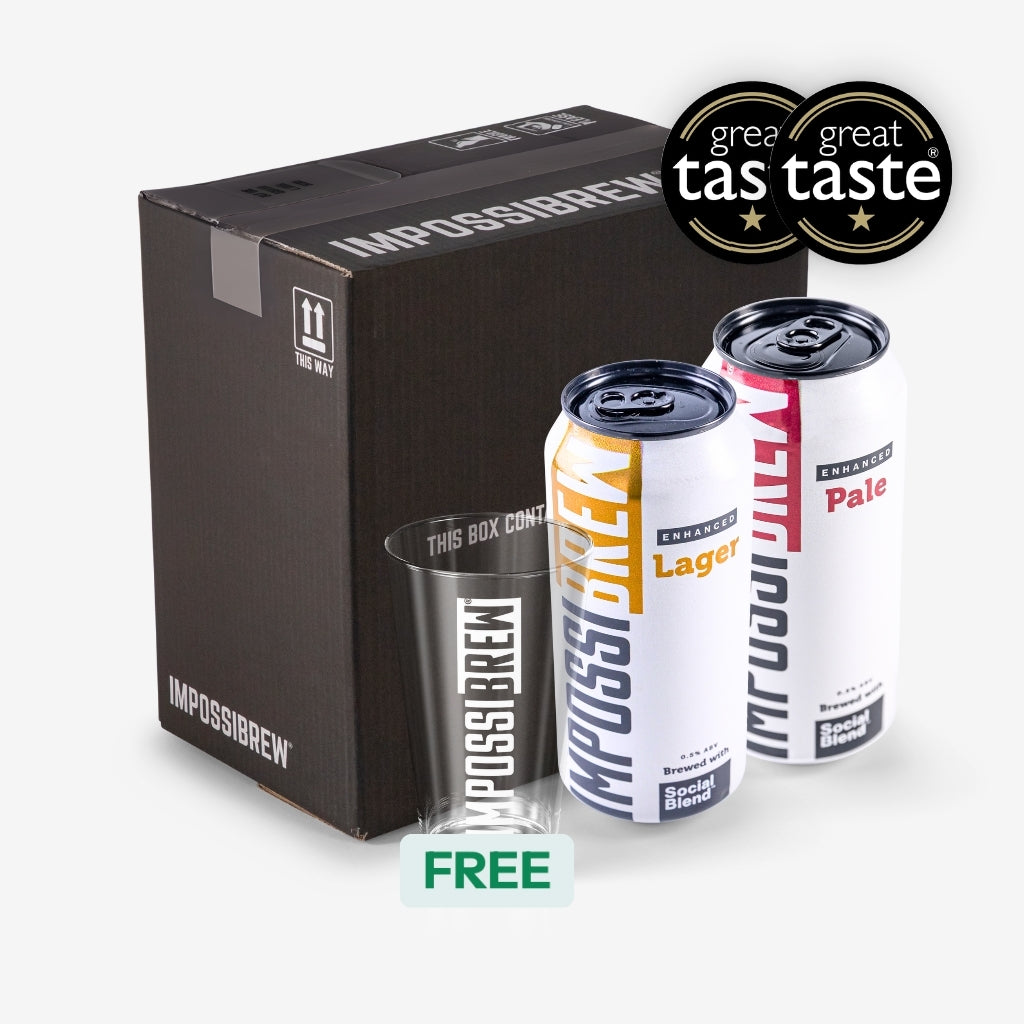
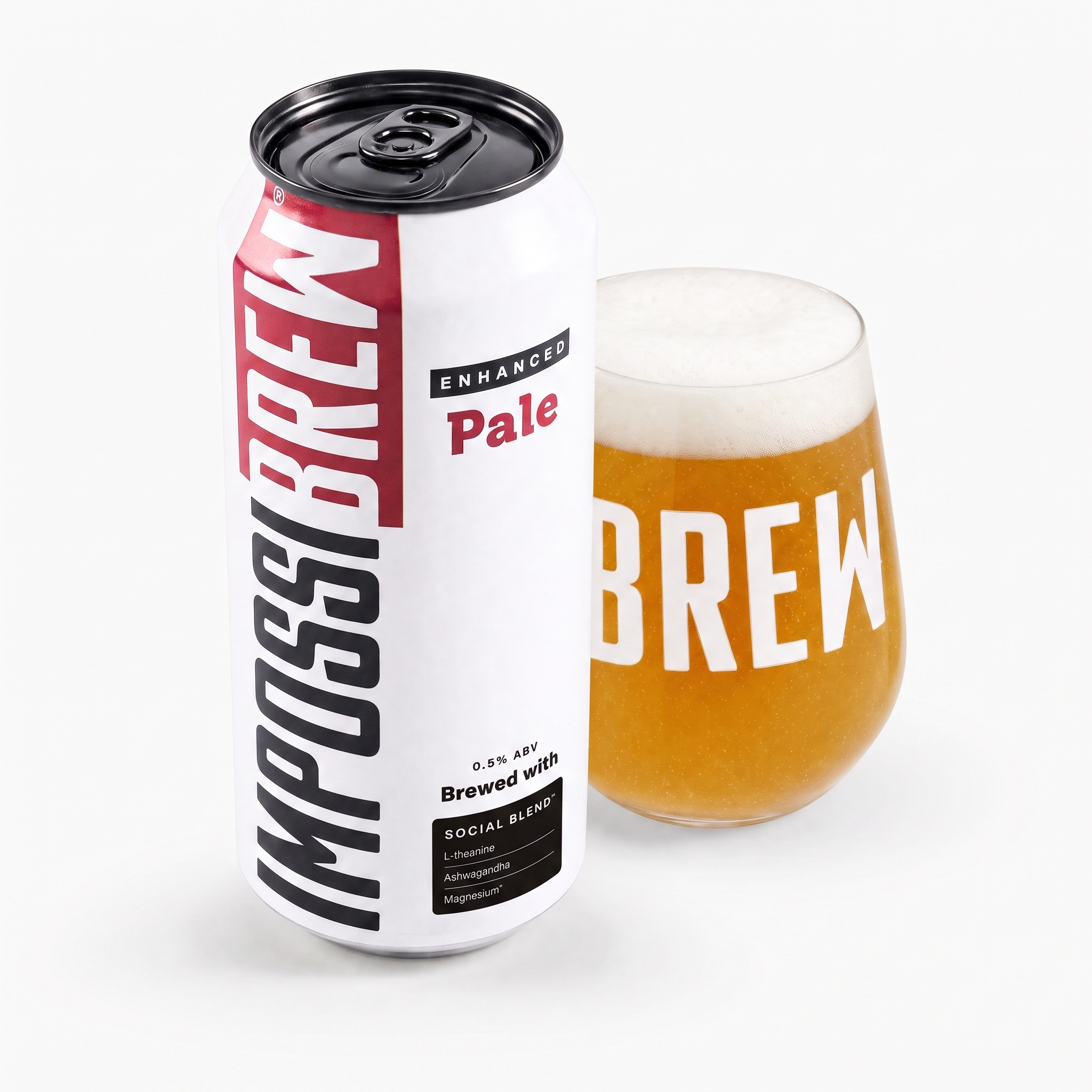
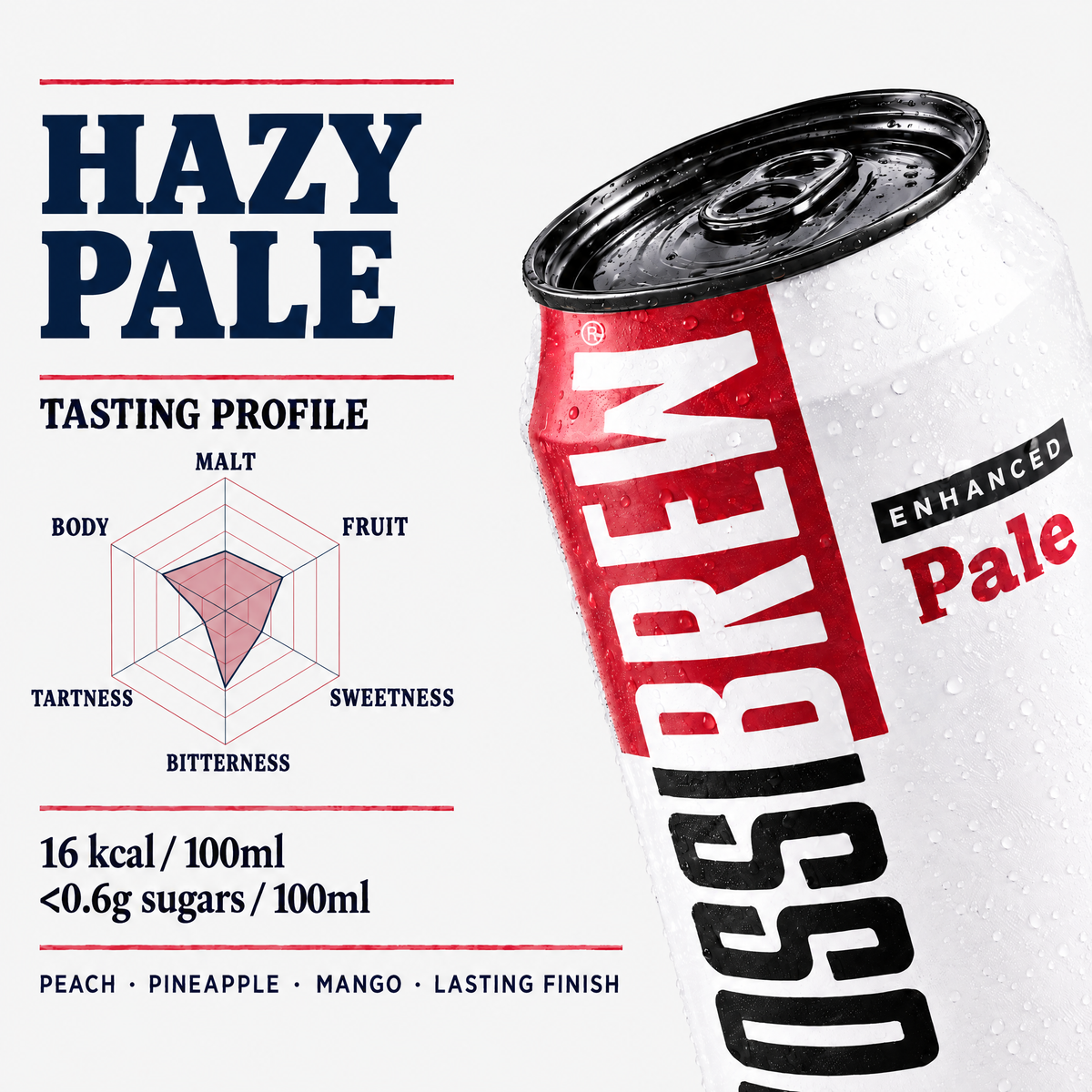
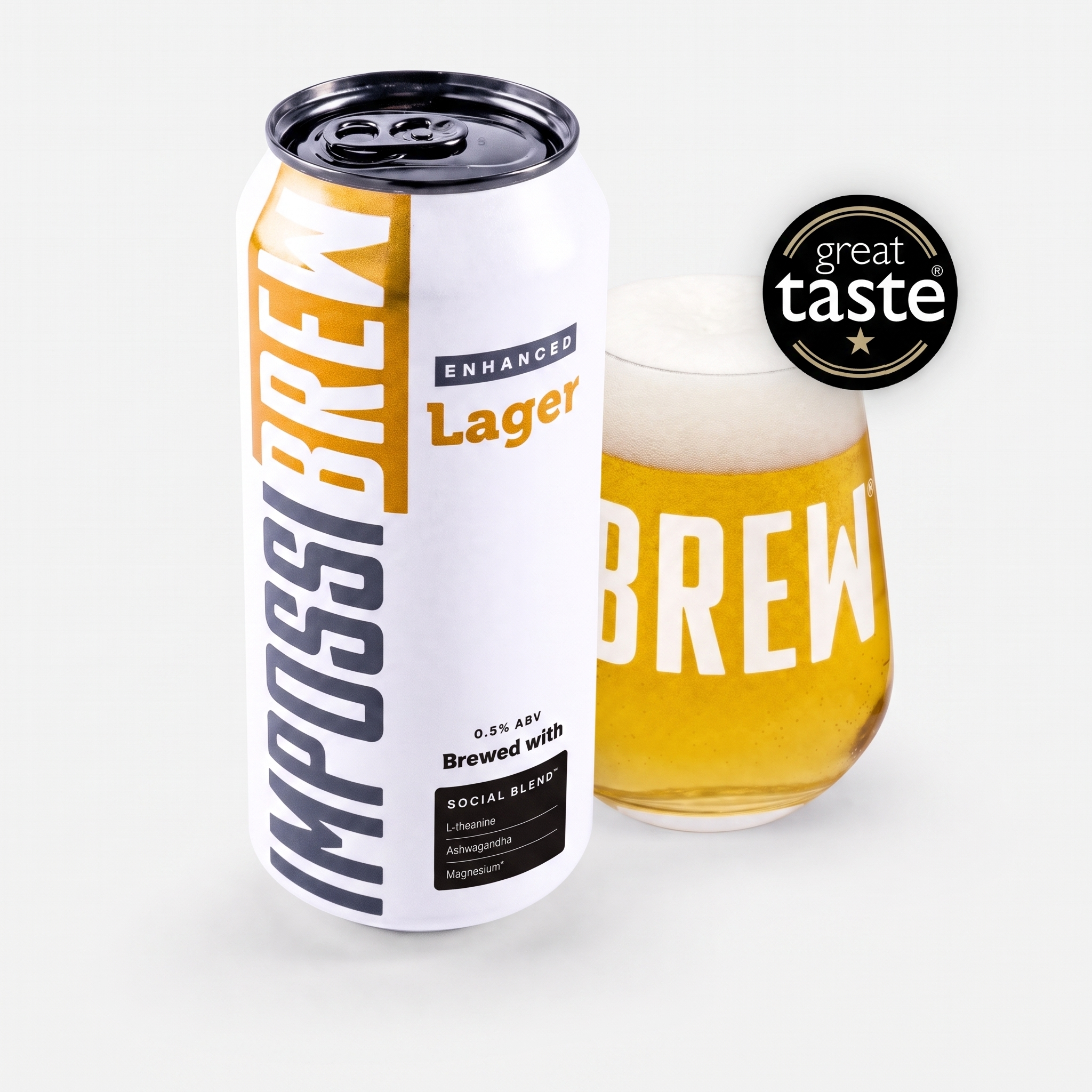
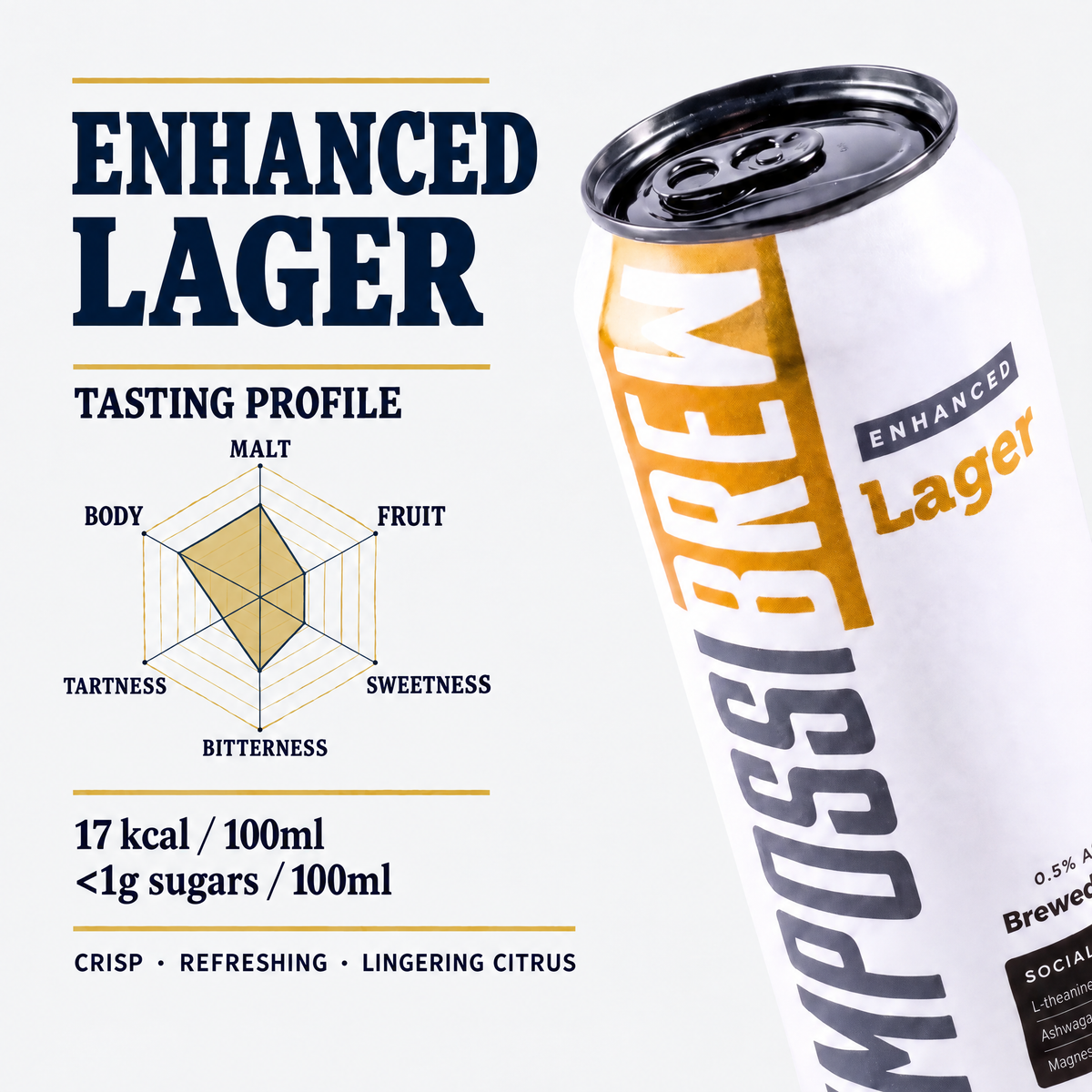
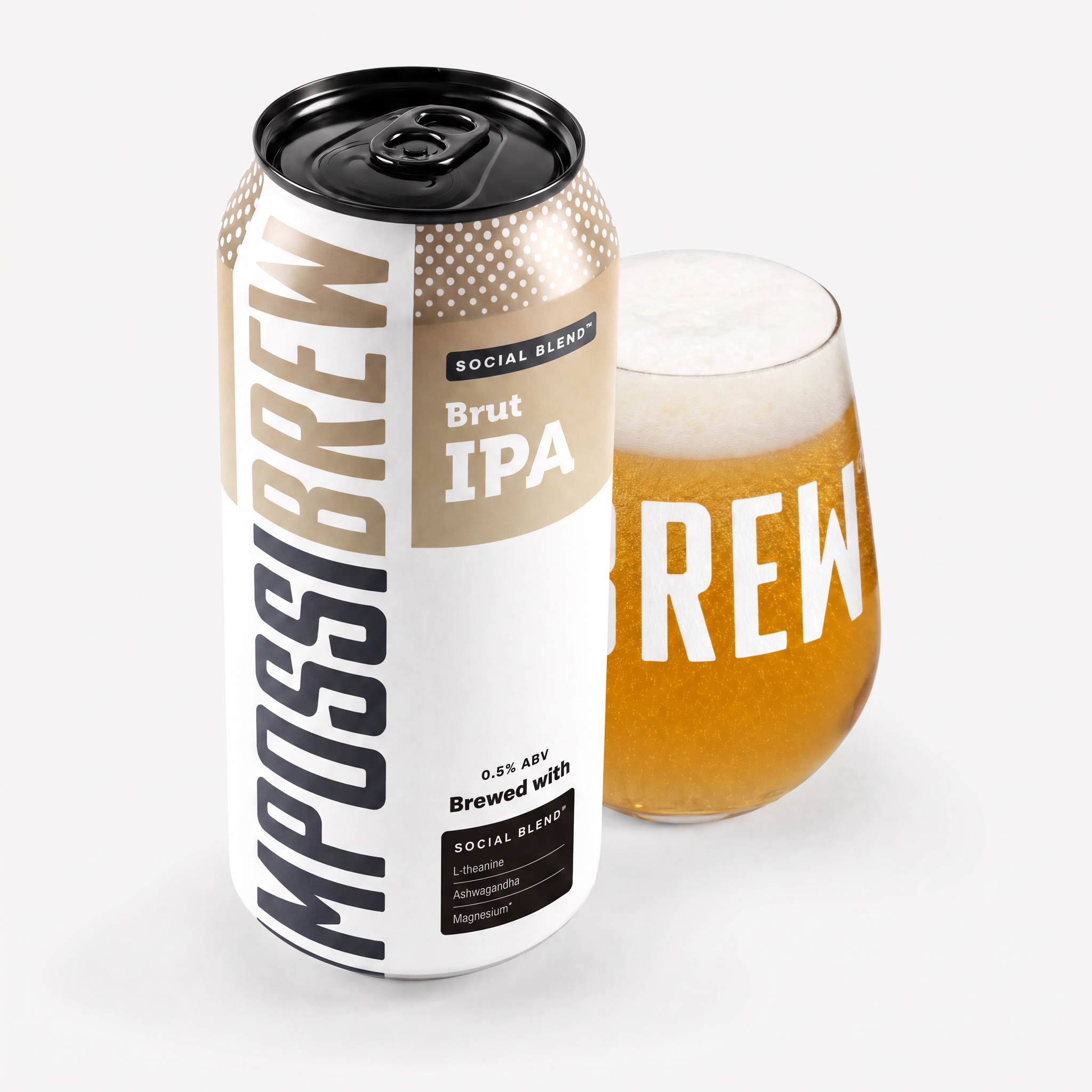
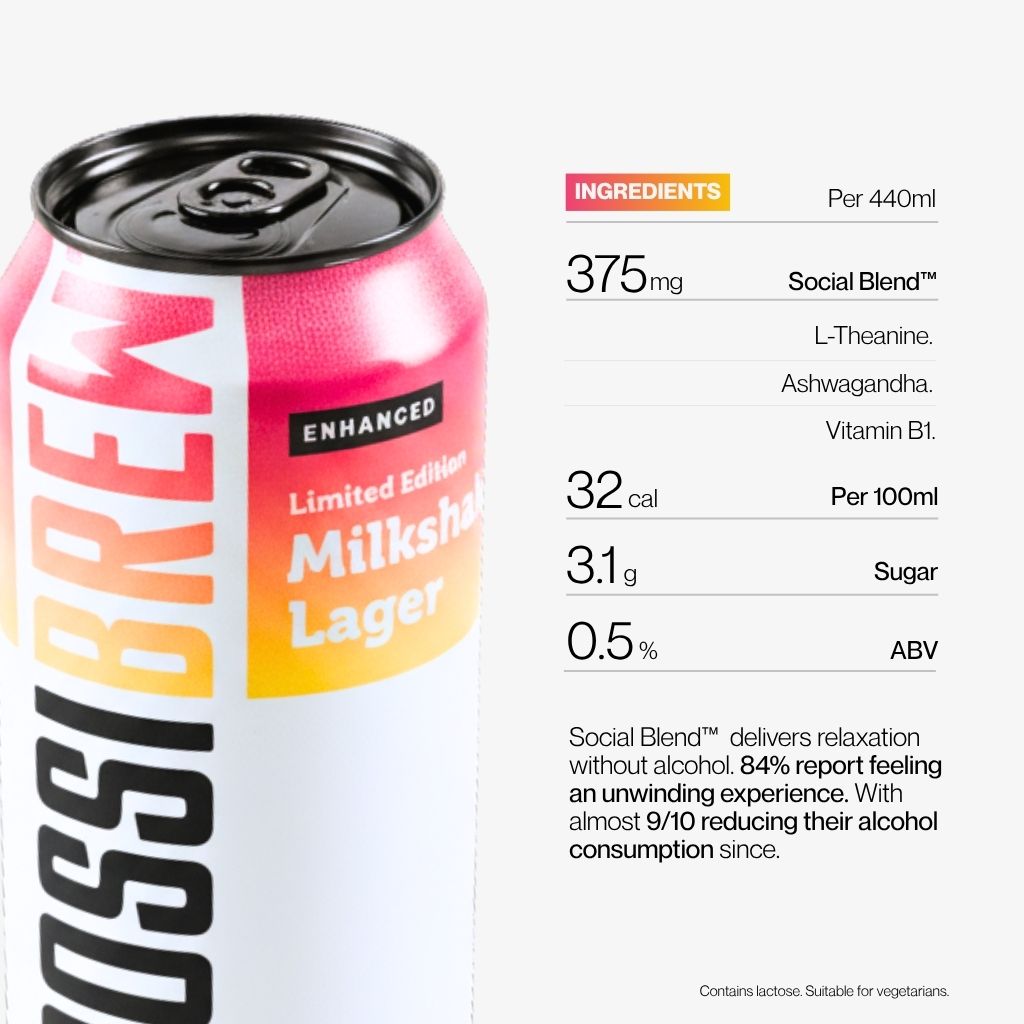
Modern products like IMPOSSIBREW®'s Social Blend™ combine these adaptogens with brewing techniques to create alcohol alternatives that promote relaxation. Over 70% of users report feeling calmer, with UK trends showing a shift towards such functional drinks.
From ancient remedies to modern science, adaptogens continue to offer effective solutions for managing stress and improving focus.
Past Uses of Adaptogens
Ancient Medical Systems
Ayurvedic practices have used Ashwagandha (Withania somnifera) [2] for centuries to promote mental calmness and relaxation. In East Asia, tea ceremonies often highlighted the benefits of L-theanine, a compound in tea leaves, to encourage a state of focused relaxation [3].
Nordic and Russian Uses
In Nordic and Russian traditions, Rhodiola rosea was highly valued for helping improve mental clarity and endurance, especially in challenging environmental conditions.
Adaptogens: What Are They & Do They Work?
Research Findings on Brain Function
Recent studies shed light on how certain natural compounds can influence brain activity and help the body manage stress.
Brain Function and Stress Response
L‑Theanine has been shown to boost alpha brain waves, promoting a state of calm focus [1]. Additionally, substances like L‑Theanine, Ashwagandha, and Rhodiola play a role in adjusting brain-wave patterns and cortisol levels, aiding the body's ability to handle stress [1]. These insights connect long-standing traditional practices with contemporary scientific research.
sbb-itb-a752bf8
How Adaptogens Work
Research highlights how adaptogens help the body manage stress. Let’s take a closer look at how they work.
Supporting the Body's Stress Response
Adaptogens help regulate the body's stress-response system, promoting mental clarity and focus even in challenging situations. What’s unique is their ability to encourage relaxation without making you feel drowsy. But their effects go deeper, reaching the cellular level.
Effects at the Cellular Level
Adaptogens interact with brain chemistry through various pathways. For example, compounds like L-Theanine and Ashwagandha are known to increase alpha brain waves and serotonin levels. This combination helps maintain a calm, focused state and uplifts mood. In one study of over 1,000 participants, more than 70% reported feeling more relaxed after using adaptogens [1].
Some key cellular actions include:
- Boosting alpha waves: Helps maintain a calm yet alert state.
- Increasing serotonin: Supports a positive and stable mood.
- Balancing the stress response: Aids in staying focused under pressure.
These mechanisms show how adaptogens work not just on the surface but deep within the body.
Modern Uses and Products
Building on cellular research and historical practices, today's beverages incorporate adaptogens into everyday drinks.
Drinks with Added Functionality
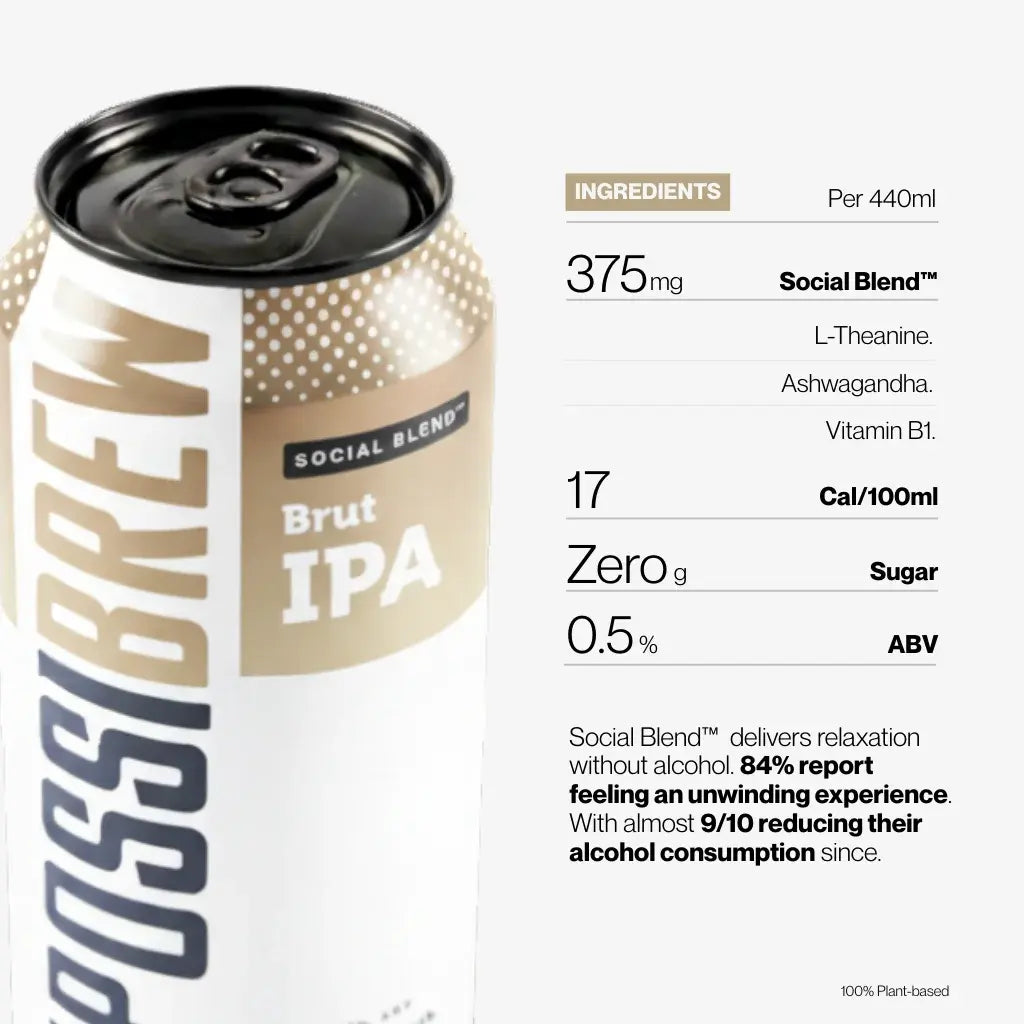
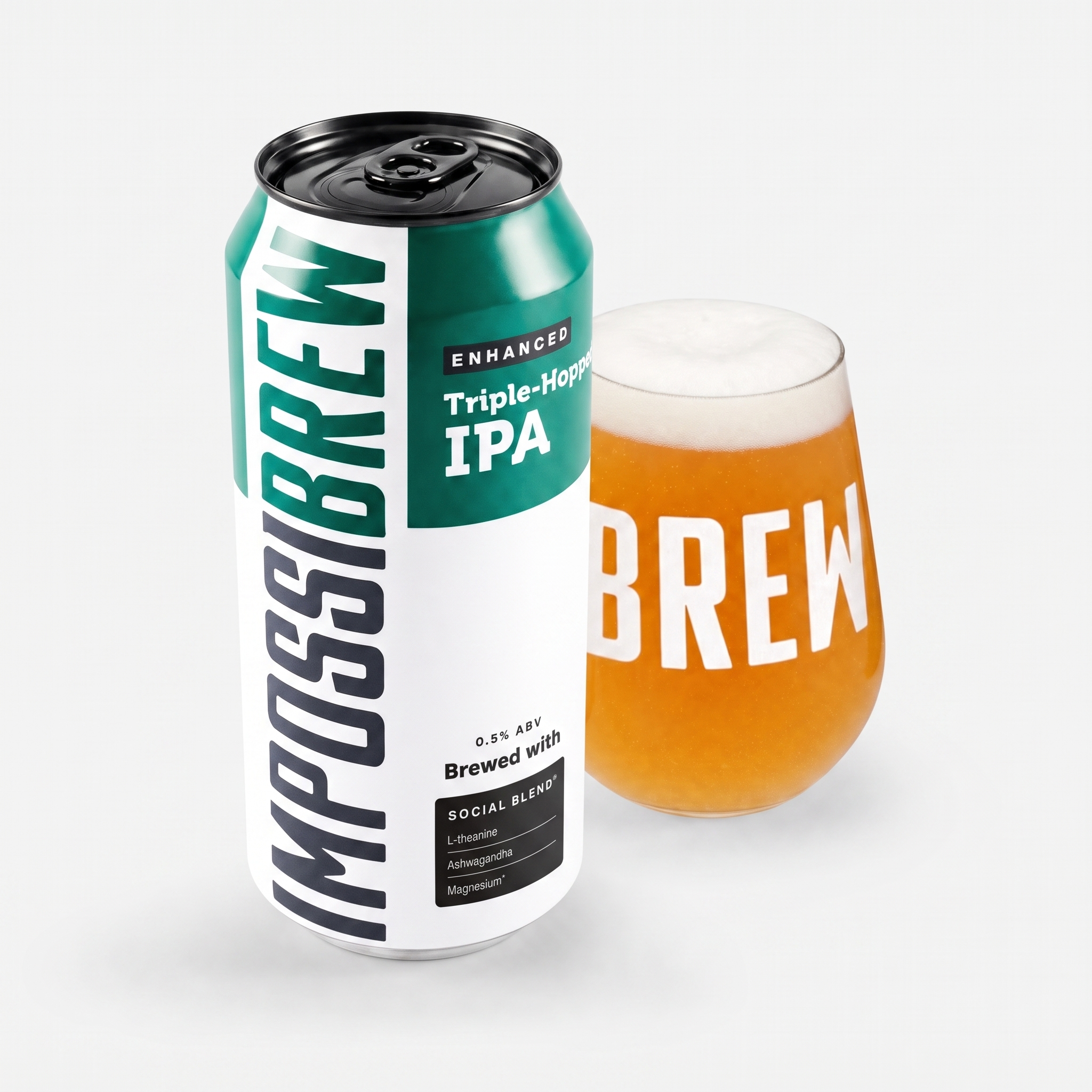
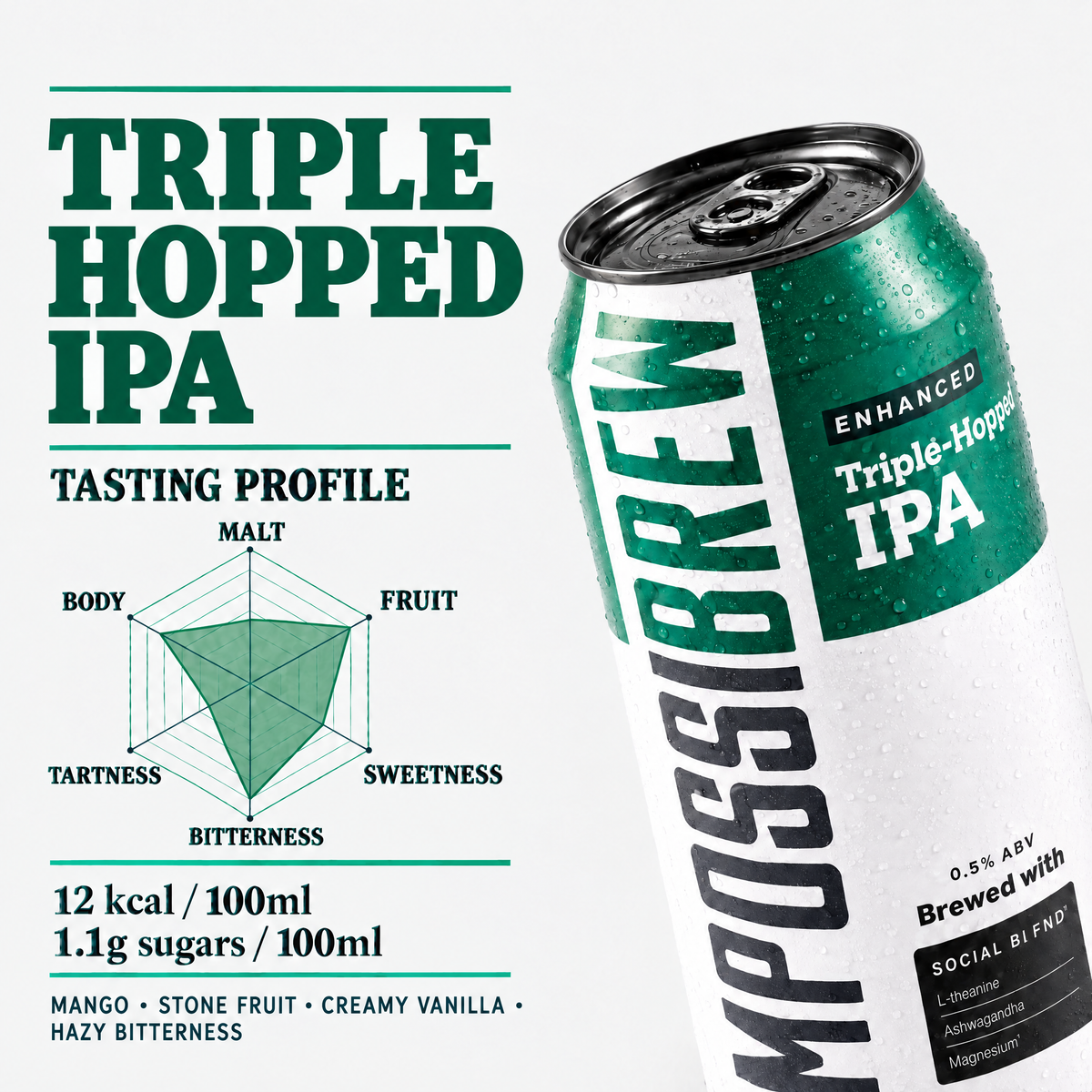
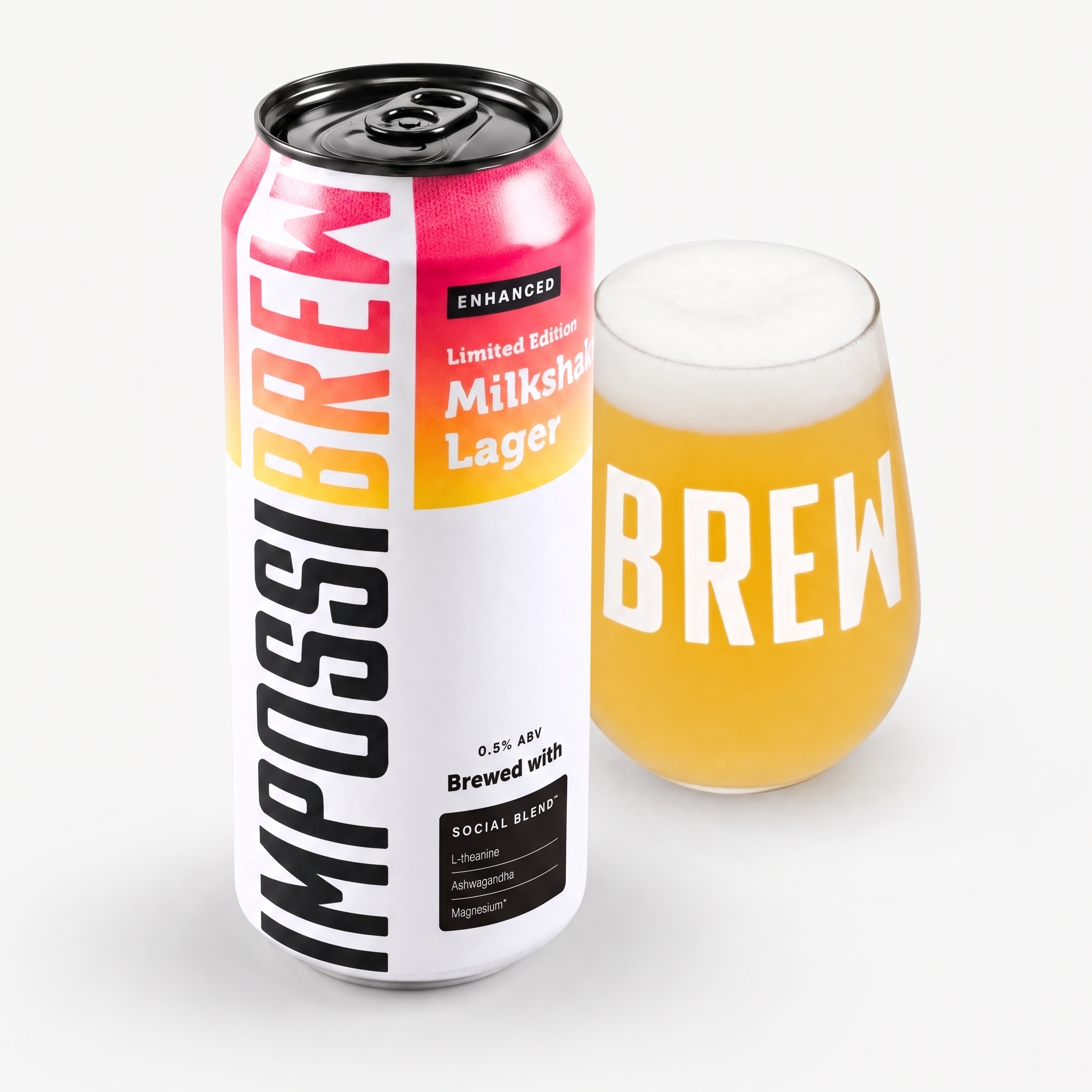
IMPOSSIBREW®'s Social Blend™ blends brewing techniques with L-theanine, Ashwagandha, selected plant extracts, and vitamin B1 to create a relaxing effect similar to alcohol, but without the usual drawbacks. A study of over 1,000 participants found that more than 70% felt calmer after trying Social Blend™ [1]. All options are under 0.5% ABV, low in calories, vegan-friendly, and the lager is also gluten-free. Up next, let’s look at how these innovative drinks are shaping the UK market.
UK Market Trends
In the UK, more people are swapping alcohol for drinks enhanced with adaptogens. Among surveyed consumers, 88% reduced their alcohol intake, 95% recommended these alternatives, and 75% rated them as the best substitute [1]. This data highlights a growing preference for functional, science-based options over traditional alcohol. In 2023, IMPOSSIBREW®'s lager and pale ale were recognised as the UK's Best Non-Alcoholic Beer at the World Beer Awards [1]. Investor Deborah Meaden even praised their authentic taste [1].
Summary
Herbs and botanicals, long used in Ayurvedic and Nordic traditions, are now backed by modern research, including studies at Durham University. These natural compounds are known for supporting balance in the body and improving mental clarity. IMPOSSIBREW®'s Social Blend™ combines Ashwagandha and L-theanine, helping 71% of users experience greater relaxation [1]. From ancient practices to modern formulations, these ingredients bridge the gap between traditional remedies and scientific research, offering effective solutions for focus and stress relief today [1].