Drinking rituals in ancient religions were more than just traditions - they were deeply spiritual acts that connected people to the divine and each other. Here’s a quick look at their key roles:
- Sacred Offerings: Drinks like wine, beer, mead, and rice wine were offered to gods and ancestors as a way to honour them and symbolise unity.
- Symbolic Meaning: The choice of drink mattered - red wine symbolised life, mead represented fertility, and clear spirits signified purity.
- Communal Ceremonies: Festivals like Greece's Dionysia or Rome's Bacchanalia used shared drinking to unite communities and celebrate sacred moments.
- Altered States: Special brews, such as kykeon in Greece or soma in India, were used to achieve spiritual enlightenment and collective visions.
These ancient practices still influence modern traditions like toasts and communal drinking, with non-alcoholic options now offering a modern twist.
Want to know more? Read on to explore how these rituals shaped history and continue to inspire today.
Drinking with Dionysus - Alcohol in Ancient Greece | Uncorked
Sacred Drinks in Ancient Religion
In ancient times, libations were more than just offerings - they acted as a bridge between humans and the divine. Ritual drinking wasn’t just about community; it became a way to connect with higher powers through shared sacred acts.
Offering Drinks to Gods
Across the Mediterranean and East Asia, worshippers would pour beverages like wine, beer, and mead as tributes to their gods. These offerings weren’t just symbolic; they were seen as a direct way to honour deities and foster a connection between earthly and divine realms.
Meaning Behind Drink Selection
The choice of drink wasn’t random - it carried deep spiritual significance. Red wine, for example, was often linked to vitality and the essence of life, while clear spirits were tied to purity and spiritual clarity. Drinks made from honey, such as mead, were associated with fertility and prosperity.
These meaningful rituals laid the groundwork for the public ceremonies and transformative brews explored in the following section.
Religious Drinking Ceremonies
Communal festivals and mind-altering drinks evolved from earlier sacred offerings, shifting ritual drinking from private acts to public ceremonies.
Sacred Festivals and Drinking
Ancient festivals turned personal offerings into large-scale communal events, using shared drinking rituals to strengthen social ties. During Dionysia and Lenaia, Athenians drank diluted wine to honour Dionysus, symbolising vitality and a connection to the divine. These gatherings emphasised equality and unity among participants. Similarly, Romans held Bacchanalia, where drinking ceremonial wine marked a shift from ordinary life to sacred moments. These events weren’t just celebrations; they were carefully planned occasions for communities to connect with the divine through shared rituals.
In addition to communal celebrations, some cultures used specific brews to alter consciousness.
Mind-Altering Drinks in Rituals
Certain sacred drinks were crafted to create altered states, acting as pathways to divine insight. Eleusinian initiates consumed kykeon during Demeter’s rites to enter visionary states, while Vedic priests drank soma in ceremonies aimed at spiritual enlightenment. These drinks weren’t about individual experiences - they were part of a collective journey. Participants drank together, shared their visions, and interpreted their experiences as a group. This reinforced both their social connections and their spiritual practices, highlighting the communal nature of these rituals.
sbb-itb-a752bf8
Major Ancient Drinking Practices
In ancient Greece, wine played a central role in ceremonies, serving as both a sacred offering and a way to foster communal bonds. At symposia, participants shared kraters filled with wine mixed with water, adhering to strict rituals that honoured deities like Apollo and Dionysus. Priests would begin these gatherings by pouring libations onto sacred ground, after which attendees drank from elaborately crafted vessels known as kylixes. These events not only reinforced social hierarchies but also created spiritual connections through the shared act of drinking.
In ancient China, drinking customs were deeply tied to ancestral worship. Families prepared rice wine and other fermented grain beverages for rituals, particularly during festivals like Qingming. These offerings were believed to allow spirits to partake in their essence. A notable practice, called "yu", involved heating specific wines in bronze vessels before presenting them at family altars. This ritual symbolised a connection between the living and their ancestors, laying the groundwork for the social drinking traditions that followed.
Ancient Rituals in Modern Times
Ancient drinking traditions continue to influence today's social customs.
From Religion to Social Custom
Modern social traditions like buying rounds in UK pubs or raising toasts reflect the communal spirit of ancient rituals. These practices, once deeply rooted in religious ceremonies to honour deities, now bring people together to celebrate milestones and strengthen connections.
Modern Non-Alcoholic Options
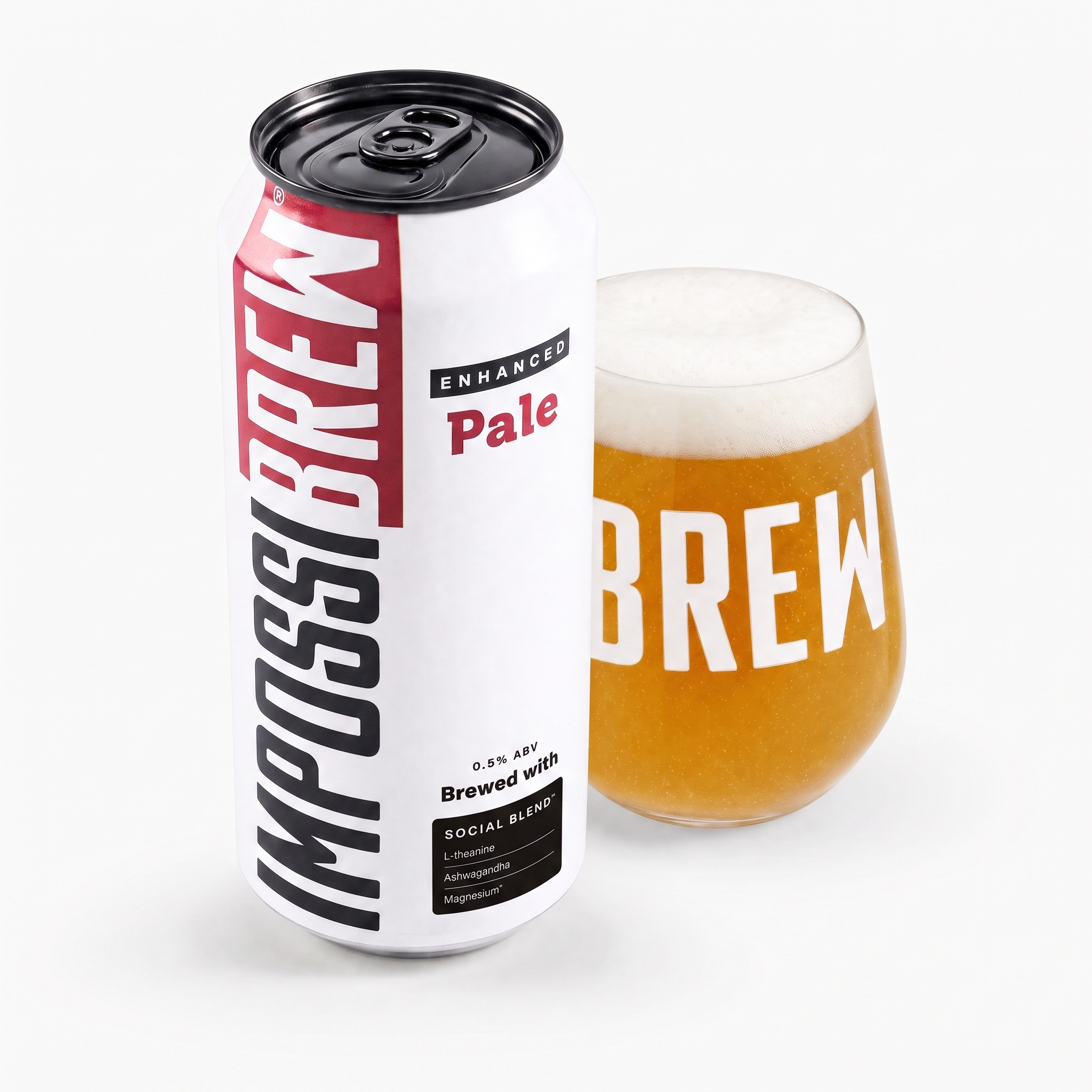
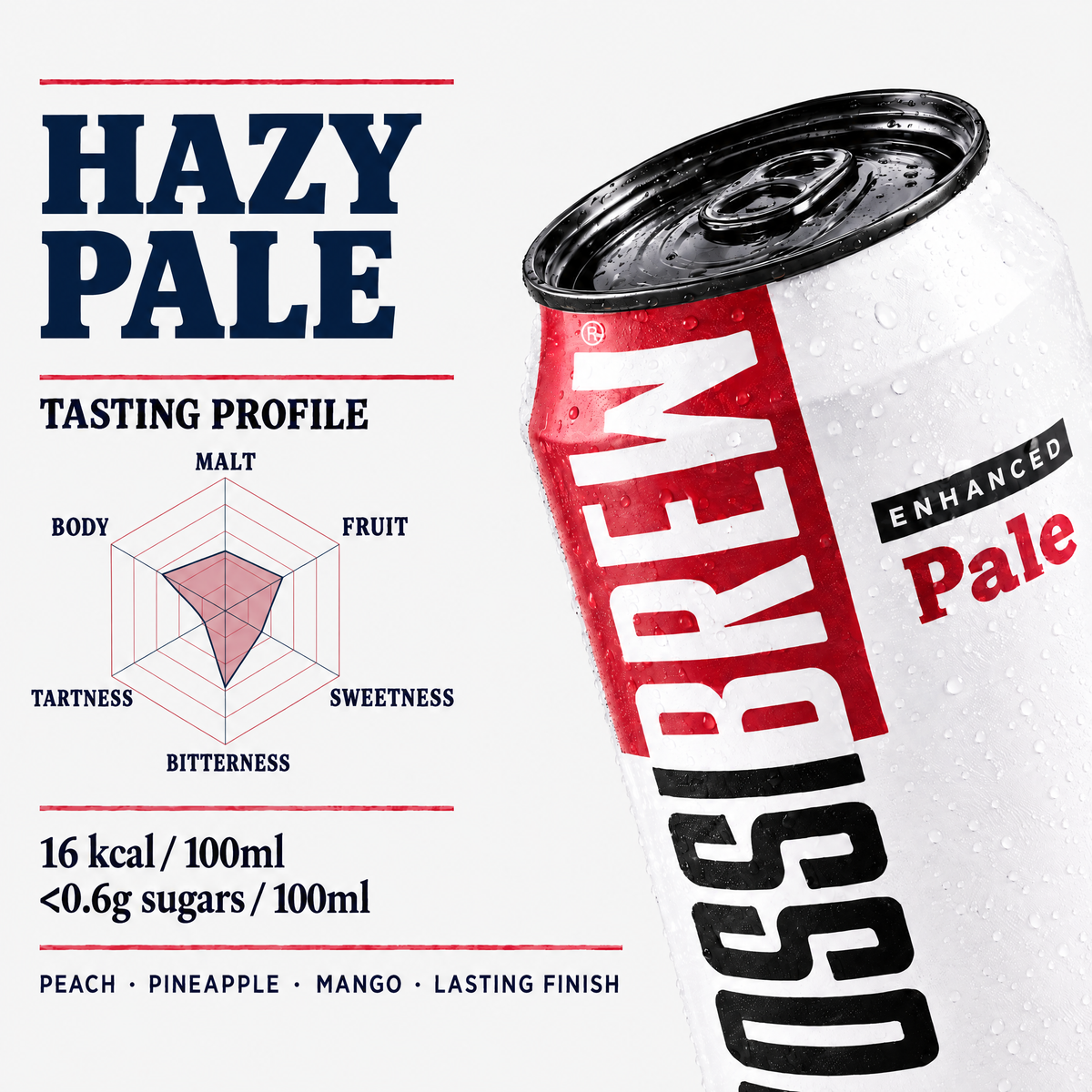
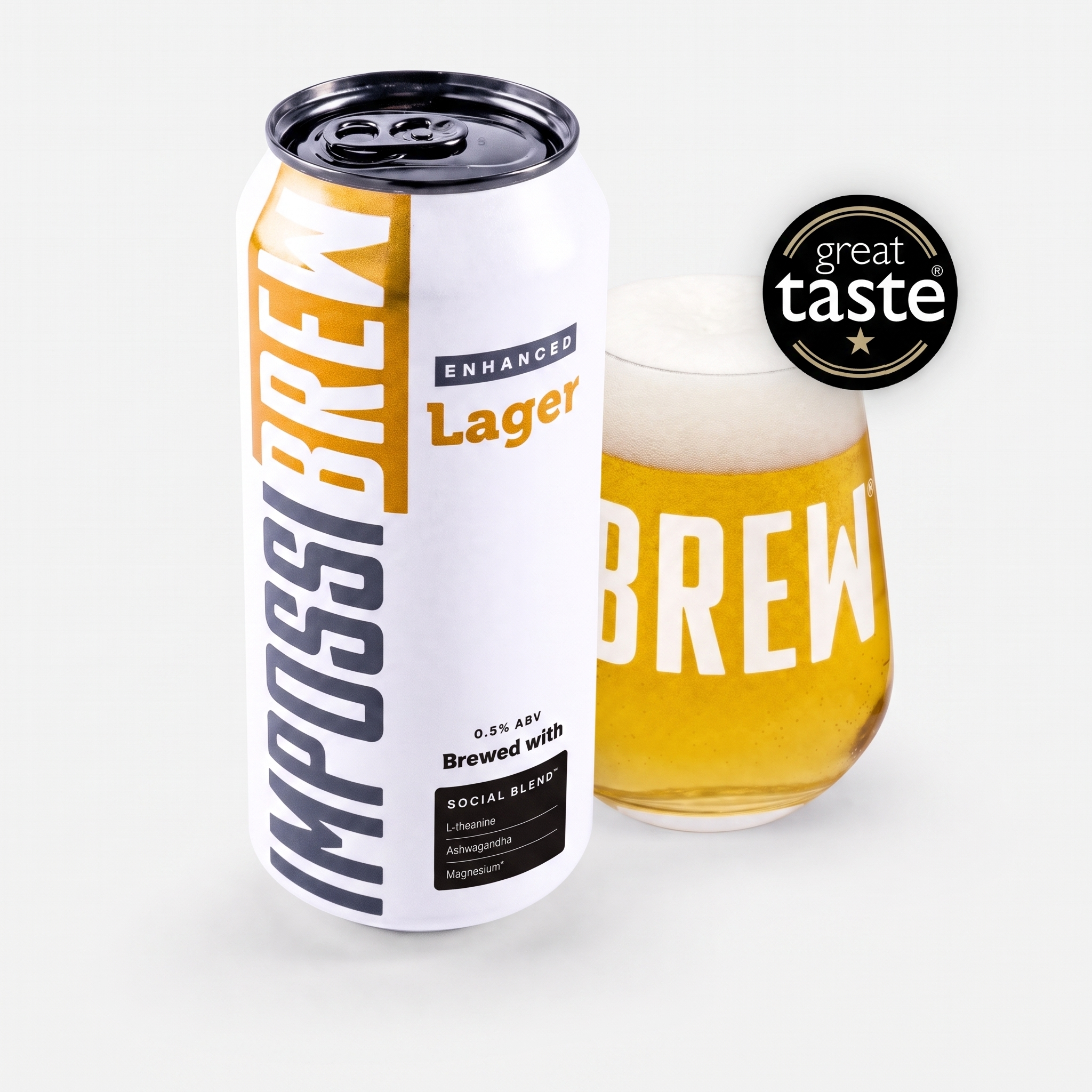
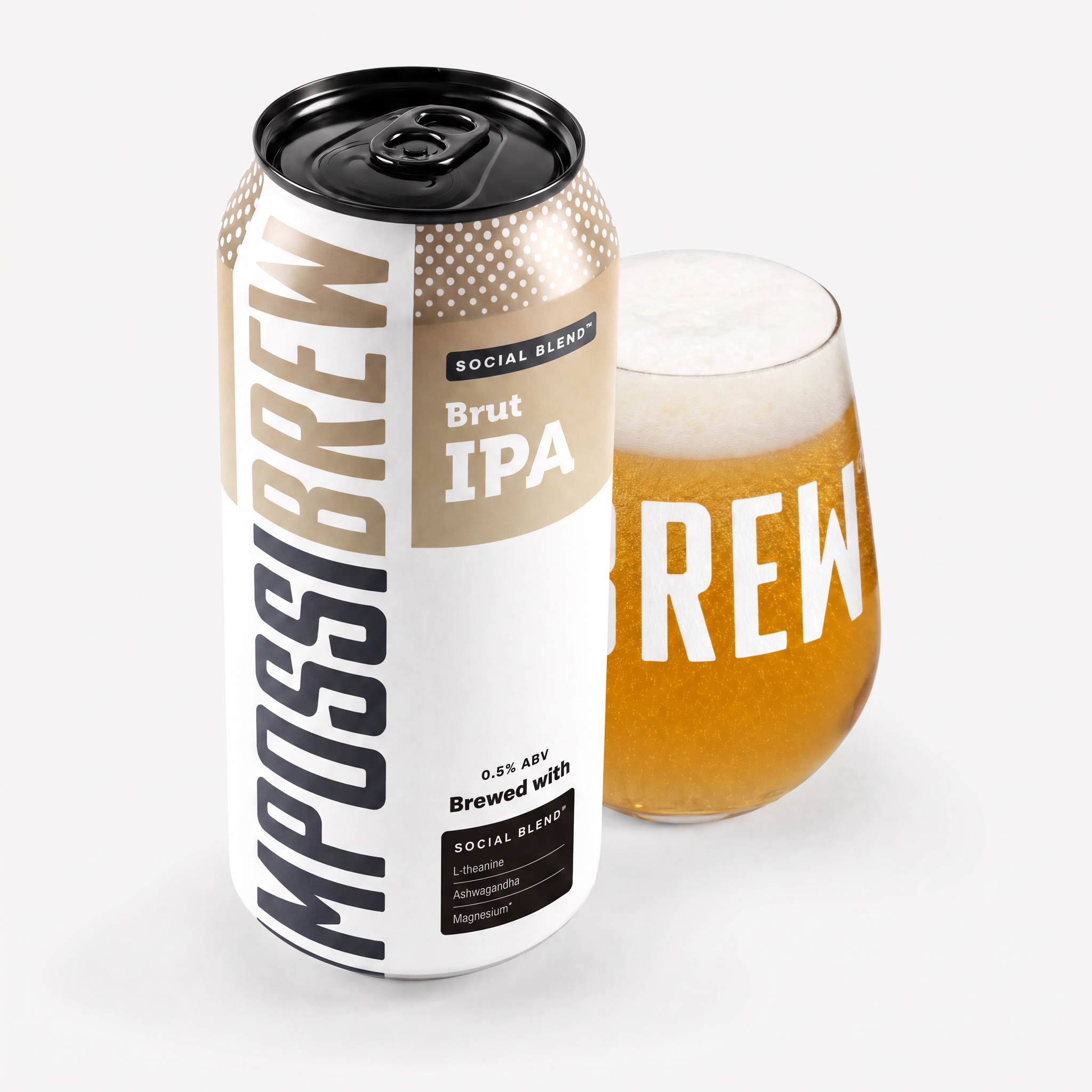
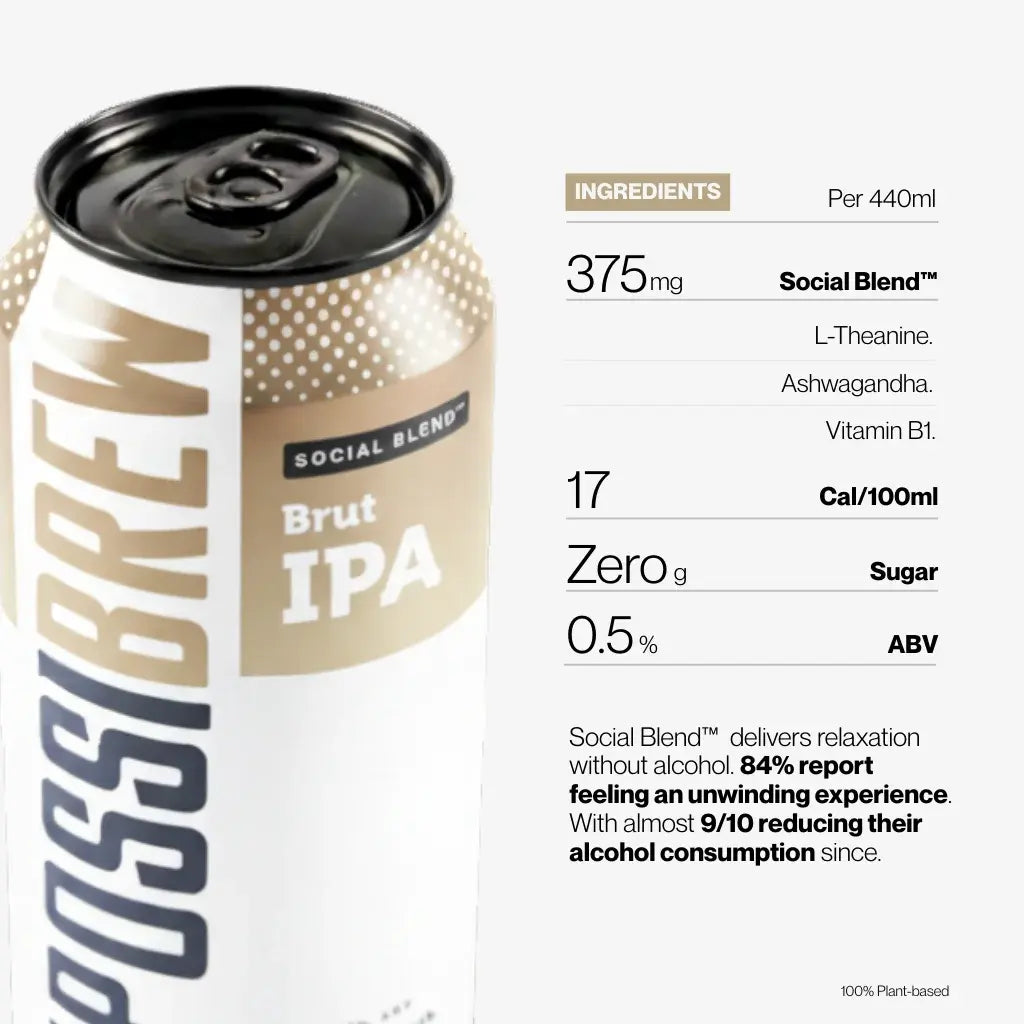
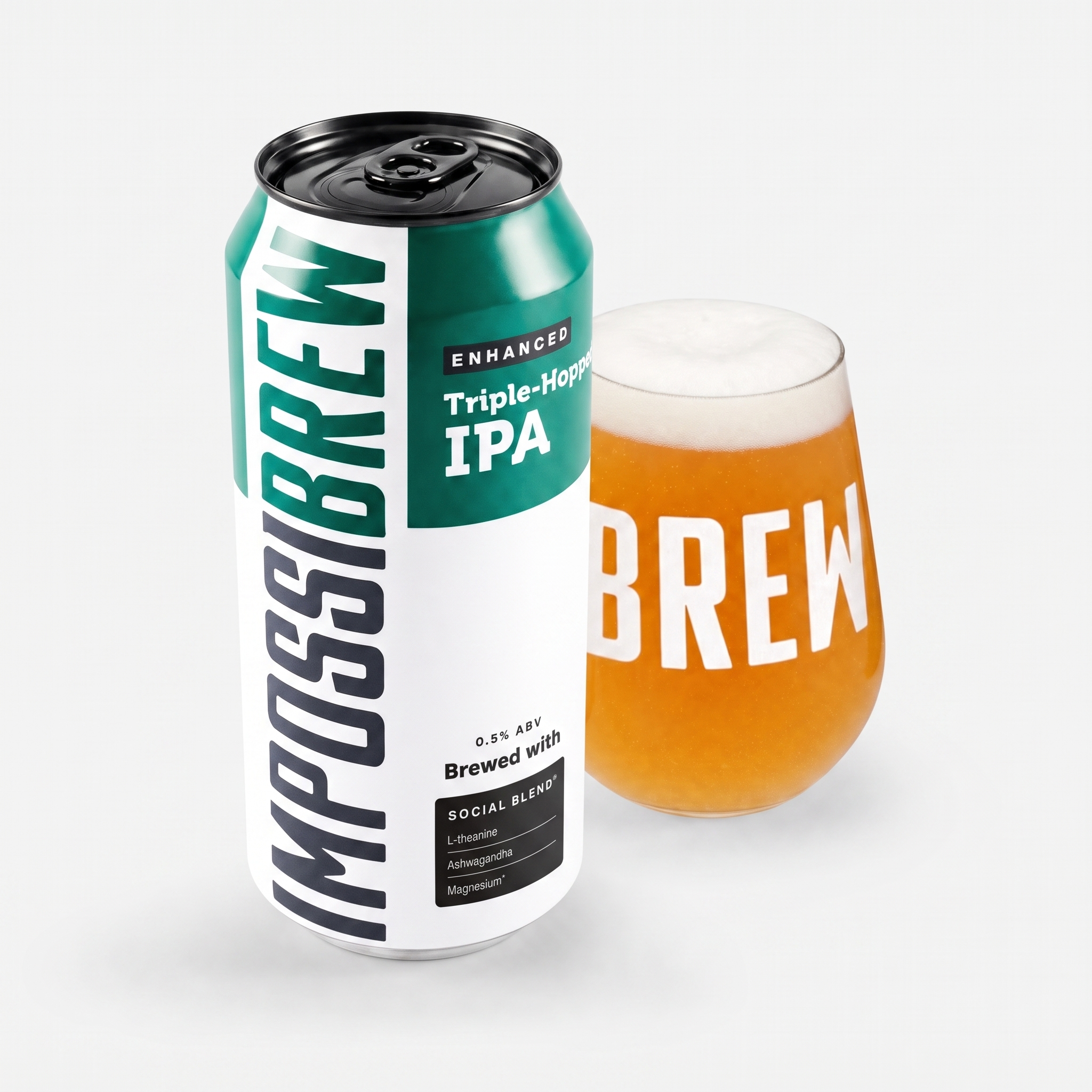
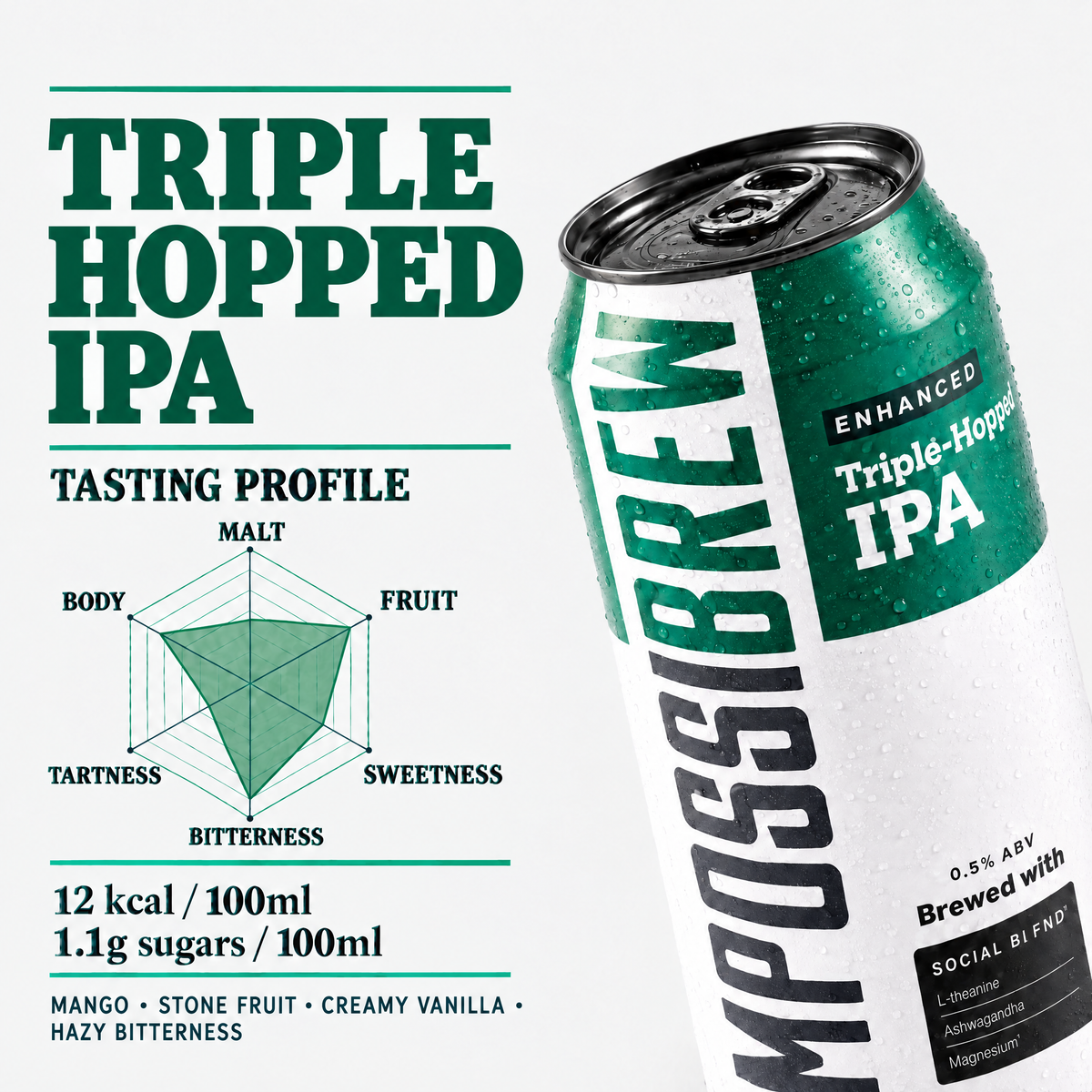
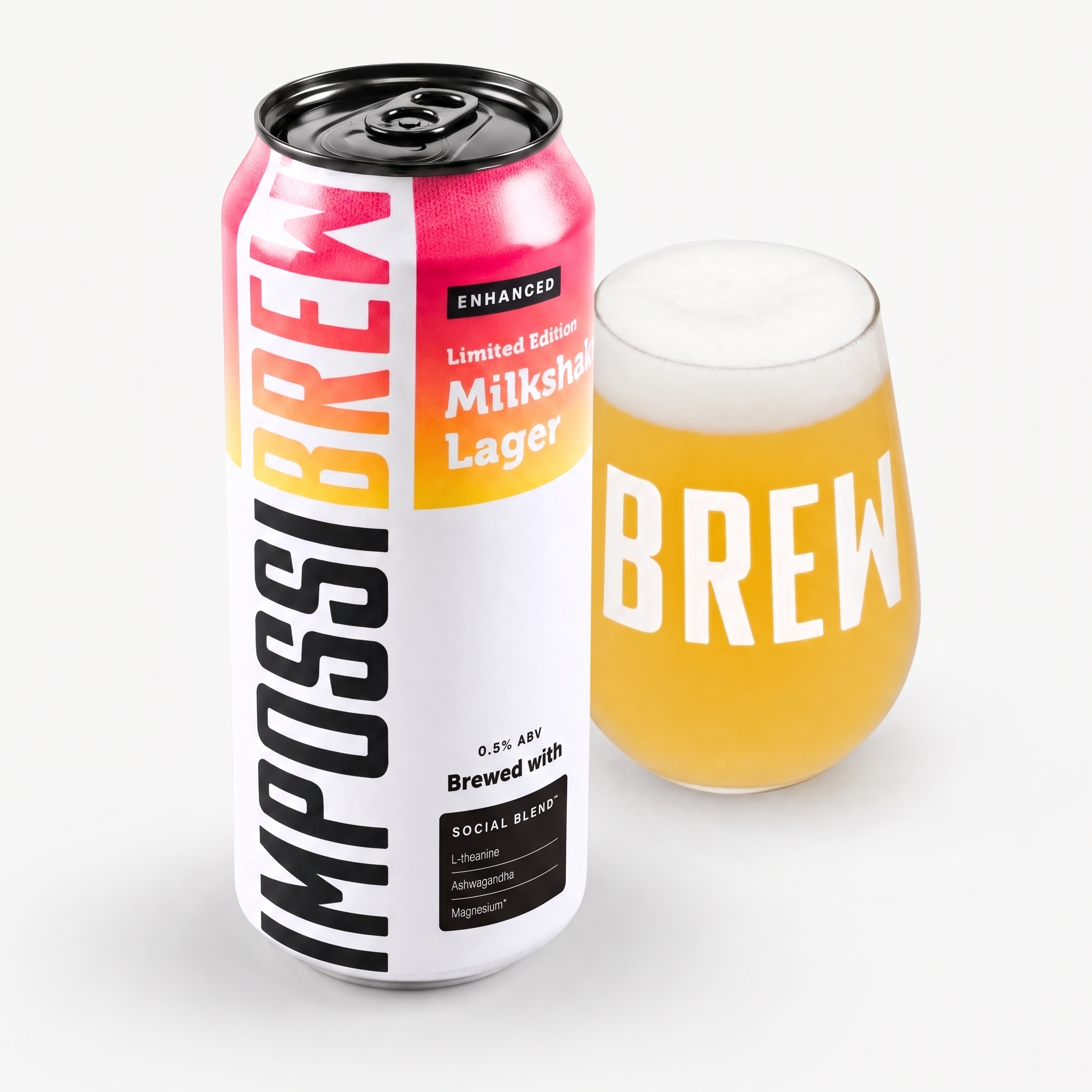
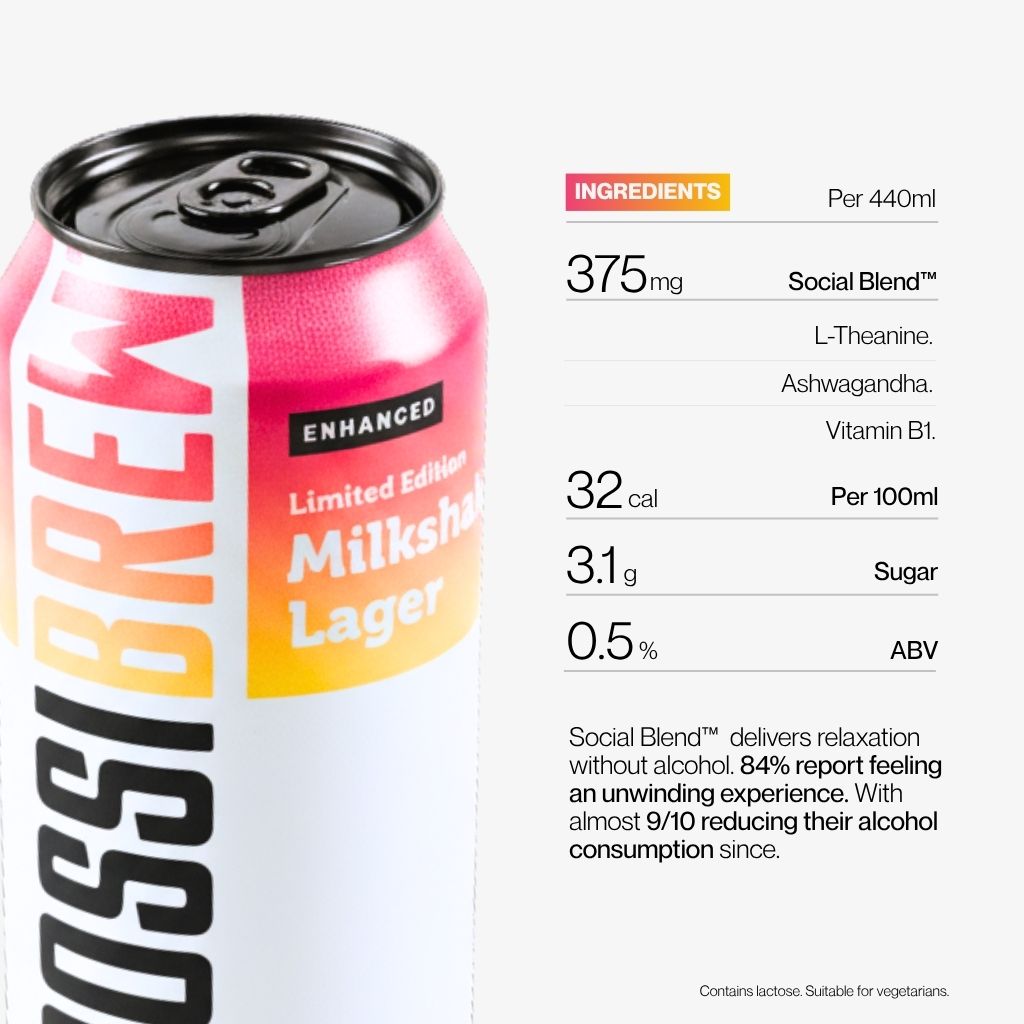
Non-alcoholic drinks allow these traditions to thrive without the need for alcohol. For example, IMPOSSIBREW® offers a unique Social Blend™ featuring L-theanine, ashwagandha, vitamin B1, and nootropic herbs. This blend replicates the taste and soothing qualities of traditional brews. According to research, 71% of users report feeling more relaxed, and 88% have reduced their alcohol consumption [1].
Conclusion
Ancient religious drinking rituals have had a lasting impact on modern social customs and drinking habits. Over time, these sacred practices have shifted into social traditions that continue to bring people together and nurture a sense of community. While the context has changed, the underlying purpose of fostering connection remains strong. Today, non-alcoholic beverages, crafted with traditional botanicals and informed by modern science, pay tribute to these age-old practices while catering to modern health-focused lifestyles. These evolving traditions continue to balance the old and the new, preserving their role in uniting people.