
The way people approach alcohol is changing. Many are questioning their habits, not necessarily to quit entirely, but to see how reducing alcohol might improve their lives. If you’ve been rethinking your drinking, here are five signs you might be part of this growing trend:
- You’re questioning your habits: Are you drinking out of routine or because you genuinely want to?
- You want better sleep and focus: Alcohol disrupts sleep and mental clarity, making mornings harder.
- You’re trying non-alcoholic options: From mocktails to alcohol-free beers, alternatives are becoming popular.
- Health is becoming a priority: Drinking less aligns with fitness, energy, and overall wellbeing.
- Social drinking feels less appealing: You may feel uncomfortable in drinking situations or prefer events without pressure to drink.
This isn’t about strict sobriety - it’s about making choices that fit your goals and lifestyle. With more people cutting back, the shift towards mindful drinking is gaining momentum.
What to Know About Adapting a Sober-Curious Lifestyle
sbb-itb-a752bf8
1. You're Questioning Your Drinking Habits
One of the first signs of a sober curious mindset is when you start asking yourself, "Do I actually want this drink, or is it just out of habit?" This shift from automatic consumption to intentional decision-making can be a powerful moment of self-awareness.
For instance, you might notice you’re reaching for a glass of wine after work simply because it’s part of your routine, or ordering a pint because it feels expected in a social setting. Ruby Warrington, author and advocate for the sober curious movement, describes it perfectly:
"[Being sober curious] means, literally, to choose to question, or get curious about, every impulse, invitation, and expectation to drink, versus mindlessly going along with the dominant drinking culture." [1]
This questioning often begins when the downsides of drinking - like hangovers or lingering morning anxiety - start to interfere with your day-to-day life. Neuropsychologist Dr Sanam Hafeez observes that people with a balanced relationship with alcohol usually have a "take it or leave it" attitude. In other words, their enjoyment of an event isn’t tied to whether or not they’re drinking. [6]
Interestingly, research shows that 60% of alcohol consumers have recently cut back on drinking to improve their overall wellbeing. [5] At the same time, about 90% of those who drink excessively don’t meet the criteria for a severe alcohol use disorder. [7] This highlights how many people fall somewhere between casual drinking and problematic use.
So, here’s a key question: does your drinking fit with your current priorities? Whether you’re training for a fitness goal, focusing on career growth, or simply craving clearer, more productive mornings, recognising a mismatch between your habits and your goals might just be your first step towards exploring a sober curious lifestyle.
2. You Want Better Sleep and Mental Clarity
Waking up groggy even after a full night's sleep or struggling to stay focused during the day? Alcohol could be to blame. Even moderate drinking disrupts REM sleep - the deep, restorative phase essential for waking up refreshed. It also throws off your melatonin cycle, leading to restless nights and frequent awakenings. These interruptions don’t just leave you physically drained; they can also cloud your mental sharpness.
The effects on your brain can be just as troubling. Alcohol consumption has been linked to shrinkage of the hippocampus, the part of the brain crucial for memory and stress management. This can make it harder to focus, recall details, or handle daily challenges. Then there’s the dreaded "hangxiety" - that uneasy mix of anxiety, restlessness, and low mood that often follows as your body processes alcohol. With such clear impacts on sleep and mental function, the idea of exploring a sober curious lifestyle becomes all the more appealing.
Francesca Lyon, Lead Nutritionist at Future Woman, highlights the broader consequences:
"Alcohol disrupts circadian rhythm and sleep, vital for hormone health, damages the gut microbiome and it can also lead to nutrient depletion." [5]
The upside? Cutting back on alcohol can lead to noticeable improvements surprisingly quickly. Studies show that even a single month without alcohol can result in lower blood pressure, improved insulin resistance, and sharper memory and focus [8]. Archana Patel, Health, Nutrition and Alcohol-reduction Coach, shares her experience:
"I became Sober Curious in 2017... Once I took a break, every aspect of my life - mood, energy levels, patience, fitness, general happiness - started to improve." [5]
Try swapping your usual nightcap with a non-alcoholic drink and keep a journal to track your alcohol-free nights and morning energy levels. Seeing the positive changes on paper can be a powerful motivator.
3. You're Trying Non-Alcoholic Drinks
As you become more mindful of alcohol's effects, experimenting with non-alcoholic drinks is a natural progression.
Choosing a non-alcoholic option over your usual pint or glass of wine? That’s a clear indicator you’re embracing a sober-curious mindset. This isn't just about drinking less - it’s about discovering alternatives that fit your lifestyle while still keeping the social aspect intact. This is especially helpful when attending events like an alcohol-free summer BBQ.
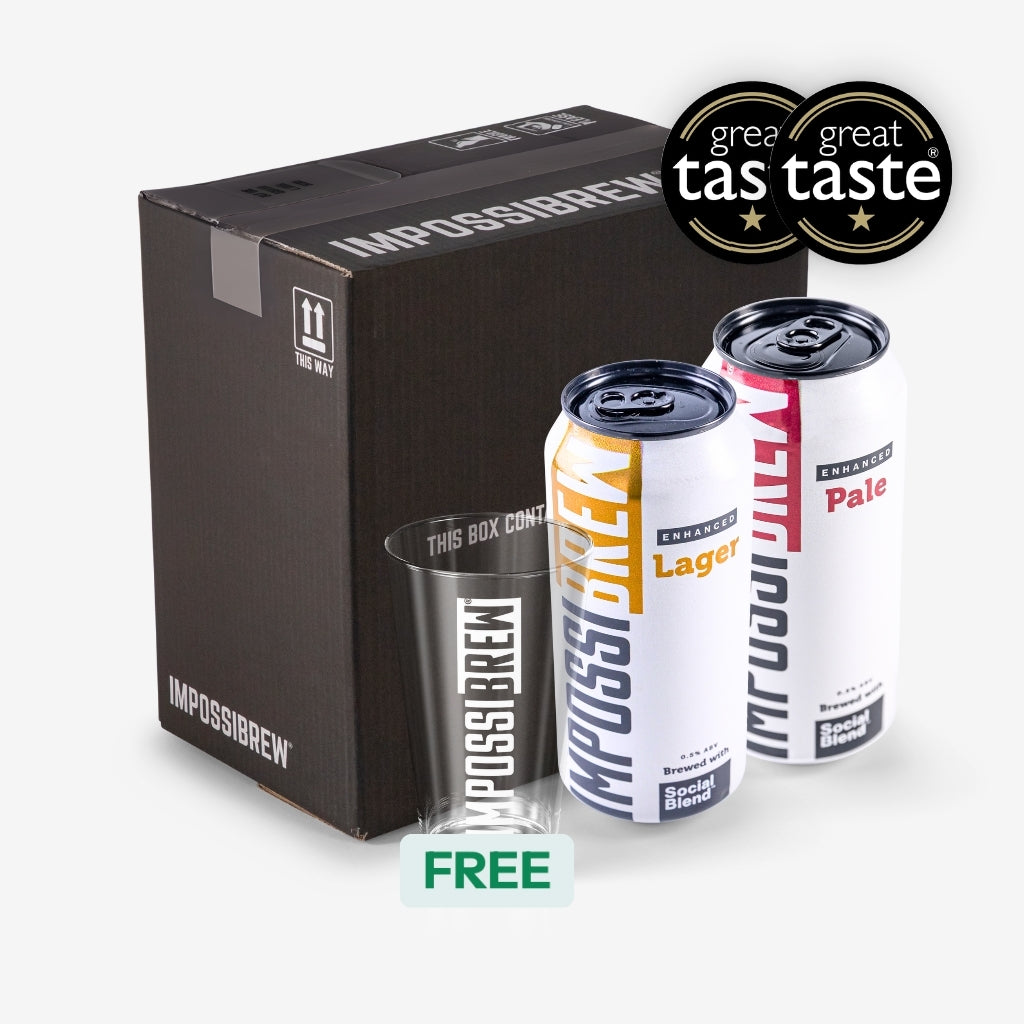
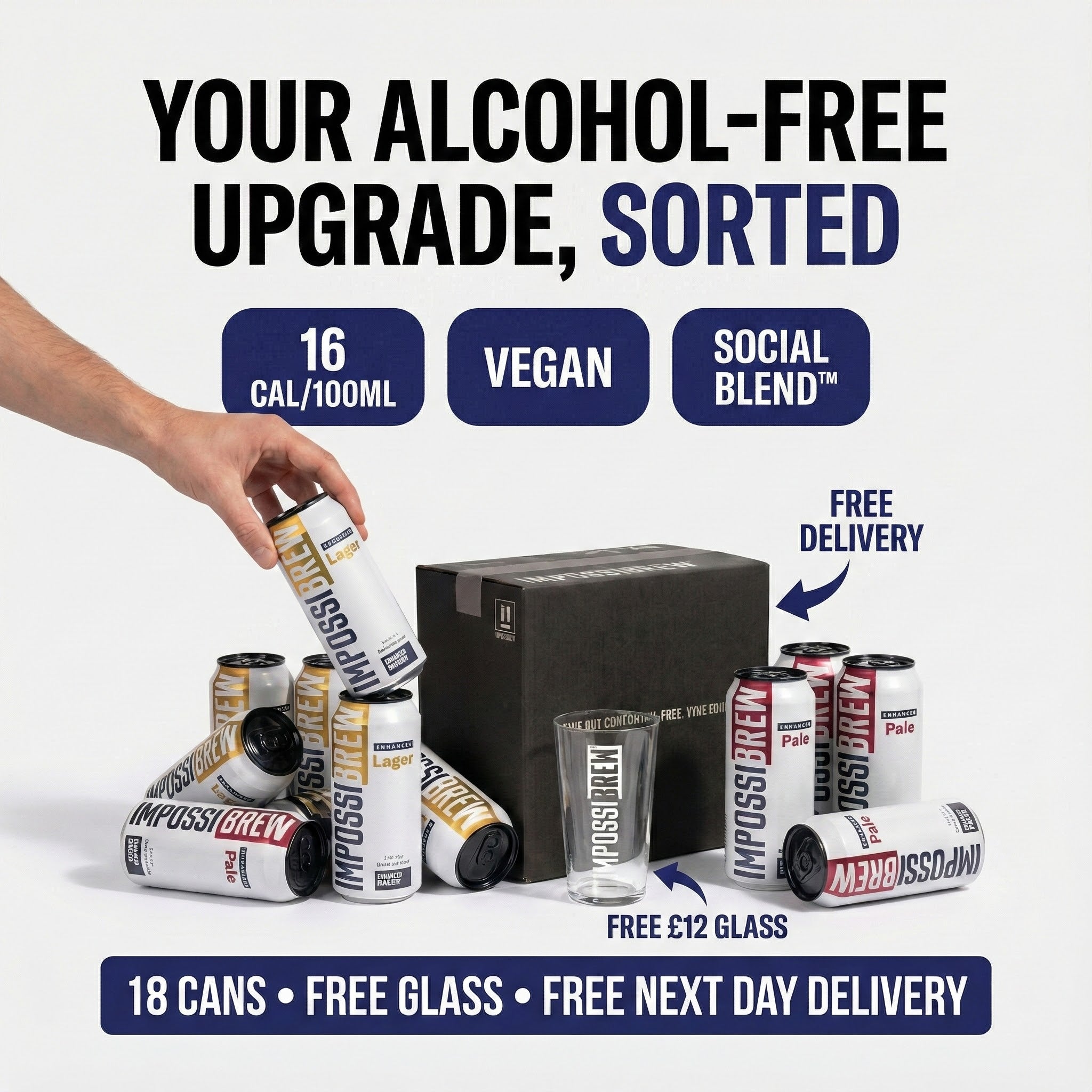
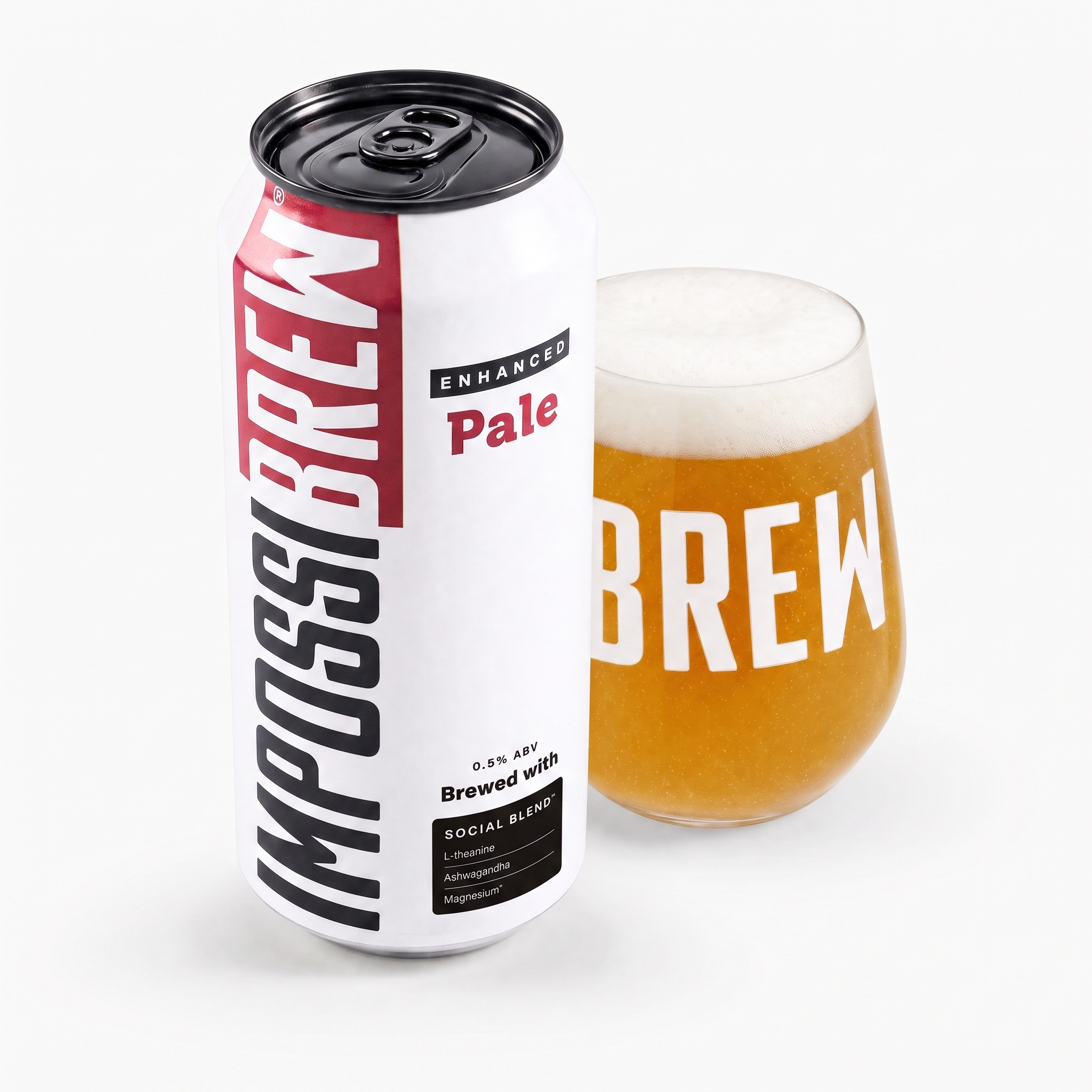
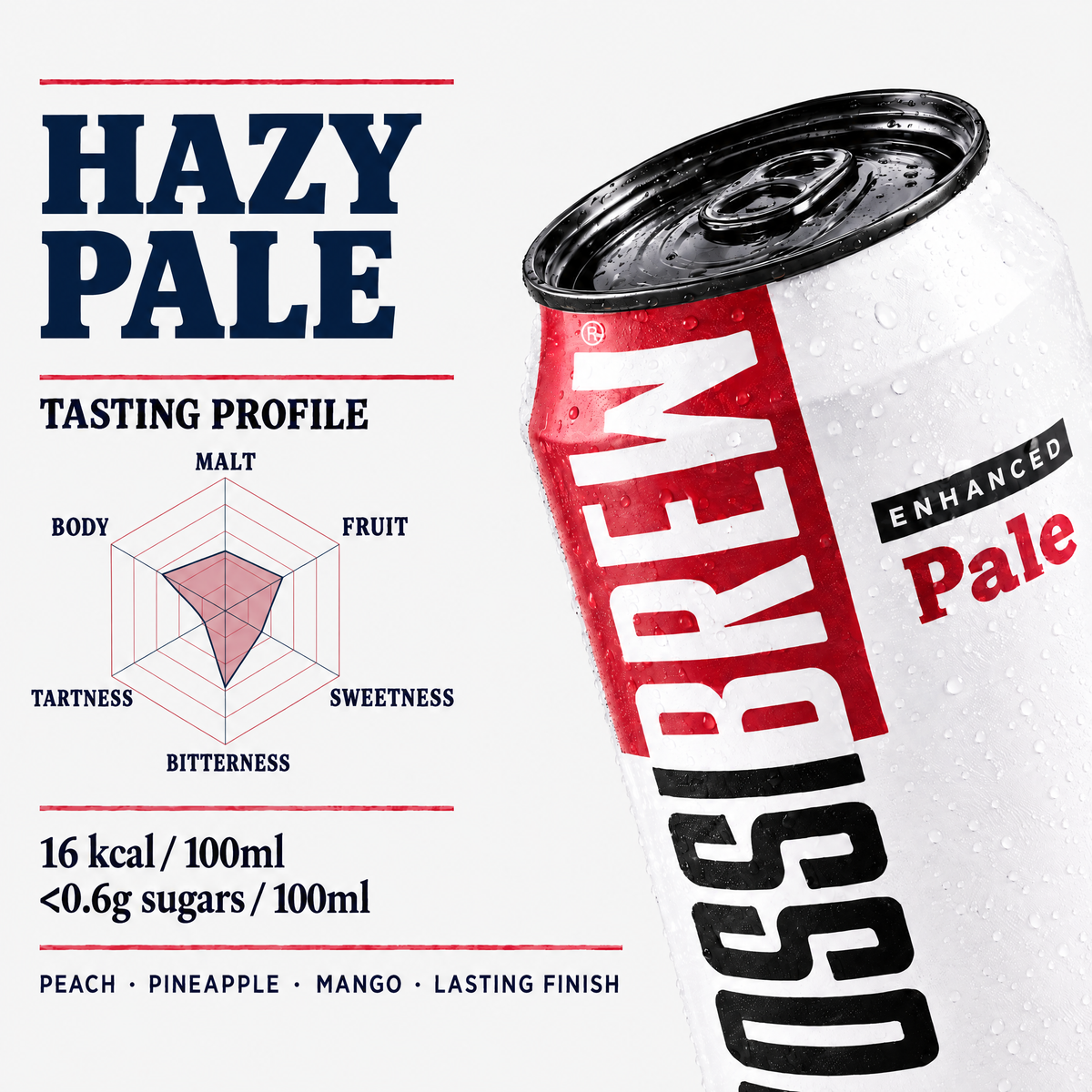
Gone are the days when non-alcoholic options meant overly sweet sodas. Now, there’s a world of sophisticated choices. Think botanical spirits like Seedlip (£20.95) or craft alcohol-free beers such as Lucky Saint (£22 for a 12-pack). Some even go a step further by including functional ingredients like adaptogens, nootropics, and vitamins to support your wellbeing. Millie Gooch, Founder of Sober Girl Society, explains:
"Experiment with no- and low-alcohol drinks until you find options that genuinely excite you. From botanical spirits to craft alcohol-free beers, the choices are endless."
The trend is backed by numbers too. A whopping 93% of people enjoying low- or no-alcohol products aren’t teetotal - they’re simply cutting back [5]. Laura Willoughby, Founder of Club Soda, highlights the simplicity of this swap:
"Substituting an alcoholic drink for an alcohol-free one makes things much easier."
Holding a drink in your hand can help you stay socially engaged, letting you blend into the occasion without facing questions about your choice not to drink. Whether it’s a pre-made alcohol-free option or a homemade mocktail, replacing rather than removing creates a smoother, more enjoyable experience.
4. You're Focusing More on Your Health
When you find yourself prioritising your fitness tracker over a Friday night pint, it might mean you're stepping into the sober-curious space. This shift often reflects a growing desire to align your lifestyle with your personal health goals.
Choosing a health-conscious path naturally leads to questioning alcohol's place in your life. Maybe you've realised that even a single drink impacts your resting heart rate or disrupts your sleep. Perhaps your symptom-tracking app is revealing a clear link between alcohol and issues like low energy, poor sleep, or aggravated PMS. These observations can be a wake-up call to reconsider your drinking habits. Francesca Lyon, Lead Nutritionist at Future Woman, explains how alcohol affects hormones:
"Alcohol slows down oestrogen detoxification. It worsens PMS and it affects blood sugar and insulin resistance which can worsen PCOS symptoms." [5]
This shift isn’t about giving something up; it’s about living in line with your priorities. If your focus is on excelling at work, staying fit, or simply feeling great, alcohol often feels out of place. These lifestyle changes make it easier to see the value of swapping your usual drink for a health-oriented alternative.
The benefits of cutting back are both immediate and impactful. Taking a break from alcohol for just one month can significantly lower blood pressure [2]. It also improves insulin resistance and liver function [1]. You might notice clearer skin, more stable moods, and sharper mental clarity - not to mention the bliss of hangover-free mornings. A 2023 study in JAMA Network Open found that even light drinking raises mortality risk [1]. On top of that, the Surgeon General highlighted in January 2025 that even moderate alcohol consumption is linked to a higher risk of several cancers [2].
Replacing your drink with a health-focused option - like a nutrient-packed mocktail or a functional non-alcoholic beer - lets you keep the ritual without compromising your wellbeing. It's not about losing something; it's about choosing something that supports your goals.
5. You Feel Uncomfortable in Drinking Situations
Beyond the health perks and better sleep, your social life might also hint at a growing interest in cutting back on alcohol.
If the thought of Friday nights at the pub fills you with dread instead of anticipation, it could be a sign that you're rethinking your relationship with drinking. That uneasy feeling often reflects a shift from automatically going along with drinking culture to questioning whether you even want to participate [1].
Social events like weddings or after-work drinks often come with unspoken pressure to have a drink in hand. But as Ruby Warrington puts it:
"It's not about banning booze forever; it's about pausing to ask yourself, 'Do I really want this drink, or do I just feel like I should?'" [3]
Interestingly, research highlights that 41% of Gen Z associate alcohol with feelings of anxiety, vulnerability, and even abuse [1]. In fact, 26% of 16–25-year-olds in the UK now identify as teetotal [3]. This shift suggests a growing awareness that alcohol often serves as a social crutch rather than a source of real joy.
If you find yourself making excuses to avoid drinking or leaving events early when the atmosphere turns boozy, it might signal a change in how you view alcohol. Laura Willoughby, founder of Club Soda, explains:
"We've been taught to stay at things we don't enjoy by drinking – this is ridiculous!" [4]
These feelings of discomfort aren't just fleeting - they can shape your choices moving forward. Opting for a non-alcoholic drink, whether it’s a stylish mocktail or a functional beer, allows you to enjoy nights out alcohol-free while staying true to what feels right for you.
Conclusion
Looking back at the five signs we’ve explored - rethinking your drinking habits, seeking better sleep and mental clarity, experimenting with non-alcoholic drinks, prioritising health, or feeling uneasy in drinking situations - it’s clear that many people are already embracing the benefits of cutting back on alcohol. In fact, around 25 million adults in the UK are either not drinking or planning to reduce their intake [5].
The concept of sober curiosity isn’t about rigid rules or permanent abstinence. As Ruby Warrington puts it:
"[Being sober curious] means, literally, to choose to question, or get curious about, every impulse, invitation, and expectation to drink, versus mindlessly going along with the dominant drinking culture" [1].
This mindset shift - from automatic consumption to intentional choices - lets you focus on what you gain, rather than what you might feel you're giving up [2][3]. Ask yourself, "Do I actually want this drink, or do I feel like I should?" [3]. Try a dry week or month to see how it feels, or explore functional non-alcoholic alternatives that let you stay social without compromising your wellbeing.
As you notice positive changes, it’s essential to differentiate between lifestyle adjustments and potential health concerns. Peter M. Vernig, PhD, highlights the importance of recognising when professional help might be necessary:
"For a person with an alcohol use disorder or a history of destructive behaviour surrounding drinking, participation in the Sober Curious movement is not a substitute for professional help" [1].
If withdrawal symptoms or intense cravings arise, it’s crucial to consult a healthcare provider.
Ultimately, this movement isn’t about judgement - it’s about giving yourself the freedom to reflect, experiment, and find what works best for you. Whether it’s a temporary change or a long-term shift, the goal is to align with what feels right for your lifestyle. This trend is part of a broader shift in the UK towards more mindful and health-conscious living.
FAQs
What does 'sober curious' actually mean?
The term 'sober curious' is about taking a step back and rethinking your connection with alcohol. It’s not about completely cutting it out but rather about being more aware of your drinking habits. This means considering the reasons behind your drinking, the occasions when you do it, and the amount you consume. The goal? To make thoughtful decisions that support your health, mental sharpness, and general well-being.
How can I try cutting back without quitting completely?
To reduce your alcohol consumption without giving it up completely, try adopting a more conscious and deliberate approach. Take some time to reflect on your drinking patterns and make thoughtful decisions about when and how much you drink.
You can start with practical steps like setting clear limits for yourself, designating certain days as alcohol-free, or opting for drinks with lower alcohol content or non-alcoholic alternatives. Additionally, consider finding new hobbies or wellness activities to fill the gap - whether it’s joining a fitness class, exploring creative pursuits, or simply spending time outdoors. These changes can help you gradually shift your habits while still enjoying a balanced lifestyle.
What should I do if I get cravings or withdrawal symptoms?
If you're dealing with cravings or withdrawal symptoms, reaching out to a healthcare professional is a smart move. They can guide you through managing these challenges safely, often by recommending gradual reduction methods. Seeking expert advice helps ensure a safer and steadier path forward.