
Reducing alcohol consumption can lead to major improvements in your health, energy, and overall well-being. From better sleep and clearer skin to sharper focus and a stronger immune system, even small changes in drinking habits can make a difference. Here’s a quick summary of the key benefits:
- Better Sleep: Alcohol disrupts REM sleep, leaving you tired. Cutting back restores natural sleep cycles, helping you wake up refreshed.
- Higher Energy: Alcohol drains your energy by interfering with nutrient absorption and blood sugar regulation. Reducing intake boosts energy levels quickly.
- Easier Weight Management: Alcohol is calorie-heavy and slows fat burning. Swapping to the best tasting alcohol-free beers can significantly reduce calorie intake.
- Healthier Skin: Alcohol dehydrates skin and worsens conditions like acne and redness. Cutting back improves hydration and reduces ageing effects.
- Improved Liver Function: The liver starts recovering within days of reducing alcohol, reversing early-stage damage and improving overall health.
- Sharper Memory and Focus: Alcohol impairs brain functions like memory and concentration. Reducing intake allows the brain to repair itself.
- Lower Blood Pressure: Alcohol raises blood pressure and strains the heart. Cutting back helps stabilise blood pressure and improve heart health.
- Stronger Immune System: Alcohol weakens immunity by reducing white blood cell production. Abstaining strengthens your body’s defences.
- Better Mood: Alcohol disrupts brain chemicals, leading to anxiety and low mood. Reducing intake stabilises emotions and reduces stress.
Switching to alcohol-free alternatives, like 0% beers or wines, is an easy way to maintain social habits while enjoying these benefits. Whether it’s better sleep, glowing skin, or improved focus, cutting back on alcohol is a simple step towards a healthier life.
1. Better Sleep Quality
Scientific backing of health benefits
While alcohol might help you fall asleep quickly, it often leaves you waking up feeling groggy and unrefreshed. This is because alcohol disrupts the brain’s natural sleep cycle. Initially, it acts as a sedative, but it suppresses REM (Rapid Eye Movement) sleep - a critical stage for memory and emotional processing[5][7]. Even small amounts, such as two standard drinks, can reduce REM sleep. As your liver processes alcohol (roughly one drink per hour), a "rebound effect" can fragment your sleep further[5][6][7][8].
Dr Nancy Foldvary-Schaefer, a specialist in sleep disorders, explains:
"Alcohol in your system fragments sleep by repeatedly interrupting the sleep cycle"[9].
Studies reveal that nearly 90% of people who drink in the evening experience at least one sleep-related issue[5]. Alcohol also relaxes throat muscles, exacerbating snoring and sleep apnoea, while interfering with melatonin secretion and your body’s internal clock. So, even if you spend eight hours in bed, the quality of that sleep is often compromised. These disruptions underline why reducing alcohol intake can help restore your natural sleep patterns.
Practical lifestyle improvements
Cutting back on alcohol allows your sleep cycle to return to its natural rhythm. This means more time in restorative REM sleep and fewer nighttime interruptions. Experts suggest avoiding alcohol at least three to four hours before bedtime to minimise sleep disturbances[5].
For those who enjoy an evening drink, swapping alcohol for alcohol-free alternatives can help maintain your routine without affecting sleep quality. For example, replacing your usual pint with a 0% option from IMPOSSIBREW® keeps the ritual intact without the negative impact on sleep. Many notice improvements within days - fewer wake-ups during the night and feeling more refreshed in the morning. As Dr Abhinav Singh, a sleep medicine physician, aptly states:
"Alcohol and sleep are not friends. They do not mix well"[5].
sbb-itb-a752bf8
The Timeline of Health Benefits After Quitting Alcohol : Short Term - Long Term
2. More Energy Throughout the Day
Cutting back on alcohol doesn’t just improve your nights; it also transforms your days by giving your energy levels a much-needed lift.
How Alcohol Affects Energy
Alcohol doesn’t just cause hangovers - it actively drains your energy. Your body prioritises processing alcohol as a toxin, diverting resources from other critical functions. Despite its 7 calories per gram (close to fat), alcohol provides no usable energy[1]. It also interferes with the absorption of key nutrients like B1, B12, folic acid, and zinc, while dehydrating you, which impacts both mental and physical performance[10][12].
Dr Manassa Hany, Director of the Division of Addiction Psychiatry at Zucker Hillside Hospital, highlights:
"Alcohol particularly disrupts rapid eye movement (REM) sleep, which is crucial for cognitive function, memory consolidation and overall restorative sleep."[11]
On top of that, alcohol hampers your liver’s ability to regulate glucose, triggering energy spikes and crashes. Studies show that within just one month of quitting alcohol, insulin resistance can decrease by 25%, leading to steadier blood sugar levels and more consistent energy throughout the day[12].
Day-to-Day Benefits
The results of cutting back can be felt surprisingly fast. A survey of over 1,000 people who abstained from alcohol for a month found that 67% reported increased energy, while 57% noticed improved focus[11]. Even within a week, many people wake up feeling refreshed and carry that energy through the day[12].
Switching to healthy non-alcoholic options, like those from IMPOSSIBREW®, lets you enjoy your evenings without sacrificing the next morning. Staying hydrated and incorporating morning exercise can further enhance alertness. Dr Sandeep Kapoor, Vice President for Emergency Medicine Addiction Services at Northwell Health, emphasises:
"With a reduction of alcohol consumption, you have an opportunity to experience some important health benefits, which can serve as a starting point to meet your goals."[11]
3. Easier Weight Management
Cutting back on alcohol does more than just boost your energy levels - it can also make managing your weight much simpler.
Scientific Backing of Health Benefits
Alcohol packs 7 calories per gram, which is more than carbohydrates or protein (4 calories per gram) and just shy of fat (9 calories per gram). These are often referred to as "empty calories" since they provide no nutritional benefit [14]. But it’s not just about the calorie count. When you drink, your liver prioritises processing alcohol as a toxin, which slows down fat burning and encourages fat storage, especially around your midsection [14]. On top of that, alcohol interferes with hormones like leptin and GLP-1, which help regulate feelings of fullness. This can trick your brain into thinking you’re still hungry, leading to overeating. Studies even show that heavy drinkers are 70% more likely to be obese compared to light drinkers [15].
A four-year study focusing on people with overweight and type 2 diabetes revealed some striking results. Those who gave up alcohol lost 1.6% more of their initial weight than those who kept drinking. Heavy drinkers only managed to lose 2.4%, while abstainers shed an impressive 5.1% [16]. These findings highlight how alcohol can significantly contribute to weight gain and how cutting back can bring noticeable benefits.
Practical Lifestyle Improvements
Applying these insights to your daily routine can make a real difference. For example, if you skip three pints a week - each containing about 200 calories - you could save over 30,000 calories in a year. That’s roughly the same as avoiding 120 cheeseburgers [17]. Swapping your usual drink for a non-alcoholic option, like those from IMPOSSIBREW®, can help you maintain your social habits without the extra calories.
Alcohol doesn’t just add calories directly - it also lowers your inhibitions and increases your appetite, often leading to late-night snacking [14]. Dr Gautam Mehta, a Senior Lecturer at UCL Institute for Liver and Digestive Health, found that moderate-to-heavy drinkers who abstained for a month lost an average of 2kg [2]. Beyond the calorie savings, reducing alcohol also improves sleep quality, which can help curb the fatigue-driven cravings that often lead to overeating [4]. By cutting back, you’re not just avoiding empty calories - you’re setting the stage for better overall health and weight control.
4. Healthier Skin
Cutting back on alcohol can do wonders for your skin, with noticeable changes often appearing in just a few weeks. But what’s behind these improvements? Let’s dive into the science and some practical tips to help your skin thrive.
The Science Behind the Glow
Alcohol impacts your skin in multiple ways, and not for the better. It reduces vasopressin levels, leading to dehydration and a lacklustre complexion. It also acts as a vasodilator, causing facial redness and even permanent broken veins over time [20][22]. Nutritionist Jairo Rodriguez doesn’t mince words when he says:
"Alcohol is one of the worst, most aggressive compounds to destroy your skin" [19].
The way alcohol is processed in your body adds to the problem. It produces acetaldehydes, which can interfere with lymphatic drainage, resulting in puffiness and those dreaded under-eye bags [18][20].
And then there’s the impact on ageing. A study of over 3,000 women revealed that heavy drinking (defined as eight or more drinks per week) is closely linked to visible signs of ageing, such as fine lines, under-eye swelling, and loss of volume in the mid-face [21]. Dr Sophie Shotter, an aesthetic doctor, emphasises:
"Drinking just two glasses of wine every evening will have a cumulative effect and you'll end up looking a lot older than a non-drinker" [20].
Alcohol also disrupts hormonal balance, increasing IGF-1, which can lead to oily skin and jawline breakouts [20][21]. For those with skin conditions like rosacea, psoriasis, or eczema, alcohol can make things much worse, often triggering severe flare-ups [18][21][22].
Simple Steps for Better Skin
Just as reducing alcohol can improve your sleep and energy levels, it can also rejuvenate your skin. When you cut back, your skin begins to repair itself. Within one to two weeks, you’ll likely notice better hydration levels. For inflammatory issues like acne or rosacea, improvements might take around a month [23].
If you do indulge occasionally, there are ways to minimise the impact. Try the "one-for-one" rule: drink a glass of water for every alcoholic beverage to offset dehydration [19][20]. Opting for clearer spirits, which are metabolised more efficiently, can also help. And don’t forget to rehydrate immediately after drinking to restore moisture and combat puffiness [20].
Small changes can make a big difference, giving your skin the chance to recover and glow.
5. Better Liver Function
When you cut back on alcohol, your liver gets a chance to bounce back. This hardworking organ is responsible for filtering toxins, regulating blood sugar, and aiding digestion. However, regular alcohol consumption forces it to prioritise processing alcohol over its other essential tasks. Reducing or eliminating alcohol allows your liver to recover quickly and function more efficiently, just like the improvements seen in sleep, energy, and skin health.
Scientific Backing of Health Benefits
The liver is remarkable in its ability to regenerate, and even small changes in alcohol consumption can lead to noticeable improvements. For example, heavy drinkers can experience a 15% reduction in liver fat within just one week of abstinence, increasing to 40% after 30 days [28]. Dr Deepali Misra-Sharp, an NHS GP and substance misuse expert, highlights this:
"Heavy drinkers may reduce liver fat by 15% in one week." [28]
For individuals with early-stage fatty liver disease - a condition affecting 90% of those consuming more than 40g (around 4 units) of alcohol daily - the damage is entirely reversible [27]. Ashwin Dhanda, Associate Professor of Hepatology at the University of Plymouth, explains:
"In people with fatty liver, after only two to three weeks of giving up alcohol, the liver can heal, returning to near-normal function." [25]
Even in cases where damage has progressed to cirrhosis, stopping alcohol intake immediately can halt further harm and significantly extend life expectancy [24][27]. Alarmingly, 7,635 people in the UK died from alcohol-related liver disease in 2022, a sharp rise from 5,840 in 2019 [27]. These statistics underline how quickly the liver can recover when given the chance, making reduced alcohol consumption a powerful step towards better health.
Practical Lifestyle Improvements
Small, manageable changes can make a big difference. Stick to the recommended limit of 14 units of alcohol per week, spread over at least three days [24]. Including two to three alcohol-free days each week can further support liver recovery [25][27]. However, if you’re a heavy drinker, don’t stop suddenly - withdrawal symptoms can be dangerous. Seek medical advice to taper off safely [25][28].
A balanced diet is another way to support your liver. If muscle wasting has occurred, prioritise protein-rich foods, and cut down on salt to avoid fluid retention in the abdomen [26]. These practical steps not only protect your liver but also help it shift from merely managing damage to actively repairing itself, improving its ability to filter toxins and boosting overall health [24][28].
6. Improved Memory and Focus
Reducing alcohol intake doesn't just benefit your sleep and liver - it also plays a crucial role in sharpening memory and focus. Cutting back allows your brain to begin repairing itself, particularly in areas like the hippocampus, which governs memory and concentration. Regular alcohol consumption can impair this region and damage white matter, leading to issues with learning, memory, and overall brain connectivity. As with other health benefits tied to lowering alcohol use, the brain’s recovery is a testament to the body’s resilience.
Scientific Backing of Health Benefits
Research reveals a striking connection between alcohol consumption and cognitive decline. Between 50% and 85% of chronic alcohol users experience some level of cognitive impairment, and those with a history of alcohol use disorder are more than twice as likely to suffer from severe memory issues later in life [31][32]. Even moderate drinking has its risks - consuming 14–21 units weekly triples the likelihood of right-sided hippocampal atrophy compared to abstaining [29].
The good news? The brain shows remarkable recovery potential. Studies have found that verbal fluency and processing speed can begin to improve in just 18 days of sobriety, while attention and memory often bounce back within 6 to 12 months of abstinence [30]. Over time, long-term sobriety may even reverse the "speed-accuracy trade-offs", where tasks once required slowing down significantly to ensure accuracy [33]. As highlighted in one study:
"Abstinence may induce a degree of clinical improvement... longitudinal MRI has shown a degree of tissue recovery, especially of white matter, on abstinence."
- Evidence Based Mental Health [31]
Practical Lifestyle Improvements
To maximise cognitive recovery, consider pairing alcohol reduction with other healthy habits. For instance, quitting smoking can enhance improvements in attention and processing speed during abstinence [30]. Maintaining adequate thiamine levels is also essential, as a deficiency - often worsened by alcohol use - can lead to severe brain damage [34]. Beyond that, focus on nurturing your overall well-being: get quality sleep, eat balanced meals, stay physically active, and challenge your brain with puzzles or new skills. These steps can further aid the recovery of complex executive functions [30][34].
7. Lower Blood Pressure and Better Heart Health
Reducing alcohol intake can do wonders for your cardiovascular health, particularly in managing blood pressure. Alcohol activates the sympathetic nervous system, which increases your heart rate and narrows blood vessels. This combination can push your blood pressure higher and even interfere with brain receptors responsible for regulating it. Tracy Parker, Senior Dietitian at the British Heart Foundation, highlights this point:
"Alcohol can stop brain receptors that help regulate blood pressure from working properly." [38]
The Science Behind the Benefits
The connection between cutting alcohol and improved heart health is well-documented. A meta-analysis of 36 randomised controlled trials, involving 2,865 participants, revealed that heavy drinkers (six or more drinks daily) who halved their intake saw their systolic blood pressure drop by an average of 5.50 mmHg and diastolic pressure by 3.97 mmHg [36][40]. Additionally, consuming 100g of alcohol weekly raises the risk of ischaemic stroke by 13% and intracerebral haemorrhage by 17% [39].
Alcohol’s impact on blood pressure follows a biphasic pattern - while it may temporarily lower blood pressure at high doses, it leads to a significant spike 13 to 24 hours later [37][39]. In the UK alone, reducing alcohol consumption for half of those drinking more than two drinks daily could prevent over 7,000 hospital admissions and 678 cardiovascular deaths each year [36].
Simple Changes for a Healthier Heart
Even small changes in drinking habits can lead to noticeable improvements in heart health. Aim to stick to no more than 14 units of alcohol per week, spread across three or more days [35][38]. Adding alcohol-free days to your week gives your cardiovascular system time to recover [35]. If you’re prone to heart palpitations, consider tracking your alcohol intake - it’s often a trigger for irregular heart rhythms like atrial fibrillation, and cutting back may reduce their frequency [35][39].
To avoid temporary spikes in blood pressure, steer clear of binge drinking (defined as more than 6 units for women or 8 units for men in a single session) [35][38]. Drinking water between alcoholic beverages can also help you stay hydrated and slow your overall consumption [35]. These small adjustments can make a big difference for your heart.
8. Stronger Immune System
Reducing alcohol consumption gives your immune system a much-needed boost. Alcohol weakens your immune defences by cutting down white blood cell production and damaging protective barriers in your lungs and gut. As the National Institute on Alcohol Abuse and Alcoholism explains:
"Drinking too much alcohol can weaken the immune system, making the body a much easier target for disease." [13]
How Alcohol Impacts Immunity
The negative effects of alcohol on the immune system are well-established. Even a single heavy drinking session can impair your body's ability to fight infections for up to 24 hours [13]. Over time, chronic alcohol use significantly raises your risk of infections. For example, people who consume alcohol heavily are 10 times more likely to develop pneumococcal pneumonia and are 4 times more likely to die from it compared to non-drinkers [42].
Alcohol disrupts immunity in several ways. It lowers the production of crucial white blood cells like neutrophils, T cells, and B cells. It also weakens the respiratory system by impairing cilia, the tiny structures that help clear pathogens from your airways [41][42]. Additionally, long-term drinking damages the intestinal barrier, creating a "leaky gut" that allows harmful bacterial toxins to enter the bloodstream and trigger ongoing inflammation [13][43].
The encouraging part? These effects can be reversed. Studies show that abstaining from alcohol for just 30 days can restore white blood cell levels to normal [44]. During this time, your body repairs the gut barrier, reduces inflammation, and restores the production of the 120 billion neutrophils your bone marrow generates daily [42]. Even short-term abstinence can lead to a noticeable improvement in immune function.
Steps to Boost Recovery
Cutting back on alcohol isn't the only way to strengthen your immune system - small lifestyle changes can make a big difference too. Start by prioritising quality sleep, as alcohol often disrupts REM sleep, which is essential for immunity. Eating a diet rich in nutrients can help combat the malnutrition and vitamin deficiencies caused by chronic drinking. Focus on foods packed with proteins and minerals to support gut healing, and consider adding antioxidants like N-acetylcysteine to protect your lungs [42].
You can also replace alcohol-based social events with activities like hobbies or physical exercise to further support your immune health.
9. More Stable Mood and Emotions
Reducing alcohol intake doesn’t just improve sleep and energy levels - it can also have a noticeable impact on your emotional wellbeing. While alcohol may seem like a quick fix for stress, it often does more harm than good to mental health. As Drinkaware puts it:
"Alcohol and mental health are closely connected. While it might feel like alcohol helps you relax or cope in the short term, drinking regularly or heavily can negatively affect your mental health over time." [45]
How Alcohol Affects Brain Chemistry
Alcohol is a central nervous system depressant, and it disrupts the balance of neurotransmitters that are key to maintaining a stable mood [45]. Initially, drinking may trigger a dopamine release, creating a temporary sense of pleasure. However, regular consumption can lead to dopamine depletion, which contributes to feelings of low mood over time. As Alcohol Change UK explains:
"If drinking becomes a habit, we may become dopamine-deficient and this could lead to us experiencing low mood." [47]
Studies show that many people begin to feel noticeable improvements in their mood within a few weeks of cutting back or quitting alcohol [45][49]. This happens because the brain starts to rebalance its natural chemicals, allowing you to manage emotions more effectively without relying on alcohol.
Breaking the Cycle of Anxiety and Stress
Reducing alcohol intake can also help eliminate "hangxiety" - the anxious feelings that often follow drinking. Once alcohol's sedative effects wear off, the brain can enter a heightened state of alertness, similar to a fight-or-flight response [45]. This creates a vicious cycle: you drink to feel less stressed, but the aftereffects can worsen anxiety, leading to more drinking [47][48].
The numbers paint a clear picture. Research reveals that 53% of drinkers turn to alcohol to cope with stress or anxiety, yet 44% report that drinking actually worsens their mental wellbeing, increasing feelings of sadness, irritability, or nervousness [48]. Cutting back breaks this cycle, giving your brain the space to develop healthier ways to handle stress and emotions [46].
Steps to Support Emotional Stability
To build on these mental health benefits, practical changes can help stabilise your mood. For example, keeping a mood diary alongside tracking your alcohol consumption can highlight the connection between drink-free days and improved emotional balance [1][47]. Following the recommended guideline of no more than 14 units per week, spread across three or more days with several drink-free days, is another step in the right direction [48][50].
You can also replace drinking with activities that naturally lift your mood. The NHS suggests options like exercising (which releases feel-good chemicals), learning new skills to create a sense of purpose, spending time with loved ones, and practising mindfulness. These alternatives not only improve mood but also strengthen your ability to handle life’s challenges without alcohol.
Calorie Comparison: Alcoholic vs Non-Alcoholic Drinks
Cutting back on alcohol isn't just good for your health and mental well-being - it can also make a big difference to your calorie intake, helping with weight management.
Alcohol is packed with "empty" calories, offering 7 calories per gram - just shy of the 9 calories per gram found in pure fat. These calories lack nutritional value and can interfere with your body's ability to burn fat and absorb nutrients effectively [51].
To put this into perspective, the calorie content of popular alcoholic drinks can add up quickly. A 568 ml pint of 5% lager contains about 222 calories, while a 175 ml glass of 12% wine has roughly 158 calories [51]. According to Drinkaware, a pint of lager or a large glass of wine could have as many calories as over half a cheeseburger [3].
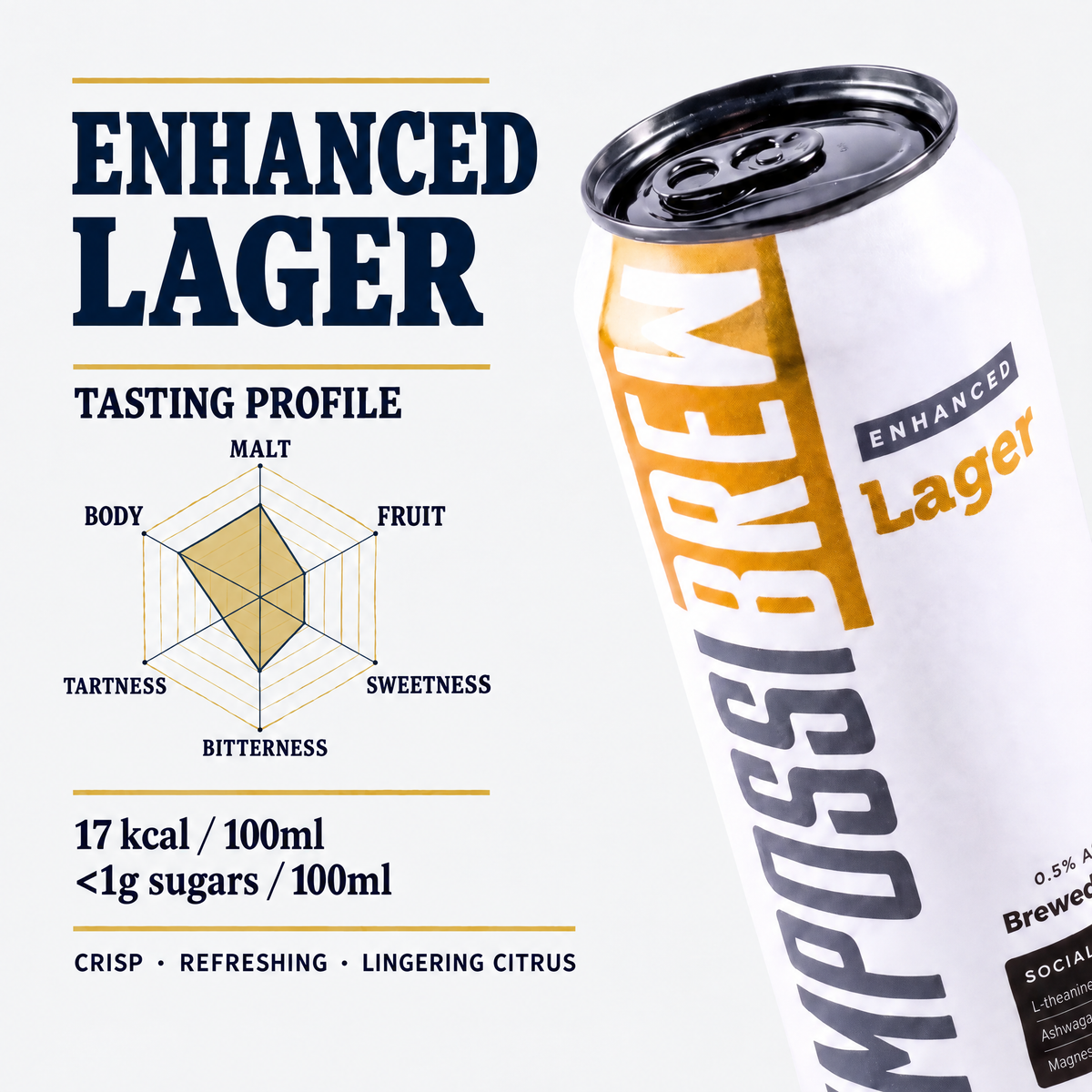
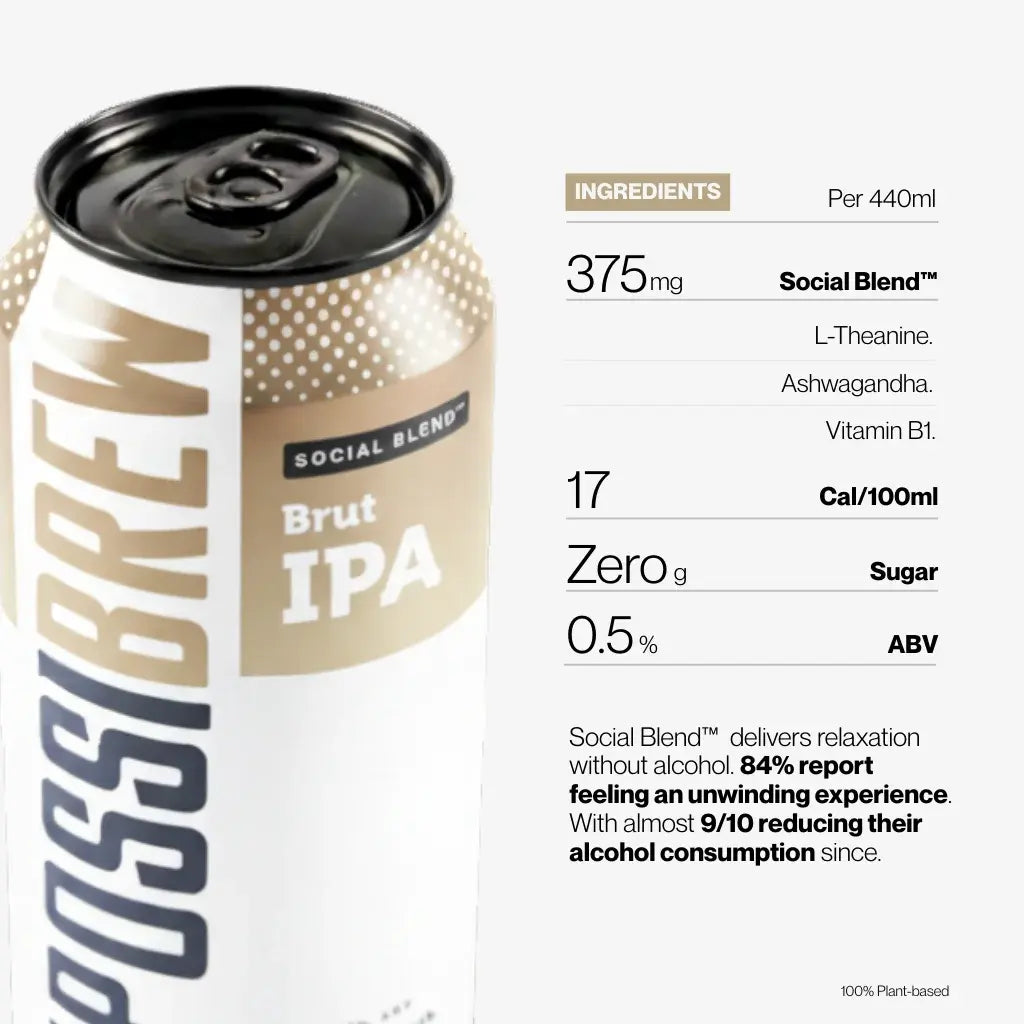
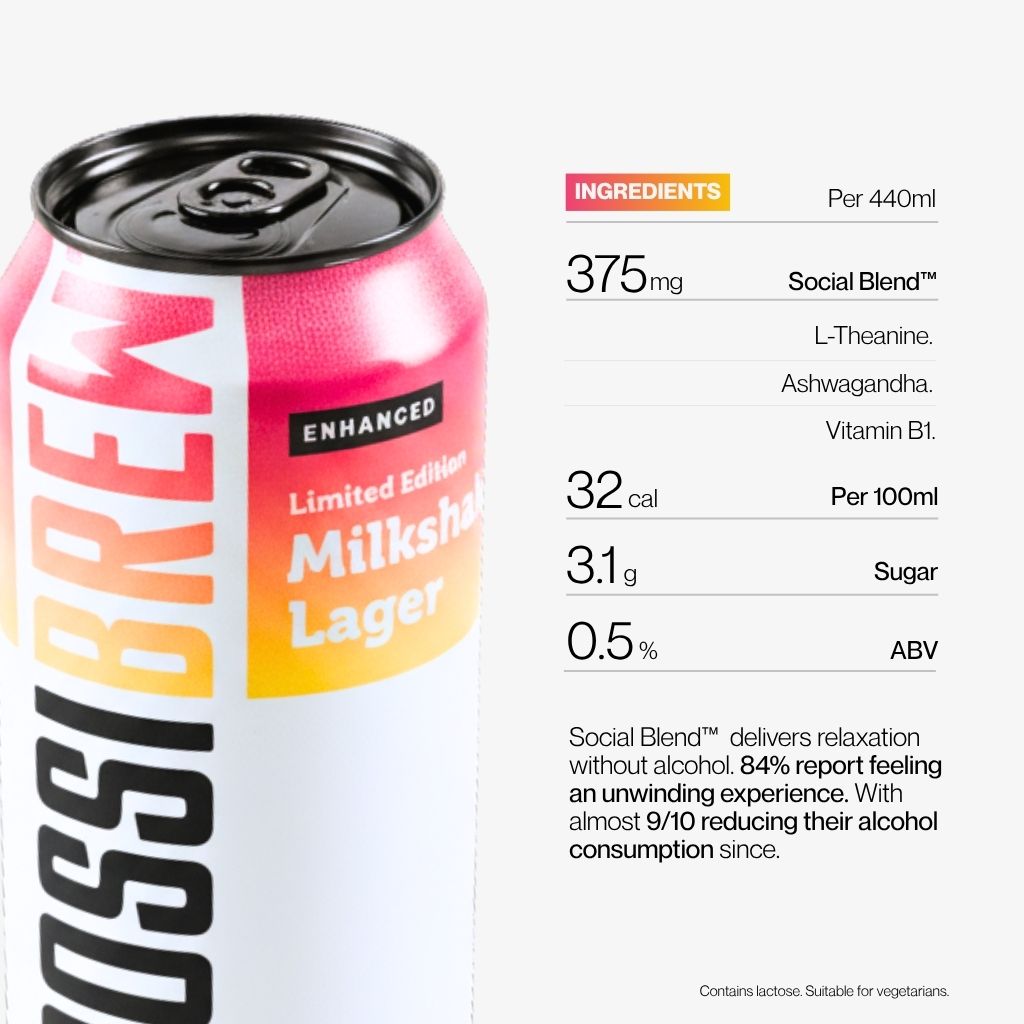
Switching to low-alcohol or non-alcoholic alternatives can significantly reduce your calorie intake. For example, a 330 ml bottle of 0.0% beer contains just 25 calories [52], and a pint of IMPOSSIBREW® Enhanced Lager has about 91 calories [53]. Compared to their alcoholic counterparts, these drinks can save you over 130 calories per serving.
| Drink Type | Portion Size | Calories (kcal) |
|---|---|---|
| Standard Lager (5% ABV) | 1 Pint (568 ml) | 222 [51] |
| IMPOSSIBREW® Enhanced Lager (<0.5% ABV) | 1 Pint (568 ml) | ~91 [53] |
| Wine (12% ABV) | 175 ml Glass | 158 [51] |
| Non-Alcoholic Wine (0.0% ABV) | 175 ml Glass | 40 [52] |
The calorie savings can really add up over time. Imagine you usually drink 6 pints of 5% lager in a week, totalling 1,332 calories. If you switch to 6 bottles of 0.0% non-alcoholic beer, which amounts to just 150 calories, you'd save around 1,182 calories a week [51][52]. These reductions are just one of the many benefits of cutting back on alcohol.
Conclusion
Reducing alcohol intake can bring a range of benefits to your overall well-being, touching everything from sleep and energy levels to weight, skin health, and mood. You might experience deeper, more restful sleep, feel more energised throughout the day, find it easier to manage your weight, and notice healthier, glowing skin. Beyond that, improved liver function, sharper memory, better focus, lower blood pressure, a stronger immune system, and steadier moods are all possible outcomes. These improvements, supported by scientific research, highlight how a balanced approach to alcohol can enhance your quality of life.
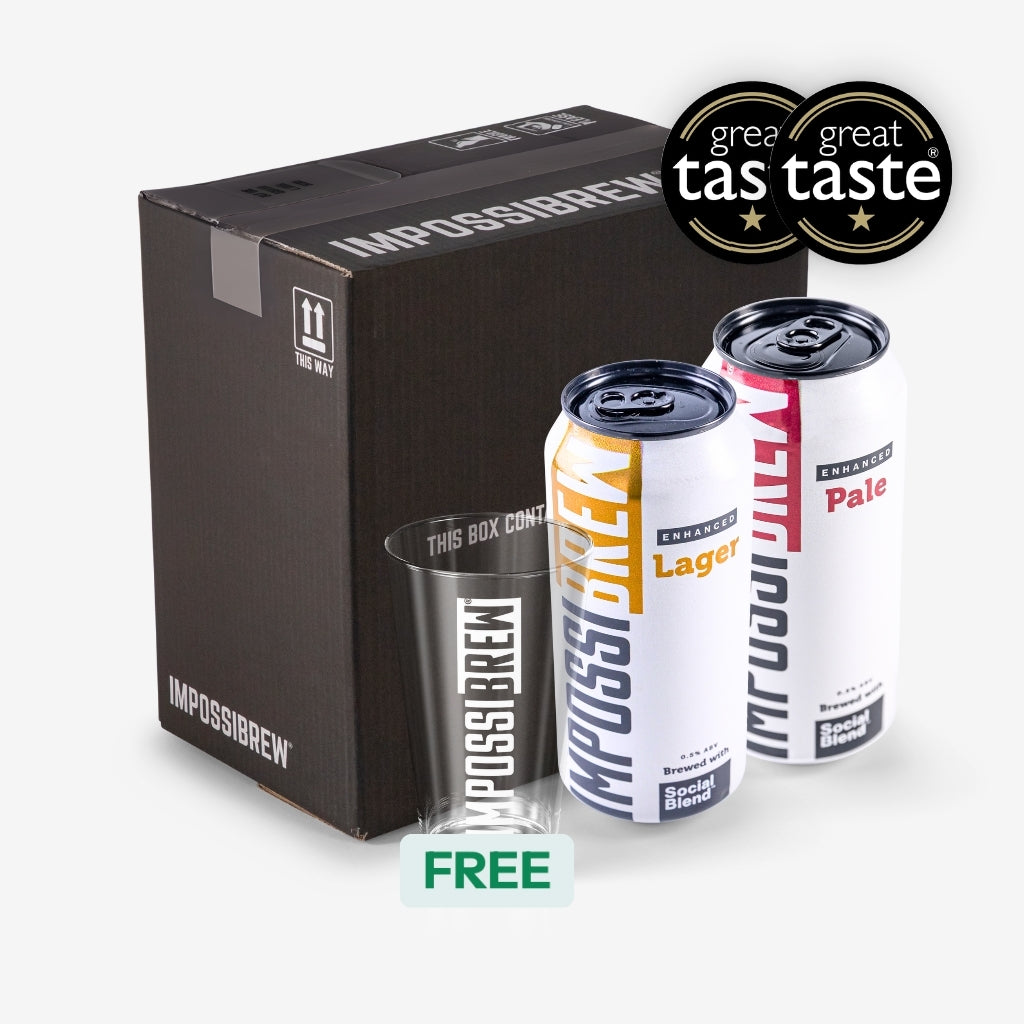
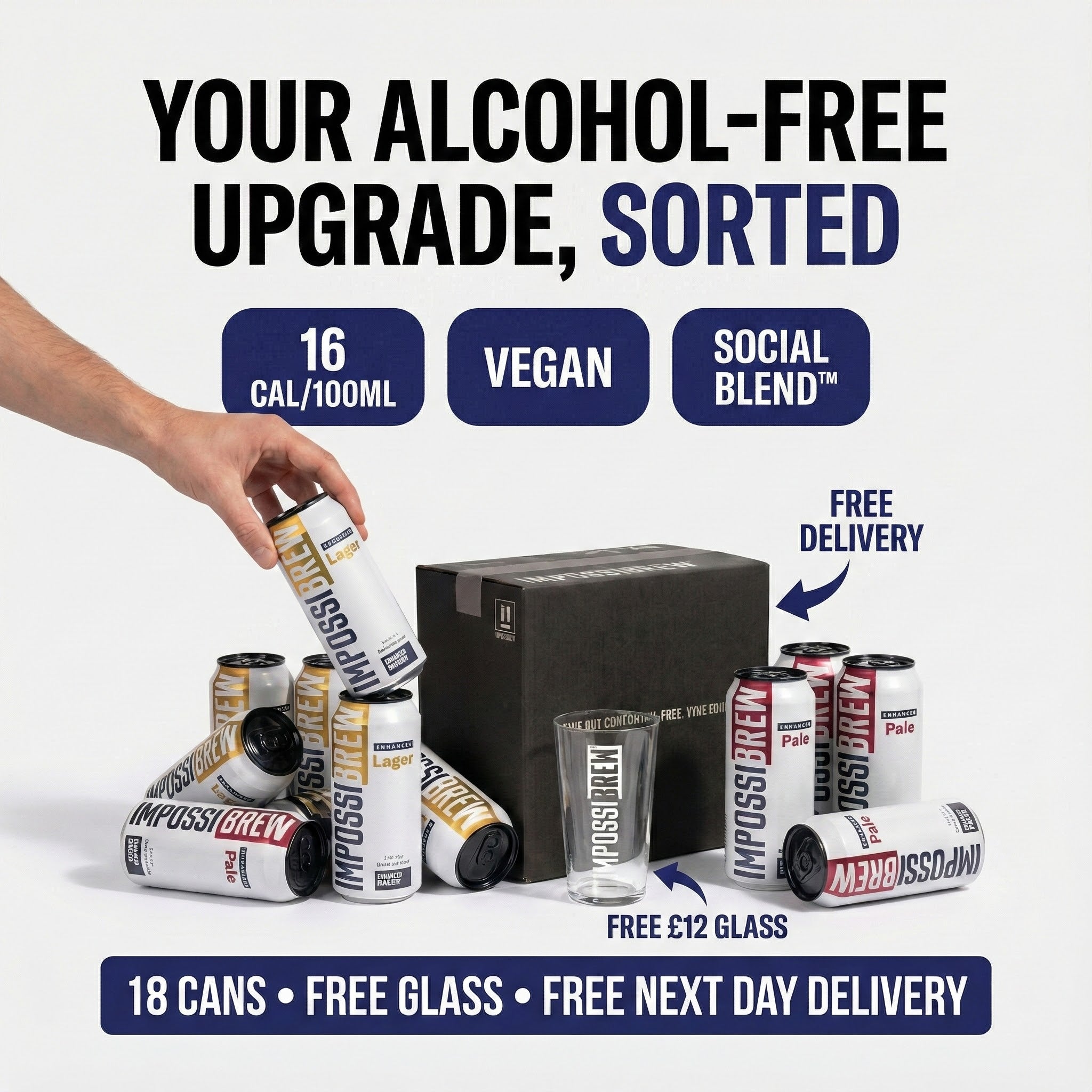
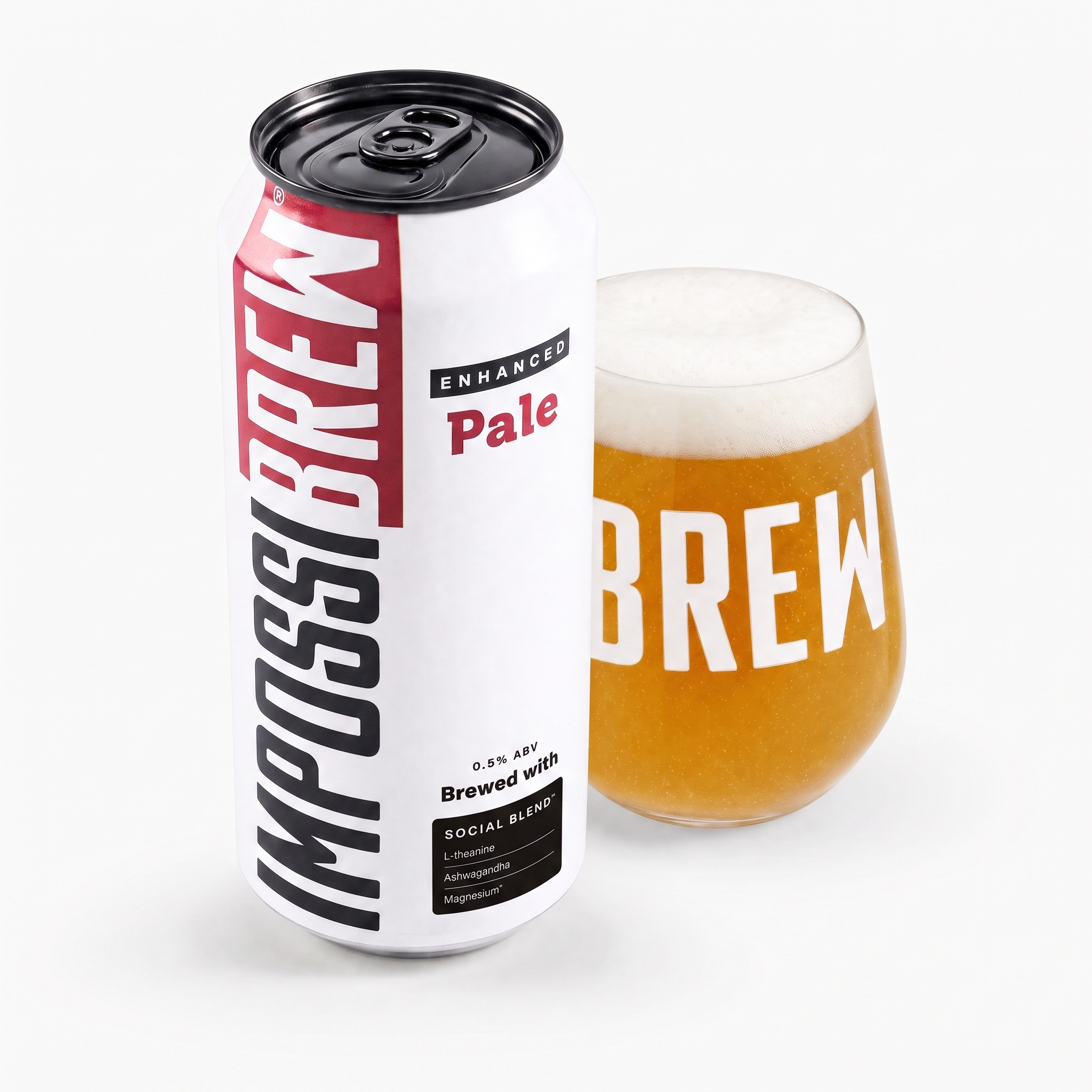
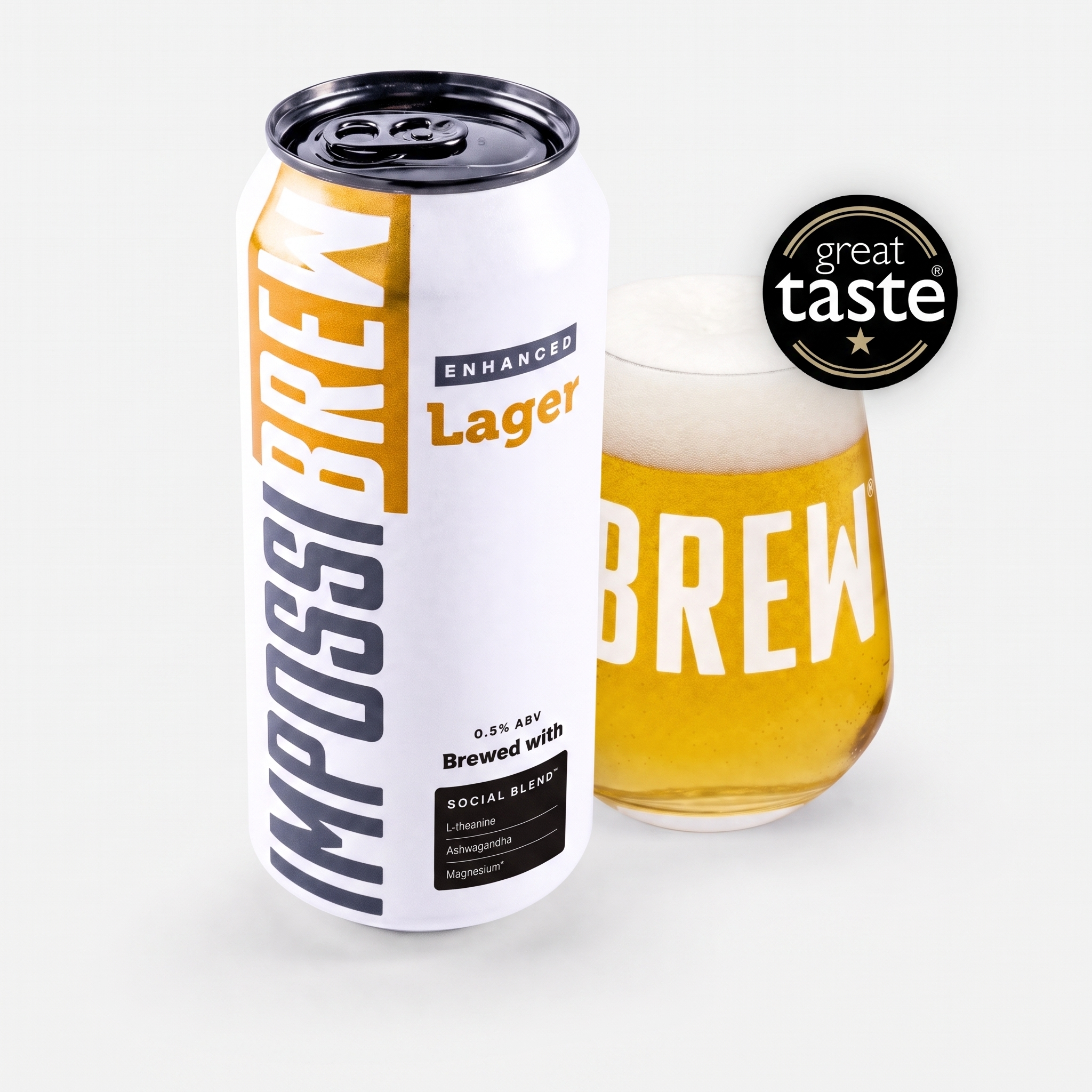
What’s even better? Cutting back doesn’t mean giving up the joy of socialising or relaxing with a drink. Alternatives like IMPOSSIBREW® offer a way to keep those rituals alive while prioritising your health. Their Social Blend™ allows you to unwind without the downsides of alcohol - no hangovers, no disrupted sleep, and no extra calories.
"While alcohol works against your brain, Social Blend™ works with it, promoting relaxation without disruption." - IMPOSSIBREW® [54]
With 88% of users successfully reducing their alcohol consumption after discovering IMPOSSIBREW® [54], and the brand being named "UK's Best Alcohol-Free Lager & Pale" at the World Beer Awards 2023 [54], it’s clear that switching to alcohol-free options doesn’t mean sacrificing taste or enjoyment. Whether you’re cutting back or going alcohol-free entirely, the journey toward better health can still be sociable and satisfying. Every drink you skip is a step toward a brighter, healthier future.
FAQs
How quickly will I notice benefits after cutting back on alcohol?
Reducing alcohol can lead to noticeable changes surprisingly quickly. Within just a day, you might experience better sleep, a brighter mood, and a boost in energy levels. Over the course of a week, you could see additional benefits like clearer skin and improved digestion. Research backs up these positive shifts, showing how swiftly your body begins to recover when alcohol intake is reduced.
How can I cut down safely if I’m a heavy drinker?
If you drink heavily, it's important to cut back on alcohol gradually and seek medical advice if necessary. Start by keeping a drinks diary to track your consumption, and create a realistic plan to reduce your intake over time. Avoid stopping suddenly, as this can lead to withdrawal symptoms. Simple strategies like choosing lower-strength drinks, spacing out alcohol with water, and adding more alcohol-free days to your week can make a difference. If you're struggling or feel dependent, consult your GP or a healthcare professional for personalised support.
How do I reduce alcohol without feeling left out socially?
To reduce alcohol consumption without feeling left out, start by easing into social settings where drinking isn’t the main focus. Share your decision with friends and family so they can support you, and opt for non-alcoholic drinks that look like their alcoholic counterparts to help blend in. Recognise situations or emotions that might tempt you to drink, and prepare polite ways to decline offers. Shift your attention towards activities that don’t centre around alcohol. Creating a supportive atmosphere and taking gradual steps can make socialising without alcohol much more comfortable.