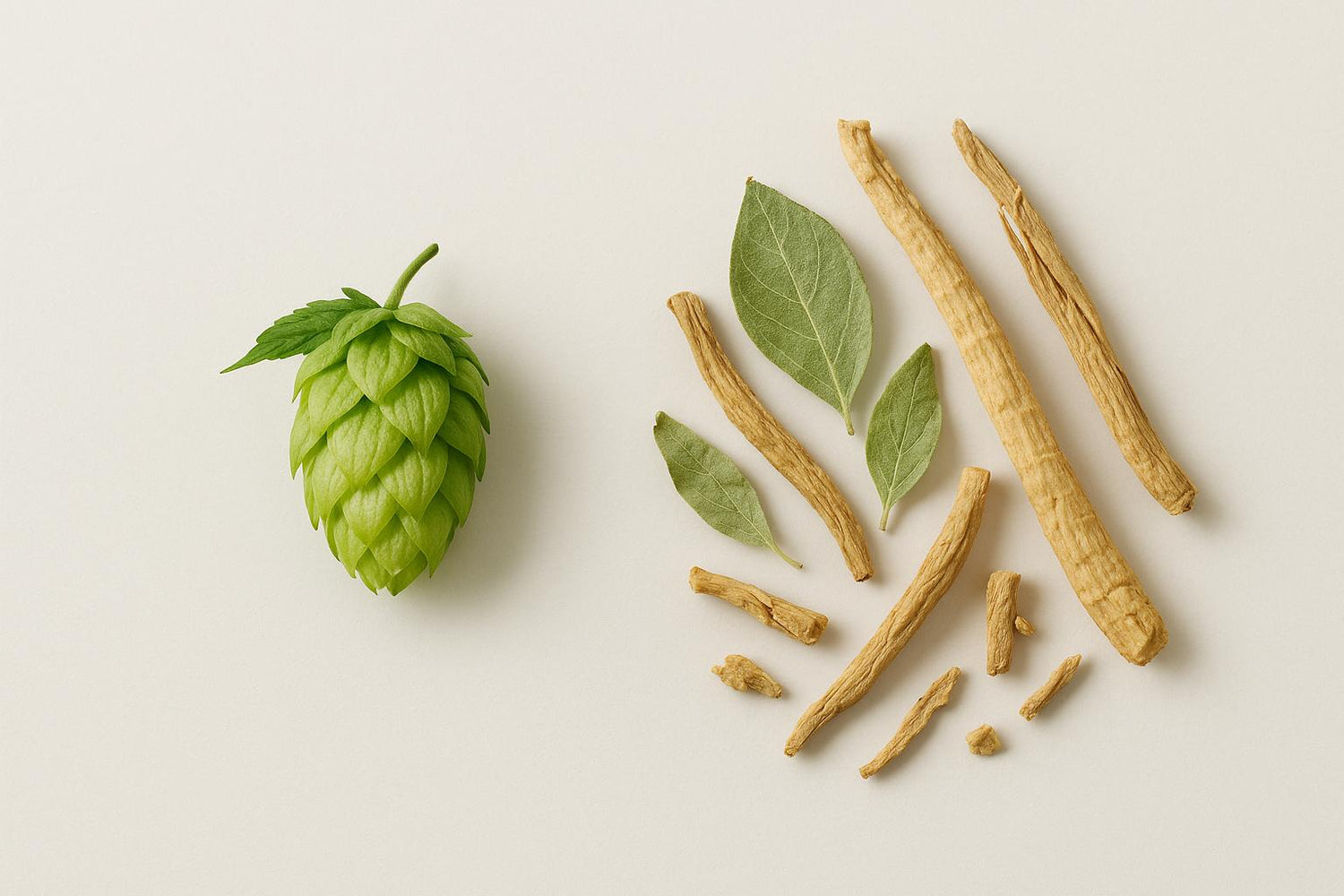
Managing stress is a priority for many, and two natural options - hops and adaptogens - are gaining traction. Hops, known for their role in beer, help with quick relaxation and better sleep by calming the mind and promoting melatonin. Adaptogens, like ashwagandha and rhodiola, work over time to regulate stress responses and build resilience.
- Hops: Fast-acting, ideal for evening relaxation, with effects lasting a few hours.
- Adaptogens: Gradual benefits, suitable for daily use, improving long-term stress management.
Non-alcoholic beers now incorporate hops for relaxation, while adaptogens are featured in functional drinks for stress support throughout the day. Your choice depends on whether you need immediate relief or a long-term solution.
| Aspect | Hops | Adaptogens |
|---|---|---|
| Onset Time | Within about an hour | Weeks of consistent use |
| Primary Action | Quick relaxation, better sleep | Long-term stress balance |
| Best For | Evening unwinding | Daily stress management |
Choose based on your lifestyle and goals, and consult a professional if you're on medication.
HOP WTR Sparkling Hop Water with Adaptogens & Nootropics Variety Pack #sparklingwater #nonalcoholic
How Hops and Adaptogens Work for Stress Relief
Understanding how these natural compounds interact with your body sheds light on why they’re becoming popular alternatives for managing stress. While both hops and adaptogens influence different biological systems, each offers unique benefits. Let’s break down how they work.
How Hops Reduce Stress
Hops influence neurotransmitter systems by boosting GABA activity, a key factor in calming the mind. They contain compounds like xanthohumol and 8‑prenylnaringenin, which are linked to mood regulation. GABA acts as the body’s natural “off switch,” helping to quiet mental noise and ease physical tension. Additionally, hops may promote melatonin production, which can improve sleep quality. Their effects are often felt quickly, making them a go-to option for unwinding after a tough day.
How Adaptogens Reduce Stress
Adaptogens take a different approach, working through the hypothalamic-pituitary-adrenal (HPA) axis, the body’s central stress management system. Instead of providing immediate calming effects, adaptogens help regulate cortisol levels, supporting a more balanced response to stress. Popular adaptogens like ashwagandha, rhodiola, and holy basil are believed to influence enzyme activity within the HPA axis, encouraging a steady cortisol release during stressful periods. With regular use, they build resilience, helping maintain energy and mental clarity over time.
Main Differences in Their Effects
When comparing hops and adaptogens, their distinct roles become clear. Hops are ideal for short-term, immediate relief, thanks to their calming and sedative properties. On the other hand, adaptogens are better suited for ongoing use, gradually enhancing the body’s ability to handle stress over weeks.
Here’s a quick comparison:
| Aspect | Hops | Adaptogens |
|---|---|---|
| Onset Time | Effects felt within about an hour. | Benefits develop over weeks of consistent use. |
| Primary Action | Calms and soothes with a sedative effect. | Balances the body’s stress response. |
| Best Used For | Quick relaxation and better sleep. | Building long-term stress resilience. |
| Duration | Short-term relief lasting a few hours. | Sustained support with regular use. |
| Ideal Timing | Best in the evening or during acute stress. | Suitable for daily use at any time. |
Choosing between hops and adaptogens depends on your needs - whether it’s immediate relaxation or a longer-term strategy for managing stress.
Research and Health Benefits
Research on Hops
Recent studies have shed light on the stress-relieving properties of hops, particularly focusing on matured hop bitter acids (MHBA). These compounds, found in aged hops, have been linked to notable improvements in cognitive function and stress management. For instance, research involving healthy older adults showed that MHBA supplementation enhanced attention and memory retrieval while simultaneously reducing mental stress [1]. Interestingly, even a single dose of MHBA was found to improve attention and executive function, alongside activating the parasympathetic nervous system - an indicator of vagus nerve stimulation [2].
Long-term effects have also been explored. Studies on non-alcoholic beer enriched with MHBA revealed broader mood benefits. Participants reported reduced anxiety, depression, and fatigue, coupled with increased energy levels [3]. Additional benefits included better sleep quality and enhanced work performance, underscoring hops' potential as a stress-management aid.
At the core of these effects is the activation of the vagus nerve, which boosts levels of norepinephrine and dopamine - key neurotransmitters associated with mood and mental clarity [1][2][3].
sbb-itb-a752bf8
How These Ingredients Are Used in Drinks
These ingredients, known for their stress-relieving qualities, are finding their way into drinks that combine wellness with enjoyable flavours.
Hops in Non-Alcoholic Beers
Hops are no longer just for traditional beers - they now bring both flavour and relaxation to non-alcoholic options. Brewers are using matured hop bitter acids (MHBAs) to create beverages that retain the classic beer taste while offering calming benefits.
A study by Kirin revealed that consuming 35 mg of MHBA daily (in a 350 ml serving) for three weeks improved mood, enhanced sleep quality, and boosted work performance [3].
"Non‐alcoholic beer with matured hop bitter acids can be consumed easily, and might be an effective solution to maintaining mental health."
– Takafumi Fukuda et al., Kirin Central Institute, Kirin Holdings Company, Limited [3]
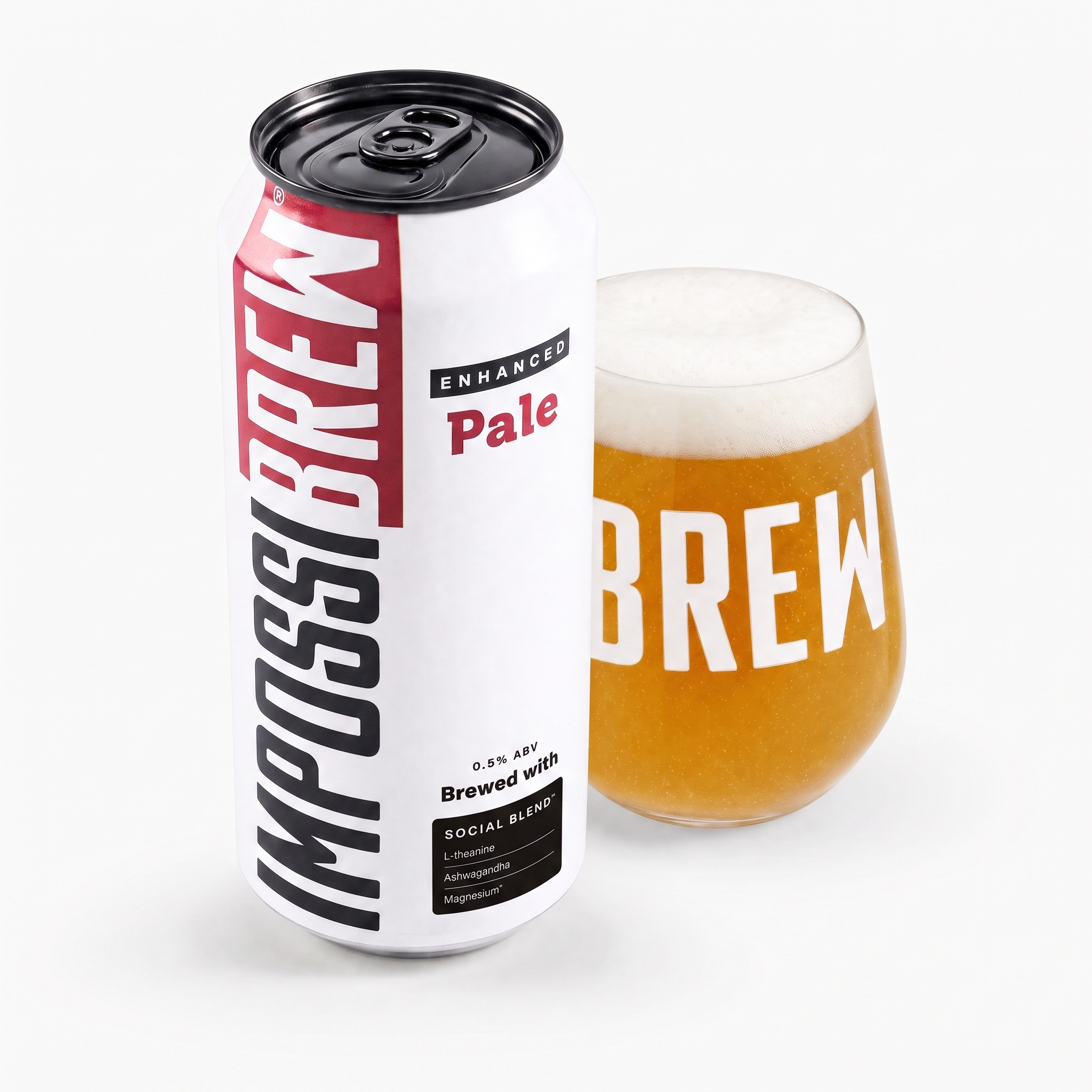
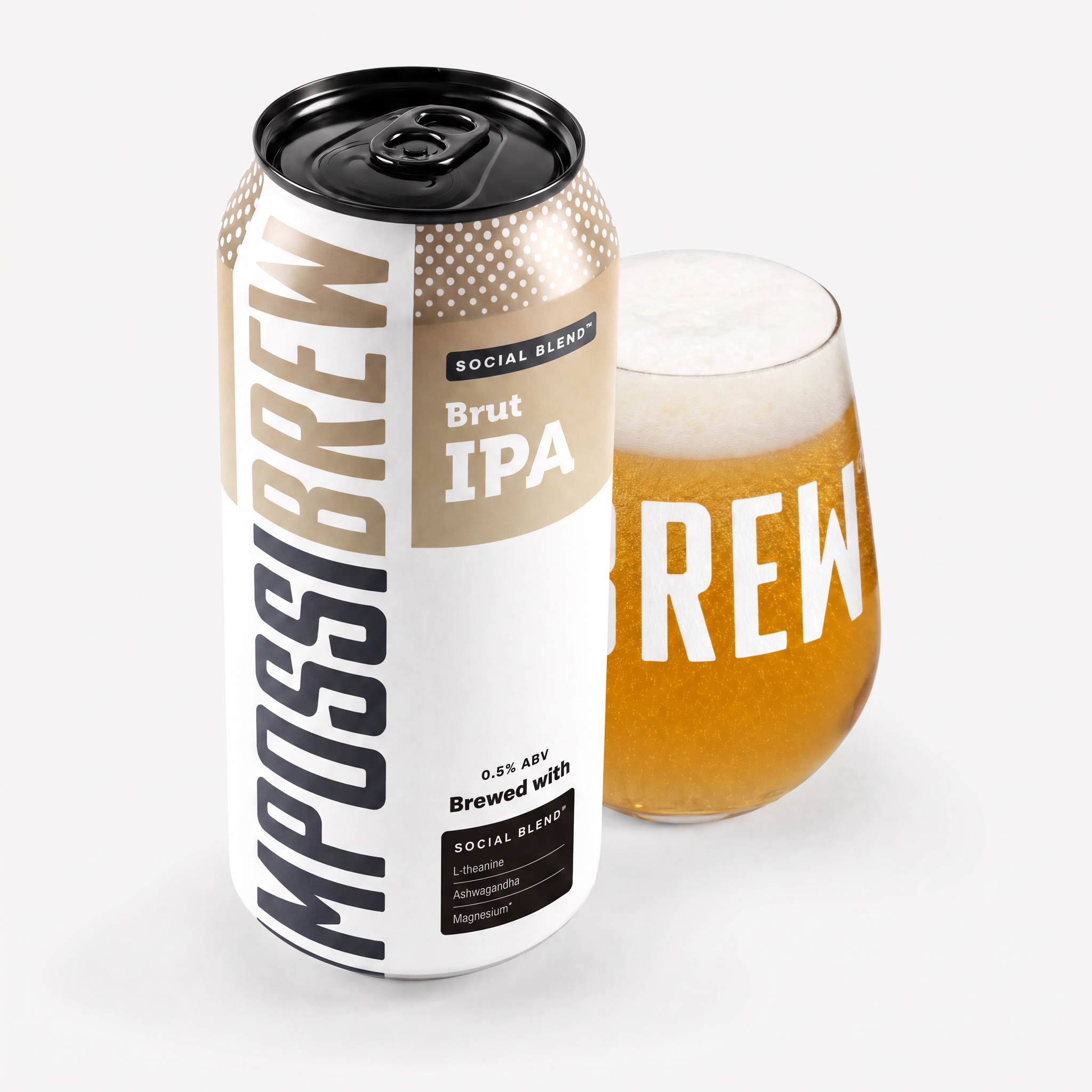
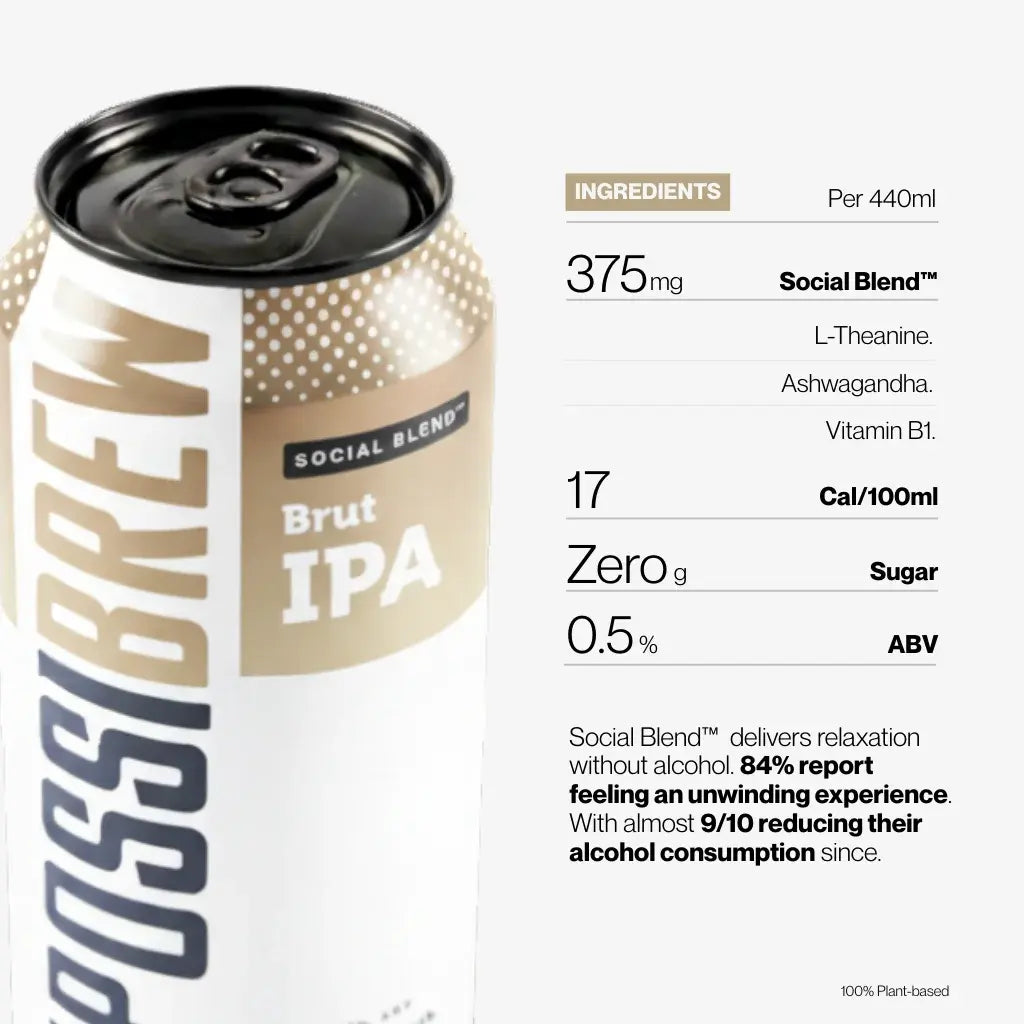
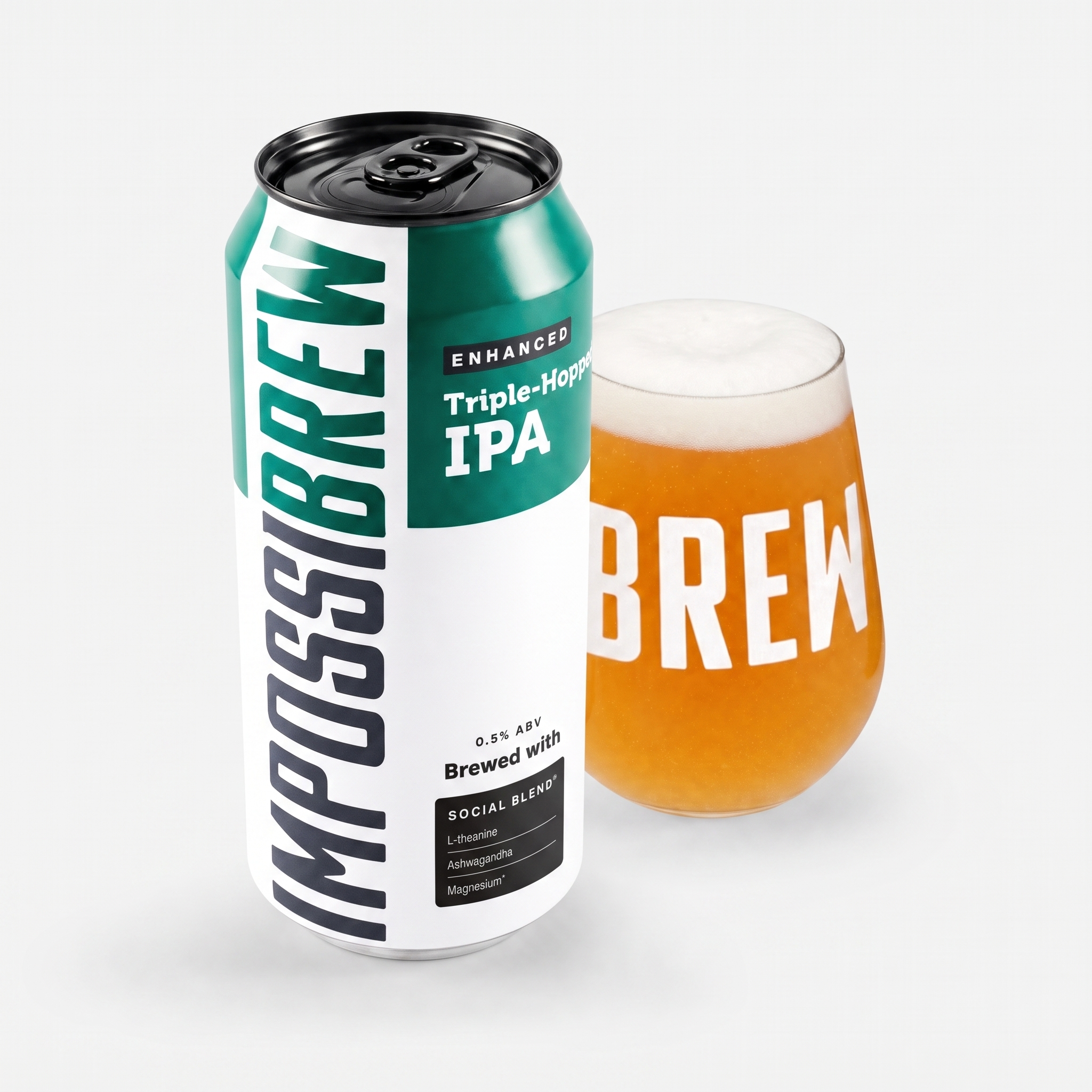
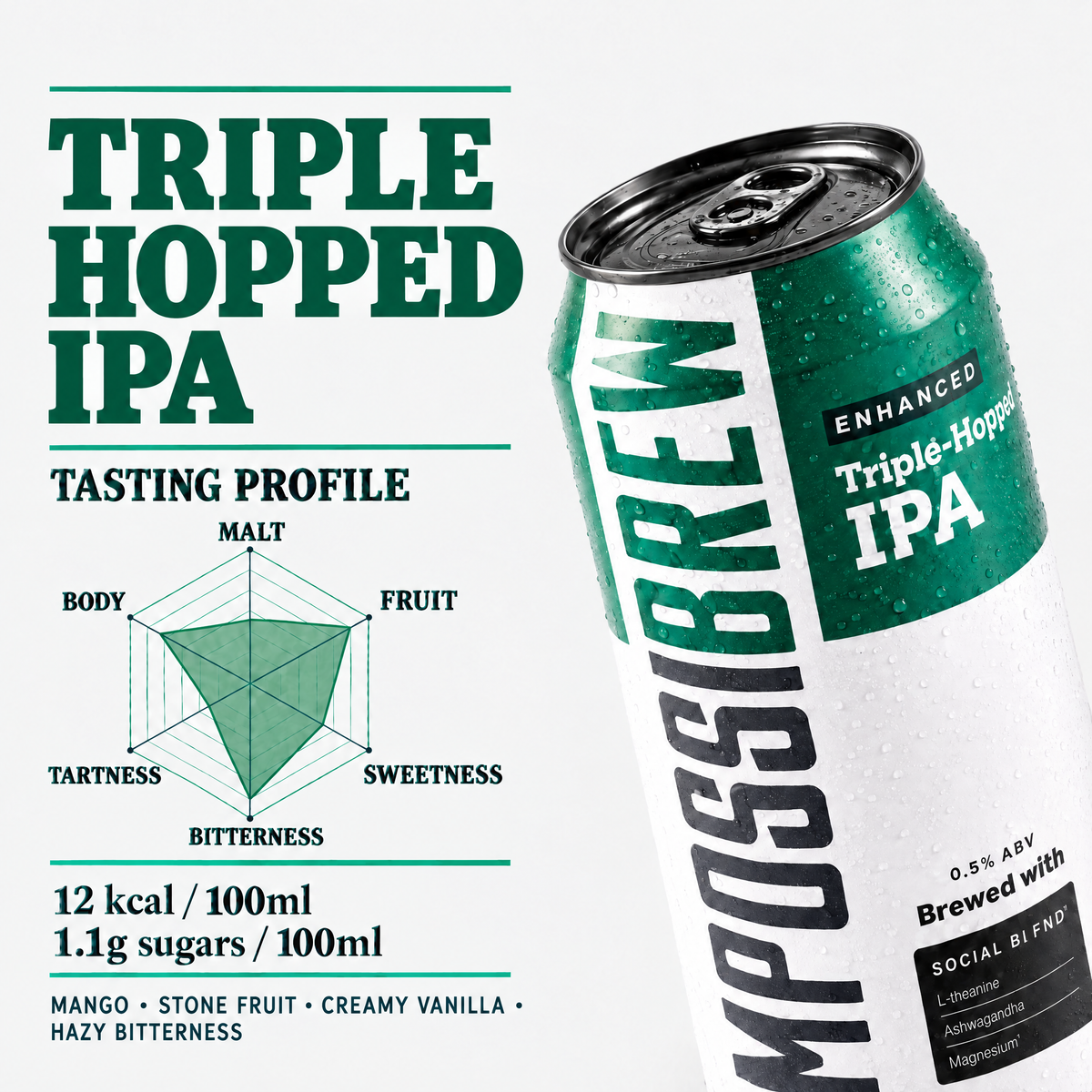
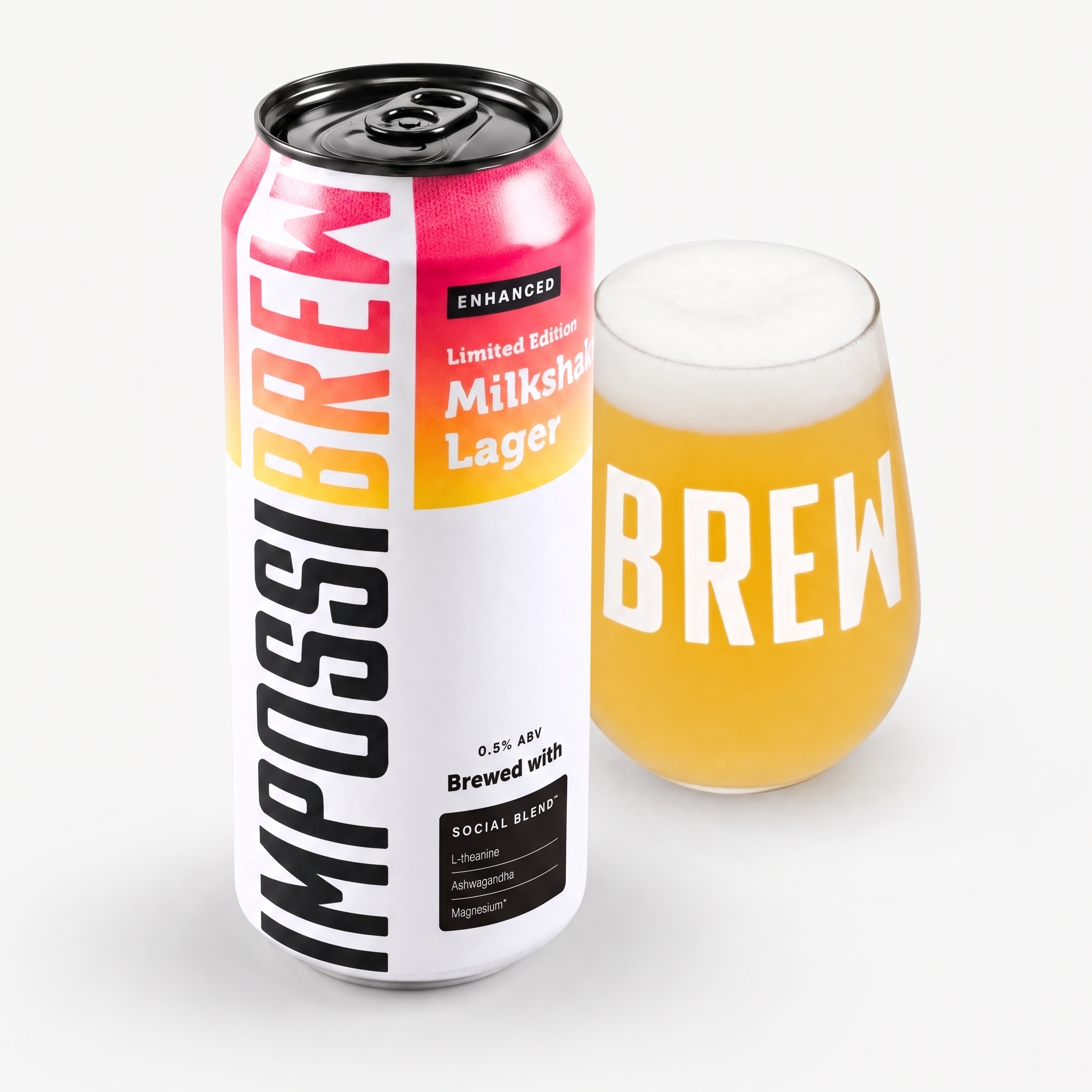
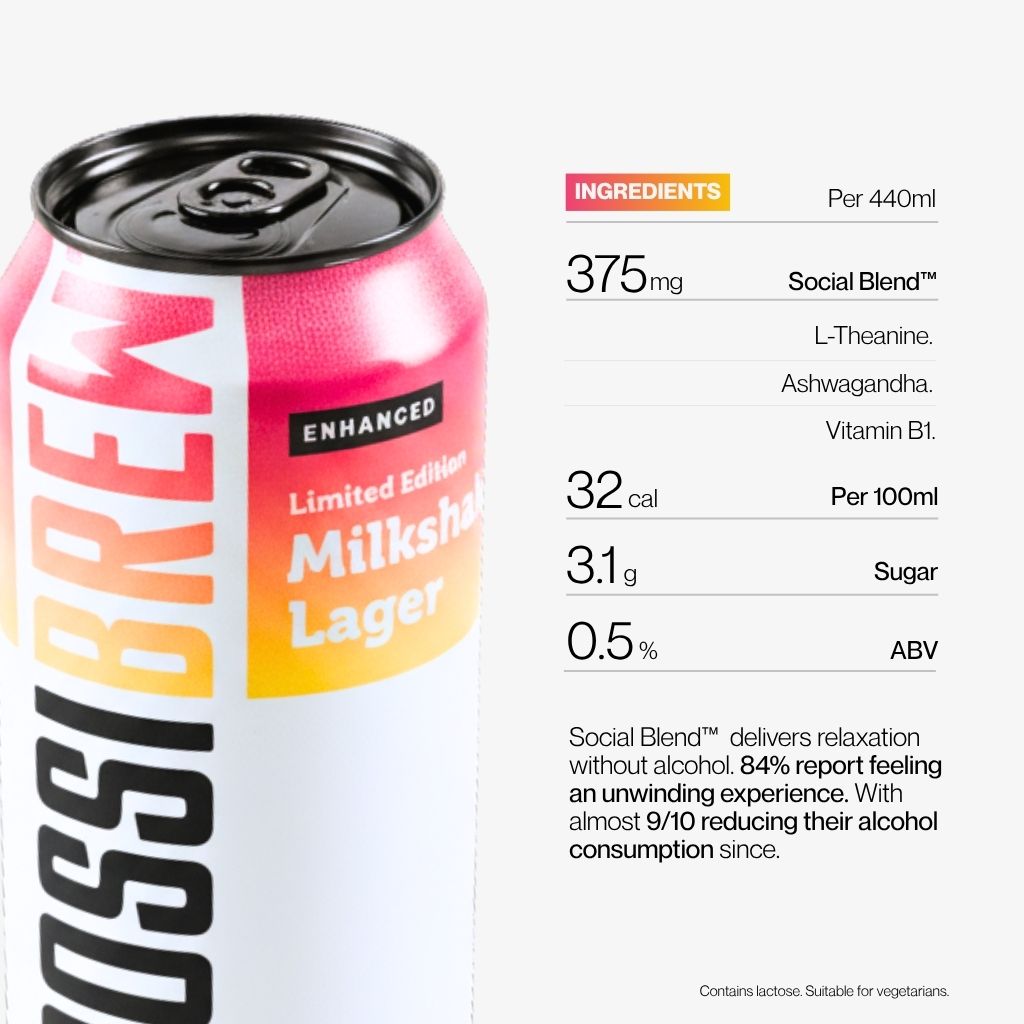
In the UK, IMPOSSIBREW® has embraced this concept with its enhanced non-alcoholic beers. Their proprietary Social Blend™ features hop-derived compounds, allowing drinkers to enjoy the familiar taste of beer while potentially experiencing stress relief. Drinking these beers in the evening may amplify their relaxing effects [3].
Adaptogens in Functional Drinks
While hops are transforming non-alcoholic beers, adaptogens are taking centre stage in functional beverages. These natural compounds are added in various forms, such as powders, extracts, or tinctures [4][6][7]. Powders and herbs, for instance, can easily be blended into smoothies or coffee-based drinks [4].
A growing trend is "adaptogen stacking" - combining different adaptogens to target specific wellness goals [5]. For instance, rhodiola and cordyceps are paired for energy-boosting effects, while ashwagandha and holy basil are chosen for stress relief. This flexibility allows consumers to tailor their choices to their needs, whether it’s improving focus with blends like lion's mane and rhodiola or boosting energy levels [5].
What Consumers Should Consider
When selecting these drinks, several practical factors come into play:
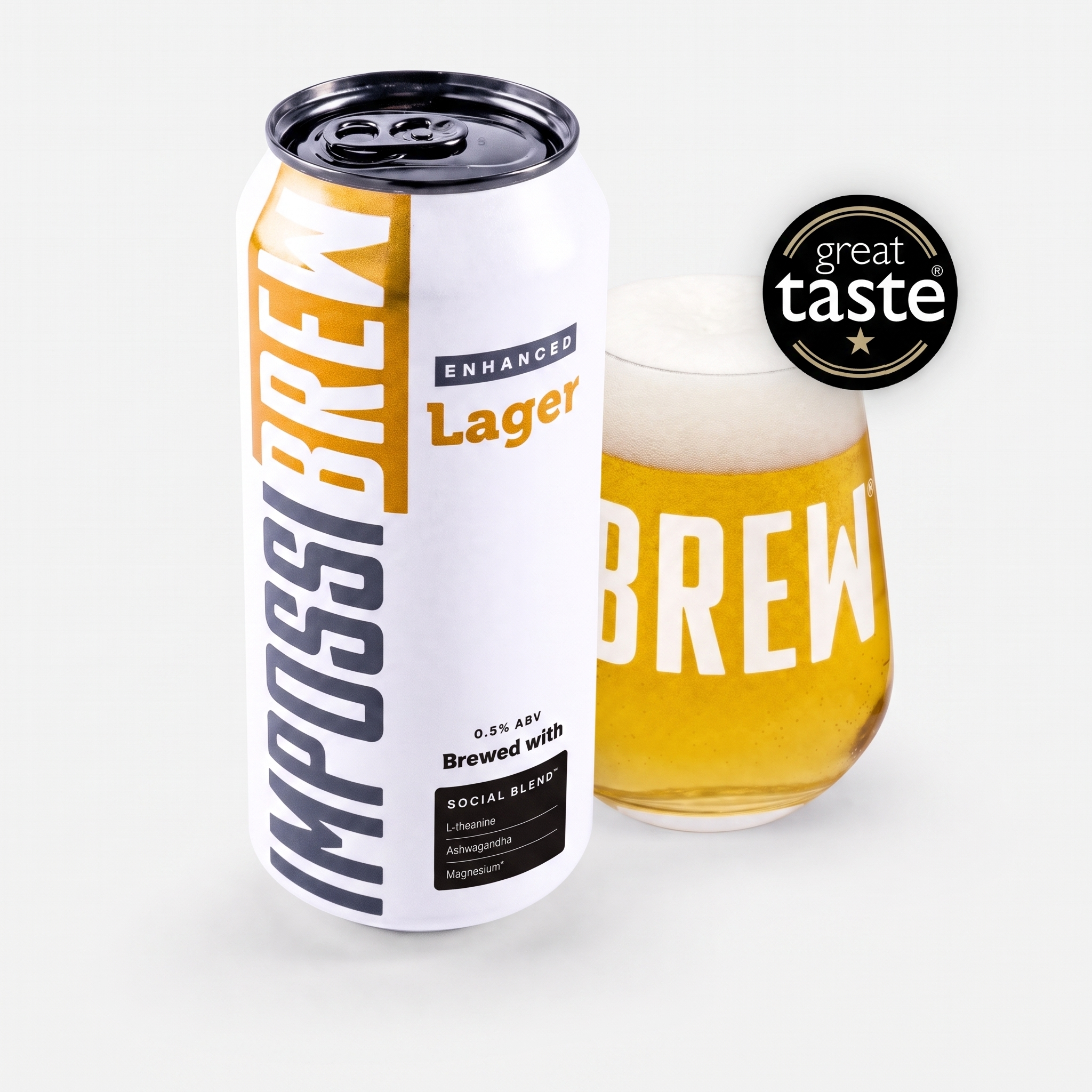
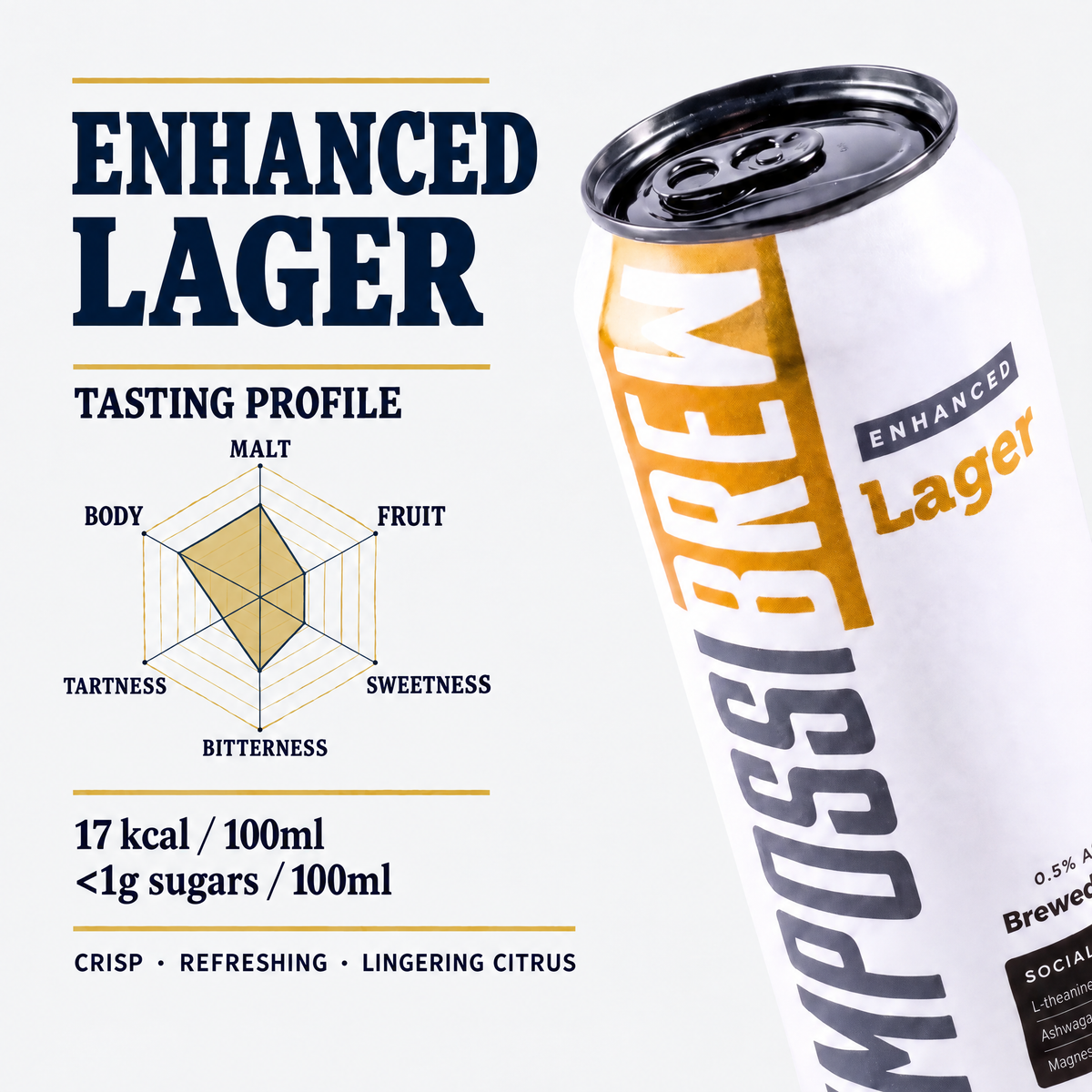
- Taste preferences: Fans of traditional beer flavours might enjoy IMPOSSIBREW®'s Enhanced Lager (£1.97 per can), which offers a crisp, dry profile with citrus notes.
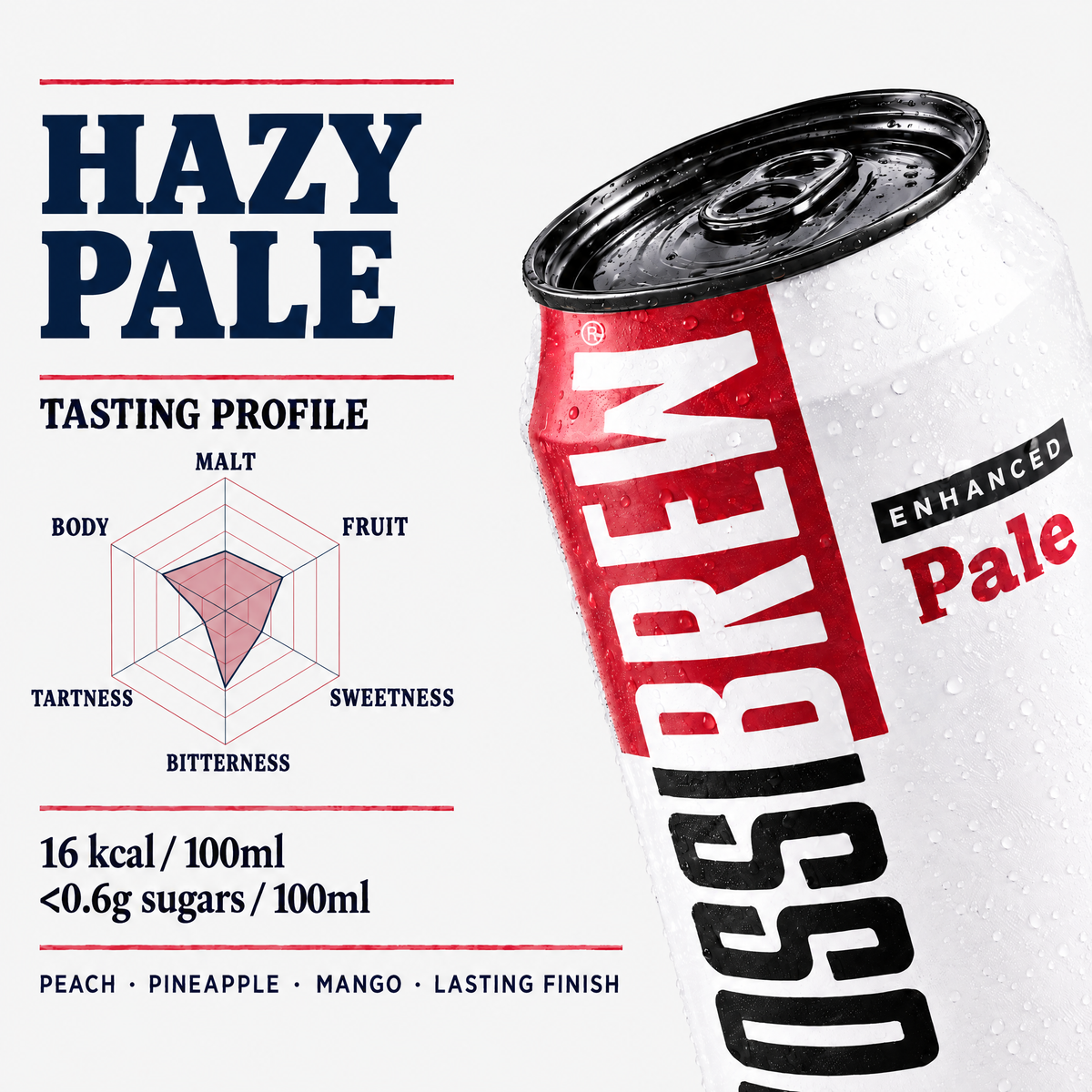
- Dietary needs: IMPOSSIBREW® caters to various diets. Their Enhanced Lager is vegan-friendly and gluten-free, while the Enhanced Hazy Pale is also designed for vegan consumers. Both options are low in calories and contain less than 0.5% ABV.
- Convenience: Hop-based non-alcoholic beers are ready to drink straight from the can. Adaptogen drinks, on the other hand, may require some preparation, though ready-to-drink options are becoming more widely available.
For those new to adaptogens, it’s wise to start small - try one or two adaptogens at a time to see how your body responds before increasing the dosage or experimenting with combinations [5]. This careful approach helps maximise benefits while reducing the risk of any unwanted interactions, particularly for individuals on medication.
Which Stress Relief Ingredient Is Right for You
Deciding between hops and adaptogens comes down to understanding your personal stress relief goals and preferences.
Matching Ingredients to Your Needs
If you're seeking a way to unwind after a hectic day, hop-based drinks might be your go-to. Non-alcoholic beers, like IMPOSSIBREW®'s Enhanced Lager, offer the familiar taste and social experience of beer while promoting relaxation - without the alcohol. This makes them a great choice for easing into the evening.
On the other hand, adaptogens are ideal for those tackling ongoing stress. These natural substances are often incorporated into daily routines to help the body adapt to continuous challenges, making them well-suited for long-term stress management.
For traditional beer enthusiasts, hop-based options such as IMPOSSIBREW®'s Enhanced Lager and Enhanced Hazy Pale deliver both flavour and a calming effect. Meanwhile, adaptogen-infused beverages provide flexibility, fitting seamlessly into moments throughout your day - whether as part of your morning ritual or an afternoon pick-me-up.
Understanding these differences can help you choose the right option for your lifestyle.
Making Decisions Based on Research
Research highlights the unique benefits of both ingredients. Hops are associated with improved mood and better sleep when consumed regularly, while adaptogens support the body's ability to handle stress over time. To find what works best for you, try introducing one ingredient at a time and observe the effects.
If you're taking medication or have existing health concerns, it's always wise to consult a healthcare professional. Both hops and adaptogens could interact with certain prescriptions, so expert advice is essential.
Practical Recommendations
Hop-based non-alcoholic beers, like IMPOSSIBREW®'s offerings, are perfect for immediate relaxation, while adaptogens are better suited for fostering long-term stress resilience. Many people find that combining the two - using hops to wind down in the evening and adaptogens for daily balance - provides a well-rounded approach to stress management. Ultimately, the best choice depends on how these ingredients align with your specific needs.
FAQs
What’s the difference between hops and adaptogens for managing stress?
Hops are well-regarded for their quick calming properties, offering relief from anxiety and promoting better sleep, often within just a few hours. However, when it comes to managing stress over the long term, their role is more about providing support rather than actively repairing stress-related issues.
In contrast, adaptogens work more slowly, focusing on strengthening the body's ability to cope with stress. These natural substances typically require two to three weeks to deliver noticeable results, helping to rebalance the body and improve its stress response over time.
The choice between the two depends on your needs: hops are ideal for immediate relaxation, while adaptogens are better suited for gradual, long-term stress management.
Are there any side effects or interactions to consider when using hops or adaptogens for stress relief?
Hops are typically safe for most people but can occasionally lead to mild side effects, such as dizziness. They may also interact with certain medications, especially those processed by the liver. If you have hormone-sensitive conditions, it's best to approach hops with caution.
Adaptogens are generally well-tolerated, though minor side effects like drowsiness or an upset stomach can occur. They can also interact with medications for conditions such as high blood pressure, diabetes, or thyroid disorders. For instance, ashwagandha may affect blood sugar and blood pressure levels. If you're on medication or managing any underlying health issues, it's always a good idea to consult a healthcare professional before using these ingredients.
Can hops and adaptogens work together to help with stress relief?
Yes, hops and adaptogens can work well together to promote stress relief. Hops are widely recognised for their soothing effects, while adaptogens support the body in managing stress and maintaining equilibrium. When combined, they may offer a more rounded approach to relaxation and overall mental wellbeing.
Studies suggest that these ingredients can complement each other, potentially amplifying their individual benefits. For instance, hops help encourage a sense of calm, whereas adaptogens like ashwagandha and rhodiola are known to boost the body's ability to handle stress over time. Using them together could address both immediate relaxation and long-term stress resilience effectively.