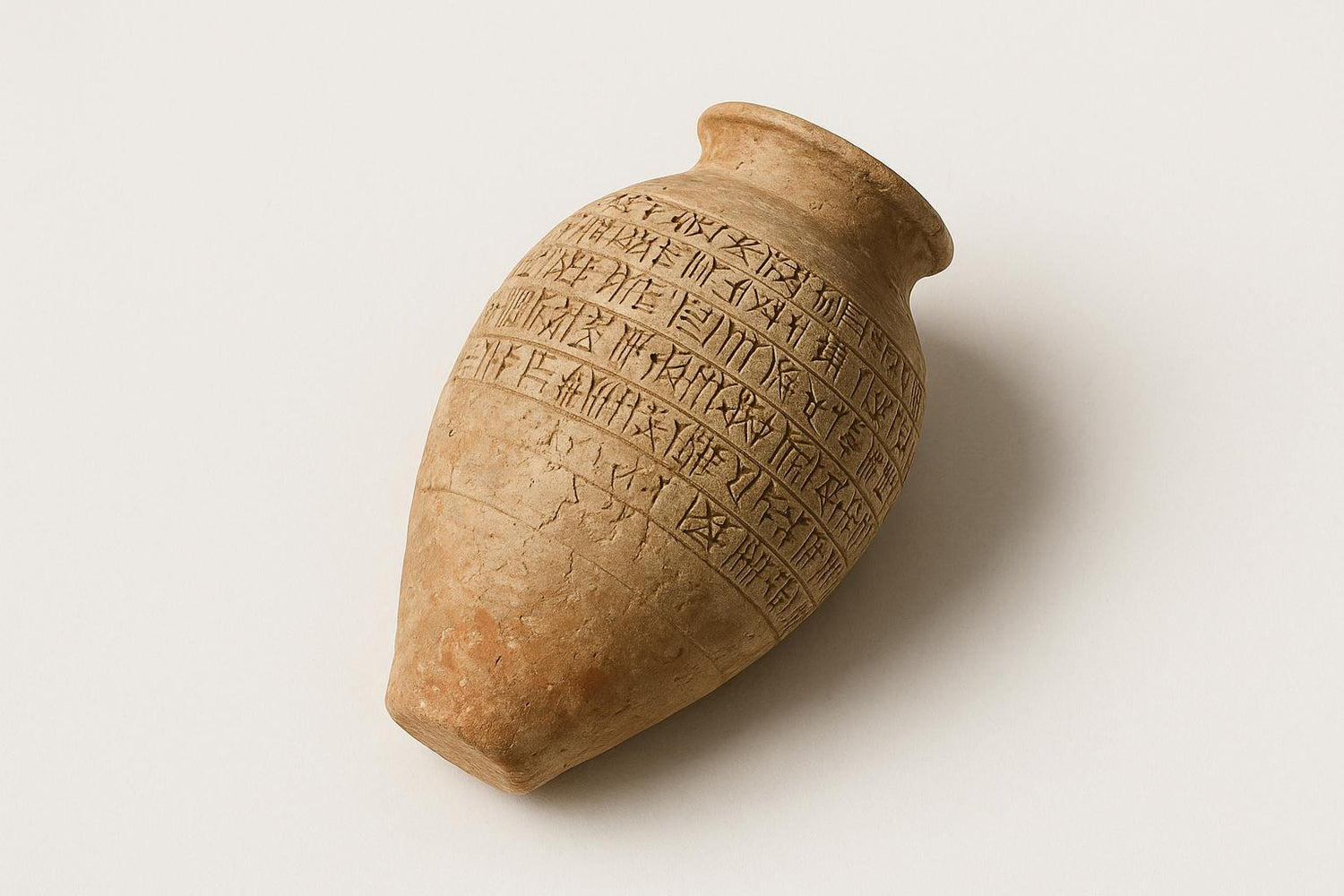
The Sumerians, around 4,000 BCE in Mesopotamia, were the first society to brew and trade beer systematically. Beer was more than a drink - it was integral to their economy, daily life, and religious practices. Workers were paid in beer, and it was safer than water to consume. Brewing was tied to female deities like Ninkasi, and recipes were inscribed on clay tablets. Archaeological finds, like brewing tools and cuneiform texts, reveal their advanced methods and large-scale production. Beer also played a key role in trade, diplomacy, and law, becoming a cornerstone of civilisation. Today, modern brewing still reflects these ancient foundations.
Brewing History: The Role of Beer in Ancient Mesopotamia
Sumerian Brewing Methods and Techniques
The Sumerians were trailblazers in the art of brewing, developing fermentation methods that laid the groundwork for regular beer production. While their techniques differ significantly from modern practices, they reveal a sophisticated grasp of fermentation and ingredient preparation essential for consistent brewing.
Ingredients and Fermentation Methods
Barley was the cornerstone of Sumerian brewing, forming the base for nearly all their beer varieties [5]. However, their approach went beyond simply fermenting grains. A unique barley bread or cake called bappir was a key ingredient in the brewing process, used alongside malted barley known as munu [5][6].
Proto-cuneiform texts dating back to 3,200–3,000 BCE describe nine distinct beer types, differentiated by ingredient proportions and the size of brewing vessels. Some recipes incorporated additional ingredients like titab, emmer wheat, date syrup, and GAR tam-ma [6]. Premium varieties often featured date syrup and other flavour enhancers to create distinct taste profiles [5]. Interestingly, hops - a staple in modern beer - were absent from Sumerian brewing. Instead, they relied on natural fermentation, using airborne yeast or leftover dregs from previous batches. This method resulted in beers with an alcohol content ranging from 2–5% ABV, with individuals typically consuming about a litre daily [7].
The diversity of these recipes necessitated specialised brewing tools to support their production.
Brewing Equipment and Containers
Sumerian brewing equipment showcased their understanding of fermentation. Barrel-shaped clay vessels, capable of holding up to 200 litres, were central to their brewing operations [6]. These vessels were often partially buried in the ground to regulate fermentation temperatures naturally.
Excavations at Tall Bazi in 2006 revealed that many households contained not only these large fermentation vessels but also smaller, perforated containers holding around 100 litres. These perforations likely helped separate liquids from sediment, simplifying the brewing process [6].
Given the thick, sediment-laden nature of their beer, Sumerians used straws to drink directly from communal vessels. Graduate student Tate Paulette explained the practicality of this method:
"The straws get down through that top layer, acting as a filter." [8]
Other tools included spouted vessels designed to separate beer from yeast post-fermentation and grain-milling devices, which were commonly found in households engaged in regular beer production [6].
How Sumerian Beer Differed from Today's Beer
Sumerian beer bore little resemblance to the clear, refined beverages we enjoy today. Their beer was thick and porridge-like, consumed through straws to bypass sediment [5][1]. The clay fermentation containers allowed oxygen to seep in, and without temperature control, brewers depended on ambient conditions. This led to inconsistent flavours and outcomes that modern brewers would likely find undesirable [9].
Whether Sumerian beer consistently contained alcohol remains a topic of debate [5]. However, the scale of beer consumption is evident in historical records, such as the banquet stela of Neo-Assyrian King Ashurnasirpal II, which mentions 10,000 jars of beer served during a 10-day feast [5].
Beer as Currency and Trade Good
In Sumerian society, beer wasn't just a drink - it was a cornerstone of their economy. It became a form of liquid currency due to its inherent value, its ability to be divided into smaller portions, and its use as a standard for measuring worth. This economic role allowed beer to facilitate trade, pay workers, and even serve as a tool for diplomacy.
Trading Beer with Other Civilisations
The Sumerians faced a major hurdle: their homeland in Mesopotamia lacked essential resources like stone, metals, and timber[10]. To address this, they established vast trade networks stretching to regions such as Oman, Arabia, Anatolia, the Indus Valley, and the Iranian Plateau[10]. Around 3,500 BCE, the city of Uruk became a hub where beer was exchanged for rare materials like precious stones, wood, and metals[7]. Its high nutritional value made beer a prized trade item, while its portability and universal appeal made it ideal for both local bartering and long-distance exchanges.
Beer as Payment for Workers
Beer wasn't just for drinking; it was also a common form of payment for labour. Cuneiform tablets from ancient Sumeria detail how workers were compensated with beer. For example, one tablet from Uruk reveals that temple labourers received 1.75 litres of beer per day as wages, while higher-ranking officials were given roughly five times that amount[3]. This wasn't unique to the Sumerians - similar practices were found in ancient Greece, Rome, and Egypt, where beer rations were part of workers' compensation[11]. Beyond its caloric and nutritional value, beer was a staple that sustained the workforce.
Beer in Diplomatic Relations
Beer also held a place in diplomacy. It was often presented as a gift to strengthen bonds and express goodwill between city-states and kingdoms. While detailed records of these exchanges are scarce, the prominence of beer in Sumerian life suggests it played a meaningful role in fostering alliances and maintaining political relationships.
sbb-itb-a752bf8
Beer's Role in Sumerian Society and Law
Beer was more than just a beverage in ancient Mesopotamia - it was a cornerstone of Sumerian spirituality, social customs, and legal systems. Its presence was woven into the fabric of what it meant to be part of a civilised society.
Beer in Religious Ceremonies
Beyond its economic and social importance, beer held a sacred place in Sumerian religious life. The Sumerians viewed beer as a divine gift from the gods, intended to bring happiness and well-being to humankind [3]. Brewing was seen as a holy act, connecting the brewer to the divine realm [4]. Temples often became hubs for beer offerings, symbolising its role as a bridge between mortals and the gods.
Several deities were closely tied to beer, including Siris, Siduri, Nisaba, and most notably, Ninkasi - the goddess of beer [3]. Ninkasi’s significance was such that hymns dedicated to her not only praised her divine role but also served as practical brewing guides, passed down in poetic form [4]. Scholar Adolf Leo Oppenheim highlighted this unique connection:
"The Brewer's craft is the only profession in Mesopotamia which derives divine protection and social sanction from a goddess - in fact from two female figures of the pantheon: Ninkasi and Siris." [3]
Beer in Social Life and Diet
In Sumerian culture, knowing how to drink beer was considered a marker of civilisation. This is famously illustrated in the Epic of Gilgamesh, where Enkidu’s transformation into a civilised man begins when he learns to eat bread and drink beer [3]. The act of drinking beer wasn’t just about enjoyment - it was a societal norm, deeply tied to identity and culture.
On average, Sumerians consumed about one litre of beer daily, making it a staple of their diet and a key source of nutrition [3]. Their beers were far from monotonous, often enhanced with ingredients like fenugreek, coriander, dates, safflower, lupine, mandrake, grape pips, and orange peels. This variety catered to different tastes and occasions, reinforcing beer’s central role in daily life. Beer drinking was also a communal activity, fostering social bonds and often holding greater cultural significance than bread [4, 21].
Laws Governing Beer Production and Sale
As beer became increasingly essential to Sumerian society, its production and trade were tightly regulated. Some of the earliest legal codes, including the Code of Hammurabi (circa 1755–1750 BCE), dedicated significant attention to beer. This code categorised beer into 20 different types and imposed strict price controls on brewers and tavern owners [13]. Women were particularly prominent in the brewing industry, managing breweries and taverns across Sumerian and Babylonian territories [4, 24].
However, with this prominence came responsibility. Legal codes imposed severe penalties for violations, such as improper payments or failing to maintain tavern security [23–24]. These regulations highlight just how deeply beer was embedded in both the economy and the social order of Sumerian life.
From Ancient Brewing to Modern Beer
From the early brewing practices of the Sumerians to the innovations of today's craft beer industry, the essence of brewing has remained remarkably consistent, even as modern science and consumer expectations continue to evolve.
How Sumerian Methods Influenced Later Brewing
Around 4000 BCE, the Sumerians laid the foundation for brewing, establishing methods that shaped the craft for thousands of years. They developed a systematic process using barley and other grains, mashing, boiling wort, and fermenting with yeast. This approach became the blueprint for brewing across different civilisations. In fact, the earliest recorded beer recipe, dating back to approximately 1800 BCE, highlights their advanced understanding of fermentation and brewing techniques [1][2][14].
The Sumerians' brewing expertise spread through trade networks, influencing cultures like the Egyptians. Professional brewers, known as "tabarni", were integral to this organised system. Archaeological evidence, including specialised brewing vessels and controlled fermentation methods, shows how Sumerian practices became the bedrock of brewing traditions that followed.
Beyond the technical aspects, beer was central to Sumerian life. It was more than a beverage - it was currency, sustenance, and a symbol of celebration. This communal aspect of beer culture, deeply rooted in Sumerian society, resonates with the craft beer movement today, which also blends community spirit with innovation.
Modern Brewing Science Meets Ancient Methods
Modern brewing combines ancient traditions with cutting-edge technology. Many craft brewers are revisiting Sumerian methods, experimenting with wild fermentation and ancient grains to honour the origins of the craft. At the same time, advances like controlled fermentation, membrane filtration, and yeast modification help brewers tackle challenges like off-flavours and improve consistency.
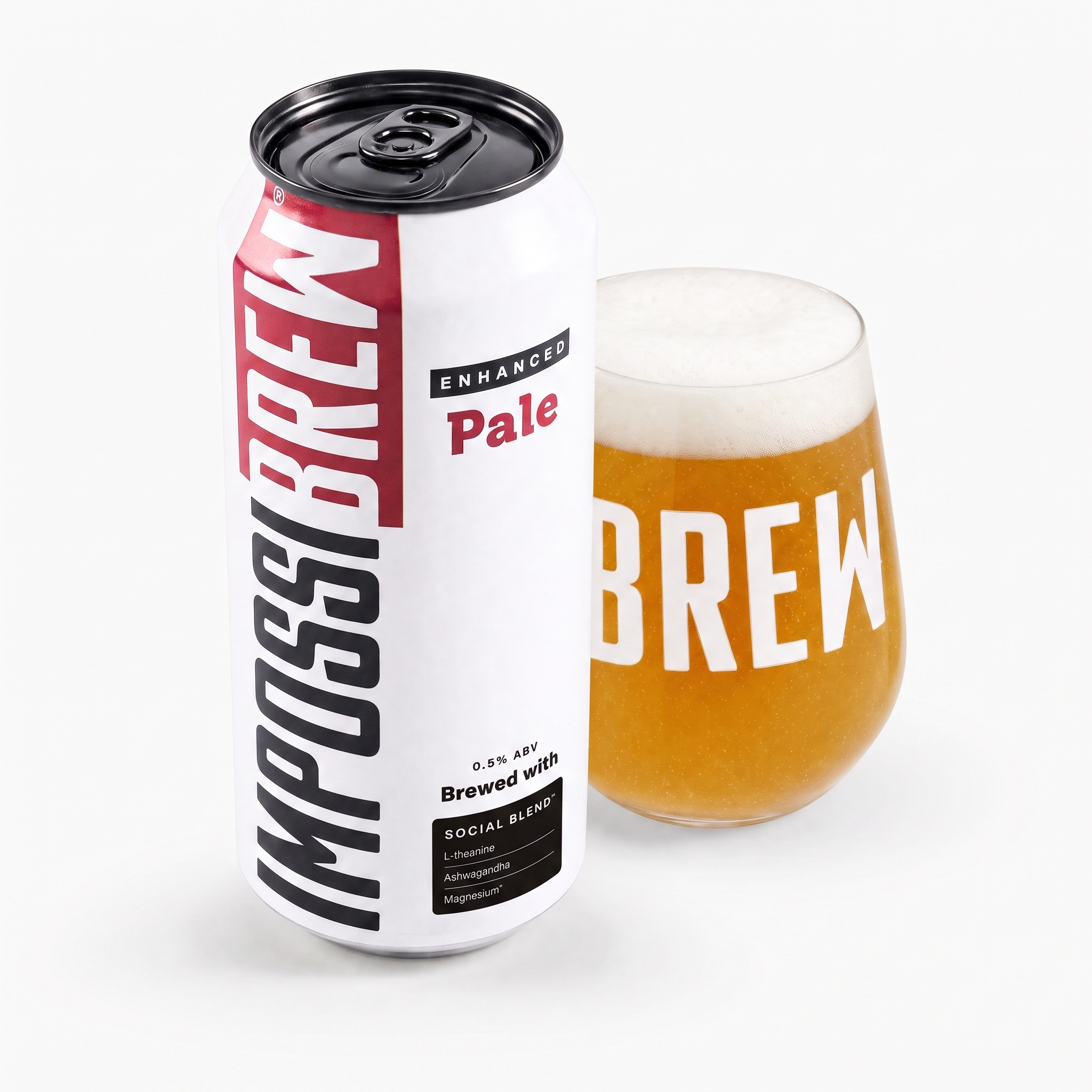
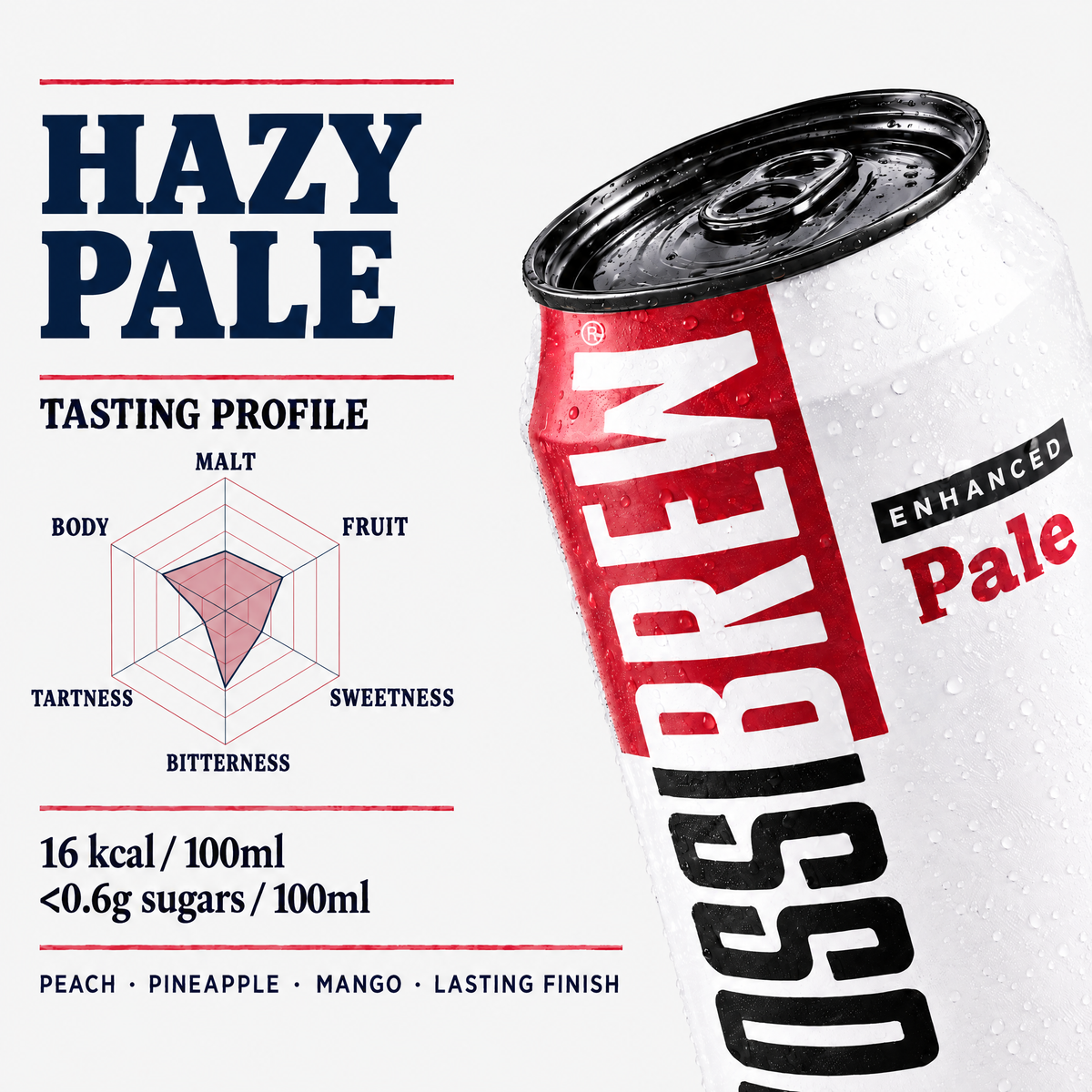
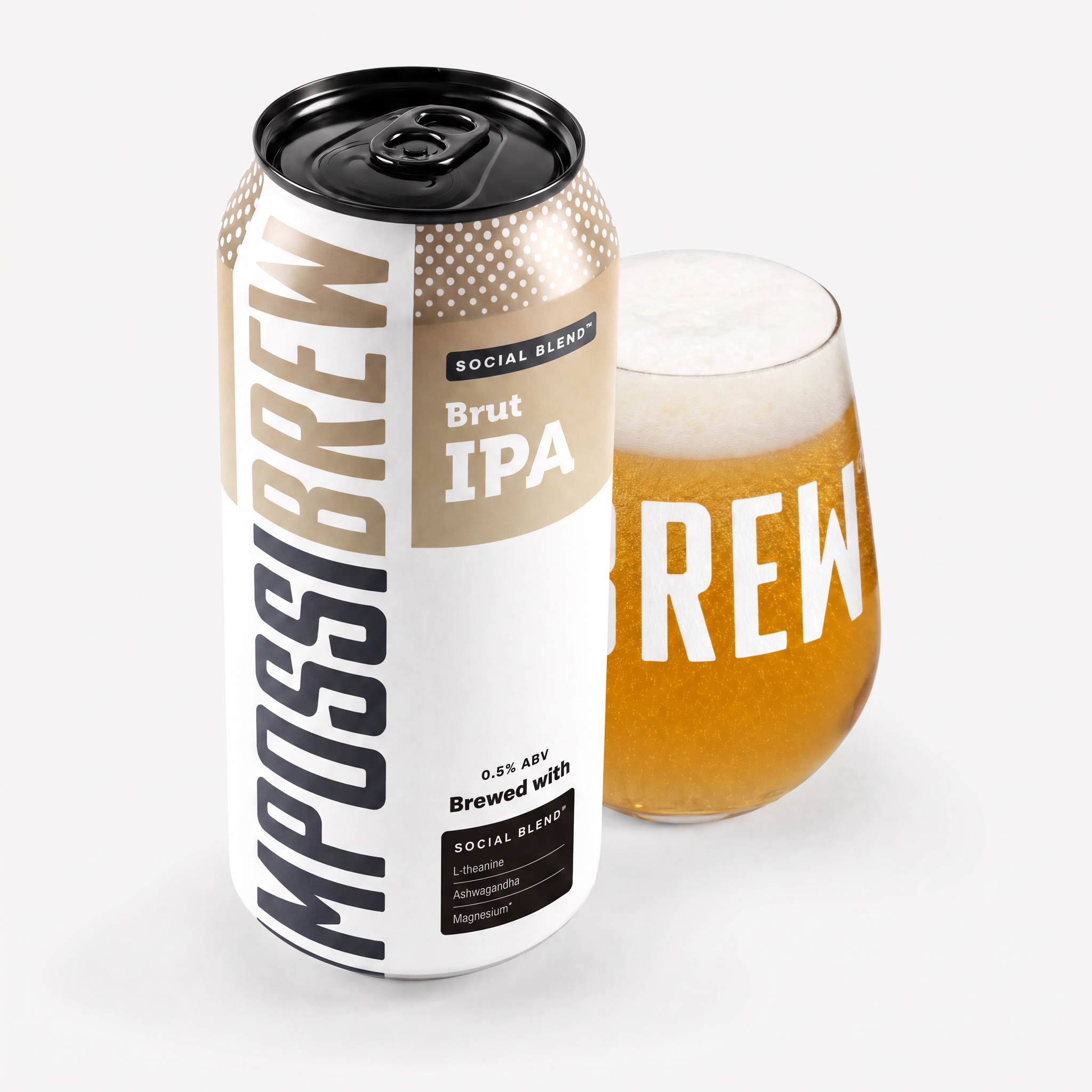
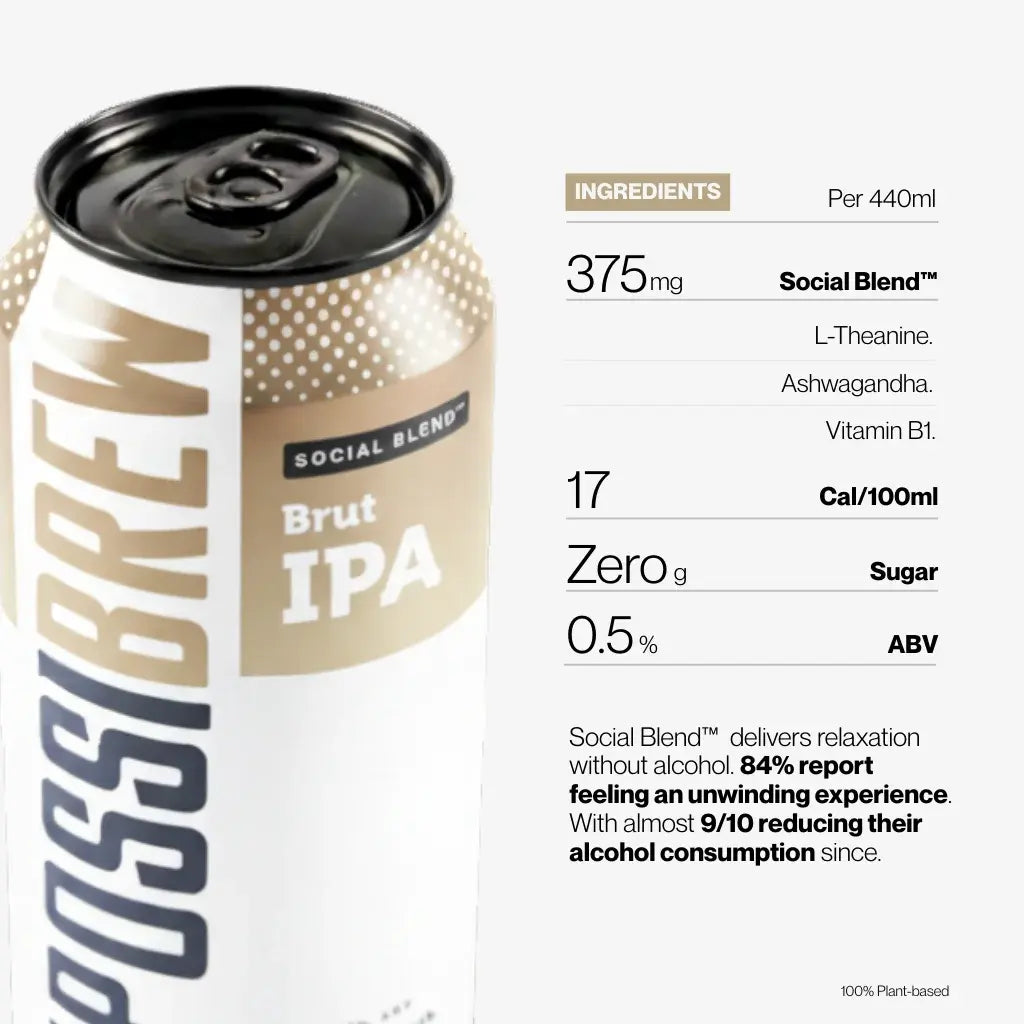
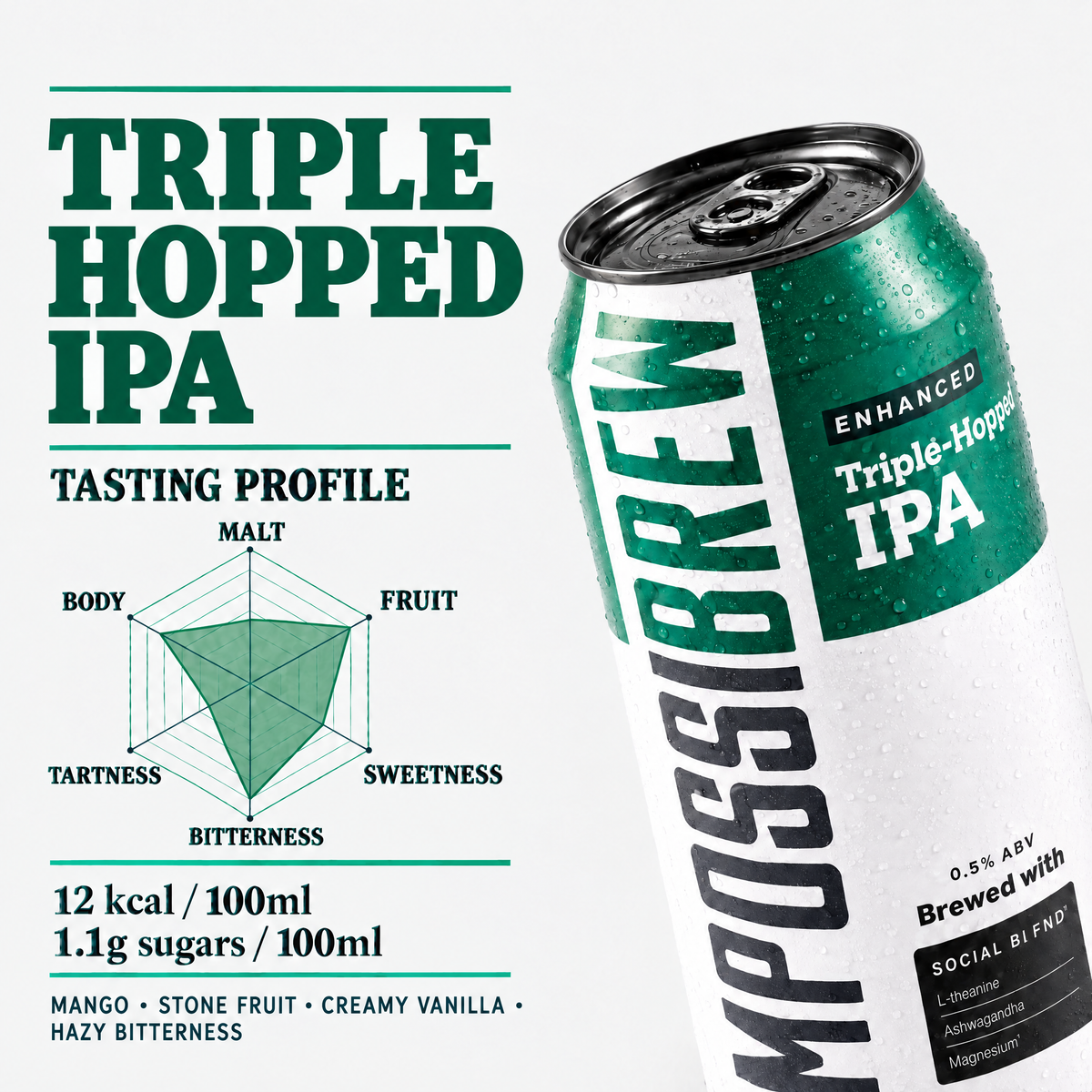
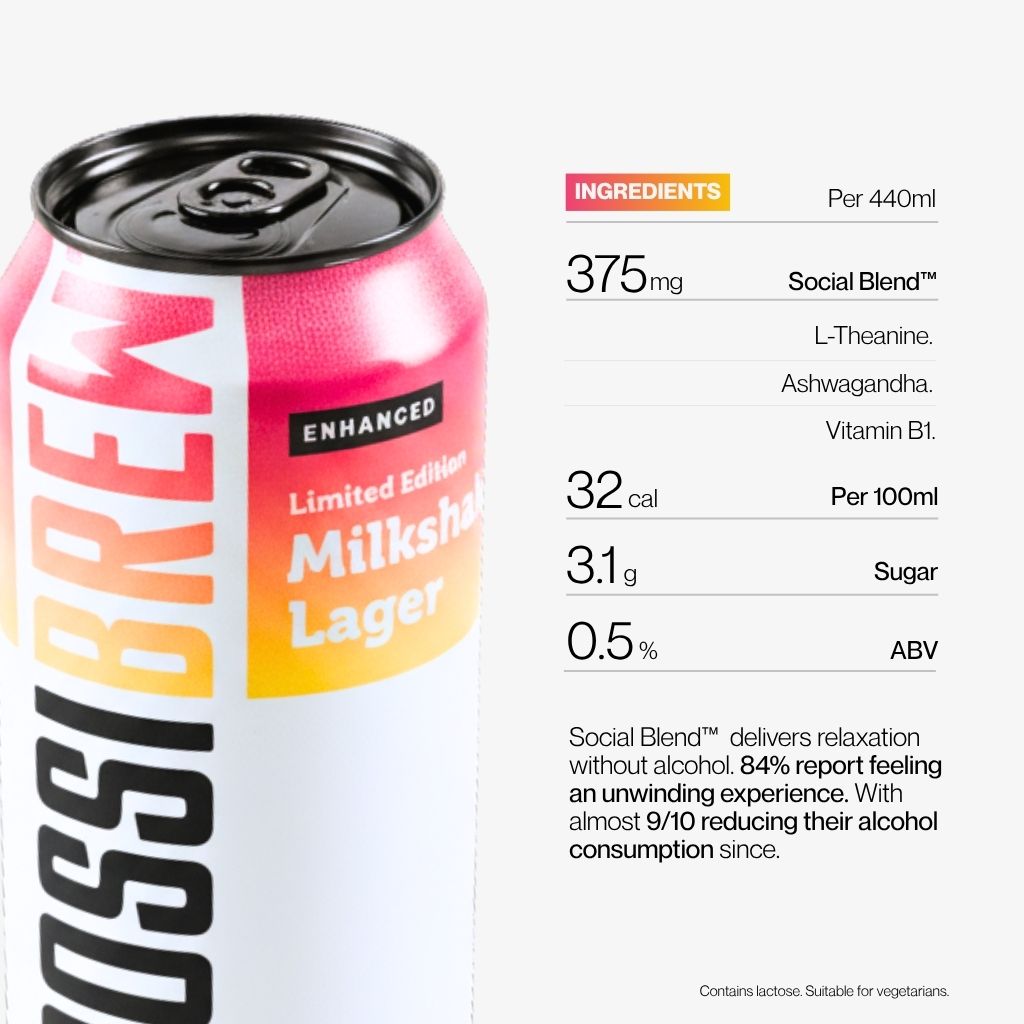
One standout example is IMPOSSIBREW®, a UK-based company founded by Mark Wong. They merge traditional brewing techniques with scientific advancements to craft non-alcoholic beers that replicate the taste and experience of their alcoholic counterparts. Their Social Blend™ incorporates botanicals and nootropics - such as L-Theanine, Ashwagandha, plant fibres, and Vitamin B1 - to mimic the relaxing effects of alcohol without its downsides [17].
A study involving over 1,000 participants revealed the impact of IMPOSSIBREW®: over 70% reported feeling relaxed after consumption, 88% reduced their alcohol intake, and 95% recommended the product to others [17]. This blend of tradition and innovation is redefining how we enjoy and connect over beer.
Social Drinking from Ancient Times to Today
Beer has always been more than just a drink - it’s a social cornerstone. In Sumerian times, beer was essential for daily sustenance and social interaction. It was a communal staple, often valued more than bread, and played a key role in fostering connections [3][12][15].
This social role persists today, with many consumers seeking alternatives that offer the communal benefits of beer without the drawbacks of alcohol. In 2024, over 40% of Americans reported trying to drink less alcohol, with Generation Z leading the trend at 61% [16]. The demand for functional beverages, which cater to these preferences, is growing rapidly worldwide [16].
As historian Travis Rupp observed:
"Beer, beyond doubt, is a very social beverage and it always has been." [15]
Nic Zhou, managing director and partner at BCG, echoed this sentiment:
"People are drinking [functional beverages] because they want more choices. They want to be able to socialise and look cool, feel part of the group, but not necessarily have to consume alcohol." [16]
Just as Sumerian women brewed beer to support their communities and earn income, modern functional beverage companies are creating new economic opportunities while maintaining a focus on community. While ancient brewers served local needs, today's brands can reach global markets, all while preserving the communal ethos that has defined beer culture for millennia.
From ancient brewing chambers to today's functional beverages, the role of beer as a social connector remains unchanged. The Sumerians understood that beer was more than a fermented drink - it was a way to bring people together. Modern brewers are building on that legacy, using science to refine and enhance this timeless tradition.
Conclusion: The Lasting Impact of Sumerian Beer
Around 4000 BCE, the Sumerians introduced brewing techniques that laid the groundwork for beer production as we know it today [2][1]. Their careful use of barley and other grains, paired with methods like mashing, boiling, and fermentation, became the cornerstone of brewing traditions that spread across civilisations.
What truly sets the Sumerians apart, though, is how they wove beer into the fabric of their economy and society. Beer wasn't just a drink; it was currency, a trade commodity, and even a diplomatic gift [3]. This early understanding of beer's broader value - beyond simple nourishment - shows a level of insight that resonates even now, as modern companies revisit these ideas in new ways.
The Sumerians also recognised beer as a tool for social connection, a role that continues to shape drinking culture today. Take, for instance, companies like IMPOSSIBREW®. They are blending ancient ideas with modern science to recreate beer's social benefits without the downsides. In their research with over 1,000 participants, more than 70% reported feeling relaxed after consuming their products, 88% reduced their alcohol intake, and 95% said they would recommend the product to others. This modern approach proves that the Sumerian view of beer as a functional and social beverage is just as relevant now as it was thousands of years ago.
The wisdom of the Sumerians is perhaps best captured in their own words:
"He who does not know beer, does not know what is good."
- Sumerian Proverb [3]
This timeless saying reminds us that brewing has always been about more than just technique - it's about bringing people together. The Sumerian principles of connection and community continue to inspire, demonstrating that the essence of brewing transcends time.
FAQs
How did the Sumerians shape the development of beer brewing as we know it today?
The Sumerians were trailblazers in the world of brewing, shaping techniques that still echo through the industry today. They were some of the earliest people to ferment barley and emmer wheat, relying on natural wild fermentation to craft beer. This wasn't just about creating a drink; it marked the beginning of beer as a key part of both daily life and trade.
Interestingly, modern brewing often nods to these ancient roots. Practices like wild fermentation and the use of heritage grains reflect the Sumerians' original methods, proving that their brewing legacy remains alive, even after thousands of years.
What significance did beer hold in Sumerian society beyond being a drink?
Beer in Sumerian society was much more than a simple beverage - it was a vital part of everyday life, woven into the fabric of their social, economic, and religious activities. It was enjoyed by people from all walks of life and often chosen over water, not just for its flavour but because it was safer to drink and provided essential nutrients.
But beer wasn’t just about nourishment. It played a crucial role in the economy, serving as a valuable item in trade and barter. Records from as early as 3,500 BCE in Uruk reveal that beer was exchanged for rare and needed resources. Its significance extended into the spiritual realm too, where it was regularly offered to the gods during rituals and ceremonies. These shared practices brought people together, reinforcing a collective sense of identity and belonging.
Beer’s diverse roles underline its remarkable impact on Sumerian civilisation.
Why did the Sumerians consider beer safer to drink than water?
Beer held a special place in Sumerian society, not just as a beverage but as a safer alternative to water. The brewing process, which included boiling and fermentation, helped kill off harmful microorganisms commonly found in untreated water. This made beer a more dependable and hygienic choice for drinking.
Beyond quenching thirst, beer was a dietary cornerstone for the Sumerians. Packed with essential nutrients and calories, it played a key role in sustaining them. It wasn’t just about nourishment, though - beer was deeply woven into the fabric of daily life, serving as a means of sustenance and fostering social connections.