The fastest way to tell whether an alcohol-free beer is gluten-free is to look for the actual words gluten-free on the label, not just a vague low-gluten or free-from claim. In the UK, gluten-free means the product contains 20 ppm of gluten or less.
If you want the wider shopping basket, not just beer, see our guide to the best gluten free products in the UK in 2026.
Short answer: some alcohol-free beers are gluten-free, but most are not. Beer is usually made with barley, wheat, rye, or oats, so the product needs either naturally gluten-free grains or a tested gluten-reduction process before it can be labelled gluten-free.
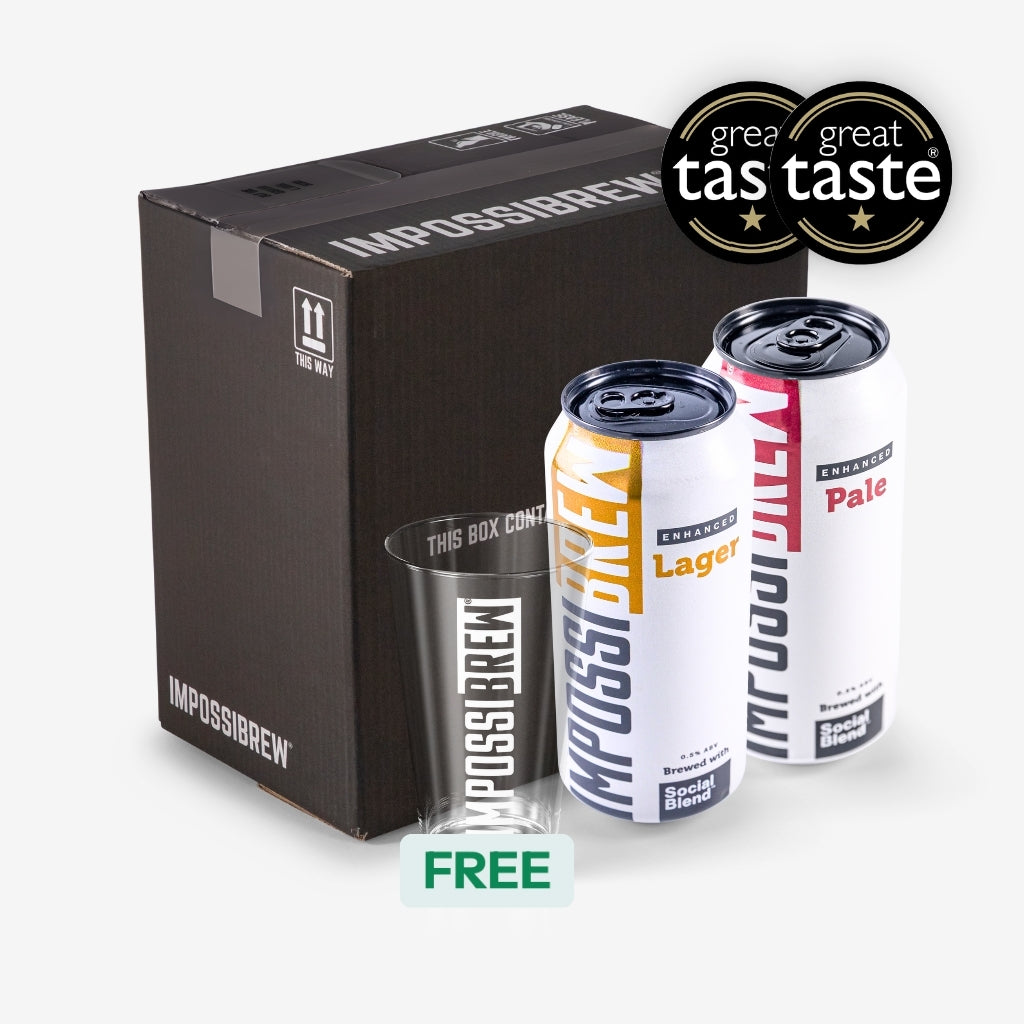
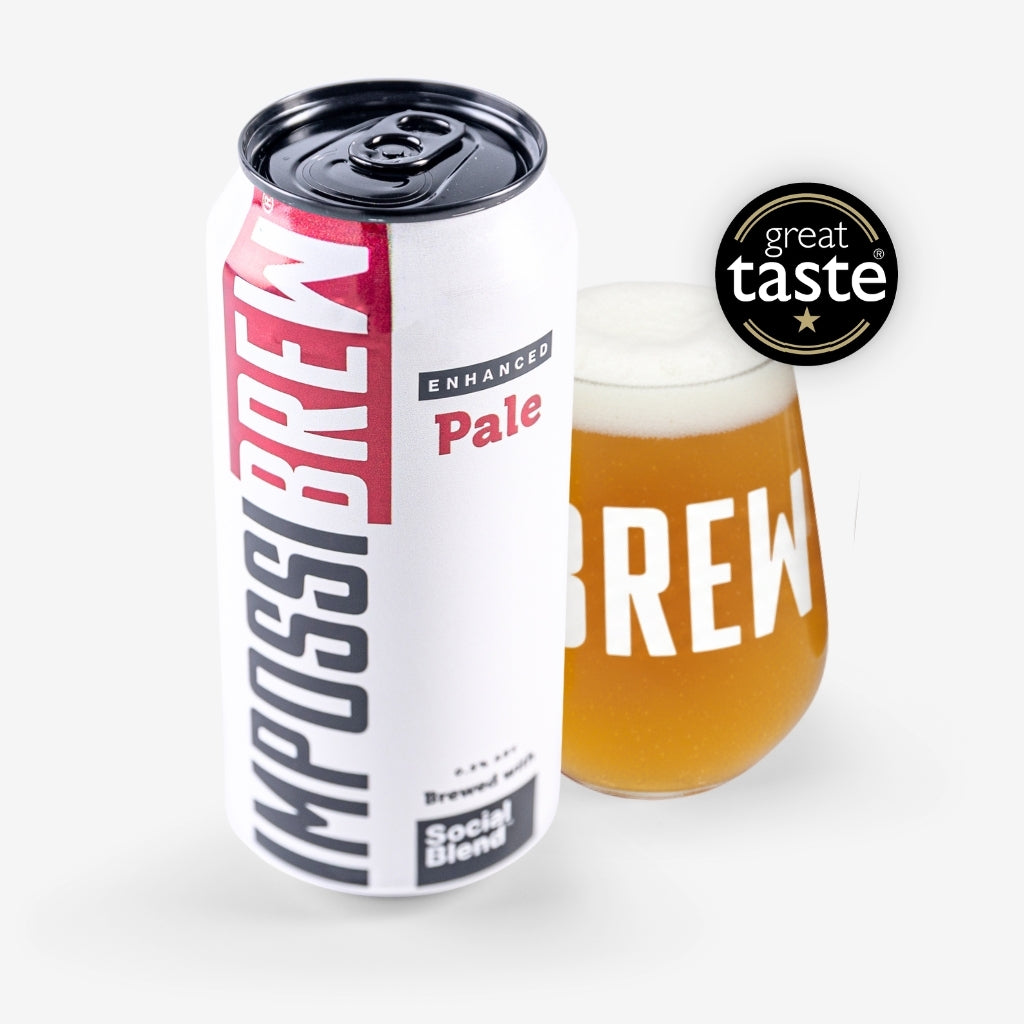
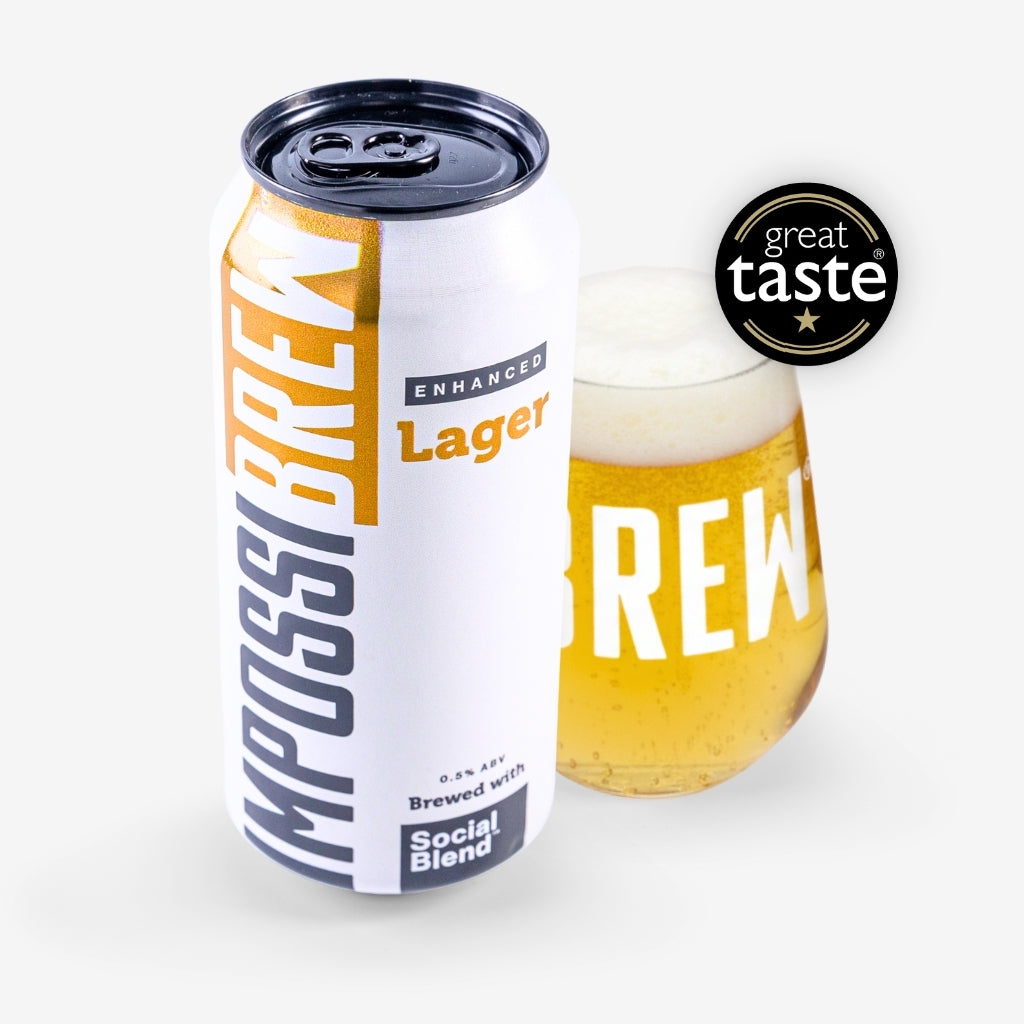
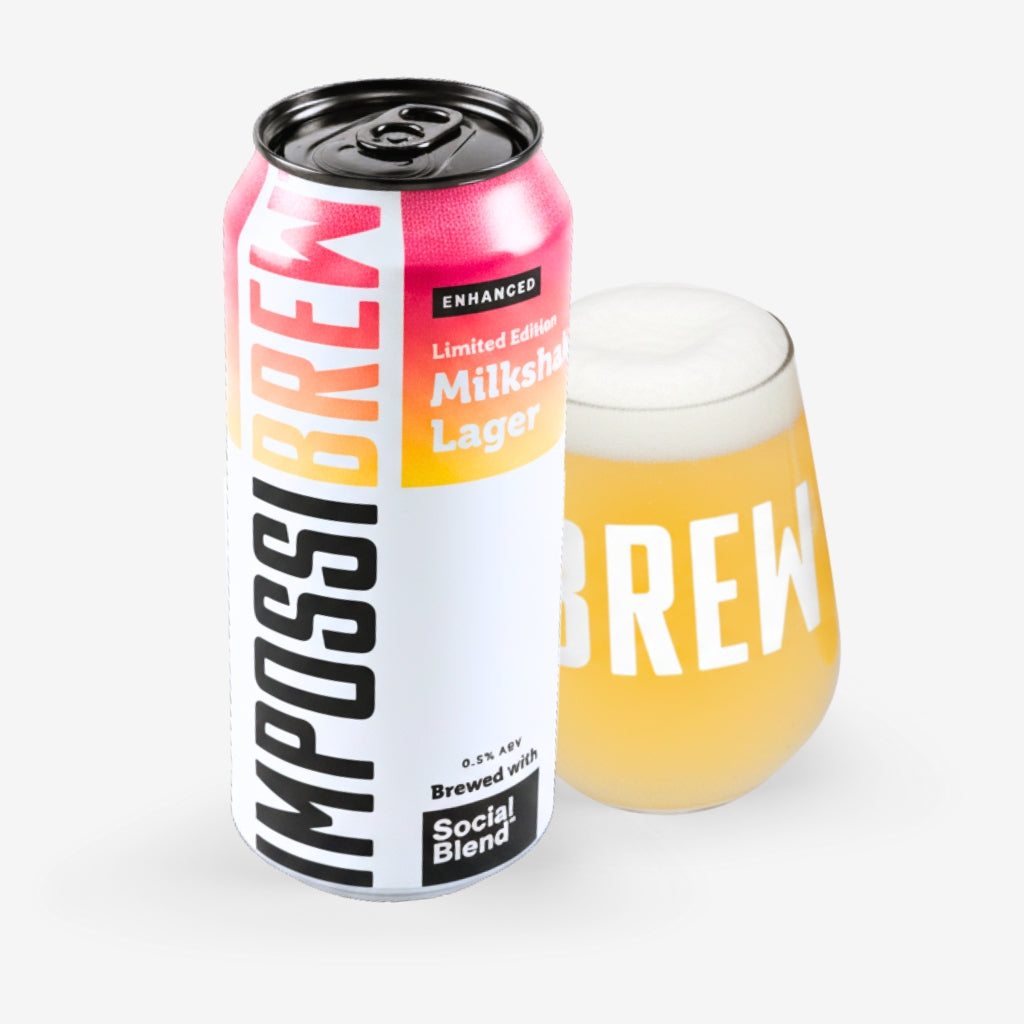
A practical example is IMPOSSIBREW Enhanced Lager: it is alcohol-free at 0.5% ABV, labelled gluten-free, and IMPOSSIBREW states that the finished beer is third-party tested below 10 ppm of gluten. That is the kind of specific label and testing information you are looking for.
For a full comparison of current UK options, see our guide to the best gluten-free non-alcoholic beers.
The 5 label checks
If you are choosing alcohol-free beer for gluten reasons, use this checklist before you buy.
- Does it explicitly say gluten-free? This is the key phrase. Alcohol-free, low alcohol, vegan, low calorie, organic, or natural do not mean gluten-free.
- Does it declare barley, wheat, rye, or oats? These are gluten-containing cereals. If they are used, they should be declared as allergens.
- Does the brand publish testing information? The best pages explain whether the beer is below 20 ppm, and sometimes state a lower tested level.
- Is it naturally gluten-free or gluten-removed? Both can be labelled gluten-free in the UK if the final product meets the threshold, but they are not the same thing.
- Do you need 0.0% ABV or is 0.5% suitable? Alcohol level and gluten level are separate. A 0.0% beer can contain gluten. A 0.5% beer can be gluten-free.
Why the exact wording matters
Beer labels can be confusing because several claims sound similar. Gluten-free is the regulated claim to look for. Vague claims such as light, clean, low-carb, gut-friendly, or made with natural ingredients do not answer the gluten question.
If a brand says a beer is suitable for a gluten-free diet, check whether the page also says gluten-free and gives testing information. If it does not, use caution.
Why barley can still appear on a gluten-free beer label
This is the bit that catches people out. A gluten-removed beer can start with barley or wheat, then use processing to reduce the final gluten level. If it tests at 20 ppm or less, it can be labelled gluten-free in the UK.
But if barley or wheat were used as ingredients, they may still need to be declared as allergens. That does not automatically mean the gluten-free claim is false. It means the ingredient source and the final tested gluten level are two different pieces of information.
For the full technical explanation, read how beer can be gluten-free but still contain wheat and barley.
Quick examples
| Example wording | What it tells you | What to do next |
|---|---|---|
| Gluten-free, contains barley | Likely gluten-removed or specially processed beer | Check testing information and whether this suits your dietary needs |
| 0.0% alcohol-free lager | Alcohol level only | Check ingredients and gluten-free status separately |
| Made with rice or sorghum | May be naturally gluten-free, depending on controls | Still look for the gluten-free claim and allergen information |
| No gluten statement | Not enough information | Do not assume it is gluten-free |
Where IMPOSSIBREW fits
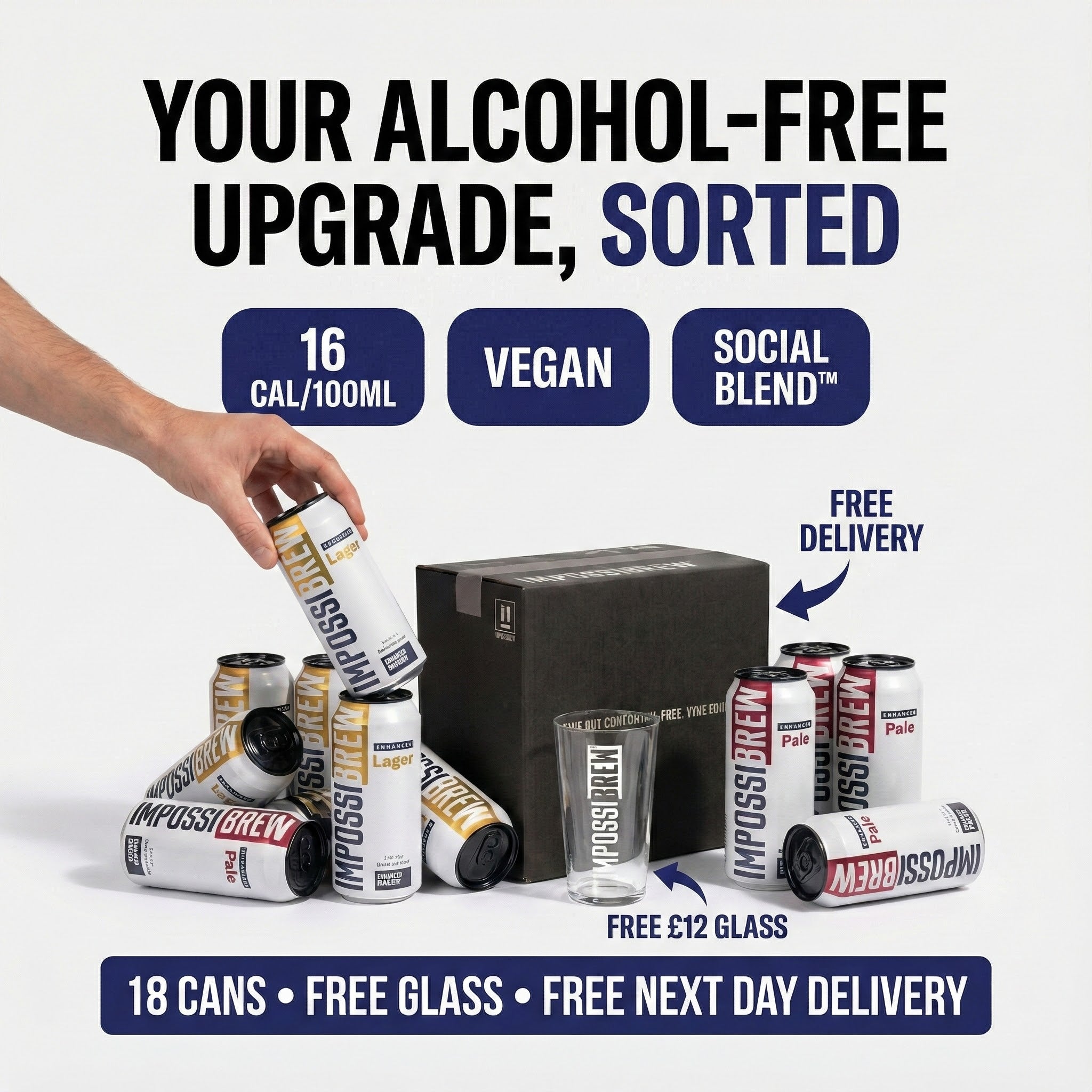
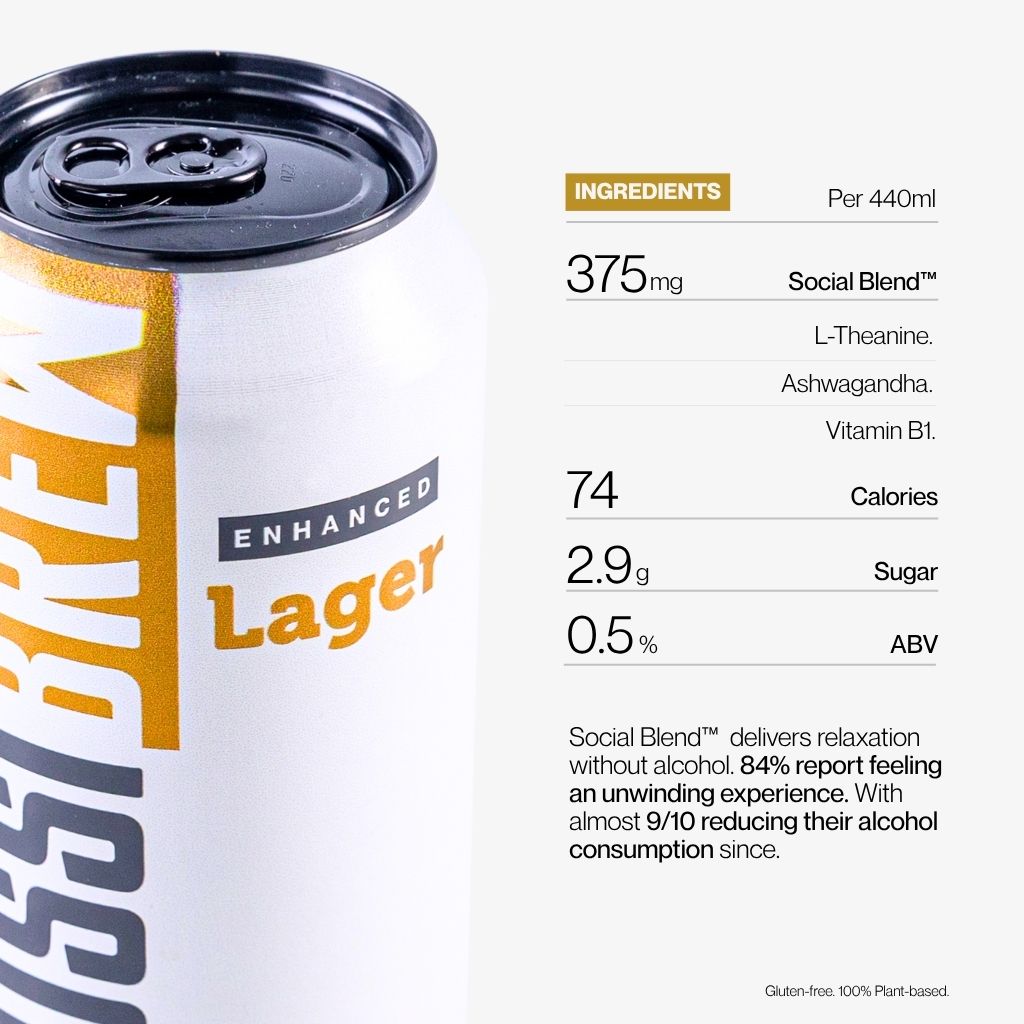
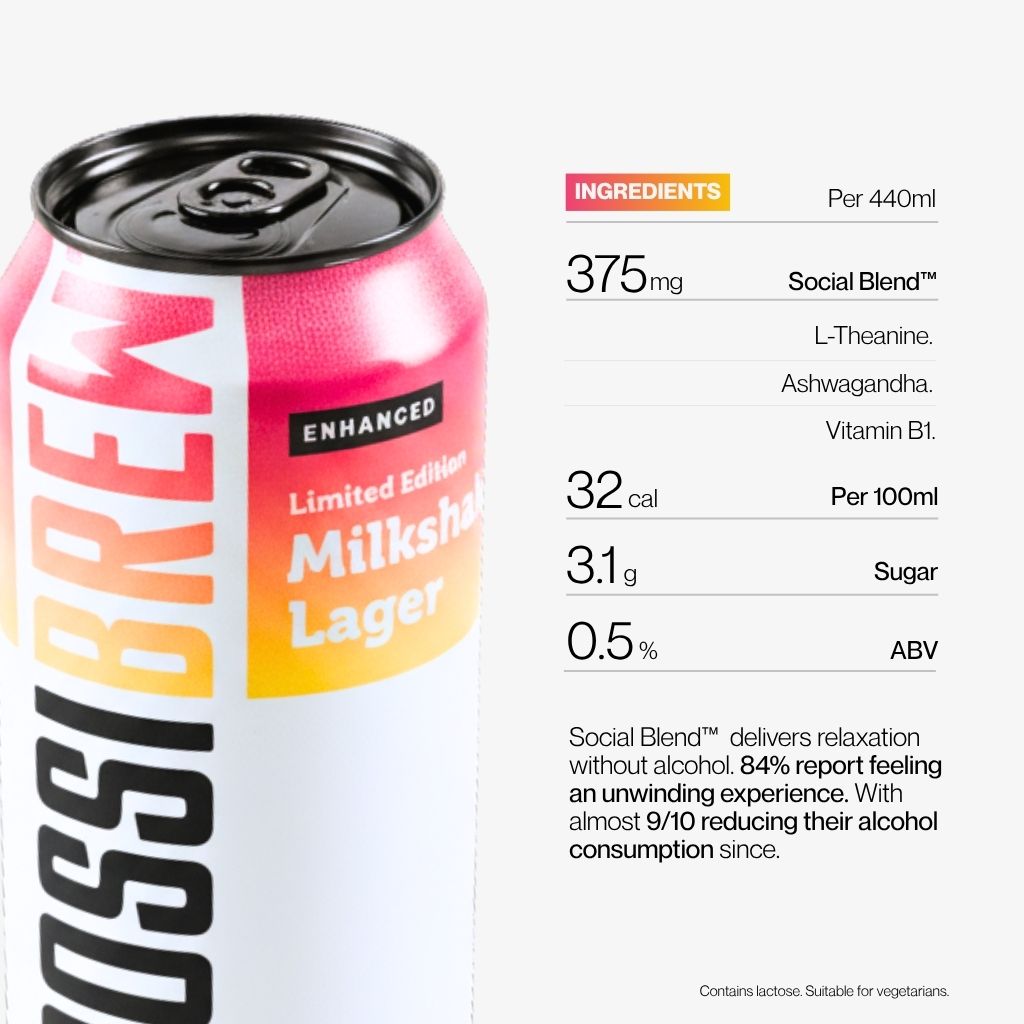
IMPOSSIBREW Enhanced Lager is alcohol-free at 0.5% ABV and is labelled gluten-free. The ingredients include barley and wheat, and IMPOSSIBREW states that the finished beer is third-party tested below 10 ppm of gluten. It is also vegan, 17 kcal per 100ml, and made with Social Blend.
That makes it a useful example of why the label-check process matters. It is not naturally gluten-free from grain choice alone. It is a gluten-free-labelled beer where the finished beer has been tested below the gluten-free threshold.
If that fits your own dietary rules, the reason to choose IMPOSSIBREW is simple: it gives you the proper lager ritual, the gluten-free label, and the Social Blend alcohol-alternative buzz, without the hangover.
Try IMPOSSIBREW
Try the functional alcohol-free beer made with Social Blend. Gluten-free-labelled Lager, third-party tested below 10 ppm according to IMPOSSIBREW, and built for a proper beer moment.
When to be more cautious
Use extra caution if you have coeliac disease, a wheat allergy, a barley allergy, or a medical reason to avoid even trace exposure. Coeliac disease and wheat allergy are not the same thing. A beer can meet a gluten-free threshold and still be unsuitable for someone with a wheat allergy because wheat was used as an ingredient.
If the label is unclear, choose a different product or contact the brewery before buying. For coeliac-specific guidance, read is alcohol-free beer safe for coeliacs?
FAQ
Are most alcohol-free beers gluten-free?
No. Most are brewed from barley or wheat unless clearly stated otherwise. Always check the gluten-free label.
Does alcohol-free mean gluten-free?
No. Alcohol-free refers to alcohol content. Gluten-free refers to gluten content.
What does 20 ppm mean?
It means 20 parts per million. In the UK, this is the maximum gluten level allowed for a product labelled gluten-free.
Should I trust old online lists?
Use them as a starting point only. Beer recipes and labels can change. The current product label wins.