In Ancient Rome, wine was more than just a drink - it was a symbol of power, status, and social division. Here’s how wine influenced Roman social hierarchies:
- Elite Banquets: High-quality wines like Falernian showcased wealth and status at lavish gatherings. Seating arrangements and wine presentations reinforced social rankings.
- Politics and Leadership: Wine gatherings may have helped build connections, though evidence of its direct role in politics is unclear.
- Gender and Wine Rules: There’s no solid proof of gender-specific wine rules, but wine highlighted other societal divisions.
- Religious Rituals: Wine was central in ceremonies, symbolising a bond between humans and the divine through offerings and libations.
- Wine Trade and Class: The elite enjoyed exclusive vintages, while lower classes drank simpler options. Merchants in the wine trade occasionally rose in status, though traditional elites often looked down on them.
Wine in Rome wasn’t just about drinking - it was a tool to define and maintain social order. From the quality of wine served to its role in rituals and trade, it shaped daily life and power dynamics.
Bacchus Uncorked: Wine in Roman Life–and Death
1. Elite Banquets and Social Status
In ancient Rome, banquets, or convivia, were a stage for displaying wealth and influence, with wine taking centre stage. The quality, age, and origin of the wine served were carefully chosen to highlight the host's prestige.
Rare wines like Falernian and Caecuban were favoured by the elite, acting as symbols of both economic power and refined taste. These choices were deliberate, showcasing the host's ability to acquire and serve exclusive vintages.
Seating arrangements at these gatherings further emphasised social hierarchy. The most honoured guests sat closest to the host and were served the finest wines, reinforcing their elevated status in the group.
Even the act of serving wine was carefully orchestrated. Elaborate presentations and the use of silver vessels added a sense of grandeur, making the dining experience a reflection of the host's standing.
Every detail of these wine-focused banquets - from the selection of the wine to the seating order - was designed to underline and maintain social distinctions.
2. Wine in Politics and Leadership
Wine played a prominent role in elite banquets, but its exact influence on politics is unclear. There’s no solid evidence to support claims that wine was used as a diplomatic tool or a symbol of power. While it’s plausible that influential figures used wine-centric gatherings to build political connections, there’s no concrete proof that it was intentionally employed in matters of statecraft.
sbb-itb-a752bf8
3. Wine Rules for Men and Women
Historical records don't clearly indicate whether Ancient Rome had specific rules about wine consumption based on gender. There's no definitive evidence to confirm if men and women faced different expectations when it came to drinking wine. However, what is well-documented is wine's importance in highlighting other social distinctions of the time. Further research could shed light on this unanswered question.
4. Wine in Roman Religion
Wine played a key role in Roman religious ceremonies, often used as a sacred offering. Through ritual libations, it acted as a link between humans and the divine, allowing Romans to show respect and ask for the gods' favour. In this way, wine was both a practical element of rituals and a representation of the spiritual bond between the Romans and their gods.
5. Wine Trade and Social Class
The wine trade in Ancient Rome played a key role in reinforcing social divisions.
For the elite, wine was a marker of status. They enjoyed exclusive, high-quality vintages, while the lower classes drank simpler options like posca - a mix of wine and vinegar. This distinction in wine preference highlighted the gap between the wealthy and the poor.
Archaeological finds in Pompeii reveal a well-organised wine trade, with prices varying based on quality. The finest wines were reserved for the rich, making a person's choice of wine a clear indicator of their social standing.
Interestingly, the wine trade also influenced social mobility. Merchants, known as negotiatores, often became wealthy and occasionally climbed the social ladder. However, traditional noble families frequently looked down on these new-money traders, even though many nobles owned vineyards themselves.
Regional wine production added another layer to these divisions. Wines from areas like Campania were highly prized and expensive, while those from regions near Rome were considered less prestigious.
Even how wine was stored reflected social class. Wealthy Romans built specialised storage rooms (cellae vinariae) to age and preserve their wine, while poorer citizens consumed their wine quickly to avoid spoilage.
Wine also played a role in maintaining power structures. Wealthy patrons distributed wine to their clients, strengthening their influence and reinforcing social ties across Roman society.
Conclusion
The role of wine in Roman society offers an intriguing look at how drinking shaped social structures, much like it does today. Roman banquets and rituals show that wine was more than just a drink - it was a way to establish and reinforce social order. While the Romans used wine to highlight divisions, modern society continues to redefine social drinking and the meanings attached to it.
In ancient Rome, wine was a tool for creating and maintaining social distinctions that influenced daily life and power dynamics for centuries. Over time, drinking customs have shifted from exclusive practices to more inclusive social experiences, reflecting broader changes in societal values.
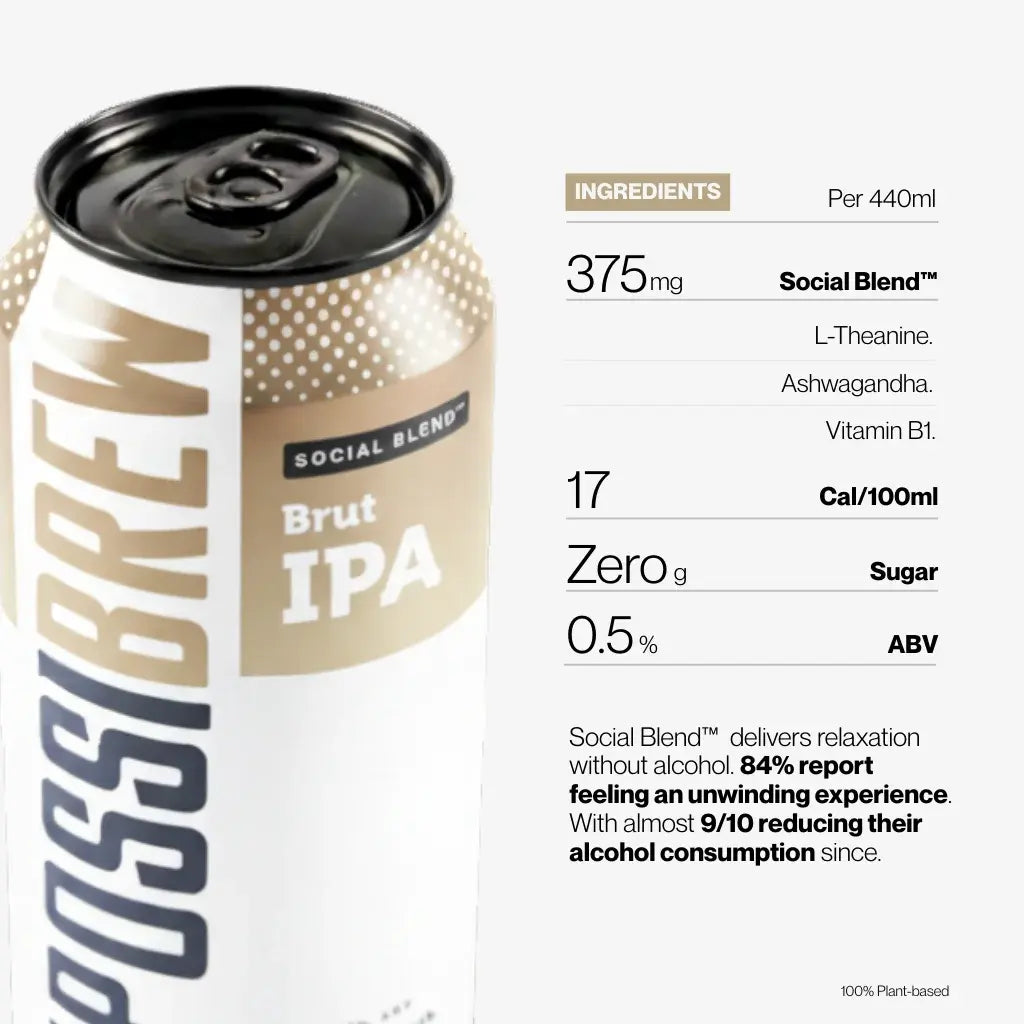
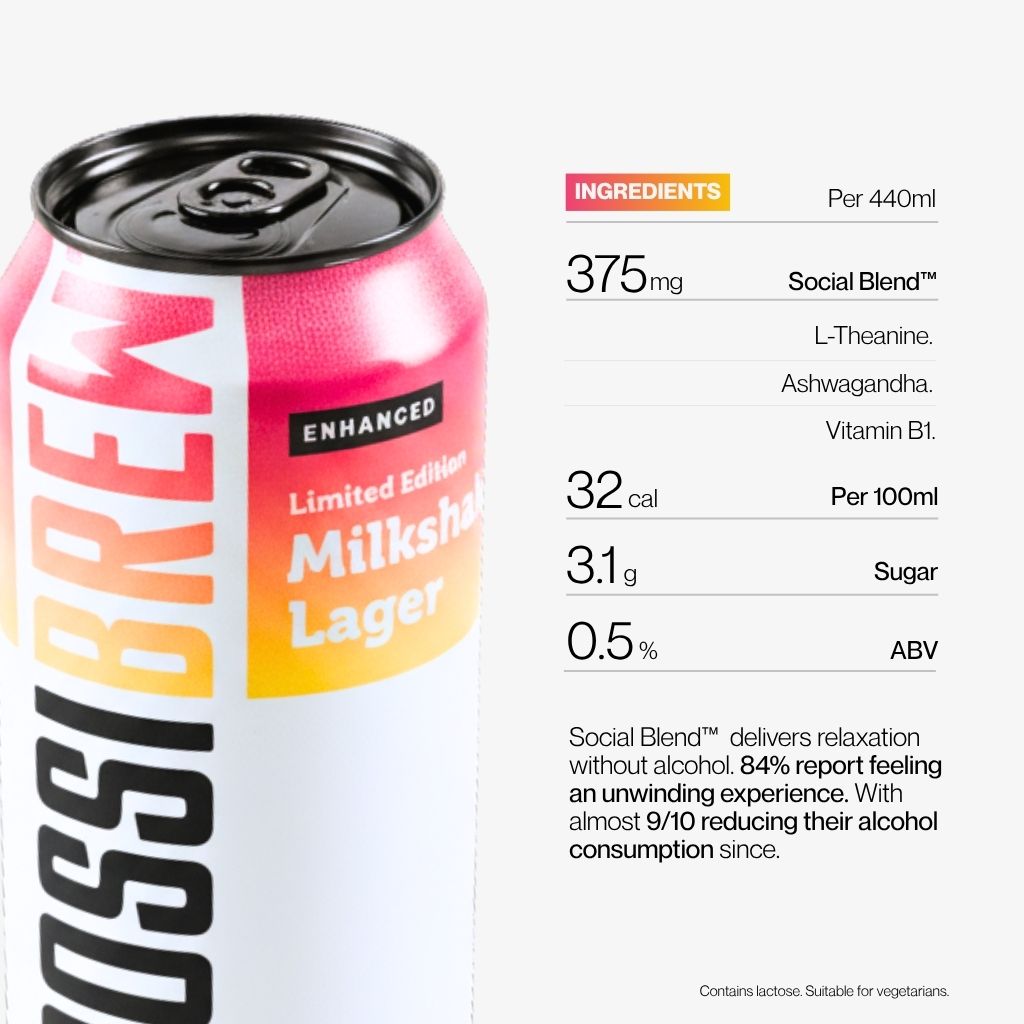
Today, social drinking has moved away from emphasising exclusivity. Instead, there's a growing focus on fostering connections and prioritising health and well-being. For example, IMPOSSIBREW®'s Social Blend™ - with a 4.8/5 rating from over 1,000 reviewers and more than 1 million beers sold - has helped 71% of customers feel more relaxed, 88% reduce their alcohol intake, and 95% share their experience [1].
"This isn't about removing alcohol. This is about something better." – IMPOSSIBREW® [1]
The shift towards inclusivity, as seen with products like IMPOSSIBREW®, reflects a modern take on the communal spirit of ancient wine-sharing traditions. While the customs and values have evolved, the need for connection remains a constant thread in how societies approach drinking.