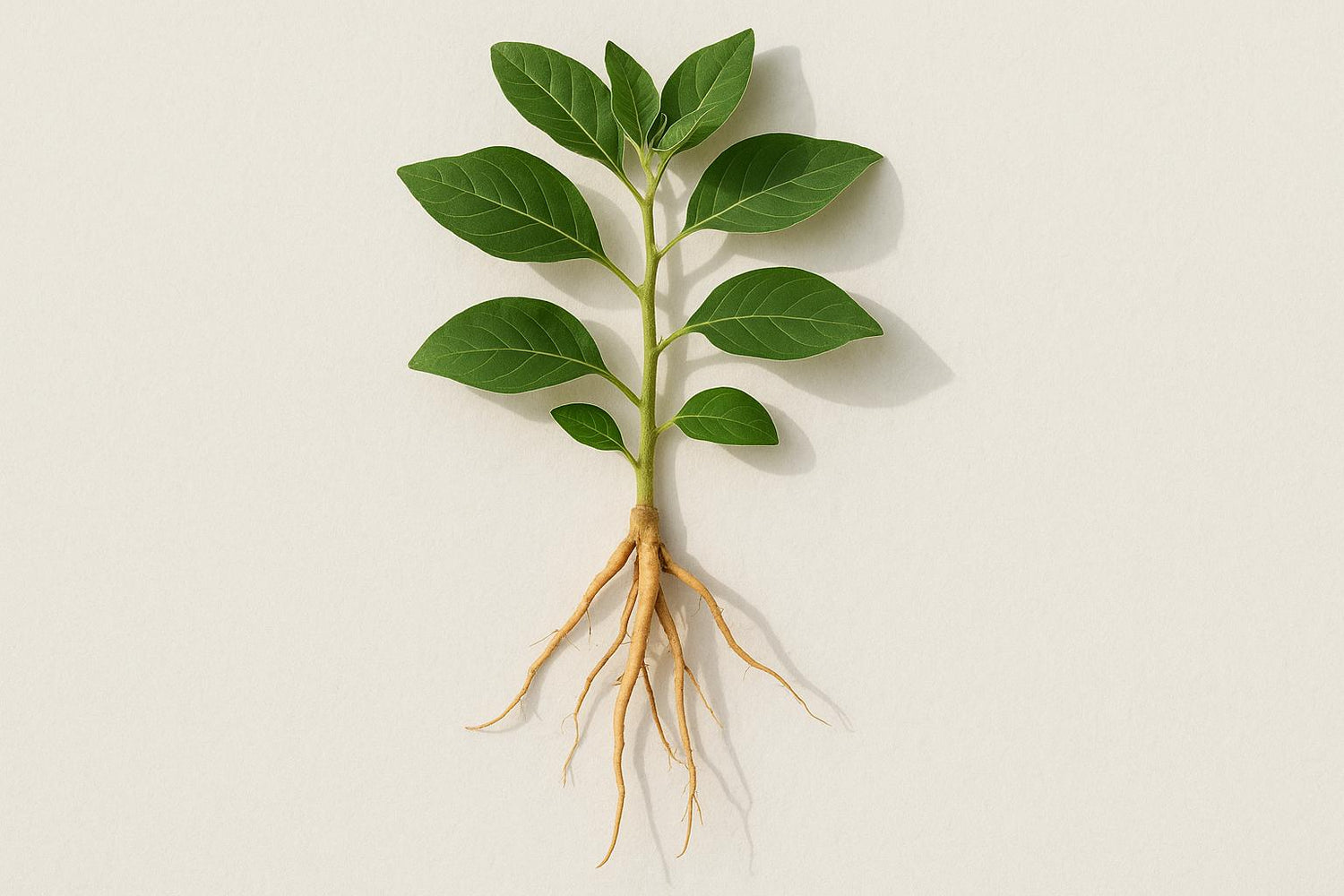
Can adaptogens help manage stress? Small-scale studies suggest they might. These plant-based substances, like ashwagandha and Rhodiola rosea, are believed to regulate stress by balancing cortisol levels and supporting the body’s natural stress response systems. Research highlights potential benefits for reducing anxiety, improving focus, and enhancing mental clarity. However, most trials are limited in size and duration, making the evidence promising but not definitive.
Key Takeaways:
- What are adaptogens? Natural substances (plants/mushrooms) thought to help the body adapt to stress.
- How do they work? By regulating the hypothalamic-pituitary-adrenal (HPA) axis and balancing cortisol.
- Examples of adaptogens: Ashwagandha, Rhodiola rosea, Schisandra chinensis, and Panax ginseng.
- Benefits observed: Reduced cortisol (up to 23% in some cases), lower perceived stress, and improved cognitive function.
- Safety: Generally well-tolerated, but mild side effects like dizziness or digestive discomfort can occur. Pregnant individuals and those with specific health conditions should consult a professional.
Adaptogens are also making their way into functional beverages, such as non-alcoholic beers, offering stress-relief options without the downsides of alcohol. While the market is growing, more robust research is needed to confirm long-term safety and effectiveness. Always consult a healthcare provider before starting adaptogens, especially if taking medications or managing health conditions.
What are adaptogens? An evidence-based guide on stress and supplements.
Results from Small-Scale Trials
Small-scale trials shed light on how certain adaptogens may help manage stress and support cognitive function.
Main Adaptogens Studied
A systematic review of 25 studies explored nine adaptogens: Bacopa monnieri, Eleutherococcus senticosus, Eurycoma longifolia, Gynostemma pentaphyllum, Lepidium peruvianum, Ocimum sanctum, Panax ginseng, Rhodiola rosea, and Withania somnifera (commonly known as ashwagandha) [4].
Among these, ashwagandha stands out as one of the most thoroughly studied adaptogens, showing consistent benefits across multiple trials. Similarly, Rhodiola rosea has been widely researched, particularly for its effects on reducing fatigue and enhancing mental performance. Other adaptogens, such as Schisandra chinensis and Eleutherococcus senticosus, have also been studied, both individually and in combination. For instance, a specific formulation called ADAPT-232, which combines Rhodiola rosea, Eleutherococcus senticosus, and Schisandra chinensis, has been tested for its impact on stress and cognitive functions [2]. These findings provide a foundation for evaluating their broader clinical benefits.
Effects on Stress and Cognitive Function
Trials have provided measurable insights into how adaptogens affect stress and cognition. A meta-analysis of five studies (involving 259 participants) demonstrated that ashwagandha reduced serum cortisol levels by 3.27 μg/dL over 56–60 days [4]. This reduction is notable, given that normal serum cortisol levels typically range between 5 and 25 μg/dL. Additionally, participants reported a 6.01-point drop in their Perceived Stress Scale scores during the same period [4].
Rhodiola rosea has shown similar promise. In one study with 60 participants experiencing stress-related fatigue, an extract of Rhodiola rosea (SHR-5) improved attention and reduced fatigue, while also lowering salivary cortisol levels compared to the control group [2]. The ADAPT-232 combination has also demonstrated benefits, improving short-term memory, processing speed, and recall accuracy during computer-based cognitive tests [2].
Other adaptogens have been evaluated in smaller studies. For example, a four-week crossover trial found that Bifidobacterium longum 1714 reduced salivary cortisol levels and perceived stress following the Socially Evaluated Cold Pressor Test (SECPT) [5]. Similarly, Bifidobacterium breve CCFM1025 lowered both salivary and plasma cortisol levels in a four-week study with 20 healthy participants [5].
Dosages and Duration
The effectiveness of adaptogens often depends on the dosage and duration of use. Ashwagandha has been tested at various doses: daily amounts of 225–400 mg over one month have been linked to cortisol reduction [6]. For anxiety relief and improved sleep, studies recommend at least 600 mg per day for eight weeks [6]. Additionally, a regimen of 300 mg taken twice daily for eight weeks has been associated with improved male sexual health [6].
Research on Rhodiola rosea has explored different dosing approaches. Some trials used 288 mg twice daily for four weeks, while others observed benefits with just 170 mg once daily over two weeks [2]. Even smaller doses, such as 50 mg twice daily for 20 days, have been shown to enhance physical fitness and reduce mental fatigue [2].
Overall, adaptogens appear to deliver the most benefits when used for periods under six months, with peak effects often observed around the eight-week mark [1].
How Adaptogens Work
Adaptogens work by supporting the body at a cellular level, helping to restore balance and improve resilience. Instead of just covering up symptoms, they interact with the body's natural systems to strengthen its ability to adapt and respond to stress.
Impact on the HPA Axis
The hypothalamic-pituitary-adrenal (HPA) axis is the main system responsible for managing stress, and adaptogens play a key role in regulating its activity. When the body experiences stress, the HPA axis triggers a series of hormonal reactions, including the release of cortisol. Adaptogens help regulate this response, ensuring it doesn’t become overactive.
"Adaptogens improve the body's non-specific response to stress... They have a normalising action, irrespective of the direction of the pathological state. Most adaptogens increase ACTH and cortisol with single, high-dose administration and normalise ACTH and cortisol with longer-term administration and when given prior to stressors. One key mechanism of adaptogens is to restore the intracellular glucocorticoid receptor sensitivity on the hypothalamus and pituitary, thereby reinstating negative feedback." – Lise Alschuler, ND, FABNO [7]
This mechanism highlights why adaptogens don't simply suppress cortisol production. Instead, they restore the body's natural balance by reactivating the negative feedback loop, preventing excessive cortisol levels while maintaining a healthy stress response.
A study offers a clear example: participants taking 240 mg of ashwagandha extract experienced a 23% reduction in fasting morning cortisol levels, compared to just 0.5% in the control group. Additionally, DHEA-S levels dropped by 8.2% in the ashwagandha group, while the placebo group saw a 2.5% increase [7].
But adaptogens do more than just regulate stress hormones - they also influence neurotransmitter activity and reduce inflammation.
Neurotransmitter and Anti-Inflammatory Effects
Beyond hormonal regulation, adaptogens help balance neurotransmitters and reduce inflammation. They can increase serotonin and dopamine levels, which helps improve mood and emotional stability [8]. This ability to fine-tune neurotransmitter activity is one reason why people often feel more balanced with regular adaptogen use.
For instance, ginseng extract has been shown to lower inflammatory markers while boosting anti-inflammatory responses by increasing IL-10 levels. It also reduces pro-inflammatory markers like IL-6 and IL-1β, protecting neural health and reducing inflammation [8].
Adaptogens achieve these effects by influencing the gene expression of cytokines (proteins involved in inflammation) and modulating signalling pathways like NF-κB, a key player in inflammatory processes [9]. In one study, the ginsenoside Rg1, a compound found in ginseng, reduced neural damage in mice by curbing inflammation-related gene activity and inhibiting inflammasome activation [8].
Their benefits don’t stop there. Adaptogens also promote neuroplasticity and cognitive function by increasing levels of brain-derived neurotrophic factor (BDNF) - a protein vital for neuron repair and growth. Additionally, their antioxidant properties protect brain cells from oxidative damage, supporting overall neural health [8].
This multi-faceted approach to cellular protection helps explain why adaptogens are often referred to as "stress vaccines." They not only prepare the body to handle future stress but also help repair damage caused by past stressors [3].
These mechanisms provide a scientific basis for the improvements in stress management and cognitive function observed in clinical studies.
Safety and Side Effects
Research from smaller trials suggests that adaptogens are generally well tolerated, with only minor side effects reported. However, it’s essential to approach their use with care and stay informed about possible adverse reactions. Below, we’ll explore some findings from various studies.
Reported Side Effects
While studies often highlight the stress-relieving and cognitive benefits of adaptogens, they also point to occasional side effects. Most of these are mild, temporary, and often linked to dosage. Commonly reported issues include dizziness, blurred vision, digestive discomfort, and occasional metabolic changes.
For instance, a study on Withania somnifera (ashwagandha) revealed that 4% of participants experienced temporary effects such as dizziness, a heavy feeling in the head, blurred vision, and hyperacidity [4]. Similarly, a 56-day trial involving Rhodiola rosea reported adverse events in 4 out of 40 participants, including forgetfulness and reduced appetite. In some cases, these effects may have been influenced by pre-existing health conditions [4].
These findings align with evidence suggesting that side effects are often dose related. For example, clinically recommended doses for ashwagandha are typically 300–600 mg per day, while Rhodiola rosea is generally taken in amounts ranging from 200 to 400 mg daily [14]. Exceeding these amounts may increase the likelihood of side effects.
Other commonly noted reactions across various adaptogens include allergic responses, abdominal pain, nausea, diarrhoea, and constipation. Additionally, energy-boosting adaptogens should be avoided close to bedtime, as they may disrupt sleep [4].
Understanding these side effects is crucial, particularly when considering individual health conditions and potential contraindications.
Contraindications and Precautions
Certain groups need to exercise caution or avoid adaptogens altogether. For example, pregnant and breastfeeding individuals are advised against using adaptogens due to their potential hormonal effects and the lack of comprehensive safety data [12][13].
People with autoimmune conditions should consult a healthcare professional before using adaptogens like Reishi, Cordyceps, or Tulsi, as these may stimulate the immune system and potentially worsen their condition [12]. Similarly, those taking medications for blood sugar, blood pressure, or mood disorders should seek medical advice before starting adaptogen supplements, as interactions can occur with products like American ginseng, ashwagandha, or Tulsi [12][13].
For children and adolescents, adaptogens should only be used under the guidance of a qualified healthcare provider. Elderly individuals should also proceed with caution due to increased sensitivity and a higher risk of interactions with other medications [11][12]. Adaptogens may interfere with treatments like blood thinners or hormone therapies, leading to adverse effects. Additionally, individuals with hormone-sensitive conditions should be particularly careful, as some adaptogens can influence hormonal balance unpredictably.
sbb-itb-a752bf8
Adaptogens in Functional Beverages
With growing awareness around mental health and stress management, the global market for adaptogenic beverages is thriving [18]. As more people move away from traditional caffeinated drinks and alcohol, these functional beverages are stepping in, offering a combination of immediate enjoyment and long-term wellness benefits.
Trends Shaping Functional Beverages
The functional beverage industry is undergoing a significant shift, largely influenced by millennials and Gen Z consumers who prioritise healthier choices [18]. Many are turning away from conventional stimulants and seeking drinks that promote mental clarity and overall well-being. The rise of the sober-curious movement has also played a key role, as more people explore non-alcoholic options that deliver both an enjoyable experience and functional benefits [16] [19]. Unlike energy drinks that rely on artificial ingredients, adaptogen-infused beverages provide steady energy while helping regulate the body’s stress response, thanks to their effects on the hypothalamic-pituitary-adrenal (HPA) axis [16].
These beverages come in a wide range of formats, including seltzers, mocktails, botanical elixirs, and sparkling herbal tonics [17]. Popular adaptogens featured in these products include ashwagandha for relaxation, rhodiola for focus and energy, reishi for immune support, and holy basil for managing stress [15] [16]. By interacting with the HPA axis and the sympathoadrenal system, adaptogens help balance stress hormones like cortisol [16]. Unlike traditional stimulants, they carry no risk of addiction, tolerance, or misuse [2].
"Adaptogens are ideal for inclusion in functional mocktails because they offer a blend of health benefits without the drawbacks of alcohol." [15]
This shift in consumer preferences has paved the way for innovative brands in the UK, such as IMPOSSIBREW®.
IMPOSSIBREW®: Leading the Way in the UK
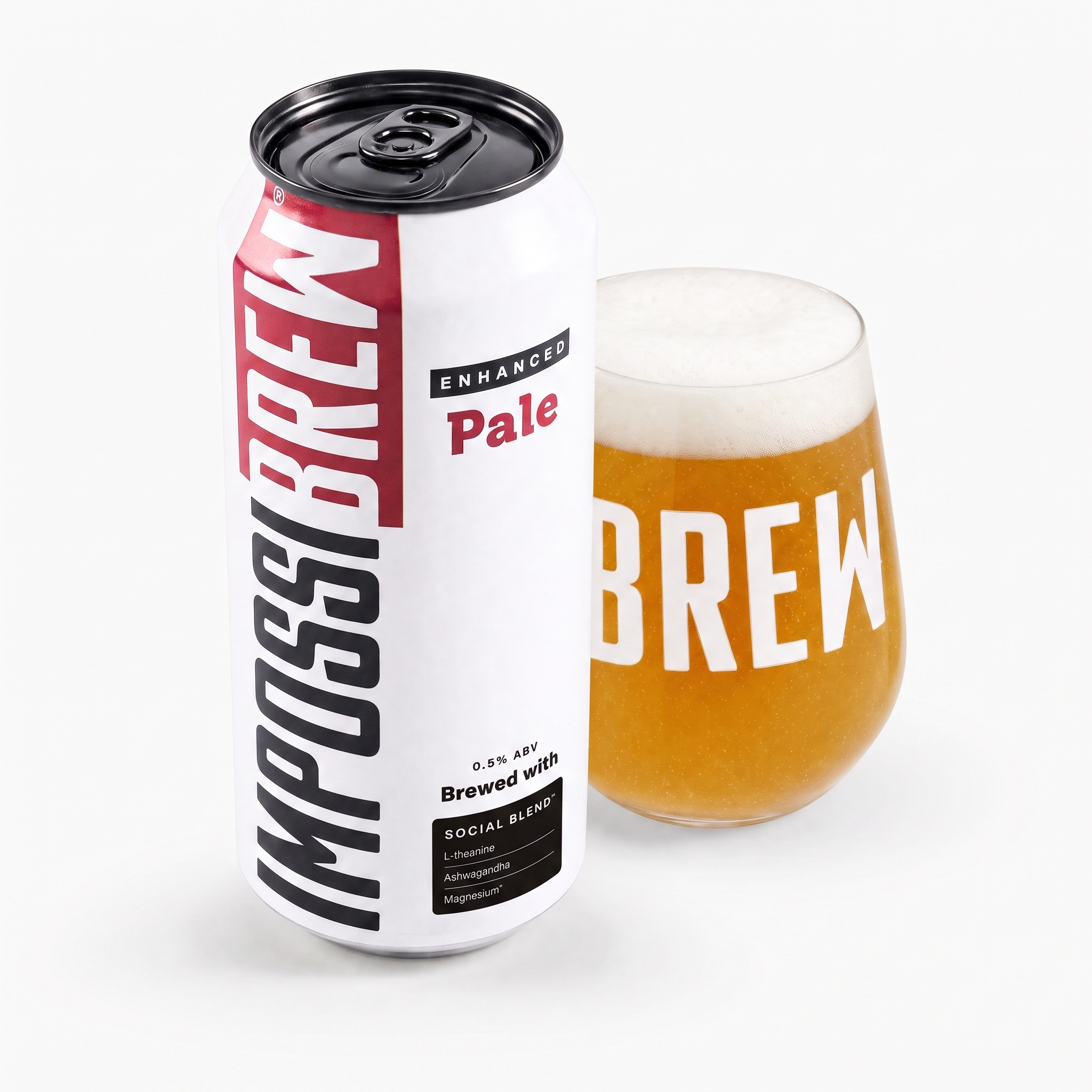
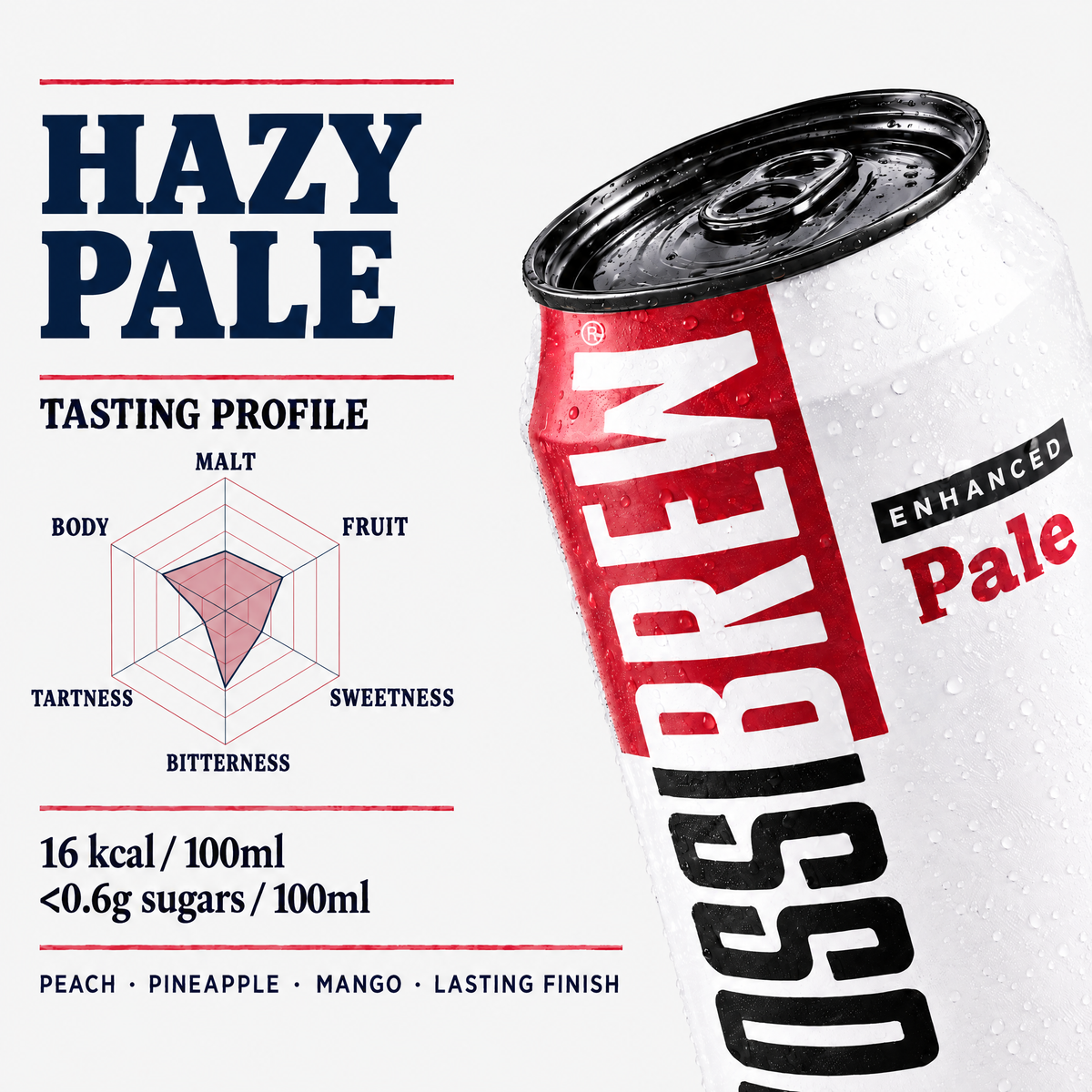
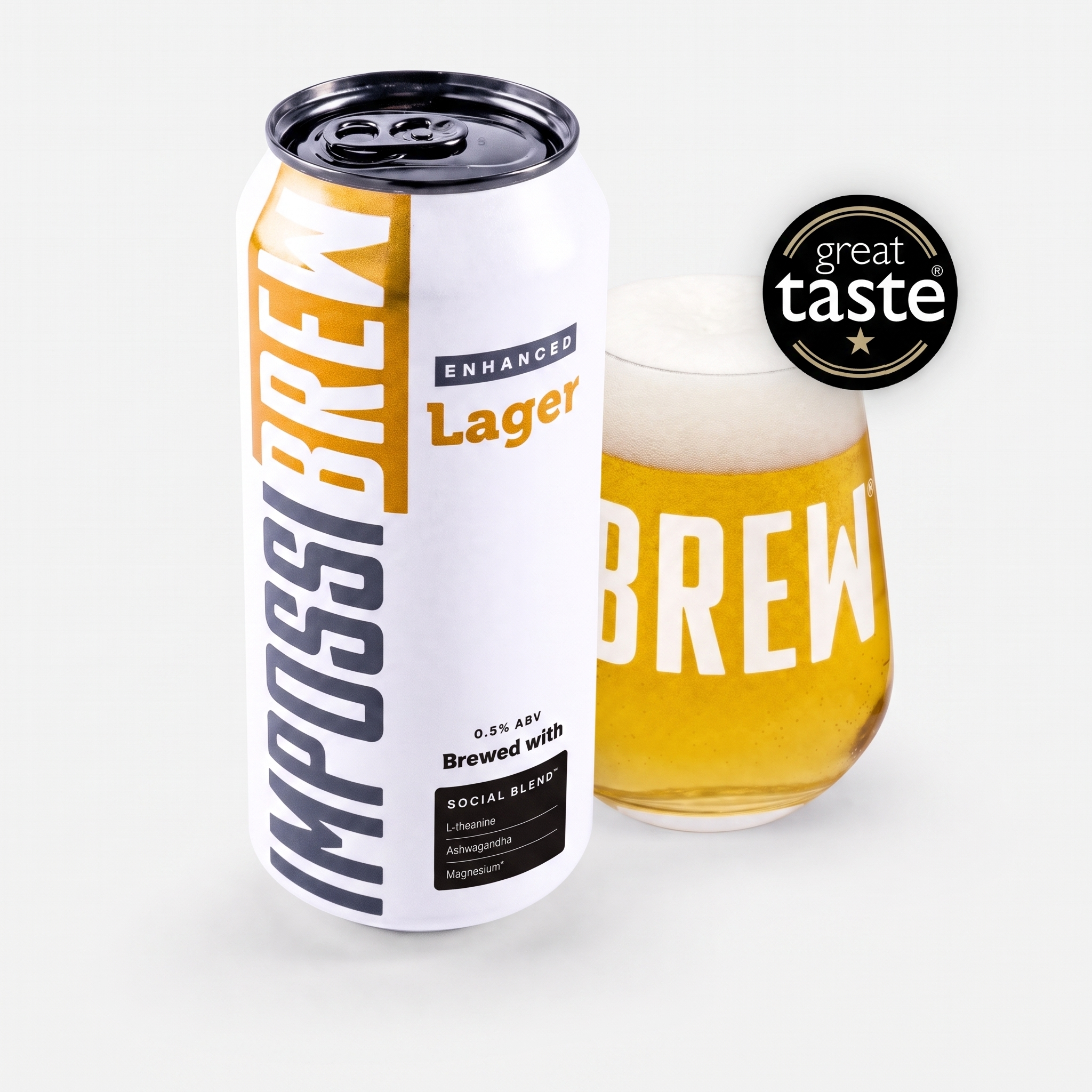
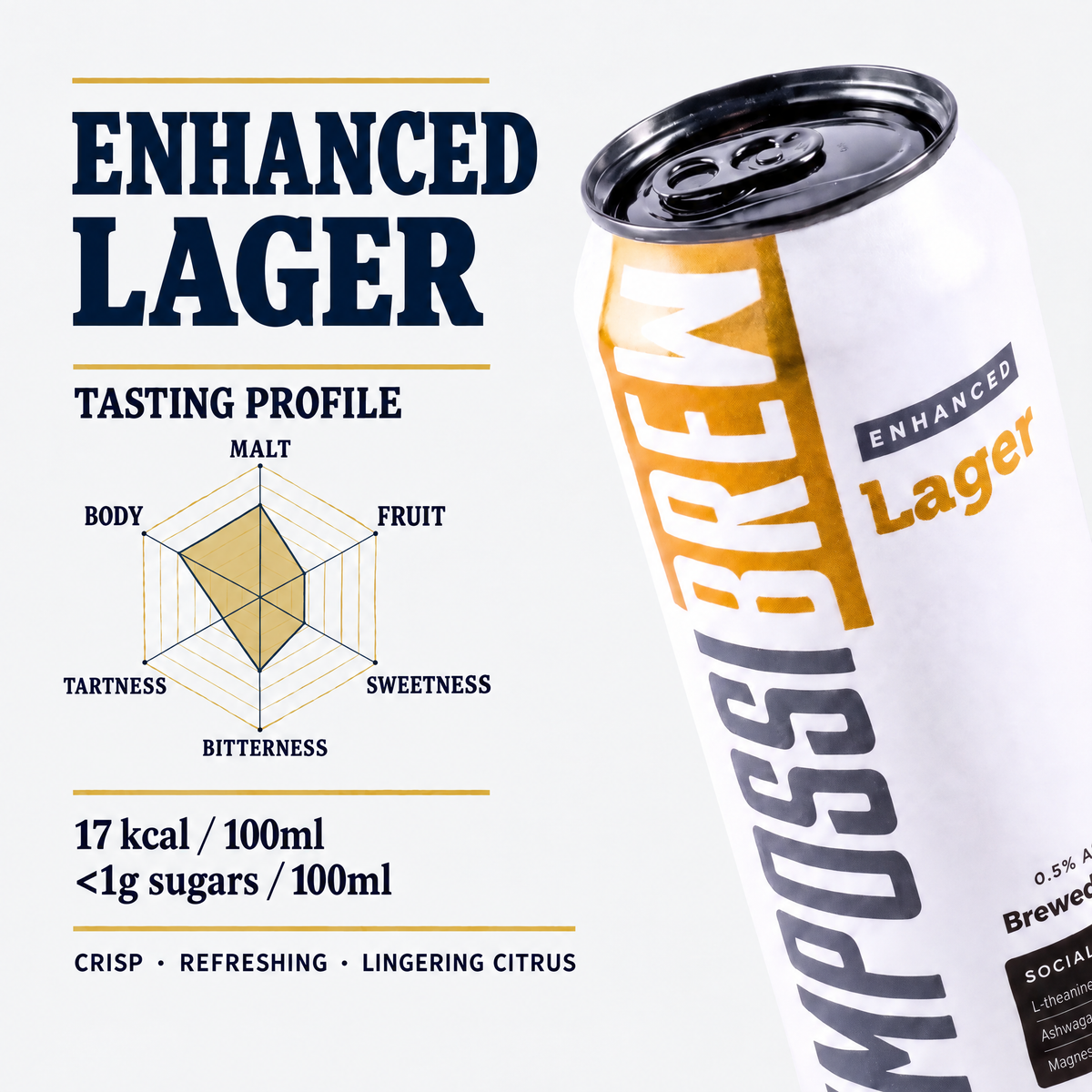
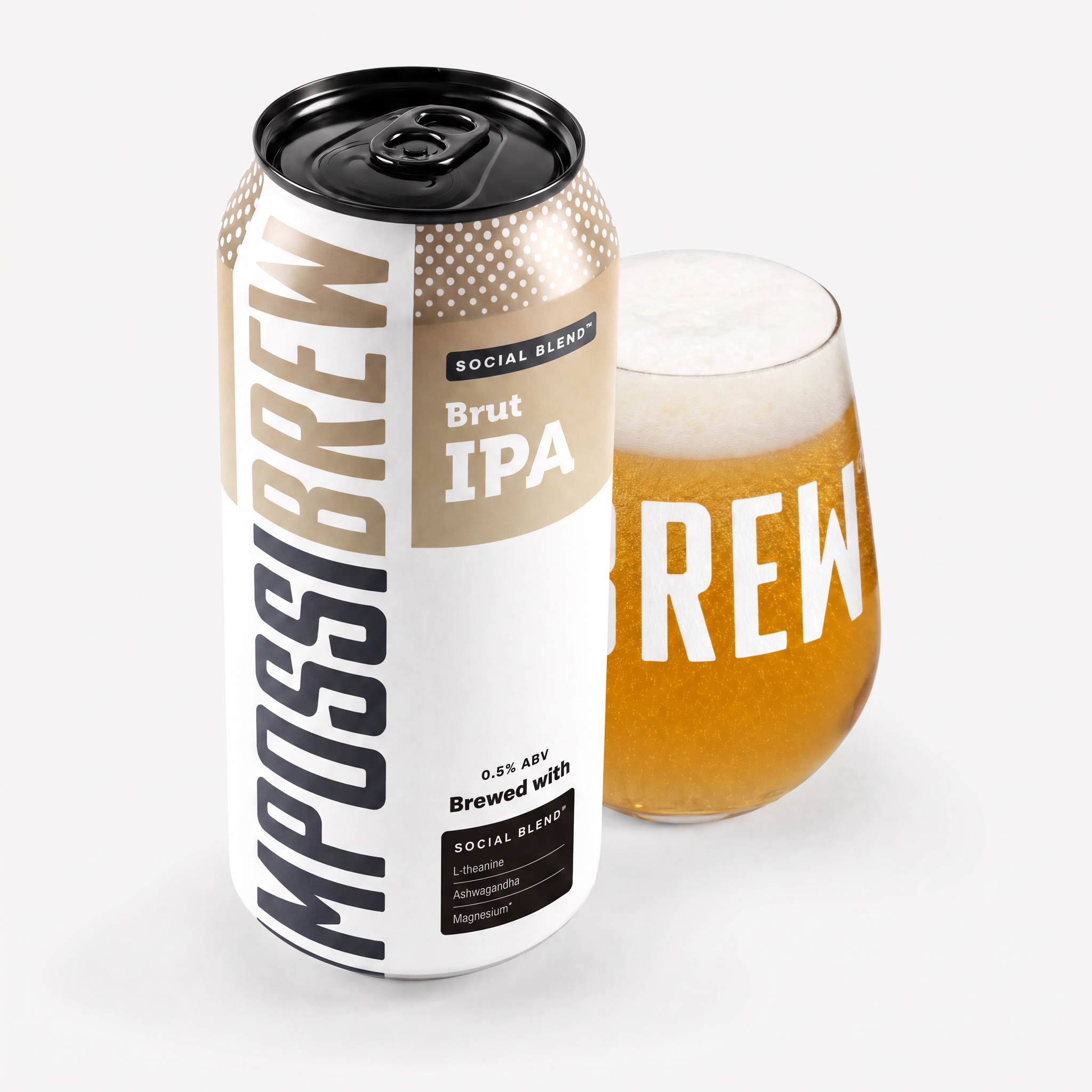
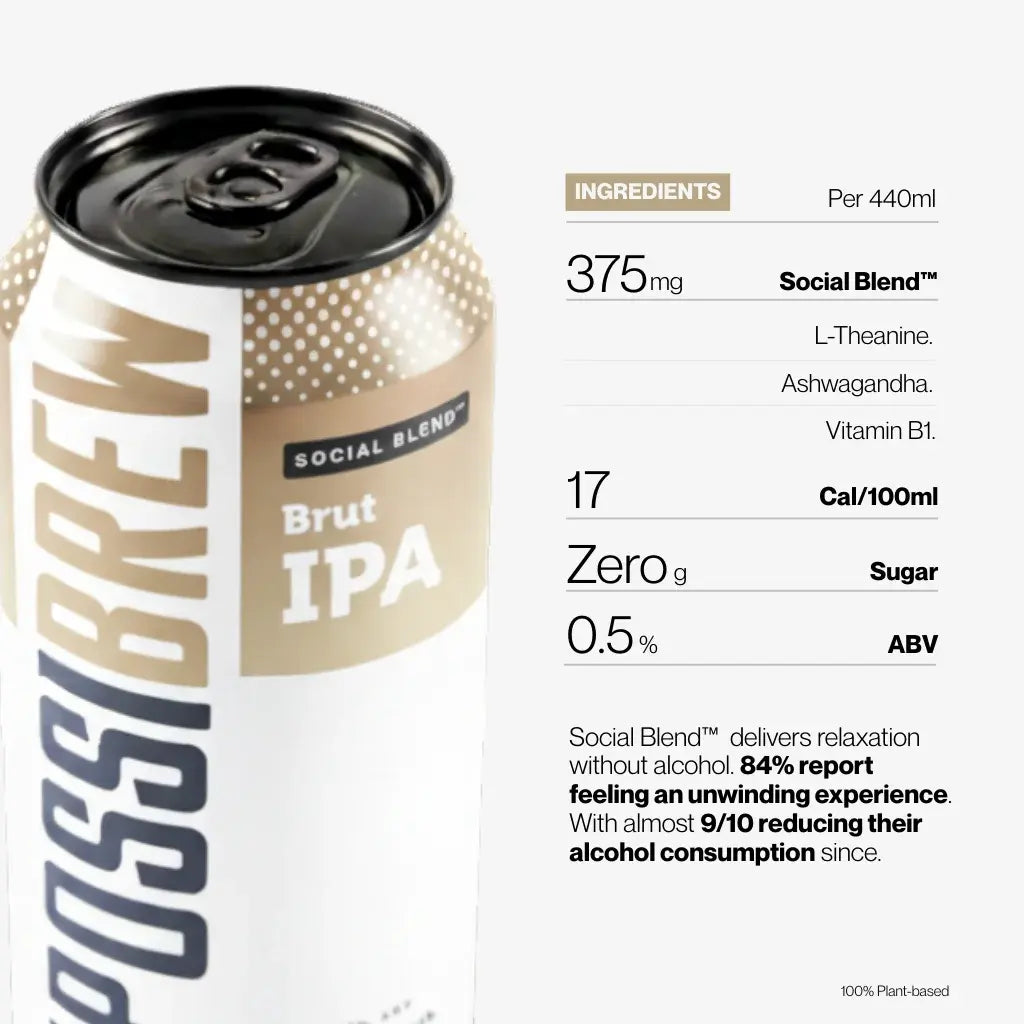
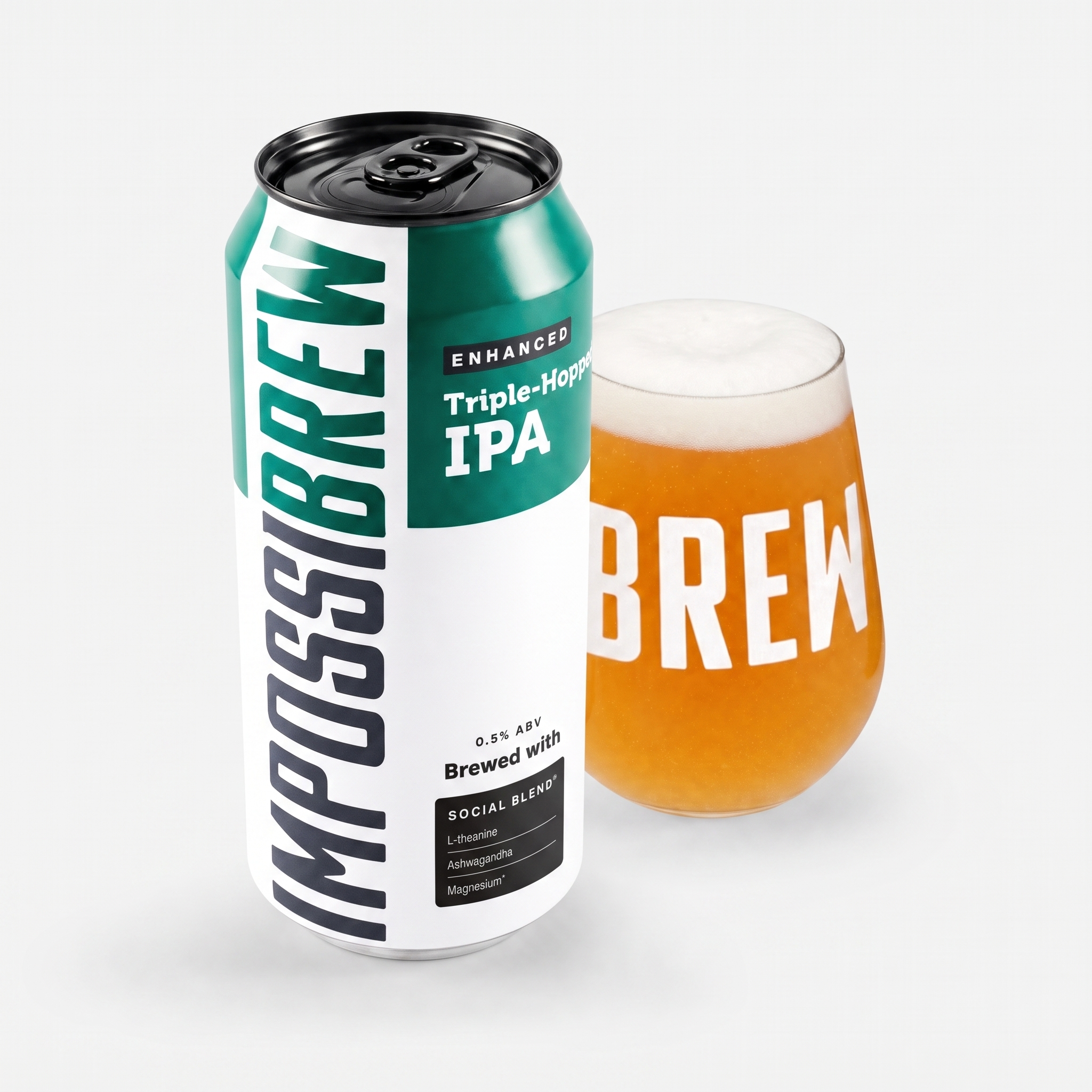
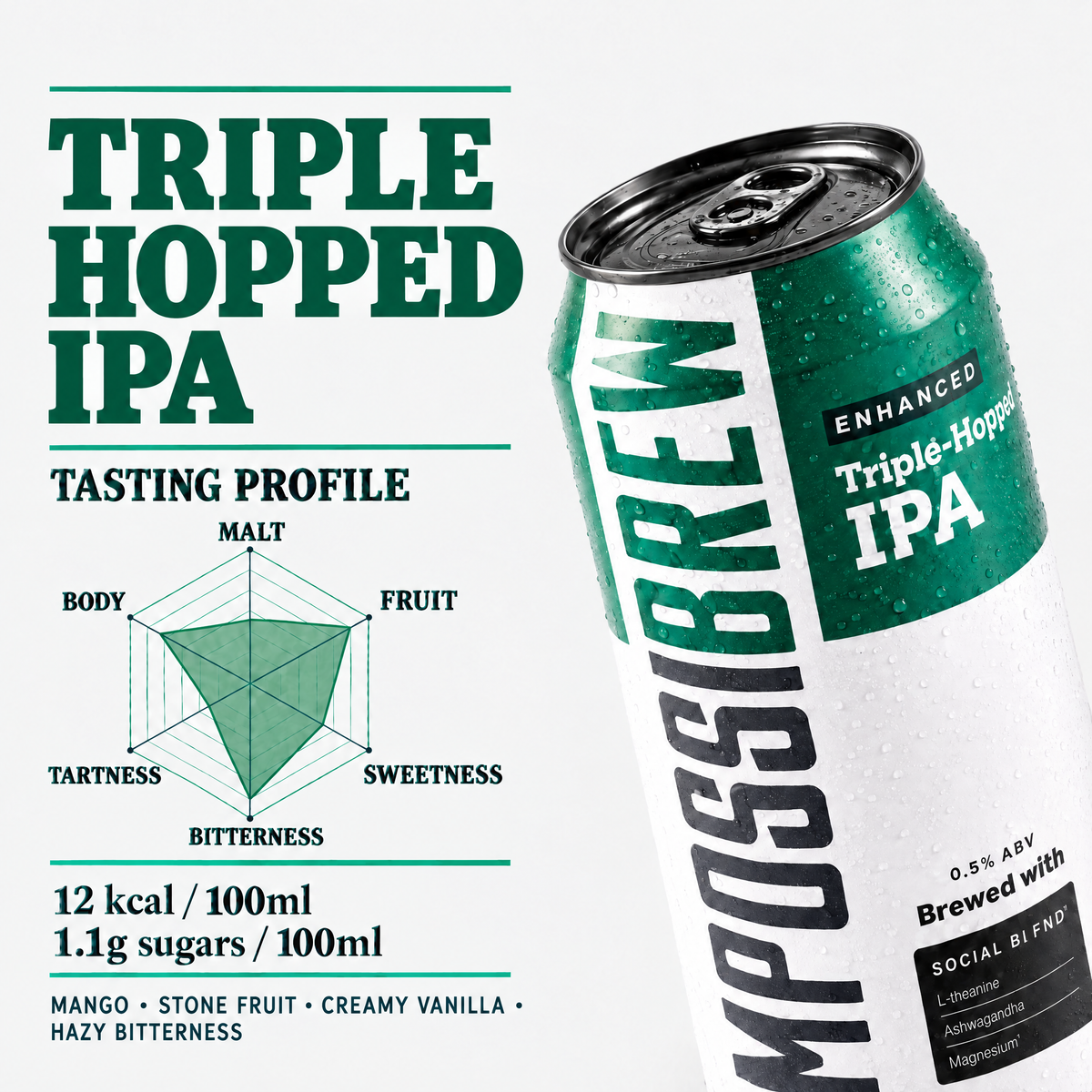
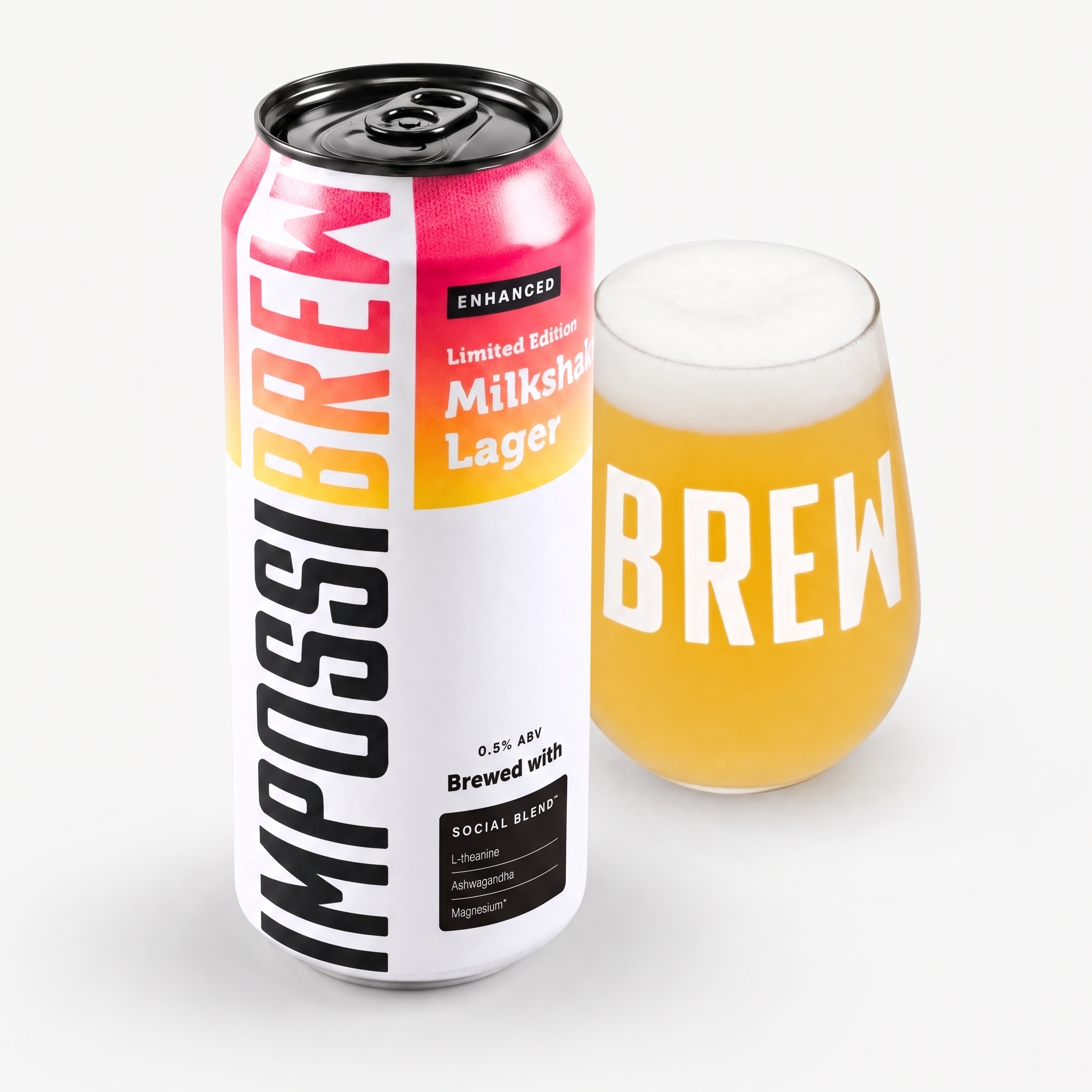
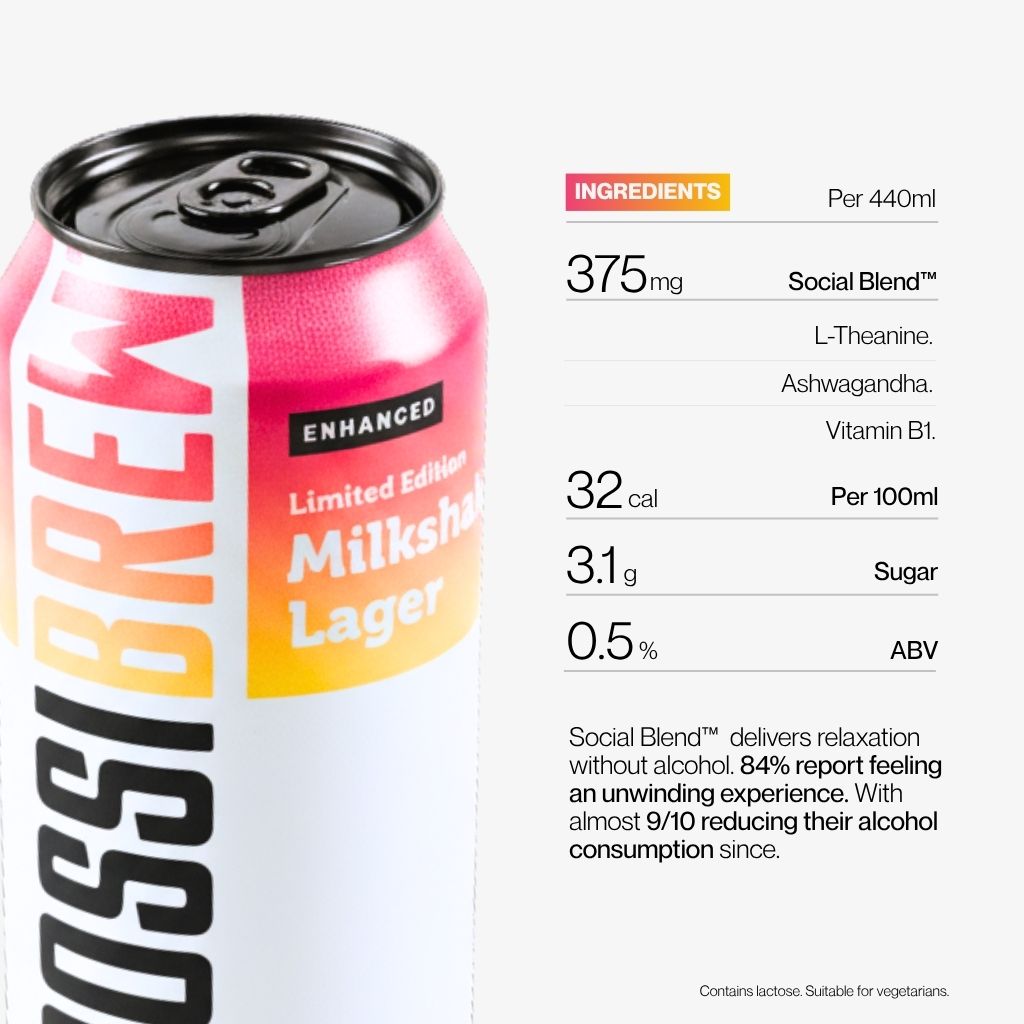
In the UK, IMPOSSIBREW® has emerged as a standout example of adaptogenic innovation. Founded by Mark Wong, the company produces non-alcoholic beers enhanced with adaptogens and nootropics like L-theanine and ashwagandha [21]. Their proprietary Social Blend™ is crafted with a science-backed approach to create beverages that reduce stress while providing a social experience - minus the negative effects of alcohol. Their offerings, such as Enhanced Lager and Enhanced Hazy Pale Ale, are vegan-friendly, gluten-free, low in calories, and contain less than 0.5% ABV.
This approach reflects broader consumer trends. For instance, the global non-alcoholic beer market grew by over 40% in volume between 2018 and 2023, driven by shifting attitudes. Today, four out of five consumers find it more acceptable to choose no- or low-alcohol products compared to five years ago [21].
"We're still at the very beginning stages of it, where a lot of people are still experimenting with the category." – Mark Wong, Founder and CEO of IMPOSSIBREW® [21]
The category has also gained traction among industry leaders. Nick Firestone, CEO of Firestone Walker, notes:
"This is not a fringe style. It's small but growing is the headline. It's becoming crowded very quickly. Brewers are great innovators and, as soon as they see a category or a style that's growing, you see a lot of people jumping in. It's great for non-alcoholic beer because it really legitimises the category." [21]
That said, adaptogenic drinks are meant to complement, not replace, existing stress management practices. As Sarah Pflugradt, PhD, a registered dietitian, points out:
"Adaptogens are considered dietary supplements, which means they should supplement your diet and lifestyle. If we expand from that, adaptogenic drinks should just supplement what you are already doing to relieve stress or find a sense of calm." [20]
Limitations and Future Research
Research Gaps
The study of adaptogens faces several challenges, including small sample sizes and methodological flaws [22]. In fact, 58% of studies score below 4 on the Jadad Scale, often lacking key elements like double-blinding, proper randomisation, or clear reporting on participant withdrawals [22].
Most research spans only a few weeks or months, which limits our understanding of adaptogens' long-term effects and safety [10]. Adding to this complexity is the inconsistency in data - studies often vary in dosages, preparation methods, and outcome measures, making it difficult to draw firm conclusions about their effectiveness [22].
Another issue is the disconnect between how holistic practitioners approach adaptogens and the reductionist methods used in many studies [23]. As VM, a naturopath, explains:
"Part of the holistic learning of naturopathy is you get a feel for a herb." [23]
Additionally, the high cost of conducting comprehensive research on adaptogens remains a significant barrier [10].
Future Directions
To overcome these challenges, future research needs to combine rigorous scientific methods with innovative approaches. Digital health technologies could play a key role in addressing the complexity of adaptogens. For example, artificial intelligence and machine learning can help predict how individual patients might respond to herbal therapies, tailoring dosages based on genetic, metabolic, and behavioural data [24]. Mobile apps that track sleep and mood can provide more nuanced data than traditional assessment tools, while wearable devices - monitoring metrics like heart rate variability, skin temperature, and sleep patterns - offer objective insights into treatment outcomes. Telehealth platforms could also extend study durations and reduce costs by facilitating regular check-ins with participants [24].
One promising example comes from a randomised controlled trial published in Digital Chinese Medicine (2024). The study revealed that patients who engaged in virtual reality (VR) sessions experienced notable reductions in anxiety and depressive symptoms [24].
To better understand adaptogens' effects, researchers need to develop new ways to measure their activity. Creating biomarkers or practical assessment tools that connect lab findings to real-world applications would be a step forward [22]. Larger, longer-term studies with diverse participant groups are essential to gather comprehensive safety data and determine optimal dosing strategies. Furthermore, examining combinations of adaptogens - rather than studying them in isolation - would align more closely with traditional practices.
Integrating traditional knowledge with modern research methods could bridge the gap between intuitive understanding and scientific evidence. As DB, a naturopath, puts it:
"Our intuition helps us select what we know from often what we don't know." [23]
Conclusion: The Potential of Adaptogens
Research from small-scale trials highlights that adaptogens may offer stress management benefits, although individual responses can vary. These plant-based compounds have shown potential in helping the body maintain balance during stressful times, with studies reporting improvements in cortisol levels, reduced anxiety, and enhanced overall quality of life[25].
Adaptogens appear to work through several mechanisms. They may protect cells from damage caused by cortisol, improve focus and memory, alleviate symptoms of depression, and even boost physical endurance[25]. However, safety remains a critical factor. While generally well-tolerated, some mild side effects have been noted in smaller studies. Additionally, interactions with certain medications make it important to consult a healthcare professional when considering their use.
This growing body of research has inspired the functional beverage industry to include adaptogens in their products. The global market for adaptogenic drinks is expected to reach around £2.0 billion by 2030[26]. Brands like IMPOSSIBREW® are leading the way by incorporating adaptogens into their Social Blend™ formula, creating non-alcoholic beers that aim to provide stress-relief benefits while supporting a balanced lifestyle.
Given the increasing demand for stress management tools - especially as four in 10 adults worldwide reported significant stress or worry in 2021[4] - there’s a pressing need for accessible options. Ensuring high standards of quality control is crucial, particularly since adaptogens are marketed as dietary supplements with limited regulatory oversight. Manufacturers must focus on providing high-quality extracts and clear dosage recommendations to meet this demand responsibly[11].
FAQs
How do adaptogens compare to traditional methods for managing stress in terms of effectiveness and safety?
Adaptogens are gaining attention for their potential to help manage stress by lowering cortisol levels and enhancing the body's ability to handle stressors. While traditional approaches like therapy or medication are well-researched and effective, they can sometimes bring a higher risk of side effects.
Emerging small-scale studies hint that adaptogens might provide a milder alternative, with fewer safety concerns, making them worth considering as a standalone or complementary option for stress management. That said, research in this area is still growing, so it's always wise to consult a healthcare professional before making any changes to your routine.
Are adaptogens safe for long-term stress management, and is there enough research to support their use over time?
The long-term safety of adaptogens in managing stress remains uncertain. For instance, ashwagandha has been found to be generally well-tolerated for up to three months, but there’s little evidence about its impact with prolonged use. Most research highlights short-term benefits and notes only mild side effects, but more in-depth studies are necessary to truly understand their safety over time.
If you’re thinking about incorporating adaptogens into your daily life, it’s wise to speak with a healthcare professional - especially if you intend to use them for an extended period.
Are adaptogens safe to take with other supplements or medications, and what precautions should I consider?
Adaptogens can sometimes interact with medications or supplements, which might affect blood pressure, blood sugar levels, or lead to side effects such as drowsiness or overstimulation. To stay safe, it’s always wise to check with a healthcare professional before mixing adaptogens with any other treatments.
This step becomes even more crucial if you’re taking prescription medications, dealing with a medical condition, or feeling uncertain about how adaptogens could impact you. A professional can provide tailored advice to help you avoid unwanted interactions and ensure their use is suitable for your specific health situation.