Looking for a healthier way to unwind? Many in the UK are moving away from alcohol and exploring plant-based alternatives called adaptogens. These natural substances help the body manage stress without the side effects of alcohol, such as hangovers, disrupted sleep, or long-term health risks. Here's what you need to know:
- Alcohol: Temporarily relaxes by depressing the nervous system but can increase stress, disrupt sleep, and harm health over time. It's also highly addictive.
- Adaptogens: Plant-based substances like ashwagandha and rhodiola that support stress resilience, improve sleep, and boost focus - without harmful after-effects.
Quick takeaway: Adaptogens offer a safer, long-term approach to relaxation. Brands like IMPOSSIBREW® even combine adaptogens with nootropics to create non-alcoholic beverages that mimic the social experience of drinking, minus the downsides.
Want a deeper dive? Read on for a comparison of how these two options affect stress, sleep, mood, and overall health.
Alcohol's Affect on the Brain + Functional & Adaptogen Drink Alternatives
What Are Adaptogens and How Does Alcohol Work?
To grasp the growing interest in adaptogens as an alternative to alcohol, it’s helpful to understand how these two substances affect the body differently. Let’s explore what adaptogens are and how they operate compared to alcohol.
What Are Adaptogens?
Adaptogens are plant-based substances that help the body maintain balance during periods of stress. The concept was developed through clinical trials in the mid-20th century, which established that to qualify as an adaptogen, a substance must meet three key criteria: it must be non-toxic at therapeutic doses, boost resistance to a variety of stressors, and help the body return to its natural equilibrium [6][1].
These compounds work by influencing the hypothalamic-pituitary-adrenal (HPA) axis, the body’s core stress-response system. Through this mechanism, adaptogens regulate critical stress mediators like cortisol and nitric oxide, ultimately enhancing the body’s resilience to stress. Some researchers liken their effect to a "stress vaccine" [4].
"Adaptogens work like a stress vaccine (stress-mimetic) by activating stress-induced self-defence mechanisms in order to adapt the cell and organism to mitigate stress-induced harmful effects."
– Alexander Panossian, PhD, Swedish Herbal Institute [4]
Common examples include:
- Ashwagandha: Known for its calming properties and ability to support better sleep.
- Rhodiola: Helps combat fatigue and anxiety while also improving mental performance.
- Reishi: A medicinal mushroom that bolsters immune function.
Unlike quick fixes, adaptogens require consistent, daily use to build long-term resilience to stress. This gradual and stabilising effect offers a healthier path to relaxation compared to alcohol.
How Alcohol Affects Relaxation
Alcohol achieves relaxation through an entirely different process. As a central nervous system depressant, it works by enhancing GABA activity, the brain’s primary inhibitory signal. At low blood alcohol levels (0.02–0.04%), this can create a soothing effect, making social interactions feel easier. Slightly higher levels (0.05%–0.08%) trigger the release of dopamine and endorphins, producing euphoria and encouraging continued drinking [3]. However, as blood alcohol concentration (BAC) rises beyond 0.15%, alcohol begins to impair glutamate, the brain’s main excitatory system. This can lead to slurred speech, memory blackouts, and even respiratory issues.
"Arguably the most powerful and important effect of alcohol in human use is to reduce this social anxiety and so promote sociability and conviviality."
– David J. Nutt, Professor of Neuropsychopharmacology, Imperial College London [2]
While alcohol provides a temporary escape by altering brain chemistry, it comes with a cost. Chronic use can disrupt the body’s stress response and lead to rebound anxiety. Considering that stress contributes to roughly 90% of all doctor visits [7], alcohol’s short-term relief may ultimately weaken the body’s ability to cope with stress effectively.
Adaptogens, on the other hand, offer a gentler, more sustainable way to manage stress, making them a promising alternative for those seeking balance without the drawbacks of alcohol.
Why Adaptogens Are Better Than Alcohol
When it comes to finding natural ways to relax, adaptogens stand out as a reliable, science-backed option. While alcohol might offer short-lived relief, adaptogens work on a deeper level, helping to build long-term resilience and balance.
Here’s a closer look at how adaptogens compare to alcohol in key areas.
Stress Reduction
Adaptogens help regulate the hypothalamic-pituitary-adrenal (HPA) axis, which plays a key role in managing stress. For example, clinical studies have shown that ashwagandha can lower cortisol levels when taken in doses of 120–600 mg daily over 4 to 12 weeks [8]. On the other hand, alcohol provides a temporary dopamine boost, but this often leads to bingeing and, ultimately, more stress [3]. Meanwhile, adaptogens like rhodiola not only reduce fatigue and anxiety but also enhance mental performance - without the risk of dependency [4].
Better Sleep Quality
Though alcohol might help you fall asleep faster, it disrupts REM sleep and can lead to blackouts [3]. Adaptogens, such as holy basil, take a gentler approach by calming the brain's stress response, promoting truly restorative sleep [1][9]. Additionally, research indicates that ashwagandha, at 600 mg daily for 4 to 12 weeks, improves both the quality and duration of sleep while enhancing mental alertness upon waking [8].
Mood and Energy Support
Alcohol delivers a fleeting dopamine rush, often followed by an emotional crash [3]. In contrast, adaptogens like rhodiola provide steady support, improving focus and mental capacity during times of fatigue without draining your energy reserves. They also help regulate mood naturally by inhibiting enzymes like monoamine oxidases (MAO) A and B, which are involved in mood regulation [4].
Immune System and Overall Health
Chronic alcohol use can weaken the immune system and trigger inflammation [3]. Adaptogens, however, actively bolster your defences. For instance, ashwagandha and eleuthero enhance immune function by increasing natural killer cells and lymphocytes [8][1]. They also stimulate stress-sensing proteins like Hsp70, which repair cellular damage and protect brain neurons from harm [4][7].
Adaptogens vs Alcohol: Side-by-Side Comparison
Expanding on the mechanisms covered earlier, let’s break down how adaptogens and alcohol stack up against each other.
When it comes to relaxation, the two couldn’t be more different. While alcohol might be the go-to for unwinding, science paints a different picture of their effects on the body and mind.
Alcohol provides a short-lived buzz by altering neural activity, but it also disrupts the stress response over time [2]. Adaptogens, however, take a different approach. They work with your body by regulating the HPA axis, helping it achieve balance and adapt to stress [1].
"Recognising that alcohol is a stress enhancer rather than a reducer is the first step towards a healthier way to relax." – Longbranch Recovery [10]
The contrast is even starker when it comes to dependency. Around 15 million adults in the US face Alcohol Use Disorder annually [10]. In comparison, adaptogens show no evidence of being addictive [1].
Comparison Table
Here’s a quick look at how alcohol and adaptogens measure up:
| Feature | Alcohol | Adaptogens |
|---|---|---|
| Stress Response | Raises stress and anxiety over time [10] | Boosts resistance to stress [4] |
| Sleep Impact | Disrupts REM sleep; worsens sleep apnoea [12] | Improves sleep quality and efficiency [13] |
| Dependency Risk | High; tied to dopamine-driven cravings [2] | Low; no addictive properties [1] |
| Daily Use Safety | Harms liver, brain, and immune system [2] | Generally safe [1] |
| Mental Function | Impairs judgement and coordination [10] | Supports memory, focus, and learning [4][11] |
| Next-Day Effect | Hangover, fatigue, reduced alertness [12][5] | Boosts alertness and reduces fatigue [13] |
| Health Risk | Group 1 carcinogen; metabolic toxin [5] | Safe, though may interact with medications [12] |
Alcohol temporarily throws the body out of balance, while adaptogens work to strengthen its resilience. The body treats alcohol as a toxin, prioritising its breakdown for 24 to 36 hours - this slows down other metabolic processes in the meantime [5]. Adaptogens, on the other hand, help the body manage stress without introducing this toxic load [12].
sbb-itb-a752bf8
IMPOSSIBREW® Social Blend™: Relaxation Without Compromise
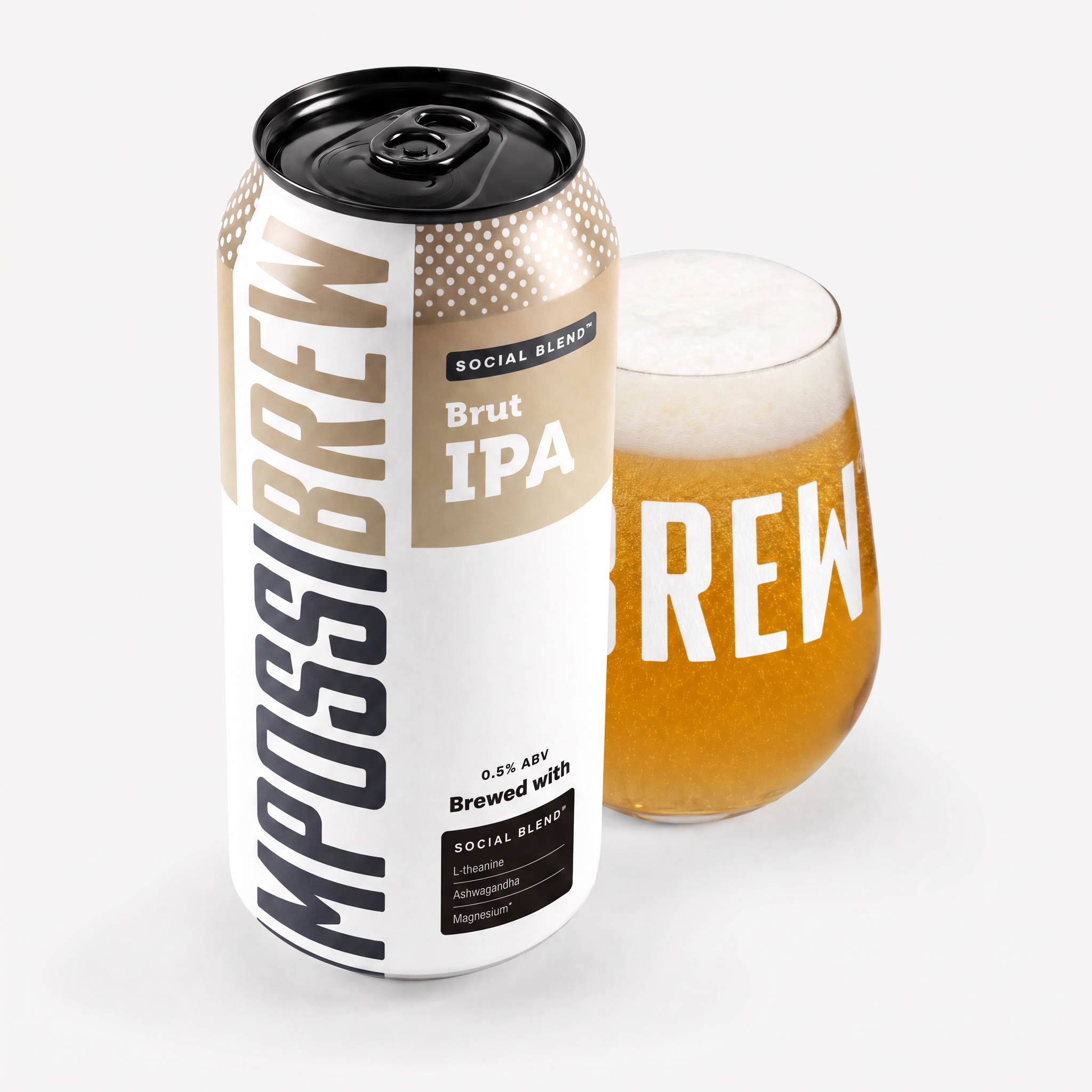
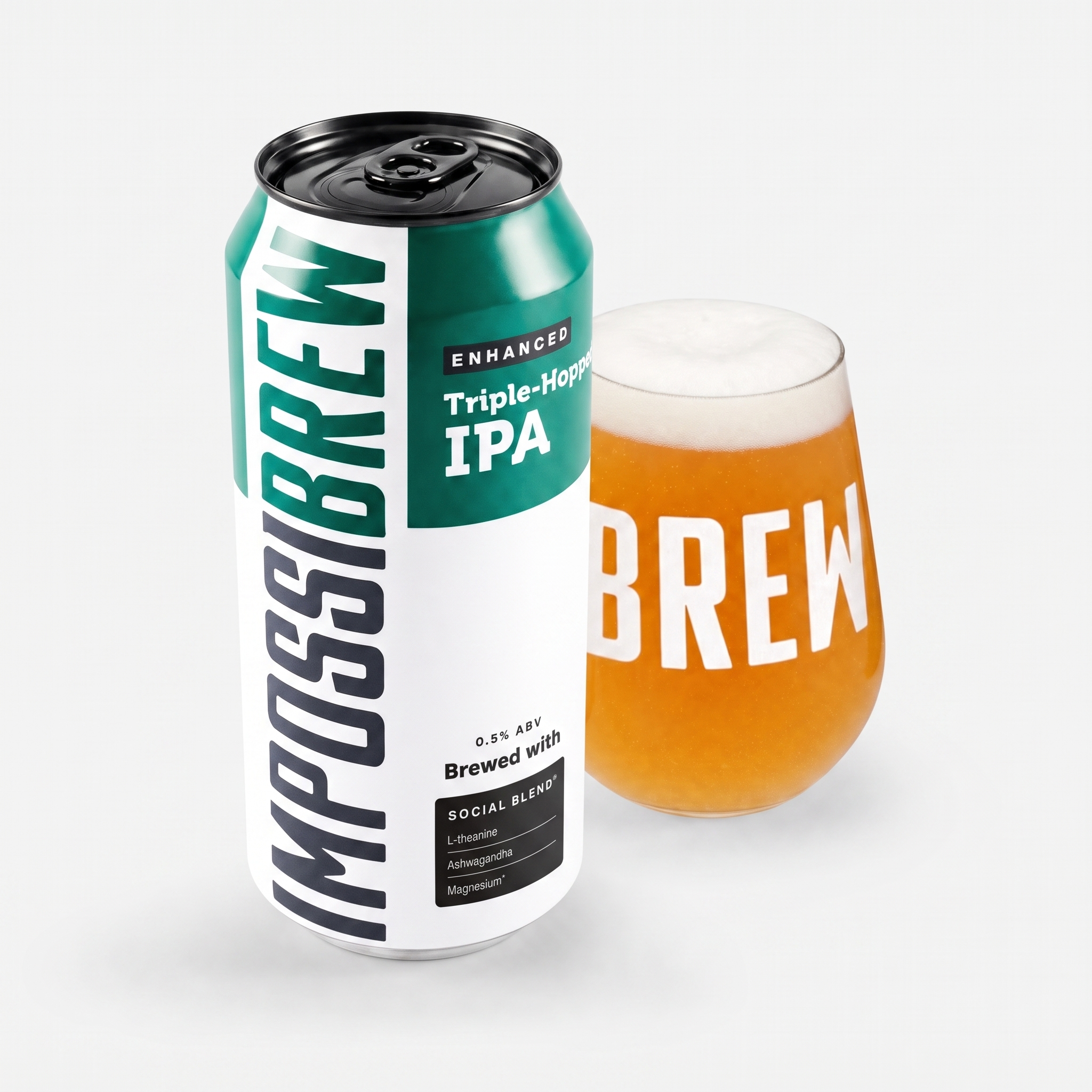
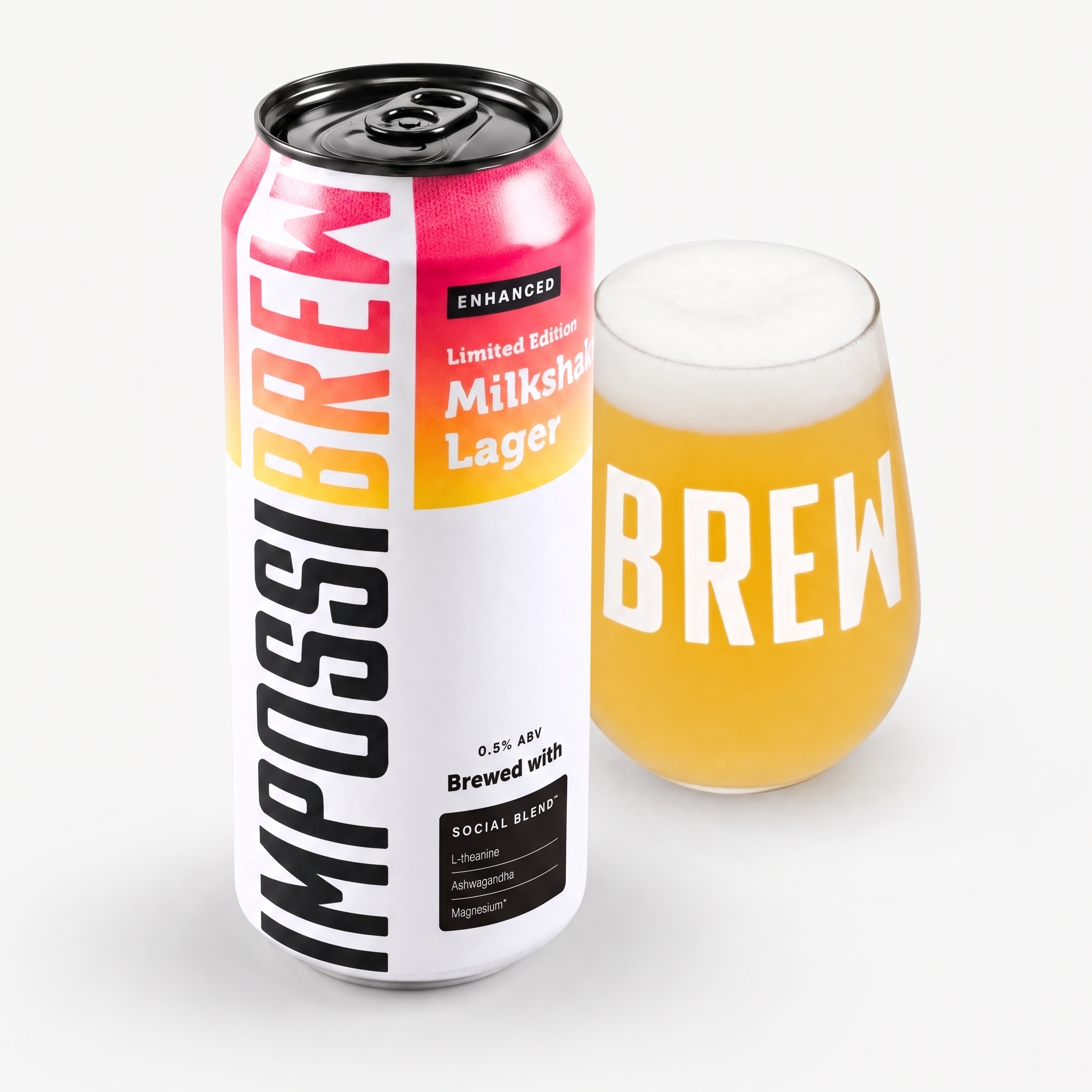
IMPOSSIBREW® offers a refreshing alternative to traditional alcoholic drinks with its adaptogen-infused beverages. These drinks are designed to help you relax without the hangover or other unwanted side effects.
Their non-alcoholic beers are crafted with a unique formula called Social Blend™, which mimics the social and sensory experience of drinking - minus the downsides of alcohol.
The Science Behind Social Blend™
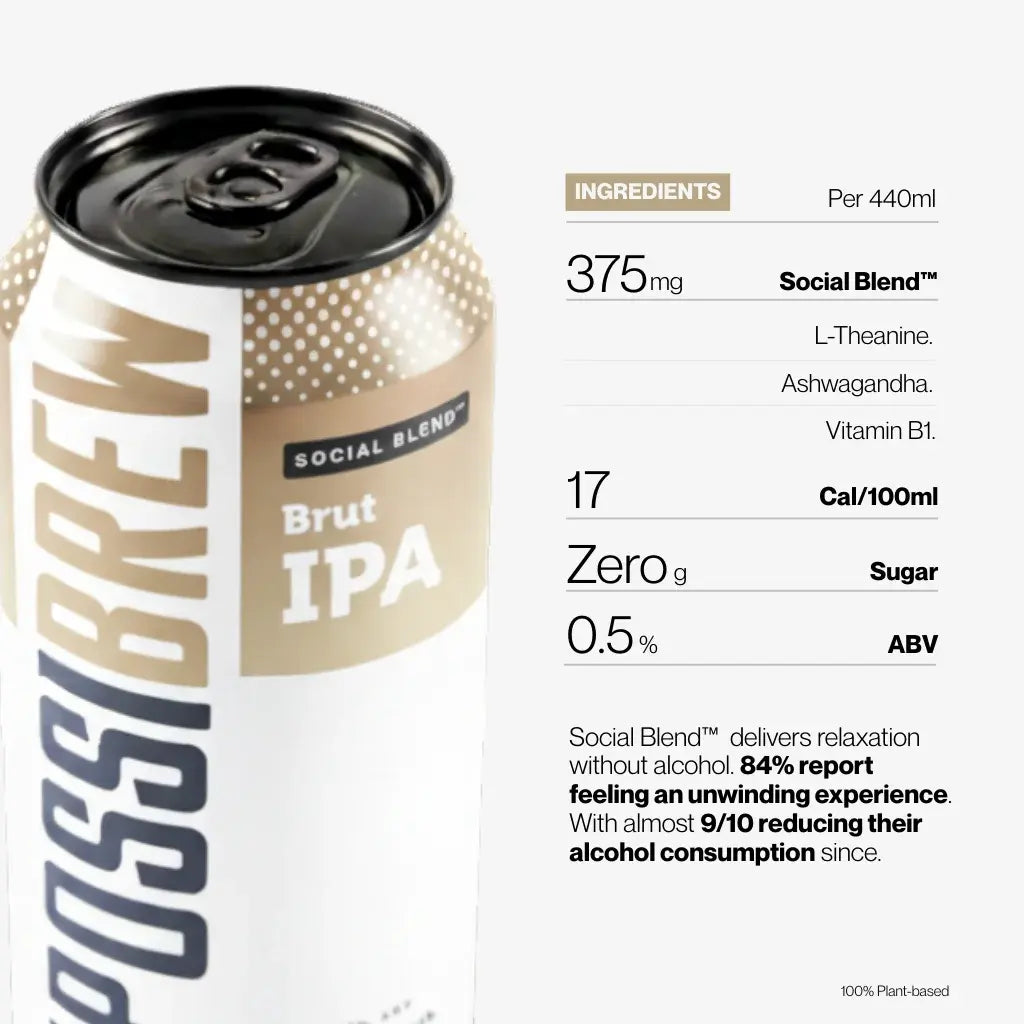
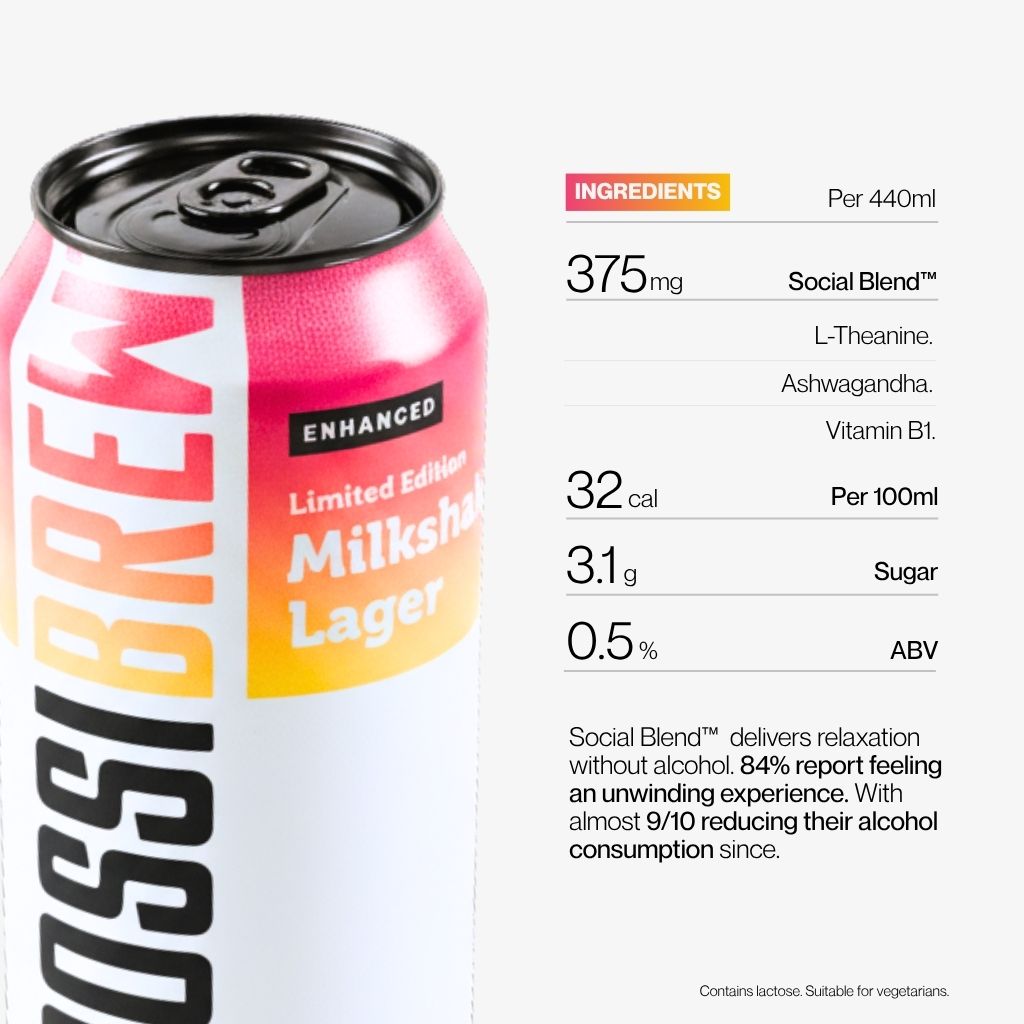
Social Blend™ is a patent-pending creation developed alongside Dr Paul Chazot, Chair of Pharmacology at Durham University [14]. This blend combines adaptogens and nootropics to replicate the feeling of having "one or two pints" [14]. It works by enhancing alpha brain waves and balancing serotonin levels [11].
The key ingredients include:
- L-Theanine: Supports GABA, serotonin, and dopamine.
- Ashwagandha: Helps regulate cortisol levels.
- 5-HTP (from Griffonia Seed): Boosts mood.
- Vitamin B1: Aids energy metabolism [11].
"Social Blend™ is a proprietary blend of natural ingredients... which work together to optimise serotonin levels, boost relaxation, and promote mental calm without drowsiness." – IMPOSSIBREW® [14]
Unlike alcohol, this formula uses natural compounds to deliver a sense of relaxation without compromising your health.
In a survey of over 1,000 participants, 70% reported feeling relaxed after trying IMPOSSIBREW®, and 88% said they had reduced their alcohol intake since discovering the brand [14].
Product Range
The science behind Social Blend™ powers a growing range of products.
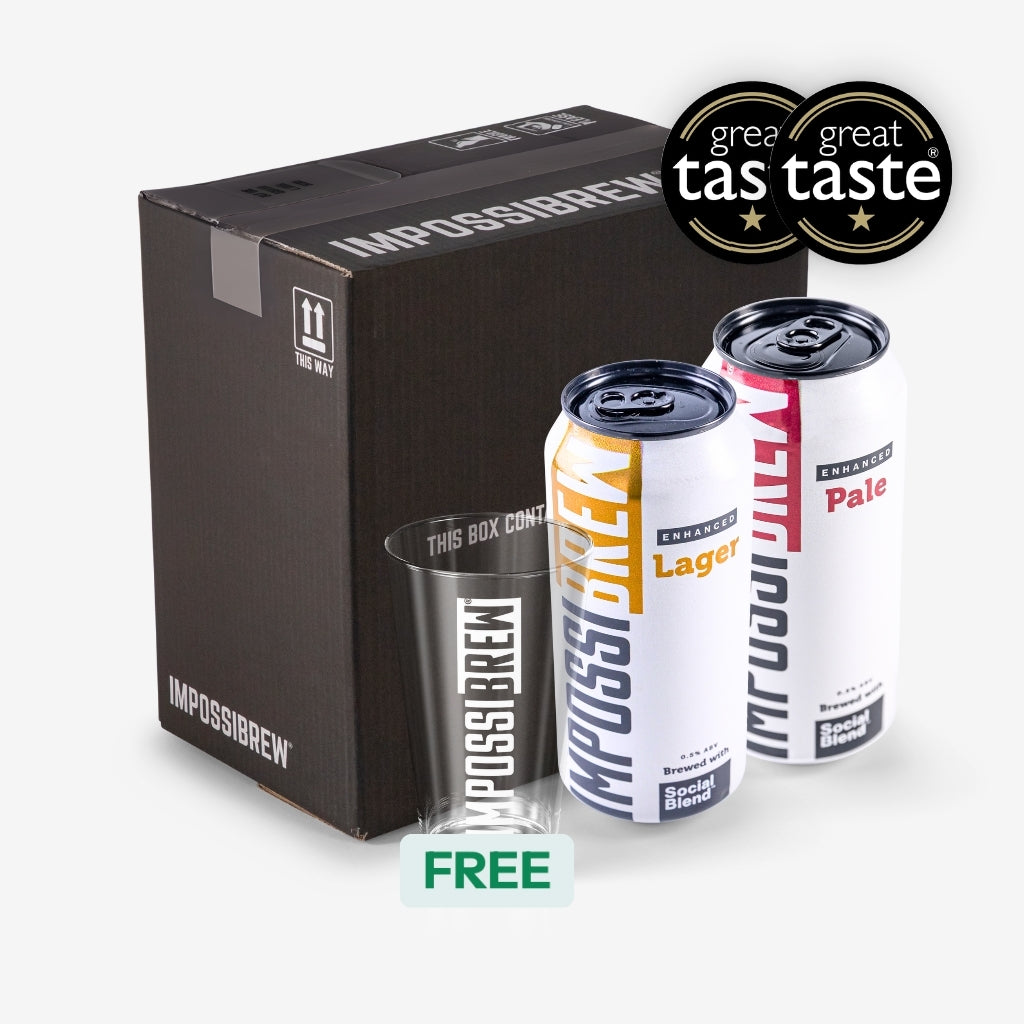
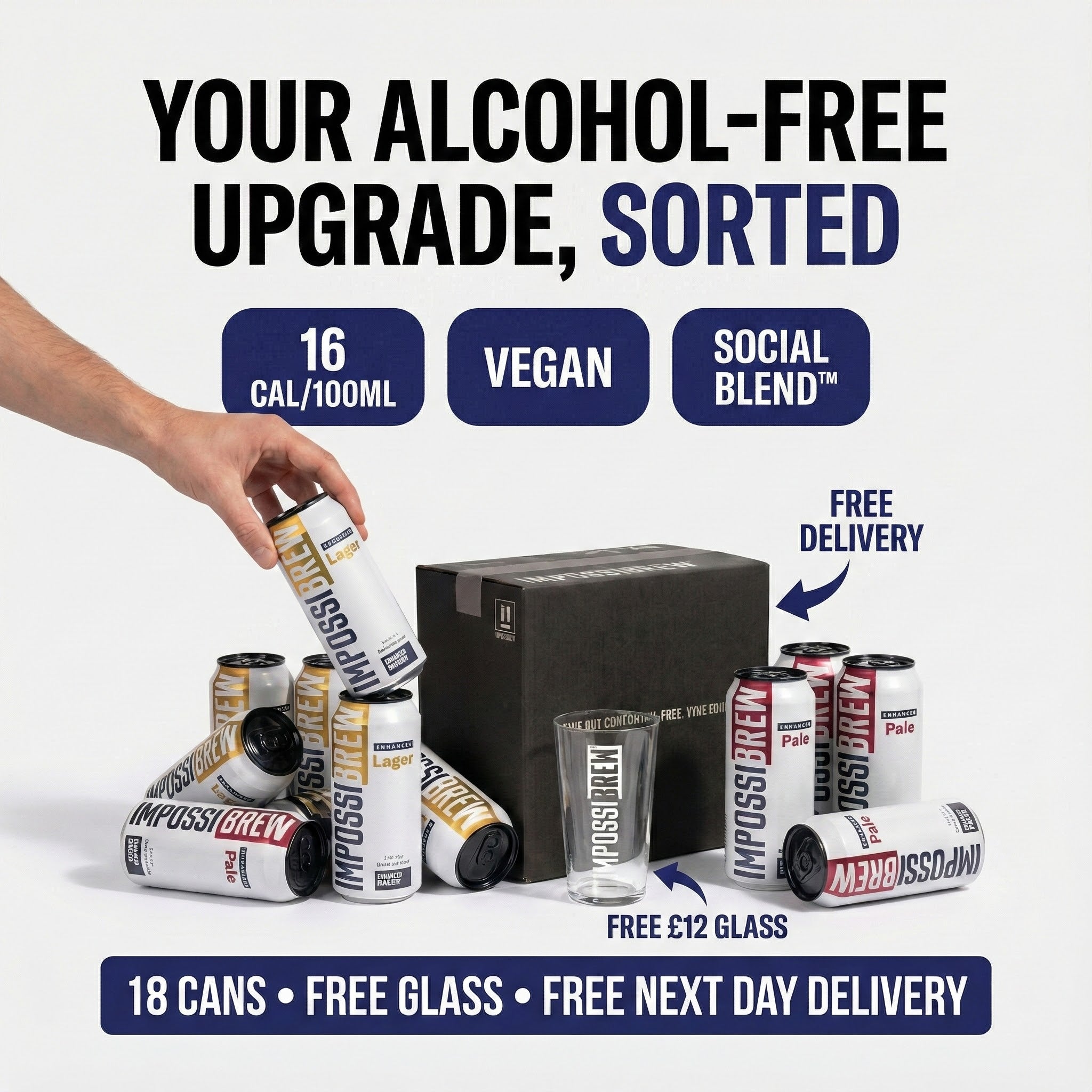
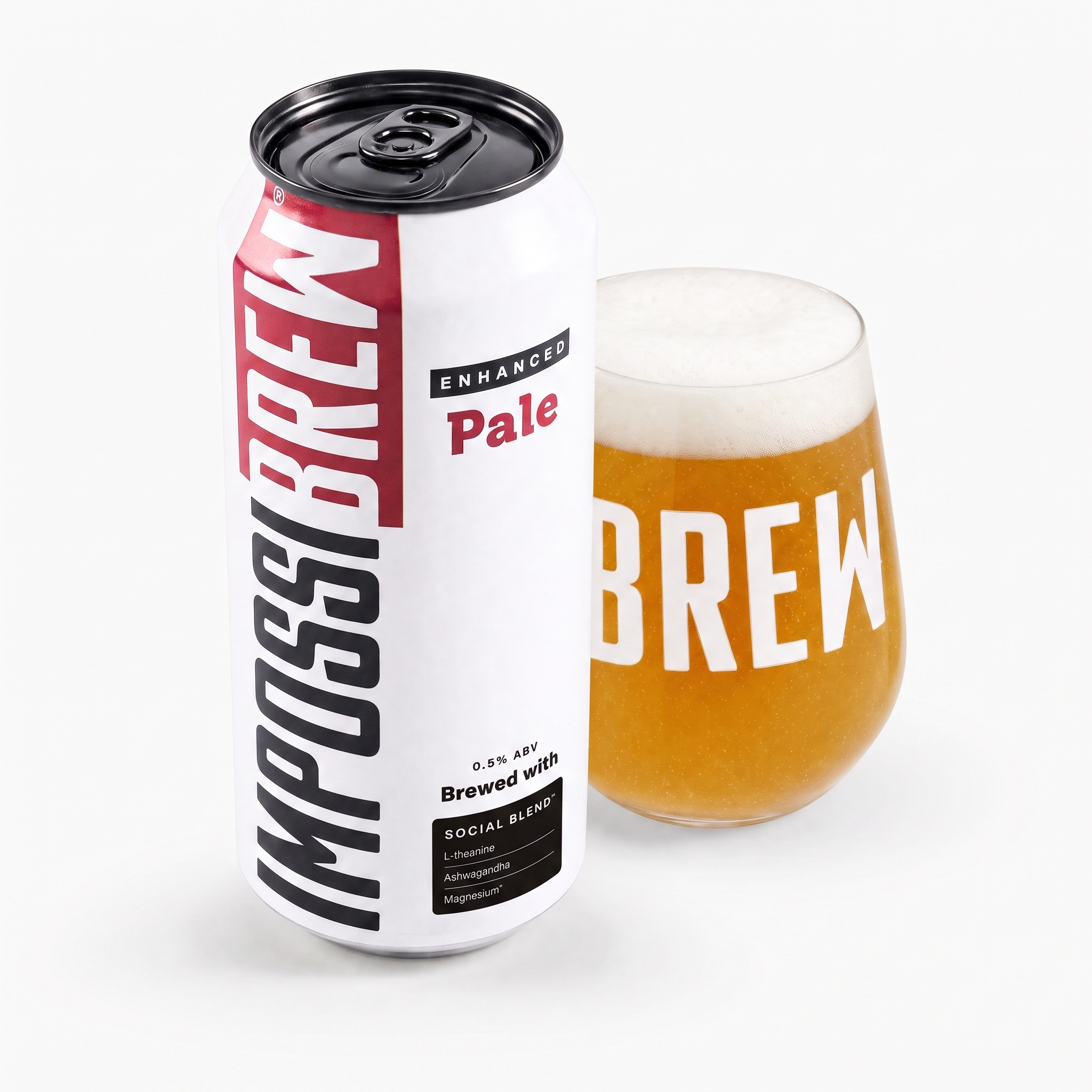
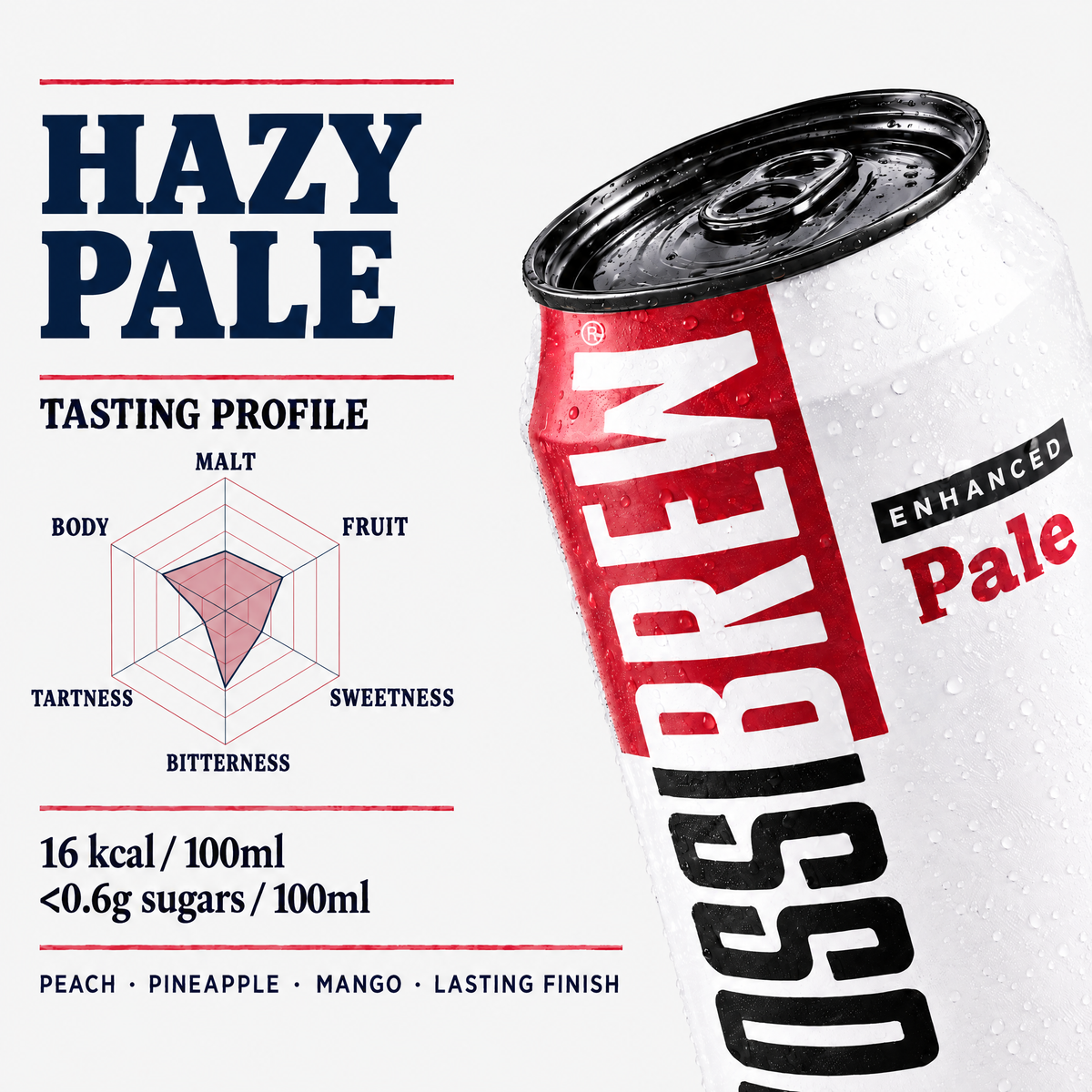
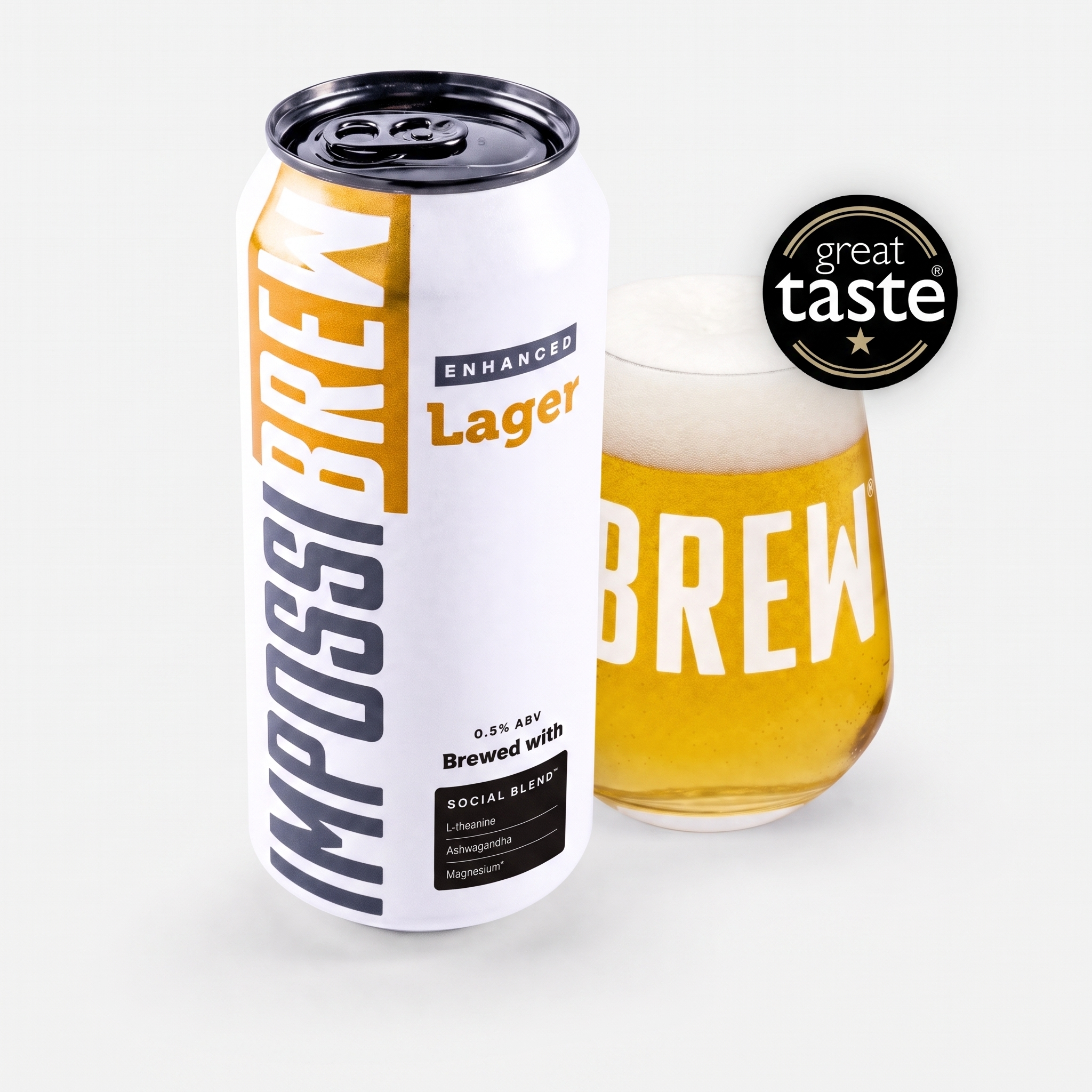
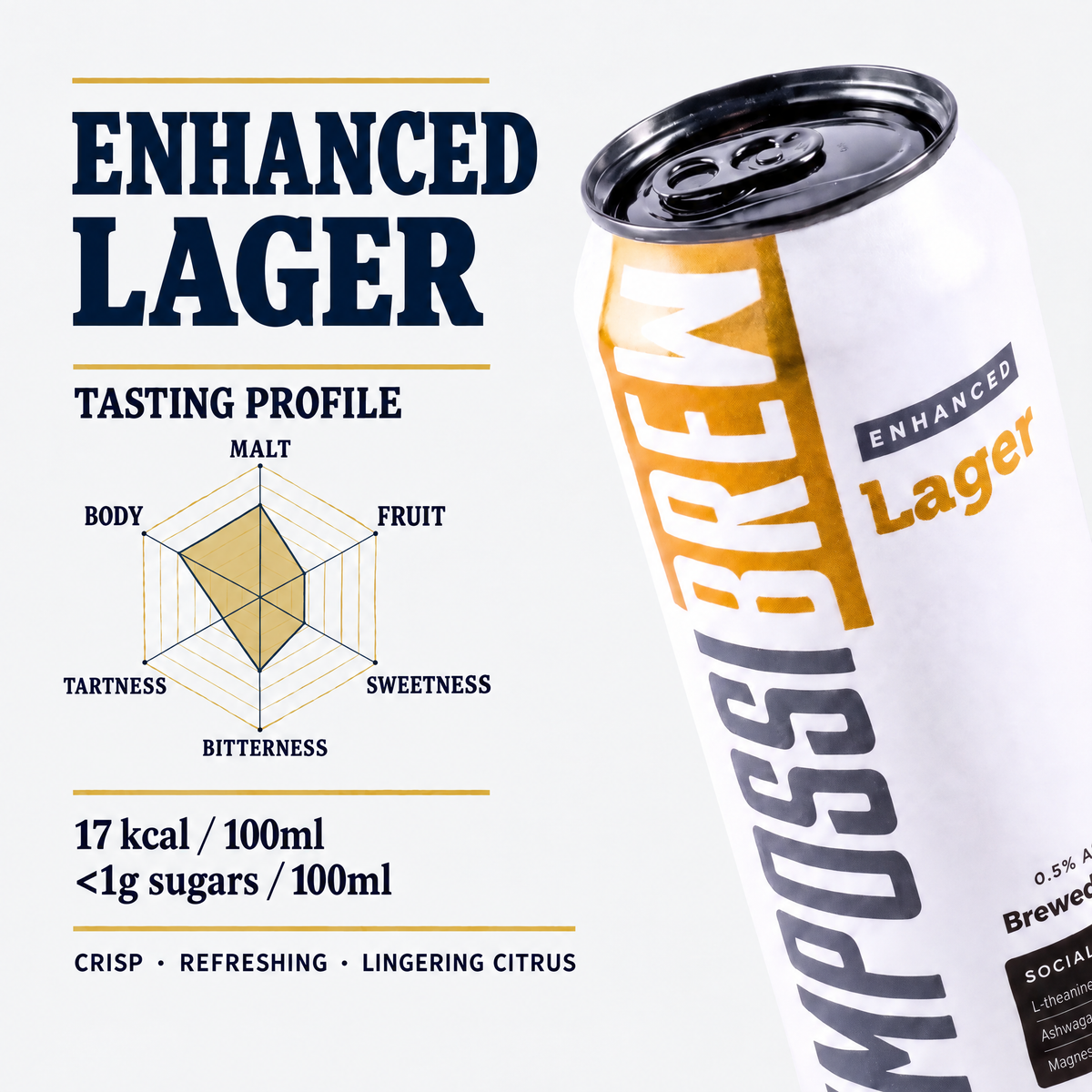
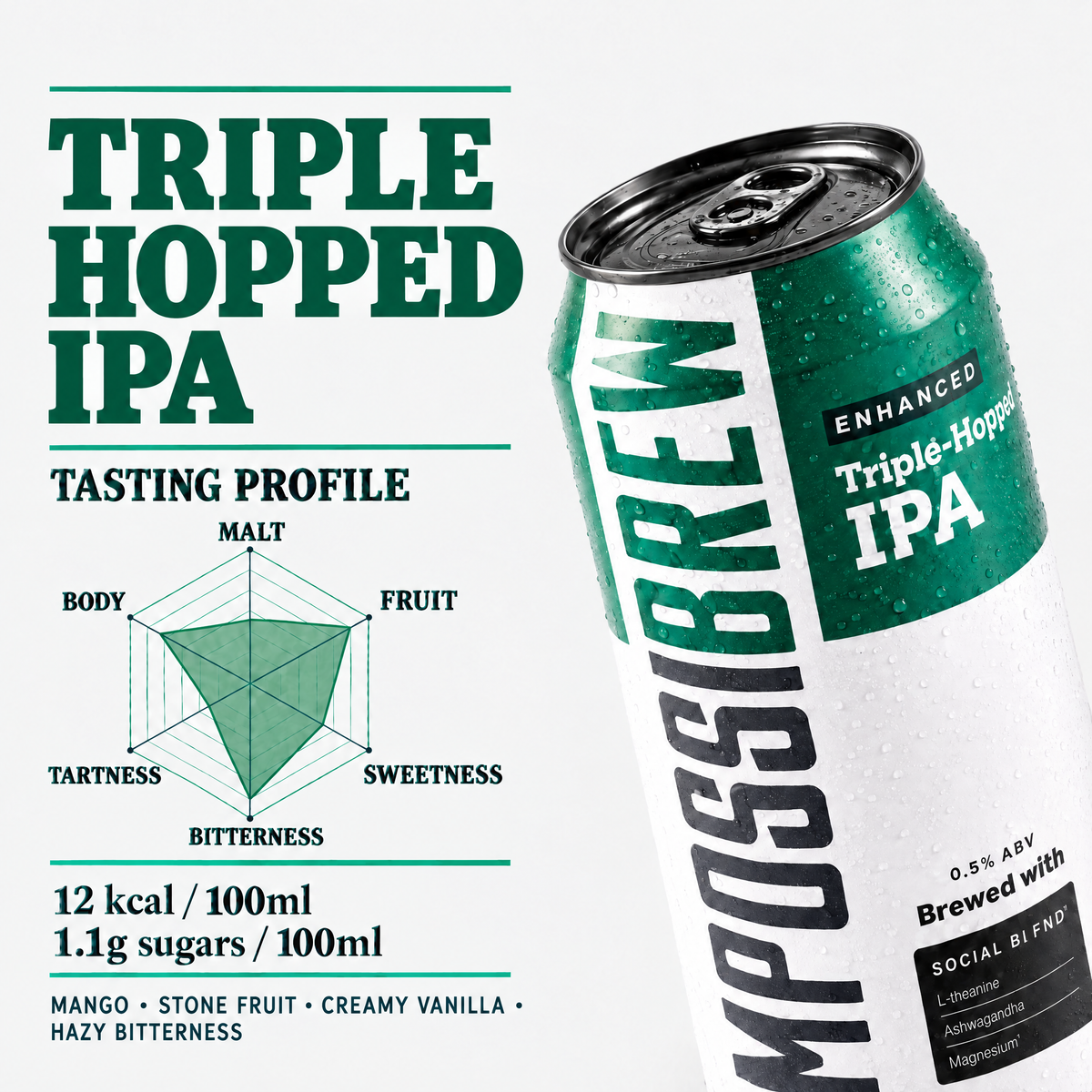
The main offerings include the Enhanced Lager and Enhanced Hazy Pale, both with 0.5% ABV. The Enhanced Lager is certified gluten-free (tested below 10 PPM), and both beers are vegan-friendly and low in calories - only 16 calories per 100 ml [14].
- Pricing: Packs start at £30.00 (around £1.97 per can). The Bestseller Bundle is available for £54.00, down from £66.00 [14].
- Shipping: Free delivery is available across the UK Mainland for orders over £35 [11].
These beers have earned recognition, winning "UK's Best Non-Alcoholic Beers" at the World Beer Awards 2023. They also enjoy an average rating of 4.8 out of 5 stars from more than 1,200 reviews [15].
IMPOSSIBREW® uses a cryogenic fermentation process, meaning no alcohol is removed during production. This process ensures the beers maintain the authentic mouthfeel of traditional craft brews [14].
However, these products are not suitable for pregnant or breastfeeding women or individuals taking medications such as antidepressants or blood thinners [11].
How to Add Adaptogens to Your Daily Routine
Incorporating adaptogens into your day-to-day life doesn’t have to be complicated. In fact, it’s all about making small, practical changes that fit seamlessly into what you already do. The growing popularity of functional beverages in the UK - sales rose by 24.5% in the 12 months leading up to August 2025, with around 30% of UK households buying these drinks - shows just how much people are leaning towards easy, health-focused alternatives to unwind and recharge [19].
Adaptogenic Beverages and Teas
One of the easiest ways to get started is by swapping your usual evening drink for an adaptogenic option. For instance, instead of your typical post-work drink, you could try a pre-made adaptogenic beverage with a refined flavour that fits effortlessly into your routine [19].
Hot drinks are another great option. Cocoa-based blends or herbal teas infused with adaptogens like Ashwagandha or Magnesium not only taste great but also help signal to your body that it’s time to relax [16]. Psychologist Natasha Tiwari explains, "You've bought a drink... you make a commitment to sit down quietly and enjoy it... actually what you're experiencing truly is a calm moment in your otherwise busy day" [19].
For social settings, adaptogenic elixirs or aperitif-style drinks mixed with tonic water or ginger beer are perfect alternatives. They let you maintain the social vibe while benefiting from their functional properties [16][18]. Timing is key when choosing your adaptogens: energising ones like Ginseng or Rhodiola are better suited for the afternoon, while calming options like Ashwagandha are ideal for unwinding in the evening [16][17].
IMPOSSIBREW® Product Bundles
If you’re looking for a convenient way to explore adaptogens, the IMPOSSIBREW® Bestseller Bundle is a great place to start. Priced at £49.99, it includes 9 Enhanced Lagers, 9 Enhanced Hazy Pales, a free glass, and a tasting guide [11]. Plus, with free UK Mainland delivery on orders over £35, it’s an excellent way to enjoy variety without committing to just one flavour - perfect for replacing your usual post-work pint [11].
Conclusion
Adaptogens provide a healthier and more balanced way to relax compared to alcohol. While alcohol can interfere with brain function and often leaves you dealing with hangovers, adaptogens deliver long-term benefits without those negative side effects [11].
Studies reveal that 84% of people report feeling more relaxed after using adaptogenic beverages, and 88% have managed to cut down on their alcohol intake [11]. These natural ingredients help reduce cortisol levels and promote brain-wave balance, offering a deeper and more lasting sense of calm. It’s a safer and more satisfying option for those seeking relaxation.
If you’re curious about trying adaptogens, IMPOSSIBREW® is a great place to start. Known for its award-winning taste - it was named the UK's Best Non-Alcoholic Beer at the World Beer Awards - it also comes with a 30-day money-back guarantee. Plus, orders over £35 include free UK Mainland delivery. For £49.99, the Bestseller Bundle provides a variety of options to help you find your favourite.
This growing interest in functional beverages marks a shift towards enjoying life without the harmful effects of alcohol. It’s a movement rooted in the idea of pleasure without compromise. Whether you’re cutting back on alcohol or avoiding it altogether, adaptogens offer a thoughtful way to relax while supporting your health and wellbeing.
FAQs
What makes adaptogens a healthier way to relax compared to alcohol?
Adaptogens provide a plant-based alternative for relaxation, offering a way to unwind without the downsides linked to alcohol. Compounds like rhodiola, ashwagandha, and holy basil work by helping the body manage stress more effectively, supporting its natural stress-response mechanisms. Unlike alcohol, which can lead to dependency, mood swings, and unpleasant hangovers, adaptogens encourage relaxation without clouding your mind or affecting focus.
Take L-theanine, for example. It’s an adaptogen known for promoting a calm yet alert state by stimulating brain activity - without making you feel drowsy. This makes it a great option for relaxing without the risks of fatigue or liver strain. Adaptogens offer a steady, non-intoxicating way to lift your mood, ease anxiety, and support your overall well-being, making them a healthier and more balanced choice for relaxation.
How do adaptogens help with stress without causing side effects?
Adaptogens are natural substances found in certain plants, herbs, and mushrooms that help the body manage stress by supporting its natural balance. Unlike sedatives or stimulants, they don't suppress or overstimulate the system. Instead, they work by interacting with the hypothalamic-pituitary-adrenal (HPA) axis and key neurotransmitters like serotonin and dopamine. This interaction helps regulate cortisol levels, allowing the body to regain calm after periods of stress.
Because adaptogens work in harmony with the body's stress-response systems rather than overriding them, they are typically well-tolerated. They don't cause side effects like drowsiness, dependency, or that groggy "hangover" feeling. Common examples include L-theanine, derived from green tea, and ashwagandha, both of which are known to encourage relaxation and resilience. These qualities make adaptogens an excellent option for stress relief without the drawbacks often associated with alcohol.
Can adaptogenic drinks replace the social aspect of alcohol?
Adaptogenic drinks provide a soothing and pleasant option for those looking to cut back on alcohol while still enjoying a way to relax. However, they might not completely replace the social traditions often associated with alcohol, like particular taste preferences or long-standing habits tied to gatherings.
Even so, these beverages are becoming more widespread and easier to find, offering an attractive alternative for anyone wanting a more health-focused way to unwind without the downsides of alcohol. As they grow in popularity, they could influence and gradually shift the way we approach social drinking.