Every January, millions in the UK commit to 31 days without alcohol. This "Dry January" trend began in 2013 with just 4,000 participants and has since grown to millions annually. Why does it matter? Cutting alcohol for a month offers measurable health benefits:
- Better sleep: Alcohol disrupts REM sleep; abstaining restores natural cycles.
- Improved liver health: A month off reduces liver fat and stiffness.
- Heart benefits: Lower blood pressure and cholesterol levels.
- Sharper focus: Reduced alcohol improves mood, memory, and concentration.
- Weight loss: Skipping alcohol cuts empty calories, aiding fat loss.
- Lasting change: Over 70% of participants report healthier drinking habits six months later.
The science shows Dry January isn’t just a short-term detox - it’s a chance to reset your health and rethink your relationship with alcohol.
A gastroenterologist weighs in on alcohol free, Dry January
What Happens to Your Brain During Dry January
When you decide to take a break from alcohol for 31 days, your brain undergoes some fascinating changes. Alcohol is a psychoactive substance, meaning it directly affects how your brain works. By understanding these changes, you can better appreciate the remarkable reset your brain experiences during Dry January. Let’s dive into how alcohol impacts your brain and the recovery process that follows.
How Alcohol Affects Brain Chemistry
Alcohol throws your brain’s chemical messengers, or neurotransmitters, out of balance. Two major players are GABA, which calms the nervous system, and glutamate, which excites it. Alcohol boosts GABA and suppresses glutamate, which explains its initial relaxing effect. However, with regular drinking, this balance is disrupted, often leading to poor sleep and mood swings [10].
Then there’s dopamine, the “feel-good” neurotransmitter. Alcohol triggers a surge of dopamine, creating that initial sense of pleasure. But over time, your brain produces less dopamine naturally, leaving you reliant on alcohol to feel normal [8]. At the same time, alcohol increases noradrenaline levels, which can heighten feelings of anxiety and depression [5].
"Every day you drink you're going through a withdrawal process from alcohol... It increases the stress hormone noradrenaline and decreases cortisol which can lead to stress, anxiety and depression."
– Prof. David Nutt, Neuropsychopharmacologist, Imperial College London [5]
Alcohol doesn’t stop there. It interferes with the gut-brain axis, the communication system between your digestive system and brain. Regular drinking can disrupt your gut microbiome, which researchers link to increased anxiety and depression [6]. It also suppresses REM sleep, a critical stage for processing emotions and forming memories [5]. This is why, even after a full night’s sleep, you might wake up feeling groggy and unrefreshed. These chemical imbalances not only cause short-term problems but also play a big role in the recovery process during Dry January.
How Your Brain Recovers in 31 Days
The moment you stop drinking, your brain begins to heal. Within the first 24 hours, better hydration and more stable blood sugar levels can improve mental clarity [6]. However, the initial adjustment period can bring irritability as your brain works to stabilise dopamine levels [8].
By the end of the first week, your brain starts to normalise noradrenaline levels, reducing stress and anxiety [5]. Sleep also begins to improve as your brain restores its natural sleep patterns. The balance between GABA and glutamate slowly returns to normal, leading to deeper, more restorative sleep [10]. By week two, many people notice significant improvements in mood, concentration, and sleep quality [6]. Dr Gautam Mehta from University College London notes, "after this, they started to feel the benefits of sleep quality and duration. Their concentration and mood also improved" [6].
Week three brings even more noticeable cognitive improvements. Short-term memory, focus, and the ability to retain information sharpen [8]. By the end of the month, 70% of Dry January participants report better sleep, 67% experience improved focus, and 81% feel more in control of their drinking habits [1]. The brain also begins repairing damage to neural connections and reversing shrinkage in memory-related areas like the hippocampus [5][8]. These changes are key to regaining mental clarity and overall well-being.
"After a month of not drinking people find their sleep is deeper and more consistent, their memory has improved, their concentration is better and generally they feel a lot more invigorated."
– Prof. Tony Rao, Consultant Psychiatrist and Alcohol Use Expert [5]
Another important change is the restoration of Vitamin B1 (thiamine), a nutrient essential for brain function that alcohol depletes. Abstaining from alcohol allows your body to replenish these levels, potentially reversing some alcohol-related brain damage [8]. Additionally, Dry January can boost your psychological confidence to say no to alcohol in social settings [1][7]. This shift - from “I can’t drink” to “I don’t drink” - can have a lasting impact, extending far beyond January [6].
If cravings hit - and they likely will - remember that they usually last only about six minutes [4]. Techniques like “urge surfing” can help. Instead of fighting the craving, observe it as a wave that will rise and fall, allowing it to pass naturally [4]. This approach helps your brain adapt to handling stress and social situations without alcohol, setting the stage for lasting positive changes.
Physical Changes During Dry January: A Week-by-Week Timeline
While your brain adjusts during Dry January, your body also goes through noticeable changes. These physical improvements occur in stages, as various systems in your body begin to recover at different rates. Understanding this timeline can help you identify these changes as they happen, keeping you motivated throughout the month.
Week 1: Better Sleep and Increased Energy
In the first week, giving up alcohol stops its diuretic effect, which helps reduce dehydration and improves your sleep quality [15].
Alcohol disrupts natural sleep cycles, cutting the usual six to seven REM cycles down to just one or two. Without alcohol, your body begins restoring these cycles, leading to more restful sleep [15]. Dr David McLaughlan, a Consultant Psychiatrist at Priory, explains:
"When you drink alcohol, you typically fall straight into a deep sleep, missing the important rapid eye movement (REM) sleep. While you are supposed to have between six and seven cycles of REM sleep a night, you typically only have one or two."
– Dr David McLaughlan, Consultant Psychiatrist, Priory [15]
Some people even report vivid dreams as a result of this REM sleep rebound [14].
By days four to seven, your body starts replenishing glycogen and essential minerals, giving you a boost in energy and concentration [14]. Establishing a solid bedtime routine - like avoiding screens before bed, sticking to a consistent sleep schedule, and skipping late-night snacks - can make this transition even smoother [14]. These initial changes set the foundation for deeper recovery in the weeks to come.
Week 2: Reduced Inflammation and Improved Digestion
By the second week, you might notice clearer thinking and steadier energy levels [11]. Your digestive system, often strained by alcohol, begins to heal.
Alcohol can irritate your stomach lining and disrupt acid production, leading to issues like heartburn and acid reflux. By this stage, stomach acid levels stabilise, and inflammation in your stomach lining decreases, easing symptoms like burning sensations [11].
As hydration improves further, you may feel more in tune with your body's actual water needs. Many people also notice healthier-looking skin and brighter eyes. Regular exercise might start to feel more effective as your body absorbs nutrients better and stays hydrated [11]. Meanwhile, your liver and heart begin showing early signs of recovery, setting the stage for even greater improvements by the end of the month.
Week 4: Healthier Heart and Liver
By the final week, your liver and cardiovascular system experience significant recovery. Your liver, which handles numerous vital functions, gets a much-needed break [15]. Studies show that just four weeks without alcohol can reduce liver "stiffness" - an early marker for liver disease - and decrease liver fat [11].
"Giving your liver a little holiday means that it can focus on its other jobs... just four weeks without a drink can substantially reduce liver 'stiffness'."
– Alcohol Change UK [11]
Your heart also benefits. Abstinence helps lower blood pressure, heart rate, and cholesterol, reducing your risk of cardiovascular problems [12]. A 2018 study published in BMJ Open by the Royal Free Hospital found that moderate-to-heavy drinkers saw a 28% improvement in insulin resistance after a month of abstinence. The study also noted weight loss, better blood pressure, and reduced cancer-related growth factors [2].
Your skin continues to improve as well. Alcohol suppresses the anti-diuretic hormone, which leads to rapid water and sodium loss - bad news for hydrated, smooth skin. As Health Well explains:
"Alcohol reduces the production of anti-diuretic hormone, so you lose water and sodium more quickly. This is the sworn enemy of soft, plump, peachy skin."
– Health Well [11]
By week four, normal hormone production resumes, leaving your skin more hydrated and refreshed. The calorie savings are also worth noting. For instance, skipping six 175ml glasses of wine per week could save you around 4,000 calories by the end of the month [15]. Many people notice their clothes fitting better and experience real weight loss.
Your immune system also benefits. Without alcohol suppressing its function, your body becomes better equipped to fight off infections and recover faster if you do get sick [11].
| Health Metric | Improvement After 31 Days | Long-Term Benefit |
|---|---|---|
| Blood Pressure | Measurable reduction [12] | Lower risk of heart disease and stroke |
| Liver Fat/Stiffness | Significant decrease [12] | Better toxin filtration and nutrient processing |
| Insulin Resistance | Average 28% improvement [12] | Reduced Type 2 diabetes risk |
| Sleep Quality | 56% report better sleep [9] | Improved emotional regulation and memory |
| Energy Levels | 52% report more energy [9] | Enhanced daily functioning and productivity |
These changes show that the benefits of Dry January can extend well beyond the month itself, setting you up for a healthier lifestyle moving forward.
How Dry January Resets Your Liver, Heart, and Metabolism
Dry January isn’t just about skipping alcohol for a month - it’s a reset that brings real, measurable benefits to your liver, heart, and metabolism. Thirty-one days of abstinence can lead to noticeable improvements across these vital systems.
Liver Recovery: Less Fat, Better Function
Your liver works hard to process alcohol, and regular drinking can lead to fat buildup, impairing its efficiency. Taking a month off gives your liver the break it needs to start repairing itself. Research published in BMJ Open in 2018 by Dr Gautam Mehta of University College London showed that participants in Dry January experienced a 25% boost in insulin sensitivity, lost an average of 2kg, and saw a significant reduction in liver fat [6].
"The metabolic benefits we saw over a month-long period were pretty surprising to all of us that were involved in the study... there was a 25-per-cent improvement in insulin sensitivity among participants." – Dr Gautam Mehta, Consultant Hepatologist, University College London [6]
The same study also found a decrease in cancer-related growth factors like VEGF and EGF, which are linked to tumour development. For heavier drinkers, it takes roughly three weeks of sobriety for liver and gut functions to begin healing [6]. The British Liver Trust even advises taking at least three consecutive alcohol-free days each week to give your liver a chance to recover [17].
Heart Health: Lower Blood Pressure and Cholesterol
Your heart also benefits when you cut out alcohol. Abstaining for a month can help reduce blood pressure and cholesterol - two key markers of cardiovascular health. Alcohol is a major contributor to metabolic syndrome, a condition affecting about one in four adults in the UK [17]. By lowering triglycerides and easing the strain on your heart, Dry January can make a noticeable difference.
"Physically, a month off alcohol can lead to lower blood pressure, cholesterol and diabetes risk, as well as lower cancer-related proteins in the blood." – Lauren Booker, Addiction Counsellor, Alcohol Change UK [4]
While the heart-health benefits are clear, the positive effects extend further into your metabolism.
Weight Loss and a Boost to Metabolism
Dry January does more than just cut out the calories from alcohol. It actively improves your metabolism. That same University College London study found a 28% reduction in insulin resistance after 31 days without alcohol [13]. Better insulin sensitivity means your body can regulate blood sugar more effectively, lowering the risk of Type 2 diabetes.
"The biggest surprise to me, getting into the data, is the large effect that happens as a result of 30 days of abstinence... it reduces liver fat, improves insulin levels. It reduces cancer-related growth factors." – Suzanne Colby, Professor of Behavioural and Social Sciences, Brown University [7]
A separate evaluation by the University of Sussex revealed that 54% of Dry January participants lost weight during the month. This is largely due to cutting out the “empty calories” in alcohol and reducing alcohol-related abdominal fat. As your liver sheds fat and stiffness - an early warning sign of liver disease - it can focus more effectively on processing nutrients and managing metabolic functions. To keep these benefits going, alternating alcoholic and non-alcoholic drinks (a technique often called "zebra-striping") can help [17][4]. Tools like the "Try Dry" app can also assist in tracking your consumption, especially since many people underestimate their drinking by as much as 40% [4].
The combined improvements in liver health, heart function, and metabolism show that Dry January isn’t just a short-term challenge - it’s a chance to set the stage for long-term wellness.
sbb-itb-a752bf8
Supporting Dry January with Non-Alcoholic Functional Beverages
Giving up alcohol doesn't mean you have to give up your favourite way to unwind. Functional non-alcoholic drinks offer a chance to enjoy the social and sensory experience of drinking while helping your body recover during Dry January.
How Functional Beverages Support Sobriety
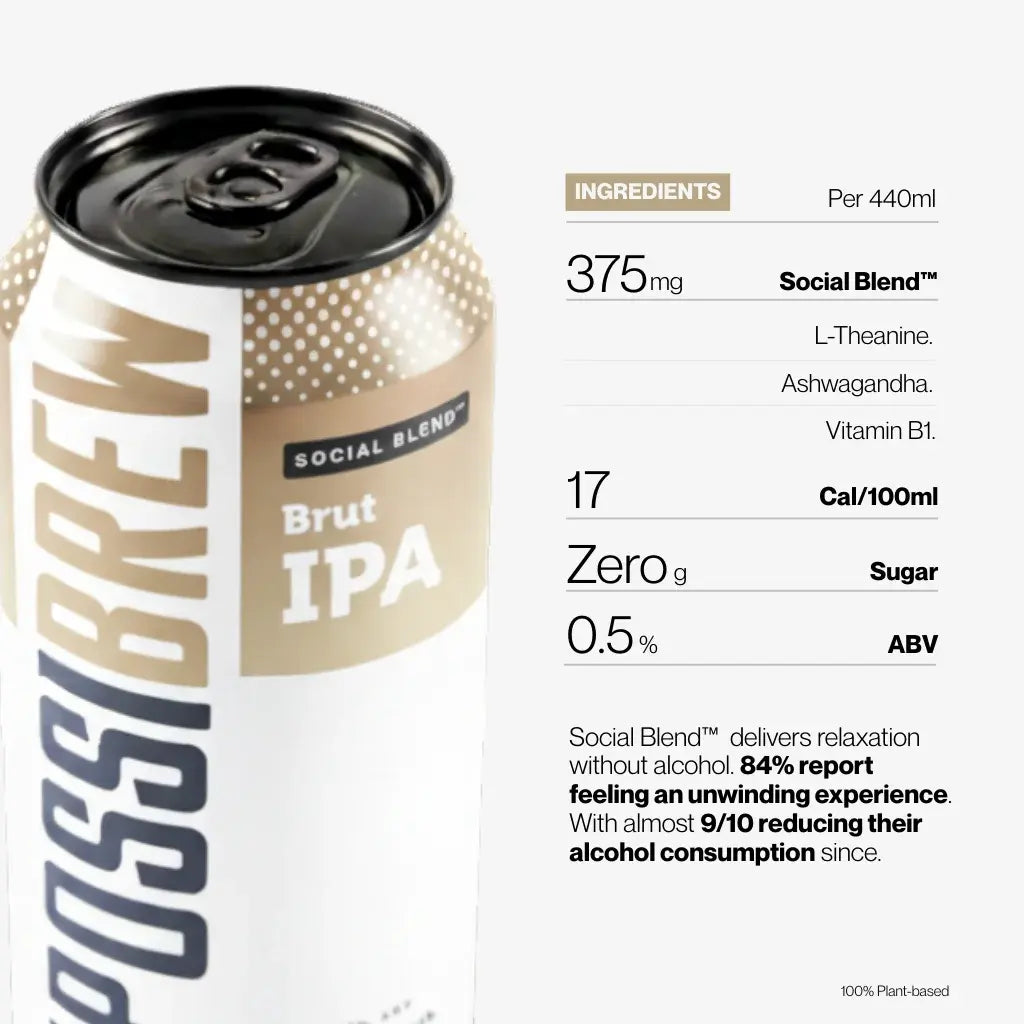
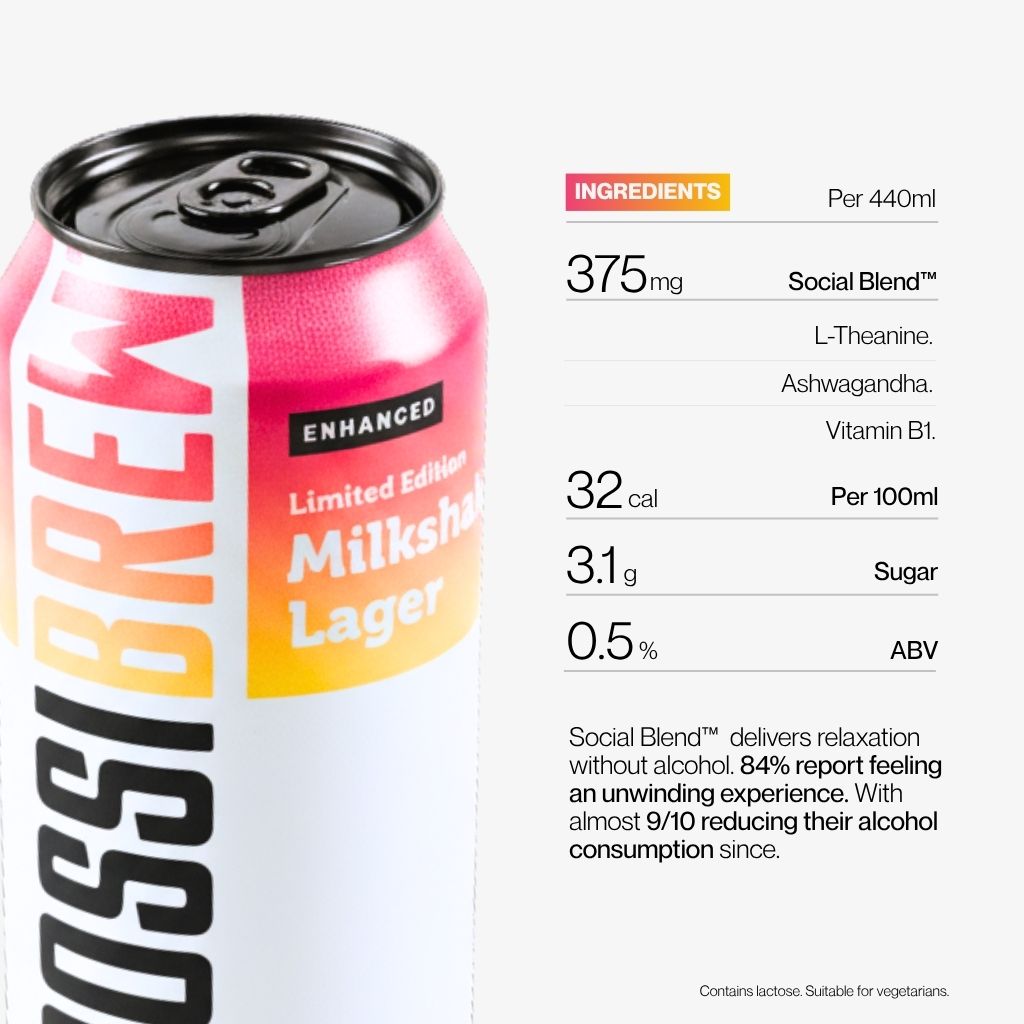
Functional non-alcoholic drinks are crafted with ingredients like L-Theanine and Ashwagandha, which are known for their calming and stress-relieving properties. These beverages mimic the relaxing effects of alcohol but without the negative side effects [18]. Unlike your typical soft drinks or standard alcohol-free beers that focus mainly on taste, functional beverages aim to recreate the soothing experience of having a drink or two [18].
L-Theanine works by increasing alpha brain waves, promoting a state of relaxation, while Ashwagandha helps manage stress and regulate cortisol levels [18]. A 2025 study involving over 2,000 participants found that 84% of users felt more relaxed after consuming functional beverages containing these ingredients [18]. Another study, with over 1,000 participants, revealed that 88% of people reduced their alcohol intake after discovering functional alternatives [18]. Among these options, IMPOSSIBREW® has emerged as a standout, offering a science-driven approach to functional drinks.
IMPOSSIBREW®: A Science-Driven Alternative
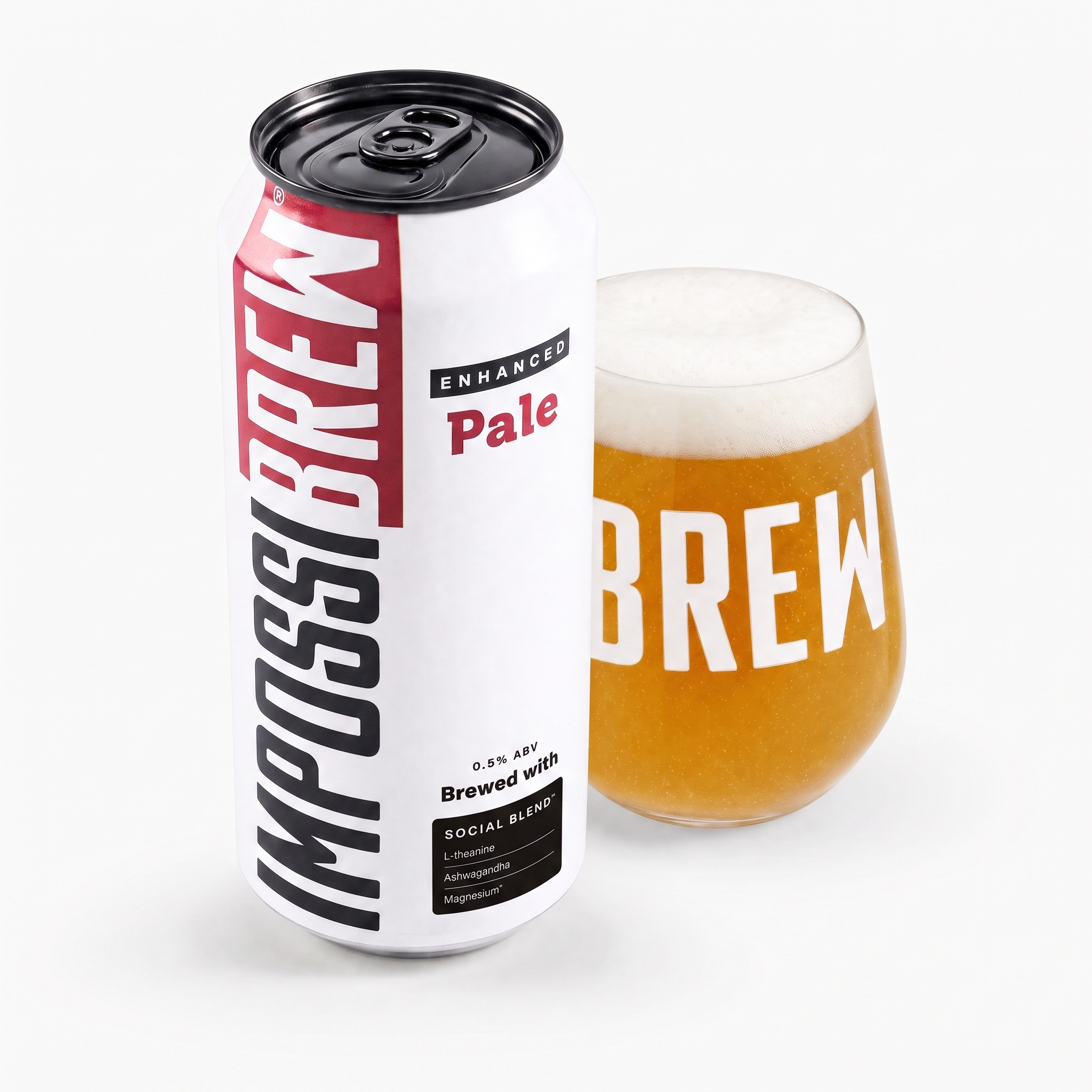
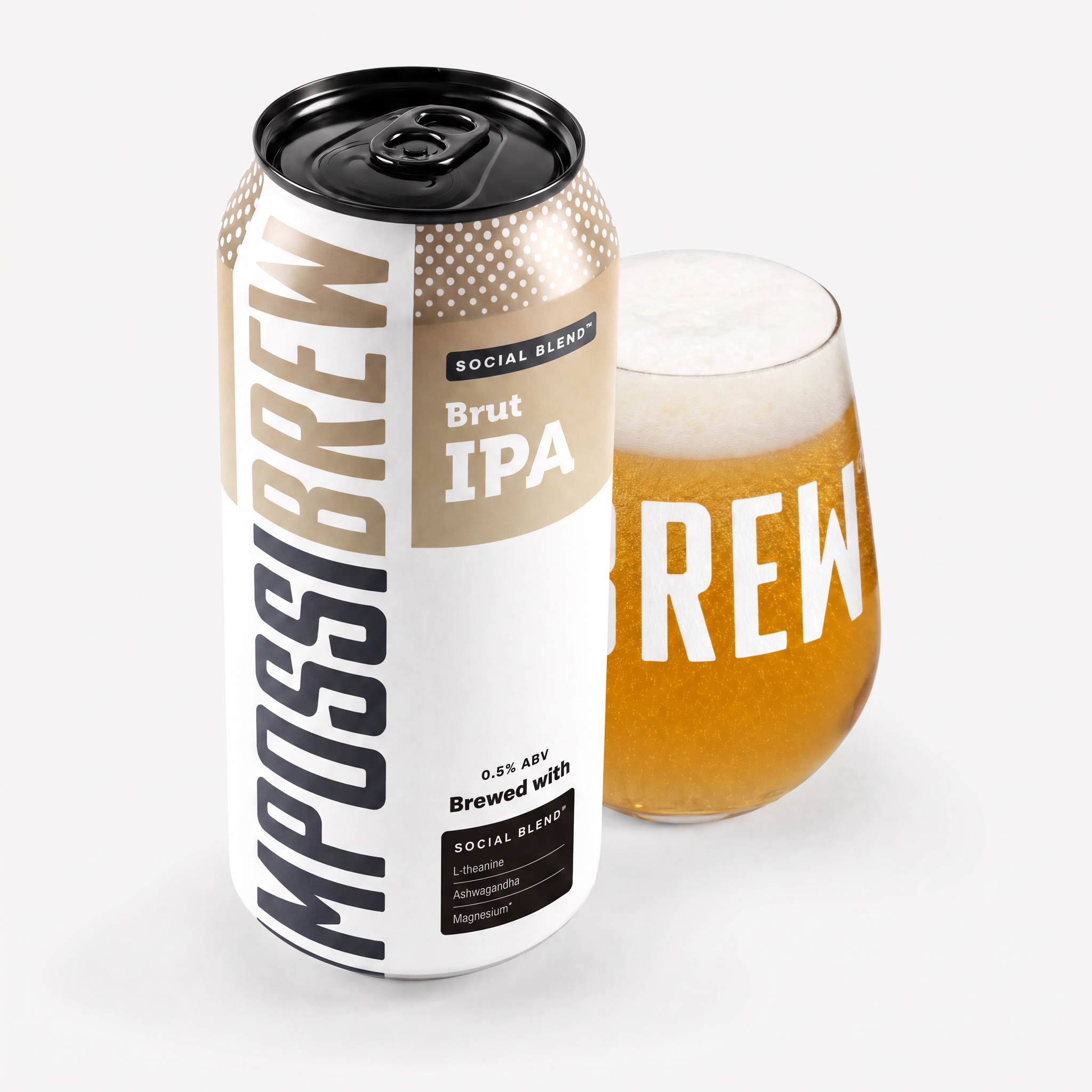
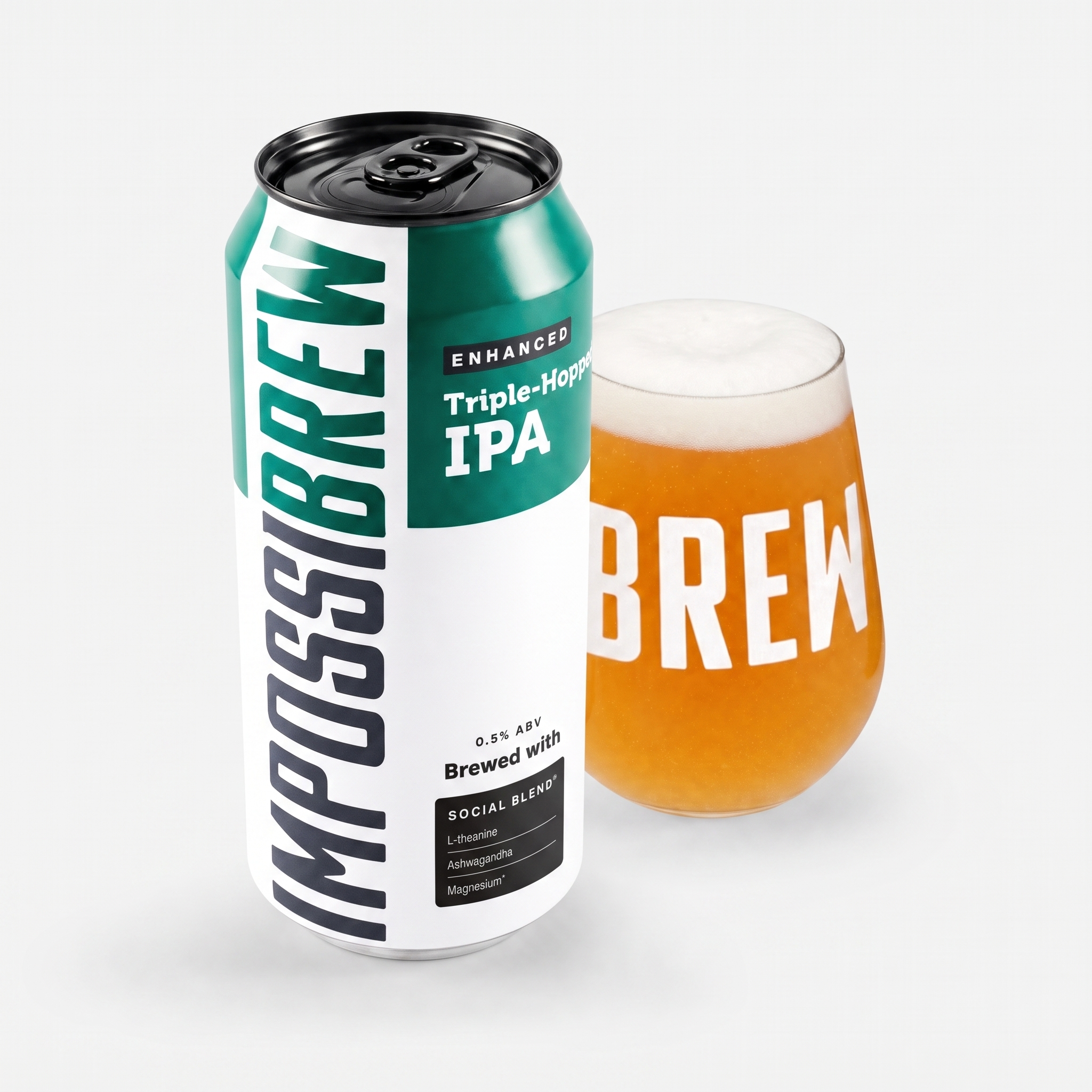
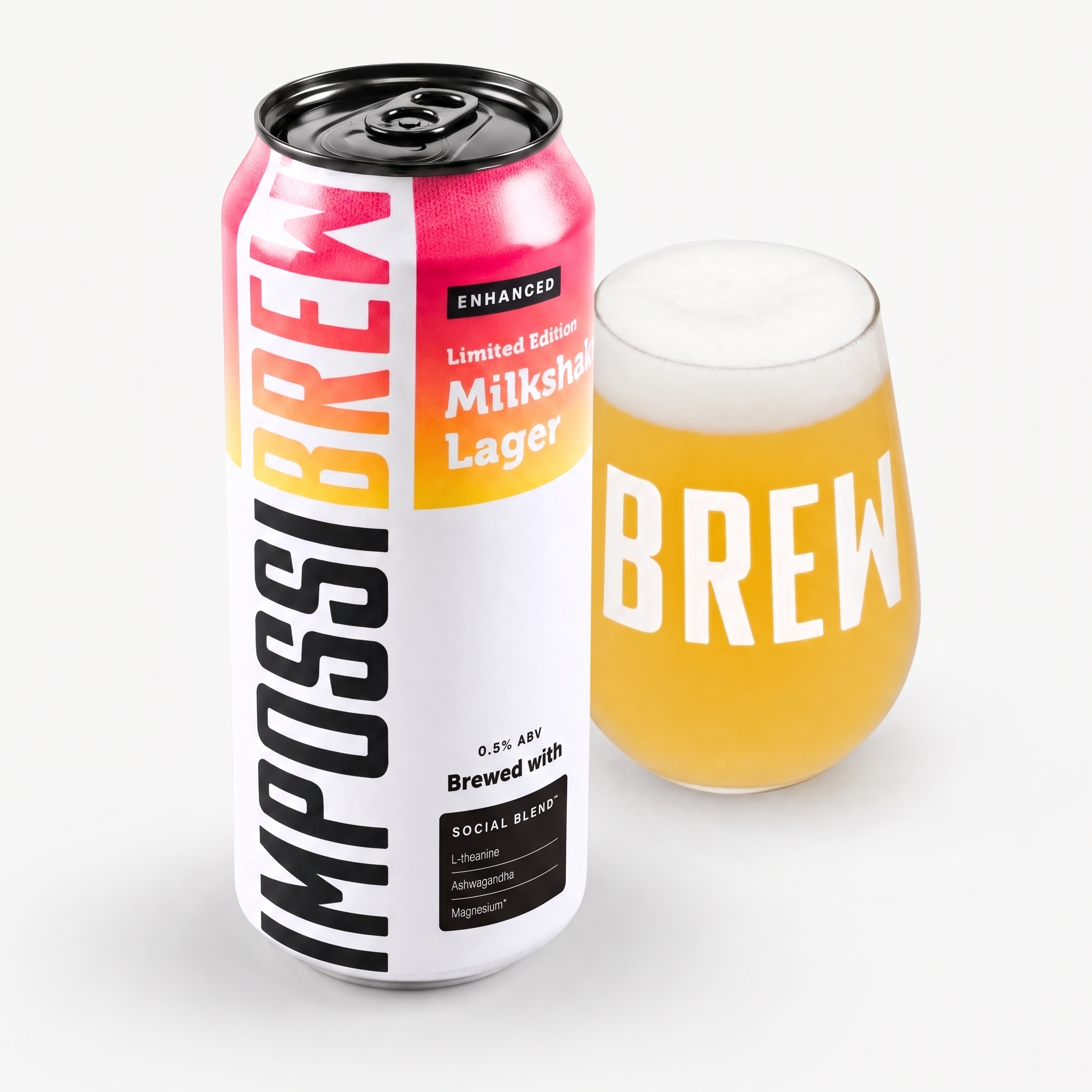
IMPOSSIBREW® has developed a proprietary Social Blend™ in collaboration with bioscience experts. This blend targets relaxation pathways in the brain, delivering a calming effect without the downsides of alcohol - no hangovers, no liver strain, and no empty calories [18][19]. With a 4.8/5-star rating from over 1,200 reviews, it has earned accolades such as "UK's Best Non-Alcoholic Beer" at the World Beer Awards 2023 and the first-ever Gold Medal in the No/Low beer category at the London Beer Competition [18].
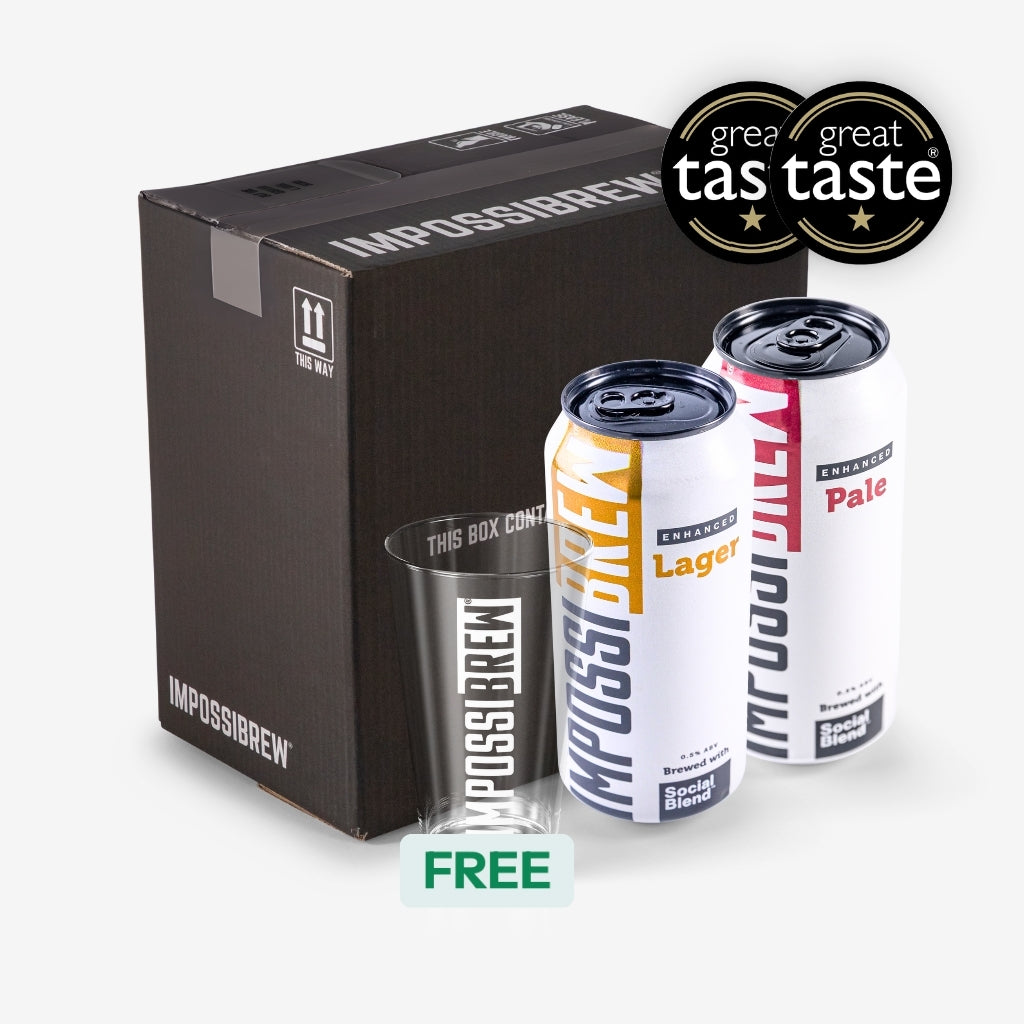
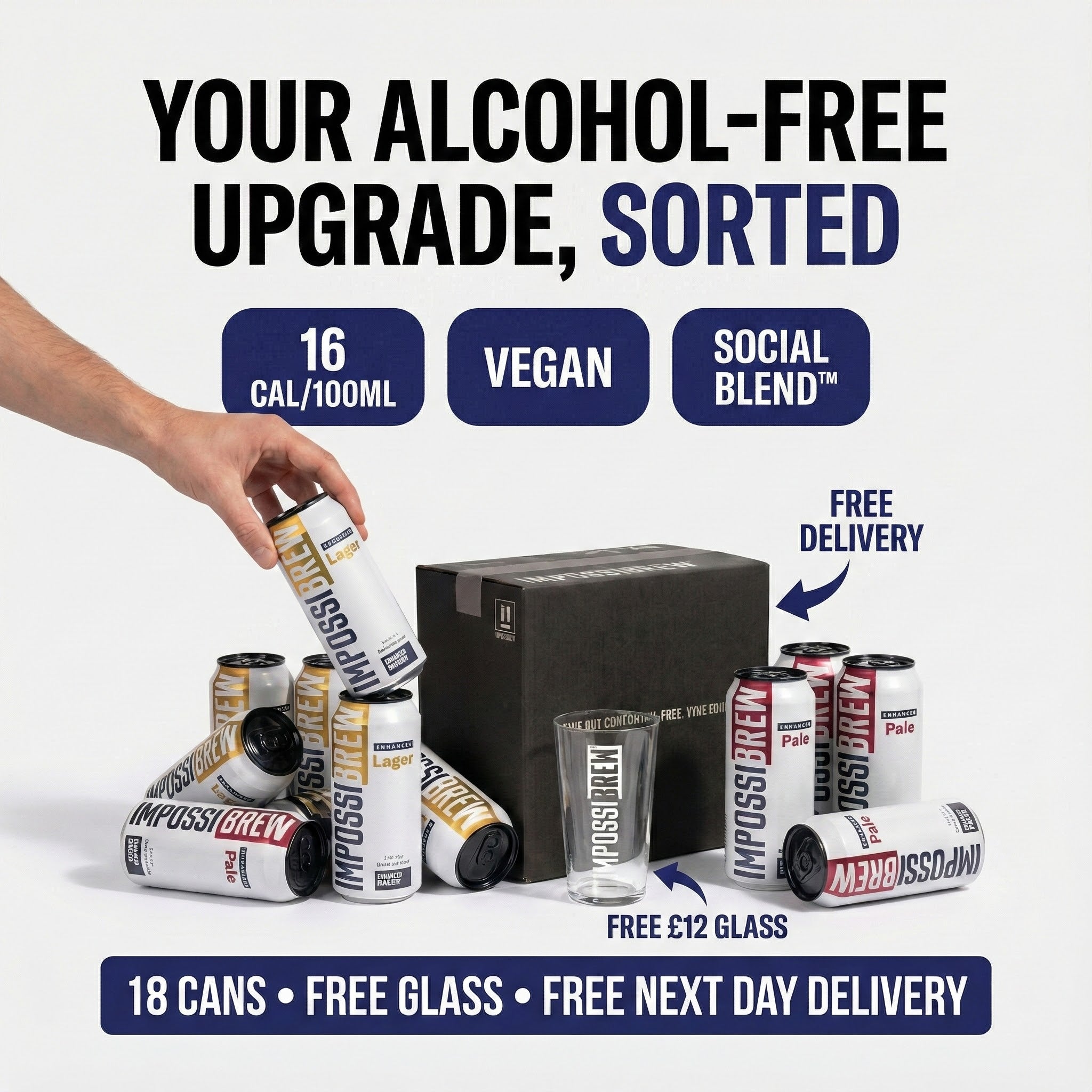
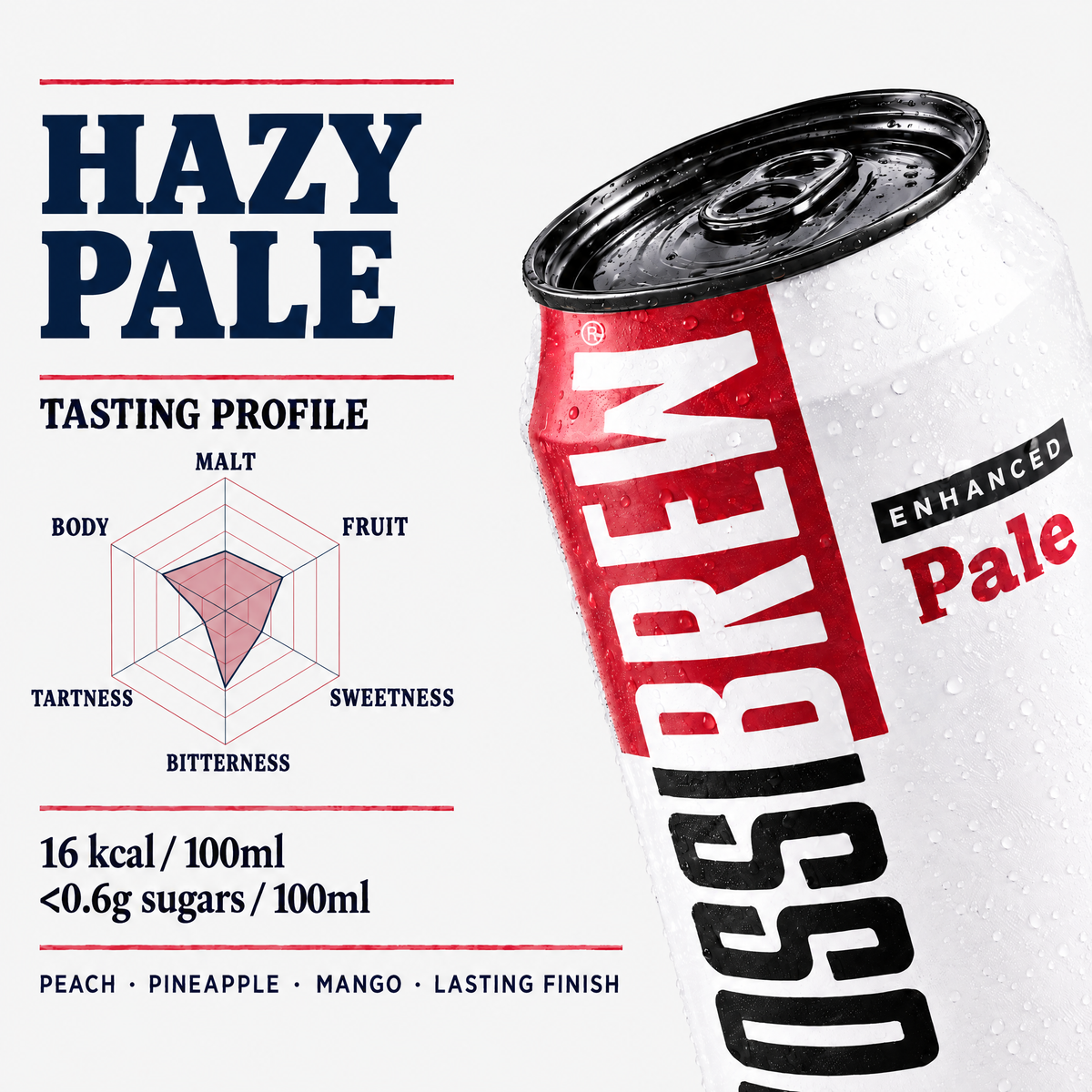
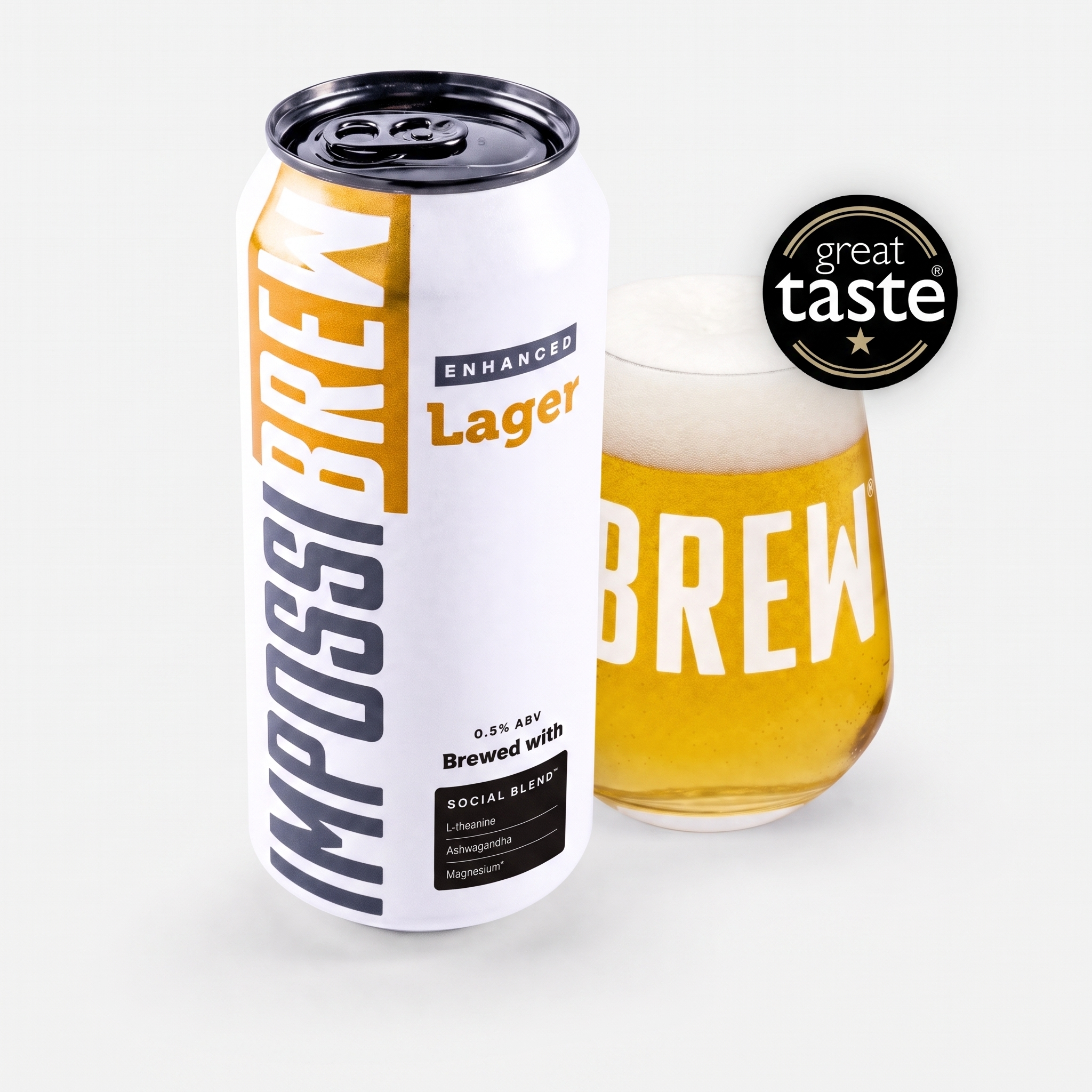
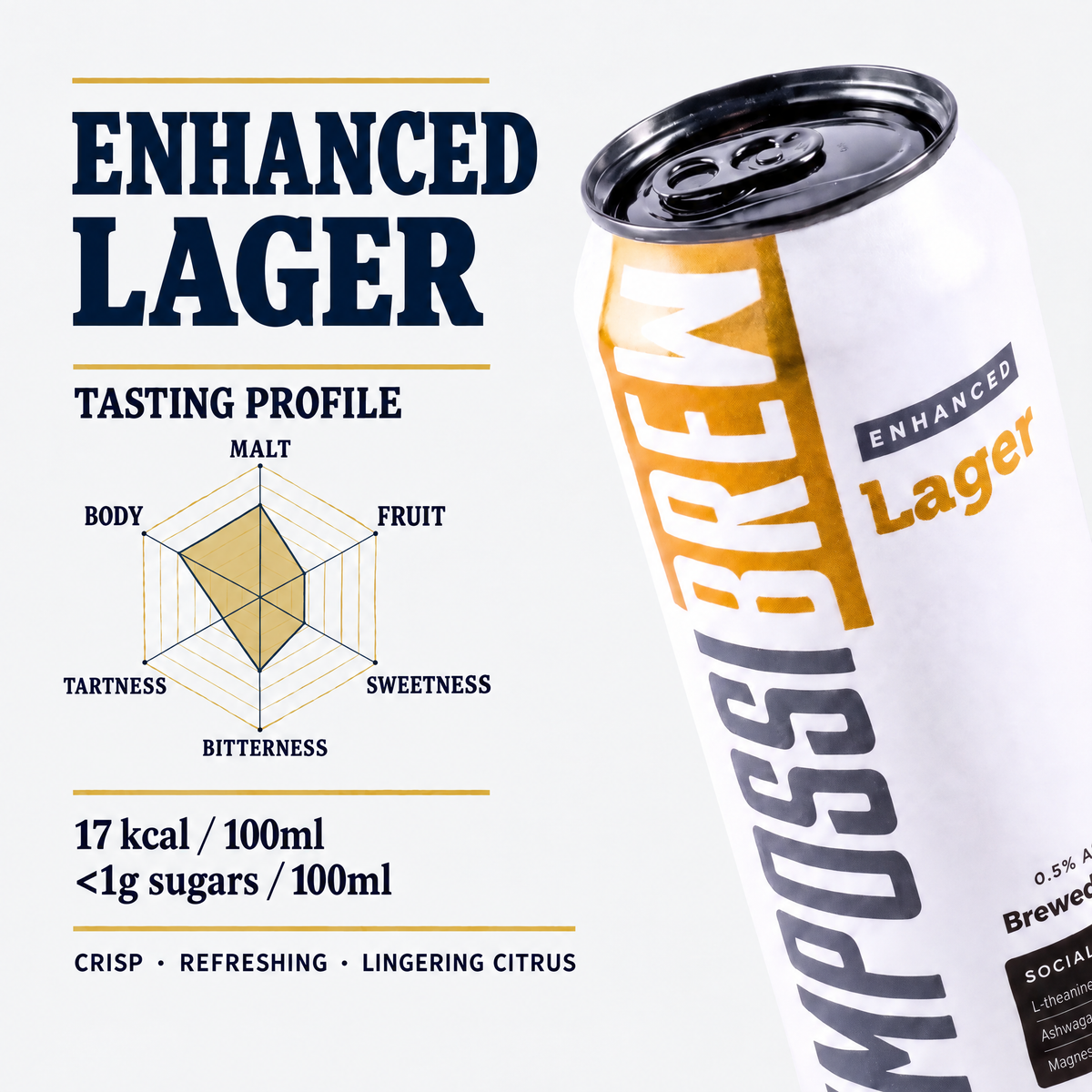
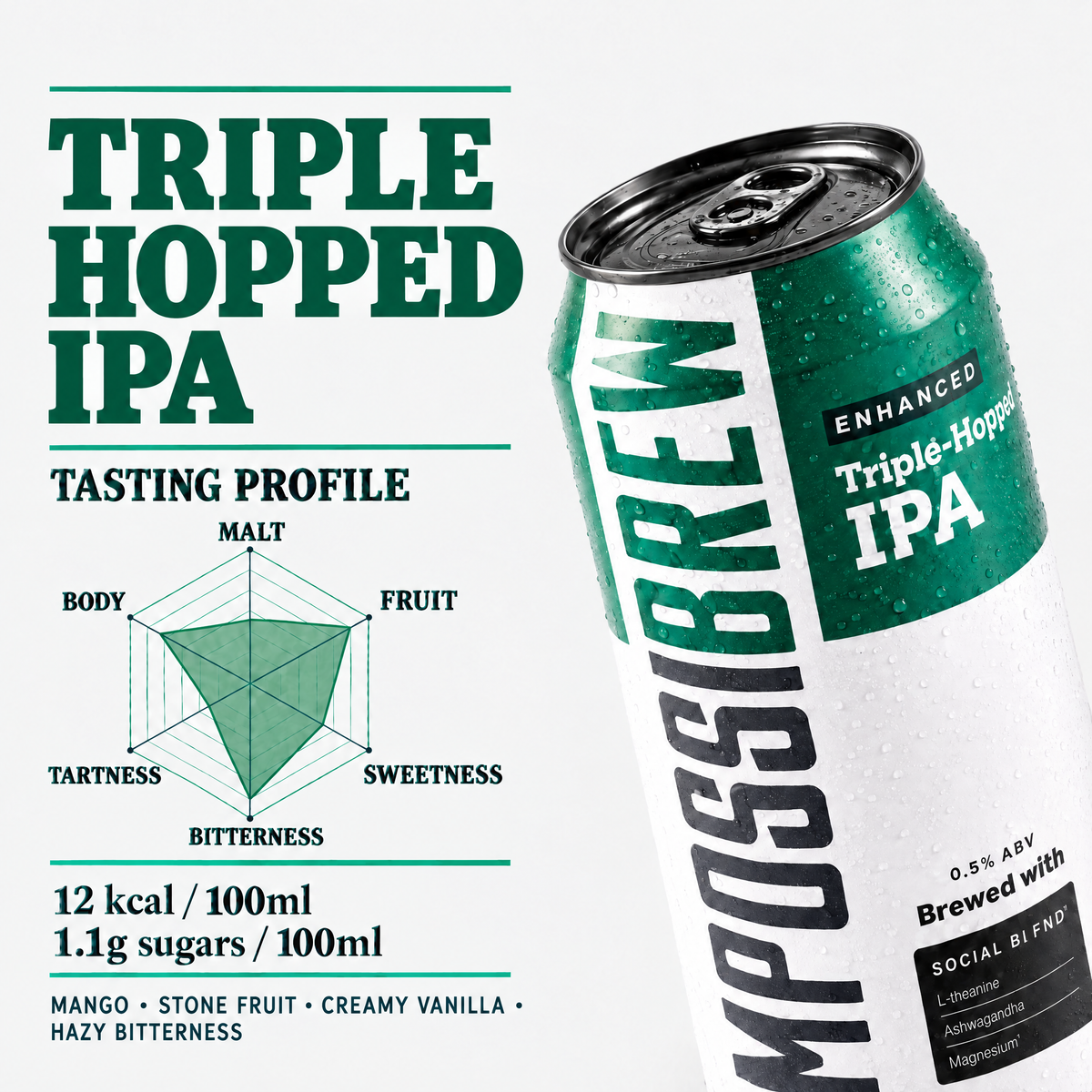
Instead of simply removing alcohol or diluting the product - an approach that often compromises flavour - IMPOSSIBREW® uses cryogenic fermentation to preserve the authentic taste and texture of craft beer [18][20]. Their Enhanced Lager is third-party tested to contain less than 10 ppm gluten, making it certified gluten-free. Additionally, all their products are vegan-friendly and low in calories, with just 16 calories per 100ml [18].
IMPOSSIBREW® Pricing and Product Options
IMPOSSIBREW® offers straightforward choices for those embracing Dry January. Their Enhanced Lager and Enhanced Hazy Pale are priced from £30.00 per case. For those looking for variety, the Bestseller Bundle - including 18 beers and a free glass - is available for £54.00, down from £66.00 [20]. When purchased in bulk, this works out to approximately £1.97 per can [20]. Plus, orders over £35 come with free express shipping, and new customers can take advantage of a 30-day money-back guarantee [18].
Long-Term Benefits After Dry January
Drinking Less After Dry January
Taking part in Dry January does more than just give your body a break - it can lead to lasting changes in your drinking habits. Research from the University of Sussex, which followed over 6,000 participants from January to August 2019, revealed that those who completed the challenge significantly reduced their alcohol consumption compared to the general population [21]. In fact, over 70% of participants who used tools like the Try Dry® app continued to drink more responsibly six months later [2].
Here’s what the data showed after six months:
- Drinking days per week dropped from 4.3 to 3.3.
- Units consumed per drink fell from 8.6 to 7.1.
- Instances of intoxication decreased from 3.4 to 2.1 times per month [22].
Dr Richard de Visser from the University of Sussex explains it best:
"The skills and confidence gained during Dry January give people a greater sense of control over their drinking that continues throughout the year." [21]
These changes don’t just affect your drinking - they pave the way for long-term health benefits.
Lasting Health Improvements
Taking a break from alcohol for a month can have a profound impact on your health. A 2018 study conducted at the Royal Free Hospital, led by Dr Gautam Mehta, found that a month of alcohol abstinence brought about several key health benefits:
- Reduced cancer-related growth factors in the blood.
- Improved insulin resistance, cutting the risk of diabetes by 30%.
- A 5% drop in blood pressure [2].
Even months later, the benefits continue. Around 6–8 months after the challenge, the number of participants drinking at harmful levels dropped by nearly 50% [3].
These improvements go beyond just short-term changes. Better control of blood sugar and reduced liver fat lower the risk of type 2 diabetes and liver disease over time. On top of that, 81% of participants reported feeling more in control of their drinking habits [1]. By building on these health gains, you can create lasting changes that extend far beyond January.
Maintaining Healthy Habits Beyond January
To keep the momentum going, it’s essential to set practical goals before January ends. Consider strategies like limiting drinking to weekends or capping the number of drinks you have [3]. Interestingly, around 40% of participants make lasting changes, such as drinking less frequently or consuming smaller amounts when they do drink [16].
Here are some tips to help maintain healthier habits:
- Stock up on non-alcoholic functional drinks as alternatives.
- Use tracking tools to monitor your alcohol intake [23].
- Experiment with techniques like zebra-striping to reduce consumption [4].
Most importantly, take a moment to evaluate which drinks genuinely bring value to your life. As Professor David Nutt advises:
"If you cut out the drinks that don't really mean anything, that's a really good way to start." [4]
Conclusion: The Science Behind a Healthier You
Months of research reveal that taking just one month off alcohol can lead to noticeable biological changes that last well beyond January. For moderate drinkers, this can mean a 40% reduction in liver fat [24], improved insulin sensitivity, and lower blood pressure [7, 11]. And those perks like better sleep, sharper focus, and more energy? They're not just in your head - they're your brain and body bouncing back from the effects of chronic inflammation.
The beauty of Dry January lies in its ability to create lasting habits. Research by Professor Richard de Visser, involving over 6,000 participants, shows that the confidence and self-control built during these 31 days can influence drinking patterns even six months later [1]. It’s a chance to realise that relaxation, socialising, and fun don’t have to revolve around alcohol, enabling you to redefine your relationship with drinking altogether.
Swapping your usual drink for a premium non-alcoholic alternative, like IMPOSSIBREW®, can make this journey even more enjoyable. With active ingredients designed to recreate the positive effects of alcohol - minus the toxins - you can keep the social rituals alive while giving your body the recovery time it deserves.
Whether your goal is complete abstinence or simply drinking more mindfully, these 31 days offer undeniable benefits. Your body begins to repair itself, and your mental clarity sharpens. Every alcohol-free day adds up, proving that science is on your side in this transformative process.
FAQs
What are the long-term health benefits of doing Dry January?
Taking part in Dry January can bring noticeable benefits to your health that extend well beyond the month. Many people report improvements such as lower blood pressure, reduced cholesterol levels, and a decreased likelihood of developing conditions like diabetes or certain cancers. Plus, it’s a great way to encourage healthier drinking habits that can stick with you throughout the year.
By giving your body a rest from alcohol, you might find yourself sleeping better, feeling more energised, and enjoying sharper mental clarity. These changes can have a lasting positive effect, making those 31 days a worthwhile investment in your overall wellbeing.
What are the effects of giving up alcohol on brain function and mood during Dry January?
Taking a month-long break from alcohol can do wonders for your brain and overall mood. One key benefit is the restoration of natural dopamine levels, which plays a big role in boosting motivation and feelings of happiness. Alongside this, you might notice sharper focus, clearer thinking, and better-quality sleep - factors that work together to create a more balanced and upbeat mindset.
On top of that, staying off alcohol often leads to improved hydration and less strain on your body, leaving you feeling more energised and refreshed. By the end of a Dry January, many people report feeling calmer and more emotionally steady, making it a fantastic way to reset both mentally and physically.
How can non-alcoholic functional drinks support your Dry January journey?
Non-alcoholic functional drinks are an excellent choice for staying committed to your goals during Dry January. These beverages provide a refreshing, low-calorie substitute for alcohol, while also offering benefits like relaxation and hydration. Many of these drinks are crafted with ingredients that aim to support both mental and physical well-being, giving you a way to unwind without veering off track.
Adding these drinks to your routine allows you to enjoy the social and sensory experience of having a drink, minus the alcohol. They’re an easy and enjoyable way to help your body recharge and make your alcohol-free month more satisfying.