Cutting out alcohol for 30 days can dramatically improve your gym performance. Here's why:
- Strength Gains: Alcohol reduces muscle protein synthesis by up to 37%. Without it, your muscles repair and grow more efficiently. Expect to lift heavier and recover faster.
- Better Endurance: Alcohol depletes glycogen (your muscles' main fuel). Removing it restores energy levels, allowing for longer, more intense workouts.
- Improved Recovery: Alcohol disrupts hydration and mineral balance, slowing recovery. A month off helps muscles rebuild and reduces soreness.
- Enhanced Sleep: Alcohol lowers sleep quality by up to 39%, which impacts growth hormone production. Better sleep leads to better recovery and performance.
- Hormonal Balance: Alcohol spikes cortisol (stress hormone) and lowers testosterone. Without it, your body is primed for muscle growth and fat loss.
Tracking progress over the month - like strength, endurance, and sleep quality - shows measurable improvements. Plus, alcohol-free alternatives like IMPOSSIBREW® let you enjoy social moments without compromising your goals.
Strength Changes After 30 Days Without Alcohol
How Alcohol Reduces Muscle Protein Synthesis
When you lift weights, your body activates muscle protein synthesis (MPS) - the process that repairs and strengthens muscle fibres. But alcohol can throw a wrench into this process by disrupting the mTOR signalling pathway, which is key to regulating MPS.
Research shows that drinking alcohol after a workout can reduce muscle protein synthesis by 37% if paired with carbohydrates, and by 24% even when consuming 20–30 g of high-quality protein [5]. For someone weighing 72 kg, consuming 1.5 g of alcohol per kilogram in one session can significantly undermine the benefits of their workout.
"Alcohol ingestion suppresses the anabolic response in skeletal muscle and may therefore impair recovery and adaptation to training and/or subsequent performance." – Parr et al., PLOS One [5]
Alcohol also impacts hormones and metabolic functions critical for muscle growth. It increases cortisol, reduces testosterone, and induces insulin resistance - factors that collectively hinder recovery and muscle development. By cutting out alcohol for 30 days, these pathways begin to normalise, allowing your body to respond better to your workouts. This sets the stage for noticeable strength improvements.
Expected Strength Improvements in 1 Month
Eliminating alcohol for 30 days removes a major obstacle to recovery. On average, drinking results in a 4.2% drop in physiological recovery scores per session [4]. Without alcohol, you might find yourself lifting heavier weights, doing more reps, and bouncing back faster between sessions.
Your cardiovascular system also gets a boost. Studies report a 9.6% decrease in resting heart rate and a 7% improvement in heart rate variability after 30 days of abstinence [4]. These changes not only improve endurance but also enhance muscle recovery, as your body can focus its energy on building strength rather than repairing alcohol-related damage.
Certain types of training, like hypertrophy and eccentric exercises, benefit significantly from restored mTOR signalling [3]. Research even suggests that alcohol consumption can wipe out up to 14 days' worth of training progress in some cases [6]. By cutting out alcohol for a month, you ensure every workout counts and delivers its full potential.
Endurance and Recovery Changes
Improved Glycogen Storage and Energy Levels
Alcohol interferes with glycogen storage because the liver prioritises breaking down ethanol over producing glucose. This results in lower muscle fuel levels - for example, studies show glycogen levels at just 24.4 mmol/kg after 8 hours in drinkers compared to 44.6 mmol/kg in non-drinkers. After 24 hours, the difference remains significant: 68 mmol/kg versus 82 mmol/kg [8]. Alcohol also disrupts B vitamins like B1 and B12, which are essential for converting carbohydrates into energy. This disruption can negatively impact endurance. Taking a break from alcohol for 30 days can restore glycogen storage efficiency and stabilise blood sugar levels. This means you’ll have the energy for longer, more intense workouts. Combined with better energy availability, these changes can significantly boost your training performance.
Faster Recovery Between Workouts
Recovery is all about how quickly your muscles repair and how fast inflammation subsides. Alcohol, being a diuretic, increases urine production, which causes the body to lose essential minerals like magnesium, potassium, and zinc. These minerals are vital for muscle coordination and nerve function [1] [3].
Even small amounts of alcohol can slow recovery. Research shows that consuming just 1 g of alcohol per kilogram of body weight after exercise can reduce peak muscle performance. At 36 hours post-workout, participants showed noticeable decreases in isometric, concentric, and eccentric torque [3]. This means movements requiring sustained muscle strength - like squats or deadlifts - take longer to recover. By cutting out alcohol for a month, your muscles can rebuild more efficiently, inflammation can decrease, and post-workout soreness can ease. These recovery benefits allow for tougher training sessions and quicker progress towards your fitness goals.
Better Sleep and Hormone Function
How Alcohol Disrupts Sleep Quality
While alcohol might help you drift off faster, it seriously compromises the quality of your sleep. For your body to recover properly, it needs to move through cycles of deep Slow-Wave Sleep (SWS) and REM sleep. Alcohol keeps you stuck in lighter sleep stages, as your body diverts energy to metabolising the alcohol. Emily Capodilupo, Director of Analytics at WHOOP, highlights this issue: "Sleep is an incredibly active process... and if you have alcohol in your system", it interferes with these vital processes [10].
The numbers paint a clear picture. Even light drinking - less than two drinks for men or one for women - reduces sleep quality by 9.3%. Moderate drinking cuts it by 24%, and heavier consumption slashes it by a staggering 39.2% [9]. This is a critical issue for gym-goers because 95% of human growth hormone is produced during slow-wave sleep [10]. Without reaching this stage, your muscles can't repair and grow efficiently. Quality sleep is key to muscle recovery, and alcohol-induced disruptions undermine this essential process, throwing off hormonal balance needed for effective repair.
The benefits of cutting out alcohol are striking. Participants in a 30-day alcohol-free challenge experienced a 9.6% drop in their resting heart rate and a 7% improvement in heart rate variability [4]. These metrics point to better recovery and overall fitness, all stemming from improved sleep.
Improved Hormone Levels for Muscle Growth
Alcohol also directly interferes with hormone production, particularly testosterone. It suppresses testosterone by disrupting the Leydig cells in the testes and blocking the luteinising hormone signal from the pituitary gland. High alcohol intake (about 1.5 g per kg of body weight) can lower testosterone by 23% while spiking cortisol levels by up to 152%. This creates a catabolic state that breaks down muscle rather than building it [12].
In October 2023, InsideTracker conducted the "Inside Impact: Sober October Study" with 30 light-to-moderate drinkers who gave up alcohol for 31 days. Led by registered dietitian Michelle Darian, the study revealed some impressive results. Participants saw their average resting heart rate drop from 57.5 bpm to 55.5 bpm - a 3.5% reduction. The study also found an 11% drop in neutrophils and a 9% rise in lymphocytes, suggesting better immune function [11]. Earlier research by Dr Gautam Mehta at University College London in January 2018 showed that 30 days without alcohol led to a 25% improvement in insulin sensitivity [7].
These hormonal shifts create the perfect conditions for muscle growth. With testosterone levels restored, growth hormone production optimised during deep sleep, and cortisol levels reduced, your body can focus on building strength rather than battling inflammation. By improving hormone balance and fixing disrupted sleep patterns, you set yourself up for better gym performance and faster recovery in the weeks ahead.
sbb-itb-a752bf8
Tracking Your Progress and Using IMPOSSIBREW® as an Alternative
30-Day Gym Performance Tracker
Tracking your progress is key to seeing real changes. Start by recording your baseline stats for strength (measured in kg), endurance (your 5km time), recovery (morning resting heart rate in BPM), and sleep quality (rated on a 1–10 scale). Update these numbers weekly to monitor improvements.
| Week | Strength (Max Lift) | Endurance (5km Time) | Recovery (Resting HR) | Sleep Quality (1–10) |
|---|---|---|---|---|
| 1 | Baseline (kg) | Baseline (min:sec) | BPM | Score |
| 2 | Week 2 measurement | Week 2 measurement | BPM | Score |
| 3 | Week 3 measurement | Week 3 measurement | BPM | Score |
| 4 | Final measurement | Final measurement | BPM | Score |
Studies show that using these metrics can lead to noticeable improvements over time. While you're focusing on your fitness, it’s worth considering alternatives to alcohol that won’t compromise your progress.
How IMPOSSIBREW® Supports Your Fitness Goals
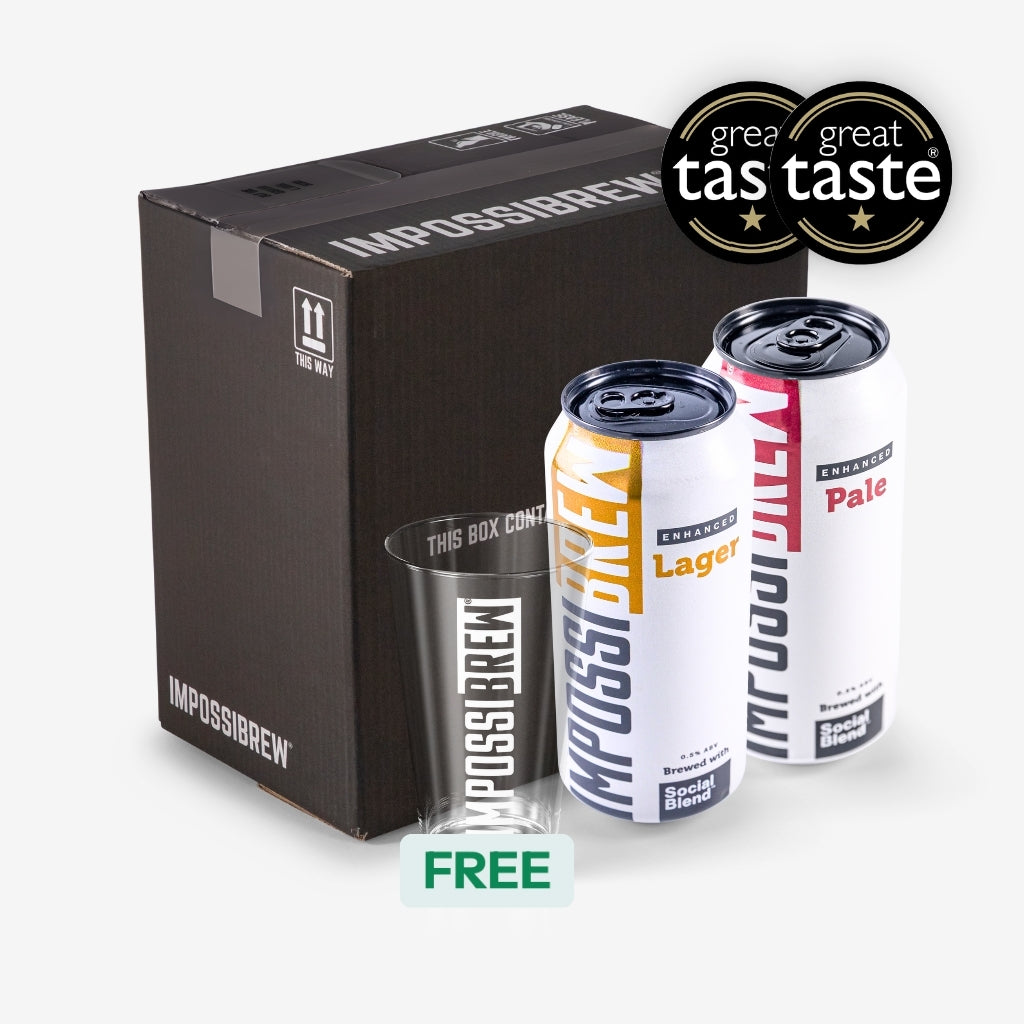
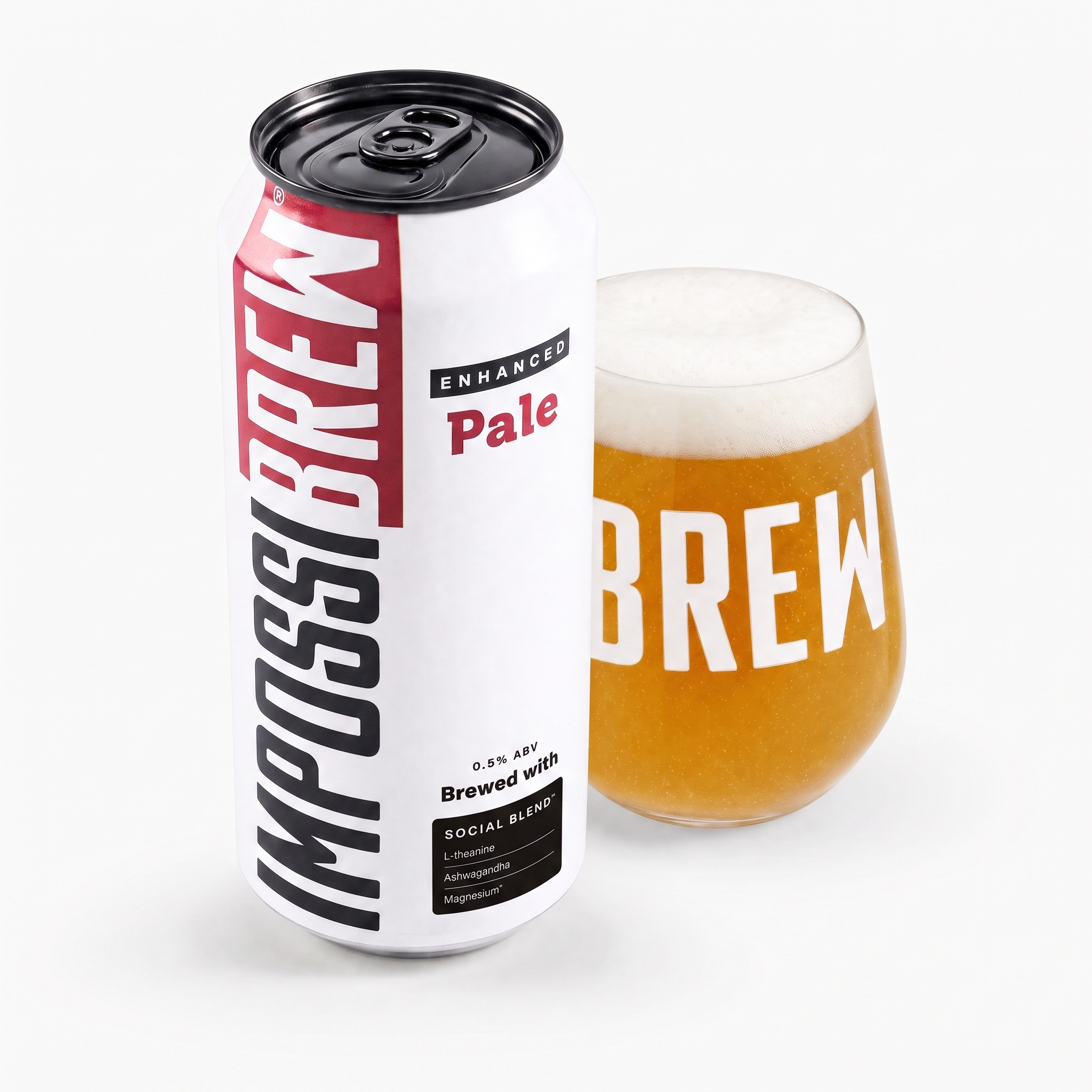
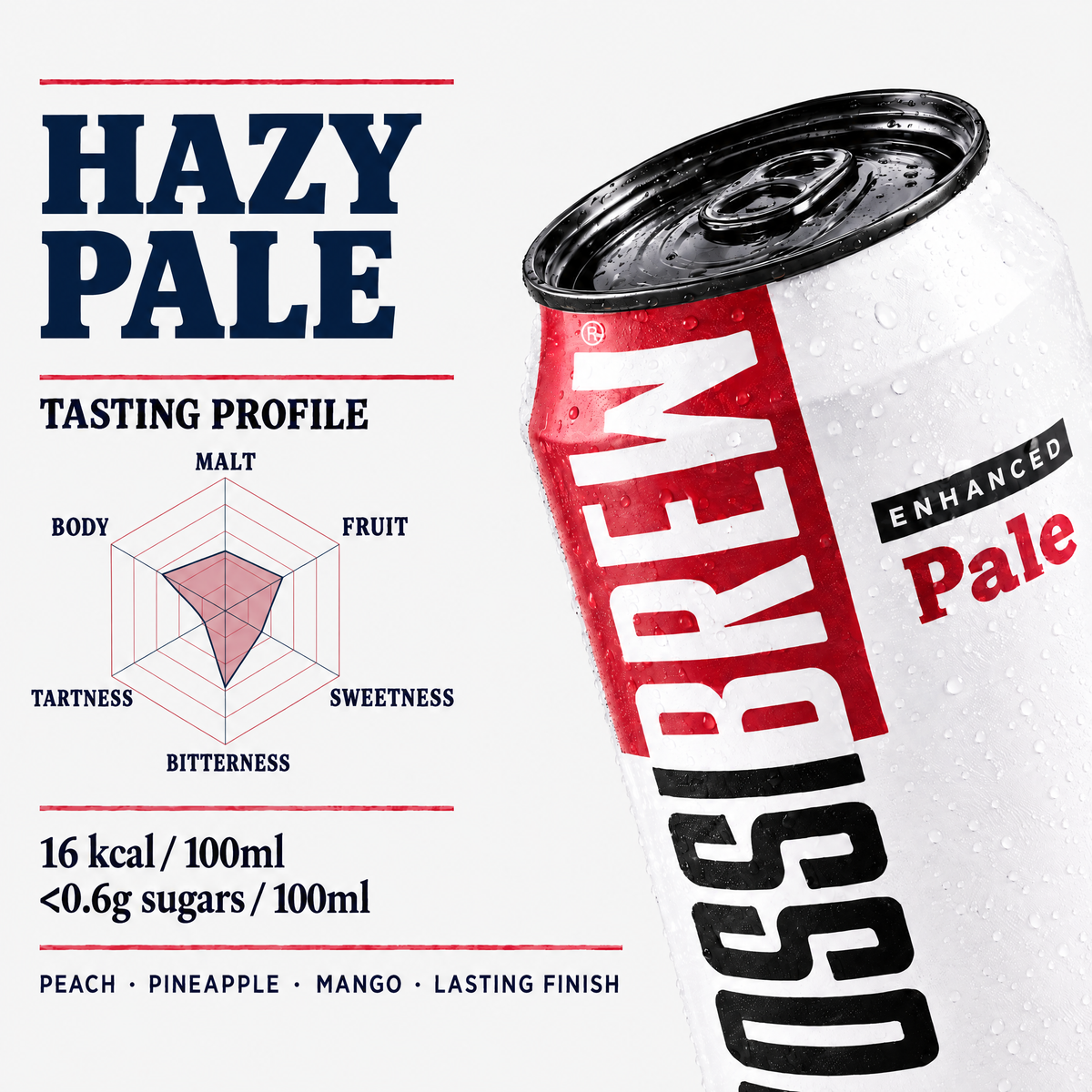
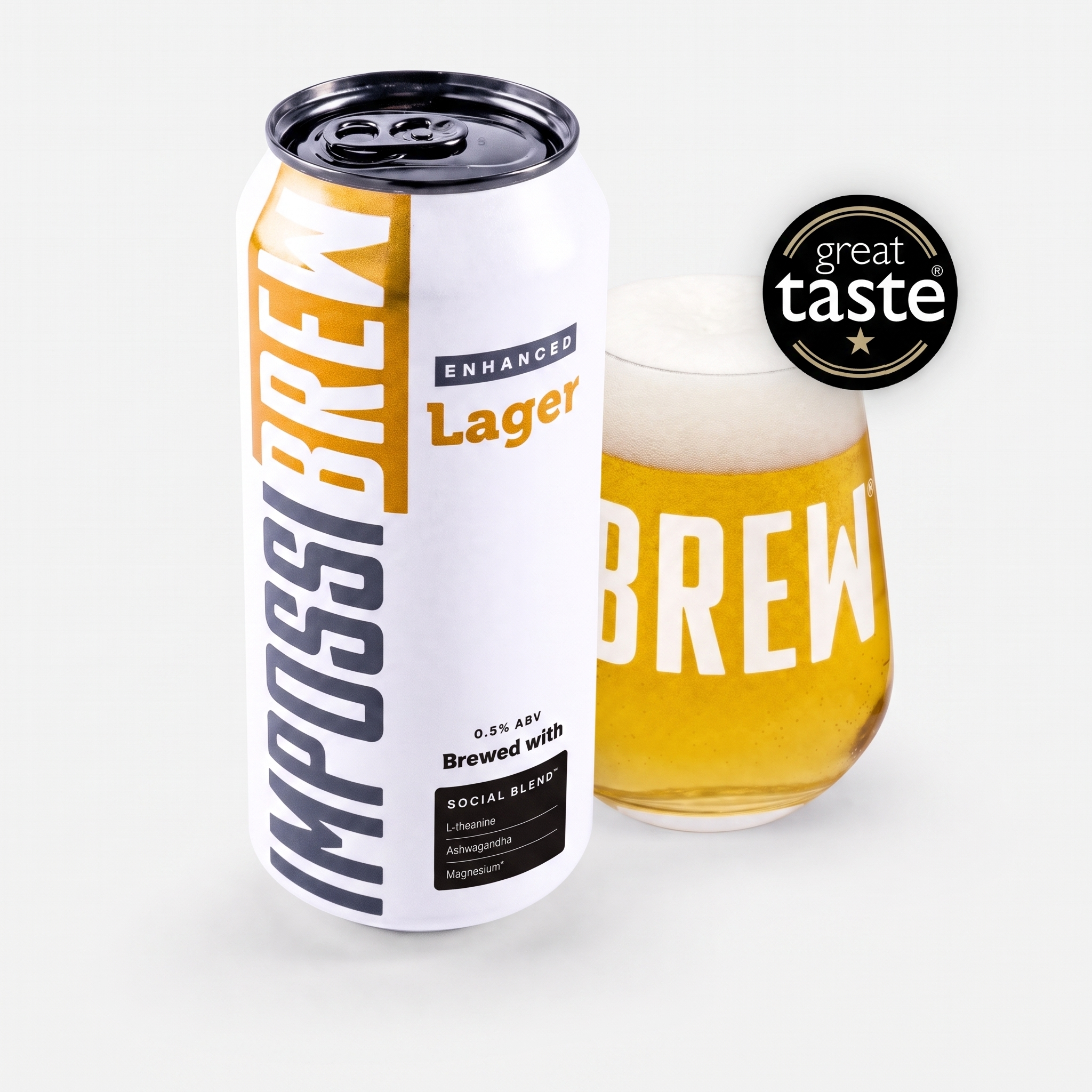
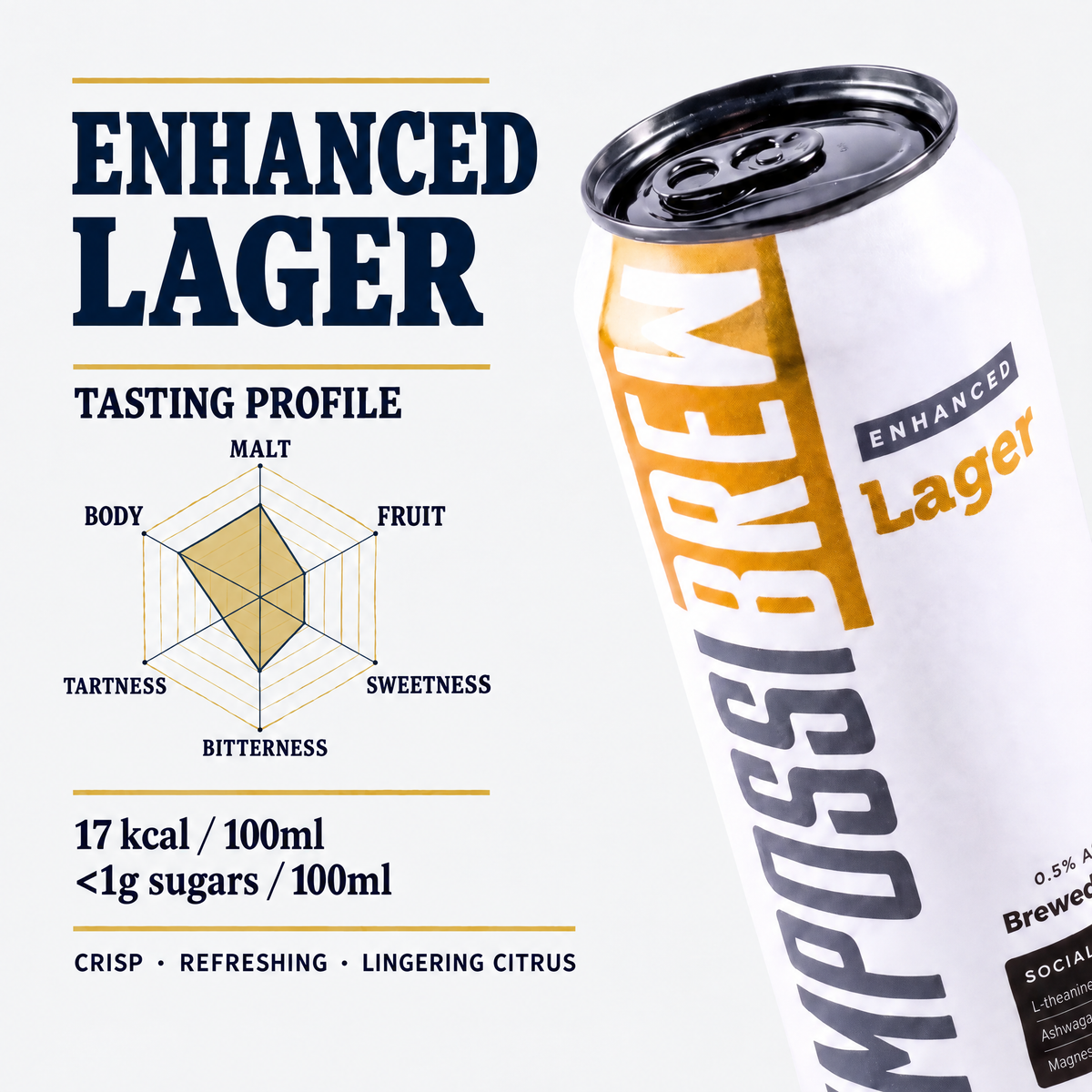
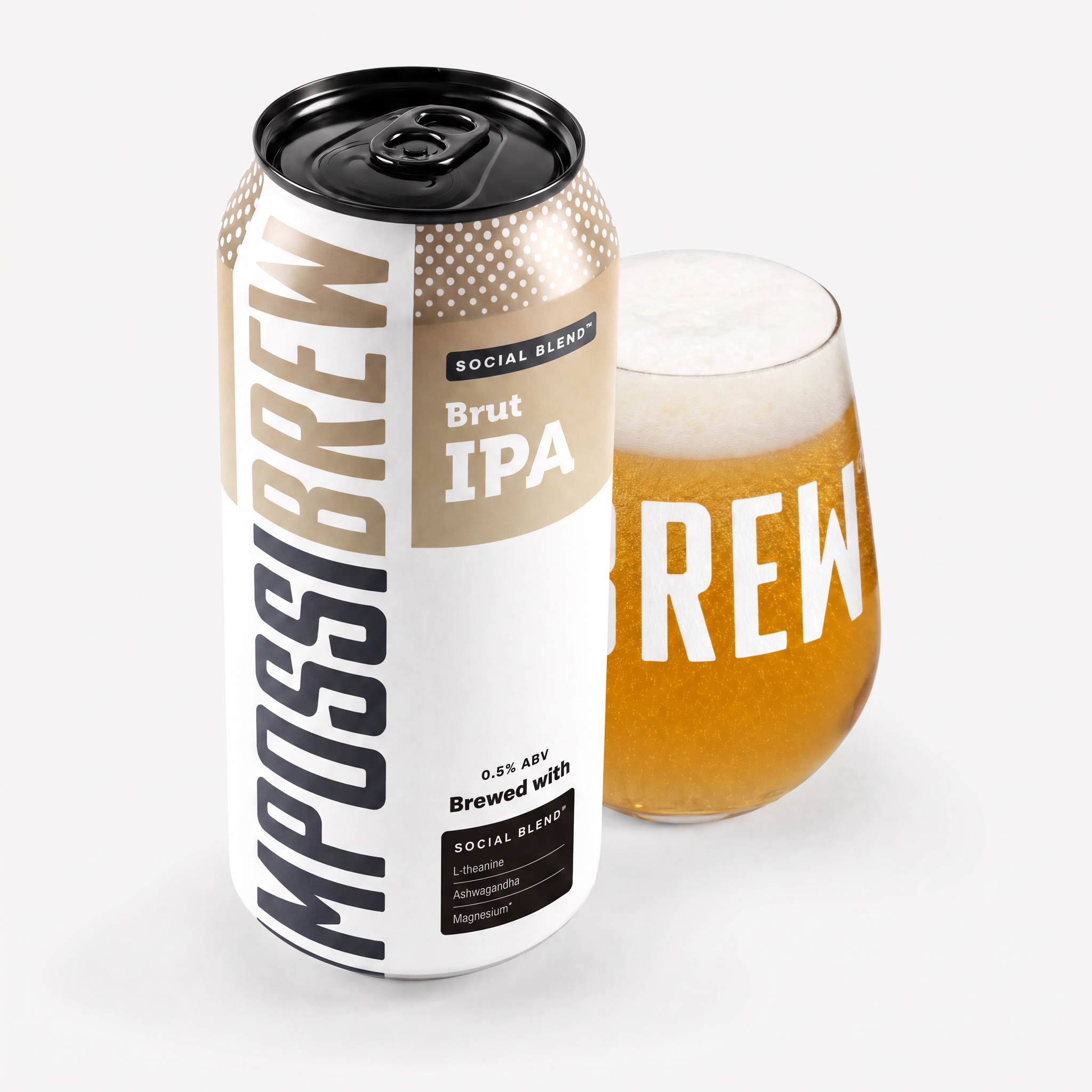
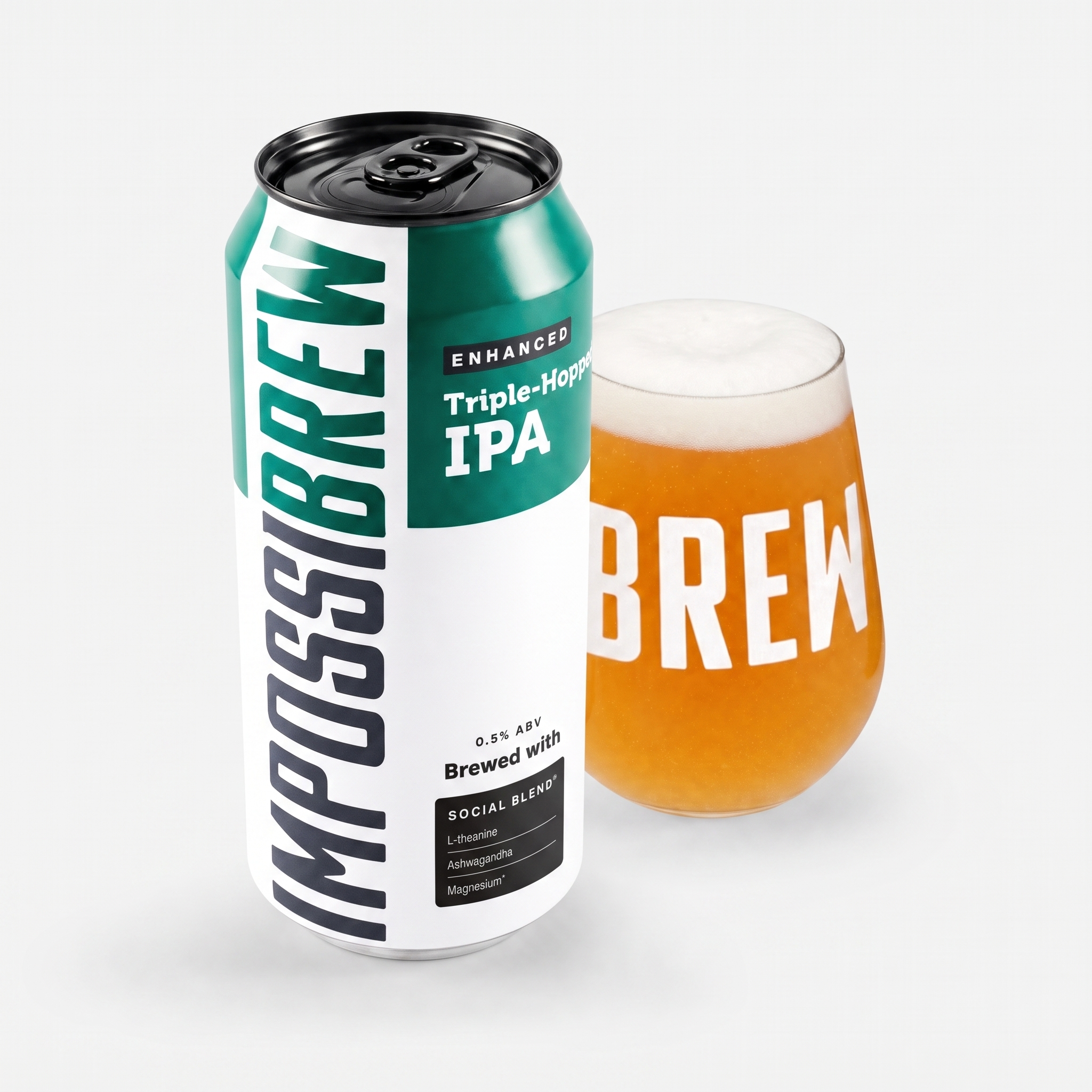
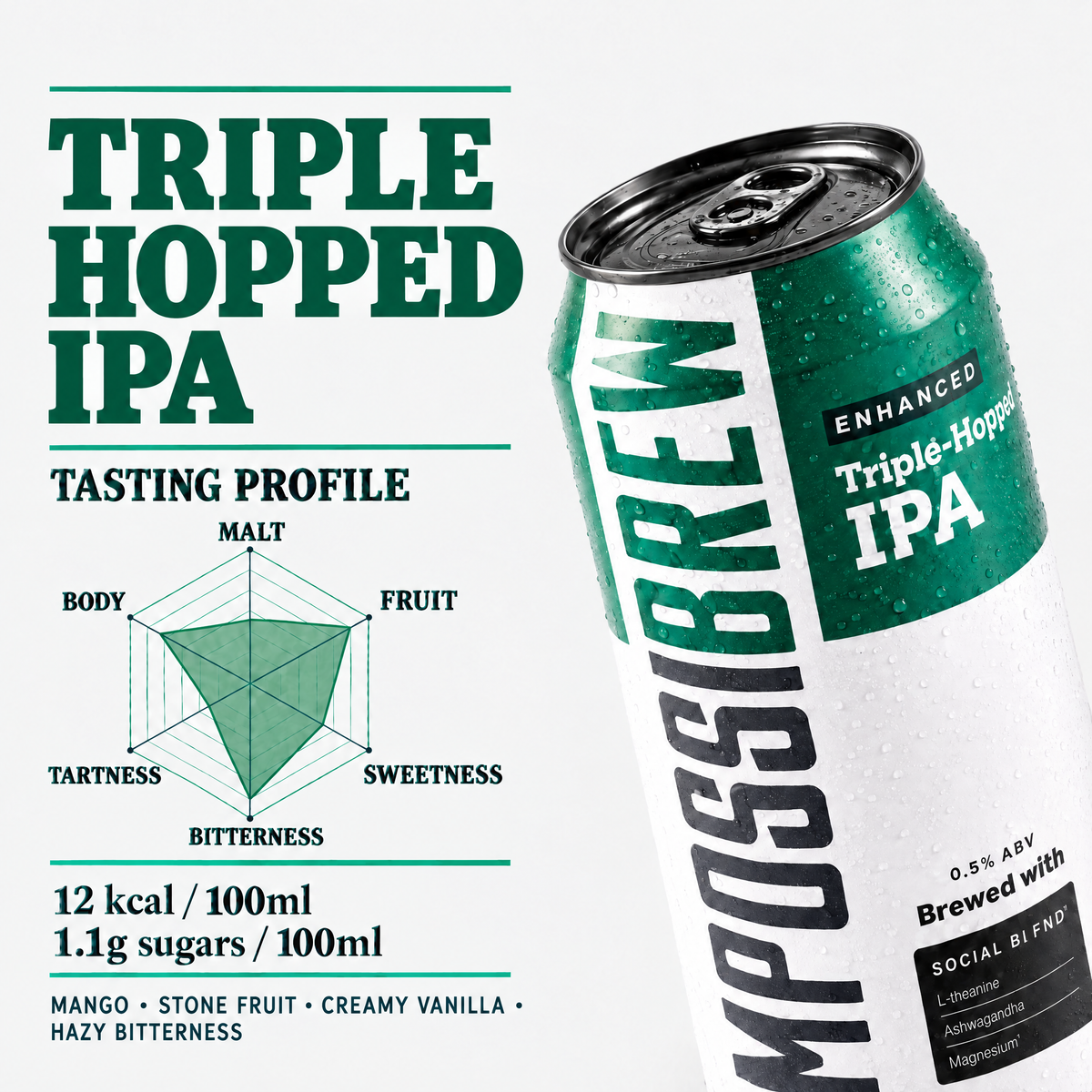
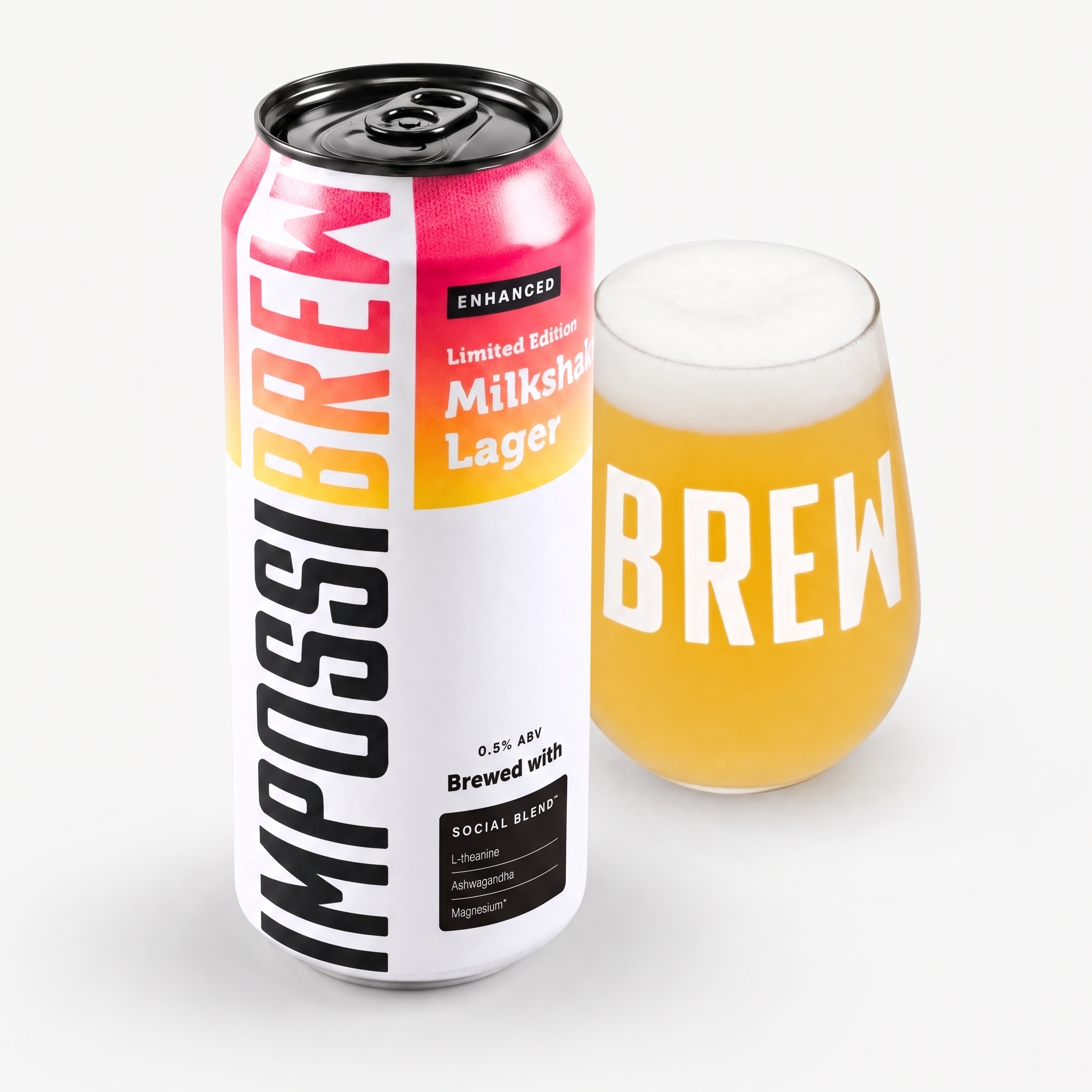
As you start to see results, maintaining your progress becomes just as important. That’s where IMPOSSIBREW® comes in - a drink designed to fit your active lifestyle while keeping your social life intact. Their Enhanced Lager and Enhanced Hazy Pale Ale are both alcohol-free (containing less than 0.5% ABV) but still deliver the taste and feel of traditional beer.
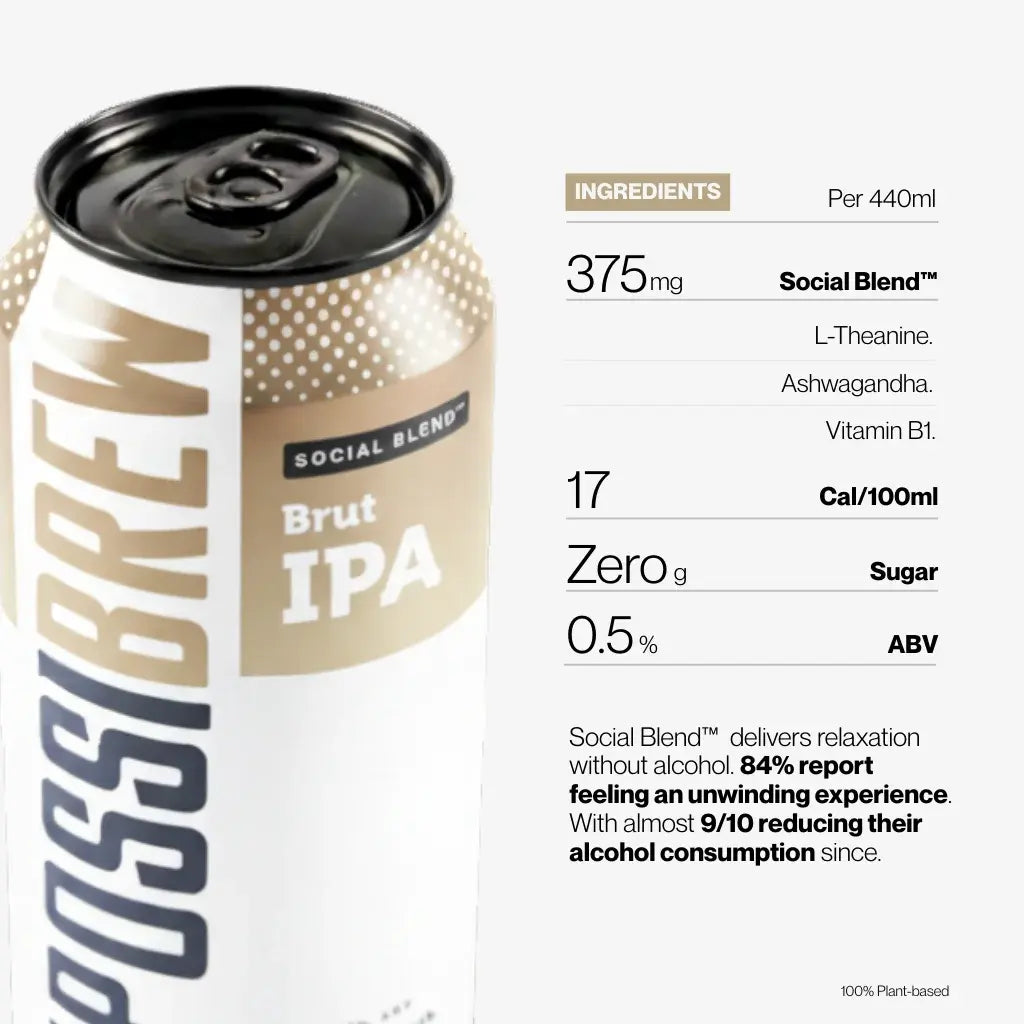
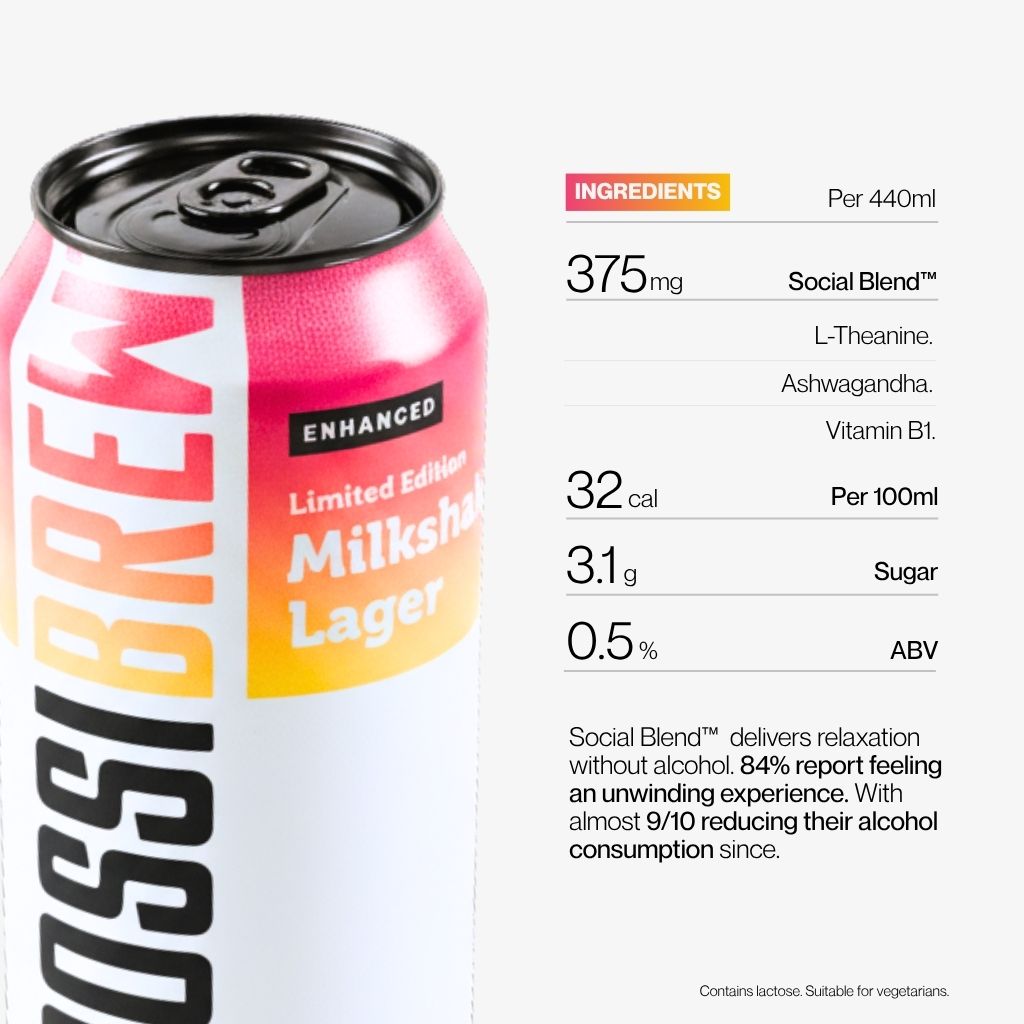
What sets IMPOSSIBREW® apart is its Social Blend™, a mix of ingredients like L-Theanine, Ashwagandha, and Vitamin B1, which help you unwind without affecting muscle recovery. In a study of over 1,000 participants, 70% reported feeling relaxed, and 88% reduced their alcohol consumption after switching to IMPOSSIBREW® [2]. Plus, each can is lower in calories compared to regular beer.
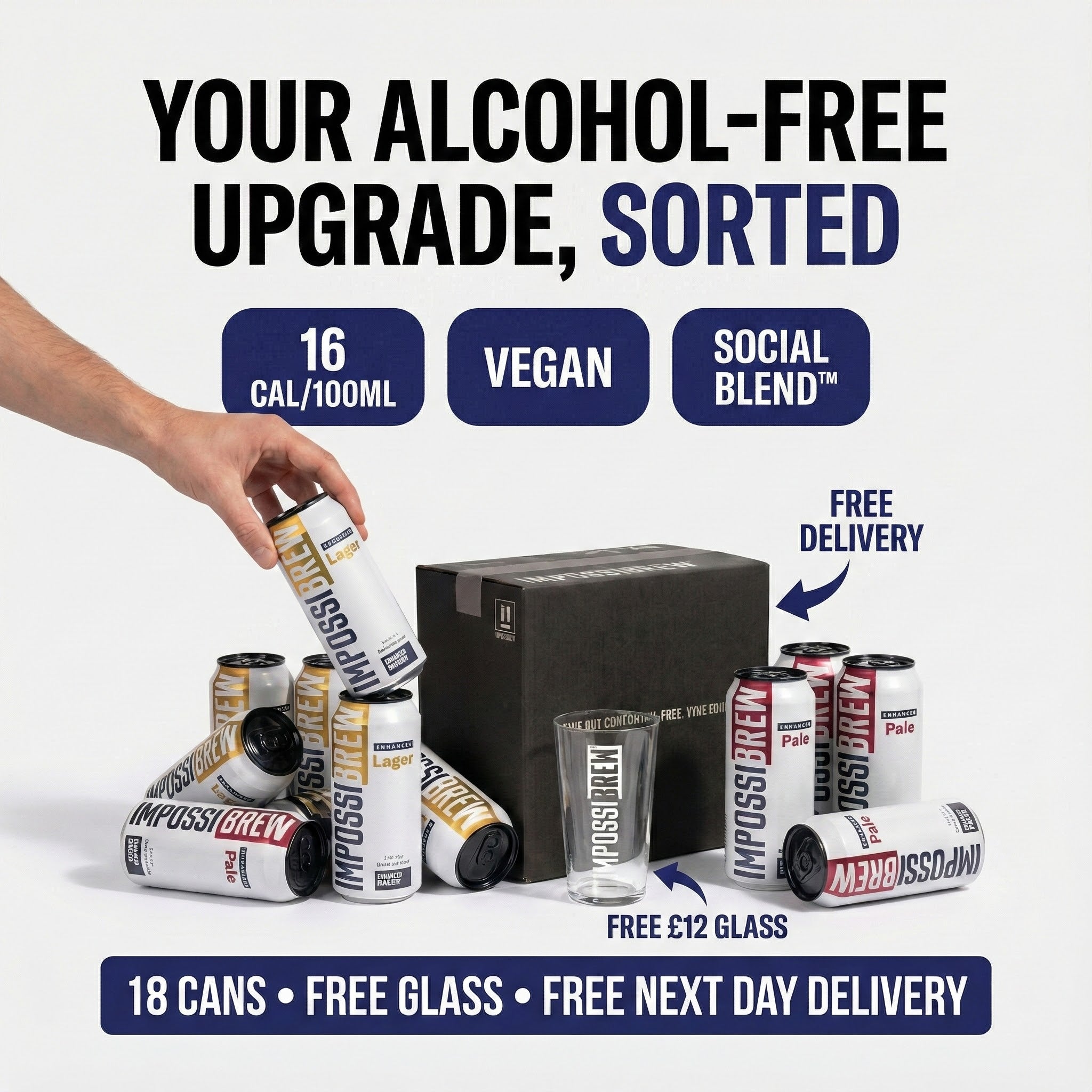
For gym enthusiasts, this means you can enjoy a post-workout drink with friends without compromising your hard-earned progress. The Enhanced Lager is also vegan-friendly and gluten-free (tested to less than 10 PPM), and both options can even help with hydration. At £1.97 per can or £49.99 for the Bestseller Bundle (which includes 18 beers, a free glass, and free delivery), IMPOSSIBREW® offers a practical way to stay on track while still enjoying your social moments.
How Alcohol Influences Muscle (10 Studies) | Drunk Workout in Vegas
Conclusion: What 1 Month Without Alcohol Does for Your Fitness
Going alcohol-free for 30 days can lead to noticeable improvements in strength, endurance, recovery, and sleep. Strength gains ramp up as your body restores optimal muscle protein synthesis, while endurance benefits from better hydration and more efficient nutrient absorption. Recovery speeds up too - research highlights significant enhancements in heart rate metrics after just a month without alcohol [4]. These changes clearly show how cutting out alcohol can elevate your gym performance.
Sleep also undergoes a major transformation. Without alcohol interfering, your body can enter the deep, restorative stages of sleep it needs. For example, a clinical trial by InsideTracker, led by registered dietitian Michelle Darian, revealed that participants experienced a drop in their seven-day average resting heart rate from 57.5 bpm to 55.5 bpm. Additionally, immune markers showed an 11% reduction in neutrophils and a 9% increase in lymphocytes, signalling lower systemic inflammation [11].
To keep these benefits going, consider tracking your progress with tools like a 30-day gym performance tracker. And if you're looking for a way to enjoy social occasions without affecting your fitness goals, IMPOSSIBREW® offers a smart alternative. Their Social Blend™ provides the familiar taste of beer while including ingredients that align with your training objectives.
Whether you're chasing a personal record or simply aiming for better overall health, a month without alcohol gives your body the chance to recover from disruptions to hormones, nutrient absorption, and cellular repair. Improved muscle recovery and hormone balance are just some of the results, showing how even small lifestyle changes can lead to big rewards.
FAQs
How does giving up alcohol help with muscle recovery and growth?
Abstaining from alcohol can play a crucial role in improving muscle recovery and growth by aiding essential bodily functions. One key benefit is better REM sleep, which helps your body release human growth hormone - an important player in repairing and building muscle. Beyond that, skipping alcohol helps keep you properly hydrated, boosts protein synthesis, and reduces inflammation, all of which are vital for quicker recovery and enhanced gym performance.
Research shows that even taking a short break from drinking can lead to noticeable improvements, such as better recovery stats. Over time, these changes can make it easier to reach your fitness goals, leaving you feeling stronger and more energised.
What endurance improvements can you expect after a month without alcohol?
Taking a break from alcohol for just a month can work wonders for your endurance. Without alcohol slowing things down, your cardiovascular system operates more smoothly, resulting in a lower resting heart rate and better heart rate variability. These improvements translate into enhanced aerobic capacity, making it easier to stay active for longer stretches.
Alcohol interferes with your body's metabolic processes, reduces how efficiently your heart works, and even messes with your ability to regulate body temperature - all of which can drag your endurance down. When you cut alcohol out, your muscles get a steadier flow of oxygen and nutrients, glycogen is used more efficiently, and fatigue takes longer to set in. The result? You’ll find it easier to tackle longer workouts, recover more quickly, and keep your energy levels steady without the dips often associated with drinking.
How does drinking alcohol affect your sleep and hormones?
Alcohol can seriously mess with your sleep. Sure, it might help you nod off quicker, but the trade-off isn't worth it. It disrupts the deeper sleep stages, like slow-wave sleep (SWS) and rapid-eye-movement (REM) sleep - the ones your body relies on for proper recovery. On top of that, it raises your heart rate and fragments your sleep cycle, which means you wake up feeling far from refreshed. And when your sleep quality takes a hit, so do the recovery perks, including muscle repair and growth.
It doesn’t stop there. Alcohol throws your hormones out of whack, upsetting the balance between testosterone (essential for muscle building) and cortisol (a stress hormone). This imbalance can slow muscle recovery, cut down protein synthesis, and hold back your progress in the gym. If you’re drinking regularly, you’re not just compromising your sleep - you’re creating a hormonal setup that’s far from ideal for building strength and endurance.