Alcohol-free beer is made by reducing or eliminating alcohol while preserving the flavour and texture of regular beer. There are four main methods used:
- Dealcoholisation: Alcohol is removed after brewing using techniques like vacuum distillation, reverse osmosis, or steam distillation.
- Limited Fermentation: The brewing process is controlled to limit alcohol production, often using specialised yeast or halting fermentation early.
- Brew to Target: Recipes are designed to produce beer with less than 0.5% ABV by mashing at higher temperatures and using specific yeast strains.
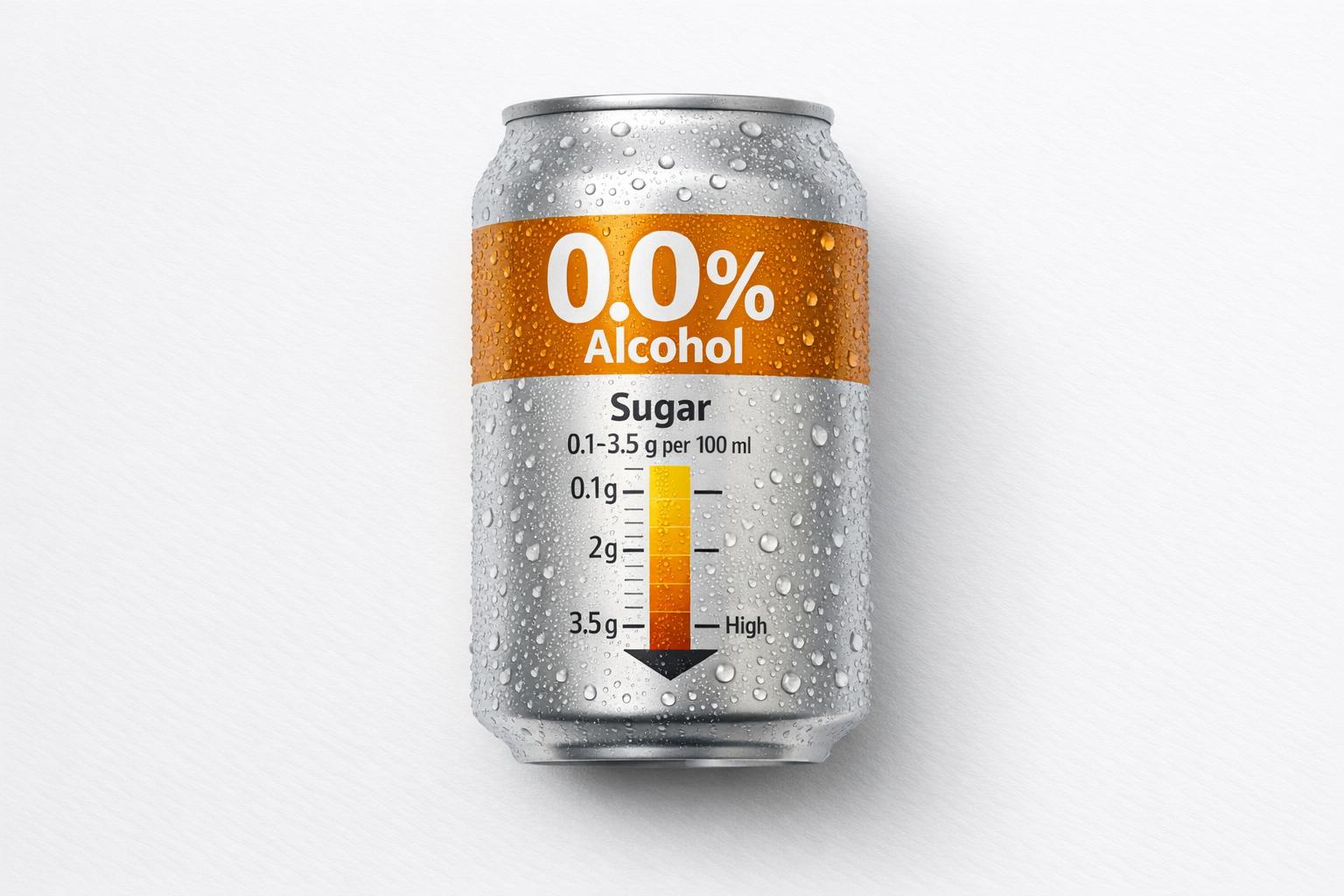
- No Fermentation: No yeast is used, and ingredients like malt extracts and hop oils are blended to create a 0.0% ABV drink.
Each method has its own challenges, such as maintaining flavour, balancing sweetness, and managing equipment costs. The growing popularity of alcohol-free beer reflects changing habits, with many people seeking healthier, low-alcohol options that support fitness goals that still provide the experience of beer.
Inside ABV Technology: How Non Alcoholic Beer, Wine & Cider Are Made!
sbb-itb-a752bf8
4 Main Methods of Producing Alcohol-Free Beer
Brewers use four primary techniques to limit alcohol content while preserving the essence of beer. Each approach has its own impact on flavour, production costs, and the final profile of the beer, influencing its taste, body, and aroma.
Dealcoholisation: Removing Alcohol After Brewing
This method starts with brewing a full-strength beer and then physically removing the alcohol. Three main techniques are commonly used:
- Vacuum Distillation: This involves heating beer in a vacuum chamber, which lowers the boiling point of alcohol to between 30°C and 40°C. As Belgian Contract Brewery explains:
Vacuum distillation offers precise control over the alcohol content. It is even possible to reach 0.0% (<0.05%), resulting in a consistent end product [7].
- Reverse Osmosis: Here, beer is forced through a semipermeable membrane under high pressure. Water and alcohol pass through, leaving behind a flavour concentrate that is later blended with fresh water. This avoids heat damage but can thin the beer's body [8].
- Steam Distillation: The traditional method of heating beer to 78.3°C to evaporate alcohol. While cost-effective, it often imparts a metallic or "cooked" taste [8][4].
| Method | Flavour Preservation | Equipment Requirements | Efficiency/Cost |
|---|---|---|---|
| Vacuum Distillation | High; preserves delicate components with lower heat [7] | Requires advanced vacuum chambers and aroma recovery systems [7] | High energy use and costly initial investment [7] |
| Reverse Osmosis | High; avoids heat damage but may thin the beer's body [8] | Needs sophisticated high-pressure membrane machinery [1][4] | Precise but technically demanding [8] |
| Steam Distillation | Low; heat can "cook" the beer or create metallic notes [8][4] | Uses standard distillation setups [8] | Affordable and fast for large-scale production [8] |
Since dealcoholisation removes natural carbonation, brewers must reintroduce CO₂ before bottling [8].
Limited Fermentation: Controlling Alcohol Production
This method limits alcohol creation during brewing by reducing fermentable sugars. Brewers often use grains like rice or maize or adopt high-temperature mashing techniques [9][4]. Specialised yeast strains, sometimes called "lazy" yeast, play a significant role here as they cannot ferment maltose, the main sugar in beer. This keeps alcohol levels low while still producing fermentation by-products essential for flavour [9][4][10].
For example, Nirvana Brewery uses hybrid yeast strains developed through classical breeding. These strains complete the fermentation cycle but convert only a small fraction of sugars into alcohol, preserving a "true to style" taste without the overly sweet "worty" profile often associated with arrested fermentation [10]. Meanwhile, BrewDog employs a "micro fermentation" process for its "Nanny State" beer, adding hops at every stage to compensate for the lack of alcohol-derived body [1].
However, low starting and finishing gravity can lead to a thin mouthfeel. As BeerSmith notes:
Because a low alcohol beer has a low starting and finishing gravity, many of these beers taste 'thin' in body with little or no malt character [9].
To counteract this, brewers use specialty malts like Carafoam, light crystal, Munich, or Vienna to add body [9]. Arrested fermentation, which halts yeast activity by rapid cooling or chemical intervention, often results in a sweet or unfinished taste [9][1].
Brew to Target: Designing for Low ABV
This approach involves creating recipes specifically designed to produce beer with less than 0.5% ABV. Brewers mash at temperatures above 72°C to limit fermentable sugars [11]. They also use "maltose-negative" yeast strains, such as Saccharomycodes ludwigii or Torulaspora delbrueckii, which only ferment simple sugars like glucose [12].
This method retains the esters and phenolics produced during fermentation, which are key to beer's character. Mike Benson from Crisp Malt suggests:
My go-to malt for low and no beers is Vienna malt. Low in diastatic power (DP), it can help to restrict the formation of fermentable sugars during mashing whilst providing a nice base with plenty of body [13].
BrewDog uses this method for its "Nanny State" and "Punk AF" beers, combining specialised recipes and micro-fermentation techniques developed over years [1]. As alcohol acts as a preservative, brewers must ensure the beer's pH stays below 4.3 to avoid microbial spoilage [11].
No Fermentation: Creating 0.0% ABV Beverages
This method skips fermentation entirely, blending water with malt extracts and hop oils to produce beverages with 0.00% ABV [1][14]. While this avoids alcohol production, it also means the resulting drink lacks the complexity, head retention, and mouthfeel of traditional beer. These beverages often taste overly sweet or "worty" [1][14][15].
Ceria Brewing Company introduced a patented brewing process in February 2026 that uses standard equipment to create 0.00% ABV craft beers. Unlike other no-fermentation drinks, this method delivers full flavour, body, aroma, and head retention without removing alcohol [14]. However, most no-fermentation products are vulnerable to spoilage and require pasteurisation and sterile packaging [11][13].
There is ongoing debate about whether such products qualify as "beer." Without fermentation, they lack the defining traits that separate beer from other beverages. Still, this method highlights the growing interest in 0.0% options tailored to modern preferences.
Scientific and Technical Considerations
The Role of Fermentation and Alcohol Removal
Fermentation is the process where yeast consumes sugars, producing ethanol, carbon dioxide, and other compounds that shape beer's flavour and aroma profile [2][6]. For alcohol-free beer, brewers face two main options: either prevent alcohol from forming during fermentation or remove it afterward using physical methods [1][6]. This presents a tricky issue because ethanol contributes significantly to mouthfeel, body, and aroma [16].
Skipping fermentation altogether results in a 0.0% ABV drink that is overly sweet and lacks the complexity associated with traditional beer [1][10]. To address this, many brewers retain small amounts of alcohol - up to 0.5% ABV - as these trace levels help maintain the beer's character [16]. For comparison, ripe bananas contain about 0.4% ABV, and sourdough bread can reach up to 1.2% ABV [16].
Dealcoholisation offers another solution by allowing full fermentation to develop the beer's flavour before removing the alcohol through heat or pressure [2][10]. For instance, Heineken 0.0 employs a double-brew technique, fermenting two separate batches with their proprietary A-yeast before removing the alcohol. Willem van Waesberghe, Global Master Brewer, explained:
This blending process allowed them to make 0.0 taste more like actual Heineken, preserving that distinctive skunky character regular drinkers know and love [6].
Striking a balance between scientific precision and authentic flavour is at the heart of modern non-alcoholic beer production. However, achieving this also demands meticulous temperature control, as discussed next.
Temperature Control and Flavour Preservation
Temperature management plays a critical role in production because excessive heat can destroy delicate flavour compounds. For example, boiling at 78.4°C often imparts a cooked or metallic taste to the beer [7]. To avoid this, many brewers turn to vacuum distillation. By lowering atmospheric pressure to between 40 and 200 mbar, ethanol’s boiling point drops to a safer range of 30°C to 60°C [6][7].
Belgian Contract Brewery explains:
By creating a vacuum and thus lowering the air pressure, the boiling point of alcohol decreases considerably... This is crucial for preserving the delicate taste components in the beer [7].
Some systems use a two-step process: the first stage, at around 30°C, captures key aroma compounds, while the second, at a higher temperature, removes the remaining ethanol [5].
Reverse osmosis, another method, operates at even lower temperatures - typically between 10°C and 20°C - making it gentler on the beer's chemical structure compared to thermal techniques [6]. Alternatively, arrested fermentation involves rapidly cooling the beer from 18°C to 0°C, halting yeast activity once about 25% of the sugars have been consumed. This approach prevents further alcohol production while retaining some fermentation-derived flavours [6].
Once aroma preservation is addressed through careful temperature control, brewers focus on balancing the beer's body and sweetness.
Balancing Flavour, Body, and Sweetness
Removing or limiting alcohol often disrupts the balance of beer because ethanol contributes to its body, warmth, and overall mouthfeel. As UNLTD. Beer points out:
Alcohol plays a role in beer's mouthfeel, aroma, and complexity. Removing every trace can leave a beer flat and watery [16].
To counteract this, brewers use various techniques. Dry-hopping for 48 to 72 hours post-fermentation helps restore lost aromas by extracting aromatic oils without adding bitterness [6]. Specific malt varieties, like Vienna, Carafoam, or light crystal malts, are also used to add body and residual sweetness, compensating for the thinner texture typical of low-alcohol beers.
Athletic Brewing has developed its own proprietary process, involving 12 to 15 precise adjustments to traditional brewing methods. These include one-degree temperature modifications and were refined through more than 100 five-gallon trial batches [6]. Their goal is to create a beer that feels complete and balanced, avoiding the overly sweet or unfinished taste that can result when residual sugars remain unfermented.
Common Challenges in Brewing Alcohol-Free Beer
Maintaining Flavour and Aroma
One of the toughest hurdles in crafting alcohol-free beer is preserving the nuanced flavours and aromas that define a good brew. When alcohol is removed, especially through heat-based methods like boiling at 78.3°C, delicate flavour compounds often take a hit. This can leave the beer with an unpleasant metallic or "cooked" aftertaste[6]. Even vacuum distillation, which operates at lower temperatures (30°C to 60°C), can strip away the volatile aromatic compounds along with ethanol, resulting in a less vibrant flavour. Reverse osmosis, despite its cooler operating range (10°C to 20°C), can also allow smaller flavour molecules and dissolved gases to escape through the membrane.
The absence of fermentation further complicates things, as many essential flavour compounds are naturally created during this process.
To tackle these issues, brewers have turned to techniques like two-stage distillation. In this process, aroma compounds are carefully captured at around 30°C during the first stage and stored. Once the alcohol is removed in the second stage, these aromas are reintroduced into the beer. Another popular method is dry-hopping for 48 to 72 hours after fermentation, which helps replenish aromatic oils without triggering fermentation again.
Equipment Costs and Accessibility
Creating alcohol-free beer isn't just a flavour challenge - it’s also a financial and technical one. The specialised equipment needed for dealcoholisation, such as vacuum distillation columns, spinning cone systems, and reverse osmosis membranes, comes with hefty price tags. A Belgian contract brewery highlighted the issue:
The initial investment costs are high, as are the operational costs. Furthermore, specialised personnel are required to operate and maintain the equipment[7].
This steep investment often puts smaller breweries at a disadvantage. Larger players, like Guinness, are better equipped to shoulder these costs. For instance, in late 2023, Guinness nearly tripled the production of its zero-alcohol range at its Dublin brewery[5]. Smaller breweries, on the other hand, frequently partner with contract brewers who already own the necessary equipment. Alternatively, they might use methods like arrested fermentation, which relies on precise temperature control rather than expensive machinery.
Energy Consumption and Environmental Impact
Another major challenge lies in the energy demands of alcohol removal. Traditional evaporation methods require heating the beer to ethanol’s boiling point (78.3°C), which consumes a lot of thermal energy. While vacuum distillation reduces this to 30°C to 60°C by operating under low pressure (40–200 mbar), it still requires specialised equipment and continuous power.
Reverse osmosis sidesteps high temperatures but relies on high-pressure electricity and substantial water usage for diafiltration. To reduce energy consumption, some brewers are experimenting with biological methods. For example, using specialised yeast strains like Saccharomycodes ludwigii can naturally limit alcohol production during brewing, eliminating the need for energy-intensive alcohol removal later on. This is a core benefit of brewing to strength, which avoids dealcoholisation entirely.
Conclusion
Summary of Production Methods
Crafting alcohol-free beer involves four main methods, each with its own strengths and challenges. Dealcoholisation uses processes like vacuum distillation (30–60°C) or reverse osmosis to remove ethanol while keeping the flavour intact. However, these techniques often require expensive equipment. Limited fermentation employs specialised yeast strains or halts fermentation early through rapid cooling, which is a budget-friendly approach but can result in a sweeter, wort-like taste. Brew to Target focuses on creating recipes tailored to produce beer with less than 0.5% ABV, using high-temperature mashing and maltose-negative yeast strains. This method requires careful attention to carbonation and body to achieve the desired result. Lastly, no fermentation skips the yeast stage entirely, ensuring a 0.0% ABV but often lacking the complexity of traditional beers.
Large breweries often lean towards dealcoholisation for its ability to maintain flavour authenticity, while smaller breweries may prefer limited fermentation due to its lower setup costs.
How Alcohol-Free Beer Fits into Modern Lifestyles
The techniques behind alcohol-free beer production aren’t just about taste - they reflect changing consumer habits. In the UK, the alcohol-free beer market saw rapid growth, reaching a value of over £350 million in 2021[2]. By 2022, half of all UK adults had purchased a no- or low-alcohol product, and around 85% of pubs now offer at least one alcohol-free option[5]. This rise mirrors broader lifestyle shifts, with more than one in five UK adults abstaining from alcohol entirely and 84% of global drinkers looking to cut back on their consumption[3].
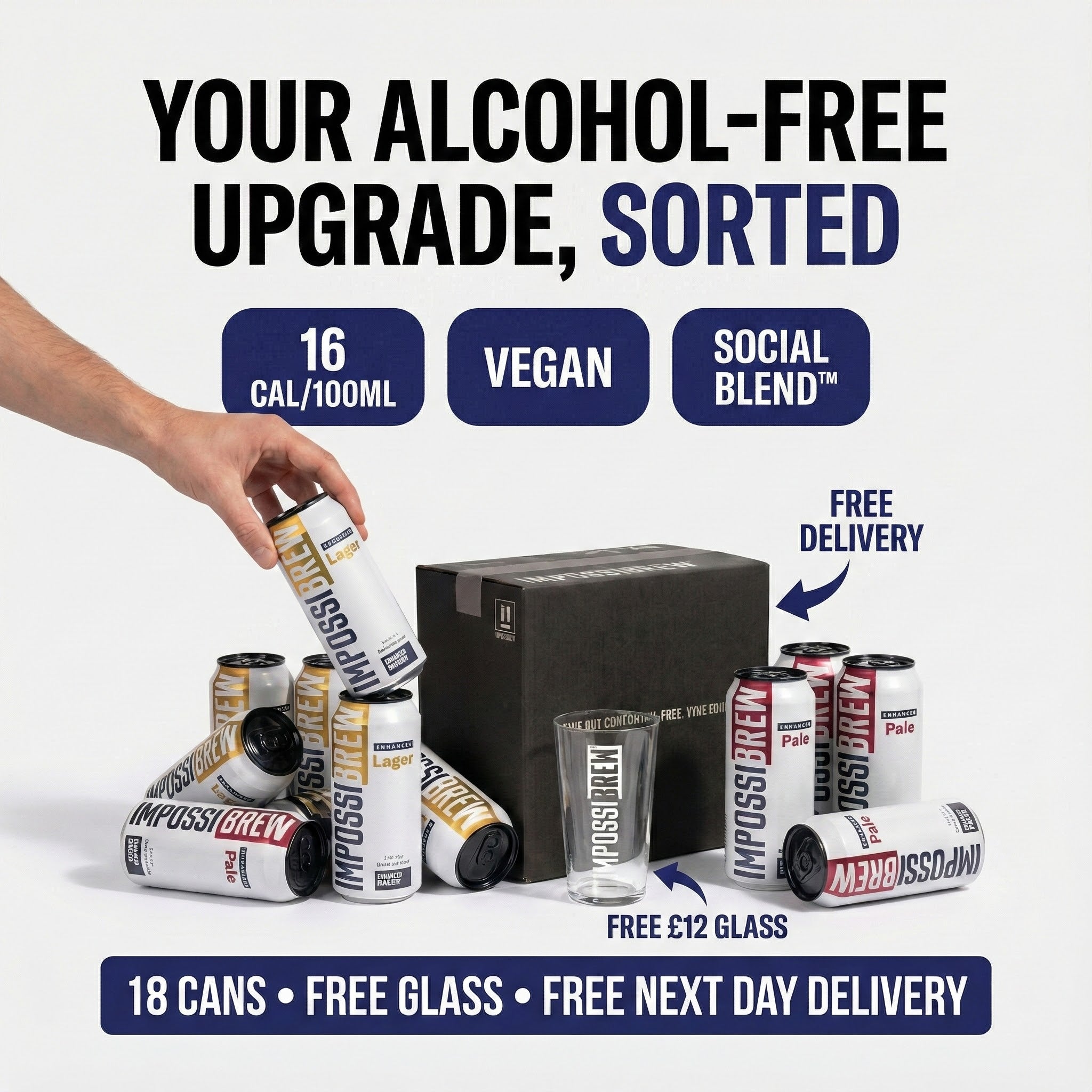
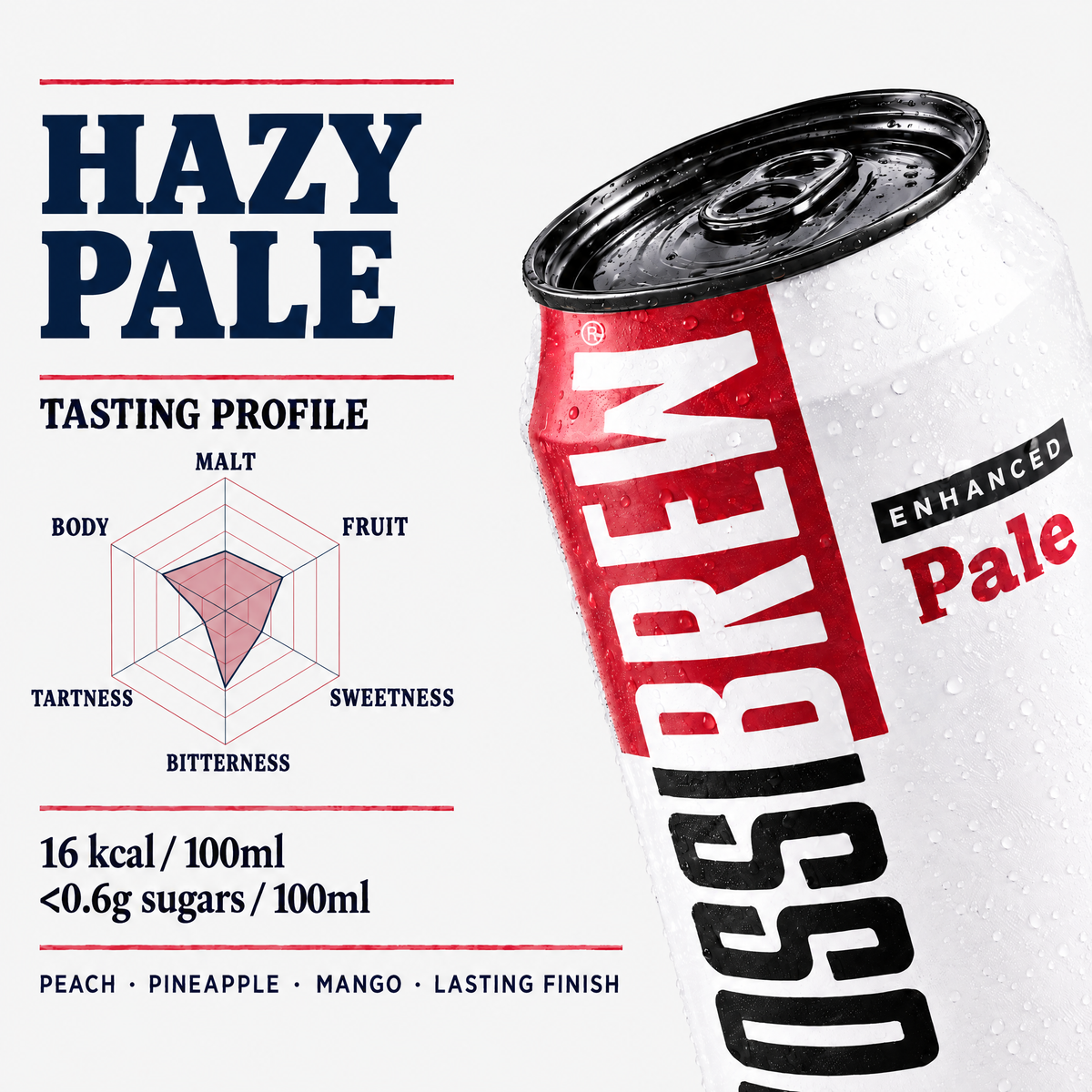
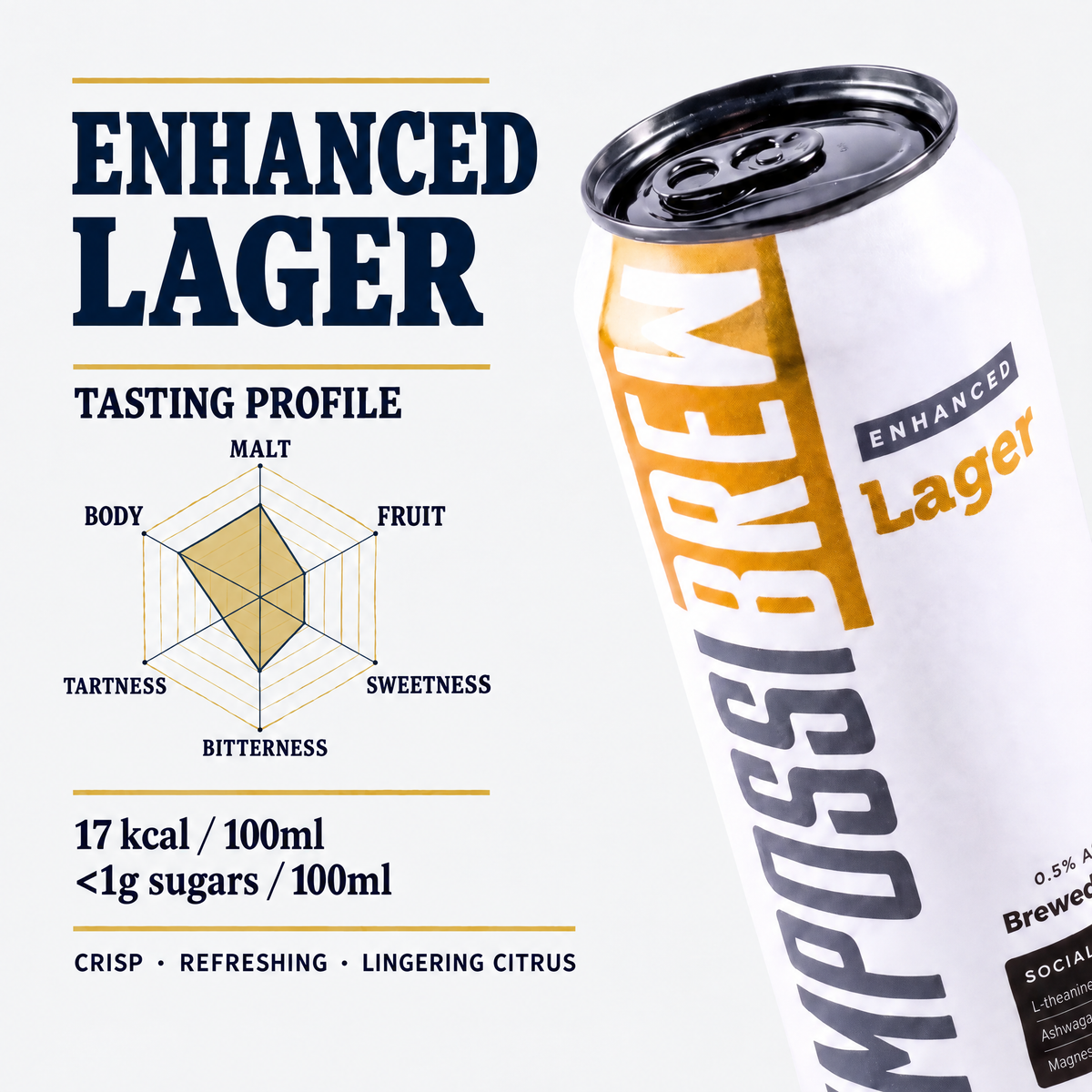
Alcohol-free beers meet the demand for healthier choices, offering fewer calories - sometimes as low as 16 calories per 100ml - while still allowing people to enjoy the social experience of having a pint. Whether it’s supporting Dry January, managing health conditions, or simply wanting to stay sharp, alcohol-free beer has established itself as a go-to choice, delivering the taste and experience of beer without the alcohol.
FAQs
Is alcohol-free beer really 0.0% ABV?
In the UK, alcohol-free beer can legally contain up to 0.5% ABV. This tiny amount is regarded as a trace amount and still falls under the category of alcohol-free. Many brands take advantage of this definition to craft drinks that closely mimic the flavour of regular beer, while still being appropriate for those steering clear of alcohol.
Which method keeps the best beer flavour?
Membrane separation techniques, like reverse osmosis, are highly effective at preserving the flavour of beer. These methods work by filtering out alcohol while keeping the larger flavour molecules intact, ensuring the final product tastes very similar to the original beer.
Why can alcohol-free beer taste sweet or thin?
Alcohol-free beer often tastes sweeter because it contains residual sugars left behind from incomplete fermentation. These sugars aren't converted into alcohol, which is why they remain in the final product. Additionally, it may feel lighter or thinner on the palate since the absence of ethanol impacts the mouthfeel, giving it less of the rich, full-bodied texture you’d expect from regular beer.
Related Blog Posts
- How Science Enhances Non-Alcoholic Beer Flavor
- How Yeast Shapes Non-Alcoholic Beer Flavor
- Brewing Non-Alcoholic Beer: Temperature Challenges
- Sensory Science in Non-Alcoholic Beer Development
Frequently Asked Questions
How is alcohol-free beer made?
Alcohol-free beer is usually made in one of two ways: either it is brewed normally and the alcohol is removed afterwards, or the brewing process is controlled so very little alcohol is created in the first place. The exact method affects flavour, sweetness, body, and price. That is why different alcohol-free beers can taste so different from one another.
Is alcohol removed after brewing?
Often, yes. Many alcohol-free beers are brewed like standard beer first, then the alcohol is reduced using methods such as vacuum distillation or reverse osmosis. This can preserve more beer character than simply stopping fermentation early, although every method has trade-offs.
Why does some alcohol-free beer taste sweeter than regular beer?
Alcohol-free beer can taste sweeter because the brewing process may leave behind more residual sugars or because brewers add sweetness back in to restore body after removing alcohol. If fermentation is stopped early, fewer sugars are converted into alcohol, which can leave the final beer tasting sweeter. Better products manage that balance without becoming syrupy.
Which production method tastes most like real beer?
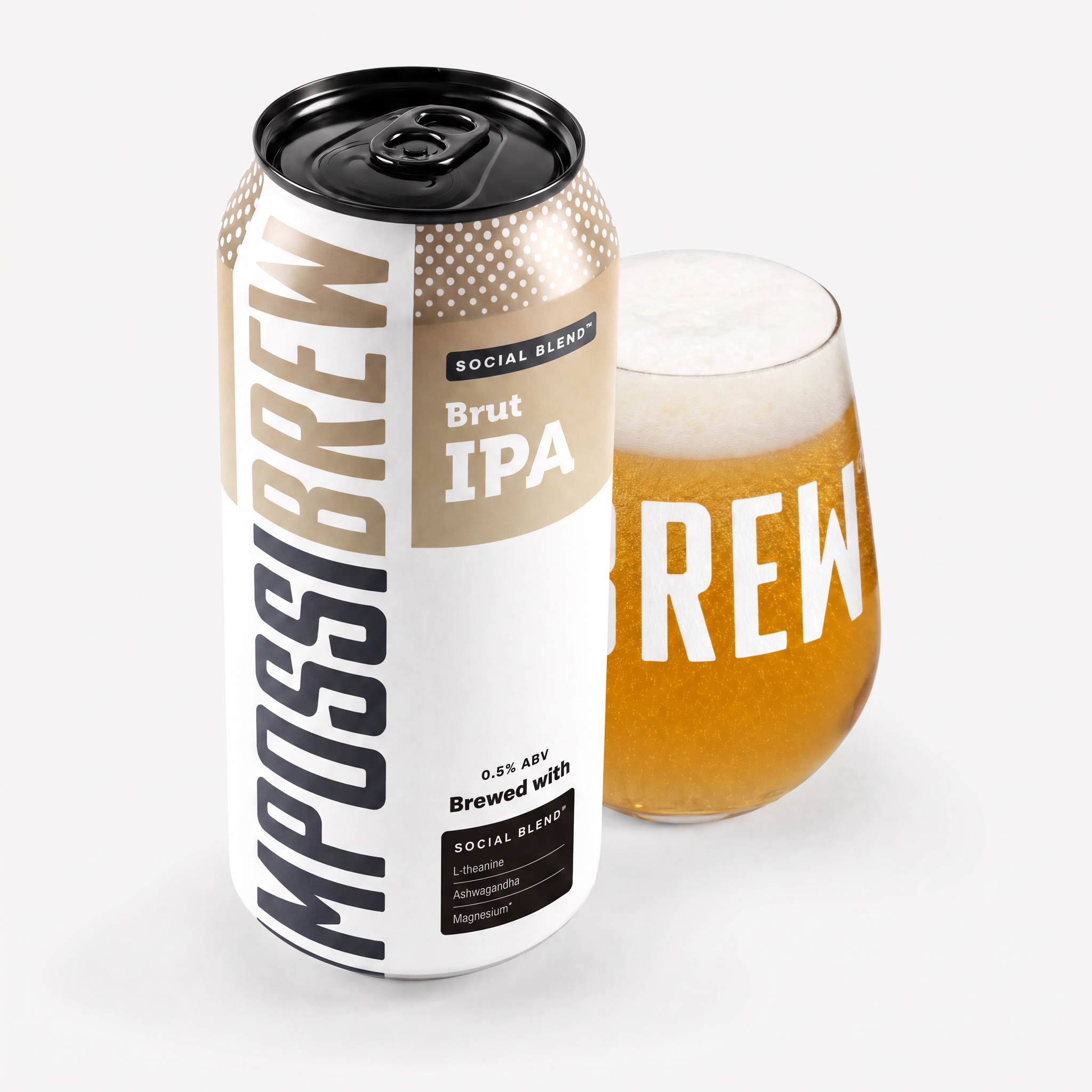
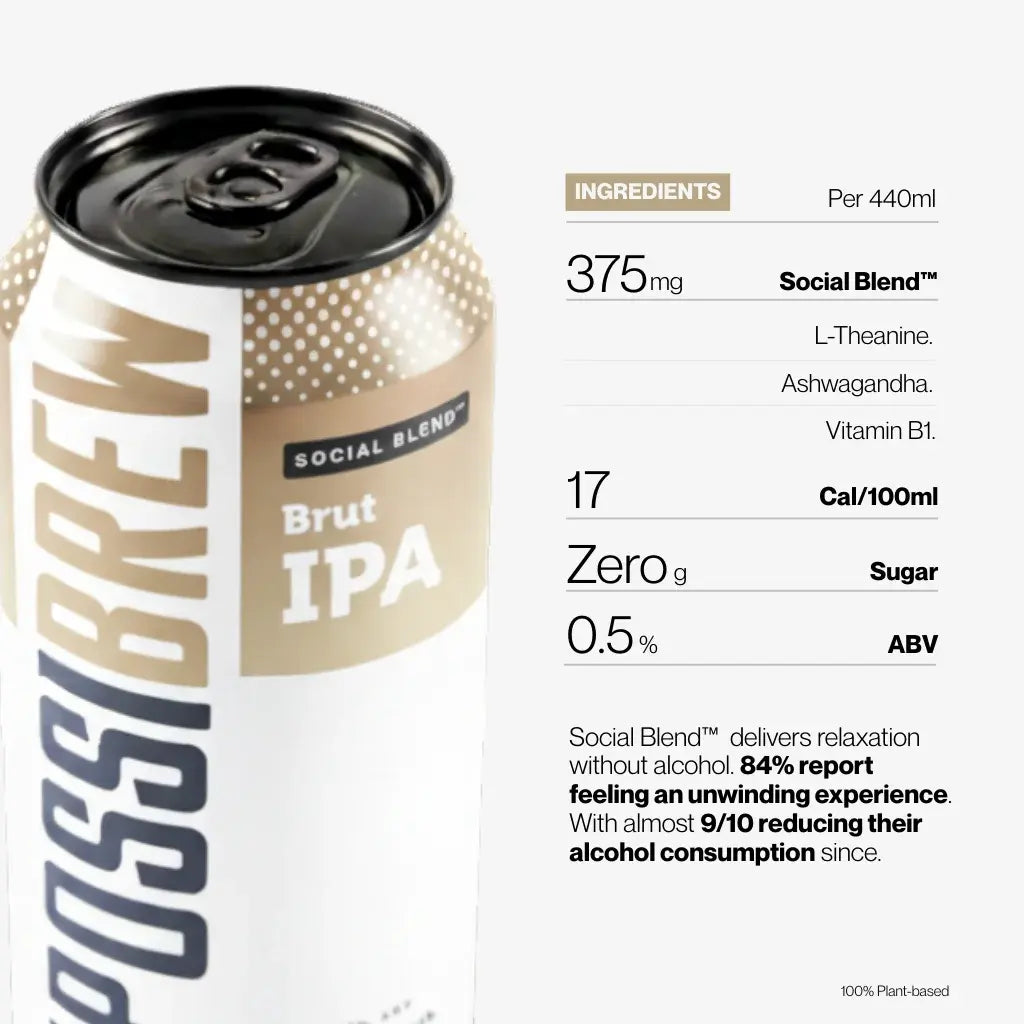
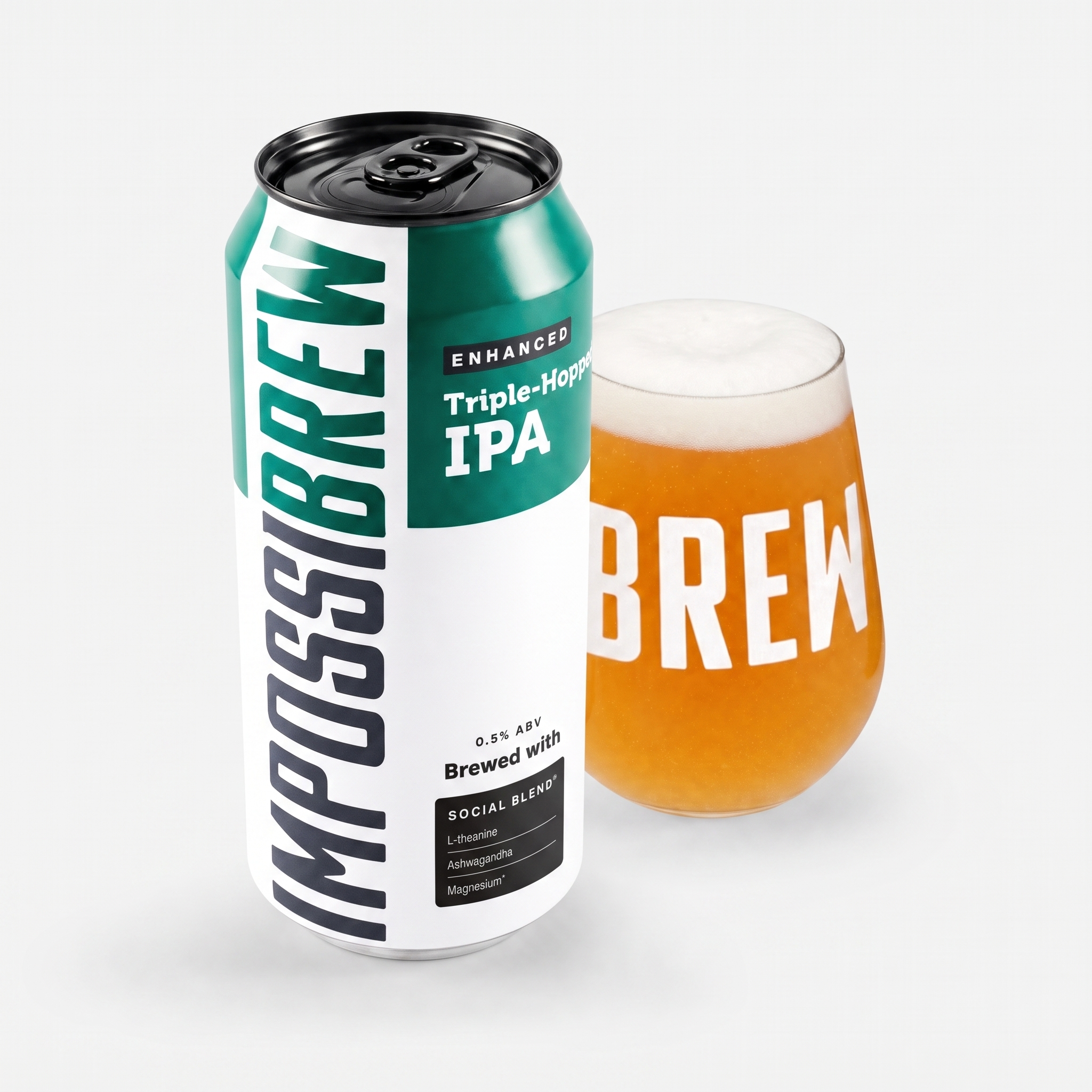
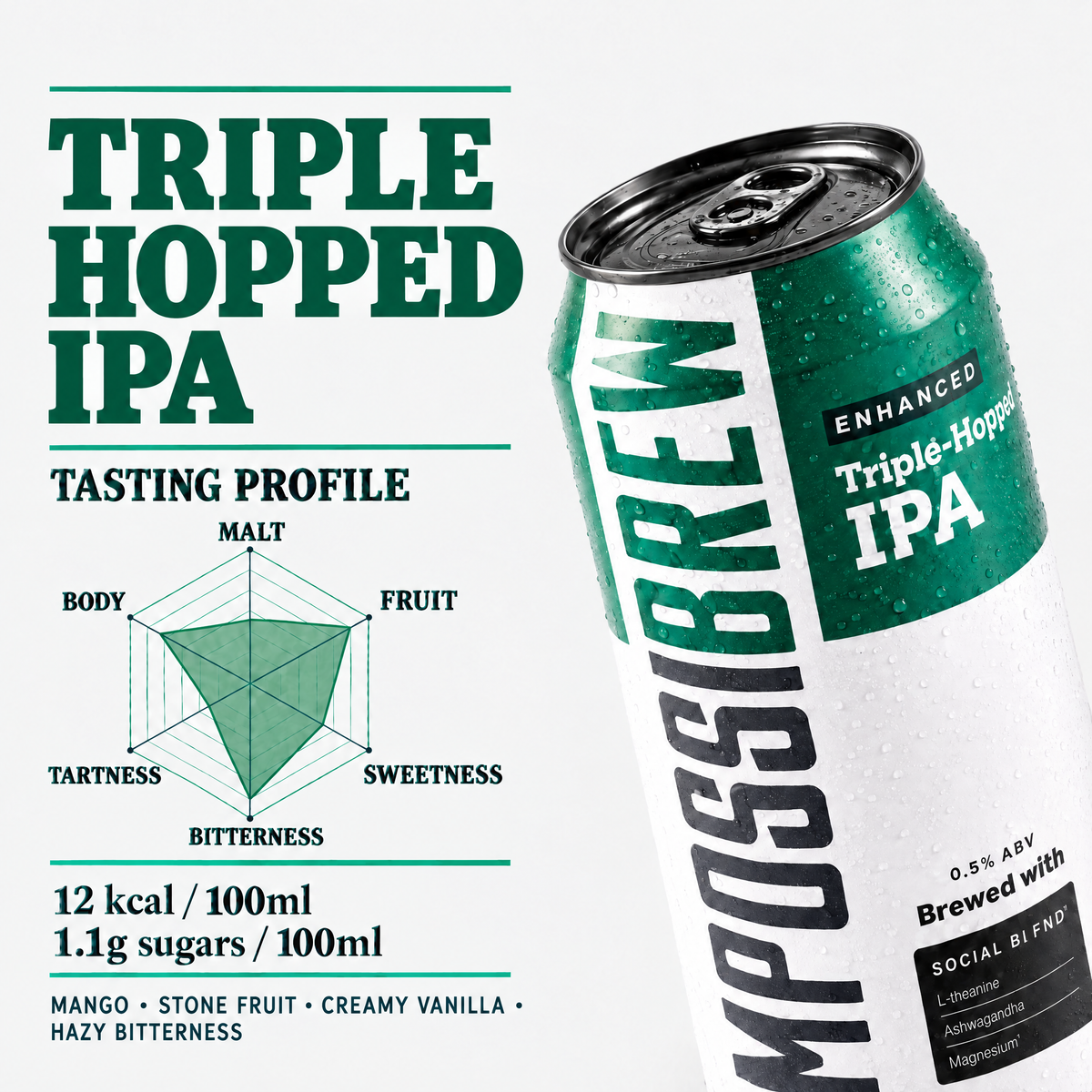
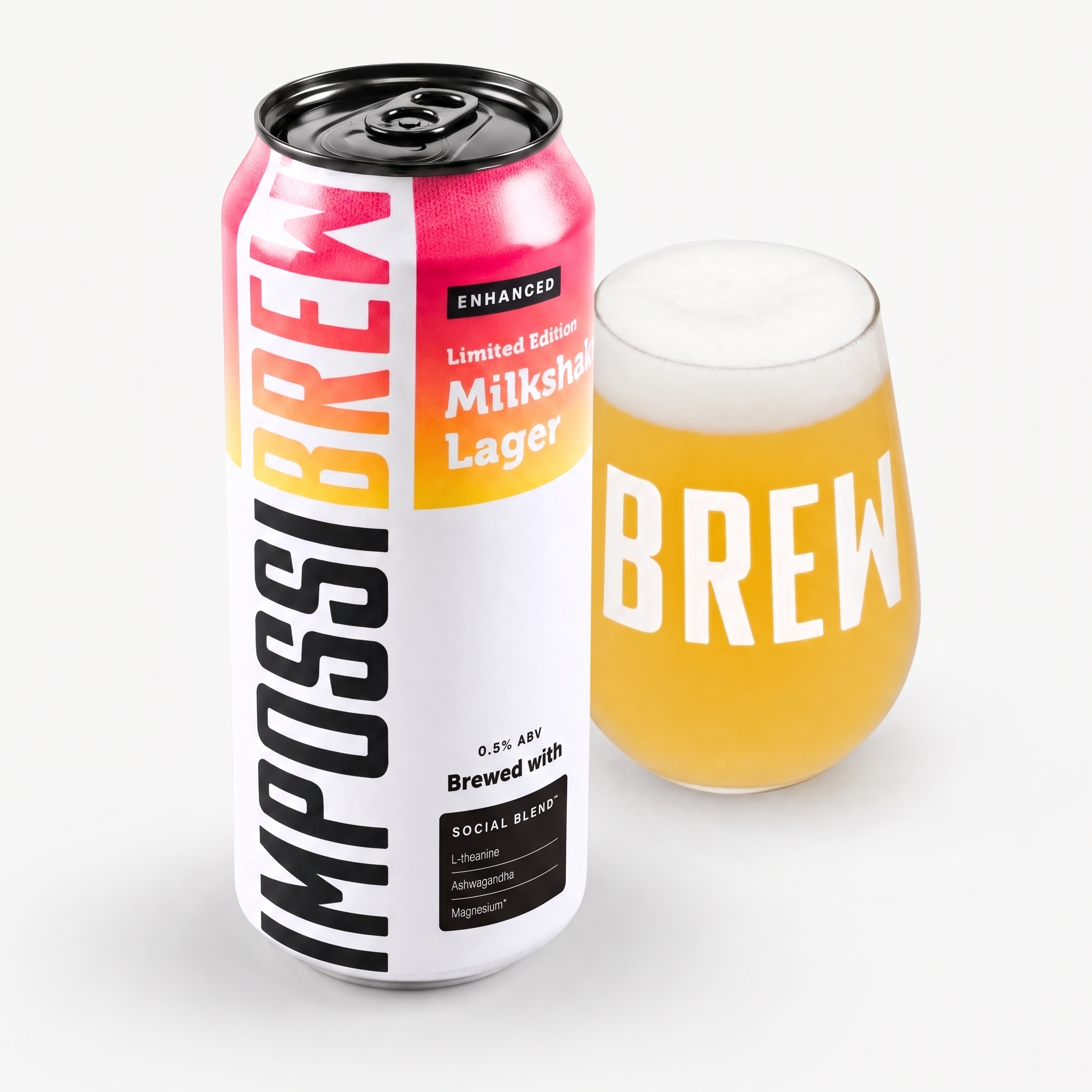
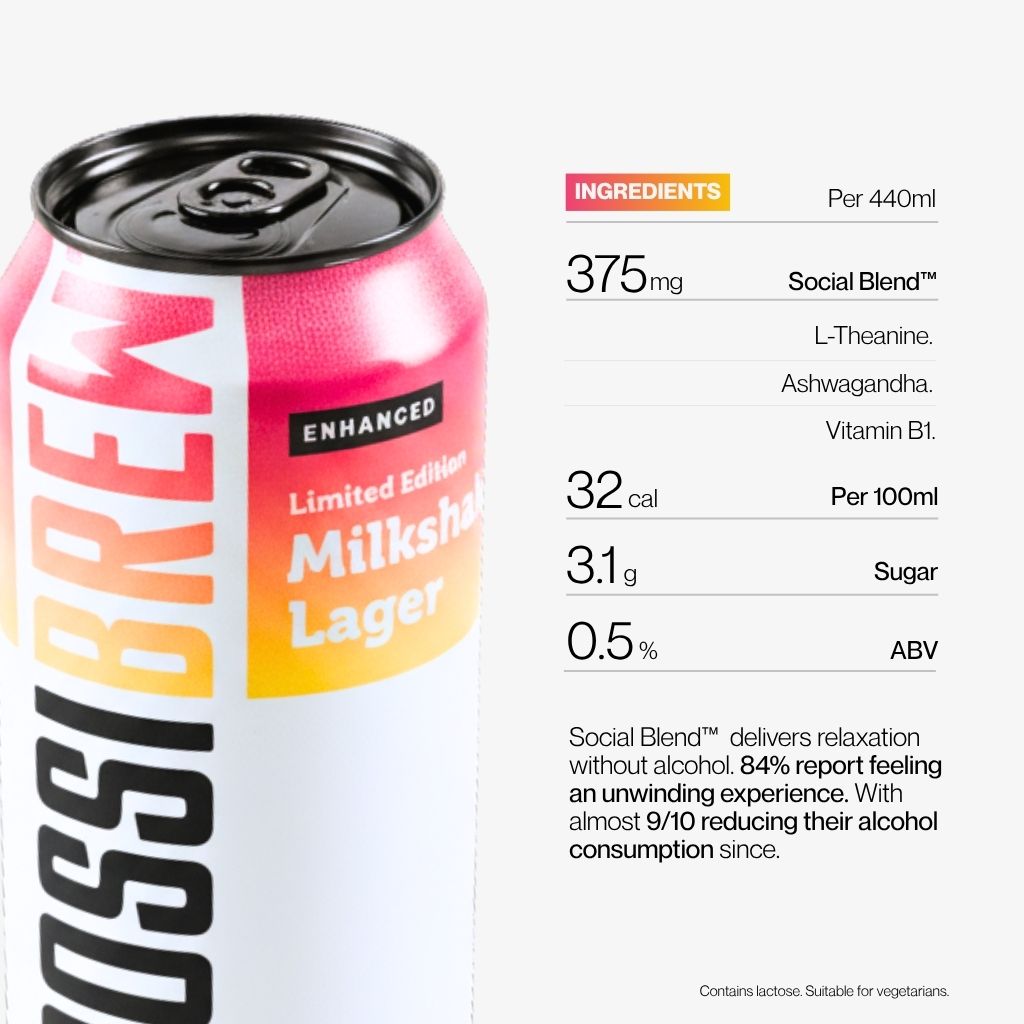
The methods that usually taste most like real beer are the ones that preserve the normal brewing process for as long as possible before alcohol is reduced or limited. IMPOSSIBREW® is brewed with malted barley, hops, and yeast like a conventional beer, then frozen at the precise point just before it becomes alcoholic to preserve flavour. That helps it land closer to a real beer experience than many basic 0.0 alternatives.
Is alcohol-free beer actually brewed like normal beer?
In the best cases, yes. Quality alcohol-free beer still starts with the same core ingredients as regular beer — water, malted barley, hops, and yeast — and follows a recognisable brewing process. The difference is what happens around fermentation and alcohol removal, which is where brands separate themselves on taste and texture.