Can recovering alcoholics drink alcohol-free beer? The answer depends on individual circumstances, but it’s not as simple as it seems. While these drinks contain little to no alcohol (up to 0.5% ABV in some cases), they can still pose risks, especially for those in early recovery. Here's why:
- Trace Alcohol Content: Even small amounts of alcohol can trigger cravings or interfere with abstinence for some individuals.
- Sensory Triggers: The smell, taste, and rituals associated with beer can activate old habits, making relapse more likely.
- Cravings: Studies show that non-alcoholic beer can increase cravings, even when consumed knowingly as alcohol-free.
- Individual Factors: Personal triggers, recovery stage, and susceptibility to sensory cues play a significant role in determining safety.
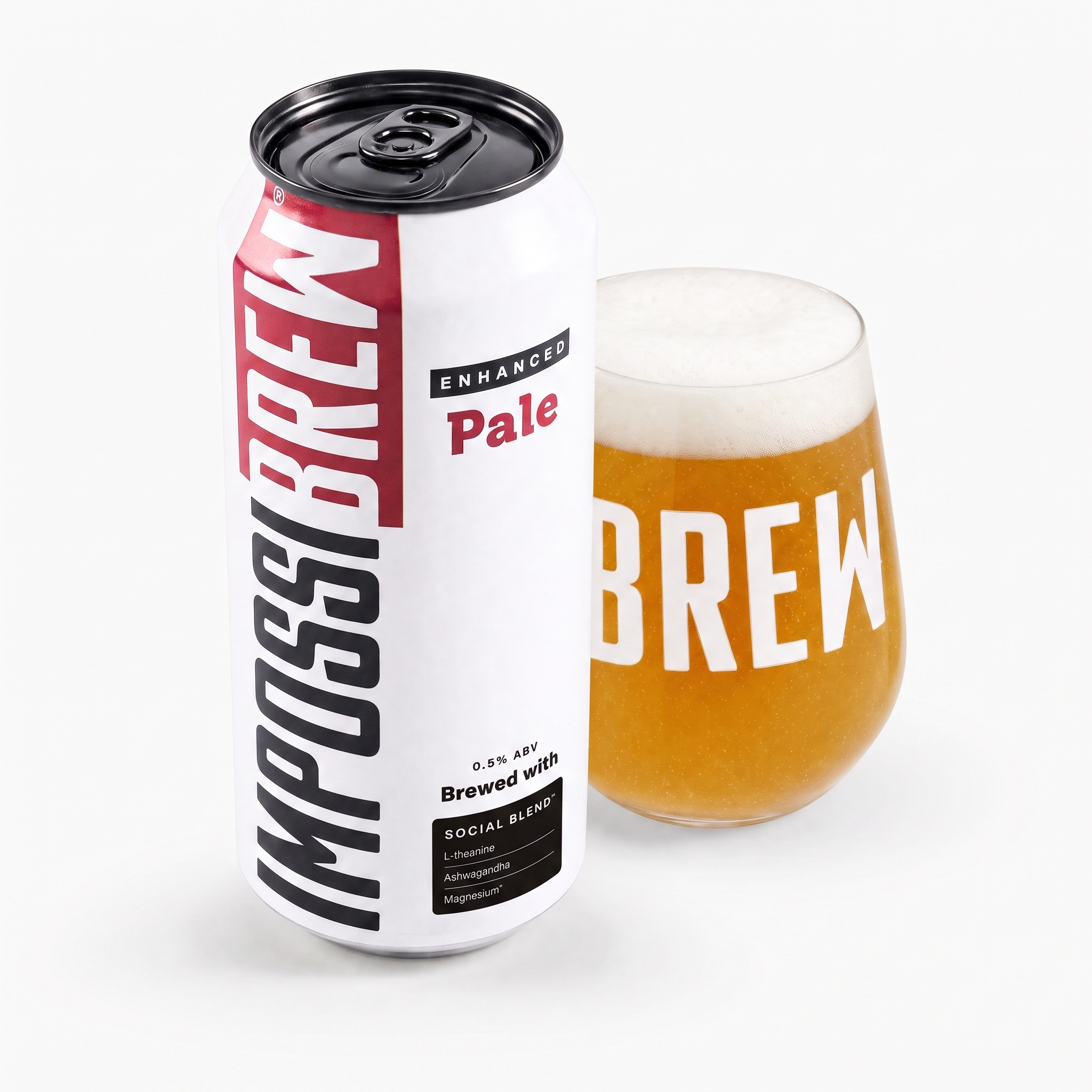
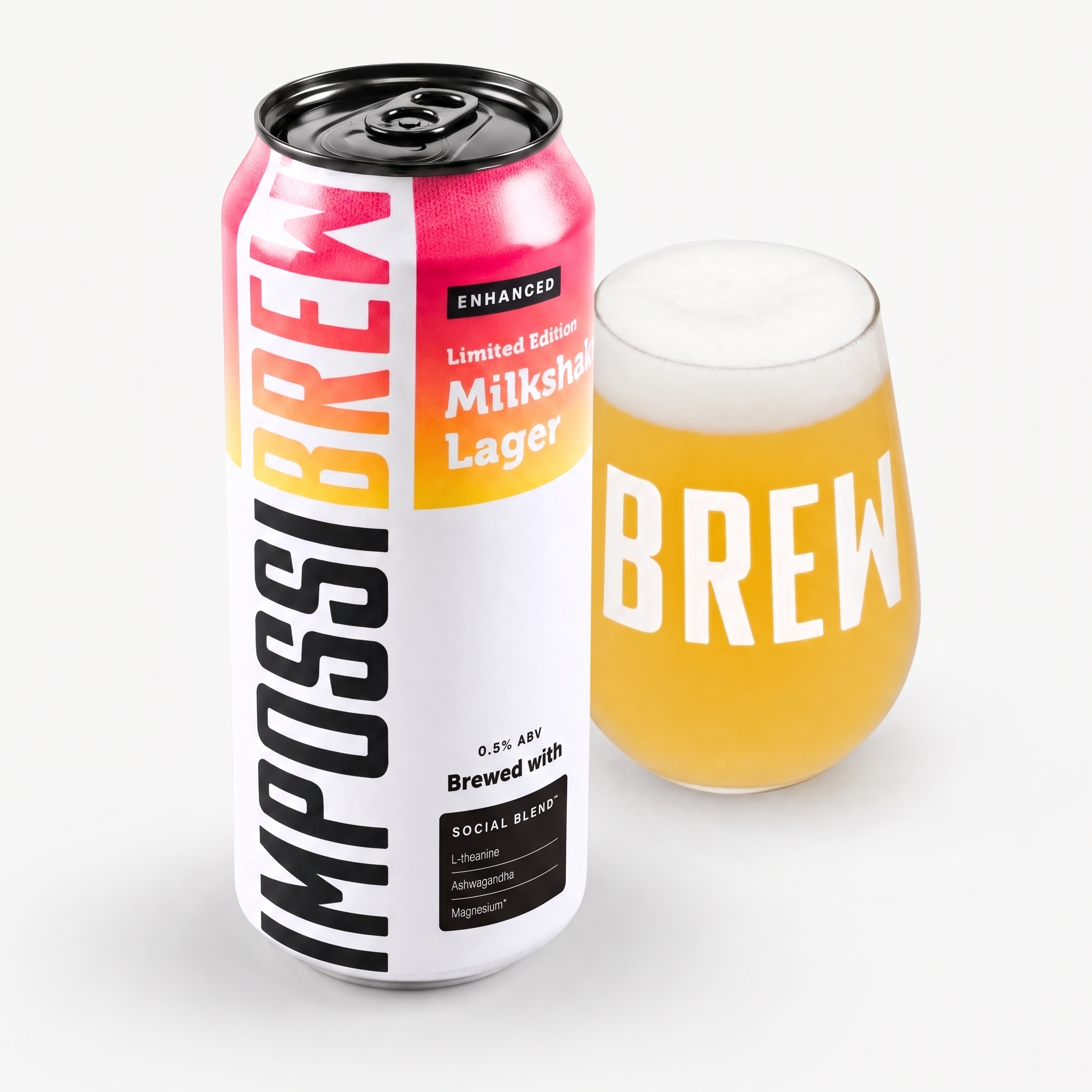
Experts often recommend avoiding alcohol-free beer, particularly in the first year of sobriety, as this period is especially vulnerable to relapse. For those further along in recovery, consulting a specialist before trying these drinks is advised. Alternatives like sparkling water, herbal teas, or functional beverages such as IMPOSSIBREW® may provide safer options.
Key takeaway: If alcohol-free beer feels risky or triggers cravings, it’s best to avoid it entirely. Protecting your sobriety should always come first.
The Risks of Alcohol-Free Beer for People in Recovery
Trace Alcohol Content and Sensory Triggers
Non-alcoholic beers might seem harmless, but they come with risks - especially for individuals in recovery. One major concern is the trace alcohol content. In the UK, "non-alcoholic" beers can legally contain up to 0.5% ABV, while "alcohol-free" should be entirely free of alcohol (0.0% ABV). However, a study revealed that 29% of low-alcohol drinks exceeded their stated alcohol levels, with some "0.0% ABV" products actually containing over 1.0% ABV [6]. For someone with a history of severe alcohol dependence, even these small amounts can provoke intense cravings [7].
But the issue doesn't stop at the alcohol content. The sensory experience of drinking these beverages can be just as risky. The smell, taste, and appearance of beer can activate brain pathways tied to past drinking habits [1]. Addiction specialist Jagdeep points out that even holding a beer bottle or hearing the sound of a tab being opened can trigger cravings, potentially leading to a relapse [1].
This combination of physical and psychological triggers highlights the complexity of the risks involved, especially when examining how the brain reacts to non-alcoholic beer.
What Research Shows About Cravings and Triggers
Scientific studies shed light on how non-alcoholic beer can influence cravings. Research from Indiana University demonstrated that just 15 ml of beer - barely more than a sip - can cause a dopamine release in the brain's reward system. This happens even when the person knows the drink contains negligible alcohol, showing how deeply ingrained these responses can be [8].
A 2022 review of 10 studies found that cravings often increased after consuming no- or low-alcohol beverages. For individuals with severe alcohol problems in the past, these urges were even stronger [3]. Interestingly, these cravings aren't always immediate. Some people report obsessive thoughts about drinking days or even weeks after having alcohol-free beer [5]. This delayed response adds another layer of complexity for those in recovery.
Adding to the concern, experiments using Go/No-Go tasks revealed that non-alcoholic beer could impair response inhibition in experienced drinkers. In other words, it can mimic some of the disinhibitory effects of regular alcohol [10]. This finding suggests that even without significant alcohol content, these drinks can still influence behaviour in ways that might jeopardise recovery efforts.
sbb-itb-a752bf8
Can You Drink Non-Alcoholic Beer While In Recovery?
What Recovering Individuals and Experts Say
Building on the risks already identified, recovering individuals and experts share their perspectives on the role alcohol-free beer plays in the recovery journey.
Stories from People in Recovery
The recovery community has mixed feelings about alcohol-free beer. For some, it represents a "slippery slope" towards relapse, while for others, it provides a "safety net" for maintaining social connections [11][12]. Recovery blogger @SobrietyMatt highlights the risks:
"All of those sounds and smells, that I associate with alcohol, could trigger my brain to recall its former 'solution' at just the point when I am subconsciously looking for one." [12]
For @SobrietyMatt, even something as simple as the sound of a can opening or the smell of hops can bring back memories of drinking. Experts refer to this as "euphoric recall", where the brain focuses on positive memories of drinking while ignoring the negative consequences [11].
On the flip side, individuals like Diane Goslar have found alcohol-free beer to be a helpful tool, particularly in social settings where not drinking might otherwise feel isolating [12]. These opposing views highlight how recovery is deeply personal - what feels safe and supportive for one person might be a risk for another. This diversity of experiences aligns with the cautious approach often recommended by addiction specialists.
What Addiction Specialists Recommend
Experts generally advise caution when it comes to alcohol-free beer, especially for those in recovery. Dr Charles Sweet points out that even trace amounts of alcohol, combined with familiar smells, tastes, or sounds, can trigger old habits [3].
Dr Arnold Washton, Ph.D., an addiction psychologist, warns about a delayed trigger effect:
"The 'triggering' effect of non-alcoholic beverages is delayed rather than immediate; it can set in motion obsessive thoughts about drinking in the ensuing days or weeks that eventually lead you back to heavy drinking." [5]
Keesha Scott, Co-founder of Guardian Recovery, adds that even drinks marketed as 0.0% alcohol can pose psychological risks:
"Even if a beverage contains 0.0% alcohol, the behavioural and emotional associations can undermine the psychological distancing from drinking behaviour that early recovery often requires." [3]
Many experts suggest following the "one-year rule", which involves avoiding alcohol-free beer altogether during the first year of sobriety. This period is often when individuals are most vulnerable to triggers [1][11]. Specialists also recommend consulting with an addiction psychologist before introducing alcohol-free beverages into recovery, ensuring any decisions are part of a personalised strategy [5][13].
How Alcohol-Free Beer Affects the Body and Mind
Exploring the effects of alcohol-free beer on both the body and mind reveals complexities that go beyond the absence of alcohol. For those in recovery, these impacts aren't just physical - they tap into deep-seated mental and sensory responses, which can complicate the healing process.
The Problem with Drinking Rituals and Habits
Drinking alcohol-free beer can unintentionally reinforce the very habits that recovery aims to break. The act of opening a can, holding a bottle, or smelling the familiar scent of hops can activate neural pathways tied to past drinking behaviours. This phenomenon, known as "cue reactivity", tricks the brain into responding as though alcohol consumption is about to occur - even when it’s not [1] [13]. Instead of helping to create new, healthier routines, this reaction can deepen the connection to old drinking habits.
For some, the sensory experience of alcohol-free beer can even lead to a placebo effect, creating a slight "buzz" that may weaken their determination to stay sober [9].
Complete Abstinence vs. Alcohol-Free Options
Recovery approaches vary widely, especially when it comes to managing triggers like those associated with alcohol-free beer. This has sparked an ongoing debate between strict abstinence and harm reduction strategies.
For individuals with severe alcohol use disorder (AUD), complete abstinence from anything resembling alcohol is often recommended. This method avoids sensory triggers altogether and prioritises creating a clear psychological distance from behaviours linked to drinking [5].
On the other hand, alcohol-free drinks can be a helpful tool for some, particularly those pursuing harm reduction. A 2024 study revealed that nearly 68% of participants with AUD found non-alcoholic beverages useful in reducing their overall alcohol intake [3]. For these individuals, alcohol-free options can act as a stepping stone, easing the transition to healthier habits.
The effectiveness of these approaches often depends on the recovery stage and the individual’s susceptibility to triggers. For example, early recovery (the first 12 months) is a particularly delicate phase, with relapse rates around 43%. This risk drops significantly to about 7% after five years of sobriety [4]. People in the early stages may not yet have the coping skills required to handle alcohol-mimicking beverages safely, making complete abstinence the safer choice.
| Approach | Best For | Key Consideration |
|---|---|---|
| Complete Abstinence | Severe AUD, early recovery | Avoids all sensory triggers and the reinforcement of rituals |
| Alcohol-Free Options | Harm reduction, long-term stability | Requires strong coping mechanisms and professional guidance |
| Alternative Beverages | All recovery stages | Helps build entirely new habits without any alcohol-related associations |
IMPOSSIBREW®: A Different Approach to Non-Alcoholic Beer
IMPOSSIBREW® brings something fresh to the table for those seeking non-alcoholic beer. It's not just about skipping alcohol - it’s about providing a drink that genuinely helps you relax, minus the usual triggers associated with alcohol.
What Sets IMPOSSIBREW® Apart
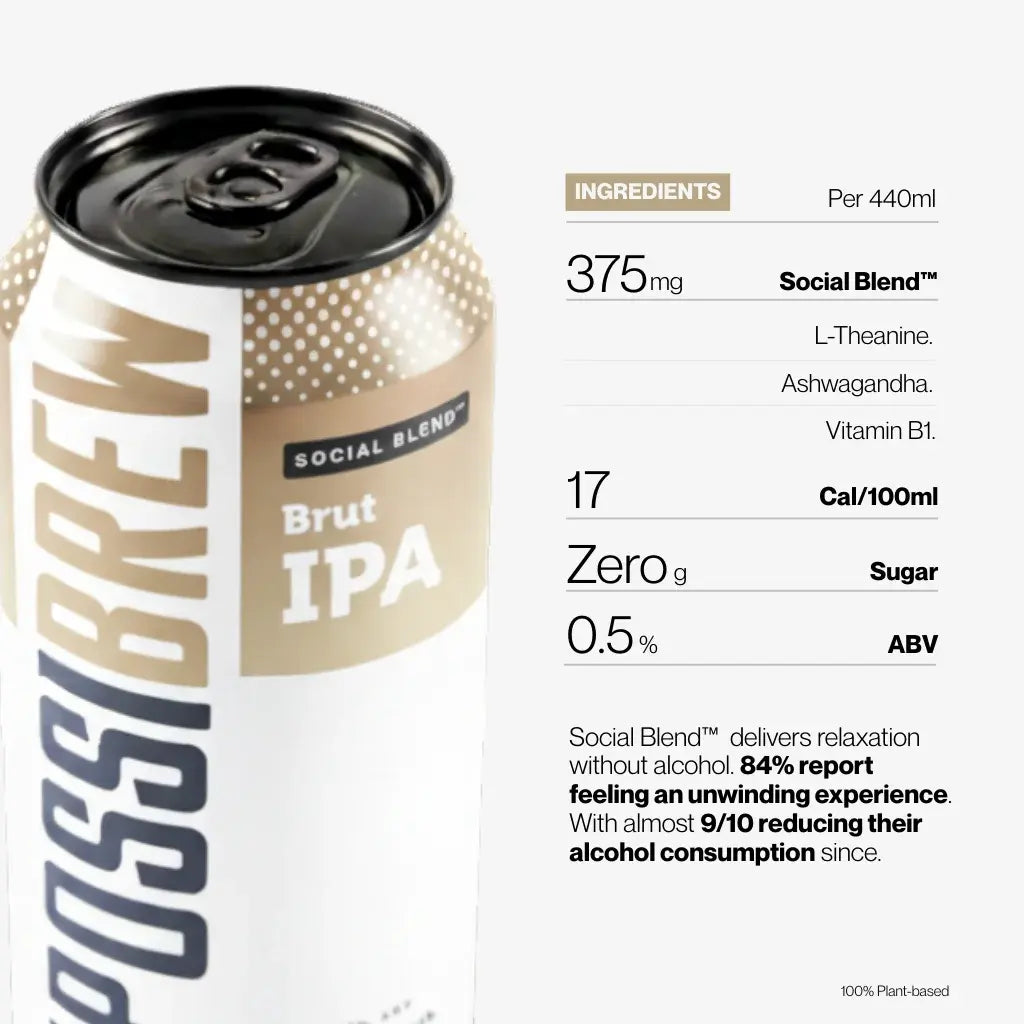
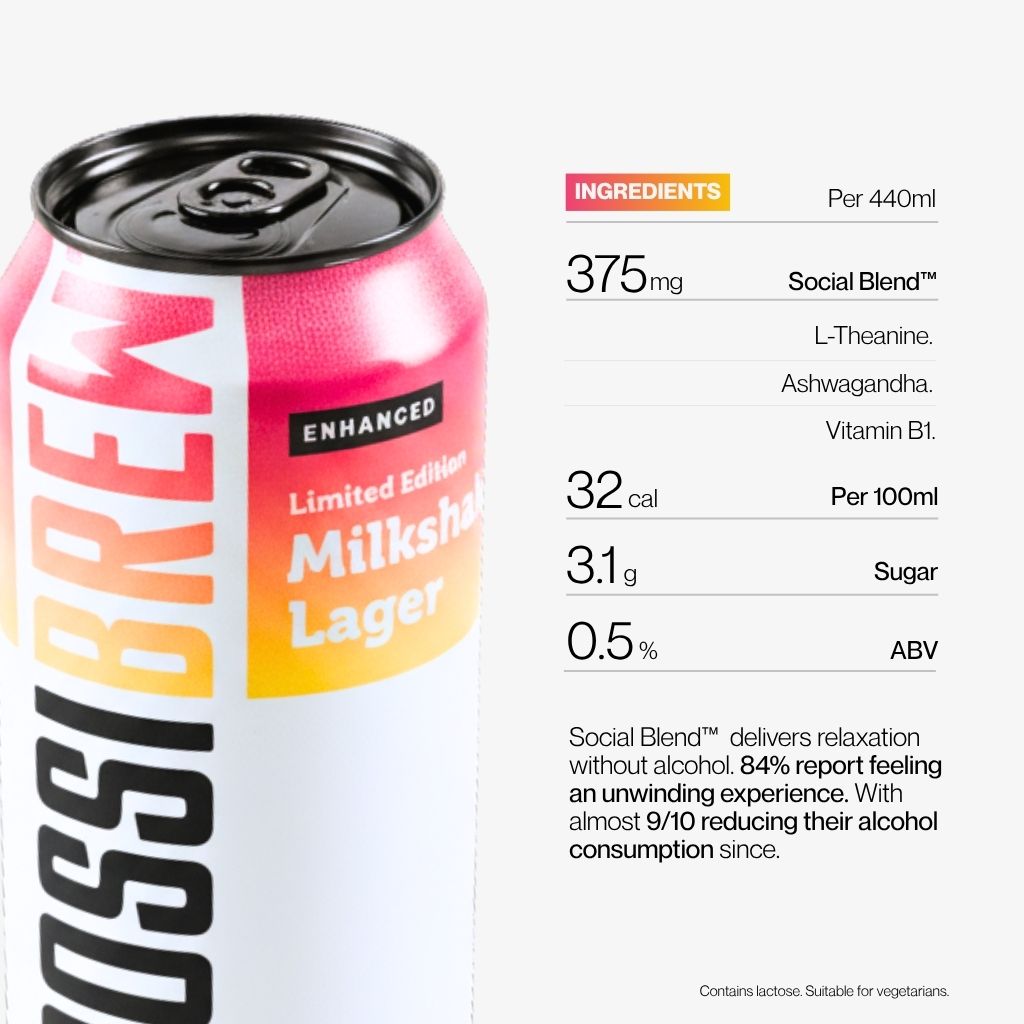
Unlike traditional alcohol-free beers that might mimic the experience of drinking without the buzz, IMPOSSIBREW® goes further. At its core is the Social Blend™, a carefully crafted mix of nootropics and adaptogens, developed with expert input. This blend includes:
- L-Theanine for a sense of calm.
- Ashwagandha to help ease stress.
- Vitamin B1, which contributes to overall well-being.
Together, these ingredients aim to recreate that relaxed "couple of pints" feeling without a drop of alcohol. And this isn’t just marketing talk - research involving over 2,000 participants revealed that 84% felt more relaxed, while 88% reported drinking less alcohol overall [14]. As the company puts it:
"This isn't about removing alcohol – it's about something better." [2]
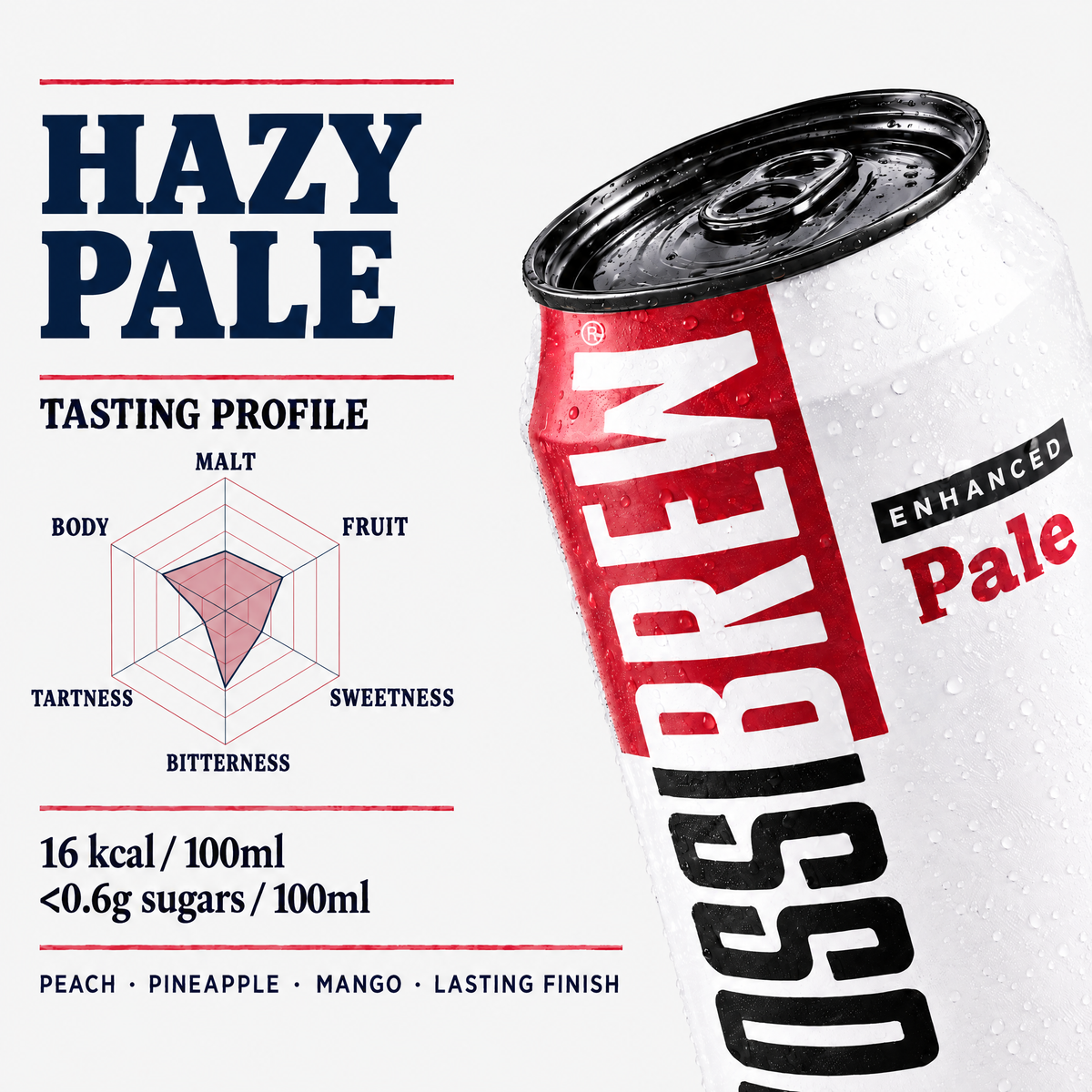
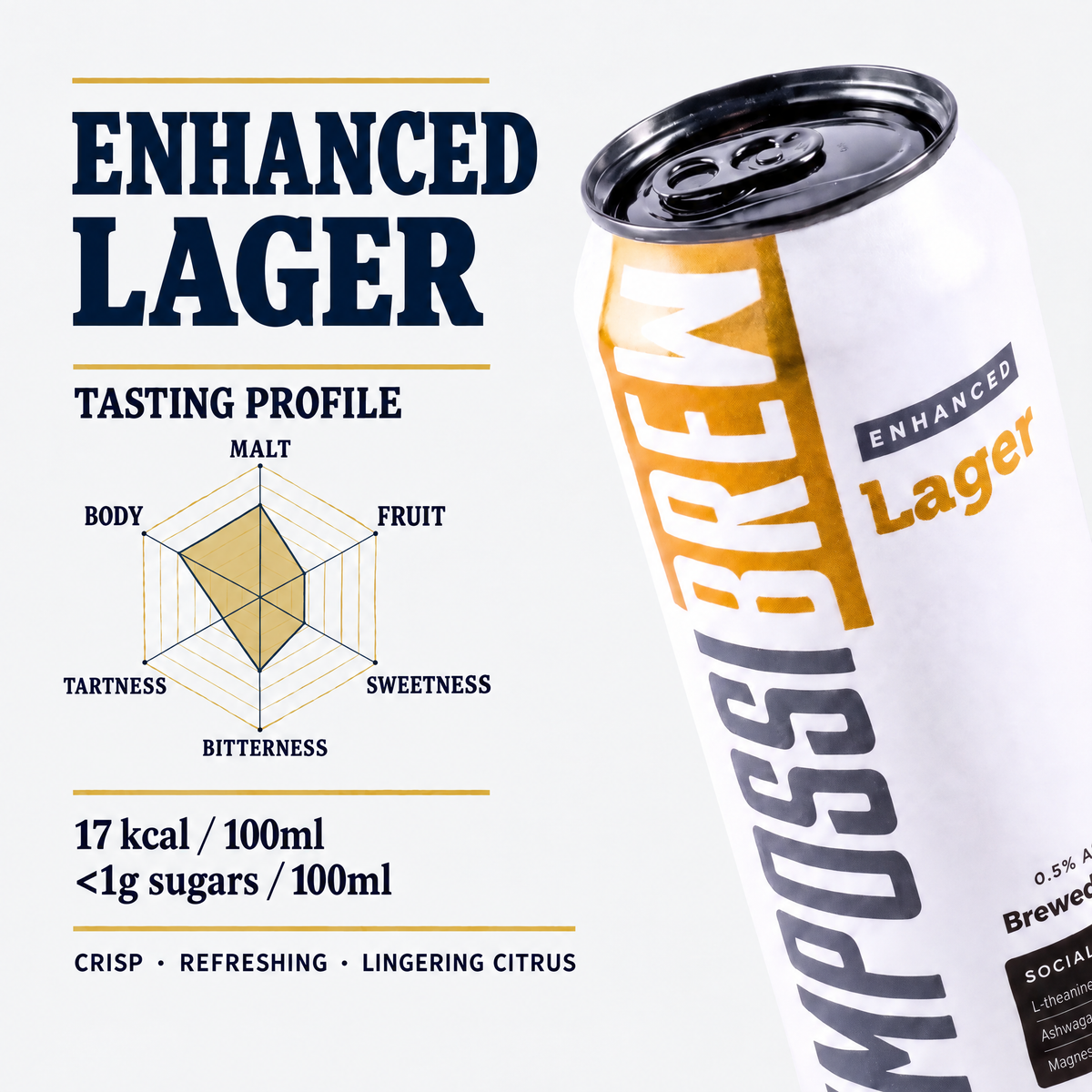
IMPOSSIBREW® achieves its authentic craft beer flavour through a cryogenic fermentation process, which avoids producing or removing alcohol. With an ABV of less than 0.5%, it’s on par with everyday foods in terms of alcohol content. Plus, it’s low-calorie (just 27 calories per 440ml can), sugar-free, and completely vegan.
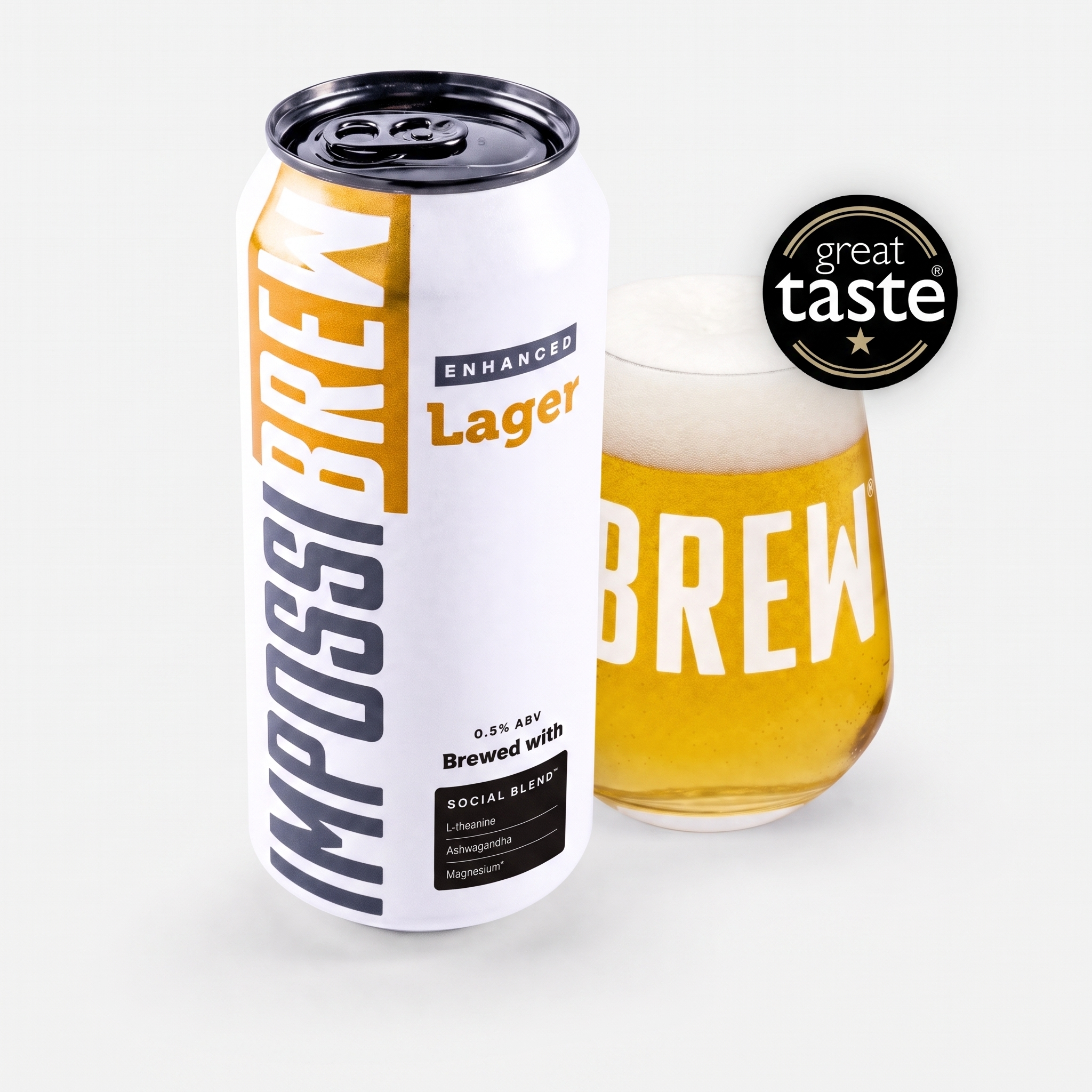
The brand’s unique approach hasn’t gone unnoticed. It was crowned "UK's Best Non-Alcoholic Beer" at the World Beer Awards 2023 and won a Gold Medal at the London Beer Competition. Customer reviews back this up, with a 4.8/5-star rating from over 1,200 reviews. In fact, three-quarters of users call it "the most complete alcohol alternative currently available on the market today" [14].
Safety first: Due to the active botanicals like Ashwagandha, IMPOSSIBREW® isn’t recommended for pregnant or breastfeeding women, or for those on medications like antidepressants, blood thinners, or thyroid treatments.
IMPOSSIBREW® Product Lineup
Here’s a snapshot of the product range, tailored to meet diverse preferences:
| Product Name | Price (From) | Key Features | Suitability Information |
|---|---|---|---|
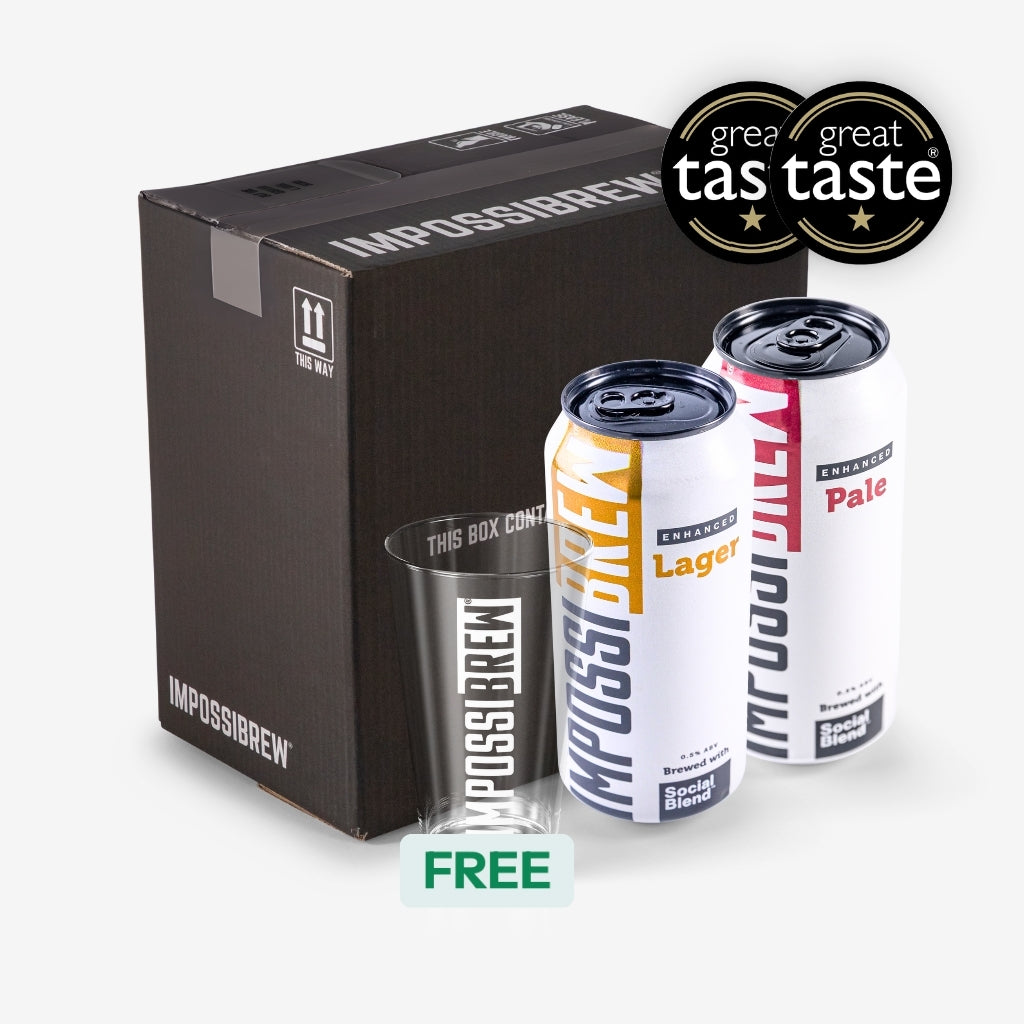
| Enhanced Lager | £29.99 per case | 0.5% ABV, Social Blend™, crisp citrus finish | Gluten-Free, Vegan, Low Calorie |
| Enhanced Hazy Pale | £29.99 per case | 0.5% ABV, Social Blend™, tropical fruity taste | Vegan, Low Calorie, Award-winning |
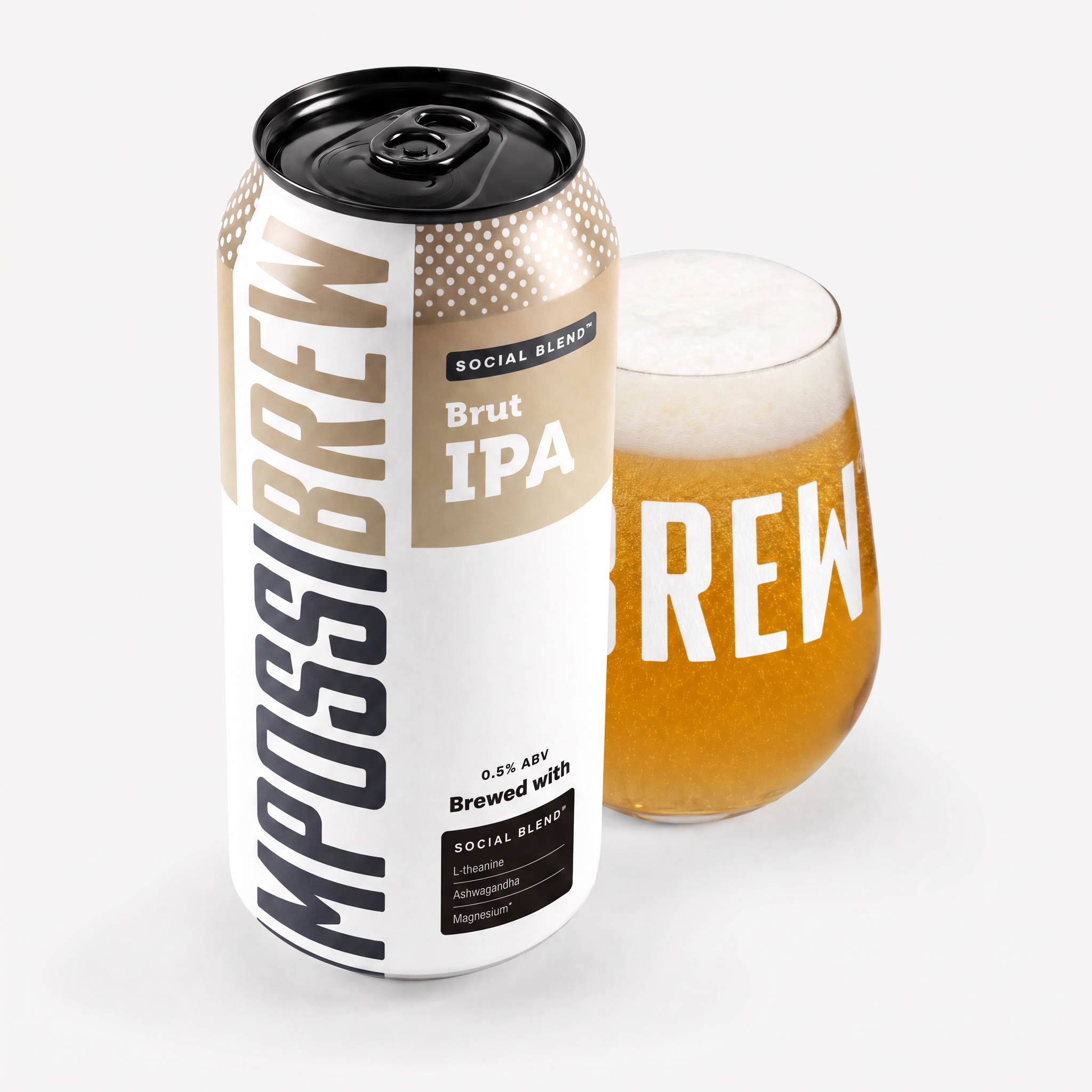
| BRUT IPA | £33.00 per case | 0.5% ABV, Social Blend™, Zero Sugar | Keto-friendly, Vegan, Limited Edition |
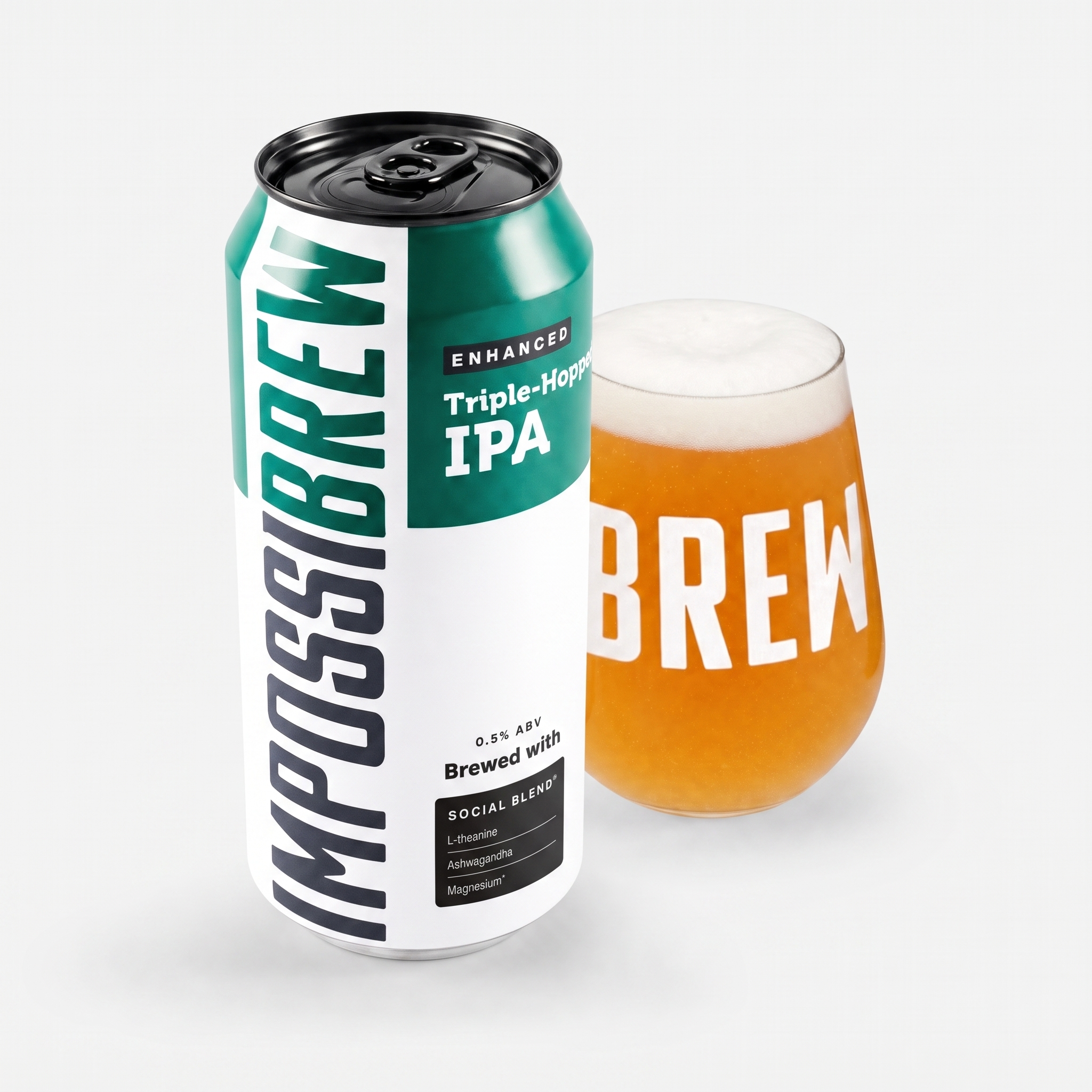
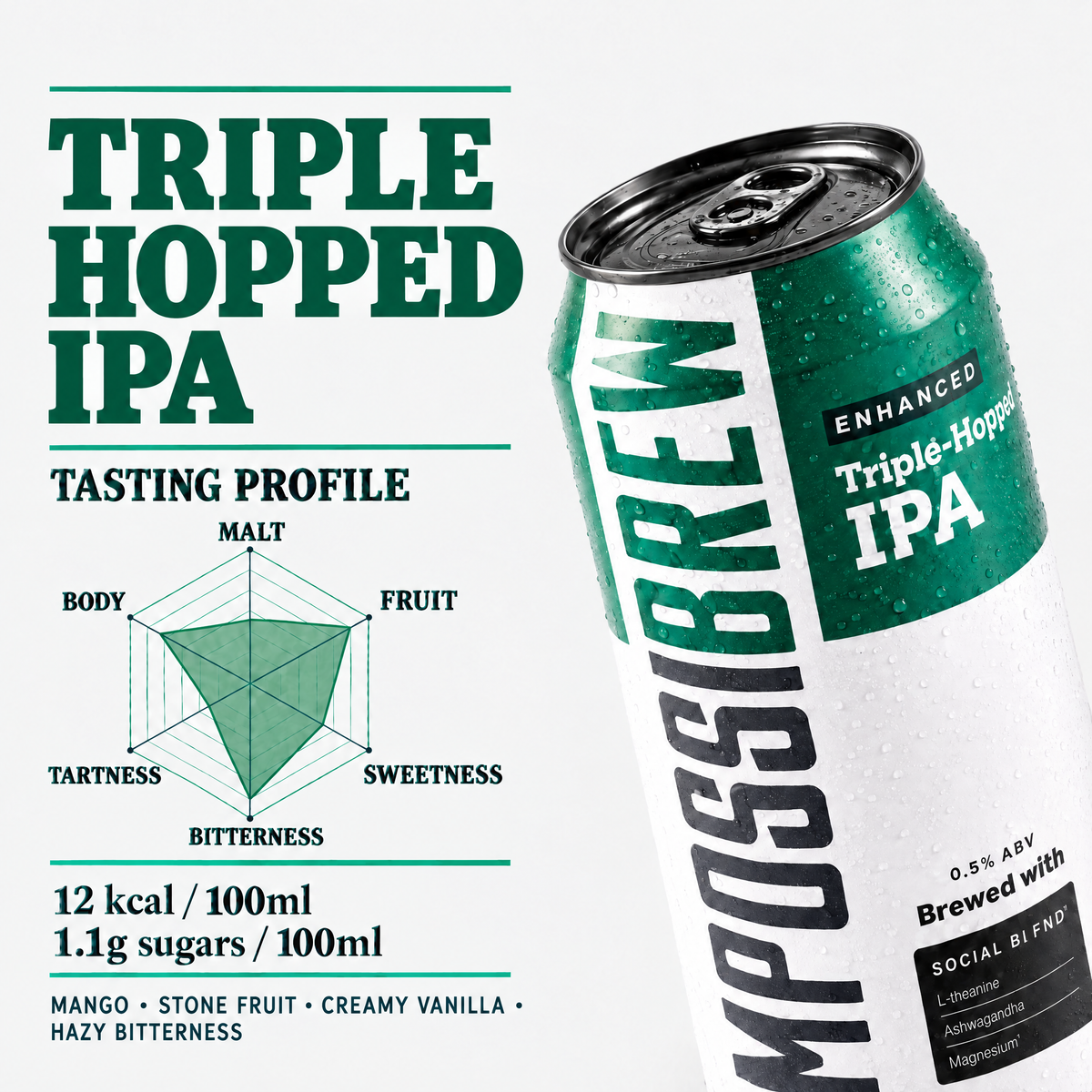
| Triple Hopped IPA | £34.00 per case | 0.5% ABV, Social Blend™, intense hop profile | Vegan, Craft beer enthusiasts |
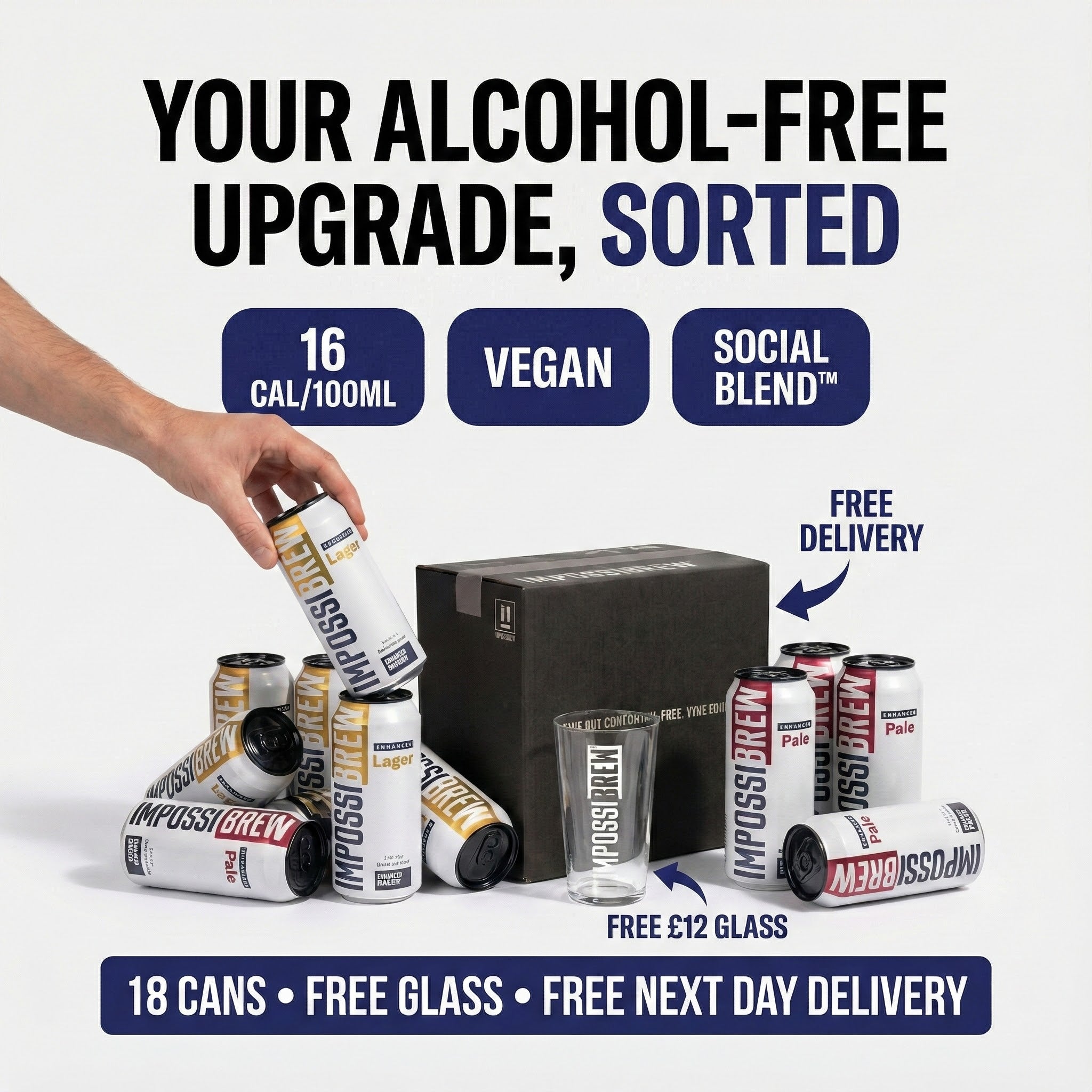
| Bestseller Bundle | £49.99 | Mixed pack (9× Lager, 9× Hazy Pale), free glass, tasting guide | Ideal for new customers |
Orders over £35 come with free UK Express Delivery, and first-time buyers can take advantage of a 30-day money-back guarantee.
IMPOSSIBREW® provides a thoughtful option for those in recovery or anyone looking for a satisfying, safe, and enjoyable alternative to traditional alcoholic drinks.
How to Decide What's Right for You
Making the right choice depends on your personal triggers, risk factors, and where you are in your recovery journey.
Getting Professional Advice and Assessing Your Risks
Before trying alcohol-free beer, it's wise to talk to an addiction psychologist, healthcare professional, or sponsor. They can help you evaluate if you're ready to handle the sensory cues that come with it, such as the taste and smell of beer. This step is especially important if you're in early recovery - typically considered the first year of sobriety - when you're still vulnerable to triggers and working on building your coping mechanisms.
Think about your personal risk factors. If you've relapsed in the past because of beer's taste or smell, these cues could easily reignite old habits. People with a history of severe alcohol use disorder might experience stronger cravings. Dr Charles Sweet, a psychiatrist and medical adviser at Linear Health, highlights this concern:
This small amount [0.5% ABV], combined with sensory cues such as smell, taste, and aesthetics, can trigger cravings and reawaken old behavioural patterns.
It's also worth questioning your reasons for wanting alcohol-free beer. Are you drawn to the taste, looking to relieve stress, or trying to satisfy a craving? Could a soft drink meet the same need? [3] Be mindful of the setting as well - being in a pub or surrounded by heavy drinkers could increase the temptation to revert to real alcohol [13] [15].
If you decide to try alcohol-free beer, monitor how you feel afterwards. If it leads to an urge for a "real" drink, stop immediately and note the trigger so you can discuss it with your therapist [15]. If the risks seem too high, it might be better to explore other beverage options.
Finding Safer Options
For those who find that beer-like triggers are too risky, choosing drinks that don't mimic alcohol's sensory profile can help maintain recovery. Some alternatives to consider include flavoured sparkling waters, herbal teas, speciality coffees, and fresh juices [13] [1].
If you're after a relaxing beverage without triggering old habits, functional alternatives like IMPOSSIBREW® could be a good fit. Instead of simply removing alcohol, their Social Blend™ uses nootropics like L-Theanine and Ashwagandha to promote relaxation. A 2024 study found that nearly 68% of individuals with alcohol use disorder felt non-alcoholic drinks helped them reduce their overall alcohol consumption [3]. Among IMPOSSIBREW® users, 88% reported drinking less alcohol overall [2].
Ultimately, your recovery should take precedence. If alcohol-free beer poses any risk, there's no shame in steering clear of it entirely. Protecting your sobriety is far more important than holding onto old habits.
Conclusion
Deciding whether to include alcohol-free beer in your recovery journey depends on your personal triggers and goals. Studies indicate that while some people find these beverages helpful for maintaining a sense of social connection, others may find that the taste, smell, or ritual of drinking can provoke cravings - even without the intoxicating effects.
It's important to assess where you are in your recovery. If you're in the early stages of sobriety or recovering from a relapse, the sensory experience of drinking alcohol-free beer might reignite old habits. Addiction psychologist Arnold M. Washton explains:
Whether the use of non-alcoholic beverages is positive or negative depends on your individual circumstances and the nature of your relationship with alcohol.
Consulting an addiction specialist and paying close attention to how you react is essential. If you notice cravings or obsessive thoughts, it may be a sign to reassess your approach [3].
Ultimately, your recovery should always take priority. If alcohol-free beer threatens to bring back old behaviours, it’s best to avoid it. The key is to choose what reinforces your sobriety and helps you create a rewarding, alcohol-free lifestyle.
FAQs
What does 0.0% vs 0.5% ABV really mean?
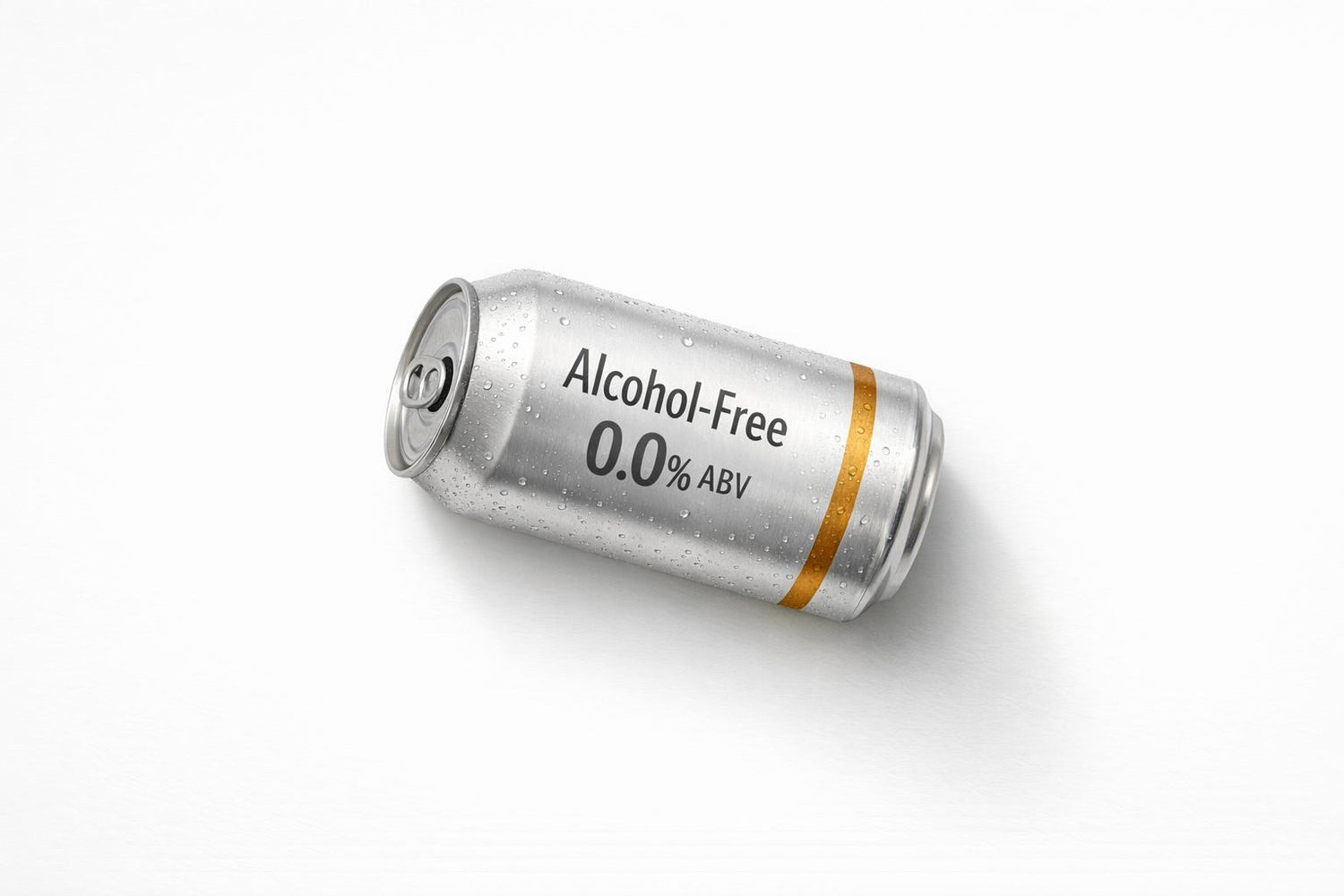
The difference between 0.0% ABV and 0.5% ABV comes down to the amount of alcohol present. Drinks labelled as 0.0% ABV have no detectable alcohol, generally falling below 0.05%. On the other hand, 0.5% ABV beverages contain a small amount of alcohol, often naturally produced during the brewing process.
While this minor alcohol content is unlikely to cause intoxication, it could be a concern for individuals in recovery, as even trace amounts might act as a trigger. It's always a good idea to reflect on personal sensitivities and, if necessary, consult a healthcare professional before deciding whether these drinks are suitable.
How can I tell if alcohol-free beer is triggering me?
To figure out if alcohol-free beer might be a trigger for you, pay close attention to how your body and mind react. Sometimes, the smell, taste, or even the act of drinking it can stir up cravings or activate brain pathways tied to past alcohol use. If you start noticing stronger cravings, feelings of temptation, or thoughts of relapse, it could be a sign that it’s affecting you negatively. Many experts recommend steering clear of alcohol-free beer, particularly in early recovery or if you’ve had a relapse in the past, to reduce potential risks.
When is it safe to try alcohol-free beer in recovery?
The decision to drink alcohol-free beer during recovery is influenced by several factors, including how long you've been sober and your personal triggers. Many professionals recommend steering clear of it, particularly in the first year of recovery, as it could spark cravings or even lead to relapse. It's worth noting that alcohol-free beer can contain up to 0.5% alcohol and often replicates the rituals of drinking, which might be risky for some. To make the best choice for your situation, always consult with a healthcare provider or addiction specialist beforehand.