Alcohol-free beer can make you feel relaxed due to a mix of natural compounds, brain chemistry, and psychological cues. Here's how it works:
- Hops and Ingredients: Hops in beer contain compounds like humulone and matured hop bitter acids (MHBAs) that interact with your brain's GABA receptors, promoting calmness. Other compounds like polyphenols and antioxidants also support stress relief.
- Taste and Aroma: The familiar taste and smell of beer trigger sensory responses that can improve your mood by activating serotonin pathways.
- Ritual and Conditioning: The act of drinking beer, even without alcohol, can signal your brain to relax, especially if you associate it with winding down.
- Placebo Effect: Your brain's expectations can amplify the calming effects, even if there's no alcohol involved.
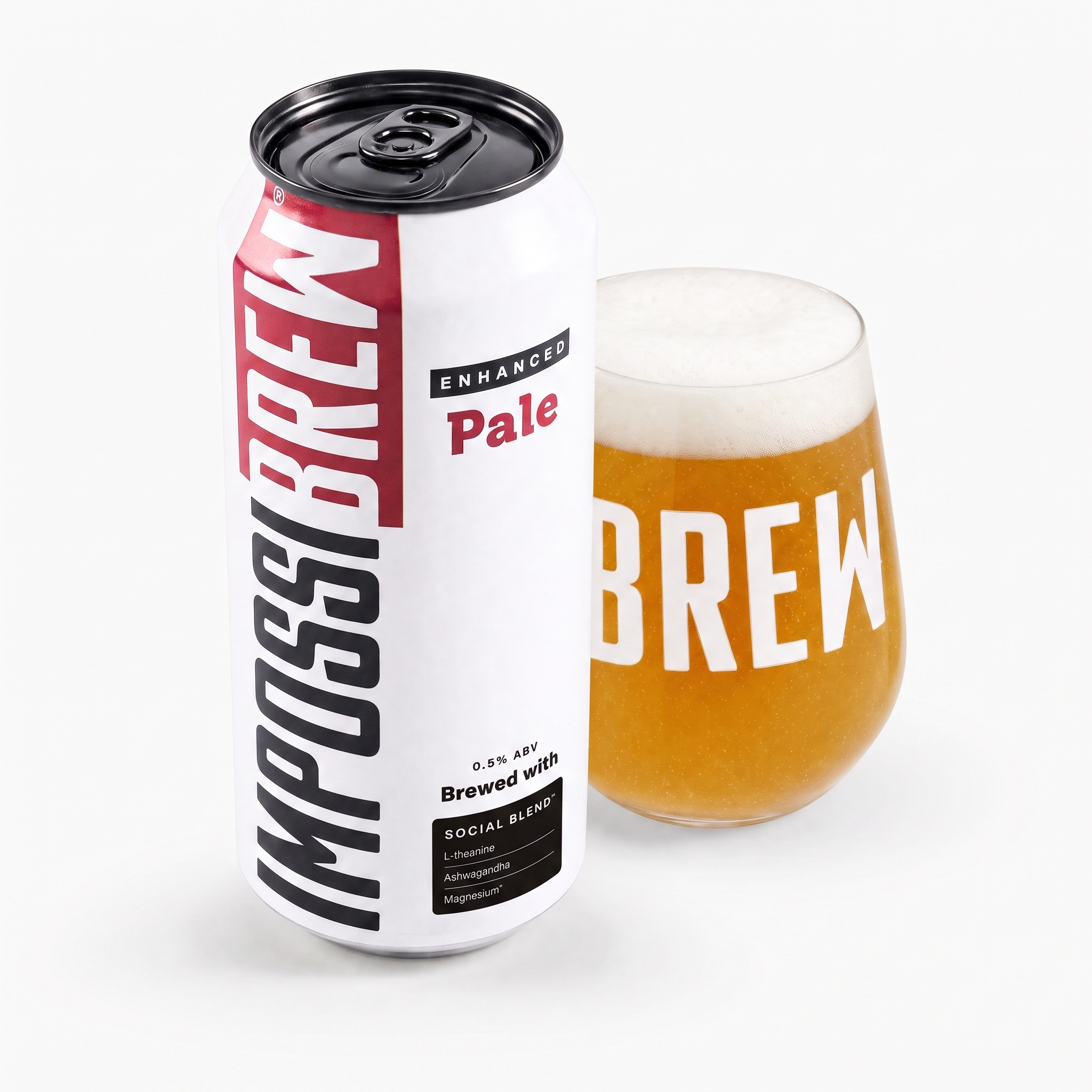
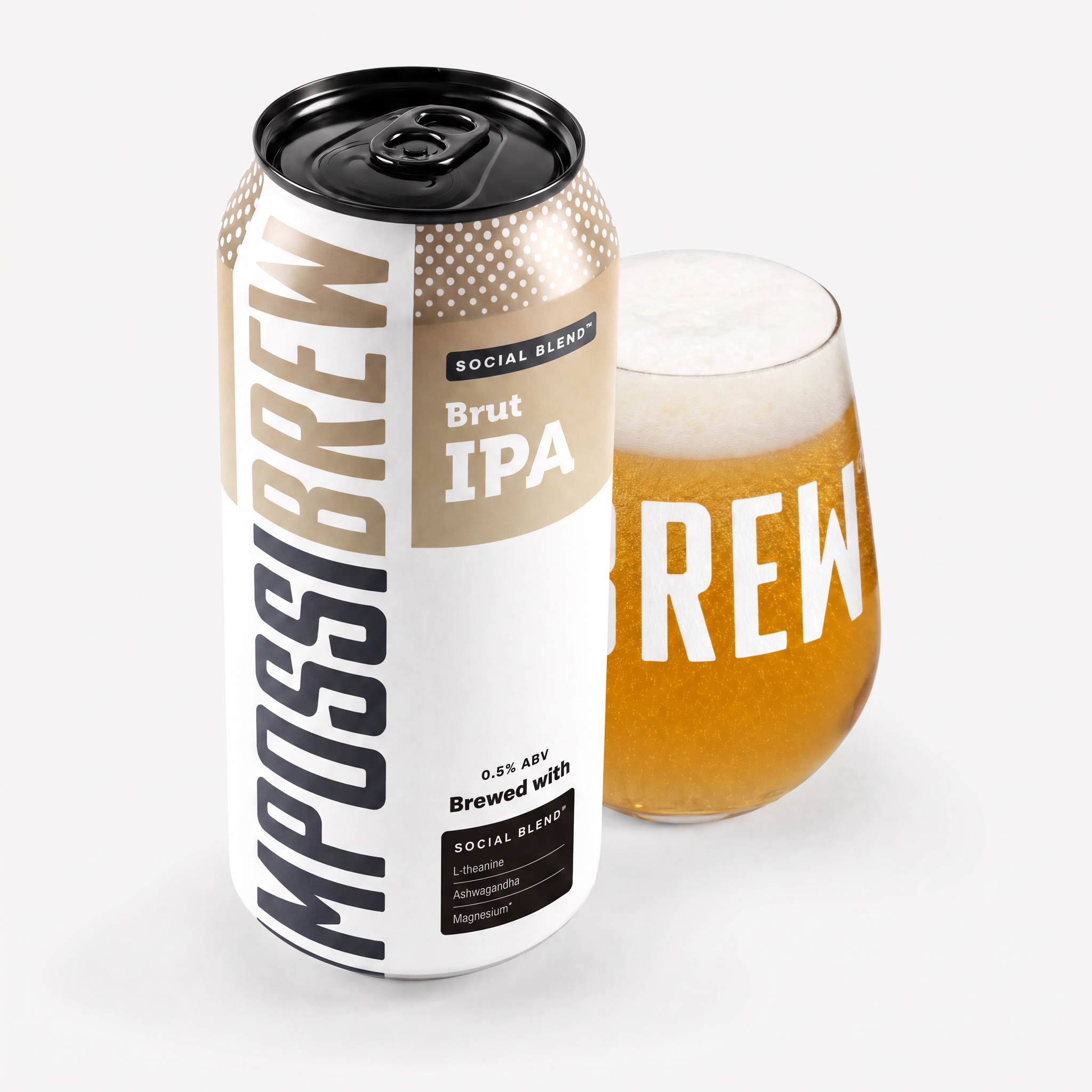
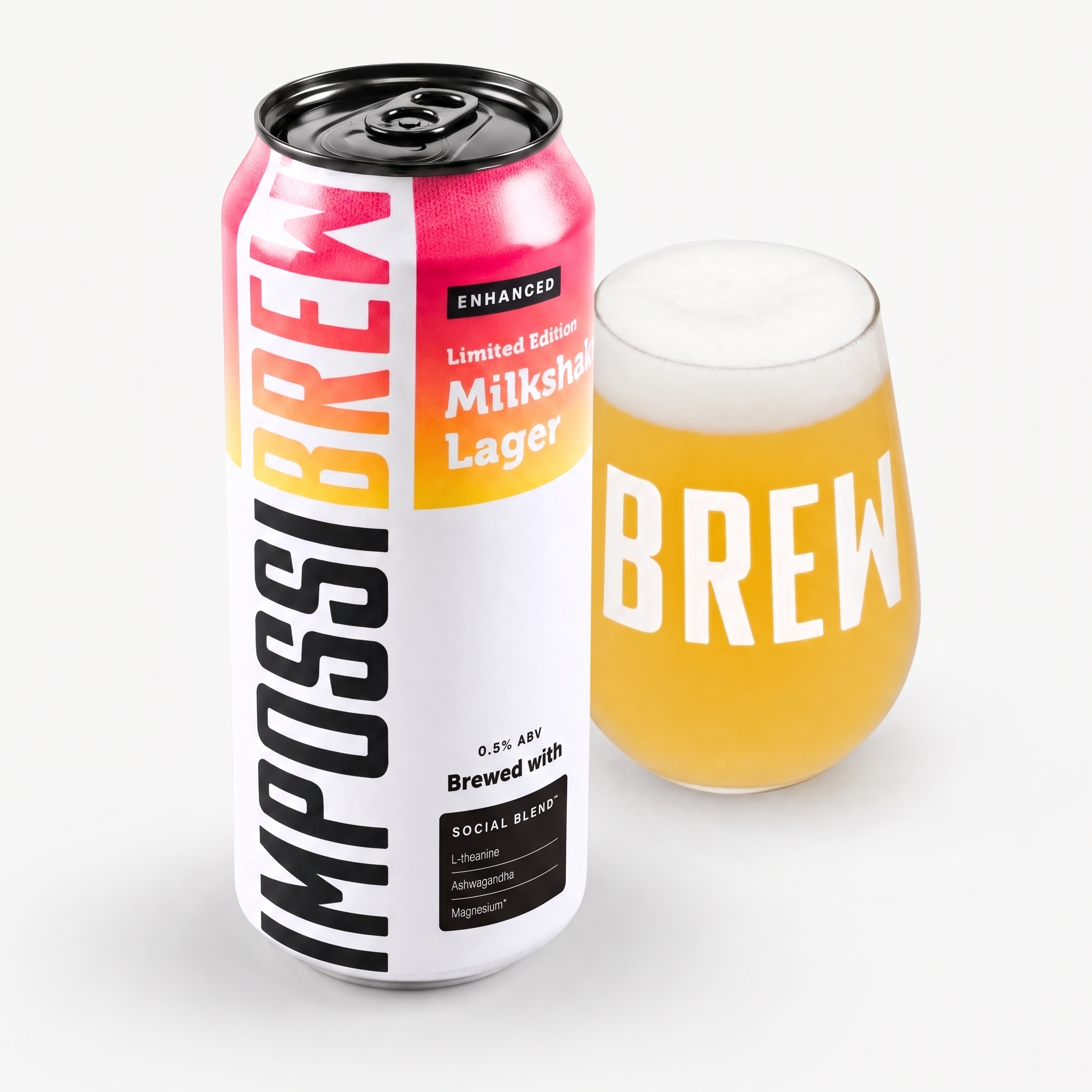
Studies show that regular consumption over 1–3 weeks can reduce anxiety and improve sleep quality. Alcohol-free beers like IMPOSSIBREW® even include added ingredients like L-Theanine and Ashwagandha to enhance relaxation further. Prices start at £1.97 per can.
How Hops and Natural Compounds Affect Relaxation
The calming effects of alcohol-free beer come down to its natural ingredients, particularly hops. These special flowers contain compounds that interact with the brain to encourage relaxation.
Hops and Stress Reduction
Hops (Humulus lupulus L.) are rich in alpha- and beta-acids, with humulone - a type of alpha acid - making up 35–70% of the total alpha acids. Humulone works as a positive allosteric modulator of GABA_A receptors, enhancing the calming effects of GABA, the brain's primary inhibitory neurotransmitter [4][5].
In October 2020, researchers at the University of Turku studied the effects of humulone on mice, administering a dose of 20 mg/kg. The results were striking: humulone reduced the time it took for the mice to fall asleep, increased the length of their sleep, and even decreased their spontaneous movements [5].
"Our findings confirmed humulone's positive allosteric modulation of GABA_A receptor function and displayed its sedative and hypnotic behaviour" [5].
Ali Y. Benkherouf from the Institute of Biomedicine elaborated on these findings.
Another important compound is matured hop bitter acids (MHBAs), which are created when alpha and beta acids oxidise. Between August and September 2020, the Kirin Central Institute conducted a study involving 97 adults experiencing mental fatigue. Participants consumed 350 ml of alcohol-free beer containing 35 mg of MHBAs daily for three weeks. The results showed significant reductions in anxiety and depression, alongside improved energy levels [6].
"MHBAs activated the vagus nerve, which improved depression states via a brain‐gut interaction in an animal study" [6].
Takafumi Fukuda from the Kirin Central Institute explained this mechanism in detail.
Other Natural Ingredients That Support Relaxation
Beyond hops, alcohol-free beer contains other natural compounds that contribute to its relaxing properties. Prenylflavonoids, such as xanthohumol and 6‑prenylnaringenin, work in tandem with humulone to enhance GABA_A receptor activity [4][5]. Additionally, 2‑methyl‑3‑buten‑2‑ol - an oxidative by-product of alpha acids - directly calms the central nervous system [7]. Meanwhile, polyphenols and antioxidants in beer provide broader health benefits, indirectly supporting the body's ability to handle stress [6]. Together, these ingredients create a layered approach to relaxation by targeting multiple pathways in the brain and body. This biochemical foundation paves the way for understanding how sensory experiences further amplify the calming effects.
sbb-itb-a752bf8
How Taste, Aroma, and Ritual Influence Relaxation
Beyond its chemical effects, beer's sensory experience plays a big role in promoting relaxation. It’s not just about what’s in the glass - it’s also about the act of drinking itself.
How Taste and Aroma Create a Calming Effect
The taste and smell of beer provide immediate sensory feedback that can help calm the mind. Alcohol-free beer, for instance, contains compounds like methional, 3‑methylbutanal, and phenylacetaldehyde, which combine to create that classic beer aroma [8]. This familiar scent can activate the serotoninergic pathway, a system in the brain responsible for regulating mood and anxiety [3].
Studies suggest that these sensory triggers in alcohol-free beer may positively influence serotonin levels, which are tied to mood regulation. According to The Neurochemical Journal, "consumption of non‐alcoholic beer might be an additional tool to deal with serotonin‐related stress profile" [3]. In other words, these sensory cues might help ease stress, even without alcohol.
But it’s not just the taste and aroma - there’s something about the ritual itself that deepens the relaxation.
The Comfort of Familiar Routines
The ritual of drinking beer - whether it’s cracking open a can, pouring it into a glass, or taking that first sip - brings its own sense of comfort. These small, familiar actions can trigger a relaxation response, especially for seasoned beer drinkers. The body often reacts automatically, with physical signs like relaxed shoulders and easier conversations [1].
"The moment that first sip hits, it kicks into autopilot: shoulders relax, conversations flow, and - if you're predisposed to it - you might even feel something, even though there's no real alcohol in the mix." – Go Brewing [1]
This combination of sensory enjoyment and routine helps signal the switch from work mode to relaxation time, marking a clear boundary between the stresses of the day and personal downtime.
The Placebo Effect and Brain Chemistry
The brain's expectations play a fascinating role in how we experience relaxation, even with alcohol-free beer. Beyond the calming effects of its ingredients and sensory cues, the simple expectation of relaxation can spark genuine neural responses. This phenomenon, rooted in neural conditioning, works alongside the natural calming properties of the beer's components.
In February 2023, researchers at the University of Texas at Austin explored this idea with a study involving 22 healthy young adults (average age 23). Using resting-state fMRI scans, the team, led by Dylan Kirsch and Elizabeth Lippard, examined the brain's reaction when participants consumed placebo drinks they believed contained alcohol. The results were striking - just the belief that they were drinking alcohol significantly boosted functional connectivity in the nucleus accumbens, a key reward centre in the brain. These neural changes were directly linked to participants' subjective feelings of intoxication, despite their 0.0% blood alcohol levels [9][11].
"Results suggest placebo response to alcohol is associated with increased functional connectivity within a key reward network (nucleus accumbens – ventromedial prefrontal cortex and subcallosal cingulate cortex) and put forth a mechanism by which alcohol expectancies may contribute to the subjective experience of intoxication." – Dylan Kirsch, Researcher, University of Texas at Austin [9]
Interestingly, this effect isn't limited to situations where people think they're consuming alcohol. In May 2019, researchers at Doshisha University in Japan conducted a study with 26 adults (aged 27–80) who were asked to perform a cognitive task after drinking alcohol-free beer. Even though participants were explicitly told the beer contained no alcohol, older participants (average age 50) displayed a noticeable drop in cognitive control compared to those who drank water. Years of associating beer with relaxation had created such a strong conditioned response that their brains reacted as if they had consumed actual alcohol [10].
This kind of conditioning builds over time through repeated exposure. For regular beer drinkers, the expectation of relaxation becomes a powerful mental cue. The brain learns to link these cues - like the taste and ritual of drinking beer - with the rewards of alcohol, triggering similar neural activity, which is why alcohol-free beer can help some quit drinking. This includes heightened connectivity in the brain's reward network, with more experience reinforcing the effect.
How to Choose Alcohol-Free Beers for Relaxation
If you're aiming to maximise relaxation with an alcohol-free beer, it's worth paying attention to the ingredients and features that go beyond the basics. Not all alcohol-free beers are created equal, and some are better suited for unwinding than others.
For a calming experience, focus on beers rich in hop-derived compounds like matured hop bitter acids (MHBAs). Studies suggest that these compounds can help improve mood and reduce anxiety [14][12][13]. Beyond the hops, keep an eye out for beers infused with nootropics and adaptogens - ingredients known for supporting mental clarity and stress relief.
Additionally, if wellness is a priority, you might prefer options that are low in calories (under 50 kcal per serving), vegan-friendly, and gluten-free, making it a great addition to a fitness routine [14]. These features ensure you’re not only enjoying a flavourful drink but also supporting your overall health.
What Makes IMPOSSIBREW® Stand Out
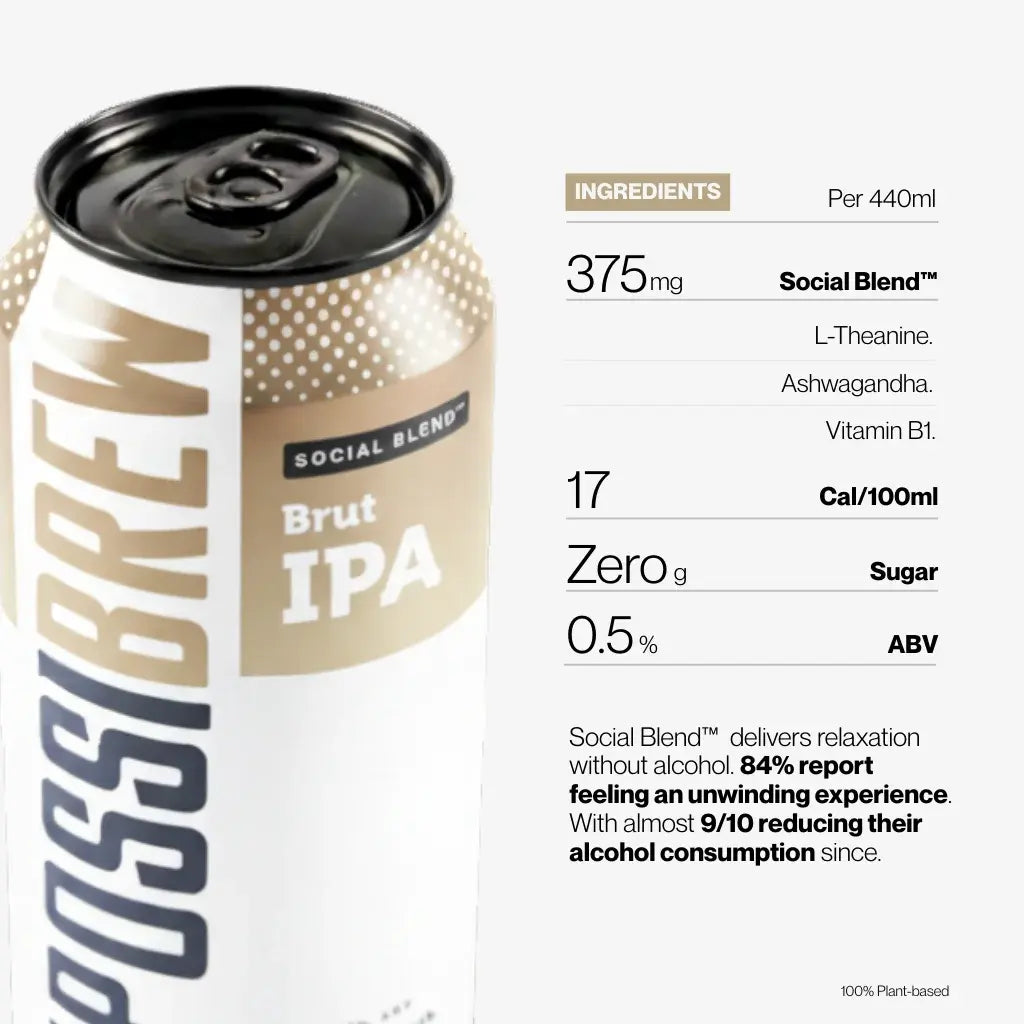
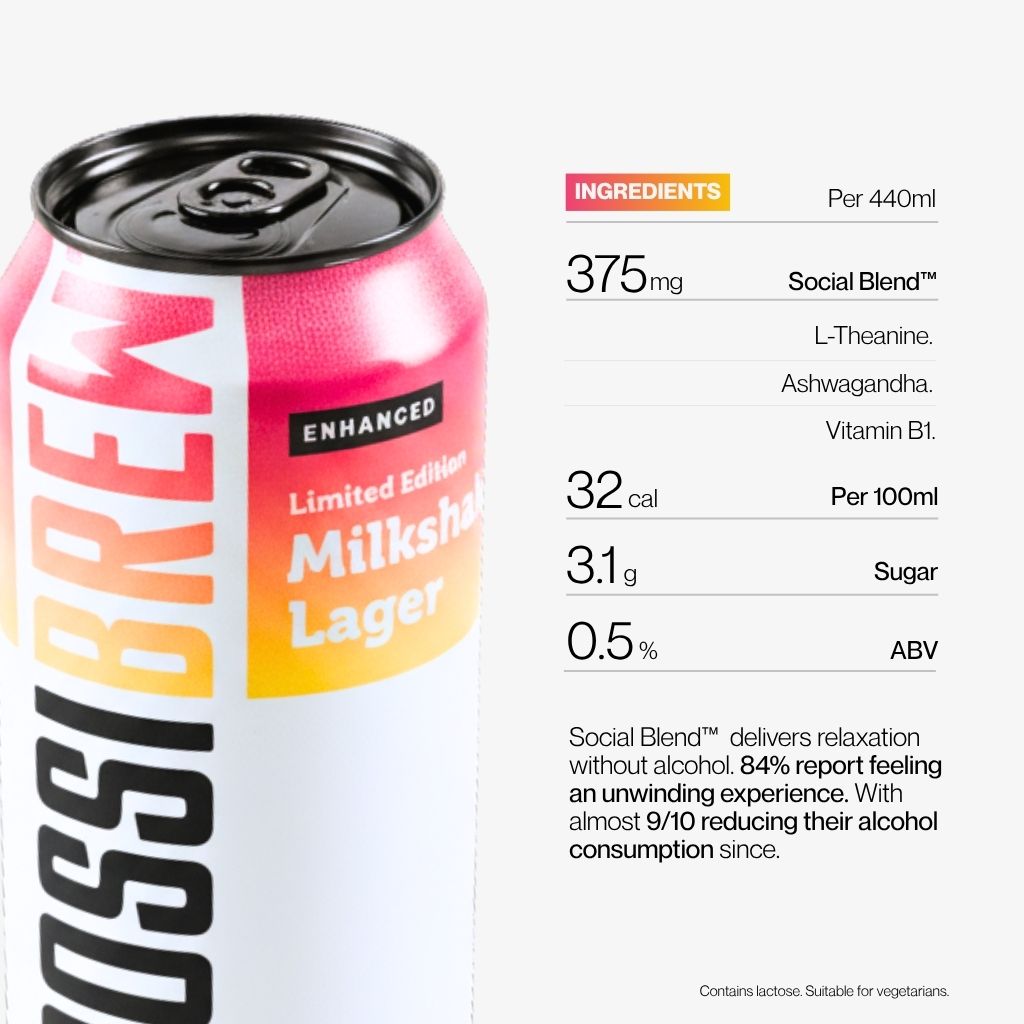
IMPOSSIBREW® takes things a step further with its Social Blend™, a unique combination of nootropics and adaptogens like L-Theanine, Ashwagandha root, and Vitamin B1. This blend is designed to mimic the relaxed sensation of having "one or two pints" - but without the alcohol [2].
Their brewing process, which uses cryogenic fermentation and one-to-one brewing techniques, ensures the beer retains its authentic flavour and texture. Impressively, 97% of customers reported feeling more relaxed after trying their products [2].
IMPOSSIBREW® Product Features
IMPOSSIBREW® offers a range of alcohol-free beers crafted to suit different tastes, while keeping health-conscious drinkers in mind:
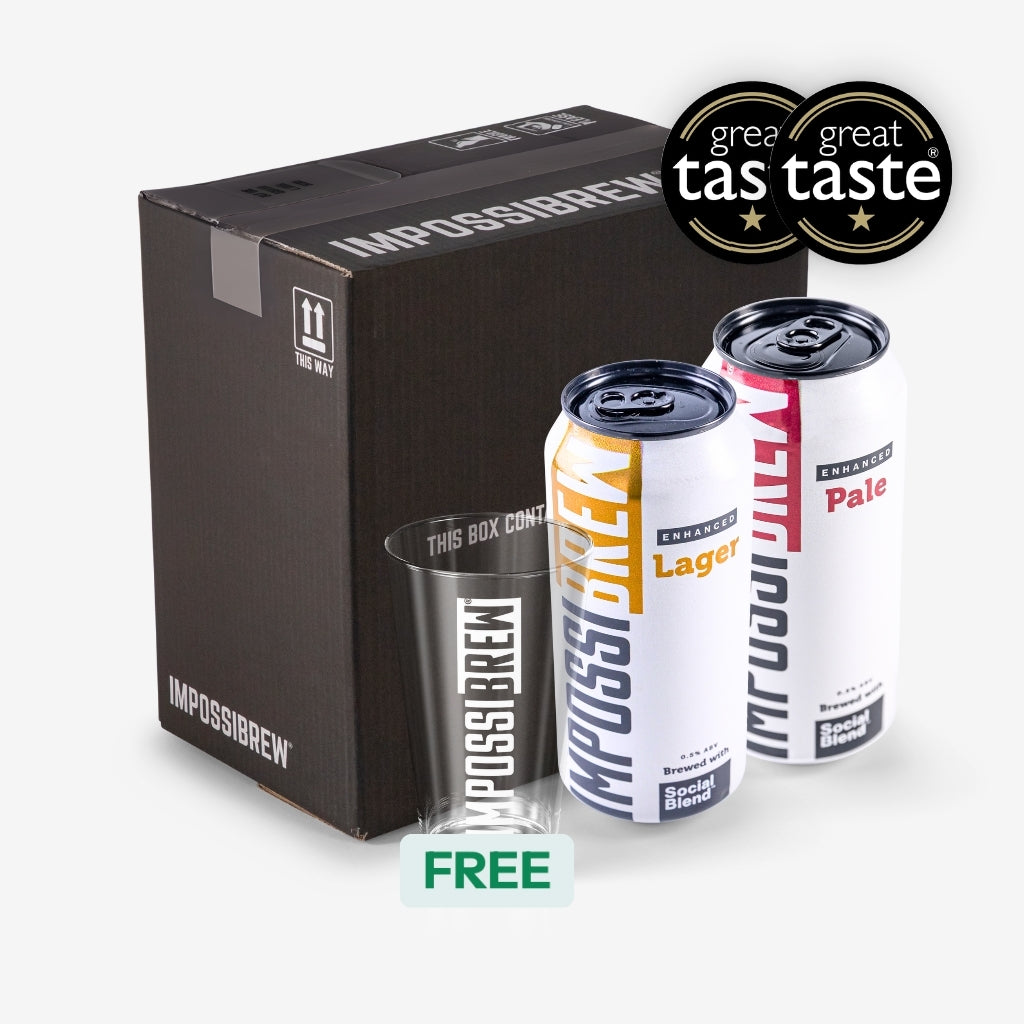
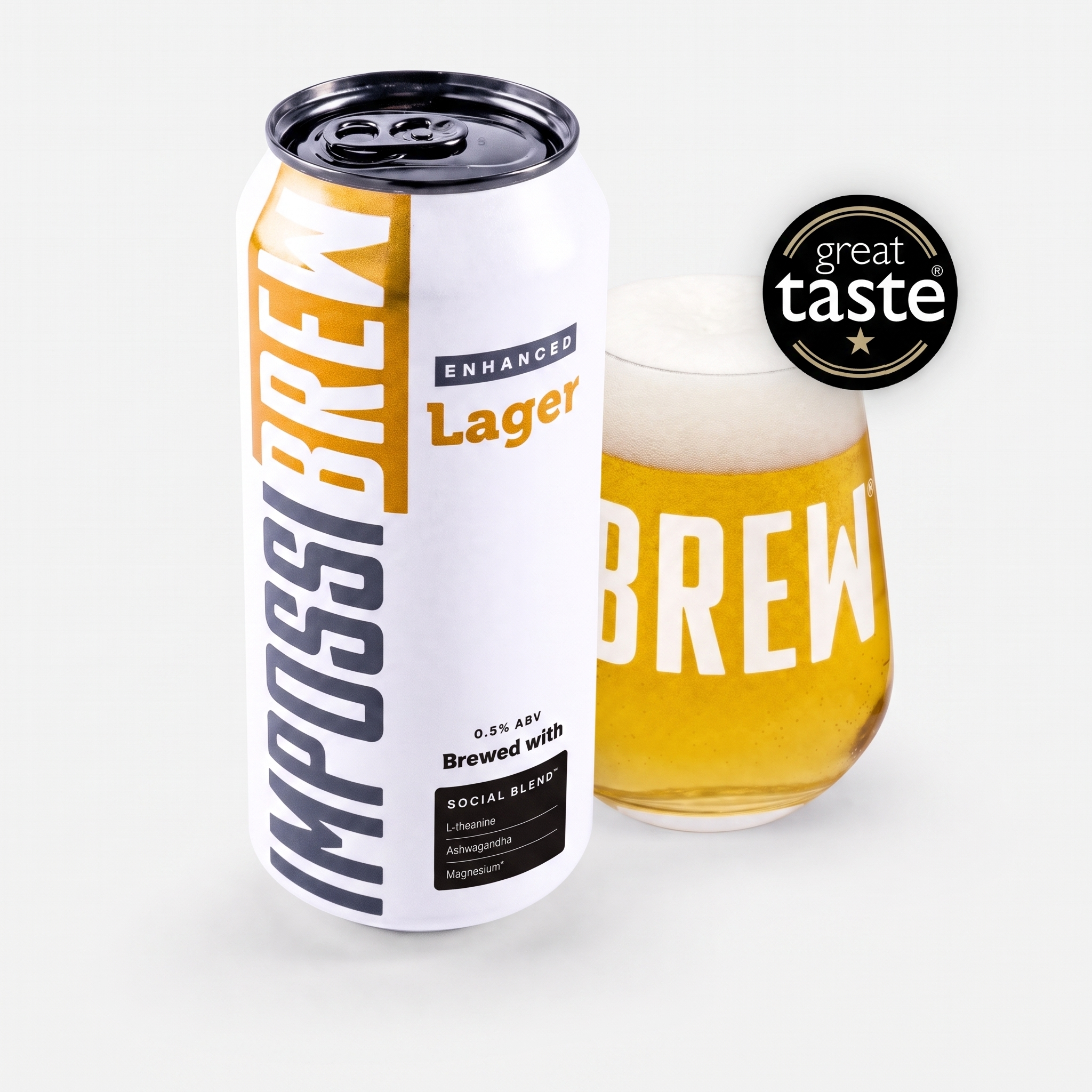
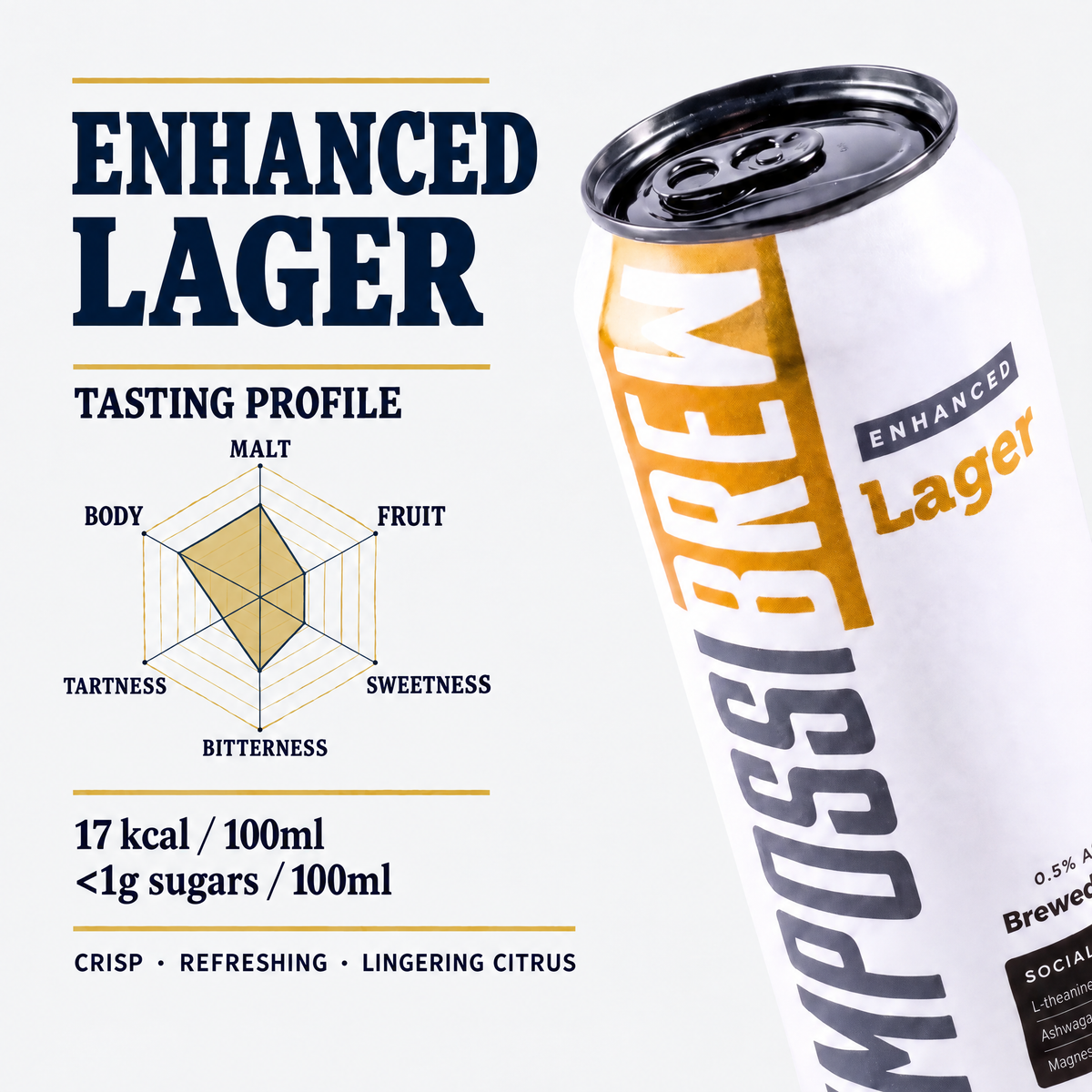
- Enhanced Lager: A crisp, dry beer with a refreshing citrus finish and less than 10 PPM gluten.
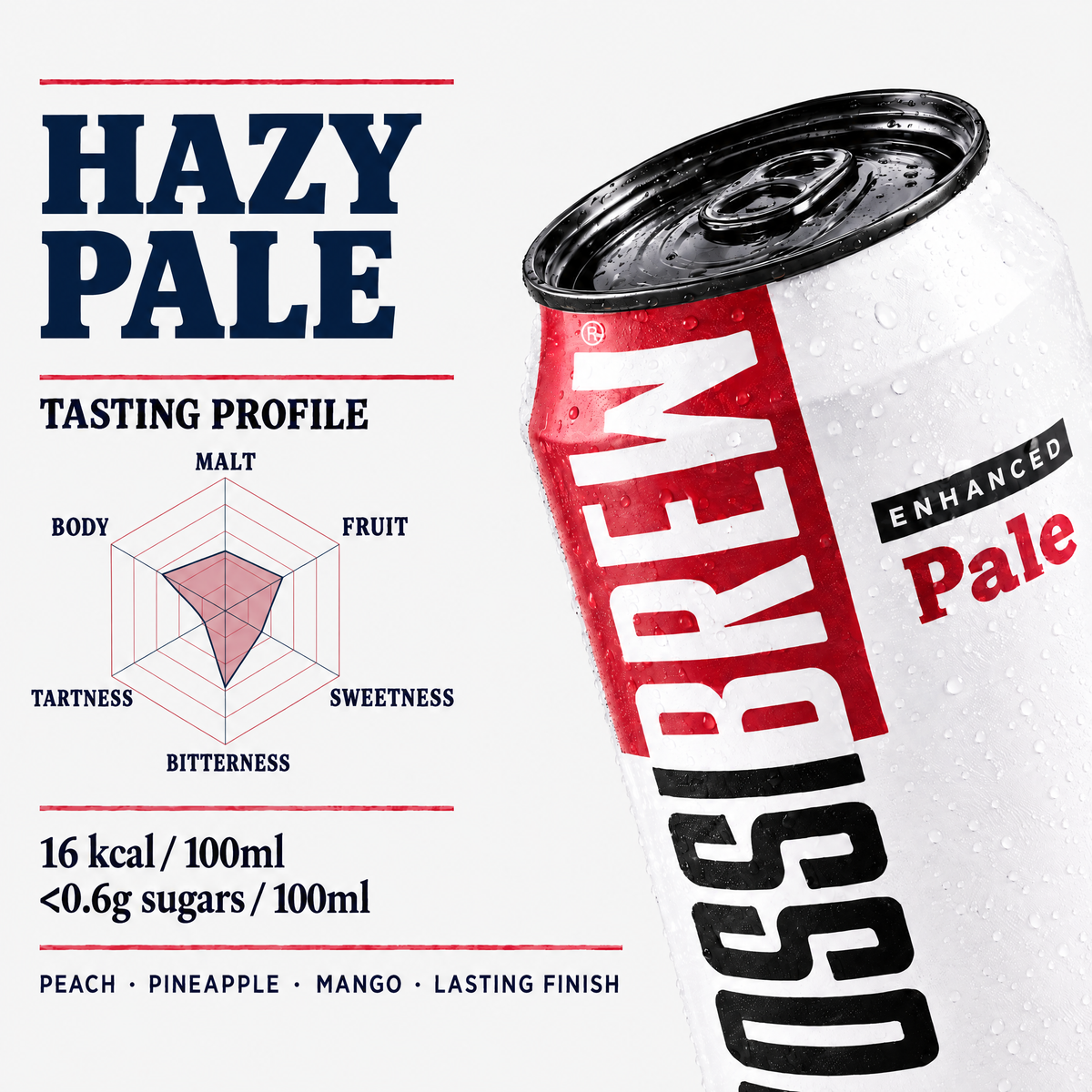
- Enhanced Hazy Pale: Packed with tropical, fruity flavours for a light and vibrant experience.
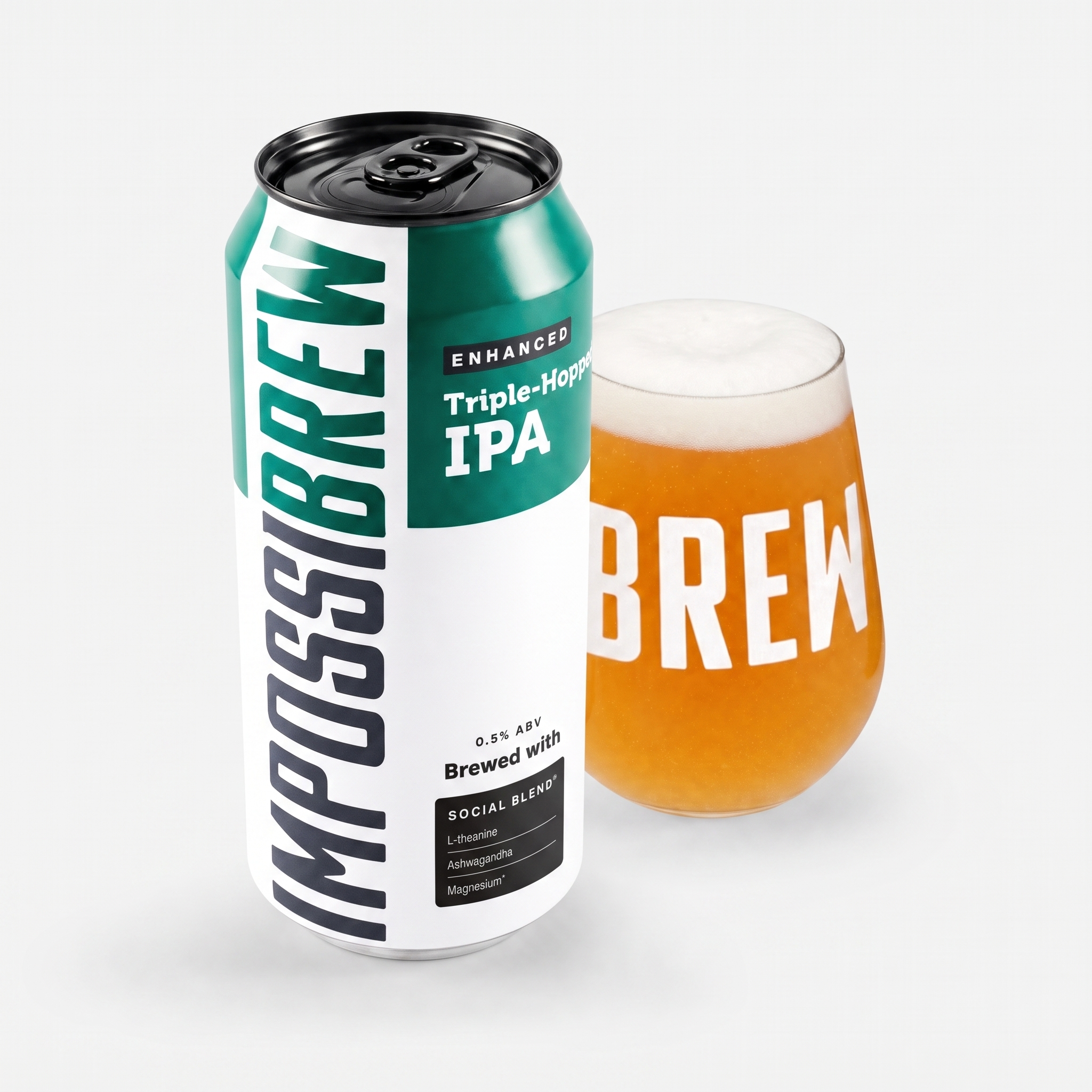
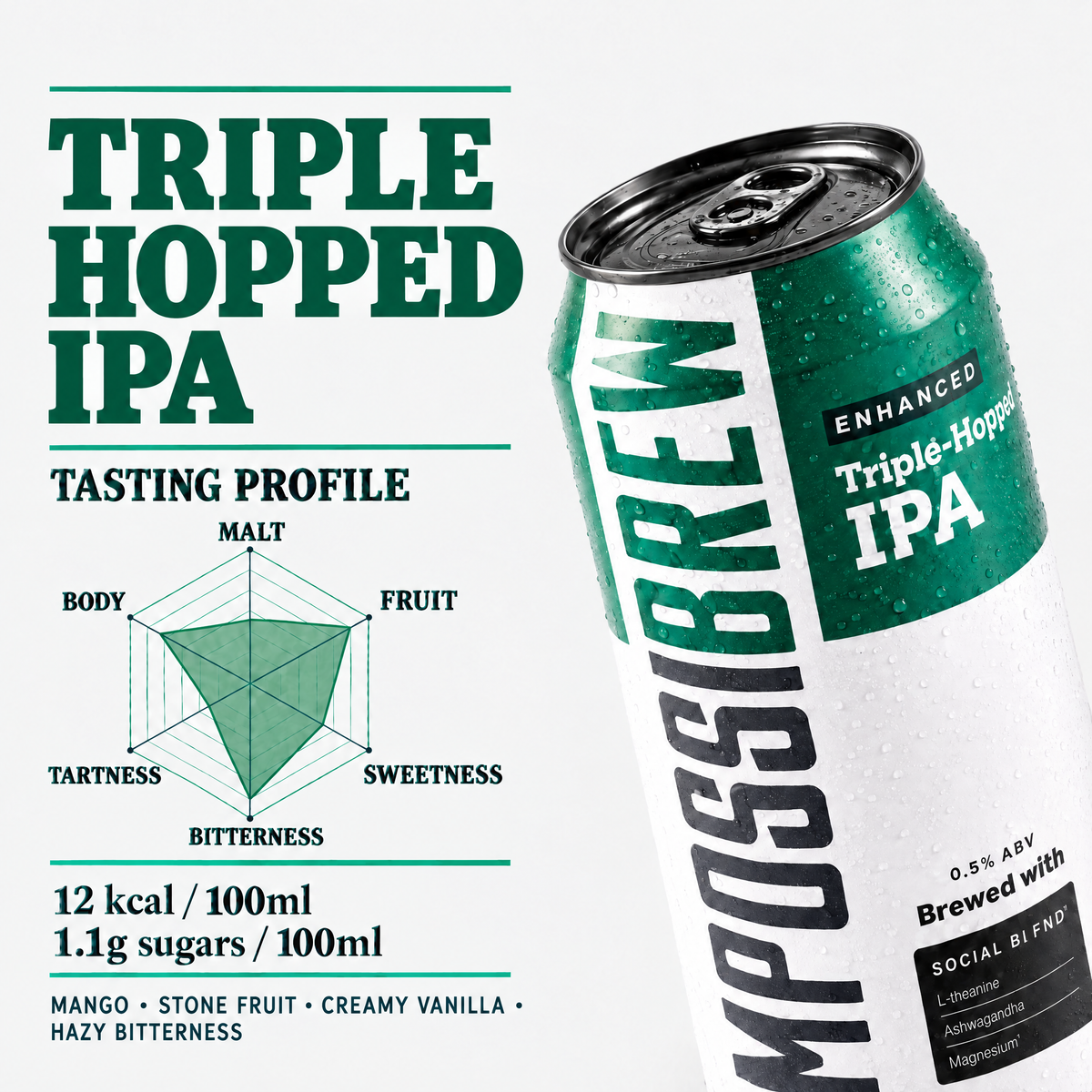
- Triple Hopped IPA: Features bold hop aromas for those who love an intense beer profile.
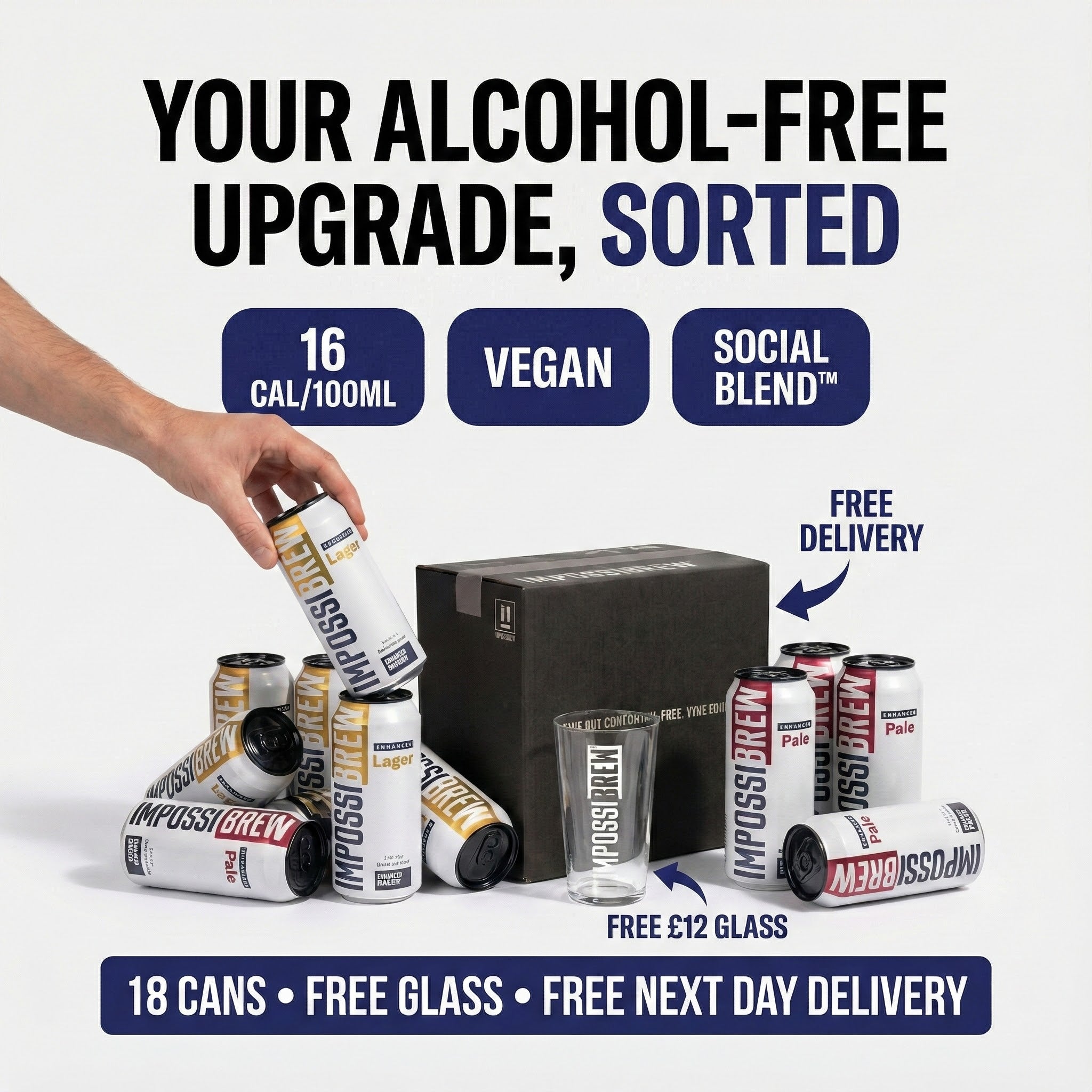
All their beers are vegan-friendly, contain fewer than 16 calories per 100 ml, and have less than 0.5% ABV. IMPOSSIBREW® has also earned accolades, including being named "UK's Best Tasting Alcohol-Free Beer" in various categories at the World Beer Awards. They even secured the first and only Gold Medal in the No/Low beer category at the London Beer Competition.
However, due to active botanical ingredients like Ashwagandha, individuals on antidepressants, blood thinners, or thyroid medication should check with a doctor before consuming [2].
Pricing: Cans start at £1.97, and bundle deals like the Bestseller Bundle (£49.99, reduced from £66.00) includes 9 Enhanced Lagers, 9 Enhanced Hazy Pales, a free glass, and free delivery [2].
Conclusion
Both how alcohol-free beer is made and familiar rituals play a role in the relaxing effects of alcohol-free beer. The calming properties stem from real physiological actions and psychological associations. For instance, hops contain mature hop bitter acids that activate GABA receptors in the brain, leading to measurable relaxation. Studies have shown that these compounds can help reduce anxiety and fatigue [14].
Beyond the biological impact, sensory triggers are equally important. The taste, aroma, and ritual of enjoying a cold beer stimulate dopamine release in the brain, even without alcohol. This sensory experience, combined with the comfort of routine, creates a genuine sense of unwinding. Research suggests that regular consumption can improve sleep quality and lower anxiety levels [12][13].
Products like IMPOSSIBREW® have built on these findings with their unique approach to relaxation. Their Social Blend™ combines ingredients like L-Theanine, Ashwagandha root, and Vitamin B1 to target stress relief from multiple angles. Impressively, 97% of their customers report feeling more relaxed after drinking their alcohol-free beer [2].
For those seeking a way to unwind without the drawbacks of alcohol, enhanced alcohol-free beer offers a scientifically backed solution. Whether you’re drawn to the natural calming effects of hops or the added functional ingredients in options like IMPOSSIBREW®, these drinks provide a legitimate way to support stress relief. Consistency is key, as studies show the most noticeable benefits occur after one to three weeks of regular use [14].
With prices starting at just £1.97 per can, now is an excellent time to explore how alcohol-free beer can contribute to your relaxation and well-being without compromise [2].
Related: For a broader non-drink-first view, we also wrote about after-work stress relief products, from weighted blankets and acupressure mats to journals, sleep masks and alcohol-free evening drinks.
FAQs
Can alcohol-free beer still affect my brain?
Non-alcoholic beer can have an impact on your brain, though it works differently from its alcoholic counterpart. Ingredients like hops contain compounds that may interact with brain chemistry, encouraging a sense of relaxation. Beyond the ingredients, the familiar taste, aroma, and the ritual of drinking beer can create a calming effect through psychological and placebo responses. While it doesn’t deliver the direct effects of alcohol, alcohol-free beer can still help you relax through these sensory and biochemical mechanisms.
How long does it take to feel the relaxing effects?
The calming effects of non-alcoholic beer can usually be felt within a few minutes to about 15 minutes. This happens because of compounds like hop bitter acids and ingredients such as xanthohumol, which may impact brain chemistry and mood.
Who should avoid alcohol-free beers with added botanicals?
People with allergies or sensitivities to certain herbs or botanicals should steer clear of alcohol-free beers that include these ingredients. Such components could potentially cause adverse reactions. It's always a good idea to carefully read the label if you’re aware of any sensitivities.