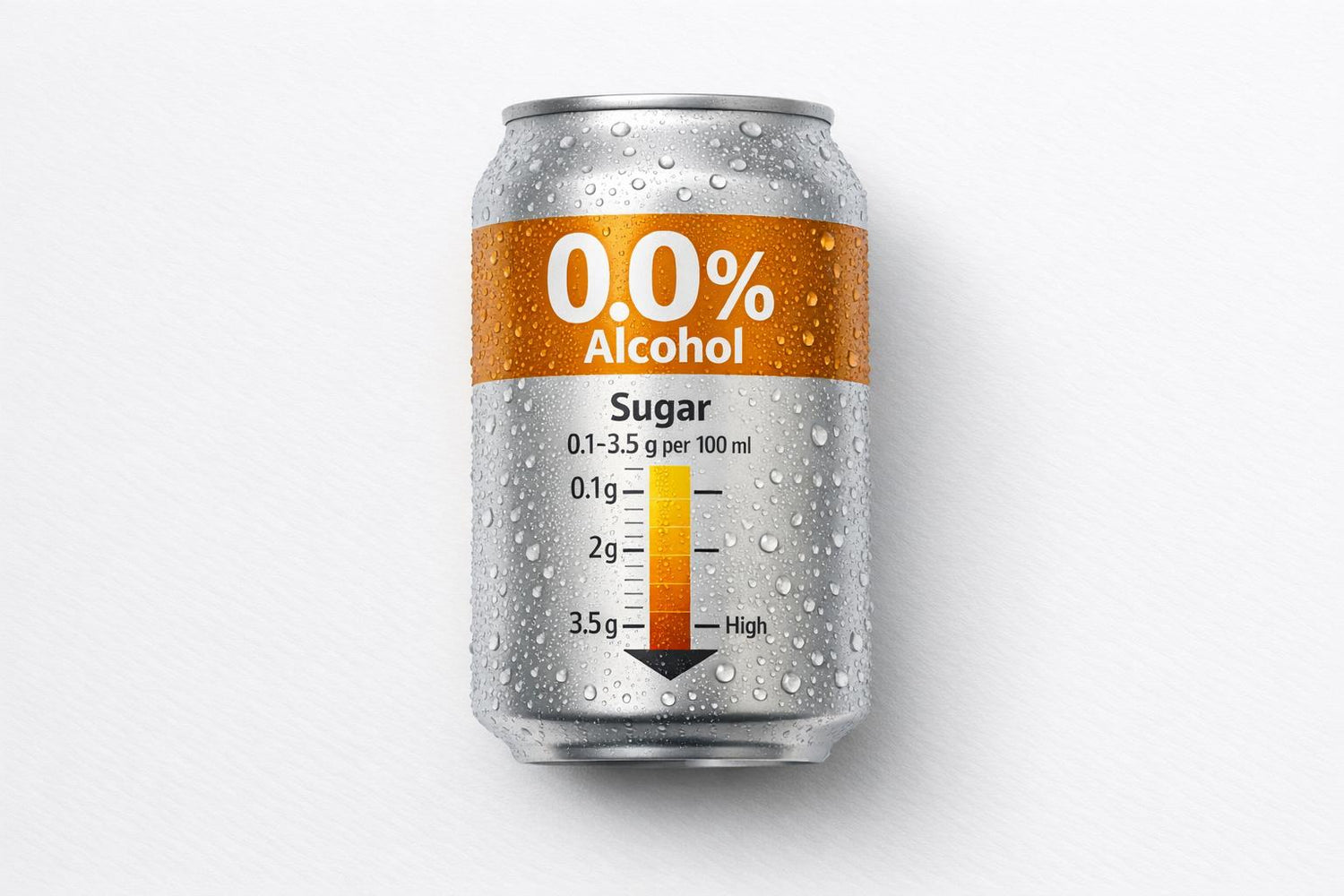
Yes, alcohol-free beer contains sugar, but the amount varies significantly between brands. While regular beer typically has less than 1g of sugar per pint, alcohol-free versions can contain up to 3.5g per 100ml. This is due to different brewing methods, such as halting fermentation early or adding sugars like lactose or fructose to improve flavour and texture.
Key Points:
- Regular beer: Less than 1g sugar per pint.
- Alcohol-free beer: Can range from 0.1g to 3.5g per 100ml.
- Brewing methods impact sugar content:
- Arrested fermentation leaves residual sugars.
- Dealcoholisation may require added sugars to restore flavour.
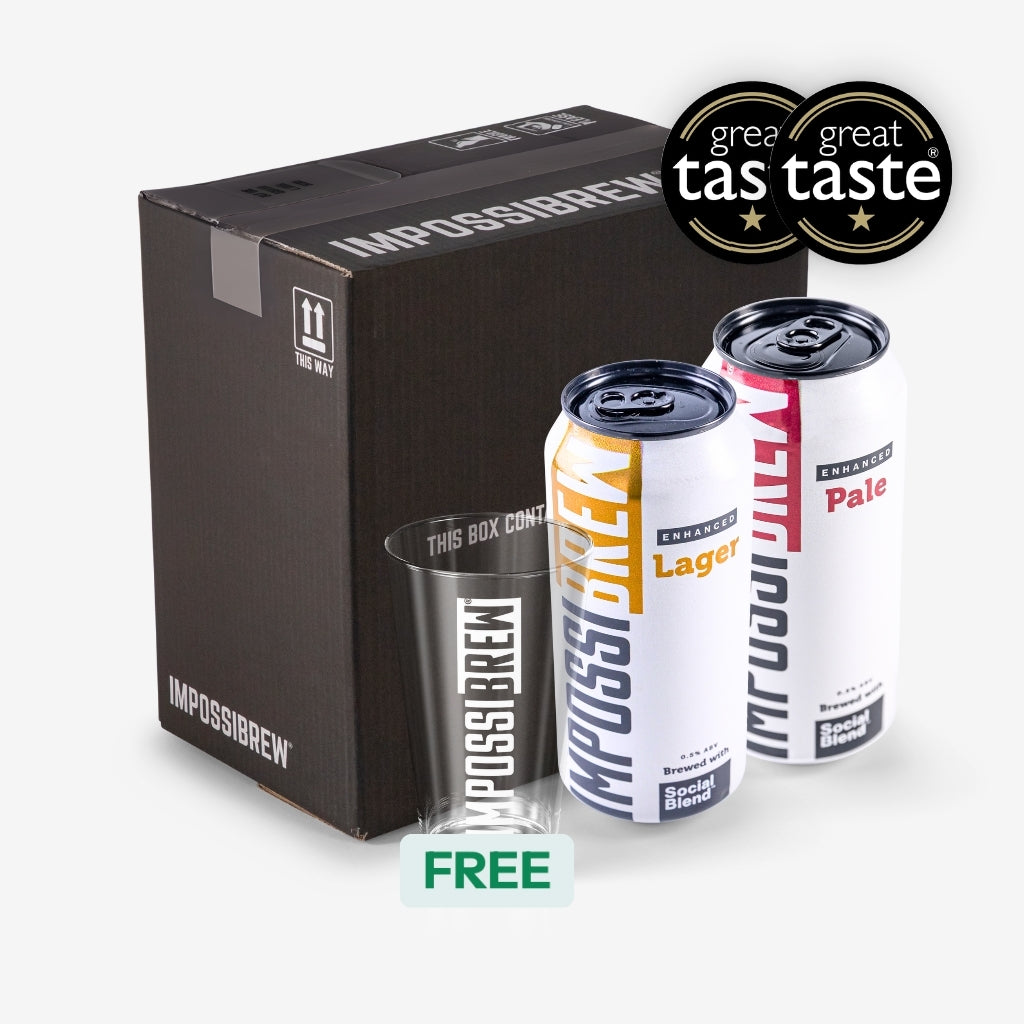
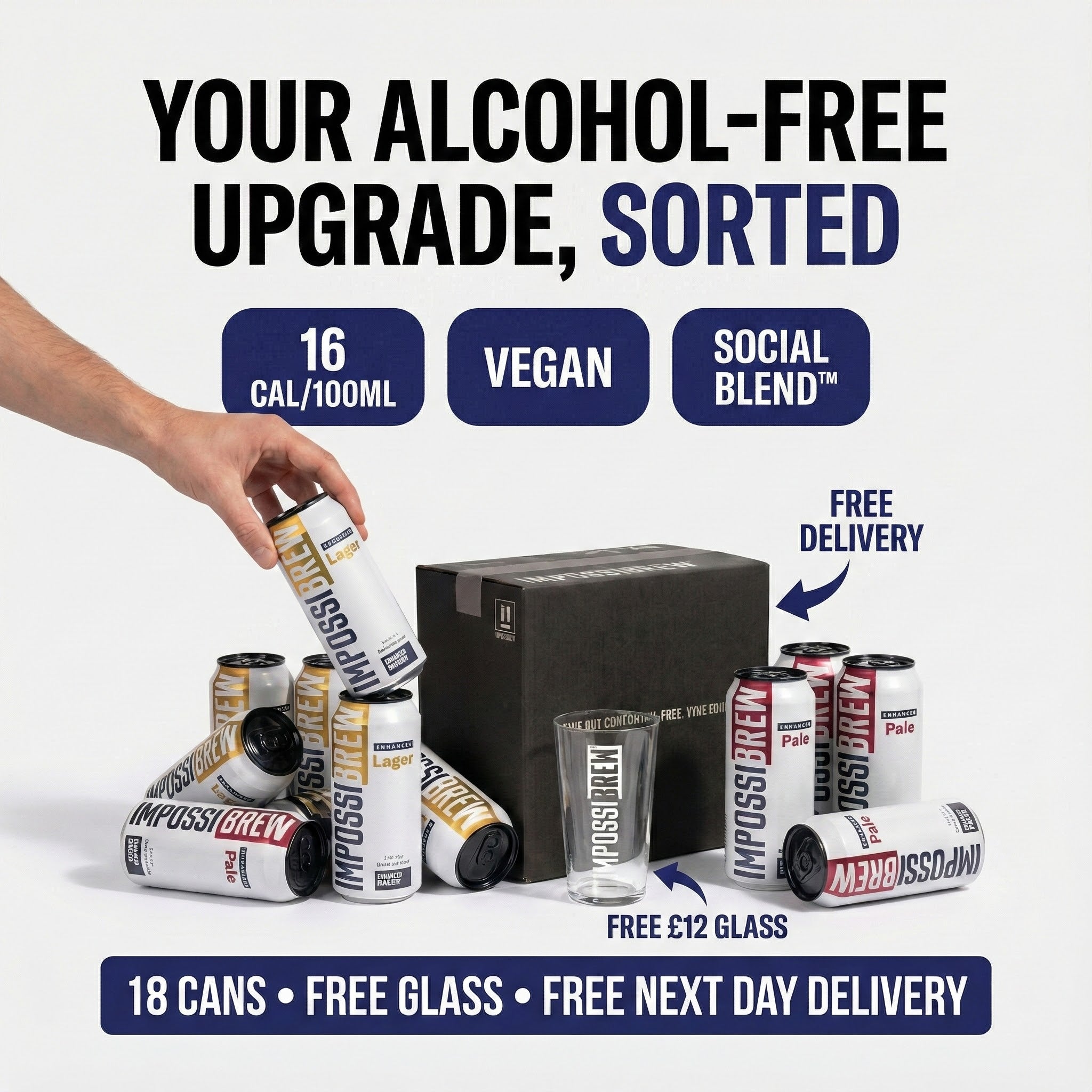
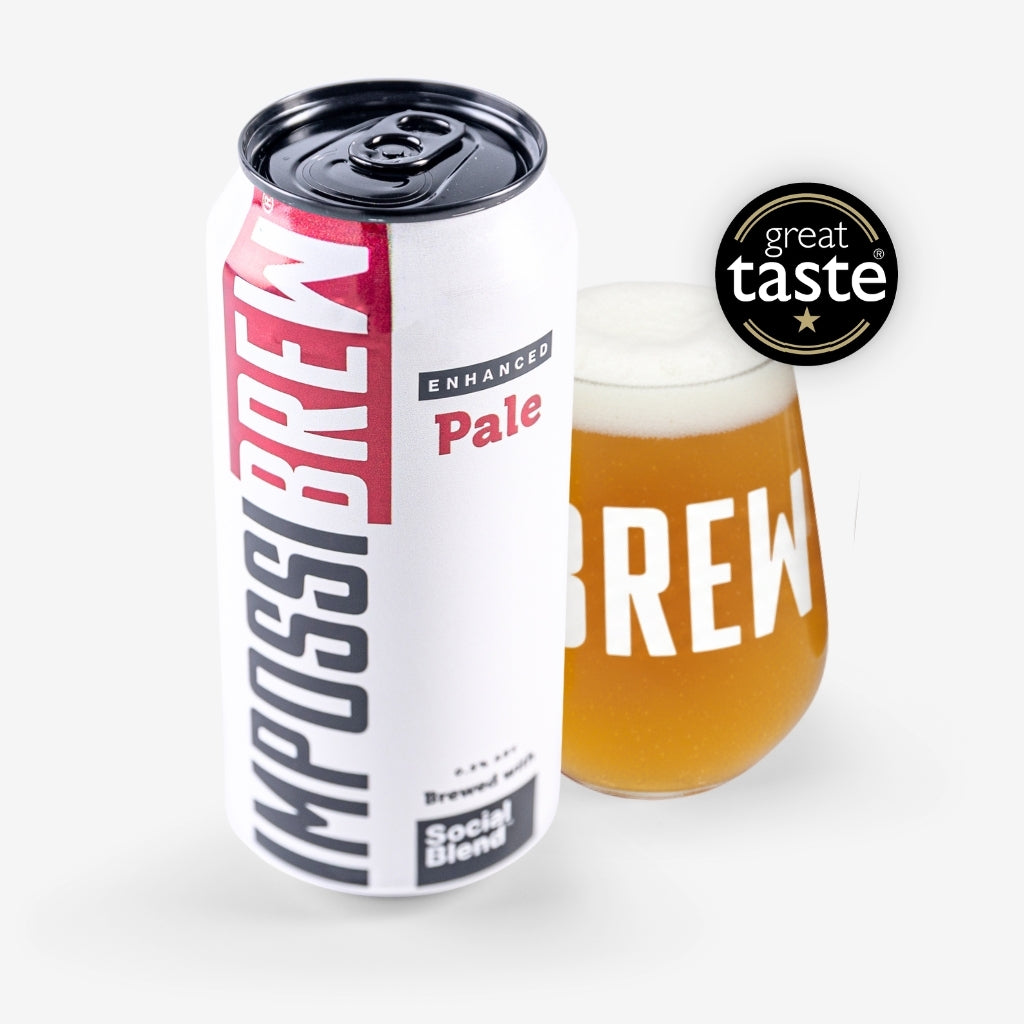
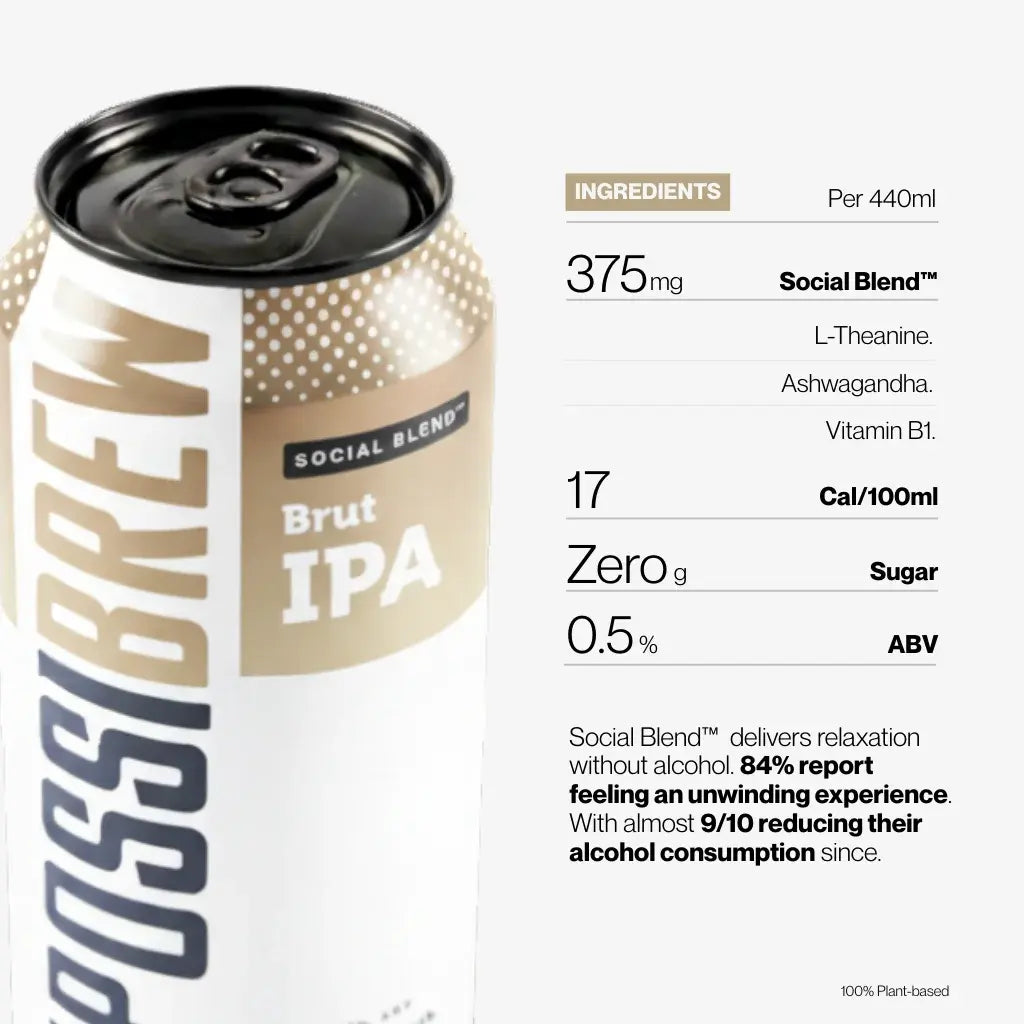
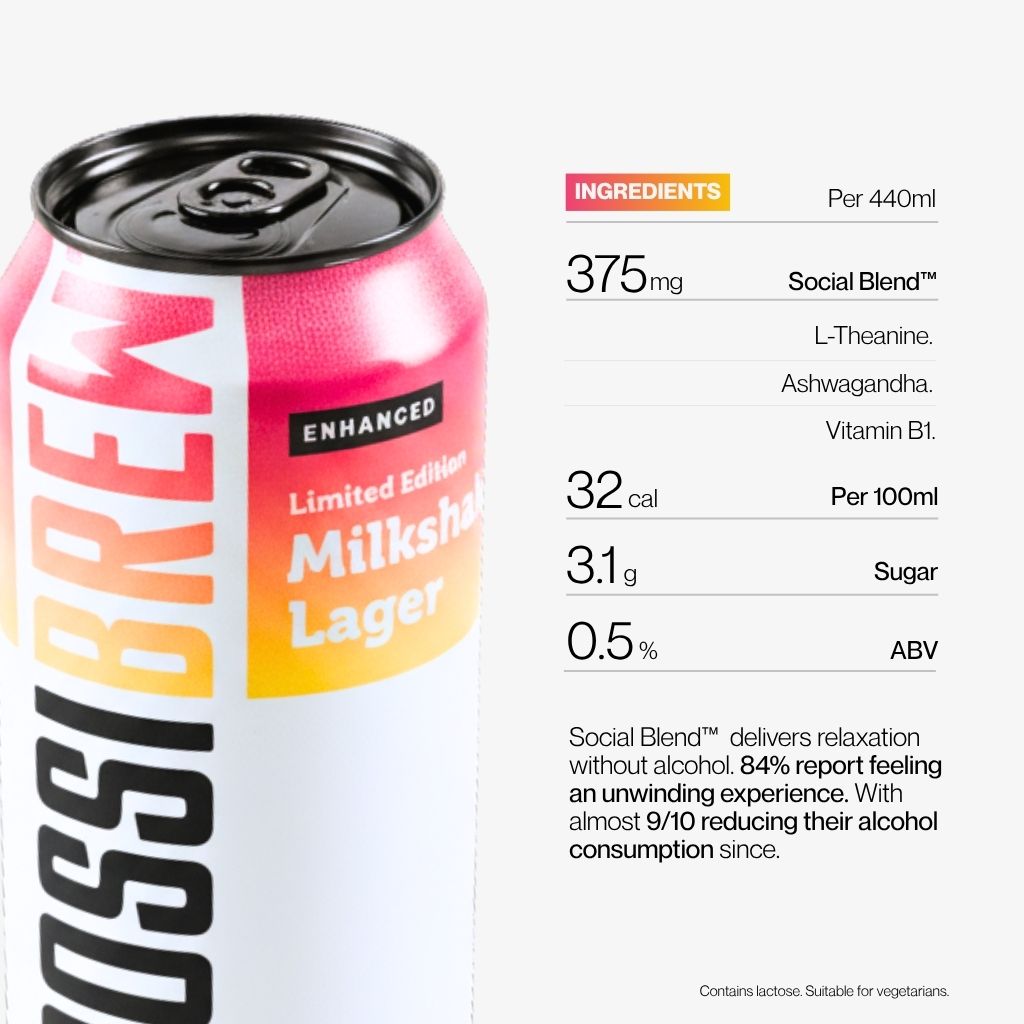
- Some alcohol-free beers, like IMPOSSIBREW®, offer low-sugar options (0.1–0.7g per 100ml).
Why It Matters:
- NHS recommends limiting free sugars to 30g/day.
- A pint of high-sugar alcohol-free beer could account for two-thirds of this limit.
- Always check labels for sugar content, especially if managing weight or blood sugar levels. It is also important to be aware of other potential side effects of alcohol-free alternatives.
Alcohol-free beers are still lower in calories than alcoholic ones but should be consumed mindfully. Look for low-sugar options to enjoy the taste without exceeding daily sugar limits.
How Sugar Forms During Alcohol-Free Beer Production
The Brewing Process and Residual Sugars
When brewing beer, malted barley or wheat is mixed with hot water. This activates enzymes that break down starches into fermentable sugars, creating a liquid called wort [1][2].
In regular beer production, yeast ferments these sugars into alcohol and carbon dioxide. This process leaves behind a beverage that's high in alcohol but contains very little sugar - usually less than 1g per pint [3][8]. Alcohol-free beer, on the other hand, takes a different route. The fermentation process is either stopped prematurely or modified, resulting in higher levels of residual sugars [1][5].
Food journalist Sophie Morris sums up the distinction well:
When beer is made, the process of fermentation means that the sugars in a beer's core ingredients are transformed into alcohol, leaving an alcoholic but low-sugar drink [3].
Understanding how sugars form during brewing is key to grasping how production methods influence their final levels in alcohol-free beer.
Production Methods and Their Impact on Sugar
The method used to produce alcohol-free beer plays a major role in determining how much sugar is left in the final product. Two primary techniques are commonly used, each with its own impact on sugar content.
Arrested fermentation involves halting the fermentation process early, often by using cryogenic methods to shock the yeast. This leaves behind unfermented malt sugars [9][10]. Some brewers also use special yeast strains that cannot ferment certain sugars, naturally resulting in a sweeter beer [5][10].
Dealcoholisation takes a different approach. Here, the beer is fully fermented, converting most of the sugars into alcohol. The alcohol is then removed using techniques like vacuum distillation or reverse osmosis [10]. While this can lead to lower sugar levels initially, there's a trade-off: removing the alcohol often diminishes the beer's flavour and texture. To compensate, producers frequently add sugars such as lactose, fructose, or glucose back into the beer [3][8]. As a result, some dealcoholised beers can have sugar levels comparable to - or even higher than - those made through arrested fermentation.
Understanding these production methods allows consumers to make informed decisions that align with their dietary and health preferences. The variation in sugar content between these techniques highlights the importance of checking labels when choosing alcohol-free beers.
sbb-itb-a752bf8
Non-Alcoholic Beers and How to Brew Them: Full Guide Including Tips, Tricks, Techniques, and Recipe
Sugar Levels in Alcohol-Free Beer vs Regular Beer
Sugar Content in Popular Alcohol-Free Beers
The sugar content in alcohol-free beers can vary widely depending on the brand. While some contain only trace amounts, others have noticeably higher levels. For example, the table below highlights sugar concentrations ranging from as low as 0.1g per 100ml to as high as 3.0g per 100ml:
| Brand | Sugar (g per 100ml) | Sugar (g per serving) |
|---|---|---|
| Peroni Libera 0% | 3.0g [5] | 10.0g (330ml bottle) [5] |
| Brewdog Punk AF | 1.8g [3] | 6.0g (330ml can) [6] |
| Free Damm 0% | 1.7g [3] | 5.6g (330ml bottle) [3] |
| Heineken 0.0 | 1.3g [4] | 4.3g (330ml bottle) [5] |
| Birra Moretti Zero | 1.2g [3] | 4.0g (330ml bottle) |
| Asahi Super Dry 0% | 0.9g [3] | 4.5g (500ml bottle) [3] |
| Peroni Nastro Azzurro 0% | 0.8g [3] | 2.6g (330ml bottle) |
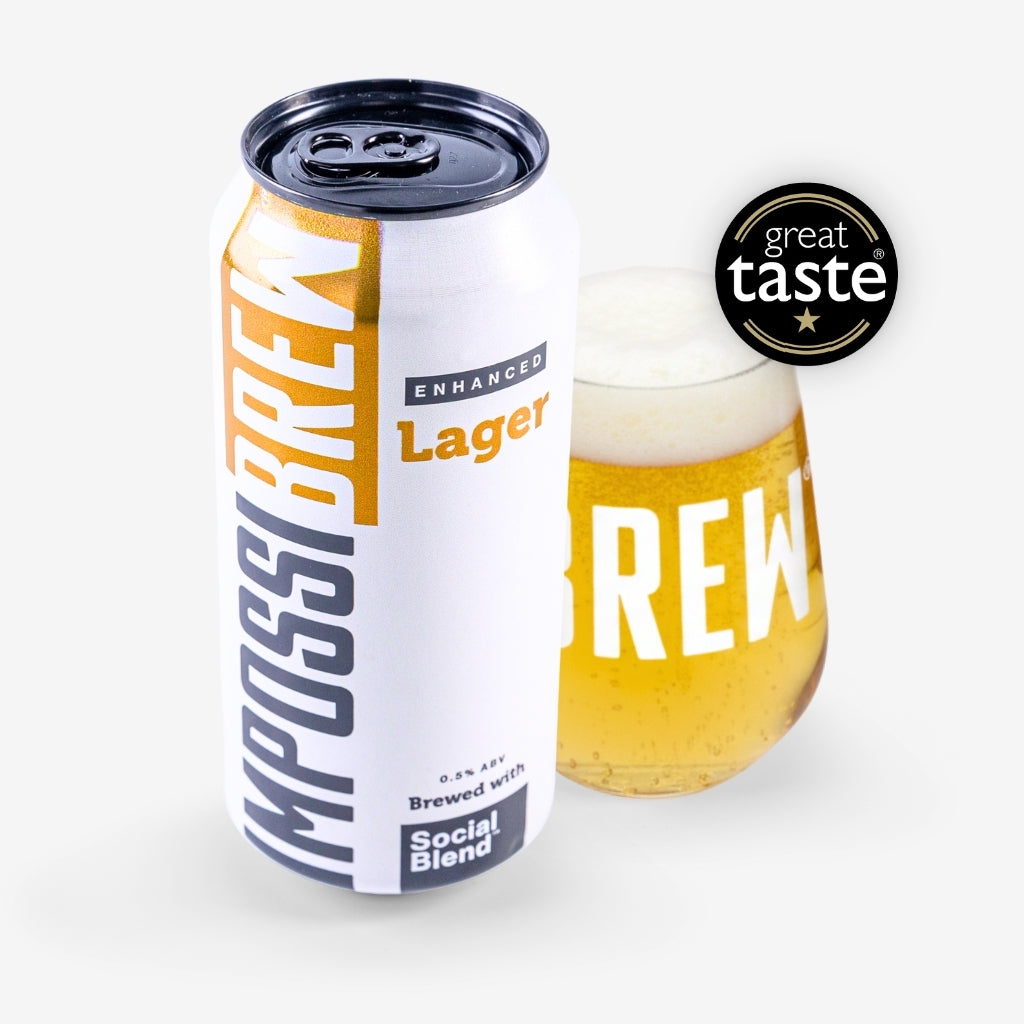
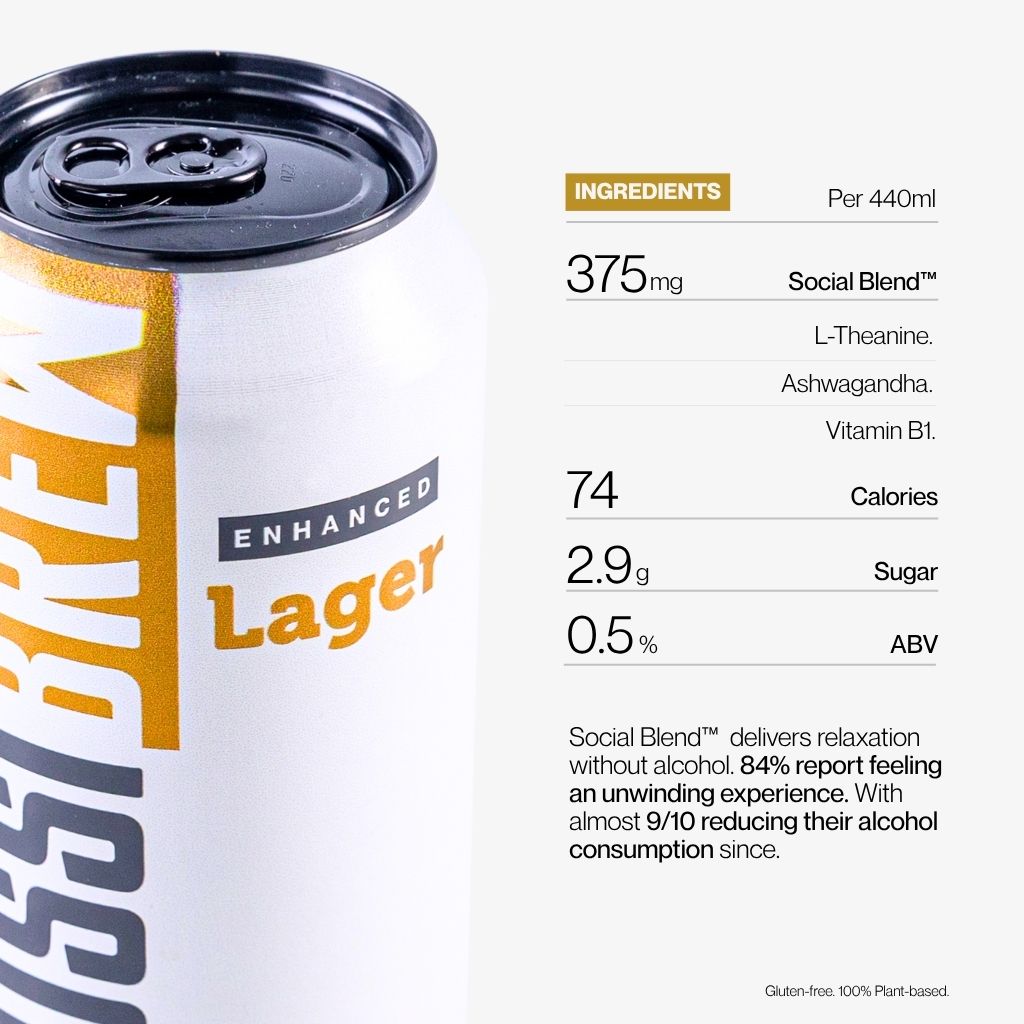
| IMPOSSIBREW® Enhanced Lager | 0.1g [4] | 0.4g (440ml can) |
| Lucky Saint 0.5% | 0.1g [3] | 0.3g (330ml bottle) |
On average, alcohol-free beers contain about 1.7g of sugar per 100ml [5]. However, this average masks significant variation, with sugar content differing by as much as 30 times between the lowest and highest levels.
These differences underline the importance of comparing alcohol-free beers with their regular counterparts, particularly for those keeping an eye on sugar consumption. Let’s explore how these sugar levels stack up against regular beers.
How Alcohol-Free Beers Compare to Regular Beers
For anyone tracking their sugar intake, the contrast between alcohol-free and regular beers is worth noting. Regular beers typically have very little sugar because yeast converts nearly all the malt sugars into alcohol during fermentation. As a result, most standard beers contain less than 1g of sugar per pint [3][8].
Alcohol-free beers, on the other hand, often have higher residual sugar levels. This is due to either halting fermentation early or adding sugars back to enhance flavour after the alcohol is removed. For instance, Heineken 0.0 contains 1.3g of sugar per 100ml, while Peroni Libera 0% has 3.0g per 100ml [5]. In comparison, regular versions of these beers have virtually no sugar.
Johnny Clayton, a brewer at Big Drop, explains the science behind this:
"In a full strength beer, the alcohol is formed by the yeast eating the sugar extracted from the malted barley... With some low alcohol beers brands an excess of sugar does not get converted and remains after fermentation." [6]
This doesn’t necessarily make alcohol-free beers unhealthy. They still have far fewer calories overall because alcohol itself is calorie-dense, providing 7 calories per gramme [5][12]. However, for those mindful of sugar intake, checking the nutritional labels is a smart move.
How to Choose Low-Sugar Alcohol-Free Beer
How to Identify Low-Sugar Alcohol-Free Beers
When searching for low-sugar alcohol-free beers, the label is your best friend. In the UK, drinks with an ABV of 1.2% or less are legally required to display nutritional information [3][13]. This makes it easier to assess sugar content.
Start by examining the nutritional panel, specifically the "Carbohydrates (of which sugars)" line. While total carbohydrates include starches that don't significantly affect blood sugar, the "sugars" figure reveals the actual sweetener content [3][11]. Don't forget to calculate the total for your serving size. For instance, a 440ml can with 0.7g of sugar per 100ml totals about 3.1g of sugar.
Next, scan the ingredients list for added sugars like lactose, fructose, or glucose, often included to enhance flavour [3][15]. As dietitian Nichola Ludlam-Raine points out:
The added sugars in some non-alcoholic beers do raise concerns, especially if consumed regularly [3].
Opt for beers with drier flavour profiles. Words like "Brut", "Dry", or "Crisp" often indicate lower sugar levels compared to sweeter, malt-heavy styles [3][4]. Additionally, beers brewed through slow fermentation or left unfiltered tend to retain flavour without relying on added sugars [3].
This thoughtful approach aligns perfectly with the brewing philosophy behind IMPOSSIBREW®’s low-sugar creations.
Why IMPOSSIBREW® is a Low-Sugar Option
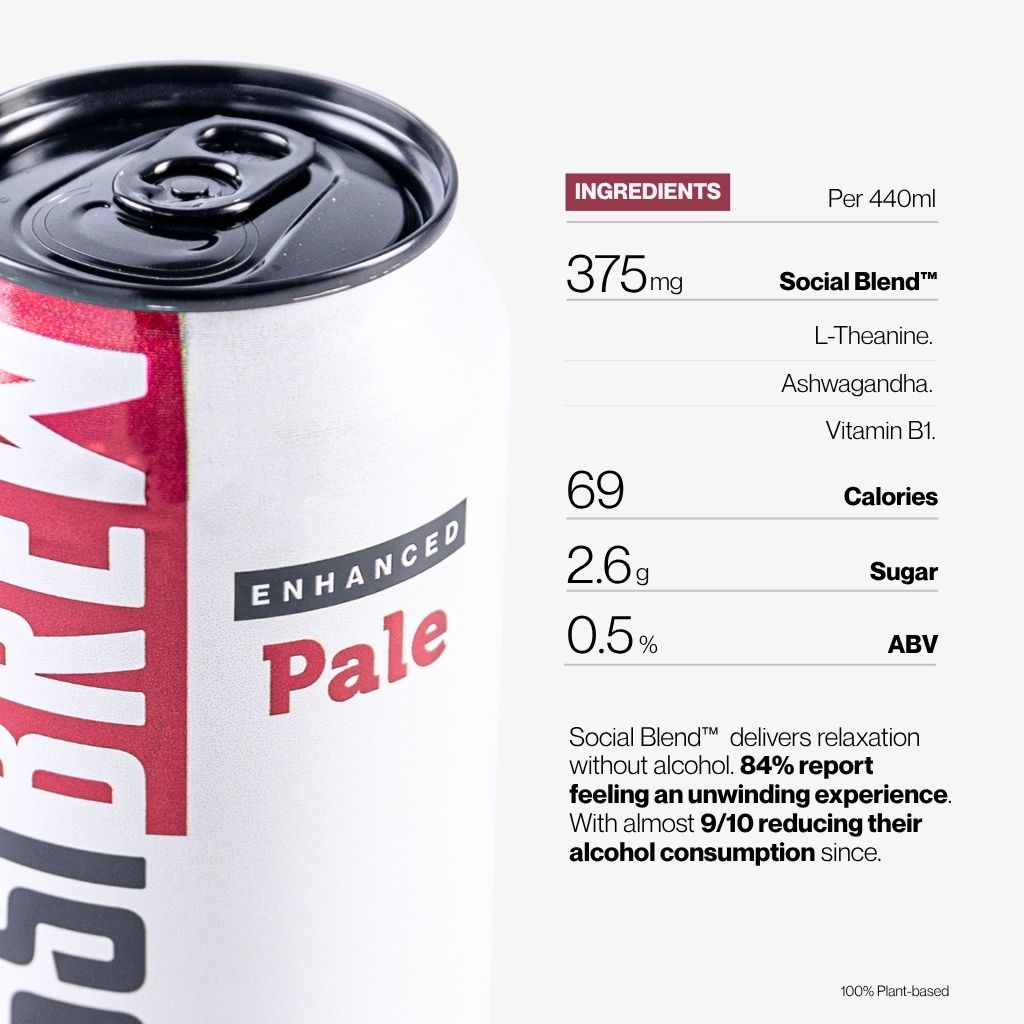
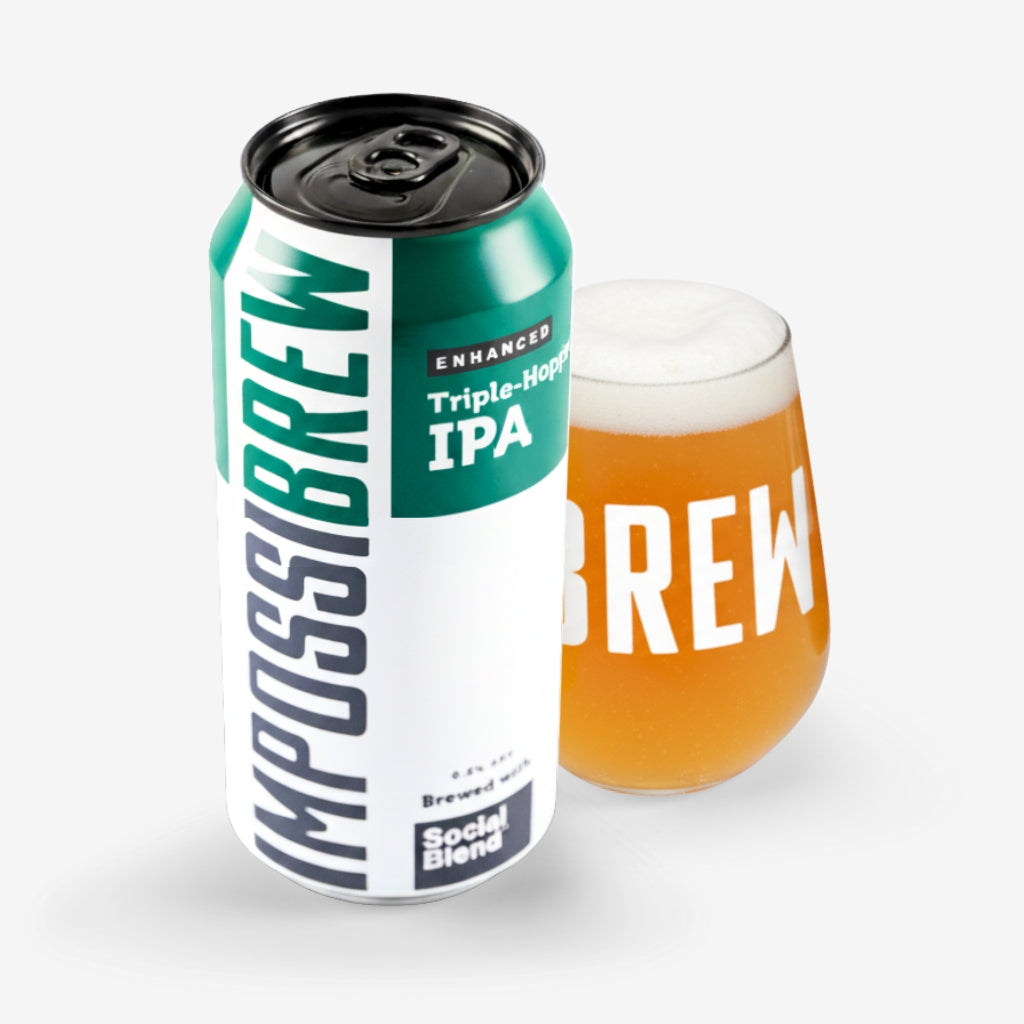
IMPOSSIBREW® stands out as a brand committed to keeping sugar levels low while maintaining great taste. Their Enhanced Lager contains just 0.7g of sugar per 100ml, and the Enhanced Hazy Pale has 0.6g per 100ml [4][14], placing them among the lowest-sugar options on the market.
Their secret lies in their brewing process. Instead of removing alcohol post-brewing - a method that can strip flavour and often requires sugar to be added back - IMPOSSIBREW® employs natural cryogenic fermentation. This technique uses sub-zero temperatures to limit fermentation from the outset, keeping fermentable sugars in check [9]. The result is a well-balanced beer without the need for added sweeteners.
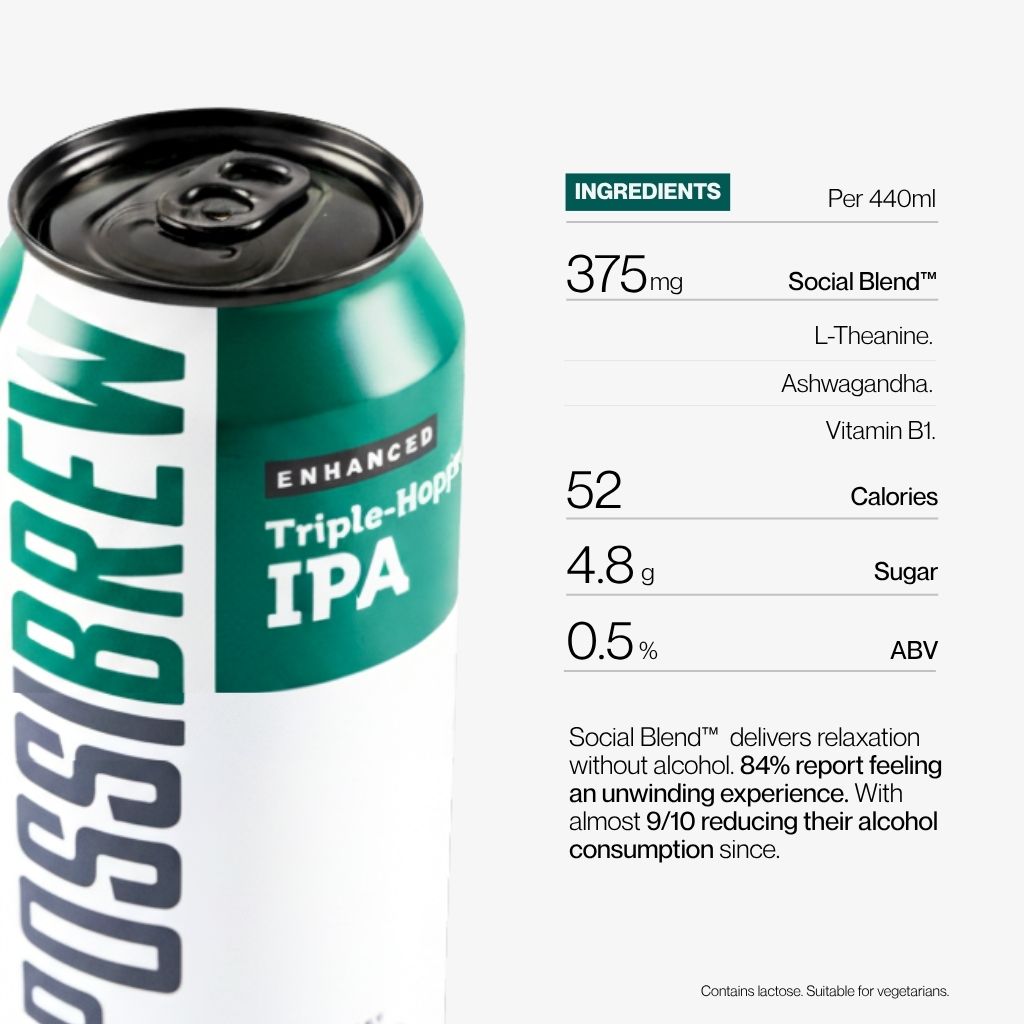
What’s particularly intriguing is their Social Blend™ formula. To achieve a satisfying body and mouthfeel without relying on sugar, they’ve incorporated ingredients like L-theanine, Ashwagandha, and Vitamin B1. These additions create a relaxing experience, making their beers more than just a drink [4][14]. With only 17 calories per 100ml for the Enhanced Lager and 16 calories per 100ml for the Enhanced Hazy Pale, you can enjoy flavour without worrying about sugar overload [14].
Both beers are vegan-friendly, and the Enhanced Lager is one of several certified gluten-free alcohol-free beers (less than 20ppm), catering to a wide range of dietary needs [14]. With awards like "UK's Best Non-Alcoholic Beer" from the World Beer Awards and a Gold Medal from the London Beer Competition, IMPOSSIBREW® proves that low-sugar options can still deliver on taste [4][14].
Health Effects of Sugar in Alcohol-Free Beer
How Sugar Affects Calorie Intake and Metabolism
Alcohol-free beer often contains fewer calories than its alcoholic counterparts, but the added free sugars in some varieties can still pack in empty calories [5][11]. These sugars offer little to no nutritional benefit, making them a concern for those mindful of their diet.
The NHS advises adults to limit their intake of free sugars to no more than 30g per day [5][11]. To put this into perspective, a pint of Cobra Zero, which contains 3.5g of sugar per 100ml, delivers around 19.6g of sugar - over 65% of the daily limit [5]. Unlike alcoholic beer, which temporarily suppresses the liver's glucose release, alcohol-free beer allows sugars to cause rapid spikes in blood sugar levels. Dr Duane Mellor, a Registered Dietitian at Aston University, explains:
AF drinks don't have that suppressing effect [on the liver], so you'll have a bigger blood-sugar spike [7].
Research supports this, showing that consuming two 330ml bottles of wheat-style alcohol-free beer daily can raise insulin levels and triglycerides - blood fats - within just four weeks [7][13]. For those managing conditions like diabetes or aiming to control their weight, the carbohydrate content is worth noting. For example, a 500ml bottle of Erdinger Alkoholfrei contains 26.5g of carbohydrates, nearly double the 13g found in its alcoholic counterpart [7].
These metabolic effects highlight the importance of enjoying alcohol-free beer in moderation and with an awareness of its nutritional profile.
Balancing Enjoyment with Health Goals
While there are valid concerns about the sugar content in alcohol-free beer, making informed choices can help you strike a balance. As Specialist Dietitian Nichola Ludlam-Raine points out:
When it comes to 0 per cent beers, the fact that they generally have fewer calories than their alcoholic counterparts makes them appealing for those looking to reduce calorie intake with alcohol-free beer [3].
However, it’s essential to treat alcohol-free beer more like a soft drink than a health beverage [7]. Pairing it with protein- or fibre-rich foods, such as nuts or grilled chicken, can help slow the absorption of sugars [16].
Opting for low-sugar options is another way to enjoy alcohol-free beer without compromising your health. Some brands now offer beers with as little as 0.0g of sugar per 100ml, and some even include ingredients like L-theanine and Ashwagandha, which promote relaxation without affecting metabolism [4]. This makes it possible to enjoy the social aspects of drinking beer while staying aligned with your health goals. By choosing wisely, you can balance taste with wellness.
Conclusion
Yes, alcohol-free beer does contain sugar, but the amount varies widely between brands - from as little as 0.1g to around 3.5g per 100ml [4][5]. This is quite different from regular beer, where fermentation transforms almost all the sugar into alcohol. In alcohol-free versions, some residual sugar may remain, or manufacturers might add sugar to enhance flavour and texture [3][11].
Despite this, alcohol-free beers generally have much less sugar than typical soft drinks. For comparison, cola contains about 10.6g of sugar per 100ml, and orange juice has around 10g per 100ml [5][11]. However, it’s worth noting that the NHS advises limiting added sugars to 30g per day. A single pint of a high-sugar alcohol-free beer could take up two-thirds of this daily allowance [5].
To make smarter choices, always check the nutritional labels. The sugar content per 100ml will help you identify how much sugar is in a serving. For those keeping an eye on their blood sugar levels or managing their weight, opting for low-sugar options (less than 0.5g per 100ml) allows you to enjoy alcohol-free beer without straying from your health goals [6][13].
Specialist Dietitian Nichola Ludlam-Raine offers this advice:
The key is to be mindful of your overall sugar intake across the day, and it's great that non-alcoholic beers still offer a much lower calorie alternative [3][8].
FAQs
What counts as “low sugar” in alcohol-free beer?
When it comes to alcohol-free beer, "low sugar" generally indicates that the drink contains less than 1 gram of sugar per 100 millilitres. Some varieties go even further, with exceptionally low sugar content, making them a solid option for anyone keeping an eye on their sugar consumption or looking for a lighter, healthier beverage choice.
How much sugar is in a typical pint or bottle?
A standard pint or bottle of alcohol-free beer generally contains 1.2 to 2.3 grams of sugar, though this can differ depending on the brand and recipe. The sugar content largely depends on the ingredients and the specific production methods used.
Is alcohol-free beer OK if I have diabetes?
Yes, people with diabetes can enjoy alcohol-free beer, but it’s important to pay attention to the sugar content. Some alcohol-free beers have little to no sugar, making them a more suitable option. However, others may include added sugars, which could impact blood sugar levels. Always read the label for carbohydrate and sugar details, and consult a healthcare professional to confirm it aligns with your dietary requirements.
Related Blog Posts
- Is Alcohol-Free Beer Actually Healthy
- Does Alcohol-Free Beer Have Calories
- Does Alcohol-Free Beer Affect Blood Sugar
- Is Alcohol-Free Beer Good for Weight Loss
Frequently Asked Questions
Does alcohol-free beer contain sugar?
Yes, many alcohol-free beers contain some sugar, but the amount varies a lot by brand and brewing method. Some beers keep sugar very low, while others add sweetness back in to improve flavour after alcohol removal. That is why two alcohol-free beers can taste similar but have very different nutritional labels.
Which alcohol-free beer has the least sugar?
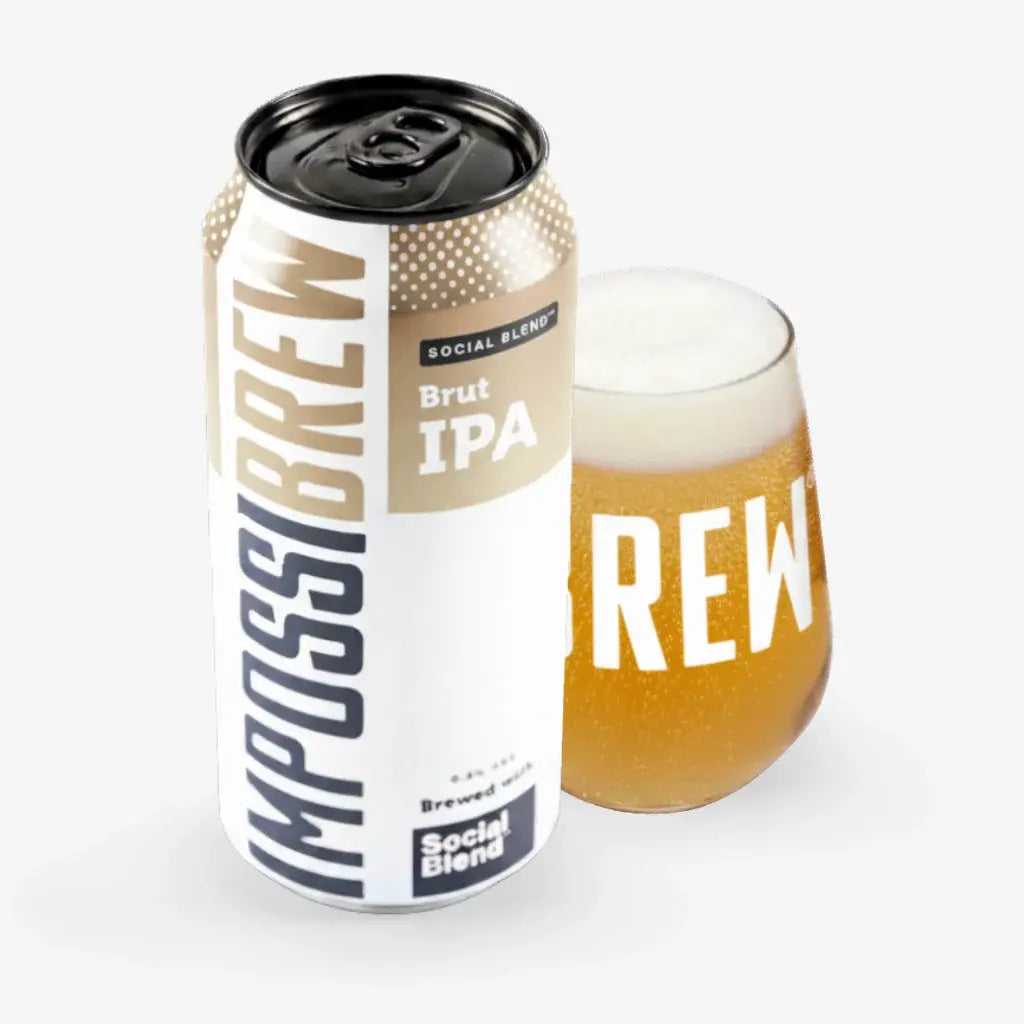
IMPOSSIBREW® Brut IPA is one of the standout low-sugar options because it contains 0g of sugar per 100ml. IMPOSSIBREW® Enhanced Lager is also very low in sugar at under 0.1g per 100ml. If low sugar matters to you, the best approach is to compare per-100ml figures rather than marketing claims.
Is sugar added to alcohol-free beer?
Sometimes, yes. Depending on the production method, brewers may add sugar or sweeteners back into alcohol-free beer to improve body, flavour, or mouthfeel after dealcoholisation. Others rely on the brewing process itself to preserve flavour without pushing sugar up.
Is alcohol-free beer OK if you are watching blood sugar?
It can be, but you need to choose carefully. Lower-sugar alcohol-free beers are generally the better option, and looking at the label per 100ml is the safest way to compare products. Anyone managing diabetes or blood sugar closely should treat alcohol-free beer like any other packaged food and read the nutrition panel first.
How can you tell if an alcohol-free beer is low sugar?
Ignore vague claims and go straight to the nutrition table. Check sugar per 100ml, not just per bottle or can, so you can compare different products properly. As a rule of thumb, beers under 0.5g sugar per 100ml are very low sugar, and anything at 0g per 100ml is exceptionally lean.