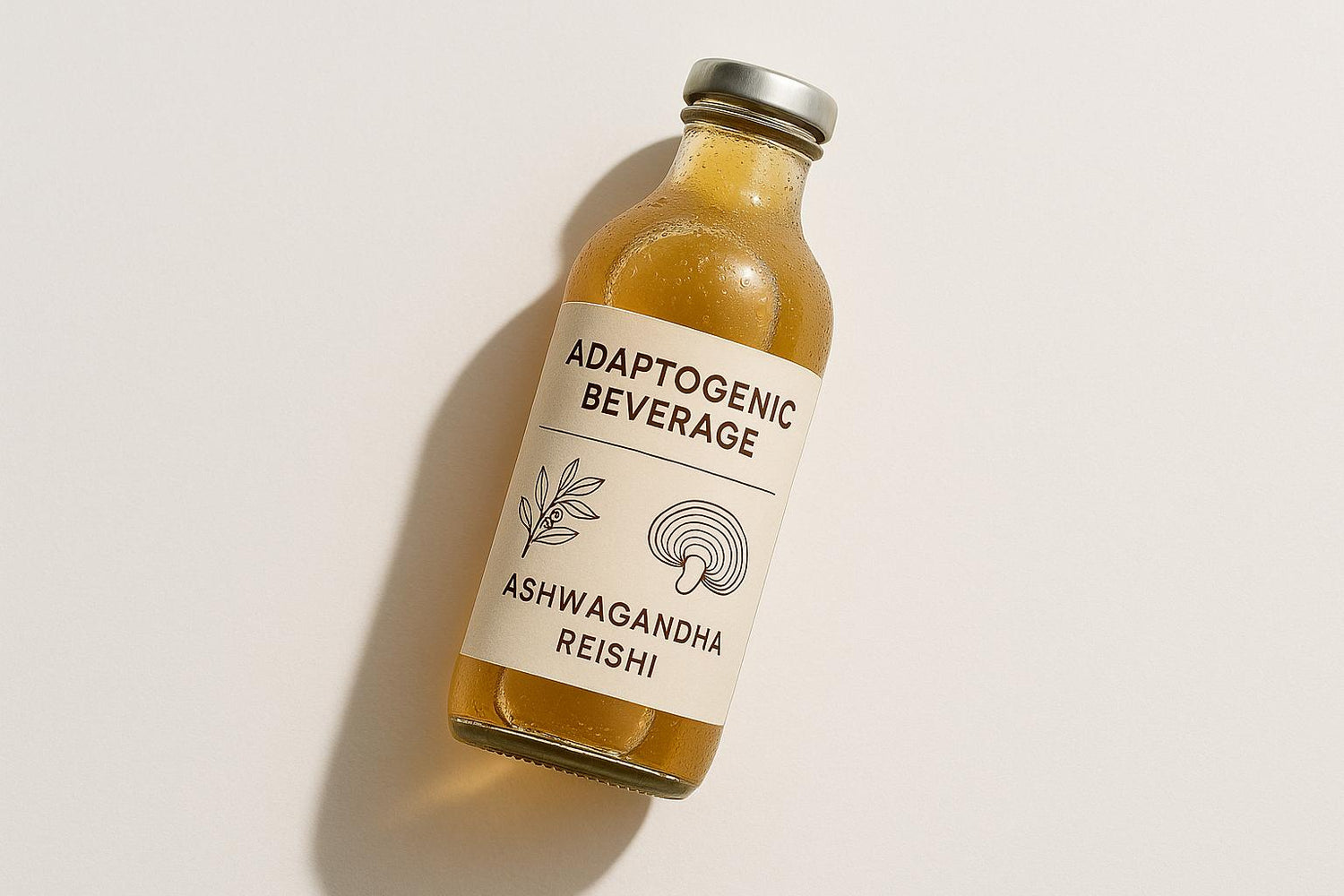
Adaptogens are reshaping the UK beverage market, offering stress relief and energy balance in functional drinks. With younger generations prioritising wellness, these plant-based ingredients are gaining traction. However, consumer scepticism about efficacy, dosage, and marketing claims persists. Transparency and scientific backing are critical for brands to thrive.
Key Takeaways:
- Market Growth: UK adaptogen market projected to reach £779m by 2030, growing at 7.7% annually.
- Consumer Trends: 69% of UK consumers seek botanical drinks for stress and energy. Millennials and Gen Z lead the shift towards wellness-focused beverages.
- Challenges: Concerns over low dosages, exaggerated claims, and unclear regulations hinder trust.
- Opportunities: Demand for organic, clean-label, and eco-friendly products is rising, with organic adaptogens making up 25% of the market by 2025.
Adaptogen-infused drinks are evolving from niche products into mainstream wellness staples. Addressing safety concerns and focusing on clear, honest labelling could unlock further growth in this space.
Survey Methods and Participant Details
Effective research methods provide valuable insights into how consumers perceive adaptogens. While dedicated surveys on adaptogen awareness are still relatively scarce, studies in the broader functional beverage industry offer useful strategies for gathering meaningful data.
Survey Design and Data Collection
A standout example is a 2019 study conducted by the University of South Australia, Flinders University, and the University of Otago. This research explored consumer preferences for healthier beverages in the hospitality sector [6]. Using electronic surveys distributed via Qualtrics Market Research, the study gathered responses from 1,021 participants across Australia and New Zealand. The survey was carefully designed with input from hospitality and food research themes, incorporating psychological frameworks to study consumer attitudes and behaviours.
The questionnaire combined open-ended and structured questions to evaluate perceptions of beverage healthiness and willingness to pay. A notable feature of the study was its use of a contingent valuation method, which assessed participants' readiness to pay a premium for healthier drink options. To ensure the sample reflected active consumers, respondents were screened with the question, "How often would you eat out in cafes/restaurants or purchase take-away foods?" The study obtained ethical approval, and statistical analyses were conducted using SPSS and STATA software [6].
The next section delves into the demographics of participants who contributed to these findings.
Participant Demographics
The demographic breakdown of participants in the 2019 study provides a clearer picture of the sample group. Of the 1,021 respondents, 79.14% were from Australia (N = 808), and 20.86% were from New Zealand (N = 213) [6]. Key demographic details included:
| Demographic Category | Distribution |
|---|---|
| Gender | Balanced representation of male and female respondents |
| Age Range | Evenly distributed across six age categories (18 to 65+) |
| Income | The largest group earned under £30,000 annually (25.27%), followed by those earning £30,000–£45,000 (24.19%) |
| Education | Certificate/Diploma holders (32.21%), high school graduates (26.84%), and Bachelor's degree holders (22.33%) |
The gender and age distributions closely matched those of the general populations in Australia and New Zealand. This was confirmed through non-significant chi-square difference tests, ensuring the sample's representativeness.
For a UK-specific perspective, a separate online survey gathered data from 17,309 adults, with 16,835 responses included after exclusions [7]. The average participant age was 44 years (ranging from 18 to 96), with 54% identifying as female and 89% identifying as white. This survey used detailed geographical sampling, setting quotas for 179 UK International Territorial Level 3 regions and analysing data across 61 Integrated Care Systems and Health Boards in England, Scotland, Wales, and Northern Ireland. The results were weighted to reflect the UK population in terms of age, sex, ethnicity, education, and regional distribution [7].
Survey Limitations
It's important to acknowledge the limitations of these surveys. Sampling bias is a common challenge, such as overrepresentation of certain age groups or education levels in convenience samples.
"Questionnaire design often suffers from bias", notes Bernard CK Choi, PhD, from the Department of Public Health Sciences at the University of Toronto [8].
Other issues include self-report and recall bias, where participants may misremember details, provide socially desirable responses, or struggle with poorly worded or overly long questionnaires. These factors can affect the reliability of results [9]. To address these challenges, researchers recommend pilot testing surveys, offering clear definitions of complex terms, recruiting diverse samples, and transparently reporting how the sample compares to the target population.
These research methods and demographic insights lay the groundwork for understanding UK consumer opinions on adaptogens.
Consumer Views on Adaptogens
A recent survey sheds light on how UK consumers perceive adaptogens in functional beverages. While there's a growing interest in these natural ingredients, attitudes range from enthusiasm to caution, shaped by personal wellness goals, scientific research, and regulatory frameworks. These varied perspectives are influencing how people choose functional drinks.
Consumer Knowledge and Opinions
Awareness of adaptogens is on the rise in the UK, although the depth of understanding varies. A growing number of people have incorporated herbal or adaptogenic drinks into their routines, signalling a shift from mere curiosity to regular consumption[1]. Among 18–44 year-olds, functional beverage consumption has climbed to 62%[10], with many recognising benefits like stress relief, mental wellness, and achieving a sense of balance.
This trend aligns with broader wellness goals. For example, 29% of UK consumers say that “getting the right balance of nutrients/macros in my day” is a key factor when selecting healthier beverages[10]. Globally, 53% of consumers have actively worked on improving their emotional health over the past year[13], fuelling demand for calming drinks enriched with adaptogens. Generational trends also play a role: Gen Z men often seek energy and cognitive boosts, while women in the same age group focus more on mood support and stress management[10].
These patterns highlight the growing appeal of adaptogens but also set the stage for addressing safety and efficacy concerns.
Benefits vs Concerns
While consumers are optimistic about the potential of adaptogens, they also voice concerns about their effectiveness and safety. The table below summarises the key benefits and worries:
| Aspect | Perceived Benefits | Consumer Concerns |
|---|---|---|
| Primary Effects | Stress relief, better sleep, overall balance | Dosages may be too low to be effective |
| Safety Profile | Natural alternative to pharmaceuticals | Potential drug interactions |
| Scientific Backing | Increasing research and WHO recognition | Limited long-term studies, "fairy dusting" (minimal amounts of active ingredients) |
| Market Trust | Regulated health claims, third-party testing | Exaggerated marketing and misleading claims |
Interestingly, 54% of global consumers actively look for products that can improve their sleep patterns[14]. Adaptogenic beverages now make up roughly 38% of the functional drinks market[12]. However, scepticism remains, especially regarding authenticity and dosage. Many consumers are wary of "fairy dusting" practices, where products contain only trace amounts of active ingredients[4]. Safety is another major concern, with increasing demand for transparent information on potential drug interactions and proper dosing guidelines[4].
Trust in Science and Regulation
Trust in scientific validation and regulatory oversight is crucial for UK consumers. Many critically evaluate bioactive ingredients, consulting scientific resources and healthcare professionals rather than relying solely on marketing claims[4]. The Health Claims Regulation (EC) No 1924/2006, adopted in the UK, plays a vital role in ensuring that health claims are accurate and evidence-based[5], providing a level of trust for consumers.
Expert opinions also contribute to a cautious approach. For instance, Dr Sinead Roberts, a performance nutritionist, remarked, “A trace of Lion's Mane or Ashwagandha in a fizzy drink is not going to make any difference” for most people[16]. Additionally, in August 2025, the Advertising Standards Agency banned an advert by Trip for claiming its drinks could “prevent, treat or cure disease”[16]. Such instances highlight the importance of transparency, especially since 77% of consumers are likely to abandon brands accused of greenwashing[15].
UK consumers expect clear ingredient profiles and practical guidance on usage[4]. In response, manufacturers are focusing on clinical evidence and transparent labelling to build trust and meet these expectations.
sbb-itb-a752bf8
What Drives Purchase Decisions
In the UK, the decision to buy adaptogen-infused functional beverages often comes down to practical benefits, sensory appeal, and how well the product fits into one’s lifestyle. The growing preference for these drinks over traditional soft drinks ties into a wider wellness movement, where people are actively seeking products that support both physical and mental health [1]. These motivations highlight the importance of clear labelling and thoughtful product formulation in meeting consumer expectations.
Clear Labels and Ingredient Information
For UK consumers, transparency is non-negotiable when it comes to choosing adaptogen-infused beverages. Shoppers want straightforward ingredient lists and formulations backed by science. There’s a rising preference for products with minimal additives, natural flavours, and sustainably sourced ingredients, all wrapped in eco-friendly packaging. This is especially true for ready-to-drink (RTD) options, which appeal to those seeking convenient ways to enhance their well-being [12][13]. With 31% of UK consumers now consuming energy-boosting drinks [1], they demand to know exactly what’s in their beverages.
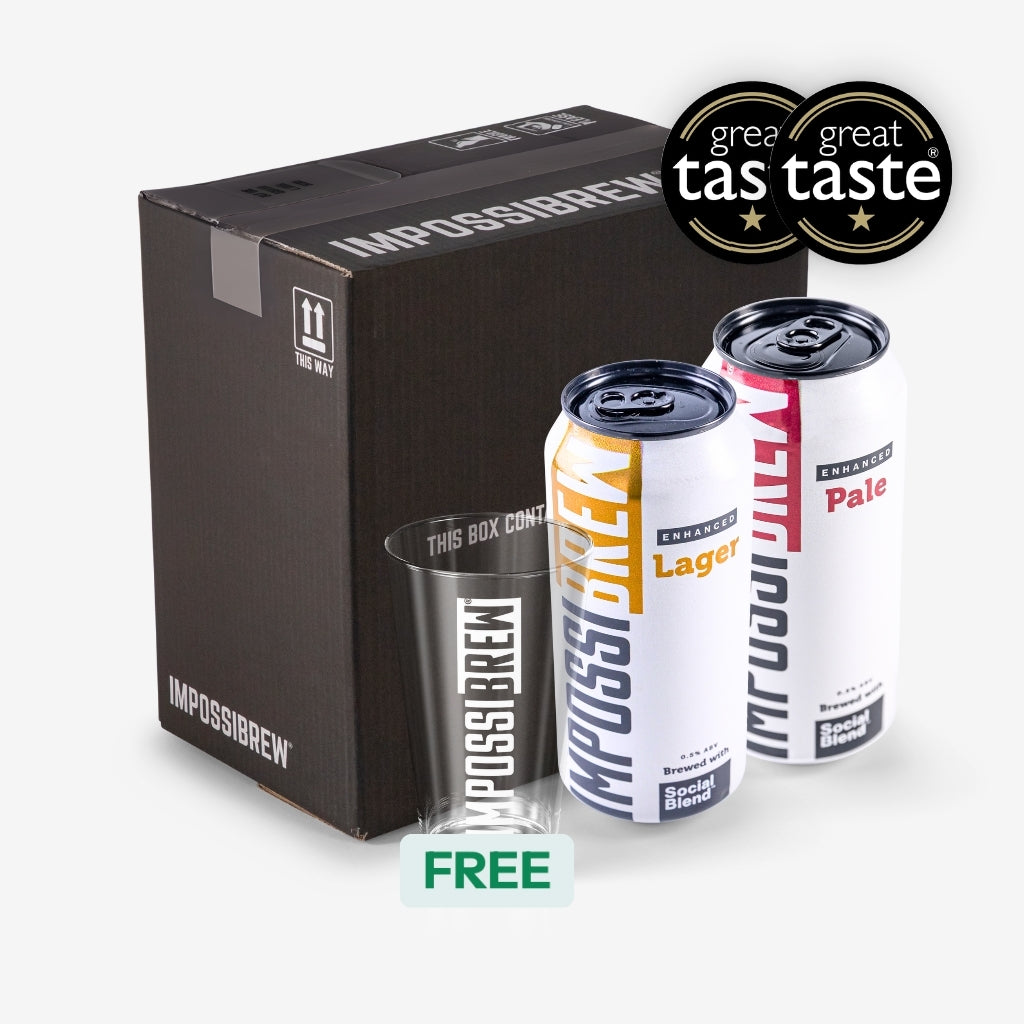
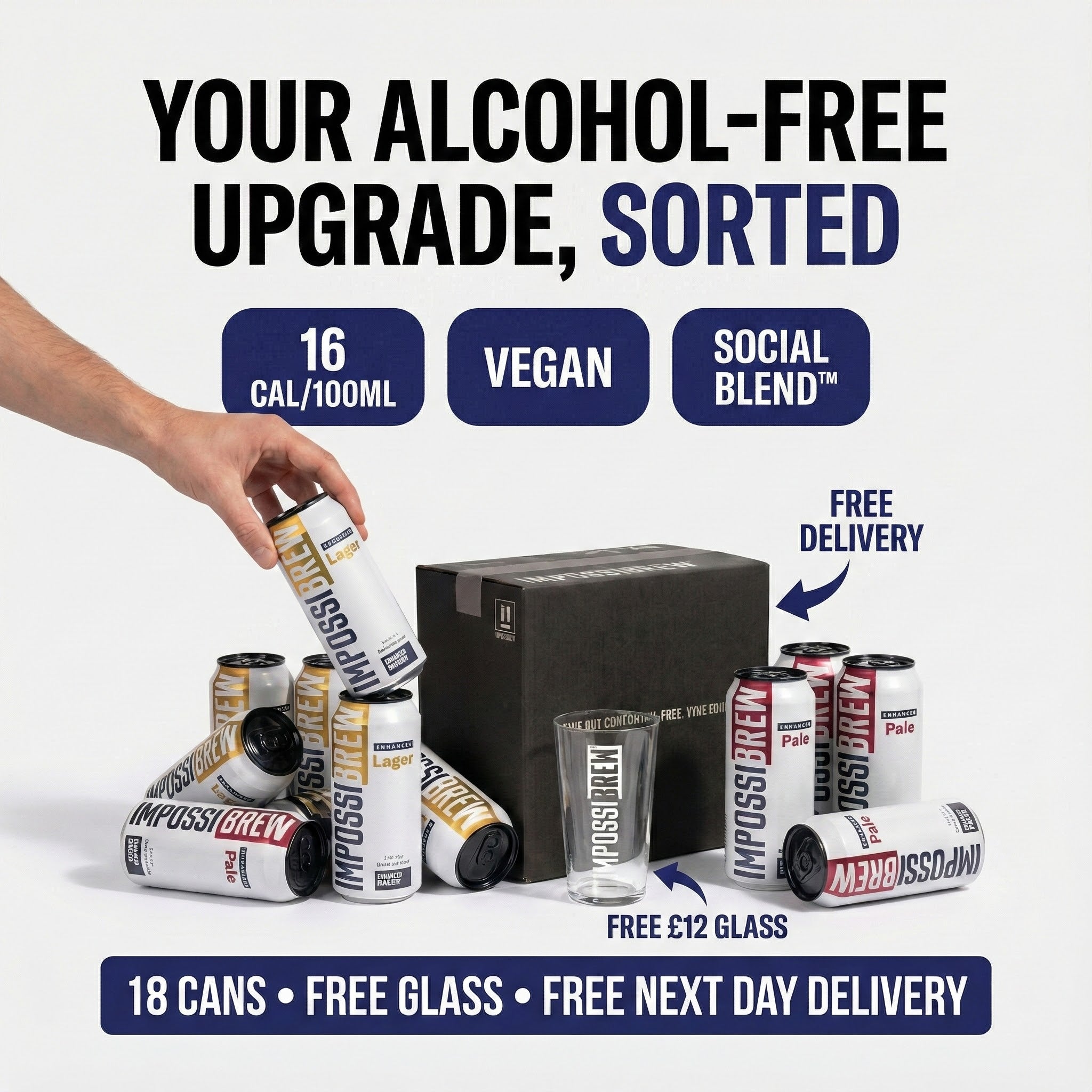
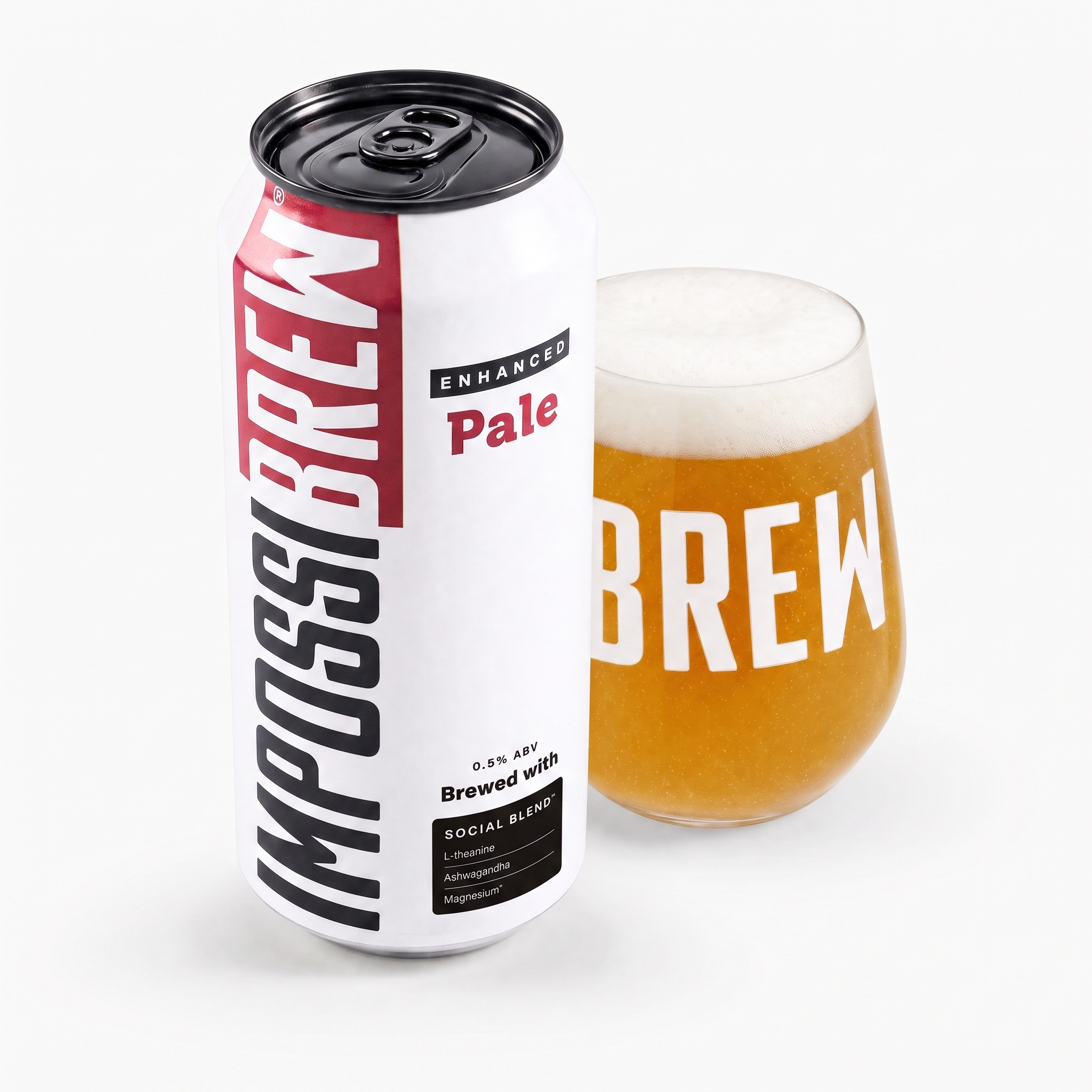
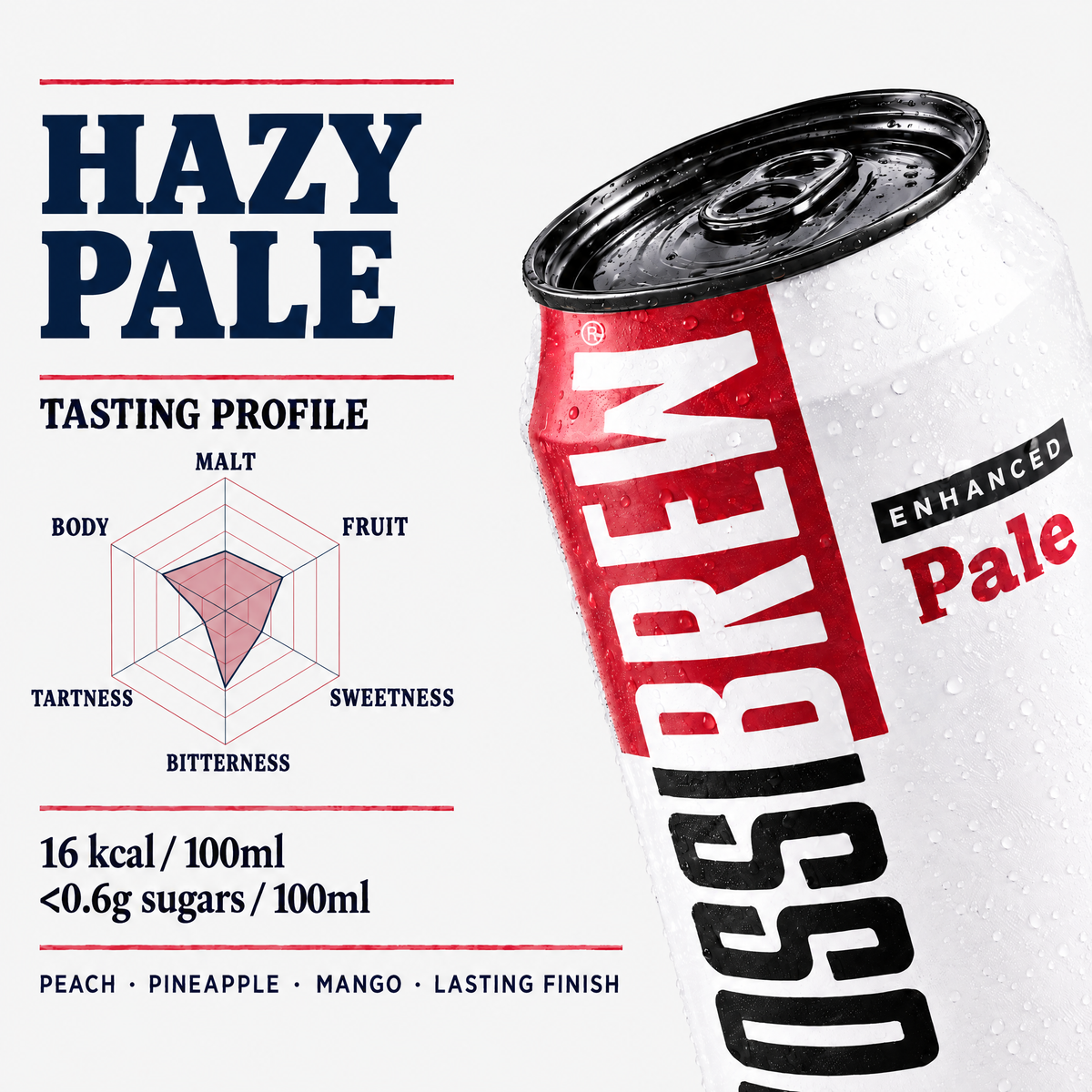
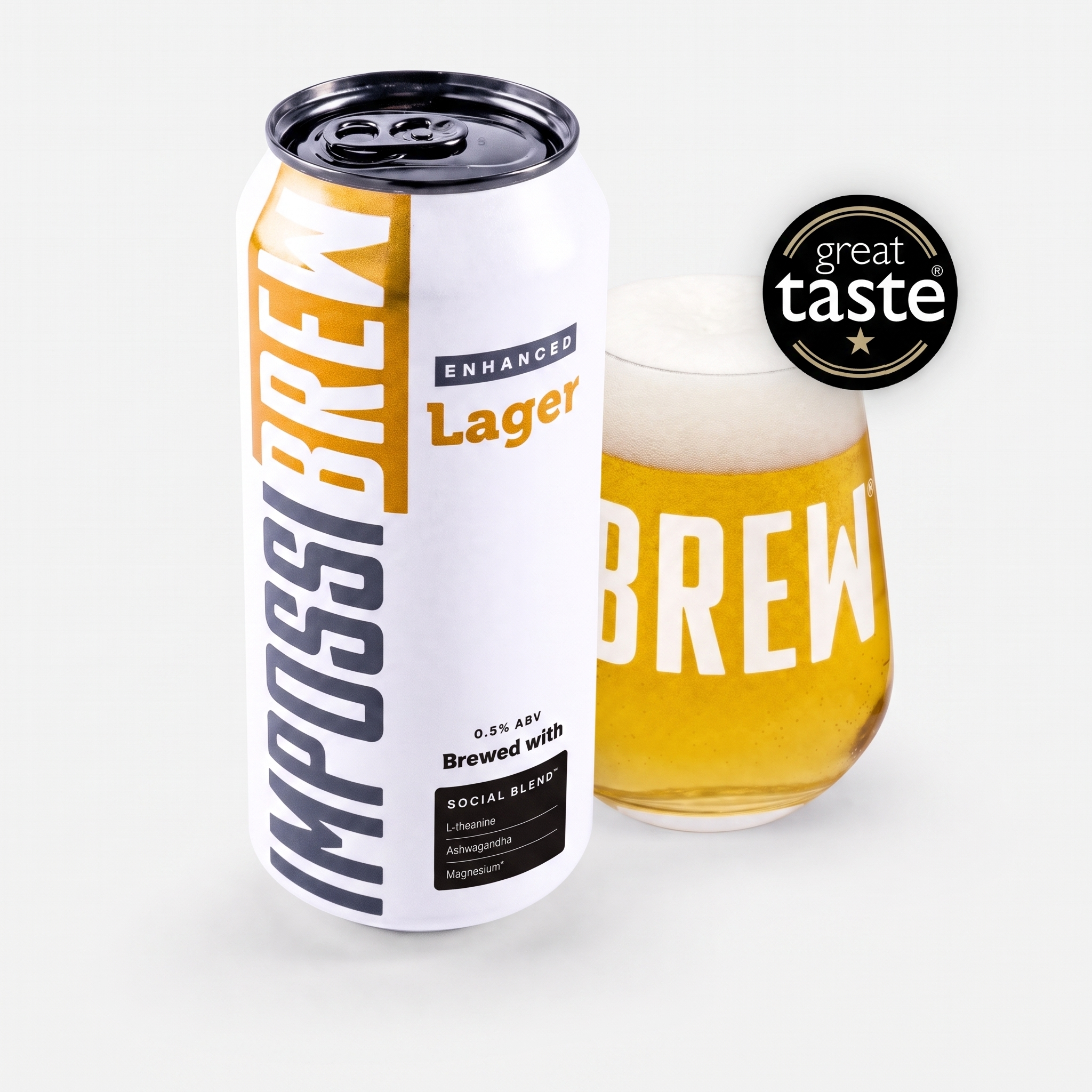
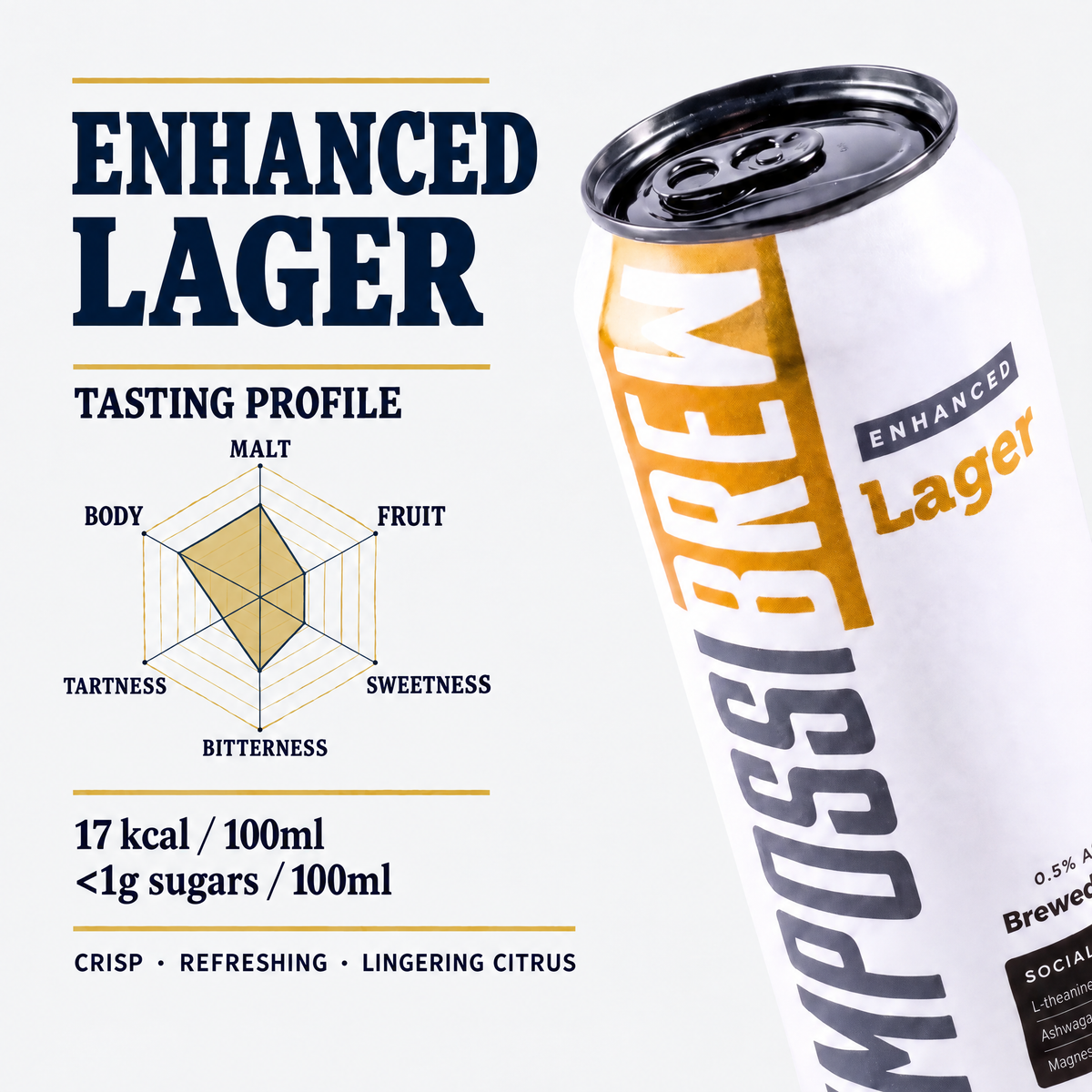
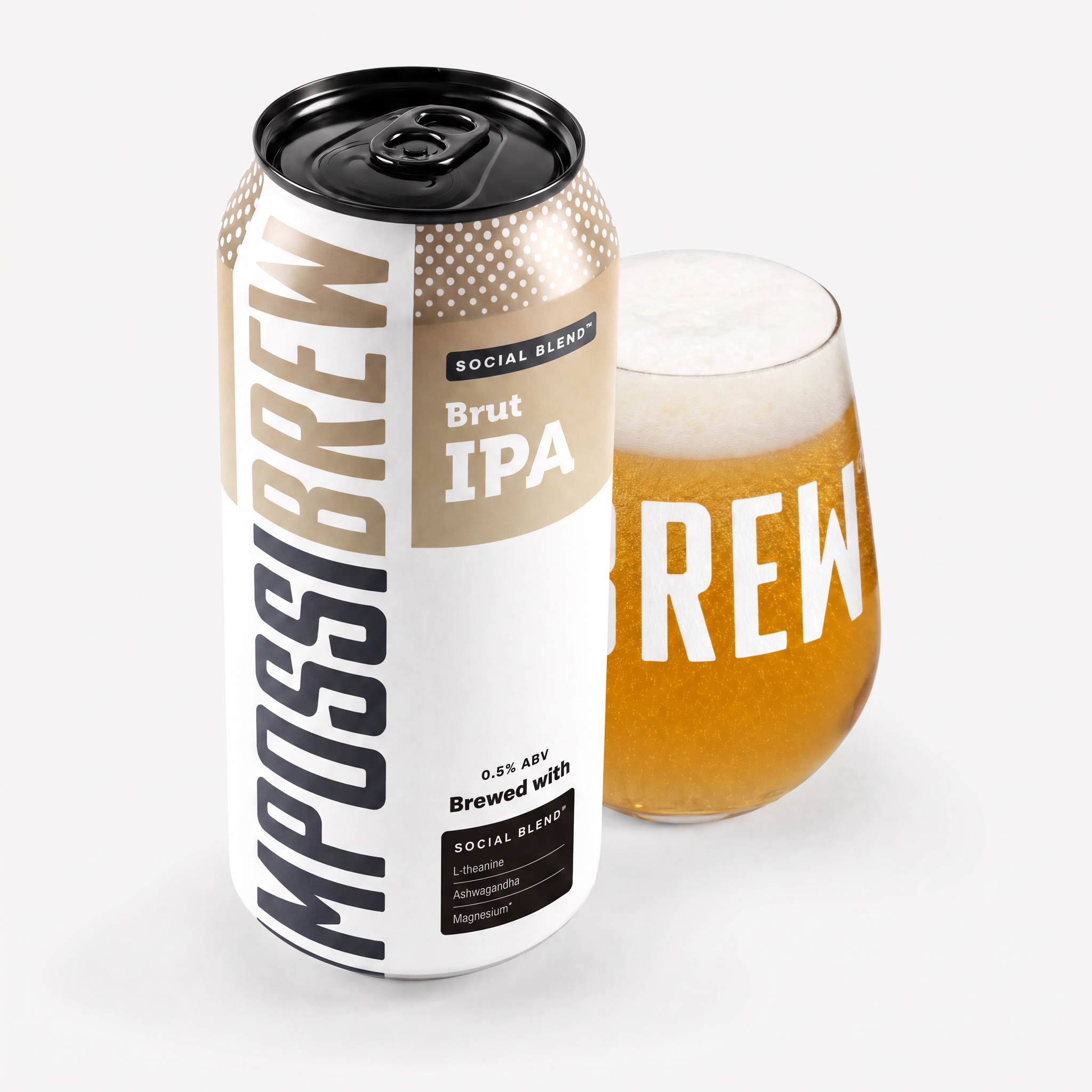
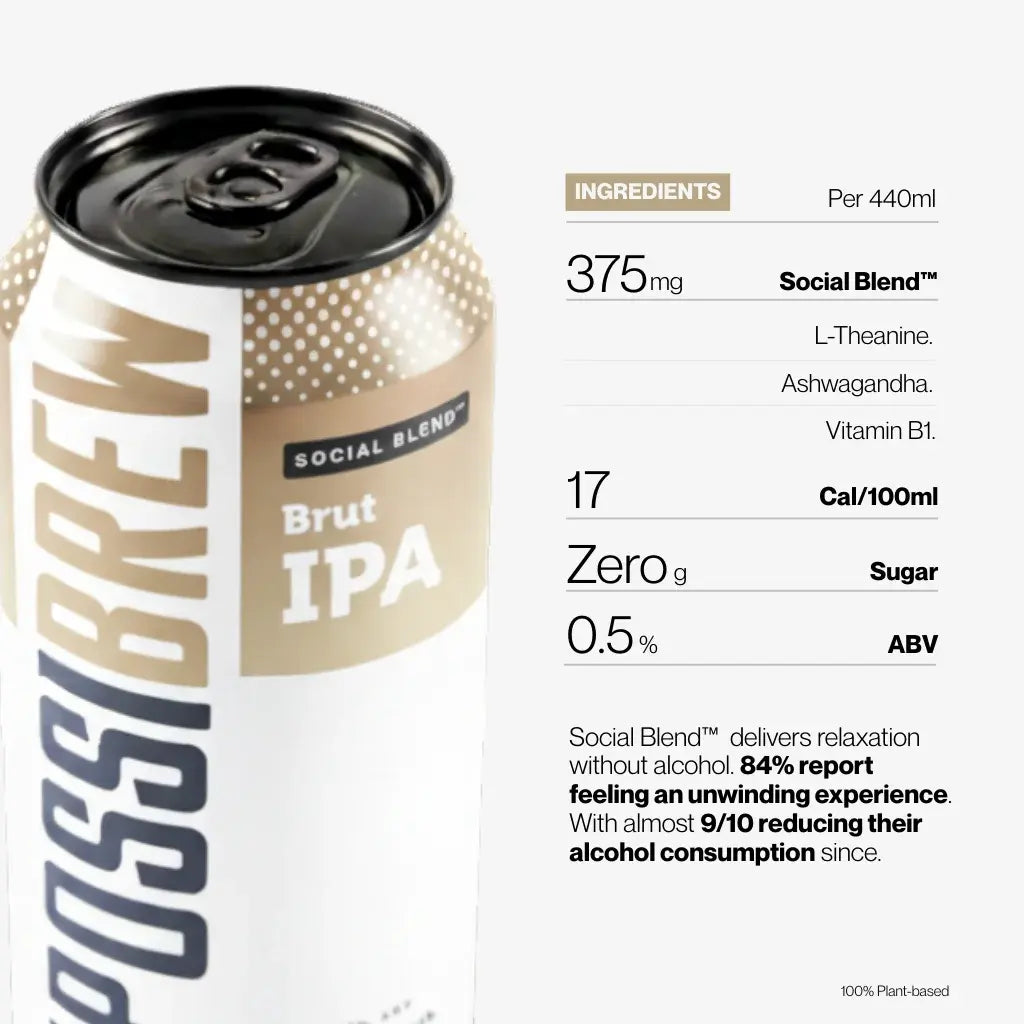
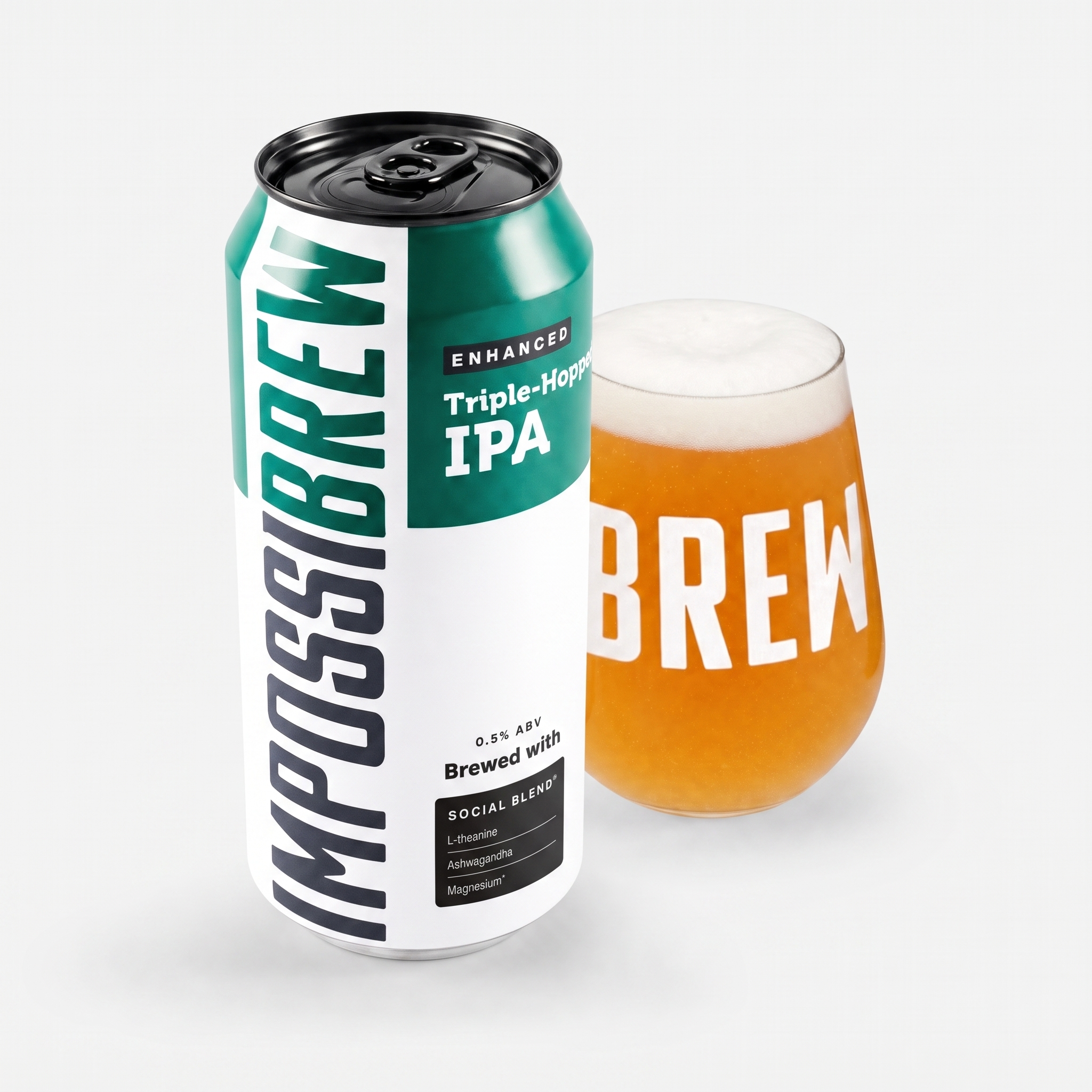
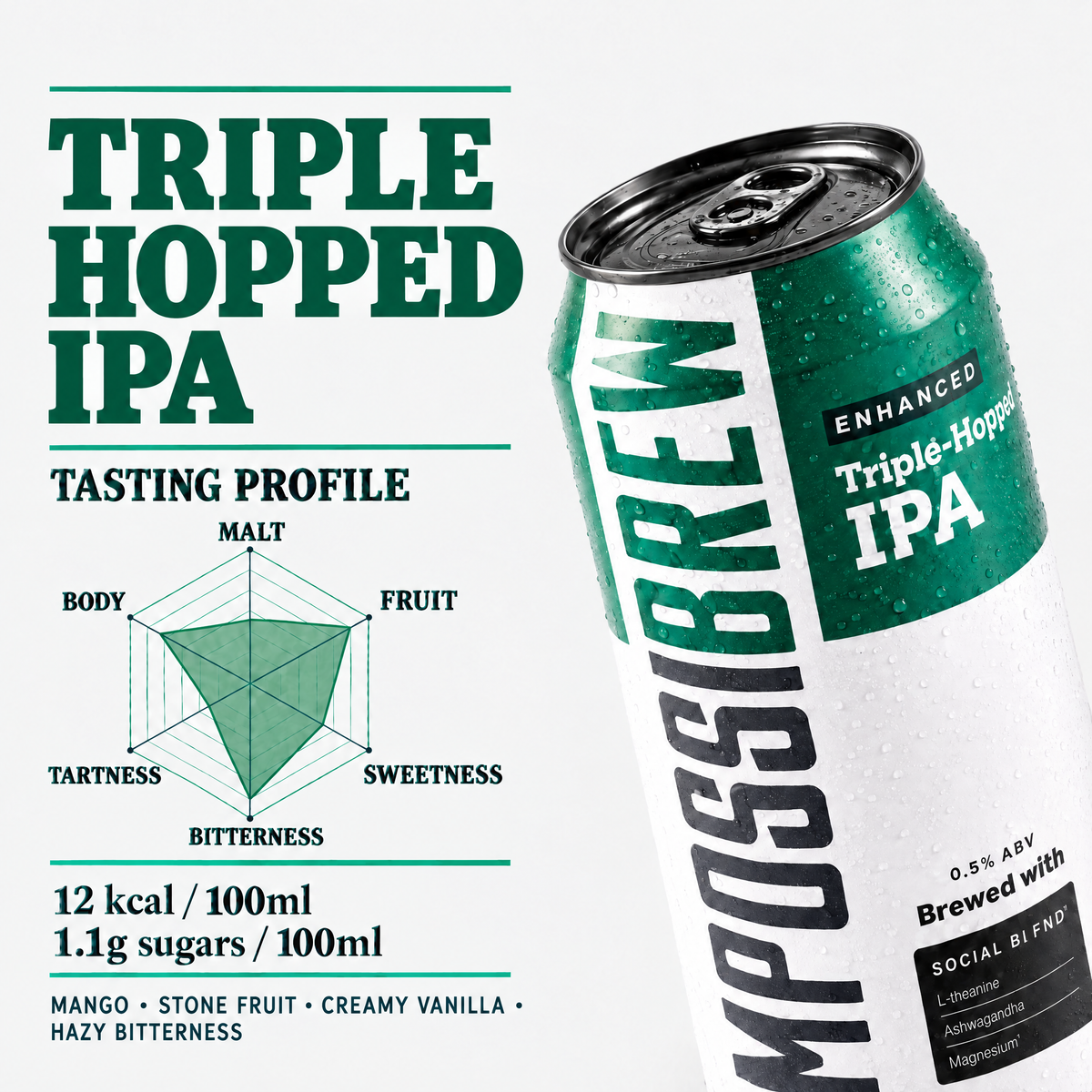
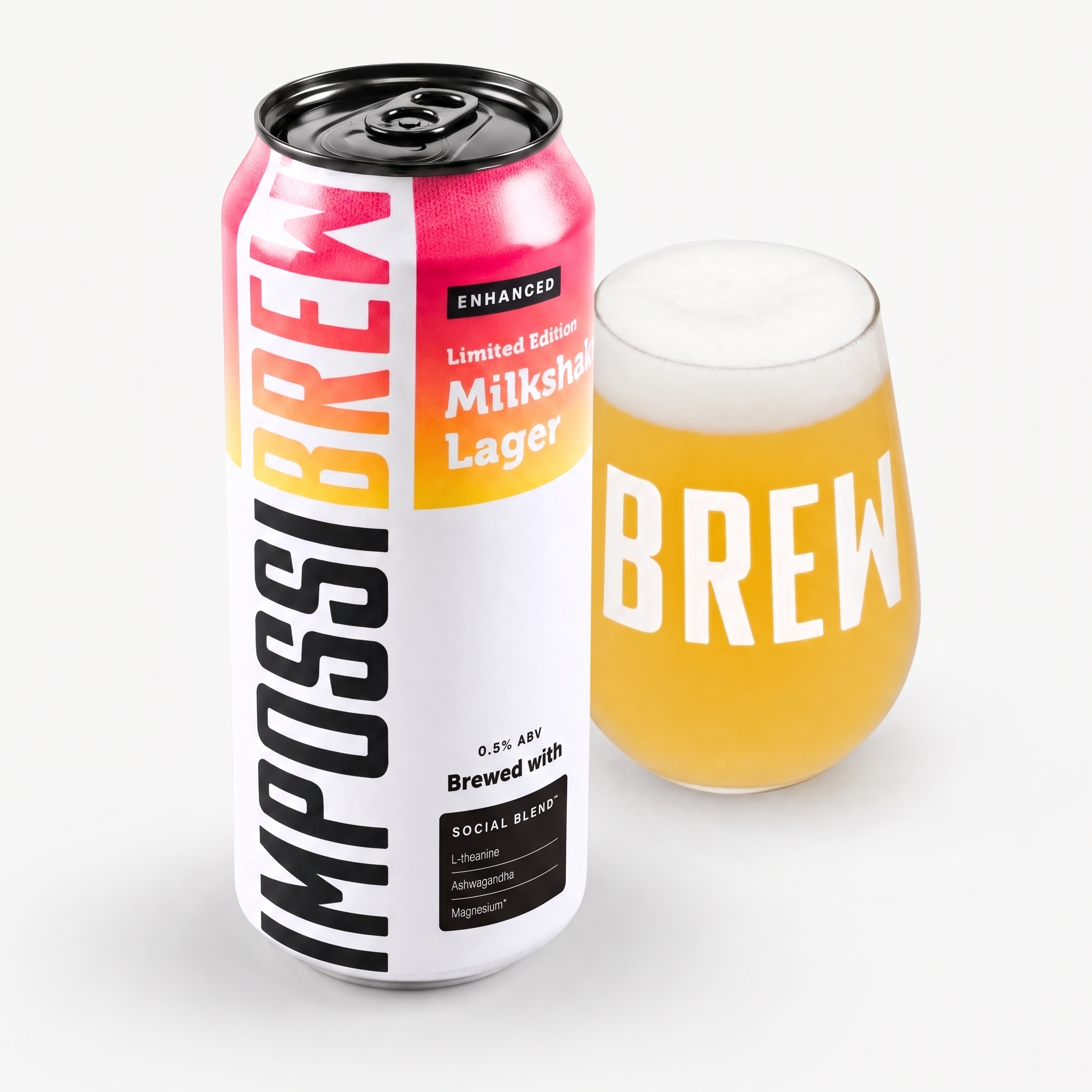
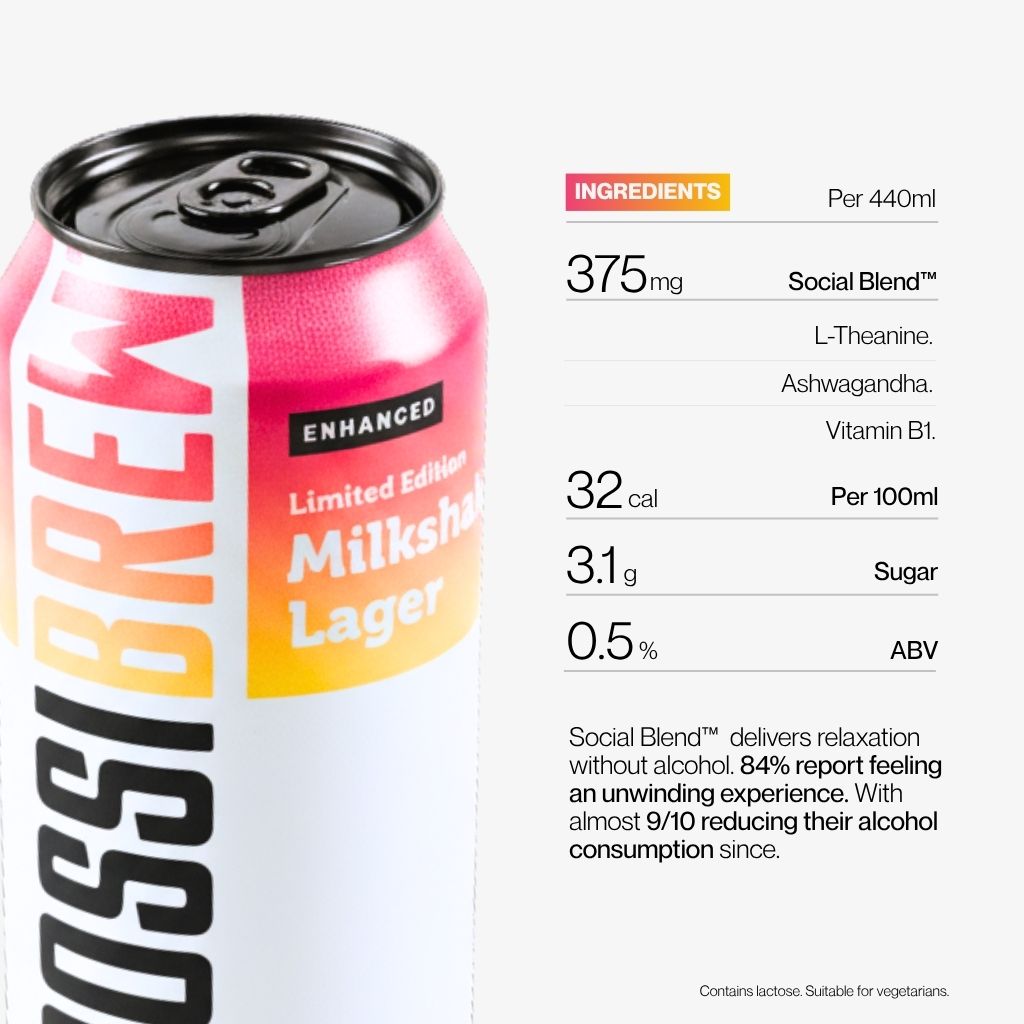
Brands like IMPOSSIBREW® have embraced these principles. Their Enhanced Lager and Enhanced Pale Ale clearly outline the ingredients in their Social Blend™ formulation, while also catering to vegan and gluten-free dietary needs.
Taste and Drinking Experience
The days of adaptogenic drinks being more functional than flavourful are long gone. Today’s consumers expect delicious, well-crafted beverages that don’t sacrifice taste for health benefits [17]. Flavour has become a key factor, with brands focusing on creating drinks that deliver on both wellness and indulgence. A lot of attention is given to the overall drinking experience - silky textures, herbal extracts, and smooth fruit purées combine to create a rich mouthfeel. Even small details, like the addition of rosemary sprigs or citrus zest as garnishes, add to the sensory appeal [17].
Social media platforms like TikTok and Instagram are also influencing taste trends. These platforms encourage creativity, with users experimenting with unique drink recipes and flavour combinations [13].
Health and Lifestyle Preferences
Health benefits and lifestyle compatibility are just as important as taste for UK consumers. Many are looking for products that align with their dietary needs and wellness goals. The demand for vegan, gluten-free, and low-calorie options reflects broader dietary shifts in the UK. In fact, the adaptogenic beverage market is projected to grow at a 6.2% annual rate between 2025 and 2035 [12].
Convenience also plays a big role, making RTD formats particularly attractive to busy individuals. This trend aligns with findings that 53% of global consumers have taken steps to improve their emotional health over the past year [13].
Looking ahead, personalised nutrition could reshape the market. Advances in AI technology may pave the way for custom beverage blends and subscription services, making it easier for consumers to find products tailored to their preferences [12][13].
The rise of no- and low-alcohol drinks further illustrates how lifestyle alignment drives purchasing decisions. In the UK, this market was valued at £380 million by the end of 2024 and is expected to grow to £800 million by 2028 [13].
Key Findings and Market Impact
Survey results paint a vivid picture of the UK’s growing market for adaptogen-infused beverages, fuelled by shifting wellness priorities and a heightened focus on mental health.
Main Consumer Trends
There’s no denying it: UK consumers are increasingly drawn to adaptogenic drinks. A striking 69% are actively seeking botanical-based beverages to help manage stress and boost energy [19]. This signals a noticeable shift in daily drink choices, with people now prioritising functional benefits over simple refreshment.
Mental wellbeing has emerged as the leading reason behind this trend. As Matthew Oster from Euromonitor International UK puts it:
"In consumer surveys we've run, mental wellbeing has become the chief factor that consumers consider when answering the question, 'What does being healthy mean to you?', so it stands to reason that demand has gravitated from specific immunity functionalities to these mental health concerns." [3]
Another major factor shaping the market is the demand for clean-label products. Around 58% of UK consumers value natural and organic ingredients when picking functional drinks [18]. But here’s the catch: even the healthiest beverage must taste good. The data makes it clear - flavour is non-negotiable. This creates a challenge for brands to strike the perfect balance between delivering wellness benefits and offering a great-tasting product.
These shifting preferences are paving the way for a booming market.
Market Opportunities in the UK
The numbers tell a compelling story. By 2030, the UK adaptogens market is forecasted to hit £779 million, growing at an annual rate of 7.7% from 2025 [20]. Meanwhile, the broader functional beverage market is expected to reach £2.4 billion by 2024 [1].
Within this space, organic adaptogens are emerging as the fastest-growing segment, creating premium opportunities for brands that prioritise certified organic sourcing [20]. The on-trade distribution channel - covering bars, cafes, and restaurants - is also set to expand by 10.9% annually through 2030 [2], further boosting market potential.
Innovation is already driving the industry forward. New products featuring adaptogenic ingredients aimed at stress relief and cognitive enhancement highlight how brands are tapping into wellness trends to attract consumers.
However, alongside these opportunities, there are hurdles that cannot be ignored.
Challenges and Next Steps
While the market outlook is promising, hurdles remain. One of the biggest challenges is consumer scepticism around scientific evidence. Many remain unconvinced about the claims made regarding adaptogens.
Dr. Rashmi Mullur from UCLA sheds light on this issue:
"Claims can be made without sufficient study, posing significant risks." [21]
Another pressing concern is regulatory ambiguity. The Food Standards Agency may need to step in to provide clearer guidance on adaptogens and nootropics as they become more popular [22]. Additionally, the surge in online sales and the fragmented nature of the market complicate matters around product safety and labelling.
To build trust, brands need to focus on transparency and scientific validation. This means funding credible research, offering clear and honest product information, and collaborating with regulators to establish robust standards.
Sustainability is another critical factor. With up to 60% of consumers willing to switch brands for eco-friendly packaging [11], brands have both a challenge and an opportunity to stand out by adopting environmentally conscious practices.
Although adaptogens currently make up just 2% of the global dietary supplement market [3], the potential for growth is vast. Brands that can address consumer doubts while delivering on taste, efficacy, and transparency are well-positioned to thrive in this evolving market.
FAQs
What are adaptogens, and how do they benefit functional beverages?
Adaptogens are plant-based substances known for their ability to support the body in managing stress and maintaining balance. They work by helping your body adjust to various challenges - whether physical, emotional, or external - making them a natural way to promote resilience.
What sets adaptogens apart from stimulants or sedatives is how they function. Rather than artificially boosting or lowering energy levels, they aim to restore balance within the body. This unique quality has made them a sought-after ingredient in functional beverages, often used to encourage relaxation and overall well-being. Their gentle approach offers a way to support both mental and physical health without overwhelming the system.
Why do UK consumers have concerns about adaptogens in drinks?
Many people in the UK approach adaptogen-infused drinks with a degree of caution, largely because there isn’t enough solid scientific evidence to confirm their long-term safety or effectiveness. While these ingredients are often marketed as beneficial to health, the absence of consistent regulation and safety standards leaves room for doubt.
On top of this, there’s some scepticism about whether these bioactive compounds actually live up to the claims made about them. As awareness around adaptogens increases, more thorough research and greater transparency in how these products are developed will be essential for earning consumer trust.
How can brands build trust and ensure transparency with consumers about adaptogen-infused products?
To earn trust and promote openness, brands need to share clear and honest details about their adaptogen-infused products. This means being upfront about where the ingredients come from, how the products are made, and responsibly outlining any potential health benefits. It's also essential to meet all relevant regulatory standards.
Transparent labelling, showcasing certifications, and educating customers about adaptogens can go a long way. When people have a better understanding of the safety, quality, and potential advantages of these ingredients, they’re more likely to feel confident in the products and stay loyal to the brand.