
Yes, you can legally drink alcohol-free beer while driving in the UK, as long as it does not impair your ability to drive safely. Most alcohol-free beers contain trace amounts of alcohol (up to 0.5% ABV), which are unlikely to affect your blood alcohol concentration (BAC) or cause you to fail a breathalyser test. However, there are a few important points to keep in mind:
- Legal Limits: The UK has strict drink-driving laws. Scotland enforces a lower alcohol limit than England, Wales, and Northern Ireland.
- Labelling Differences: "Alcohol-free" in the UK means ≤0.05% ABV, but imported beers labelled "alcohol-free" may contain up to 0.5% ABV.
- Breathalyser Impact: Trace amounts of alcohol in alcohol-free beer are processed quickly by the body and are unlikely to register on a breathalyser.
- Driving Safely: Even if under the legal limit, you can still face prosecution if your driving is impaired by any substance.
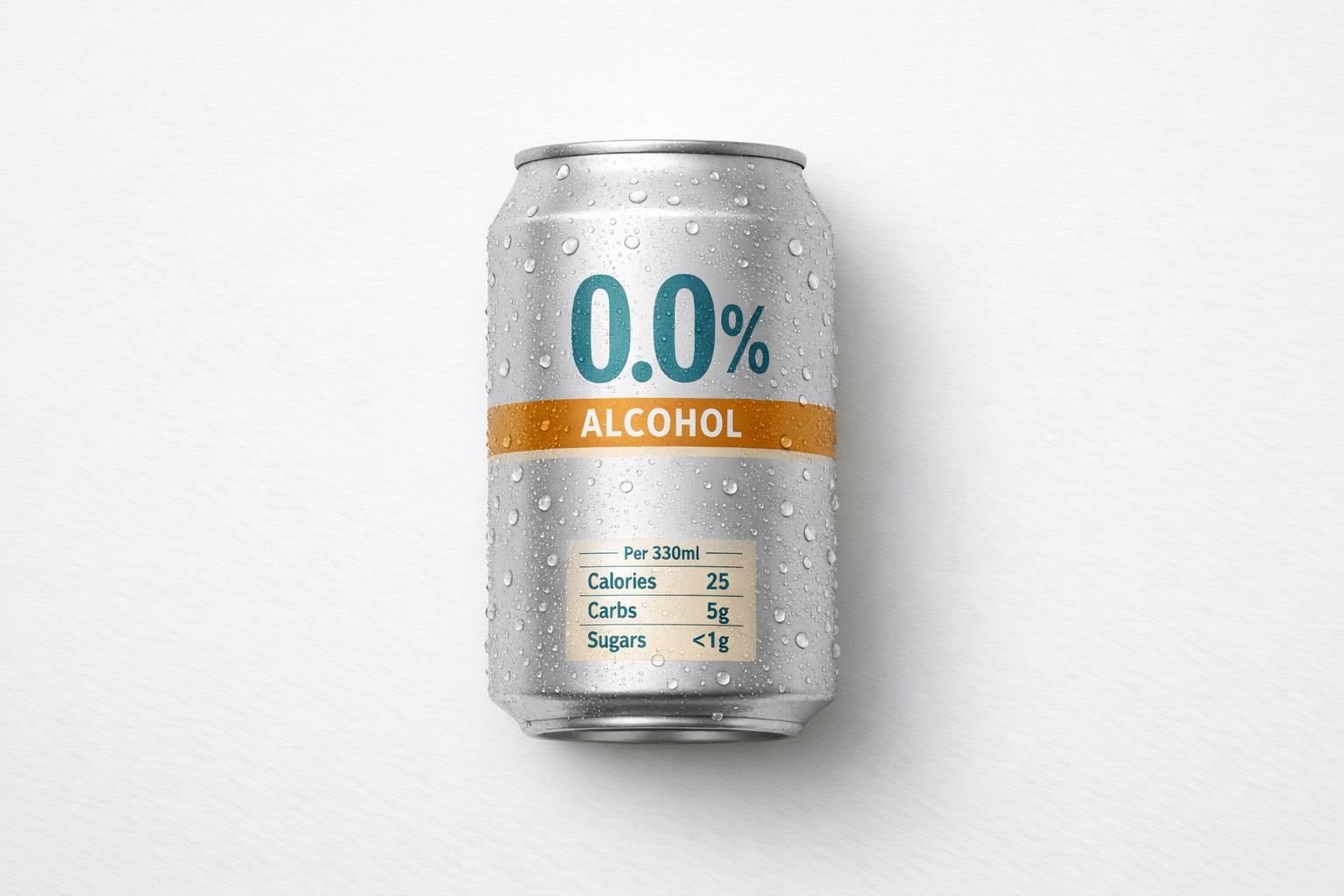
To stay safe, check the ABV on the label, be mindful of how much you consume, and avoid drinking from containers that resemble full-strength beer to prevent confusion with law enforcement. Ultimately, the safest option is to choose 0.0% ABV drinks when driving. If you're looking for a high-quality option, you can explore some of the UK's best tasting alcohol-free beers to find a satisfying alternative.
Can you drink non alcoholic beer while driving?
sbb-itb-a752bf8
What Counts as Alcohol-Free Beer in the UK
When it comes to "alcohol-free" beer, not all labels mean the same thing. In the UK, the definition of alcohol-free beer differs from standards in Europe or the United States, which can lead to confusion - especially if you're planning to drive.
In the UK, "alcohol-free" refers to drinks with an ABV (alcohol by volume) of 0.05% or less. This definition applies to products marketed as 0.0%. However, many European beers labelled as "alcohol-free" contain up to 0.5% ABV, which aligns with EU regulations. These beers are often sold in the UK with their original labels, potentially misleading consumers [8][9].
The UK also uses other terms to categorise low-alcohol drinks:
- "De-alcoholised": Drinks where alcohol has been removed, with an ABV of up to 0.5%.
- "Low-alcohol": Drinks containing 1.2% ABV or less [8][10].
For context, a pint of beer at 0.5% ABV contains around 0.28 units of alcohol, which is significantly lower than the 2.5 units found in a standard pint of beer at 4.4% ABV [10].
UK Labelling Requirements for Alcohol-Free Drinks
Under the Licensing Act 2003, drinks with an ABV of 0.5% or below are not legally classified as alcohol, so they don't require a liquor licence for sale [9]. However, the UK government encourages stricter voluntary labelling, categorising these drinks as follows:
| Category | ABV Threshold | Description |
|---|---|---|
| Alcohol-Free | ≤ 0.05% | Reserved for 0.0% products in the UK |
| De-alcoholised | ≤ 0.5% | Alcohol removed after brewing; matches EU standards |
| Low-Alcohol | ≤ 1.2% | Contains small amounts of alcohol |
As Alcohol Change UK explains:
"The law sets out a few categories of 'alcohol replacement drinks' according to their strength: 'Low alcohol' drinks must not be more than 1.2% alcohol... 'Alcohol-free' drinks cannot be more than 0.05% alcohol" [8].
Additionally, all low-alcohol beers (1.2% ABV or less) must display nutritional information, including calorie counts, on their labels [10]. While this helps consumers make informed decisions, it doesn't fully address the confusion caused by imported labelling practices.
How to Spot Alcohol-Free Beer
To avoid confusion, always check the ABV percentage rather than relying on front-of-pack marketing terms. The ABV listed on the packaging will give you the most accurate information about the drink's alcohol content [8].
If you need to avoid alcohol entirely - for medical, religious, or recovery reasons - it's safest to choose products explicitly labelled as 0.0%, rather than those simply marked "alcohol-free" [8]. Popular brands like Heineken 0.0 and Peroni Nastro Azzurro 0.0% clearly display this information, making it easier to ensure your choice aligns with legal and personal requirements, especially if you'll be driving [11].
Is It Legal to Drink Alcohol-Free Beer Whilst Driving in the UK?
Yes, it is legal to drink alcohol-free beer while driving in the UK, as long as your blood alcohol concentration (BAC) stays below the legal limit and your driving ability remains unaffected. Most alcohol-free beers have an alcohol by volume (ABV) between 0.05% and 0.5%, which makes it highly unlikely that they would push you over the legal limit or impair your driving.
The trace amounts of alcohol in these beers mean even consuming several of them is unlikely to significantly affect your BAC. Christine Humphreys, Co-founder of The Alcohol-Free Shop, explains:
"You can safely drive after consuming alcohol-free beers without risking a drink driving conviction" [2].
However, it’s worth noting that under Section 4 of the Road Traffic Act 1988, you can still face prosecution if your ability to drive safely is impaired by any substance, even if you’re under the legal alcohol limit [1][3]. Let’s take a closer look at how UK drink-driving limits and testing procedures apply in this context.
UK Drink-Driving Limits Explained
The UK has varying legal drink-driving limits depending on location. Scotland enforces stricter limits than England, Wales, and Northern Ireland. In the latter regions, police typically won’t prosecute unless your breath alcohol reading exceeds 40 micrograms per 100ml of breath, which is slightly above the legal limit of 35 micrograms [3]. In Scotland, the threshold is lower, at 22 micrograms per 100ml, meaning drivers there need to be more cautious.
Even with Scotland’s stricter limit, a 0.5% ABV alcohol-free beer is unlikely to impair your driving. However, as the RAC points out:
"The smallest amount of alcohol can affect your vision, reaction times and ability to drive, even if you remain well below the legal drink-drive limit" [5].
There is ongoing debate about harmonising drink-driving limits across the UK. In 2022, drink-driving was linked to an estimated 6,800 deaths or injuries in Great Britain, with over 28,000 drink-driving convictions recorded annually [4][5]. These statistics highlight the importance of safe driving practices, even when consuming alcohol-free beverages.
Can Alcohol-Free Beer Affect Breathalyser Results?
Drinking alcohol-free beer is unlikely to affect breathalyser results [1][2]. The body processes the minimal alcohol in a 0.5% ABV beer very quickly. For context, a healthy liver can process about one unit of alcohol per hour [2]. A 500ml can of alcohol-free beer contains just 0.25 units of alcohol, compared to a standard 4.4% ABV beer, which has around 2.2 units - nearly nine times more [10].
The small amount of alcohol in these beverages is not enough to raise your BAC to a level that would impair you or cause a failed breathalyser test [1]. Interestingly, many everyday foods contain similar trace amounts of alcohol. For example, burger rolls can have up to 1.2% ABV, while ripe bananas and orange juice may contain around 0.5% ABV. These are not typically a concern for drivers [1][2].
IMPOSSIBREW® Beers and UK Driving Laws
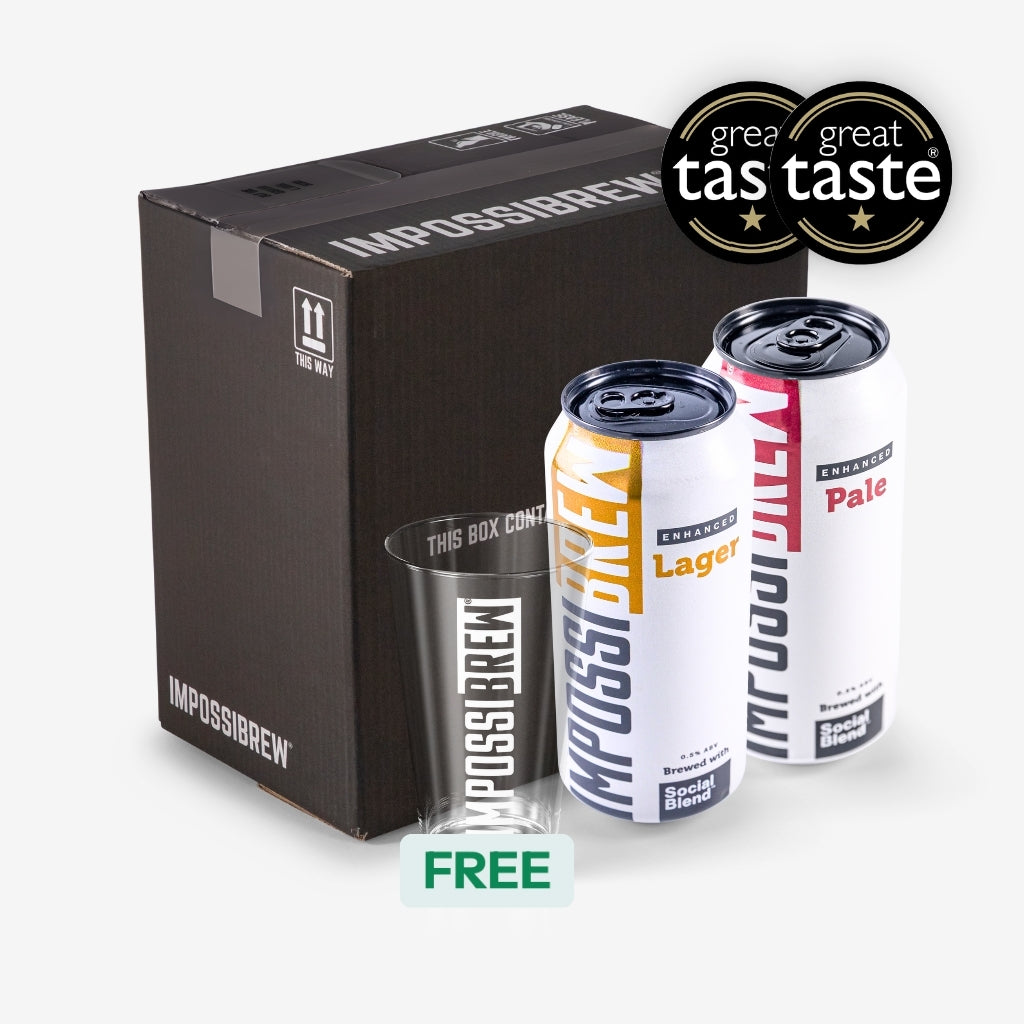
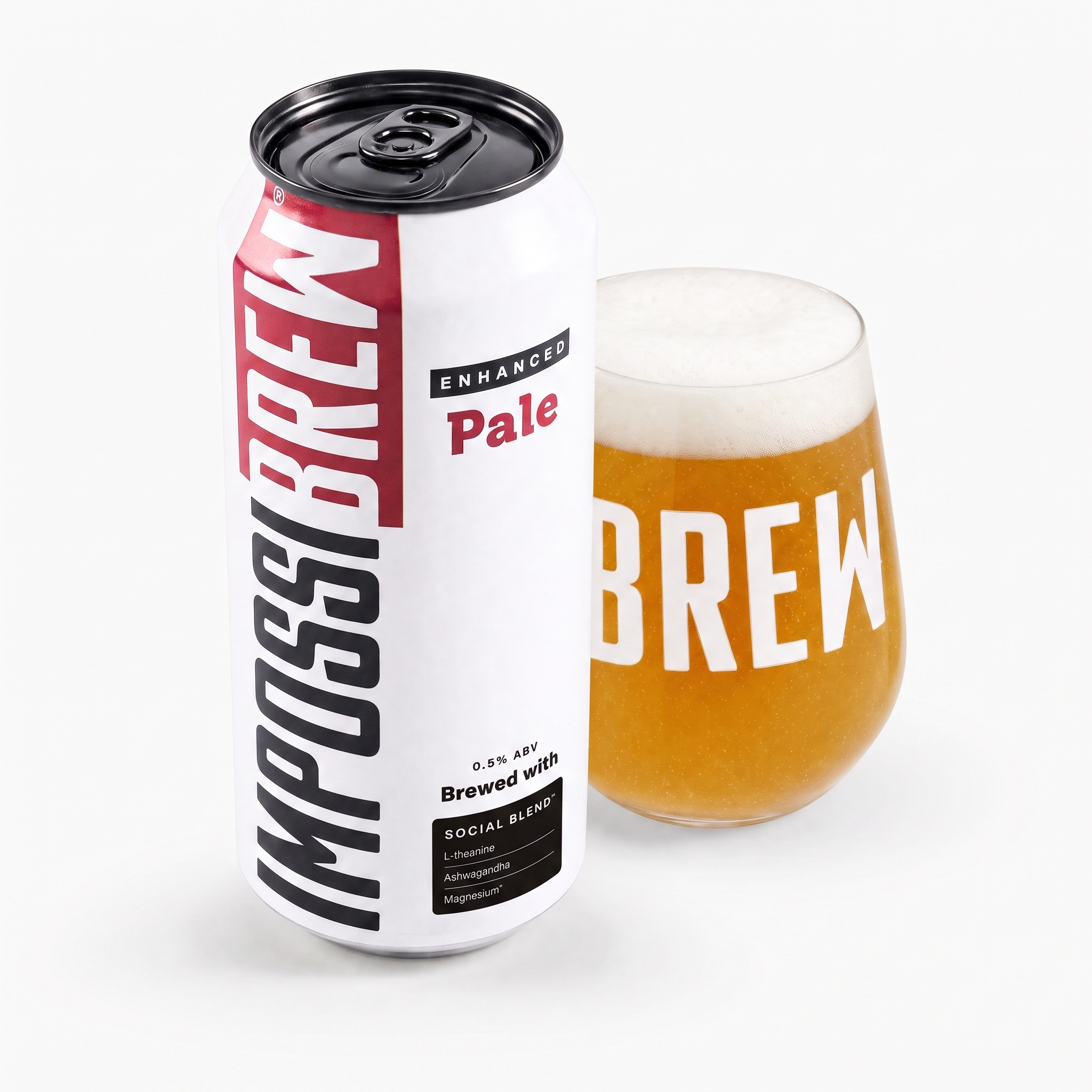
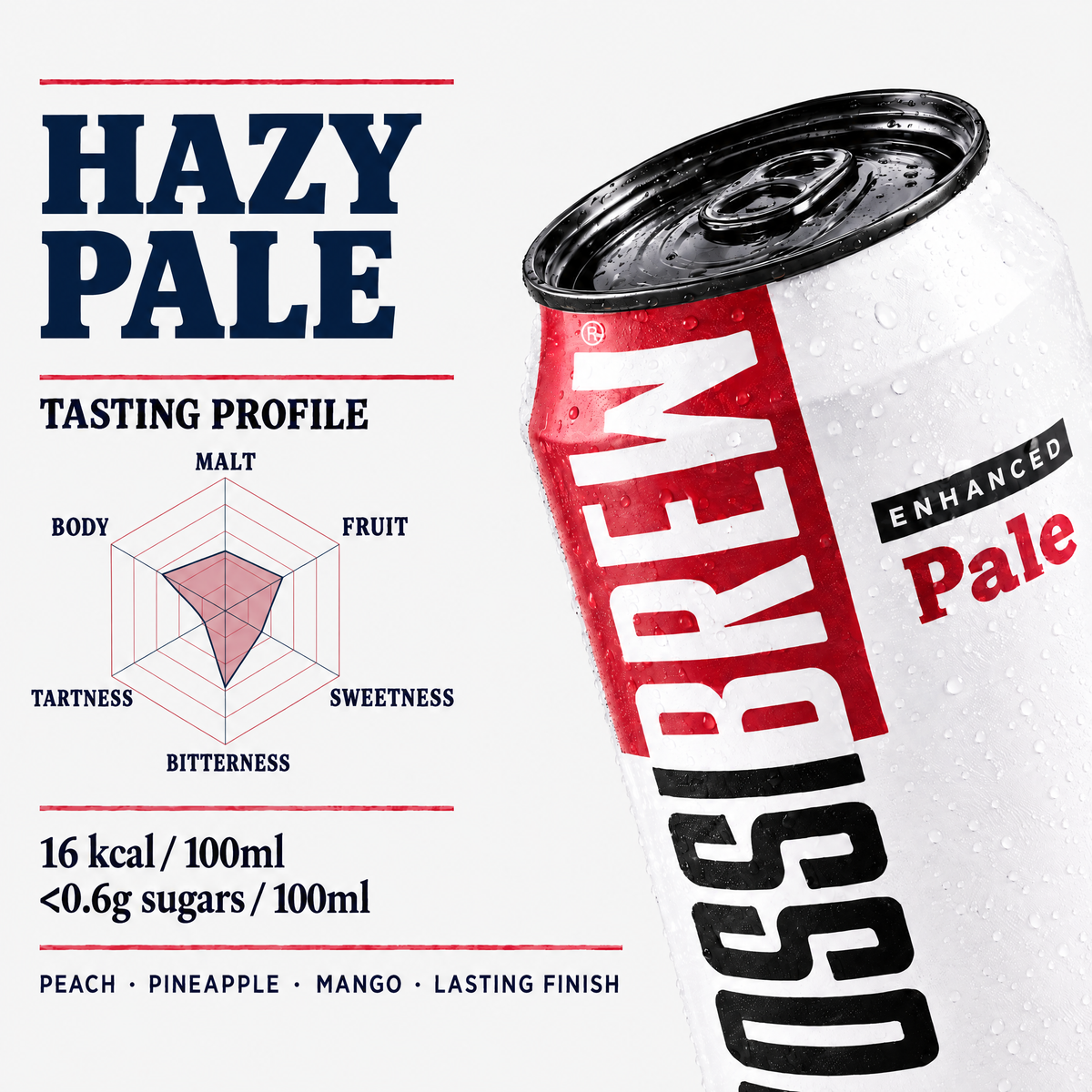
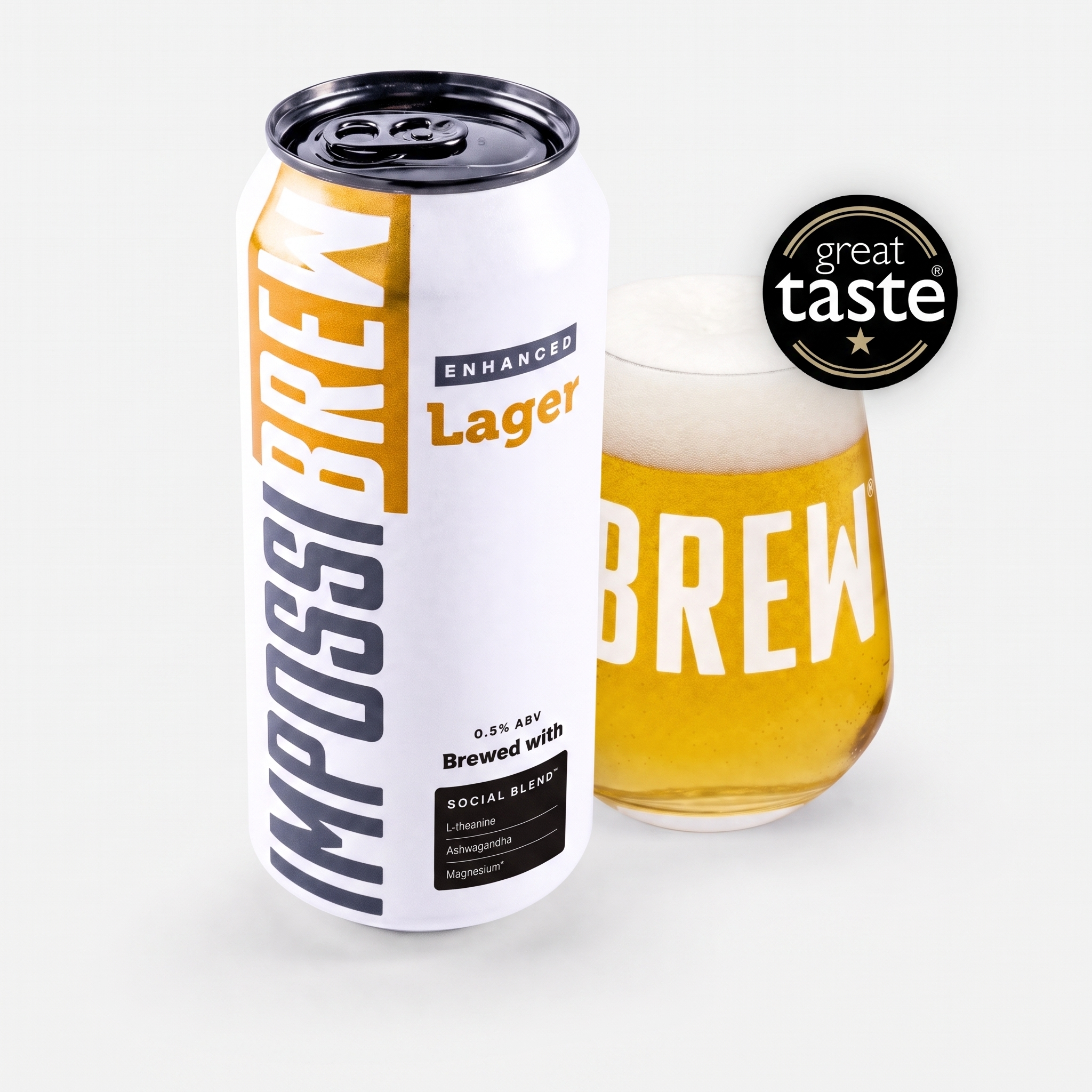
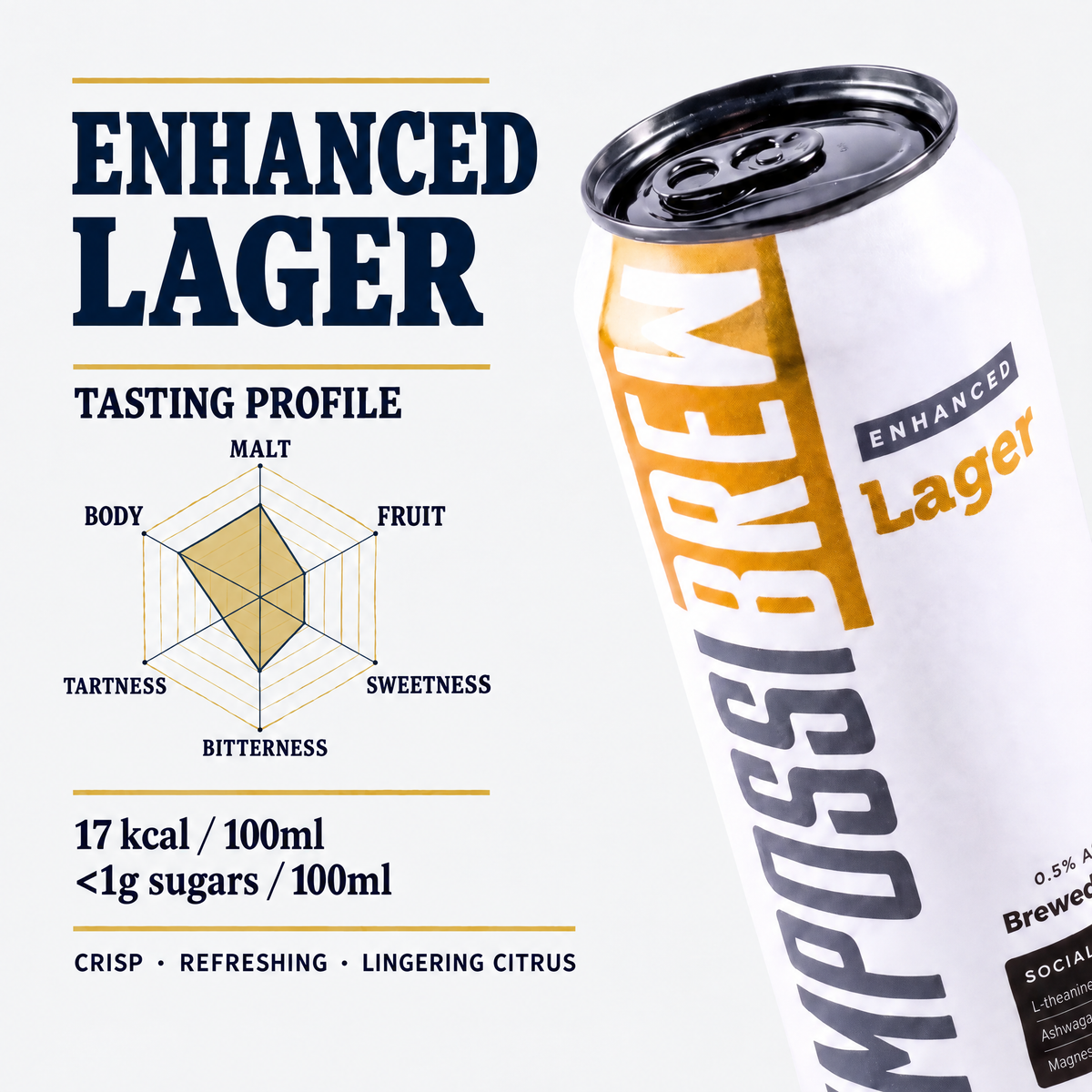
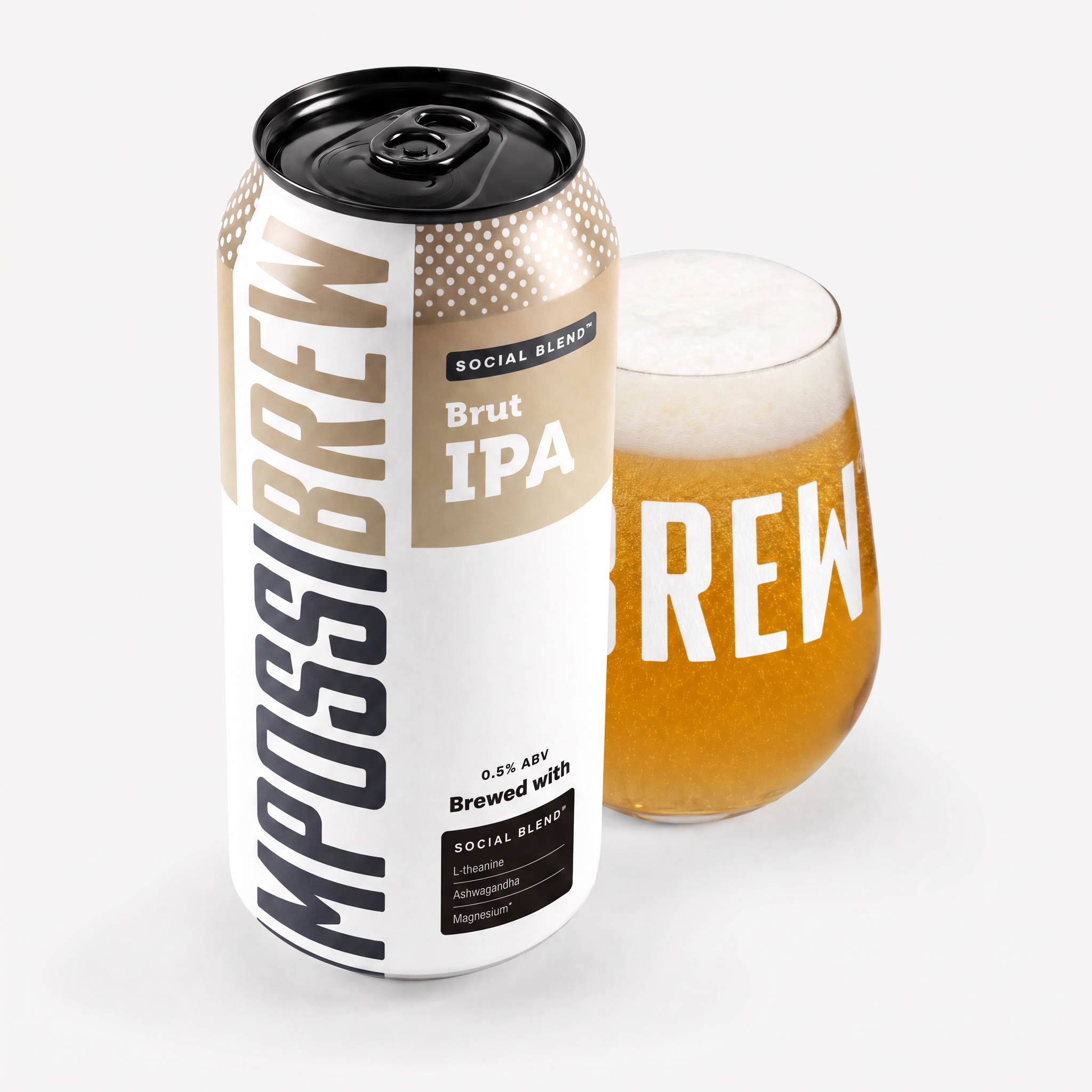
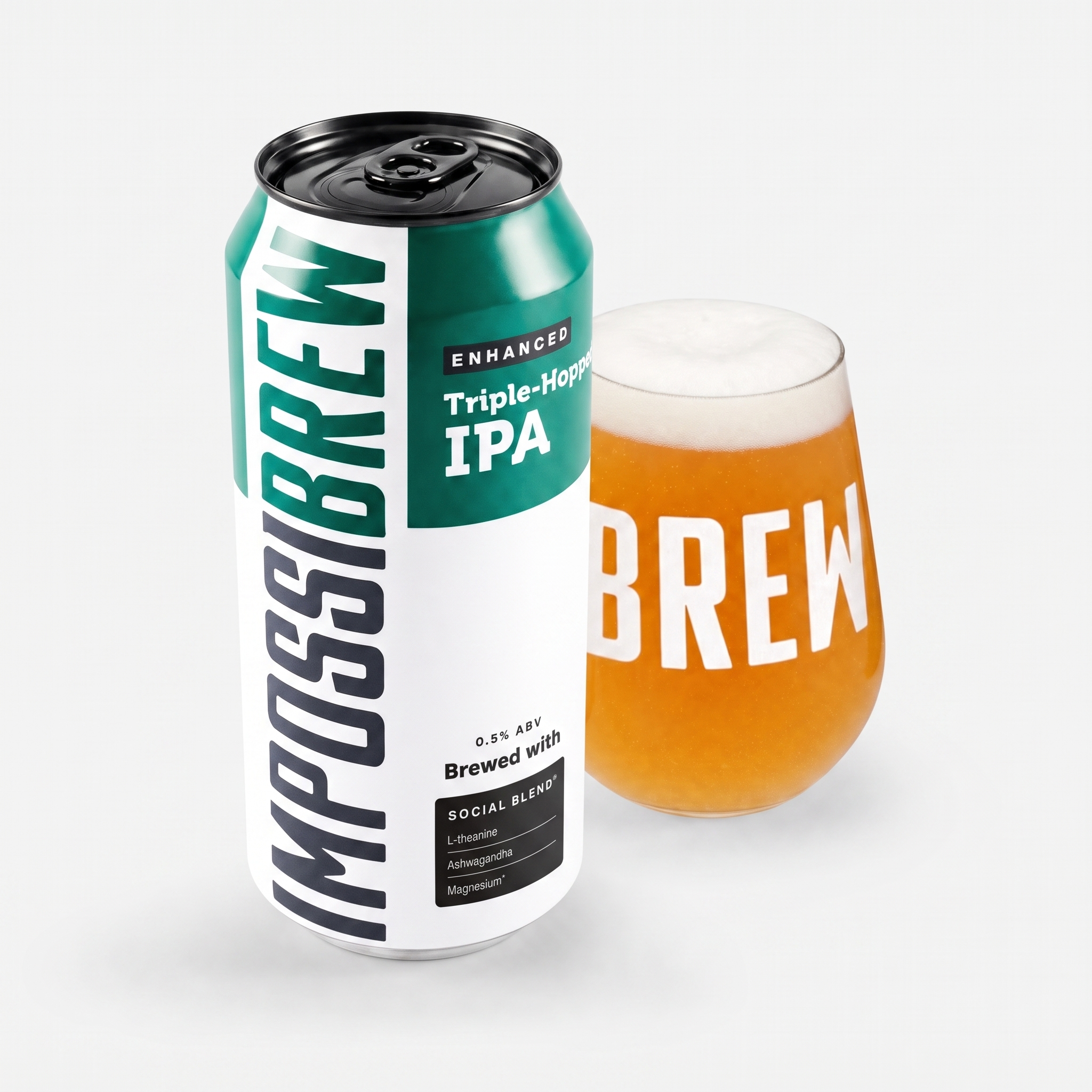
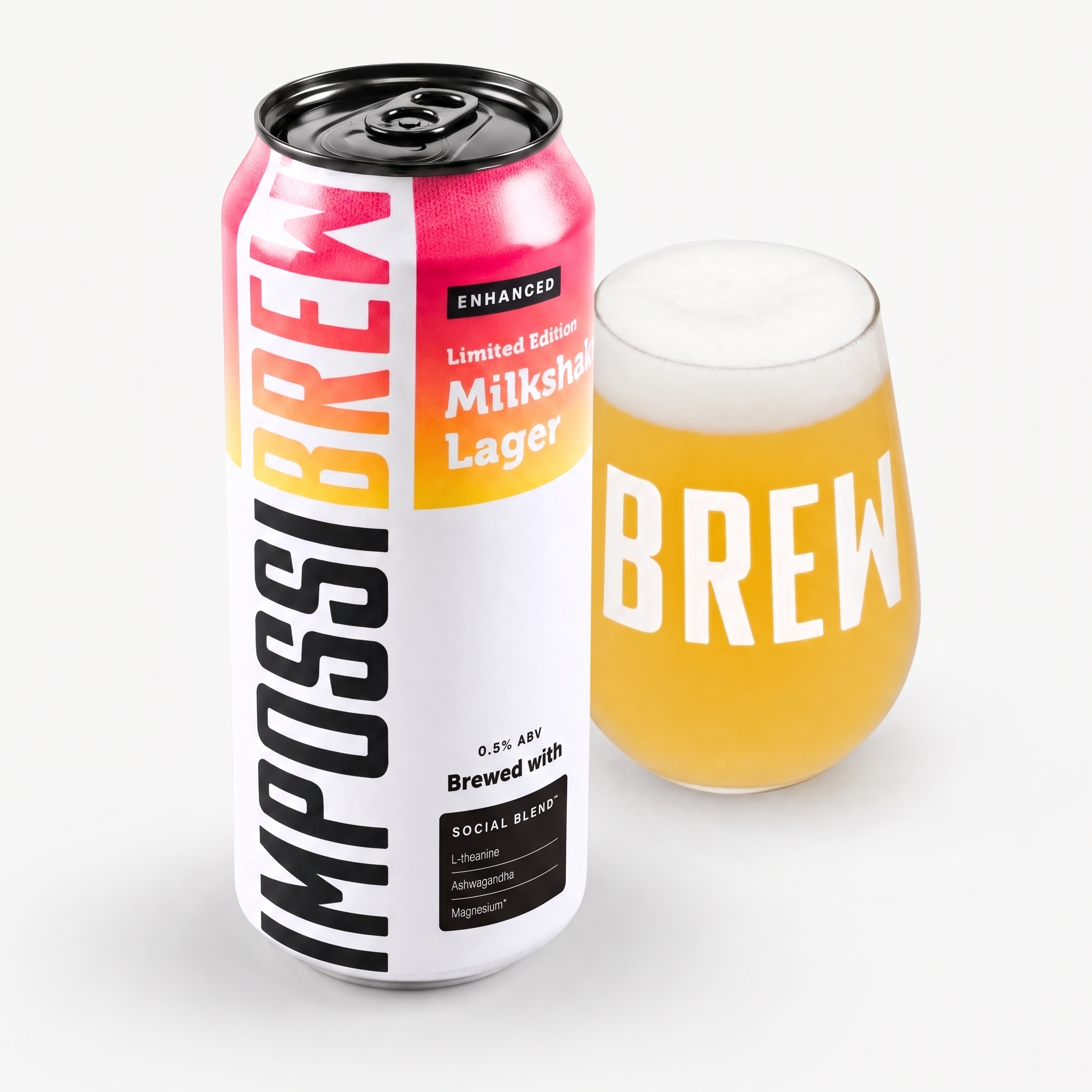
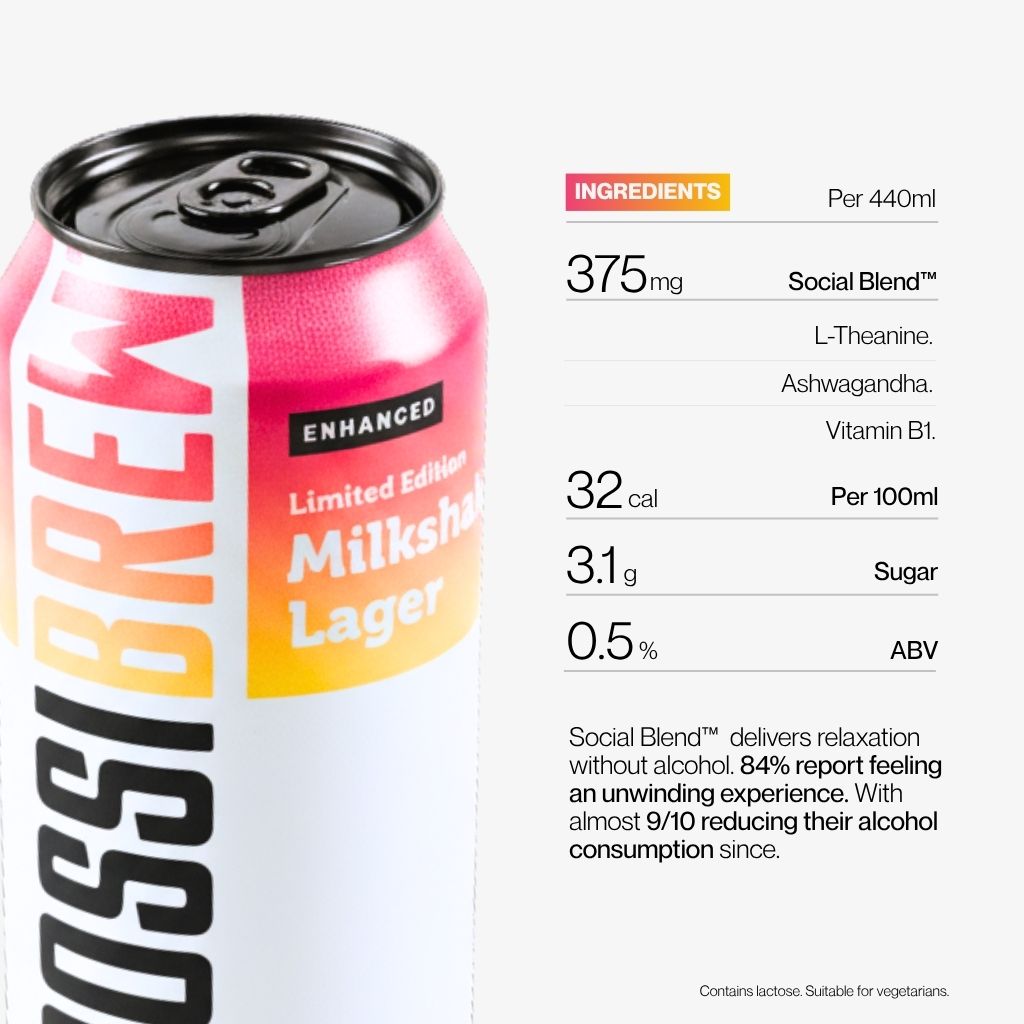
IMPOSSIBREW® beers meet all UK driving regulations, containing just 0.5% ABV - comparable to everyday items like orange juice or ripe bananas [13]. Under UK law, this makes them "dealcoholised." Let’s take a closer look at what sets these beers apart.
What's in IMPOSSIBREW® Beers
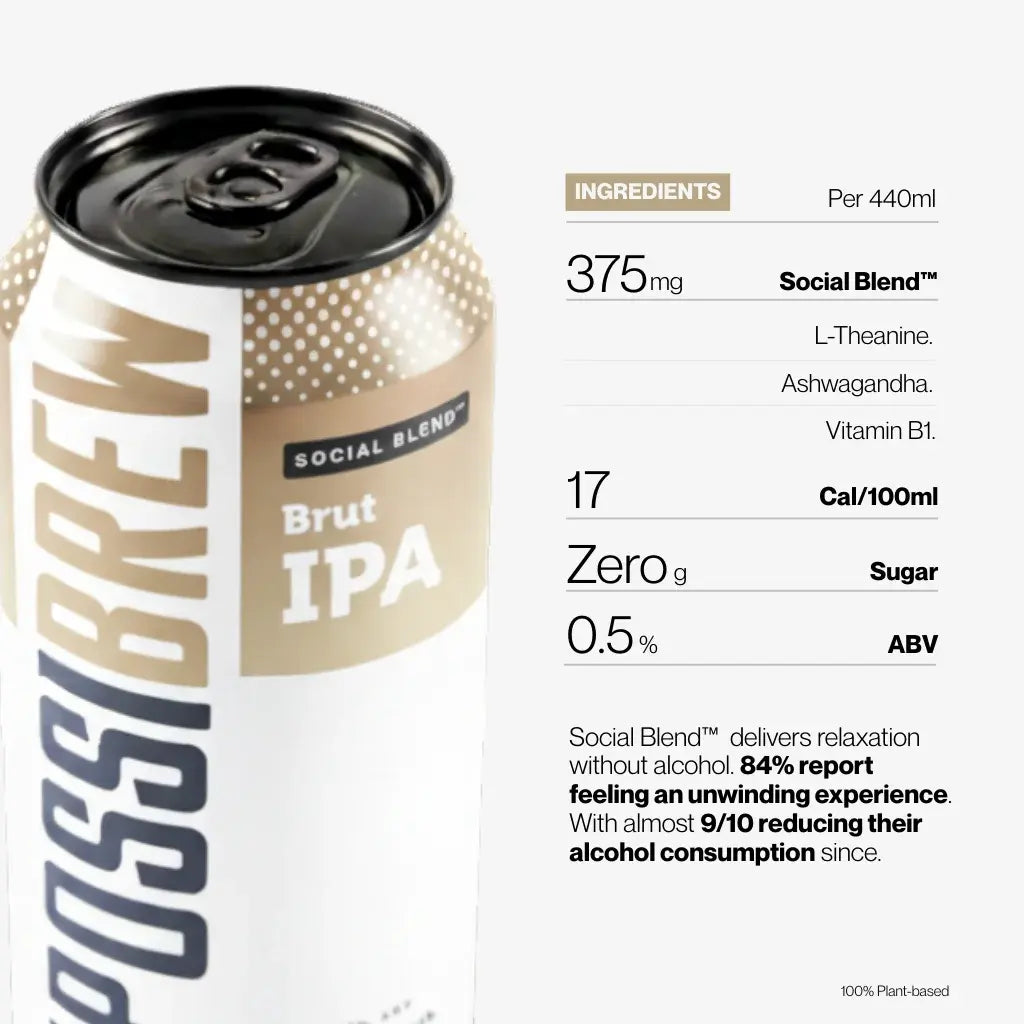
The secret to IMPOSSIBREW® lies in its proprietary Social Blend™, designed to recreate the sensory and social experience of traditional beer drinking. Each 100ml contains 375mg of a blend that includes L-Theanine, Ashwagandha Root Extract, Vitamin B1, and plant fibres [13]. This blend is paired with a cryogenic fermentation process, which preserves the classic beer taste while maintaining the 0.5% ABV.
Mark Wong, the founder of IMPOSSIBREW®, describes the innovation:
"Social Blend™ is our proprietary alcohol alternative made from a blend of science-backed ingredients... designed to replicate the sensory and social relaxing experience of drinking" [13].
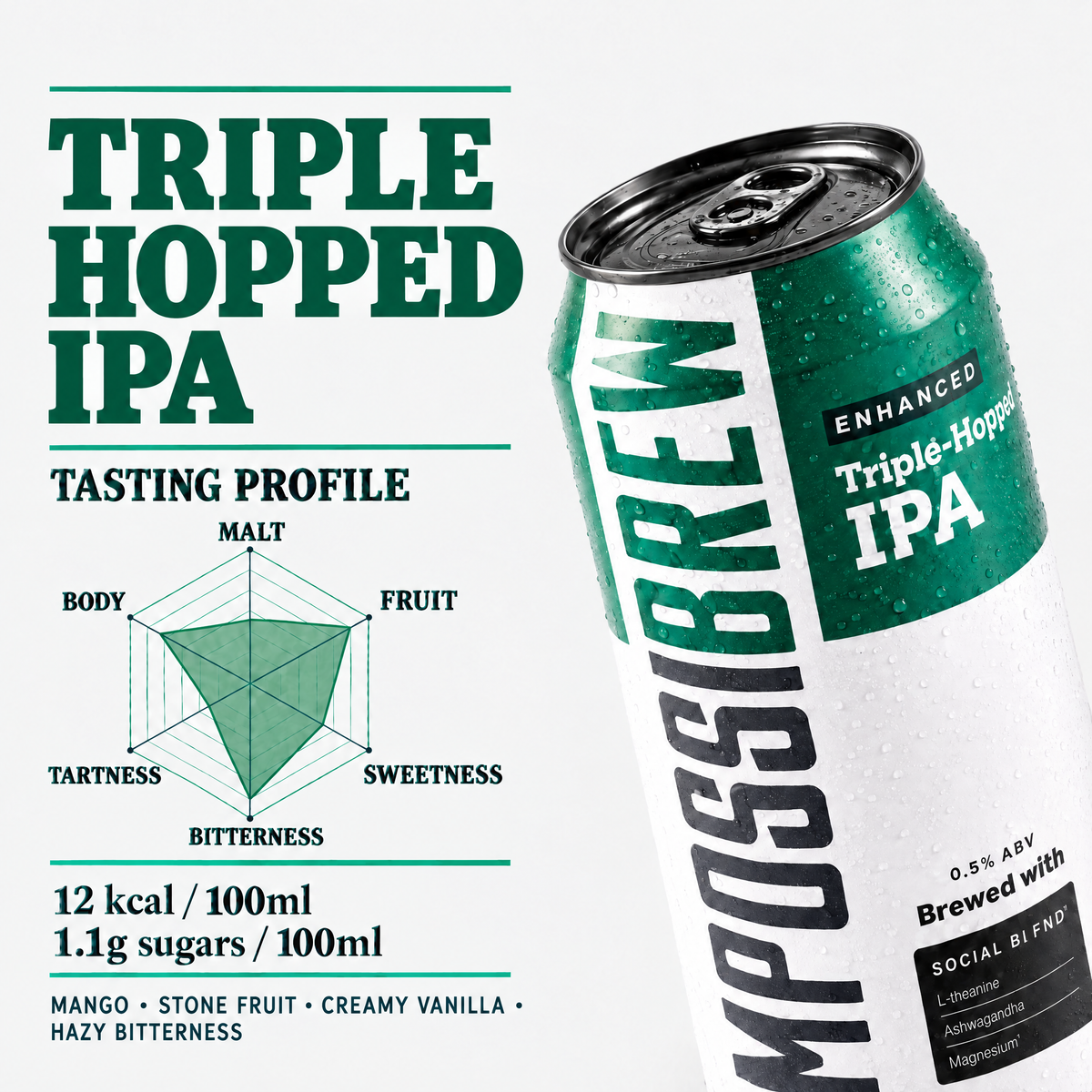
The range includes Enhanced Lager, Enhanced Hazy Pale, Triple Hopped IPA, and Cask Reserve Amber, all at 0.5% ABV. The Enhanced Lager is tested gluten-free (<10ppm), while other varieties may contain gluten or lactose. Due to the active botanicals, individuals on medications like antidepressants, immunosuppressants, blood thinners, or thyroid treatments should consult their doctor before consuming these beers [13].
This blend not only delivers authentic flavour but also ensures a negligible impact on blood alcohol concentration (BAC), making it easy to enjoy responsibly.
How IMPOSSIBREW® Beers Affect Alcohol Levels
The trace alcohol in IMPOSSIBREW® beers has minimal effect on BAC [13]. For example, a 440ml can contains about 0.22 units of alcohol, compared to the 2.2 units in a standard 4.4% ABV beer. You’d need to drink around 20 cans of IMPOSSIBREW® to match the BAC from just one regular-strength beer [1][10].
| Number of Cans (440ml) | Total Alcohol Units | Estimated BAC Impact | UK Driving Law Compliance |
|---|---|---|---|
| 1 Can | ~0.22 units | Negligible / No spike | Fully Compliant |
| 2 Cans | ~0.44 units | Negligible / No spike | Fully Compliant |
| 3 Cans | ~0.66 units | Negligible / No spike | Fully Compliant |
In addition, the Social Blend™ encourages relaxation. A study with over 1,000 participants found that more than 70% felt relaxed after drinking IMPOSSIBREW® [13]. However, it’s important to listen to your body - if you feel too relaxed or drowsy, it’s best not to drive, just as you’d avoid driving after consuming too much caffeine [1].
This thoughtful approach ensures that IMPOSSIBREW® supports safe and responsible driving, keeping BAC levels low while offering a relaxing experience.
How to Drink Alcohol-Free Beer Safely Whilst Driving
Even though drinking alcohol-free beer while driving is legal in the UK, it’s smart to take precautions to avoid any confusion or issues on the road.
Safety Checklist for Drivers
Check the ABV label before opening any drink. In the UK, alcohol-free beers can legally contain up to 0.5% ABV (and up to 1.2% for 'low alcohol' options). Look for drinks labelled as 0.0% if you want to eliminate any alcohol content.
Be mindful of your consumption. While a couple of 0.5% ABV beers are unlikely to cause any issues, drinking several could register on sensitive breathalysers. For example, a 500ml can of 0.5% ABV beer contains about 0.25 units of alcohol, whereas a 500ml can of a 0.05% beer contains only 0.025 units. Knowing these numbers can help you make informed decisions.
Avoid drinking from containers that resemble full-strength beer. Even though it’s not illegal, it can draw unnecessary attention. As The AA points out:
"There is nothing technically illegal about drinking alcohol-free beer while driving in the UK, however, you can still expect to get pulled over for it if your drink looks similar enough to a real beer bottle or can" [14].
Pay attention to how you feel. Some alcohol-free beers include ingredients like Ashwagandha or L-Theanine, which can have calming effects. If you notice drowsiness or feel overly relaxed, it’s best not to drive.
Lastly, staying informed about the law is just as important as monitoring your intake.
Keeping Up with Law Changes
Understanding the current legal framework helps ensure you’re always on the right side of the law. UK drink-driving laws are under review, with organisations like the RAC advocating for stricter limits. In England, Wales, and Northern Ireland, the legal blood alcohol limit stands at 80mg per 100ml, but Scotland already enforces a lower limit of 50mg per 100ml [4].
Stay updated by regularly checking the Highway Code and government announcements. As of January 2026, the UK government is consulting on reducing drink-drive limits further [6]. If you’re driving in Scotland, it’s especially wise to choose 0.0% beers over those containing 0.5% ABV, given the stricter limits there.
Conclusion
Drinking alcohol-free beer while driving in the UK is completely legal, but it’s important to grasp the finer details. Drinks labelled as "alcohol-free" in the UK can still contain trace amounts of alcohol. For instance, a 500ml can of beer with 0.5% ABV contributes only a negligible amount of alcohol compared to regular-strength beers.
Regional differences in drink-driving limits should also be noted. Scotland has a stricter limit of 50mg of alcohol per 100ml of blood, compared to 80mg per 100ml in England, Wales, and Northern Ireland. If you’re near the border, choosing a 0.0% ABV option might be the safer bet [4]. Beyond the legal limits, it’s also crucial to consider practical safety concerns.
Although drinking alcohol-free beer while driving is lawful, beverages that resemble full-strength beer could still draw the attention of law enforcement. This makes discretion a wise choice [7] [14]. Ultimately, the safest option is to wait until you’ve finished your journey before enjoying any drink.
With sales of alcohol-free beer in the UK more than tripling between 2017 and 2022 [10], and an estimated 42% of UK drinkers turning to these alternatives as part of moderation strategies by 2025 [12], it’s clear these products are gaining popularity. Understanding the labelling, regional laws, and safety implications ensures you stay in control. By checking labels carefully, staying aware of the rules, and prioritising safety, you can responsibly enjoy alcohol-free options without risking your legal compliance or driving safety.
Related Blog Posts
- Best Alcohol-Free Beer Birmingham
- Best Functional Alcohol-Free Beer UK
- 7 Myths About Alcohol-Free Beer Debunked
- 10 Social Situations Made Better by Alcohol-Free Beer
Frequently Asked Questions
Can you drink alcohol-free beer and drive in the UK?
In general, yes — alcohol-free beer is designed to contain either 0.0% ABV or only trace amounts of alcohol, which is far below regular beer. For most people, drinking a true alcohol-free beer will not put them anywhere near the UK drink-drive limit. If you need complete certainty, choose clearly labelled 0.0% options and check the can before drinking.
Can alcohol-free beer make you fail a breathalyser test?
A properly labelled alcohol-free beer is very unlikely to make you fail a breathalyser test on its own. Trace alcohol levels in low and no drinks are extremely small compared with standard beer. The safest route, especially before driving, is to choose 0.0% products rather than anything labelled up to 0.5% ABV.
Is 0.5% ABV alcohol-free in the UK?
Not exactly. In the UK, drinks labelled 0.0% contain no more than 0.05% ABV, while some low and no products may still contain up to 0.5% ABV depending on how they are marketed. That is still a very small amount, but it is not the same as 0.0%.
How many alcohol-free beers can you drink before driving?
There is no simple legal number because body size, timing, and the exact ABV all matter. In practice, true 0.0% alcohol-free beers are the lowest-risk option if you plan to drive. If a drink is 0.5% ABV rather than 0.0%, it is still low, but choosing 0.0% removes more ambiguity.
What is the safest alcohol-free beer to choose before driving?
The safest option before driving is a beer clearly labelled 0.0% ABV rather than one that contains trace alcohol. It is also worth checking ingredients if you are sensitive to caffeine, botanicals, or functional additives. When in doubt, stick to the label and choose the most straightforward 0.0% option.