Non-alcoholic beer is a low-alcohol alternative that’s gained popularity in the UK, with sales tripling between 2017 and 2022. By late 2025, 38% of UK drinkers regularly chose low or alcohol-free options, up from 29% in 2022. It’s marketed as a healthier choice, offering fewer calories than regular beer and potential benefits like improved recovery after exercise and benefits like better sleep. However, sugar content can be higher, and trace alcohol (up to 0.5% ABV) may not suit everyone, especially those who are pregnant, breastfeeding, or recovering from alcohol addiction. Brands like IMPOSSIBREW® stand out by adding functional ingredients like L-Theanine and Ashwagandha, promoting relaxation without alcohol’s drawbacks. While non-alcoholic beer can be a good option for health-conscious drinkers, it’s important to choose wisely and consider individual needs.
Is Non-Alcoholic Beer Better For You?
sbb-itb-a752bf8
Nutritional Profile: How It Compares to Alcoholic Beer
Non-alcoholic beer is made using the same core ingredients as regular beer, but with the alcohol removed, its calorie count drops noticeably. For example, standard lagers typically contain 140–180 calories per serving, while non-alcoholic versions range between 45–90 calories per serving [2][4]. This makes non-alcoholic beer an appealing choice for those keeping an eye on their calorie intake. However, this reduction in calories often comes with changes to other nutritional elements.
Interestingly, many non-alcoholic beers have nearly double the carbohydrate content of regular beer - about 29 grammes compared to 13 grammes per 350 ml serving [5]. This is often due to added sugars used to enhance flavour, as explained by Dr Duane Mellor [2].
Vitamins, Minerals, and Polyphenols
Beyond calorie differences, both alcoholic and non-alcoholic beers offer small amounts of B vitamins, phosphorus, and magnesium [5]. Non-alcoholic beer can also provide potassium and sodium, which is why some endurance athletes turn to it as a recovery drink to support fitness goals [4]. Additionally, these beers contain polyphenols - compounds from hops and malt known for their antioxidant and anti-inflammatory properties [1]. Crucially, these polyphenols remain intact without the presence of alcohol, allowing you to enjoy their benefits without the immune-suppressing effects of ethanol.
One study highlighted this potential: marathon runners who drank 1–1.5 litres of non-alcoholic beer daily for five weeks had a 3.25-fold lower risk of upper respiratory tract infections compared to a placebo group [1].
Calories and Sugar Content
The nutritional profiles of non-alcoholic beers can vary widely based on the brand and brewing process. While some include added sugars, IMPOSSIBREW® takes a different approach, keeping sugar content to a minimum while incorporating functional ingredients.
| Product | Energy (kcal per 100 ml) | Of which Sugars | Key Functional Ingredients |
|---|---|---|---|
| IMPOSSIBREW® Enhanced Lager | 6 kcal | 0g | Social Blend™ (Vitamin B1, L-Theanine, Ashwagandha) |
| IMPOSSIBREW® Enhanced Hazy Pale | 6 kcal | 0g | Social Blend™ (Vitamin B1, L-Theanine, Ashwagandha) |
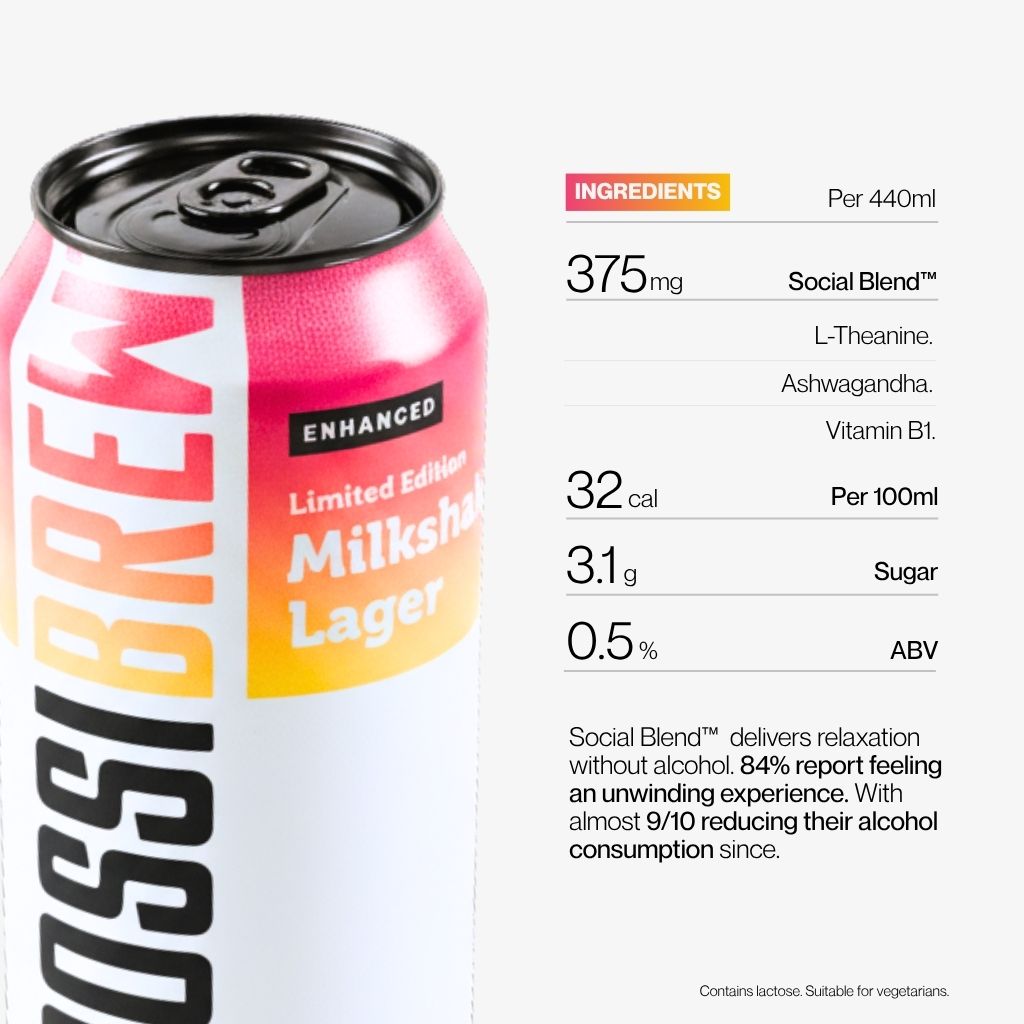
A 440 ml can of IMPOSSIBREW® contains just 27 calories [1], making it an excellent option for those seeking a low-calorie, health-conscious drink. Its Social Blend™ formula adds an extra layer of benefits, promoting relaxation and mental clarity without the effects of alcohol [6]. This approach not only removes the alcohol but also elevates the beverage's overall wellness appeal.
Health Benefits: Physical and Mental Effects
Physical Health Effects
Non-alcoholic beers are actually healthy for you, offering some interesting perks for physical health, particularly in areas like cardiovascular health and recovery after exercise. Studies highlight that pilsner-style non-alcoholic beer can help lower total cholesterol and LDL levels while also reducing markers of liver damage, such as M30. Compared to wheat or mixed beer varieties, it appears to have a more favourable effect on metabolism, avoiding increases in insulin and triglyceride levels[7].
For those leading an active lifestyle, non-alcoholic beer doubles as an effective recovery drink. Thanks to the polyphenols from hops and malt, it provides antioxidant and anti-inflammatory benefits, which can counteract the immune suppression often triggered by intense workouts. For instance, marathon runners who drank 1–1.5 litres of non-alcoholic beer daily over five weeks - three weeks leading up to and two weeks following a race - were 3.25 times less likely to catch upper respiratory tract infections compared to a placebo group[1].
Hops also bring another benefit: their bitter acids can enhance GABA activity in the brain, which has a calming effect on the nervous system[1][8]. This can help reduce the time it takes to fall asleep and improve overall sleep quality. Additionally, drinking around 330 ml daily for four weeks has been shown to increase gut bacterial diversity in healthy adults without causing weight gain or an increase in fat mass[1].
These physical benefits naturally tie into better mental well-being, creating a holistic boost to overall health.
Mental Health and Stress Relief
Non-alcoholic beer isn’t just about physical health - it can also offer support for mental well-being, thanks to its natural ingredients and added functional elements. In one study involving 97 healthy adults, consuming 35 mg of matured hop bitter acids daily over three weeks significantly improved mood. Participants reported reductions in anxiety, depression, and fatigue[8].
Takafumi Fukuda, MSc, from Kirin Central Institute, noted that matured hop bitter acids "significantly improved total mood state, including anxiety, depression, fatigue, and vigour, compared with the baseline"[8].
Brands like IMPOSSIBREW® take these benefits further with their Social Blend™ formula. This blend includes L-theanine, ashwagandha, and Vitamin B1, designed to promote relaxation and stimulate alpha brain waves - offering a sense of calm without the downsides of alcohol[1]. In a survey of over 1,000 participants, more than 70% reported feeling relaxed after drinking IMPOSSIBREW®, while 88% said they reduced their alcohol consumption after trying these functional alternatives[1]. It provides the social and sensory enjoyment of drinking without the usual hangover or health risks tied to alcohol.
IMPOSSIBREW®: Functional Beers for Health-Conscious Drinkers
Enhanced Lager and Hazy Pale: What They Offer
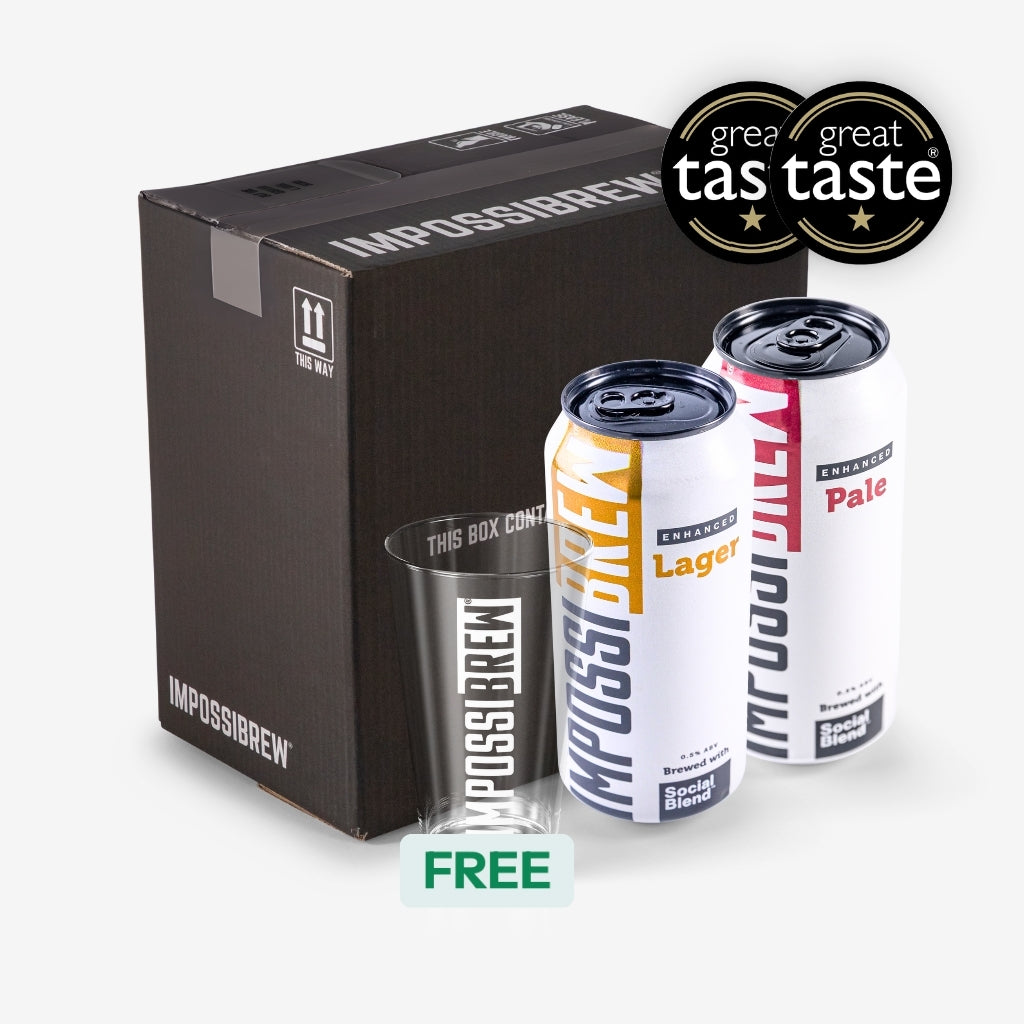
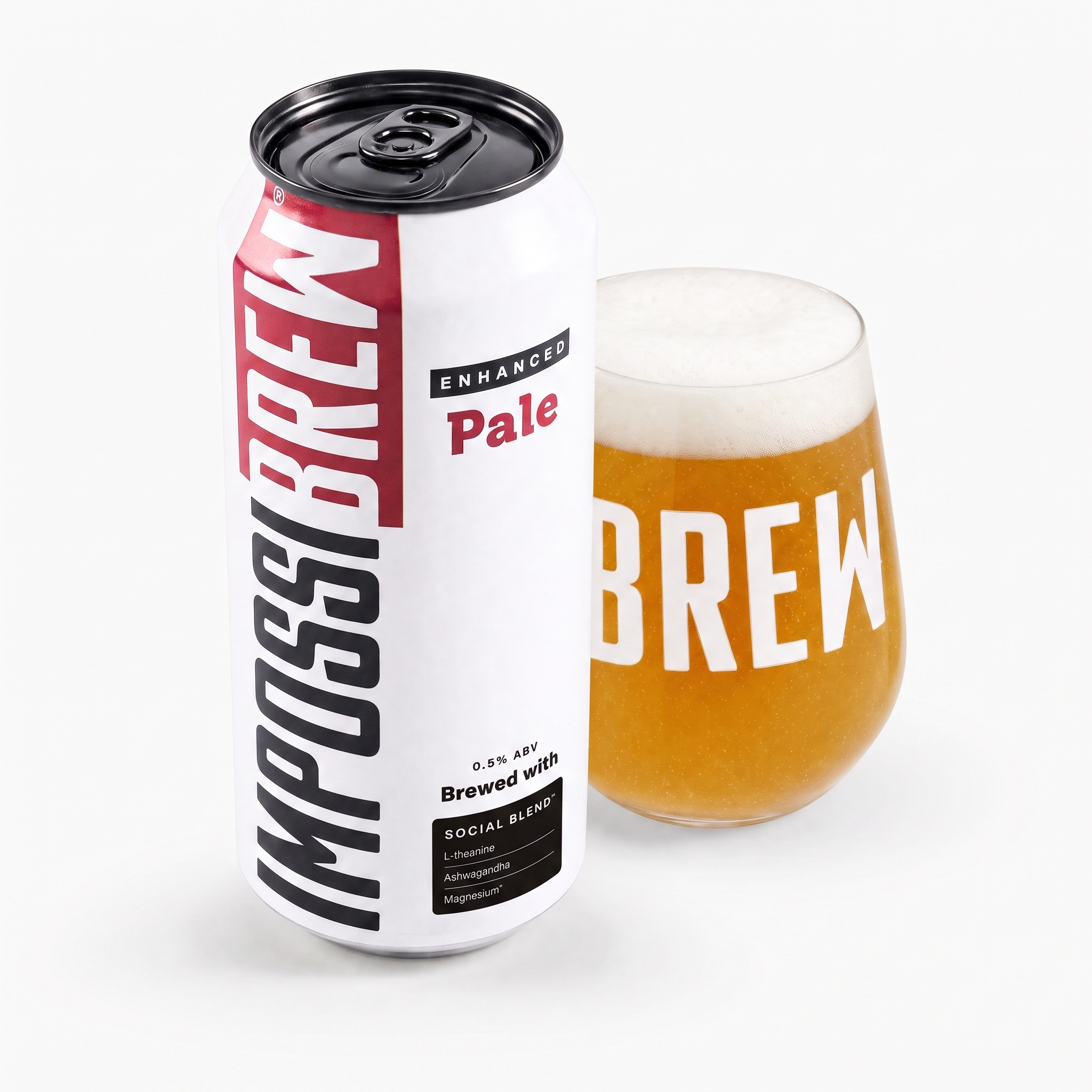
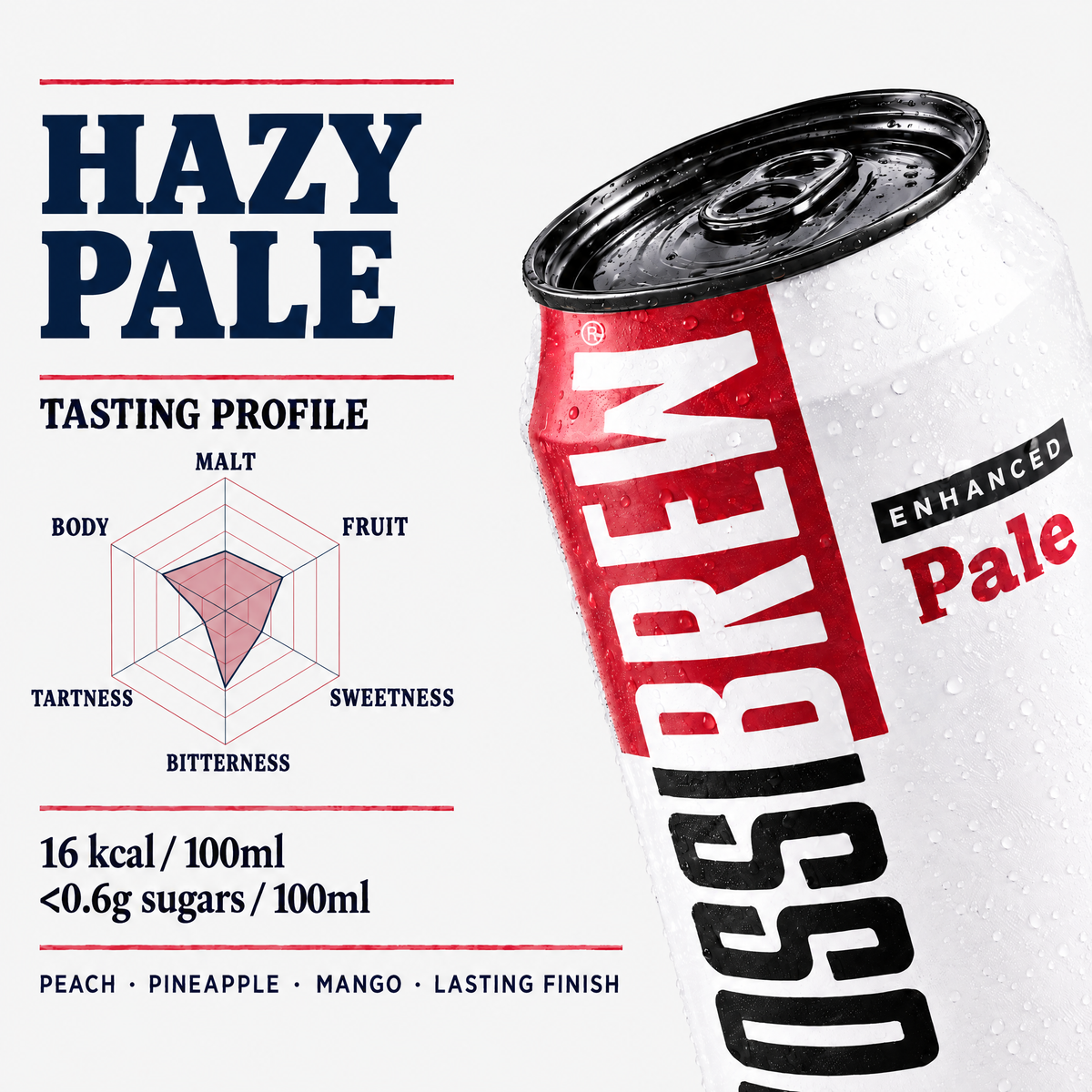
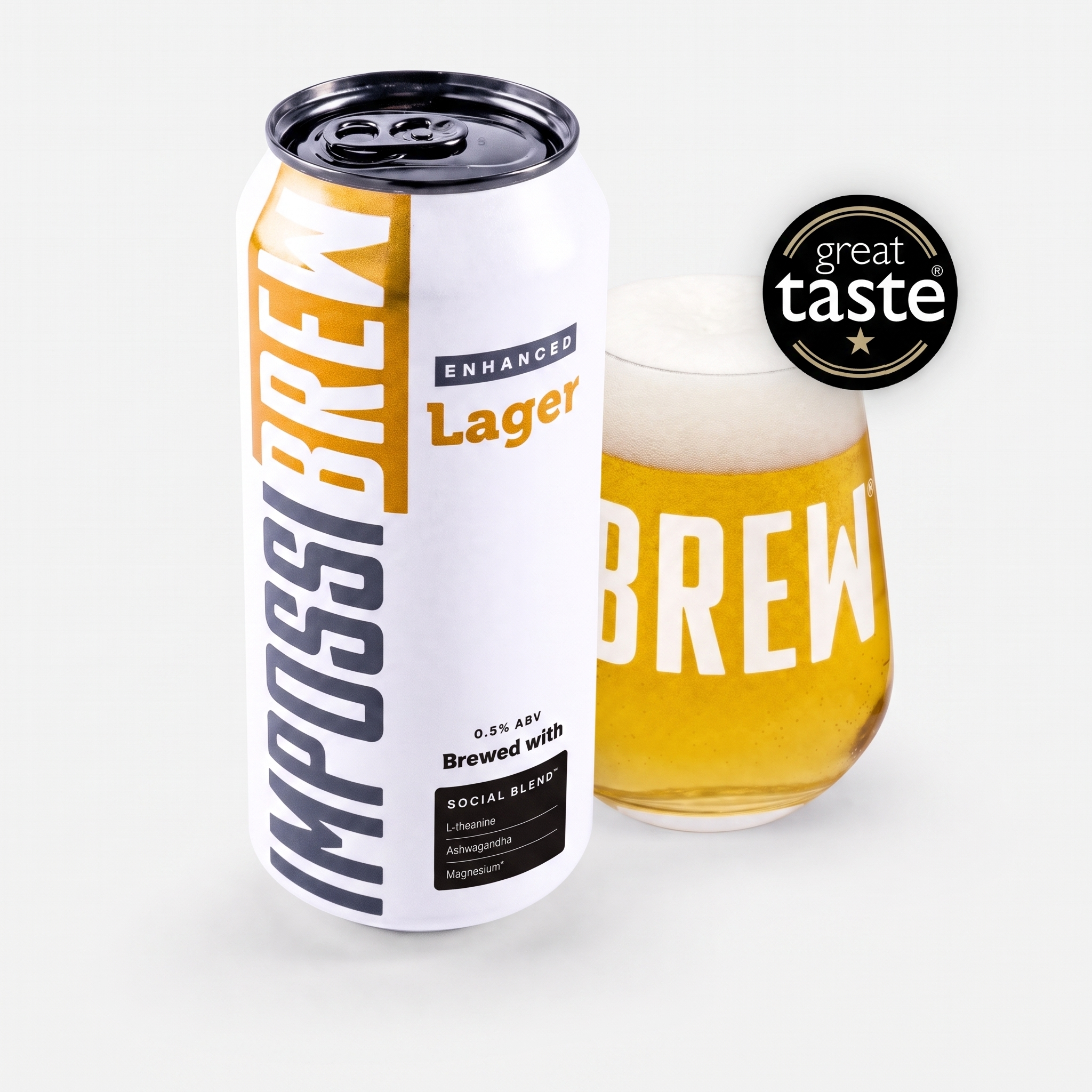
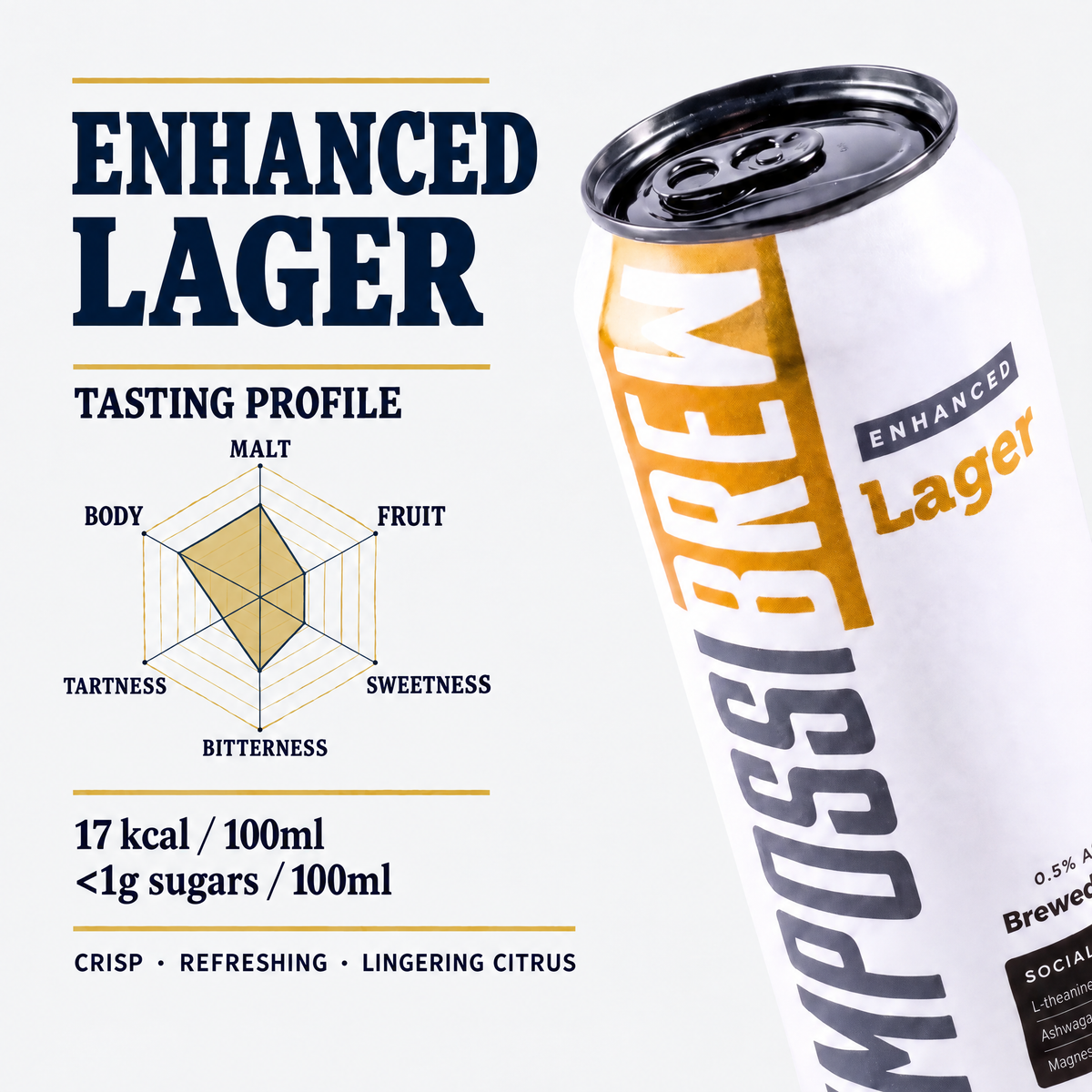
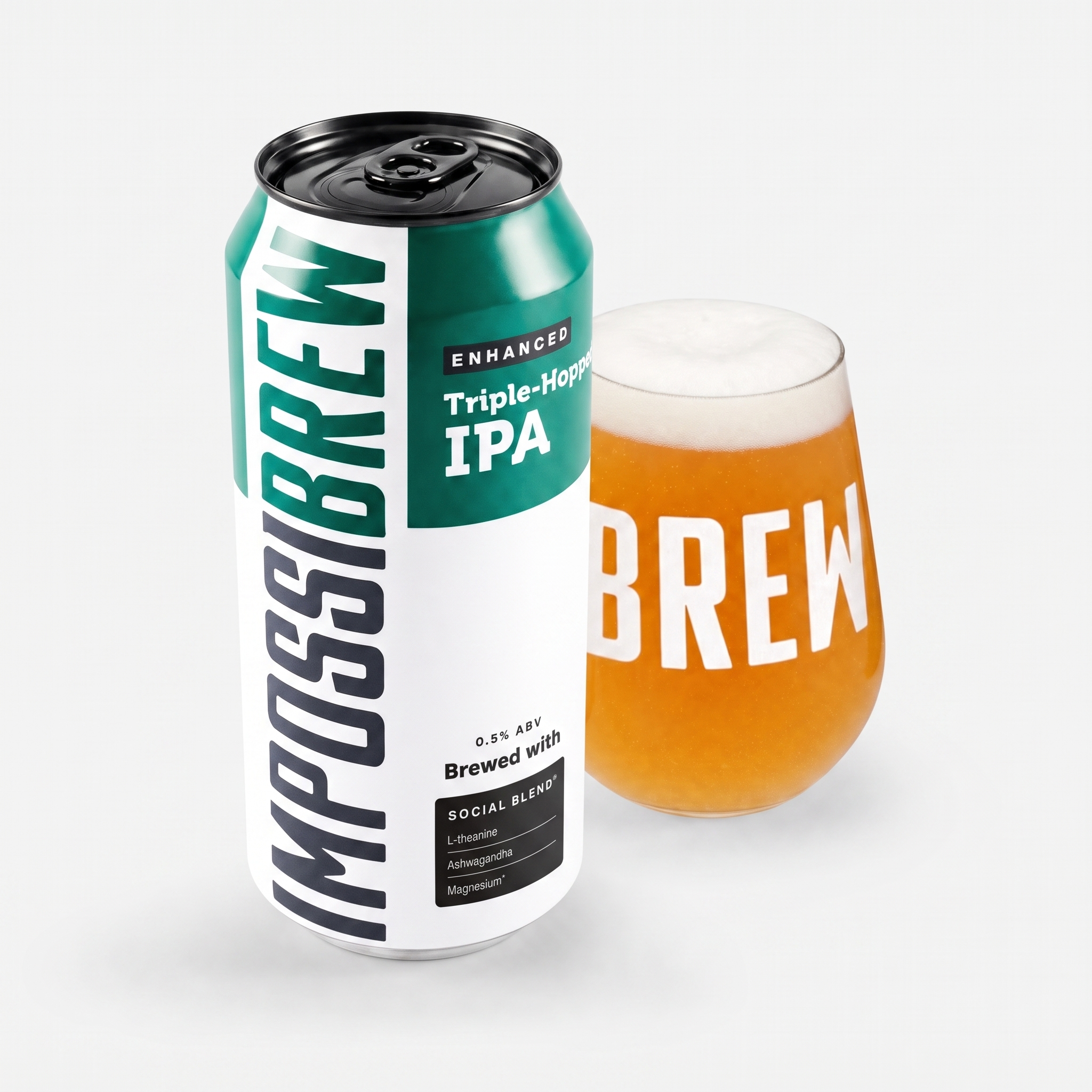
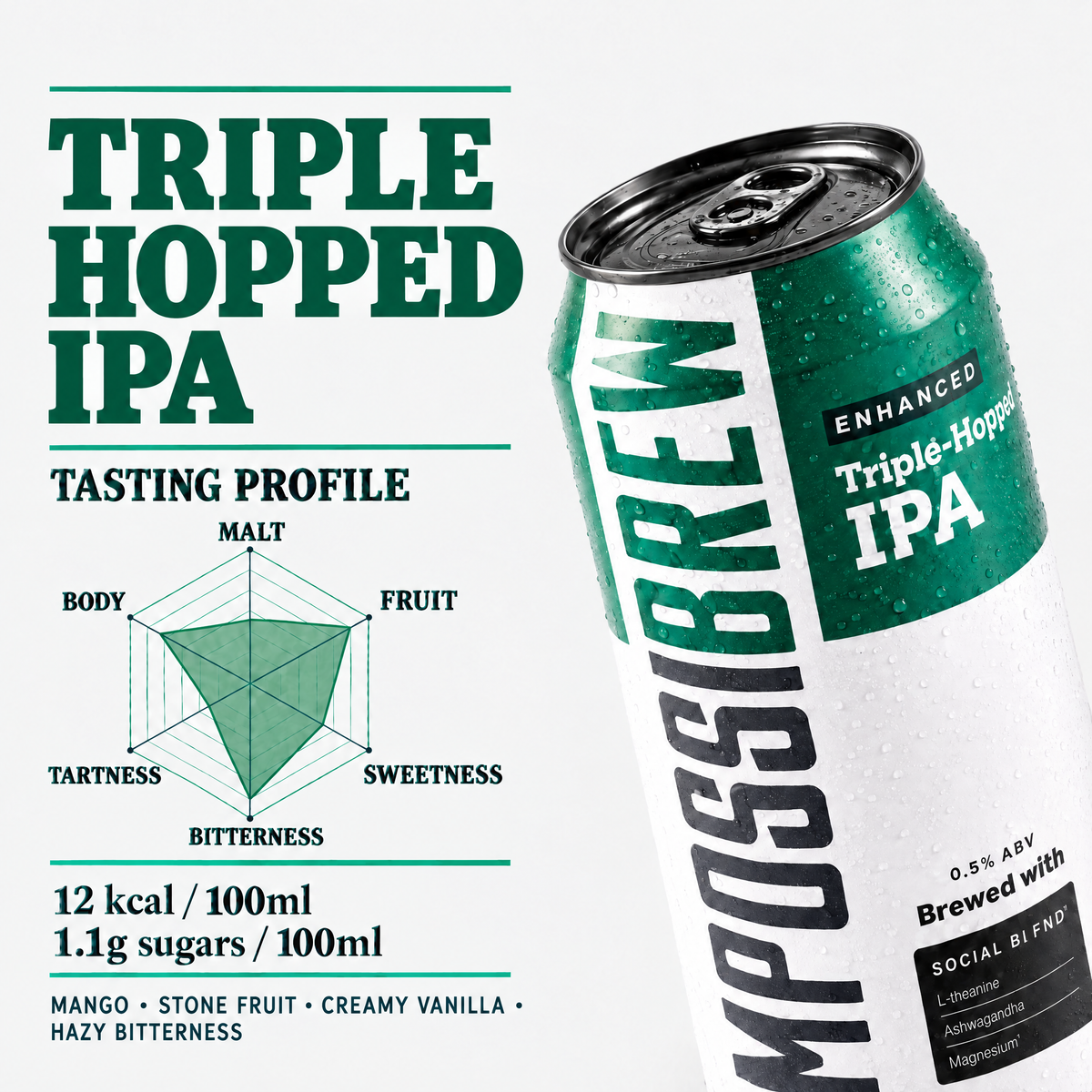
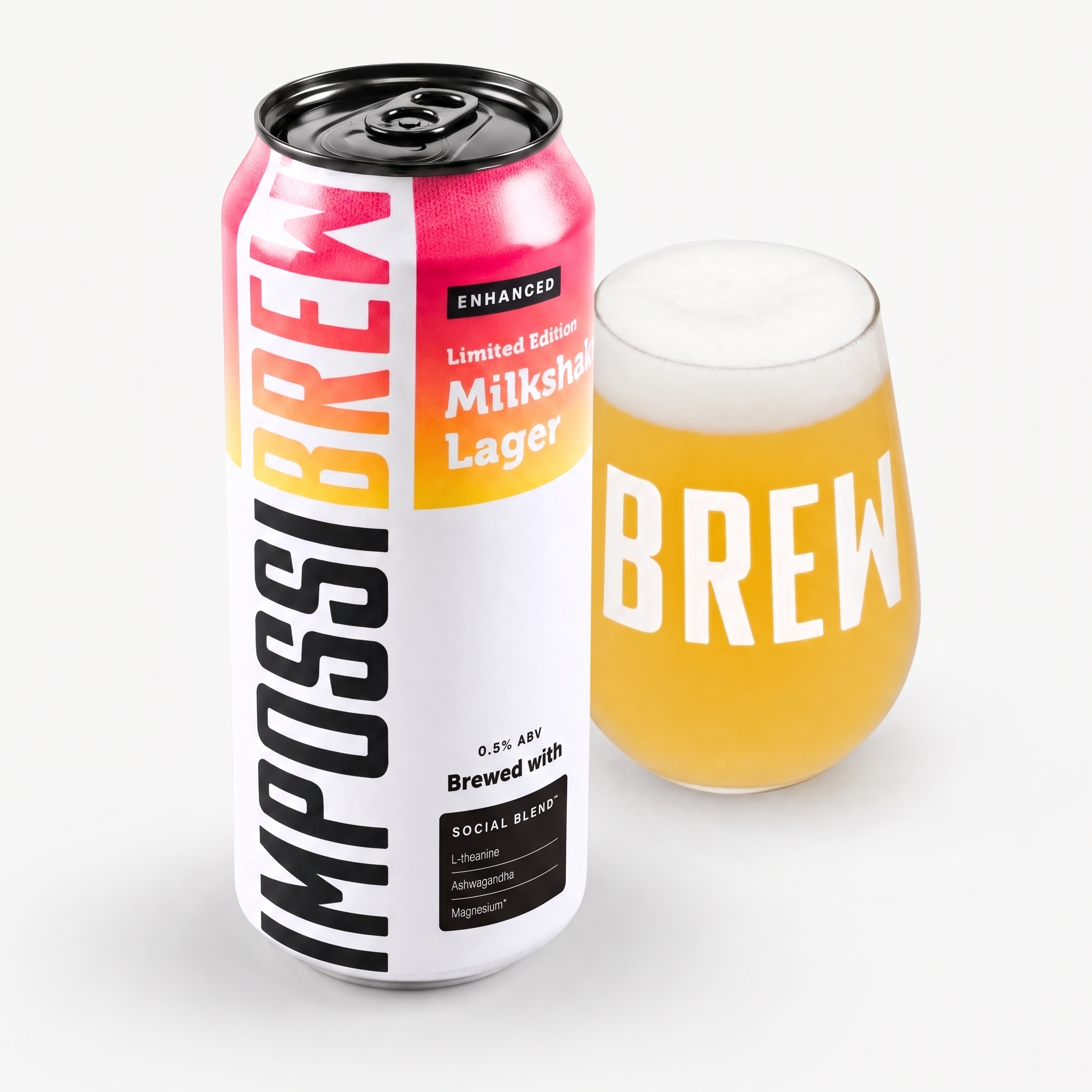
IMPOSSIBREW® has reimagined non-alcoholic beer, focusing on more than just mimicking the taste of traditional brews. Their Enhanced Lager boasts a crisp, clean finish with a hint of citrus, while the Enhanced Hazy Pale delivers a tropical, fruity burst with a smooth, hazy texture. Both beers maintain a 0.5% ABV, achieved through a cryogenic fermentation process that preserves their authentic craft beer flavour and texture[6].
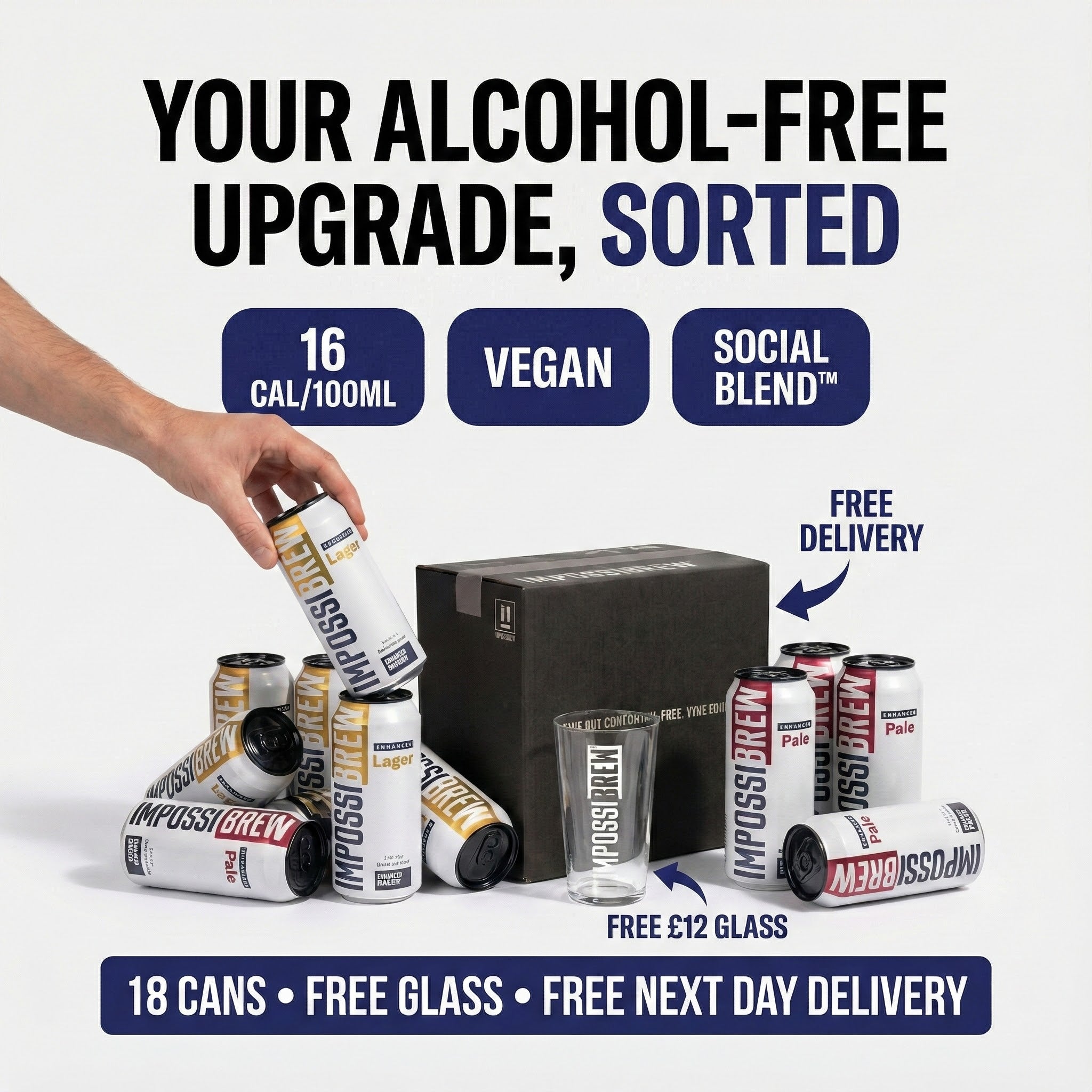
What really sets these beers apart is their nutritional profile. The Enhanced Lager contains 17 kcal and 0.7g of sugar per 100ml, and the Hazy Pale is even lighter at 16 kcal and 0.6g of sugar per 100ml[6]. The Lager is also certified gluten-free (under 10 parts per million), making it a safe choice for those with coeliac disease. Both variants are vegan-friendly, offering a thoughtful option for a range of dietary needs. At £1.97 per can when purchased in multipacks, these beers bring quality and functional ingredients to a market where supermarket offerings often fall short[11].
| Feature | Enhanced Lager | Enhanced Hazy Pale |
|---|---|---|
| Flavour Profile | Crisp malt, subtle hops | Juicy citrus, tropical haze |
| Calories (per 100ml) | 17 kcal | 16 kcal |
| Sugar (per 100ml) | 0.7g | 0.6g |
| Price (per can) | From £1.97 | From £1.97 |
| Gluten Status | Gluten-Free (<10ppm) | Contains Gluten |
| Suitability | Everyday sipping, post-work relaxation | Active lifestyles, socialising |
These beers have been recognised for their quality, earning accolades at the World Beer Awards 2023 as "UK's Best Non-Alcoholic Beers" and winning the first-ever Gold Medal in the No/Low category at the London Beer Competition[6]. Beyond their taste and nutritional advantages, they also incorporate ingredients aimed at supporting mental well-being.
The Social Blend™ Formula
IMPOSSIBREW® goes a step further by introducing its Social Blend™ formula, a patent-pending innovation developed in collaboration with Dr. Paul Chazot, a Bioscience Professor and Chair of Pharmacology at Durham University[9]. This unique blend includes L-Theanine, Ashwagandha Root, and Vitamin B1, designed to replicate the relaxing sensation of a couple of pints - without the negative effects of alcohol.
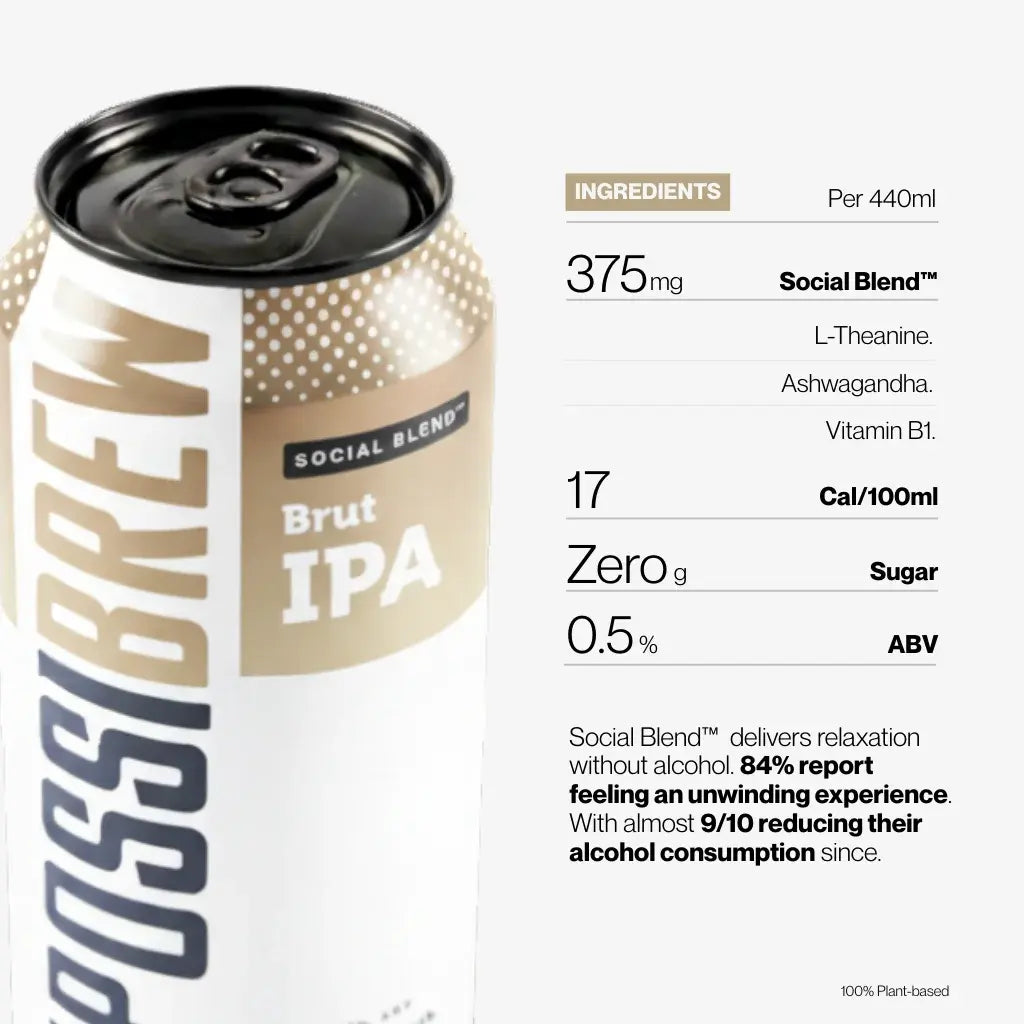
The formula works by boosting alpha brain waves and increasing serotonin levels, promoting a sense of calm without causing drowsiness[9]. L-Theanine helps improve focus and relaxation, Ashwagandha reduces stress and anxiety, and Vitamin B1 supports mood regulation while combating fatigue. Each 440ml can contains 375mg of the Social Blend™, and its effects are supported by 52 randomised, double-blind, peer-reviewed studies[10].
In a 2025 survey involving over 2,000 participants, 84% reported feeling more relaxed after consuming the Social Blend™, and 88% said they reduced their overall alcohol intake after discovering IMPOSSIBREW®[10]. The brand has also built a strong reputation, with an impressive 4.8/5 star rating from over 1,200 reviews[10].
IMPOSSIBREW®: "Our Social Blend™ technology isn't an accident. It's the result of questioning everything we thought we knew about social drinking."
However, due to the active botanicals, individuals who are pregnant, breastfeeding, or taking medications - such as antidepressants, blood thinners, or thyroid medication - should seek medical advice before trying these beers[9].
Potential Downsides and Who Should Be Careful
Calories, Sugars, and Trace Alcohol Content
Non-alcoholic beer may seem like a healthier alternative to regular beer, but it’s not without its issues. For starters, some varieties contain added sugars, either from interrupted fermentation or adjustments made after alcohol removal[13][3]. A May 2025 study published in Nutrients revealed that 44 young men who consumed 660 ml of non-alcoholic wheat beer daily experienced higher insulin and triglyceride levels. Those drinking mixed beer drinks (beer combined with soda or juice) showed increased fasting glucose levels instead[13]. The metabolic effects can vary depending on the style of beer, as certain non-alcoholic options have more carbohydrates due to residual or added sugars.
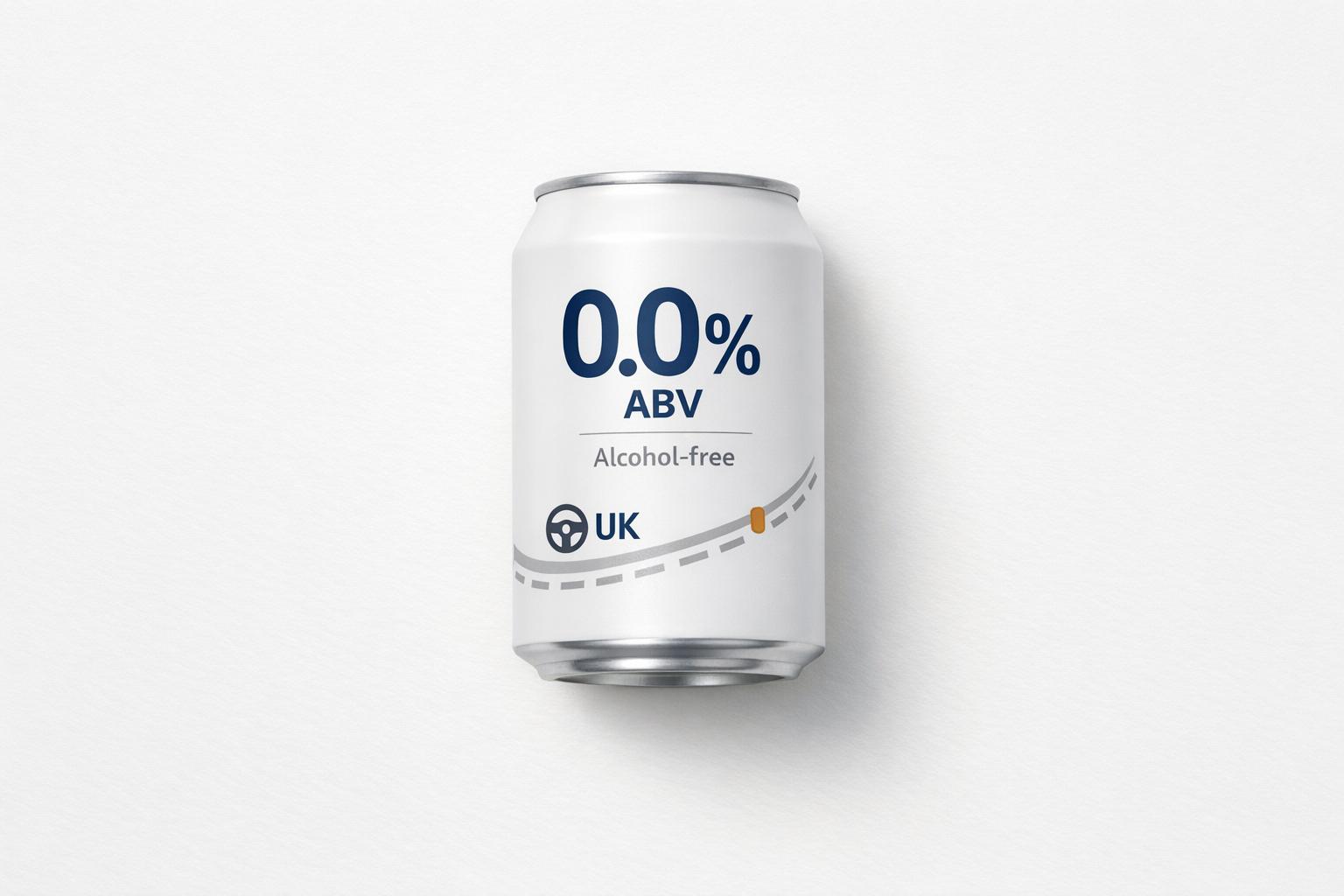
Another concern is the trace alcohol content. In the UK, drinks marketed as "non-alcoholic" can legally contain up to 0.5% ABV. Only products labelled "0.0% ABV" or "alcohol-free" must have no detectable alcohol content[4][12]. However, labelling isn’t always accurate. One study found that 29% of low-alcohol beverages tested had higher alcohol levels than claimed, with some "zero-alcohol" samples containing over 1% ABV[12][14]. On average, non-alcoholic beer contains about 1g of alcohol per serving, compared to approximately 14g in regular beer[12].
While non-alcoholic beer offers some nutritional benefits, these details highlight why certain groups might need to approach it with caution.
Who Should Avoid Non-Alcoholic Beer?
Some people should steer clear of non-alcoholic beer altogether.
Pregnant or breastfeeding individuals fall into this category. The American College of Obstetrics and Gynaecology advises:
"Pregnant individuals should avoid drinking any alcohol during pregnancy to avoid the risk of foetal alcohol spectrum disorder (FASD)"[12].
Since no safe level of alcohol during pregnancy has been established, even trace amounts could pose a risk.
People recovering from alcohol addiction should also be wary. The sensory experience of drinking non-alcoholic beer - its smell, taste, and the ritual of opening a bottle - can act as a trigger for cravings. Buddy T from Verywell Mind explains:
"The smell of beer may serve as a relapse trigger... The best advice for those trying to remain sober would be to avoid anything that smells like alcohol"[12].
Research shows that up to 90% of individuals with alcohol use disorder relapse within four years of quitting, with sensory triggers often playing a role[12].
Those with liver conditions need to be especially careful. In one documented case, a patient with end-stage liver disease who consumed nine non-alcoholic beers over several hours reached a blood alcohol concentration of 0.06 g/dL. Researchers DiMartini and Rao noted:
"Compromised liver functioning impedes oxidation of ethanol by the liver and can yield elevated blood alcohol levels; [we] propose that complete abstinence from alcohol (including NABs) may be best practice for individuals with liver disease"[14].
Additionally, individuals taking psychotropic medications should consult their GP, as even trace alcohol can interfere with certain treatments[14]. Diabetics are advised to opt for non-alcoholic pilsners or lagers instead of wheat beers or mixed varieties, as the latter are more likely to cause spikes in blood sugar and insulin levels[13].
Conclusion: Is Non-Alcoholic Beer Right for You?
Looking at the nutritional breakdown and potential health perks and side effects, non-alcoholic beer can be an appealing option, particularly for those focused on well-being. Choosing options with low sugar and added functional ingredients makes it even better. Take IMPOSSIBREW®, for example - it’s low in calories, sugar-free, making it one of the best alcohol-free beers for weight loss, and includes the Social Blend™, which mimics the relaxing effects of alcohol without its downsides. In fact, surveys reveal that most people felt more relaxed and managed to cut back on alcohol after trying these types of functional beverages.
The benefits don’t stop there. Thanks to polyphenols from hops and malt, non-alcoholic beer offers antioxidant and anti-inflammatory benefits, promoting better immune function, gut health, and recovery after exercise. Research even shows it can reduce the risk of upper respiratory tract infections by over three times following intense physical activity [1].
If you’re looking to enjoy social moments without sacrificing your health, IMPOSSIBREW® offers a great alternative. Recognised by the World Beer Awards and loved by consumers, it’s perfect for anyone who values both flavour and wellness. Of course, if you’re pregnant, breastfeeding, or on medications like antidepressants or thyroid treatments, it’s always a good idea to check in with your GP first [1][9].
FAQs
How much alcohol is in non-alcoholic beer?
Non-alcoholic beer typically contains up to 0.05% ABV (alcohol by volume). However, due to varying international standards, some may be labelled as having up to 0.5% ABV. These levels are much lower compared to traditional beers, which is why it's a go-to option for those looking for a low-alcohol alternative.
Can non-alcoholic beer affect blood sugar?
Non-alcoholic beer has been found to affect blood sugar levels. Studies indicate that certain varieties, like wheat or mixed beers, could lead to an increase in fasting glucose and triglyceride levels. If you're keeping an eye on your blood sugar, it’s a good idea to pay attention to the style and ingredients of the non-alcoholic beer you opt for.
Who should avoid non-alcoholic beer?
Non-alcoholic beer might not be the best choice for everyone. For instance, individuals with allergies to specific ingredients should approach it cautiously. Pregnant women may also want to avoid it, as even trace amounts of alcohol could be present. Additionally, for those recovering from alcohol addiction, the small alcohol content in some non-alcoholic beers could potentially trigger cravings or sensitivities.
To stay safe, always read the labels carefully and, if in doubt, consult a healthcare professional.
Related Blog Posts
- 7 Health Benefits of Non-Alcoholic Beer: A Science-Based Guide
- Non-Alcoholic Beer for Post-Workout Recovery
- Cardiovascular Biomarkers and Non-Alcoholic Beer
- Best Alcohol-Free Beer After a Workout
Frequently Asked Questions
Is non-alcoholic beer healthier than regular beer?
In most cases, yes. Non-alcoholic beer is usually lower in calories than regular beer and removes the main health downside: alcohol itself. That makes it a better option for people trying to cut back, sleep better, or reduce hangovers while still keeping the ritual of a beer.
Does non-alcoholic beer contain sugar?
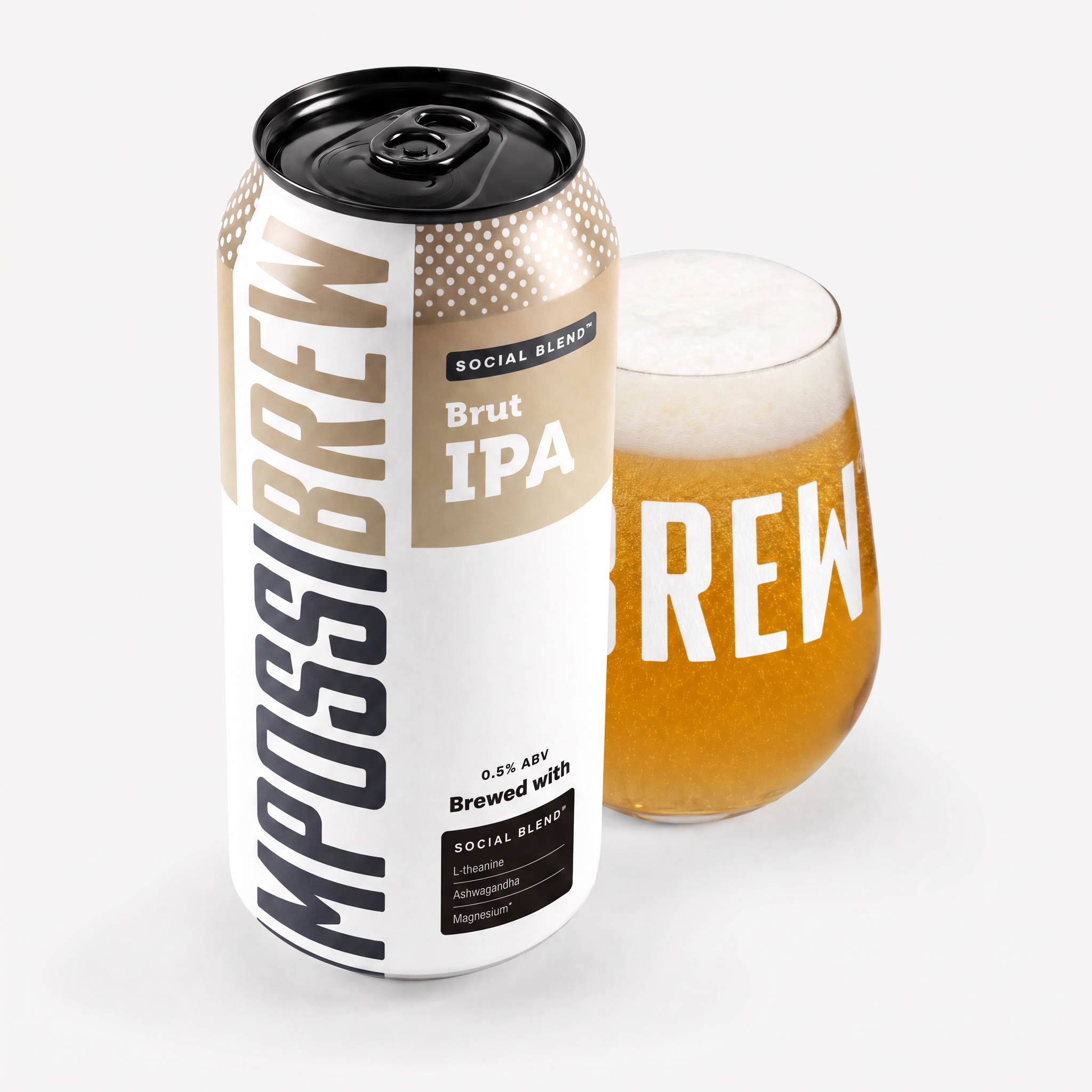
Some non-alcoholic beers contain more sugar than others, depending on how they are brewed. IMPOSSIBREW® ranges from very low sugar options up to 0g sugar per 100ml in Brut IPA, so checking the label matters. If sugar intake is a priority, choose beers that publish their nutrition clearly.
Can non-alcoholic beer help you feel relaxed?
Standard alcohol-free beer may feel more relaxing simply because it replaces alcohol in familiar situations without the downside. IMPOSSIBREW® goes further by using Social Blend™, a mix of L-Theanine, Ashwagandha, Magnesium, Vitamin B1, and citrus extract designed to create a calmer, more sociable feeling. That makes it more than just a taste substitute.
Is 0.5% ABV really alcohol-free?
In the UK, drinks labelled alcohol-free are usually 0.05% ABV or below, while other low and no products may sit up to 0.5% ABV depending on the label wording. These are still far lower than regular beer and generally treated as non-alcoholic by consumers. If you need to avoid alcohol completely, always check the exact ABV on the can.
Who should avoid non-alcoholic beer?
Non-alcoholic beer is not right for everyone. People who are pregnant, breastfeeding, avoiding even trace alcohol, or taking medications that interact with certain botanicals should check labels carefully and speak to a healthcare professional if unsure. That is especially important with functional beers like IMPOSSIBREW® that contain active ingredients beyond standard hops and malt.