Serious runners are moving away from beer because it negatively affects recovery, hydration, and performance. Alcohol dehydrates the body, disrupts muscle repair, and lowers sleep quality - all critical for athletic success. Instead, runners are choosing smarter options that support their goals:
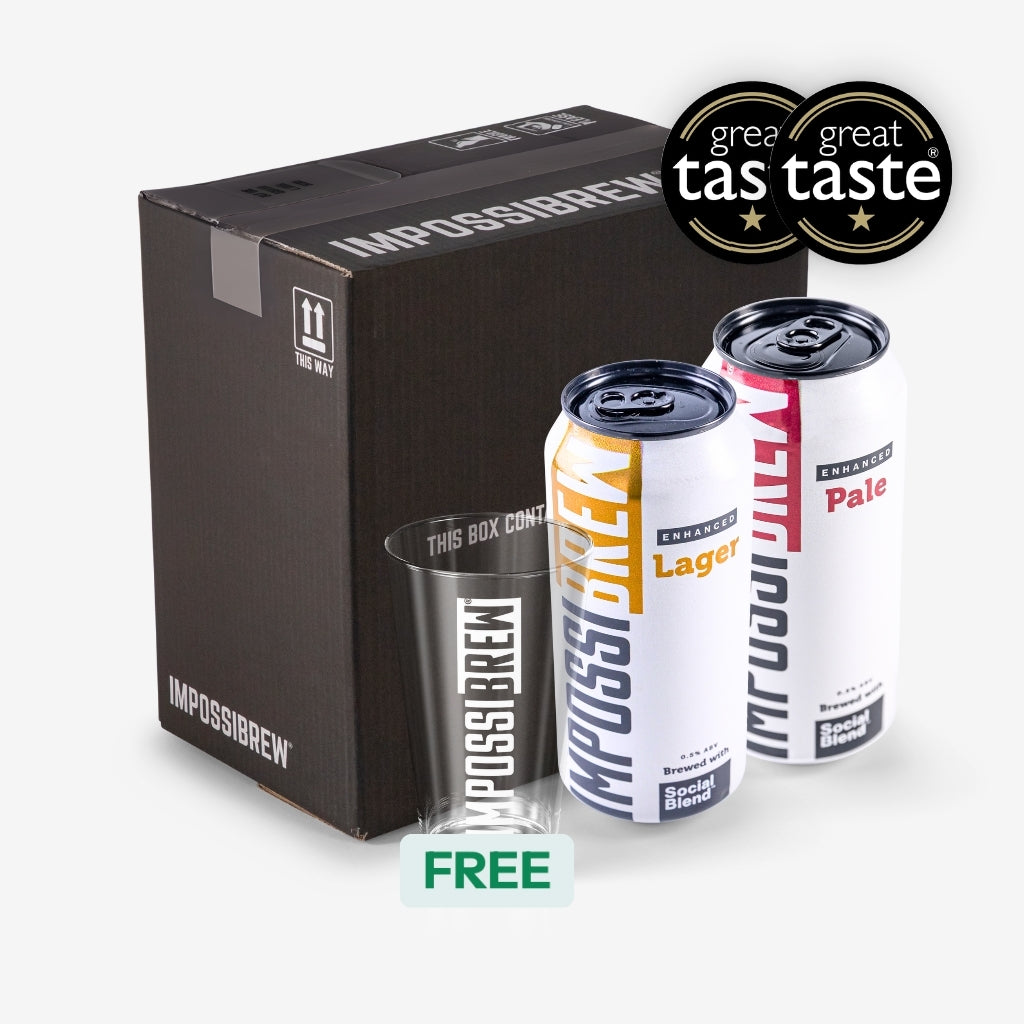
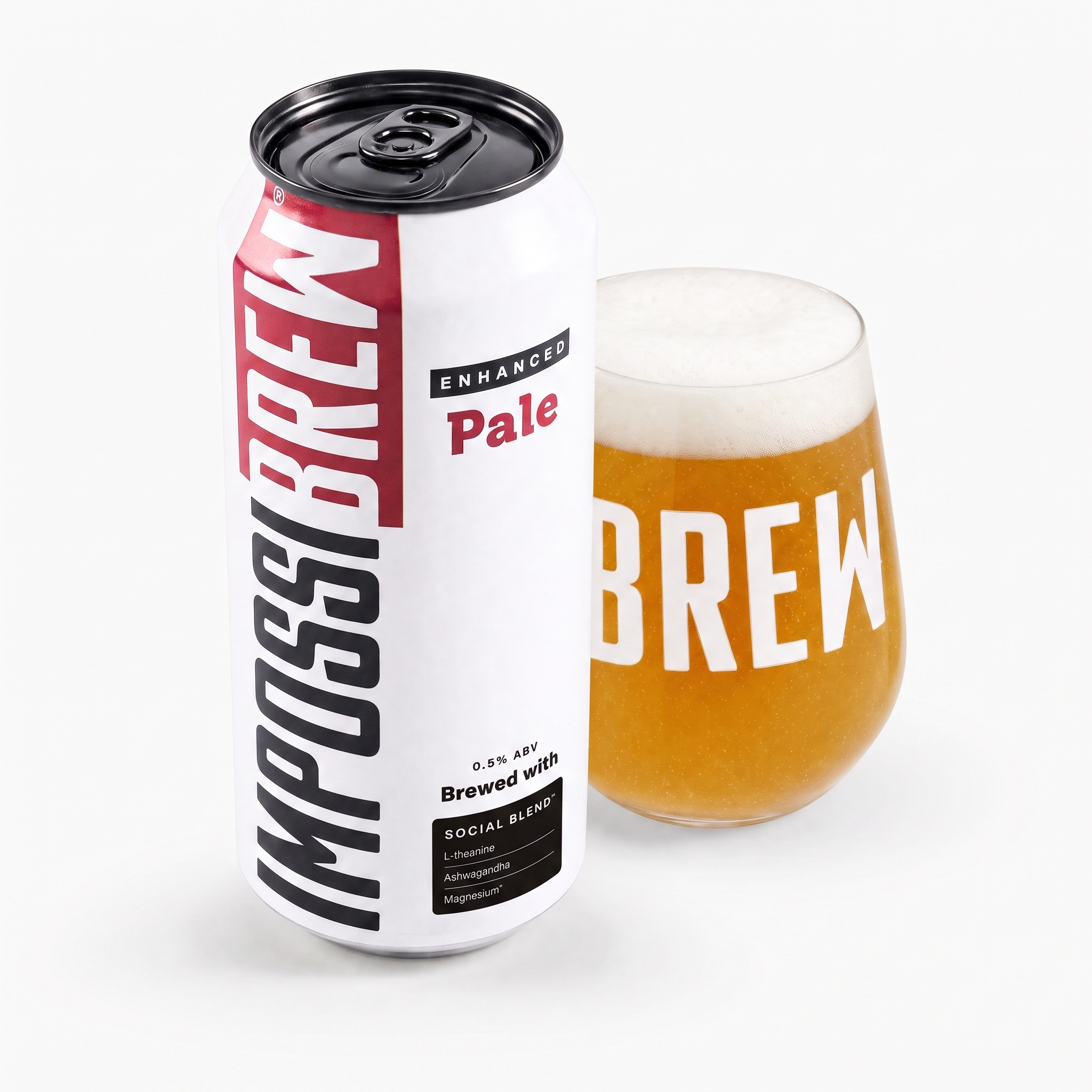
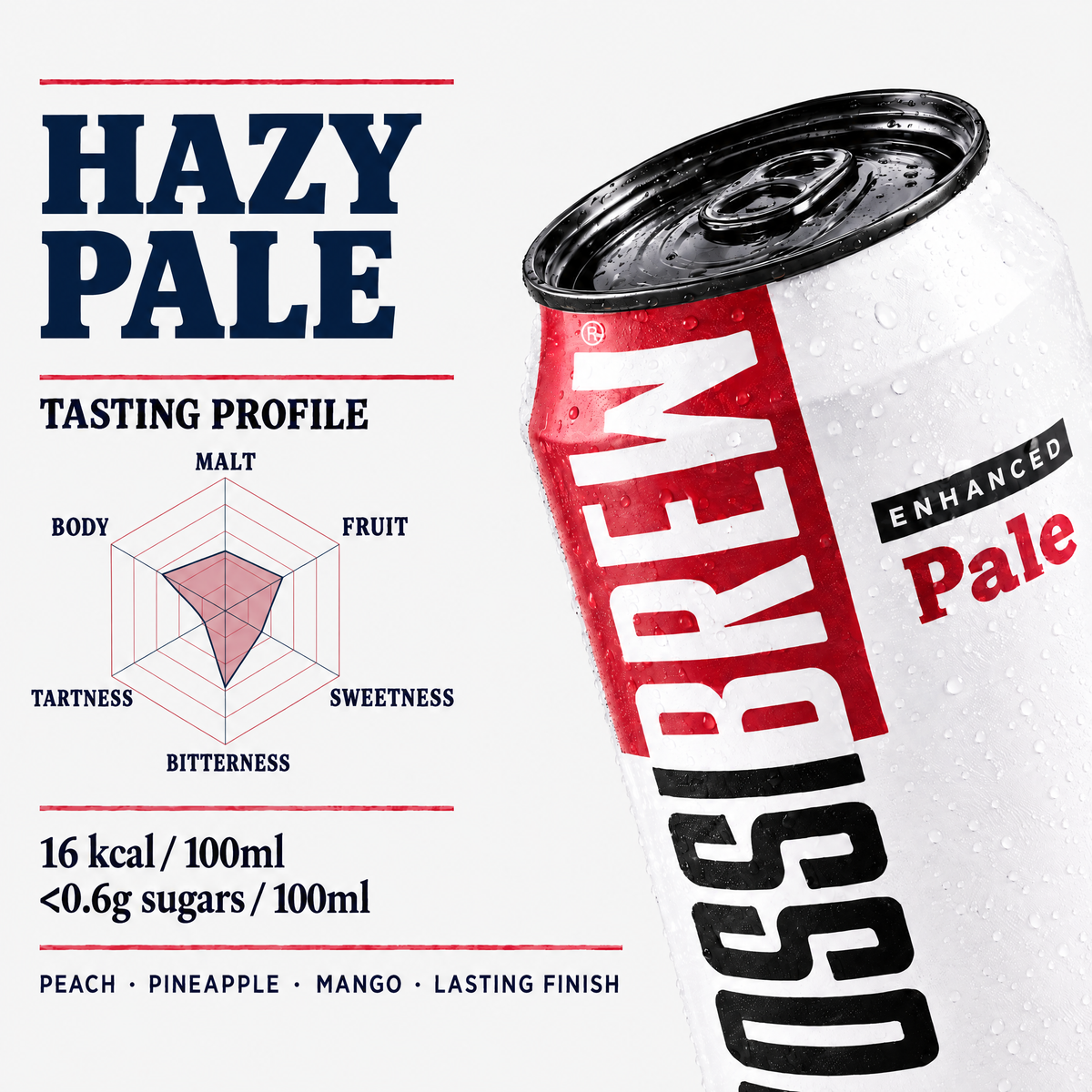
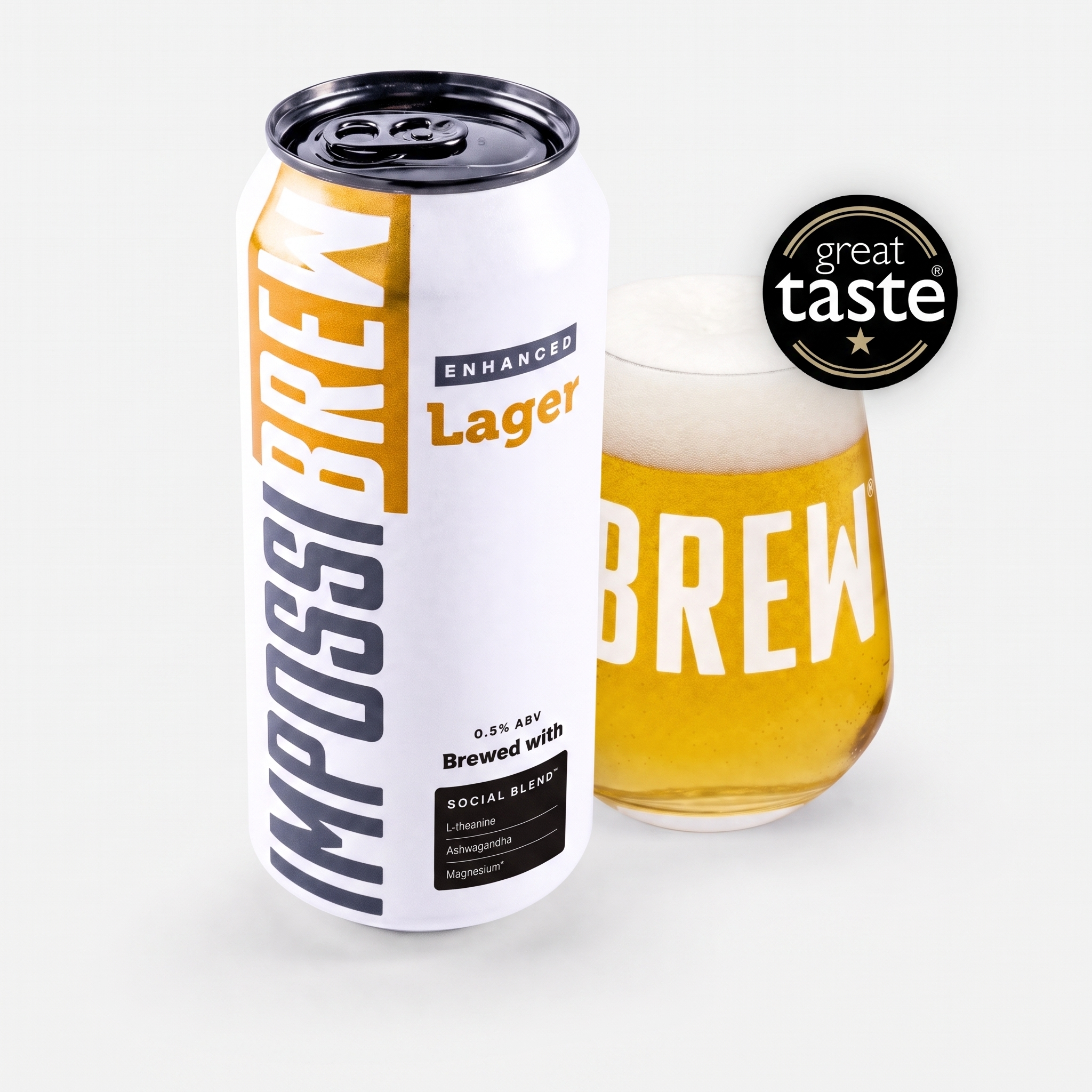
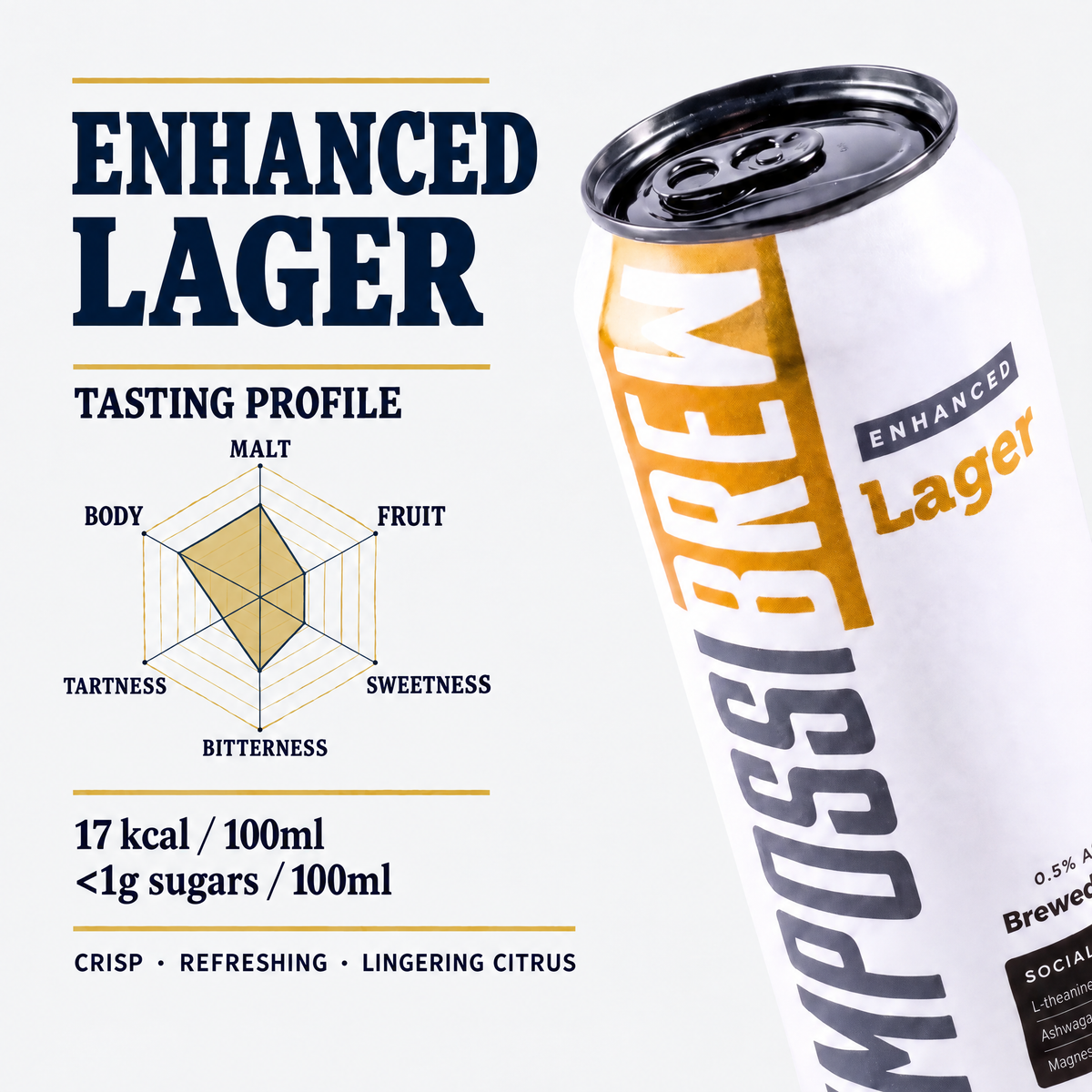
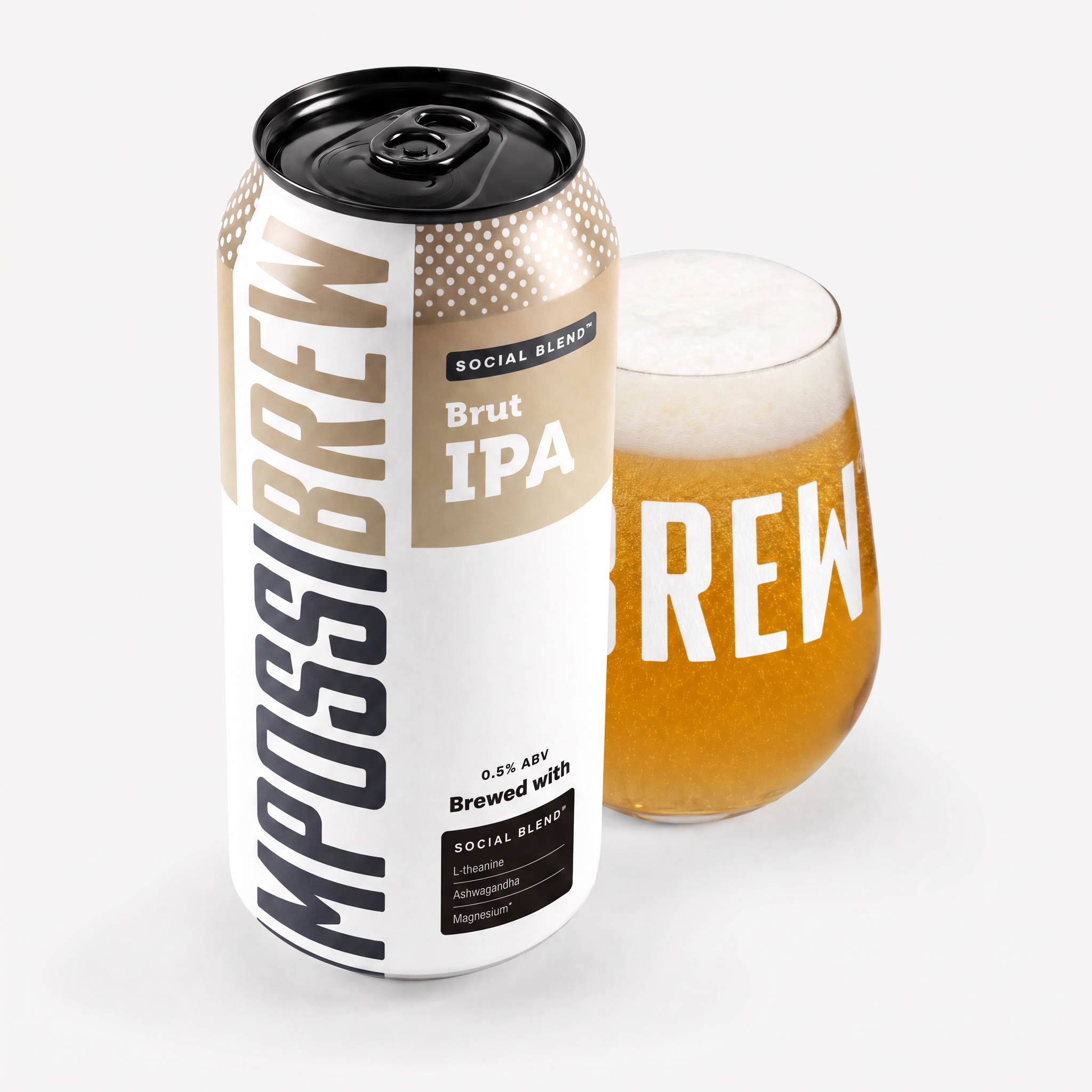
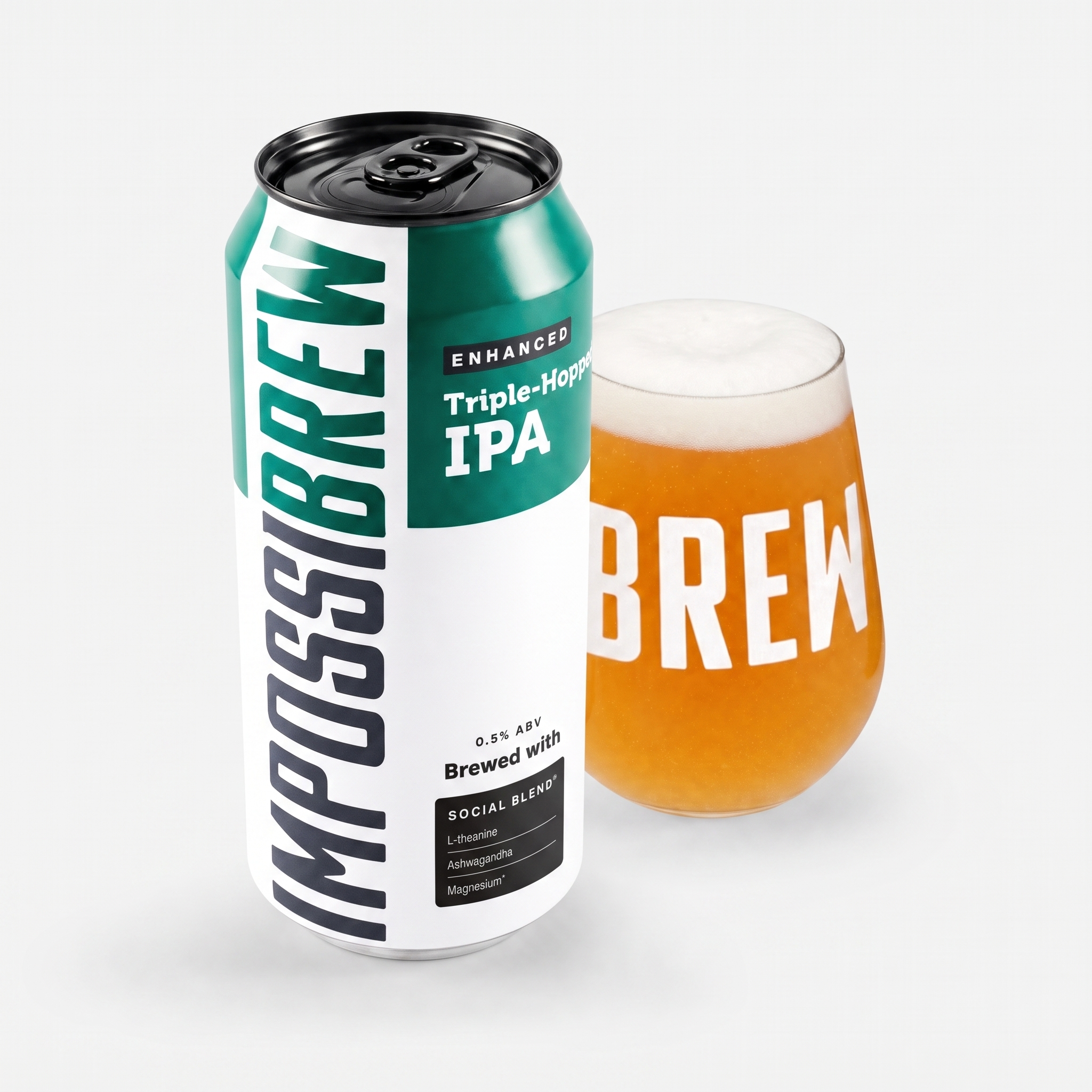
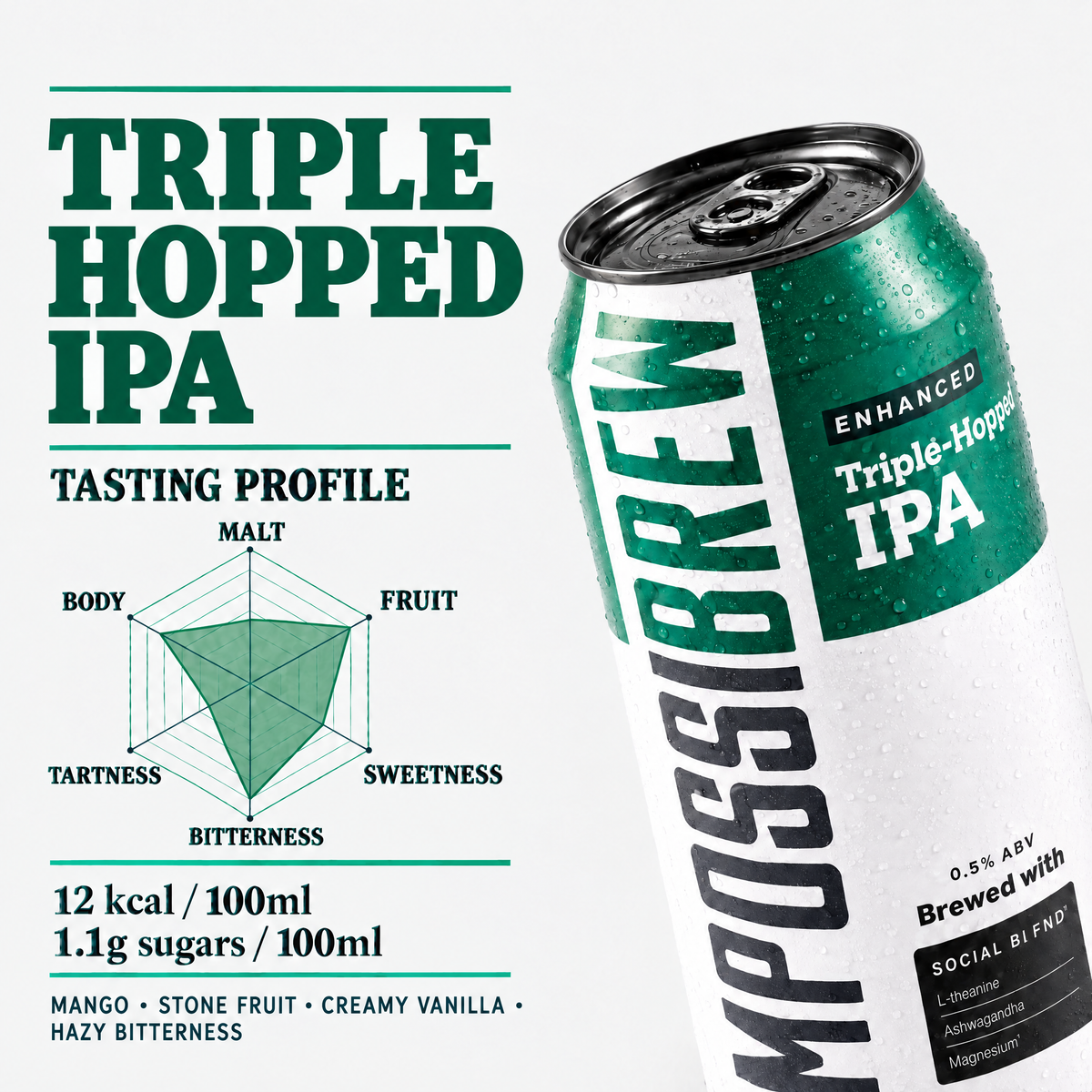
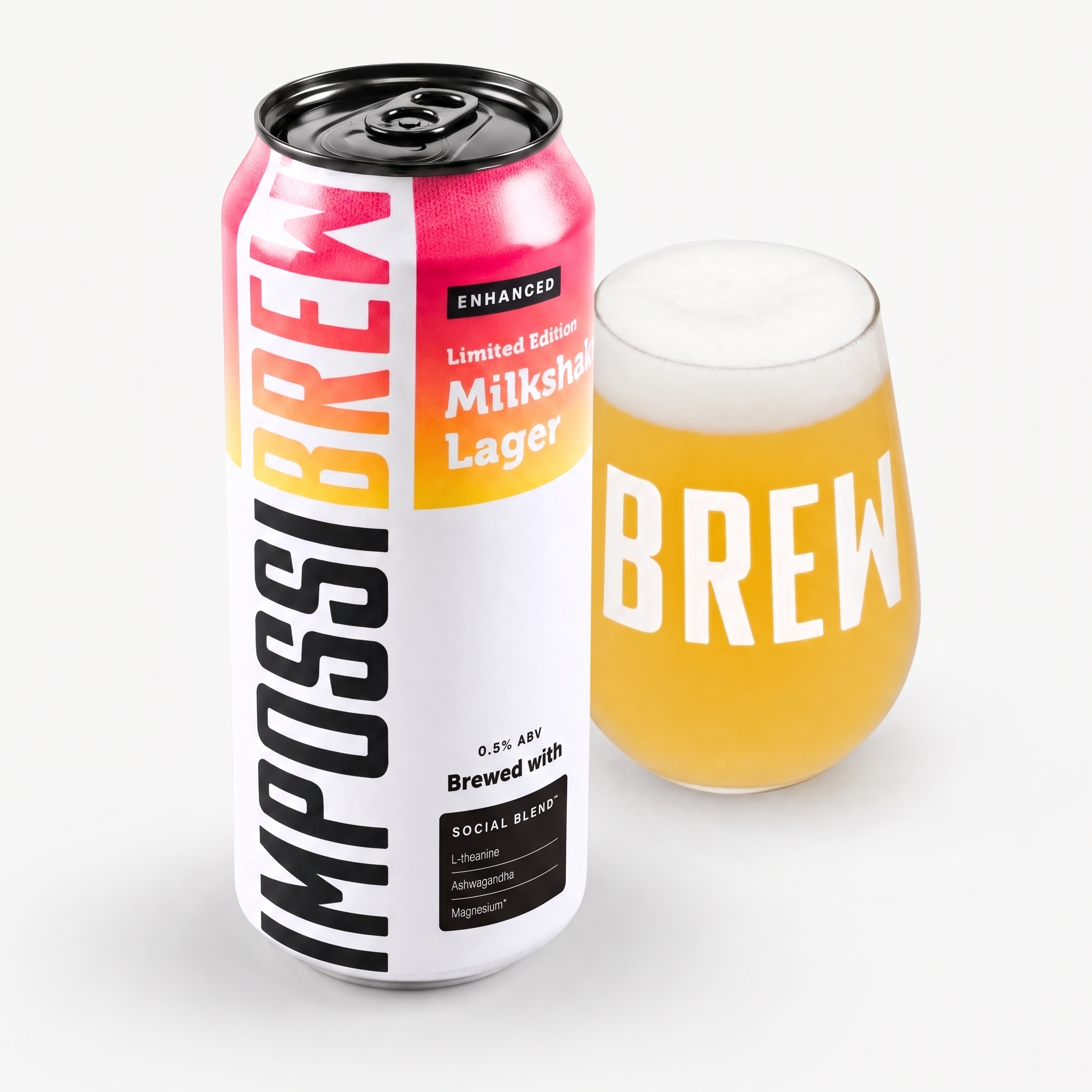
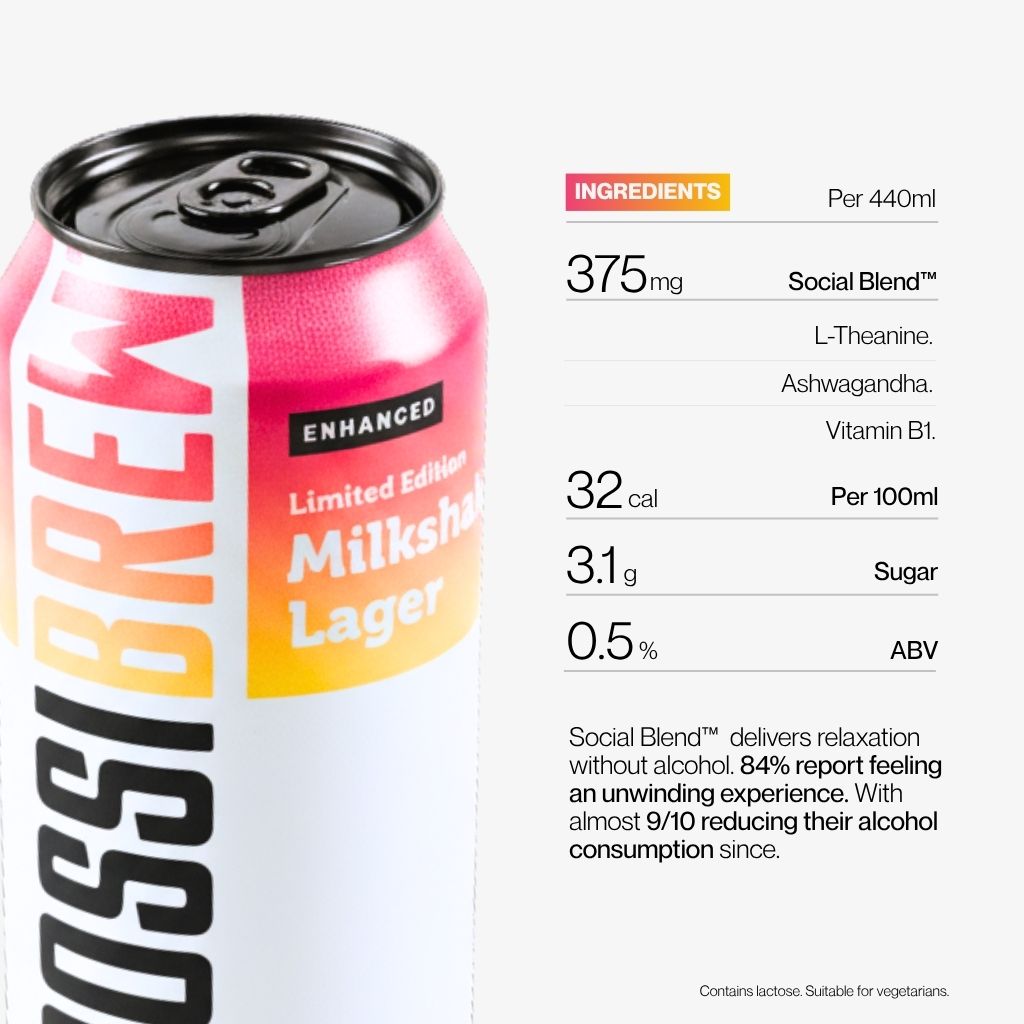
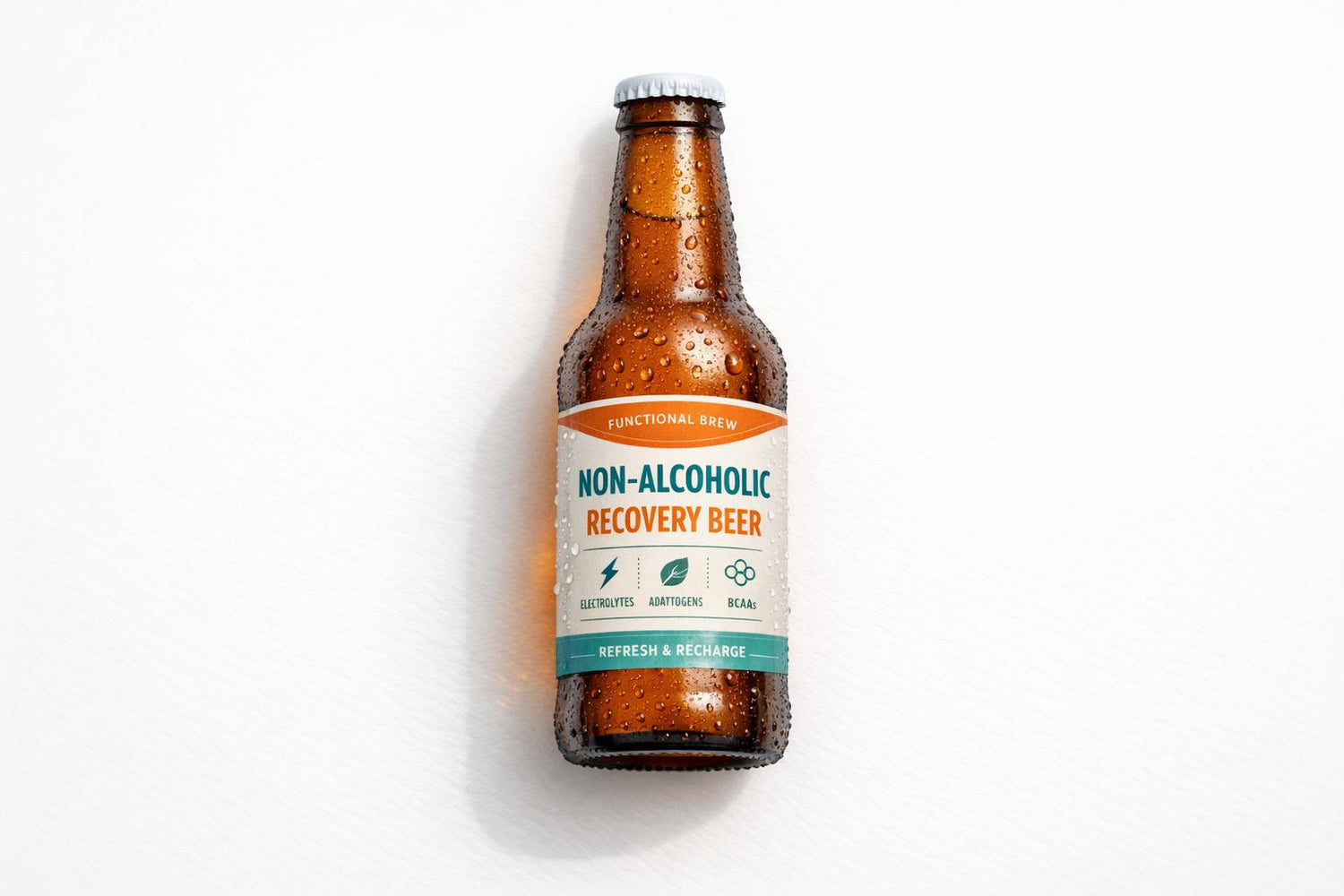
- Non-Alcoholic Functional Beers: These provide hydration, glycogen replenishment, and relaxation benefits without alcohol. For example, IMPOSSIBREW® includes ingredients like L-Theanine and Ashwagandha to aid recovery.
- Electrolyte Drinks: Ideal for replacing fluids and electrolytes lost during runs, especially after intense sessions.
- Protein Shakes: Essential for muscle repair and recovery, often paired with non-alcoholic beer for a balanced post-run routine.
These alternatives let runners enjoy post-run rituals without compromising their performance or health.
The Problem With Alcoholic Beer for Runners
Dehydration and Electrolyte Imbalance
While a post-run beer might sound tempting, it can actually work against your recovery. Alcohol promotes dehydration and disrupts the balance of electrolytes in your body. This happens because alcohol suppresses vasopressin, a hormone that helps your kidneys retain water. Without it, your body produces more urine, leading to a loss of essential fluids and electrolytes [8].
The effects are backed by research. In one study, footballers who ran for 45 minutes on a treadmill and then consumed alcoholic beer (4.6% ABV) experienced a 3.7% decrease in plasma sodium and an 8.5% increase in plasma potassium [9]. These imbalances can negatively impact physical performance, leaving you fatigued and unprepared for your next session. On top of that, dehydration and electrolyte loss hinder muscle recovery, making it harder for your body to bounce back after a tough workout.
Slower Recovery and Muscle Repair
The challenges don’t stop at dehydration. Alcohol also interferes with the body’s ability to repair muscles. After a run, your muscles rely on a process called muscle protein synthesis (MPS) to rebuild and recover. However, alcohol can reduce MPS by as much as 37% following resistance training [10][12]. Even if you consume 20–30g of protein alongside alcohol, MPS still drops by 24% [12].
Alcohol disrupts recovery in several ways: it suppresses the mTOR pathway (a key regulator of muscle growth), lowers testosterone levels, and increases cortisol, a stress hormone. Combined with the oxidative stress caused by alcohol metabolism, these factors significantly delay muscle healing [10][12].
"Consuming alcohol has the potential of negating up to 14 days worth of training in some athletes."
– American Athletic Institute [11]
For runners, this isn’t just an inconvenience - it’s a serious setback. A single night of heavy drinking (five or more drinks) can impact recovery and physical performance for three to five days [2].
Poor Sleep Quality and Mental Focus
Although alcohol might make you feel drowsy, it doesn’t deliver the restorative sleep your body needs. Instead, it acts more like a sedative. As Christopher Winter, MD, a sleep specialist, points out:
"Alcohol is the most popular sleep aid in the country... but that's because most people don't understand the difference between being sedated and being asleep." [4]
Alcohol disrupts deep sleep, the phase where growth hormone is produced, and interferes with melatonin secretion. It also relaxes the muscles involved in breathing, leading to shallower breaths and lower oxygen levels throughout the night [4]. The result? You wake up feeling groggy and unrecovered, missing out on critical repair processes.
The mental effects are just as damaging. Alcohol reduces activity in the frontal cortex, the brain’s decision-making hub [4][1]. This explains why even the thought of an early morning run feels impossible after a night of drinking. Poor sleep also increases the risk of injury - runners with inadequate rest are nearly twice as likely to get hurt [1]. Even one or two drinks can reduce recovery and sleep quality by around 20% [4].
Just How Bad Is Alcohol For Your Recovery? | Runner's World
What Serious Runners Are Drinking Instead
For serious runners, the shift away from alcoholic beer doesn’t mean giving up the cherished post-run ritual. Instead, they’re embracing alternatives that align with their training goals while still offering satisfaction and flavour. These options generally fall into three main categories, each with unique benefits for recovery and performance. Let’s dive into what’s trending.
Non-Alcoholic Functional Beers
Non-alcoholic beers are gaining popularity among runners for their bold taste and added benefits. These drinks not only rehydrate and replenish glycogen but also include botanicals that aid recovery.
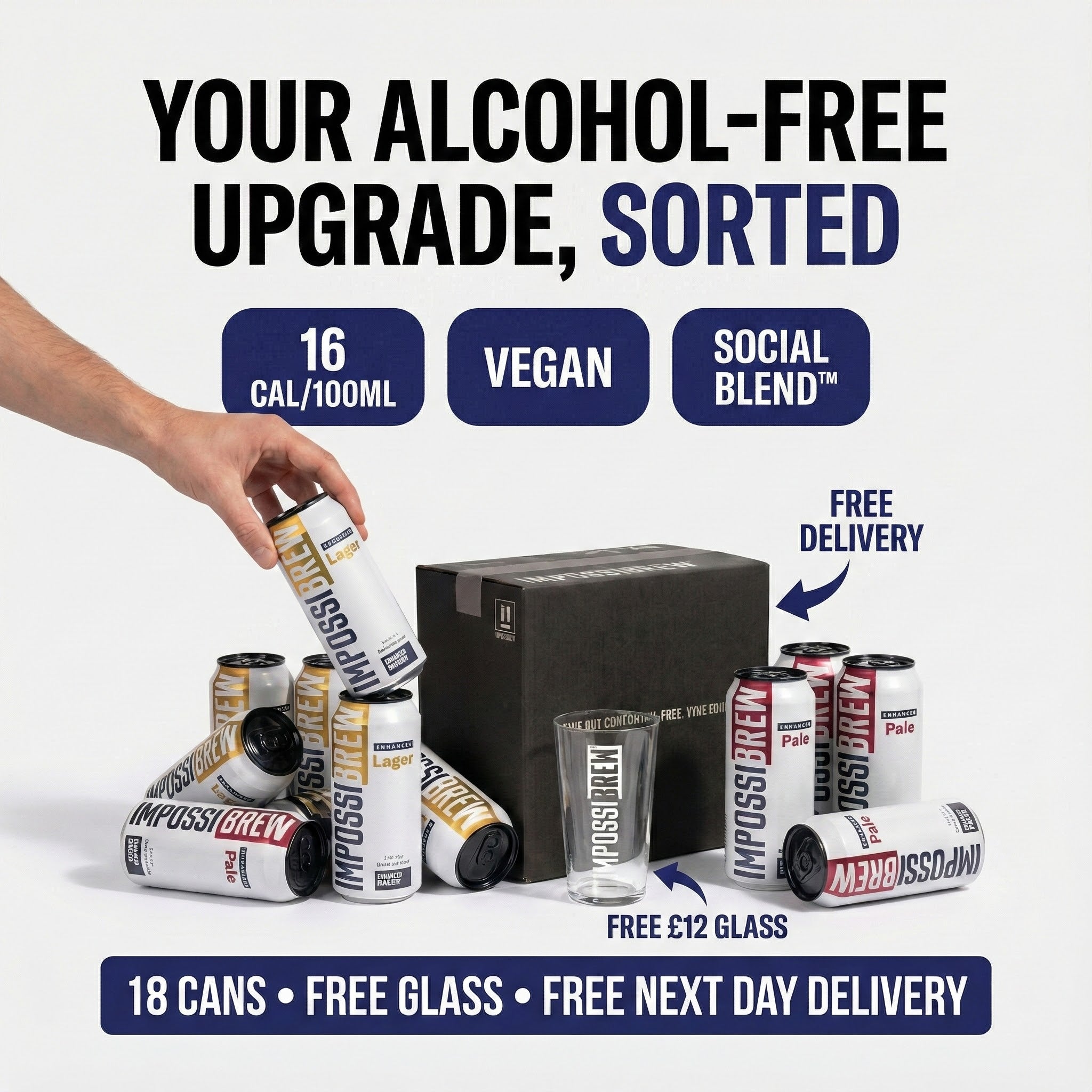
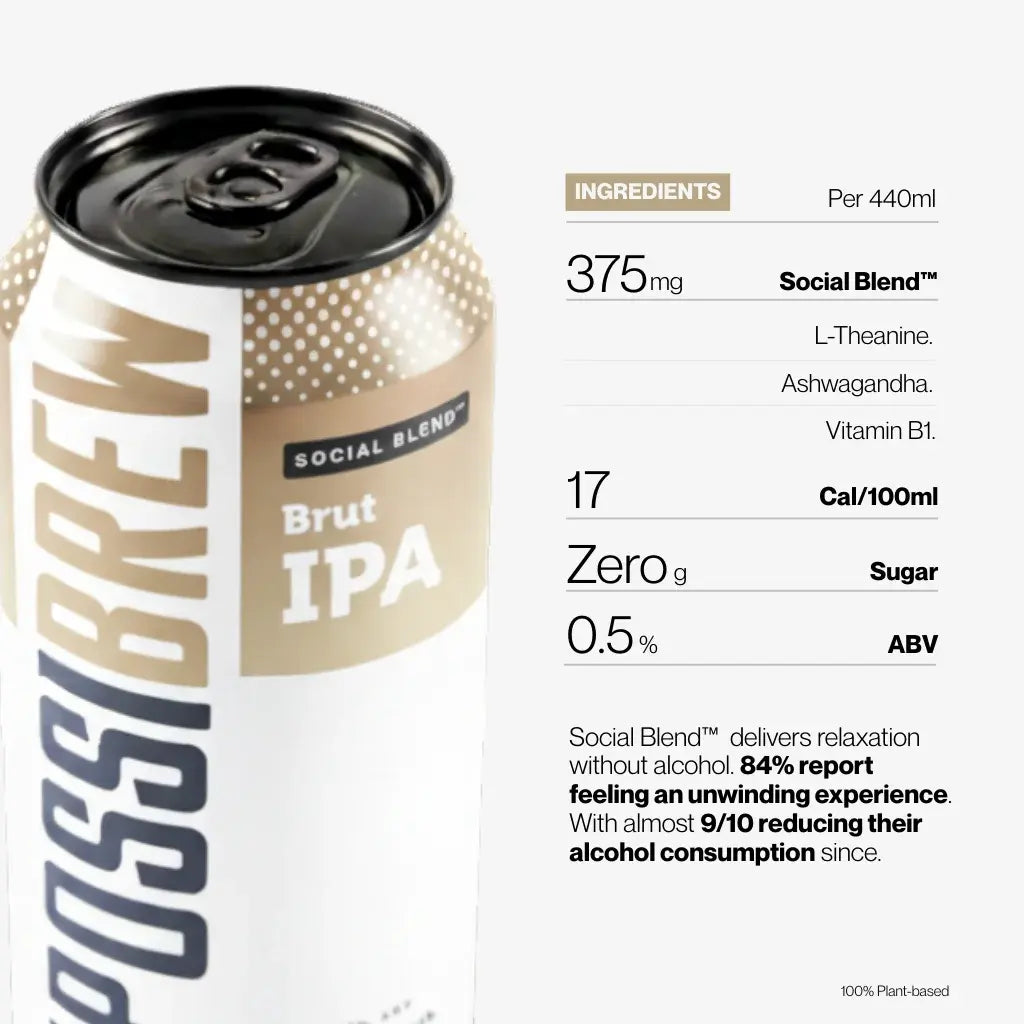
Take IMPOSSIBREW®, for example. It features a Social Blend™ infused with L-Theanine and Ashwagandha, ingredients known to promote relaxation and recovery. In a 2025 study involving over 2,000 participants, 84% reported feeling more relaxed after consuming this blend [7]. IMPOSSIBREW®’s Enhanced Lager and Pale Ale even earned the title of the UK’s best non-alcoholic beers at the 2023 World Beer Awards [7], proving that performance-focused beverages can still deliver on taste.
Another key component of these beers is polyphenols - natural antioxidants found in hops and malt. A 2012 study revealed that marathon runners who consumed 1–1.5 litres of non-alcoholic beer daily had a 3.25-fold lower risk of upper respiratory tract infections compared to a placebo group [13]. Registered dietitian nutritionist Kylee Van Horn highlights this benefit:
"Opting for an NA option might just strengthen the immune system and save runners from missing out on consistent training due to sickness" [6].
With only 16–26 calories per 100ml [7][5], these beers fit seamlessly into a runner’s nutrition plan. They provide the social and sensory experience of beer while actively supporting recovery. This combination is contributing to an anticipated 6% growth in the non-alcoholic beer market over the next decade [6].
Electrolyte and Hydration Drinks
For runners prioritising hydration, electrolyte drinks remain a go-to choice. These beverages are designed to replenish sodium and potassium - key electrolytes lost during intense workouts.
What sets electrolyte drinks apart is their focus on rapid fluid replacement. They’re particularly effective after long or high-intensity sessions where sweat loss is significant. While they excel at rehydration, they don’t offer the anti-inflammatory properties of beer’s polyphenols [5][14].
Some runners have even started experimenting, mixing non-alcoholic spirits with coconut water to create custom electrolyte-infused drinks [3]. It’s a creative twist that combines hydration with a touch of personal flair.
Protein and Recovery Shakes
When it comes to muscle repair, protein shakes are an essential part of a runner’s recovery toolkit. Unlike non-alcoholic beers, which lack protein, these drinks provide the building blocks needed to repair muscle tissue.
Combining a protein shake with a non-alcoholic beer can offer a well-rounded recovery solution. The beer delivers carbohydrates to restore glycogen, while the shake supplies the protein necessary for muscle repair [5][14]. As Kylee Van Horn, RDN, explains:
"Athletes can combine an NA beverage with a post-run protein shake for an optimal post-workout recovery option" [6].
Timing makes all the difference here. Consuming this combo within 30 minutes of finishing a workout helps maximise glycogen restoration [5], ensuring you’re ready for your next session. This approach addresses both the physical and emotional aspects of recovery - the shake repairs muscles, while the beer maintains the comforting post-run ritual.
sbb-itb-a752bf8
How Non-Alcoholic Functional Beers Support Runners
Non-alcoholic functional beers offer runners a way to stay hydrated, aid muscle recovery, and unwind - all without compromising their performance. Here's why they’re becoming a go-to choice for athletes.
Hydration Without the Drawbacks
Unlike traditional beer, which can leave you dehydrated due to its diuretic properties, non-alcoholic functional beers provide the hydration your body craves after a run. They skip the ethanol, which means your kidneys and liver aren’t burdened with extra work. As registered dietitian Amy Goodson puts it:
"Non-alcoholic beers do prevent the kidneys and liver from having to do extra work" [18].
These drinks also replenish glycogen stores with carbohydrates, which alcohol typically hinders [3]. This makes them a practical recovery option tailored to an athlete’s needs.
Ingredients That Help You Relax and Recover
What makes functional beers stand out are their carefully selected ingredients designed to support both physical and mental recovery. Take IMPOSSIBREW®, for example. Its proprietary Social Blend™ includes L-Theanine, Ashwagandha Root, and Vitamin B1. L-Theanine encourages relaxation and mental clarity without making you drowsy, while Ashwagandha helps reduce stress and anxiety [7][15].
The impact is backed by research. A 2025 study found that 84% of participants felt more relaxed after consuming IMPOSSIBREW®’s Social Blend™ [7]. Another survey showed that 70% of users reported feeling relaxed, and 88% reduced their overall alcohol intake after discovering the brand [7][15]. Beyond relaxation, these ingredients actively support recovery by managing cortisol levels, which are often elevated after exercise or alcohol consumption [3][7].
Non-alcoholic functional beers also play a role in muscle repair. They avoid the ethanol that disrupts muscle protein synthesis (MPS) - the process essential for muscle recovery and growth [3][18]. On top of that, the polyphenols found in hops and malt provide anti-inflammatory benefits, helping to reduce post-run inflammation and boost immune function [6]. This makes them an excellent choice for athletes looking to recover fully without the setbacks associated with alcohol.
Keeping the Taste and Social Ritual of Beer Alive
For many runners, enjoying a pint after a run isn’t just about the drink - it’s about the ritual and camaraderie. Non-alcoholic functional beers preserve this experience without the drawbacks of alcohol. IMPOSSIBREW® achieves this through cryogenic fermentation, a brewing method that creates rich, beer-like flavours at low temperatures while keeping the alcohol content under 0.5% ABV [16]. Unlike methods that strip alcohol after brewing (often at the expense of flavour), this process ensures the beer never develops high alcohol levels to begin with [7][17].
This approach has earned IMPOSSIBREW® some serious recognition. Its Enhanced Lager and Hazy Pale Ale were named the UK’s best non-alcoholic beers at the 2023 World Beer Awards [7]. The brand also boasts a 4.8/5-star rating from over 1,200 reviews [7] and even won a Gold Medal at the London Beer Competition [7]. For runners, this means they can enjoy the taste and social experience of beer while benefiting from its functional perks - making it the perfect post-run treat to share with friends.
Conclusion: Making the Switch for Better Performance
Key Takeaways for Health-Conscious Runners
Alcohol and serious running simply don’t go hand in hand. Traditional beer can dehydrate you, hinder muscle recovery, and disrupt your sleep - all crucial elements for peak athletic performance. On the flip side, non-alcoholic functional beers provide a smarter option. They help with rehydration, replenish glycogen, and ease inflammation. Take IMPOSSIBREW® as an example: its Social Blend™, featuring L-Theanine and Ashwagandha, promotes relaxation and helps manage stress, all without the effects of alcohol. It’s a practical and thoughtful alternative for runners looking to prioritise their health and performance.
A Practical Step Towards Better Health
Making the switch doesn’t have to be daunting. Start small by swapping your usual post-run pint for a functional option like IMPOSSIBREW®'s Enhanced Lager or Enhanced Hazy Pale. These award-winning beers deliver on flavour while keeping your fitness goals intact. Plus, with free UK shipping on orders over £35, subscription savings of up to 30%, and a 30-day money-back guarantee, it’s an easy choice to make. Whether you’re training for a marathon or just keeping up a regular running routine, non-alcoholic functional beers let you enjoy the social side of a pint without compromising your performance.
FAQs
Why are non-alcoholic functional beers better for runners than traditional beer?
Non-alcoholic functional beers are designed with runners in mind, offering a recovery and performance boost that traditional beer simply can’t match. These beverages pack a punch when it comes to hydration, thanks to electrolytes like potassium and magnesium. They also help restore energy levels by replenishing glycogen through carbohydrates and include antioxidant polyphenols to combat inflammation and support muscle recovery.
What sets them apart from regular beer is their lack of alcohol, which means no dehydration or disrupted sleep - two factors that can seriously impact recovery and athletic performance. For runners focused on staying healthy and getting the most out of their training, non-alcoholic functional beers are a refreshing and practical choice.
How can non-alcoholic beer support recovery and hydration for runners?
Non-alcoholic beer can be a great post-run pick for those aiming to recover and rehydrate after a challenging workout. Packed with electrolytes like potassium and magnesium, it helps restore fluid balance and supports rehydration - sometimes even rivalling water in effectiveness. Plus, its light carbohydrate content offers a quick energy lift by replenishing glycogen stores, which are crucial for muscle recovery.
On top of that, the natural polyphenols in hops and malt provide mild anti-inflammatory properties, potentially easing post-run soreness. Combining hydration, energy replenishment, and muscle recovery benefits, a chilled non-alcoholic beer can be a refreshing and functional way to recover - without the dehydrating impact of alcohol.
What makes non-alcoholic functional beers beneficial for relaxation and recovery?
Non-alcoholic functional beers are made using natural ingredients that offer benefits for both relaxation and recovery after exercise. The hops in these beers are packed with polyphenols and compounds that boost GABA levels, which can help ease the nervous system and support better sleep - all without the downsides of alcohol.
When it comes to recovery, these beers are loaded with electrolytes like potassium and magnesium to help with hydration, carbohydrates to restore energy levels, and B-vitamins to aid metabolism. They also include silicon, derived from barley malt, which contributes to bone strength and tissue repair. This combination of nutrients works to ease muscle soreness and speed up the recovery process after intense physical activity.
Related Blog Posts
- Electrolytes in Non-Alcoholic Beer: How They Aid Hydration
- Non-Alcoholic Beer vs. Sports Drinks: Which Hydrates Better?
- Non-Alcoholic Beer for Post-Workout Recovery
- 5 Fitness Benefits of Alcohol-Free Beers
Related: If you are building the kit around the run itself, read our guide to the best running gear UK in 2026.