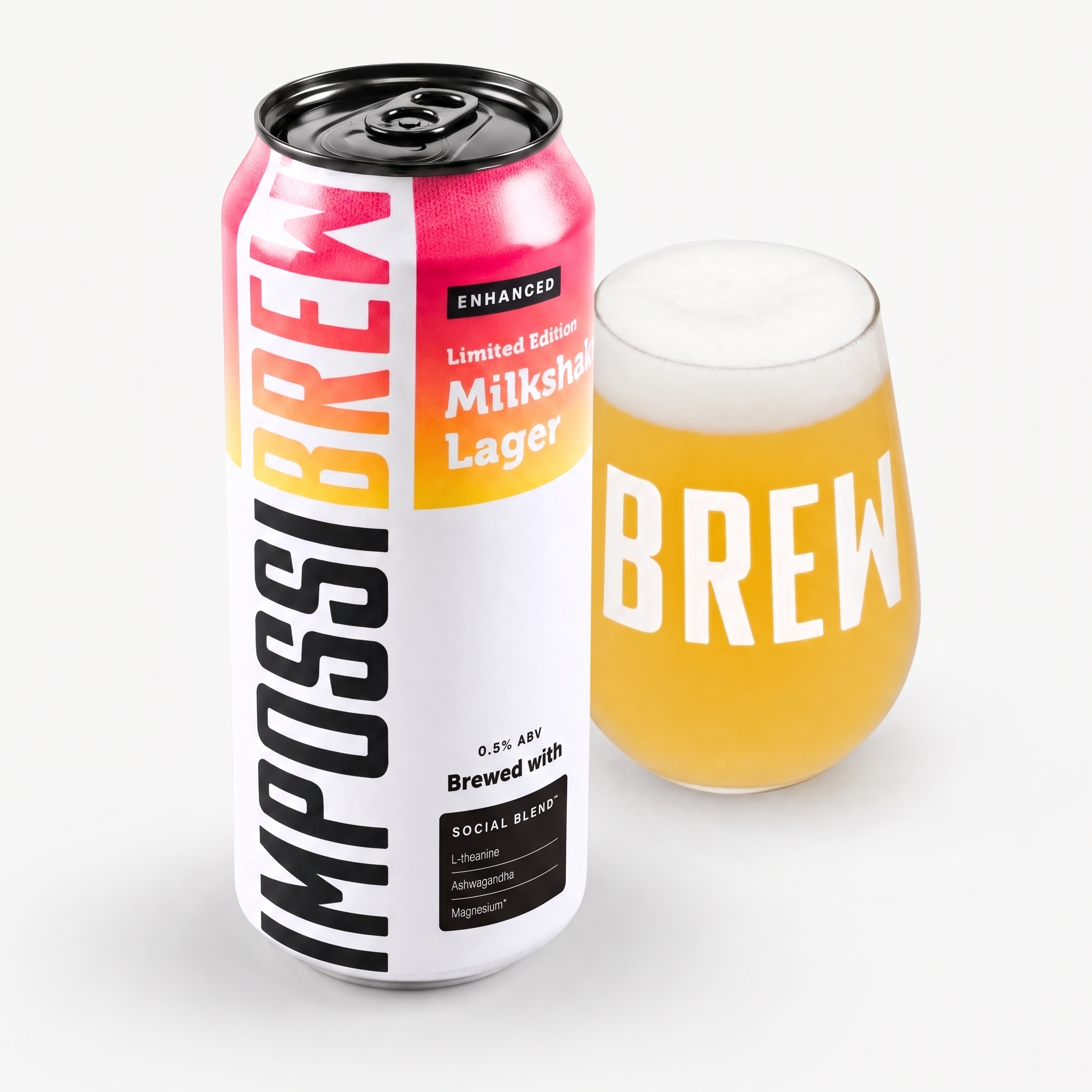

Halal-certified non-alcoholic beer is gaining traction among Muslim communities globally. Here's why:
- Market Growth: The halal food and beverage market reached £1.8 trillion in 2024 and is expected to double by 2034. Non-alcoholic beers are a niche within this expanding market.
- Religious Compliance: These beers meet strict halal standards, with 0.0% alcohol, ensuring they align with Islamic dietary laws.
- Social Inclusion: Younger Muslims are driving demand for products that allow participation in social settings without compromising their beliefs.
- Health Appeal: Many options are vegan, gluten-free, and low in calories, catering to health-conscious consumers beyond Muslim buyers.
- Accessibility: Availability is growing, with products now sold in major UK retailers and online platforms.
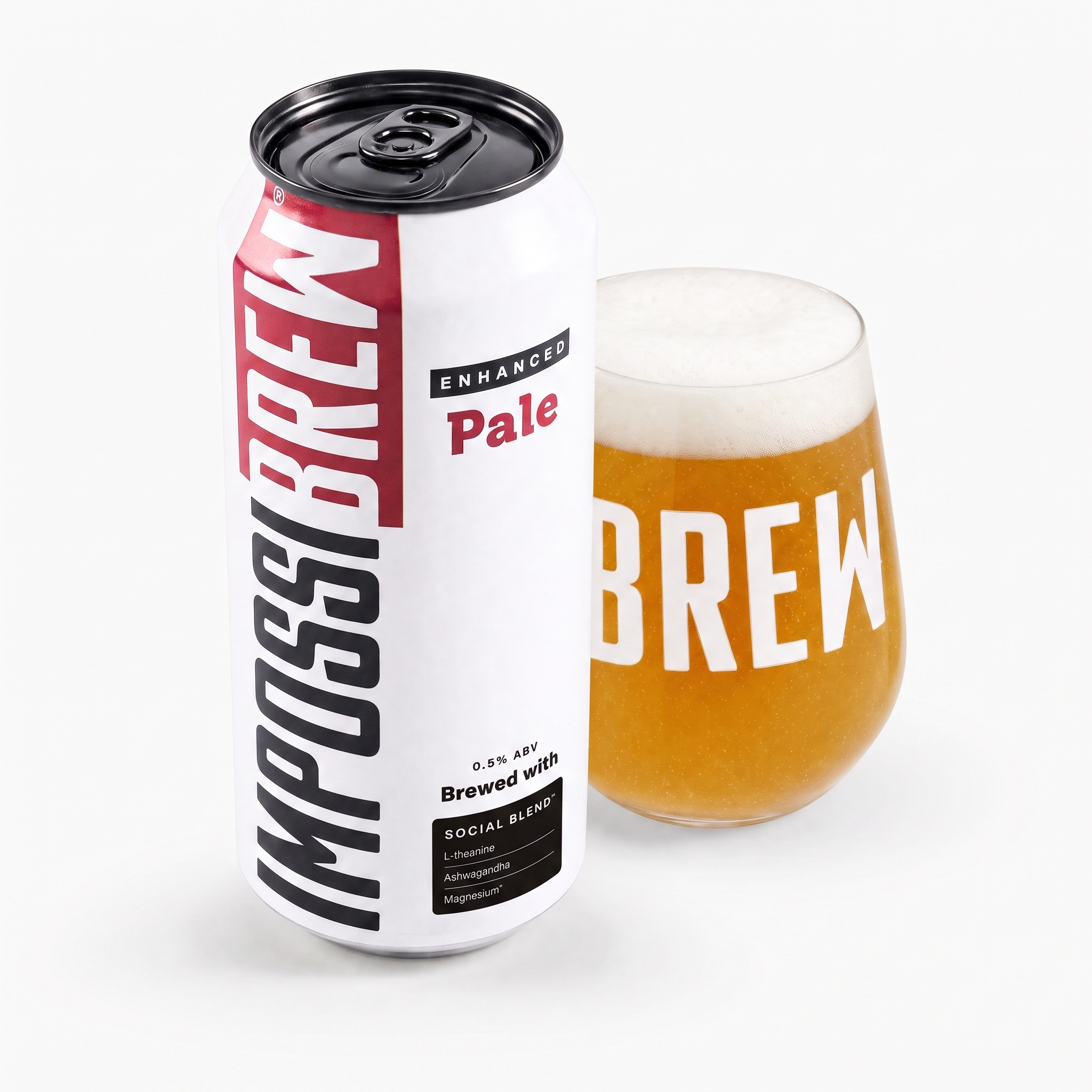
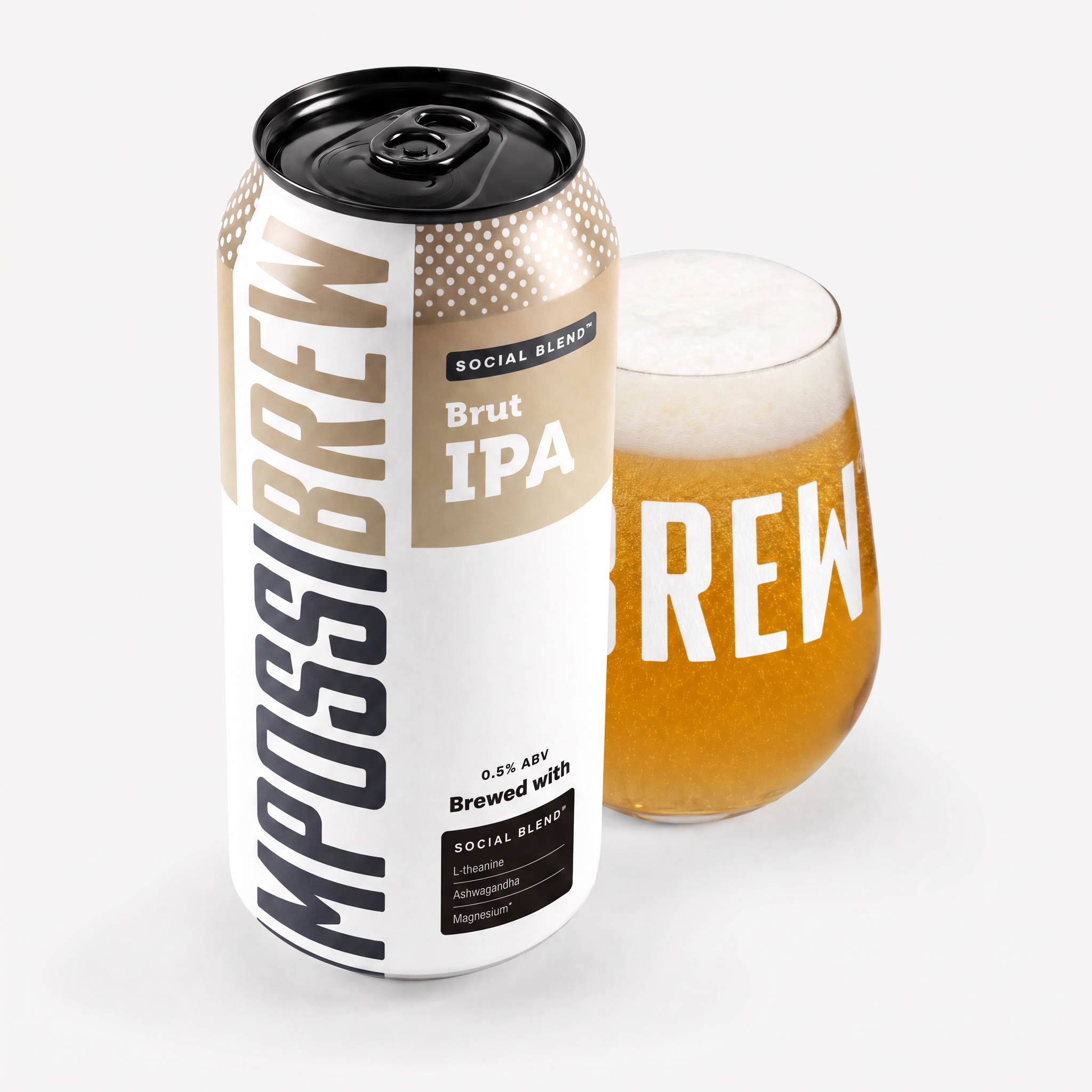
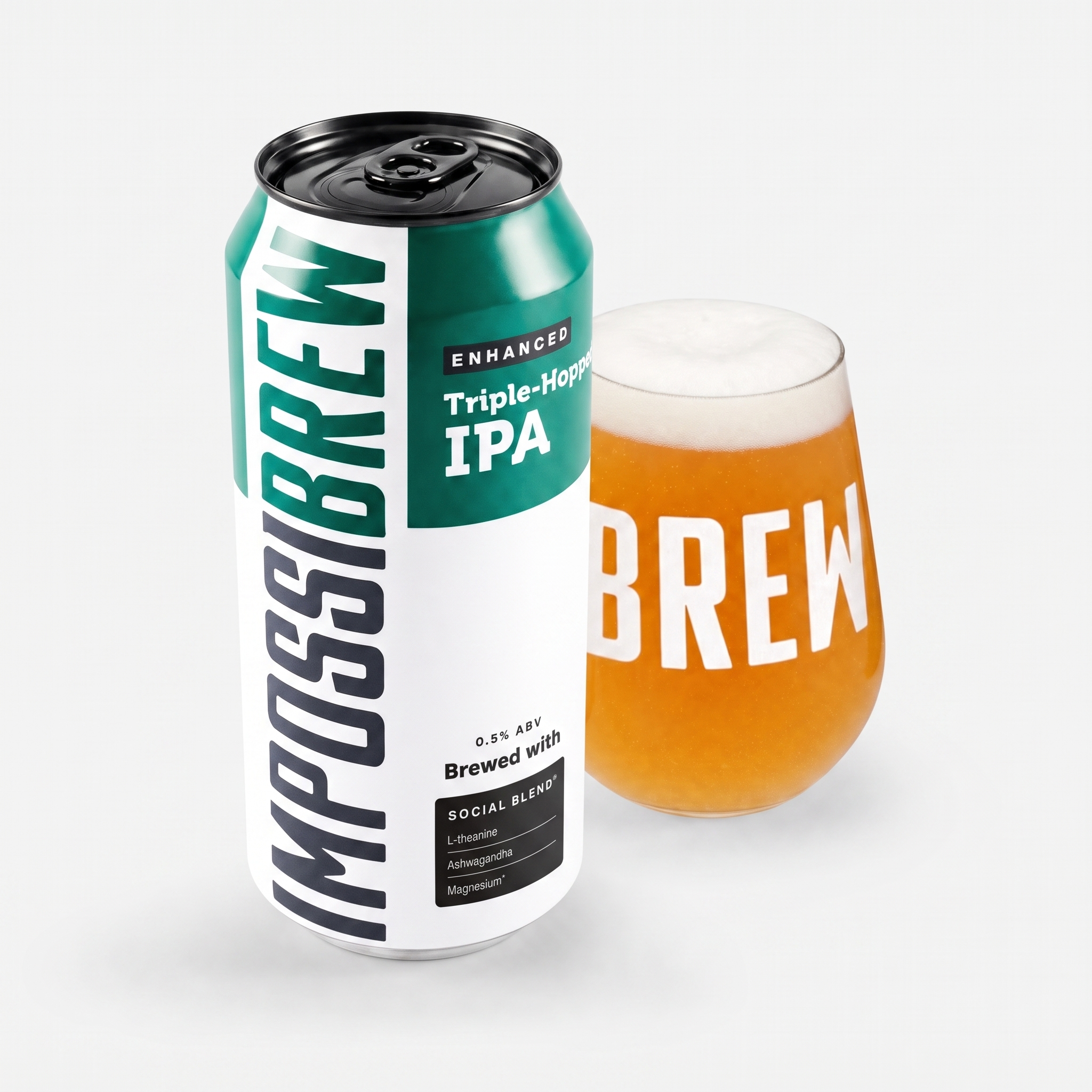
Brands like IMPOSSIBREW® are leading the charge by offering halal-certified beers with innovative brewing techniques. Their products, priced from £1.97 per can, aim to replicate the sensory experience of traditional beer while adhering to halal principles. The market's future looks bright, driven by younger, digitally savvy consumers seeking ethical and inclusive options.
1. Halal-Certified Non-Alcoholic Beers
Halal Certification and Compliance
The rise in demand for halal products has extended to non-alcoholic beers, which now meet strict halal standards using advanced techniques. To earn halal certification, these beverages must comply with Islamic dietary laws, which strictly prohibit alcohol, pork derivatives, and any substances considered impure under Shariah law [2][5]. The key requirement? A 0.0% alcohol content - any trace of alcohol disqualifies the product from being halal-compliant [5]. Certification involves a meticulous process: inspection for cross-contamination, full supply chain traceability, and rigorous checks of ingredients, production methods, and hygiene standards [1][2]. While certification guarantees purity, the challenge lies in crafting a product that captures the essence of traditional beer.
Taste and Sensory Experience
Halal-certified non-alcoholic beers use cutting-edge brewing methods to replicate the taste, aroma, and texture of traditional beer without compromising religious guidelines [5]. Techniques like controlled fermentation, dealcoholisation, and the use of natural flavourings play a crucial role in achieving an authentic beer-like experience.
Some brands go a step further by incorporating scientifically developed ingredients to enhance flavour and mouthfeel, all while adhering to halal requirements. This ensures that Muslim consumers can enjoy the social and sensory aspects of beer without straying from their beliefs [5].
Health and Dietary Features
These beers cater to a variety of dietary preferences, offering options that are vegan, gluten-free, and often lower in calories, sugar, and additives [1][4]. By focusing on clean-label ingredients, ethical sourcing, and high hygiene standards, halal-certified non-alcoholic beers appeal to health-conscious consumers across the board, not just Muslim buyers [4]. Non-Muslim consumers are also drawn to these beverages for their reputation of safety and ethical production [3][4]. These health and ethical advantages have helped expand their appeal in markets with growing interest in wellness-focused products.
Market Accessibility
Access to halal-certified non-alcoholic beers has grown considerably, particularly in Muslim-majority regions where demand is surging [1][2][5]. In the UK, these products are now readily available in major retail stores and online, with prices listed in pounds sterling (£) and packaging tailored to local preferences.
Brands have also embraced digital platforms to connect with younger audiences. Through social media and online marketing, they educate consumers about halal standards, build brand awareness, and make purchasing more convenient. This digital outreach is helping these products gain traction in an increasingly competitive market.
2. IMPOSSIBREW® Enhanced Non-Alcoholic Beers
Halal Certification and Compliance
IMPOSSIBREW® has tapped into the growing demand for halal-certified non-alcoholic beers by offering a carefully crafted alternative that adheres to modern halal standards. Their Enhanced Non-Alcoholic Beers contain less than 0.5% ABV and are certified by recognised halal authorities, providing an added layer of confidence for consumers seeking religiously compliant beverages. For those who require completely alcohol-free options, it's worth confirming whether 0.5% ABV aligns with personal standards.
Taste and Sensory Experience
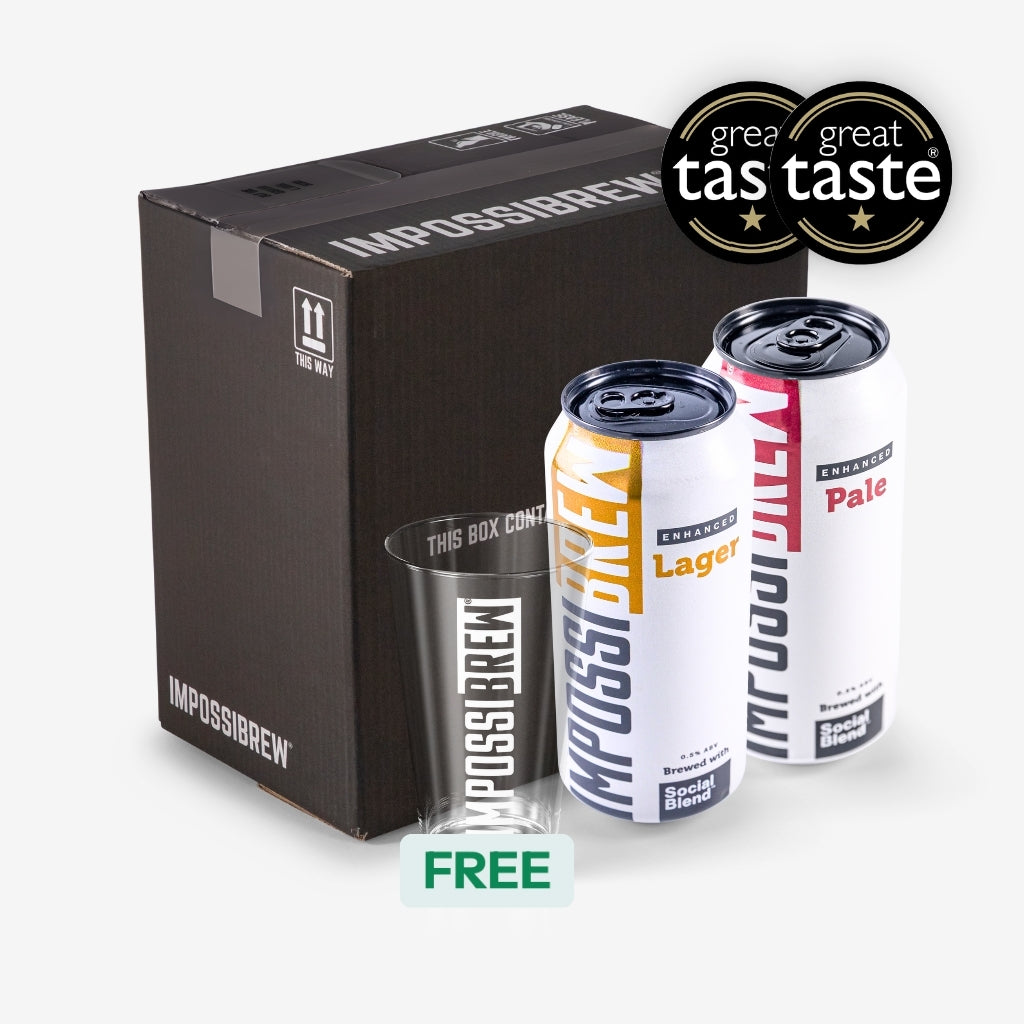
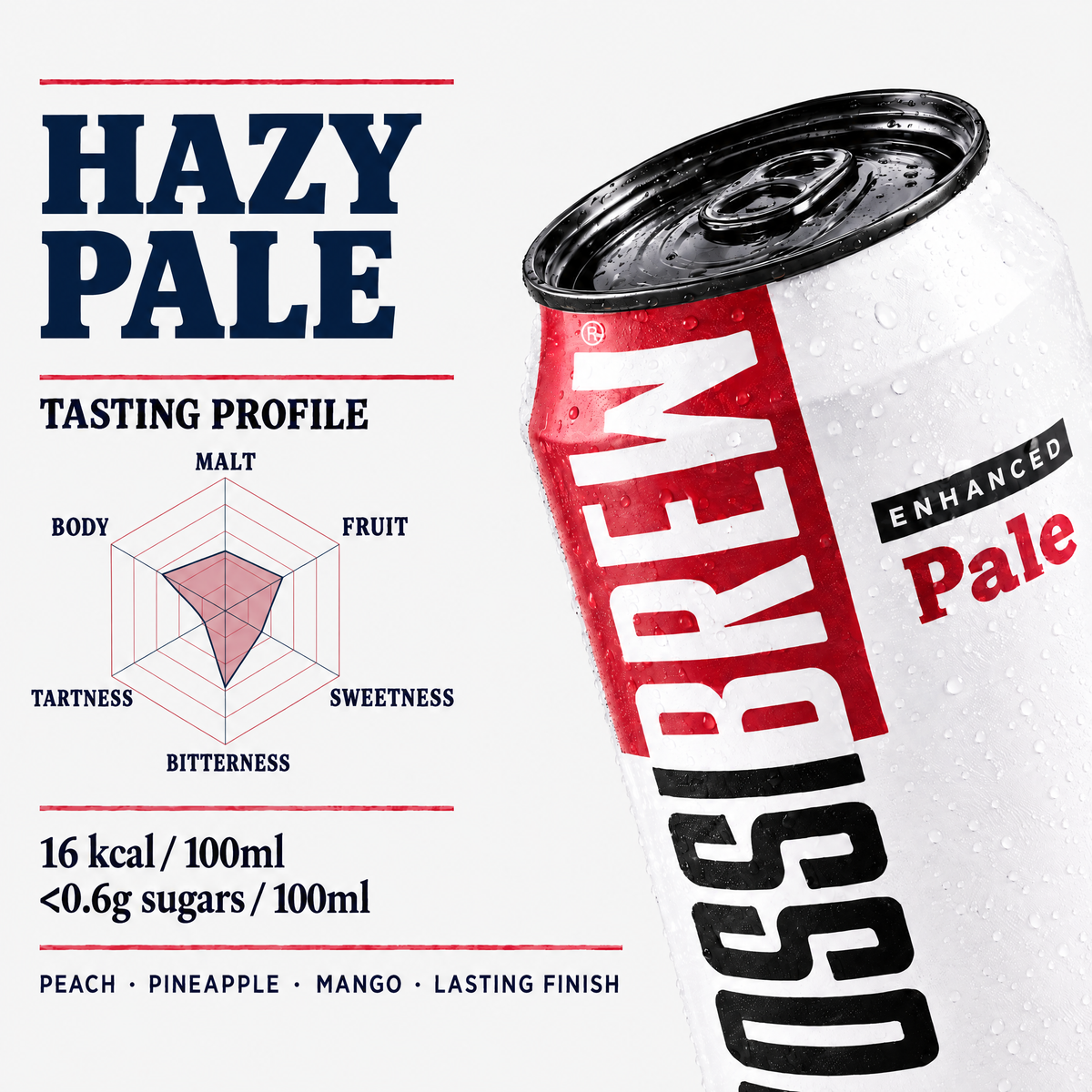
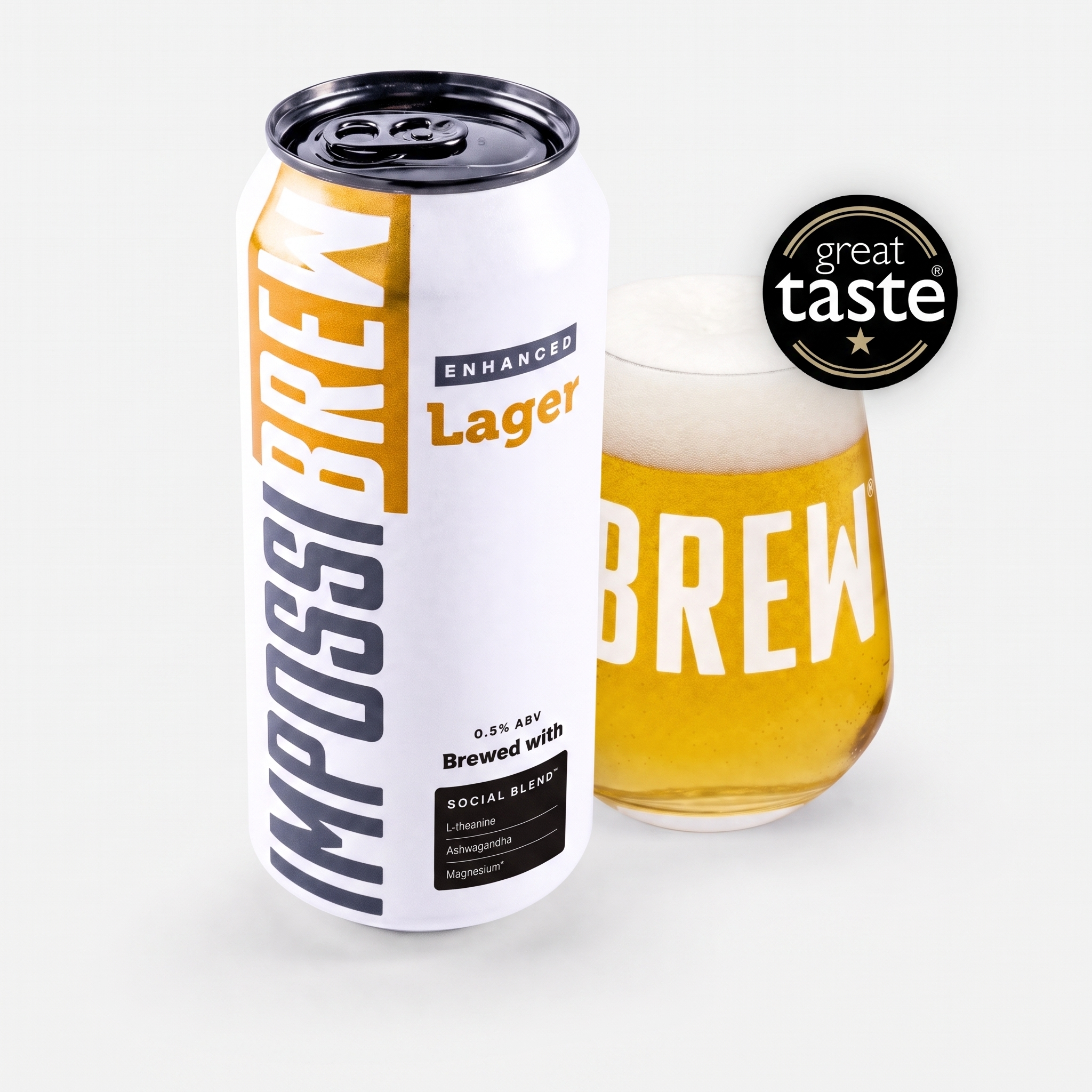
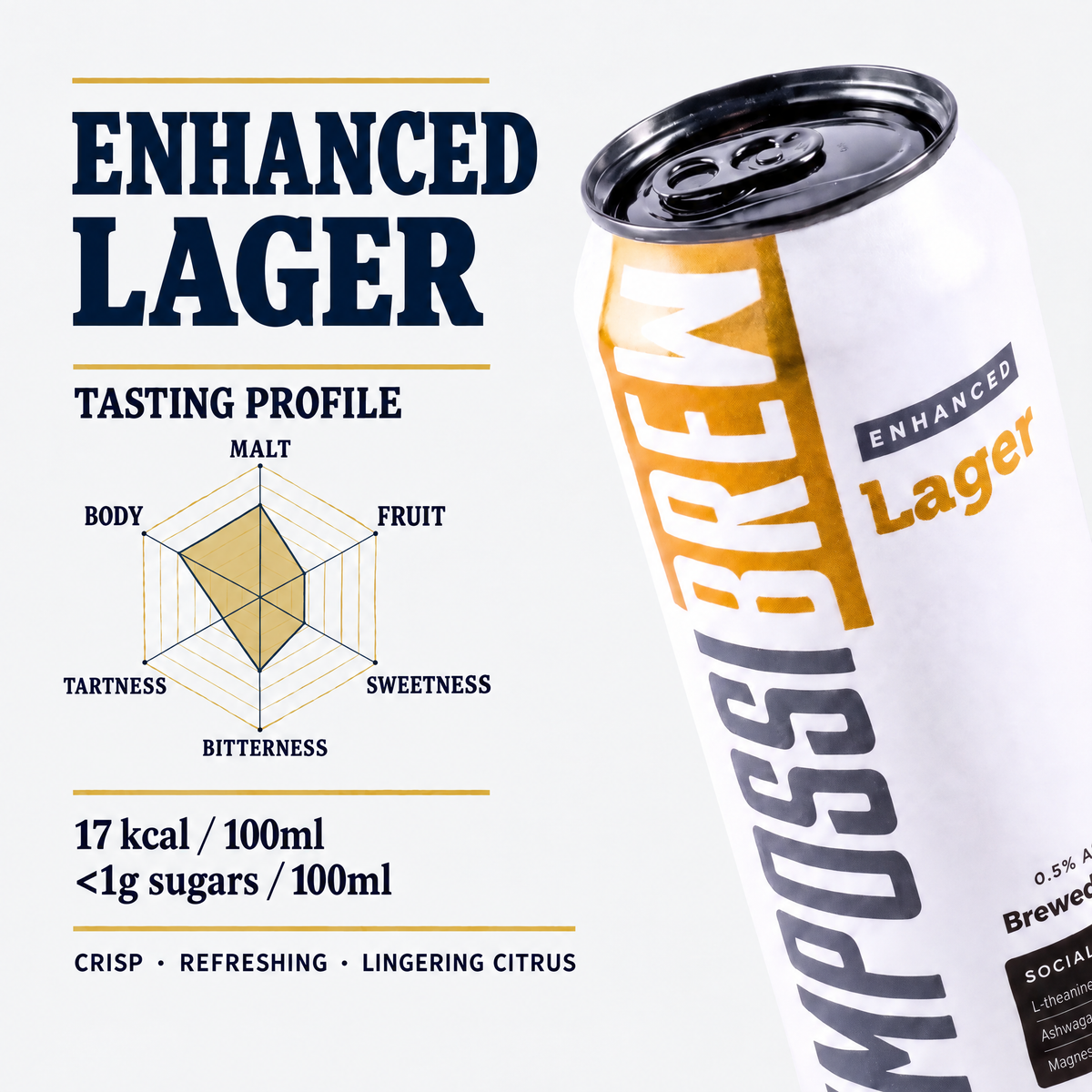
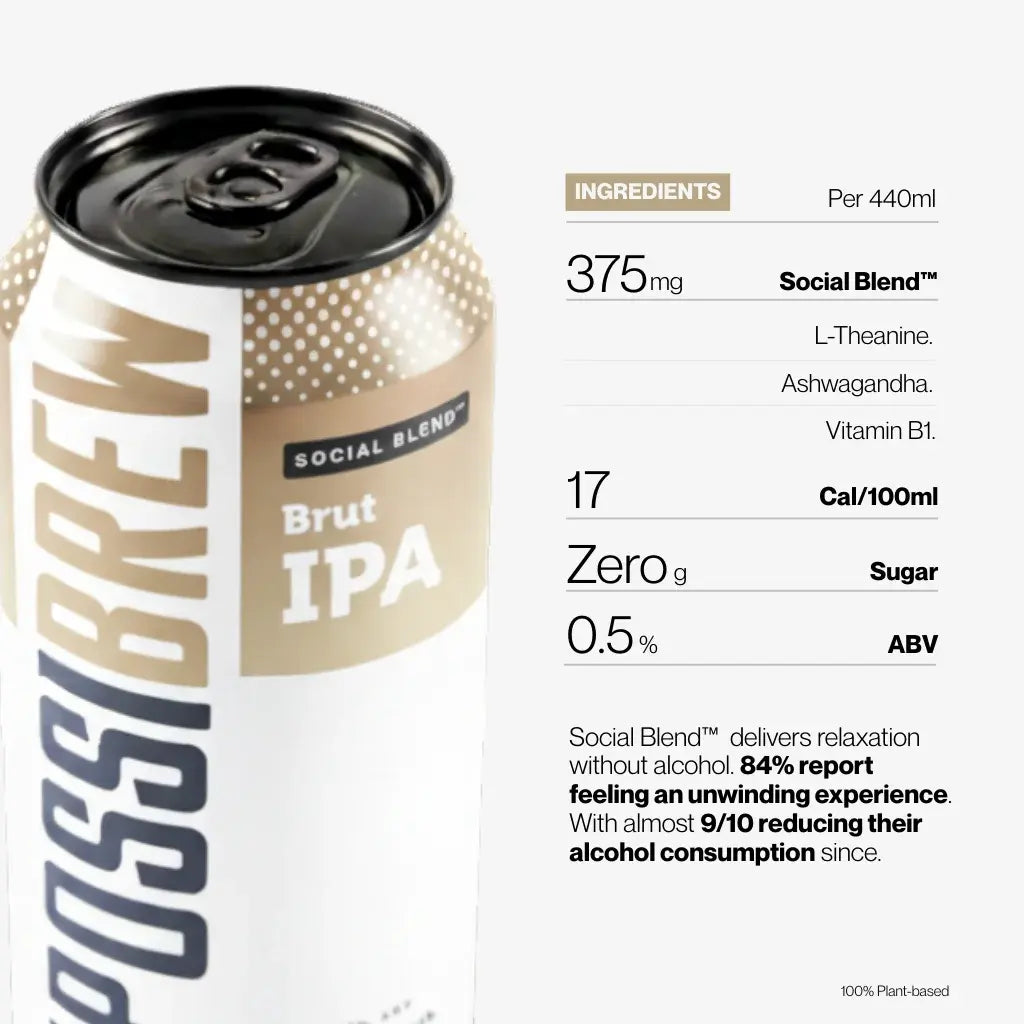
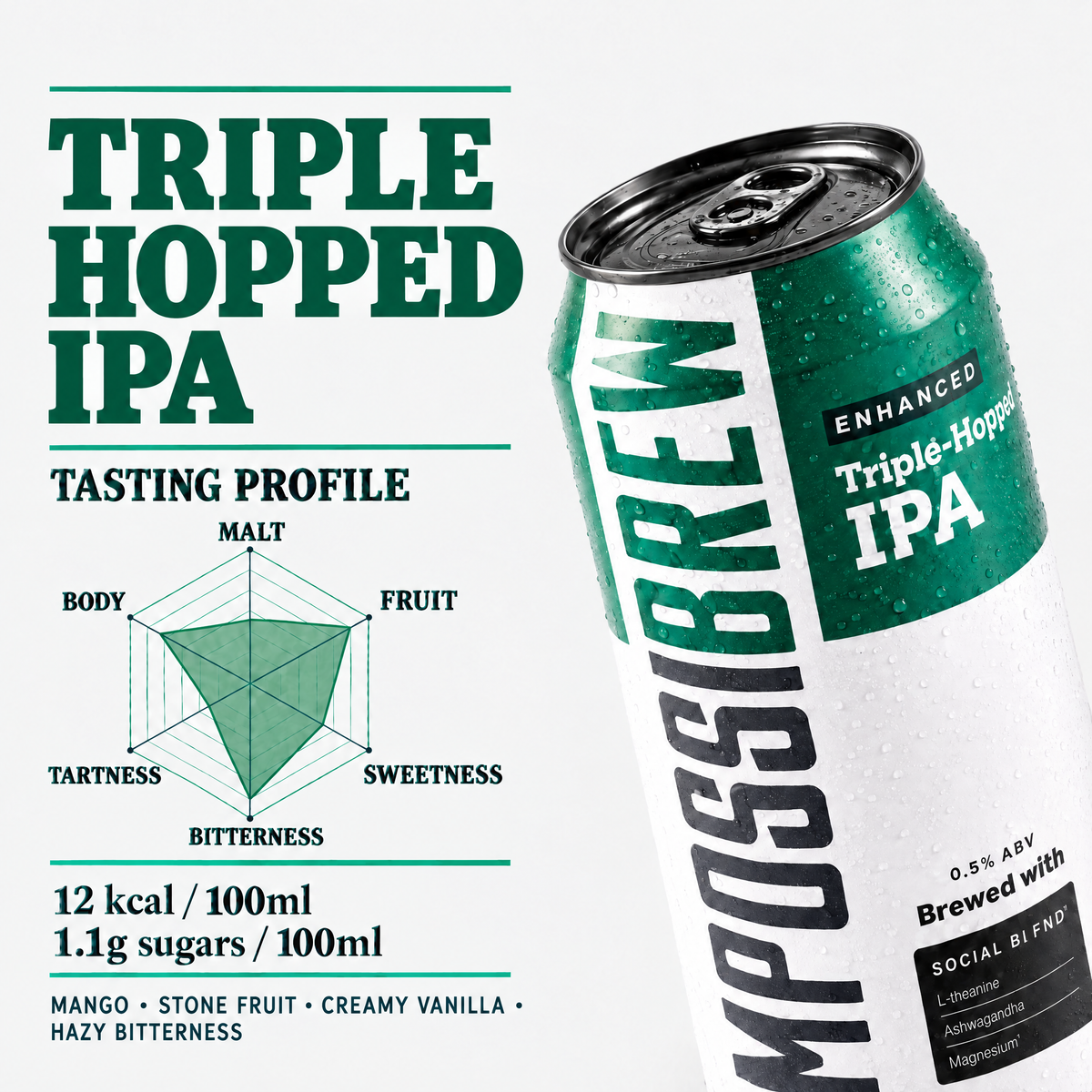
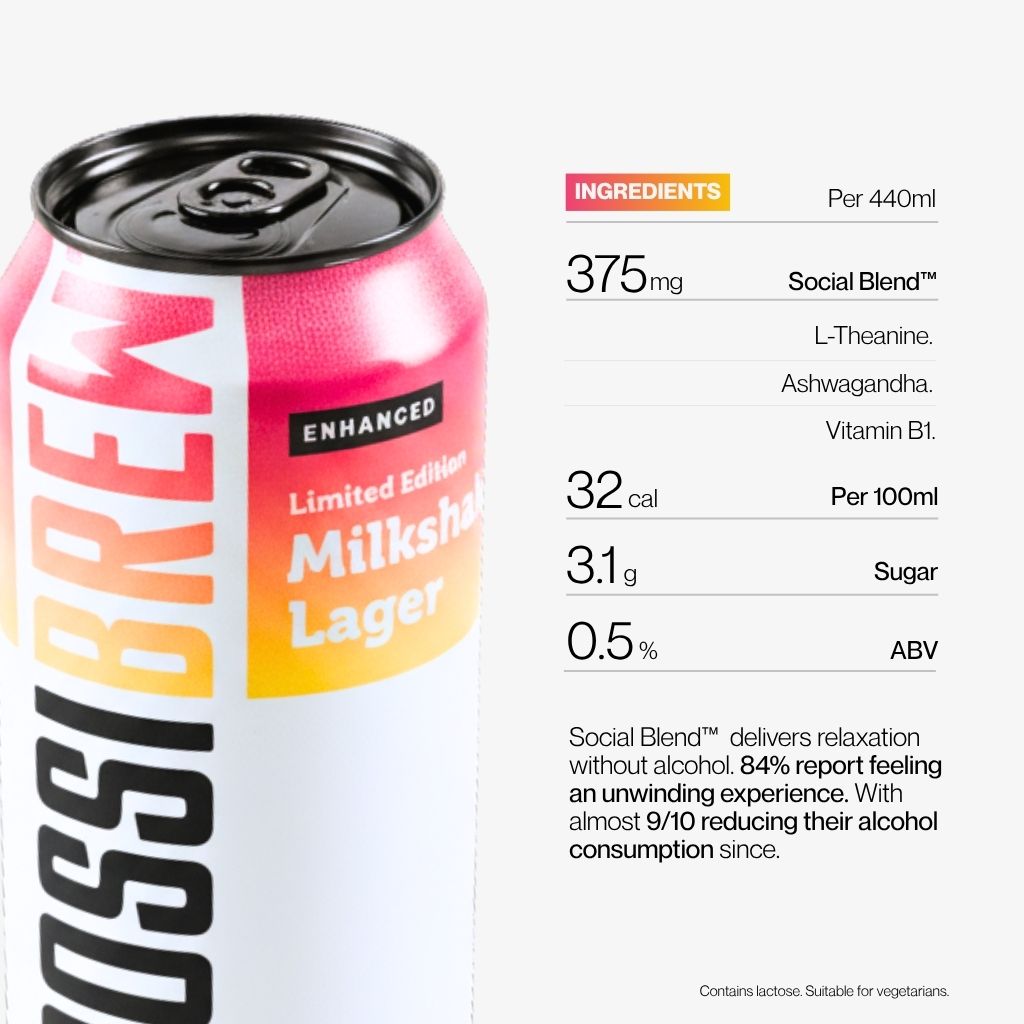
Recreating the familiar experience of traditional beer can be tricky, but IMPOSSIBREW® has tackled this head-on with its unique Social Blend™ technology. This blend combines non-intoxicating botanicals like L-Theanine and Ashwagandha to deliver the mouthfeel, aroma, and sense of social relaxation typically associated with regular beer. The Enhanced Lager boasts a crisp, dry flavour with a refreshing citrus finish, while the Enhanced Hazy Pale offers tropical, fruity notes and a silky texture. Both varieties earned the title of the UK's best non-alcoholic beers at the 2023 World Beer Awards.
Health and Dietary Features
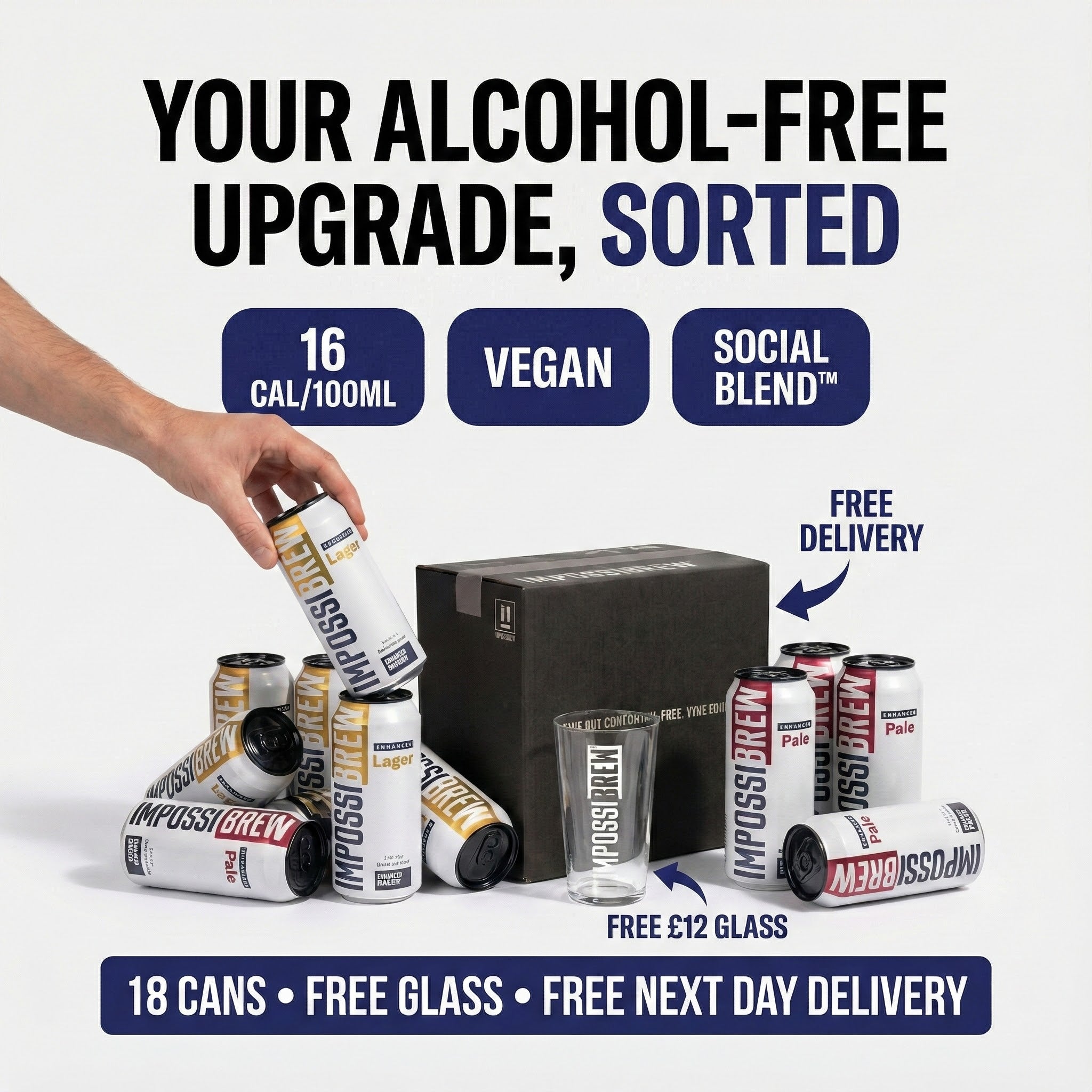
IMPOSSIBREW®'s Enhanced Lager is designed to meet diverse dietary needs. It's gluten-free (with less than 10 PPM), vegan-friendly, and low in calories - just 16 calories per 100ml. On top of that, its botanical ingredients are thought to promote serotonin production and help reduce stress, delivering benefits that go beyond what traditional non-alcoholic beers typically offer.
Market Accessibility
With a strong digital presence, IMPOSSIBREW® has positioned itself to connect with younger Muslim consumers, a demographic expected to grow to over 540 million globally by 2030. In the UK, their products are conveniently available online through the brand’s website at competitive prices. The Enhanced Lager and Enhanced Hazy Pale start at £1.97 per can, while the Bestseller Bundle, featuring 18 beers, a free glass, and free delivery, is available at £49.99. The website provides detailed product information, ingredient lists, and customer reviews, making it easier for consumers to make informed choices that align with their dietary and religious preferences. This approach reflects a broader shift towards making halal options more accessible and convenient.
Dubai factory brews first halal-certified alcohol-free beer
sbb-itb-a752bf8
Pros and Cons
Following the detailed product profiles, here’s a closer look at the benefits and challenges of halal-certified non-alcoholic beers.
Religious compliance ensures these beverages align with Islamic dietary laws. However, some consumers remain sceptical about the authenticity of certifications, and there’s often confusion about what truly qualifies as halal non-alcoholic beer[5].
Taste and sensory experience is a mixed bag. IMPOSSIBREW® incorporates its Social Blend™ technology to replicate traditional beer flavours and social effects. Still, many consumers note that the absence of alcohol noticeably alters the taste and mouthfeel compared to standard beers[5].
Health benefits are a strong selling point, with formulations that include ingredients promoting relaxation without the downsides of alcohol. These options are often low-calorie, vegan, and gluten-free. However, the range of choices remains limited compared to the broader beer market.
Market accessibility is improving, with increasing availability in UK shops and online platforms. Prices start at a competitive £1.97 per can. That said, distribution gaps and the added expense of certification continue to pose challenges[2][5].
| Aspect | Advantages | Disadvantages |
|---|---|---|
| Religious Compliance | Meets Islamic dietary requirements, certified halal assurance[1][2] | Scepticism regarding certification authenticity[5] |
| Taste Experience | Uses advanced technology to mimic traditional beer flavours | Alcohol absence leads to noticeable taste differences[5] |
| Health Benefits | Relaxation-promoting ingredients; low-calorie, vegan, and gluten-free options[1][5] | Limited variety compared to traditional beers |
| Market Access | Growing availability and competitive pricing starting at £1.97[1][2] | Uneven distribution and higher costs due to certification[2][5] |
| Consumer Appeal | Appeals to both Muslim and non-Muslim consumers who value ethical sourcing[3] | Cultural resistance in more conservative communities[5] |
These points reflect the evolving needs and preferences of consumers in this niche market.
The broader market outlook is optimistic. The global halal food and beverage sector is projected to hit USD 5.44 trillion by 2034[1]. A key factor in this growth is the rising number of young Muslims - over 540 million aged 15–29 by 2030 - who are digitally savvy and seek products that balance religious compliance with modern innovation[4]. However, maintaining halal standards while meeting these diverse expectations is no small feat.
Conclusion
The analysis highlights a promising opportunity in the halal-certified non-alcoholic beer market, a segment within the global halal industry that is forecasted to reach a staggering USD 5.44 trillion by 2034 [1]. IMPOSSIBREW® stands out by blending tradition with modernity, offering a unique beer-like experience crafted with its Social Blend™ technology. These vegan-friendly, low-calorie, and gluten-free drinks cater to unmet needs in the market while staying true to halal principles.
The younger Muslim demographic, increasingly influential in shaping market trends, values products that align with their cultural values while embracing modern innovation [4]. This generation seeks options that allow them to enjoy social settings without compromising their beliefs. With its carefully designed beverages that mimic both the taste and social effects of traditional beer, IMPOSSIBREW® meets this demand head-on.
For consumers, choosing products with clear halal certification and transparent sourcing is crucial. IMPOSSIBREW® offers a thoughtful solution for those looking for an authentic social drinking experience, delivering both flavour and lifestyle compatibility.
With the halal beverage market growing at an annual rate of 8% [1], this upward trend promises continued advancements. Future products will need to prioritise transparency, ingredient quality, and authentic taste to stay relevant in a market that balances cultural and health-conscious expectations.
FAQs
What is driving the growing demand for halal-certified non-alcoholic beer in Muslim communities?
The growing interest in halal-certified non-alcoholic beer among Muslim communities stems from a mix of religious, cultural, and lifestyle influences. Many Muslims are looking for beverages that respect their dietary guidelines while still offering a social and enjoyable experience similar to alcoholic drinks - without conflicting with their faith.
At the same time, the rise in health-conscious living has prompted more people to opt for alcohol-free alternatives. Halal-certified non-alcoholic beers fit perfectly into this trend, providing a refreshing choice that respects cultural values and offers inclusivity. This surge in demand is opening up new opportunities for products that cater to these specific needs.
How do halal-certified non-alcoholic beers meet Islamic dietary requirements, and what challenges do they face in staying authentic?
Halal-certified non-alcoholic beers are crafted to strictly follow Islamic dietary guidelines. This means they contain no alcohol whatsoever and are made exclusively with ingredients deemed halal. To guarantee this, trusted Islamic authorities usually certify these products, ensuring they meet the necessary standards.
However, creating such beverages comes with its own set of challenges. One of the biggest hurdles is achieving the rich flavour and sensory experience associated with traditional beer, all without the use of alcohol. Additionally, sourcing ingredients that are fully halal-compliant and safeguarding against cross-contamination during production are critical steps. Upholding these standards is key to maintaining the trust and confidence of Muslim consumers.
How do halal-certified non-alcoholic beers appeal to health-conscious consumers, and what are their health benefits compared to traditional beers?
Halal-certified non-alcoholic beers have become a go-to option for those looking to make healthier beverage choices. They offer a refreshing twist without the concerns tied to alcohol. Many of these drinks are low in calories, vegan-friendly, and gluten-free, making them suitable for a wide range of dietary needs and lifestyles.
What sets them apart from traditional beers is their ability to sidestep the usual downsides of alcohol consumption - no dehydration, no hangovers, and no extra calories from alcohol. This makes them a fantastic choice for anyone wanting a drink that's both inclusive and full of flavour.