
Non-alcoholic beer is becoming more popular in the UK, offering potential heart health benefits without the risks of alcohol. Research shows it can improve cholesterol levels, reduce blood pressure, and lower inflammation due to its natural compounds like polyphenols and antioxidants. Key findings include:
- Cholesterol improvements: Lower LDL and higher HDL levels in studies with at-risk groups.
- Blood pressure reduction: Supports vascular health and repair.
- Anti-inflammatory effects: Decreases markers like CRP and IL-6, reducing systemic inflammation.
- Rich nutrients: Contains B vitamins, potassium, and magnesium, supporting heart function.
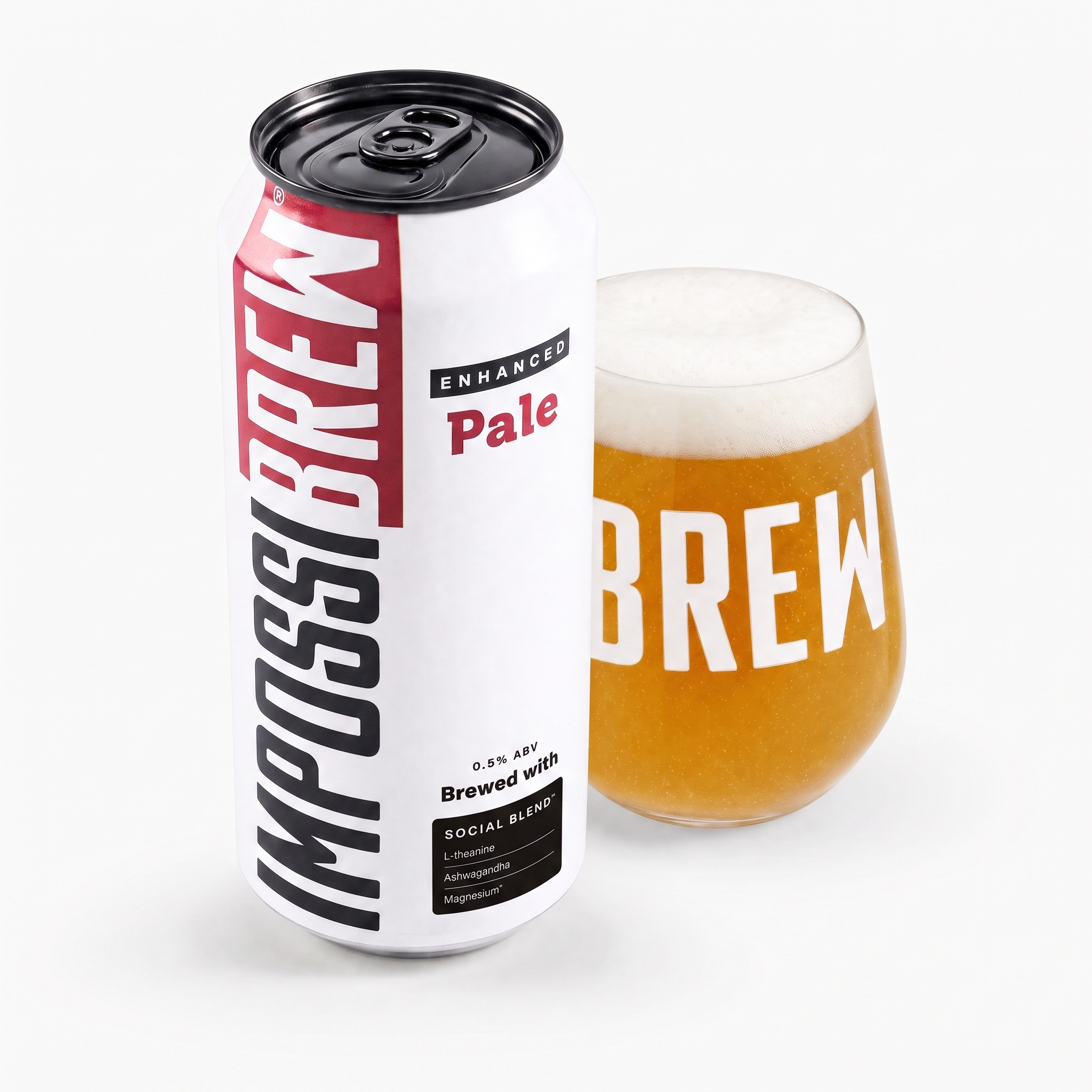
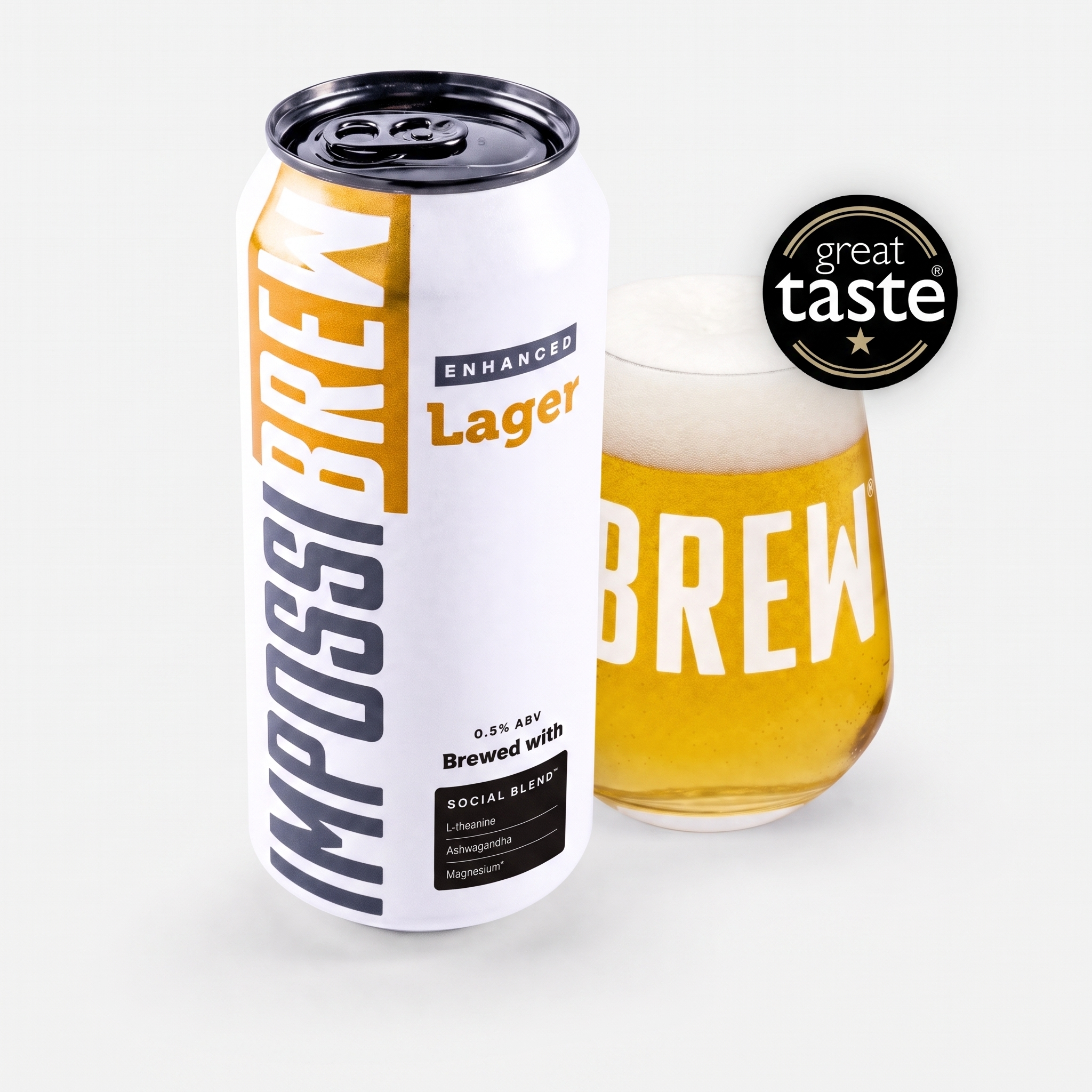
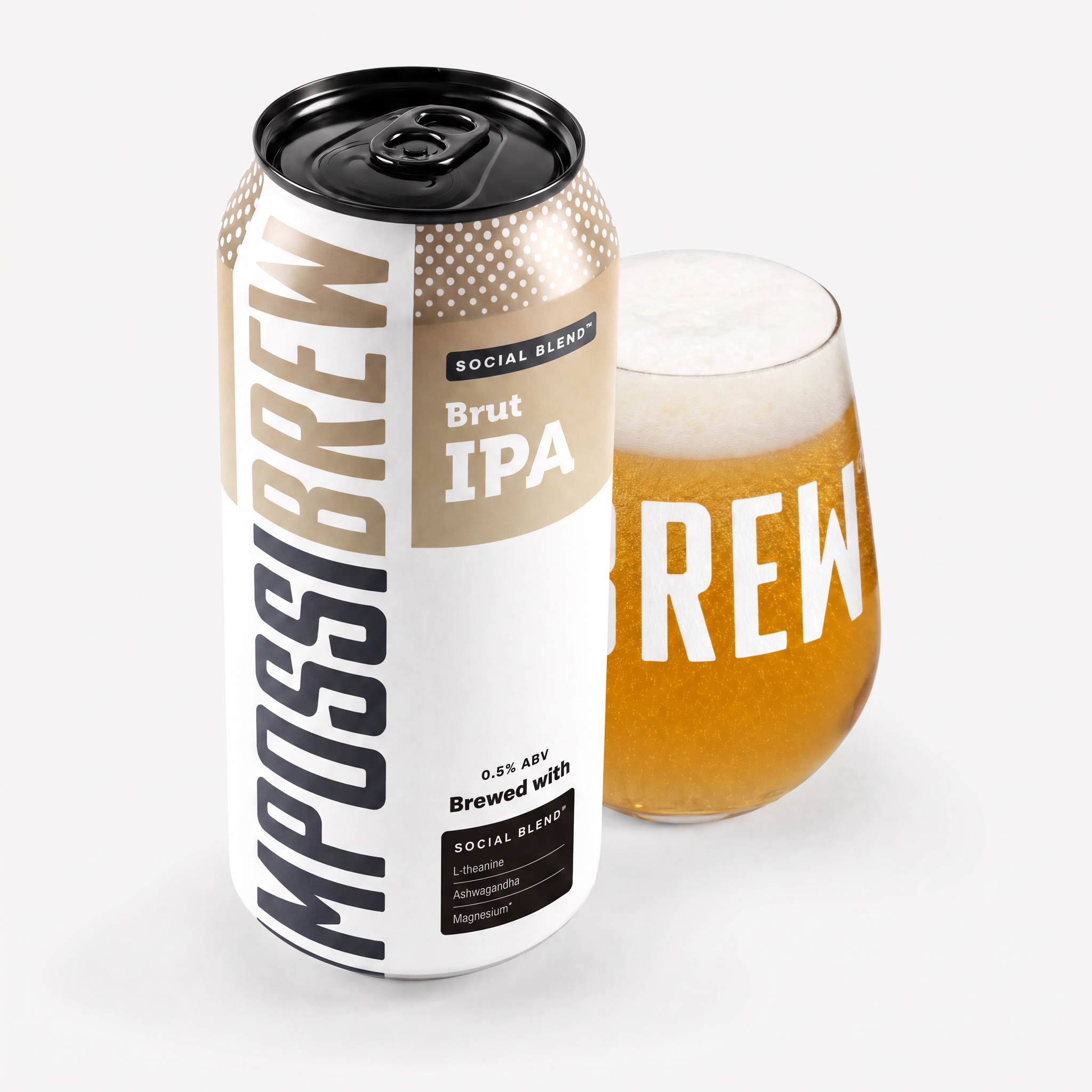
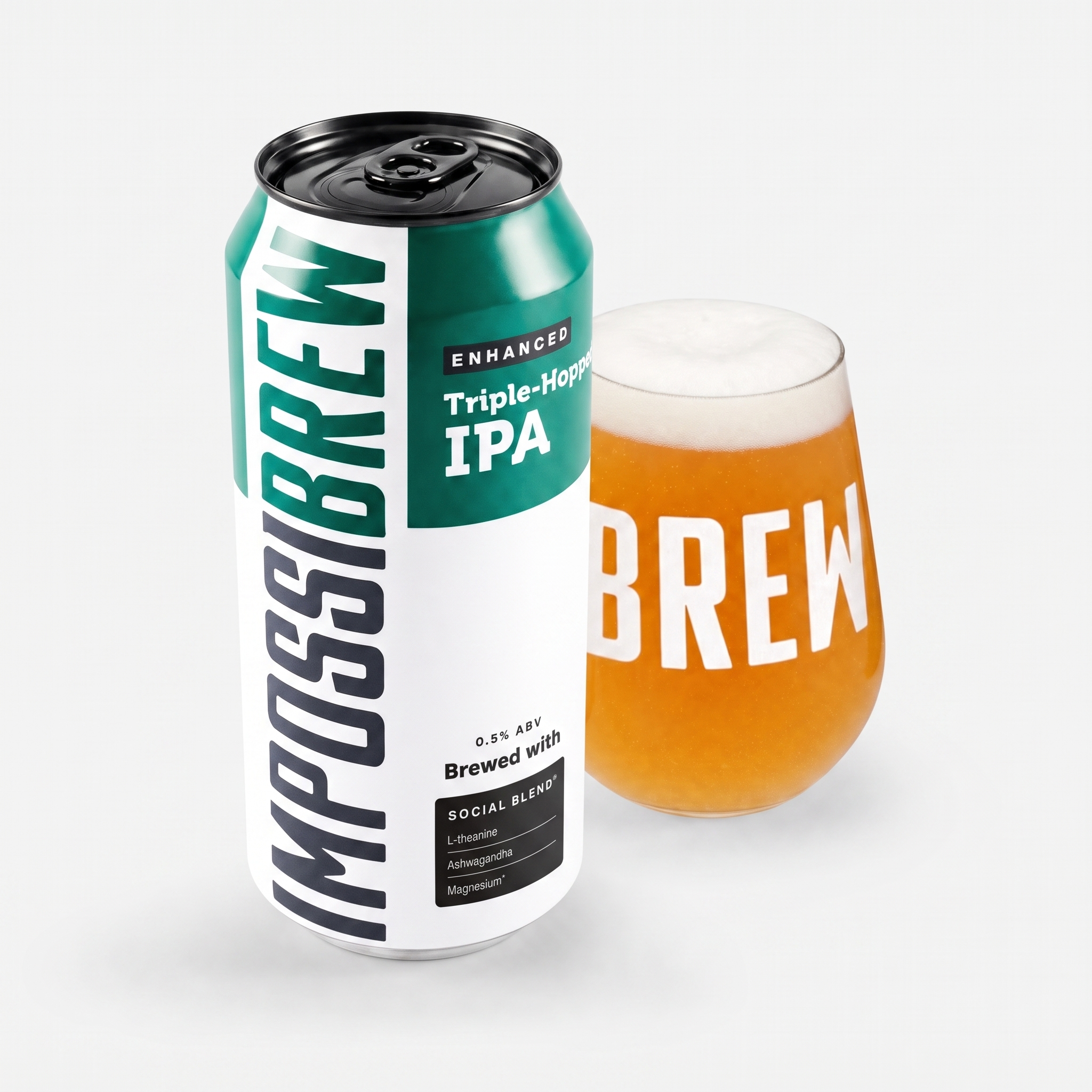
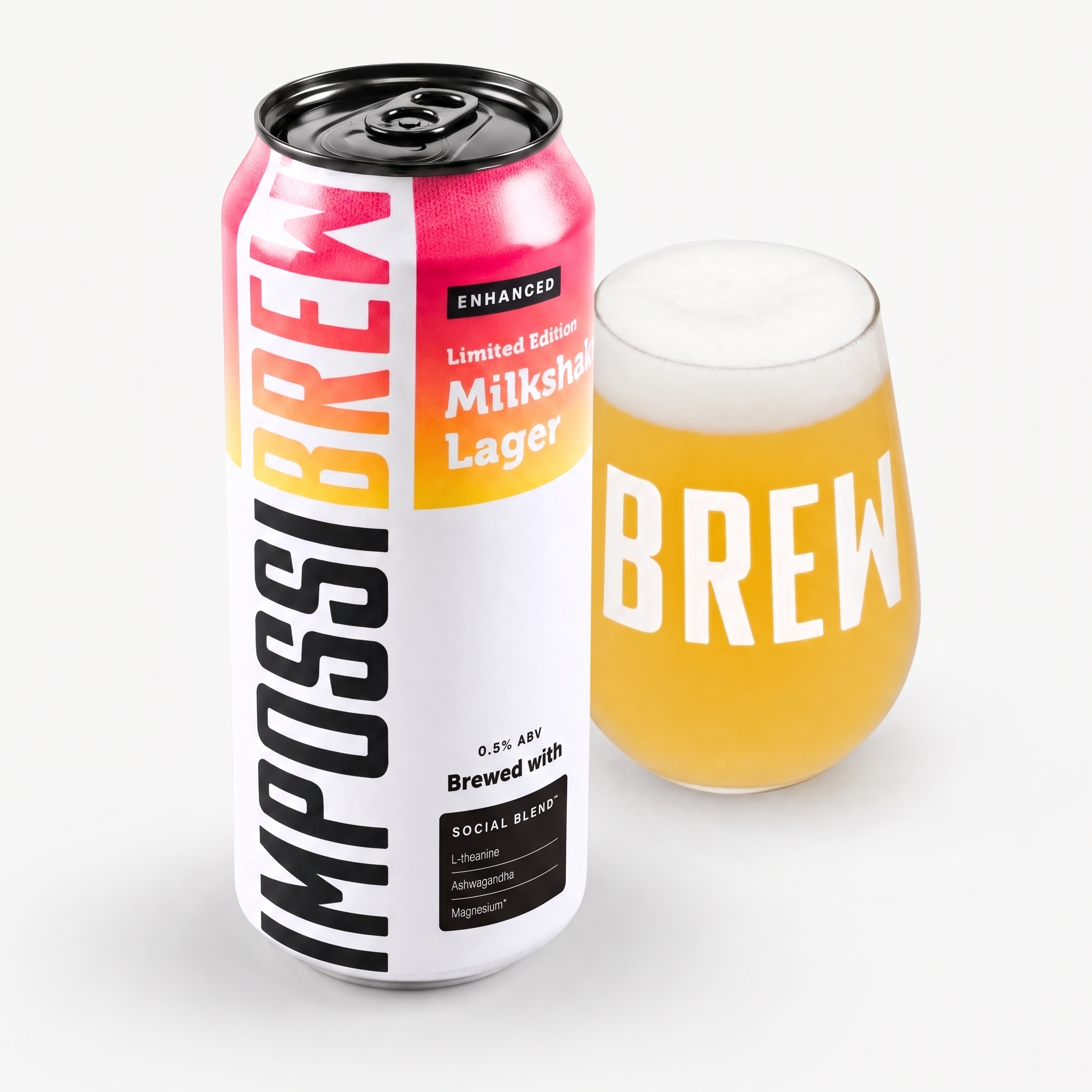
Brands like IMPOSSIBREW® are leading the way, combining health-focused ingredients with the beer experience. For those wanting to cut alcohol while supporting heart health, non-alcoholic beer is a promising option.
Is Non-Alcoholic Beer a Healthy Drink?
How Non-Alcoholic Beer Affects Heart Health Markers
Non-alcoholic beer has been shown to positively influence several key heart health markers, thanks to its natural compounds like polyphenols and antioxidants. Derived from ingredients such as hops and barley, these compounds contribute to a range of cardiovascular benefits, as backed by clinical studies.
Cholesterol and Blood Fat Changes
Regular consumption of non-alcoholic beer has been linked to noticeable improvements in cholesterol levels. For instance, a 45-day study involving postmenopausal women found that drinking non-alcoholic lager beer reduced total and oxidised LDL cholesterol while boosting HDL cholesterol. Similar effects were observed in participants who consumed 400 mg of hop extract daily [2][4].
These cholesterol-lowering benefits seem especially effective for individuals at higher cardiovascular risk, such as those with elevated cholesterol or postmenopausal women. This suggests that non-alcoholic beer could be particularly helpful for these groups.
Blood Pressure and Blood Vessel Health
Beyond improving cholesterol, non-alcoholic beer also appears to enhance vascular health. Research indicates that it can improve endothelial function, lower both systolic and diastolic blood pressure, and increase levels of circulating endothelial progenitor cells, which are crucial for vascular repair [2][3].
Lower Inflammation and Cell Damage
Non-alcoholic beer has demonstrated the ability to reduce markers of inflammation, such as CRP, IL-1, and IL-6, while also decreasing lipid and protein oxidation. At the same time, it boosts protective antioxidants like glutathione (GSH). A study involving 277 male marathon runners found that consuming 1–1.5 litres of non-alcoholic beer daily for three weeks led to lower IL-6 levels, reduced blood leukocyte counts, and fewer upper respiratory infections [2]. The drop in leukocyte counts is particularly significant, as it points to reduced systemic inflammation.
These anti-inflammatory effects are largely attributed to the beer’s polyphenols, xanthohumol, and flavonoids, which help combat cellular damage and oxidative stress [3]. Interestingly, non-alcoholic beer seems to offer stronger anti-inflammatory benefits compared to its alcoholic counterpart [4]. This makes non-alcoholic options, like those from IMPOSSIBREW®, an appealing choice for anyone looking to enjoy social drinking while prioritising heart health.
Antioxidants and Nutrients in Non-Alcoholic Beer
Non-alcoholic beer offers more than just a refreshing alternative - it’s packed with compounds that promote heart health. Thanks to its antioxidants and nutrients, this beverage helps protect the cardiovascular system from oxidative damage and supports overall heart function. Let’s dive into the key components that make this possible.
Key Antioxidants in Non-Alcoholic Beer
Non-alcoholic beer stands out for its ability to reduce oxidative stress, thanks to its rich antioxidant profile. Among these are polyphenols, which come from malt and hops. These compounds neutralise free radicals, reducing damage to lipids and proteins in the body. Alongside polyphenols, flavonoids and xanthohumol work together to shield blood vessels and lower oxidative stress. Xanthohumol, in particular, is a bioactive compound found in hops that not only fights inflammation but also supports the health of endothelial cells - the cells lining blood vessels [3].
Barley, another key ingredient, contributes polysaccharides and trace amounts of copper, further enhancing non-alcoholic beer’s nutritional value. Interestingly, some studies suggest that non-alcoholic beer may be even more effective than regular beer at preventing oxidative stress and maintaining endothelial health [5].
Vitamins and Minerals for Heart Health
Beyond its antioxidants, non-alcoholic beer is a source of essential vitamins and minerals that play a role in heart health. It contains B-complex vitamins - such as thiamine (B1), riboflavin (B2), pyridoxine (B6), and folic acid (B9) - which are crucial for energy metabolism and help regulate homocysteine levels, a marker linked to heart disease [3].
Its mineral content is equally impressive:
- Potassium helps manage blood pressure.
- Magnesium supports a steady heart rhythm.
- Calcium aids in the contraction and relaxation of blood vessels.
- Iron ensures efficient oxygen transport throughout the body.
For consumers in the UK, these nutritional benefits align with public health goals. Many non-alcoholic beers are also designed to be low in calories, vegan-friendly, and gluten-free, making them an accessible choice for a variety of diets.
sbb-itb-a752bf8
Research Evidence for Heart Health Benefits
Clinical research highlights that non-alcoholic beer can improve cardiovascular health markers, a discovery that holds particular significance for consumers in the UK. Recent studies have expanded on earlier findings, shedding more light on these heart health benefits.
Study Results and Main Findings
Studies have demonstrated that daily consumption of non-alcoholic beer can enhance endothelial function and reduce inflammation across various groups of people[3]. These effects are attributed to the bioactive compounds found in the beverage, which play a key role in promoting heart health.
One notable study focused on healthy male runners. Participants who drank non-alcoholic beer daily for three weeks before and two weeks after completing a marathon experienced reduced levels of IL-6 (an inflammatory marker), lower total white blood cell counts, and fewer upper respiratory symptoms following the race[6].
| Study Focus | Key Finding | Population | Duration |
|---|---|---|---|
| Endothelial Function | Improved blood vessel health and reduced inflammation | General adult population | Daily consumption |
| Cholesterol Management | Lowered total and LDL cholesterol | Post-menopausal women with high cholesterol | 45 days |
| Athletic Recovery | Reduced IL-6 and other immune markers | Healthy male runners | 5 weeks total |
These findings raise interesting questions about which groups might benefit most from incorporating non-alcoholic beer into their routines.
Who Benefits Most from Non-Alcoholic Beer
Certain groups appear to gain the most cardiovascular advantages from regular non-alcoholic beer consumption. These include individuals at higher risk of heart disease, older adults, and post-menopausal women[6].
For post-menopausal women, who often face increased cardiovascular risks due to hormonal changes, non-alcoholic beer has been shown to improve cholesterol levels, particularly by lowering LDL cholesterol. Older adults may also see benefits, as the polyphenols and flavonoids in non-alcoholic beer can support their diminishing antioxidant defences.
Additionally, individuals with existing cardiovascular risk factors - such as elevated cholesterol or mild hypertension - have shown positive outcomes, including reduced inflammation and better endothelial function. Athletes undergoing physical stress, like marathon runners, have also experienced improvements, such as reduced inflammatory markers and enhanced recovery post-exercise[3][4][6].
For UK consumers, these insights suggest non-alcoholic beer could be a valuable addition to a balanced lifestyle aimed at supporting heart health. Regular and moderate consumption - around 500 mL per day - seems to offer the best results, allowing individuals to enjoy the taste of beer without the potential downsides of alcohol.
Non-Alcoholic Beer as Health Drink: UK Market View
With growing evidence pointing to cardiovascular benefits, UK consumers are increasingly seeking beverages that blend health benefits with social enjoyment. In response, the UK market has begun to embrace non-alcoholic beer as a functional health drink, aligning with modern wellness trends and public health recommendations. This shift has paved the way for innovations like IMPOSSIBREW®’s cutting-edge formulations.
Why UK Consumers Choose Non-Alcoholic Beer
Non-alcoholic beer is gaining popularity in the UK for its appeal to both health-conscious and lifestyle-focused individuals. This trend reflects a broader cultural shift towards alcohol-free socialising and prioritising wellbeing. Non-alcoholic beer offers a way to enjoy the social aspects of drinking while adhering to public health guidelines. By avoiding alcohol-related risks, such as high blood pressure and cardiovascular issues, it presents a healthier alternative. Its low-calorie content supports weight management and complements healthy eating habits, while vegan-friendly and gluten-free options cater to a variety of dietary preferences.
Additionally, modern brewing techniques ensure these beverages closely mimic the taste and experience of traditional beer, allowing consumers to participate in social rituals without compromising their health goals.
IMPOSSIBREW®: Advanced Non-Alcoholic Beer
The rising demand for functional drinks has led to innovations like IMPOSSIBREW®’s Social Blend™. Positioned as a leader in the UK’s non-alcoholic beer market, IMPOSSIBREW® combines advanced brewing methods with health-focused formulations. Using science-backed ingredients, the brand offers a product designed to complement the cardiovascular benefits associated with non-alcoholic beer.
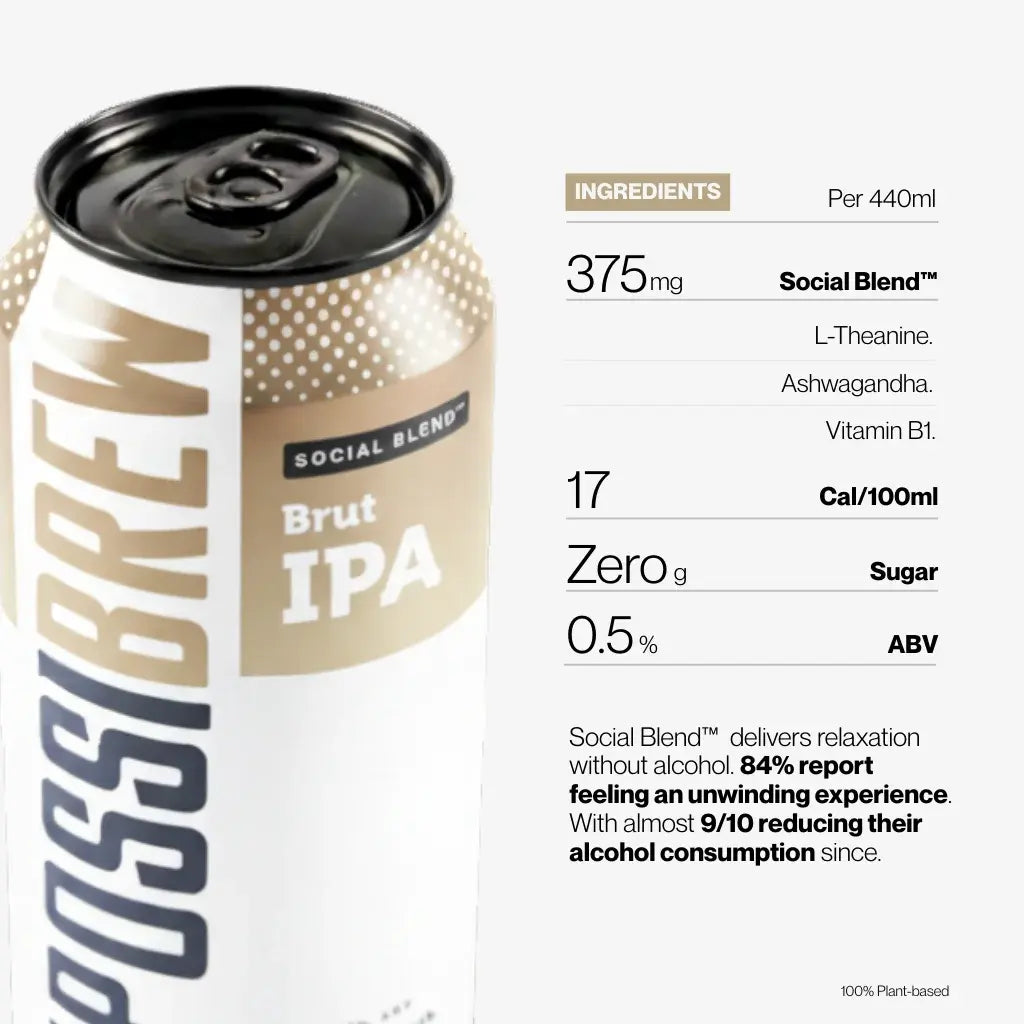
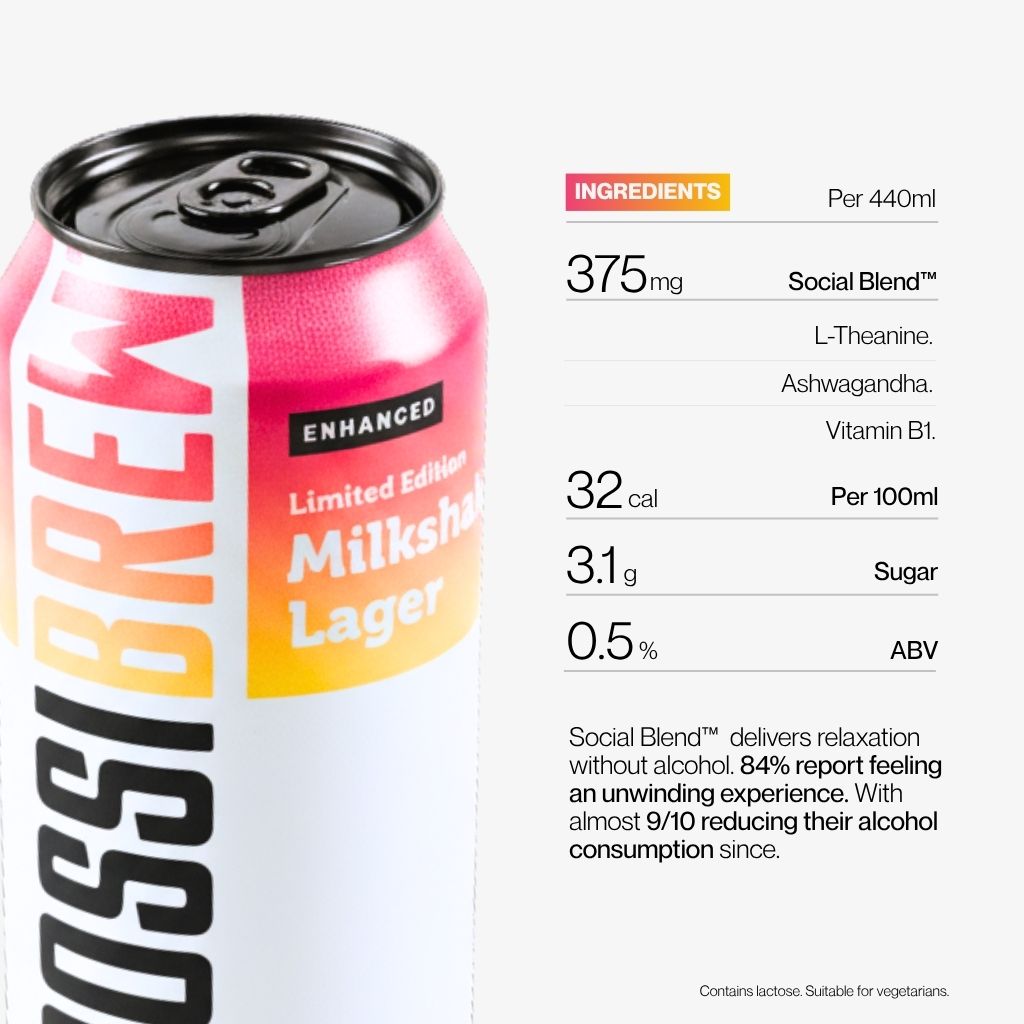
IMPOSSIBREW®’s Social Blend™ is a standout innovation, formulated to replicate the relaxing effects of alcohol without the negative consequences. Developed with input from bioscientists, it incorporates ingredients like L-Theanine, Ashwagandha Root, and nootropic plant extracts. These natural components work together to promote relaxation and support a balanced mood. Clinical insights show that 84% of users experienced noticeable relaxation benefits, while 88% reduced their alcohol intake after trying IMPOSSIBREW® [1].
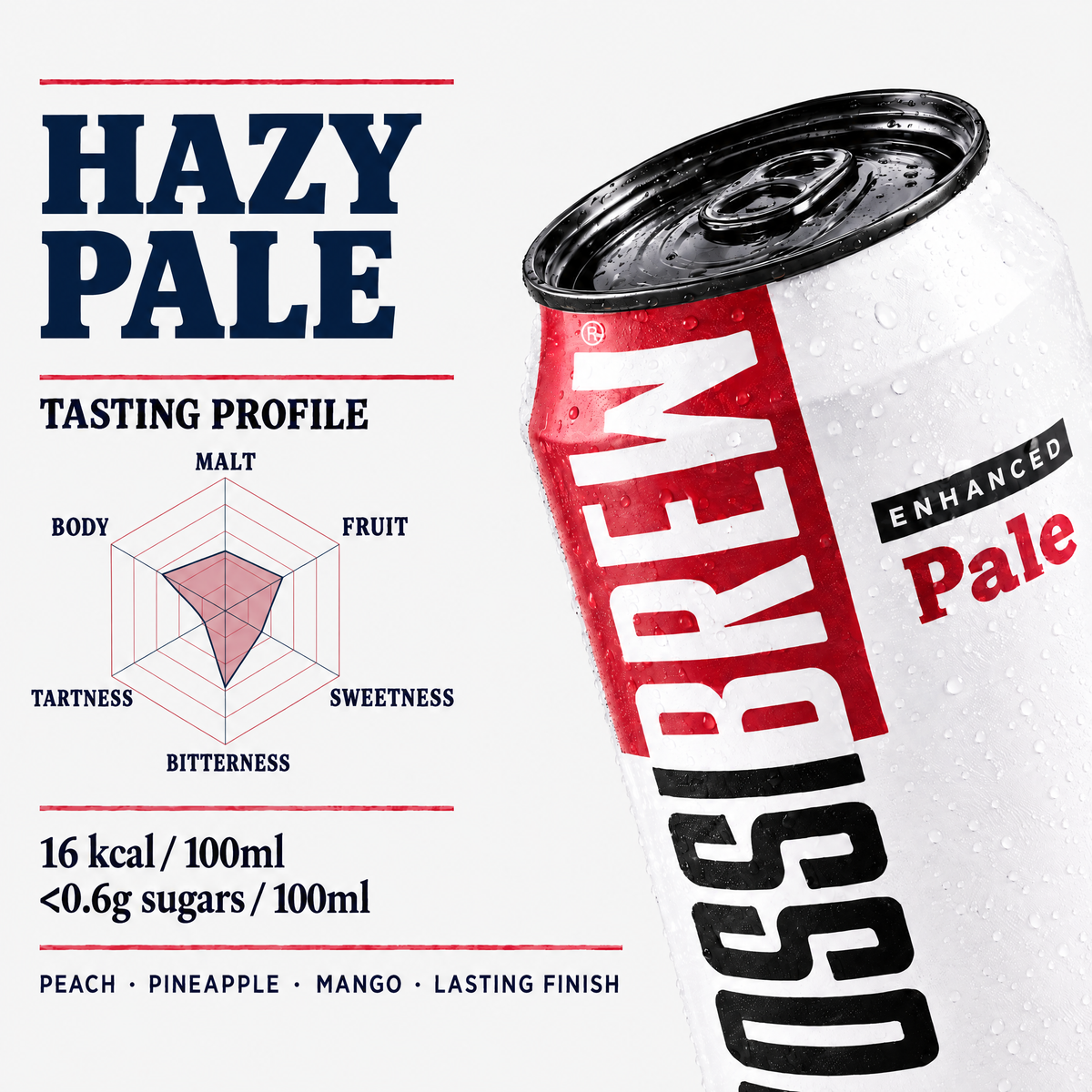
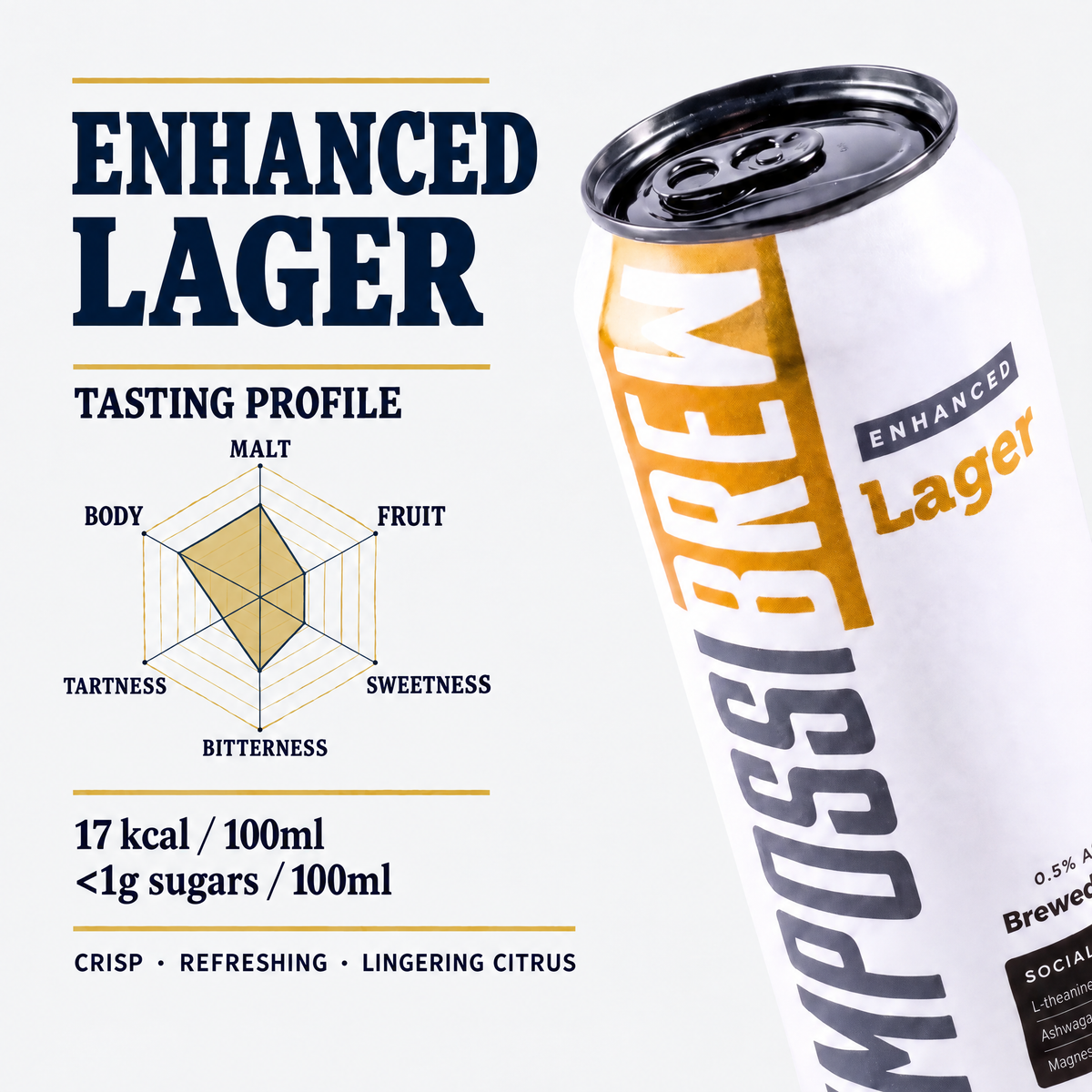
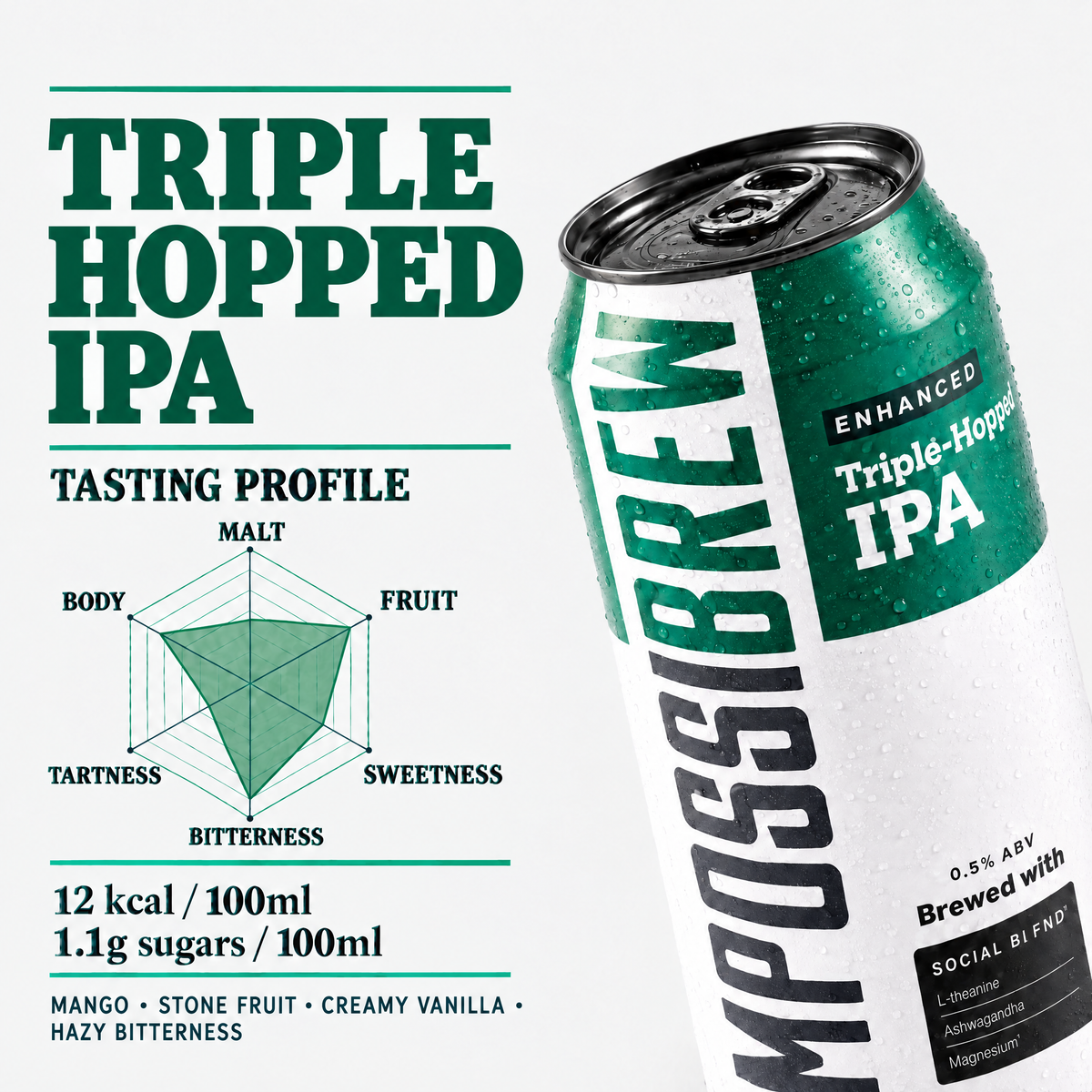
The brand’s nutritional profile further aligns with heart health research. With ultra-low calorie options starting at just 16 calories per 100 ml, alongside low-carb and vegan-friendly formulations, IMPOSSIBREW® caters to modern health priorities. Its unique cryogenic fermentation process ensures no alcohol is removed, preserving the authentic taste of craft beer while incorporating functional ingredients.
With more than 100,000 satisfied customers [1], IMPOSSIBREW® is redefining non-alcoholic beer as more than just an alternative to alcohol - it’s a legitimate health drink embraced by UK consumers.
Summary and Main Points
Research highlights that daily consumption of non‑alcoholic beer can contribute to better cardiovascular health. It has been shown to enhance endothelial function, reduce inflammation, and counteract oxidative stress, offering a range of heart-friendly benefits [3] [4] [5].
With only 50–90 calories per 330 ml compared to the 150 calories in regular beer, non‑alcoholic beer supports weight management while delivering heart-protective compounds [3]. Additionally, it helps lower lipid oxidation and oxidised LDL levels, further reducing the risk of cardiovascular issues [4] [5].
The growing popularity of non‑alcoholic beer in the UK isn't just about health - it’s also about enjoying a social drink without the alcohol. Brands like IMPOSSIBREW® have tapped into this trend with innovations like their Social Blend™, which offers the familiar beer experience with added perks such as ultra‑low calorie options (as little as 16 calories per 100 ml), and vegan‑friendly, gluten‑free formulations [1].
For those looking to cut back on alcohol while improving heart health, non‑alcoholic beer provides a well-supported, evidence‑based alternative [3].
FAQs
Can non-alcoholic beer help improve cholesterol levels and support heart health?
Research points to the possibility that non-alcoholic beer might offer some perks for heart health, particularly when it comes to cholesterol management. Compounds like polyphenols, naturally present in non-alcoholic beer, have been linked to lowering LDL (often referred to as "bad" cholesterol) and boosting HDL ("good" cholesterol). Over time, these changes could play a role in promoting better cardiovascular health.
For those at higher risk of heart-related issues, adding non-alcoholic beer to a well-rounded diet and maintaining a healthy lifestyle might be a sensible option. That said, it’s always wise to check in with a healthcare professional to get advice that’s tailored to your individual health requirements.
How can the antioxidants and nutrients in non-alcoholic beer help reduce inflammation and support heart health?
Non-alcoholic beer offers more than just a refreshing taste - it contains antioxidants and nutrients that might support heart health and reduce inflammation. Antioxidants like polyphenols, found in hops and barley, play a role in fighting oxidative stress, a factor linked to inflammation and heart disease. On top of that, non-alcoholic beer provides certain nutrients, such as B vitamins, which can contribute to maintaining healthy heart function.
However, enjoying non-alcoholic beer alone isn’t a magic solution. To truly benefit your heart, it’s best to combine it with a balanced diet and regular exercise. Together, these habits can help you make the most of its health-supporting properties.
Who can benefit the most from drinking non-alcoholic beer regularly, and why?
Non-alcoholic beer offers a great alternative for those wanting to cut down on alcohol while still savouring the flavour and social enjoyment of beer. It’s also been linked to potential heart health benefits, with some studies indicating it may have a positive effect on cardiovascular markers like cholesterol and blood pressure. Plus, it’s a handy choice for anyone seeking a low-calorie, alcohol-free drink that complements a well-rounded lifestyle.