Brewing Up a Controversy: Is Non-Alcoholic Beer Halal or Haram?
When it comes to what's permissible according to Islamic Law, Halal is the way to go. Food and drink that are halal have been prepared and cooked according to guidelines and don't contain any prohibited ingredients. But when it comes to beverages, alcohol is a big no-no and any drink that contains it is considered haram.
But don't let that dampen your spirits, non-alcoholic beer is here to quench your thirst. Made with the same process as regular beer, but either with the alcohol removed through de-alcoholisation or through natural fermentation, non-alcoholic beer still has the same flavour, aroma, and character without the booze itself.
Let's read on to find out whether non-alcoholic beers are actually halal or not. The answer is more complicated that you might think.
Halal or Haram?
"Indeed, intoxicants, gambling, [sacrificing on] stone alters [to other than Allah], and divining arrows are but defilement from the work of Satan, so avoid it that you may be successful."
Qur'an 5:90
This quote from the Qur'an prohibits the consumption of alcohol as it is considered to be a form of "intoxicants" or "defilement from the work of Satan." So according to Islamic law, Muslims are not permitted to consume any kind of intoxicating substances, namely alcohol.
Any Alcohol = Haram?
As non-alcoholic beers often contain 0.05% to up to 0.5% ABV. Even alcohol-free beers that claim 0% alcohol, actually can contain up to 0.05%.
The amount of alcohol present in non-alcoholic beer is so minuscule that it is considered negligible. This means that it is unlikely that the alcohol content will have any intoxicating effect on the person consuming it. Additionally, non-alcoholic beers are often brewed with other ingredients such as hops and grain, which are both considered halal.
However, technically, if they contain any alcohol at all, however minimal, it will be considered haram.
At least that's the typical conclusion people get to... But it's not so simple.
But What Happens Then?
It's worth noting that many common, everyday foods also contain small amounts of alcohol as a result of preservation methods. For example, many types of bread are made using yeast, which ferments the dough and produces alcohol as a byproduct - and yet they are halal?
Everyday foods that contain alcohol:
- Sourdough Bread
- Burger Roll
- Pickles
- Kimchi
- Sauerkraut
- Soy Sauce (Up to 1.5% ABV!)
These foods are not considered haram as the alcohol is not the primary ingredient and the amount present is considered negligible.
Another example is fruit juices and jams, They are often preserved by adding a small amount of alcohol to prevent the growth of microorganisms and extend their shelf life. In this case, the alcohol is not added to make the product intoxicating, but to preserve it.
Using natural preservatives like vinegar, citric acid, or ascorbic acid, the end product may contain small amounts of alcohol as a byproduct of fermentation. Similarly, some fruit-based syrups and sauces like grenadine, raspberry, and strawberry syrups may also contain small amounts of alcohol as a result of the preservation process.
So does this mean that you'll have to give up all these foods as well?
Halal Certification of Non-Alcoholic Beer?
So the main question is - going back to the quote in the Qur'an, is it consumed for the purpose of intoxication?
It is a common misconception that non-alcoholic beers are not halal, however this is actually not the case. In fact, some non-alcoholic beers are halal certified by organisations such as Halal Australia and the Islamic Food and Nutrition Council of America. The halal certification process is a rigorous one which involves not only the ingredients of the product, but also the facilities and production processes.
To be certified halal, the product must not contain any alcohol (beyond preservation purposes), pork by-products, blood, or any other ingredients which are not permissible according to Islamic law. Furthermore, the facility must be kept clean and sanitary, and the production process must not involve any cross-contamination with non-halal products. Once a product has been certified, it must be regularly monitored to ensure that it remains in compliance with halal standards.
There are a number of non-alcoholic beers that have achieved halal certification. Products must have gone through the halal certification process and, as such, are approved for consumption by Muslims.
Therefore, it is important to recognise that non-alcoholic beers can be halal certified, and that it is not necessary to avoid them simply because they are non-alcoholic.
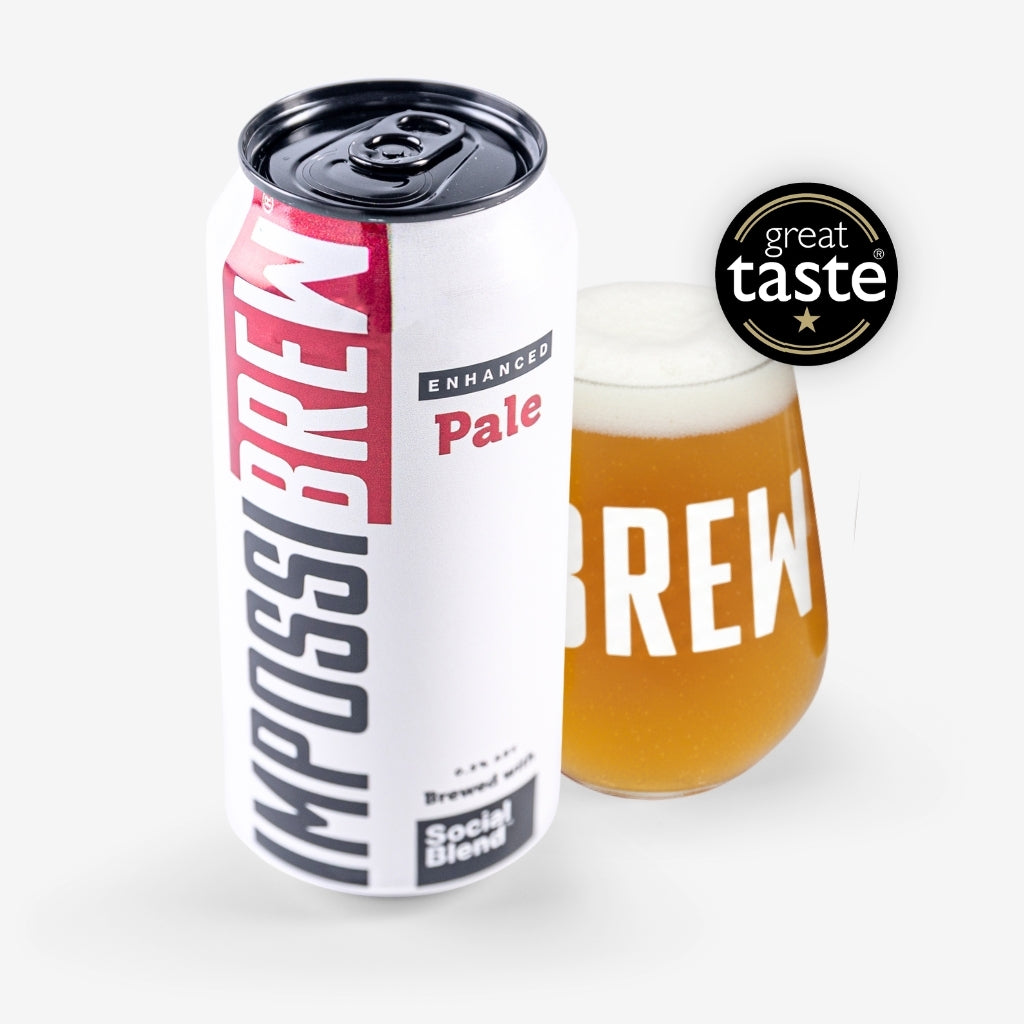
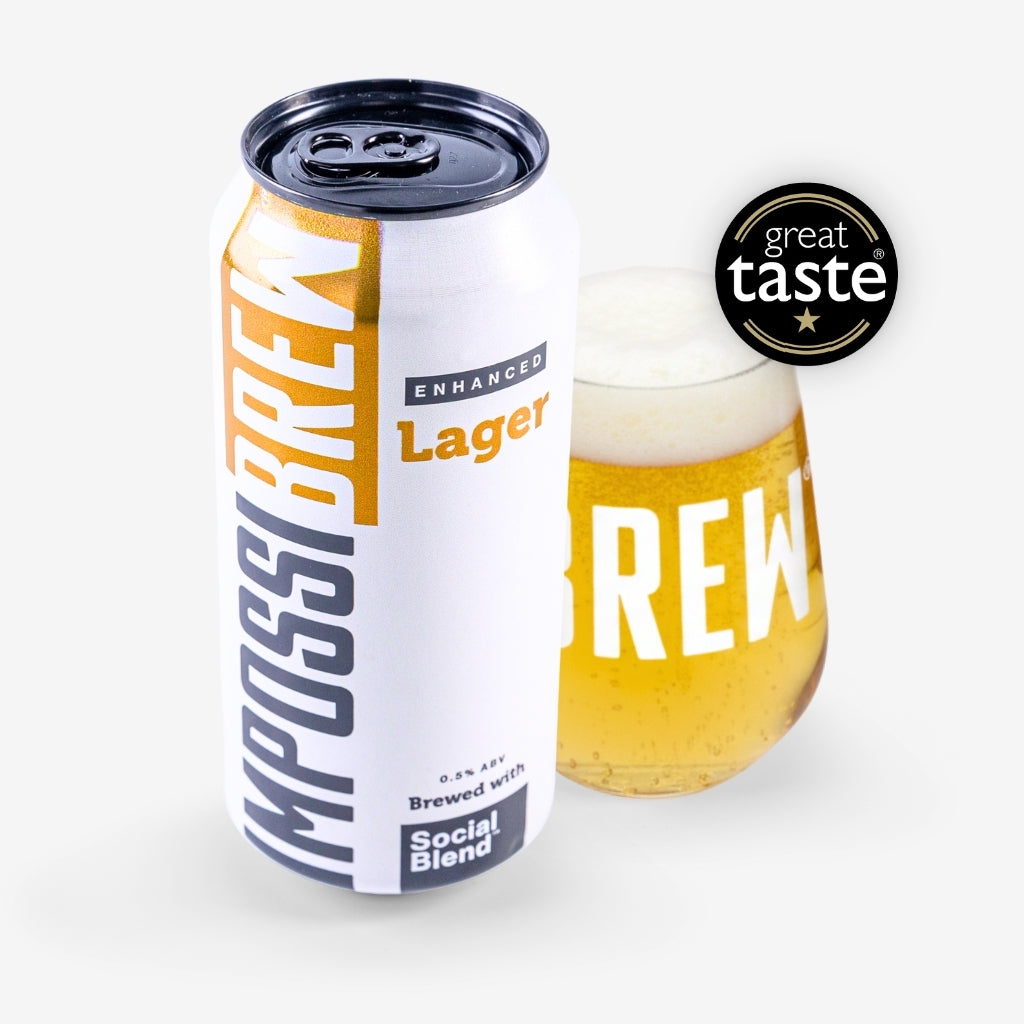
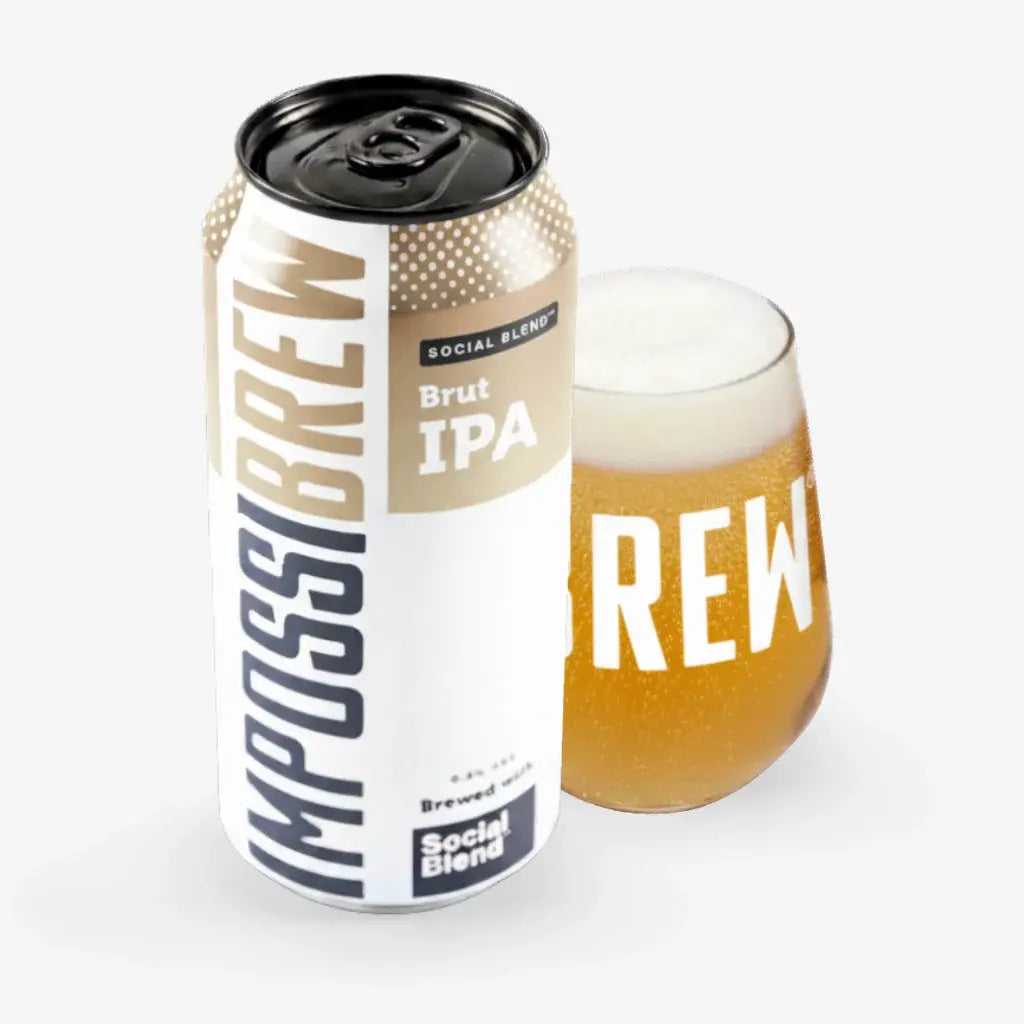
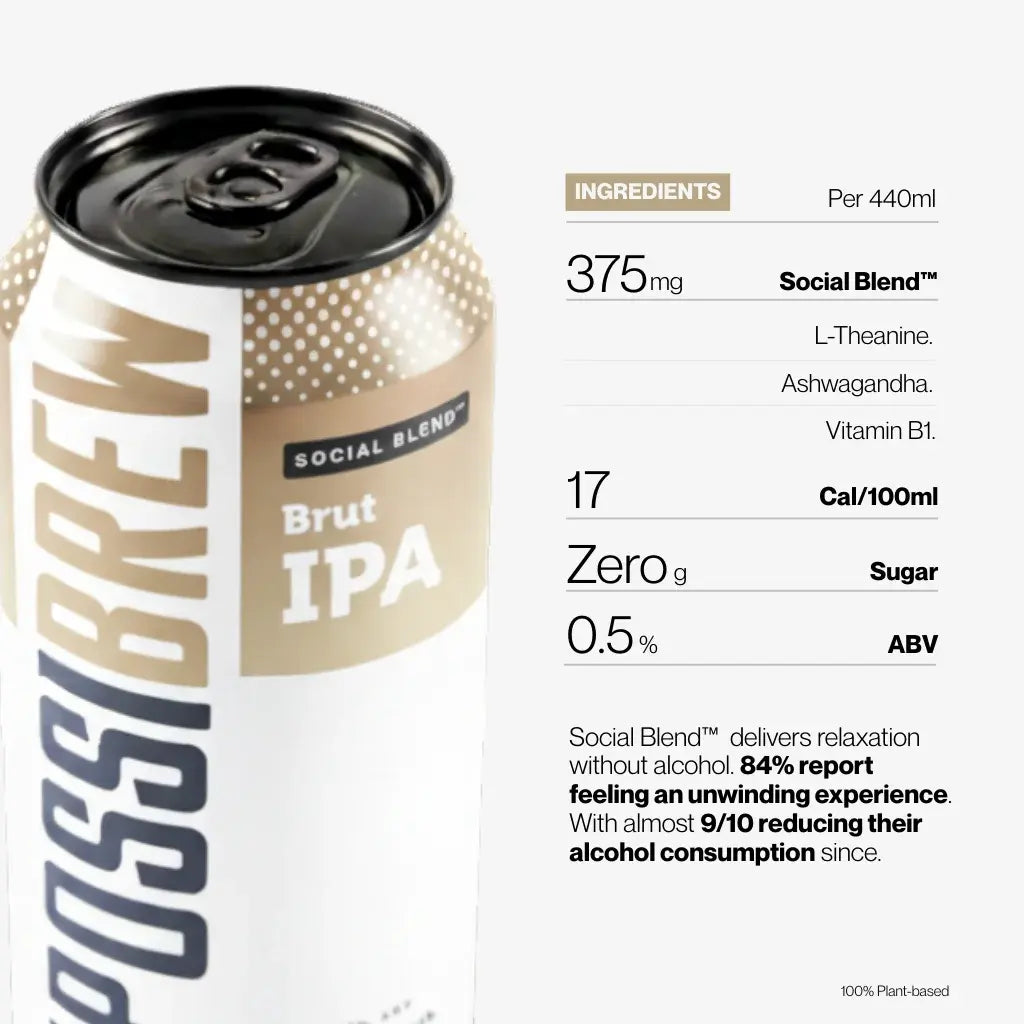
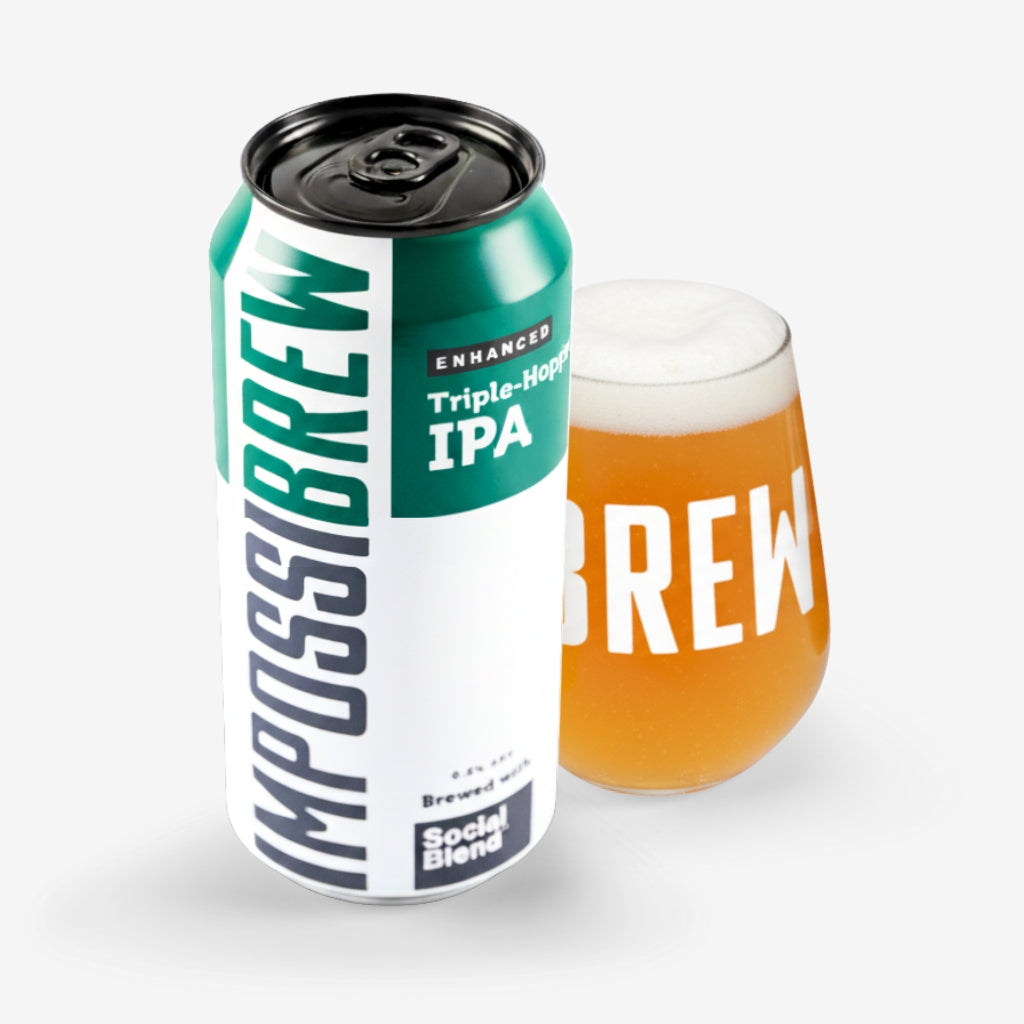
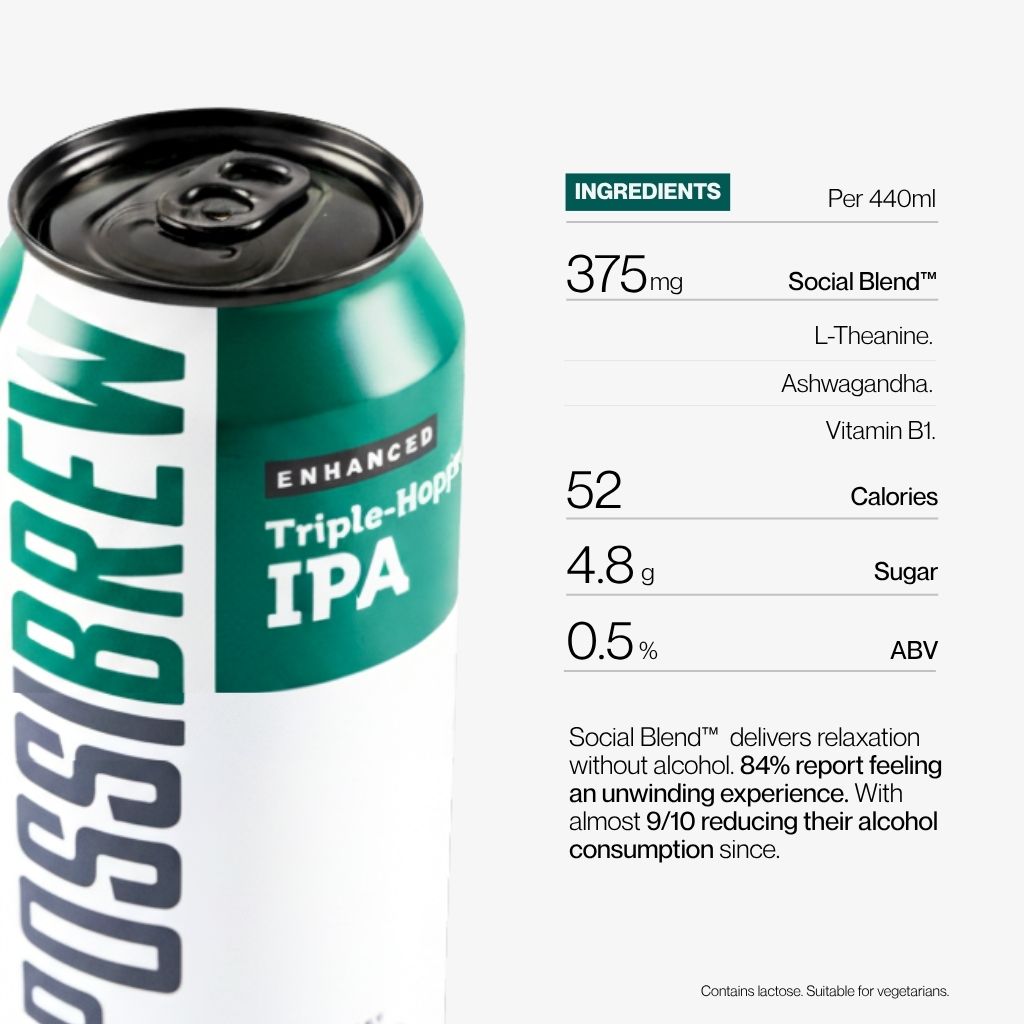
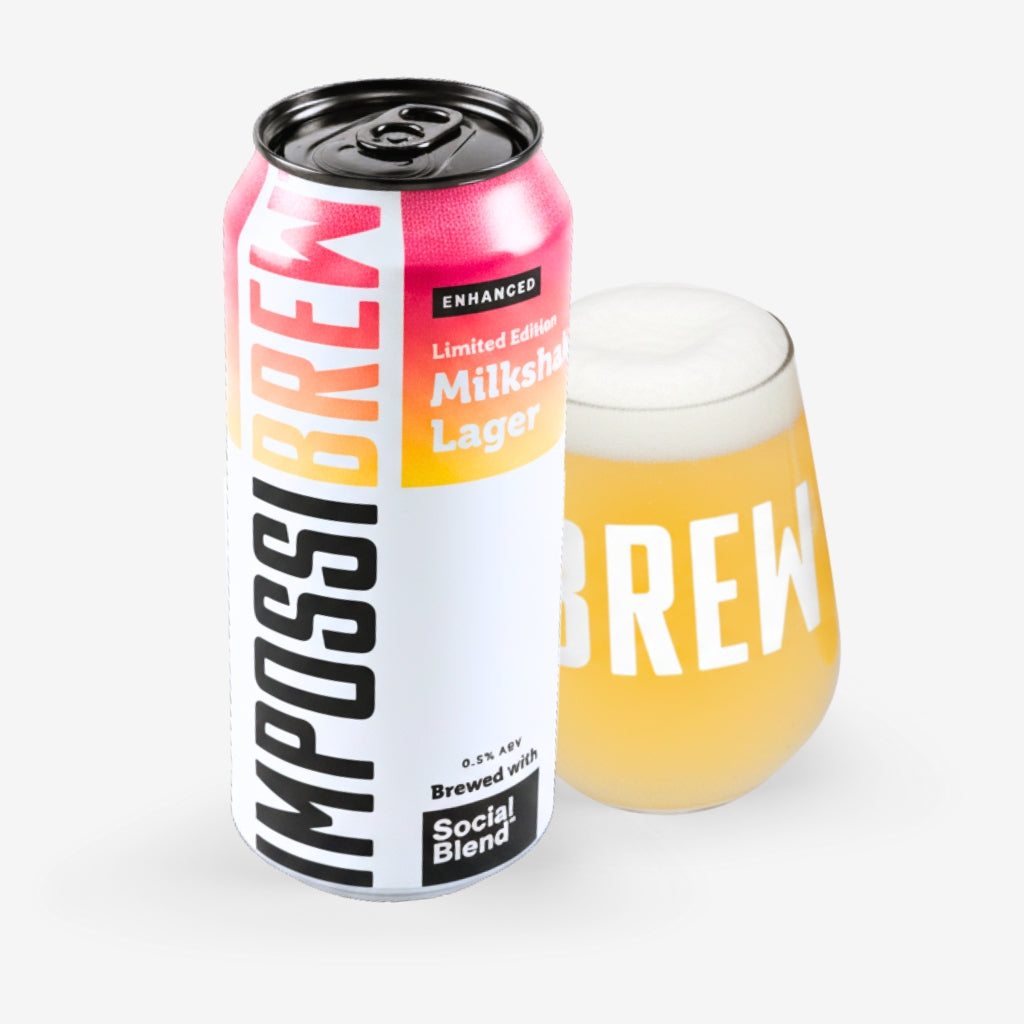
"How about Functional Non-Alcoholic Beers like IMPOSSIBREW®?"
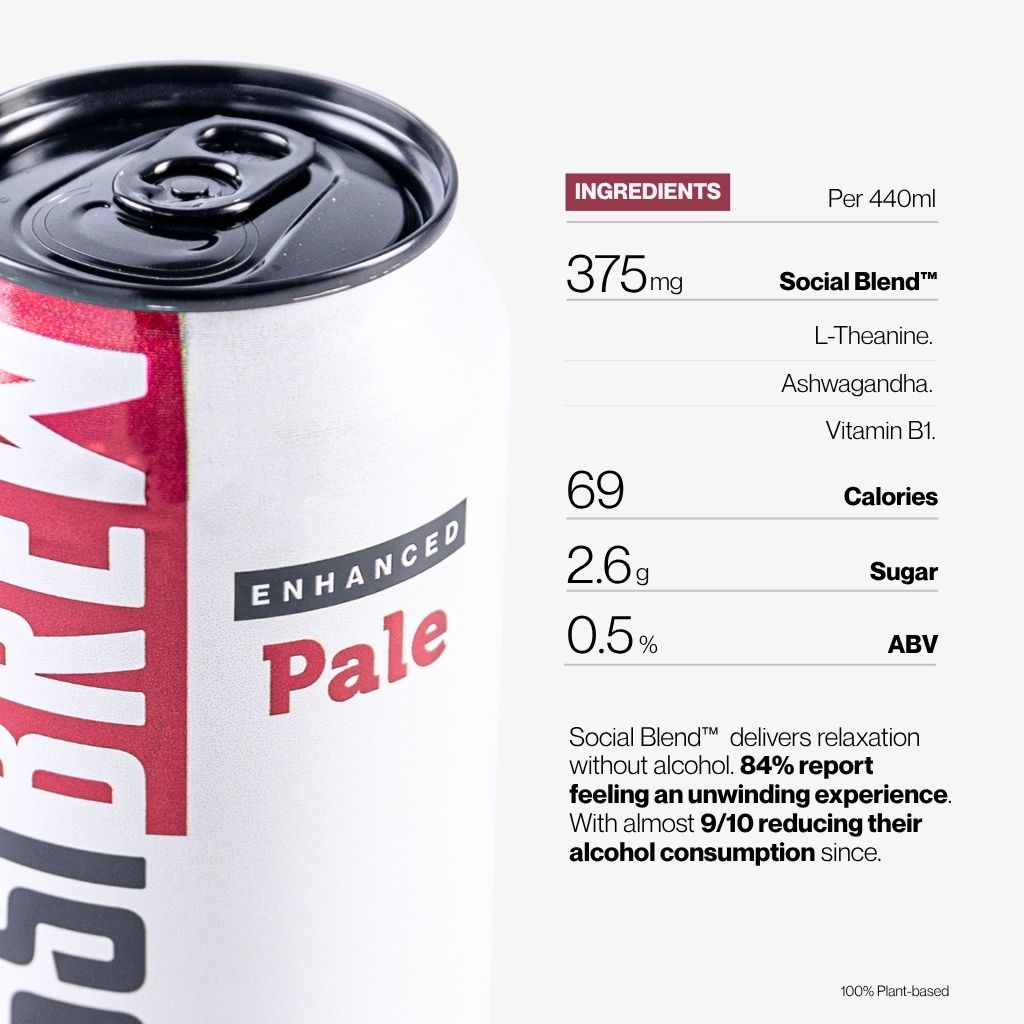
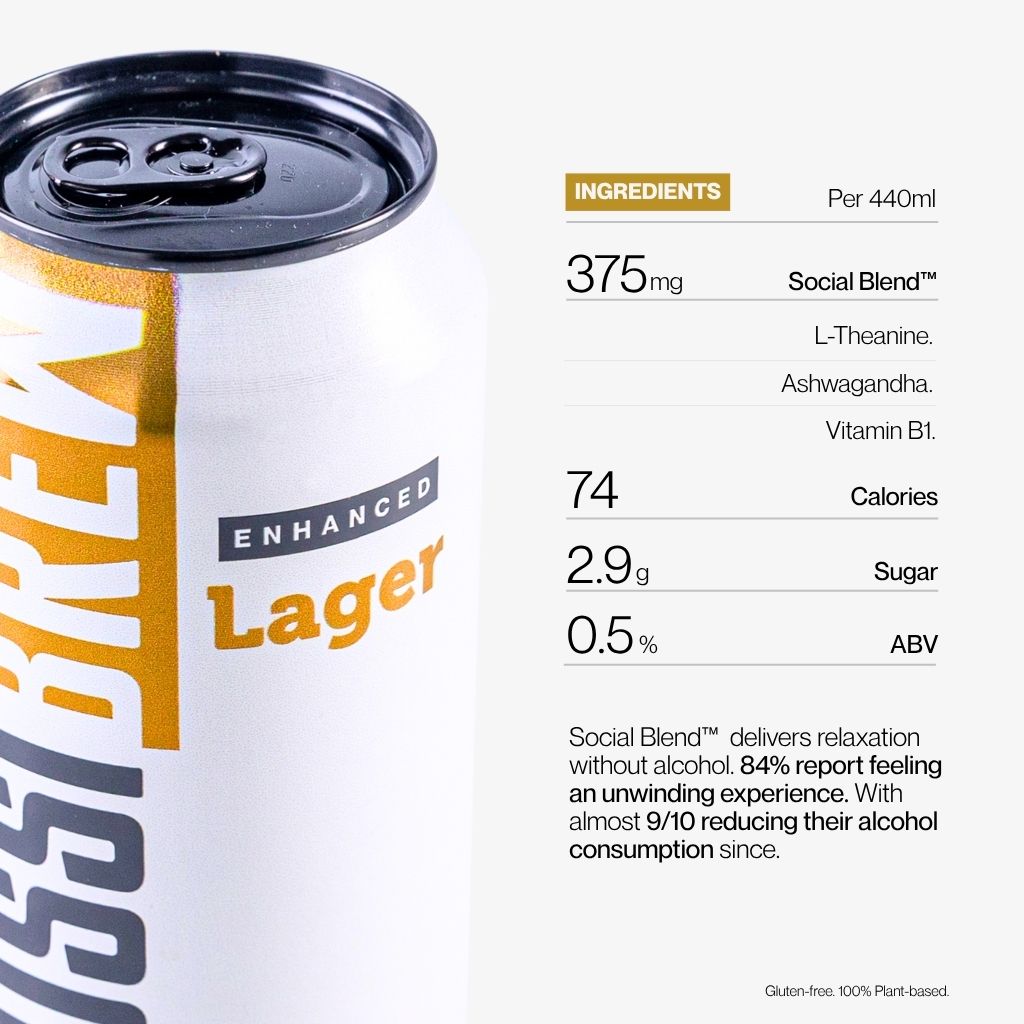
The consumption of functional or enhanced non-alcoholic beers (like IMPOSSIBREW®) that produce a relaxing effect raises some questions regarding its permissibility under Islamic law. The consumption of any substance that causes a person to become intoxicated is considered haram in Islam. So, if a functional non-alcoholic beer produces a relaxing effect that is similar to the intoxicating effects of alcohol, it could be considered haram - but...
It's important to note that the permissibility of a particular substance is not only determined by its effects, but also by the intent behind its consumption. For example, if the relaxing effect of a functional non-alcoholic beer is a side effect of the other ingredients that have been added to the beer to improve health or well-being, such as herbs or vitamins, it would be considered halal as long as it does not contain any prohibited ingredients and has been prepared and brewed according to Islamic guidelines.
Ultimately, it's best to consult with a religious authority or expert in order to get a definitive answer on whether or not consuming functional non-alcoholic beers that produce a relaxing effect is halal or haram. But if it is not an "intoxicant", then the answer seems clearer than when we started.
Conclusion
It is a common misconception that non-alcoholic beers are not halal. In reality, non-alcoholic beers are considered halal due to the fact that they are brewed with no alcohol content. Non-alcoholic beers are a great alternative to alcoholic beverages for those who follow the Islamic faith and want to enjoy a beer-like beverage without breaking any religious laws.
Non-alcoholic beers also offer health benefits, such as reducing the risk of heart disease and aiding in weight management, that are not found in alcoholic beverages.
Furthermore, non-alcoholic beers tend to be lower in calories than alcoholic beverages, making them a great alternative for those looking to cut back on their calorie intake.
If you want to try enhanced beers like IMPOSSIBREW®, check it out here.
Disclaimer
It's important to note that religious beliefs and practices can vary among different individuals and communities, and that the information provided in this post should be considered as general information and not as specific religious guidance. It is always best to consult with a religious authority or expert in order to get a definitive answer on whether or not something is halal. Additionally, it's worth noting that the understanding and interpretation of what constitutes as halal can vary among different scholars and jurists, and different people may have different opinions on the matter. Therefore, it's important to always use discretion and consult with a trusted religious authority to ensure that one's actions are in line with one's personal beliefs and practices.
Frequently Asked Questions
Informational only. For a religious ruling, speak to a scholar or authority you trust.
Is 0.5% ABV beer halal?
There is no single answer across Islamic jurisprudence. Some scholars consider 0.5% ABV drinks halal because the amount is too low to intoxicate and naturally occurring alcohol at that level is found in everyday foods. Others take the stricter position that anything in the category of beer is haram regardless of alcohol content. The practical answer is to follow the ruling of the school of thought you personally adhere to.
Does naturally occurring alcohol in food make it haram?
Most scholars treat trace, naturally occurring alcohol in foods like ripe fruit, bread and fermented yoghurt as permissible, because the substance does not intoxicate and is not consumed for that purpose. A 440ml can of 0.5% ABV drink contains roughly 0.22 UK units of alcohol, within the same range as orange juice that has been open for a few days. Whether that changes the ruling for a drink that resembles beer is a matter of scholarly opinion, not chemistry.
Is IMPOSSIBREW halal certified?
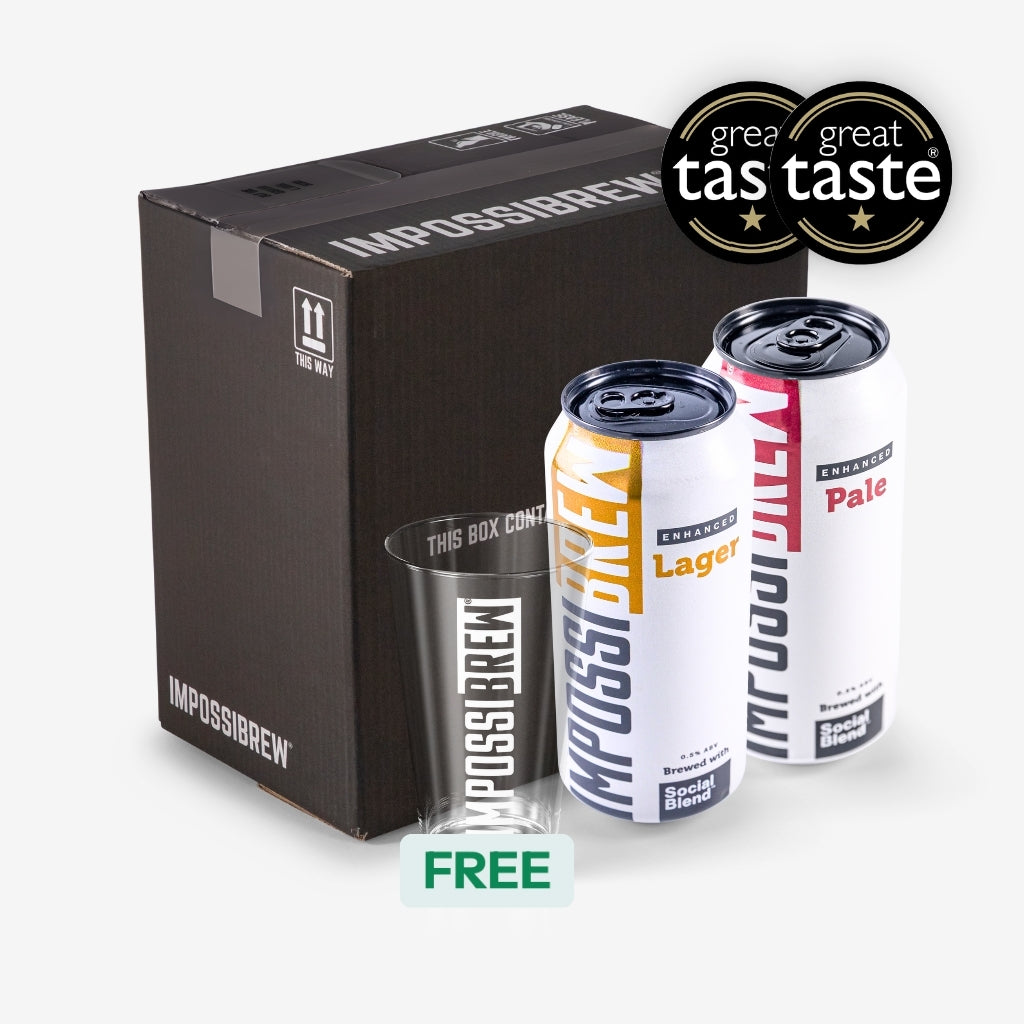
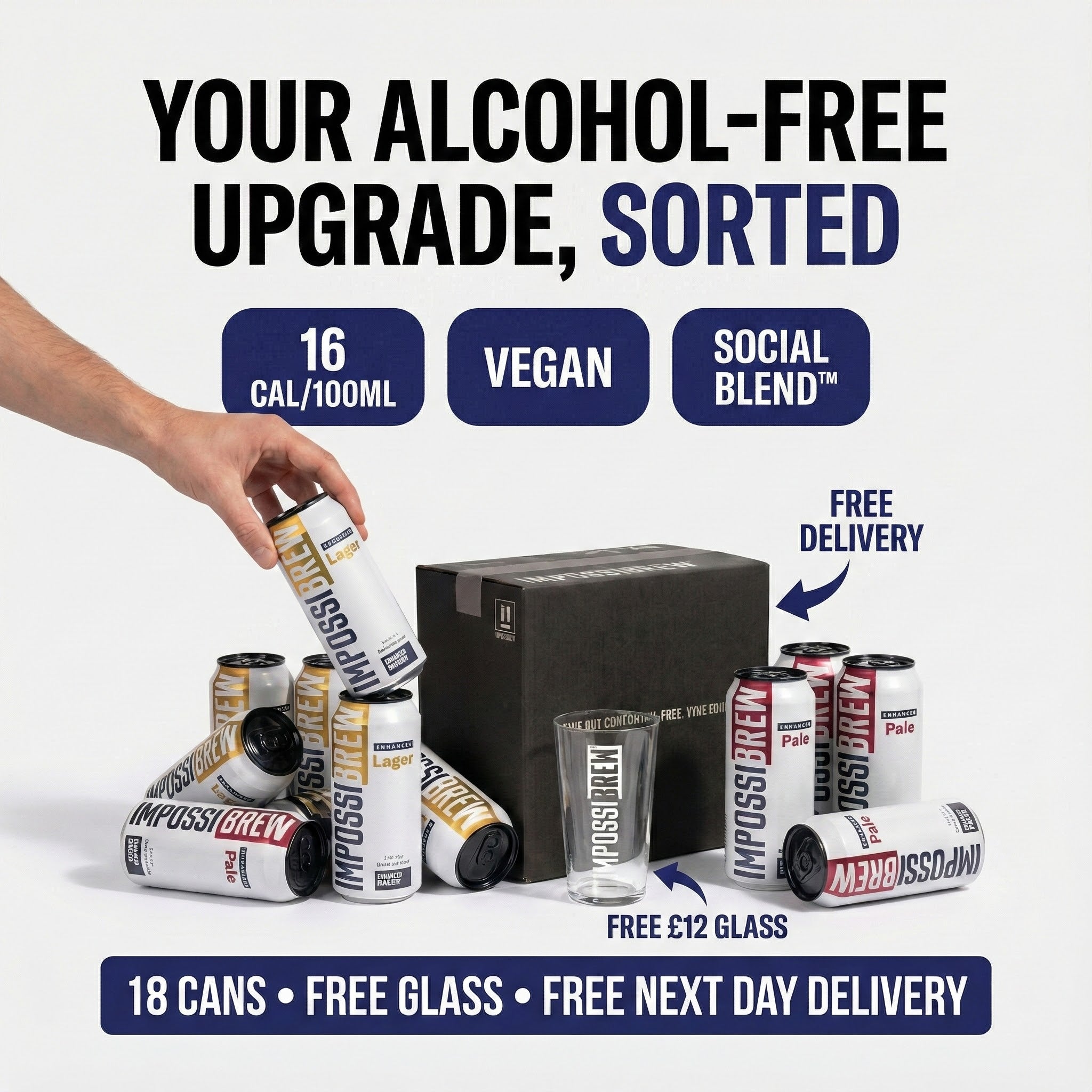
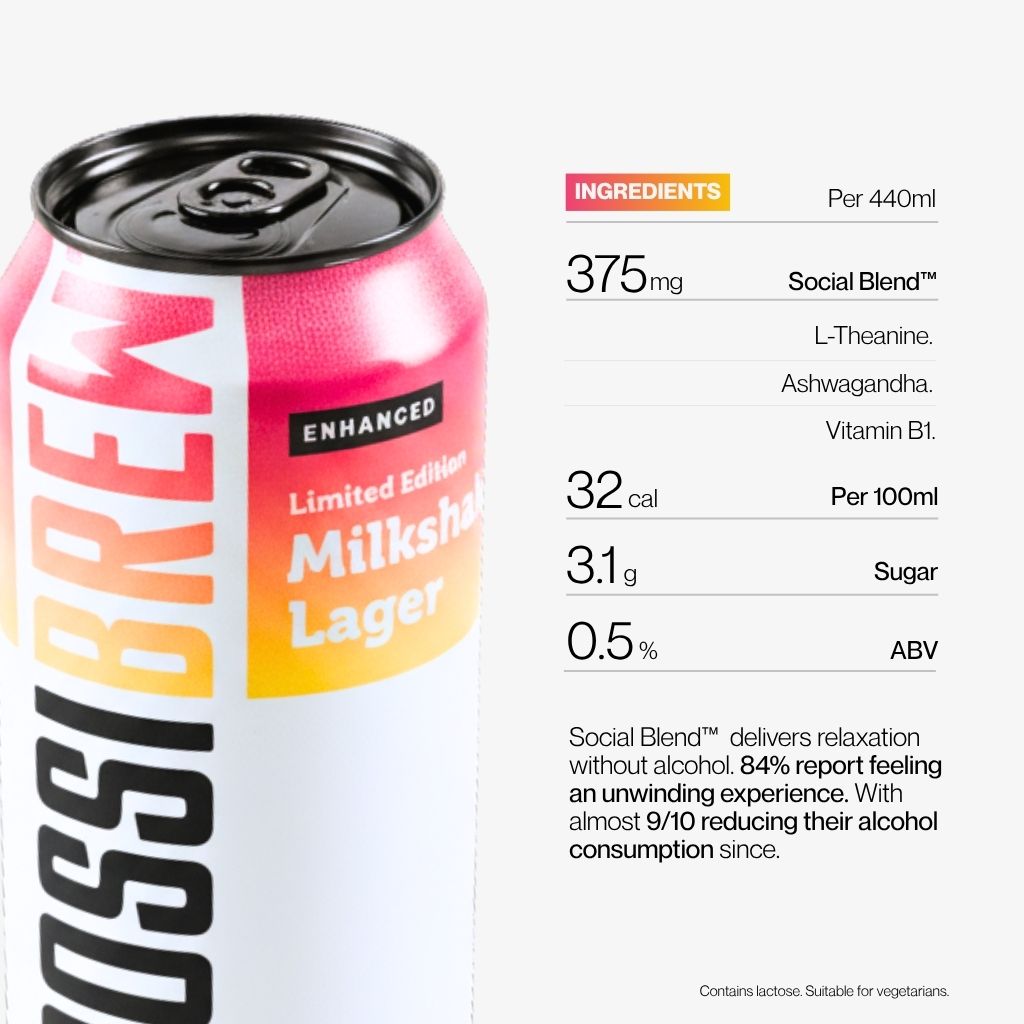
IMPOSSIBREW does not carry formal halal certification. Both Enhanced Lager and Enhanced Pale are 0.5% ABV, 440ml, brewed then dealcoholised, vegan, and certified gluten-free at under 20ppm. If formal halal certification is a requirement for you, we would point you to certified brands rather than ask you to work from our nutritional disclosure alone.
What ABV is IMPOSSIBREW?
Both core SKUs are 0.5% ABV. UK labelling rules classify 0.5% ABV as "dealcoholised", while "alcohol-free" is reserved for drinks at 0.05% ABV or lower. A 2022 UK government consultation proposed aligning UK labels with the 0.5% threshold used across much of Europe, but that change is not yet law, so both terms appear on UK shelves today.
Does hops make a drink haram?
No. Hops (Humulus lupulus) are a plant ingredient used for bitterness and aroma in beer, and there is no scholarly consensus that hops themselves are haram. The ruling on beer-style drinks centres on alcohol content or on the perception of imitating an alcoholic drink, not on the presence of hops as an ingredient.
How do scholars typically treat 0.5% ABV dealcoholised drinks?
Opinion divides roughly three ways: permitted because the alcohol level is below an intoxicating threshold; disliked but not forbidden because of the resemblance to beer; and fully forbidden because the product shares the form and culture of alcoholic beer. The ruling that binds you is the one from the scholar or authority you personally follow.