
Adaptogens are plant-based compounds that help your body handle stress while supporting brain health. Studies show they may improve memory, reduce anxiety, and protect against cognitive decline. Key adaptogens include ashwagandha, Rhodiola rosea, Schisandra chinensis, and Eleuthero. These substances work by regulating stress hormones, reducing inflammation, and supporting neuron growth, offering a natural way to enhance mental resilience.
Key Takeaways:
- Ashwagandha: Improves memory, lowers cortisol, and may support those with mild cognitive impairment.
- Rhodiola rosea: Boosts focus and mood during stress by increasing serotonin and norepinephrine levels.
- Schisandra & Eleuthero: Early research suggests they reduce neuroinflammation and enhance mental clarity.
- Adaptogens differ from stimulants by promoting long-term balance without dependence or crashes.
While early findings are promising, more large-scale human studies are needed to confirm their long-term effects and optimal dosages. Always consult a healthcare professional before adding adaptogens to your routine, especially if you’re on medication.
Adaptogens Explained : The Science Behind Ashwagandha, Rhodiola, and Ginseng
What Are Adaptogens and How Do They Work?
Adaptogens are plant-based substances that help the body manage stress and improve mental resilience under pressure [5][6]. The term "adaptogen" was first introduced in 1943 by Russian scientists looking for ways to enhance soldiers' performance. Today, it refers to natural compounds that support the body's ability to adapt to chronic stress [2].
The most commonly studied adaptogens include Panax ginseng, Rhodiola rosea, Schisandra chinensis, and Withania somnifera (commonly known as ashwagandha) [5]. These substances work by influencing multiple systems in the body, particularly the hypothalamic-pituitary-adrenal (HPA) axis, which is central to the stress response [3][5]. When the body is under stress, the HPA axis triggers the release of cortisol and other stress hormones. Adaptogens help regulate this process, preventing the overproduction of these hormones, which can harm cognitive function over time [3].
Adaptogens are thought to act through four key therapeutic areas: immunomodulation, stress reduction, neuroprotection, and cognitive support [3]. These areas are interconnected. For example, reducing inflammation (immunomodulation) can protect brain cells (neuroprotection) and improve memory (cognitive support). This multi-faceted approach highlights how adaptogens promote overall mental and physical resilience.
The Biological Mechanisms of Adaptogens
The cognitive benefits of adaptogens come from their bioactive compounds, which interact with brain cells in specific ways. For instance, ashwagandha contains withanolide A and withanoside IV, which help improve memory and support brain cell growth by reducing oxidative stress and preventing cell death [3]. These compounds also enhance the brain's ability to adapt and grow by promoting synaptic plasticity and dendritic growth - key processes for learning and memory.
Adaptogens also influence the brain's signalling systems. For example, they enhance gamma-aminobutyric acid (GABA) activity, which has calming and anti-inflammatory effects. This, combined with their ability to regulate the HPA axis, reduces stress markers and encourages the growth of new neurons [3]. Rhodiola rosea, on the other hand, works differently by increasing levels of norepinephrine and serotonin - chemicals that regulate mood and pain [5].
In animal studies, adaptogens have shown potential in reversing damage caused by neurodegenerative conditions like Alzheimer's disease. They appear to restore connections between brain cells and encourage the growth of new neurons, leading to improved cognitive performance [3]. By reducing inflammation and supporting brain cell growth, adaptogens create a healthier environment for the brain to function at its best [3].
This broad, long-term approach stands in contrast to the quick but short-lived effects of traditional stimulants, offering a more sustainable path for cognitive support.
Adaptogens vs Stimulants: Key Differences
Unlike stimulants, which provide a quick burst of energy but often lead to dependency and a "crash", adaptogens offer a more balanced and sustainable way to support mental and physical performance [3][5]. Stimulants work by directly increasing dopamine or noradrenaline activity, which can result in tolerance and other side effects.
Adaptogens, however, focus on maintaining the body's balance - known as homeostasis - especially during stressful situations. This mechanism aligns with the concept of allostasis, where the body achieves stability by adapting to change rather than being pushed beyond its limits.
It’s worth noting that adaptogens are not a magic fix. They are most effective when combined with a healthy lifestyle, including good sleep, balanced nutrition, and stress management techniques. While promising, more large-scale clinical research is needed to fully understand how these substances interact with the human body [5].
Clinical Evidence for Adaptogens in Cognitive Health
Recent studies highlight the potential of adaptogens in improving memory, attention, and resilience to stress. Let’s take a closer look at the clinical findings for some key adaptogens.
Ashwagandha: Effects on Stress and Memory
Ashwagandha is one of the most well-researched adaptogens when it comes to cognitive health. In a double-blind, placebo-controlled trial involving 50 participants, taking 300 mg of standardised ashwagandha root extract twice daily for eight weeks led to improvements in memory, executive function, and attention (p < 0.01). The study also reported reduced serum cortisol levels, highlighting its stress-reducing properties[3].
Animal studies further support these findings, showing that ashwagandha can reverse memory loss caused by scopolamine and help maintain the structural integrity of the hippocampus[3]. In clinical settings, adding 500 mg/day of ashwagandha to antidepressant therapy improved fatigue and cognitive performance in patients with moderate depression. Another 12-week study with 60 participants found that taking 300 mg/day of ashwagandha reduced anxiety by 30% and lowered cortisol levels by 18%[3][4].
Preclinical research also suggests that ashwagandha may play a role in protecting against neurodegenerative conditions. For instance, withanolide A, a compound in ashwagandha, has been shown to promote neuronal growth and enhance synaptic integration in models of Alzheimer’s disease. Additionally, ashwagandha appears to protect dopamine-producing neurones in Parkinson’s disease models by reducing α-synuclein aggregation and stabilising mitochondrial function[3].
Rhodiola rosea: Cognitive Function Under Stress
Rhodiola rosea shows promise in supporting cognitive performance during acute stress. However, more standardised trials with consistent dosing and detailed cognitive assessments are necessary to confirm its effects[8].
Schisandra and Eleuthero: Additional Research
Schisandra chinensis and Eleutherococcus senticosus (commonly known as Eleuthero or Siberian ginseng) are gaining attention for their potential cognitive benefits. Like ashwagandha and Rhodiola, these adaptogens are thought to influence stress pathways and reduce neuroinflammation. Research suggests they may enhance mental resilience through mechanisms such as regulating the HPA axis, providing antioxidant support, and reducing inflammation[2][3].
That said, the evidence for Schisandra and Eleuthero is still in its early stages. Many studies involve small sample sizes, short durations, and variability in extract standardisation, which makes it challenging to determine optimal dosing or specific cognitive benefits. Much of the data also comes from animal and laboratory research, which faces limitations such as species-specific differences, variability in extract composition, and low bioavailability in humans[3].
Interestingly, preliminary research is exploring the potential of combining adaptogens with other nutrients for greater effects. Early results suggest these combinations may offer additional benefits, but more rigorous studies are needed to confirm these findings[4].
While the initial evidence is promising, larger, long-term randomised trials with standardised extracts and robust cognitive assessment methods are essential to establish the therapeutic potential of Schisandra, Eleuthero, and other adaptogens in human cognitive health[2].
Study Methodologies and Research Limitations
Understanding the methods used in adaptogen research, along with their limitations, is key to interpreting the promising but incomplete evidence in this field.
Research Methods in Adaptogen Studies
Adaptogen studies typically follow two main approaches: preclinical research and clinical trials. Preclinical research relies on animal models and cell cultures to explore how adaptogens work, while clinical trials test their effects on humans in controlled environments.
Among clinical research methods, the double-blind, placebo-controlled study stands out as the gold standard. In this setup, neither the participants nor the researchers know who is receiving the actual treatment, which helps eliminate bias. For example, recent double-blind trials on ashwagandha have shown measurable improvements in cognitive performance (p < 0.01) [3].
Preclinical research often involves rodent models designed to mimic human stress conditions. In one study, ashwagandha reversed memory loss caused by scopolamine in rodents and preserved hippocampal health, highlighting its potential role in protecting the brain under oxidative stress [3].
In clinical trials, researchers use a range of cognitive assessment tools. Tests like the Trail Making Test (TMT) measure attention and processing speed, while the Stroop test evaluates executive function and cognitive flexibility. Standardised memory tests assess both immediate and delayed recall [4]. To measure anxiety and mood levels, scales such as the Hospital Anxiety and Depression Scale (HADS), Hamilton Anxiety Rating Scale (HAM-A), and Hamilton Depression Rating Scale (HAM-D) are commonly used [3]. Additionally, biomarkers like serum cortisol and inflammatory markers such as TNF-α and IL-1β serve as objective indicators of physiological changes [3].
However, the way these tools are applied can vary significantly. Some studies use computerised tests, while others opt for paper-based versions. Even differences in test versions or scoring thresholds can make it difficult to compare results across studies.
These methods provide valuable insights into the cognitive effects of adaptogens, but inconsistencies in design and inherent limitations of the models used temper the strength of the findings.
Current Gaps in Adaptogen Research
Despite promising early results, several challenges limit our ability to draw firm conclusions about the cognitive benefits of adaptogens.
One major issue is the small scale of most trials. Many involve fewer than 100 participants and last only 8–12 weeks, which restricts both statistical reliability and understanding of long-term effects [3][4]. Short trial durations may also miss delayed side effects or benefits that take longer to manifest [3].
Another challenge lies in the lack of standardisation of adaptogen extracts. Different manufacturers produce extracts with varying levels of active compounds. For example, ashwagandha extracts standardised to 5% withanolides may produce different results from those with only 2%, even though both are labelled as "ashwagandha extract." This variability complicates replication and may explain discrepancies between research findings and consumer experiences [3]. Additionally, many active compounds in adaptogens, such as withanolides in ashwagandha, have poor oral bioavailability. They are often poorly absorbed in the gut and quickly metabolised by the liver, limiting their effectiveness [3].
Translating findings from animal models to human cognition adds another layer of complexity. Rodent brains are not only smaller but also far less complex than human brains, with roughly 1,000 times fewer neurones. Their stress responses and learning mechanisms differ significantly from those of humans. Moreover, rodent studies often rely on acute stress models or pharmacologically induced cognitive impairments, such as scopolamine-induced memory loss, which do not fully replicate the chronic psychosocial stress that humans experience [3].
Finally, much of the current evidence comes from preclinical studies on rodents or in vitro experiments. While these studies provide useful insights, they fall short of offering definitive evidence for cognitive benefits in humans. For example, early research suggests that withanolide A may encourage neuronal growth in Alzheimer's disease models and that ashwagandha could protect dopaminergic neurones in Parkinson's disease models. However, these findings are based solely on animal studies. Human trials investigating adaptogens in conditions like Alzheimer's or Parkinson's remain scarce [3]. Furthermore, a portion of the available research consists of literature reviews rather than original clinical trials, highlighting a gap in direct evidence [2].
sbb-itb-a752bf8
Practical Cognitive Benefits of Adaptogens
Research indicates that adaptogens may provide a variety of cognitive advantages, going beyond stress relief to support overall brain health and mental performance.
Neuroprotection and Brain Plasticity
Adaptogens like ashwagandha are known to protect neural structures while encouraging the formation of new neuronal connections. Compounds such as withanolide A and withanoside IV found in ashwagandha have been shown to enhance synaptic plasticity, promote dendritic growth, and support axonal regeneration. These effects are achieved through antioxidant properties and mechanisms that prevent cell death[3]. While much of the evidence comes from preclinical studies, it highlights potential benefits for human brain health. Additionally, adaptogens like Schisandra chinensis, Eleutherococcus senticosus, Rhodiola rosea, and Withania somnifera have demonstrated anti-inflammatory effects on nerve cells. This reduction in chronic inflammation may play a role in encouraging neurogenesis and protecting cognitive function[5][3]. These neuroprotective properties align with adaptogens' ability to reduce stress and enhance mental clarity.
Anxiety Reduction and Mental Clarity
Beyond their neuroprotective effects, adaptogens are also recognised for their ability to reduce anxiety and improve focus. Clinical studies have consistently shown that adaptogens can enhance mood and increase resilience to stress. For example, ashwagandha has been studied for its anxiolytic properties. In one placebo-controlled trial, participants with mild cognitive impairment who took ashwagandha extract twice daily for eight weeks experienced significant improvements in memory, executive function, and attention. These cognitive gains were accompanied by a reduction in serum cortisol levels, highlighting its stress-relief benefits[3].
Other adaptogens, such as Rhodiola rosea, have been found to increase levels of neurotransmitters like norepinephrine and serotonin, which are essential for mood regulation and cognitive resilience[5].
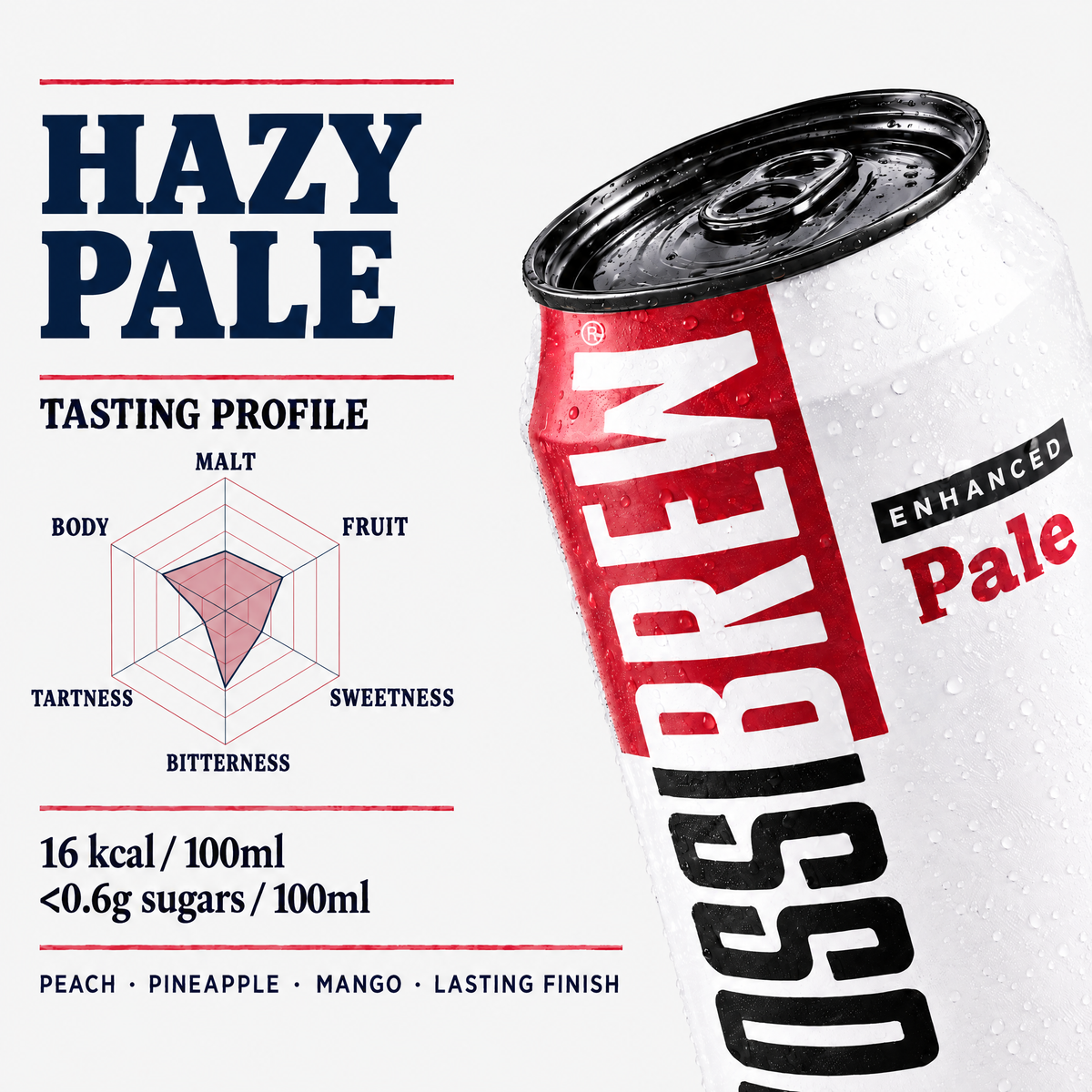
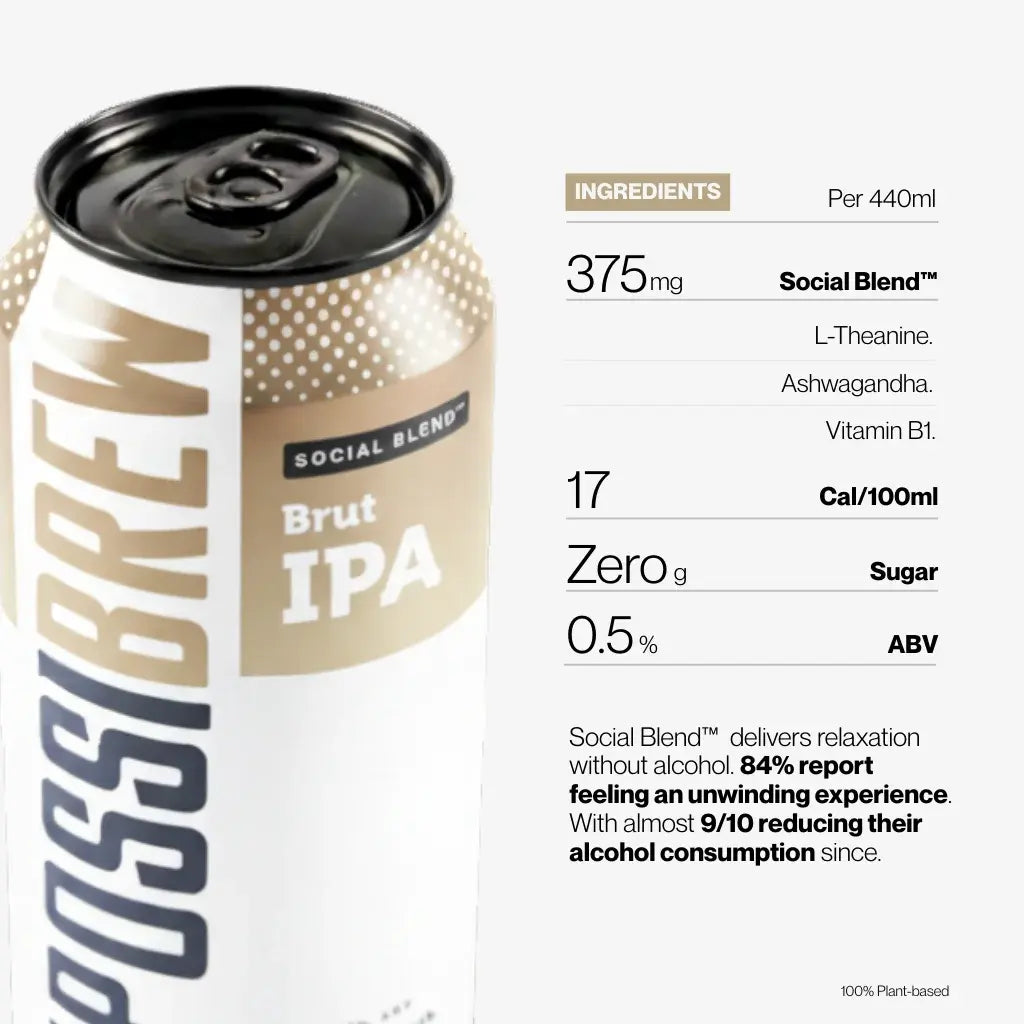
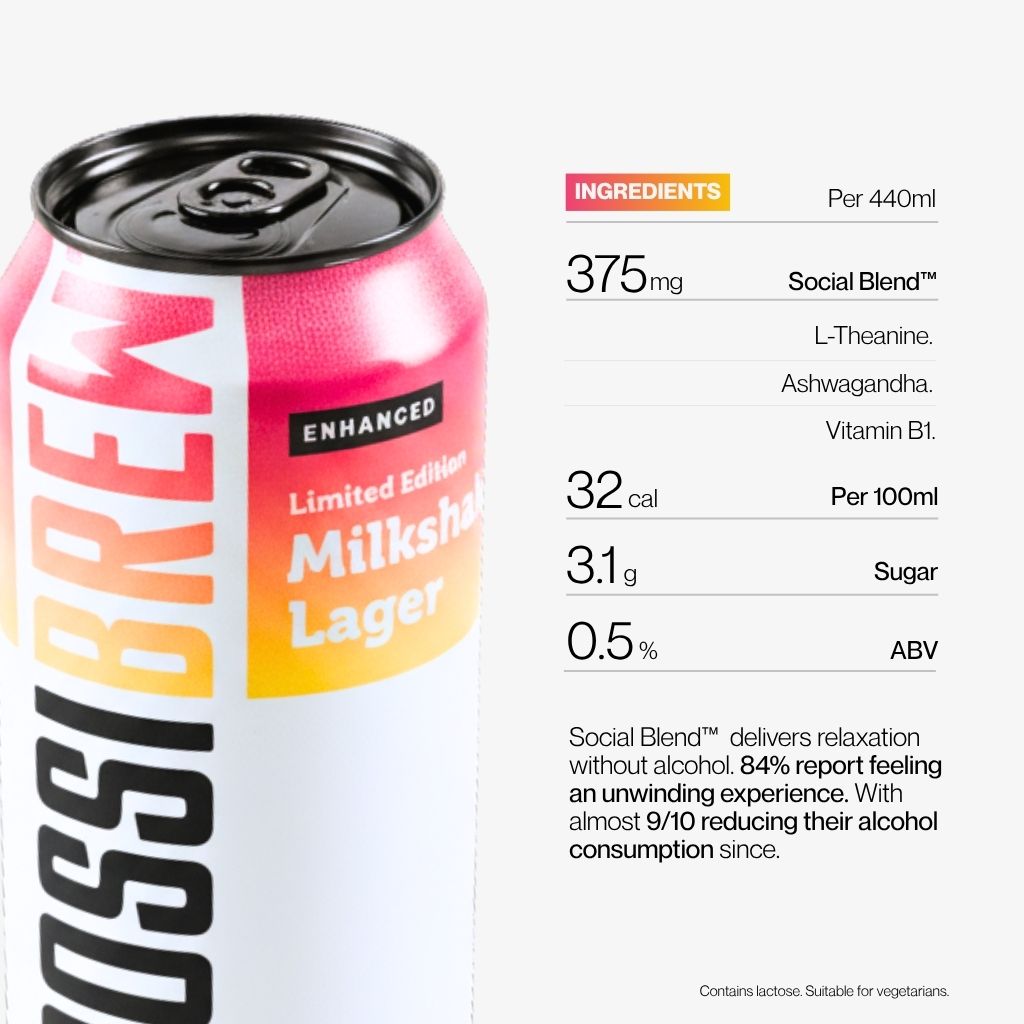
Practical examples further support these findings. In 2025, IMPOSSIBREW® conducted a study involving over 2,000 participants, with 84% reporting feeling more relaxed after consuming their Social Blend™. This formulation combines L-theanine, ashwagandha root, vitamin B1, and other nootropic plant extracts to promote mental calmness, stress relief, and mood enhancement by stimulating alpha brain waves and serotonin production[1]. Additionally, combining ashwagandha (500 mg/day) with selective serotonin reuptake inhibitors (SSRIs) in individuals with moderate depression was found to improve both fatigue and cognitive function beyond what was achieved with SSRIs alone[3].
These findings suggest that adaptogens may offer a range of cognitive benefits through their neuroprotective, anti-inflammatory, and anxiety-reducing properties. For individuals dealing with cognitive strain, age-related memory challenges, or chronic stress, incorporating standardised adaptogen extracts into a wellness plan - under the guidance of a healthcare professional - could provide meaningful support.
Future Research Directions
Although current studies suggest adaptogens might support cognitive health, there are still many unanswered questions. Most research to date has focused on short-term trials lasting 8–12 weeks, leaving gaps in our understanding of long-term safety and sustained effectiveness [3].
One pressing issue is the lack of standardised dosing protocols. For instance, ashwagandha doses typically range between 300 mg and 500 mg, with varying concentrations of its active compound, withanolide A. Future studies need to pinpoint the ideal concentrations of bioactive compounds and conduct dose–response trials to determine the most effective doses for improving memory, attention, and executive function [3]. Bridging the gap between animal models and human applications will also be crucial to ensure consistency in findings.
Translating preclinical findings into human trials presents another challenge. While rodent studies show that ashwagandha’s bioactive compounds - such as withanolide A and withanoside IV - can enhance synaptic plasticity and protect neurons, these results often fail to replicate in human studies. This discrepancy is due to differences in metabolism, bioavailability, and pharmacokinetics between species. To address this, researchers should prioritise human pharmacokinetic studies and explore advanced delivery systems that enhance absorption [3].
Long-term safety studies are notably lacking. Multi-year randomised controlled trials are needed to evaluate potential side effects, drug interactions, and organ toxicity from prolonged adaptogen use. These studies should also investigate whether adaptogens maintain their cognitive benefits over time, whether users develop tolerance, and how they affect vulnerable populations such as pregnant women, children, and individuals with neurological disorders. Additionally, it’s essential to examine how adaptogens interact with medications like selective serotonin reuptake inhibitors (SSRIs) and other psychotropic drugs to ensure safe concurrent use [3][5].
Another area for improvement is the standardisation of cognitive assessment methods. Using consistent tools, like the Montreal Cognitive Assessment (MoCA), alongside biomarkers such as serum cortisol, inflammatory markers (e.g., IL-6, TNF-α), and neuroimaging data, would make it easier to compare findings across studies. This approach would also provide deeper insights into how adaptogens impact brain function [3][4].
Research into population-specific effects is still in its infancy. While early evidence suggests ashwagandha may benefit individuals with mild cognitive impairment or age-related memory decline, more studies are needed to explore its potential in neurodegenerative diseases like Alzheimer’s and Parkinson’s. It would also be useful to investigate its impact on younger people experiencing cognitive strain from digital technology or those with depression-related cognitive challenges [3][4].
Synergistic formulations represent an exciting avenue for exploration. Emerging evidence suggests that combining adaptogens with other ingredients may enhance their cognitive benefits. For example, one study demonstrated that pairing magnesium (200 mg) and B vitamins with adaptogens improved cognitive function by 25%, compared to a 15% improvement from B vitamins alone. Future research should systematically test combinations with probiotics, omega-3 fatty acids, lutein, and other nutrients to determine the best ratios and uncover how these ingredients work together [4].
Further studies are also needed to understand how adaptogens influence the hypothalamic-pituitary-adrenal (HPA) axis. While current research indicates that adaptogens can regulate cortisol levels and support stress resilience, the molecular pathways behind these effects remain unclear. Advanced molecular techniques could help map how withanolides and other compounds interact with glucocorticoid receptors, affect GABAergic signalling, and promote neurogenesis in areas like the hippocampus [3].
Incorporating neuroimaging and biomarker research could significantly advance our understanding of adaptogens. While most studies rely on behavioural tests and peripheral biomarkers like cortisol, using techniques such as functional MRI (fMRI), PET scans, and EEG could offer direct insights into brain activity, connectivity, and neuroplasticity. Additionally, tracking biomarkers of neuroinflammation, oxidative stress, and neurogenesis - such as brain-derived neurotrophic factor (BDNF) - could shed light on the biological mechanisms driving cognitive improvements [3].
A regulatory framework is urgently needed to address variability in product quality and efficacy claims. Establishing standardised extraction methods, defining minimum concentrations of active compounds, and implementing pharmaceutical-grade quality controls are essential steps. Regulatory bodies might also mandate clinical trials to substantiate any cognitive health claims [3].
Finally, practical implementation strategies are crucial for turning research findings into actionable recommendations. Future studies should evaluate the cost-effectiveness of adaptogen-based interventions compared to traditional cognitive enhancement methods. This focus on real-world application will help ensure adaptogen research delivers meaningful benefits for cognitive health across the UK.
Conclusion
Recent studies suggest that ashwagandha can help improve memory, attention, and executive function, while also lowering cortisol levels[3]. In one double-blind study, participants who took 300 mg of ashwagandha root extract twice daily for eight weeks showed marked improvements in cognitive performance (p < 0.01)[3].
Unlike stimulants, which provide a quick energy boost, adaptogens like ashwagandha work by enhancing the body's resilience to stress. They achieve this by modulating the HPA axis and neurotransmitter systems[3][5]. Key bioactive compounds in ashwagandha, such as withanolide A and withanoside IV, contribute to its benefits by promoting synaptic plasticity and protecting neurones through antioxidant and anti-apoptotic effects[3].
However, the scientific community remains cautious. While early findings are promising, human studies often face limitations such as small sample sizes, short durations, and inconsistencies in extract standardisation. These challenges, coupled with preclinical limitations, highlight the need for more robust research. Larger, long-term randomised trials are necessary to confirm the therapeutic potential of adaptogens and to determine optimal dosing strategies[3].
In light of current evidence, practical applications for daily supplementation are emerging. Choosing standardised, research-backed adaptogen products is essential for achieving the best results[3][7]. For instance, IMPOSSIBREW®'s Social Blend™, found in their non-alcoholic functional beer, combines ashwagandha with other nootropic and adaptogenic ingredients. This formulation is supported by 52 randomised, double-blind, peer-reviewed studies[1]. In a 2025 study involving over 2,000 participants, 84% reported feeling more relaxed after consuming Social Blend™[1].
While products like IMPOSSIBREW®'s Social Blend™ show promise, it’s important to view adaptogens as a complementary approach rather than a primary treatment. They offer potential support for cognitive health under chronic stress but are not a cure-all. Anyone considering adaptogens, especially alongside medications such as SSRIs or other psychiatric treatments, should consult a healthcare professional. As research progresses, adaptogens may become an integral part of cognitive health strategies, but their full potential will only be revealed through rigorous, long-term studies.
FAQs
Are there any side effects of using adaptogens for cognitive health, and are they safe to use long-term?
Adaptogens are typically safe for most people when used as instructed, but side effects can differ based on the specific adaptogen and an individual's sensitivities. Some may experience mild issues like digestive upset, headaches, or even allergic reactions, though such cases are relatively uncommon.
If you're considering long-term use, it's a good idea to consult a healthcare professional. This is particularly important if you're pregnant, breastfeeding, taking medications, or dealing with a medical condition. While studies hint at potential benefits of adaptogens for cognitive health, more research is needed to fully understand their long-term safety and effects.
How do adaptogens like ashwagandha and Rhodiola rosea support cognitive function and help with managing stress?
Adaptogens like ashwagandha and Rhodiola rosea are natural compounds that help the body manage stress while supporting brain health. Unlike typical stimulants, which often give a quick energy spike followed by an inevitable crash, adaptogens work gradually, helping the body adjust to stress and maintain steady mental clarity and focus.
Research indicates that ashwagandha can lower cortisol levels - the hormone most associated with stress - while also improving memory and concentration. Similarly, Rhodiola rosea has been found to reduce fatigue and boost mental performance, especially during extended periods of stress. By regulating the body’s stress response, these adaptogens provide a more balanced way to support cognitive function, avoiding the jittery effects that stimulants often bring.
What challenges exist in adaptogen research, and what studies are needed to better understand their impact on cognitive health?
Research into adaptogens and their potential impact on cognitive health shows promise, but it’s not without its challenges. One major hurdle is the small sample sizes in many studies, which makes it tough to draw conclusions that apply to larger groups. On top of that, inconsistencies in trial methods - like varying dosages, formulations, and study durations - make it tricky to compare results across different studies.
To move forward, future research needs to prioritise long-term studies with larger and more diverse groups of participants. Establishing standardised dosages and consistent testing protocols would also go a long way in providing clearer insights into how adaptogens influence memory, focus, and overall cognitive performance. This would not only support more evidence-based applications but also help the public better understand their potential uses.