
Non-alcoholic beer production has a larger environmental footprint than regular beer due to additional processing steps, particularly dealcoholisation. Here's what you need to know:
- Raw Materials: Malted barley contributes over 50% of brewing's total impact. Biological methods reduce malt use by 66%.
- Energy Use: Thermal dealcoholisation is energy-intensive, while biological methods cut CO₂ emissions by 1,260 tonnes per 100,000 hectolitres.
- Water Usage: Direct fermentation saves 37% more water compared to thermal methods.
- Packaging: Aluminium cans are lighter and more recyclable than glass but require more energy to produce. Reusable packaging can help but depends on short distribution loops.
- Financial Benefits: Sustainability measures can achieve a benefit-cost ratio of 3.02 and a return of 16.92%.
Switching to efficient methods like direct fermentation and optimising packaging choices can cut costs and lower environmental impacts. However, voluntary guidelines and limited research make consistent assessments challenging.
Just Say NA! Risks and Learnings in Non-Alcoholic Beer Production
Main Stages of Lifecycle Assessment for Non-Alcoholic Beer
Taking a closer look at the lifecycle stages of non-alcoholic beer production helps pinpoint where its environmental impacts arise and how they compare to traditional brewing. Each phase plays a unique role in shaping the overall environmental footprint, offering distinct insights into how production choices can make a difference.
Raw Material Production
Malted barley is a major factor in the environmental impact of beer production, contributing to about 51% of total environmental impacts in craft beer manufacturing[2]. Growing, processing, and transporting grains result in significant carbon emissions, water consumption, and land use.
Non-alcoholic beer production methods vary in their reliance on malted barley. For instance, thermal dealcoholisation requires brewing full-strength beer, maintaining similar malt usage to traditional methods. On the other hand, biological methods using specialised yeasts can cut malt requirements by 66%[5].
Where raw materials are sourced also plays a big role. Studies show that sourcing from Brazil instead of Europe can reduce environmental impacts by up to 22% in craft beer production[2]. However, these benefits must be weighed against the emissions generated by longer transportation routes.
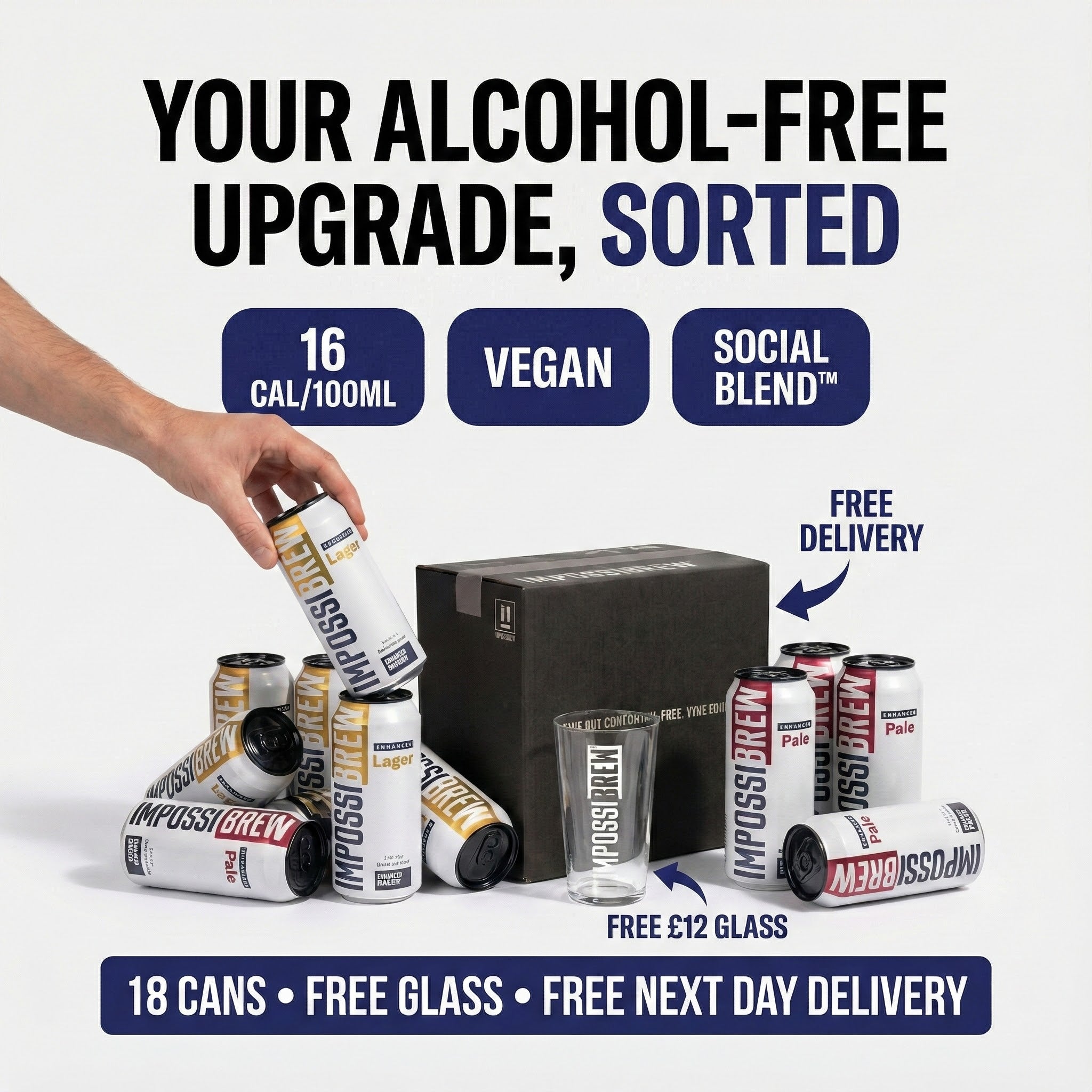
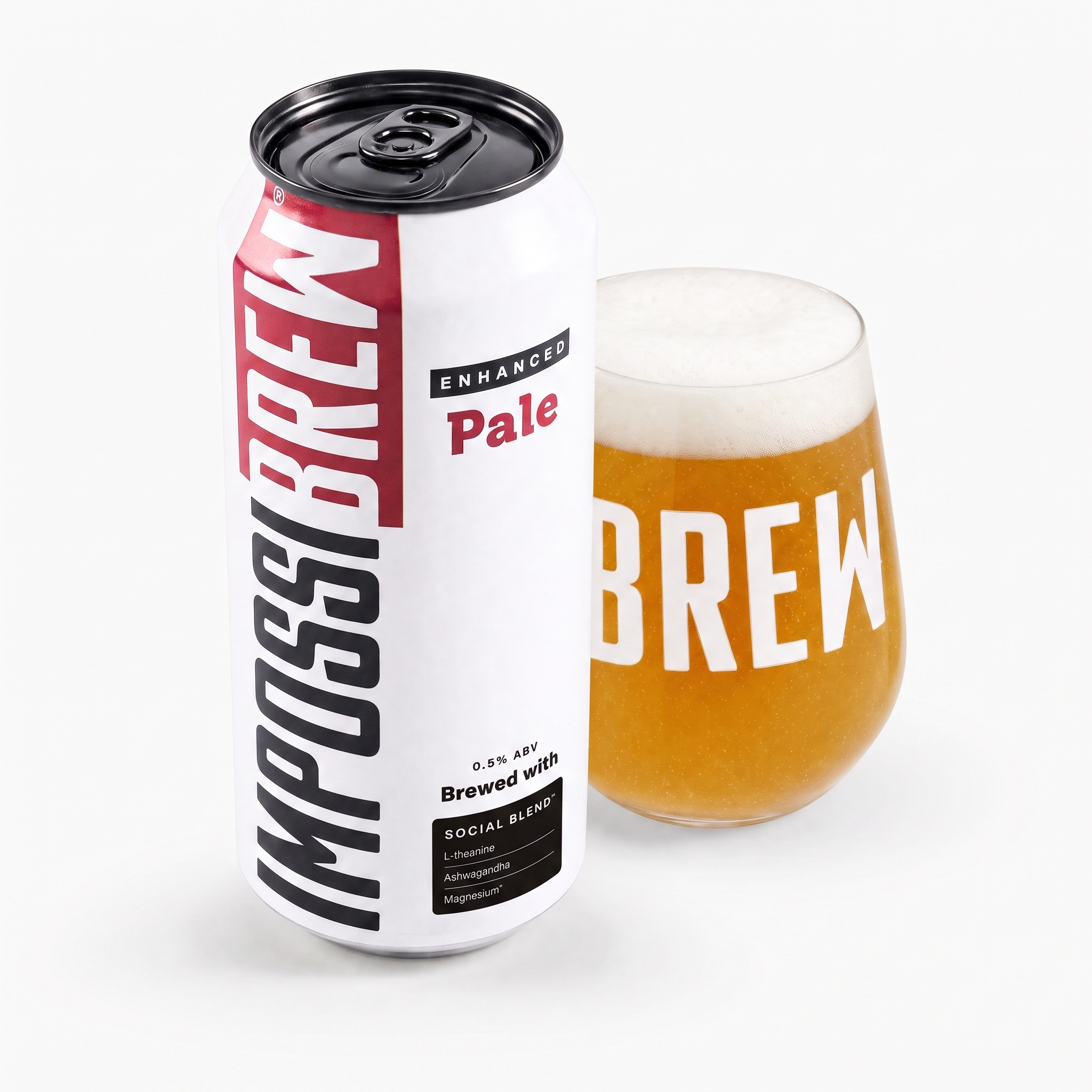
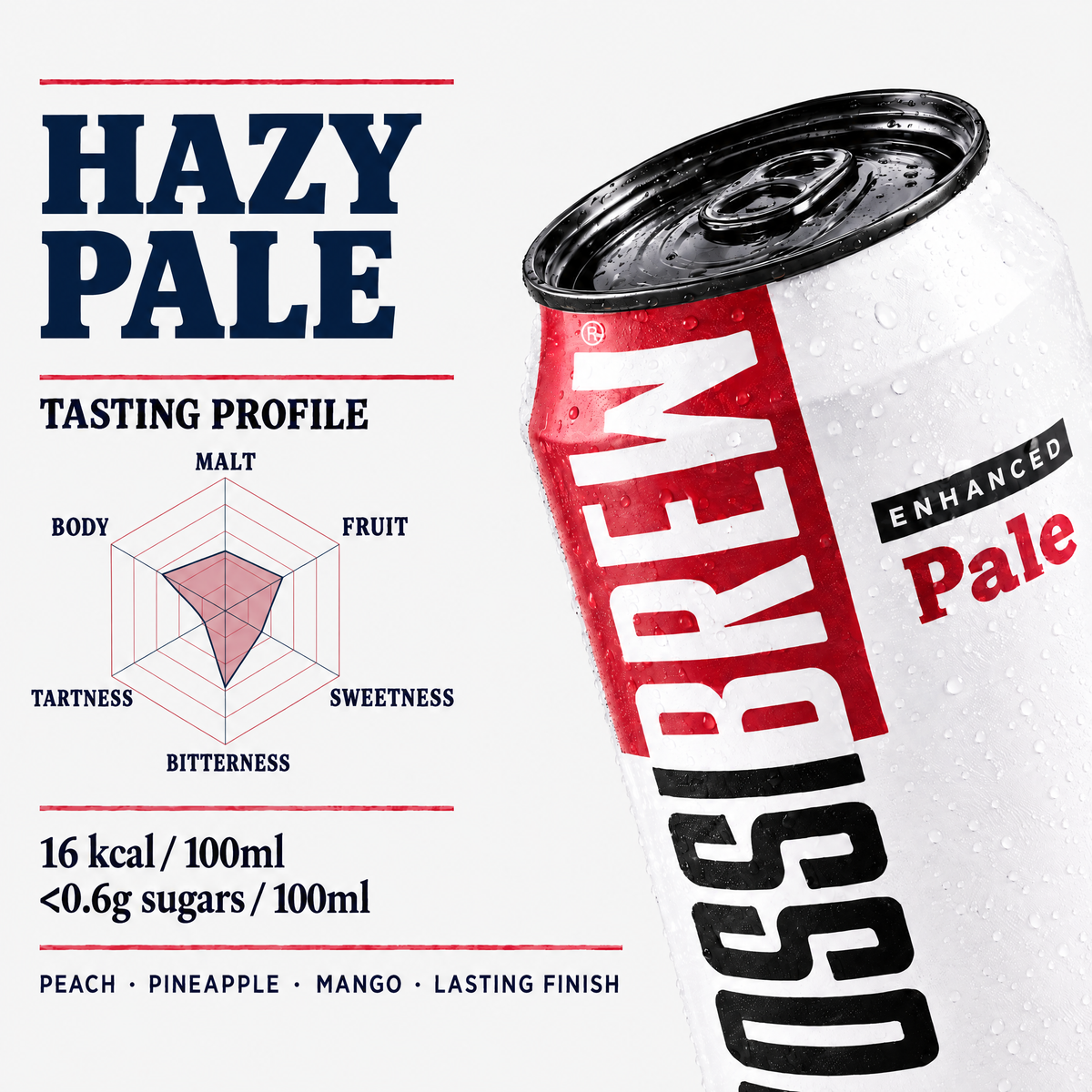
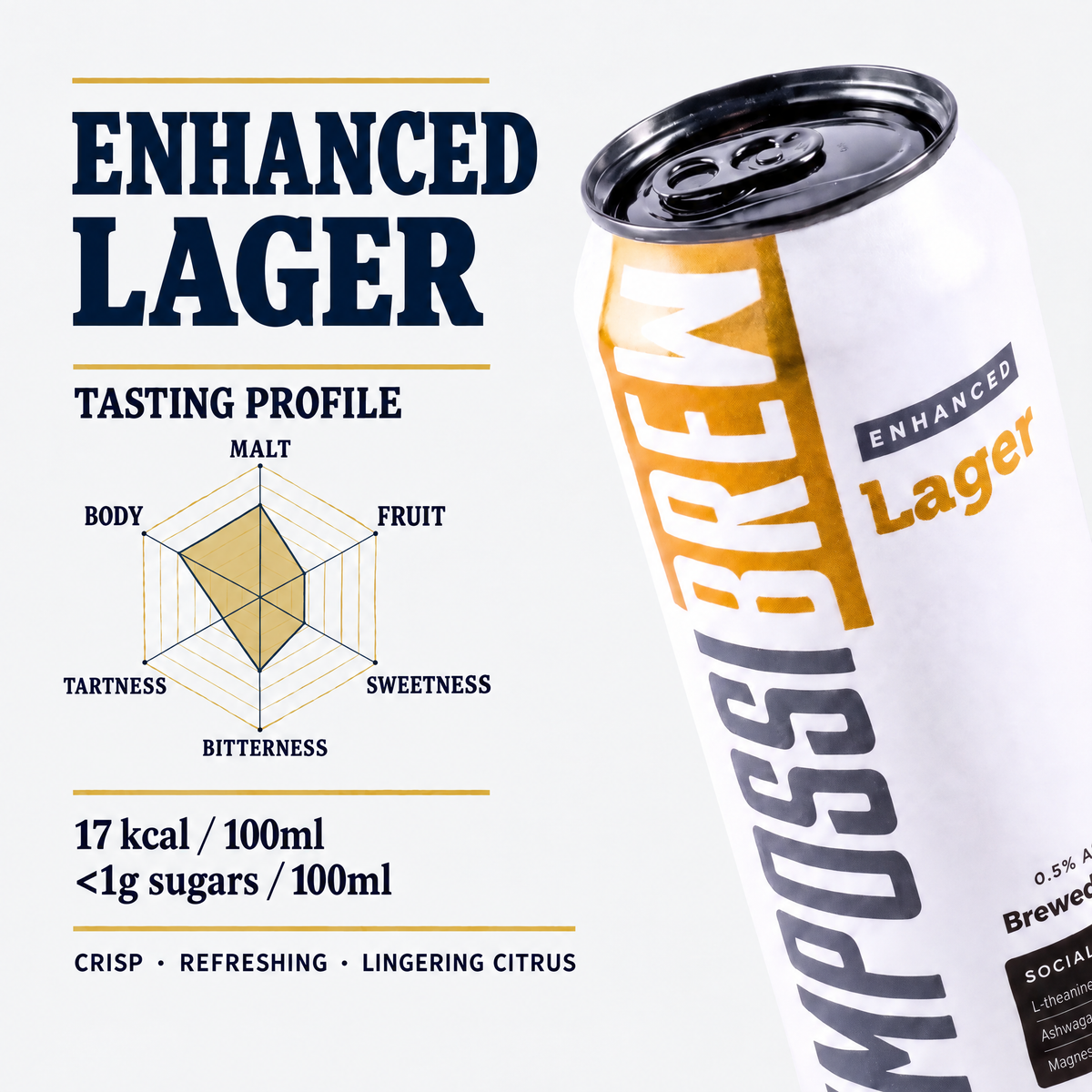
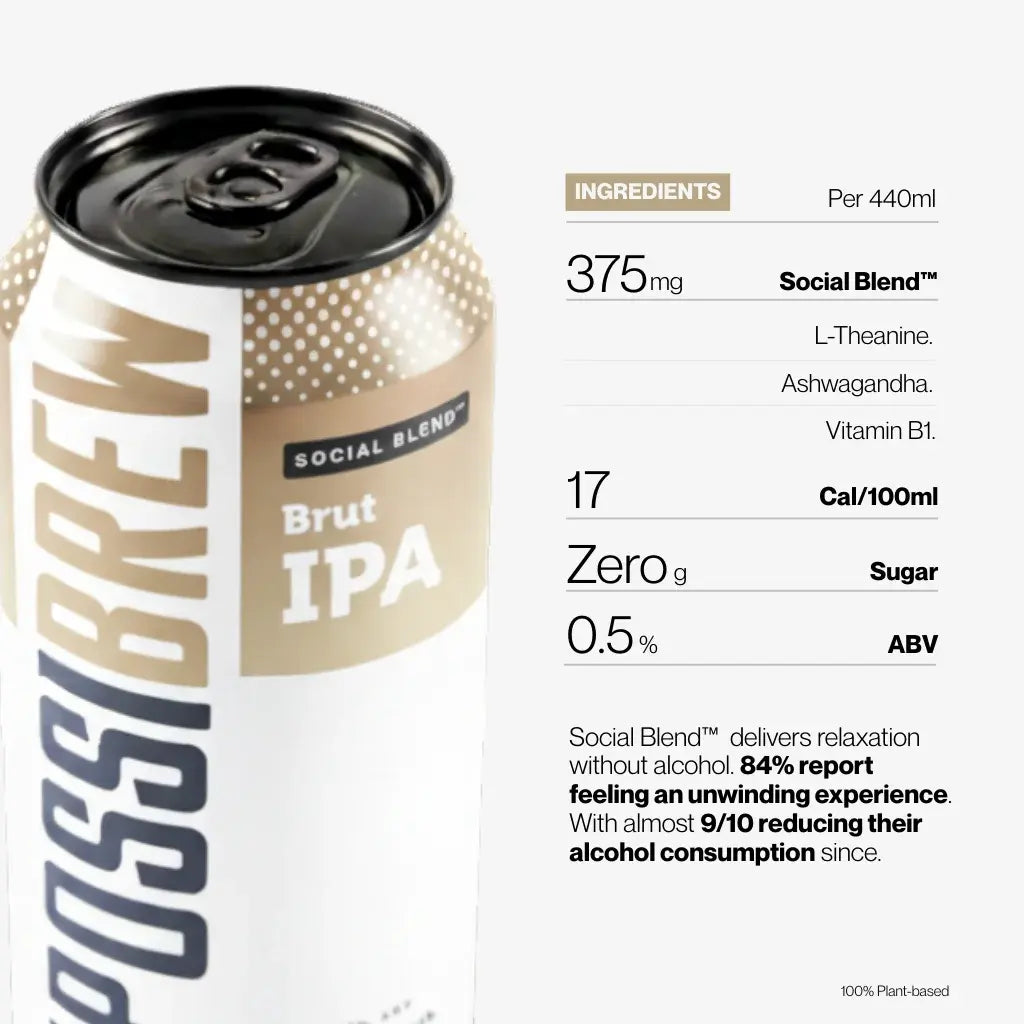
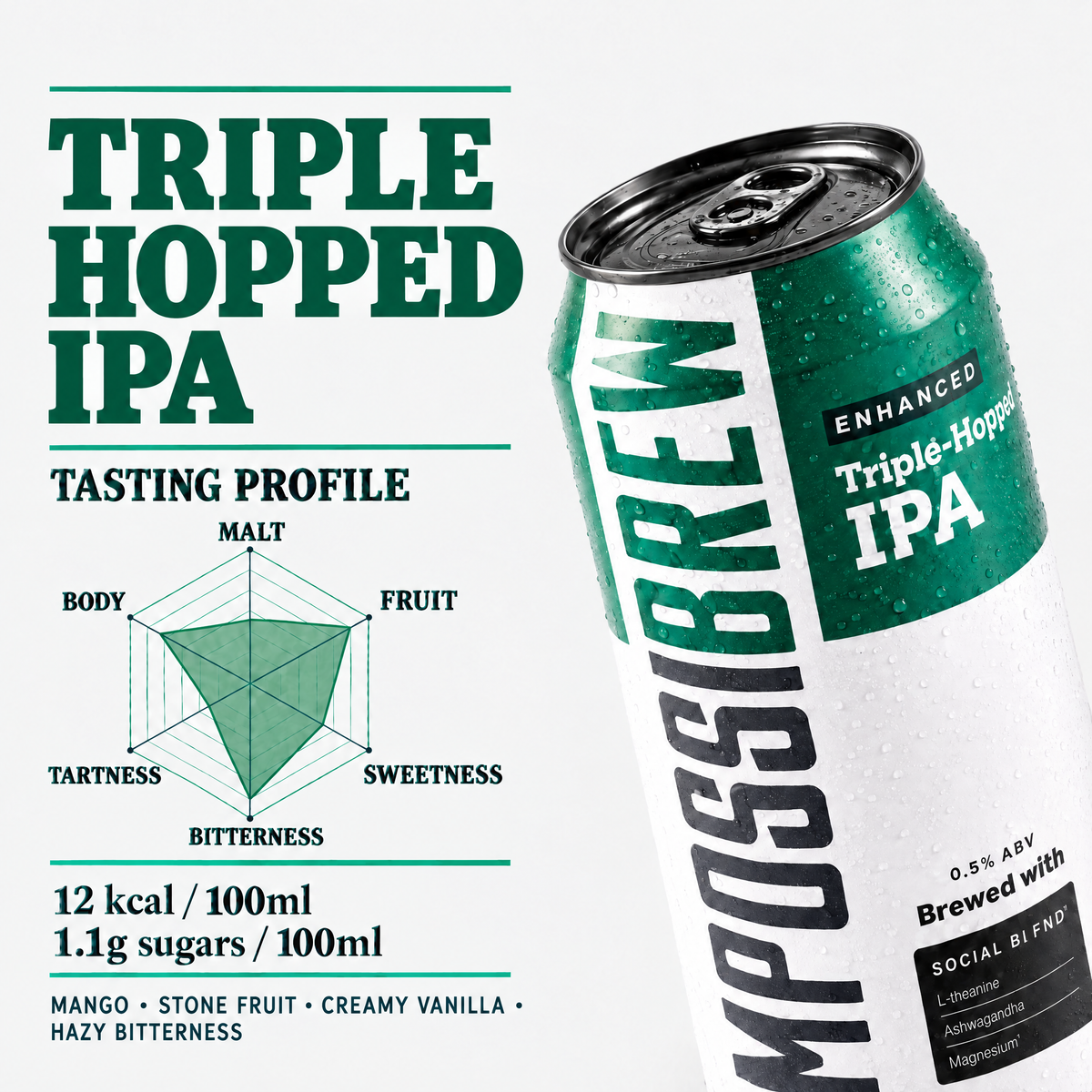
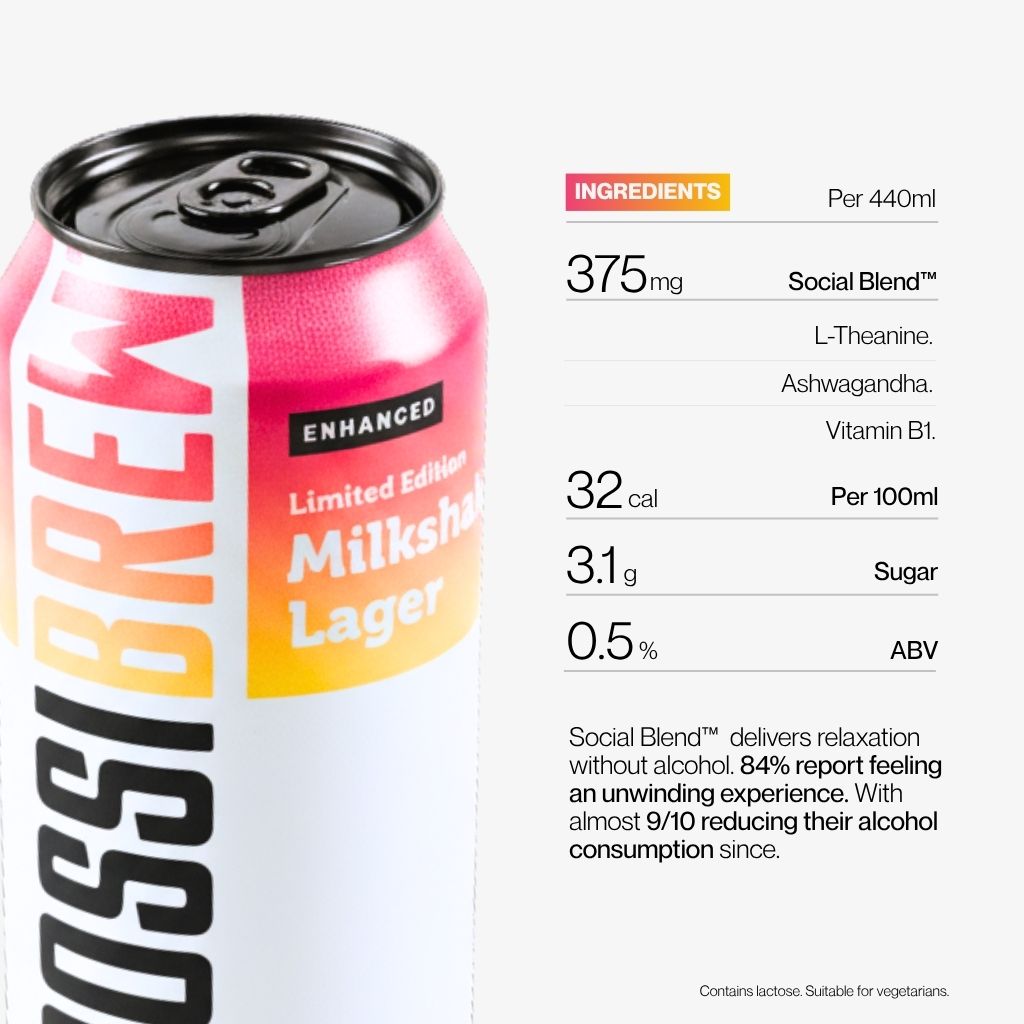
Some producers are innovating to avoid traditional dealcoholisation altogether. IMPOSSIBREW®, for example, uses a cryogenic fermentation process to create non-alcoholic beer (under 0.5% ABV) without removing alcohol. According to the company, their process requires "the same level of craftsmanship, time, and resources as a traditional craft beer", implying similar resource use during initial brewing while sidestepping the environmental costs of dealcoholisation.
The choice of raw materials directly influences the brewing methods that follow.
Brewing and Dealcoholisation Processes
This stage is where non-alcoholic beer production diverges most significantly from traditional brewing, especially in terms of energy and water use.
Thermal dealcoholisation is the most common method worldwide for producing non-alcoholic beer[5]. It involves brewing full-strength beer as usual and then heating it to remove the alcohol. This process consumes a lot of energy for both heating and subsequent cooling, making it resource-intensive. Additionally, it ties up brewing tanks for longer periods, further increasing energy demands.
Biological methods, on the other hand, utilise specialised yeasts that prevent alcohol formation during fermentation. This eliminates the need for dealcoholisation entirely. These methods complete fermentation in just 1–1.5 days[5], freeing up tanks more quickly and reducing energy use. The shorter brewing cycle also allows breweries to produce more beer with the same equipment.
The environmental benefits of biological methods are striking. Producing 100,000 hectolitres of non-alcoholic beer using these yeasts instead of thermal dealcoholisation can cut carbon emissions by around 1,260 tonnes of CO₂ equivalent - roughly the same as driving around the globe 100 times by car[5]. Water savings are equally impressive, reducing the need by 59,499 hectolitres[5], or about 37% of the water required for thermal dealcoholisation.
Energy efficiency during brewing can also vary. For instance, in craft beer production, the first filtration stage is responsible for 68% of total exergy destruction[2], highlighting a key area where efficiency improvements could make a big difference, regardless of whether the beer contains alcohol.
Packaging and Distribution
Packaging is one of the most impactful stages in the beer production lifecycle[3]. Choices between aluminium cans, glass bottles, and other materials significantly affect the environmental footprint, with differences in production processes, transportation weight, and recycling potential.
Refrigerated storage also adds to the environmental burden, particularly for beer[3]. Non-alcoholic beer might have different storage needs or shelf-life characteristics, though current research offers limited comparative data.
Transportation contributes about 31% of environmental impacts in beer production[2], making it the second-largest factor after raw materials. For non-alcoholic beer, transportation impacts depend on the distance raw materials travel to the brewery, as well as the journey from the brewery to distribution centres and retailers.
While specialised ingredients for biological brewing methods may require longer transport distances, the 66% reduction in malt use can help offset these impacts by reducing the overall volume of materials shipped.
Regional sourcing strategies can also help cut transportation-related emissions. For example, sourcing raw materials strategically reduced environmental impacts by 22% in some cases[2]. Breweries must carefully balance ingredient quality, availability, and transportation distances to optimise their supply chains.
Each of these stages plays a crucial role in shaping the overall lifecycle assessment, pointing the way toward more sustainable production practices.
Environmental Factors in Non-Alcoholic Beer Production
The environmental impact of non-alcoholic beer production hinges on its manufacturing process. While brewing traditional beer is relatively straightforward, producing non-alcoholic beer introduces additional complexities, particularly in terms of energy and water usage. These challenges are most evident during the dealcoholisation process. By understanding these differences, breweries can identify areas for improvement, with the choice between thermal dealcoholisation and direct fermentation being a key decision. The environmental considerations primarily fall into two categories: energy consumption and water usage, both critical for sustainable brewing.
Energy Consumption in Dealcoholisation
Thermal dealcoholisation is one of the most widely used methods for creating non-alcoholic beer [5]. This process involves brewing beer to its full strength and then heating it to remove the alcohol through evaporation, followed by cooling it back down. The heating and cooling cycles demand significant energy, and additional equipment such as vacuum systems and cooling infrastructure further increases energy consumption and environmental costs [5].
On the other hand, direct fermentation offers a more energy-efficient alternative. By using specialised yeasts like Pichia kluyveri, breweries can produce non-alcoholic beer without needing a separate dealcoholisation step [5]. This method shortens fermentation to just 1–1.5 days, compared to roughly 8 days for thermal processes [5]. With fewer fermentation tanks in use and less need for heating and cooling, direct fermentation significantly reduces energy requirements. In fact, switching to this method can lower emissions by approximately 1,260 tonnes of CO₂ equivalent per 100,000 hectolitres [5].
Some breweries are also exploring innovative approaches to bypass traditional dealcoholisation entirely. For example, IMPOSSIBREW® uses a cryogenic fermentation process to craft beer with less than 0.5% ABV, avoiding the need to remove alcohol altogether. The company describes their process as:
involving the same level of craftsmanship, time, and resources as a traditional craft beer [1]
while sidestepping the energy-intensive steps associated with dealcoholisation.
For breweries looking to enhance energy efficiency, heat recovery systems are another option. These systems capture waste heat from cooling processes, cutting overall energy demand by approximately 20% and offering a payback period of around 1.3 years [3]. However, the baseline energy consumption remains lower with direct fermentation due to the reduced need for cooling.
Water Usage Differences
Water usage is another key environmental consideration that varies significantly depending on the production method. Thermal dealcoholisation requires substantial water for multiple stages, including cooling the dealcoholisation equipment, cleaning tanks and pipes, and running additional filtration and centrifugation processes.
Switching to direct fermentation can lead to considerable water savings. For instance, producing 100,000 hectolitres of non-alcoholic beer with direct fermentation instead of thermal dealcoholisation saves approximately 59,499 hectolitres of water - around 37% less water overall [5]. These savings stem from eliminating the additional processing steps required in thermal methods.
In the United Kingdom, where water efficiency is increasingly vital due to environmental and cost pressures, these differences are particularly relevant. The choice of production method not only impacts day-to-day brewery operations but also affects water demand throughout the supply chain, from raw materials to the final product. By evaluating water usage at every stage, breweries can make meaningful strides towards reducing their environmental footprint, especially as water scarcity becomes an ever more pressing issue.
sbb-itb-a752bf8
Packaging in Lifecycle Assessment
Expanding on the earlier discussion about energy and water demands, packaging plays a pivotal role in shaping the environmental impact of beer production. In fact, packaging is frequently highlighted as one of the most environmentally taxing stages in the lifecycle of beer production [3]. For non-alcoholic beer, this issue becomes even more pronounced due to the additional steps - like dealcoholisation - that already increase resource consumption.
The choice of packaging material - whether aluminium cans, glass bottles, or reusable systems - presents breweries with a balancing act. Each option comes with trade-offs in carbon emissions, energy use, and recyclability, which influence both sustainability goals and consumer expectations.
Aluminium Cans vs. Glass Bottles
When it comes to lifecycle efficiency, the debate between aluminium and glass is particularly important. Aluminium production, especially smelting, is highly energy-intensive. However, its lightweight nature makes it more efficient for transportation, resulting in reduced emissions. On the other hand, glass production initially requires less energy, but its heavier weight leads to higher transportation costs. This weight difference becomes a significant factor when distributing large quantities across the United Kingdom, as lighter loads save fuel and cut carbon emissions.
Recycling adds another layer of complexity. Aluminium recycling is highly efficient, using about 95% less energy compared to creating new aluminium. In countries like the United Kingdom, where recycling systems are well-established, aluminium cans can achieve a much lower carbon footprint across multiple use cycles. With every recycling round, the environmental benefits of aluminium grow.
Glass, while also recyclable, doesn’t offer the same energy savings as aluminium. However, it can be recycled endlessly without degrading in quality, which is a strong environmental advantage. That said, the processes of collecting, sorting, and reprocessing glass still demand significant energy, and its weight continues to impact emissions during transport - even when recycled.
For non-alcoholic beer producers in the UK, aluminium cans often emerge as the more resource-efficient option. The combination of lightweight transport and superior recycling efficiency makes them a practical choice for products distributed nationally.
Reusable vs. Single-Use Packaging
Reusable packaging systems offer a promising way to cut environmental impact - if managed well. The core idea is simple: a single reusable container can replace dozens of single-use alternatives, significantly reducing the need for raw materials, manufacturing emissions, and waste.
The benefits of reusable systems depend on their lifespan. For example, a reusable glass bottle can typically endure 50 or more uses, while plastic crates might last through 100 cycles or more. In areas with effective deposit return schemes, these systems can lower packaging-related environmental impacts by 40–60% compared to single-use options [3].
However, reusable systems present unique challenges in the non-alcoholic beer market. Consumer habits often differ between alcoholic and non-alcoholic beverages, with the latter’s audience being less familiar with deposit schemes. This means breweries would need to invest in consumer education and infrastructure. Additionally, the logistics of collecting, cleaning, and redistributing reusable containers require significant coordination and upfront investment.
Distance is another critical factor. The environmental benefits of reusable packaging diminish as transportation distances grow. In local or regional markets where distribution routes are short, reusable systems excel. But for nationwide distribution in the UK, the additional emissions from return logistics can offset the benefits. The system works best when bottles travel short loops between the brewery, retailers, consumers, and back to the brewery.
Hygiene requirements further complicate matters for non-alcoholic beer. Unlike alcoholic beverages, these products lack alcohol’s natural antimicrobial properties, necessitating rigorous cleaning and quality checks for reusable containers. This adds to operational costs and increases water consumption.
Economic considerations also weigh heavily. Non-alcoholic beer is often sold at a lower price point than premium alcoholic options, making the economics of reusable systems less appealing. The upfront costs for infrastructure - such as bottle washing equipment, reverse logistics, and deposit management - can be prohibitive, especially for smaller producers.
Despite these hurdles, some breweries are finding success with deposit return schemes in specific regions. With the right infrastructure and consumer engagement, reusable systems can work. Local and regional producers, in particular, are better suited to benefit from these systems due to their concentrated customer bases. Additionally, packaging choices can influence refrigeration needs, with lighter materials reducing energy consumption during transport.
Areas for Improvement in Non-Alcoholic Beer Production
Non-alcoholic beer production comes with its own set of challenges, especially when it comes to sustainability. The additional processing steps required for removing alcohol add to the environmental impact, but there’s plenty of room to make the process greener. Advances in technology and smarter ingredient sourcing are already showing promise in cutting down energy use and resource waste.
Energy Efficiency in Breweries
Energy use is a major area where breweries can make improvements. For example, the first filtration stage in craft beer production is responsible for a whopping 68% of overall exergy destruction[2]. This highlights just how much potential there is for energy savings.
One promising solution is heat recovery systems, which can cut energy demand by 20% and pay for themselves in just 1.3 years[3]. On top of that, alternative fermentation techniques, like using maltose- and Crabtree-negative yeasts (M&CNY), can shorten fermentation times to just 1–1.5 days, slashing carbon emissions by 1,260 tonnes of CO₂ equivalent per 100,000 hectolitres[5]. Even more cutting-edge methods, such as cryogenic fermentation, eliminate the need for energy-heavy dealcoholisation altogether.
Another way to tackle energy inefficiency is through detailed energy audits. These audits can pinpoint areas where breweries are wasting energy, paving the way for tailored solutions. Considering that brewery operations account for 12–38% of the beer lifecycle’s environmental impact in Europe[3], there’s significant room for improvement.
While energy efficiency is crucial, the environmental impact of raw materials shouldn’t be overlooked.
Ingredient Sourcing
When it comes to ingredients, malted barley stands out as the biggest contributor to beer’s environmental footprint. This makes sourcing decisions a critical part of any sustainability effort.
Choosing where and how to source ingredients can make a big difference. For instance, sourcing from regions with eco-friendlier agricultural practices and shorter transportation distances can cut environmental impacts by as much as 22%[2]. Local sourcing not only reduces fuel consumption but also supports nearby farming communities. However, breweries need to strike a balance between these benefits and factors like supply chain reliability and product quality.
Innovative brewing methods also play a role in reducing resource use. The M&CNY brewing approach, for example, significantly cuts down on malt requirements and saves 59,499 hectolitres of water per 100,000 hectolitres of production[5]. This shows how process improvements can directly lower resource demands.
From a financial perspective, sustainability investments make sense too. Lifecycle assessments show that craft beer production can achieve a net present value of £36,500, a modified internal rate of return of 16.92%, and a benefit-cost ratio of 3.02[2]. On top of the environmental benefits, these changes can boost brand reputation, help breweries stand out in the market, and ensure compliance with regulations.
The tools and technologies to make non-alcoholic beer production more sustainable are already here. The next step is getting breweries to adopt them on a larger scale.
Conclusion
Lifecycle assessments highlight distinct environmental hurdles for producing non-alcoholic beer compared to traditional beer. While both face shared industry challenges, non-alcoholic beer introduces additional complexities due to extra processing steps.
The production method stands out as the most influential factor in determining environmental impact. Traditional thermal dealcoholisation methods are energy and water-intensive, extending fermentation to roughly eight days and requiring multiple tanks. In contrast, direct fermentation significantly reduces production time to just 1–1.5 days, saving 59,499 hectolitres of water and cutting malt use by 66% per 100,000 hectolitres. This approach also slashes the carbon footprint by 1,260 tonnes of CO₂ equivalent[5].
Sustainability isn’t just about the environment - it makes financial sense too. Breweries that adopt energy recovery systems can cut energy demand by 20%, with a payback period as short as 1.3 years[3]. Broader sustainability investments show strong returns, with a modified internal rate of return of 16.92% and a benefit-cost ratio of 3.02[2]. These figures underscore how aligning environmental goals with financial strategies benefits both the planet and the bottom line.
However, there’s still much we don’t know. Research comparing the lifecycle impacts of zero-alcohol and regular beers is scarce[4]. While European guidelines exist for beer production assessments, reporting remains voluntary, leaving producers and consumers without a consistent framework for decision-making[4]. Beyond refining production methods, focusing on ingredient sourcing and packaging can further enhance sustainability throughout the product's lifecycle.
Looking ahead, the industry has the tools to make meaningful change. For instance, IMPOSSIBREW® has adopted a cryogenic fermentation process that avoids energy-heavy dealcoholisation by ensuring alcohol isn’t produced in the first place. Paired with careful ingredient selection and smart packaging strategies, this method points to a more sustainable future for non-alcoholic beer production.
To drive progress, the industry must embrace these solutions and commit to transparent reporting, ensuring continuous improvement for years to come.
FAQs
How do biological methods compare to thermal dealcoholisation in terms of environmental impact for non-alcoholic beer production?
Biological methods, like fermentation techniques specifically designed for non-alcoholic beer, tend to have a smaller environmental footprint compared to thermal dealcoholisation. Thermal processes usually involve heating to remove alcohol, which not only uses more energy but also contributes to higher carbon emissions.
On the other hand, biological approaches operate at lower temperatures and adjust the fermentation process naturally. This results in less energy consumption and fewer emissions. Plus, these techniques are better at maintaining the beer's flavour, making them a more sustainable and flavourful choice for fans of non-alcoholic beer.
How does packaging choice affect the environmental impact of non-alcoholic beer?
The packaging of non-alcoholic beer plays a big part in how environmentally friendly it is. Materials like glass, aluminium, and cardboard all come with their own environmental pros and cons, from how they’re made to how easily they can be recycled. Take aluminium cans, for instance - they’re lightweight and easy to recycle. On the other hand, glass bottles can be reused, but they’re heavier to transport and often need more energy to produce.
Choosing sustainable packaging doesn’t just cut down on carbon emissions; it also helps reduce waste. Many brands, such as IMPOSSIBREW®, are actively looking into greener packaging options to reflect their commitment to eco-friendly practices. By focusing on things like how recyclable a material is and how much energy it takes to produce, these choices can have a real impact on the overall environmental footprint of non-alcoholic beer.
What are the financial benefits for breweries adopting sustainable practices in non-alcoholic beer production?
Breweries that adopt greener production methods for non-alcoholic beer can reap notable financial benefits. Cutting back on energy and water usage helps trim operational expenses over time. Plus, eco-friendly practices resonate with environmentally aware consumers, which can translate into stronger sales and increased brand loyalty.
On top of that, sustainability efforts may unlock access to government grants or tax breaks designed to encourage businesses to go green. In the UK, for instance, breweries could take advantage of programmes aimed at reducing carbon emissions or boosting energy efficiency. When you combine these financial perks with the rising demand for sustainable products, it’s clear that investing in eco-conscious practices is a smart move for the future.