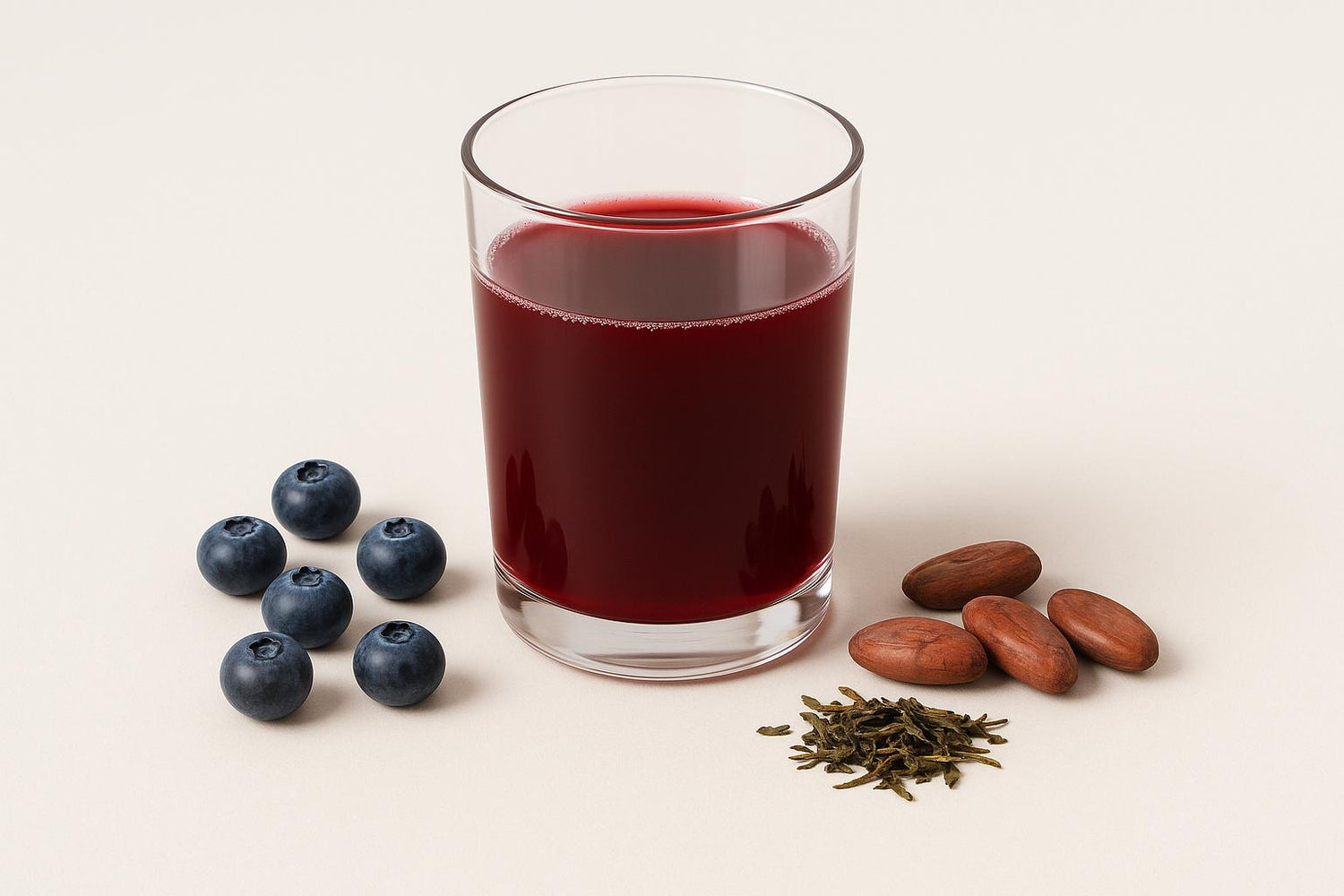
Polyphenols, plant-based compounds found in foods like tea, grapes, and berries, are gaining attention for their potential to support memory and brain health. Unlike pharmaceuticals, polyphenol-rich beverages offer a natural way to maintain cognitive function and reduce inflammation. Drinks such as green tea, grape juice, pomegranate juice, cocoa-based beverages, kombucha, and blueberry juice have shown promise in improving memory, especially in older adults or those with mild cognitive impairment. However, results vary based on individual factors, and long-term, consistent use is key for noticeable effects.
Key takeaways:
- Green Tea: Supports verbal and episodic memory; best consumed daily for 6+ weeks.
- Grape Juice: Improves verbal and spatial memory; effective in 12–16 weeks.
- Pomegranate Juice: Enhances episodic memory; requires 6–12 weeks of daily intake.
- Cocoa Drinks: Boost working memory and attention; benefits seen in 4–8 weeks.
- Kombucha: Retains tea-based polyphenols; limited evidence but may complement other sources.
- Blueberry Juice: Improves short-term and spatial memory in 12 weeks; rich in anthocyanins.
For optimal results, combine these beverages with a balanced diet and healthy lifestyle. Consistency over months is essential, as effects are gradual and vary across individuals.
Why Polyphenols Are The Brain Food You Need RIGHT NOW! | TUH #126
1. Green Tea
Green tea has earned its reputation as a powerhouse of polyphenols, thanks to compounds like catechins and theaflavins. These not only support episodic memory but also help reduce inflammation, protecting vital brain regions involved in memory formation [2] [1].
Research has shown that a diet rich in polyphenols, such as those found in tea, is linked to improved episodic memory. What makes green tea particularly special is that its polyphenols can cross the blood–brain barrier and interact directly with the hippocampus, the brain's memory centre [2] [1].
One standout benefit of green tea is its anti-inflammatory properties. Regular polyphenol intake has been shown to lower inflammatory markers like IL-6, TNF-α, and IL-1β [1]. These markers are often tied to cognitive decline, so reducing them may enhance verbal memory and overall cognitive performance - especially in older adults or those dealing with heightened inflammation.
For those looking to reap these benefits, consistency is key. Studies suggest that consuming green tea daily for at least six weeks may lead to noticeable improvements in memory [3].
Green tea is also incredibly practical. It’s affordable, widely accessible, and easy to incorporate into daily routines. To get the most out of its polyphenols, steep the tea for 3–5 minutes in water heated to around 70–80°C. Using boiling water can diminish some of its beneficial compounds. Whether you enjoy it hot or cold, green tea fits seamlessly into any season or preference, making it a simple addition to a cognitive health regimen.
Beyond its immediate benefits, green tea has been linked to better cognitive performance as we age and a lower risk of dementia [2]. Studies involving both healthy older adults and those with mild neurocognitive disorders have highlighted its positive effects [3]. Interestingly, individuals experiencing early memory changes may see the most noticeable improvements with regular consumption [3].
However, the impact of green tea can vary. Around half of the studies report memory improvements [3], suggesting that individual factors play a role. For this reason, green tea is best seen as one piece of a broader strategy for maintaining cognitive health.
Lastly, green tea contains about 25–50 mg of caffeine per cup - roughly half the amount found in coffee. This provides a gentle boost in focus and alertness without the jittery side effects of higher caffeine doses. That said, those sensitive to caffeine or drinking it later in the day should keep an eye on their intake.
2. Grape Juice
Grape juice is well-regarded for its high levels of polyphenols, particularly flavonoids and resveratrol - compounds known for their potential to support brain health and memory function [2]. The amount and type of polyphenols vary depending on the grape variety. Darker grapes, like purple and red, contain higher concentrations of anthocyanins and catechins compared to white grapes [2]. For example, a 355 ml serving of Concord grape juice contains about 777 mg of total polyphenols, making it a practical option for those looking to support memory function [6]. These findings make grape juice a notable contender among polyphenol-rich beverages for cognitive support.
The unique combination of flavonoids and resveratrol in grape juice appears to offer specific benefits for memory. Studies show that consuming grape juice over a period of 12–16 weeks can improve both spatial and verbal memory in middle-aged and older adults. Brain imaging has also revealed enhanced activity in memory-related regions of the brain after regular intake [6]. This makes it a particularly appealing choice for individuals noticing early cognitive changes, as part of a broader strategy to maintain brain health.
For individuals with mild cognitive impairment (MCI), the benefits of grape juice are even more pronounced. Research highlights improvements in neurocognitive function and increased activation in brain areas associated with memory [6]. A meta-analysis of 11 studies involving 542 participants found that polyphenol-based interventions, including grape juice, significantly enhanced verbal memory. Among the options studied, grape juice consistently stood out as a beneficial choice [1].
The way grape juice supports memory is tied to several mechanisms. Its polyphenols improve blood flow in the brain, strengthen connections in the hippocampus (a key memory centre), and combat oxidative stress and neuroinflammation [6]. However, these effects are not universal. Grape juice seems to be most effective for individuals already experiencing cognitive challenges. In fact, nearly half of the studies on polyphenol interventions reported no significant memory improvements, and a small percentage even noted declines in performance [3]. This variability suggests that grape juice should be part of a broader approach to cognitive health rather than relied upon as a sole solution.
Clinical trials recommend a daily serving of 355 ml, adjusted for body weight if needed, to achieve measurable cognitive benefits within 12–16 weeks [6].
In the UK, grape juice is easy to find in most retail stores, making it an accessible choice for daily consumption. To maximise polyphenol intake, opt for purple or red grape varieties. Concord grape juice, particularly the version produced by Welch Foods, Inc., has been the primary focus of clinical research [6].
One thing to keep in mind is the natural sugar content of grape juice. While studies have not reported significant side effects [6], those monitoring their blood sugar levels should consider this when adding it to their diet. Additionally, since polyphenol levels can vary between brands and products, selecting a high-quality option is essential for reaping the full cognitive benefits.
Grape juice offers cognitive benefits comparable to other polyphenol-rich drinks, thanks to its resveratrol and anthocyanin content. It has shown promise in enhancing episodic and verbal memory, particularly for individuals with MCI or early memory decline. For best results, include grape juice as part of a varied diet that incorporates other polyphenol-rich foods and beverages. This approach ensures a wider range of bioactive compounds, which may further support cognitive health [2].
3. Pomegranate Juice
Pomegranate juice, much like green tea and grape juice, packs a punch when it comes to cognitive health, thanks to its unique polyphenol content. It’s loaded with bioactive compounds such as punicalagins, ellagic acid, and anthocyanins, which have been linked to brain health. Studies suggest that effective doses of these compounds typically range from 138–387 mg daily [1].
One of the standout benefits of pomegranate juice is its potential to enhance memory, particularly episodic memory - the ability to recall specific events or experiences. Research into polyphenol supplementation has shown improvements in this area, especially in individuals experiencing cognitive decline. For instance, a study highlighted that polyphenols significantly boosted all measures of episodic memory in those with the most pronounced memory issues [3]. Given the high polyphenol content of pomegranate juice, it’s reasonable to expect similar benefits for middle-aged and older adults dealing with early memory changes. These effects place pomegranate juice alongside other functional beverages known for supporting memory.
The juice’s cognitive benefits don’t stop there. It also helps by reducing inflammatory markers such as TNF-α, IL-6, and IL-1β, while offering direct neuroprotective effects [1]. However, the link between reducing inflammation and cognitive improvement isn’t entirely straightforward. In fact, four studies found that while anthocyanins - key polyphenols in pomegranate juice - enhanced cognitive performance, they didn’t significantly affect inflammation levels [1].
For those looking to add pomegranate juice to their daily routine, consistency is key. Research suggests that drinking 150–250 ml daily over 6–12 weeks can lead to noticeable cognitive benefits. This aligns with studies showing significant memory improvements in older adults after 12 weeks of consuming polyphenol-rich juices [2].
Beyond memory, polyphenols have shown promise in enhancing other cognitive functions. Improvements in executive function and psychomotor skills have been observed [1], and some studies even point to benefits in working memory and attention [2]. However, not all cognitive domains respond equally. For example, one study linked higher polyphenol intake with better language and verbal memory but found no significant effect on executive functioning [2]. While memory remains the most well-established benefit of pomegranate juice, there’s potential for gains in attention and processing speed as well.
If you’re planning to make pomegranate juice a regular part of your diet, opt for 100% juice without added sugars to maximise polyphenol intake. In the UK, you’ll find it readily available in supermarkets and health food stores, but keep in mind that polyphenol levels can vary between brands. Also, be aware of its natural sugar content, especially if you’re watching your blood sugar levels.
Long-term use of polyphenol-rich foods and drinks, including pomegranate juice, appears safe based on current research. For example, one study found that six months of daily resveratrol supplementation at 200 mg helped maintain memory and psychomotor skills in elderly participants while reducing inflammation, particularly in those who were overweight [1]. Similarly, extended supplementation with propolis extract for up to two years showed sustained cognitive benefits compared to shorter durations [1]. That said, researchers caution that publication bias towards positive results may exist, and larger, more diverse studies are needed to fully understand the long-term effects [3].
Incorporating pomegranate juice into a broader routine of polyphenol-rich beverages could further enhance cognitive health. Research suggests that combining various sources of polyphenols - like tea, cocoa, and berries - can provide a wider range of bioactive compounds and benefits [2]. A systematic review of 66 studies found that about half reported significant memory improvements after polyphenol interventions, with durations ranging from two weeks to several months [3]. So, making pomegranate juice a regular part of your day, rather than an occasional treat, is likely to yield better results.
When shopping for pomegranate juice in the UK, look for products that specify their polyphenol content or those made from whole fruit rather than concentrates with added water and sugar. Follow storage instructions carefully and consume the juice within the recommended timeframe after opening to preserve its potency. As always, if you’re considering a new addition to your diet, especially if you have health conditions or are on medication, consult a healthcare professional to ensure it’s right for you.
4. Cocoa-Based Beverages
Cocoa-based drinks are a standout in the realm of memory-boosting beverages, thanks to their rich concentration of flavanols - a type of polyphenol known for its positive effects on cognitive health [2]. While other polyphenol-rich drinks also offer benefits, cocoa’s unique profile gives it a special edge. However, much like its counterparts, the impact of cocoa depends on factors such as dosage and processing.
The amount of polyphenols in cocoa beverages is influenced by the percentage of cocoa solids and how the product is processed. Higher-quality cocoa products typically contain more bioactive flavanols, which are directly linked to better memory outcomes [3].
Research highlights cocoa flavanols’ ability to enhance working memory and attention. For instance, a study by Mastroiacovo et al. revealed that participants consuming high doses of cocoa flavanols completed working memory tasks 17 seconds faster after eight weeks - a 21% improvement. Those on medium doses improved by 14 seconds (18%), while the low-dose group saw only a 1-second (1%) improvement [3]. This clear dose-response relationship underscores the importance of choosing products with higher cocoa content.
Studies involving both cognitively healthy elderly individuals and those with mild neurocognitive disorders show that higher doses of cocoa flavanols significantly boost working memory performance [3]. However, not all findings are consistent. For example, two studies involving 77–100 healthy adults found no significant improvements after 4–8 weeks of cocoa flavanol intake, suggesting that factors like baseline cognitive health, age, and individual metabolism play a role in the effectiveness of these interventions [3].
Beyond memory, cocoa flavanols contribute to better attention and executive function and may even help counteract age-related neuronal decline [2][4]. When compared to other polyphenol sources, cocoa excels at improving working memory and attention, whereas foods like blueberries are more effective for short-term and spatial memory [2].
For those interested in adding cocoa beverages to their routine, product selection is key. Opt for products with high cocoa solids to ensure sufficient flavanol levels [3]. In the UK, look for labels indicating the percentage of cocoa solids or flavanol content. Minimally processed cocoa products tend to retain more beneficial compounds, so they are a better choice. Be cautious with commercial hot chocolate mixes, as they often contain excessive sugar, which could diminish the cognitive benefits. Pure cocoa powder or high-quality drinking chocolate with minimal additives is a smarter option.
Cocoa’s cognitive benefits can appear quickly, sometimes within hours, and continue to improve with regular consumption over 4–8 weeks [2][3]. For the best results, consider pairing cocoa with other polyphenol-rich foods and drinks - like tea, berries, or pomegranate juice - for a well-rounded approach to brain health.
Long-term studies confirm that cocoa flavanols are safe to consume and support cognitive function whether taken occasionally or as part of a sustained regimen [3].
sbb-itb-a752bf8
5. Kombucha
Kombucha stands out among functional drinks due to its unique composition. As a fermented tea, it carries over polyphenols from its tea base - compounds like catechins, theaflavins, and flavonols - depending on the type of tea used [2]. The fermentation process further enhances these compounds, converting them into forms that may be easier for the body to absorb.
The polyphenol content in kombucha can vary widely depending on the type of tea and the length of fermentation. This means that different batches might contain different levels of these beneficial compounds. While research specifically on kombucha is still limited, its tea origins suggest it may offer cognitive benefits similar to those linked to traditional tea.
Studies on tea polyphenols generally show that a high intake is associated with improved memory performance [2]. Meta-analyses reveal a modest but noticeable positive effect on memory [3]. Since kombucha retains many of these compounds, it could potentially contribute to similar benefits. However, the fermentation process may alter the concentration and availability of these polyphenols, making kombucha an interesting addition to a diet rich in polyphenols rather than a standalone solution.
If you're considering kombucha as part of a strategy to support cognitive health, there are a couple of things to keep in mind. Kombucha contains small amounts of alcohol (typically 0.5–3% ABV) and caffeine from its tea base. When choosing kombucha in the UK, look for products that specify their tea base. For instance, kombuchas made with green tea may have higher levels of catechins, while those made with black tea might offer more theaflavins.
It's worth noting that research on polyphenols shows mixed results: around 48.5% of studies report memory improvements, 47% show no significant effects, and 4.5% even report declines [3]. This suggests that the benefits of polyphenols, while present, may be modest. Kombucha, therefore, works best as part of a broader approach to polyphenol intake. Pairing it with other sources, like blueberry juice, cocoa-based drinks, or traditional teas, could provide a more diverse and effective range of neuroprotective polyphenols.
6. Blueberry Juice
Blueberry juice stands out as one of the most studied drinks when it comes to supporting brain health, thanks to its rich content of anthocyanins. These natural compounds, responsible for the fruit's deep blue colour, not only provide neuroprotective benefits but also cross the blood–brain barrier, improve blood flow to the brain, and enhance overall cognitive function [6][5]. This makes it particularly beneficial for older adults showing early signs of memory decline.
In one small-scale study involving nine participants (average age 76.2 years) with early memory issues, drinking wild blueberry juice daily for 12 weeks resulted in notable improvements in memory tasks like paired associate learning and word list recall. The daily intake ranged from 444 ml to 621 ml, adjusted based on body weight [6].
Research consistently highlights blueberry juice's positive effects on various aspects of memory. Improvements have been observed in paired associate learning, word list recall, memory discrimination, working memory, and even brain activation patterns [6]. Interestingly, these benefits were evident after just 12 weeks of daily consumption, regardless of whether participants had mild cognitive impairment [2].
The science behind these benefits is complex but fascinating. Blueberry polyphenols play a key role by increasing cerebral blood flow, boosting brain-derived neurotrophic factor (BDNF) - a protein essential for brain health - and reducing both oxidative stress and neuroinflammation [6][5]. A meta-analysis of 11 studies, including 542 participants, found that dietary polyphenols offered measurable improvements in verbal memory, albeit with a small effect size [1].
For UK consumers, it's worth noting that wild blueberry juice is particularly rich in anthocyanins compared to cultivated varieties [6]. To achieve noticeable cognitive benefits, you’d need to consume between 444 and 621 ml daily for at least 12 weeks. This amounts to nearly half a litre a day, so it's practical to consider factors like cost and the sugar content of store-bought options.
The cognitive advantages seem most pronounced in older adults, especially those experiencing mild cognitive impairment or early memory decline. Most studies have focused on participants aged 62 to 78 years [6]. For optimal results, blueberry juice works best as part of a broader diet that includes other polyphenol-rich foods.
It’s important to keep in mind that research on polyphenol-based interventions has shown mixed outcomes. Approximately 48.5% of studies reported significant memory improvements, 47% found no change, and 4.5% noted declines. This suggests that combining blueberry juice with other polyphenol sources might yield better results [3].
When shopping in the UK, look for unsweetened blueberry juice or products that clearly indicate their polyphenol content. Alternatively, you could blend frozen blueberries into smoothies or use standardised blueberry extracts. Whichever route you choose, the key is consistency - daily consumption is necessary to reap the memory-related benefits documented in the studies.
Advantages and Disadvantages
Let’s break down the unique strengths and limitations of these beverages when it comes to cognitive support.
Green Tea
Green tea is rich in natural compounds like catechins and theaflavins, which have been linked to improvements in language and episodic memory [2]. That said, the overall evidence for its cognitive benefits isn't as strong as what’s been observed with berry-based drinks, and individual responses can vary. Additionally, its caffeine content might not be ideal for everyone, particularly those sensitive to stimulants.
Grape Juice
Grape juice has shown promise, particularly in older adults, with studies indicating improvements in memory after 12 weeks of regular consumption [2]. However, many commercial options contain added sugar - sometimes 20–30g per serving - which could offset its potential benefits. Plus, the levels of beneficial polyphenols can vary significantly between brands, making it tricky to choose the most effective option.
Pomegranate Juice
While pomegranate juice contains polyphenols like resveratrol, the research directly linking it to cognitive improvements is relatively limited. Its potential benefits remain promising but are not as well-documented as some other options.
Cocoa-Based Beverages
Cocoa-based drinks have shown particularly encouraging results for working memory and attention. For instance, medium to high doses of cocoa flavanols have been linked to up to a 21% improvement in working memory performance over eight weeks [3]. However, these benefits depend on the flavanol content, which isn’t always clearly labelled on products. Additionally, many commercial processing methods can reduce flavanol levels, potentially diminishing their effectiveness.
Kombucha
Kombucha’s cognitive benefits primarily come from the polyphenols in the tea used during fermentation. However, clinical evidence specifically supporting its memory-enhancing effects is scarce. While some claim that fermentation increases polyphenol bioavailability, these assertions lack strong scientific backing. As a result, its role in memory support should be viewed cautiously.
Blueberry Juice
Among polyphenol-rich beverages, blueberry juice stands out for its extensive research. Studies have highlighted its benefits for both short-term and long-term memory, with some improvements in spatial memory observed after just three weeks [2]. Daily doses of anthocyanins (ranging from 138 to 387 mg) have been shown to consistently enhance working memory in healthy older adults [1]. The main challenge, however, is achieving these doses without consuming impractical amounts of juice.
Mixed Research Outcomes
While polyphenol-rich beverages show potential, the results can vary. A systematic review of 66 randomised clinical trials found that 48.5% reported significant memory improvements, 47% showed no notable effects, and 4.5% even observed declines in memory performance [3]. This variability suggests that individual factors play a significant role in how effective these beverages are.
Other Influencing Factors
Age, baseline cognitive health, metabolic conditions, and cardiovascular health can all affect outcomes [3]. For example, people with existing cognitive challenges or specific health issues may experience more noticeable benefits. Longer intervention periods - such as six months or more - also appear to produce more sustained results. Research on supplements like resveratrol and propolis extracts reinforces the importance of consistent, long-term use for cognitive support [1][3].
Conclusion
Research highlights blueberry juice and cocoa-based drinks as standout options for improving memory. Studies show that blueberry supplementation can enhance spatial memory in as little as three weeks, while cocoa flavanols can cut down working memory task times by 17–21% over an eight-week period [2][3].
Together, these findings point to consistent - though modest - benefits from polyphenol-rich beverages. A meta-analysis of 542 participants found dietary polyphenols significantly boost verbal memory, with about half of the studies reporting clear improvements [1][3]. However, these drinks are most effective when used as part of a long-term strategy rather than for quick cognitive boosts.
For practical use, regular consumption within the effective range is key. For example, anthocyanin-rich juices taken at 138–387 mg daily can yield results in 8–12 weeks, while resveratrol at 200 mg daily may take up to six months to show noticeable benefits [1]. Different beverages offer distinct advantages: berry-based juices aid working memory, cocoa-based drinks improve attention and task performance, and tea varieties support verbal memory [2].
Outcomes can vary depending on individual factors. Older adults with mild cognitive impairment, those who are overweight, or individuals with cardiovascular or metabolic conditions often see greater benefits [1][3]. Still, it’s important to keep expectations realistic, as nearly half of studies reported no significant effects, and 4.5% even noted memory declines.
The best results come from combining polyphenol-rich drinks with a healthy lifestyle. This includes eating a balanced diet, staying physically active, and engaging in cognitive activities. Polyphenols support brain health through mechanisms like reducing inflammation (e.g., TNF-α and IL-6), improving cerebral blood flow, and stimulating brain-derived neurotrophic factor. These effects are more suited for long-term cognitive health rather than immediate gains [1][5]. For meaningful results, aim for at least three months of consistent use, with six months or more often yielding the most sustained benefits [1][3]. Incorporating these beverages into a well-rounded lifestyle can help maintain cognitive health naturally and preventively over time.
FAQs
How do polyphenols in drinks like green tea and grape juice support memory and cognitive function?
Polyphenols are naturally occurring compounds present in drinks like green tea and grape juice, celebrated for their antioxidant and anti-inflammatory benefits. These powerful compounds may play a role in shielding brain cells from oxidative stress - a factor often associated with memory decline and cognitive challenges.
Studies indicate that polyphenols can boost blood flow to the brain, encourage the development of new neural connections, and support overall brain health. Adding polyphenol-rich beverages to your daily diet could potentially enhance focus, improve memory retention, and promote clearer thinking over time.
Are there any potential side effects or things to consider when regularly drinking beverages rich in polyphenols, especially for people with certain health conditions?
Regularly enjoying drinks rich in polyphenols is generally safe for most people and might even bring some perks, like sharper memory and antioxidant support. That said, if you have specific health concerns - like iron deficiency - it’s worth being cautious. Polyphenols can sometimes hinder your body’s ability to absorb iron. Similarly, if you’re taking certain medications, it’s wise to check with a healthcare provider, as these compounds might interact with some drugs.
To get the most out of polyphenol-rich beverages, include them as part of a well-rounded diet and an overall healthy lifestyle. And if you’ve got any health conditions or worries, consulting a medical professional for tailored advice is always a smart move.
Can combining polyphenol-rich beverages with healthy lifestyle habits improve memory benefits?
Polyphenol-rich drinks are often celebrated for their potential to support memory and cognitive function. However, their benefits may be even greater when combined with a healthy lifestyle. Regular exercise, a diet packed with fruits, vegetables, and whole grains, along with sufficient sleep, all play a key role in promoting brain health and could enhance the positive effects of polyphenols.
Although studies highlight the cognitive perks of polyphenols, these benefits are most effective when part of a well-rounded approach to health. Adding these beverages to a thoughtfully balanced routine may help you get the most out of their potential.