
Non-alcoholic beers can taste just as aromatic as regular beers, thanks to hop oils. These natural extracts from hops recreate the floral, fruity, and citrusy aromas found in traditional beers, even without alcohol. Here’s how brewers make it happen:
- Hop oils contain compounds like monoterpenes and esters, which bring out floral, fruity, and spicy notes.
- Alcohol normally dissolves and retains these aromas, but in non-alcoholic beer, brewers use advanced techniques like cryogenic fermentation and emulsification.
- Tools like gas chromatography and aroma wheels help ensure consistent, high-quality scents.
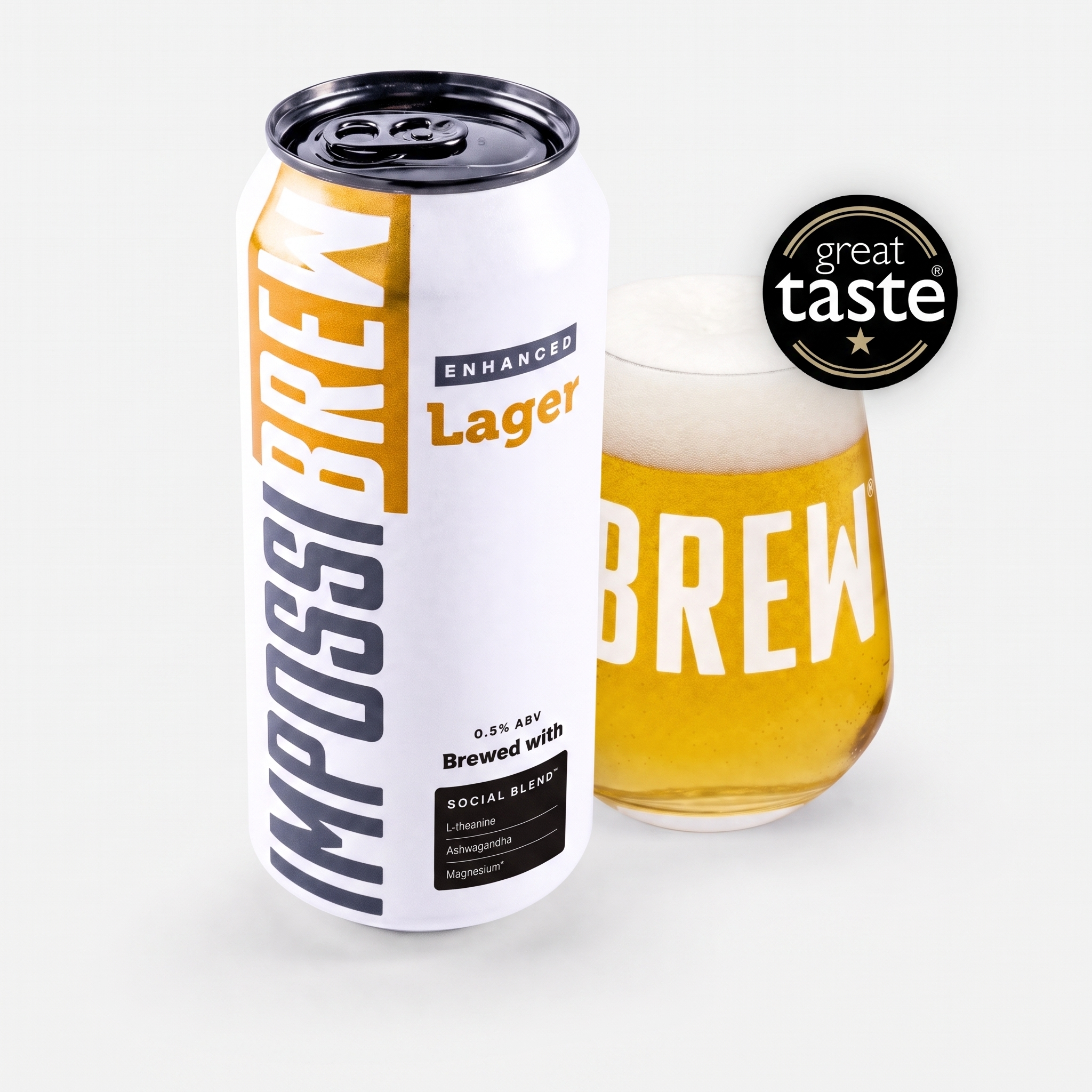
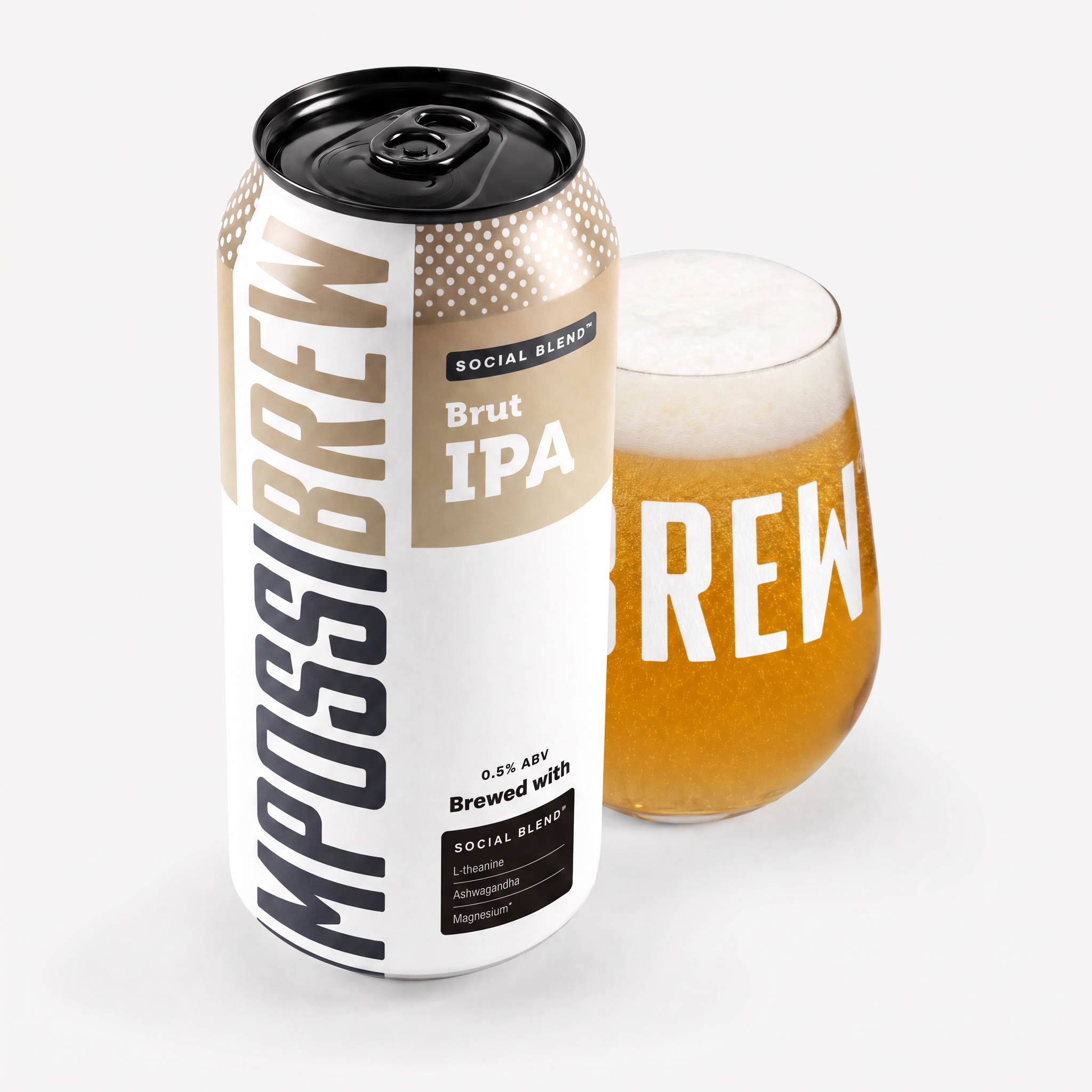
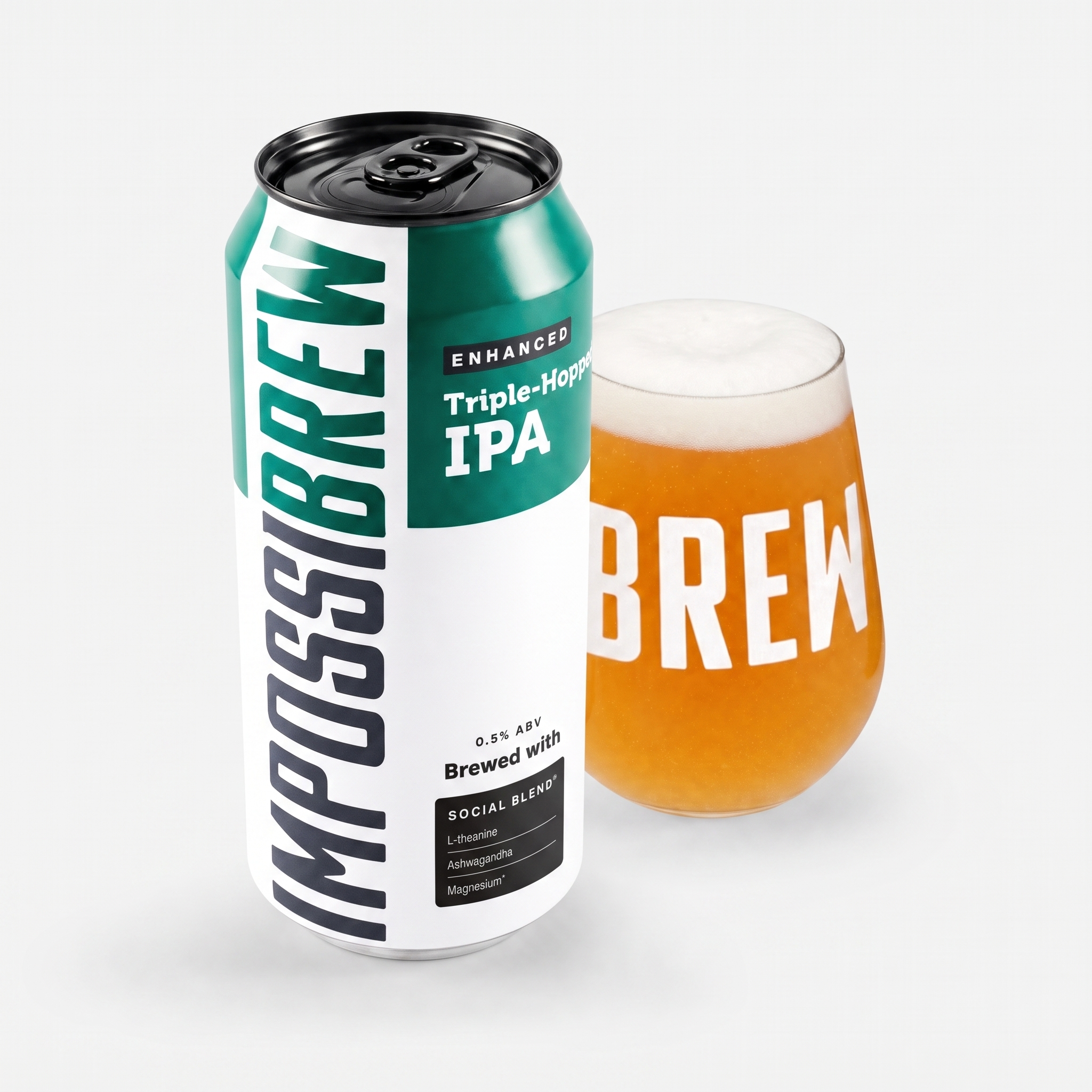
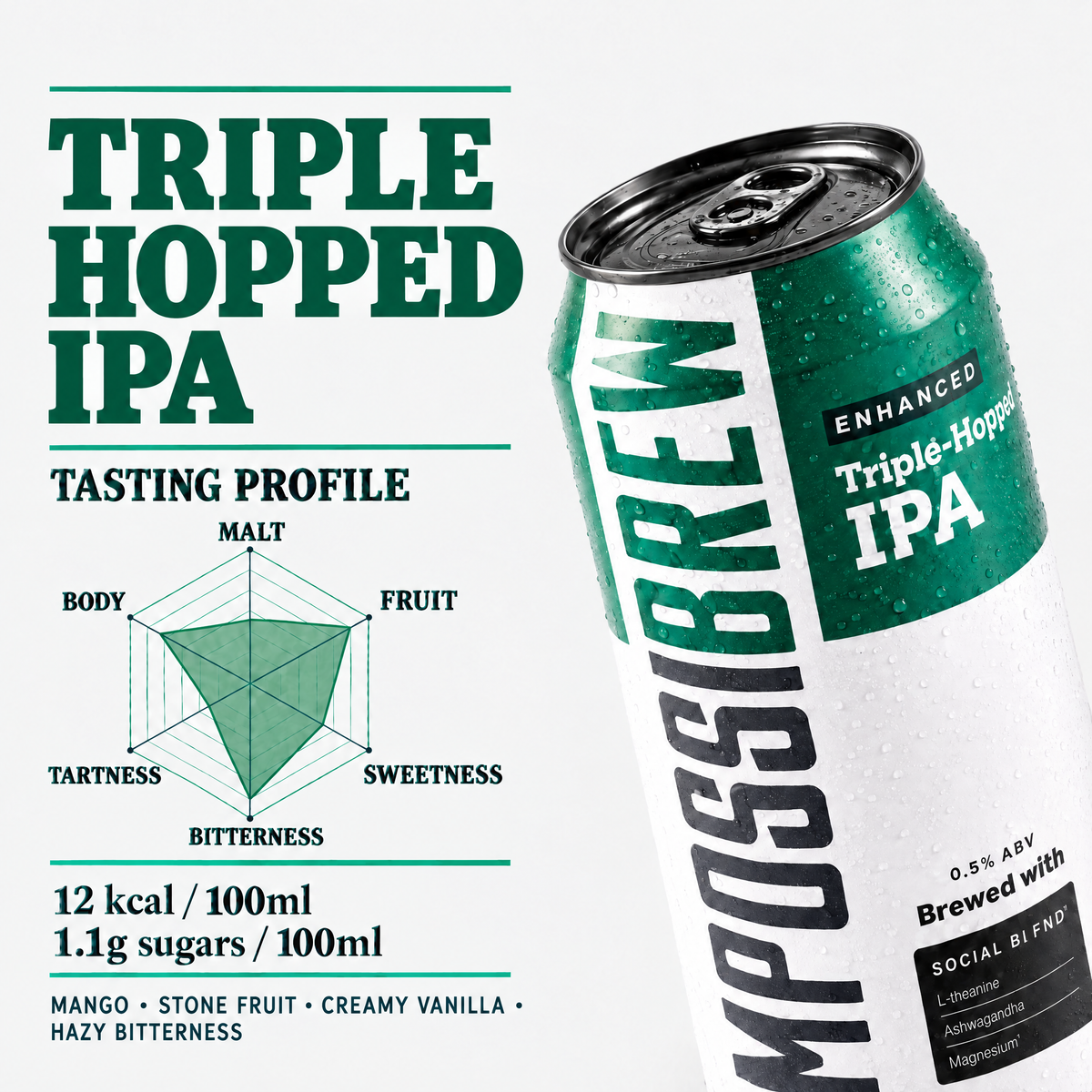
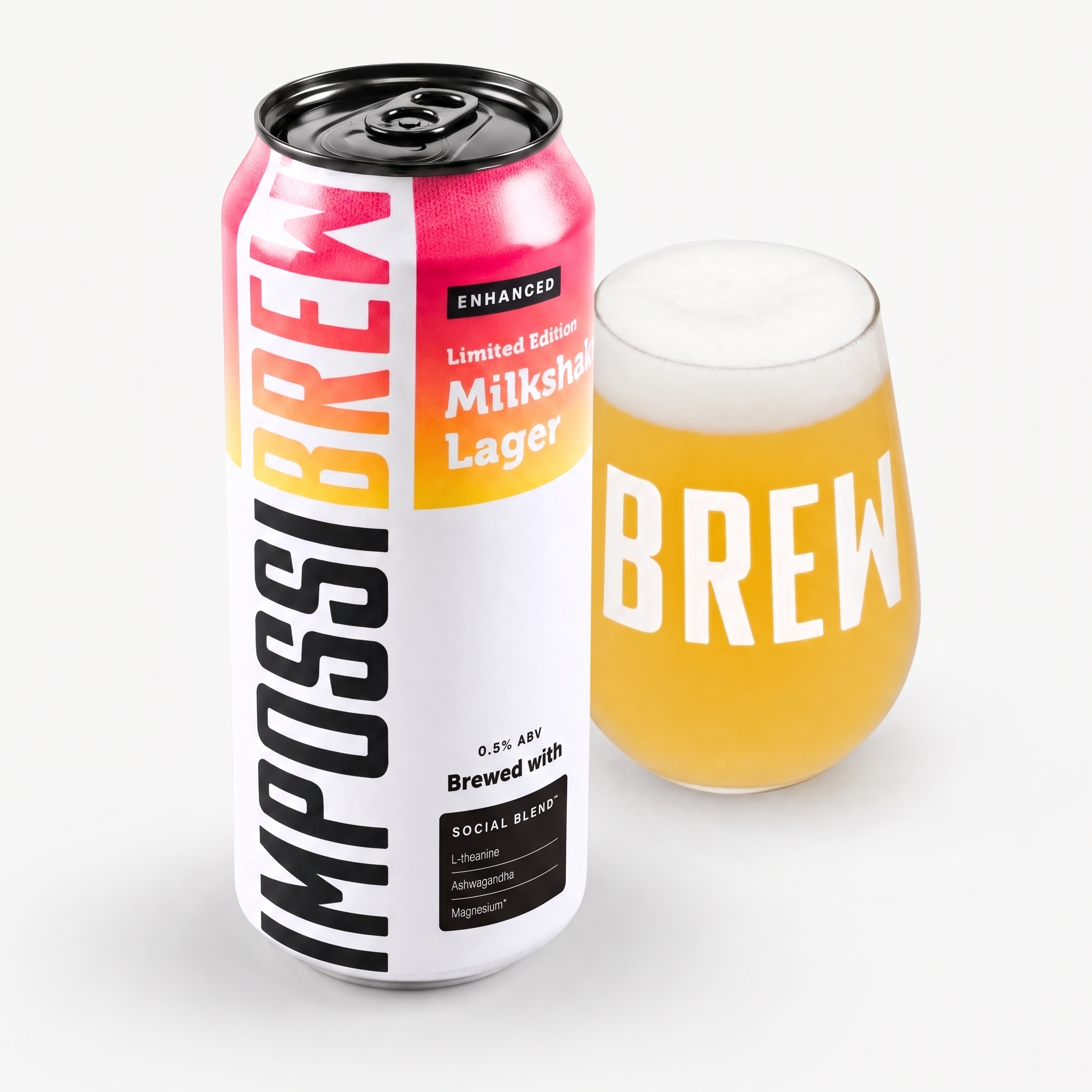
- Brands like IMPOSSIBREW® are leading the way, using hop oils and botanical blends to create award-winning non-alcoholic beers.
Hop oils are transforming the non-alcoholic beer industry, making these beverages flavourful and aromatic, without relying on alcohol.
Hop Oil Brewing Experiment - Using Hop Oils for Enhanced Aroma
Hop Oils: Components and Functions
Hop oils play a key role in shaping the aroma of both alcoholic and non-alcoholic beers.
Main Aroma Compounds
Hop oil aromas come from different chemical families, each contributing a distinct scent and flavour.
| Compound Family | Aroma Profile | Common Usage |
|---|---|---|
| Monoterpenes | Floral, citrus | Light lagers, pale ales |
| Sesquiterpenes | Woody, spicy | Dark ales, stouts |
| Esters | Fruity, sweet | Wheat beers, IPAs |
| Thiols | Tropical, zesty | Modern craft styles |
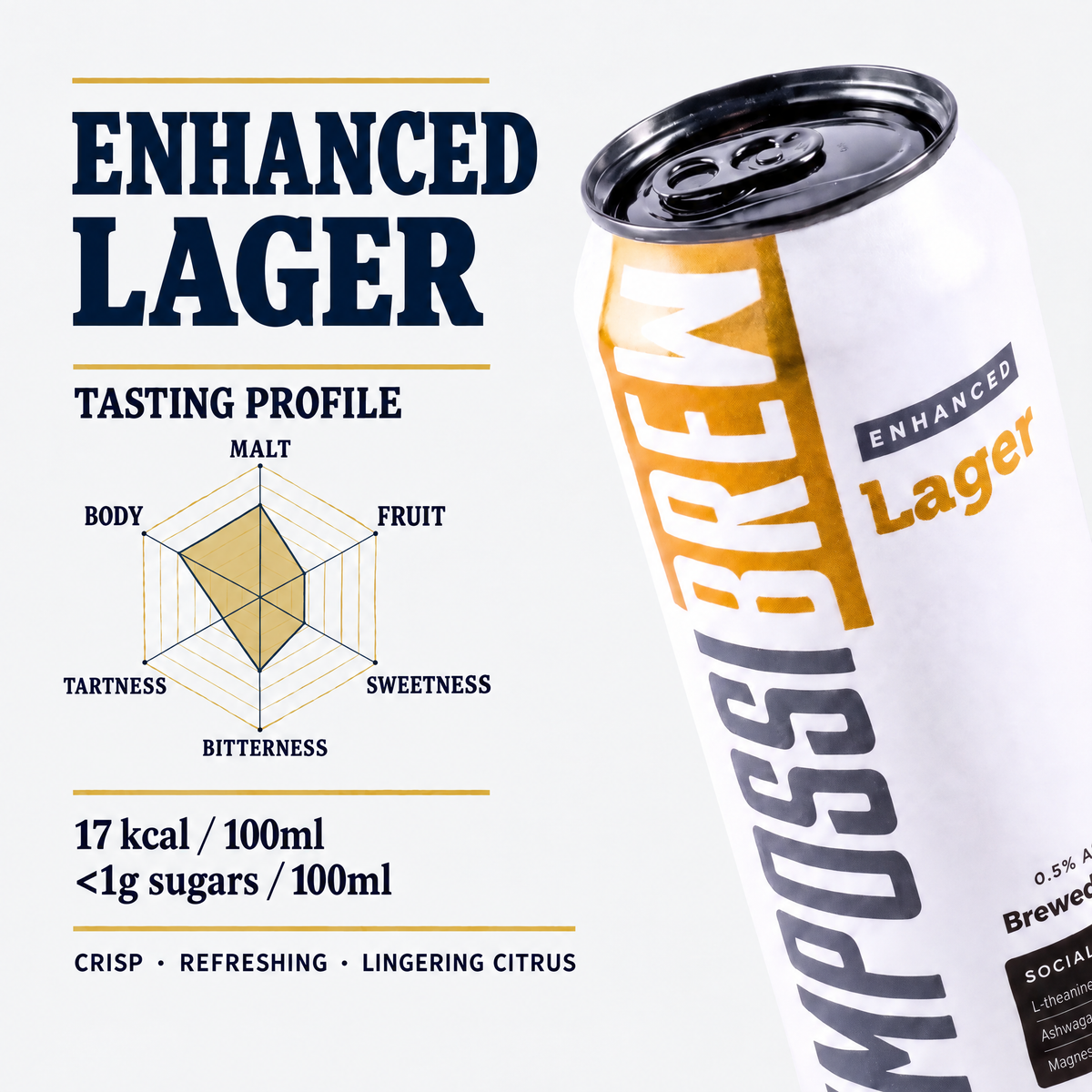
These compounds are especially important in non-alcoholic brewing, where the usual fermentation process presents unique hurdles. For example, IMPOSSIBREW®'s Enhanced Lager uses cryogenic fermentation to preserve these aroma compounds while staying alcohol-free.
Since hop oils behave differently in non-alcoholic systems, brewers must adapt their methods to achieve the desired flavour and aroma.
Regular vs Non-Alcoholic Beer
In traditional beers, alcohol helps dissolve and retain aroma compounds. Non-alcoholic beers, however, require alternative methods to achieve a similar effect.
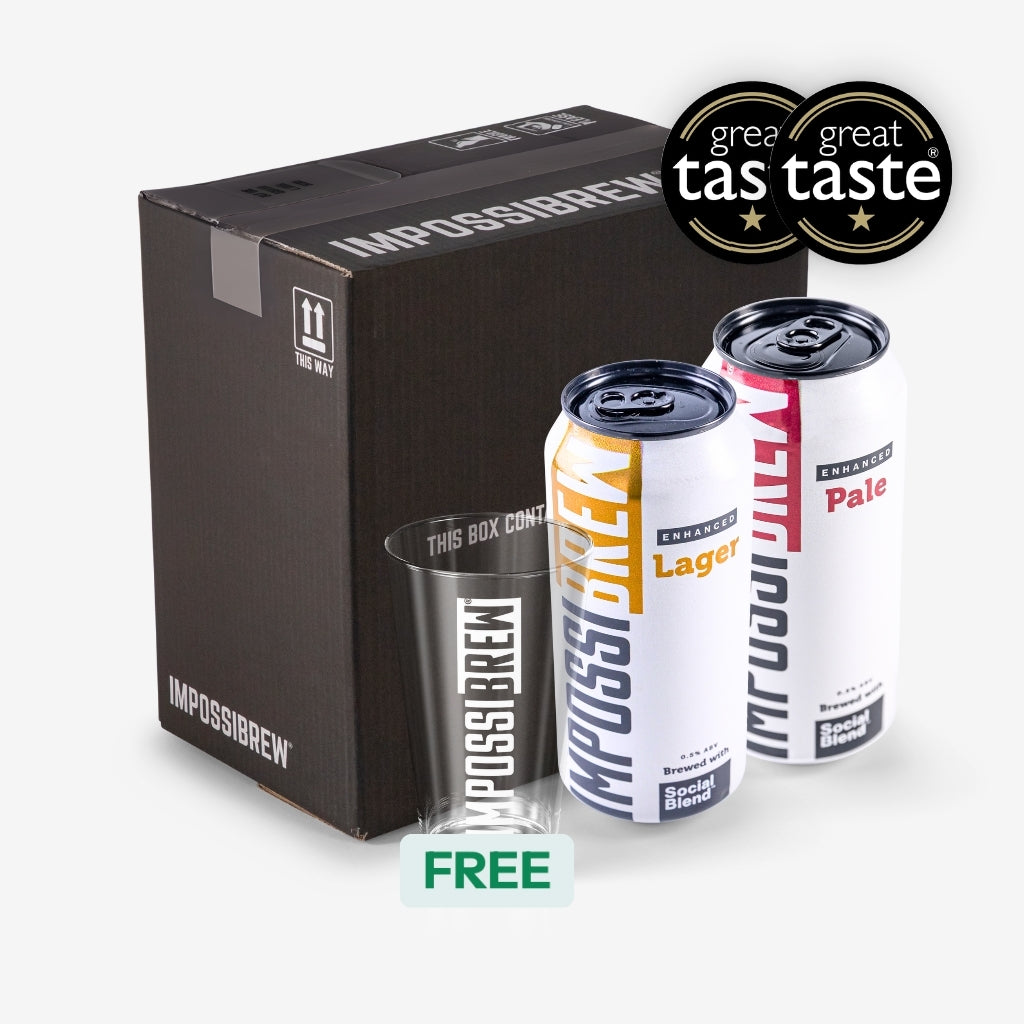
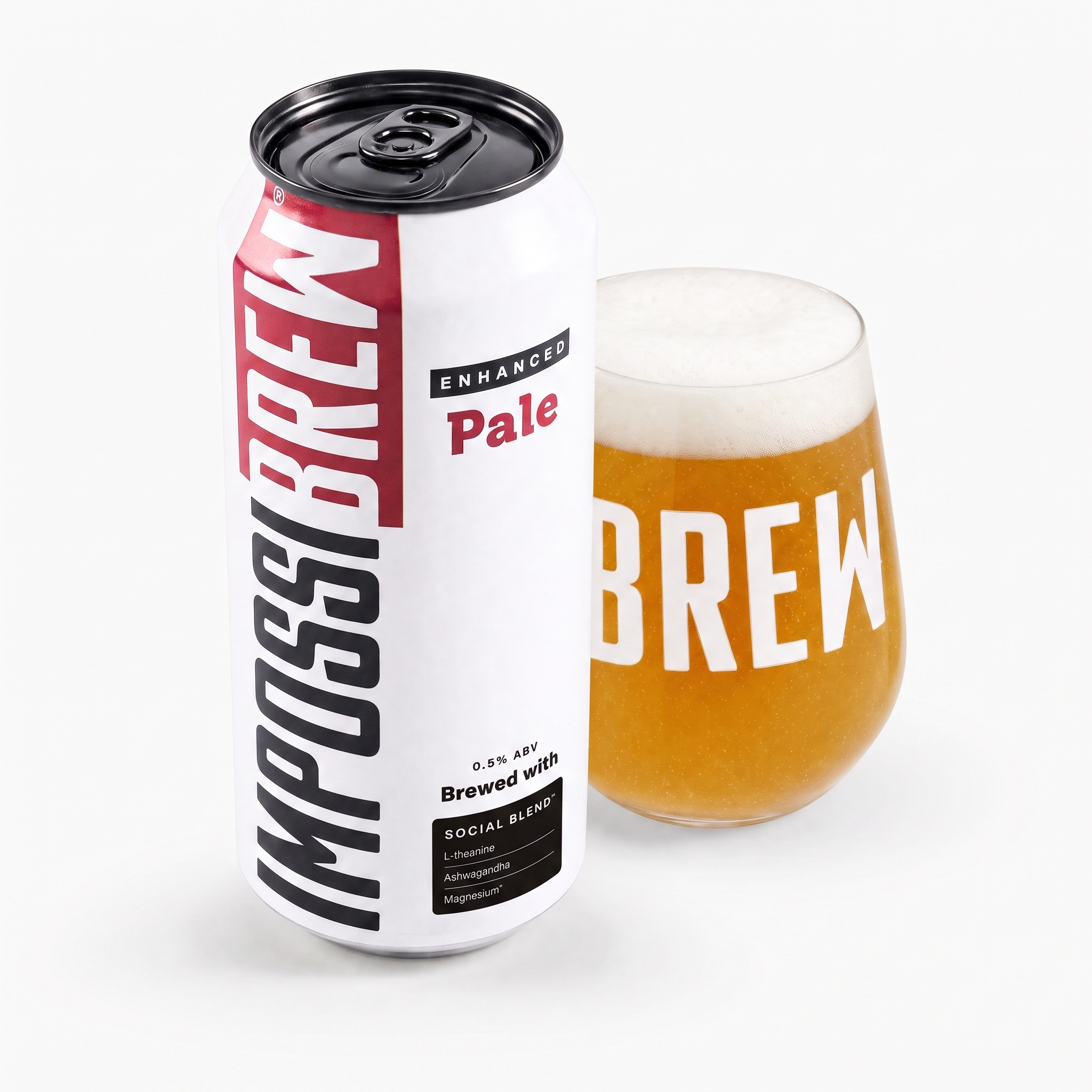
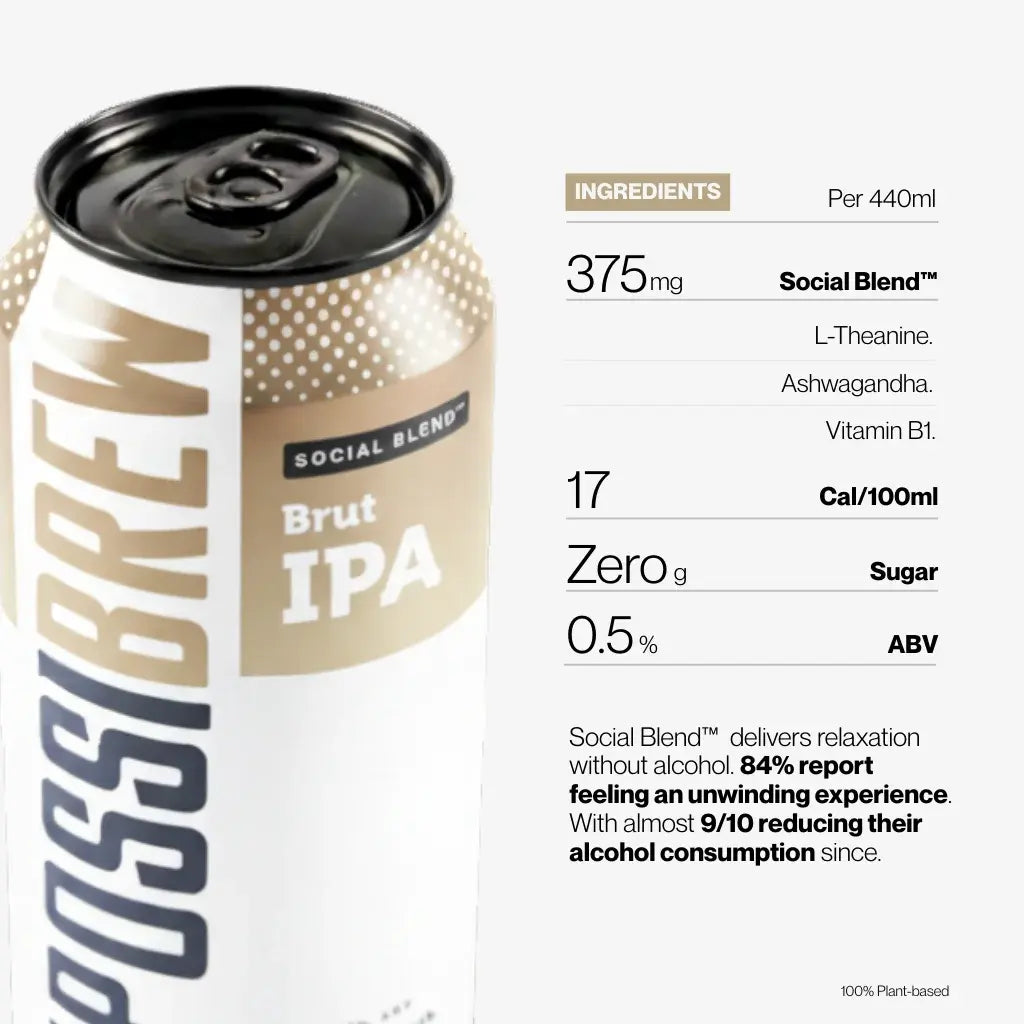
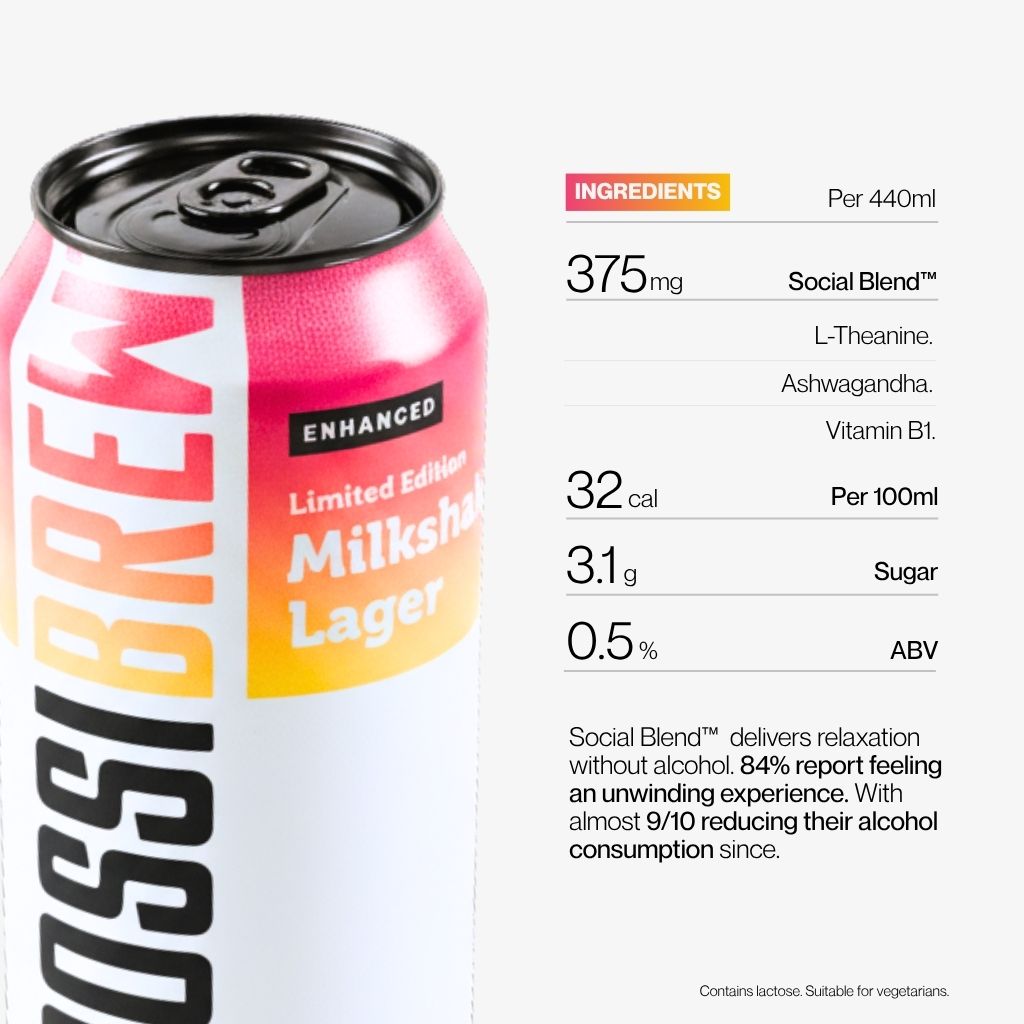
IMPOSSIBREW® tackles this challenge with its Social Blend™, a formula designed to enhance the sensory experience. This approach has earned IMPOSSIBREW® Lager & Pale recognition as the UK's best non-alcoholic beers at the World Beer Awards 2023 [1].
Understanding how hop oils behave in different brewing conditions is key to recreating the rich, complex aromas found in traditional beers.
Hop Oil Extraction Methods
In non-alcoholic brewing, extracting and adding hop oils with precision is crucial. Modern techniques make it possible to extract delicate hop oils while maintaining consistency in flavour and aroma.
Extracting Oils from Hops
Brewers rely on a variety of methods to extract hop oils, each designed to highlight specific aroma characteristics. While steam distillation is still widely used, newer methods like CO₂ extraction operate at lower temperatures, which helps preserve sensitive compounds. Other techniques, such as cold pressing and ethanol extraction, are chosen depending on the desired flavour profile. These processes ensure the extracted oils are ready for precise use in brewing.
Incorporating Oils During Brewing
In non-alcoholic brewing, hop oils are added in multiple stages. An initial addition at a controlled temperature creates a strong aroma foundation. Later, a cooler addition helps retain more delicate notes. Strict temperature management throughout the process reduces the loss of volatile compounds.
Since hop oils are less soluble in water, brewers use specialised emulsification techniques to ensure the oils are evenly distributed in the brew. This attention to detail ensures the final product achieves the desired balance of flavour and aroma.
sbb-itb-a752bf8
Testing Aroma in Non-Alcoholic Beer
Aroma testing plays a crucial role in ensuring non-alcoholic beers deliver the sensory experience of their alcoholic counterparts. Breweries today use advanced methods to keep hop oil aromas consistent and maintain high-quality standards.
Common Aroma Types
Non-alcoholic beers often showcase a variety of aroma profiles that brewers carefully balance. These typically include floral, citrus, herbal, fruity, and earthy notes. Maintaining these aromas is critical during both brewing and storage.
To evaluate these profiles, brewers often rely on a standardised aroma wheel. This tool helps categorise and assess different scent characteristics. Here's a breakdown of key aroma categories, their common notes, and the typical compounds responsible:
| Aroma Category | Common Notes | Typical Source Compounds |
|---|---|---|
| Floral | Rose, Geranium, Lavender | Geraniol, Linalool |
| Citrus | Grapefruit, Orange, Lemon | Limonene, Citral |
| Herbal | Sage, Thyme, Mint | Myrcene, Humulene |
| Fruity | Tropical, Stone Fruit, Berry | Esters, Terpenes |
| Earthy | Pine, Wood, Grass | Alpha-pinene, Beta-pinene |
These categories help brewers measure volatile compounds accurately and ensure the beer's aroma remains stable.
Aroma Testing Equipment
To analyse hop oil aromas, breweries use a mix of high-tech tools and sensory evaluations. Gas chromatography-mass spectrometry (GC-MS) is commonly used to identify volatile compounds, while trained panels perform sensory tests to complement the data.
Some breweries, such as IMPOSSIBREW®, combine cryogenic fermentation with their proprietary Social Blend™ to preserve and enhance aroma [1].
Common tools for aroma testing include:
- Electronic noses: Devices equipped with sensors to detect and measure specific aroma compounds.
- Spectrophotometers: Instruments that assess light absorption to determine oil concentrations.
- Climate-controlled tasting rooms: Spaces designed to provide consistent environments for sensory evaluations.
Hop Oil Problems and Solutions
Maintaining the quality of hop oils is key to replicating classic beer aromas in non-alcoholic brews, especially after aroma testing.
Preserving Hop Oils
To avoid oxidation and off-flavours, hop oils need careful storage. Brewers manage factors like temperature, light, oxygen, and humidity using advanced climate systems. One method, cryogenic fermentation, helps safeguard the integrity of hop oils without relying on alcohol. After preservation, these oils must integrate smoothly with other flavours.
Combining Hop Oils with Other Ingredients
Achieving a balanced flavour profile requires blending hop oils with the right ingredients. Adding hop oils at specific stages while keeping temperatures and ingredient ratios in check helps bring out the desired notes. A great example is IMPOSSIBREW®'s Social Blend™, which marries traditional brewing techniques with botanical extracts to create a well-rounded flavour [1].
Conclusion: Next Steps for Hop Oils
Current Market Leaders
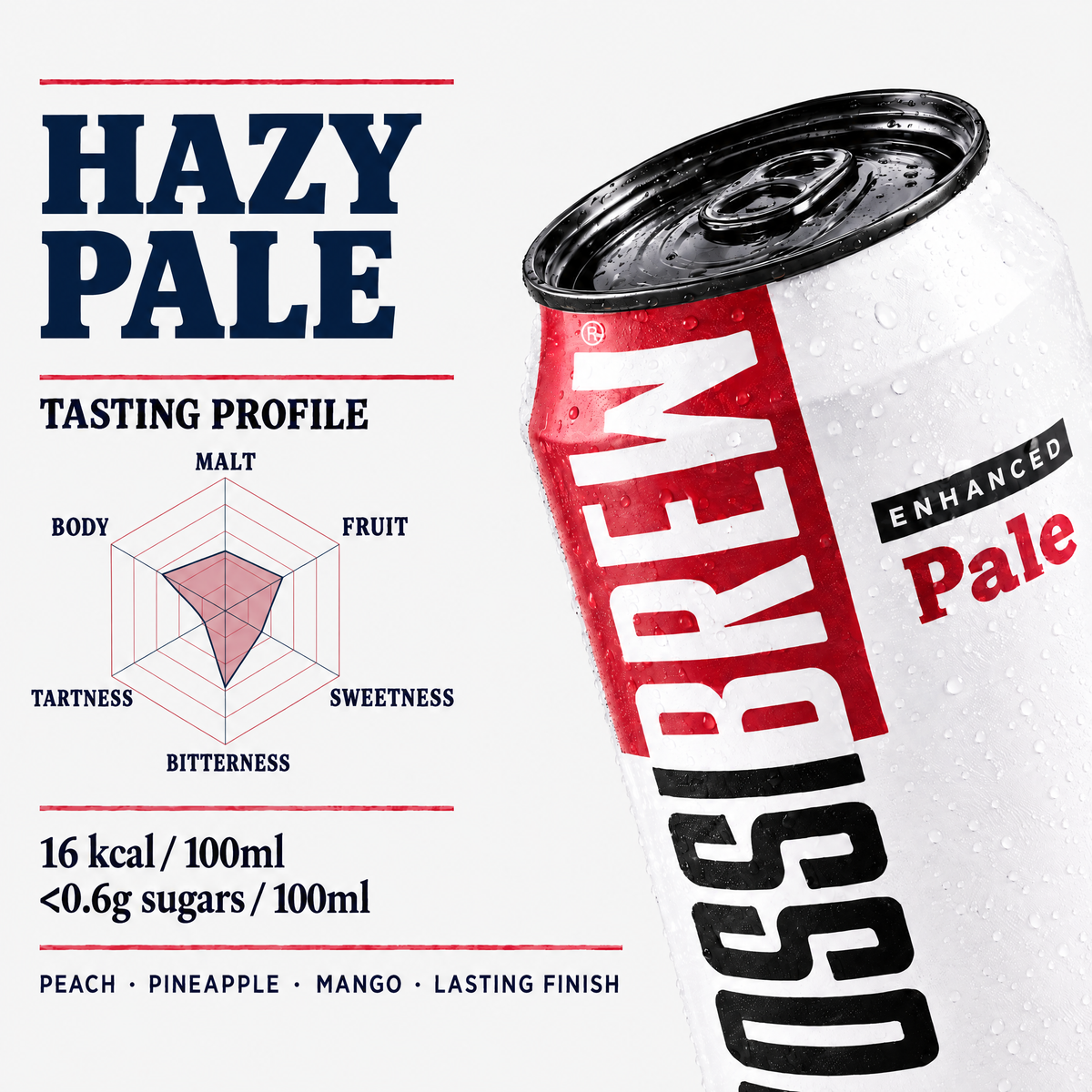
The non-alcoholic beer industry is making strides in using hop oils to improve flavour and aroma. IMPOSSIBREW® stands out with its unique cryogenic fermentation method and its proprietary Social Blend™, designed to mimic the sensory qualities of traditional beer while preserving hop oils effectively. Their Enhanced Lager and Enhanced Pale Ale were recognised as the UK's Best Non-Alcoholic Beer at the 2023 World Beer Awards [1]. These developments are setting the stage for further advancements in the sector.
Non-Alcoholic Beer Market Growth
The popularity of non-alcoholic options continues to rise. According to market data, 88% of IMPOSSIBREW® customers reported cutting back on alcohol, and 95% would recommend the brand to others [1]. With options as low as 6 calories per 100ml, brewers are exploring new ways to use hop oils to boost flavour and aroma. These ongoing improvements are shaping the future of non-alcoholic beer production.