
Functional beers are reshaping the way we think about beer. These no- or low-alcohol drinks combine the social and sensory experience of beer with added wellness benefits. Their secret? Carefully selected bioactive ingredients like herbal extracts, plant compounds, and fruits. The brewing process, from boiling to fermentation, transforms these ingredients to maximise their effects, whether it’s boosting antioxidants, improving flavour, or supporting relaxation.
Here’s what stands out:
- Functional Ingredients: Examples include L-theanine and ashwagandha for stress relief, or eggplant peel extract for antioxidants.
- Ingredient Interactions: Brewing techniques influence how compounds develop, such as when olive leaf extract boosts cardiovascular-supporting compounds.
- UK Market Growth: Functional beers align with the trend towards healthier, alcohol-free options.
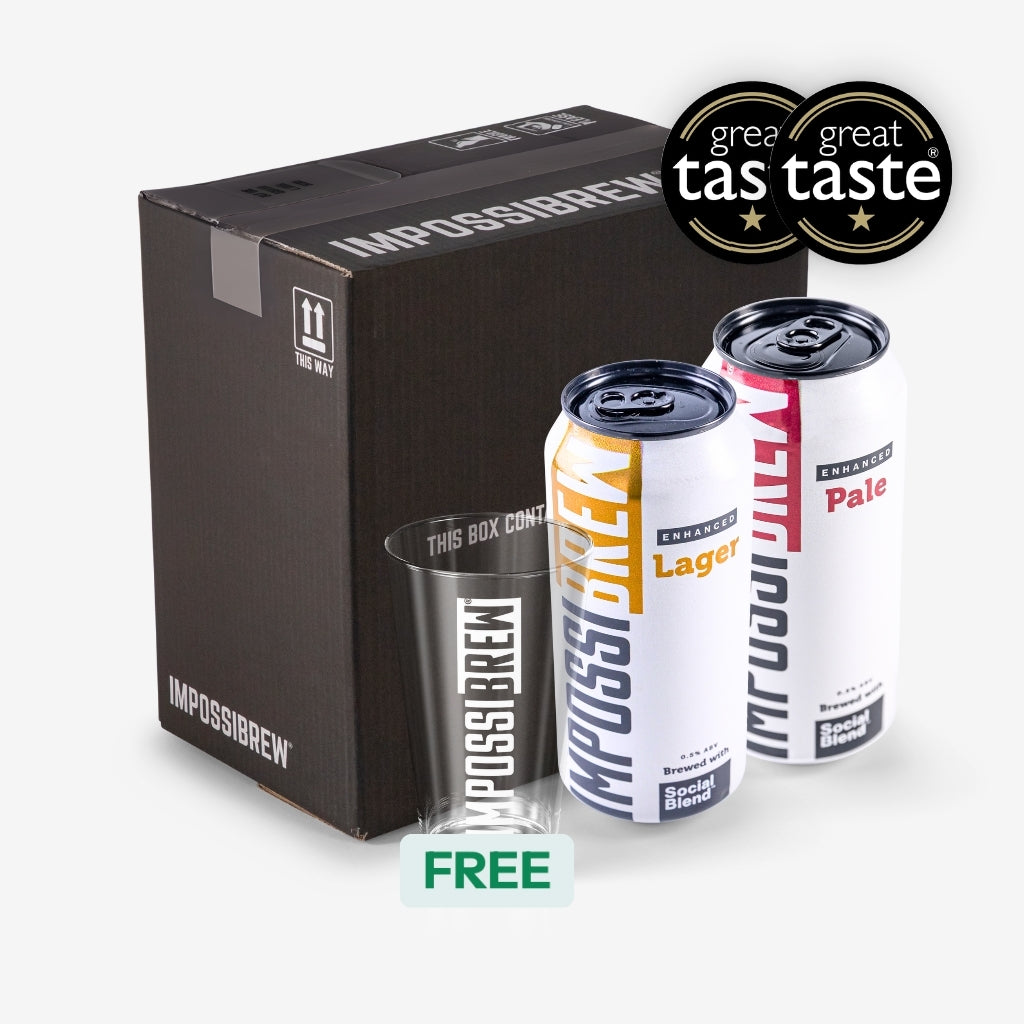
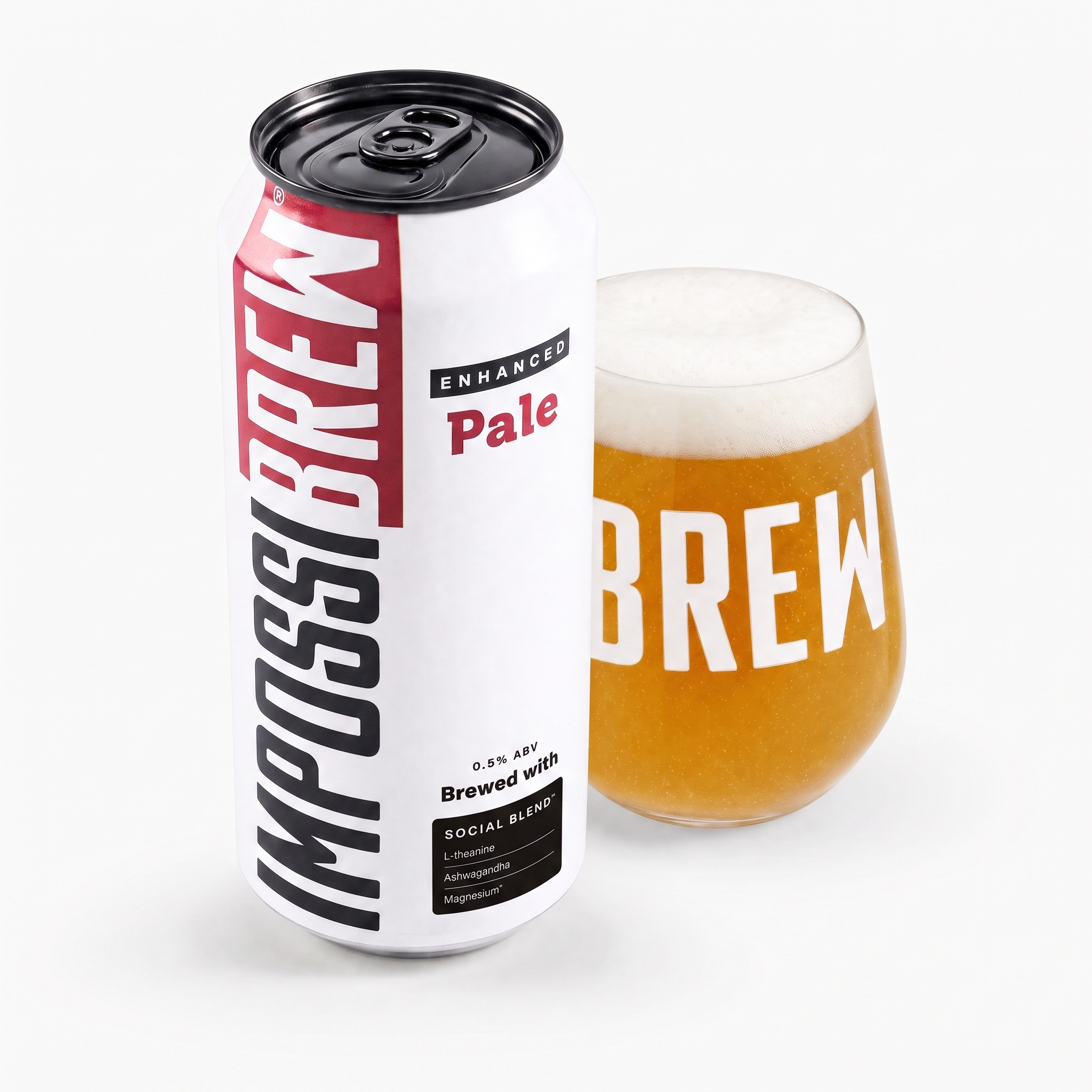
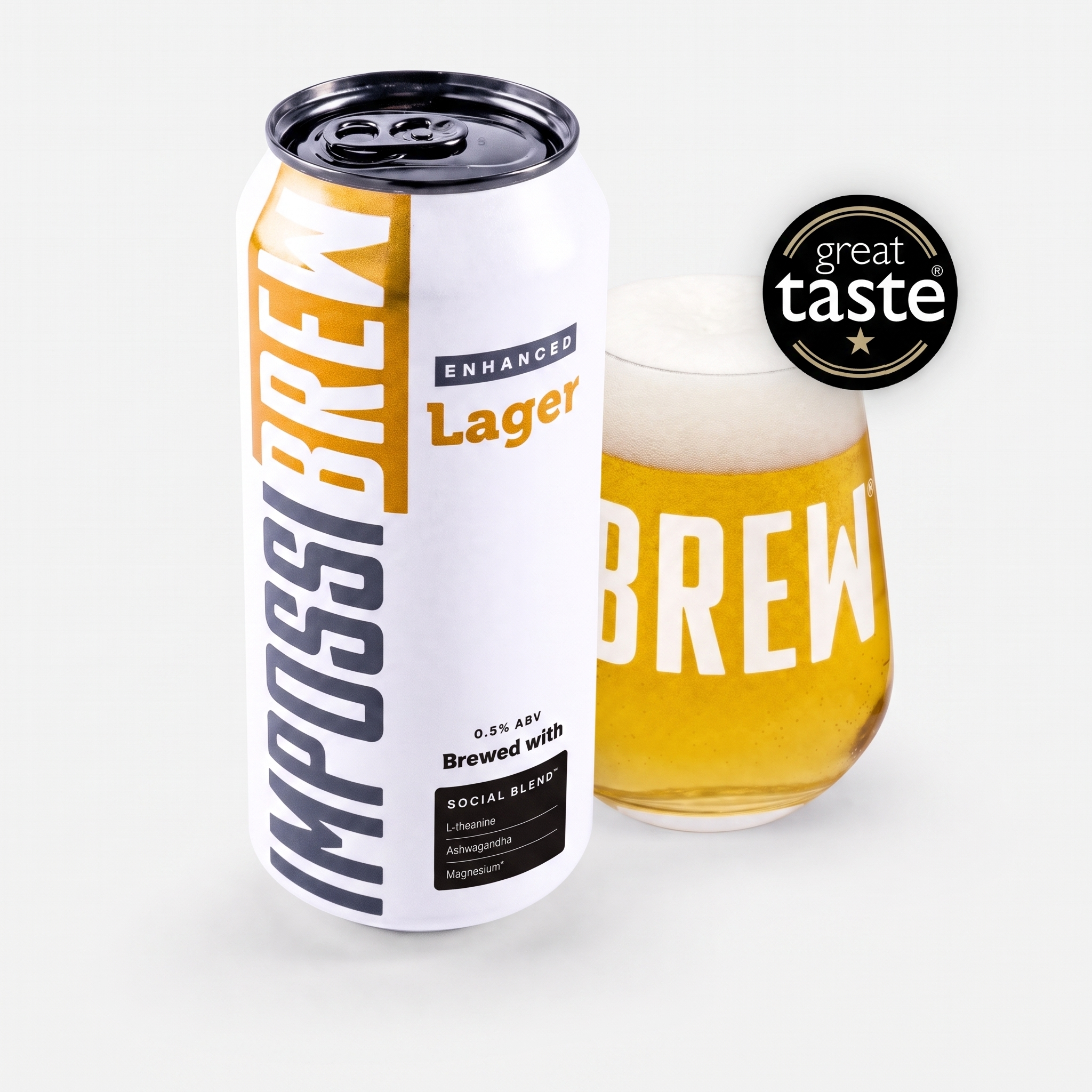
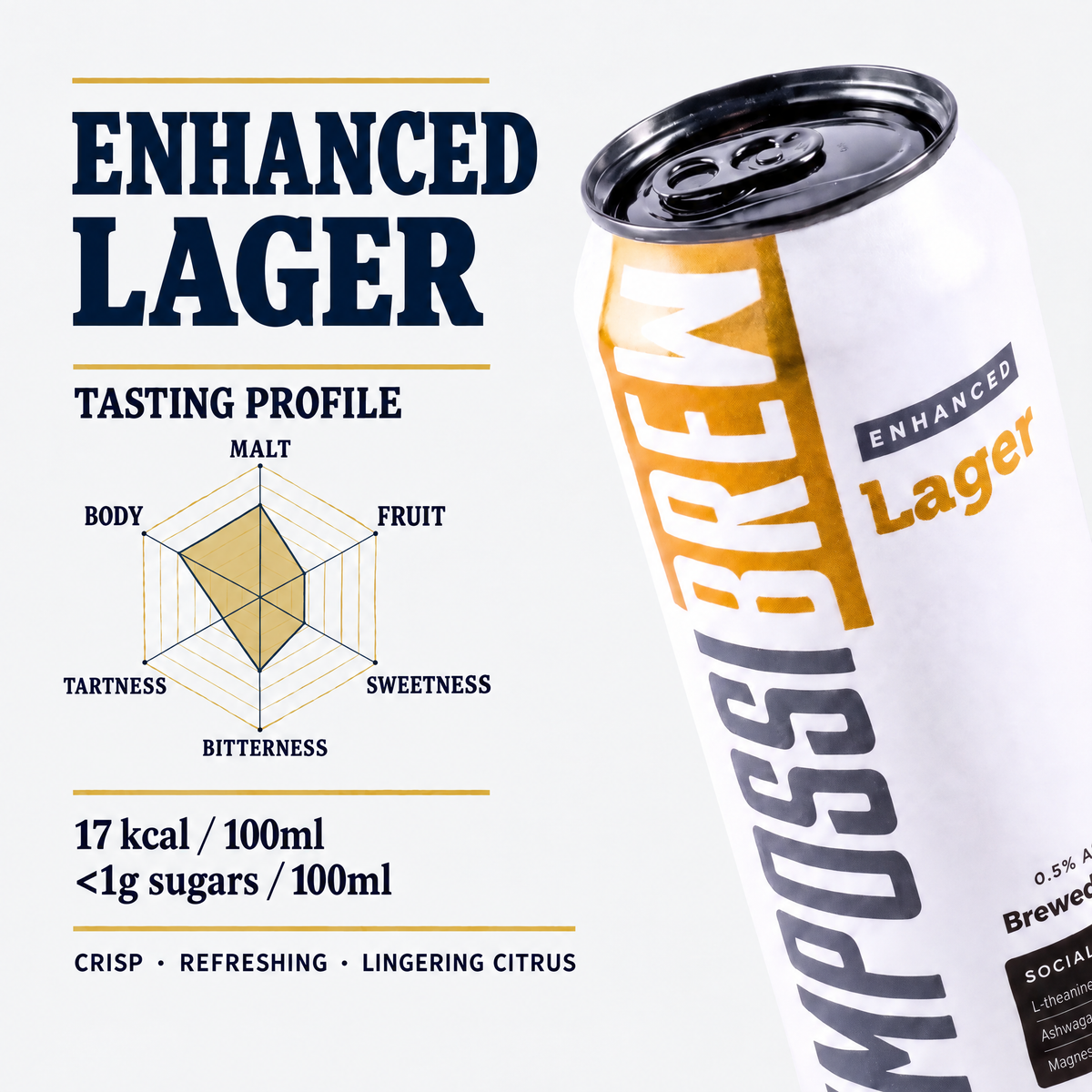
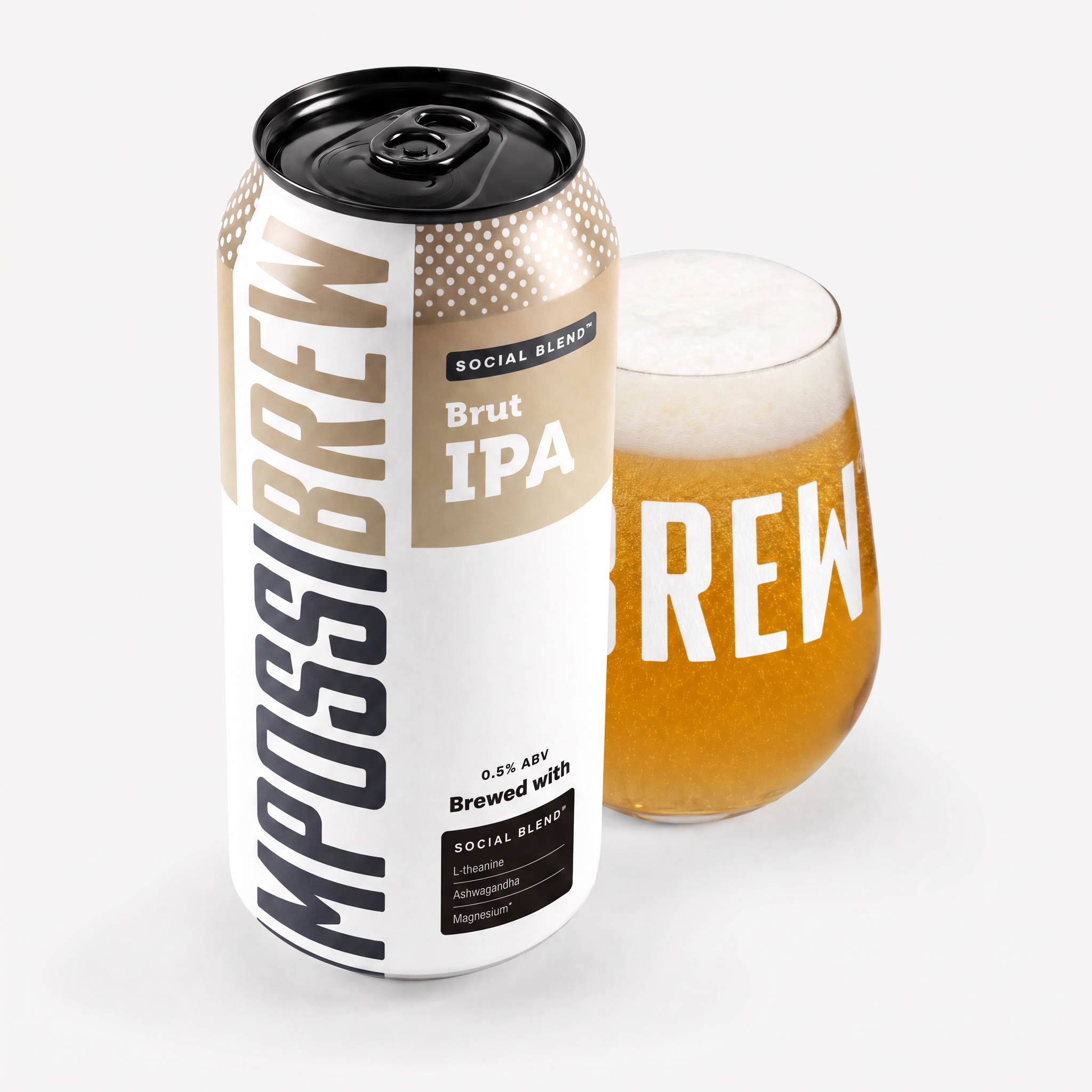
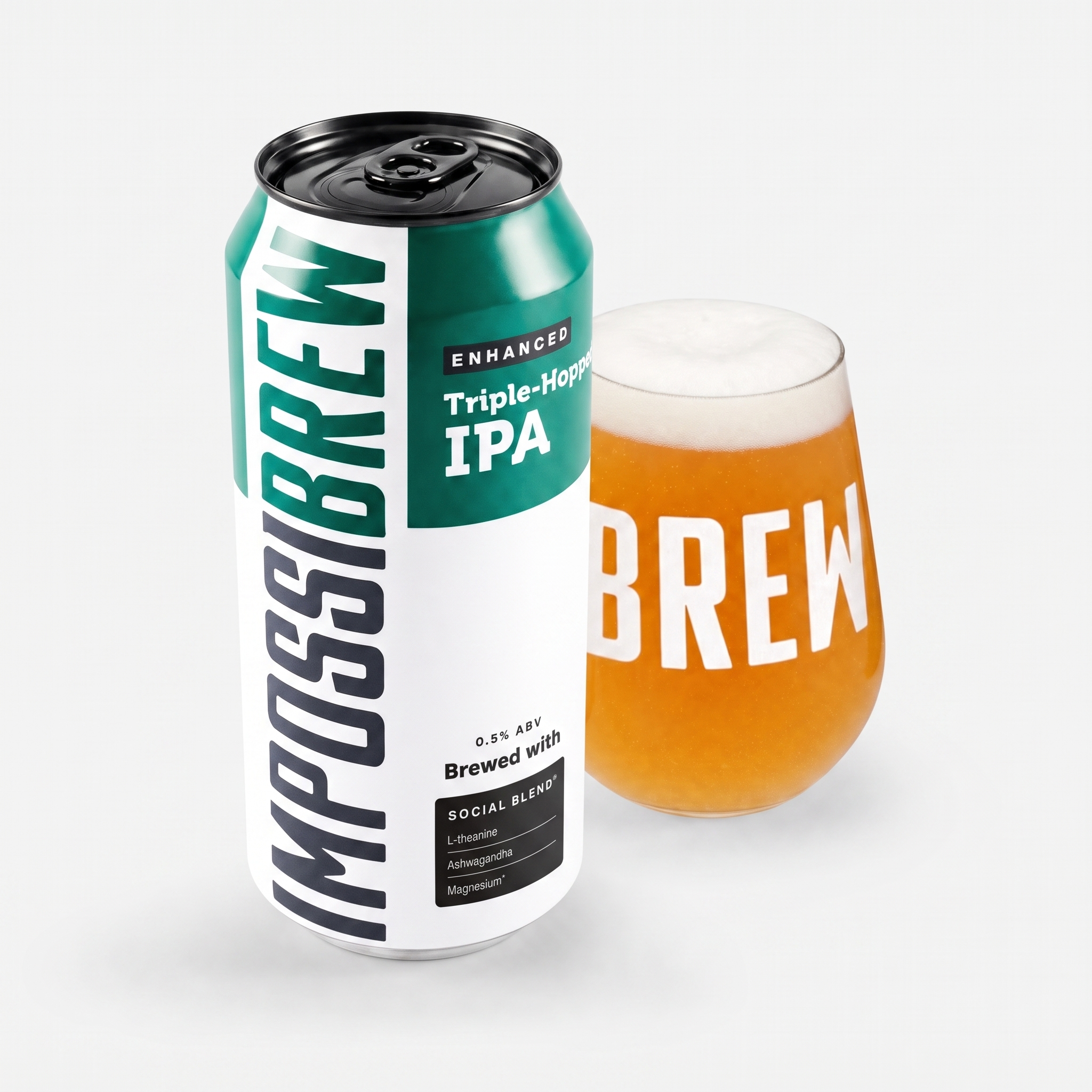
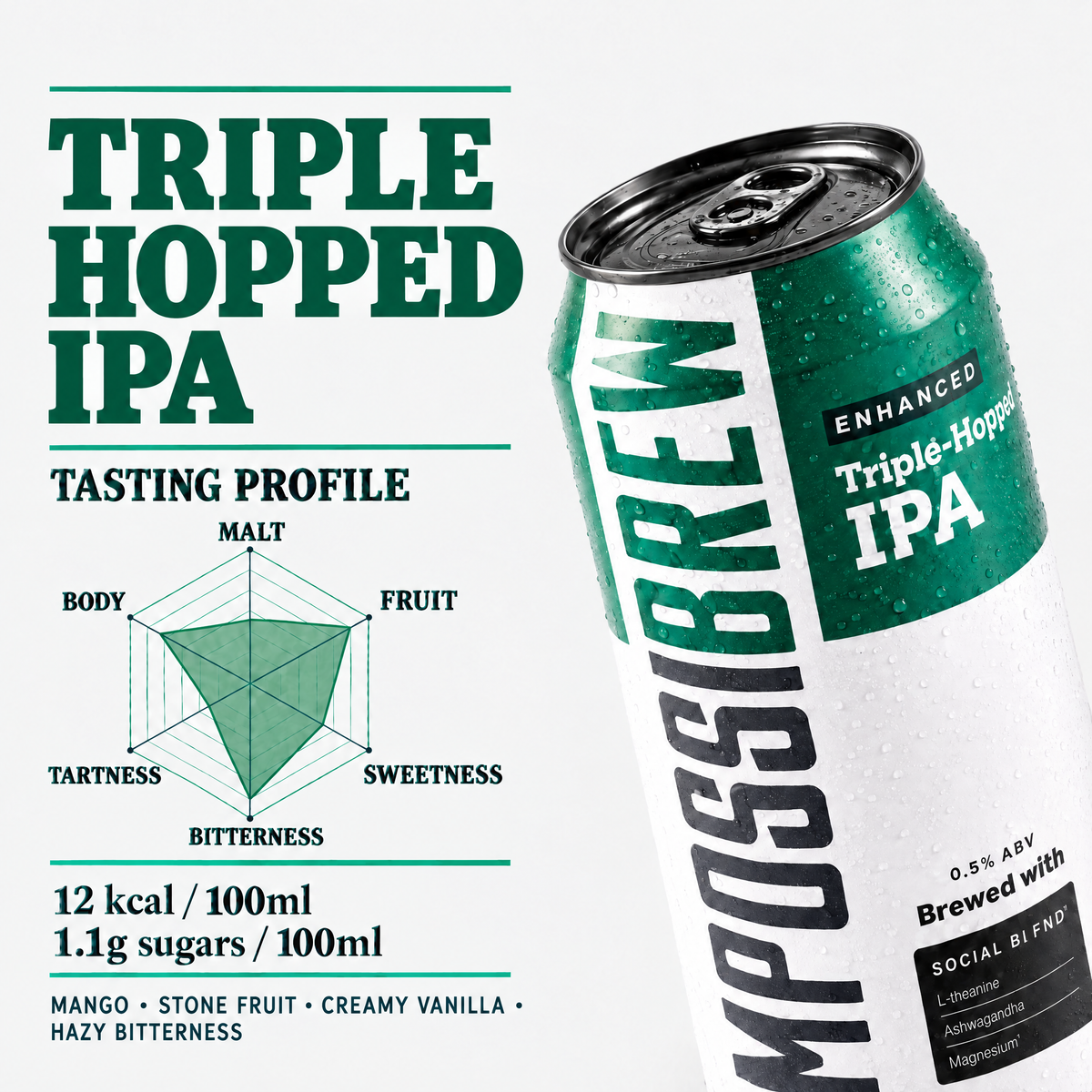
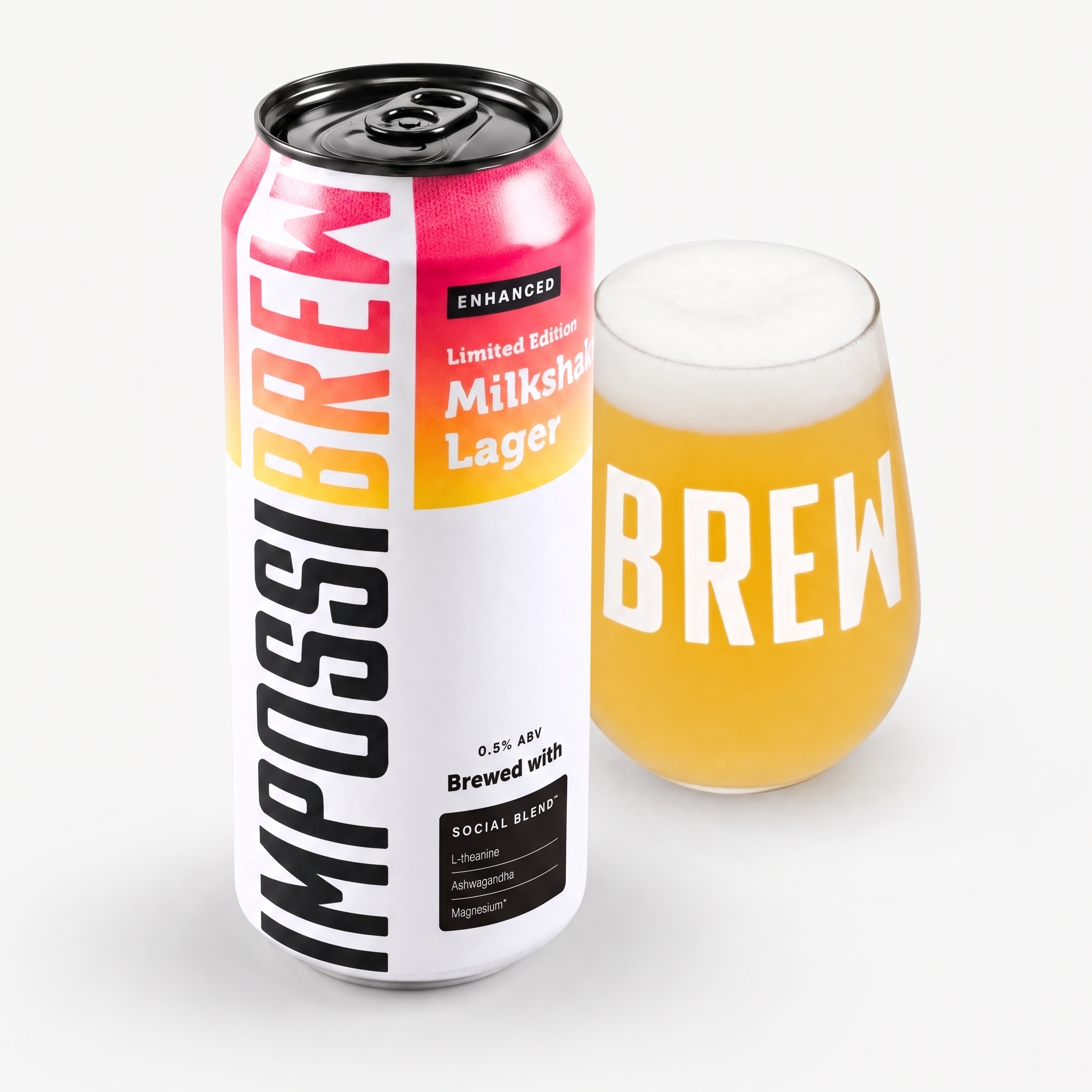
Brands like IMPOSSIBREW® are leading the charge with blends like Social Blend™ that mimic traditional beer experiences while offering added benefits. The future of functional beers lies in balancing health benefits, taste, and stability, driven by ongoing research and consumer demand.
Main Functional Ingredients and What They Do
Types of Functional Ingredients
Functional beers are crafted with bioactive ingredients that go beyond the usual brewing components, offering wellness benefits alongside great taste. These ingredients can be grouped into a few major categories, each bringing something special to the table.
Herbal extracts like ashwagandha and L-theanine are known for their stress-relieving properties. They also contribute to the beer's smooth texture. Adaptogens and nootropics in this category not only support mood but also add subtle layers of flavour to the brew.
Fruits and plant-based compounds are popular additions in functional beer research. For example, eggplant peel extract can significantly boost antioxidant content, while also adding a fresh, fruity aroma. These ingredients deliver a dual benefit: they enhance both wellness and sensory appeal.
Specialised plant compounds target specific health outcomes. For instance, adding spruce knot chips or extracts during the wort boiling stage can increase lignan levels to 34–174 mg/L[3]. Similarly, olive leaf added at 5–10 g/L boosts oleuropein and 3-hydroxytyrosol levels, compounds known for their cardiovascular benefits. However, it’s worth noting that using too much can affect the beer's flavour profile[3].
The timing of ingredient inclusion is critical. For example, adding certain adjuncts during the wort boiling phase ensures maximum extraction of phenolic compounds, which are rich in antioxidants[2]. This highlights how precise brewing techniques can directly enhance the health benefits of the final product.
Together, these ingredients lay the groundwork for advanced blends designed to amplify both wellness and taste.
Ingredients in Proprietary Blends
Proprietary blends take these functional ingredients to the next level, combining them in ways that maximise both their health benefits and flavour. These carefully crafted formulations ensure a consistent experience that feels greater than the sum of their parts.
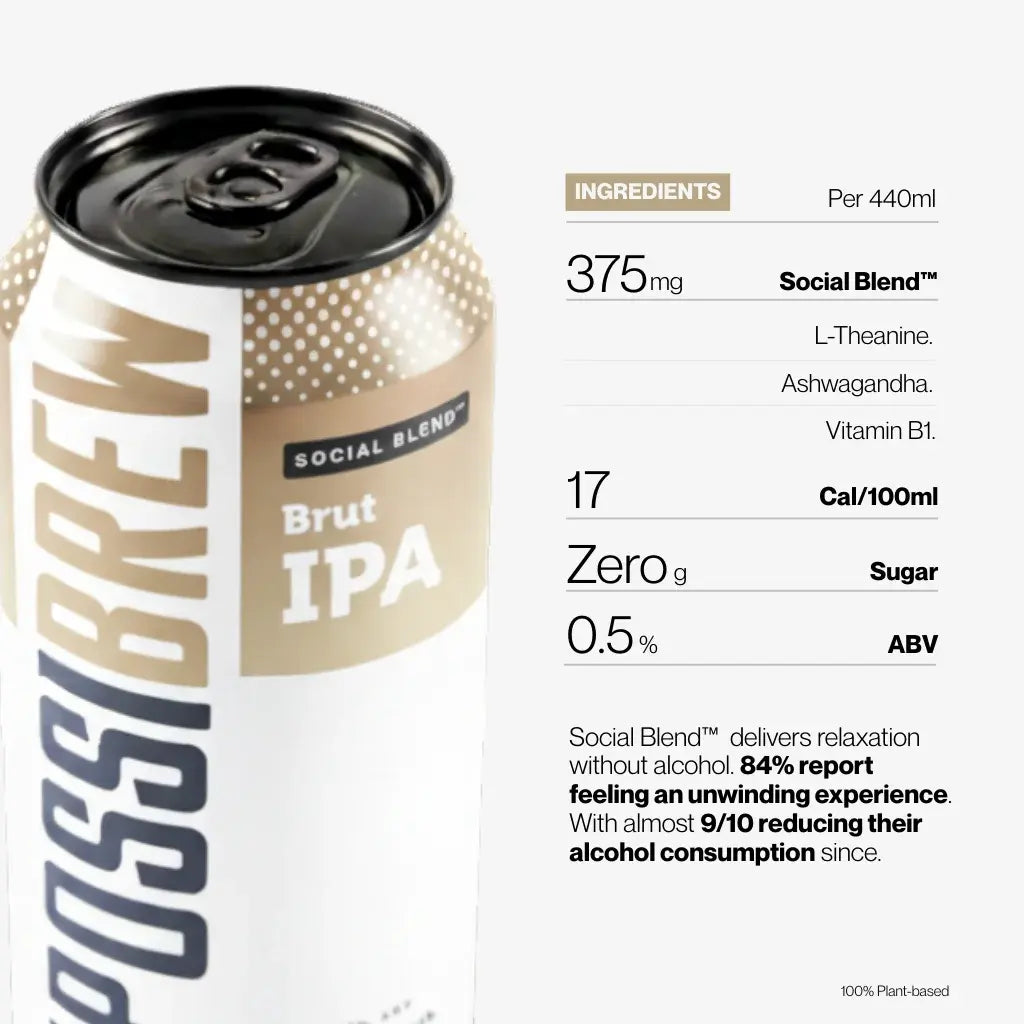
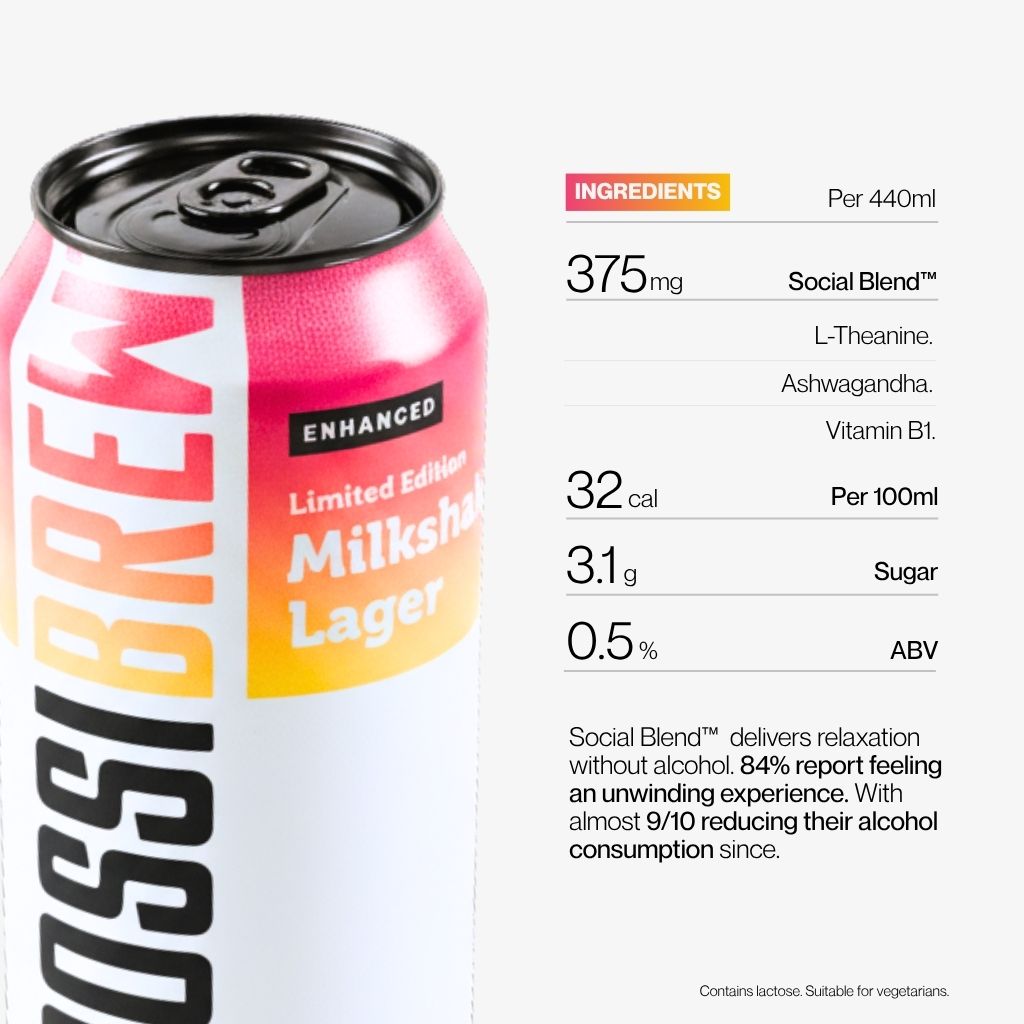
One standout example is IMPOSSIBREW®'s Social Blend™, which is designed to replicate the social and sensory effects of traditional beer - but without the downsides of alcohol. Developed in partnership with Dr Paul Chazot, a leading bioscience expert from Durham University, this blend uses science-backed ingredients like L-theanine and ashwagandha. The result? A patent-pending formula that delivers relaxation and mood support without unwanted side effects.
Social Blend™ is supported by 52 randomised, double-blind studies[1]. A key 2025 study involving over 2,000 participants revealed that 84% felt more relaxed after trying Social Blend™, and over 70% experienced general relaxation benefits. On top of that, 88% of IMPOSSIBREW® users reported cutting back on alcohol since discovering the product[1].
To maintain the balance of taste, stability, and bioactivity, proprietary blends rely on precise ingredient selection, fine-tuned brewing conditions, and rigorous quality control measures. These steps ensure that the active compounds remain effective and that the beer tastes as good as it is functional.
Ultimately, the magic of these blends lies in their ability to combine multiple functional ingredients without sacrificing flavour. They prove that it’s possible to enjoy a beer that’s as beneficial as it is delicious.
| Ingredient Type | Main Functionality | Example Compound/Extract | Health Benefit | Sensory Impact |
|---|---|---|---|---|
| Herbal Extracts | Relaxation, flavour | Ashwagandha, L-Theanine | Stress relief, mood support | Earthy, herbal notes |
| Fruits | Antioxidant, flavour | Eggplant peel, berries | Increased polyphenols | Fruity, fresh aroma |
| Plant-based Compounds | Gut health, antioxidant | Isoxanthohumol, lignans | Gut barrier integrity, reduced oxidative stress | Subtle bitterness, complexity |
| Nootropics | Cognitive enhancement | L-Theanine | Focus, relaxation | Umami, smoothness |
Episode #58: Quarantine Edition | Functional Beer with Rally Beer Co. | Adjunct Series
How Ingredients Interact and Work Together
In the world of functional beers, the magic lies in how ingredients interact during brewing. These interactions drive the creation of beverages that are both flavourful and packed with functional benefits. Let's delve into the chemical processes and ingredient pairings that make this possible.
Chemical Processes in Brewing
Every stage of brewing offers a chance for functional ingredients to work their magic. Take the boiling stage, for example. Adding olive leaf extract during this phase triggers hydrolysis, converting oleuropein into more bioactive and palatable forms[3]. Similarly, using spruce knot chips during wort boiling can significantly boost lignan content to levels between 34 and 174 mg/L. If these chips are added later, the extraction is far less effective[3]. Boiling at high temperatures is key to maximising the release of phenolic and bioactive compounds.
As brewing progresses into fermentation and maturation, functional compounds undergo further transformation and stabilisation. These processes not only refine the beer’s flavour but also enhance its bioactive properties. Malt enzymes and hop-derived iso-alpha acids, for instance, contribute to better flavour, balanced bitterness, and improved foam stability.
With these chemical transformations as a foundation, carefully chosen ingredient pairings can elevate both the flavour profile and functional benefits of the beer.
How Ingredient Pairing Creates Better Effects
Strategic ingredient pairing is where functional beers truly shine. Polyphenolic compounds, primarily derived from malt (around 75%) and hops (about 25%), form the core of a beer’s antioxidant activity[4][5]. When these compounds are paired with additional plant extracts, the results can be remarkable. For example, adding eggplant peel extract to beer increased its total phenolic content from 0.426 to 0.631 mg/mL, while flavonoid levels rose from 0.065 to 0.171 mg/mL[3].
Proprietary blends, like IMPOSSIBREW®'s Social Blend™, demonstrate how combining ingredients can balance bioactivity with sensory enjoyment. Flavonoids such as (+)-catechin, known for their strong antioxidant properties, can be fine-tuned during brewing to improve both the beer’s shelf life and its potential health benefits. However, achieving this balance isn’t always straightforward. Challenges like off-flavours or chemical instability - such as polyphenol-protein haze formation - can arise[2][3]. To counter these issues, brewers often rely on careful ingredient selection, precise timing of additions, and techniques like using stabilisers or encapsulation.
Volatile compounds from functional ingredients also play a big role in shaping the beer’s aroma and taste. Ginger extracts, for instance, can enhance spiciness and citrus notes, while olive leaf extract adds herbal and astringent elements[3]. Understanding these sensory interactions allows brewers to create products that are both balanced and appealing.
These intricate interactions highlight the importance of collaboration between brewers, food scientists, and sensory analysts. To achieve the perfect balance of stability, flavour, and functionality, brewers must fine-tune factors such as temperature, pH, and timing, while carefully selecting compatible ingredient combinations[2][3]. It’s a meticulous process, but one that leads to truly exceptional results.
sbb-itb-a752bf8
Maintaining Ingredient Stability and Quality
When crafting functional beers with a mix of bioactive ingredients, ensuring both stability and quality becomes a delicate balancing act. Unlike traditional brewing, these formulations involve complex interactions between compounds like phenolic compounds, flavonoids, and plant extracts. Managing these interactions requires careful planning and scientific precision.
Challenges in Multi-Ingredient Formulations
One of the biggest hurdles in brewing multi-ingredient functional beers is the risk of chemical incompatibility. For instance, phenolic compounds can interact with proteins during brewing or storage, forming complexes that cause haze. This affects not just the beer's clarity but also its shelf life, which can influence how consumers perceive the product[2].
Another challenge is the degradation of bioactive compounds during storage. These functional ingredients, which often provide health benefits, are highly sensitive to factors like temperature, light, and pH. Over time, they can break down, reducing their antioxidant properties and overall effectiveness[2][3]. When multiple ingredients are combined, unexpected interactions can speed up this degradation. This can lead to the development of off-flavours, excessive bitterness, or astringency, making it harder to strike a balance between health benefits and flavour.
The timing of ingredient addition also plays a critical role. For example, adding extracts during the wort boiling stage can increase phenolic content, as seen with eggplant peel extract, which raised total phenolic content from 0.426 to 0.631 mg/mL[3]. However, this method risks degrading more delicate compounds. On the other hand, adding ingredients during maturation can preserve their bioactivity but may result in less efficient extraction.
To tackle these challenges, IMPOSSIBREW® has developed its patent-pending Social Blend™ technology (UK application number GB2415685.3). This innovative process is designed to maintain ingredient integrity while avoiding dilution, ensuring that the functional compounds remain stable and effective.
Testing Methods for Quality Control
Given these complexities, robust quality control is essential. Brewers rely on advanced analytical techniques to monitor ingredient stability and detect any degradation. Tools like LC-MS (Liquid Chromatography–Mass Spectrometry) and HPLC-MS (High Performance Liquid Chromatography–Mass Spectrometry) are widely used to profile and quantify bioactive compounds throughout the brewing process[2]. These methods help brewers identify potential issues early, ensuring the final product meets quality standards.
For routine checks, the Folin–Ciocalteu method is a practical option for measuring total phenolic content. This colourimetric assay is relatively simple and quick, making it accessible to most breweries. However, because it can be influenced by other reducing substances, proper sample preparation is crucial for accurate results in complex formulations[2].
When ingredients like olive leaf extract or ginger are used, gas chromatography becomes an important tool for monitoring aroma compounds. This ensures the beer maintains a consistent sensory profile. For example, olive leaves added at 5 g/L can enhance oleuropein and 3-hydroxytyrosol levels while contributing herbal aromas. However, higher concentrations might negatively affect the taste[3].
Systematic stability testing is another key aspect of quality control. By simulating storage conditions, brewers can predict shelf life and identify potential degradation pathways. This is especially critical for functional beers, where the bioavailability of active compounds must be preserved throughout the product's lifecycle. Ongoing research highlights the need to better understand the bioavailability of these compounds and verify their health benefits[2].
From brewing to packaging, continuous monitoring ensures that any issues are addressed promptly, delivering the intended functional benefits in every bottle. This rigorous approach not only maintains quality but also ensures consumer trust in the product.
Conclusion: What's Next for Functional Beers
The growth of functional beers in the UK's no- and low-alcohol market is being driven by a deeper understanding of how ingredients work together. This isn't just about improving taste - it's about creating drinks that offer clear benefits to consumers.
Recent studies highlight how timing matters in brewing. For instance, adding extracts like eggplant peel and spruce knot at specific stages can increase phenolic and lignan levels. These compounds are linked to higher antioxidant activity and potential health benefits, making the science behind these beers more compelling.
Consumer feedback shows that these innovations resonate well, meeting the demand for drinks that promote relaxation while reducing alcohol intake. This connection between ingredient research and consumer satisfaction is shaping a new era of brewing.
Market trends reveal a shift in expectations. UK consumers now want drinks that combine great taste with wellness benefits, pushing brewers to explore the chemistry of traditional brewing ingredients alongside functional additions like L-Theanine, Ashwagandha, and botanical extracts. This shift is encouraging significant investment in research and development.
However, there’s still much to uncover, particularly regarding the bioavailability of functional compounds in beer and their long-term effects. These unanswered questions are fuelling collaborations between brewers and universities, leading to new technologies aimed at enhancing ingredient stability and effectiveness. Techniques like HPLC-MS and ongoing stability testing are being employed to address challenges such as balancing phenolic content with the preservation of delicate compounds during brewing.
The demand for transparency in ingredient sourcing, scientifically backed health claims, and sustainable production is reshaping the industry. Brands like IMPOSSIBREW® - which has sold over 1 million units and was named "UK's Best Alcohol-Free Beer" at the 2023 World Beer Awards - show that science-backed functional beers are not just a niche but a commercially viable category.
The future of functional beers lies in perfecting the balance between bioactivity and taste, stability and innovation, and consumer expectations and scientific precision. As analytical tools improve and our understanding of ingredient interactions grows, we can look forward to even more advanced functional beers that deliver on their promise of being better-than-alcohol alternatives.
FAQs
How do the ingredients in functional beers work together to create their unique benefits?
Functional beers are crafted with carefully chosen ingredients that work together to provide specific effects. These might include botanicals or bioactive compounds, selected for how they complement one another to create a balanced experience. For instance, some herbs may help with relaxation, while others could improve focus or uplift your mood.
Take IMPOSSIBREW® as an example. Their unique Social Blend™ uses scientifically supported ingredients to mimic the relaxing and sensory effects of alcohol - minus the downsides. Plus, it’s vegan-friendly, gluten-free, and low in calories, making it an enjoyable and guilt-free option.
What challenges arise in maintaining the stability and quality of functional beers during production and storage?
Maintaining the stability and quality of functional beers is no small feat. It requires careful attention to ensure the flavour, aroma, and functional properties remain intact from production to storage. A few key challenges stand out: preventing ingredient degradation, avoiding unwanted chemical reactions, and ensuring the final product stays consistent.
One major factor is temperature control. Extreme heat or cold can disrupt the active ingredients, potentially compromising the beer's stability and quality. Packaging is another critical element. Exposure to light and oxygen can lead to oxidation, which not only diminishes flavour but also affects the beer's overall appeal.
By addressing these challenges, brewers can create functional beers that not only taste great but also maintain their intended benefits, ensuring an enjoyable and reliable experience for consumers.
How does the timing of adding ingredients during brewing influence the flavour and functional properties of beer?
The timing of when ingredients are added during brewing is a key factor in defining both the flavour and the functional qualities of beer. For example, adding hops at the beginning of the boil tends to boost bitterness, while later additions focus on enhancing aroma and subtle flavours. The same principle applies to functional ingredients like botanicals or adaptogens, which can lose their effectiveness if exposed to excessive heat or prolonged brewing. To preserve their intended benefits, careful timing is essential.
For functional beers, such as those crafted by IMPOSSIBREW®, finding the perfect harmony between ingredients is a priority. Their specialised brewing process ensures that the active elements in their Social Blend™ are added at just the right moments. This approach helps retain their relaxing and sensory-enhancing properties, resulting in a beer that’s both enjoyable and functional, without any trade-offs.