Gen Z is transforming the way we drink. With 65% planning to cut back on alcohol by 2025 and 39% aiming for a completely dry year, this generation is driving the rise of non-alcoholic beverages. Health, wellness, and social connection are at the core of their choices, with brands like IMPOSSIBREW® leading the charge. Here’s what you need to know:
- Social Media Influence: 35% of Gen Z tries alcohol-free drinks due to online trends, with 28% influenced by celebrities.
- Market Growth: Non-alcoholic beer sales rose by 22% year-on-year, and the sector is projected to hit £3.8 trillion globally by 2034.
- Cannabis-Infused Drinks: Interest in CBD/THC beverages is growing, with 38% of Gen Z keen to try them in 2025.
- Health Focus: Low-calorie, vegan, and gluten-free options are shaping preferences, with functional ingredients like adaptogens gaining traction.
- Spending Power: Gen Z makes up 17% of the alcohol-free market, with Millennials and Gen Z together accounting for nearly two-thirds.
- Impact on Alcohol Sales: Dry January 2024 saw alcohol sales drop by up to 39%, while non-alcoholic alternatives surged.
This shift isn’t just about avoiding alcohol - it’s about redefining social drinking with better options that align with modern values.
Why Did Gen Z QUIT Drinking Alcohol?
1. Gen Z Leads the Sober Curious Movement
Generation Z is at the forefront of a big change in how people approach drinking. 39% of Gen Z aim to stay alcohol-free for an entire year, while 21.5% completely abstain, and 39% drink only occasionally - just one to three times a month [2][3][5]. These numbers highlight a noticeable shift in drinking habits.
Interestingly, 18.1% of Gen Z women say they drink less than once a month, compared to 13.3% of men, showing that young women are playing a significant role in this movement [3].
Social media plays a massive role in driving this change. Platforms like TikTok and Instagram are packed with content promoting alcohol-free lifestyles. Viral trends like "Dry January" and wellness-focused posts make sobriety look appealing and normal. These platforms have even helped create supportive communities that celebrate mindful and intentional drinking [3]. Brands are taking notice too - IMPOSSIBREW® now holds the title of the most-followed No/Low Alcohol brand on TikTok globally [1].
But this movement isn’t just about avoiding alcohol altogether. More than half of Gen Z drinkers say they "often or sometimes" opt for non-alcoholic beers, mocktails, or low-ABV cocktails when they’re out socialising [7]. They’re not giving up the social aspect of drinking; instead, they’re choosing alternatives that let them enjoy the experience without the downsides.
Alan Miles, CEO of NCSolutions, sums it up well:
"As more consumers, especially younger ones, embrace a sober curious lifestyle, we're seeing a change in purchasing behaviour following this cultural shift" [2].
2. Growing Preference for Alcohol-Free Options
Recent statistics reveal a noticeable trend: Gen Z is leading the charge in cutting back on alcohol. A striking 65% of this generation aim to reduce their alcohol consumption, compared to 57% of millennials, 49% of Gen X, and just 30% of boomers [2]. This shift isn't just about intentions - it’s showing up in how people spend. Non-alcoholic beer sales jumped by 22% between December 2023 and November 2024 compared to the prior year [2][3]. More broadly, the non-alcoholic beverage sector saw an impressive 71% growth in 2024, with non-alcoholic spirits and ready-to-drink cocktails skyrocketing by 350% [4]. This growing demand is evident both in online chatter and on shop shelves.
Retailers are adapting quickly to meet this shift. Over half of Gen Z (53%) report seeing more alcohol-free options at restaurants, bars, and stores. When it comes to purchasing, 37% buy alcohol-free drinks at grocery stores, 30% at superstores, and 20% order them in restaurants [2].
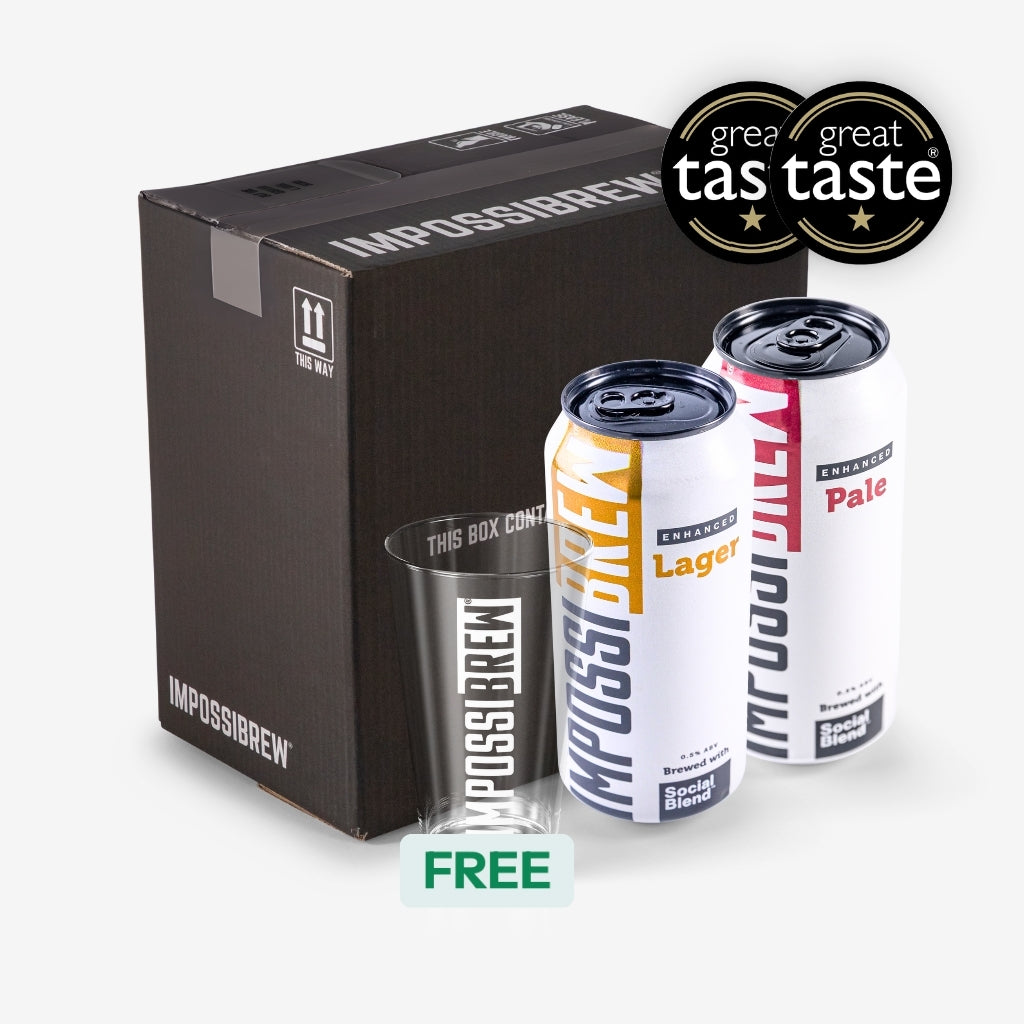
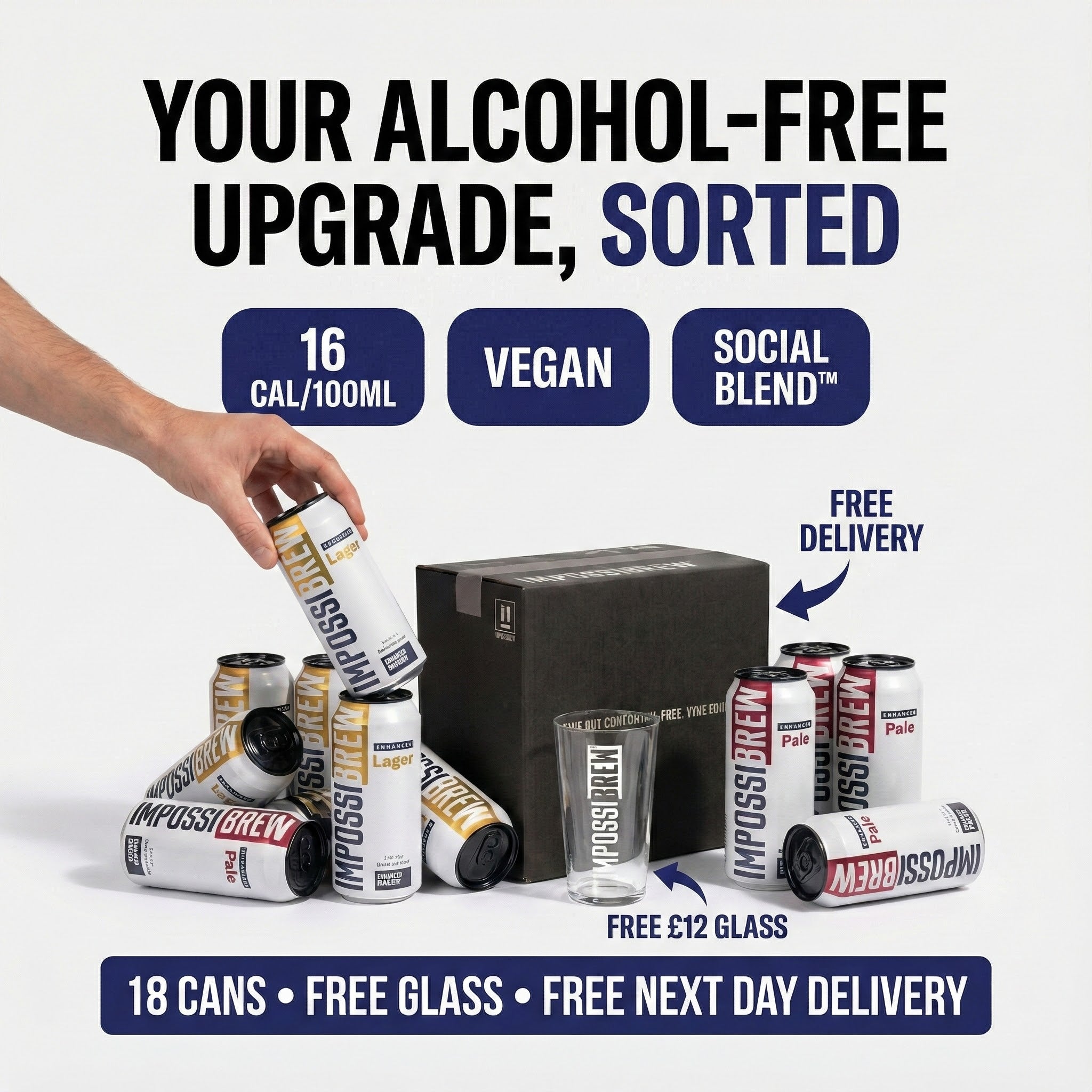
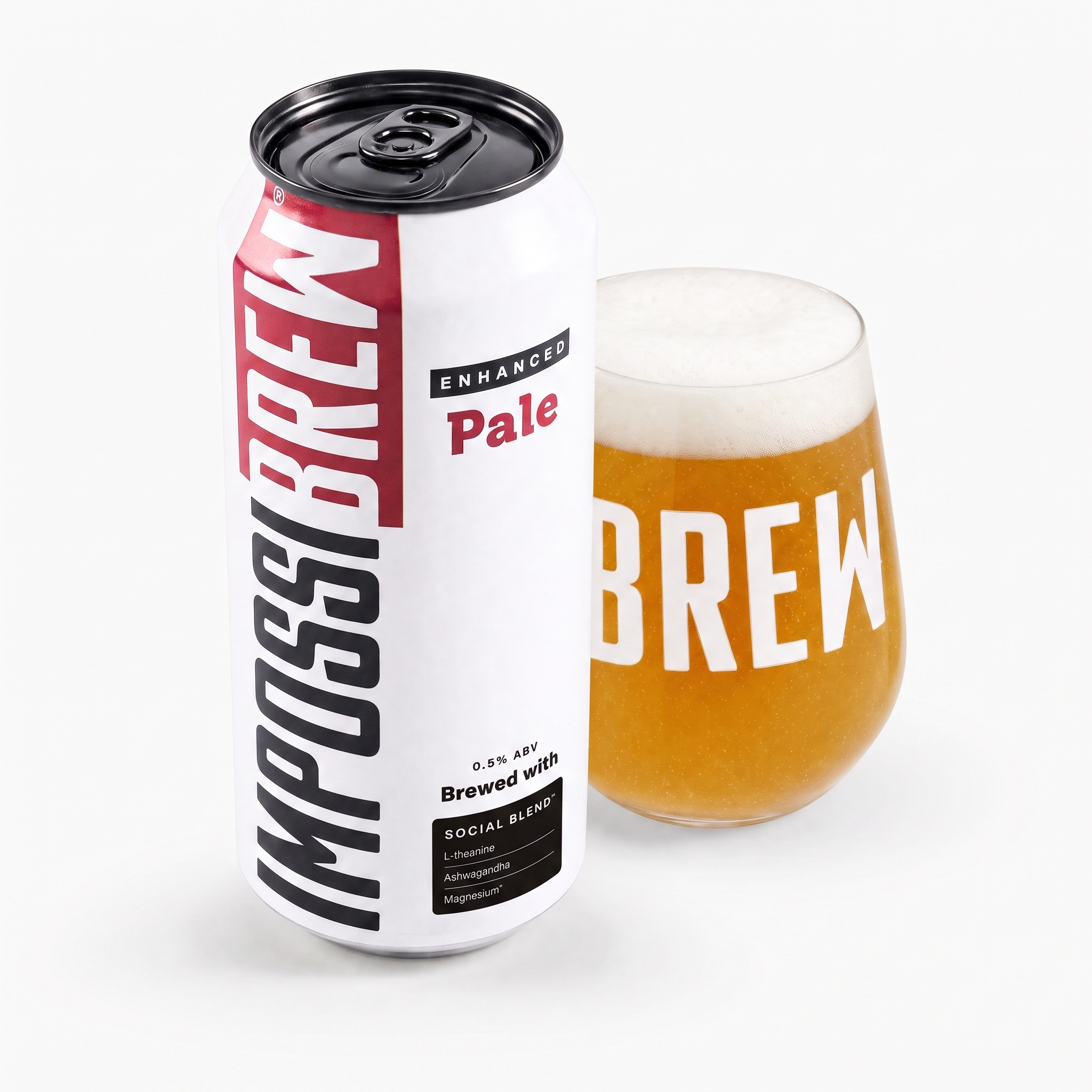
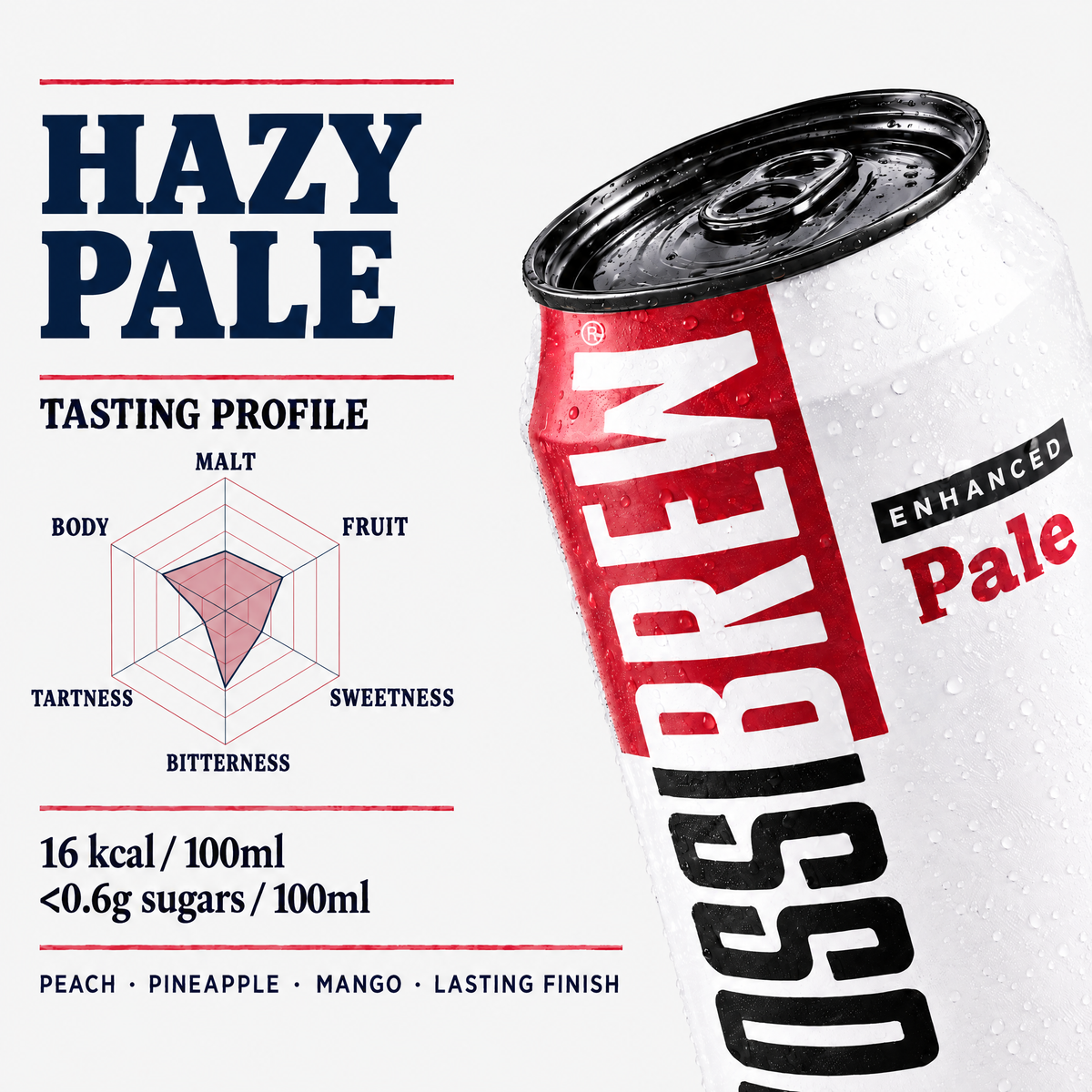
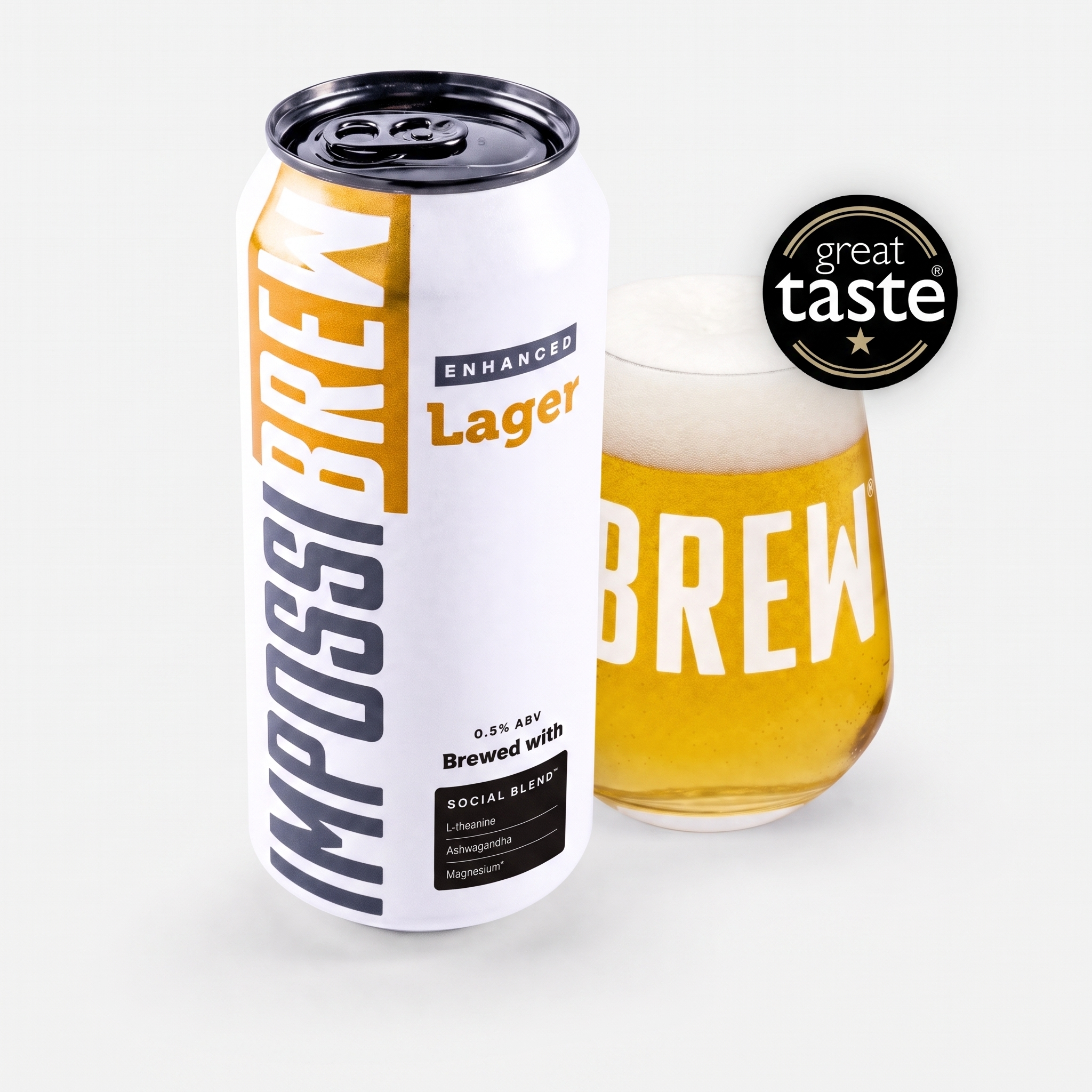
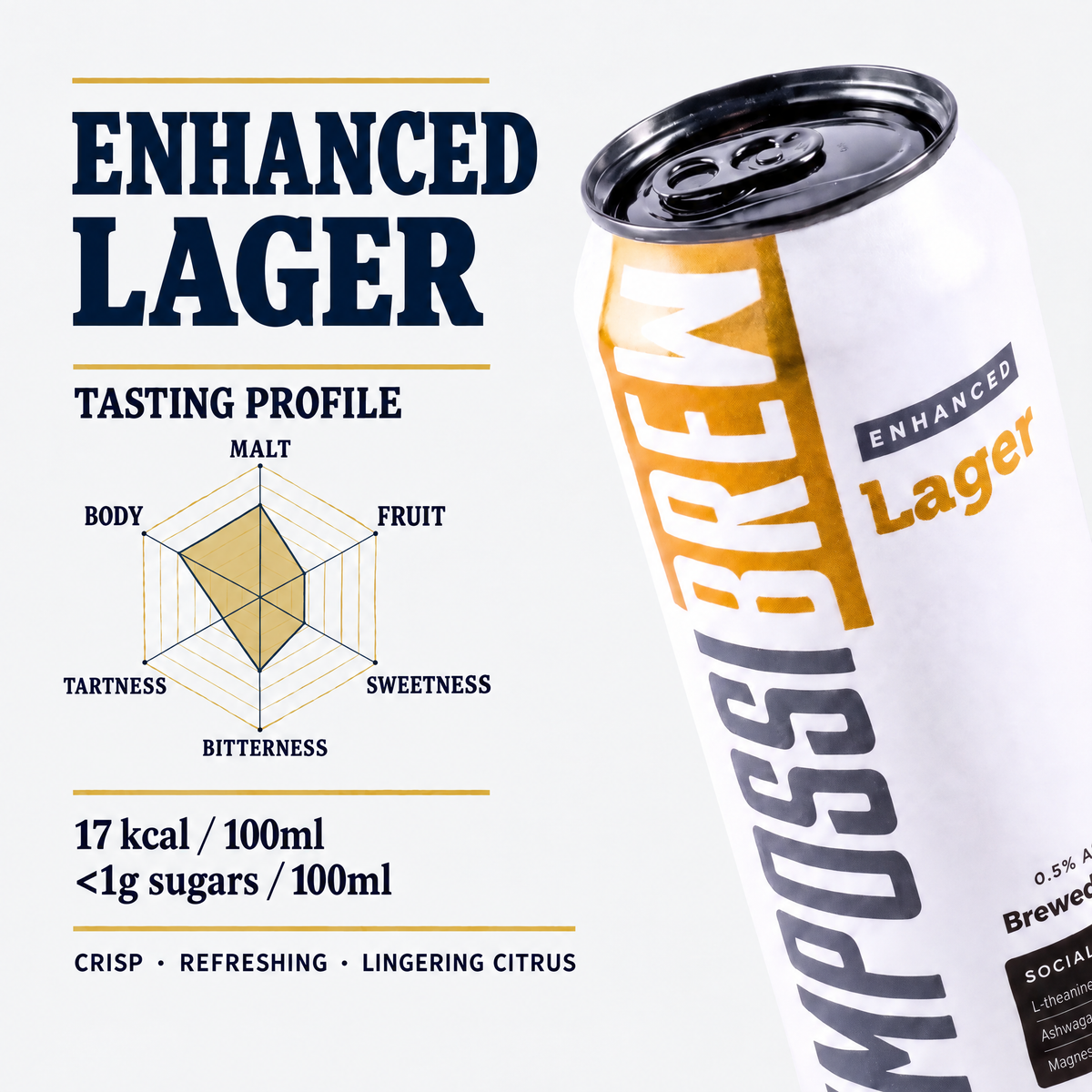
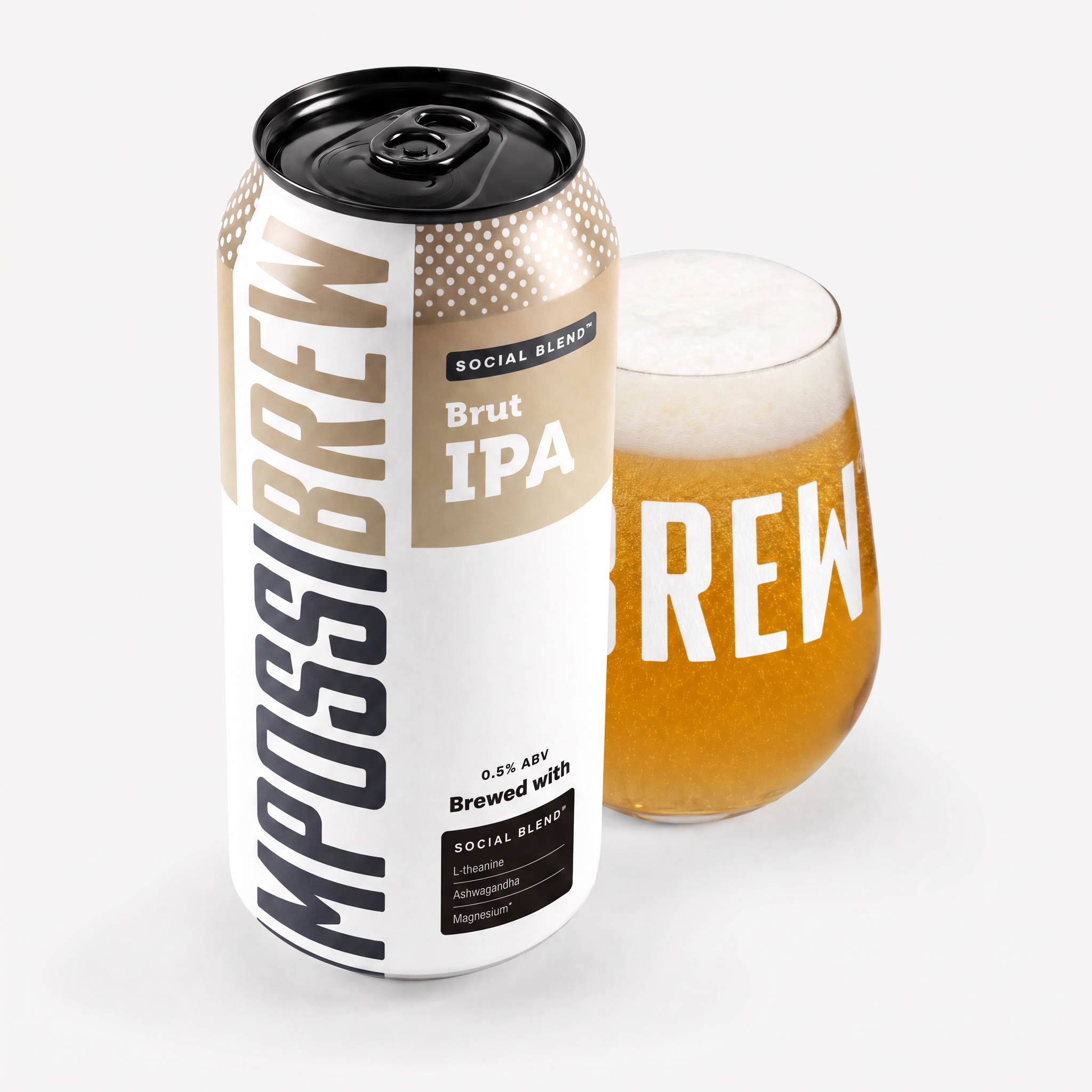
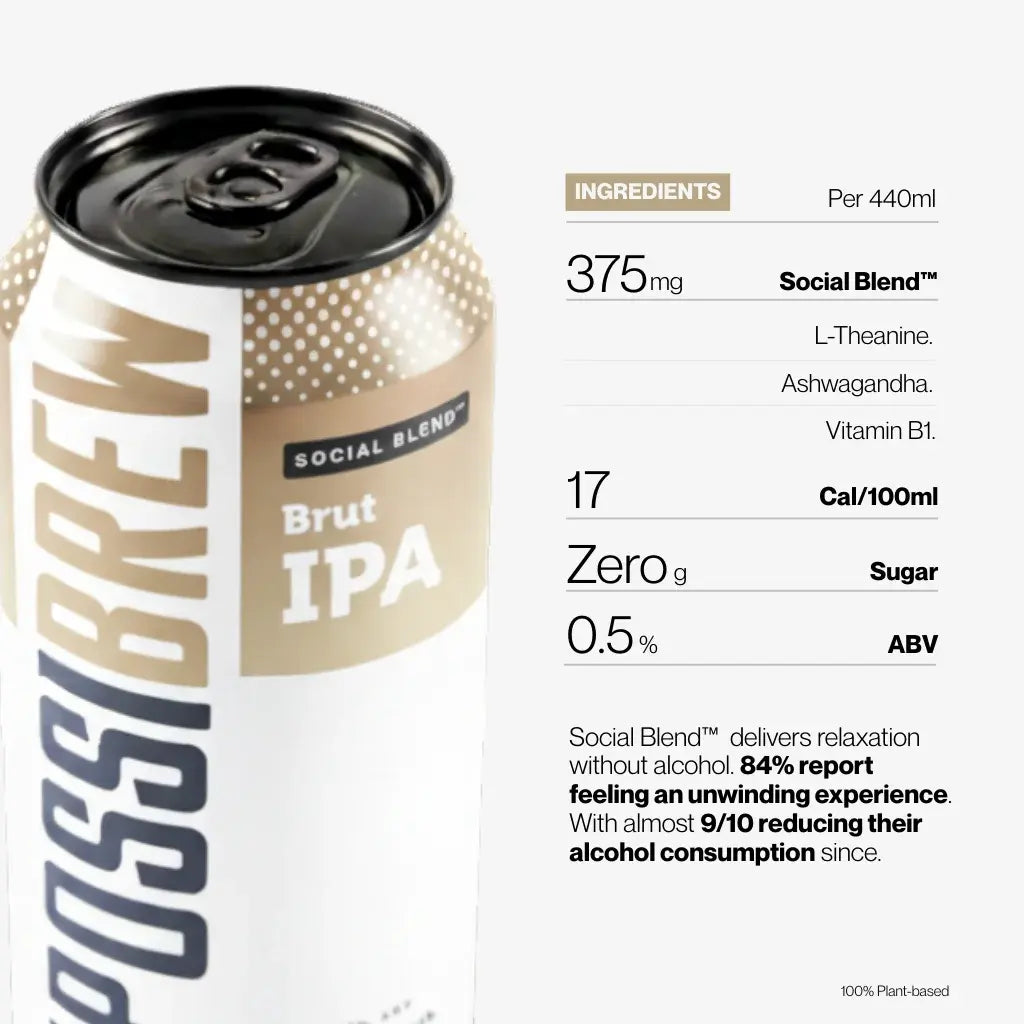
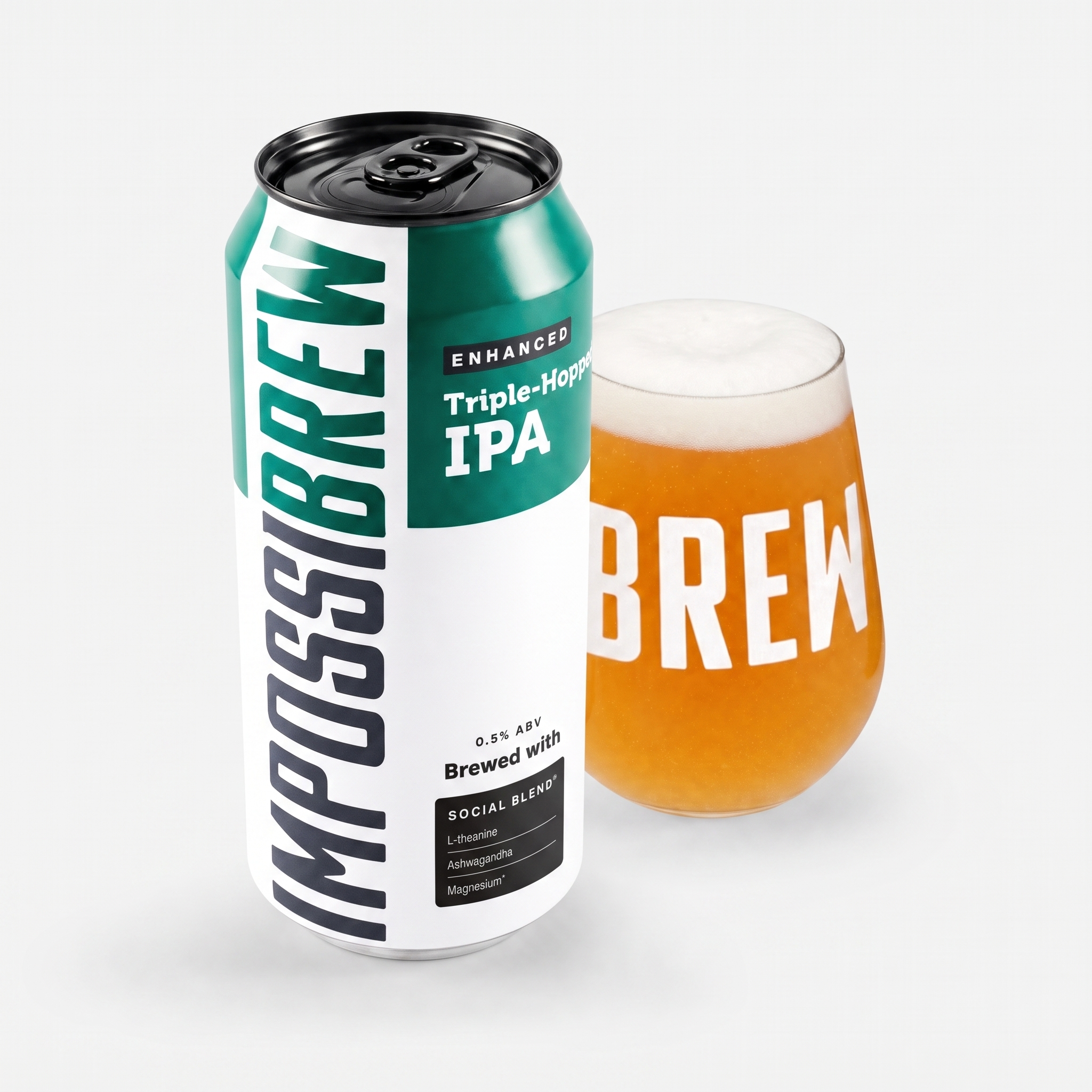
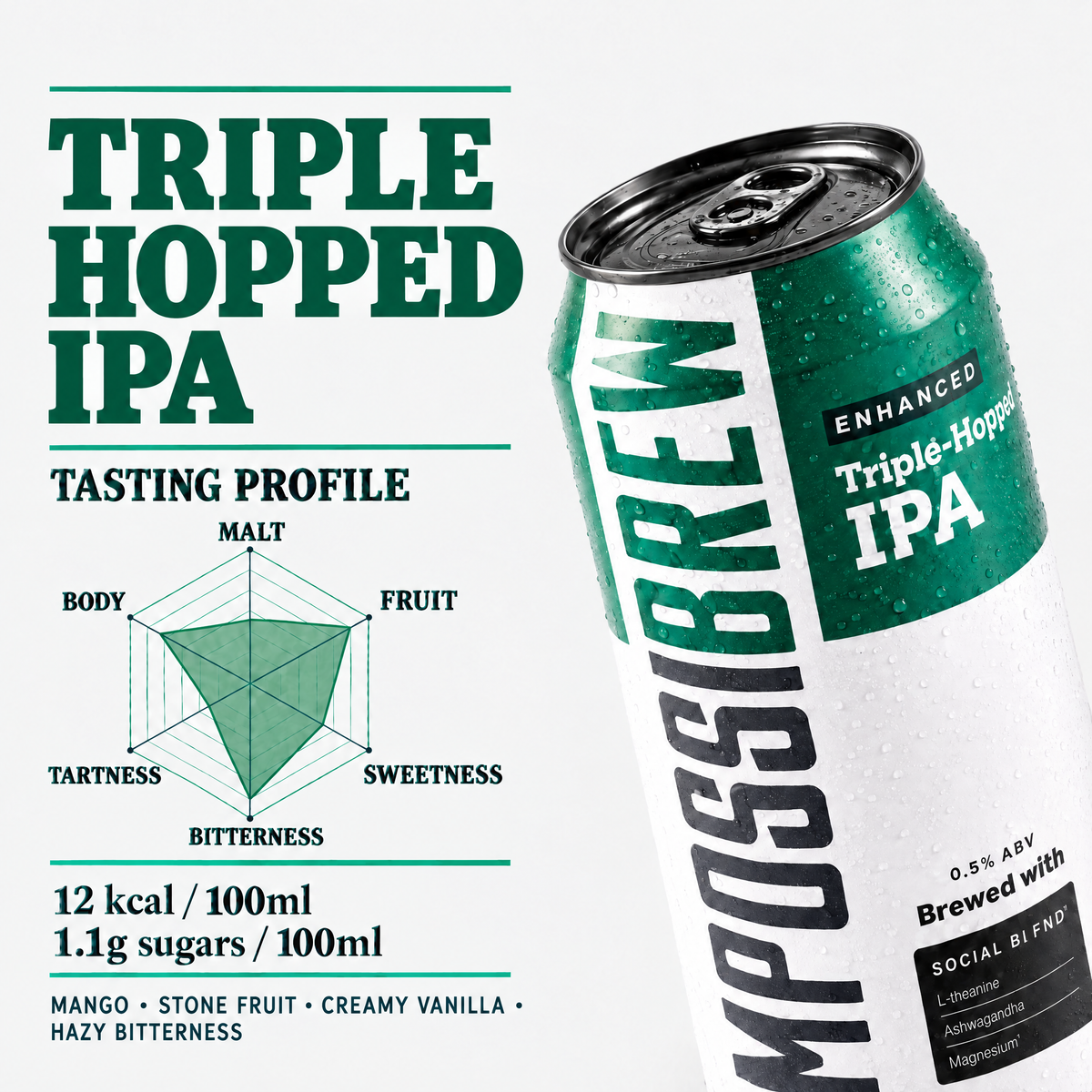
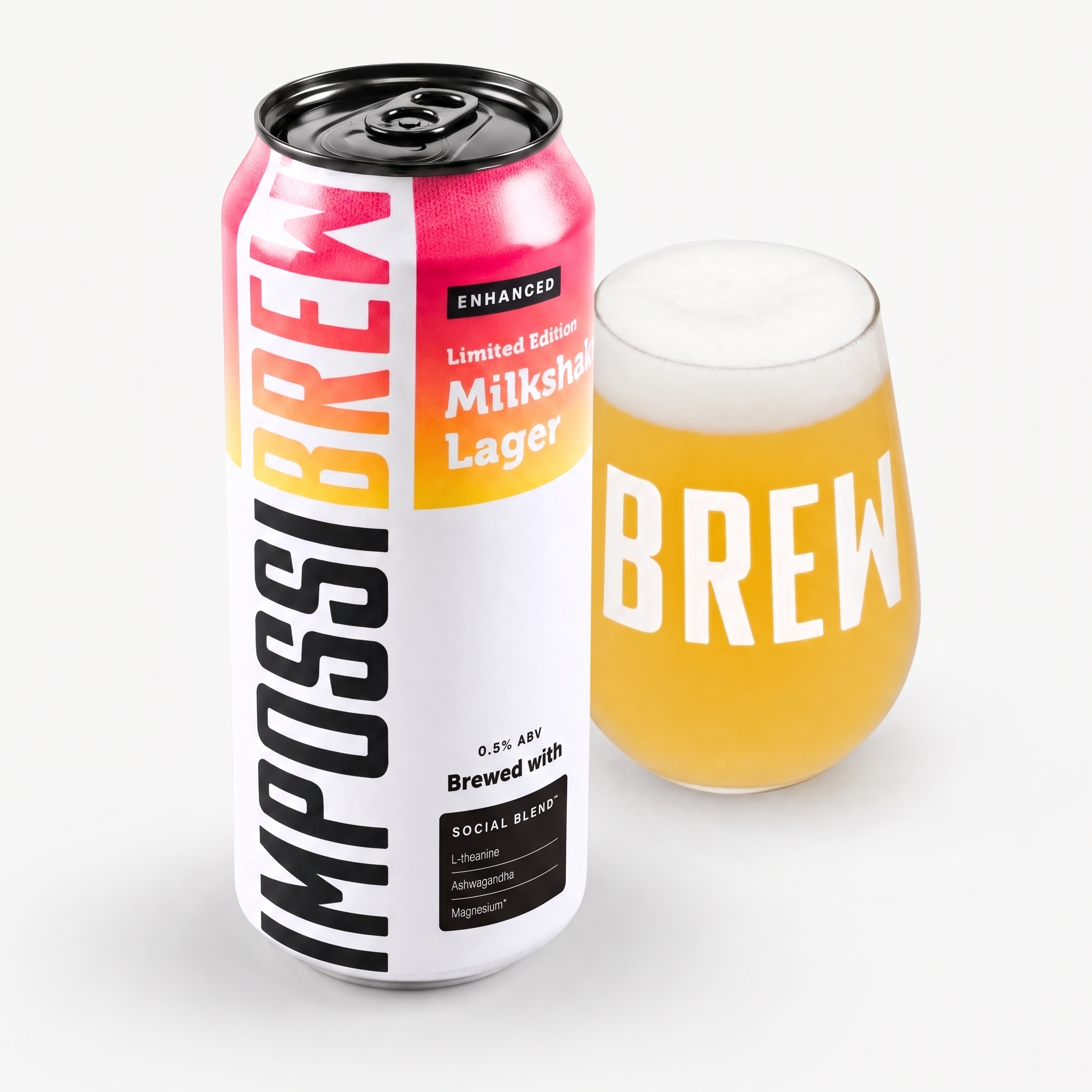
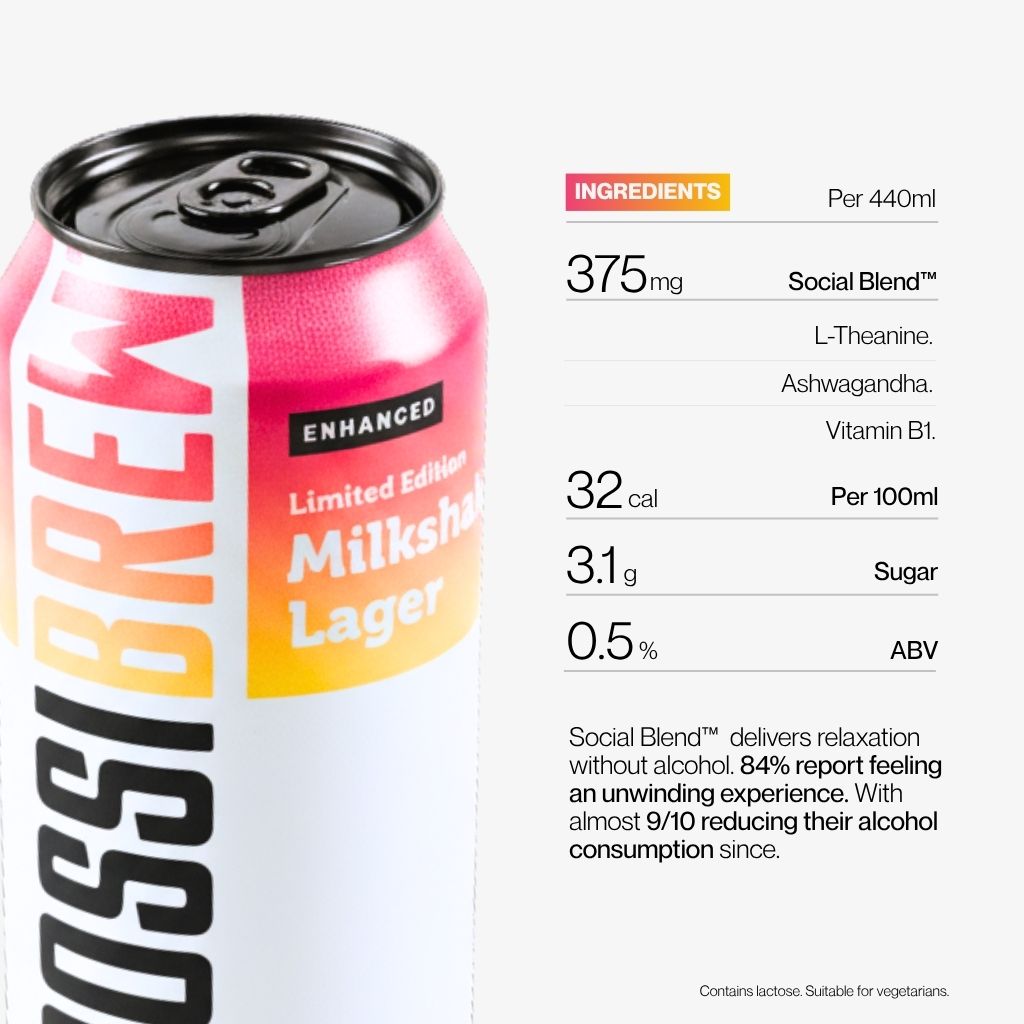
Brands are also stepping up with fresh ideas to cater to this market. One standout example is IMPOSSIBREW®, which offers products like Enhanced Lager and Enhanced Pale Ale. These beverages are crafted with a proprietary Social Blend™ designed to mimic the relaxing effects of traditional beer - minus the drawbacks. They’re low-calorie (just 16 calories per 100ml), vegan-friendly, and gluten-free, ticking all the boxes for health-conscious Gen Z consumers. It’s no surprise that 59% of Gen Z say they’d consider ordering non-alcoholic beer, cocktails, or wine when out socialising [8]. Clearly, this generation is reshaping social norms with their embrace of authentic alcohol-free alternatives.
3. Rising Interest in Cannabis-Infused Drinks
Gen Z's search for alcohol alternatives has expanded to include cannabis-infused beverages, offering a way to relax and socialise without the usual drawbacks of alcohol.
The statistics highlight this growing interest: 38% of Gen Z expressed a desire to try cannabis-infused drinks in 2025, up from 30% in 2024 [2]. Millennials are not far behind, with 37% showing interest in 2025 compared to 32% in 2024. Overall, 26% of consumers showed interest in these beverages [2]. This growing demand underscores how Gen Z is driving change in the beverage market, pushing for more innovation in non-alcoholic options.
What makes these drinks stand out? Many are infused with CBD and, where legally permitted, THC. These ingredients offer a calming effect without the hangover, appealing to Gen Z's preference for wellness-focused, functional drinks.
Younger consumers are increasingly adopting a "sober curious" lifestyle, looking for products that deliver relaxation without the negative effects of alcohol [2][3].
In the UK, due to regulatory constraints, CBD-infused drinks are more common than THC options, though interest in both is growing. Globally, brands like Cann, Recess, and Trip (CBD-infused) are gaining popularity among those seeking alcohol-free alternatives that promote relaxation without impairing functionality [3].
Cannabis-infused drinks are particularly appealing for social and relaxation-focused occasions, setting them apart from other non-alcoholic options like adaptogen- or probiotic-based beverages, which are often chosen for everyday wellness. This trend highlights that Gen Z isn't just looking for alcohol-free imitations of traditional drinks - they want beverages that align with their priorities of wellness, control, and mindful consumption, offering added health benefits and functionality [3].
4. Health-Focused Beverage Choices
When it comes to beverages, Gen Z's choices are deeply influenced by their focus on health and wellness. This generation isn't just trading alcoholic drinks for non-alcoholic alternatives - they're actively seeking options that align with their dietary needs and enhance their overall wellbeing. This health-first mindset is driving changes in both ingredients and product formulations.
Dietary preferences are reshaping the market. Many Gen Z consumers prioritise beverages that are low in calories, vegan-friendly, and gluten-free. These attributes often play a critical role in their purchasing decisions.
What makes today's health-conscious beverages stand out is their functional approach. It's not just about removing alcohol; brands are now adding ingredients backed by science to offer real benefits. Take IMPOSSIBREW®'s Social Blend™ technology, for example. This innovative formulation uses carefully selected ingredients to mimic the relaxing effects of traditional beer, but without the usual downsides. Their Enhanced Lager is a perfect example - it contains fewer than 10 parts per million of gluten, starts at just 16 calories per 100ml, and is entirely vegan-friendly. The impact of this approach is clear: 84% of IMPOSSIBREW® customers reported feeling more relaxed after trying Social Blend™, and 88% have reduced their alcohol consumption since discovering the brand[1].
Wellness ingredients like adaptogens, probiotics, and nootropics are also gaining traction. These additions elevate beverages beyond simple refreshment, turning them into tools for supporting both physical and mental health[3].
Despite their focus on health, Gen Z hasn’t abandoned the social aspect of drinking. They value beverages that allow them to fully enjoy social occasions while staying mindful of their wellness goals. This balance of health and social connection is key to their choices.
Ultimately, Gen Z's preference for health-focused beverages reflects a broader commitment to a lifestyle that prioritises both enjoyment and long-term wellbeing. This shift is shaping a market where taste, functionality, and social engagement go hand in hand.
sbb-itb-a752bf8
5. Non-Alcoholic Market Growth Numbers
The rise of non-alcoholic beverages is more than a passing trend - it's a transformation of a once-niche market into a multi-billion-pound industry, largely driven by Gen Z. Let's break down the numbers behind this shift.
Globally, the low- and no-alcohol beverages market reached a staggering £21.2 billion in 2024. Even more impressive, it's projected to hit £38.3 billion by 2034, growing at a compound annual rate of 6.2%. To put that into perspective, this growth rate far surpasses that of traditional alcoholic drinks[9].
In 2024 alone, sales in this category soared by 71%. Within this surge, alcohol-free wines saw a massive 192% increase, non-alcoholic beer rose by 30%, and non-alcoholic spirits and cocktails experienced explosive growth of 350%[4].
In the United States, the no-alcohol market is expected to grow at an 18% compound annual growth rate by volume from 2024 to 2028. In 2023, consumption volumes already increased by 20%, with projections showing a steady rise of 17% annually through 2028[12][8].
Gen Z plays a pivotal role here, making up 17% of the non-alcoholic beverage market. When combined with Millennials, they account for nearly two-thirds of the consumption[8]. This generational shift underscores their preference for products that align with wellness goals while maintaining social connectivity.
To meet this demand, brands are stepping up their game. Innovations in brewing techniques and the addition of functional ingredients are attracting consumers who might not have considered alcohol-free options before. Take IMPOSSIBREW®, for instance. This company has developed enhanced non-alcoholic beers featuring proprietary formulations that blend taste with functional benefits, starting at just £1.97 per can.
"Demand for new nonalcoholic beverage options grew steadily over the last three years", says Alan Miles, CEO of NCSolutions. He highlights how brands are not only responding to this demand but also driving it through continuous innovation[2].
The numbers speak volumes: spending on non-alcoholic beverages is growing at a rate of 6.2%, compared to just 2.4% for alcoholic drinks[11][10]. This isn't just a trend; it's a clear consumer shift towards products that prioritise wellness without sacrificing social experiences.
The financial success of this sector is a testament to Gen Z's influence as a consumer powerhouse. With their preferences shaping the market, this growth trajectory shows no signs of slowing down as we look ahead to the next decade.
6. Social and Environmental Buying Decisions
For Gen Z, buying a non-alcoholic drink isn't just about price or flavour - it's about aligning with their values. This generation has reshaped the market by prioritising social and environmental responsibility in their purchasing decisions.
The statistics back this up: 43% of Gen Z are more inclined to buy a beverage marketed as part of the sober curious movement, compared to 33% of millennials and just 10% of baby boomers [2]. These preferences don't just influence what they buy - they're also pushing brands to rethink their practices.
Social media plays a huge role here. It’s where Gen Z learns about brands, making transparency around sustainability more important than ever. They actively seek out companies that use recyclable or biodegradable packaging and ensure ethical sourcing. Certifications like Fairtrade, Organic, or B Corp status carry significant weight, as they reflect genuine efforts to support fair trade, living wages, and environmentally sound practices.
This values-driven mindset doesn’t stop at individual purchases. In fact, 53% of Gen Z have noticed more non-alcoholic options in restaurants, bars, and shops over the past year [2]. They’re more likely to support establishments that stock brands aligning with their ethics, which is driving change across the hospitality sector.
Take, for example, brands like IMPOSSIBREW®. By offering vegan-friendly and gluten-free options, they cater to health-conscious consumers while staying true to ethical principles. Their success shows how companies can embrace a values-based approach without sacrificing quality or enjoyment.
However, Gen Z doesn’t fall for empty promises. They’re quick to call out "greenwashing" - when brands make hollow environmental claims purely for marketing purposes. Companies that fail to back up their sustainability messaging with real action often face public criticism, amplified by social media.
This shift in priorities is transforming the non-alcoholic beverage industry. As Gen Z's influence and spending power grow, their demand for socially and environmentally responsible choices is driving the sector toward more ethical and sustainable practices. This ripple effect could even reshape the broader alcohol market.
7. Effect on Traditional Alcohol Sales
The growing preference among Gen Z for non-alcoholic drinks is creating ripples across the traditional alcohol industry, forcing it to rethink its strategies. This trend builds on earlier shifts in consumer behaviour, where demand for non-alcoholic options has steadily grown.
Take Dry January 2024 as an example: sales of spirits fell by 39%, wine by 36%, and beer, cider, and hard seltzer by 21% [2]. Meanwhile, non-alcoholic alternatives saw a surge in sales, showing a clear pattern of substitution. These numbers paint a picture of consumers actively redirecting their spending.
Generational data further highlights the challenge for traditional alcohol brands:
| Generation | Planning to Drink Less in 2025 | Dry Lifestyle Adoption in 2025 |
|---|---|---|
| Gen Z | 65% | 39% |
| Millennials | 57% | 19% |
| Gen X | 49% | 19% |
| Boomers | 30% | 10% |
Faced with these shifts, many alcohol brands have responded by introducing non-alcoholic versions of their popular products, acknowledging that the market is undergoing a transformation.
The numbers in non-alcoholic sales are striking: spirits and ready-to-drink cocktails have grown by 350%, alcohol-free wines by 192%, and FreshDirect reported a 71% increase in overall non-alcoholic beverage sales in 2024 [4][8]. These gains directly chip away at the market share of traditional alcohol.
Brands like IMPOSSIBREW® are capitalising on this momentum by offering products that mimic the taste and relaxation of alcohol, using scientifically backed ingredients. According to their data, 88% of customers have cut down on alcohol consumption since discovering the brand, with 75% calling it the "most complete alcohol alternative currently available" [1].
The hospitality industry is also evolving. Non-alcoholic beer sales in venues rose by 26.4% in 2025, following a 22% increase in 2024 [6]. Establishments with a strong selection of non-alcoholic options report that 57% of Gen Z and millennial patrons tend to stay longer when these choices are available [6].
This shift is more than just a change in taste preferences; it's a challenge to the traditional alcohol business model. As Gen Z's purchasing power grows and their habits become the norm, alcohol brands must innovate with compelling non-alcoholic options or risk losing relevance to a generation that prioritises "better-than-alcohol" alternatives.
Conclusion
The beverage industry is undergoing a striking transformation, driven by the evolving preferences of Gen Z. With 65% of this generation aiming to cut back on alcohol and 39% fully embracing a dry lifestyle, their choices are reshaping how we think about socialising and consumption habits [2][3]. The surge in non-alcoholic beverage sales in 2024 highlights this shift, as consumers increasingly favour alternatives that align with their values [4].
For Gen Z, it’s not just about avoiding alcohol - it’s about finding drinks that prioritise wellness, foster social connections, and deliver enjoyable experiences without compromise. Brands like IMPOSSIBREW® are stepping up to meet these demands. Using their science-backed Social Blend™ technology, they’ve seen 88% of customers reduce alcohol consumption, with 75% praising their products as a genuine alternative [1]. This kind of innovation doesn’t just challenge traditional norms; it’s setting the stage for a new era in the beverage market.
The rise of non-alcoholic options is also transforming venues and driving broader changes in the industry. The global market for low- and no-alcohol beverages is expected to grow from £20.2 billion in 2024 to £36.5 billion by 2034, reflecting a deeper shift in how we approach social drinking [9]. Gen Z isn’t just influencing their own consumption - they’re setting new benchmarks for taste, wellness, and the social experiences beverages can offer, all without the drawbacks of alcohol.
The brands that thrive in this changing landscape will be the ones offering innovative, uncompromised alternatives that align with Gen Z’s expectations. These consumers are looking for better-than-alcohol options that enhance their social lives while supporting their health and wellness goals.
FAQs
How is Gen Z shaping the non-alcoholic beverage market?
Gen Z's increasing preference for non-alcoholic beverages is shaking up the drinks industry. With a strong focus on health, wellness, and mindful choices, this generation is driving demand for alcohol-free options that still deliver the social and sensory enjoyment of traditional alcoholic drinks.
In response, brands are stepping up with innovative offerings that align with these priorities. From functional beverages packed with added benefits to enhanced non-alcoholic beers, these products strike a balance between flavour, relaxation, and a health-conscious lifestyle. This trend is transforming the beverage landscape, creating fresh opportunities for brands to engage with younger consumers who prioritise well-being.
How is social media influencing Gen Z's preference for non-alcoholic drinks?
Social media has become a driving force behind Gen Z's growing interest in non-alcoholic beverages. Platforms like Instagram and TikTok are brimming with trends that spotlight alcohol-free lifestyles, wellness tips, and inventive drink options. These trends align perfectly with Gen Z's focus on health and self-expression, making them particularly appealing.
Influencers and brands play a key part in this shift by showcasing the perks of non-alcoholic drinks, from their health-conscious appeal to their ability to fit seamlessly into social settings. With this constant stream of content, Gen Z is inspired to incorporate these beverages into their daily lives.
Why does Gen Z prioritise health and wellness when choosing non-alcoholic beverages?
Gen Z prioritises health and wellness when choosing non-alcoholic drinks, reflecting their commitment to a balanced lifestyle. They are well-versed in how diet and daily habits influence both physical and mental well-being, often gravitating towards products that align with these principles.
Drinks with low-calorie counts, vegan-friendly ingredients, and gluten-free options are particularly appealing to this generation, as they seek out healthier choices. Beyond that, many in this group are drawn to beverages offering functional perks, like promoting relaxation or boosting mood, all without the downsides associated with alcohol.