Sobriety is becoming more visible in sitcoms, mirroring how society is rethinking alcohol.
- In the UK, 1 in 5 people now abstain from alcohol, with younger generations leading this shift.
- Older sitcoms often showed drinking as central to social life, with pubs and alcohol-heavy scenes being the norm.
- Modern sitcoms, like Fleabag and Schitt's Creek, present sobriety as a personal choice, not a restriction.
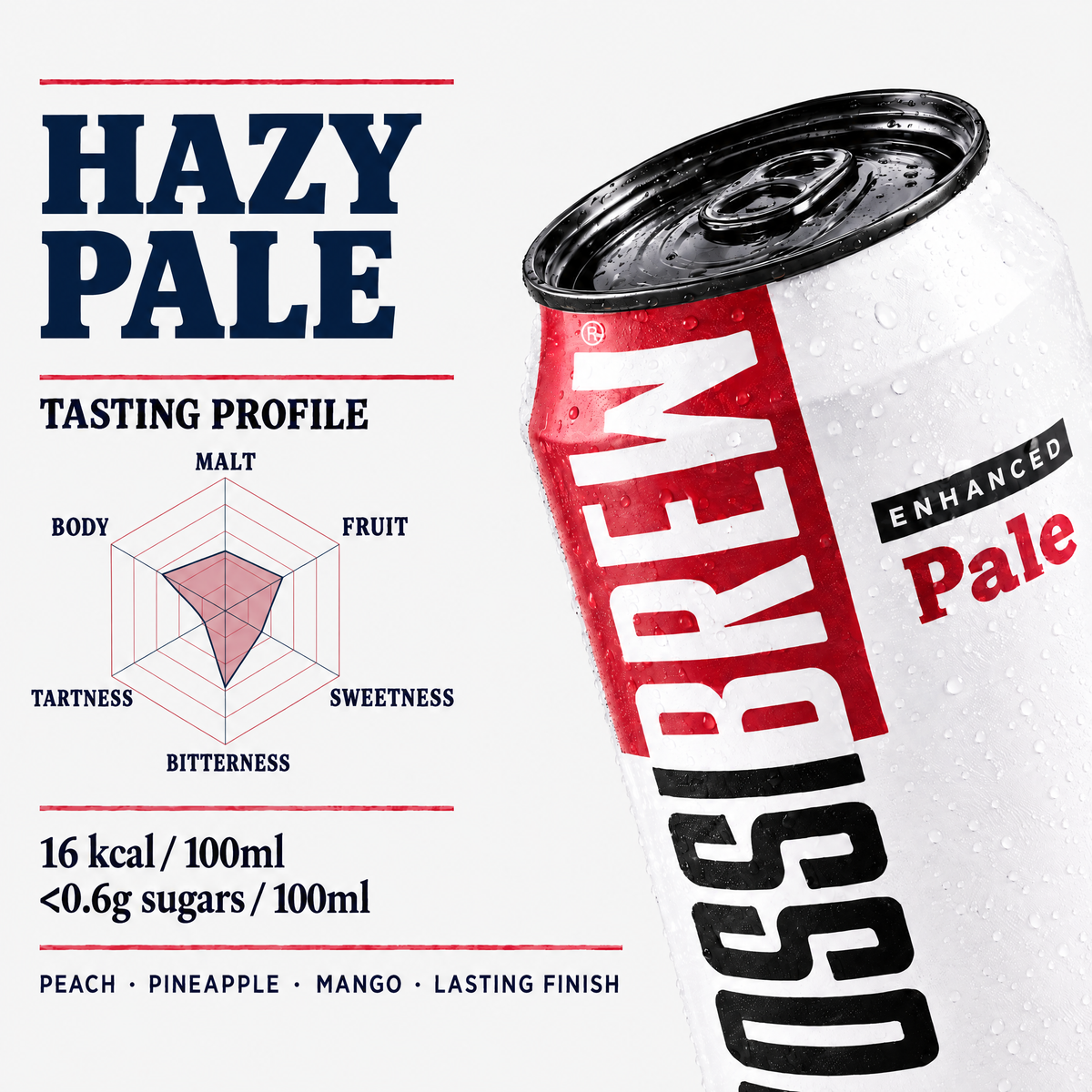
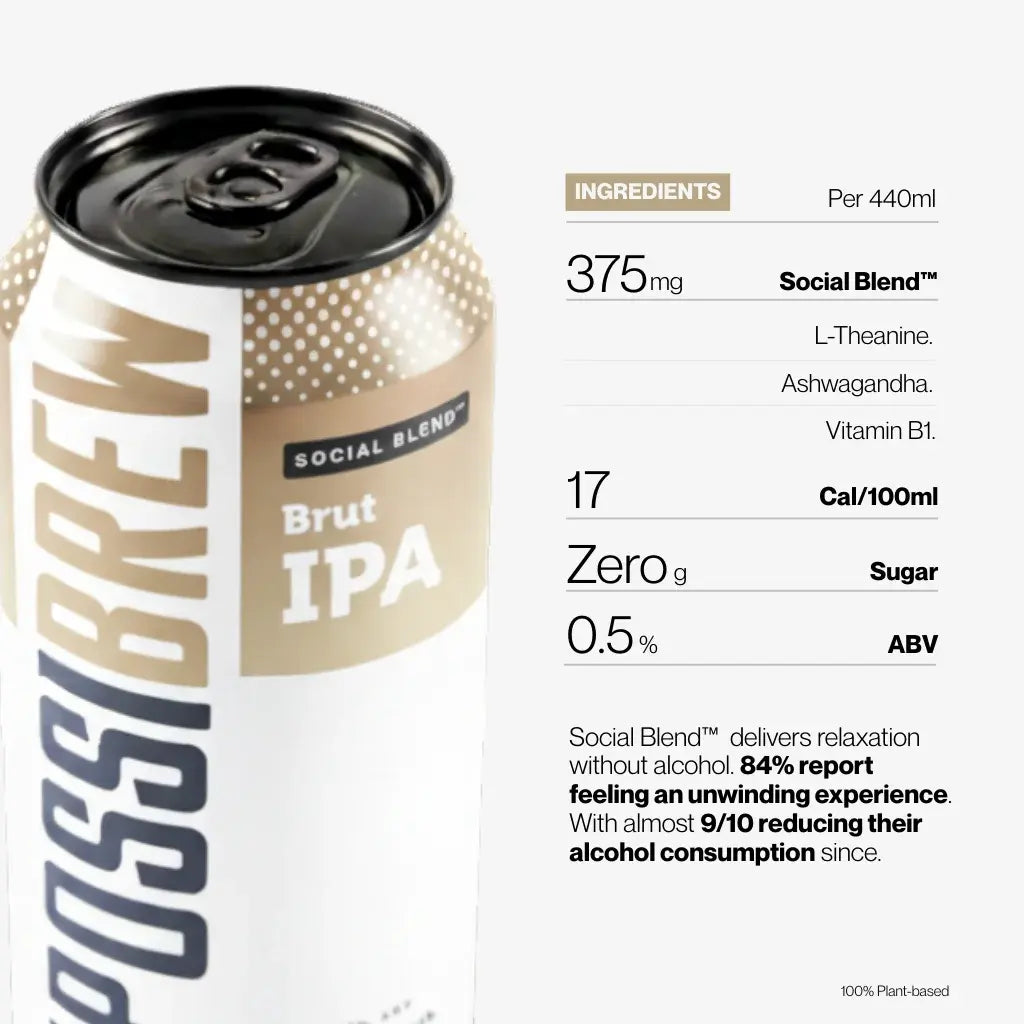
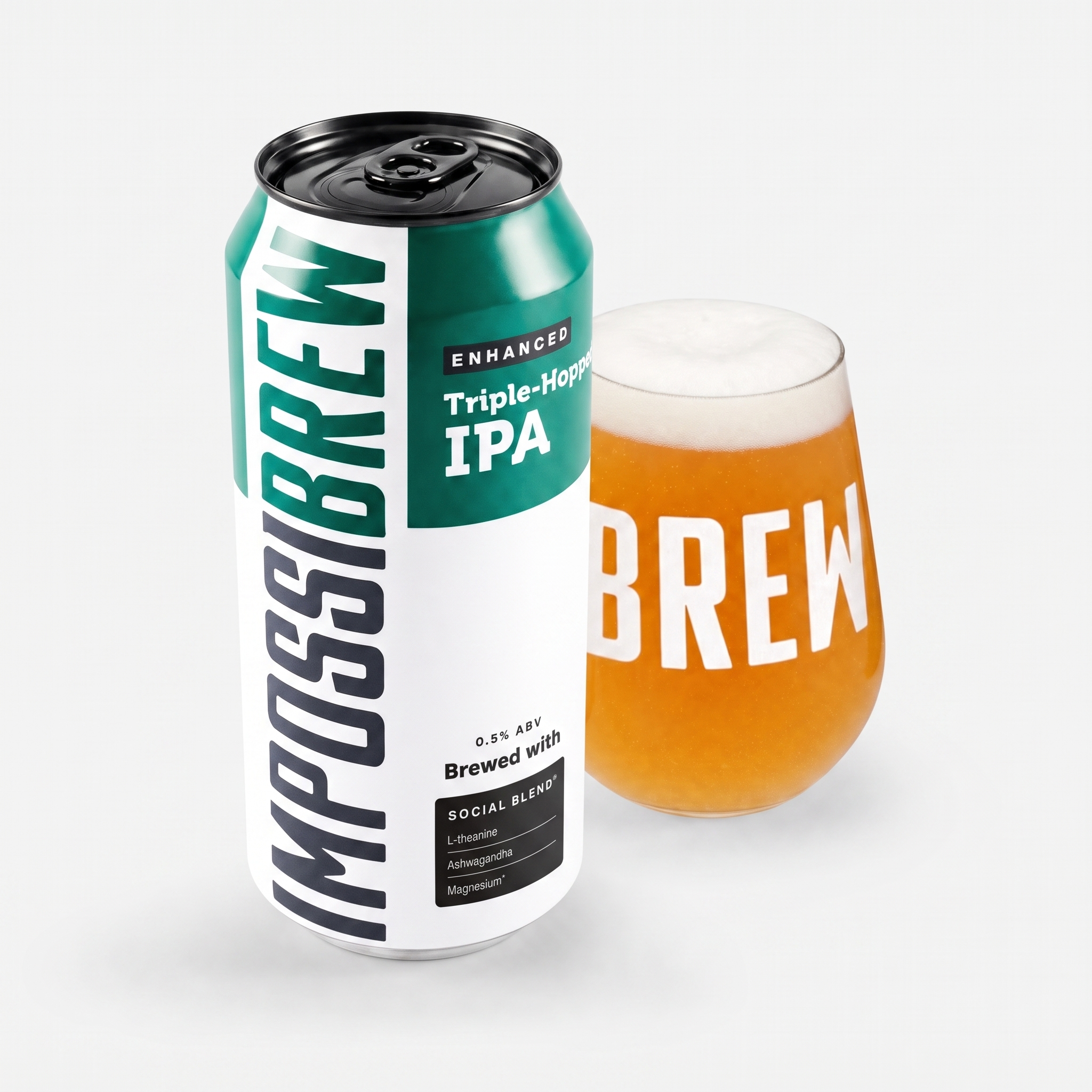
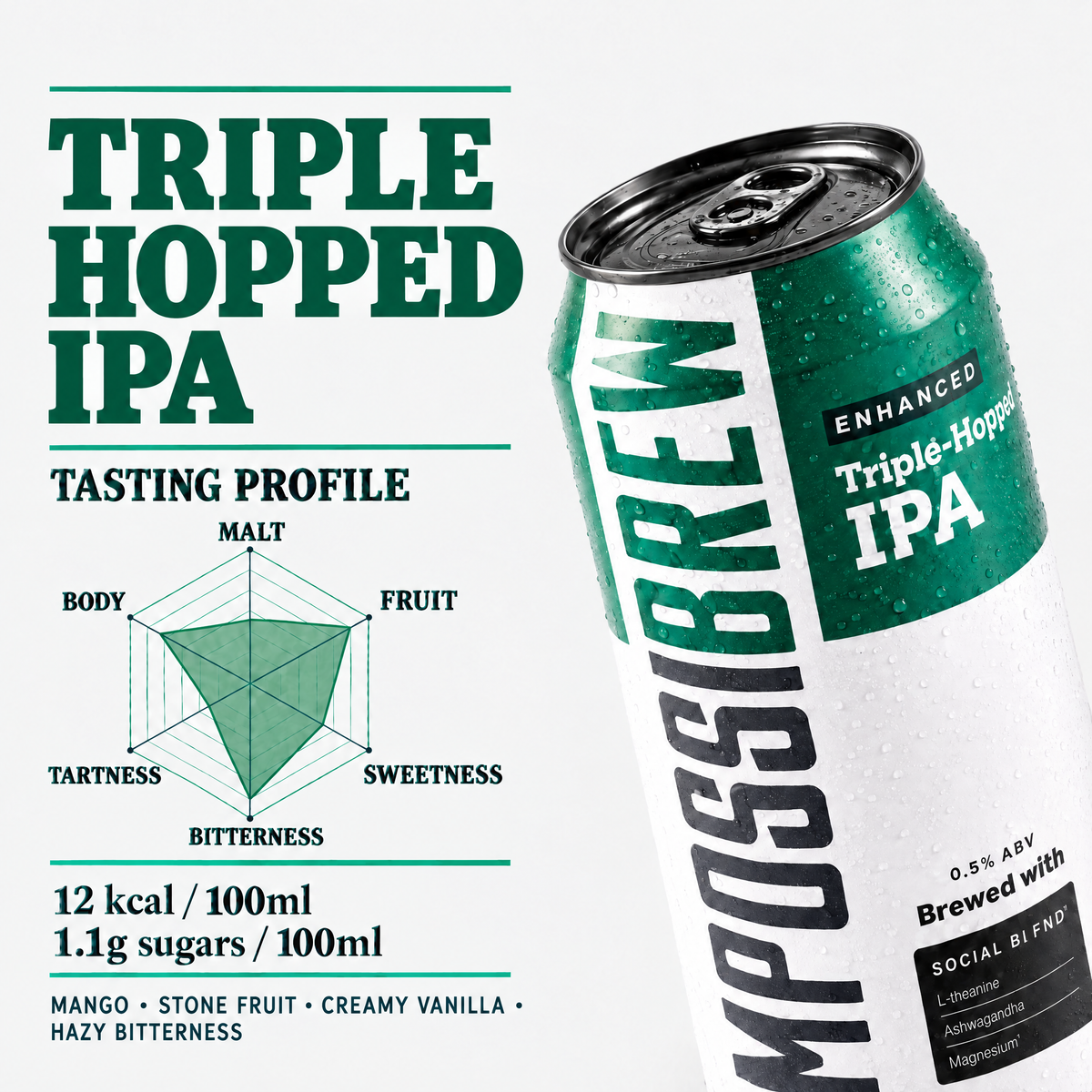
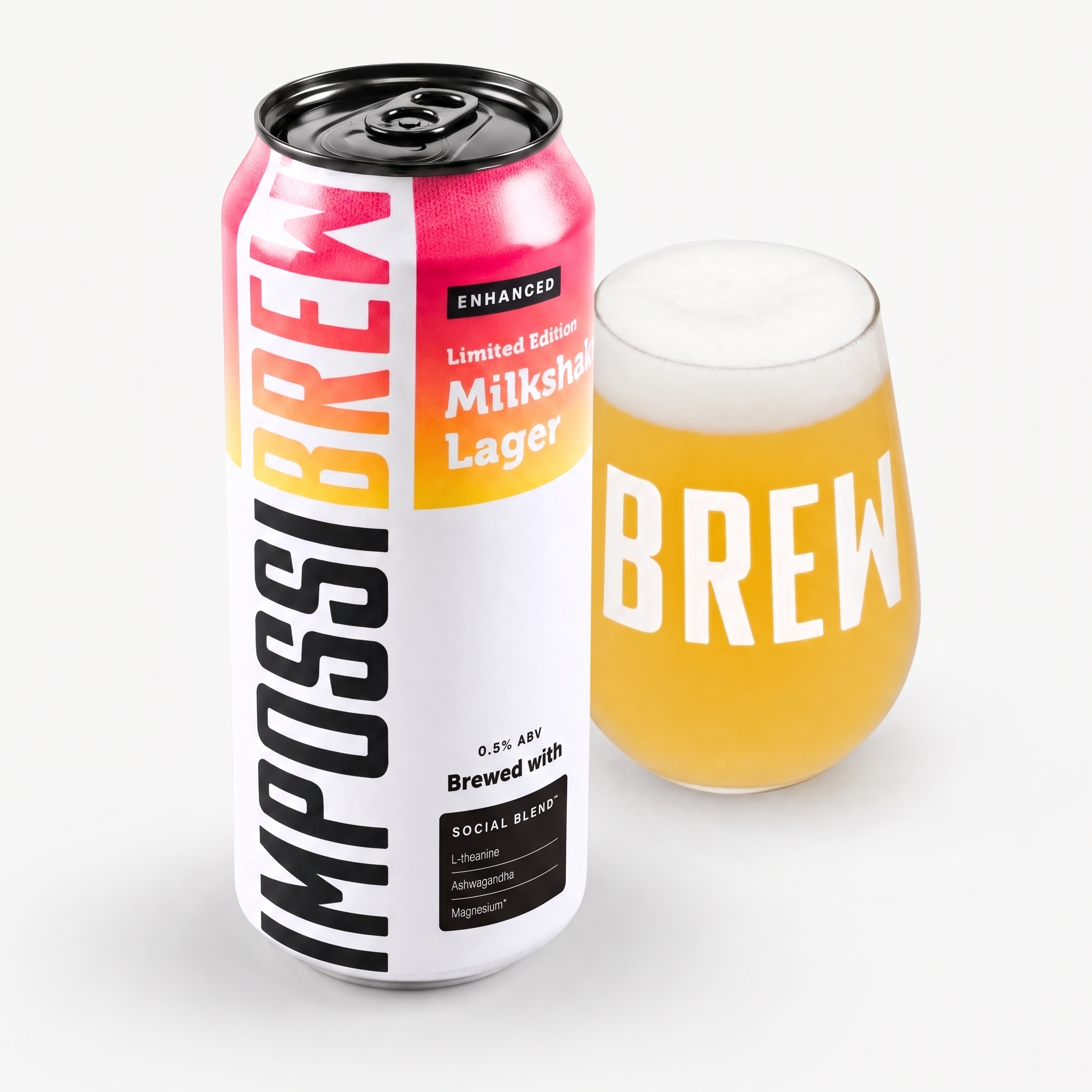
- Alcohol-free products, such as IMPOSSIBREW®, are now part of storylines, making sober characters blend naturally into social settings.
This evolution reflects changing habits, with sitcoms helping to normalise alcohol-free lifestyles while showcasing new ways of socialising without alcohol.
How Sitcoms Show Sobriety: Then and Now
The way sobriety is portrayed in sitcoms has undergone a noticeable shift, reflecting changing social attitudes over the years. In classic British and international sitcoms from the 1970s to the early 2000s, pubs and drinking often formed the backbone of social interactions. It was common to see characters gathering for drinks, with alcohol serving as a symbol of camaraderie and fun.
Shows like Absolutely Fabulous leaned heavily on excessive drinking for laughs, often portraying it as central to the social experience. Characters who chose not to drink were sometimes depicted as outliers, missing out on the "fun" or the essence of the social scene.
Fast forward to today, and modern sitcoms are taking a different approach. Sobriety is no longer framed as a restriction but as a conscious and empowered lifestyle choice. For example, the animated series BoJack Horseman explores the complexities of recovery, showing both the struggles and the victories of sober living. Similarly, Fleabag and Schitt's Creek feature moments where social interactions happen without alcohol, reflecting a broader shift in how these moments are normalised.
This evolution mirrors wider cultural changes, including increased awareness of mental health, wellness, and mindful living. Modern sitcoms often depict social settings that go beyond the traditional pub, such as coffee shops, gyms, or other alcohol-free environments. Even workplace comedies have adapted. Earlier shows like the UK version of The Office frequently included pub outings or office drinking scenes, whereas newer portrayals embrace the choice to skip alcohol as a thoughtful, health-conscious decision.
The language surrounding sobriety has also evolved. Older sitcoms often used terms like "teetotaller" or joked about characters "being on the wagon." Today, sobriety is presented as just another lifestyle choice, free from outdated labels or the suggestion of sacrifice. This change reflects a growing recognition that people choose sobriety for reasons like better physical health, mental clarity, or overall well-being.
Alcohol-free alternatives have also found their place in modern sitcoms. Where older shows might have mocked non-alcoholic drinks as inferior, contemporary series often show characters enjoying sophisticated alcohol-free options. This aligns with the current wellness movement and the trend towards mindful consumption, presenting sobriety as not only normal but even aspirational in some cases.
1. Classic Sitcoms
From the 1970s to the early 2000s, British sitcoms often used pub scenes and shared drinks as key elements of their humour and storytelling. Alcohol wasn’t just a prop; it was woven into the fabric of daily life. Characters who chose not to drink were sometimes portrayed as outsiders, reinforcing the idea that drinking was a cornerstone of social interaction. Declining a drink often came across as unusual or even comical, underscoring the cultural norm of communal drinking during that time.
These portrayals mirrored the era's reality, where both pub culture and workplace drinking were common. Alcohol was shown as a way to build connections, whether personal or professional. However, these narratives also set the stage for a noticeable shift in later television, where sobriety and alternative lifestyles began to be explored and normalised, reflecting evolving societal attitudes.
2. Modern Sitcoms
In recent years, sitcoms have moved away from the traditional pub-focused narratives that once defined them, offering a fresh perspective on sobriety. Today’s shows increasingly feature characters who choose not to drink, presenting sobriety as a natural and valid lifestyle choice.
Portrayal of Sobriety
Modern British sitcoms have redefined how they portray sobriety. Non-drinking characters are no longer reduced to stereotypes or used as the punchline of jokes. Instead, they’re shown as multidimensional people, with their choice to avoid alcohol being just one part of who they are. This shift reflects a broader understanding of why someone might choose sobriety - whether for health reasons, personal preferences, or lifestyle goals.
These shows now depict authentic social scenarios where characters comfortably navigate parties, work events, and gatherings without alcohol dominating the scene. They engage in conversations about non-alcoholic options, showing that a fulfilling social life doesn’t have to revolve around drinking.
This more thoughtful portrayal resonates with broader changes in British society, offering viewers a lens through which they can explore these evolving attitudes.
Impact on Public Perception
Modern sitcoms have played a key role in normalising sobriety within British culture. When beloved characters casually opt for alcohol-free choices without any dramatic backstory or justification, it sends a clear message: sobriety is perfectly acceptable.
This shift in representation aligns with changing attitudes, particularly among younger generations, who are rethinking traditional drinking habits. Sitcoms not only mirror these societal changes but also influence them, helping to shape public perceptions.
Beyond entertainment, these portrayals spark important conversations about drinking culture. Watching characters thrive socially and professionally without alcohol encourages viewers to reconsider their own habits and assumptions, making room for broader discussions about personal choices and societal norms.
Relevance to Society
Today’s sitcoms reflect Britain’s changing relationship with alcohol and the growing emphasis on wellness. The rise of mindful drinking and health-conscious lifestyles is woven into storylines, with characters often prioritising their wellbeing over outdated social expectations.
These shows also highlight the growing popularity of premium alcohol-free alternatives, which allow characters to enjoy the ritual of drinking without the alcohol - a trend that mirrors real-world shifts in the beverage industry.
Workplace culture is another area where sitcoms have adapted. Instead of focusing on after-work drinks, they depict professional environments where social activities are more inclusive, catering to employees with diverse preferences. This reflects a broader cultural shift in many British workplaces.
sbb-itb-a752bf8
3. Alcohol-Free Products like IMPOSSIBREW®
The rise of premium alcohol-free products has given sitcoms a fresh way to depict sobriety, moving beyond the clichéd soft drink trope. Instead, these sophisticated alternatives create opportunities for more relatable and nuanced portrayals of sober lifestyles.
Portrayal of Sobriety
Modern alcohol-free options have transformed how sitcoms showcase sober characters while keeping social interactions realistic. When a character opts for a non-alcoholic beer that looks and feels like the traditional version, it removes the awkwardness often associated with such portrayals.
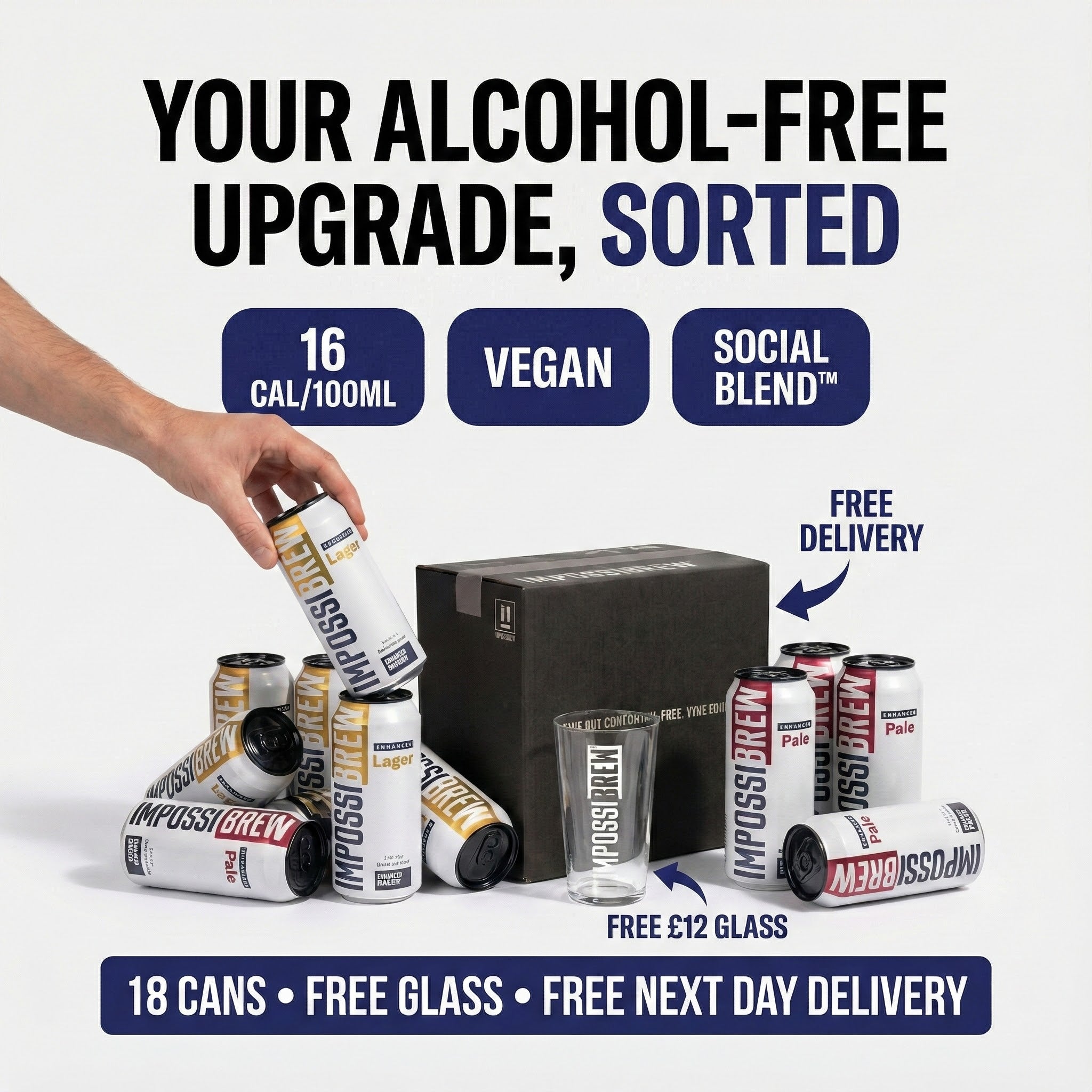
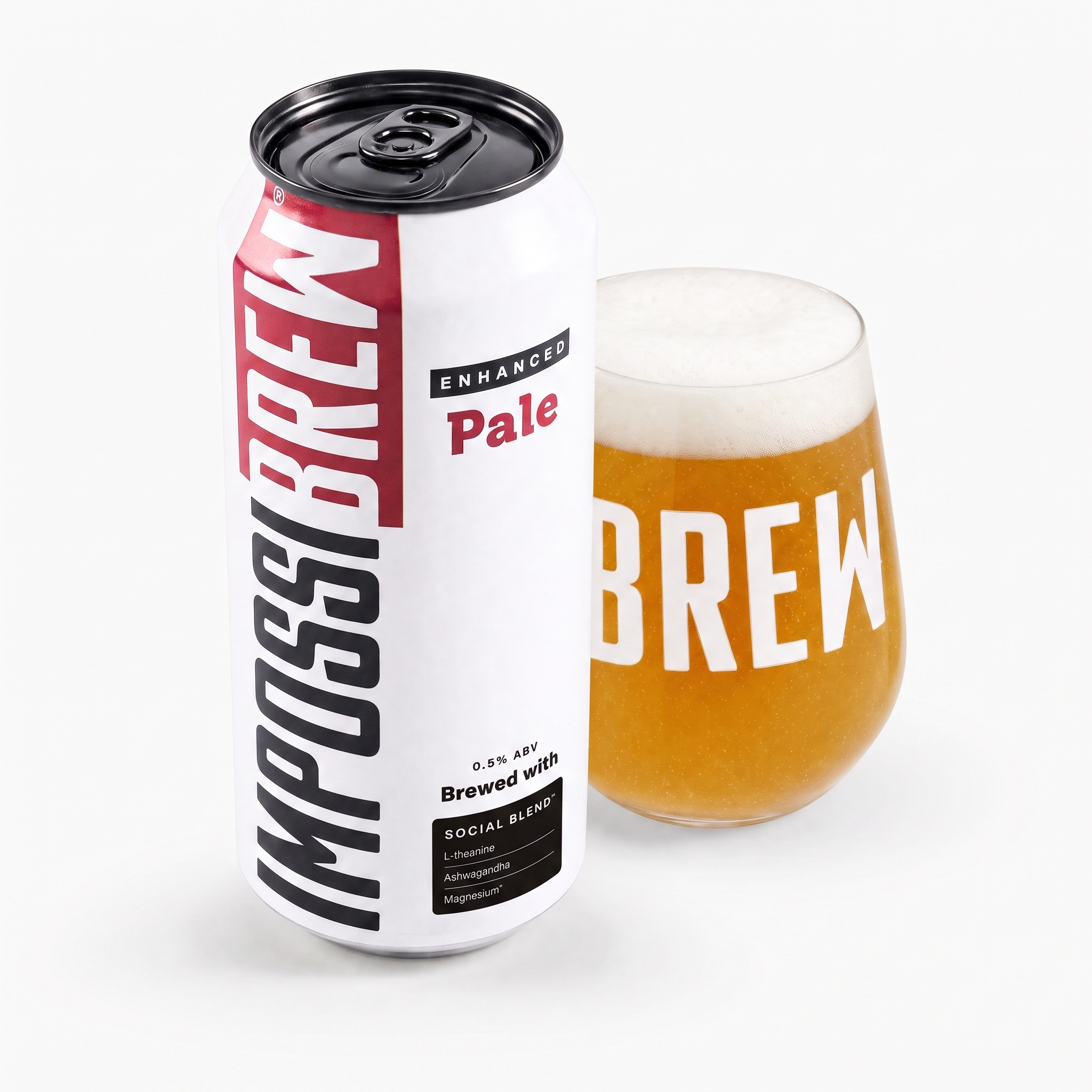
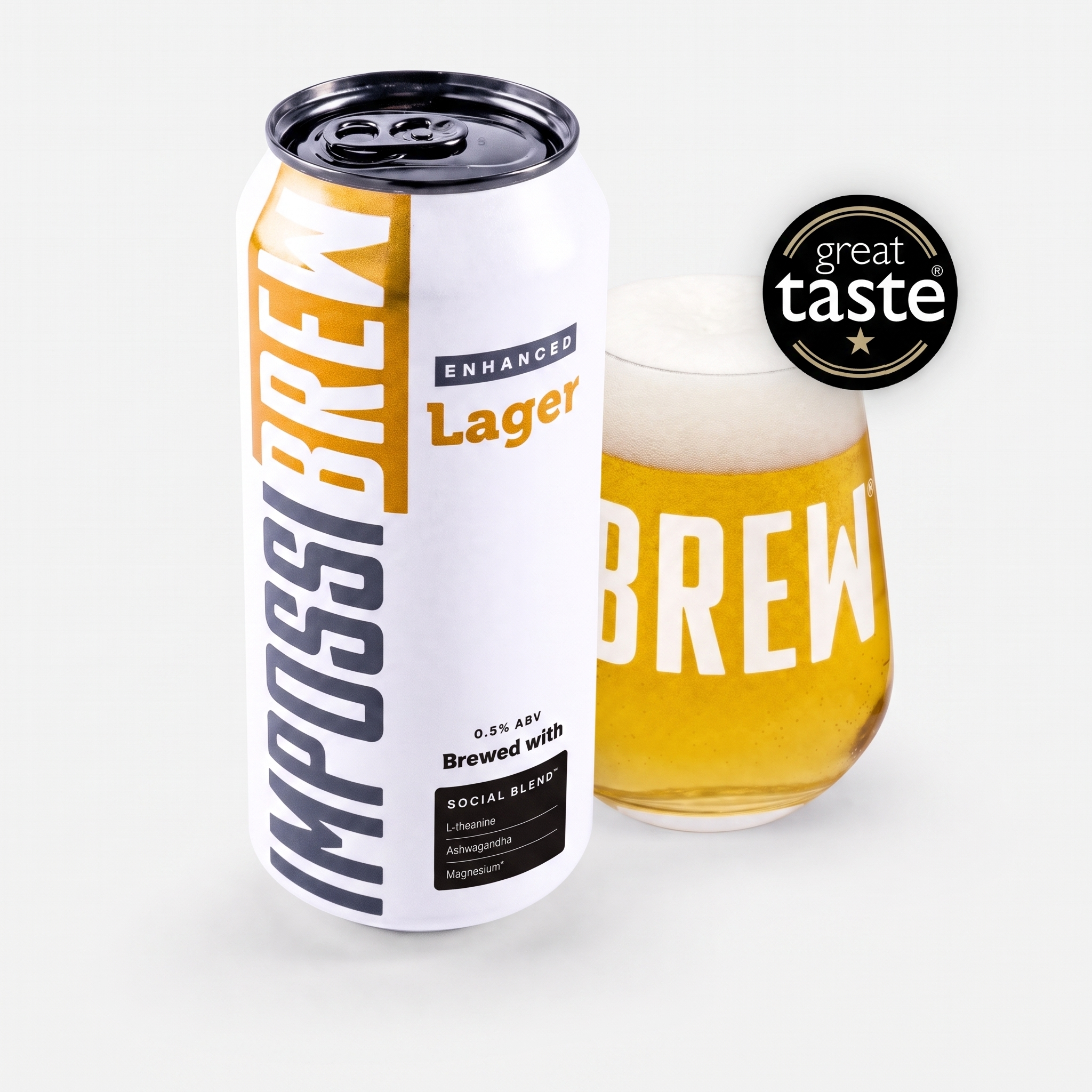
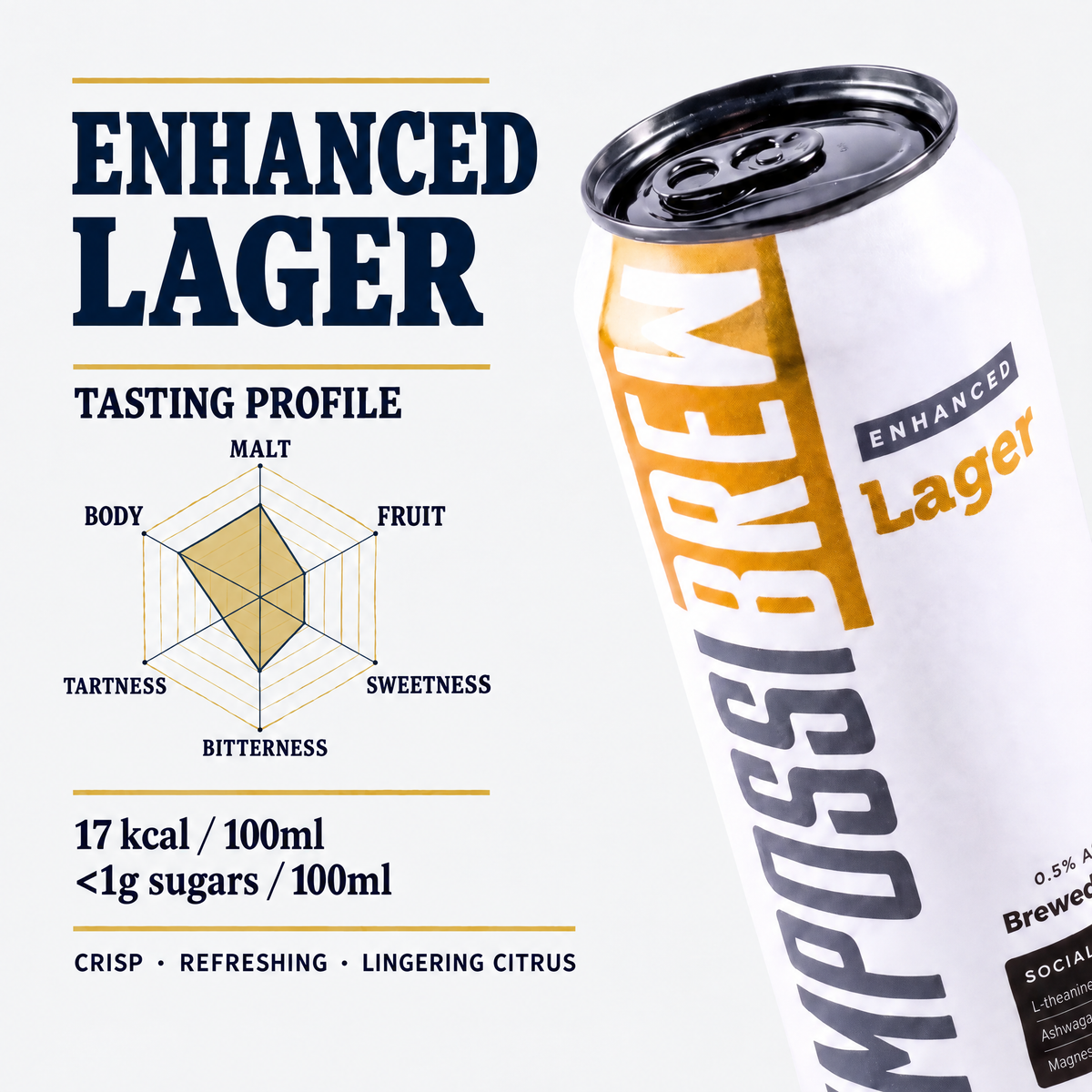
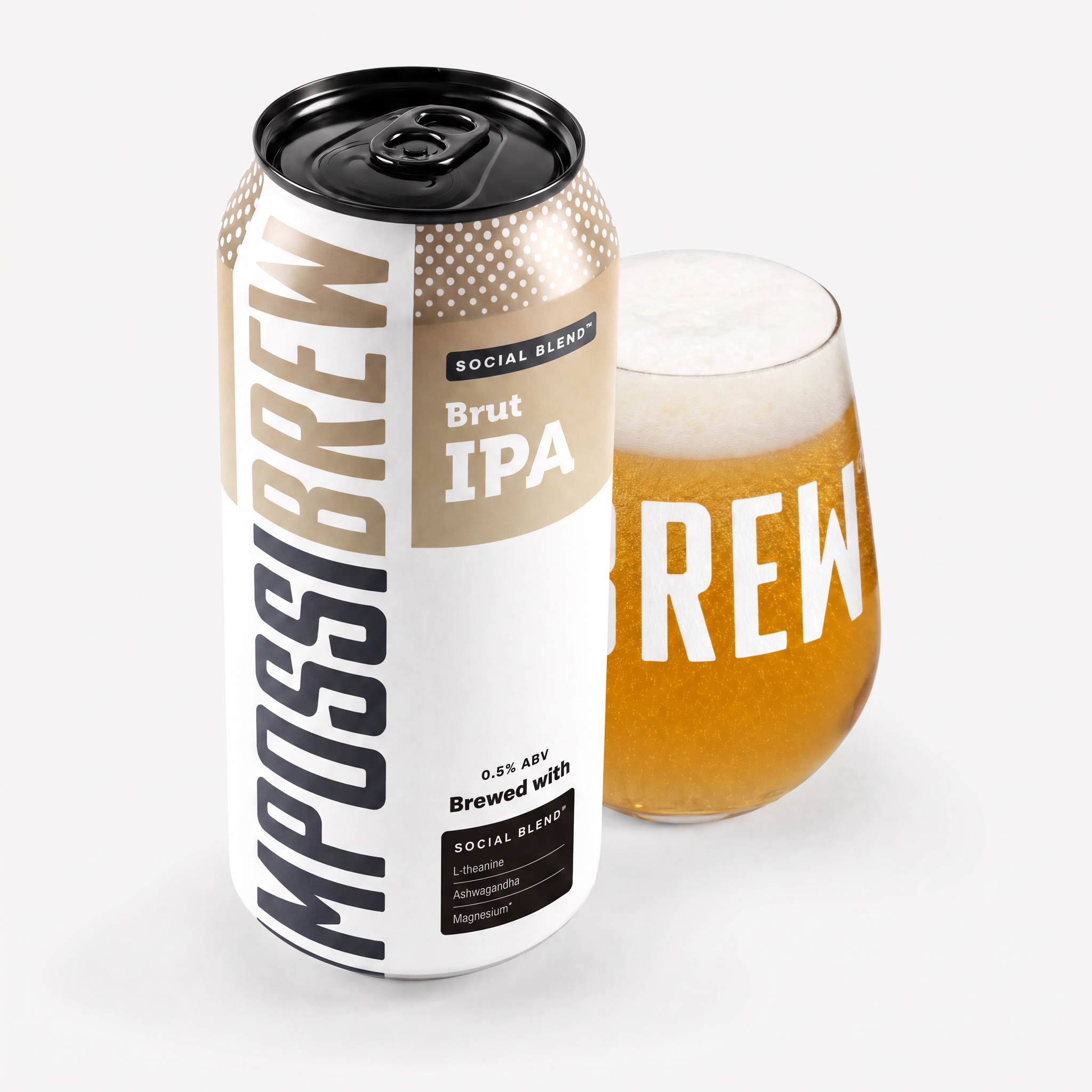
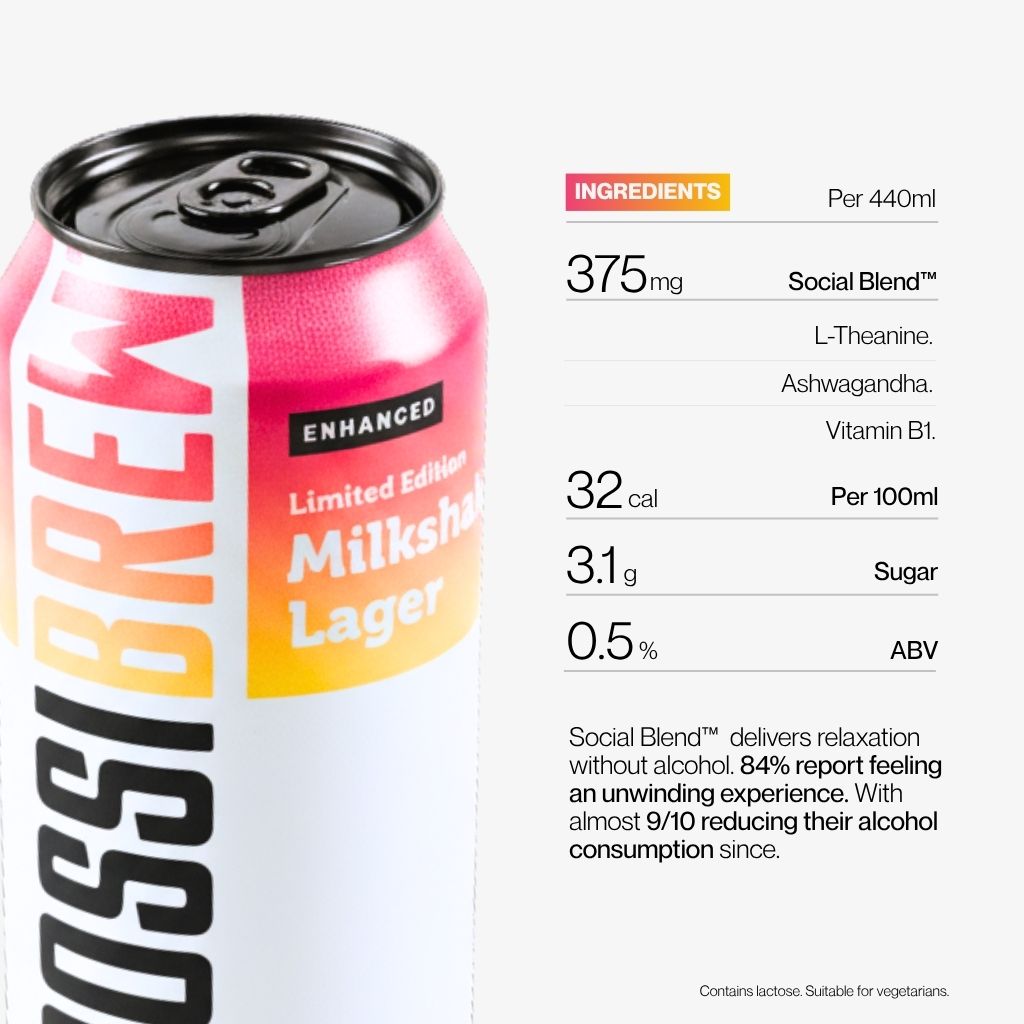
Take IMPOSSIBREW®, for example. Their enhanced non-alcoholic beers, featuring the proprietary Social Blend™, mimic the taste and relaxing qualities of regular beers. This innovation allows sitcom characters to fully engage in social rituals - whether it’s raising a toast or simply enjoying a pint - without needing to overexplain their choice. The focus shifts from their sobriety to the scene itself, making their non-drinking status feel natural rather than a plot point.
With premium alcohol-free options, characters no longer need to justify their decisions or seem like they’re missing out. Instead, they can be seen savouring a crisp lager or a tropical pale ale, enjoying the sensory experience while maintaining their alcohol-free lifestyle.
Impact on Public Perception
These realistic portrayals don’t just enhance storytelling; they also influence how audiences view sobriety. By incorporating quality alcohol-free products into sitcoms, writers help normalise non-drinking choices among viewers. Seeing characters opt for sophisticated alternatives instead of basic soft drinks challenges outdated assumptions about sobriety and socialising.
One significant shift is how these products eliminate the stigma of standing out at social events. Their resemblance to traditional beverages allows characters to blend in seamlessly, avoiding the label of being "the non-drinker."
Moreover, showcasing alcohol-free options with science-backed ingredients that promote relaxation helps audiences understand that sobriety doesn’t mean giving up the social and sensory joys of drinking. This representation positions alcohol-free choices as legitimate and appealing, rather than a compromise.
Relevance to Society
The growing presence of premium alcohol-free products in sitcoms mirrors Britain’s increasing focus on wellness and mindful drinking. These shows reflect real-world trends where people seek healthier options that don’t compromise on social enjoyment.
Sitcom characters now discuss the flavour profiles and craftsmanship of alcohol-free beers in the same way they might with traditional brews. This shift highlights the value of these products not as mere substitutes, but as beverages to be appreciated in their own right.
Affordable options like IMPOSSIBREW®'s Enhanced range (£1.97 per can) make these products accessible to a wide audience. With their vegan-friendly, gluten-free ingredients and science-backed formulations, they align with modern wellness trends while remaining practical for everyday use.
This evolution in how alcohol-free products are presented reflects a broader societal shift. In today’s sitcoms, characters may choose these beverages not just for sobriety, but as part of a larger commitment to mindful living, dietary preferences, or ethical values. It’s a subtle yet powerful nod to changing attitudes around wellness and lifestyle choices.
Pros and Cons
Different eras of sitcoms have taken varied approaches to portraying sobriety, each with its own strengths and weaknesses.
| Approach | Pros | Cons |
|---|---|---|
| Classic Sitcoms | Straightforward storylines that were easy to follow; Strong moral lessons about the dangers of alcohol; Memorable characters that encouraged important discussions | Often relied on harmful stereotypes about non-drinkers; Presented sobriety as socially isolating; Lacked nuanced exploration of personal choice |
| Modern Sitcoms | More realistic and balanced character development; Explores diverse reasons for choosing sobriety; Reduces stigma by normalising sober lifestyles | Sometimes overly complex storylines; May not deliver the clear messaging of older shows; Demands more sophisticated writing to succeed |
| Alcohol-Free Products Integration | Reflects current drinking trends; Helps sober characters fit into social settings; Promotes sobriety as a positive lifestyle choice | Not present in older sitcoms; Requires thoughtful product placement to avoid seeming commercial; Can feel forced if handled poorly |
Each approach has shaped how sobriety is portrayed on screen, and the strengths and challenges of these methods are worth unpacking.
Classic sitcoms often took a direct and moralistic approach to alcohol. Shows like Cheers created iconic moments when characters confronted their drinking habits, but they also leaned on stereotypes. Non-drinkers were often portrayed as outsiders, and the storytelling lacked room for characters who simply didn't drink by choice.
Modern sitcoms have shifted the narrative, presenting sobriety as a thoughtful lifestyle decision rather than just a response to addiction. This approach allows for more layered storytelling but demands careful writing to avoid losing authenticity or clarity.
The inclusion of alcohol-free products, such as IMPOSSIBREW®, adds another layer of realism to modern sitcoms. These alternatives, complete with features like the Social Blend™ formula, give characters the chance to engage in traditional pub or party scenes without standing out. This not only reflects contemporary drinking habits but also removes the awkwardness often associated with sober characters in social settings. Writers can now integrate these products naturally into scenes, addressing modern dietary preferences without making them the centre of the plot.
While classic sitcoms excelled at delivering clear moral lessons, modern shows thrive on their nuanced discussions, and alcohol-free product integration brings authenticity to the table. The best contemporary sitcoms often combine these elements, using premium alternatives to balance realism with deeper explorations of personal choice and social dynamics.
This ongoing evolution in sitcom storytelling mirrors the broader shifts in British drinking culture and the growing focus on wellness, offering viewers a fresh perspective on sobriety in today's world.
Conclusion
Sitcoms have long acted as both reflections of society and drivers of change, especially when it comes to shifting attitudes towards sobriety. Over the years, they've moved from simplistic portrayals that often stigmatised non-drinkers to more layered narratives that embrace personal choice and celebrate alcohol-free lifestyles. This evolution mirrors broader changes in British drinking habits and a growing focus on wellness.
Unlike the isolated depictions of sober characters in older sitcoms, today’s shows effortlessly weave alcohol-free options into social settings, presenting them as natural and inclusive choices. This shift has been bolstered by the rise of innovative products that replicate the social and sensory aspects of drinking while avoiding the downsides.
Modern sitcoms don’t just reflect these changes; they actively shape societal views. By featuring characters who enjoy enhanced non-alcoholic beers or openly share their reasons for avoiding alcohol, these programmes help normalise sobriety as a thoughtful lifestyle choice rather than a response to addiction. Such storylines reach vast audiences, challenging outdated stereotypes and reducing stigma around sober living.
The influence of media extends far beyond entertainment. By presenting alcohol-free products as stylish and desirable, sitcoms encourage viewers to rethink their relationship with drinking. Brands like IMPOSSIBREW® - with their Enhanced Lager and Enhanced Pale Ale - highlight a new era where sobriety is seen as enriching social connections, not limiting them.
As British drinking culture continues to embrace mindful consumption, sitcoms are playing a pivotal role in normalising alcohol-free lifestyles. Through authentic storytelling and the growing popularity of innovative alcohol-free options, they’re helping to make sobriety not only acceptable but genuinely appealing to mainstream audiences.
This ongoing evolution underscores the powerful connection between media representation and societal attitudes. The interplay between the two drives cultural change, reinforcing how authentic narratives can inspire shifts in modern wellness culture and redefine what it means to live well.
FAQs
How do modern sitcoms reflect changing attitudes towards sobriety?
Modern sitcoms have played a key role in mirroring and influencing society’s changing attitudes towards sobriety. By presenting characters who choose sobriety or tackle recovery with a mix of humour and honesty, these shows help dismantle stereotypes and open up conversations about alcohol-free living.
Take Loudermilk, for instance. This sitcom features a sober protagonist navigating everyday life, making the concept of sobriety feel relatable and approachable. Such portrayals have gradually helped foster a more open acceptance of sobriety as a positive lifestyle choice, striking a chord with viewers who may be on similar journeys.
How do sitcoms reflect changing attitudes towards sobriety and alcohol-free lifestyles?
Sitcoms have always reflected the pulse of society, and the growing embrace of sobriety and alcohol-free lifestyles is no exception. More and more modern shows are portraying characters who choose to stay sober or reach for alcohol-free options, showcasing a shift in how these choices are viewed. By doing so, they’re helping to normalise sober living and dismantle old stereotypes about needing alcohol to socialise.
On top of that, products like non-alcoholic beers are changing the game. These alternatives provide a way for people to stay part of social occasions without compromising their decision to avoid alcohol. It’s a trend that’s finding its way into today’s storytelling, highlighting how sobriety can fit seamlessly into everyday life.
How do sitcoms reflect changing attitudes towards sobriety and wellness?
Sitcoms today are increasingly showcasing society's changing views on sobriety, wellness, and mindful living. By featuring characters dealing with addiction, recovery, and personal growth, these shows bring attention to mental health and self-awareness - topics that strike a chord with today's audiences.
This change reflects a broader recognition of sobriety as a comprehensive, ongoing journey rather than a subject to shy away from. It mirrors wider trends that emphasise mental well-being and balanced living, fostering open dialogue and helping to break down the stigma surrounding addiction and recovery.