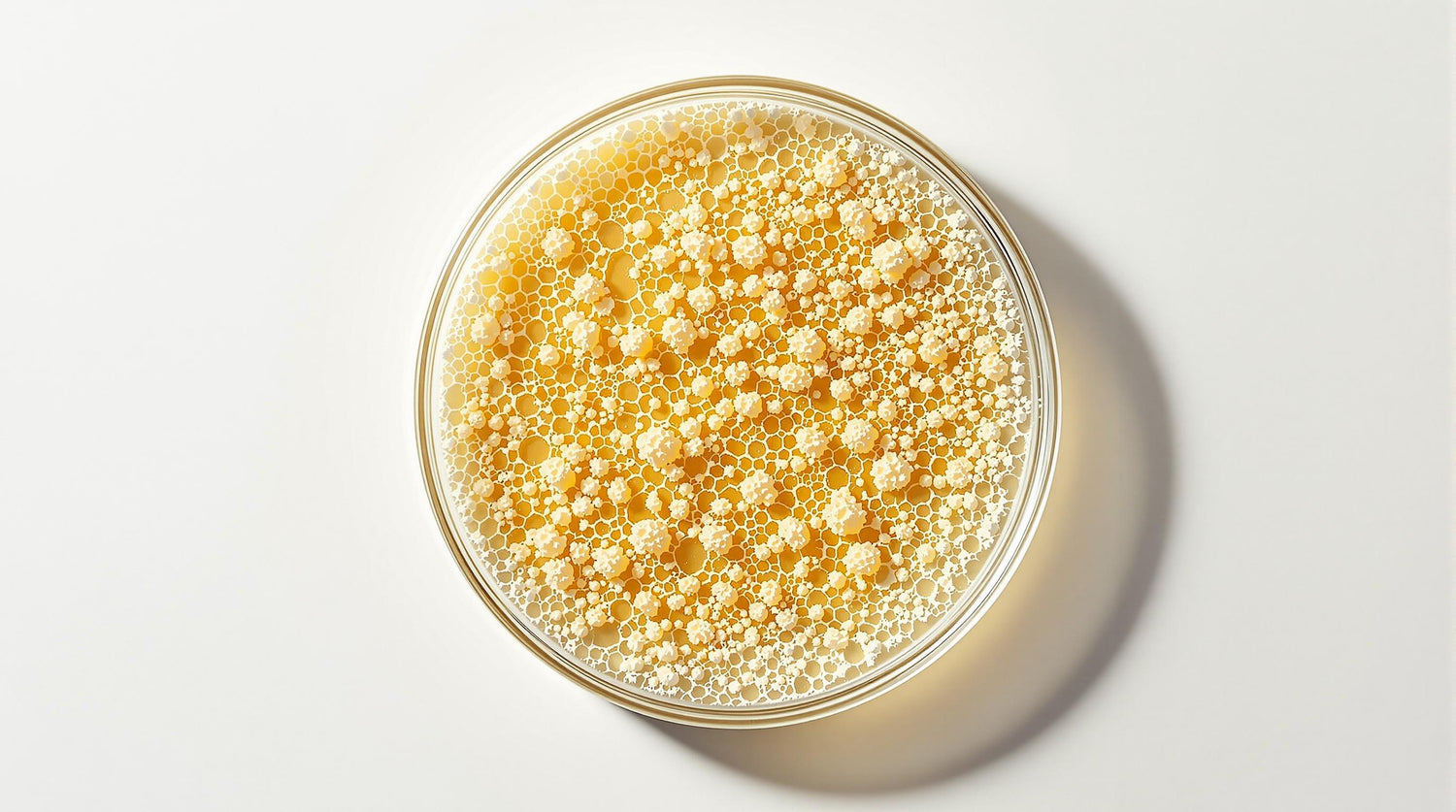
Yeast is the secret behind the flavour of non-alcoholic beer. Brewers carefully control fermentation to mimic the taste of regular beer while keeping alcohol below 0.5%. Here’s how:
- Fermentation Temperatures: Non-alcoholic beer is brewed at cooler temperatures (0–4°C) over 24–48 hours to control alcohol and flavour.
- Key Flavour Compounds: Yeast produces esters (fruity), higher alcohols (spicy), organic acids (crisp), and phenols (clove-like), which are carefully balanced for taste.
- Special Yeast Strains: Maltose-negative yeasts like Saccharomycodes ludwigii help create rich flavours without fermenting sugars into alcohol.
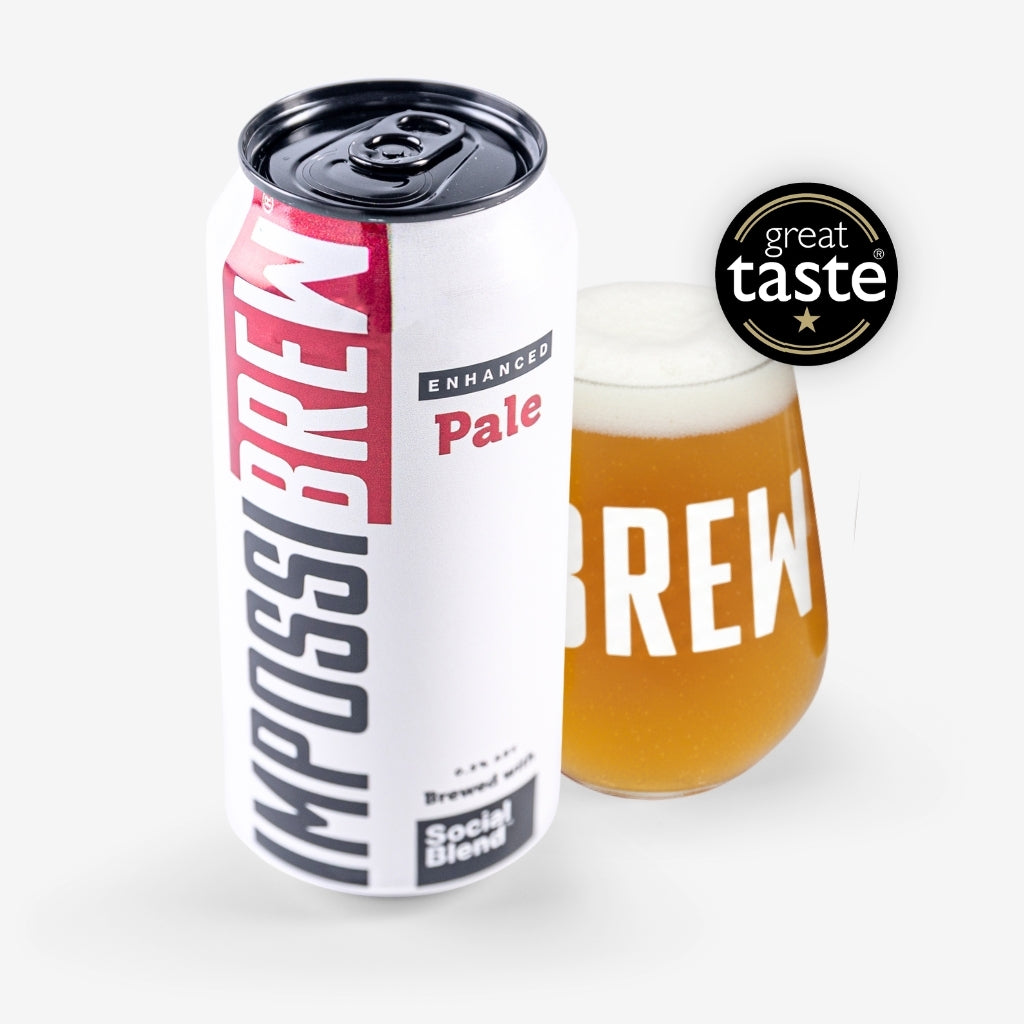
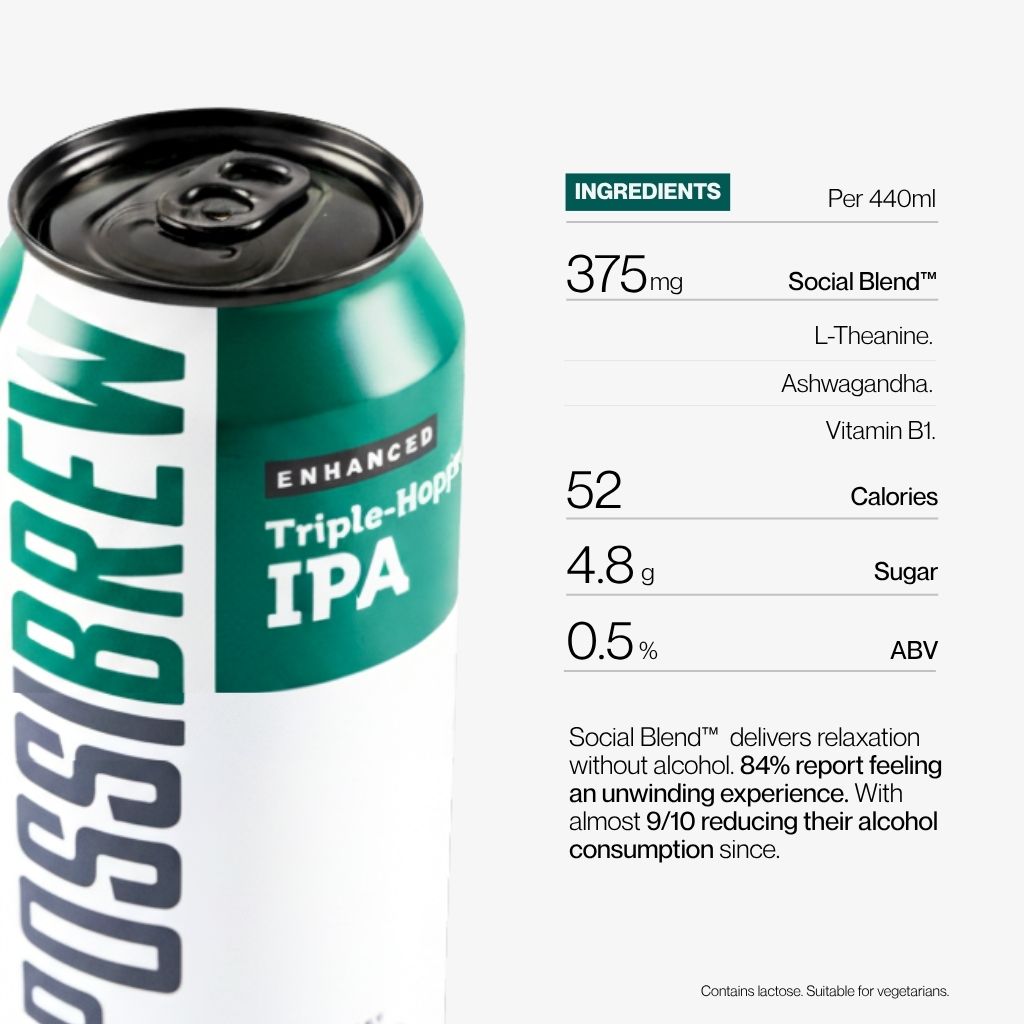
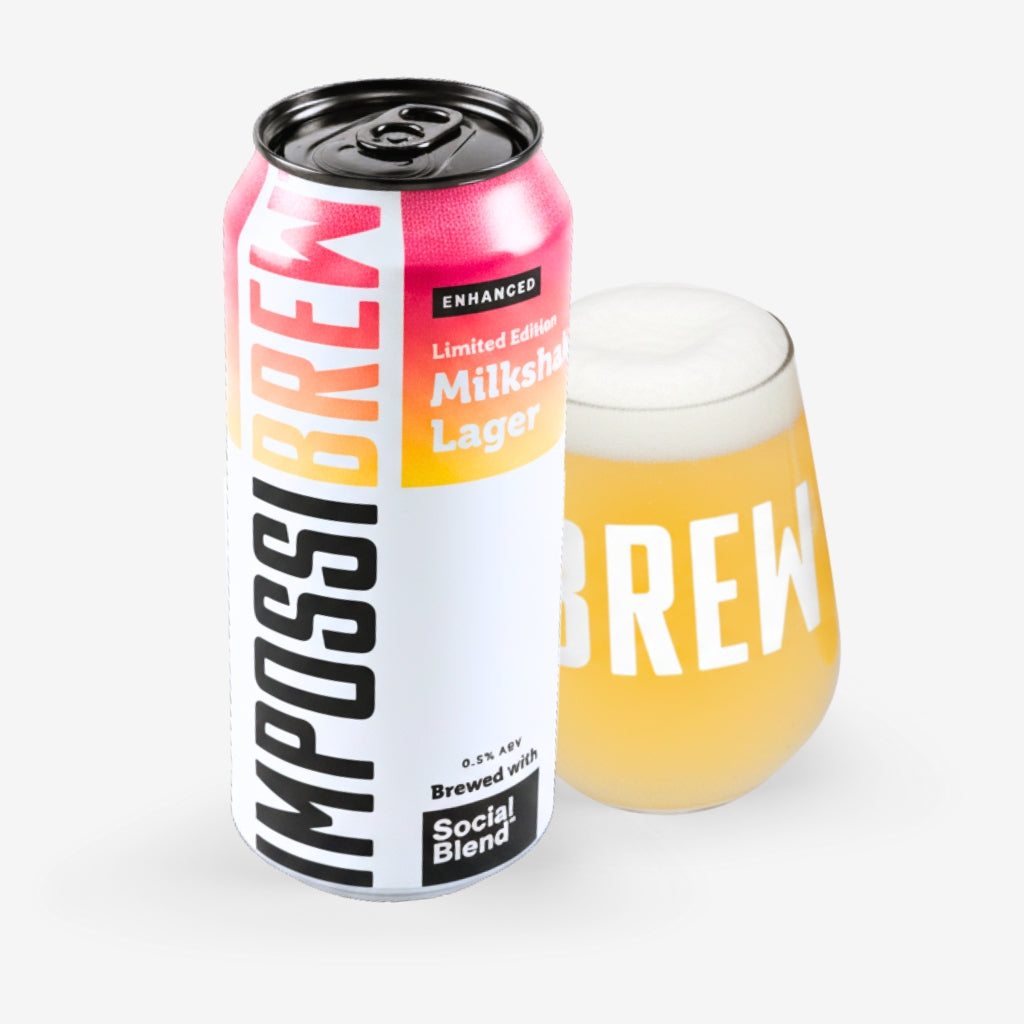
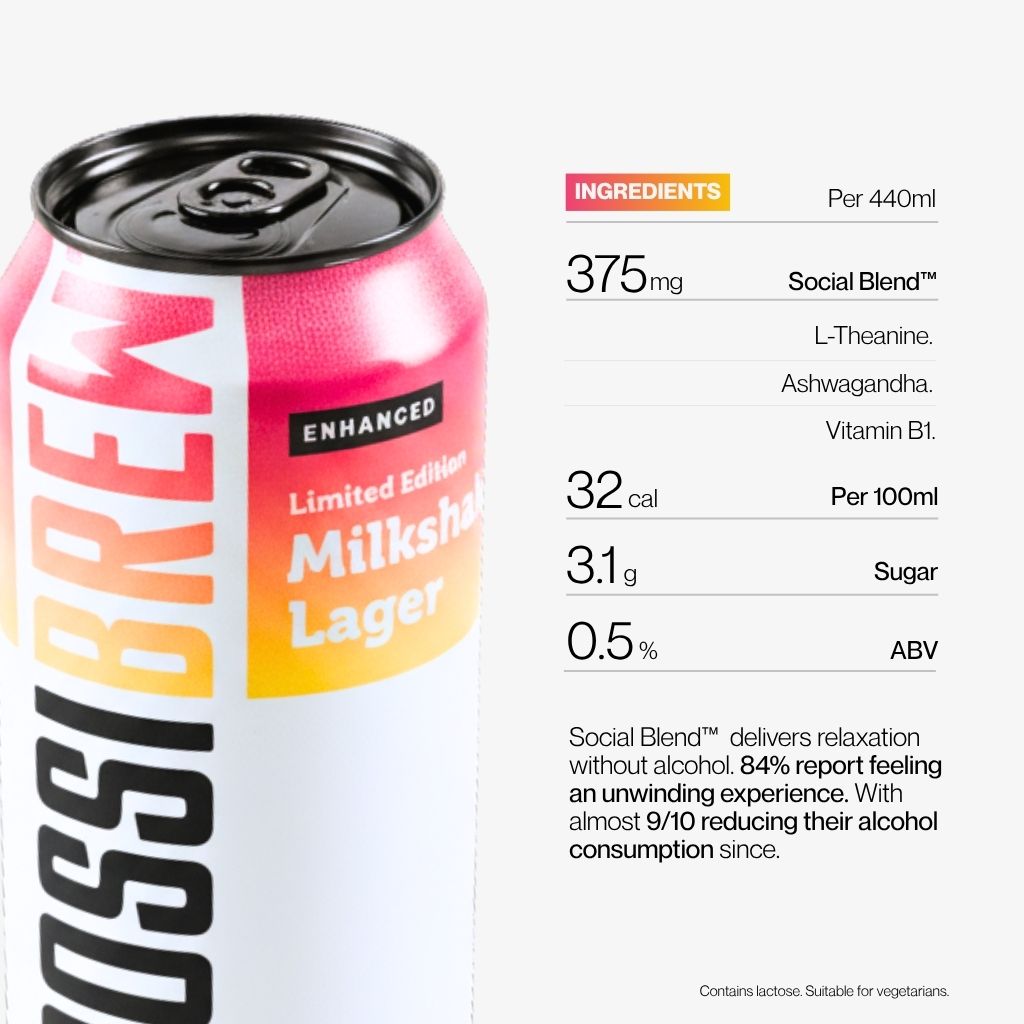
- Advanced Techniques: Methods like cryogenic fermentation preserve natural flavours without removing alcohol, as seen in IMPOSSIBREW® beers.
Modern brewing techniques make it possible to craft non-alcoholic beers that taste just as good as traditional ones.
Yeast that actually delivers flavour in low and no alcohol beer production
Yeast and Flavour Formation
Yeast metabolism plays a key role in creating the flavours that define beer. In non-alcoholic brewing, this process needs careful adjustment to mimic the taste of traditional beer. Let’s take a closer look at how the processes differ between regular and non-alcoholic beer production.
Comparing Regular and Non-Alcoholic Brewing
One major difference lies in fermentation temperatures. Traditional brewing typically uses a range of 12–25°C over 5–7 days, while non-alcoholic brewing operates at much cooler temperatures - 0–4°C for just 24–48 hours. These variations influence the development of flavour compounds like esters and higher alcohols. By controlling these conditions, brewers can guide the creation of key flavour elements.
Main Flavour Compounds from Yeast
Yeast generates several important flavour compounds that shape a beer’s character:
| Compound Class | Flavour Characteristics | Formation Temperature |
|---|---|---|
| Esters | Fruity, floral notes | 15–20°C |
| Higher Alcohols | Warming, spicy notes | 8–15°C |
| Organic Acids | Crisp, tart elements | 4–12°C |
| Phenols | Clove-like, spicy | 18–22°C |
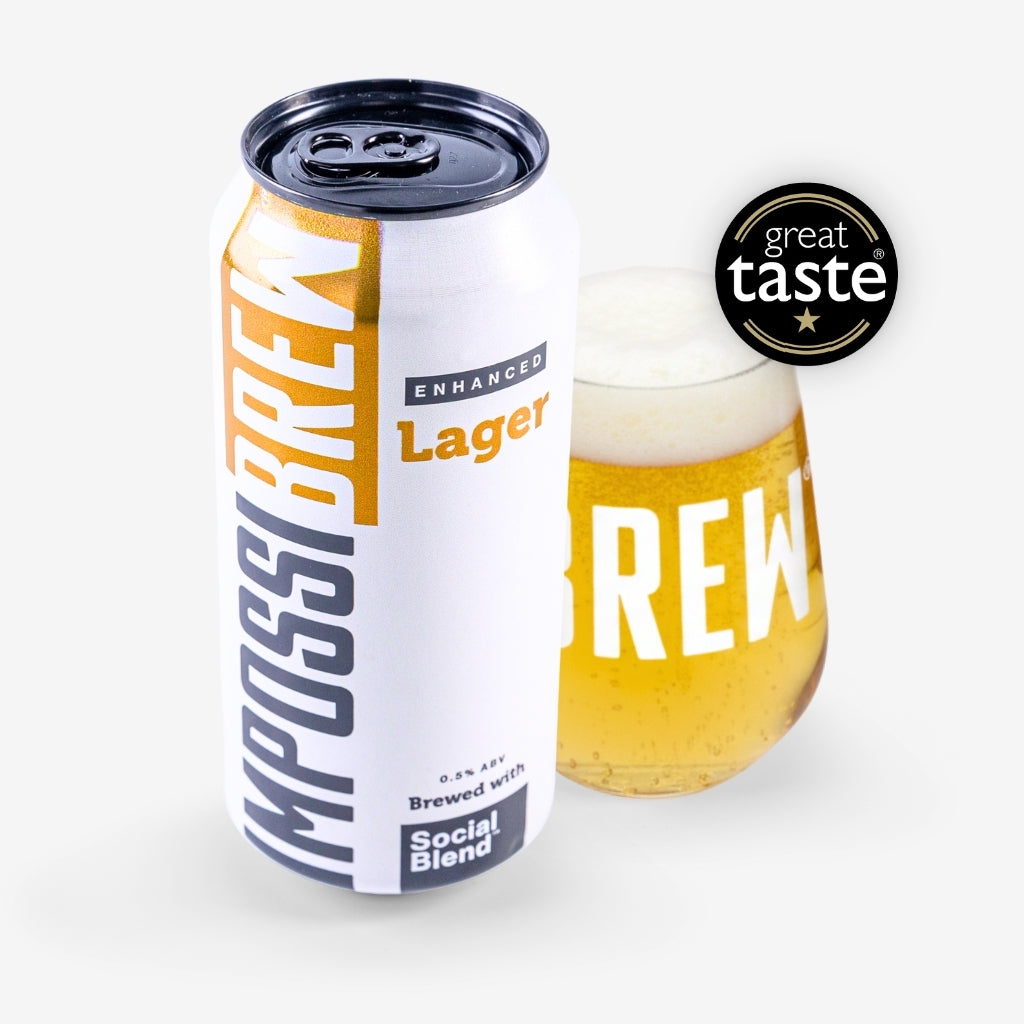
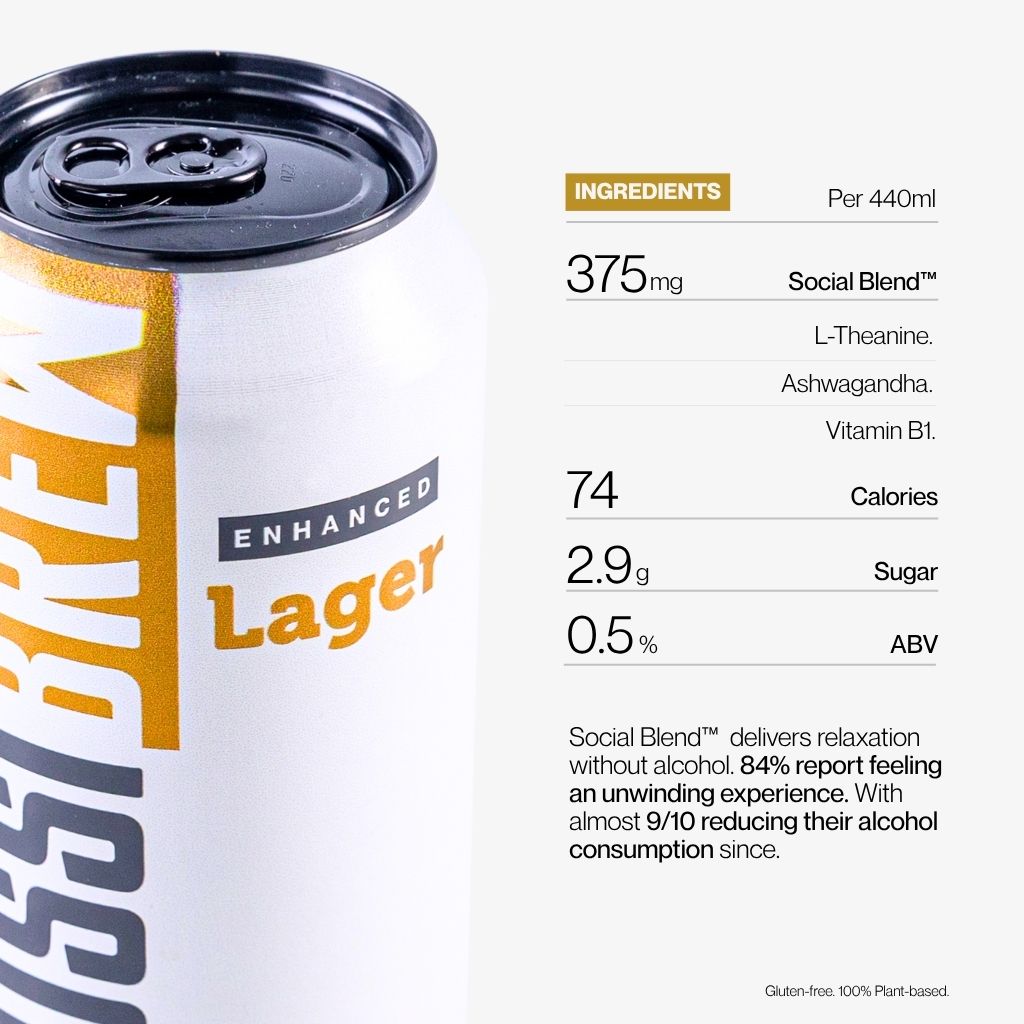
In non-alcoholic brewing, balancing these compounds is crucial. For example, IMPOSSIBREW®'s Enhanced Lager achieves its crisp flavour by precisely managing fermentation temperatures. This approach allows for optimal ester production while limiting alcohol formation.
Choosing Yeast for Non-Alcoholic Beer
After understanding how yeast impacts flavour, the next step is picking the right yeast strain for your brew.
Brewers now have access to specialised yeast strains that can create rich flavours while keeping alcohol levels low. Advances in brewing techniques allow for better control over flavour profiles without compromising the alcohol-free nature of the beer.
Maltose-Negative Yeast Types
Maltose-negative yeasts are a go-to choice for non-alcoholic beer. These yeasts don’t ferment maltose, the main sugar in wort, which helps keep alcohol levels low while enhancing flavour. Popular strains include Saccharomycodes ludwigii, Torulaspora delbrueckii, and Pichia kluyveri. Each of these strains brings its own unique flavour profile, offering brewers options to craft beers with distinct tastes.
Yeast Strain Comparison
IMPOSSIBREW® takes things further with cryogenic fermentation, a method that finely tunes yeast activity to preserve the beer’s flavour.
"IMPOSSIBREW® specialises in expertly crafted non-alcoholic beers designed to match full ABV beers in both taste and feeling." – IMPOSSIBREW®
When choosing a yeast strain, brewers focus on factors like fermentation efficiency, temperature range, flavour complexity, and how well the yeast fits into the brewing process. By carefully managing yeast selection and fermentation conditions, it’s possible to create non-alcoholic beers that taste and smell just as good as traditional ones.
sbb-itb-a752bf8
Methods to Control Yeast Flavours
Fine-tuning yeast activity plays a key role in crafting the flavour of non-alcoholic beer, building on the fermentation conditions we’ve already touched on.
Brewers carefully adjust temperature and fermentation time to shape the final flavour. For example, lower fermentation temperatures slow down yeast activity. This not only keeps alcohol levels in check but also boosts aroma production.
Similarly, tweaking the fermentation duration helps control the creation of specific flavour compounds. This balance allows brewers to achieve the familiar taste of beer while keeping alcohol content minimal.
These precise adjustments highlight the blend of skill and science needed to replicate the taste of traditional beer in non-alcoholic versions.
Modern Non-Alcoholic Beer Production
Today’s brewing methods allow non-alcoholic beers to closely replicate the flavours of their alcoholic counterparts. Techniques like cryogenic fermentation carefully manage yeast activity, keeping the intricate flavour compounds intact without requiring alcohol extraction. These methods build on earlier yeast control innovations, taking flavour replication to a new level.
IMPOSSIBREW®: Science-Driven Flavour Crafting
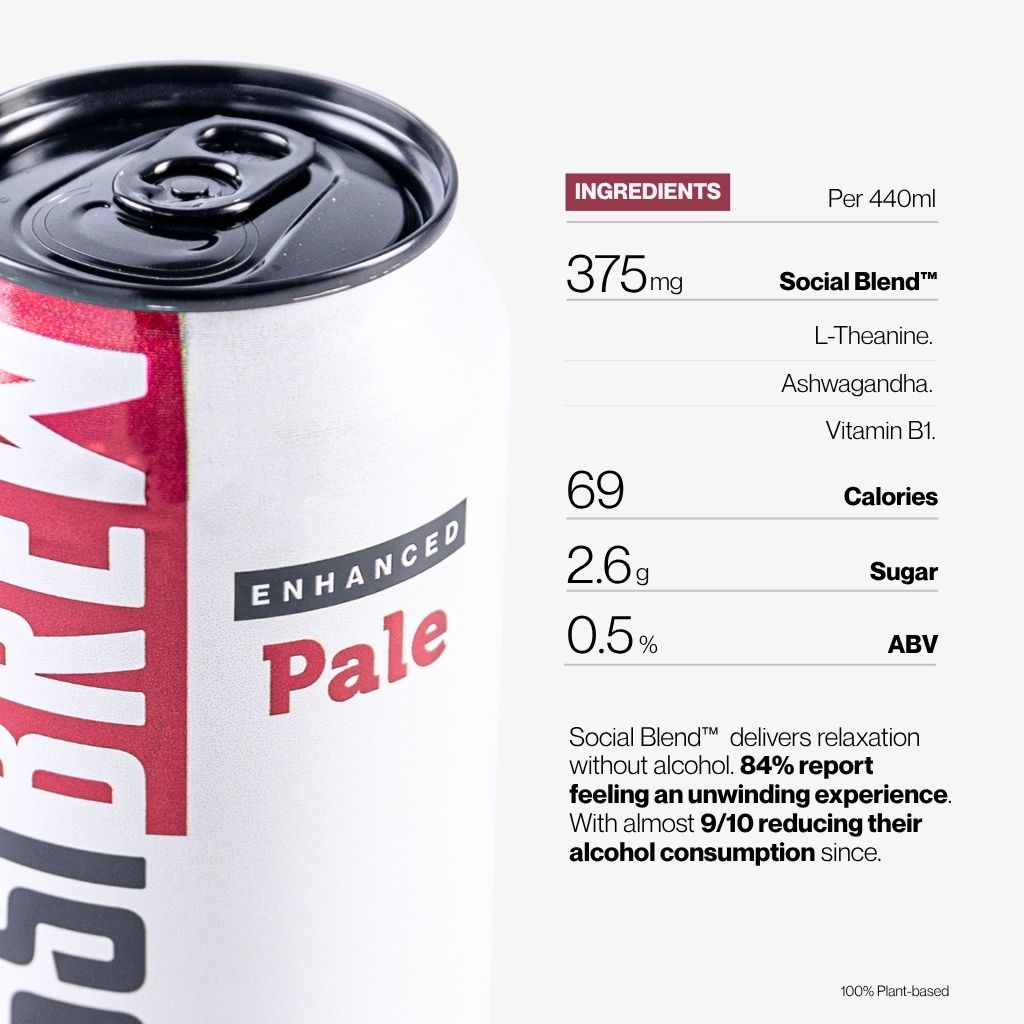
IMPOSSIBREW® showcases how modern brewing techniques can transform non-alcoholic beer. By employing cryogenic fermentation, they retain natural flavours while combining traditional brewing ingredients with precise fermentation control and their unique Social Blend™ technology. Their collaboration with top scientists ensures that yeast-derived flavours remain intact, complemented by carefully selected botanicals.
"IMPOSSIBREW® is a pioneering non‐alcoholic beer brand based in the UK that aims to create the world's most complete alcohol alternative using patent‐pending technology." [1]
This approach highlights how a deep understanding of yeast behaviour, paired with cutting-edge technology, can produce the complex flavour profiles once thought unattainable in non-alcoholic drinks.
Conclusion: The Role of Yeast in Non-Alcoholic Beer
Yeast plays a key role in creating the flavours of non-alcoholic beer, and modern brewing methods have taken its use to the next level. While older techniques often focused on removing alcohol, today's processes emphasise precise yeast control to develop flavourful alcohol-free beers.
With advanced fermentation techniques, brewers can carefully manage yeast activity to maintain the rich, complex flavours that define beer. By combining traditional ingredients with these refined methods, they can now recreate classic beer profiles without compromising on taste.
The industry's progress is evident in recent awards, showing that these brewing innovations are producing non-alcoholic beers that stand shoulder to shoulder with traditional options in both flavour and complexity.