If you have gout, non-alcoholic beer might seem like a safer alternative to regular beer. However, it still contains purines - compounds that increase uric acid levels, which can trigger gout symptoms. Research shows non-alcoholic beer raises uric acid by 4.4%, compared to 6.5% for regular beer. While the rise is smaller, it’s not risk-free.
Key points:
- Purines in non-alcoholic beer come from ingredients like yeast and grains.
- A 330ml bottle contains around 14mg of purines.
- Some low-purine non-alcoholic beers exist but require careful selection.
If you’re considering non-alcoholic beer, consult your doctor and monitor your symptoms. Moderation and choosing low-purine options are crucial for managing gout effectively.
How Gout Works and What Foods Trigger It
What Causes Gout and How Uric Acid Affects It
Gout is a type of arthritis that causes sudden and intense pain, often targeting the big toe. The culprit? Uric acid crystals. Uric acid forms when the body breaks down purines, a substance found in certain foods and drinks.
Under normal circumstances, your kidneys handle the job of filtering out excess uric acid, which then exits through urine. But when your body either produces too much uric acid or your kidneys struggle to remove it, levels in your blood can rise. If these levels exceed 6.8 mg/dL, monosodium urate crystals can start forming in your joints and nearby tissues.
These crystals are sharp and needle-like, and they set off an inflammatory reaction. This is what causes the hallmark gout symptoms: severe pain, swelling, redness, and warmth in the affected area. Gout attacks often strike at night, and the pain can be so intense that even the lightest touch feels unbearable.
Gout tends to affect men more frequently, especially those over 40, while women are more likely to experience it after menopause due to a drop in oestrogen levels. Other factors that increase the risk include a family history of gout, obesity, high blood pressure, diabetes, and kidney issues. Without proper management, gout can progress over time, leading to more frequent attacks and even permanent joint damage.
How Diet Affects Gout Symptoms
What you eat has a direct impact on uric acid levels and, by extension, gout symptoms. Foods high in purines - like organ meats, certain types of seafood, and red meat - can cause a spike in uric acid levels.
Alcoholic beer is particularly problematic, as it not only contains purines from yeast but also interferes with the body's ability to eliminate uric acid. Similarly, sugary drinks with high-fructose corn syrup can increase uric acid production. Dehydration compounds the issue by making it harder for your kidneys to flush out excess uric acid.
On the flip side, there are foods and habits that may help manage gout. Low-fat dairy products and cherries, for instance, have been shown to reduce symptoms. Staying hydrated by drinking plenty of water supports kidney function, helping to clear uric acid more effectively.
It's not uncommon for gout attacks to follow meals or drinks that include high-purine items, with symptoms often appearing within 12 to 24 hours. This connection raises questions about certain beverages, like non-alcoholic beer. While it lacks alcohol, the brewing process may still leave behind purine-rich ingredients, making its role in a gout-friendly diet worth exploring further.
Low-Purine Beer & Gout Deep Dive: The Science That’s Changing the Game
What's in Non-Alcoholic Beer and How It Affects Gout
Understanding the ingredients in non-alcoholic beer is crucial, as they can influence uric acid production - a key factor in gout. The brewing process and the materials used play a significant role in determining purine content, which directly impacts uric acid levels.
Main Ingredients in Non-Alcoholic Beer
Non-alcoholic beer is made with similar ingredients to regular beer, but the alcohol content is reduced to less than 0.5% by volume. While this level of alcohol is minimal and often considered negligible, the ingredients themselves still matter.
- Malted barley provides the sugars needed for fermentation.
- Hops add flavour and act as a natural preservative.
- Yeast ferments the sugars, producing alcohol and carbon dioxide. However, in non-alcoholic beer, this process is either stopped early or the alcohol is removed later.
Some brands enhance the flavour by adding natural flavours or citric acid, which can slightly alter the nutritional profile. The alcohol removal process often involves methods like vacuum distillation, reverse osmosis, or controlled fermentation. Despite these processes, purines - compounds that can raise uric acid levels - remain in the final product, as discussed below.
Do Non-Alcoholic Beers Have Purines?
Yes, non-alcoholic beers still contain purines, although typically in smaller amounts than regular beer. The main sources of purines in these beverages are the yeast used during fermentation and the grains like malted barley.
- Yeast releases purines during the brewing process. Even though the alcohol is removed, the purines persist.
- Barley and other grains naturally contain moderate levels of purines. These dissolve into the wort (the liquid extracted during brewing) and remain in the finished product.
Purine levels can vary between different non-alcoholic beers, depending on factors like brewing methods, ingredients, and the alcohol removal process. For example, wheat-based non-alcoholic beers may have slightly different purine profiles compared to barley-based ones, but both contribute to the overall purine content.
For individuals with gout, non-alcoholic beer isn’t automatically a "safe" alternative to regular beer. While it eliminates alcohol - a known gout trigger - the purines it contains can still pose a risk. Exploring low-purine alternatives is often a better choice for managing gout effectively.
Other Options for People with Gout
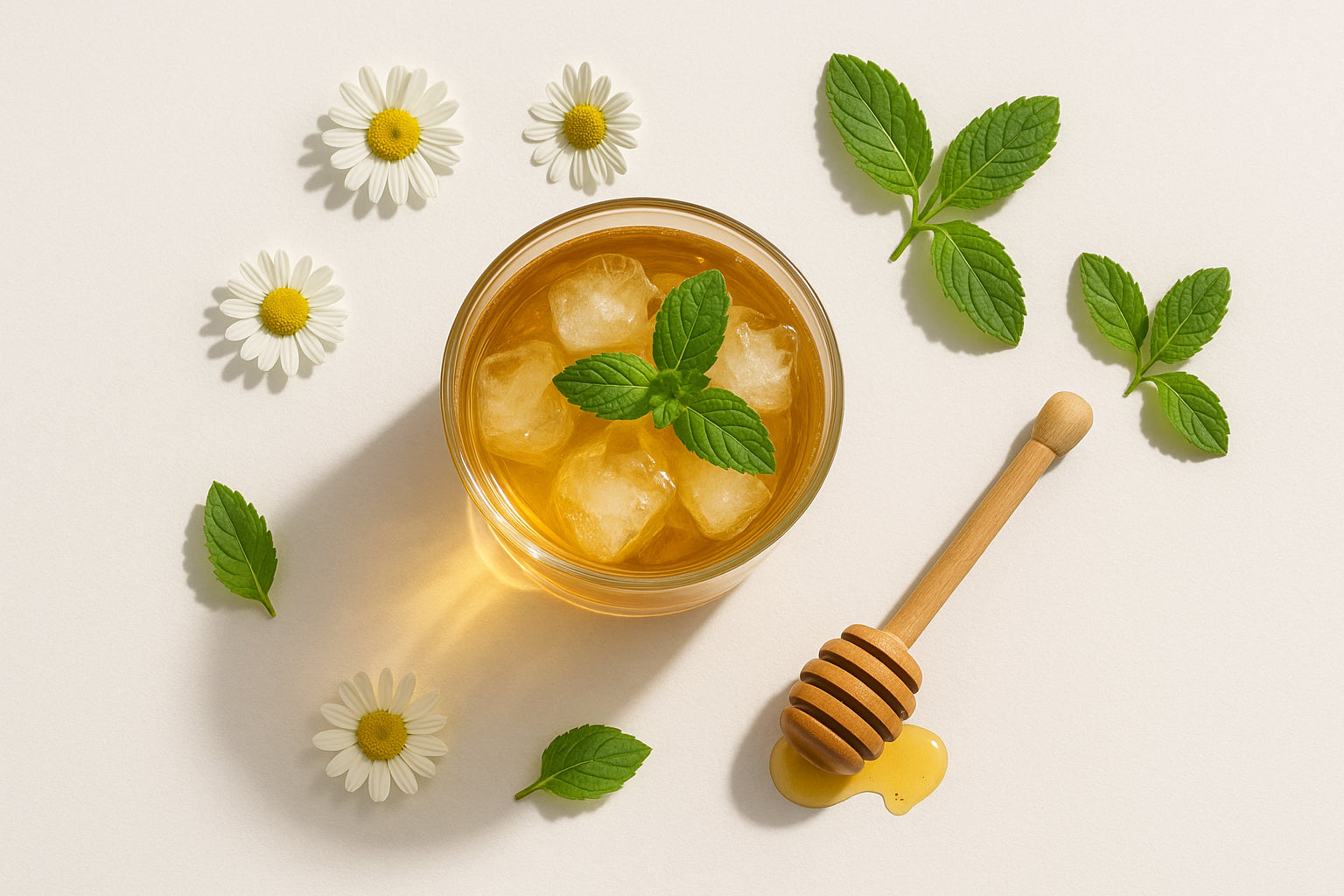
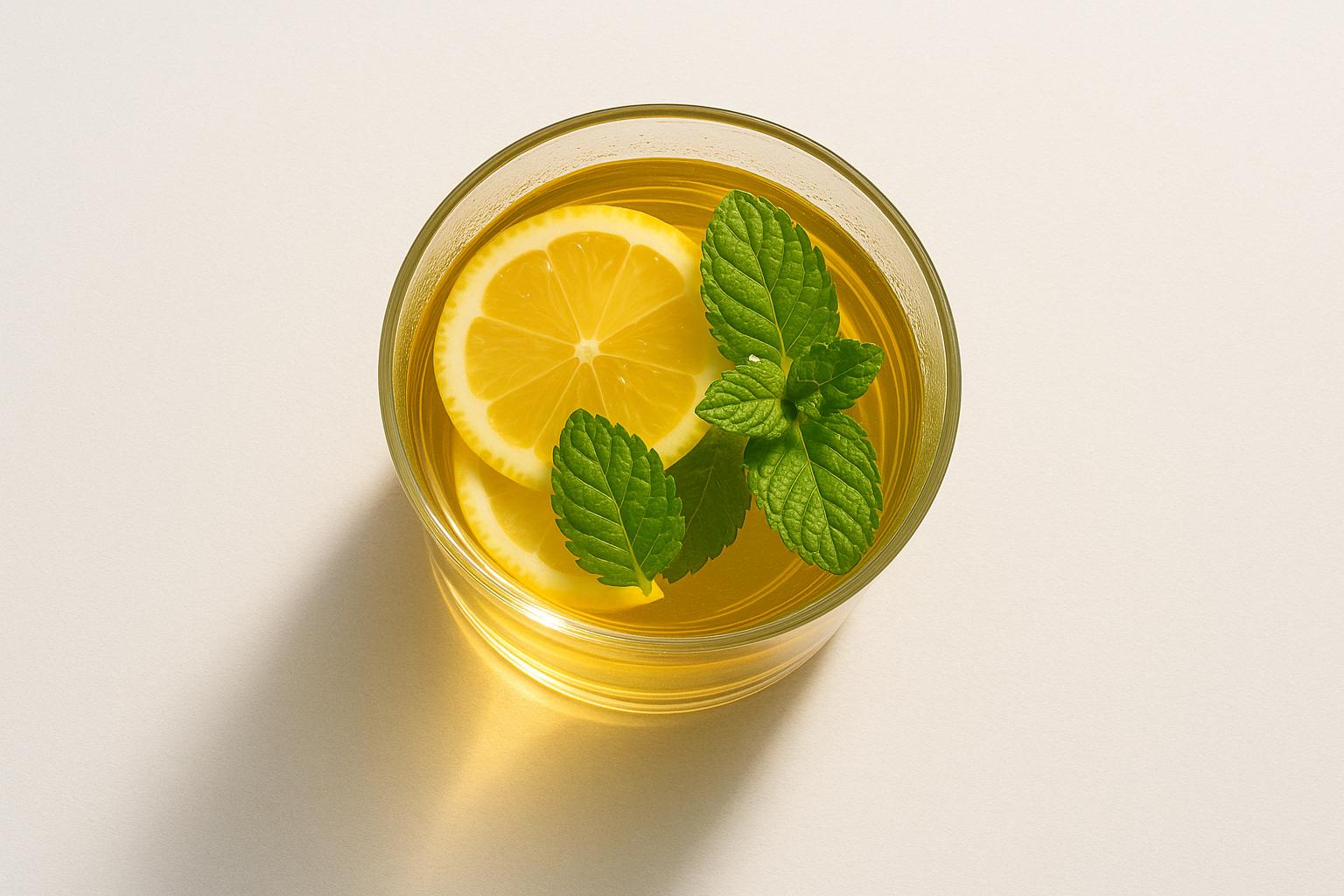
To support a gout-friendly lifestyle, it’s worth considering beverages with lower purine content. Some non-alcoholic beers and other drinks, like herbal teas or fruit-infused waters, can be better options.
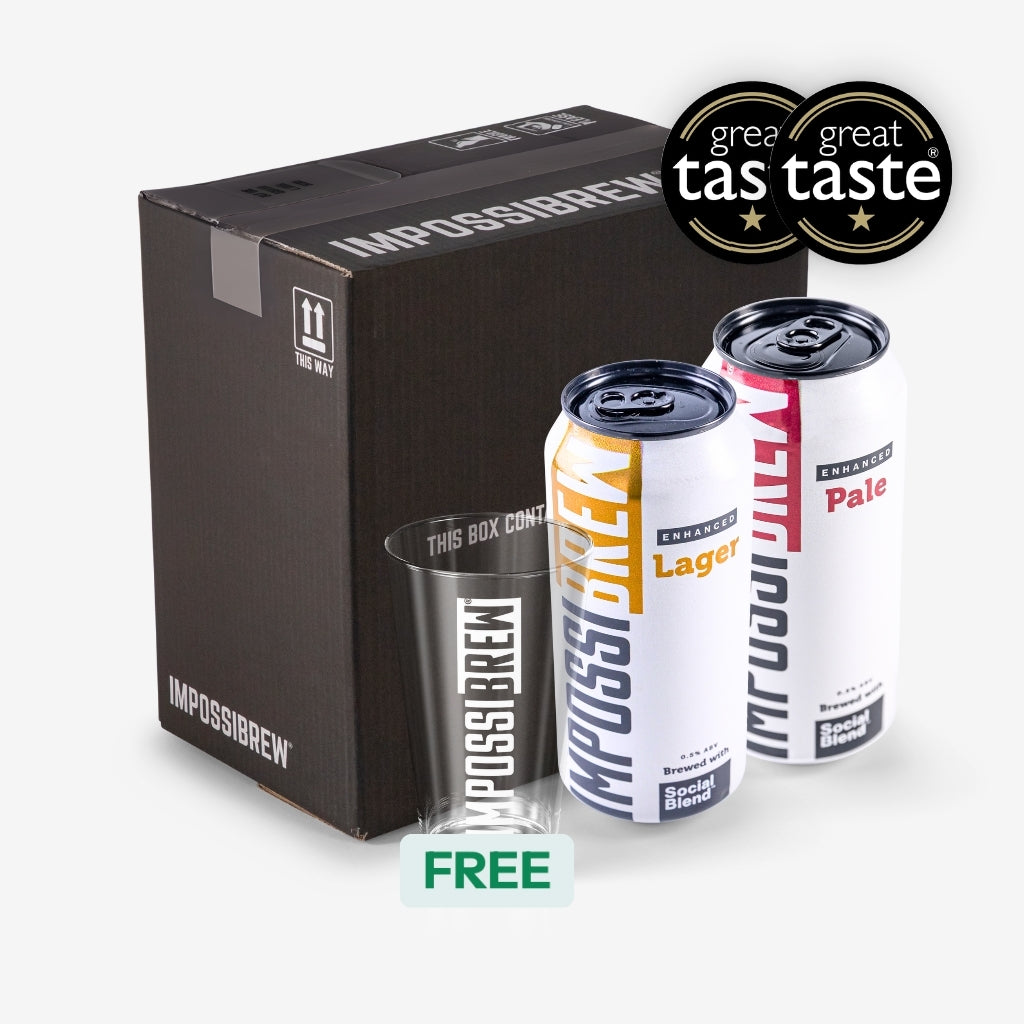
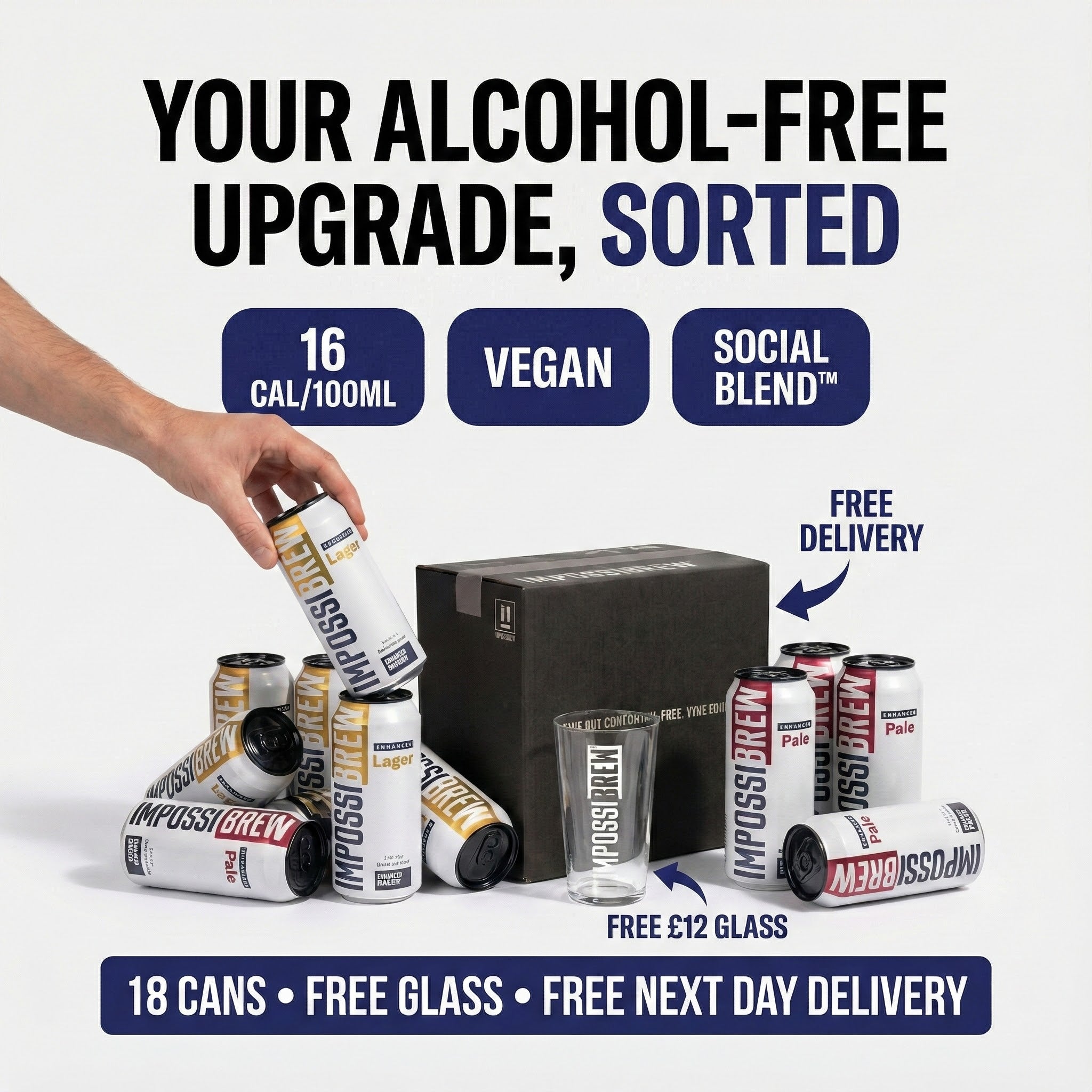
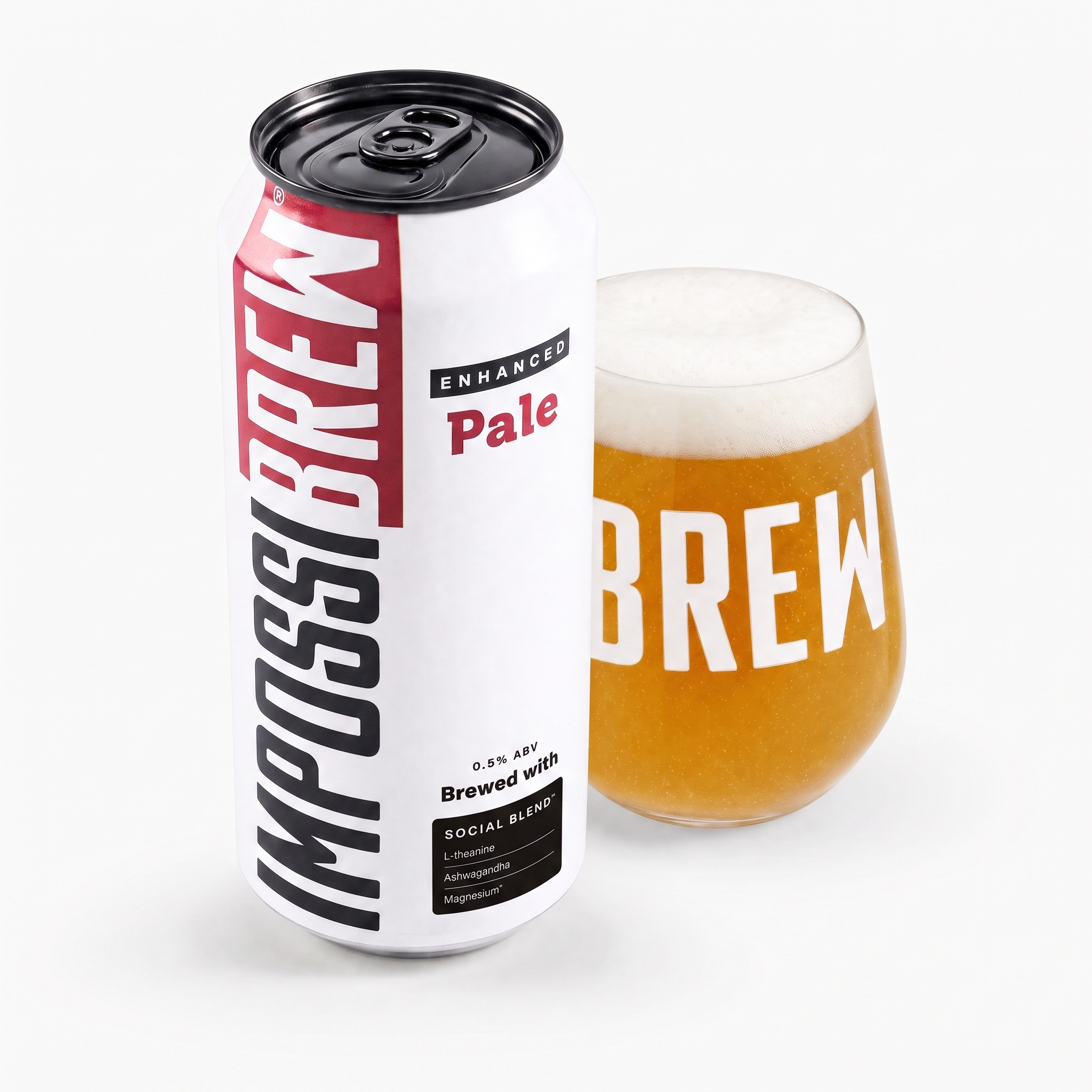
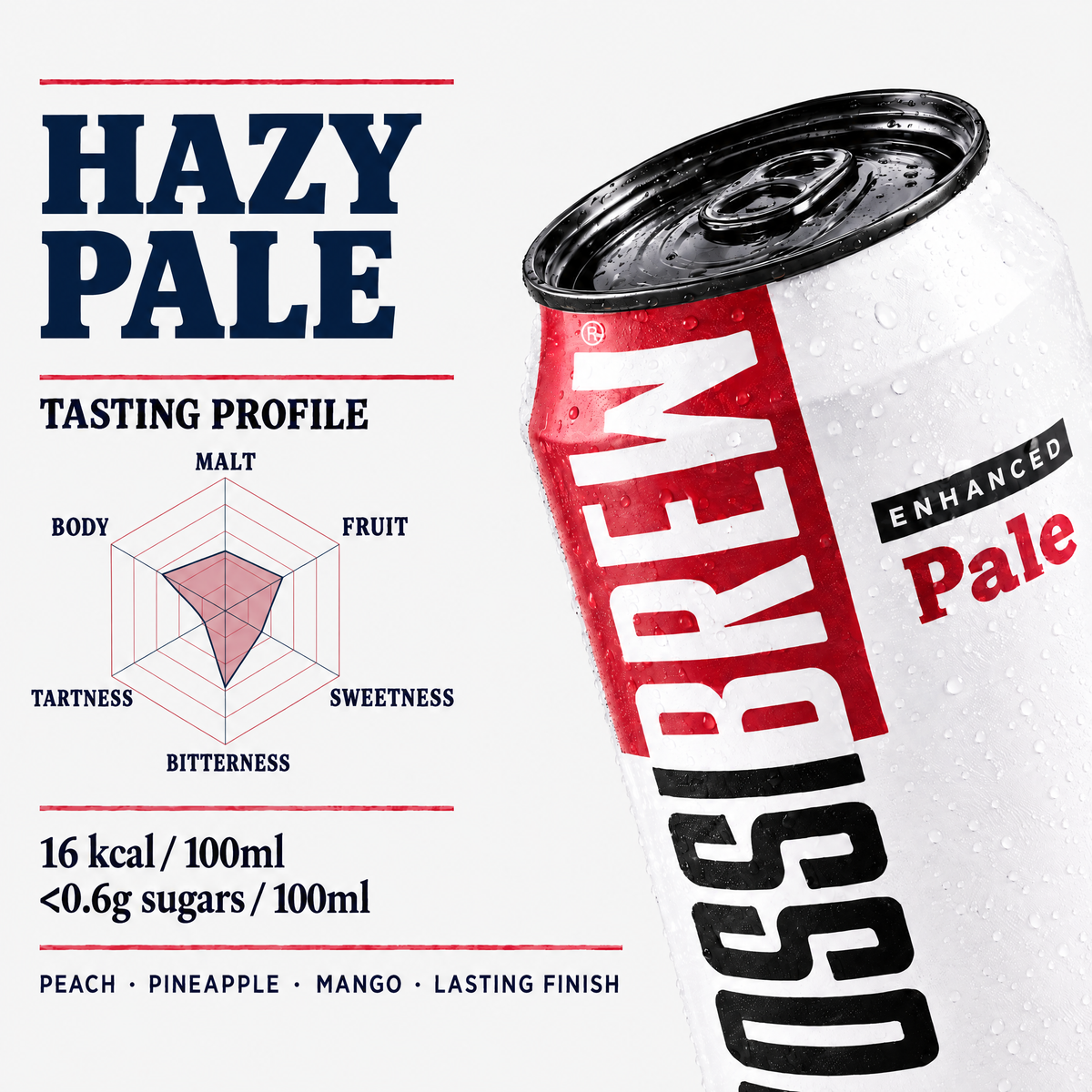
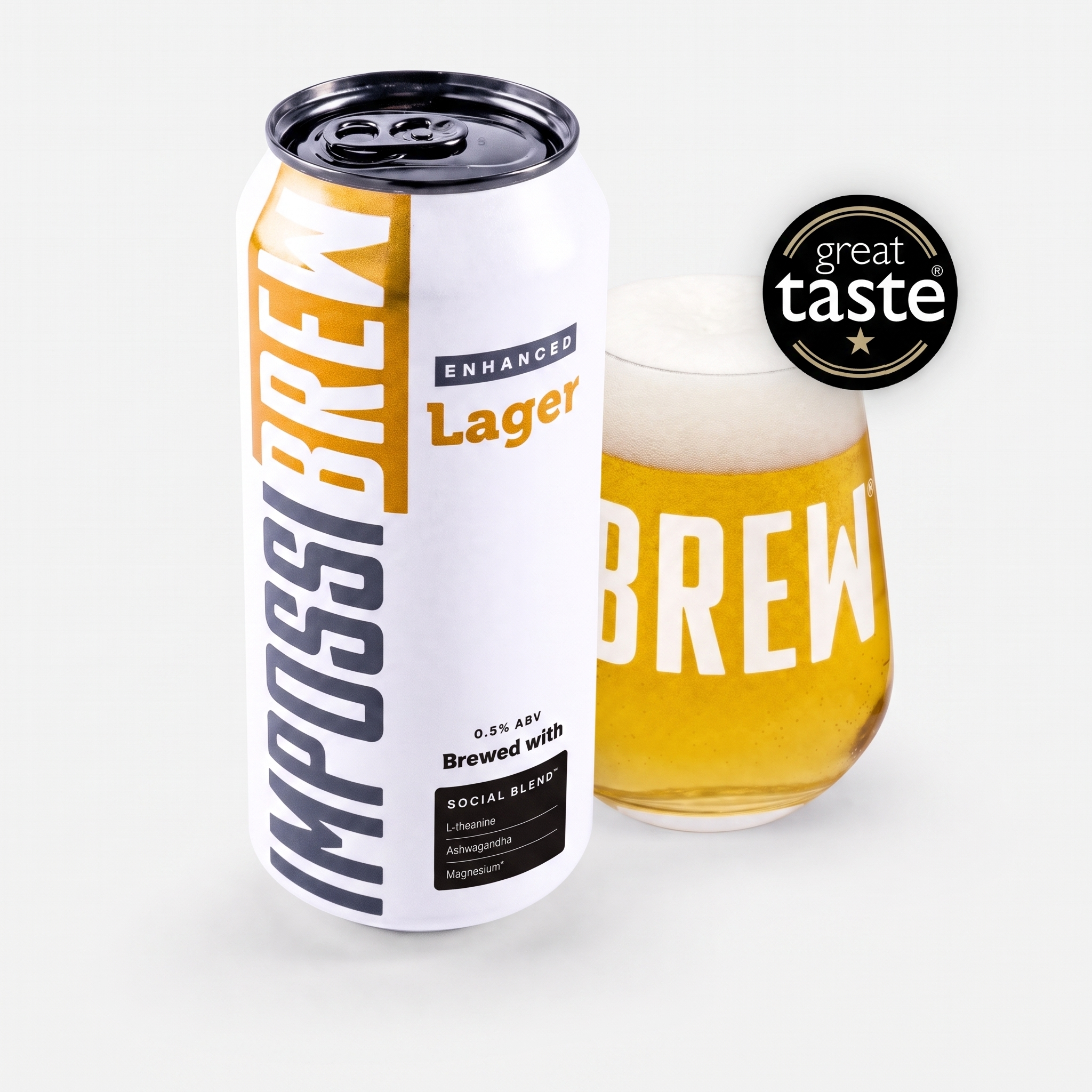
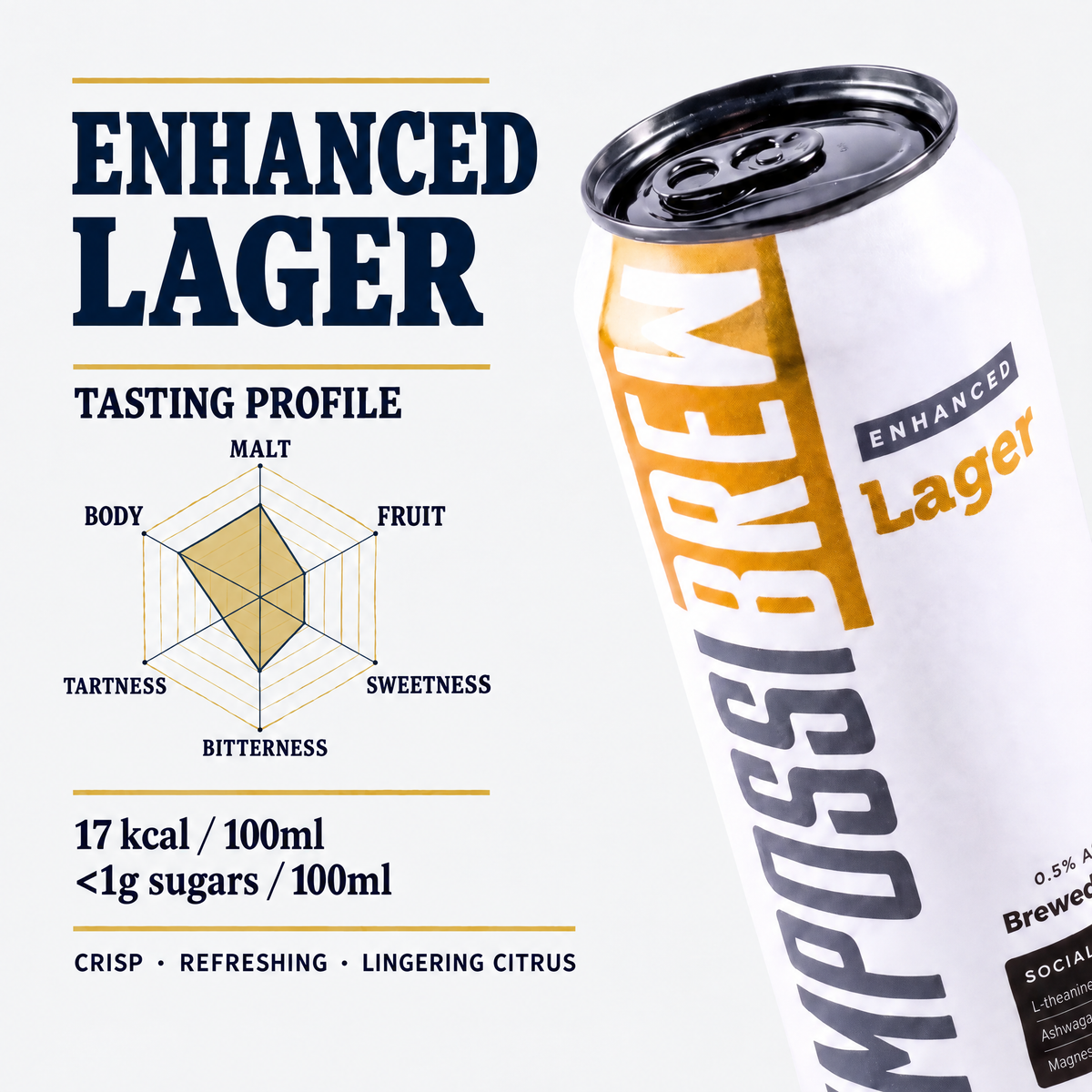
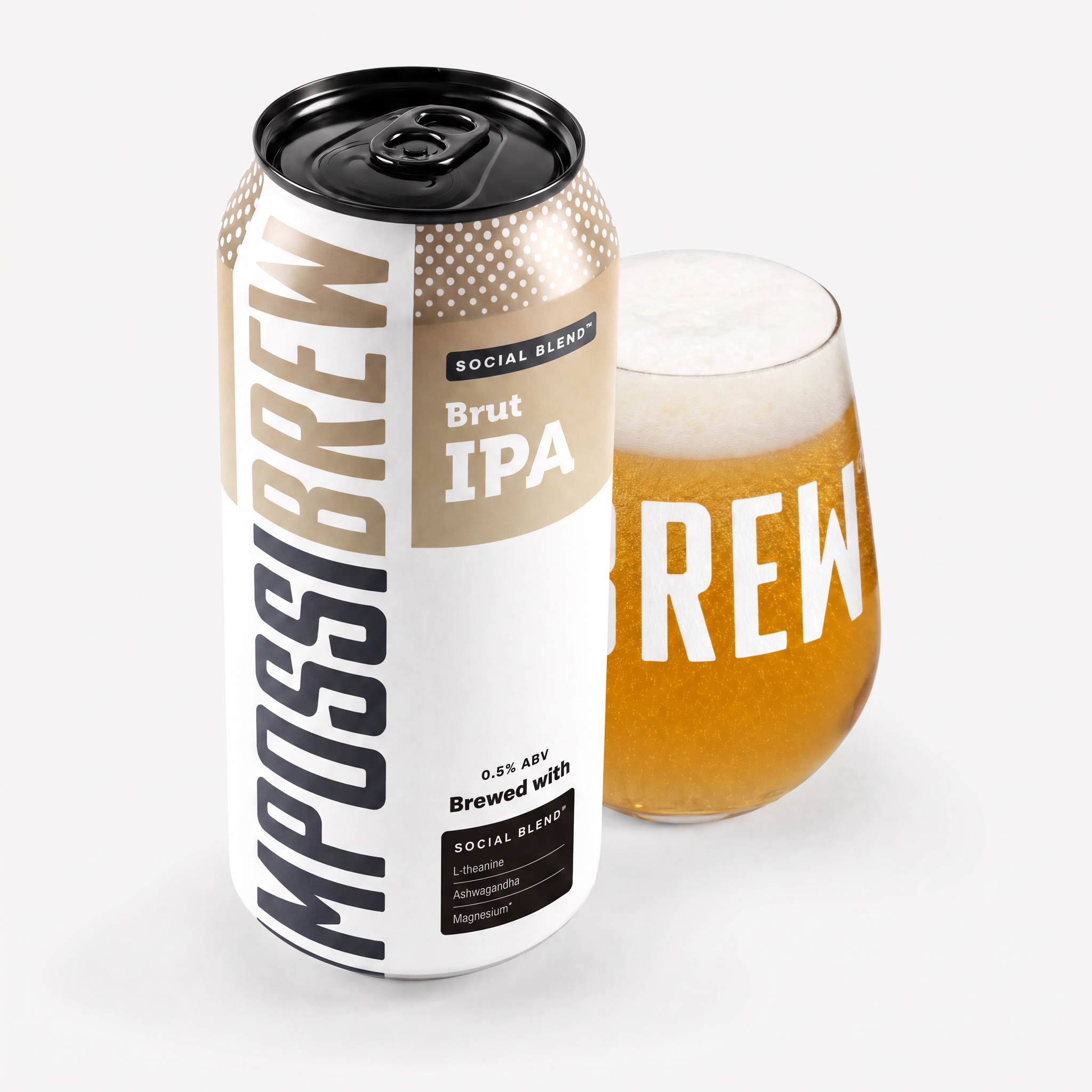
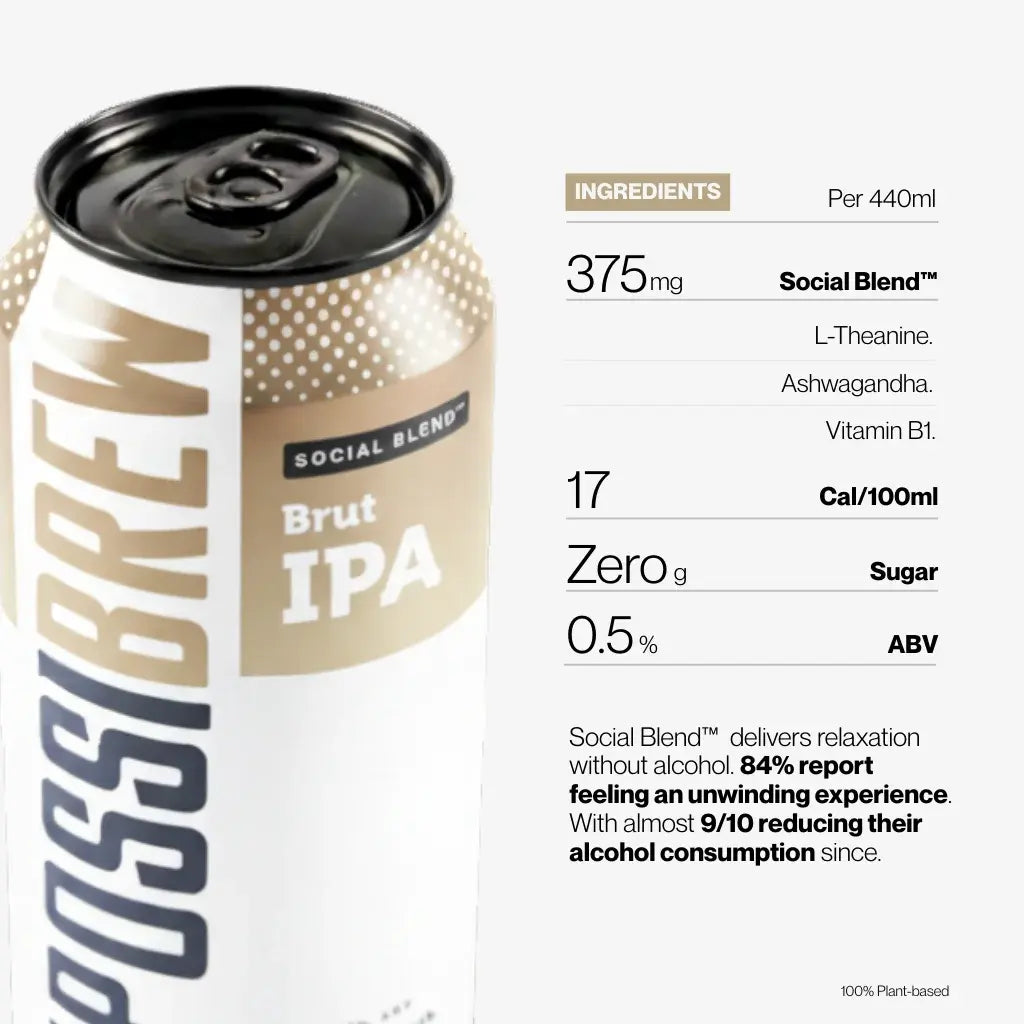
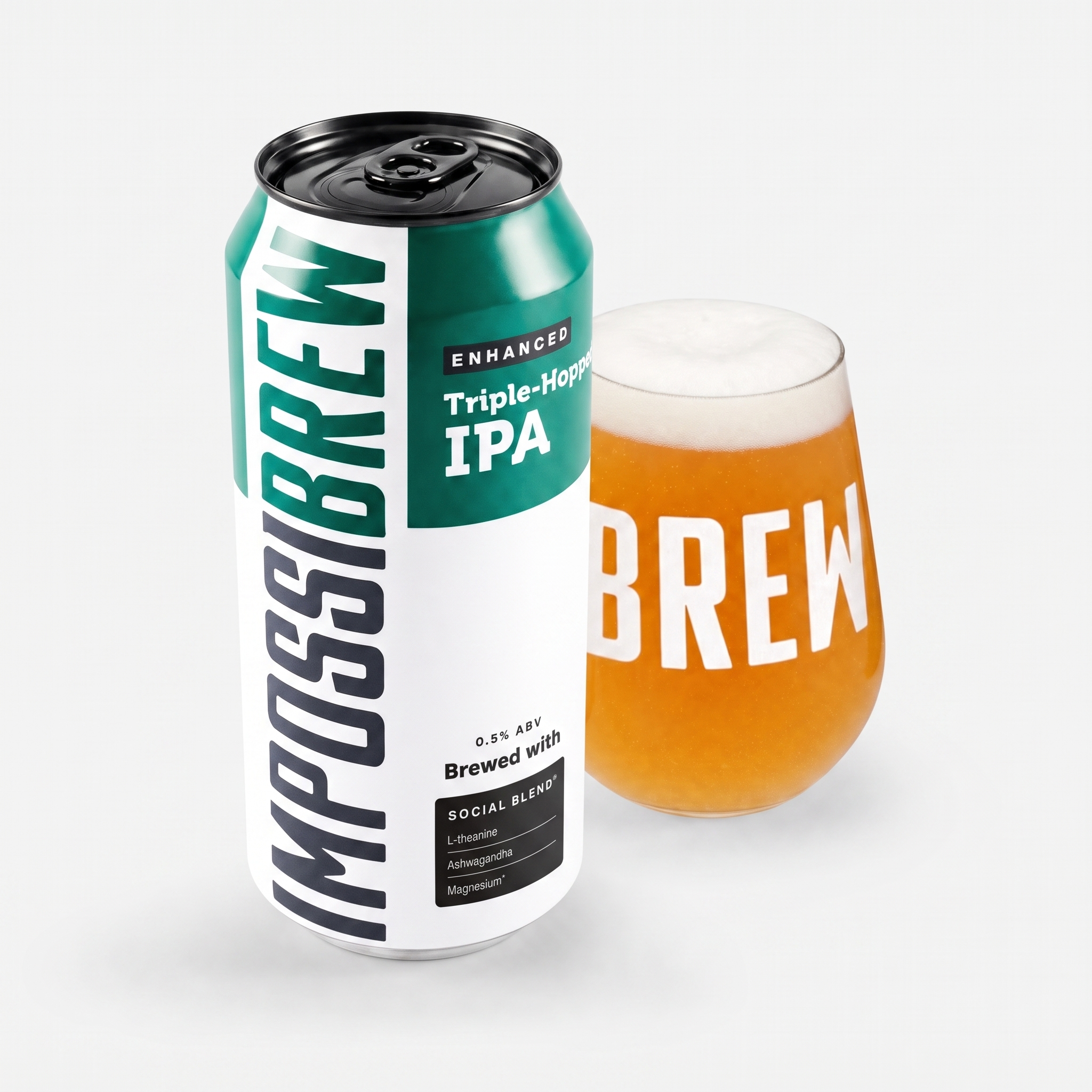
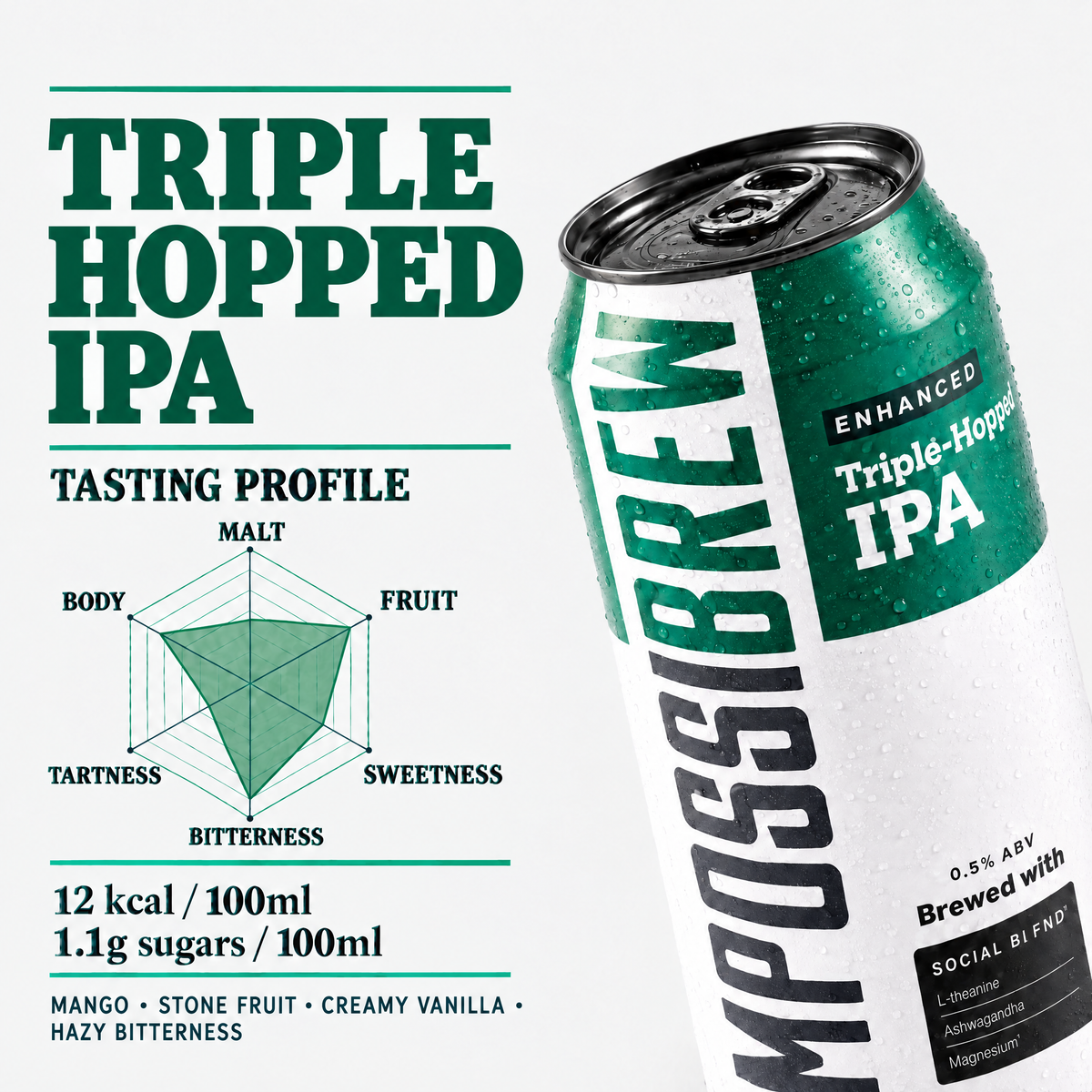
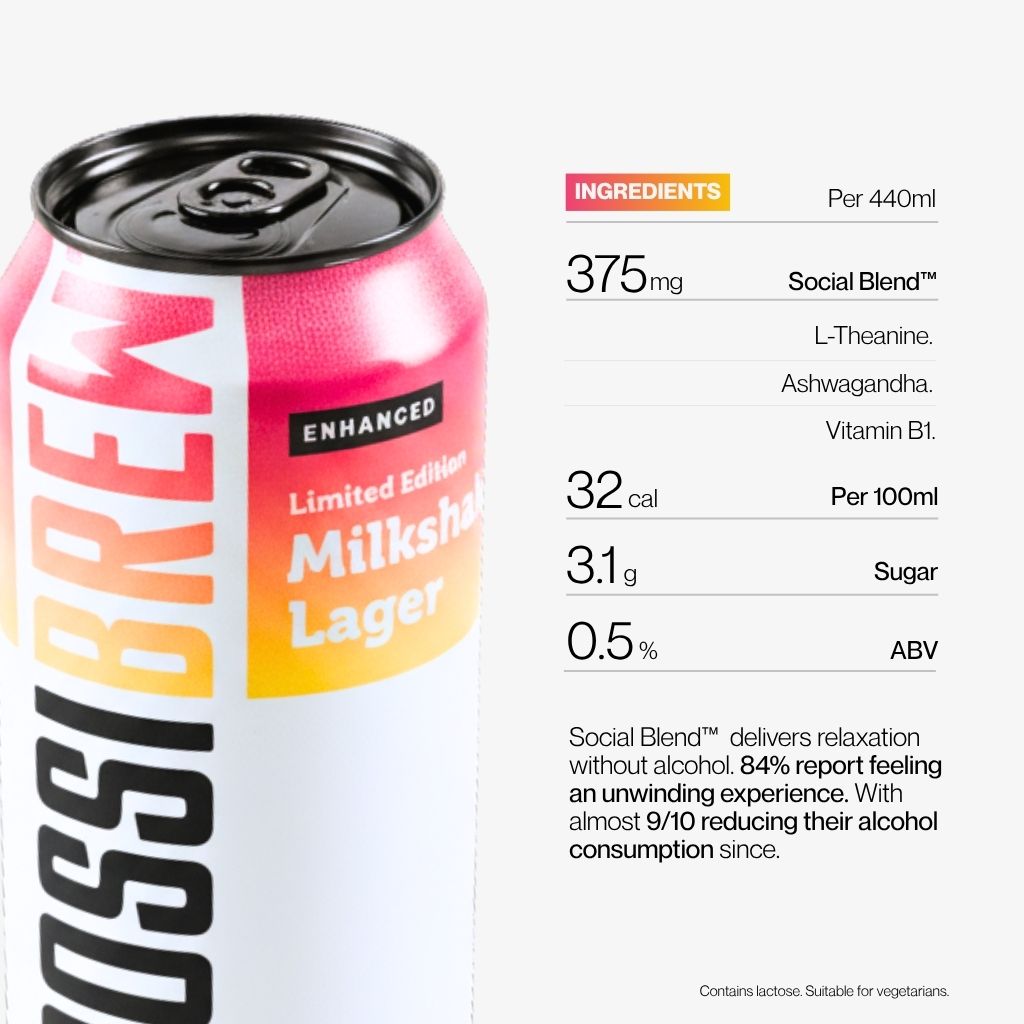
- IMPOSSIBREW® offers low-purine, vegan-friendly non-alcoholic beers. These products avoid animal-derived processing aids often used in traditional brewing, catering to a variety of dietary needs.
- Gluten-free non-alcoholic beers, made from grains like rice, corn, or sorghum, may have different purine levels compared to barley-based beers. These are particularly helpful for those managing both gout and gluten sensitivities or coeliac disease.
- Some craft non-alcoholic brewers focus on using minimal ingredients, avoiding additives, and employing simpler brewing methods. These approaches can result in more predictable purine levels and clearer nutritional information, helping gout sufferers make informed choices.
Ultimately, individual tolerance to purines varies. Consulting with healthcare providers to tailor a gout management plan is essential, as what works for one person may not work for another.
sbb-itb-a752bf8
Research on Non-Alcoholic Beer and Uric Acid Levels
Studies reveal that non-alcoholic beer can raise uric acid levels, though the increase is smaller compared to regular beer. Research indicates that non-alcoholic beer causes a 4.4% rise in uric acid levels, while regular beer leads to a 6.5% increase [1]. Below is a closer look at the findings and comparisons.
What Studies Say About Non-Alcoholic Beer and Gout
Evidence shows that non-alcoholic beer raises uric acid levels by 4.4% [1]. In contrast, regular beer results in a 6.5% increase [1]. Laboratory analyses also reveal that non-alcoholic beer contains between 1 and 10 mg of purines per 100 ml [4]. This range highlights the importance of selecting lower-purine options to better manage gout.
Non-Alcoholic vs Regular Beer for Gout Management
Further research delves into the differences between non-alcoholic and regular beer, particularly for those managing gout. Regular beer typically has a higher purine content, ranging from 4 to 24 mg per 100 ml [4], and is linked to a 6.5% increase in uric acid levels [1]. On the other hand, non-alcoholic beer contains significantly less purine - 1 to 10 mg per 100 ml [4] - and results in a comparatively lower 4.4% increase in uric acid [1].
| Beer Type | Purine Content (mg/100 ml) | Uric Acid Increase |
|---|---|---|
| Regular Beer | 4–24 | 6.5% |
| Light Beer | 1–10 | Not specified |
| Non-Alcoholic Beer | 1–10 | 4.4% |
These findings suggest that while both types of beer contribute purines, the lower purine content in non-alcoholic beer leads to a smaller increase in uric acid. For those with gout, choosing non-alcoholic beer may be a better option when consumed in moderation as part of a gout-conscious diet.
How to Include Non-Alcoholic Beer in a Gout-Friendly Diet
Now that we’ve explored the risks and ingredients in non-alcoholic beer for those managing gout, let’s look at some practical tips for incorporating it into your diet safely.
Drink in Moderation and Monitor Your Symptoms
Start small. Try having just one can of non-alcoholic beer per week and keep an eye on how your body reacts over the next 24–48 hours.
Keep a record of the brand, the amount you drank, and whether you experienced any flare-ups. This can help you figure out your personal tolerance, as reactions can vary from person to person.
It’s also a good idea to space out your consumption. Drinking several cans in one go might increase the purine load, which could be more troublesome than occasional, moderate drinking. This gradual approach allows you to gauge your body’s response before expanding your options.
Opt for Low-Purine Non-Alcoholic Beers
Not all non-alcoholic beers are created equal. Light varieties often have lower purine levels compared to darker or craft options, usually ranging between 1–10 mg per 100 mL [4]. Check the nutritional information to choose beers with lower purine content. Interestingly, some Japanese non-alcoholic beers are known for their particularly low purine levels [3].
For those seeking beverages that support a balanced lifestyle, consider exploring brands that prioritise wellness. For example, IMPOSSIBREW® offers non-alcoholic beers designed with overall wellbeing in mind.
Consult Your Doctor Before Making Changes
Before making any changes to your diet, it’s essential to consult your doctor. Whether it’s your GP or rheumatologist, they can provide advice tailored to your medical history, current medications, and the severity of your symptoms.
Discuss your uric acid levels and whether they’re being effectively managed through medication or diet. If you’re taking treatments like allopurinol or febuxostat, your doctor can help you determine if occasional non-alcoholic beer fits into your treatment plan.
Being upfront about your drinking habits and goals can also help your healthcare provider offer specific strategies - such as timing your beer consumption around your medication schedule - to reduce the risk of complications.
Is Non-Alcoholic Beer Safe for People with Gout?
Non-alcoholic beer is often considered a safer choice compared to regular beer, as it raises uric acid levels by 4.4%, whereas regular beer increases levels by 6.5% [1]. In simple terms, non-alcoholic beer has about 33% less impact on uric acid levels than its alcoholic counterpart.
That said, the Arthritis Foundation advises against drinking any type of beer - whether alcoholic or non-alcoholic - for those managing gout. The reason? Both types still contain purines, compounds that can contribute to uric acid production. For instance, a standard 330 ml can of light, alcohol-free beer contains roughly 14 mg of purines [2]. This highlights the importance of being cautious with consumption.
For individuals who enjoy the flavour and social aspects of beer, there are alternatives like IMPOSSIBREW®’s Enhanced Lager and Enhanced Hazy Pale Ale. These non-alcoholic options are designed with a low-calorie, vegan-friendly approach, making them a potential fit for those aiming to maintain a gout-conscious lifestyle. However, moderation remains crucial when including these beverages in your diet.
Since everyone’s tolerance differs, it’s wise to consult your doctor for advice tailored to your specific needs. While some may be able to enjoy the occasional non-alcoholic beer without issues, others may need to avoid it entirely. As with most aspects of gout management, a personalised strategy - developed in collaboration with your doctor - is the best approach.
FAQs
How can I choose a non-alcoholic beer that's safe for managing gout?
When selecting a non-alcoholic beer that’s suitable for gout management, focus on options labelled as low-purine or purine-free. Beers with purine levels under 50 mg per 100 g are typically considered a safer choice for those dealing with gout.
Take a close look at the product packaging or descriptions to find information about purine content. Lighter or non-alcoholic beers marketed as low in purines are generally better suited. If you’re unsure, it’s always a good idea to consult your doctor or a nutritionist for tailored advice before adding non-alcoholic beer to your diet.
What are some gout-friendly drink options besides non-alcoholic beer?
If you're dealing with gout, the drinks you choose can make a big difference. Some beverages are particularly helpful, such as water, herbal teas, cherry juice, low-fat milk, lemon water, and naturally infused fruit waters. These options can aid in keeping uric acid levels in check and may lower the chances of a gout flare-up.
On the flip side, it's wise to avoid alcohol, sugary drinks, and any beverages that are high in purines, as they can aggravate symptoms. Staying well-hydrated and opting for drinks that support your overall health are crucial steps to managing gout effectively.
Should I speak to a doctor before drinking non-alcoholic beer if I have gout?
If you have gout, it's a good idea to check with your doctor before including non-alcoholic beer in your diet. Even though it has little to no alcohol, non-alcoholic beer might still contain purines or other substances that could increase uric acid levels, which might lead to a gout flare-up.
Your doctor can give you personalised advice based on your health needs. They can help you determine if non-alcoholic beer is a suitable option and suggest how much, if any, is safe to consume. This way, you can manage your gout effectively while making informed choices about your diet.