Nootropic drinks are gaining popularity in the UK, combining ingredients like caffeine, L-theanine, and Ginkgo Biloba to support focus, memory, and relaxation. With the UK market contributing significantly to the global nootropics industry, valued at over £2.5 billion in 2023, consumer demand for proof of safety and effectiveness has grown.
To meet these expectations, manufacturers rely on two key testing methods:
- Laboratory Testing: Ensures safety, ingredient purity, and effectiveness under controlled conditions using advanced techniques like HPLC and double-blind trials. However, it lacks real-life context.
- Field Testing: Examines how products perform in everyday scenarios, tracking long-term effects and user experiences. While it reflects practical use, it is less controlled and relies on self-reported data.
Both approaches have strengths and limitations. Laboratory testing provides precise, reliable data, while field testing captures how drinks fit into daily life. Combining these methods offers a balanced evaluation, ensuring safety, compliance, and consumer trust.
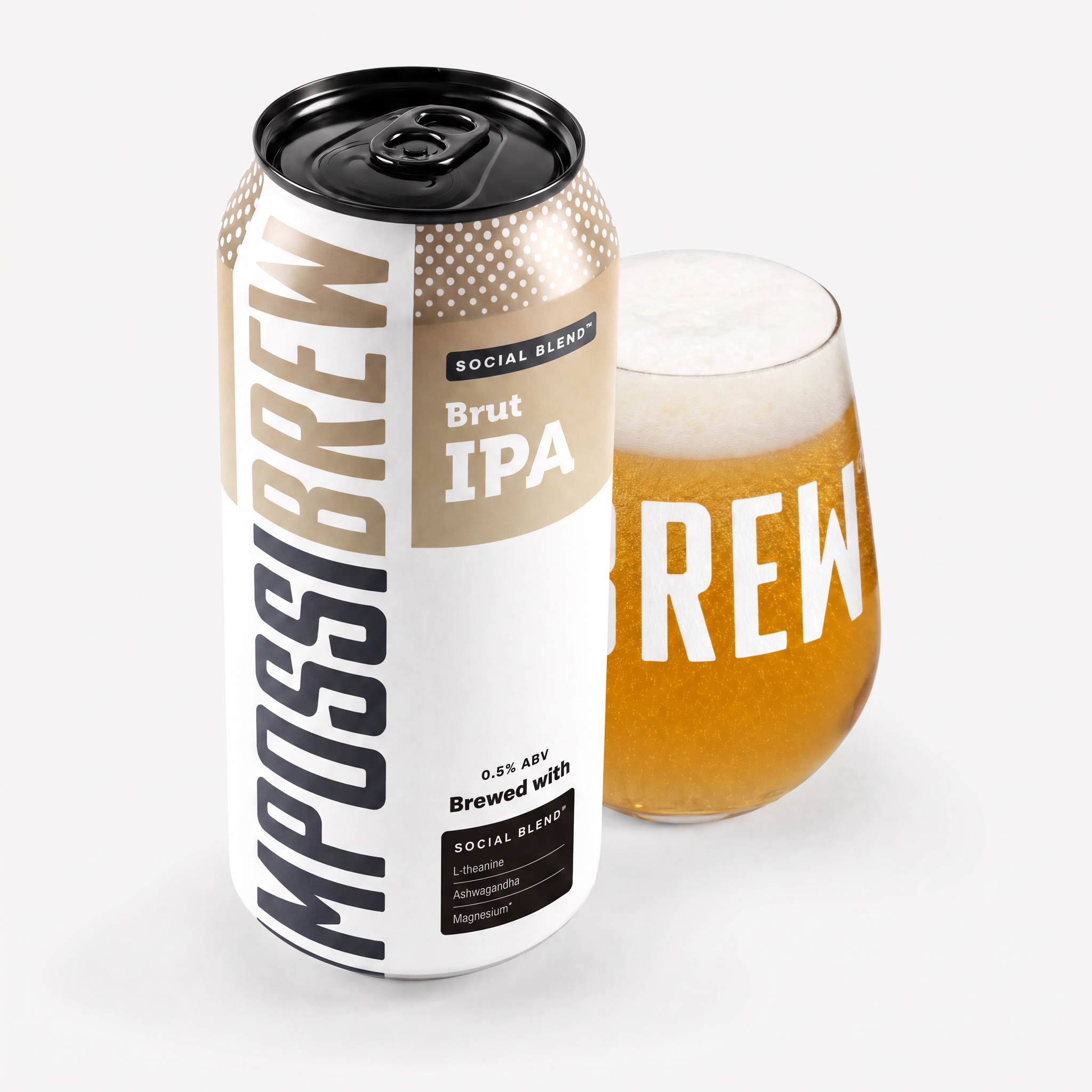
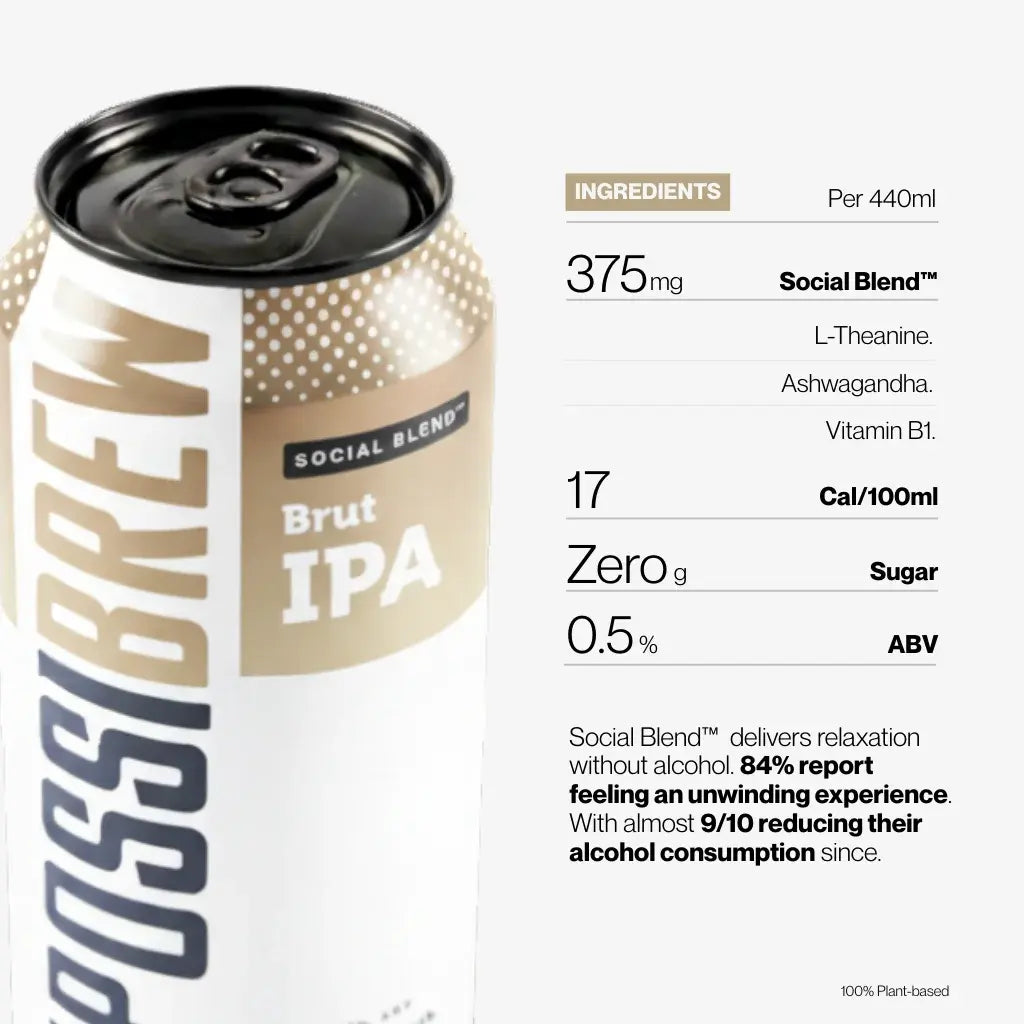
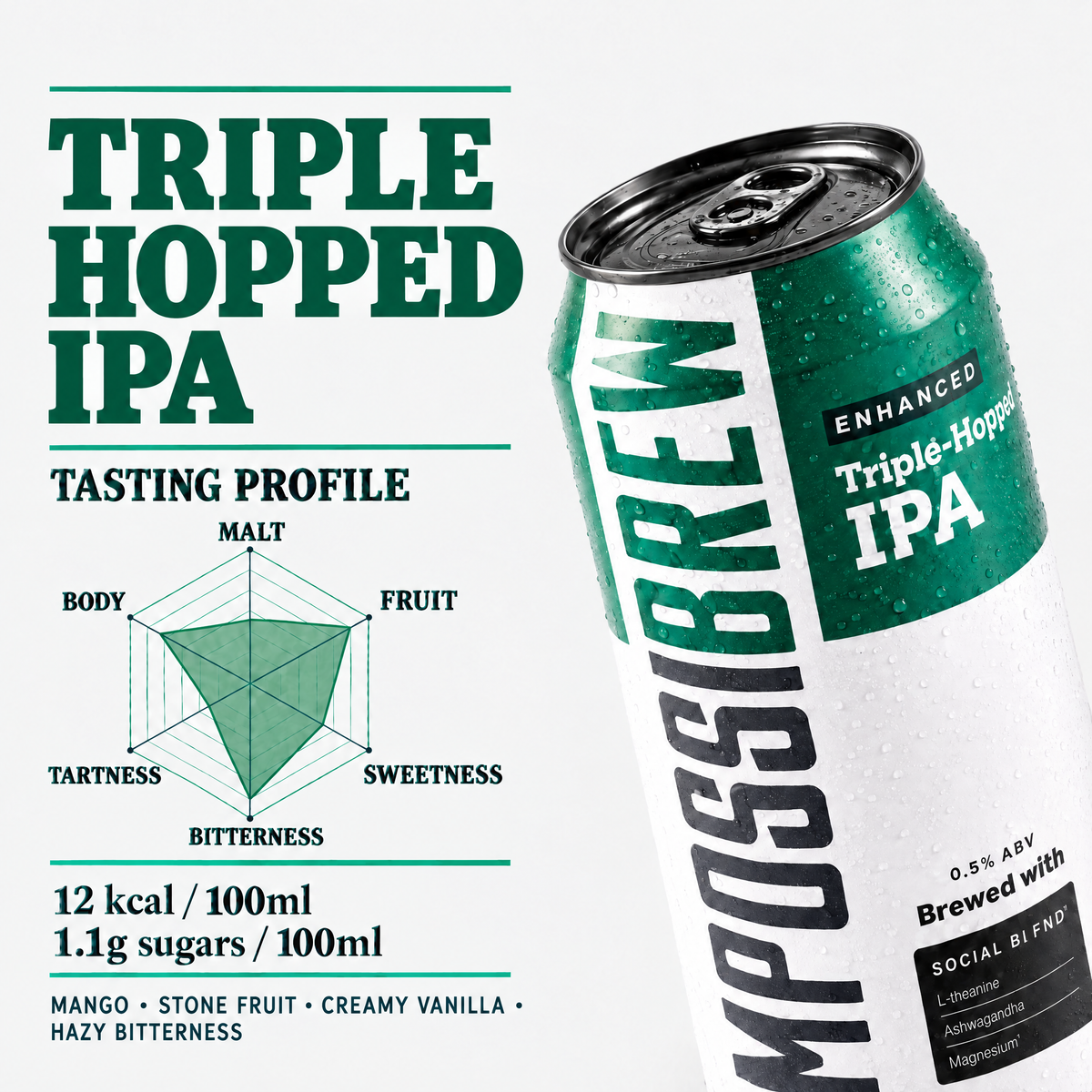
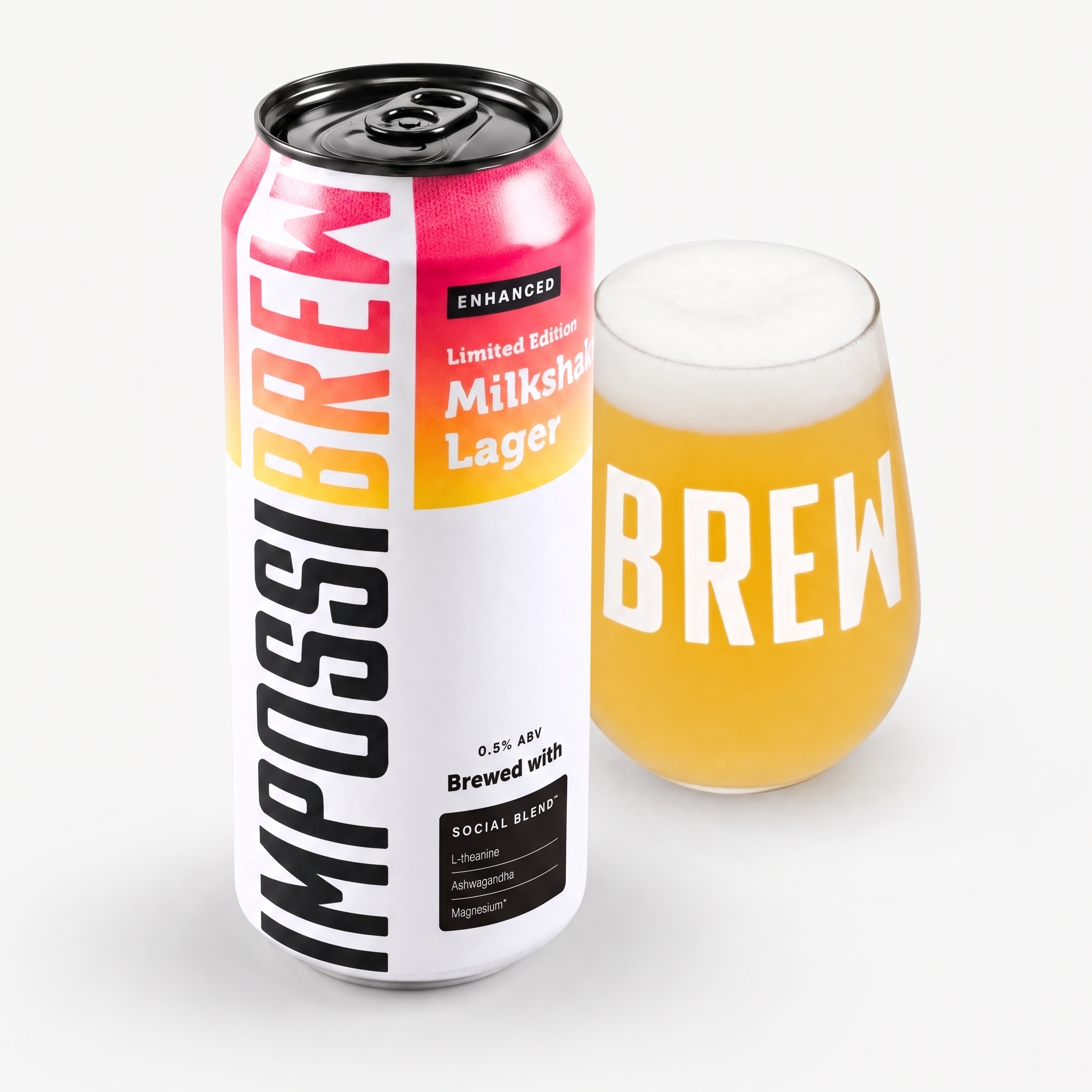
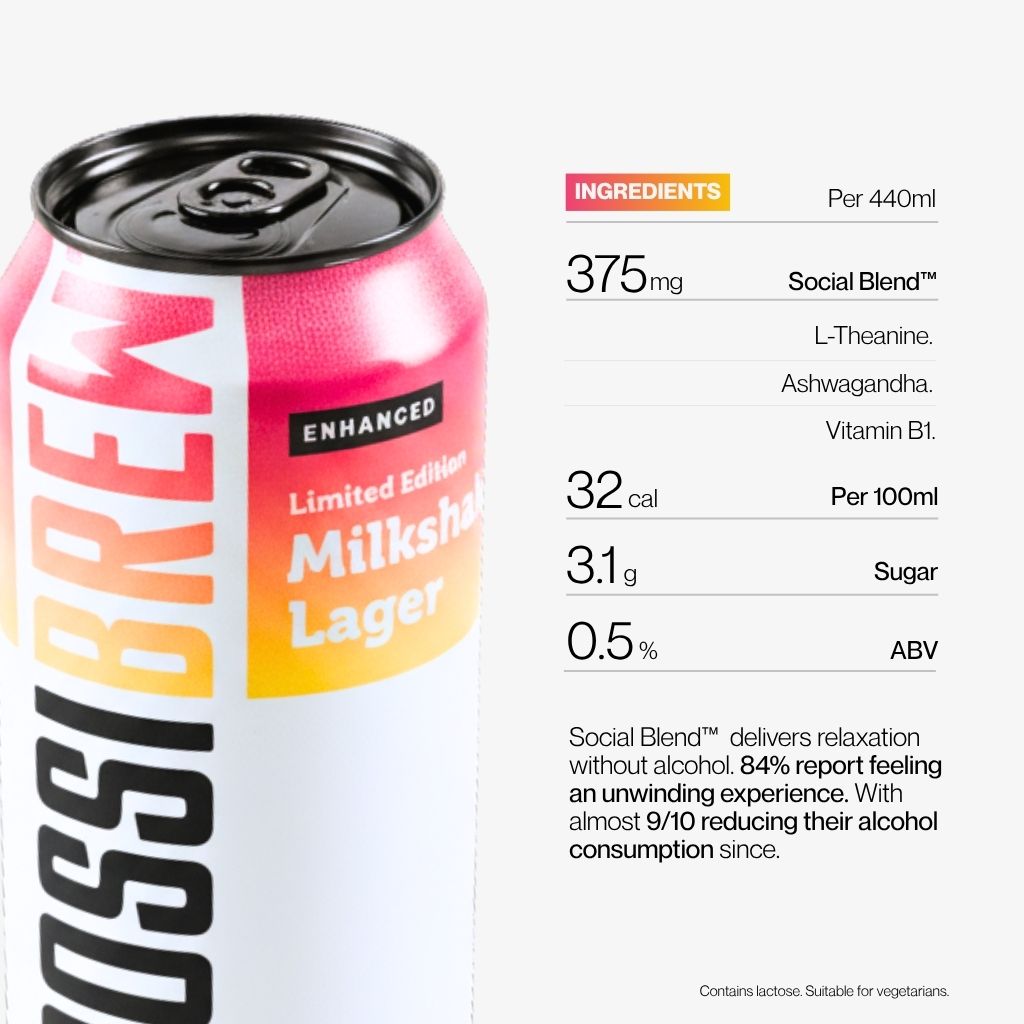
For example, IMPOSSIBREW® uses lab research to develop its Social Blend™ and complements it with field studies involving thousands of participants, showing 84% felt relaxed and 88% reduced alcohol consumption.
In the UK, rigorous testing and transparency - like publishing Certificates of Analysis - are essential for building trust and meeting regulatory standards in this growing market.
Laboratory Testing: Methods and Benefits
Lab testing plays a crucial role in the development of nootropic beverages by ensuring both their safety and effectiveness. Companies like IMPOSSIBREW® rely on detailed lab research to validate their products, meet regulatory requirements, and deliver on their promises.
Controlled Testing Environments
The backbone of nootropic testing lies in double-blind, placebo-controlled trials. In these studies, neither the participants nor the researchers know who is receiving the actual nootropic drink versus a placebo. This method eliminates bias, ensuring that any observed outcomes are genuinely due to the drink and not influenced by psychological expectations.
For example, IMPOSSIBREW® partnered with Dr Paul Chazot of Durham University to develop their Social Blend™. They conducted an impressive 52 randomised, double-blind studies involving over 2,000 participants [6].
In these trials, researchers meticulously control environmental factors such as lighting, temperature, and noise levels to maintain consistency. Cognitive tests are standardised to ensure reliable results, including tasks like memory recall, attention tests (such as continuous performance tests), executive function evaluations (like the Stroop test), and reaction time measurements [4].
On the chemical analysis side, advanced techniques like High-Performance Liquid Chromatography (HPLC) are used to confirm ingredient purity and composition. HPLC operates under pressures as high as 400 atmospheres to ensure accuracy [1]. Other methods, such as mass spectrometry and Fourier Transform Infrared Spectroscopy (FTIR), help detect both labelled and unlabelled substances, ensuring products are safe for consumption [1][2].
Strengths of Lab Testing
One of the biggest advantages of lab testing is its ability to isolate the effects of specific ingredients. Techniques like HPLC and mass spectrometry allow for precise chemical analysis, with results often validated through published Certificates of Analysis. For instance, IMPOSSIBREW® found that 84% of customers felt more relaxed after consuming Social Blend™ in their controlled studies. This level of confidence comes from knowing the results are directly tied to their unique ingredient blend [6].
Lab testing has also been instrumental in studying ingredients like phosphatidylserine, which has undergone over 40 human clinical trials spanning more than 30 years [1]. The controlled environment ensures consistency and repeatability, making findings reliable.
Moreover, lab settings can measure objective biomarkers, such as brain wave activity and hormone levels. For example, Social Blend™ was shown to enhance alpha brain waves and serotonin levels, providing measurable evidence of its effects [6].
Limitations of Lab Testing
Despite its precision, lab testing does have its drawbacks. The controlled nature of laboratory environments creates an artificial setting that doesn’t reflect how people typically consume nootropic drinks. Real-life factors, like the atmosphere of a café or the social context of sharing a drink, are completely absent in these sterile conditions.
This lack of ecological validity is a significant challenge. While someone may show improved memory recall in a lab-based word test, they might not notice the same benefit in everyday situations, like remembering where they left their phone or recalling details from a meeting.
Lab studies also overlook the sensory and social aspects of drinking nootropics. The flavour, aroma, and context of consumption can influence how people perceive the effects, often through psychological cues that are hard to replicate in a lab.
Another limitation is the narrow focus on specific cognitive skills. While lab tests excel at measuring reaction times and memory performance with incredible precision, they often miss broader benefits that consumers care about, such as improvements in productivity, stress reduction, or overall well-being.
Finally, most lab studies are short-term, typically assessing effects within 30 minutes to a few hours after consumption. This approach may fail to capture the long-term benefits or adaptation that can occur with regular use over weeks or months.
These limitations underscore the importance of complementing lab findings with real-world field trials to gain a fuller understanding of how nootropic beverages perform in everyday life.
Field Testing: Methods and Relevance
Lab studies are great for controlled data, but field testing shines when it comes to capturing how nootropic drinks perform in everyday life. It’s all about understanding the real-world variables that influence their effects.
Field Trials and Observational Studies
Field trials take the research out of the lab and into the real world, where people consume nootropic beverages as part of their daily routines. Picture this: participants sipping their drinks during a busy workday or a quiet weekend morning - scenarios that reflect typical consumer behaviour.
These studies rely heavily on self-reported data collected through digital tools. Participants often use mobile apps to log their mood and cognitive performance using standardised tools like the Profile of Mood States (POMS) and the Cognitive Failures Questionnaire (CFQ) [3].
What sets field testing apart is its focus on long-term tracking. Instead of just a few hours, these studies follow participants over weeks or even months. This extended timeline helps researchers observe how the effects of nootropic drinks evolve with regular use and adapt to life events like work stress or social gatherings. Modern approaches also incorporate smartphone-based cognitive tests and wearable devices, which monitor sleep patterns, heart rate variability, and activity levels. Together, these tools provide a well-rounded view of how these drinks impact daily cognitive performance.
Strengths of Field Testing
Field testing complements lab studies by showing how nootropic drinks perform in real-world scenarios. Its biggest strength? It captures how people actually experience these beverages in their natural environments. While lab studies control variables, field testing embraces the chaos of daily life - factoring in stress, social interactions, and other external influences.
This method reveals how different lifestyle factors interact with nootropic ingredients. For instance, the same drink might boost focus during a high-pressure work meeting but have a more subtle effect during a leisurely morning. These nuanced insights are something lab studies can’t replicate.
Another advantage is how field testing uncovers benefits that resonate with consumers. Lab studies might focus on reaction times or memory tests, but field trials highlight broader outcomes like improved mood, better focus during long workdays, or even increased confidence in social settings. These findings are incredibly useful for shaping product development and marketing strategies.
Limitations of Field Testing
But field testing isn’t without its challenges. The lack of controlled conditions makes it harder to isolate the specific effects of nootropic ingredients. For example, an improved mood might be influenced by factors like a good night’s sleep or a relaxing weekend - not just the drink itself.
Self-reported data also has its pitfalls. Participants might unintentionally skew their responses due to expectations, placebo effects, or simply forgetting details. The same experience might be described differently from one person to another, adding a layer of subjectivity.
Consistency is another hurdle. Unlike lab studies, where everything is closely monitored, field trials depend on participants to stick to the protocol. Some might skip doses, drink at irregular times, or forget to log their daily assessments, which can affect the reliability of the data.
Finally, external factors like illness, changes in routine, or work stress can complicate results. It’s not always easy to pinpoint whether a change is due to the nootropic drink or something else entirely. Despite these limitations, combining field testing with controlled lab data provides a more complete picture of how these beverages work.
These insights pave the way for comparing field testing with lab methods to truly understand the effects of nootropic drinks.
Lab vs Field Testing: Direct Comparison
When it comes to evaluating nootropic drinks, laboratory testing and field trials each bring their own strengths to the table. It's not about choosing one over the other - they complement each other, offering a fuller understanding of how these beverages perform.
The distinction between the two approaches becomes clearer when you consider their focus. Lab testing prioritises precision and controlled conditions, while field testing captures the messy, unpredictable nature of real life. The table below highlights these differences.
Comparison Table: Lab vs Field Testing
| Factor | Laboratory Testing | Field Testing |
|---|---|---|
| Control of Variables | High – eliminates external influences | Low – reflects real-world complexity |
| Reproducibility | High – consistent conditions ensure reliability | Moderate to Low – individual differences matter |
| Ecological Validity | Low – artificial settings dominate | High – mirrors actual usage scenarios |
| Cost | High – requires advanced tools and expertise | Moderate to Low – depends on study design |
| Time to Results | Relatively quick – days to weeks | Longer – weeks to months |
| What It Measures | Ingredient purity, potency, contaminants | Cognitive performance, mood, user feedback |
| Regulatory Compliance | Critical for safety and UK market approval | Increasingly important for demonstrating efficacy |
| Consumer Trust | Builds confidence through safety verification | Proves effectiveness in everyday situations |
This comparison shows why neither method works in isolation. Laboratory testing, with tools like HPLC, excels at analysing ingredient purity and ensuring compliance with safety standards [1]. However, it falls short in capturing subjective experiences, such as how a drink might improve focus during a busy day.
Field testing bridges this gap by measuring real-world outcomes, including cognitive performance and user satisfaction. It also takes into account external variables - like stress, sleep, or even weather - that can influence results but are often impossible to replicate in a lab.
Combining Both Approaches
The strengths of each method highlight the value of using them together. Lab testing confirms the product's composition and safety, while field testing demonstrates its practical benefits. Together, they create a more complete picture.
Take IMPOSSIBREW® as an example. The company developed its Social Blend™ in collaboration with Dr. Paul Chazot, a Bioscience Professor and Chair of Pharmacology at Durham University. This partnership ensured the product was built on a strong scientific foundation.
To complement this, IMPOSSIBREW® conducted extensive customer studies to evaluate real-world effects. Their 2025 study, involving over 2,000 participants, revealed that 84% felt more relaxed after consuming Social Blend™. An earlier study with over 1,000 participants found that more than 70% reported feeling relaxed, and 88% reduced their alcohol consumption after trying the product [6].
This dual approach is particularly effective in the UK market. Lab testing not only ensures regulatory compliance but also strengthens credibility through Certificates of Analysis (COA), which verify ingredient authenticity and safety. Field testing, on the other hand, provides the evidence that consumers care about - proof that the product delivers genuine benefits in their daily lives.
The combination of these methods also helps manufacturers refine their products. Lab-based stability testing, for instance, determines how ingredients hold up under different conditions, ensuring proper shelf life and storage [5]. Field trials then test how these formulations perform in diverse lifestyles, feeding insights back into product development.
For consumers, this integrated validation offers a win-win: the assurance of safety and quality backed by science, along with real-world evidence that the product can enhance cognitive performance and overall well-being in everyday life.
sbb-itb-a752bf8
Impact on UK Nootropic Beverage Market
The influence of rigorous testing on the UK nootropic beverage market is becoming increasingly apparent. In a market where consumer scepticism often stems from reports of questionable ingredients, the demand for thorough testing is undeniable. UK consumers expect products to undergo stringent validation processes to ensure both safety and efficacy. Without this, gaining market traction becomes a significant challenge.
The European nootropic market, driven heavily by UK demand, is projected to be worth billions of pounds by 2025. However, this growth hinges on consumer trust, which can only be achieved through transparent and scientifically rigorous testing [7]. For brands, the message is clear: trust is built on proof, and proof comes from science.
Building Consumer Trust Through Validation
In the UK, scientific validation has become a vital factor in establishing credibility for nootropic beverages. Shoppers want assurance that these products are effective while also being safe to consume.
A standout example is IMPOSSIBREW® and its Social Blend™ formula. By focusing on transparency and rigorous testing, the brand showcases its commitment to meeting high laboratory standards while also demonstrating real-world benefits. This dual approach resonates with consumers who value both science and practicality.
UK Regulatory and Market Considerations
Beyond consumer trust, compliance with the UK's strict regulatory standards is critical for success in this market. The regulatory framework for nootropic beverages in the UK is demanding, requiring detailed testing to ensure both compliance and consumer confidence. Controlled lab tests, paired with real-world trials, are essential for meeting these standards. Lab testing ensures ingredient safety and approval, while real-world trials substantiate health claims, making them more relatable to the end user.
In the UK, labelling laws are particularly stringent. Any marketing claims must be backed by robust scientific evidence, making comprehensive testing not just advisable but legally essential. Additionally, UK consumers tend to respond more positively to studies that involve participants with similar lifestyles and contexts, underscoring the importance of UK-specific field trials.
Sharing Certificates of Analysis (COAs) and detailed test results publicly can further strengthen consumer trust. This transparency supports evidence-based marketing and allows brands to stand out in a competitive market.
Conclusion: Choosing the Right Testing Method
When it comes to evaluating products thoroughly, both laboratory and real-world testing play vital roles. Laboratory testing provides the controlled environment needed to verify ingredient purity, safety, and effectiveness using precise techniques like High-Performance Liquid Chromatography (HPLC) and Gas Chromatography-Mass Spectrometry (GC-MS) [1][2]. On the other hand, field testing offers insights into how a product performs in everyday situations, capturing the practical benefits - or shortcomings - consumers might experience.
A great example of this balanced approach is IMPOSSIBREW®. Their Social Blend™ formula, developed in collaboration with Dr Paul Chazot, a Bioscience Professor and Chair of Pharmacology at Durham University, reflects the importance of combining scientific validation with real-world feedback. A flagship study conducted in 2025 with over 2,000 participants revealed that 84% of customers reported feeling more relaxed after using Social Blend™ [6].
For producers in the UK, transparency is no longer optional - it's expected. Publishing Certificates of Analysis (COAs) and detailed testing results not only meets regulatory standards but also builds trust with consumers. By blending the precision of laboratory testing with the authenticity of field trials, brands can establish the strong evidence base that both consumers and regulators demand.
This dual approach of rigorous lab testing and practical field validation is not just a best practice - it’s a necessity for ensuring product success in an increasingly discerning market.
FAQs
What’s the difference between lab testing and real-world trials for nootropic drinks, and why are both important?
Lab testing and real-world trials are both crucial when evaluating nootropic drinks, though they approach the task from different angles. In the lab, testing is carried out under controlled conditions to examine the safety, effectiveness, and biochemical effects of the ingredients. This step ensures the drink adheres to scientific and regulatory requirements.
Real-world trials, however, focus on how the drink fits into daily life. These trials explore practical aspects like taste, ease of use, and how it makes people feel in settings like work or social gatherings. By combining insights from both approaches, manufacturers can gain a well-rounded view of the drink's performance, ensuring it not only meets scientific standards but also provides a pleasant and practical experience for consumers.
Why are both laboratory and real-world testing important for nootropic drinks in the UK?
Combining controlled laboratory testing with everyday real-world trials is a smart way to ensure nootropic beverages tick both scientific and consumer boxes. Laboratory tests offer detailed insights into how specific ingredients impact cognition under controlled conditions. Meanwhile, real-world trials show how these drinks hold up in practical settings - whether it's a busy workday or a lively social gathering.
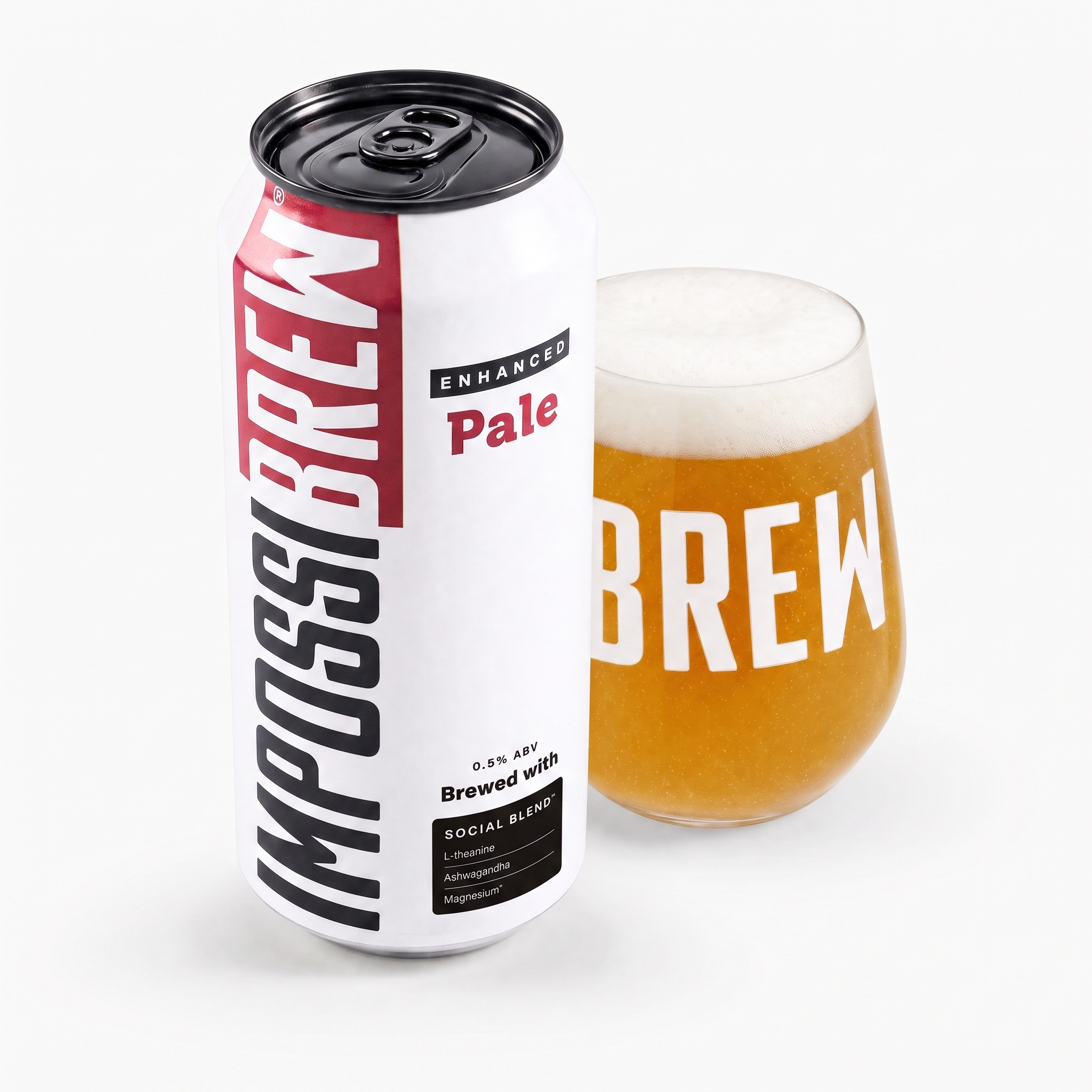
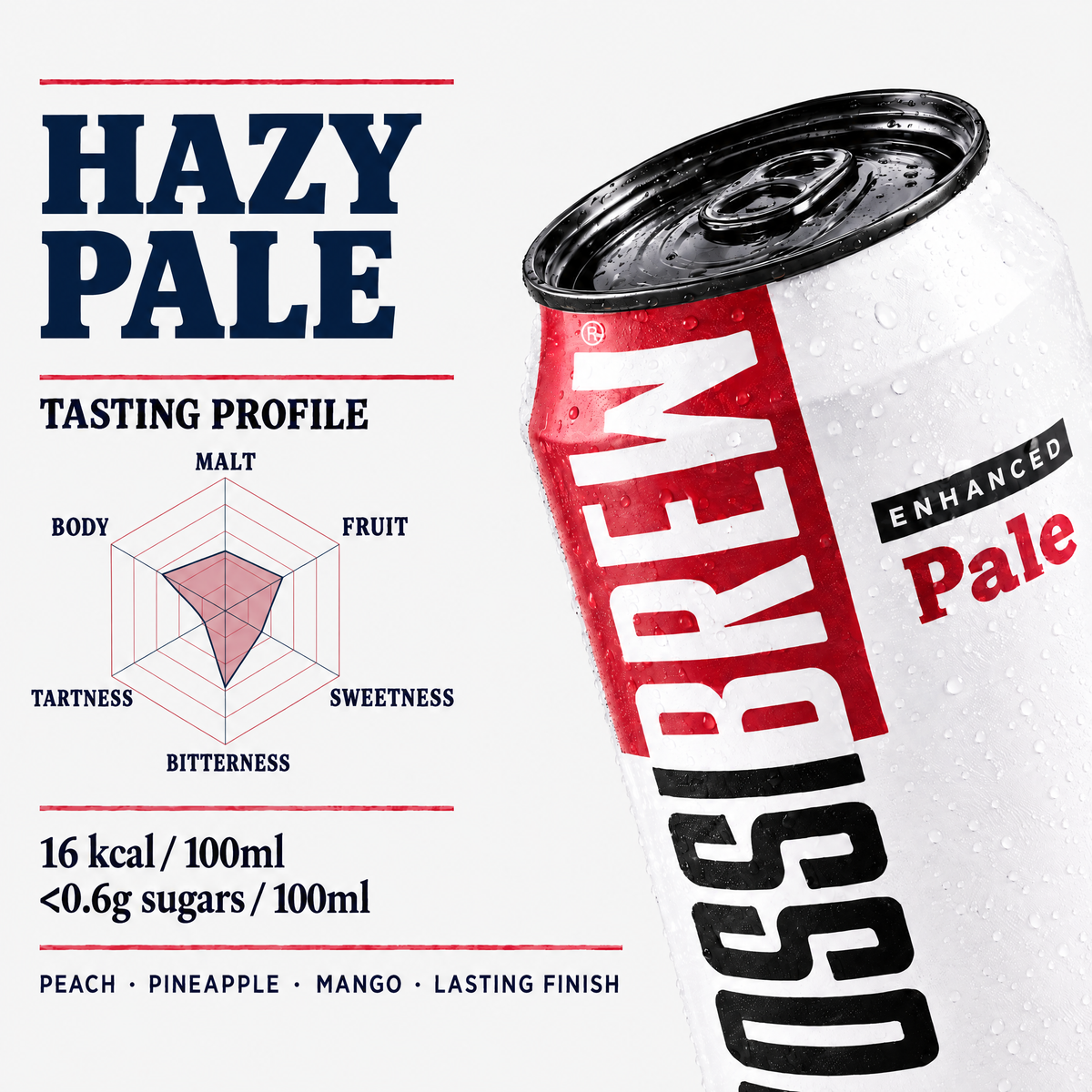
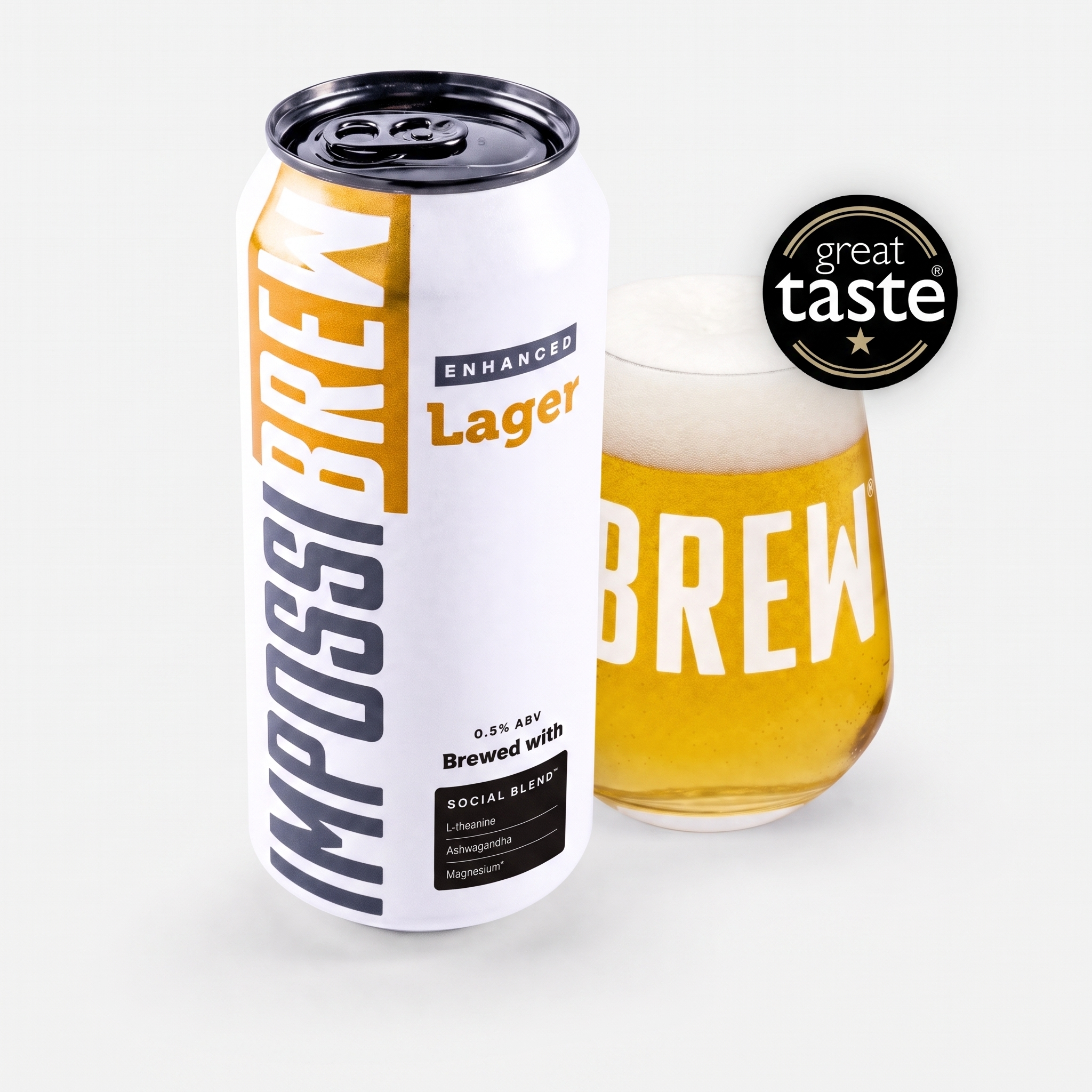
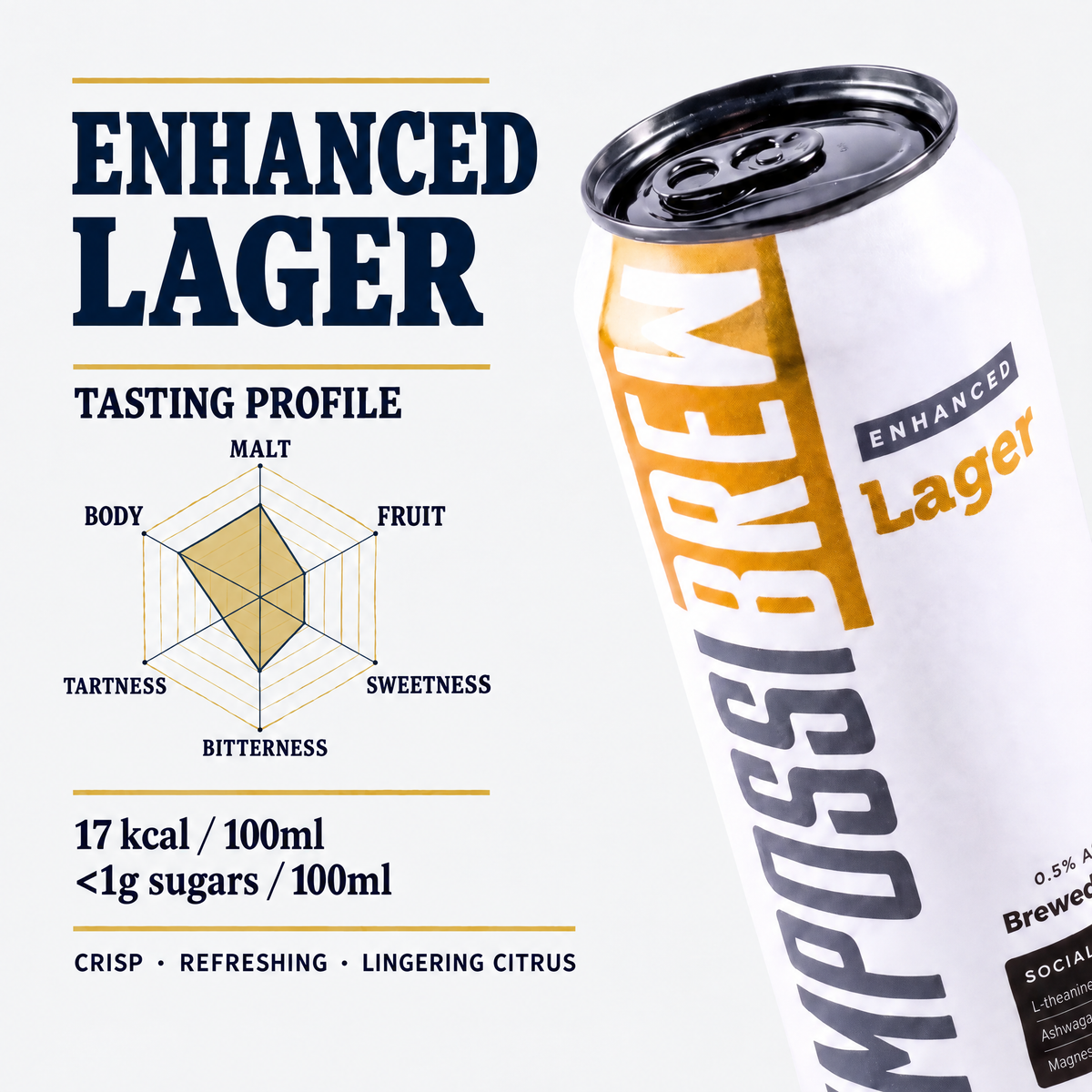
This two-pronged strategy not only reassures consumers by proving the drinks are both effective and safe but also ensures compliance with UK regulations for functional beverages. Take IMPOSSIBREW® as an example. Their products, like Enhanced Lager and Enhanced Pale Ale, undergo thorough testing to guarantee they deliver on their promise: a relaxing, sociable experience without the drawbacks of alcohol.
How does self-reported data influence the reliability of real-world testing for nootropic drinks?
Self-reported data is an essential piece of the puzzle when it comes to testing nootropic drinks in everyday settings. It captures how individuals perceive and experience the product's effects in their daily lives, offering a window into its performance beyond the controlled environment of a lab.
That said, self-reported data isn't without its challenges. Since it depends on personal memory and interpretation, it can sometimes lean towards subjectivity. To ensure a more rounded and reliable assessment, this type of feedback is often paired with objective measurements. Together, they provide a clearer picture of the drink's potential cognitive and sensory effects.