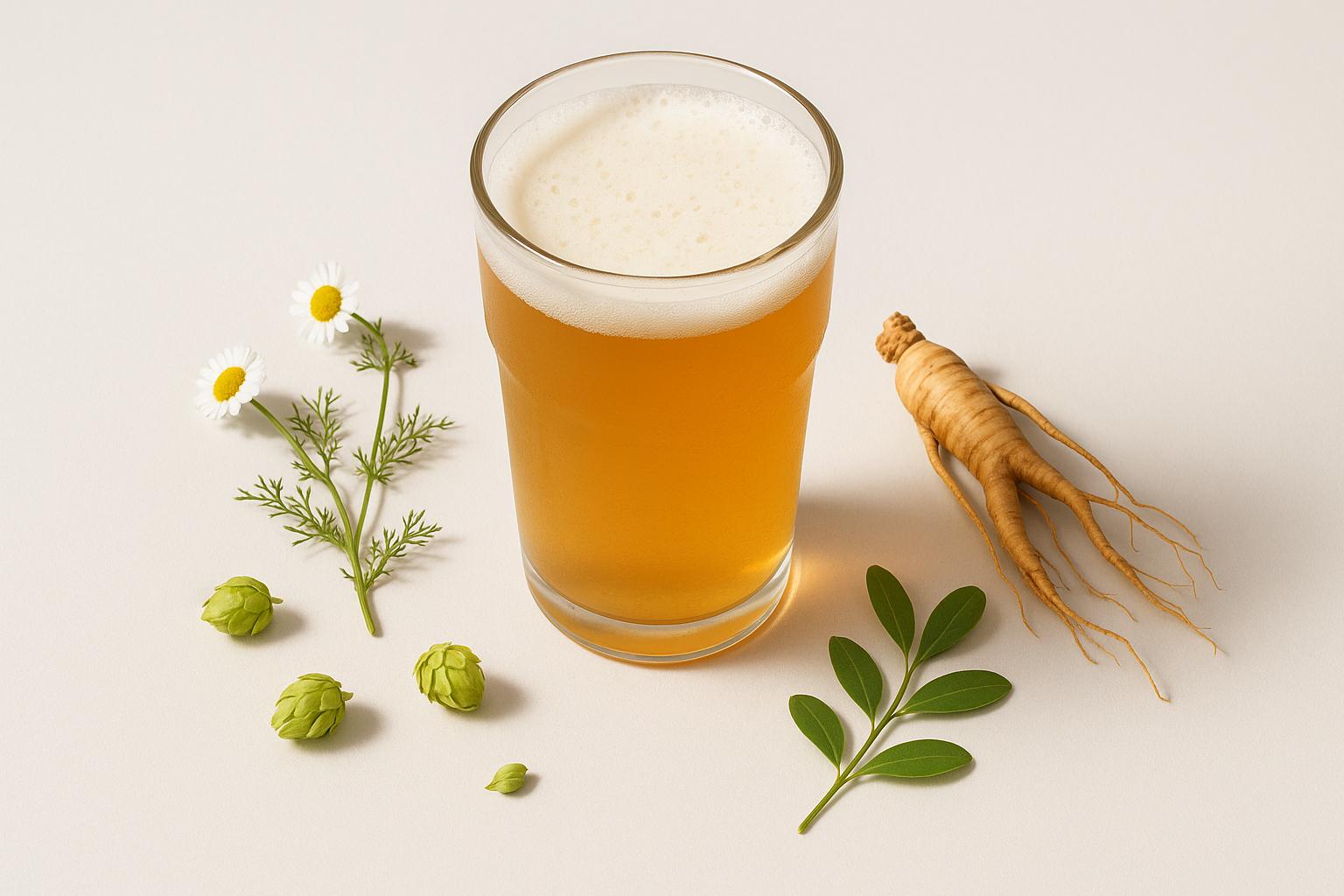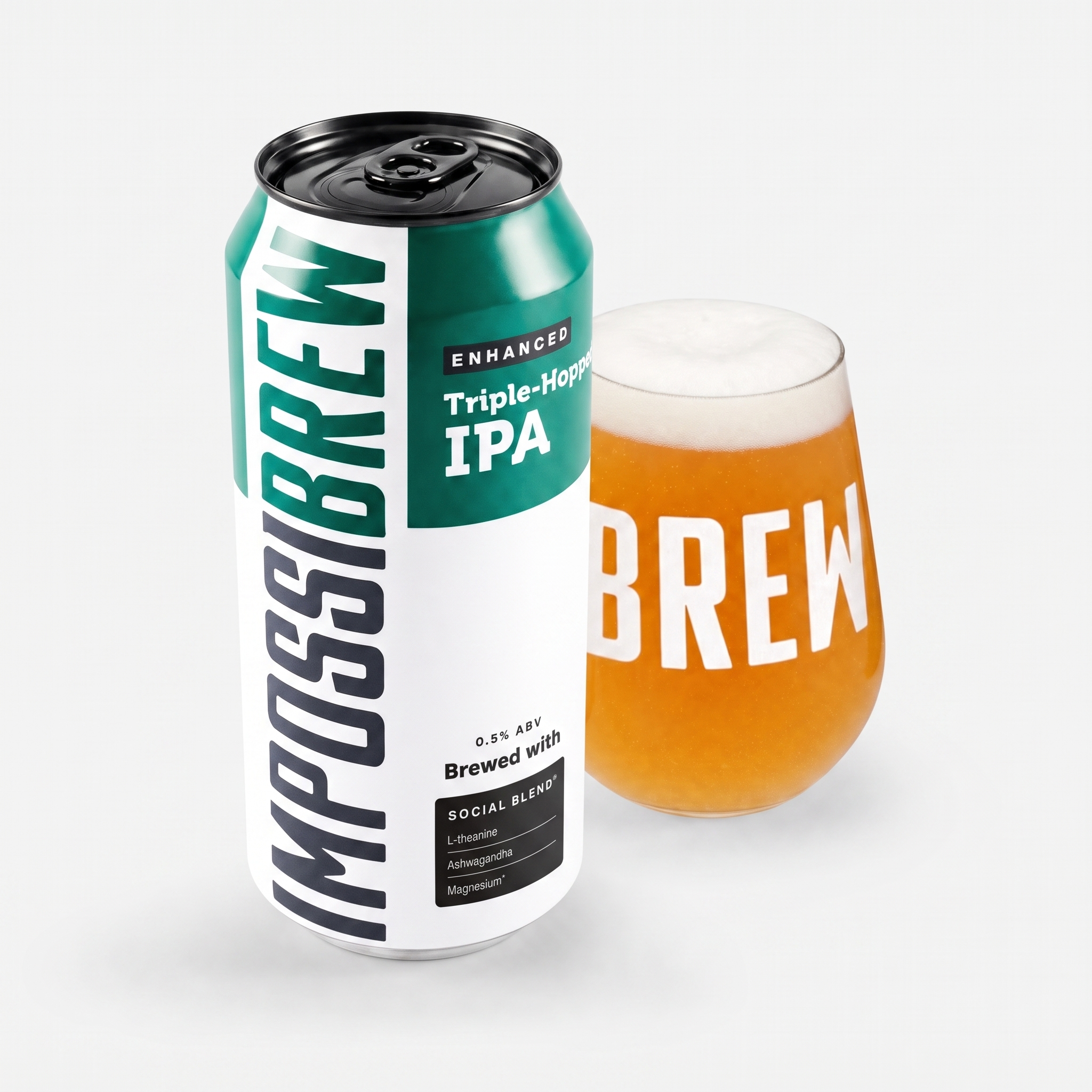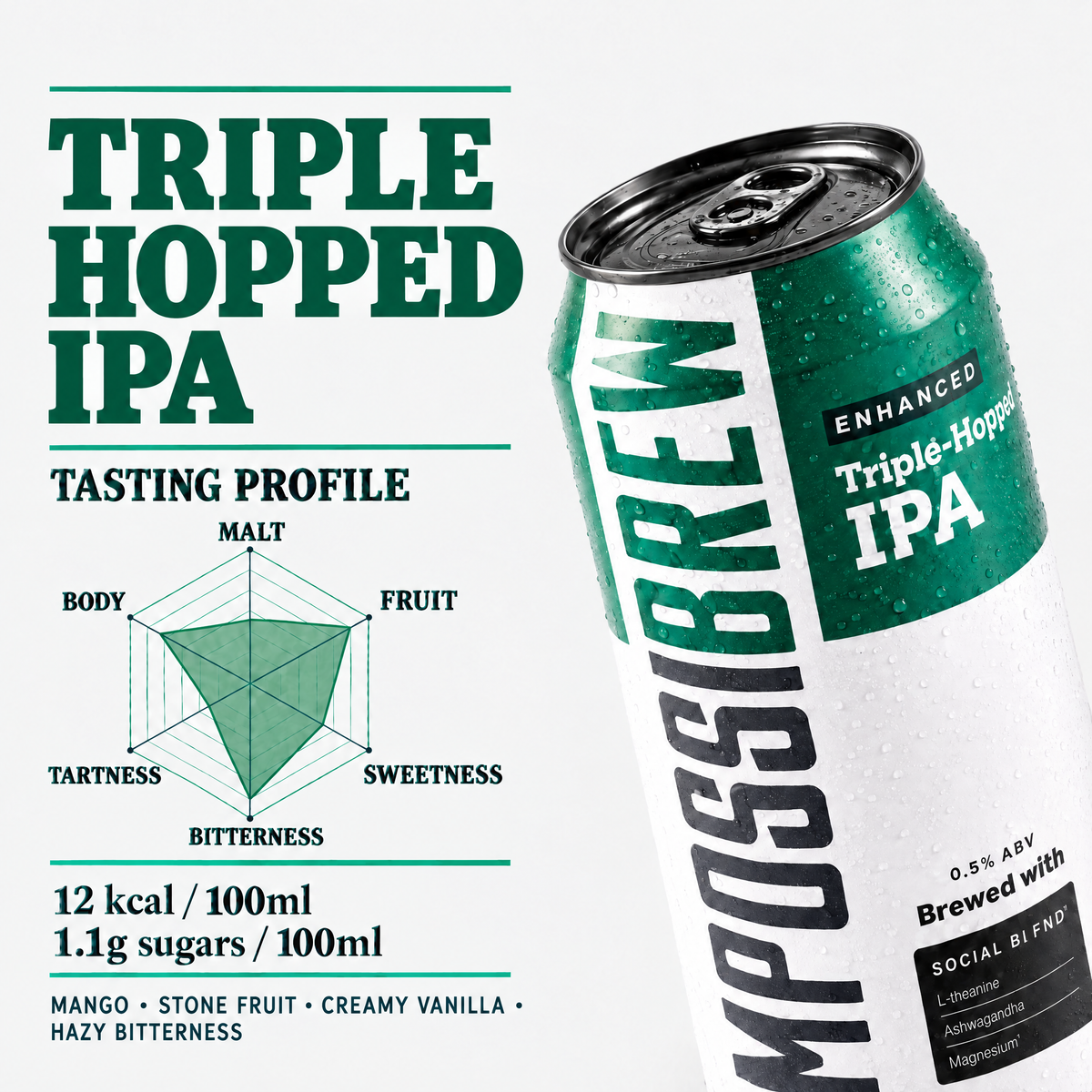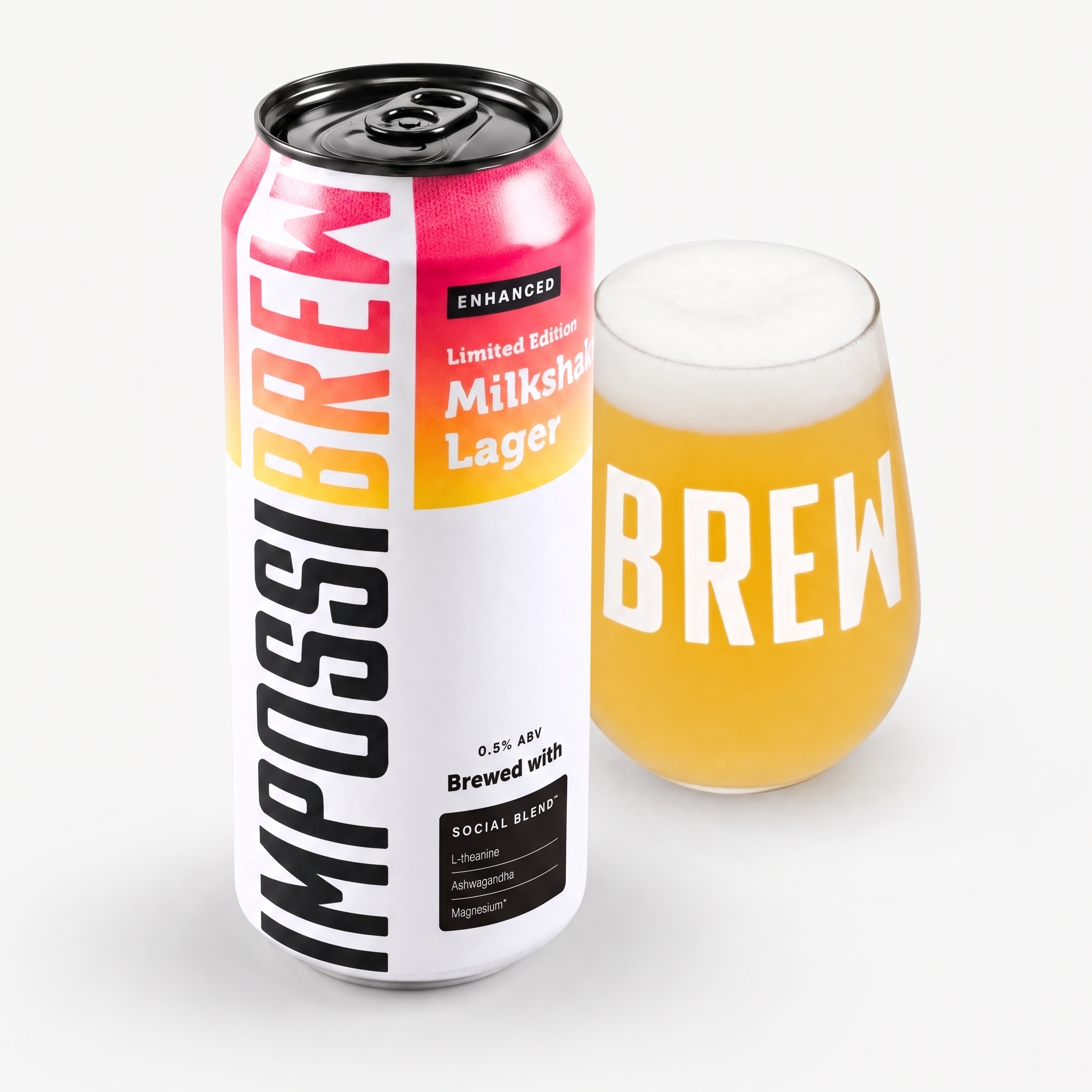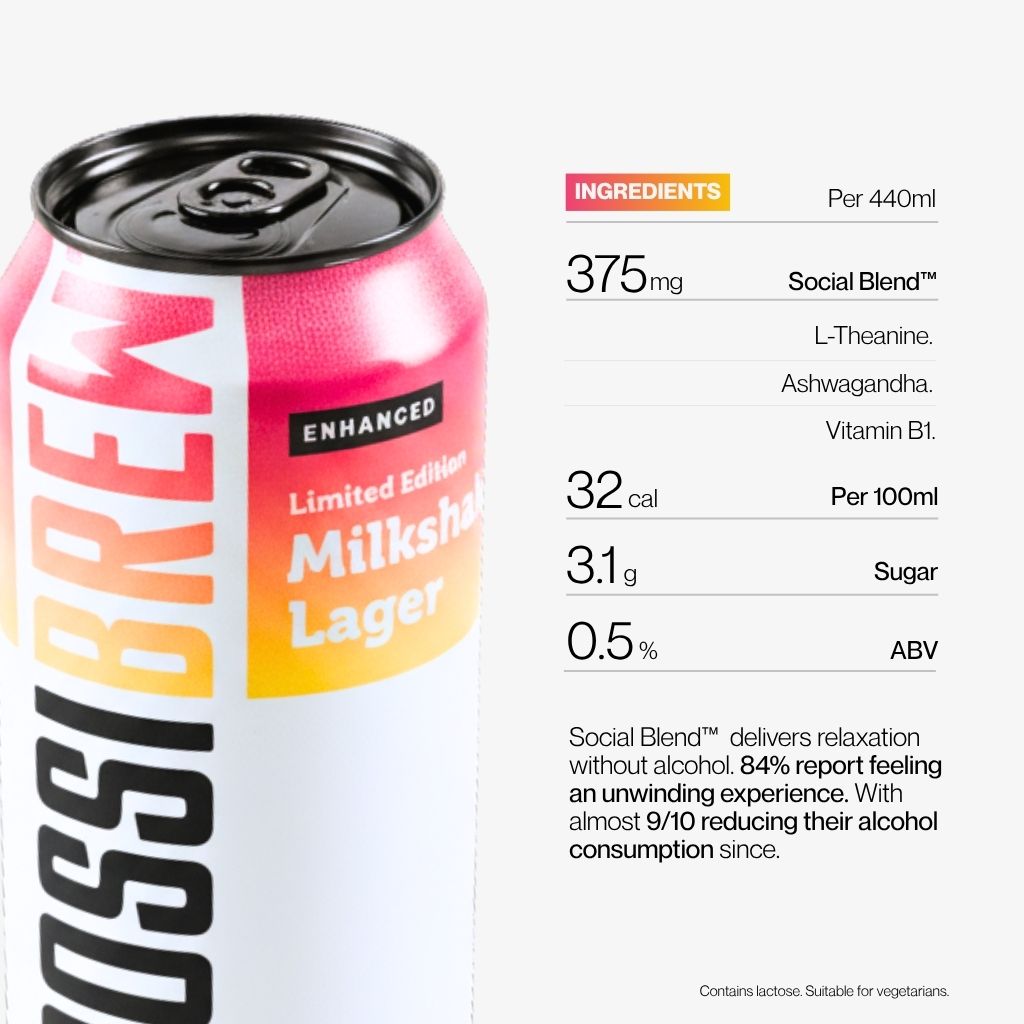
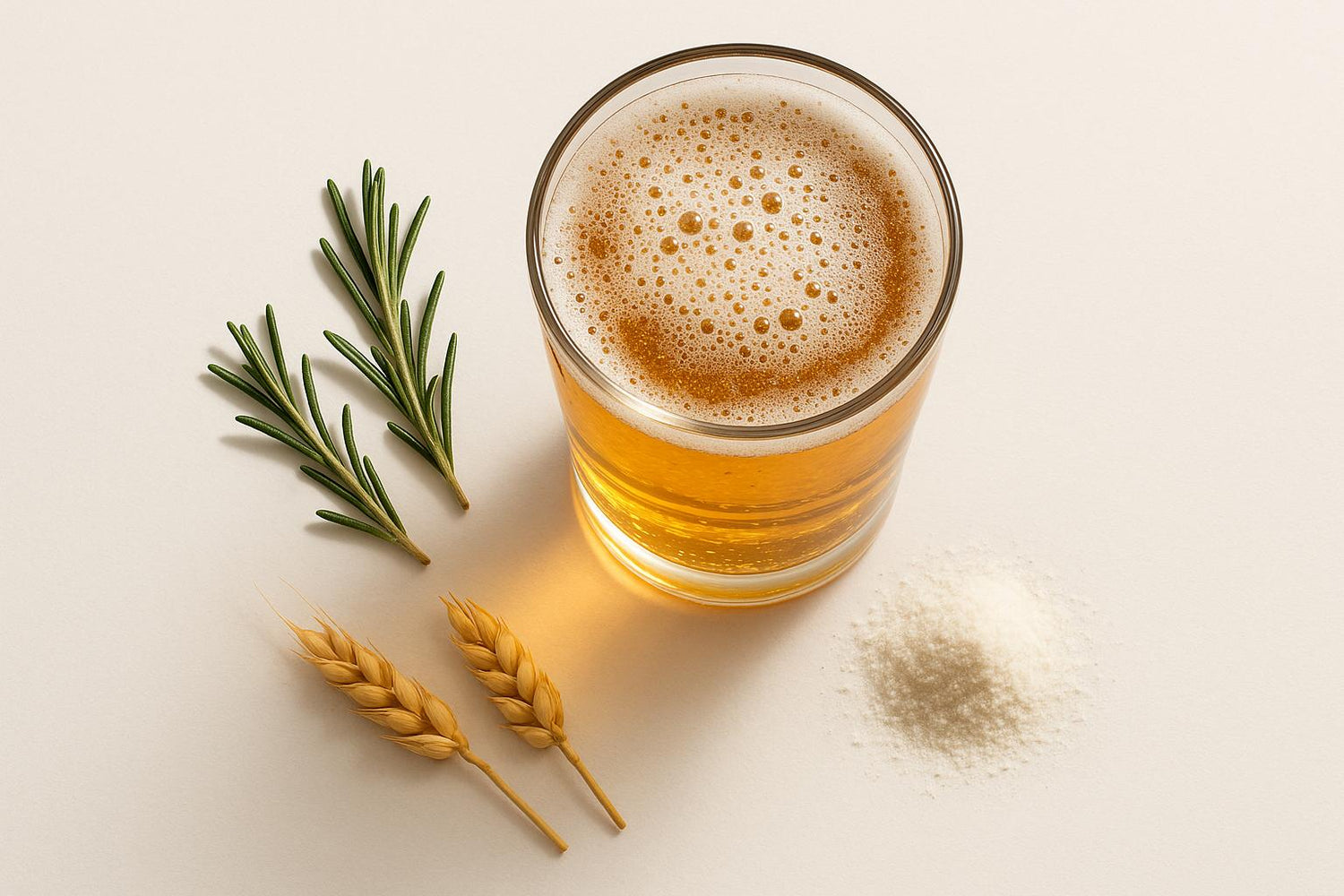
Functional beer is changing how we think about drinks. By adding prebiotics (fibres that feed good gut bacteria) and probiotics (live bacteria that support digestion), brewers are turning beer into a gut-friendly option. Here's the idea: prebiotics already exist in beer ingredients like polyphenols and dietary fibres, while probiotics can be introduced during brewing. Together, they create a "synbiotic" effect, improving gut health more effectively than either could alone.
Key points:
- Prebiotics: Found naturally in beer (from malt and hops) and promote beneficial gut bacteria.
- Probiotics: Special strains like Lactobacillus fermentum can survive brewing and add digestive benefits.
- Synbiotics: Combining both enhances gut balance and immune support.
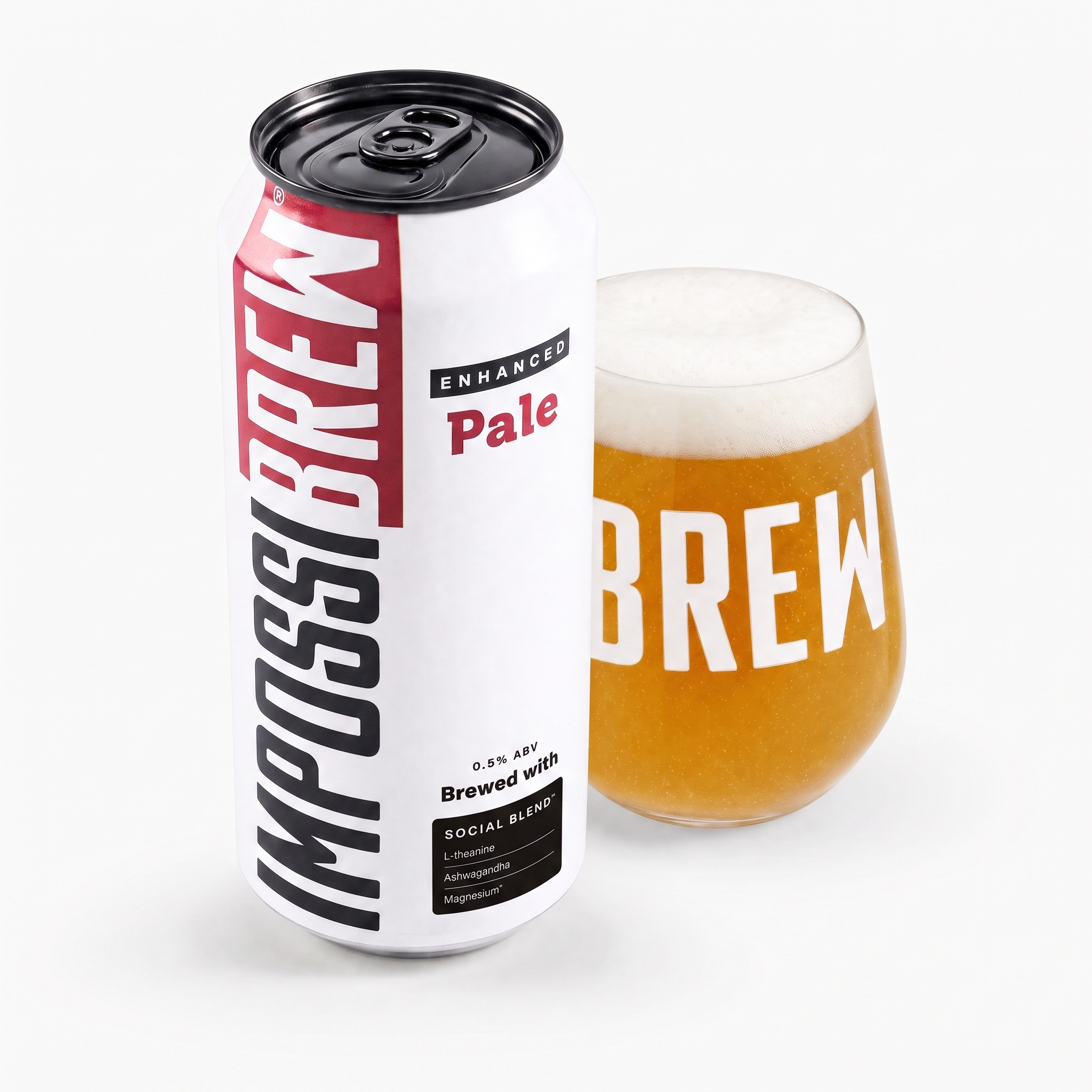
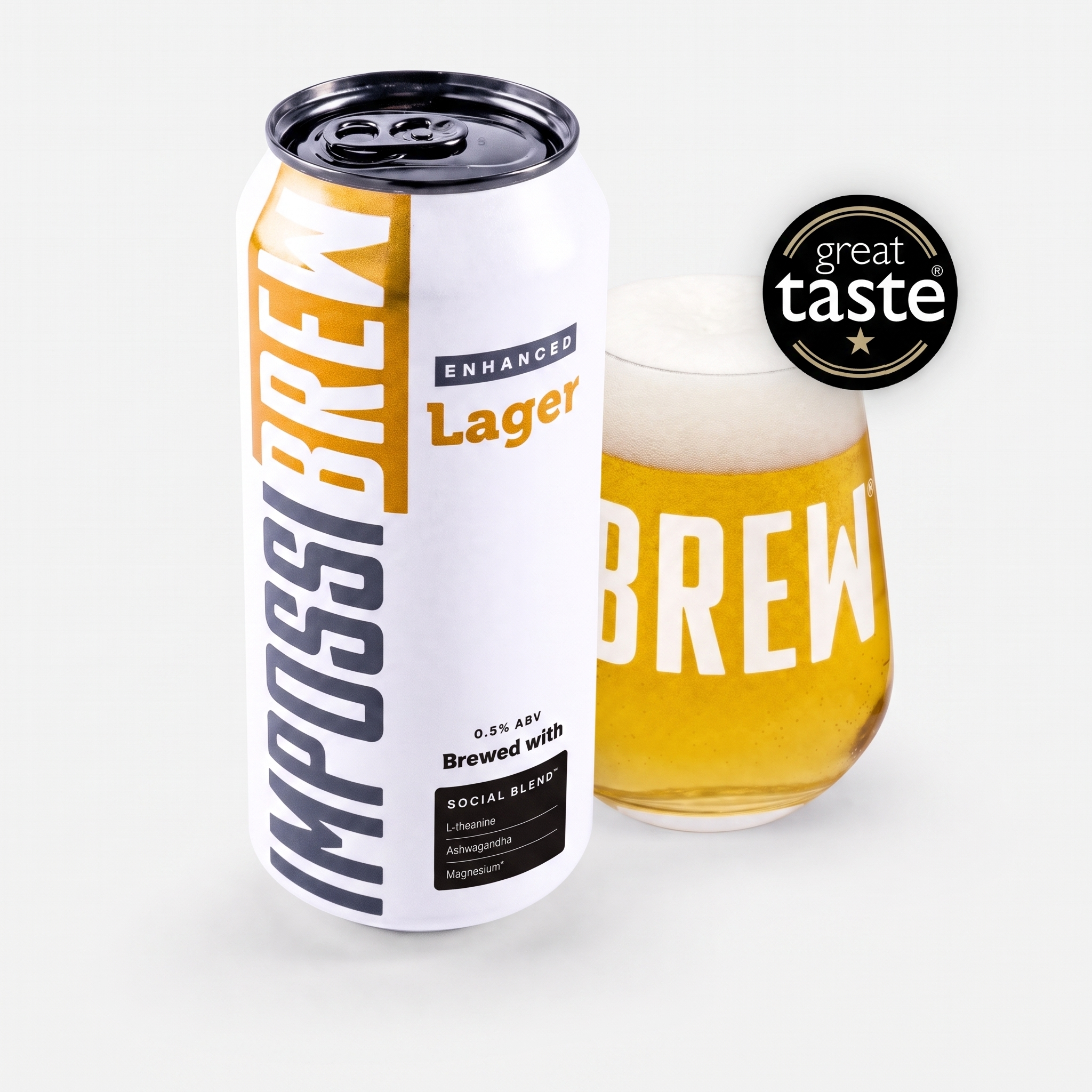
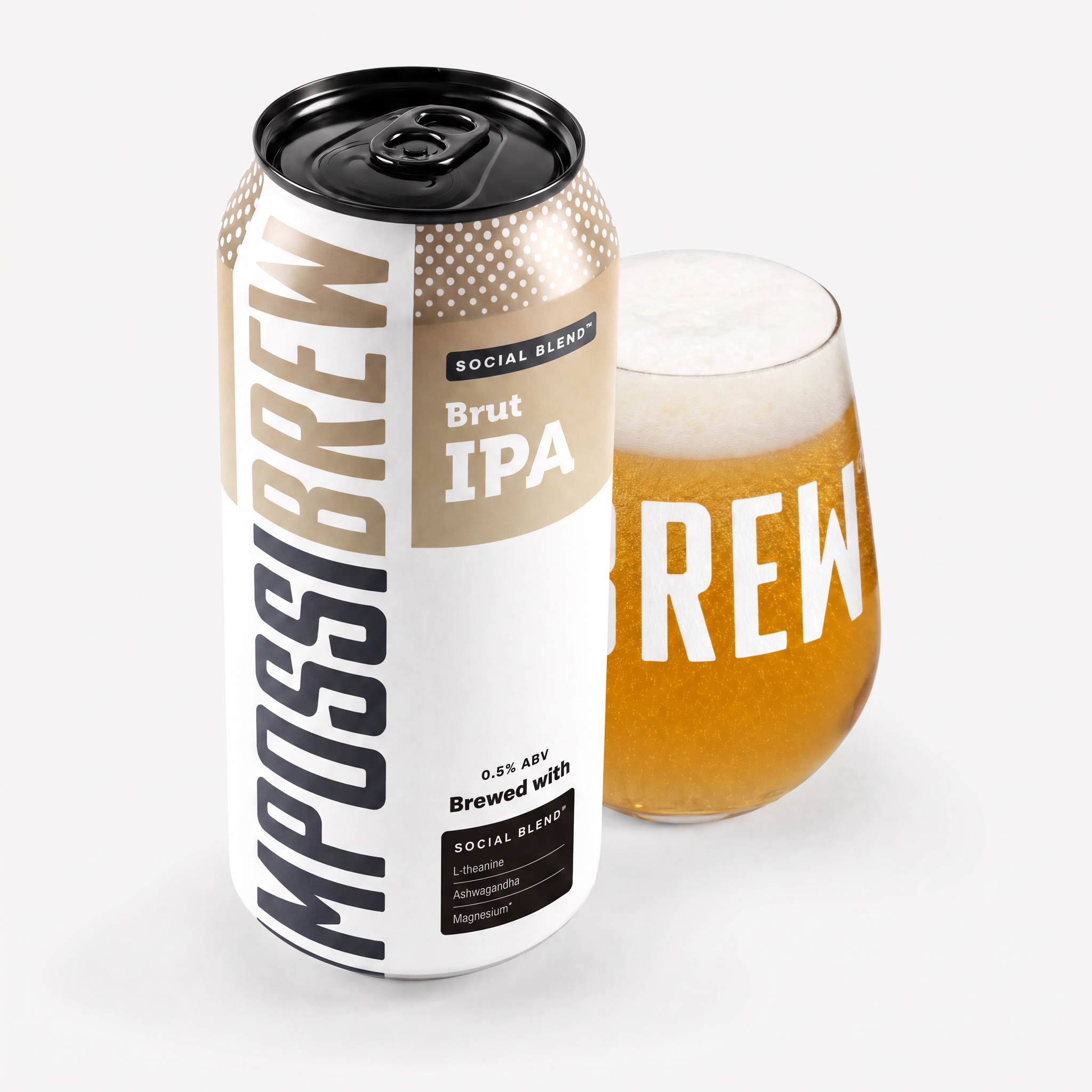
Non-alcoholic beers, like those from brands such as IMPOSSIBREW®, are leading this trend, offering low-calorie, gut-friendly options. Challenges like keeping probiotics alive in beer's acidic environment are tackled with techniques like post-fermentation inoculation and microencapsulation. The result? Beers that taste great and support wellness goals.
This movement aligns with growing demand for functional drinks, making beer more than just a social beverage - it’s now a tool for better gut health.
Singapore Researchers Brewing Healthier Beer
What Are Prebiotics and Probiotics
To truly understand how prebiotics and probiotics contribute to digestive health, it's important to grasp the distinction between the two. Though their names sound similar, they play separate yet complementary roles in maintaining a healthy and balanced gut microbiome.
What Are Prebiotics?
Prebiotics are types of non-digestible fibres and compounds that serve as nourishment for beneficial gut bacteria. Common examples include inulin, fructo-oligosaccharides (FOS), and galacto-oligosaccharides (GOS). These fibres pass through the digestive system without being broken down, reaching the colon intact. Once there, they are fermented by bacteria such as Bifidobacteria and Lactobacilli. Interestingly, beer naturally contains polyphenols and dietary fibres that act as prebiotics, promoting the growth and activity of these health-supporting bacteria and contributing to a richer and more diverse gut microbiome.
The fermentation process in the gut also facilitates a fascinating interaction called cross-feeding. For instance, bacterial species like Bifidobacterium longum and Eubacterium rectale can work more effectively together in the presence of prebiotic fibres, creating a stronger and more balanced gut environment.
Now that we've covered prebiotics, let’s dive into the live microorganisms that work hand in hand with them.
What Are Probiotics?
Probiotics are live microorganisms - mainly from the Lactobacillus and Bifidobacterium families - that provide health benefits when consumed in sufficient amounts. They help maintain a balanced gut flora, aid digestion, improve nutrient absorption, and can even influence the immune system. Some of the most common probiotic strains found in functional beverages include Lactobacillus acidophilus, Lactobacillus plantarum, and Bifidobacterium longum.
While traditional beer brewing processes may result in only trace amounts of live microbes, certain specially crafted beers are designed to include specific probiotic strains, such as Lactobacillus fermentum, to provide additional health benefits.
Together, these elements create a powerful synergy, setting the stage for their combined impact on gut health.
How Prebiotics and Probiotics Work Together
When prebiotics and probiotics join forces, they form what’s known as synbiotics - a pairing that amplifies their individual benefits. Prebiotics supply the essential nutrients probiotics need to thrive, while probiotics convert prebiotic fibres into beneficial metabolites, optimising digestive health.
Here’s a quick look at how these components function in beer:
| Component | Function | Example in Beer | Primary Benefit |
|---|---|---|---|
| Prebiotics | Feed beneficial bacteria | Polyphenols and dietary fibres | Supports microbiome diversity |
| Probiotics | Introduce live beneficial bacteria | Lactobacillus fermentum | Aids digestion directly |
| Synbiotics | Combine prebiotics and probiotics | Beer with fibres and live cultures | Boosts overall gut health |
Research suggests that combining prebiotics and probiotics often yields better results than using them individually. While individual responses may vary depending on factors like gut microbiota and overall health, products containing both components in clinically effective amounts are increasingly seen as a top choice for digestive wellness. In the UK’s expanding functional beverage market, this synbiotic approach is gaining recognition as a promising way to support gut health.
Understanding how these components work together is key as we delve further into their integration within beer to promote digestive health.
Adding Prebiotics and Probiotics to Beer
Creating beer that offers health benefits while staying true to brewing traditions is no small feat. It involves carefully selecting ingredients and techniques to introduce prebiotics and probiotics without compromising the beer's flavour or quality. Here's how brewers can achieve this balance.
Adding Prebiotics to Beer
To weave prebiotics into beer, brewers often turn to ingredients like inulin (commonly sourced from chicory root), arabinoxylan (found in cereal grains), and other dietary fibres. These compounds act as food for beneficial gut bacteria such as Bifidobacterium and Lactobacillus, promoting gut health.
Inulin and chicory root fibre not only support digestion but also enhance the sensory experience of beer. They contribute a mild sweetness and a richer body, subtly elevating the brew’s overall profile. However, adding prebiotics requires precision. At higher concentrations, these fibres can introduce earthy or nutty undertones that may not suit every beer style. They might also cause haze or trigger unintended fermentation by non-target microbes, potentially affecting the beer's stability. Brewers often rely on small-scale testing and careful dosing to strike the right balance between health benefits and taste.
Probiotic Strains That Work in Beer
Not all probiotics can survive the tough conditions of beer. Alcohol, hop-derived antimicrobial compounds, and low pH levels create an environment where many beneficial bacteria struggle to thrive. Yet, a few hardy strains have proven their resilience. Research has identified certain Lactobacillus strains - such as Lactobacillus plantarum and Lactobacillus fermentum - as well as specific Bifidobacterium species, as suitable for brewing. For example, Lactobacillus fermentum, which has been isolated directly from beer, not only survives the brewing process but also offers health benefits like inhibiting harmful bacteria and supporting urinary tract health. Some brewers also use Saccharomyces boulardii to create beers with dual probiotic properties.
To help probiotics thrive, brewers often adjust the beer's bitterness by lowering International Bitterness Units (IBUs) to as low as 2. This ensures that the live cultures remain viable. Such adjustments are particularly common in non-alcoholic or low-alcohol beers, which provide a friendlier environment for probiotics while still delivering a satisfying flavour.
Brewing Challenges and Solutions
Keeping probiotics alive through brewing and storage is no easy task. Traditional processes like pasteurisation, filtration, and long fermentation periods can drastically reduce the viability of live cultures. Add to this the challenges of temperature changes, oxygen exposure, and extended storage, and the task becomes even more complex.
One effective approach is post-fermentation inoculation, where probiotics are introduced after the primary fermentation process. This method avoids exposing the bacteria to the harsher conditions of fermentation, allowing them to establish and survive more effectively. Another technique is microencapsulation, which involves coating probiotic cells with a protective layer. This shields them from the brewing environment and helps maintain their viability during production and storage, although it does require specialised equipment.
Brewers are also experimenting with non-alcoholic or low-alcohol beer bases, which reduce the stress on probiotics caused by alcohol. By avoiding pasteurisation and using cold-chain logistics, they can further preserve the live cultures.
"The challenge of keeping probiotics alive during brewing is significant, but with the right strains and techniques, we can create a product that not only tastes great but also supports gut health." - Mark Wong, Founder of IMPOSSIBREW®
Ultimately, choosing the right probiotic strains - those that can withstand alcohol and acidic conditions - is key. Brewers need to ensure that the probiotics remain at levels that provide meaningful health benefits, which typically means maintaining a high count of viable cells. These innovative techniques are paving the way for beers that are both enjoyable and beneficial for gut health.
sbb-itb-a752bf8
Health Benefits of Probiotic and Prebiotic Beer
Probiotic and prebiotic beer offers a unique blend of flavours and health benefits, particularly for digestion and immune health. By combining these elements, the beer supports gut balance while aligning with wellness goals.
Gut Health Benefits
Probiotic and prebiotic beer stands out for its ability to aid digestion. When you enjoy a beer enriched with prebiotics - like polyphenols and dietary fibres such as arabinoxylan - these compounds travel to your colon, where they interact with your gut microbiota. Probiotics, on the other hand, encourage nutrient-sharing among beneficial bacteria, which helps reduce bloating and improve digestion. Studies even show that moderate beer consumption over 30 days can lead to noticeable improvements in gut health [6]. This digestive boost also lays the groundwork for enhanced immunity.
Immune System Support
Since 70% of the immune system is linked to the gut, the benefits of probiotic and prebiotic beer extend to strengthening your natural defences. Fermentation by-products in these beers promote the growth of healthy gut flora, which plays a key role in supporting immune function. Within just a month of moderate consumption, research has shown improvements in immune markers like neutrophil and monocyte activity [6]. Additionally, these beers have anti-inflammatory properties, increasing the production of the anti-inflammatory cytokine IL-10 while reducing the inflammatory response of monocytes. Certain probiotic strains, such as Lactobacillus fermentum, even inhibit biofilm formation by drug-resistant pathogens, offering an extra layer of protection. Together, these effects contribute to a stronger immune system.
Fitting Into a Healthy Lifestyle
Probiotic and prebiotic beer offers a way for health-conscious individuals to enjoy their drinks while supporting their wellness goals. Pairing a probiotic beer with other gut-friendly foods like yoghurt or sauerkraut can further enhance digestive health.
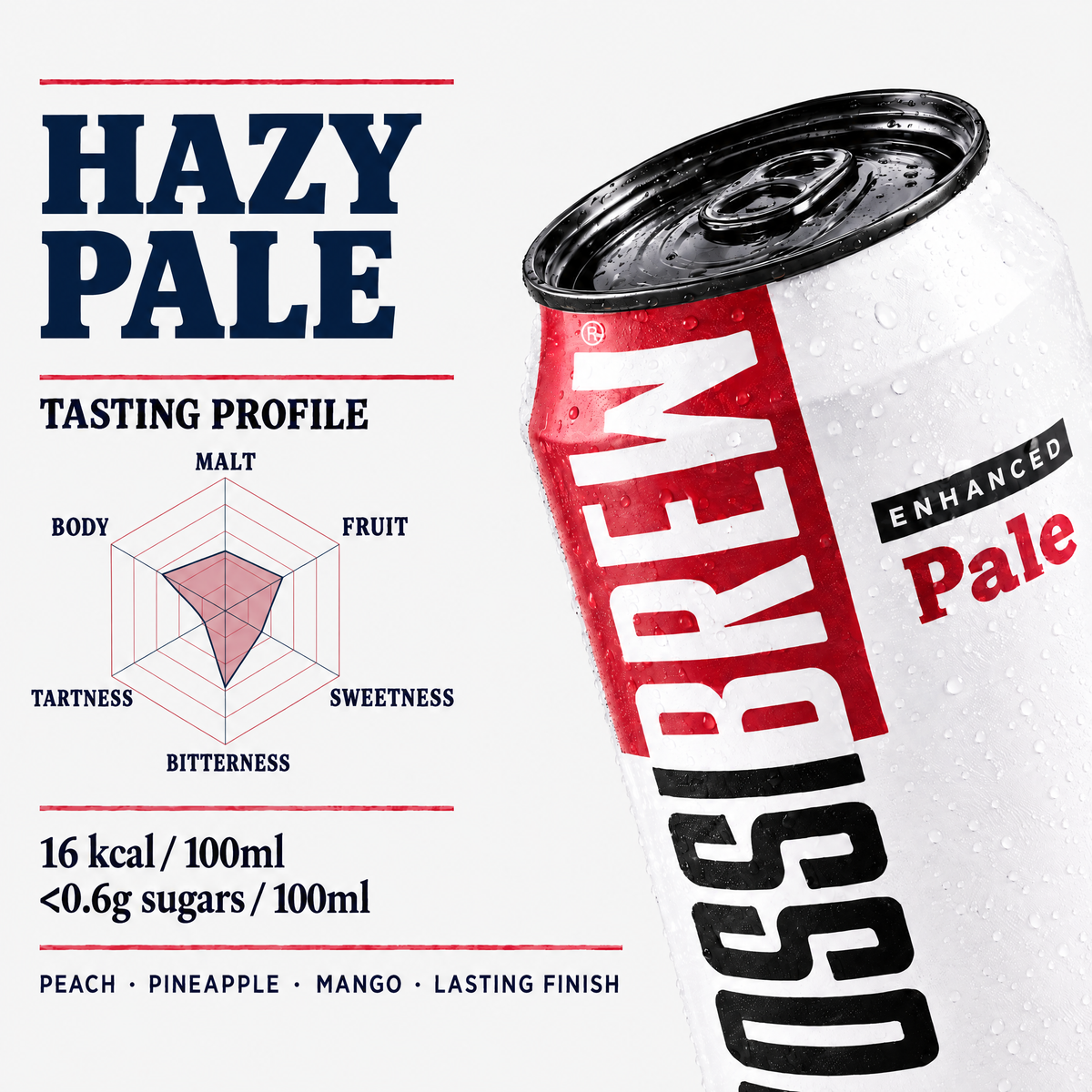
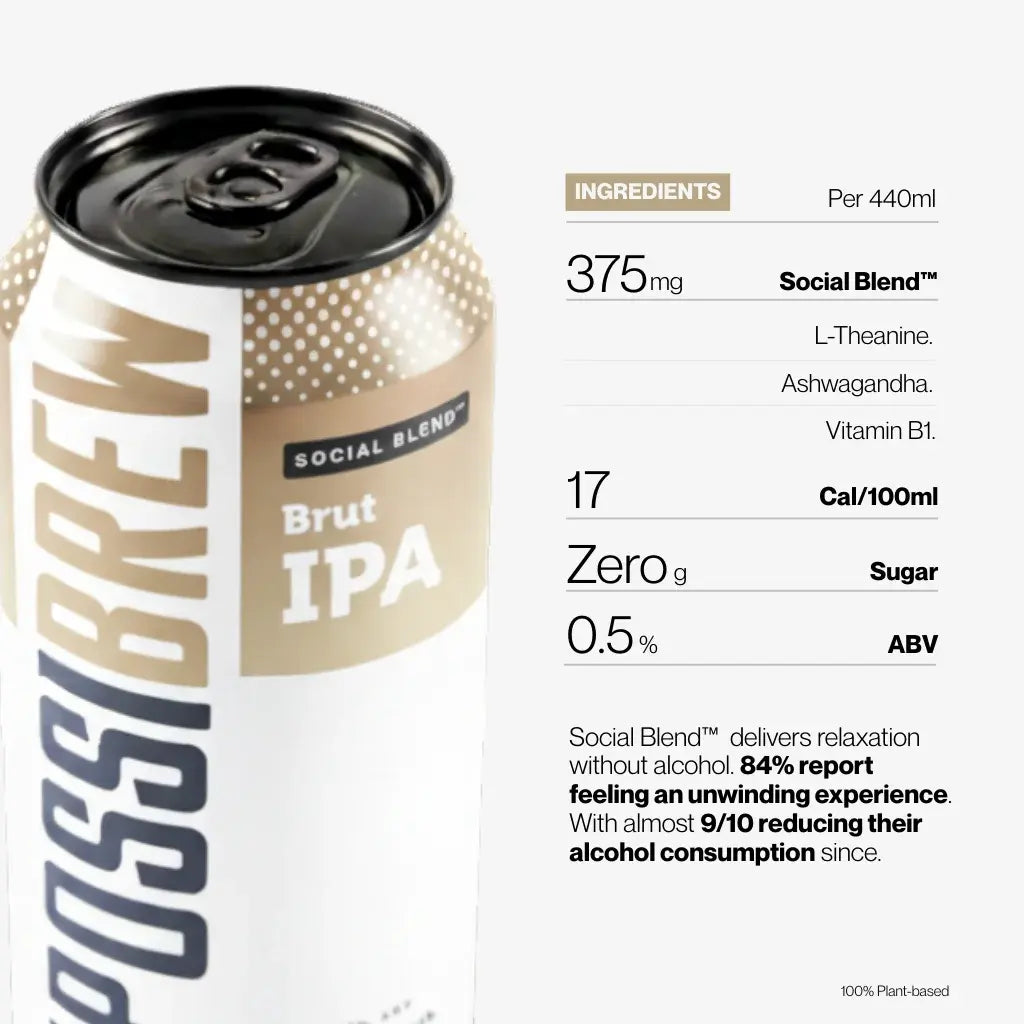
Brands like IMPOSSIBREW® have taken this concept further by crafting non-alcoholic beers enriched with scientifically selected ingredients that promote gut health. With as few as 16 calories per 100 ml, these beers cater to those seeking balance. Impressively, over 70% of their consumers report feeling relaxed after drinking, and 88% have reduced their alcohol intake [1]. For a more holistic approach, consider matching robust beers with bold probiotic dishes or pairing lighter brews with subtle flavours. This transforms beer from a simple indulgence into a thoughtful addition to a lifestyle focused on digestion, immunity, and overall wellbeing.
IMPOSSIBREW®: Leading Non-Alcoholic Functional Beers
IMPOSSIBREW® is at the forefront of the non-alcoholic functional beer market, blending the pleasure of social drinking with science-backed wellness benefits. Founded in 2021 by Mark Wong, the brand set out with a clear mission: to craft alternatives to alcohol that offer the same relaxing experience without the health risks.
At the heart of their success is the proprietary Social Blend™ formula, a unique combination of prebiotics and probiotics. This innovative blend taps into the growing demand for functional drinks, with 39% of UK consumers actively seeking products that support gut health [8]. The global prebiotic beverage market has also seen steady growth, with a 13% annual increase between 2020 and 2024 [7]. This science-led approach is the foundation of IMPOSSIBREW®'s rise in the industry.
Science-Based Functional Drinks
IMPOSSIBREW® has reimagined brewing by going beyond traditional fermentation. Their Social Blend™ technology combines prebiotics and probiotics to create beverages that support gut health while delivering a relaxing effect. Joe O'Neill, VP of Sales and Business Development at A&B Ingredients, highlights the importance of this trend: "Gut health is in the spotlight for 2025... Foods promoting gut health are shaping the future of nutrition" [9].
Consumer feedback underscores the effectiveness of this approach. In studies, over 70% of participants reported feeling relaxed after drinking IMPOSSIBREW®, and 88% said they had reduced their alcohol intake since trying the brand [1]. By integrating these functional elements without compromising on flavour, IMPOSSIBREW® has struck a balance between innovation and craftsmanship. This dedication earned them a Gold Medal in the No/Low beer category at the 2023 London Beer Competition - the first brand in the category to achieve this honour [1].
Features for Health-Conscious Drinkers
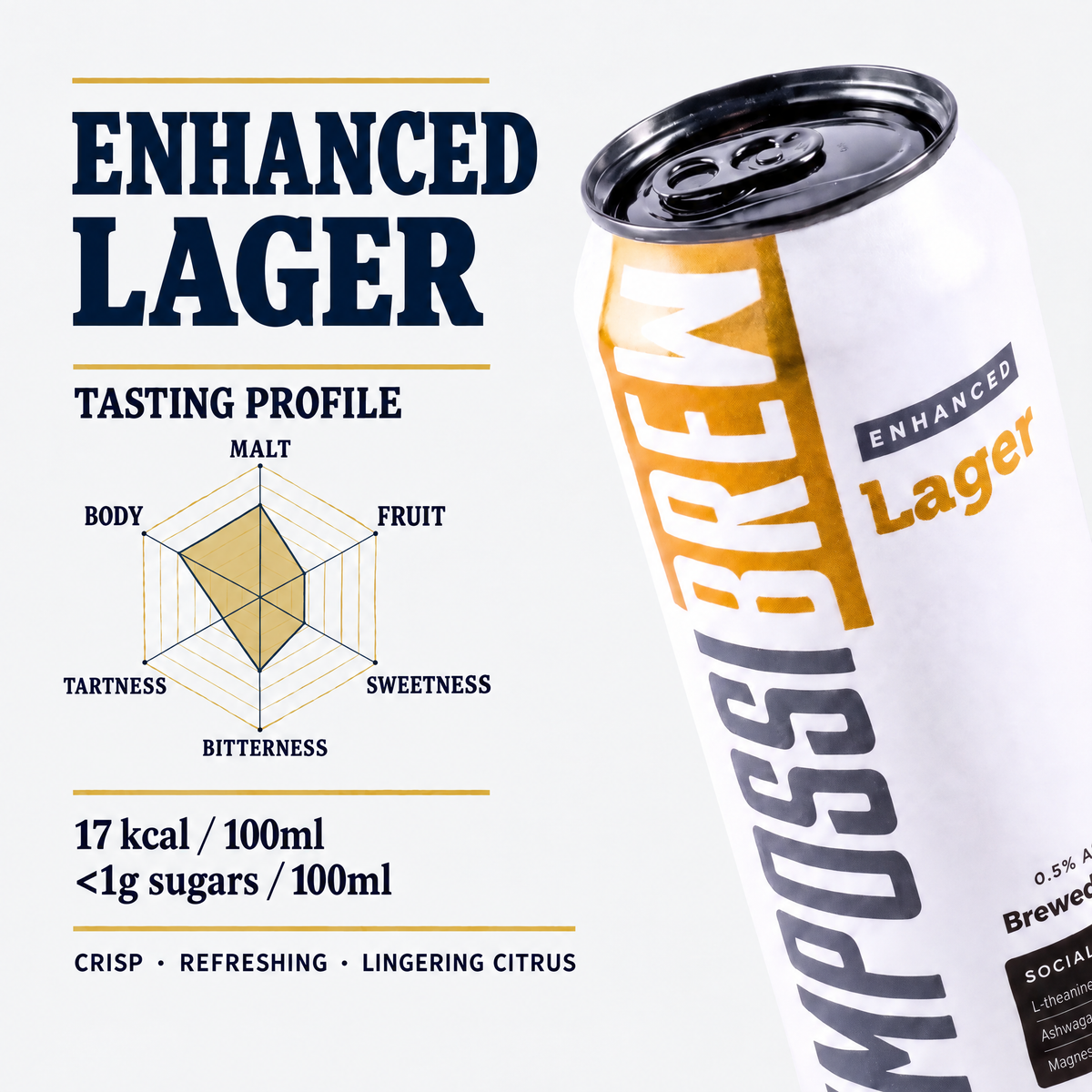
IMPOSSIBREW®'s products are designed with the health-conscious consumer in mind. Their Enhanced Lager is gluten-free, vegan, and contains just 16 calories per 100ml, while the Enhanced Hazy Pale offers a tropical, fruity taste profile [1]. Both options maintain less than 0.5% ABV and incorporate the functional benefits of the Social Blend™ formula.
Affordability is also a priority, with prices starting at £1.97 per can. For those looking to try a variety, the Bestseller Bundle includes 18 beers, priced at £49.99, and comes with bonus accessories. The Enhanced Lager has received a 4.7-star rating, while the Enhanced Hazy Pale boasts an impressive 4.9-star rating, reflecting strong consumer approval [1].
Riding the Functional Beverage Wave
IMPOSSIBREW®'s success aligns with the UK's growing embrace of wellness-focused drinking. Winning the title of "UK's Best Non-Alcoholic Beer" at the 2023 World Beer Awards [1] highlights the increasing acceptance and acclaim for functional beverages. Appearances on BBC's Dragons' Den and recognition through multiple industry awards further underscore the brand's momentum.
By combining the proven benefits of prebiotics and probiotics with the familiar appeal of beer, IMPOSSIBREW® has created a bridge between health-conscious living and traditional social drinking. As industry research from A&B Ingredients in May 2025 confirms, the demand for gut-health-promoting products is only set to grow [9].
"IMPOSSIBREW® is on a mission to redefine non-alcoholic drinking by creating better-than-alcohol alternatives for those who love beer but want to avoid the health risks associated with alcohol consumption." [1]
The Future of Probiotic and Prebiotic Beer
The blending of age-old brewing traditions with modern wellness science is transforming the beverage industry. Probiotic beer, in particular, is gaining traction among Gen Z and long-time beer enthusiasts who are shifting towards more mindful drinking habits [2]. This shift is reshaping how we view beer - not just as a drink for flavour and social occasions, but as a potential contributor to health and wellbeing.
Beer naturally contains polyphenols, which have prebiotic properties. These compounds are paving the way for new functional beverages that stay true to brewing traditions while offering measurable health advantages [4]. Research also shows that beer consumption can promote the growth of beneficial gut flora like Streptococcus, Actinomyces, and Veillonella [4]. This positions functional beer as more than just an alcoholic beverage - it becomes a tool for supporting gut health and microbiome balance.
Asian markets are leading the charge in adopting probiotic beer, driven by consumer demand for drinks that combine enjoyment with health benefits [2]. This trend reflects a global appetite for products that merge wellness with social drinking. Similarly, the UK market is ready to embrace this innovation, with growing awareness of gut health and the role of beneficial bacteria in overall wellness.
Advances in brewing technology are making it easier to integrate probiotics and prebiotics into beer. Industry experts, in collaboration with research institutions, have worked tirelessly - requiring more than a dozen attempts - to perfect the balance between probiotic strains and brewer's yeast [2]. These efforts highlight the brewing industry's commitment to creating beers that deliver both health benefits and exceptional taste. Such advancements honour traditional brewing while opening doors to exciting new possibilities.
One of the main challenges lies in the differing pH levels required by probiotics and traditional beer. Probiotics thrive in a pH range of 4.5 to 6.5, while most beers are more acidic, with a pH between 3.8 and 4.2 [2]. To overcome this, brewers have developed techniques like co-pitching probiotics with brewer's yeast. This method allows probiotics to produce lactic acid while the yeast generates alcohol and carbonation, ensuring both elements can coexist [2].
These technological breakthroughs are translating into real benefits for consumers. Functional beers now offer tangible health advantages, supported by scientific evidence. As people become more informed about the connection between diet, gut health, and overall wellbeing, the appeal of these products is only set to grow.
The market for functional food and beverages, including fibre- and probiotic-enriched drinks, has expanded rapidly in recent years [5]. This momentum suggests that functional beers will increasingly carve out their place in the market, moving beyond niche appeal to become a mainstream choice.
Brewing science is naturally suited to this evolution. Fermentation creates an environment ideal for beneficial microorganisms, making beer a perfect candidate for functional innovation [3]. Companies like IMPOSSIBREW® are already embracing this science-led approach with products like their Social Blend™. As technology continues to advance and consumer interest grows, functional beers are well-positioned to move from a novelty to a staple in the beverage industry.
These beverages strike a balance between enjoyment and wellness, offering health-conscious consumers a sophisticated option without sacrificing flavour. Whether in traditional alcoholic forms or non-alcoholic alternatives, probiotic and prebiotic beers provide a thoughtful choice for those looking to combine social experiences with health-focused goals.
FAQs
How do brewers keep probiotics alive and effective in beer despite the challenging brewing process?
Brewing beer with probiotics is no easy feat, considering the challenging conditions involved, like high heat, alcohol levels, and acidity. To tackle this, brewers have developed specific methods to protect these beneficial bacteria. One common approach is adding probiotics after critical stages like pasteurisation or fermentation, ensuring they aren’t exposed to conditions that could harm them.
Moreover, brewers carefully select probiotic strains known for their ability to withstand these tough environments. This ensures the bacteria stay alive and active in the final product. Thanks to this meticulous process, the beer not only retains its flavour and quality but also offers potential benefits for gut health.
What are the health benefits of drinking beer with probiotics and prebiotics?
Beer infused with probiotics and prebiotics offers a way to support gut health by encouraging a balanced microbiome. Probiotics add helpful bacteria to your system, while prebiotics serve as their food, allowing these bacteria to flourish and work efficiently.
In moderation, these beers might assist with digestion, improve nutrient absorption, and play a role in maintaining overall health. As always, enjoy them responsibly and as part of a varied and balanced diet.
How do prebiotics and probiotics in beer influence its flavour and overall experience?
Prebiotics and probiotics join forces in beer to strike a balance between health benefits and flavour. Prebiotics act as nourishment for probiotics, encouraging the growth of beneficial bacteria that may support gut health. This partnership doesn’t just stop at health - it can also subtly elevate the beer’s natural flavour, adding layers of complexity and richness.
In the case of non-alcoholic beers, like those produced by IMPOSSIBREW®, these components enhance the sensory experience, making the drink both satisfying and functional. With the inclusion of scientifically supported ingredients, these beers offer a refreshing choice that blends taste with well-being.