
Your brain relies heavily on mitochondria to produce energy, using around 20% of your body’s total energy. When mitochondria function properly, you experience mental clarity and focus. However, when they falter, issues like brain fog and fatigue arise. This is where adaptogens come in - natural substances that support stress management and cellular energy production.
Key Points:
- Mitochondria are the energy producers of brain cells, essential for memory, focus, and learning.
- Adaptogens (e.g., Rhodiola rosea, Ashwagandha) help balance stress hormones, boost energy, and protect brain cells.
- They reduce oxidative damage, improve energy efficiency, and promote cognitive resilience.
For example:
- Rhodiola rosea reduces fatigue and improves concentration.
- Ashwagandha lowers cortisol levels, aiding stress relief.
- Cordyceps militaris enhances energy production.
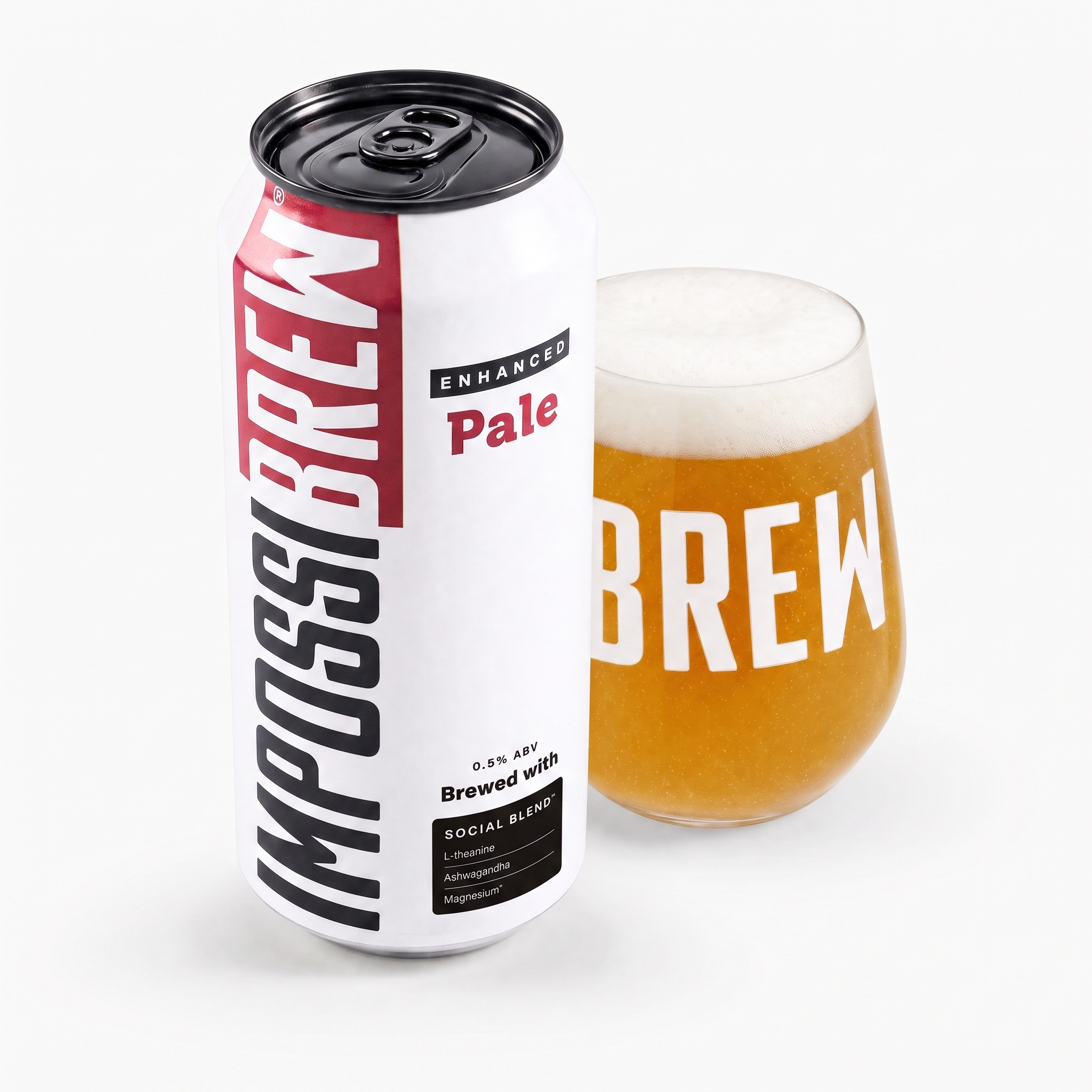
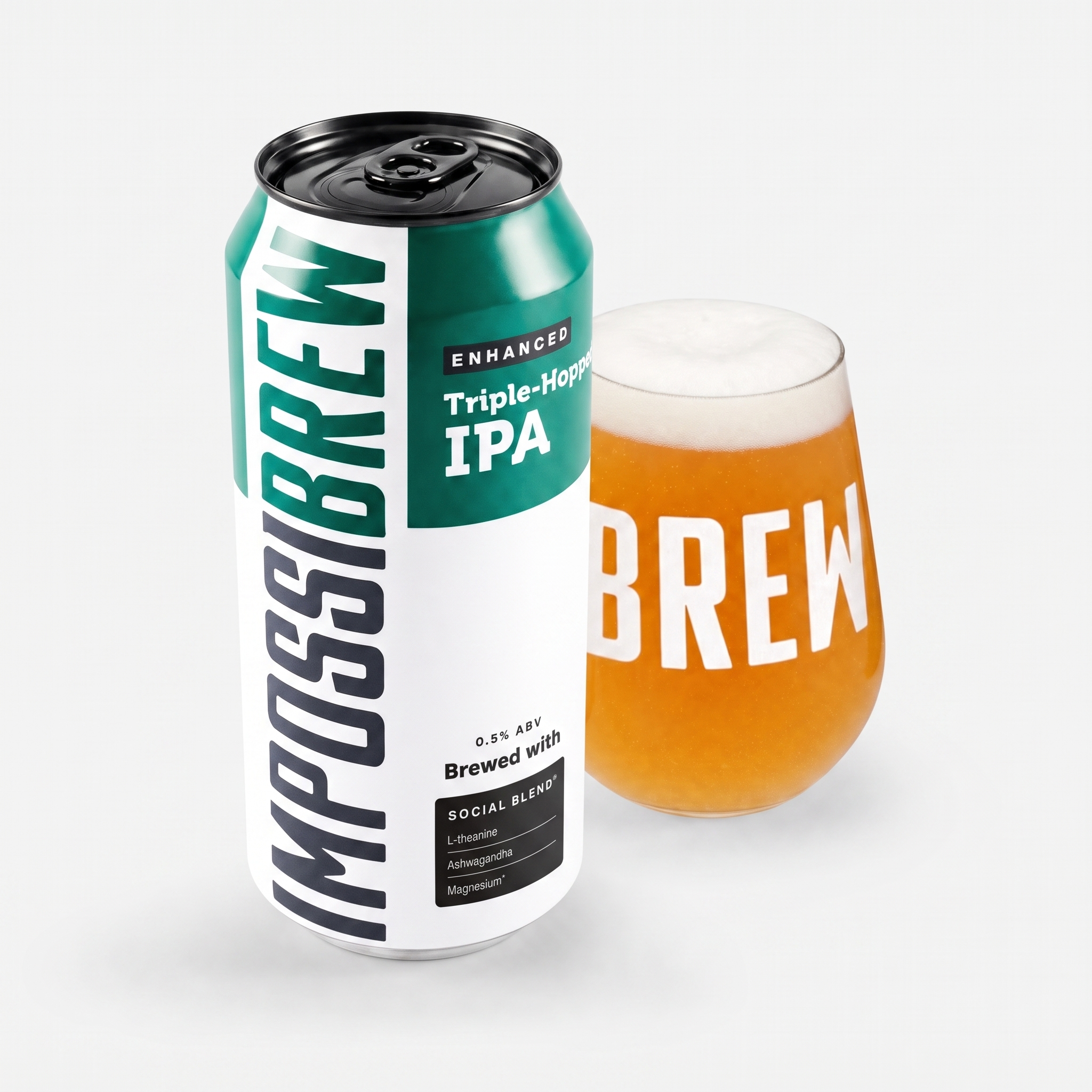
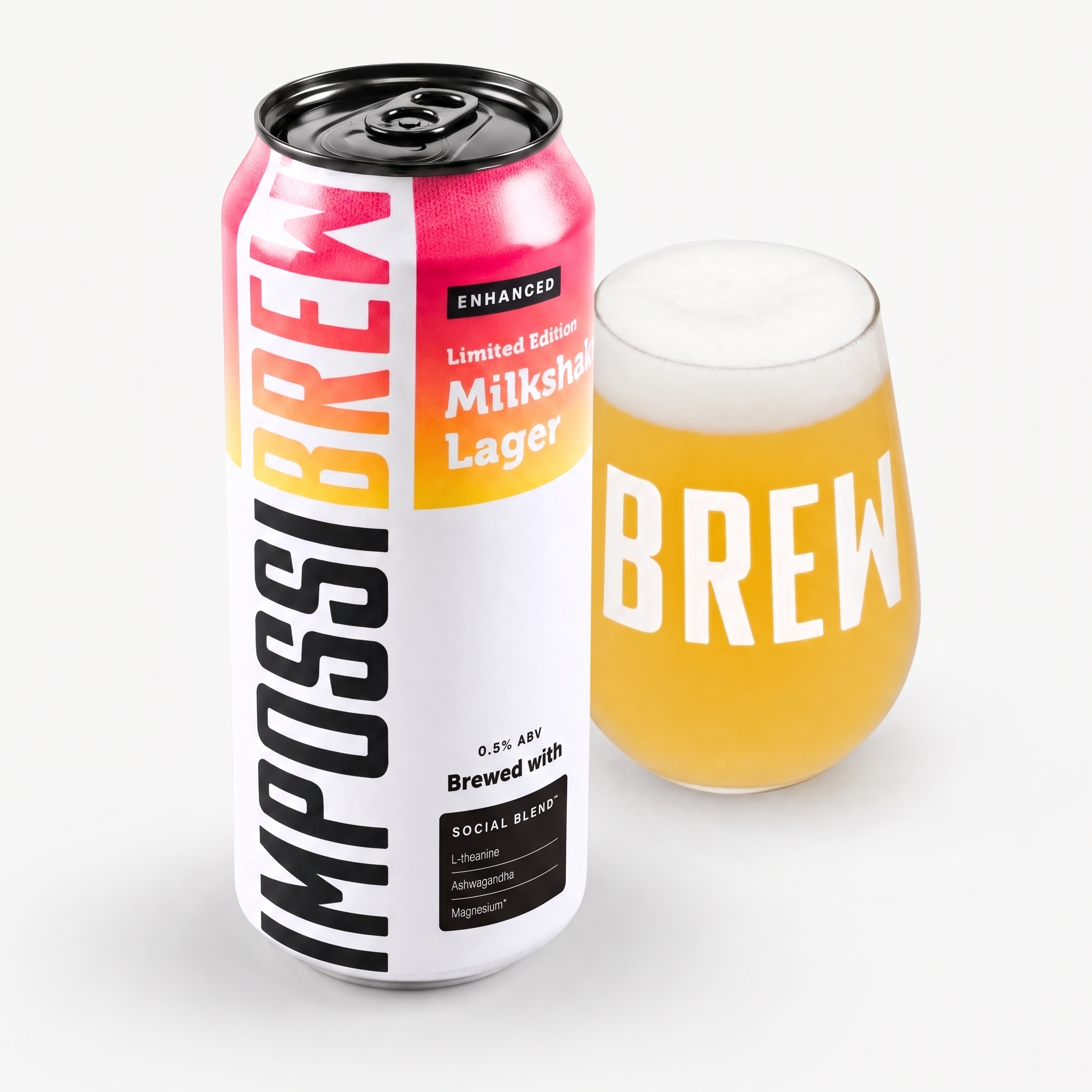
Functional beverages, like IMPOSSIBREW®, now incorporate adaptogens, offering an easy way to support brain health without relying on supplements. These drinks are gaining popularity in the UK as a non-alcoholic option for relaxation and focus. Consistent use of adaptogens, combined with healthy habits, can improve mental clarity and energy over time.
Brain Energy, Mitochondria, and Mental Health with Dr. Chris Palmer
How Adaptogens Support Mitochondrial and Brain Health
Adaptogens play a key role in supporting your brain's cellular systems by helping to regulate stress responses and boosting energy production. This dual action tackles the underlying causes of mental fatigue and cognitive decline. Let’s explore how adaptogens manage stress, reduce oxidative damage, and enhance neuroplasticity.
Managing Stress Response and Cortisol Levels
Chronic stress often overworks the hypothalamic-pituitary-adrenal (HPA) axis, leading to persistently high cortisol levels. This can damage mitochondria and impair cognitive function. Adaptogens help balance stress responses - Rhodiola rosea, for instance, has been shown to lower salivary cortisol levels, which can improve cognition and reduce fatigue. By maintaining healthy corticosteroid levels, adaptogens protect brain cells from stress-related damage and ensure efficient energy production at the cellular level, supporting overall mental health and function [1].
Reducing Oxidative Stress and Supporting ATP Production
The brain’s high energy demands make it particularly vulnerable to oxidative stress caused by free radicals. Adaptogens strengthen the body’s antioxidant defences and boost mitochondrial ATP production. Cordyceps militaris enhances ATP production while providing protective compounds that shield mitochondria from oxidative damage. Similarly, Rhodiola rosea supports the electron transport chain, aiding energy production and improving cellular resilience. These adaptogens also activate protective proteins like Hsp72, which help repair damaged cellular components and increase stress tolerance [2][4].
Improving Neuroplasticity and Cognitive Function
Adaptogens not only protect cellular energy but also promote neuroplasticity, a critical factor for maintaining cognitive performance under stress. Clinical studies reveal that consistent use of Rhodiola rosea extract can improve attention, memory, and learning, even in stressful and fatigued conditions [1]. Bacopa monnieri has also been found to enhance memory and cognitive clarity. Reviews further highlight the benefits of adaptogens like Schisandra chinensis and Eleutherococcus senticosus in supporting mental performance during stress [1][2].
Together, these effects demonstrate how adaptogens support mitochondrial health and brain function, offering a powerful defence against the challenges posed by chronic stress.
Key Adaptogens for Mitochondrial and Brain Health
When it comes to supporting mitochondrial and brain health, certain adaptogens stand out for their targeted and scientifically supported benefits. Among these, Rhodiola rosea, Ashwagandha, and Cordyceps militaris have been shown to enhance mitochondrial efficiency and overall cognitive function. Rhodiola rosea alone is supported by over 30 clinical studies [1][2].
Rhodiola Rosea: Boosting Energy and Managing Stress
Rhodiola rosea plays a pivotal role in improving energy levels by optimising the electron transport chain, which in turn enhances ATP production. Clinical studies using the SHR-5 extract have demonstrated its ability to reduce fatigue and improve concentration within just four weeks. Typical doses range from 200–576 mg per day [1][2].
Ashwagandha: Stress Relief and Cognitive Enhancement
Ashwagandha is well-known for its ability to lower cortisol levels and balance neurotransmitters, thanks to compounds like withanolides and withaferin A. These properties help reduce anxiety and protect cognitive performance. It is a key ingredient in IMPOSSIBREW®'s proprietary Social Blend™, where it supports stress management at doses between 500–1,500 mg daily [1][2][5]. However, individuals who are pregnant, breastfeeding, or taking certain medications should seek medical advice before using Ashwagandha [2][5].
Cordyceps Militaris: Enhancing Cellular Energy
Cordyceps militaris is another powerhouse adaptogen, known for its ability to boost ATP production through active compounds like cordycepin and polysaccharides. Research highlights its effectiveness in improving endurance and energy levels, with an optimal daily intake of 3–4 g [2].
| Adaptogen | Key Benefits | Active Compounds | Daily Dose |
|---|---|---|---|
| Rhodiola rosea | Reduces fatigue, enhances stamina and focus | Salidroside, Rosavin | 200–576 mg |
| Ashwagandha | Lowers stress, boosts energy, supports memory | Withanolides, Withaferin A | 500–1,500 mg |
| Cordyceps militaris | Increases ATP, improves endurance, boosts energy | Cordycepin, Polysaccharides | 3–4 g |
Incorporating these adaptogens into your daily routine could provide a well-rounded approach to maintaining energy, improving stamina, and supporting mitochondrial health [2].
sbb-itb-a752bf8
Adaptogens in Functional Beverages
In the UK, functional beverages are embracing adaptogens for their potential health perks. These natural substances are reshaping how people approach relaxation and mental clarity, particularly through non-alcoholic options that offer wellness benefits without the downsides of alcohol.
The Growing Popularity of Adaptogens in Non-Alcoholic Drinks
More health-conscious consumers are turning to drinks that provide relaxation and cognitive boosts without the negative effects of alcohol. This demand has driven innovation in functional beverages, with ingredients like Rhodiola rosea, Ashwagandha, and Cordyceps militaris taking centre stage. These adaptogens are known for their ability to help the body manage stress, support mental focus, and even enhance mitochondrial function [2].
Unlike caffeine, which can overstimulate, adaptogens help balance the body’s stress response, offering mental clarity without the jitters. This makes them an ideal choice for social settings where people want to unwind without alcohol’s drawbacks [5]. Backed by clinical studies, these adaptogens are becoming increasingly popular in the UK, with more options appearing on supermarket shelves and online stores. Consumers are drawn to these beverages for their ability to boost energy and focus while supporting overall health [2].
The scientific backing for these ingredients has inspired brands to incorporate adaptogens into non-alcoholic drinks, creating exciting new options for wellness-minded individuals.
IMPOSSIBREW®: Leading the Way with Adaptogen-Infused Beverages
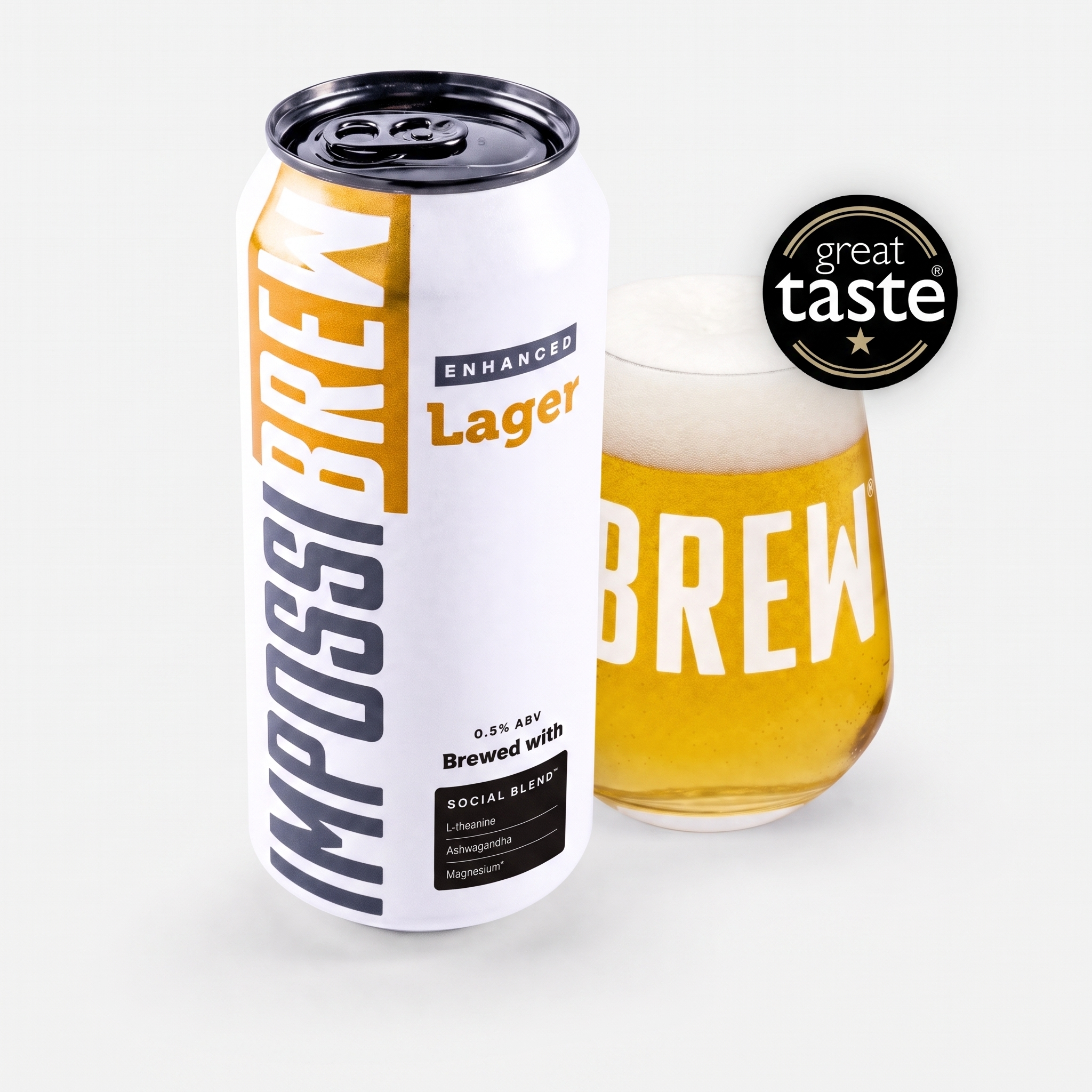
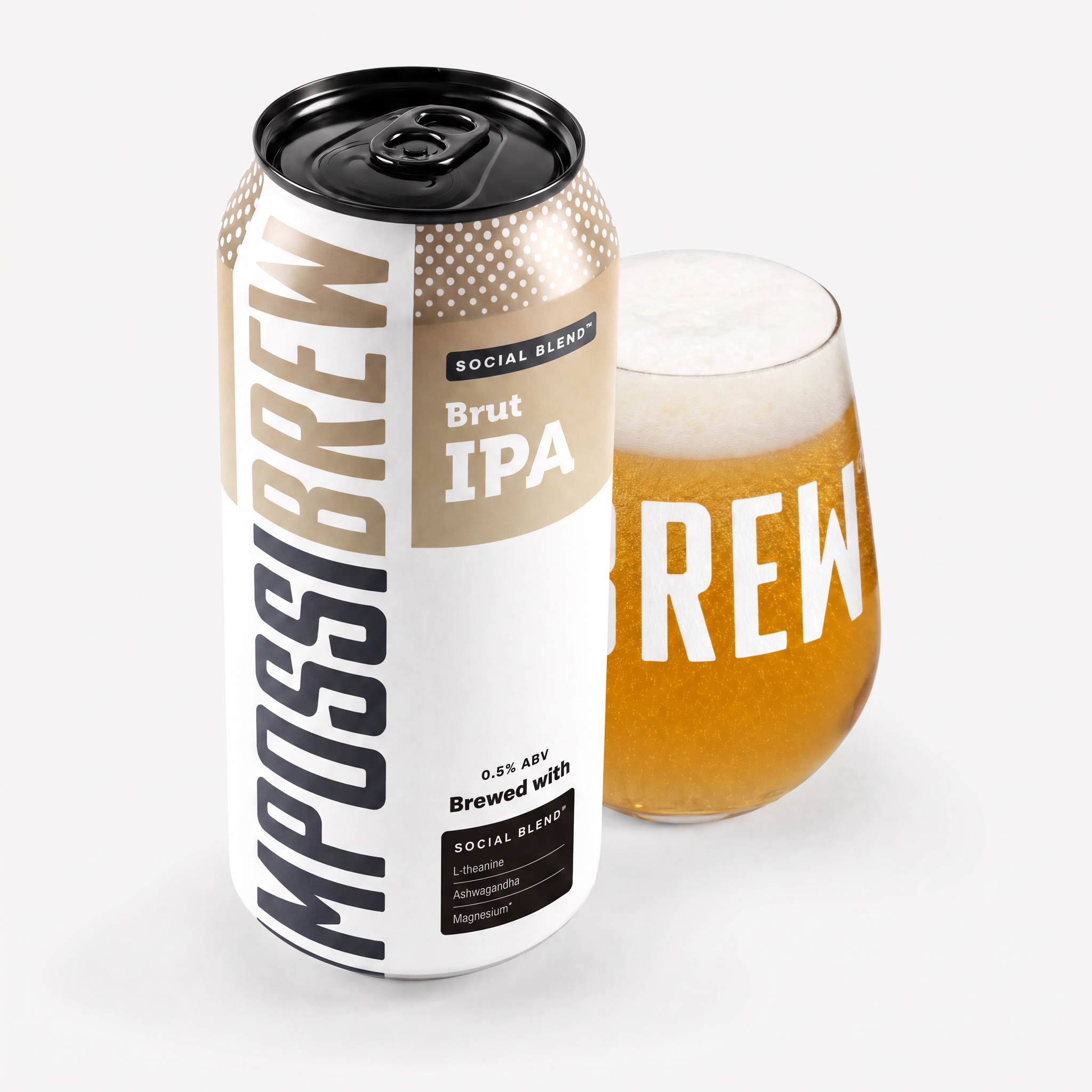
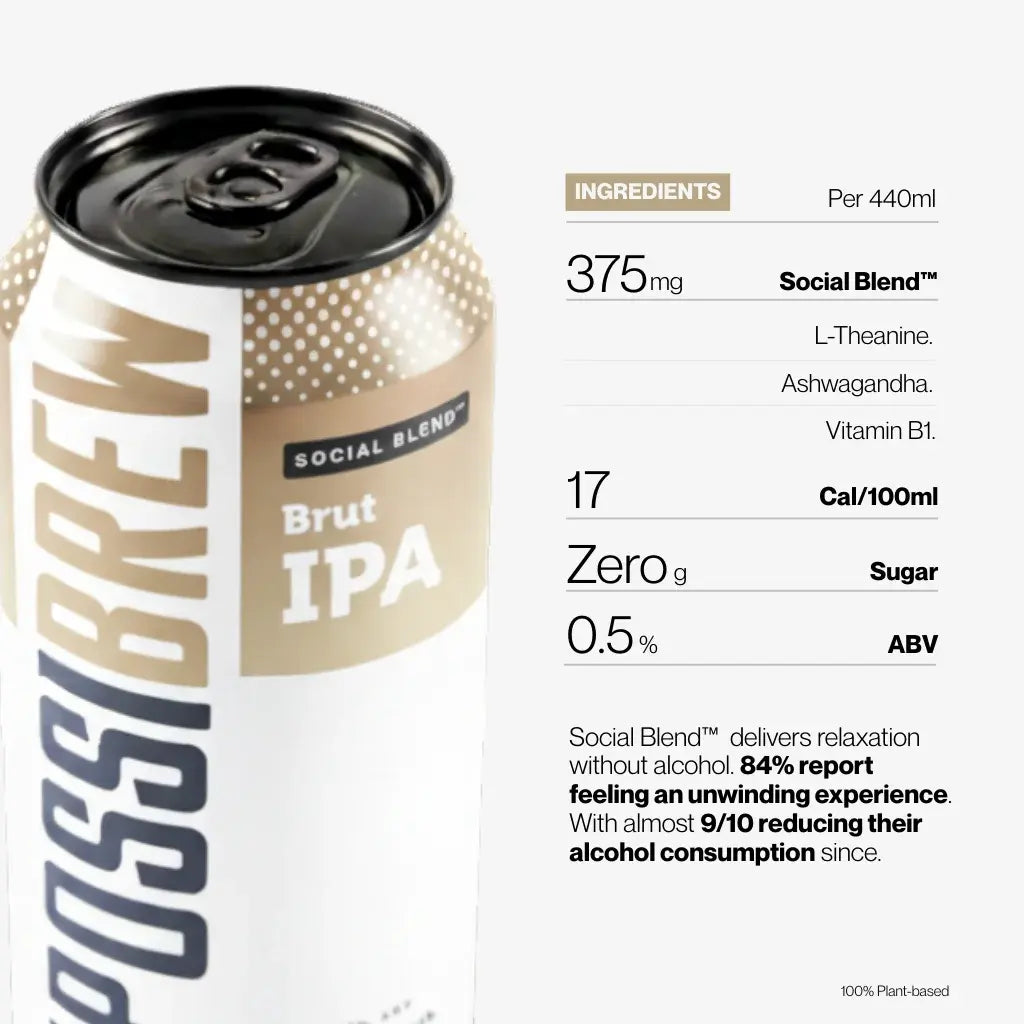
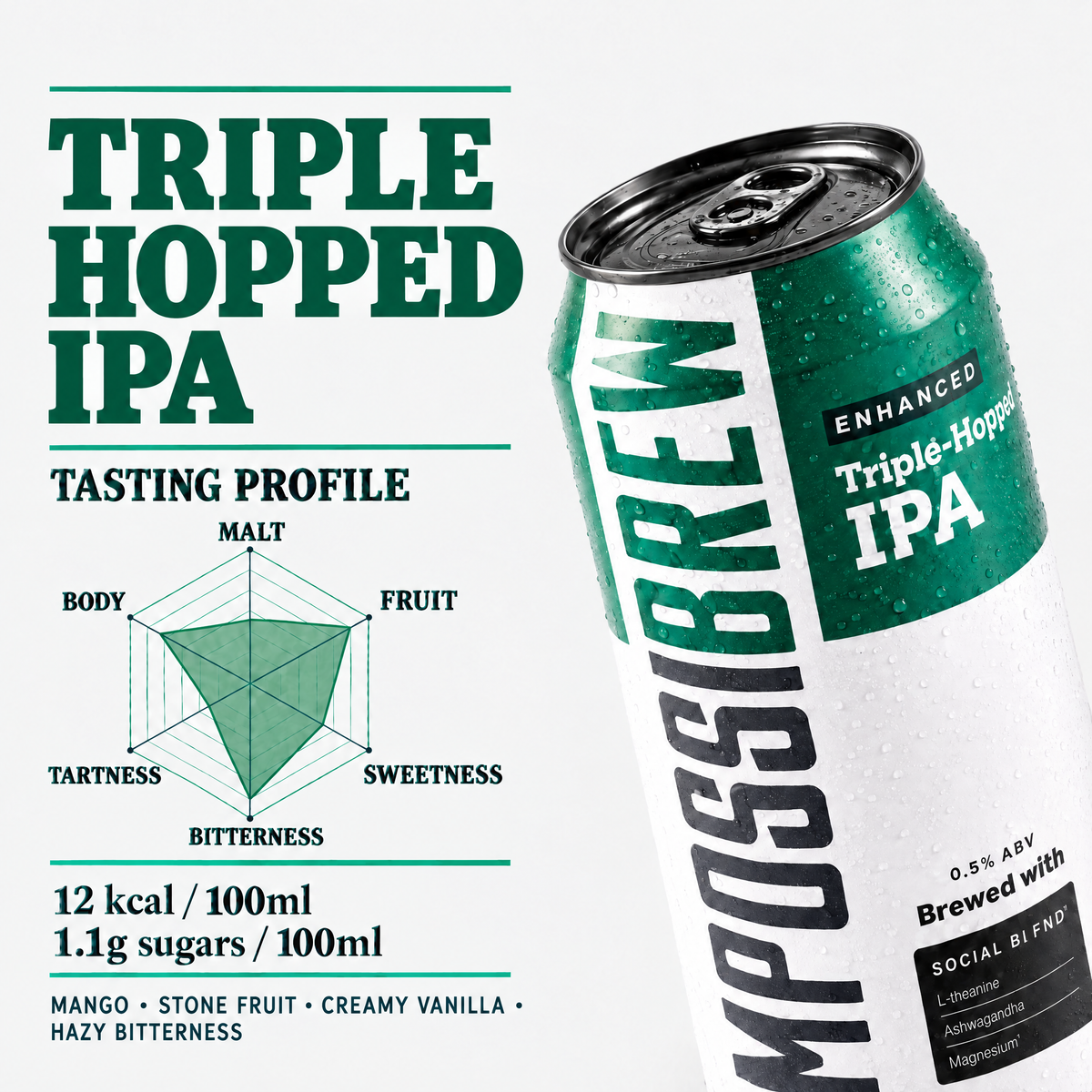
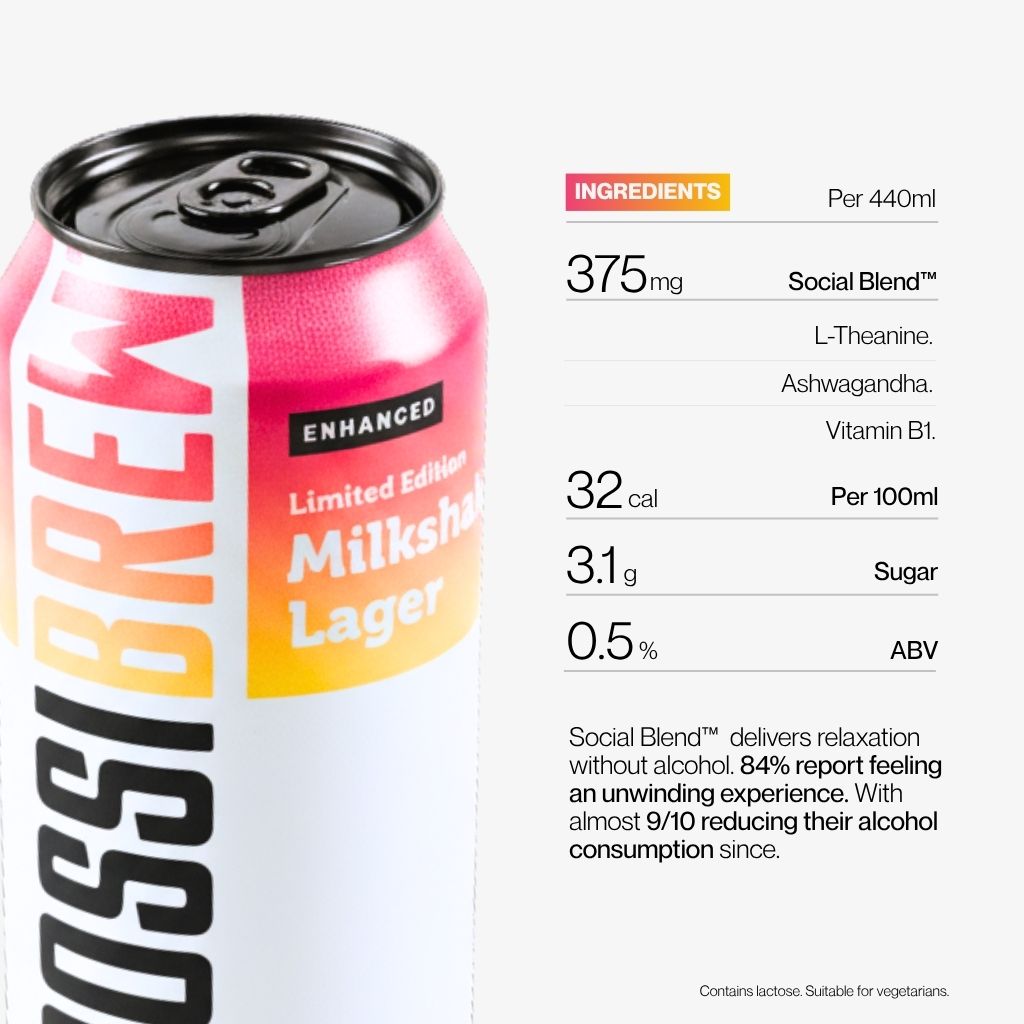
One standout in this space is IMPOSSIBREW®, a brand that’s redefining functional beverages with its innovative approach to adaptogen use. Their signature Social Blend™ is the backbone of their non-alcoholic beers, developed with input from scientific experts. This unique formula combines L-Theanine, Ashwagandha Root, soluble plant fibres, Vitamin B1, and various plant extracts [5].
A major study in 2025, involving over 2,000 participants, revealed that 84% of those who tried Social Blend™ felt more relaxed. Additionally, 95% of customers reported recommending IMPOSSIBREW® to others [5]. These adaptogens work together to manage stress, sharpen mental focus, and promote relaxation. For example, Ashwagandha and L-Theanine are known to increase alpha brain wave activity and serotonin levels, which help enhance focus and calm. Meanwhile, Vitamin B1 supports energy metabolism, contributing to sustained vitality [5].
The brand’s success highlights a broader trend: growing consumer interest in alcohol-free drinks that provide a relaxing experience without any unwanted consequences. This success is reflected in their 4.8/5 rating from over 1,000 reviews and their title of "UK's Best Alcohol-Free Beer" at the World Beer Awards 2023 [5].
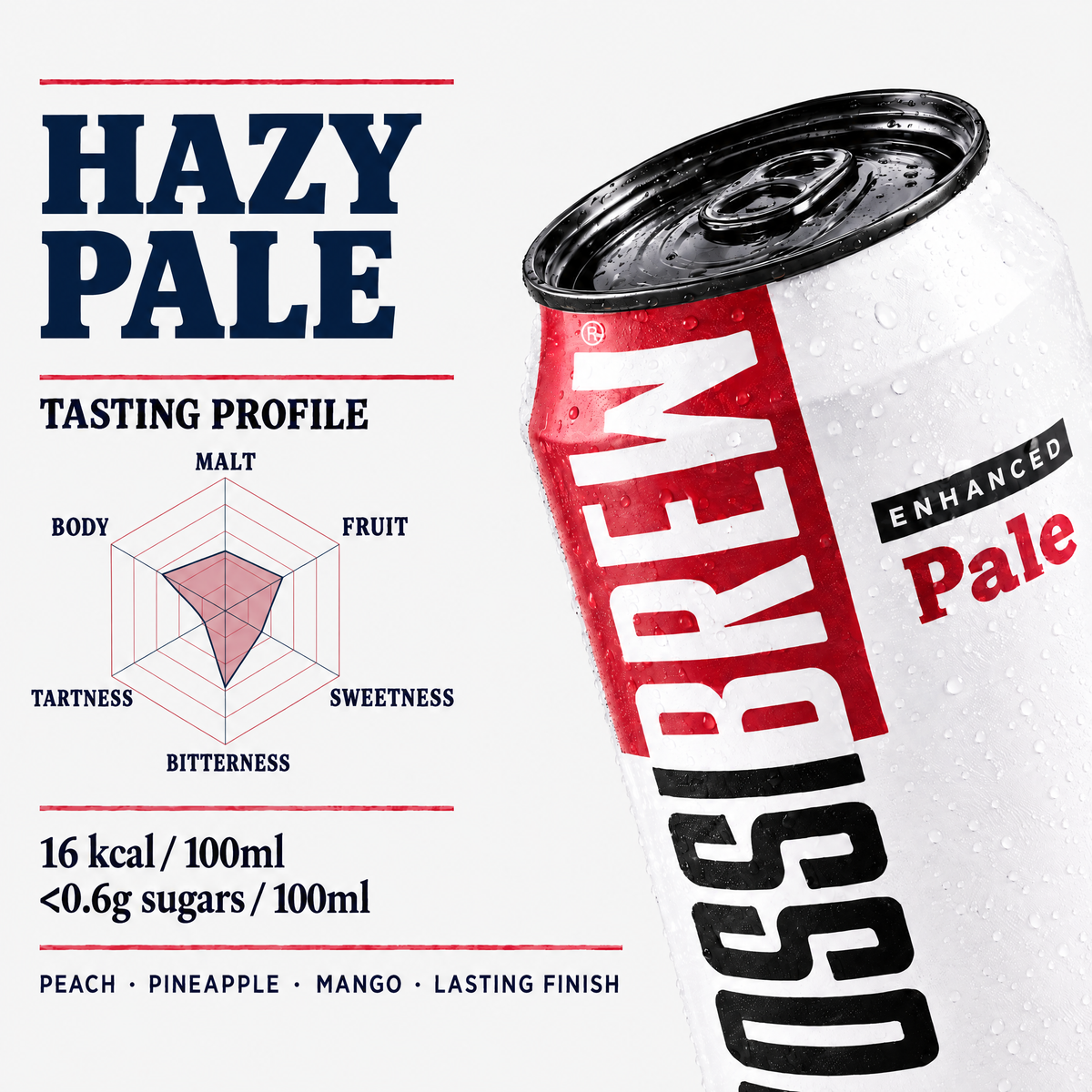
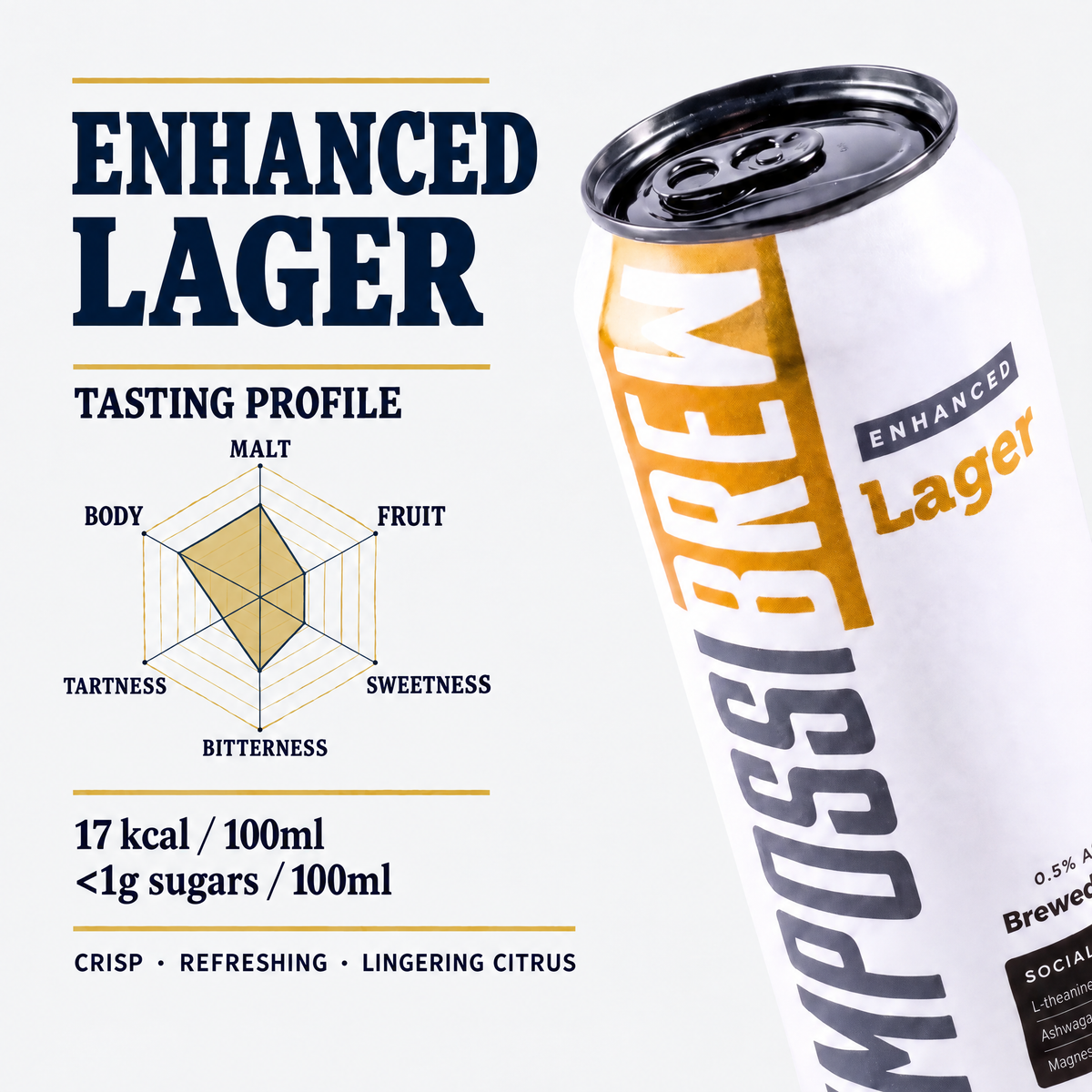
IMPOSSIBREW® offers a range of options, including their Enhanced Lager and Enhanced Hazy Pale Ale. Both are low-calorie, vegan-friendly, and, in the case of the Lager, gluten-free - making them suitable for a variety of dietary needs. These beverages not only provide cognitive and energy-boosting benefits but also make it easy to incorporate adaptogens into everyday life. They’re a practical and enjoyable way to prioritise wellness while enjoying a refreshing drink.
Conclusion: Using Adaptogens for Brain and Mitochondrial Health
Research highlights how adaptogens can support mitochondrial function and brain health. These natural compounds boost ATP production, reduce oxidative stress, and aid cellular repair processes [1][2]. They also help manage stress, improve memory and focus, and strengthen resilience against physical and emotional challenges [1][3]. Incorporating adaptogens into a regular routine can maximise these benefits over time.
Consistency is key. Daily use proves far more effective than sporadic intake, with many reporting noticeable improvements in energy levels, mental clarity, and stress management after just four weeks of consistent supplementation [1][2]. Whether through supplements, teas, or functional drinks, sticking to a steady routine amplifies adaptogen benefits.
The right dosage depends on the specific adaptogen and individual tolerance. Starting with a low dose and gradually increasing to find the optimal level is a practical approach.
Functional beverages offer a modern and convenient way to consume adaptogens. For example, products like IMPOSSIBREW® incorporate these compounds into everyday drinks, making it easier to support cognitive and mitochondrial health without relying on capsules or powders. This seamless integration aligns with the growing trend of making wellness routines more accessible and enjoyable.
Pairing adaptogens with healthy habits can enhance their effectiveness. Regular exercise, quality sleep, and a nutrient-rich diet complement the benefits of adaptogens for both cognitive function and mitochondrial health [3]. Some people also combine different adaptogens - such as Rhodiola rosea and phosphatidylserine - for added stress-relief benefits [3].
Safety should always be a priority. While adaptogens are generally safe, they may interact with medications for conditions like diabetes or hypertension. Pregnant or breastfeeding women, children, and individuals with chronic illnesses should consult a healthcare professional before starting an adaptogen regimen [2].
With a growing body of evidence - such as over 30 studies on Rhodiola rosea - supporting their traditional uses [1], adaptogens are becoming a popular choice for those seeking natural ways to enhance cognitive performance and cellular health. Functional beverages and other innovative delivery methods are making these compounds more accessible, offering health-conscious individuals across the UK an effective way to integrate adaptogens into daily life.
FAQs
How do adaptogens like Rhodiola rosea and Ashwagandha help support mitochondrial function and brain health?
Adaptogens like Rhodiola rosea and Ashwagandha are often praised for their ability to help the body manage stress more effectively. These plant-based compounds may play a role in reducing oxidative stress, which is a major contributor to mitochondrial dysfunction. By doing so, they can also support the cells' energy production processes, helping the body function more efficiently.
When it comes to brain health, adaptogens are thought to aid in maintaining cognitive function and emotional balance. By helping to regulate stress hormones like cortisol, they may enhance focus, memory, and mental clarity. Incorporating adaptogens into your routine could complement a healthy lifestyle, but it’s important to consult a healthcare professional first.
What is the ideal amount of adaptogens to support brain health and reduce stress?
The right dosage of adaptogens depends on the specific type, individual requirements, and overall health objectives. It's always a good idea to follow the instructions on the product packaging or seek advice from a healthcare professional for tailored recommendations.
For example, adaptogens like ashwagandha or rhodiola are often taken in doses of 300–600 mg per day, though this can vary depending on the product's formulation and strength. To get the most out of these supplements, opt for high-quality, thoroughly tested options.
Are adaptogens safe to use daily, and should I be aware of any side effects or interactions?
Adaptogens are typically safe for most individuals when used correctly, but responses can differ from person to person. Some people might notice minor side effects, such as an upset stomach, headaches, or shifts in their sleep patterns, depending on the type of adaptogen and the dosage taken.
If you're on medication, managing a medical condition, pregnant, or breastfeeding, it's wise to check with a healthcare professional before incorporating adaptogens into your routine. This helps rule out any potential interactions or risks tailored to your specific circumstances. Starting with a small dose is always a good idea to gauge how your body reacts.