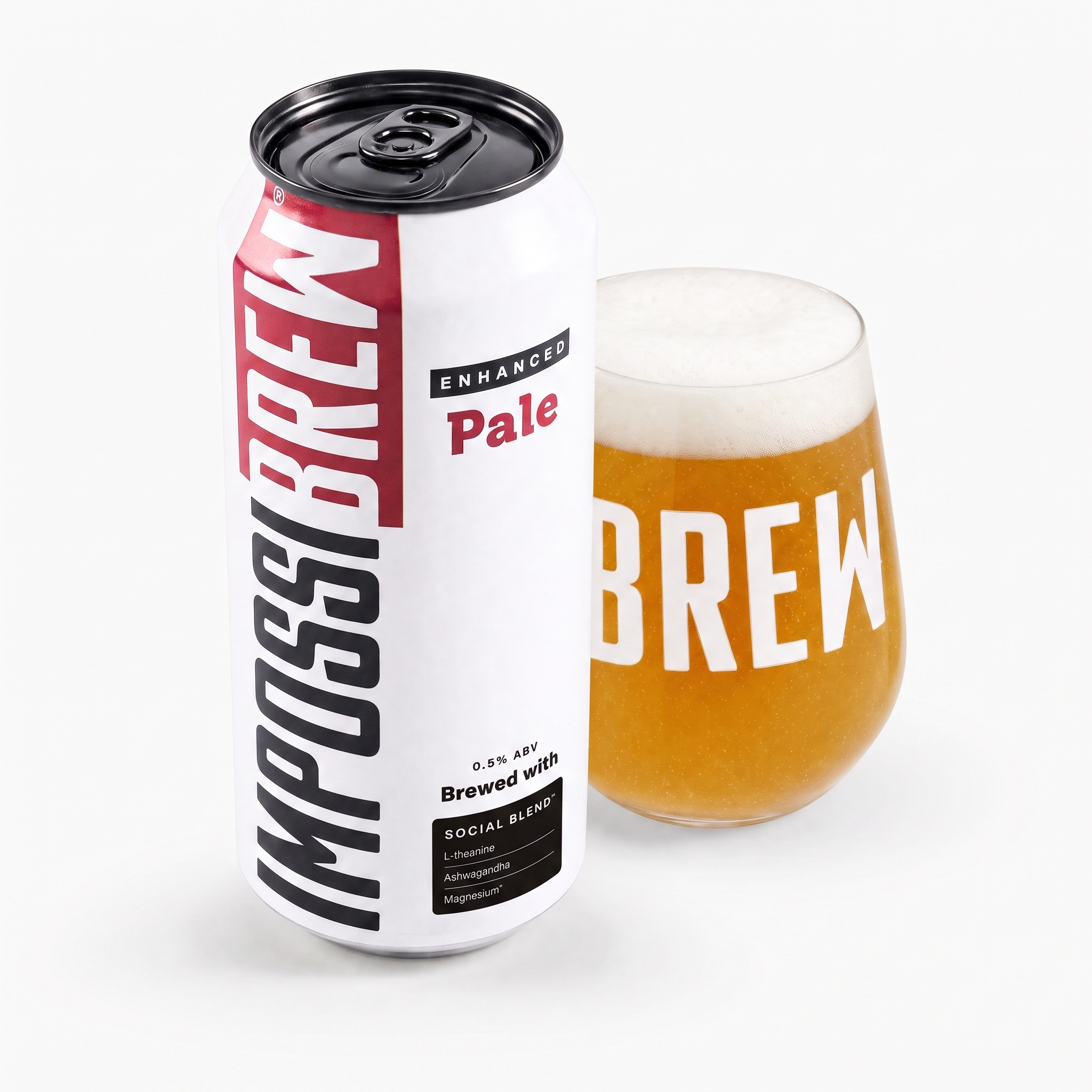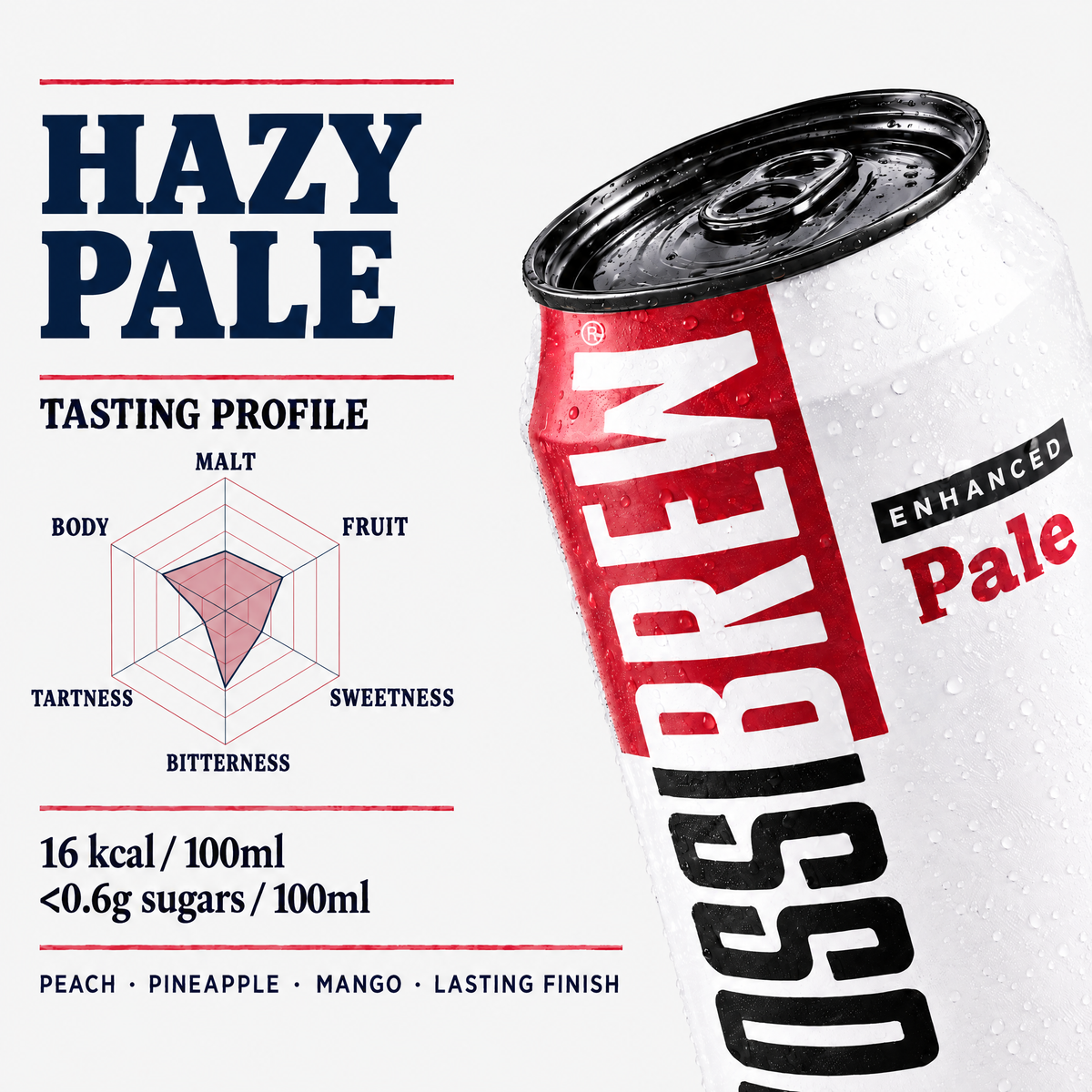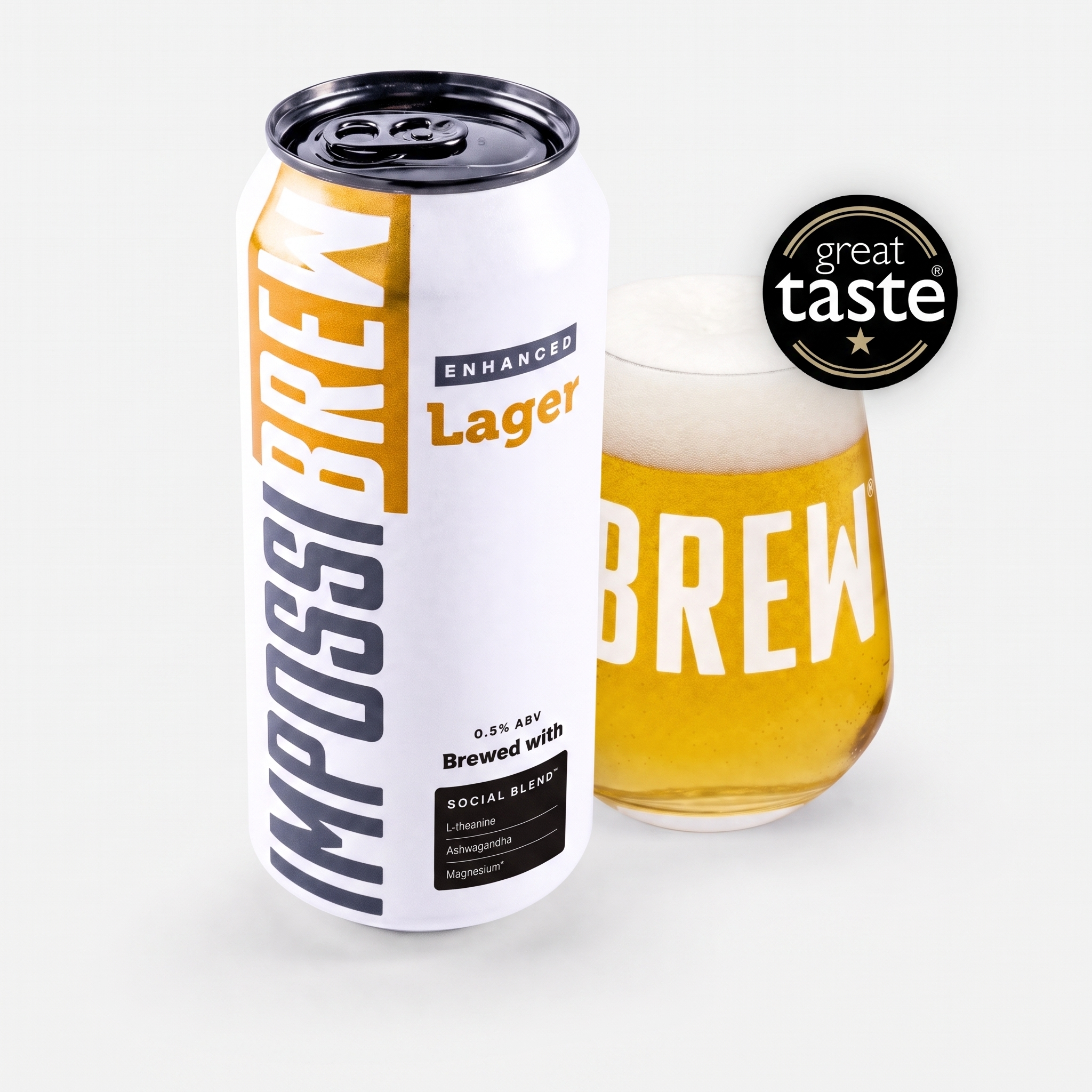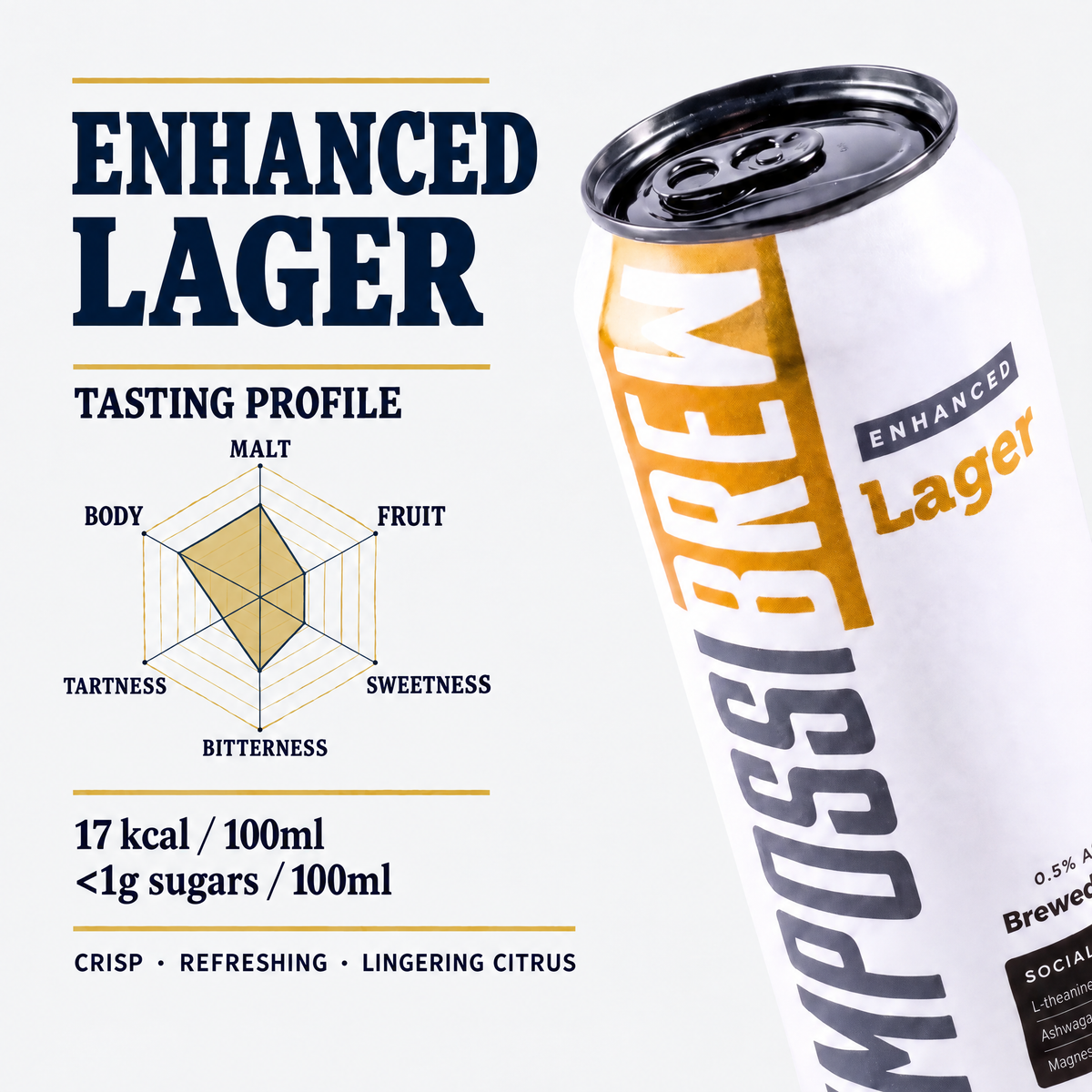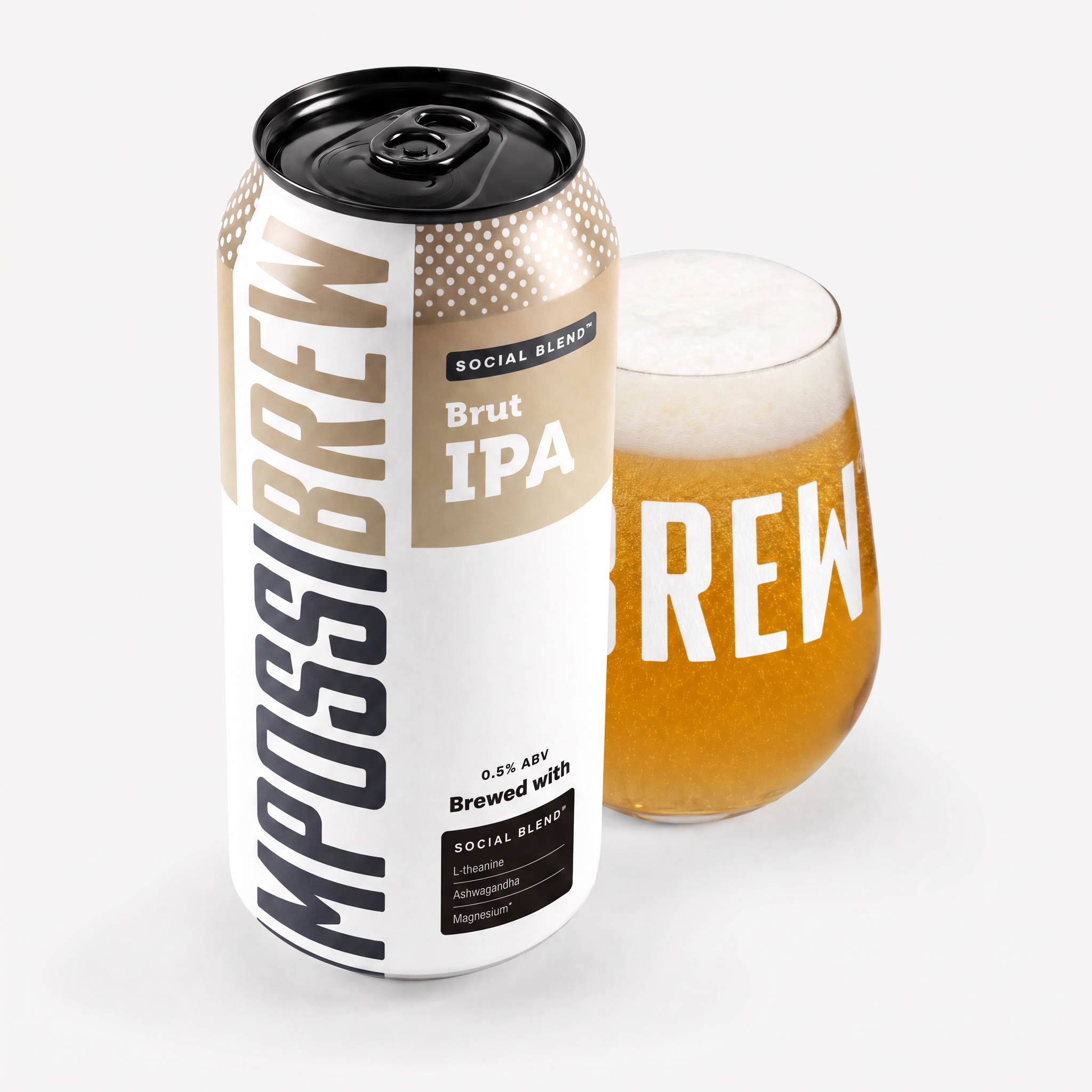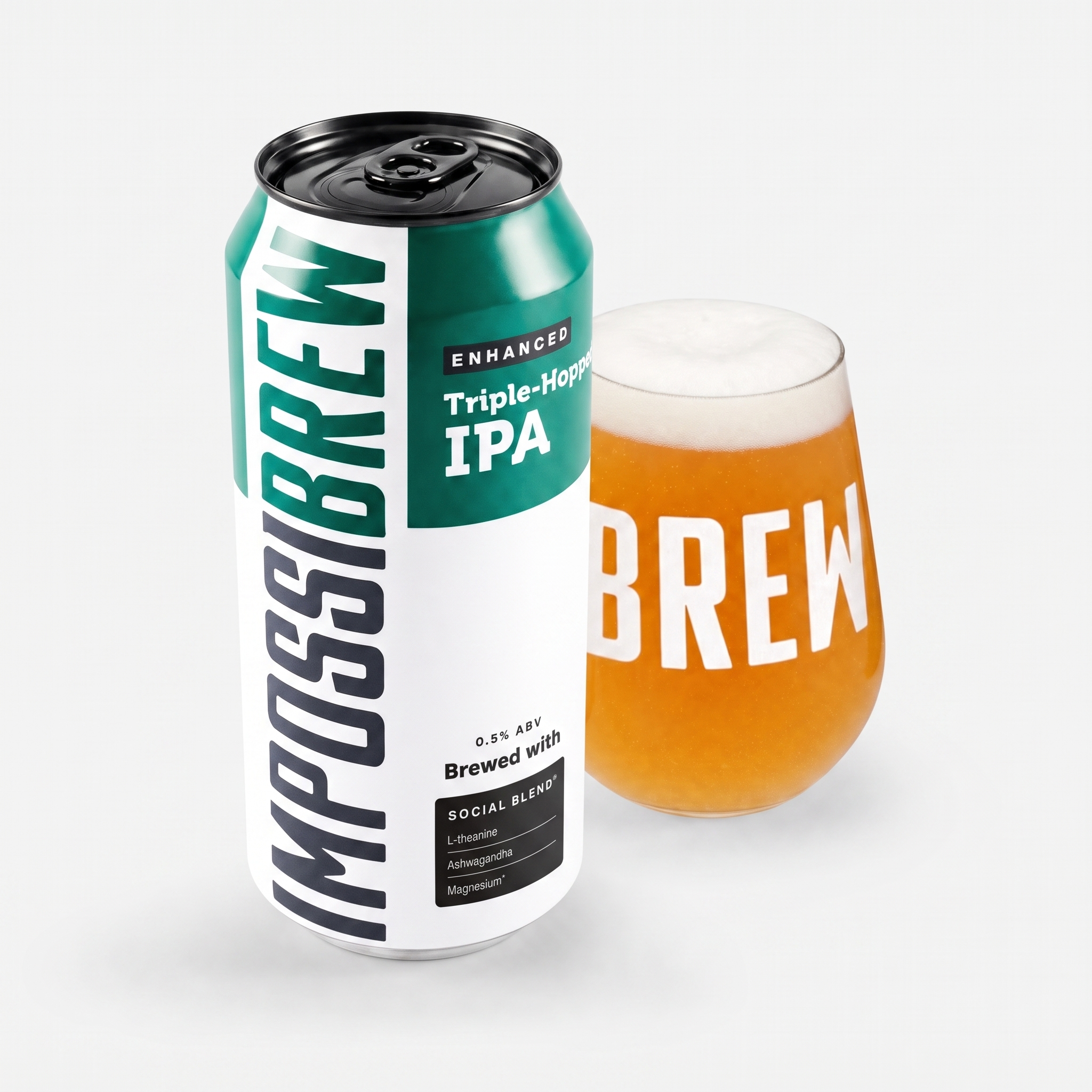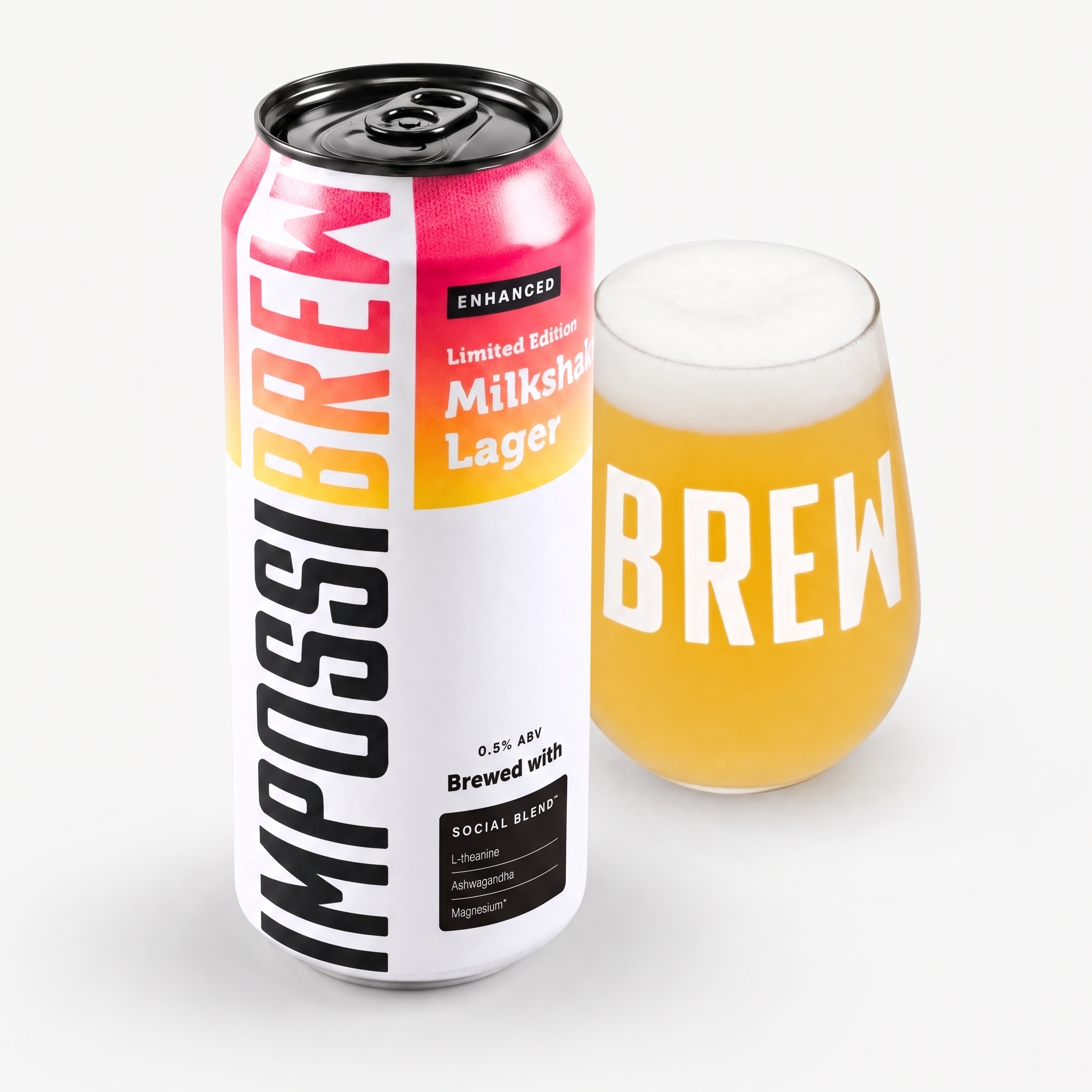
Looking to unwind without alcohol? Alcohol-free functional beverages are gaining attention as a healthier way to relax. These drinks target neurotransmitters, like GABA, to promote calmness - similar to alcohol but without the risks. Popular options, like IMPOSSIBREW®, combine ingredients such as L-theanine and oral GABA, which support relaxation and stress relief. Here's what you need to know:
- Alcohol boosts GABA for relaxation but can lead to hangovers, dependency, and long-term health issues.
- Functional beverages offer a safer alternative, using science-backed ingredients to mimic alcohol's calming effects.
- They take longer to work (30–60 minutes vs. alcohol's 10–30 minutes) but avoid side effects like impaired judgement or liver damage.
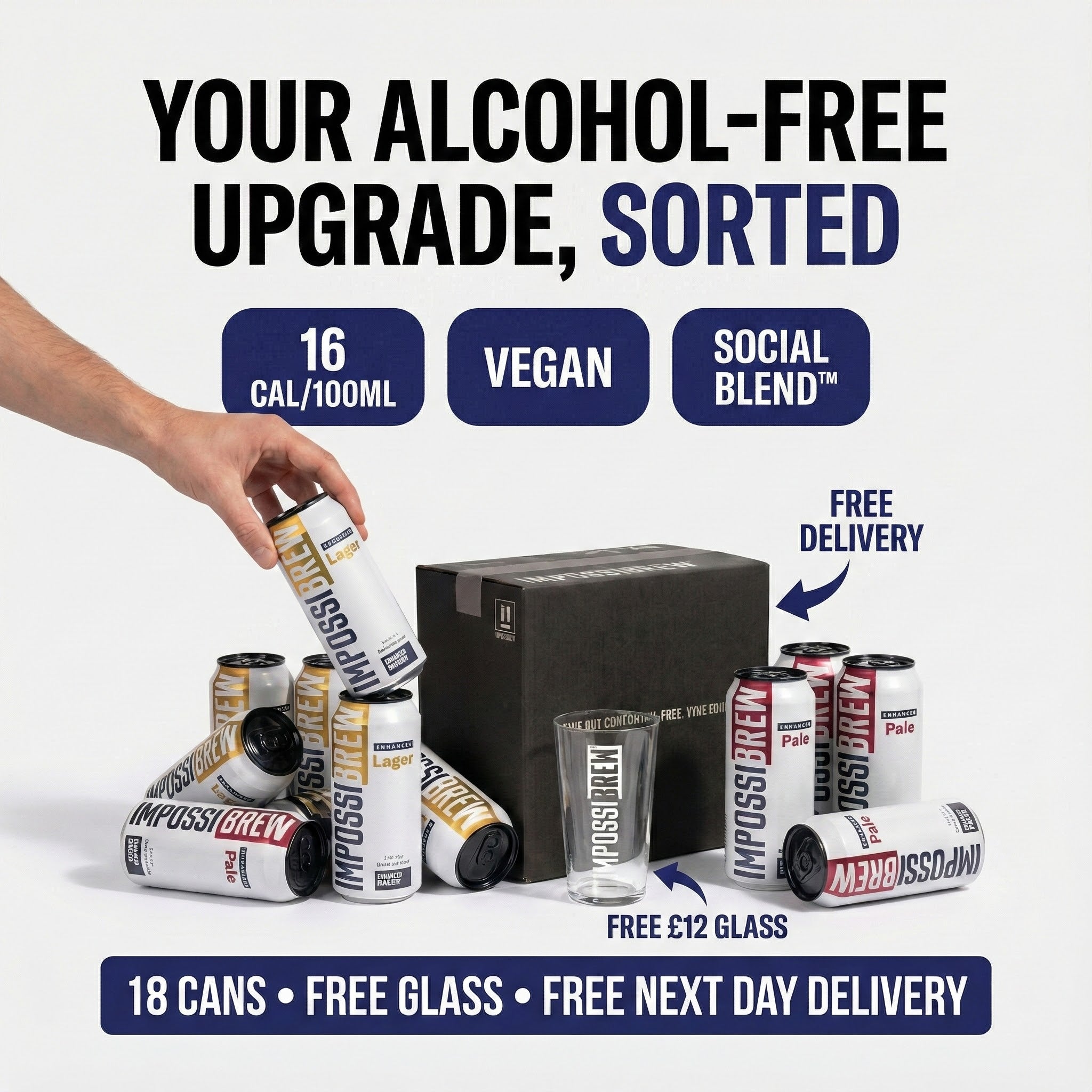
- Suitable for a wide audience, these drinks are vegan, gluten-free, and low-calorie, making them ideal for social or professional settings.
Quick Comparison:
| Aspect | Alcohol | Alcohol-Free Beverages |
|---|---|---|
| Health Impact | Liver damage, dependency risks | Minimal risks |
| Effect Onset | 10–30 minutes | 30–60 minutes |
| Suitability | Restricted for certain groups | Broad appeal, including drivers |
| Cost | £3–£6 per pint | £2–£3 per bottle |
Alcohol-free drinks like IMPOSSIBREW® are reshaping how we think about relaxation. They provide a smarter way to unwind while prioritising well-being.
1. Alcohol
Neurotransmitters Targeted
Alcohol interacts with several neurotransmitter systems in the brain, with its primary focus on gamma-aminobutyric acid (GABA). GABA is the brain's main inhibitory neurotransmitter, responsible for creating calming and relaxing effects. Alcohol amplifies GABA activity, leading to sedation, reduced anxiety, and muscle relaxation. At the same time, it suppresses glutamate, the brain's primary excitatory neurotransmitter. This combination - enhancing the "brakes" while dampening the "accelerator" - is what drives alcohol's depressant effects on the central nervous system.
Additionally, alcohol increases dopamine levels in the brain's reward pathways, which is why it can feel pleasurable and why it carries a risk of addiction. It also affects serotonin levels, which can influence mood and social behaviour. On top of this, alcohol raises neuroactive steroids, which further enhance GABA receptor sensitivity.
Onset and Duration of Effects
The effects of alcohol typically begin within 10 to 30 minutes after consumption, although factors like body weight, metabolism, and whether food has been eaten can influence this timing. The peak effects usually occur within 30 to 90 minutes and can last for several hours. During this time, the heightened GABA activity and reduced glutamate signalling are responsible for the relaxation and calming sensations that many drinkers seek.
Health Impacts
In the short term, alcohol's impact on neurotransmitters can create feelings of relaxation and reduced anxiety. However, it also impairs judgement, memory, and coordination, while slowing reaction times and sometimes triggering emotional volatility.
Over time, chronic alcohol use can lead to significant changes in the brain. For instance, the expression of GABA and glutamate receptors may alter, contributing to tolerance, dependence, and withdrawal symptoms. Withdrawal effects can include anxiety, tremors, and even seizures. In 2022/23, alcohol-related hospital admissions in England reached 980,000, and alcohol-specific deaths totalled 9,641 in 2022 [5]. Long-term use can also disrupt dopamine and serotonin systems, potentially leading to mood disorders and addiction.
Suitability for Different Populations
The effects of alcohol on neurotransmitters pose particular risks for certain groups. Adolescents, whose brains are still maturing, and older adults, who may experience slower metabolism and age-related brain changes, are particularly vulnerable. People with mental health conditions, such as anxiety or depression, may find that alcohol worsens their symptoms. Additionally, those with a family history of addiction face heightened risks.
The NHS advises limiting alcohol intake to no more than 14 units per week (one unit equals 10 ml or 8 g of pure alcohol). Pregnant women, individuals with liver disease, and those at risk of addiction are advised to avoid alcohol entirely.
This understanding of alcohol's neurochemical effects provides a foundation for examining how alcohol-free functional beverages can offer similar relaxation benefits.
2. Alcohol-Free Functional Beverages (e.g., IMPOSSIBREW®)
Neurotransmitters Targeted
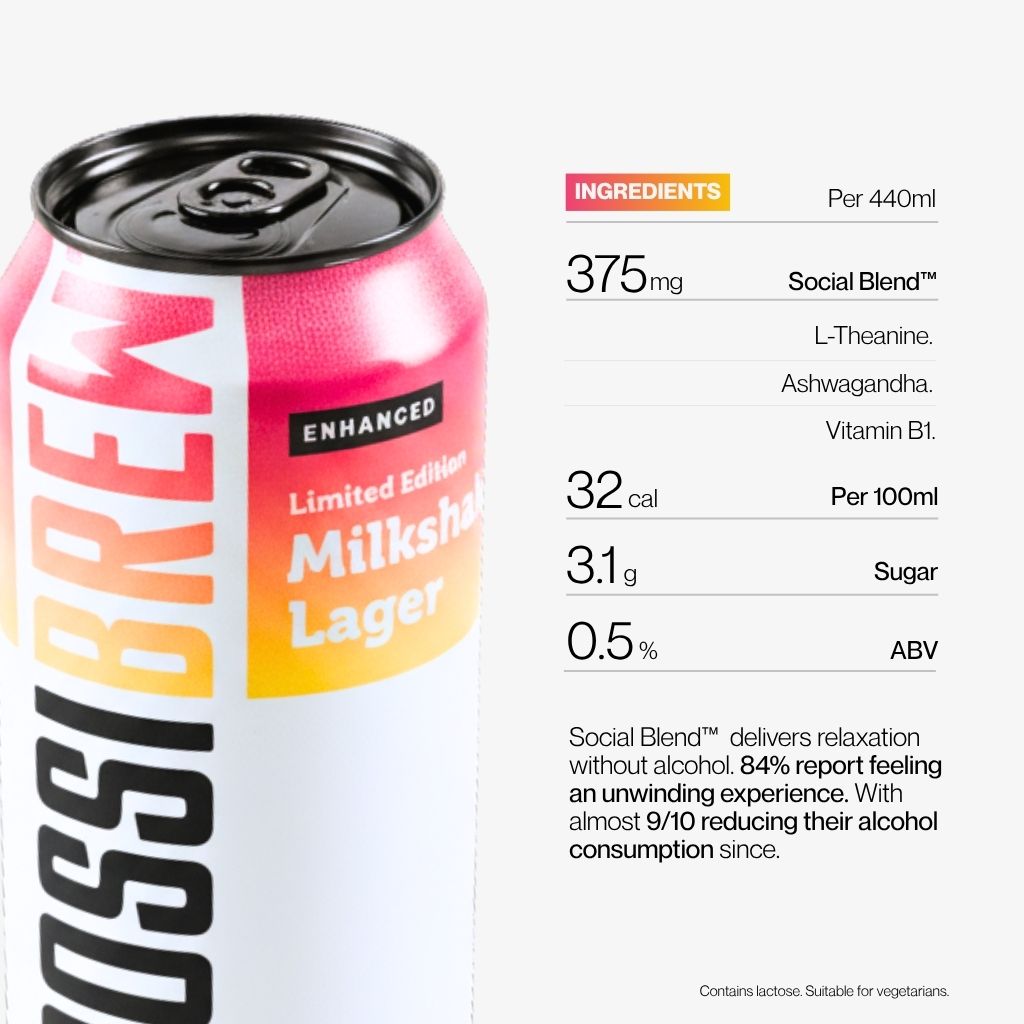
Unlike alcohol, which broadly impacts neurotransmitters, alcohol-free functional beverages take a more focused approach. These drinks are designed to promote relaxation by specifically enhancing GABA activity using scientifically supported ingredients like IMPOSSIBREW®'s Social Blend™. Studies suggest that oral GABA can help manage stress responses, while ingredients such as L-theanine work to boost GABA levels and encourage alpha brain wave activity. This combination helps create a calm yet alert state of mind. Instead of disrupting the brain’s balance like alcohol can, these beverages provide targeted nutritional support for the brain's natural relaxation mechanisms.
Onset and Duration of Effects
The effects of alcohol-free functional beverages take a little longer to kick in compared to alcohol. While alcohol's impact is typically felt within 10–30 minutes, these drinks usually take 30–60 minutes as the active ingredients begin to work. However, the relaxation they offer tends to last longer. Many users have reported sustained effects. As one IMPOSSIBREW® customer shared:
"Tastes incredible, gave me a really nice buzz and then I had the best night's sleep ever" – Connor W., IMPOSSIBREW® [1]
Health Impacts
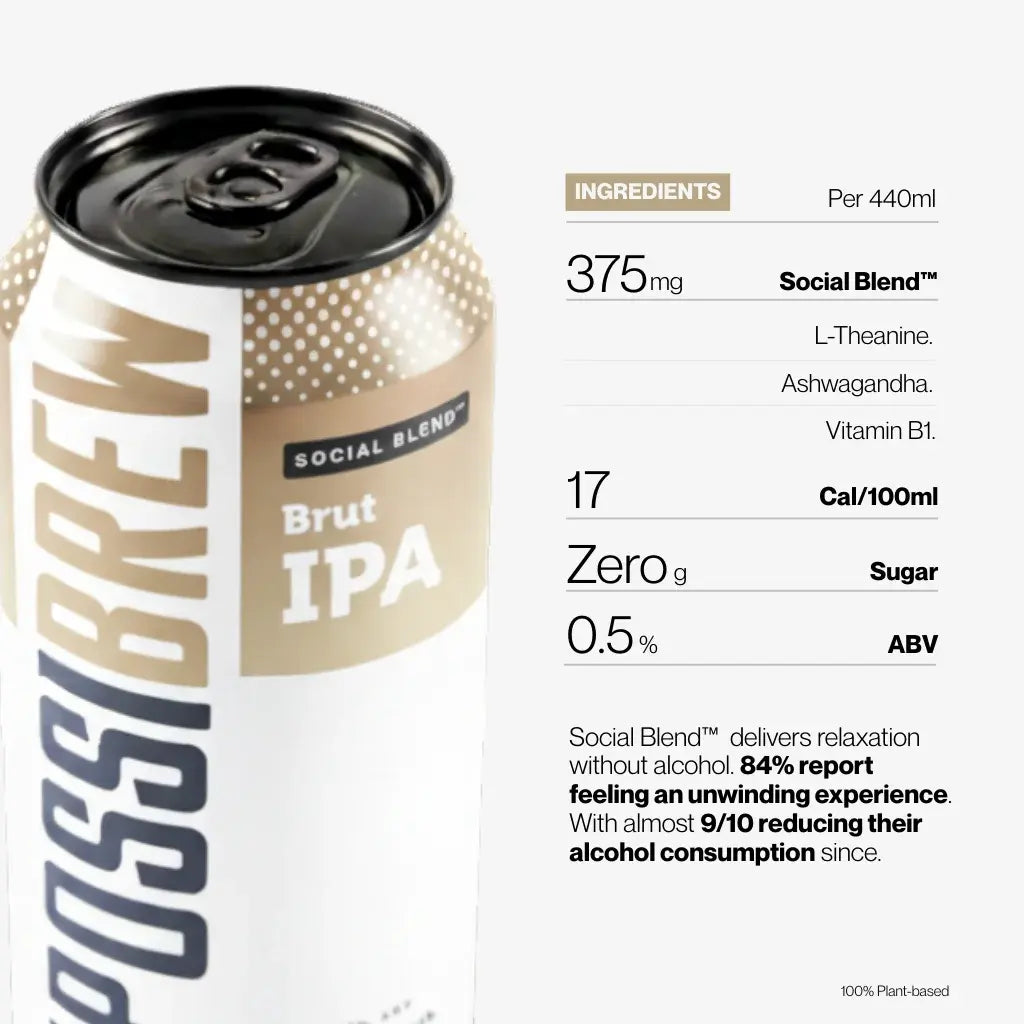
Functional beverages like IMPOSSIBREW® are crafted to support neurological health without the harmful effects associated with chronic alcohol use. A 2025 study involving over 2,000 participants revealed that 84% felt more relaxed after consuming Social Blend™, and over 70% experienced noticeable relaxation effects with IMPOSSIBREW® products [1]. These beverages are also low in calories, vegan-friendly, and gluten-free, appealing to health-conscious consumers [1]. Research supports the idea that GABA supplementation can reduce stress hormones like cortisol and noradrenaline while maintaining immune function during stressful situations [2][3]. Long-term GABA use may even help elevate brain GABA levels, alleviating stress-related anxiety and promoting immune balance [6]. This precise targeting of neurotransmitters sets these beverages apart from alcohol, which can cause broad and often harmful changes in brain chemistry.
Suitability for Different Populations
This targeted approach makes alcohol-free functional beverages accessible to a wider range of people. Data shows that 88% of IMPOSSIBREW® users have reduced their alcohol consumption since trying the product [1]. These beverages are ideal for individuals in recovery or those avoiding alcohol for personal, health, or social reasons. IMPOSSIBREW® is particularly appealing to social drinkers who want the experience and relaxation of enjoying a beer without the negative effects of alcohol. The products are also vegan and gluten-free, with the Enhanced Lager containing less than 10 parts per million of gluten. Additionally, the 0.5% ABV classification ensures these drinks won’t raise blood alcohol levels, making them comparable to everyday foods like burger rolls or ripe bananas [1]. With over 1 million units sold and recognition as the "UK's Best Alcohol-Free Beer" by the World Beer Awards 2023, IMPOSSIBREW® has gained significant popularity among diverse lifestyle groups.
GABA Labs developing synthetic alcohol that eliminates hangovers | Morning in America
sbb-itb-a752bf8
Pros and Cons
Let’s dive into the pros and cons of alcohol versus alcohol-free functional beverages, especially when it comes to relaxation and social settings in the UK.
Alcohol works quickly and effectively to induce relaxation by enhancing GABA activity and suppressing glutamate. It’s deeply ingrained in British culture, making it a popular choice in pubs, social events, and even business gatherings. But the downside? The health risks are significant. Chronic alcohol use is associated with over 200 health conditions and is a leading cause of mortality.
Alcohol-free functional beverages, on the other hand, aim to offer relaxation without the same risks. These drinks are generally lower in calories, don’t harm the liver, and - perhaps best of all - don’t come with hangovers. Reflecting a shift in attitudes, sales of alcohol-free beer in the UK jumped by more than 30% between 2021 and 2023 (NielsenIQ, 2023).
The effectiveness of relaxation differs between the two. Alcohol delivers immediate and strong effects, while functional beverages rely on ingredients like GABA (oral doses of 2.01–100 mg), which promote calm by increasing alpha brain wave activity [2].
Socially, alcohol often facilitates bonding but can impair judgement and exclude those who avoid it for health, religious, or personal reasons. Functional beverages, like IMPOSSIBREW®, offer an inclusive alternative, allowing everyone to join in social rituals without intoxication or legal concerns.
Here’s a quick comparison:
| Aspect | Alcohol | Alcohol-Free Functional Beverages |
|---|---|---|
| Health Effects | Liver damage, addiction risks, dehydration | Minimal health risks |
| Efficacy | Fast and strong | Gradual and moderate |
| Social Suitability | Widely accepted but can impair behaviour | Inclusive and suitable for all ages and settings |
| Legal/Workplace Use | Often restricted in professional settings | Generally permitted; safe for driving and work |
| Cost | £3–£6 per pint in UK pubs | Around £2–£3 per bottle, no alcohol duty |
| Side Effects | Hangovers, impaired judgement, dependency risks | Minimal, with occasional mild digestive discomfort |
| Mental Health Impact | Can worsen anxiety and depression over time | Aims to promote wellbeing without negative effects |
Functional beverages are a safer, more inclusive option for social and professional settings. They’re cost-effective, often cheaper than alcoholic drinks, and free from alcohol duty. Plus, they eliminate the long-term health expenses tied to alcohol-related conditions.
Ultimately, the choice comes down to personal priorities - whether you prefer the quick effects of alcohol or the steady, health-conscious benefits of functional beverages.
Conclusion
The science of neurotransmitters sheds light on why alcohol-free functional beverages are carving out a new path to relaxation. Unlike traditional alcohol, IMPOSSIBREW® uses carefully selected, research-backed ingredients designed to work with your brain's natural chemistry to encourage calmness and ease.
For instance, oral GABA has been shown to increase alpha brain waves within an hour, helping to reduce stress while also boosting immunity under pressure [3][4][6]. Research supports the idea that precise doses can create noticeable, measurable effects.
This shift aligns perfectly with the rising trend in the UK towards more mindful and health-conscious living. In fact, the alcohol-free beverage market saw an impressive growth of over 30% in 2023, driven by consumers seeking a balance between enjoying social occasions and maintaining their health. With prices ranging from £2.50 to £3.50 per bottle, IMPOSSIBREW®'s Enhanced Lager and Pale Ale offer an affordable and appealing way to explore this new realm of functional relaxation.
What makes this approach so compelling is how it addresses a key drawback of alcohol: the compromise between short-term relaxation and long-term health. By targeting neurotransmitters with natural compounds, these beverages deliver the same sense of relaxation without the risks associated with alcohol, such as liver damage, dependency, or hangovers.
These drinks cater to a wide range of people - designated drivers, those with religious restrictions, or anyone focused on improving their mental and physical well-being. The proprietary Social Blend™ technology isn’t just a clever name; it’s a science-driven method that redefines inclusive socialising.
With the evidence and changing social habits in mind, alcohol-free functional beverages are not just keeping up with the UK’s growing preference for mindful drinking - they’re helping to shape it. They prove that you don’t have to sacrifice your health or social life to unwind. The future of relaxation is functional, and it’s already here.
FAQs
How do alcohol-free drinks like IMPOSSIBREW® help with relaxation compared to traditional alcohol?
IMPOSSIBREW® alcohol-free drinks are designed to offer the same relaxing vibe you'd expect from traditional alcohol, but without the downsides - no hangovers, no clouded judgement. These beverages work by focusing on neurotransmitters linked to relaxation, using carefully selected, science-backed ingredients to naturally encourage calmness and sociability.
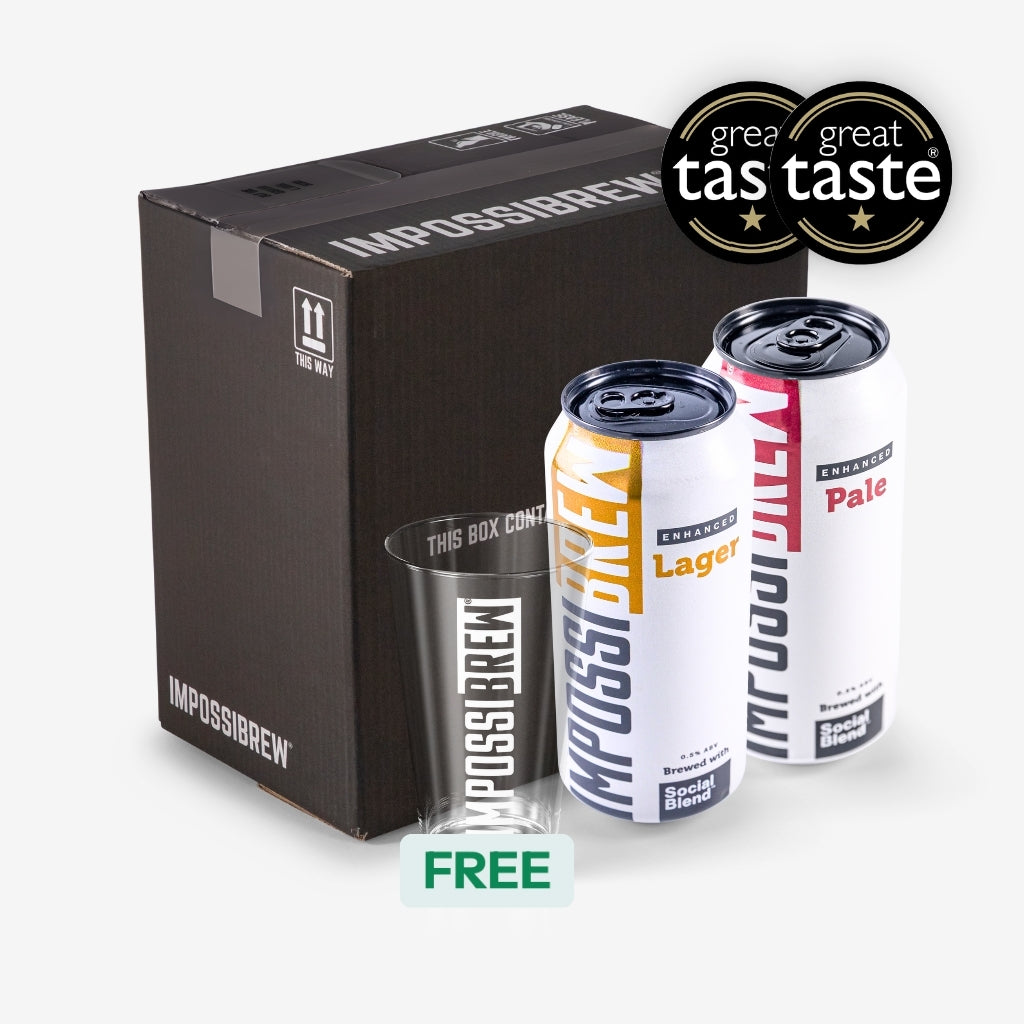
With choices like Enhanced Lager and Enhanced Pale Ale, IMPOSSIBREW® provides a refreshing way to relax. Plus, they're low in calories, vegan-friendly, and gluten-free, making them a great option for a variety of lifestyles.
What ingredients in IMPOSSIBREW® support GABA activity, and how do they help with relaxation?
IMPOSSIBREW® brings together a thoughtfully designed mix of natural, research-supported ingredients aimed at encouraging relaxation by enhancing GABA activity in the brain. GABA, short for gamma-aminobutyric acid, is a neurotransmitter that plays a key role in soothing the nervous system, helping to ease stress and create a sense of calm.
The unique Social Blend™ found in IMPOSSIBREW® features a selection of active botanicals renowned for their relaxing effects, including adaptogens and nootropics. These elements work in harmony to promote relaxation naturally, offering a way to unwind without alcohol - keeping you calm, clear-headed, and refreshed.
Are alcohol-free functional beverages safe for everyone to consume?
While alcohol-free functional drinks like those from IMPOSSIBREW® are typically safe for most people, it's essential to think about personal health factors and sensitivities. Some ingredients, such as specific botanicals or plant-based compounds, might not be ideal for everyone - particularly for those who are pregnant, breastfeeding, or on certain medications.
If you have any doubts or pre-existing medical conditions, it's always a good idea to speak with a healthcare professional before trying new functional beverages. Make sure to review the ingredient list carefully to confirm it suits your dietary requirements or restrictions.