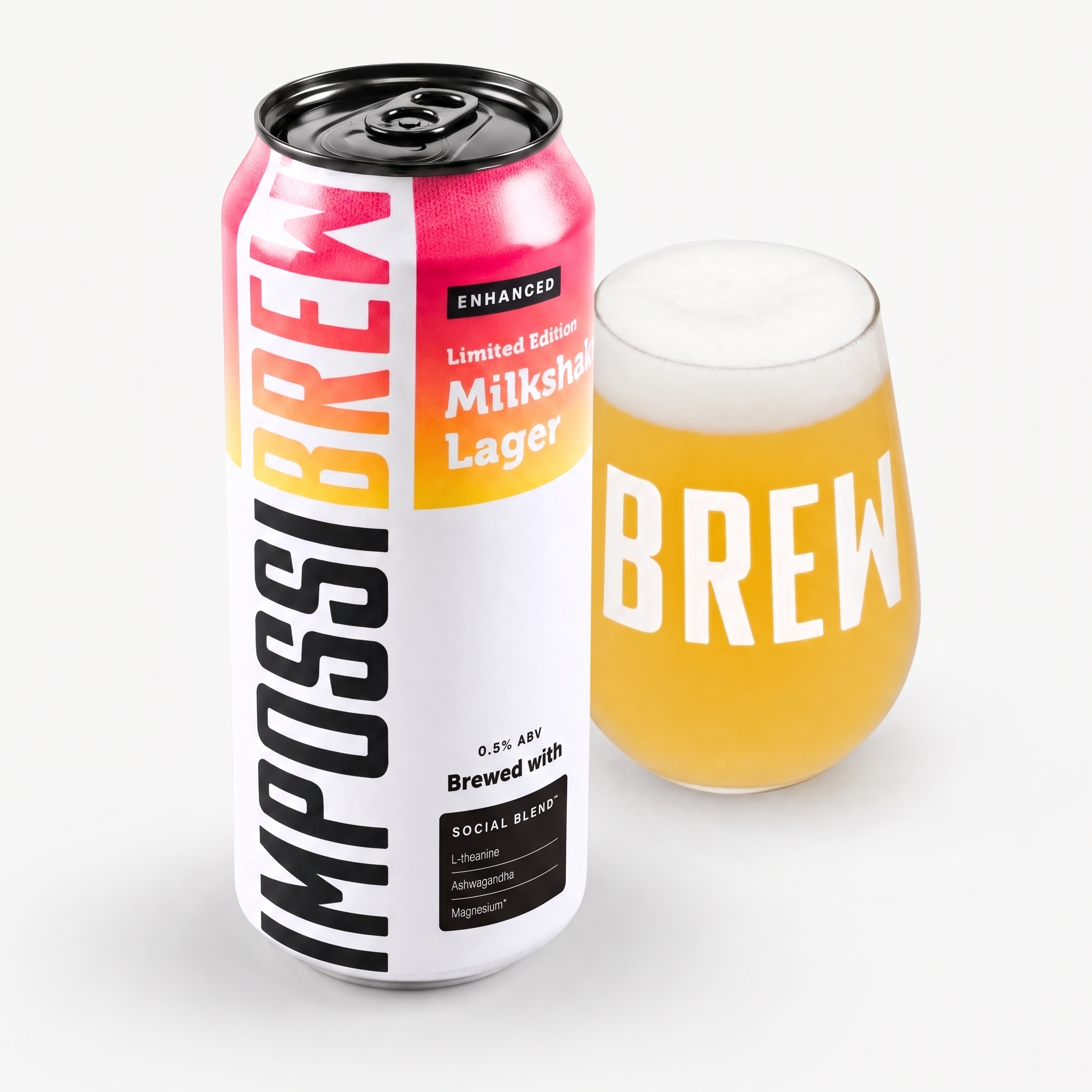

Non-alcoholic beer is thriving in the UK, driven by changing drinking habits and a focus on health. Pubs are adapting their menus as more people opt for alcohol-free options, with sales projected to grow 6.5% yearly from 2025 to 2035. Millennials and Gen Z lead this shift, making up 66% of the market, while 47% of UK adults aim to cut back on alcohol. Improved brewing techniques now deliver flavours comparable to traditional beers, and functional options like those from IMPOSSIBREW® offer added benefits like relaxation. This evolution balances the UK's love for social drinking with modern wellness priorities.
Key highlights:
- Non-alcoholic beer sales are up: On-premise sales rose 26.4% in 2025 after a 22% increase in 2024.
- Millennials dominate: They account for 61% of consumers, with Gen Z at 17%.
- Health-conscious choices matter: 85% of drinkers say these beers taste as good as alcoholic ones.
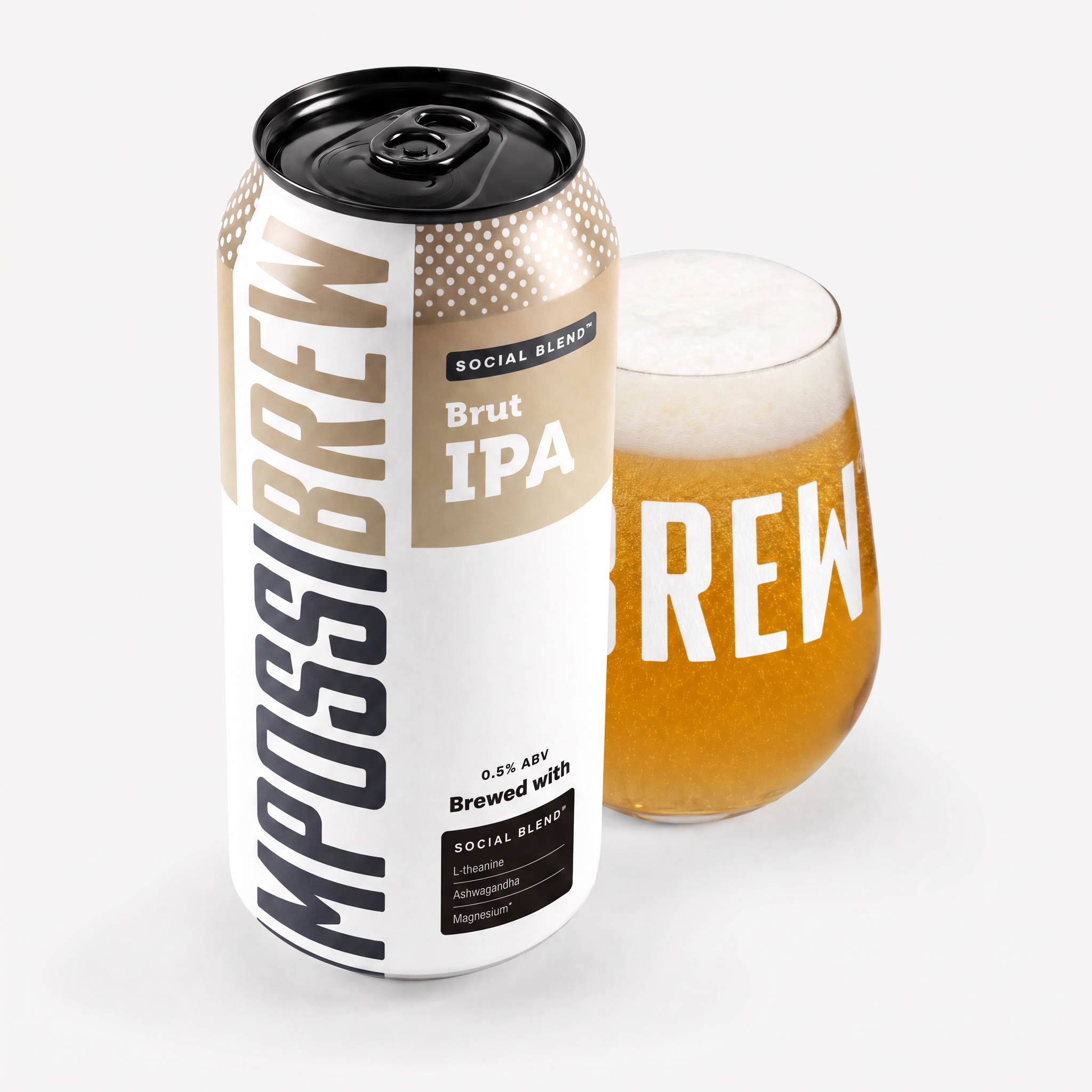
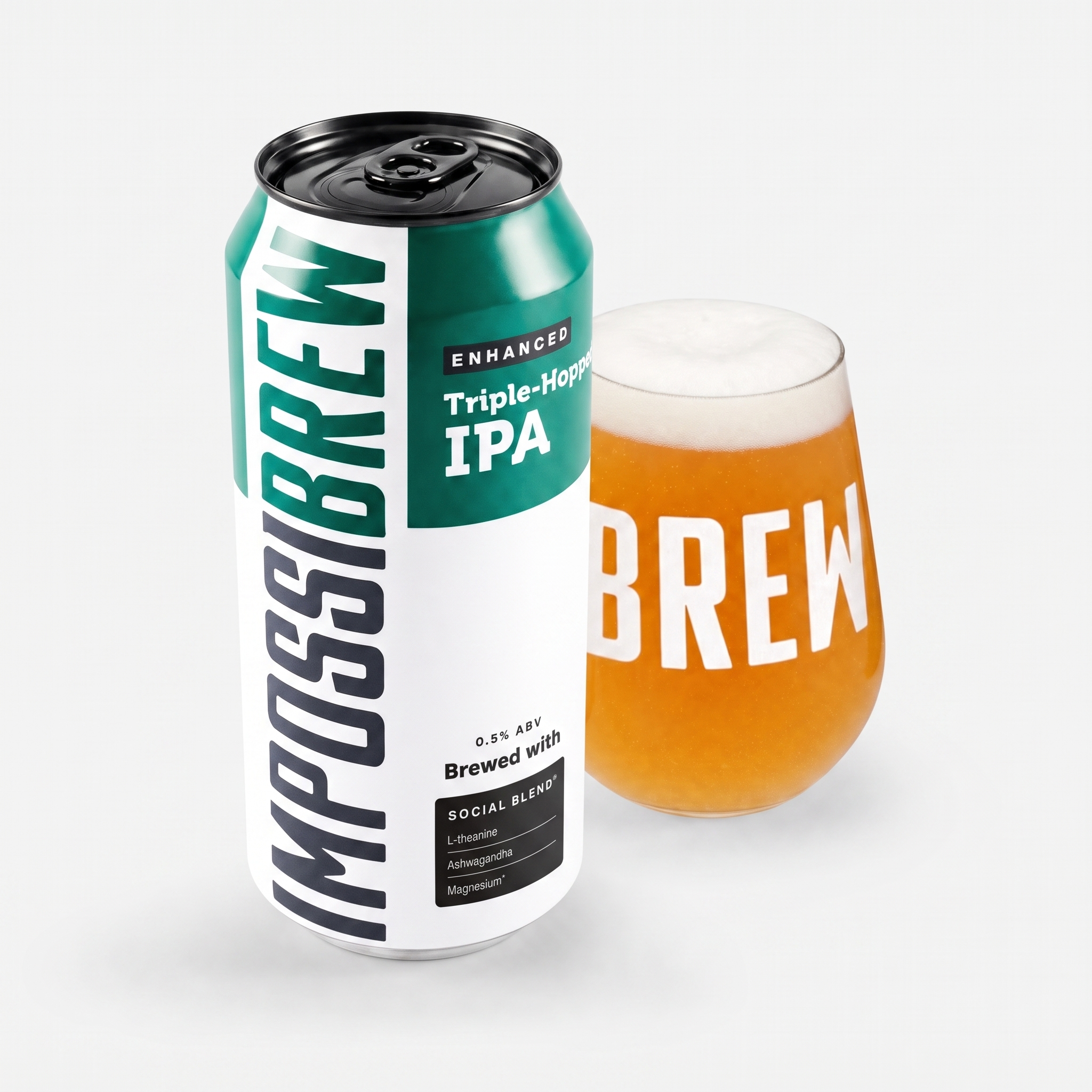
- Functional beers gain traction: Brands like IMPOSSIBREW® combine flavour with wellness-focused ingredients.
This shift reflects how non-alcoholic beer aligns with social traditions while meeting modern consumer needs.
The Rise Of Non Alcoholic Beer: Trends, Taste Tests, And Future Insights
Who Drinks Non-Alcoholic Beer and Why
Shifts in drinking habits and social preferences are reshaping the market for non-alcoholic beer, with younger generations and health-conscious individuals leading the way.
Non-Alcoholic Beer Consumer Profiles
Millennials are at the forefront, making up a substantial 61% of non-alcoholic beer consumers - an increase from 45% in April 2023 [10]. Gen Z follows with 17% of the market [10]. Combined, these two groups represent about 66% of the consumer base, with 75% of Gen Z and millennials showing interest in alcohol-free options. This highlights a growing demand among younger audiences [4].
When it comes to gender, interest appears fairly balanced overall. However, younger adults and men are adopting non-alcoholic beer at higher rates, while women often focus on the health and wellness benefits these beverages offer [2][9].
Lifestyle choices also play a significant role. Many consumers align with the "sober curious" movement, where alcohol abstinence is a deliberate lifestyle choice rather than a necessity [4]. Positive first experiences with non-alcoholic beer are another key factor, as they often encourage repeat purchases and foster brand loyalty [6].
These insights into consumer demographics and behaviours help explain the rising popularity of non-alcoholic beer.
Main Reasons for Choosing Non-Alcoholic Beer
Health awareness and the desire to stay socially connected are the primary reasons people opt for non-alcoholic beer. These beverages tend to be lower in calories, making them attractive to those managing their weight or maintaining an active lifestyle [2][4]. They also allow consumers to enjoy social occasions like after-work drinks or pub meet-ups without compromising their personal health goals.
Improvements in brewing techniques have significantly enhanced flavour profiles, making taste, brand reputation, and past experiences key factors in purchasing decisions [6]. Many modern alcohol-free beers are now genuinely appreciated for their flavour.
Price is another indicator of growing interest. European consumers are willing to pay between £3.90 and £4.30 per unit for non-alcoholic beer. While slightly less than the cost of alcoholic beer, this price range reflects increasing demand for high-quality alternatives [6]. The reduction of social stigma around non-alcoholic beer has further broken down barriers, making it a more widely accepted choice [6][8]. Packaging also matters - glass bottles with twist-off caps are particularly popular, enhancing the sensory experience.
These evolving preferences show how non-alcoholic beer is bridging traditional pub culture with modern wellness trends. It appeals to health-conscious, socially active individuals who want to enjoy the rituals of drinking while staying aligned with their personal wellness goals. Together, these factors are reshaping the market and redefining what it means to enjoy a beer in today’s world.
UK Regional and Social Factors Affecting Non-Alcoholic Beer Trends
The UK's deep-rooted drinking traditions and regional differences are playing a key role in shaping how non-alcoholic beer fits into social life. Whether it's the pubs of Manchester or the bars of London, alcohol-free options are becoming a natural part of the social scene. These regional characteristics provide insight into how local pub culture and seasonal campaigns are influencing this growing trend.
Pub Culture and Social Drinking Effects
British pub culture has long been about bringing people together - whether for conversation, community, or connection. Now, this tradition is evolving as more pubs expand their menus to include alcohol-free beer. Pubs offering a wider range of non-alcoholic options are finding that customers tend to stay longer, creating more inclusive social spaces.
For instance, during Dry January in 2024, pubs that introduced more non-alcoholic beers saw a 5% decline in alcoholic beer sales without any drop in overall revenue [11]. Social occasions like birthdays, sporting events, and after-work drinks are also fuelling demand for alcohol-free beers that mimic the flavour and feel of traditional brews [3][5]. Brands like IMPOSSIBREW® are stepping up to meet this demand, using their Social Blend™ to offer a satisfying sensory experience without the alcohol.
Dry January and Sobriety Movement Effects
In addition to changing pub menus, campaigns promoting reduced alcohol consumption - like Dry January - are having a noticeable impact on UK drinking habits. These initiatives have led to seasonal surges in non-alcoholic beer sales, particularly in January and during the summer months [3]. This underscores a broader shift in drinking culture across the UK.
On-premise sales of non-alcoholic beer jumped by 26.4% in 2025, following a 22% increase in 2024 [3]. July 2024 alone saw a year-on-year rise of 30.8% [3]. Beyond boosting sales, these campaigns are helping to normalise alcohol-free choices. Supporting this trend, the proportion of people who reported drinking alcohol at least once in the past year fell from 70.7% in 2019 to 68.2% in 2024 [4].
Changing Attitudes Towards Non-Alcoholic Beer
British consumers are increasingly warming to the idea of non-alcoholic beer, appreciating its improved taste and quality. Regional differences, however, continue to influence how quickly these products are embraced. Urban areas, often home to younger and more health-conscious populations, are leading the way, while more traditional beer-drinking regions are catching up as product quality improves [2][3]. Despite this progress, some older generations and traditional communities remain hesitant [12].
| Generation | % Planning to Cut Back on Alcohol by 2025 |
|---|---|
| Gen Z | 65% |
| Millennials | 57% |
| Gen X | 49% |
| Boomers | 30% |
Looking ahead, non-alcoholic beer sales in the UK are expected to grow at a rate of 6.5% annually between 2025 and 2035. This growth is largely driven by urban professionals and young families [2]. In response, breweries are investing in research and development to cater to these evolving preferences. For example, 88% of IMPOSSIBREW® customers have reported cutting back on alcohol since discovering the brand, thanks to their science-backed approach to creating familiar and enjoyable drinking experiences [1].
sbb-itb-a752bf8
How Drinking Habits Shape Market Trends
As pub culture and lifestyle trends evolve, so too do the market dynamics that reflect these deeply rooted British traditions. The enduring preferences of British drinkers are now steering innovations in non-alcoholic beer. Whether it's a crisp lager or a rich pale ale, the industry is focusing on creating products that echo the classic British drinking experience while aligning with modern health-conscious lifestyles.
Demand for Familiar Beer Styles
When it comes to alcohol-free options, British drinkers aren't looking for bold, unfamiliar flavours. Instead, they want the comfort of the tastes they already know and love. Alcohol-free beers now account for over 62% of global sales, with lagers and ales leading the charge in the UK [2][4]. This strong preference has pushed breweries to focus on replicating the classic British beer experience rather than experimenting with entirely new flavour profiles.
That said, younger drinkers are starting to influence the market by embracing flavoured non-alcoholic beers, seeking a bit of variety without straying too far from tradition. Even these newer innovations, however, remain rooted in the familiar foundations of British brewing [2][4].
Taste and Packaging Requirements
Flavour is king when it comes to non-alcoholic beer. A significant 75% of Gen Z and Millennials cite taste as their top priority when choosing alcohol-free options [4]. This has prompted breweries to pour resources into research and development. For instance, Deschutes Brewery spent £4 million over five years to craft a non-alcoholic IPA that mirrors the taste of its alcoholic counterpart [4].
But it’s not just about what’s inside the can - presentation matters too. British consumers expect their alcohol-free beer to look and feel like the real thing. From the visual appeal to the tactile experience of the packaging, these details are crucial. Many brands are now leaning into eco-friendly materials and sleek designs to attract health-conscious and environmentally aware drinkers [2][5]. At the same time, affordability plays a significant role, with consumer interest dropping sharply for products priced above £1.25 per unit. This creates a clear pricing threshold that breweries must carefully navigate [6].
Growth of Functional Non-Alcoholic Beers
The way Britons drink is changing. While they still crave the familiar taste of beer, many are also looking for added health benefits. Nearly half of UK adults - 47% - are actively cutting back on alcohol, with health cited as the main motivator [7]. This trend has opened the door for functional non-alcoholic beers, which offer wellness perks alongside the social experience of drinking.
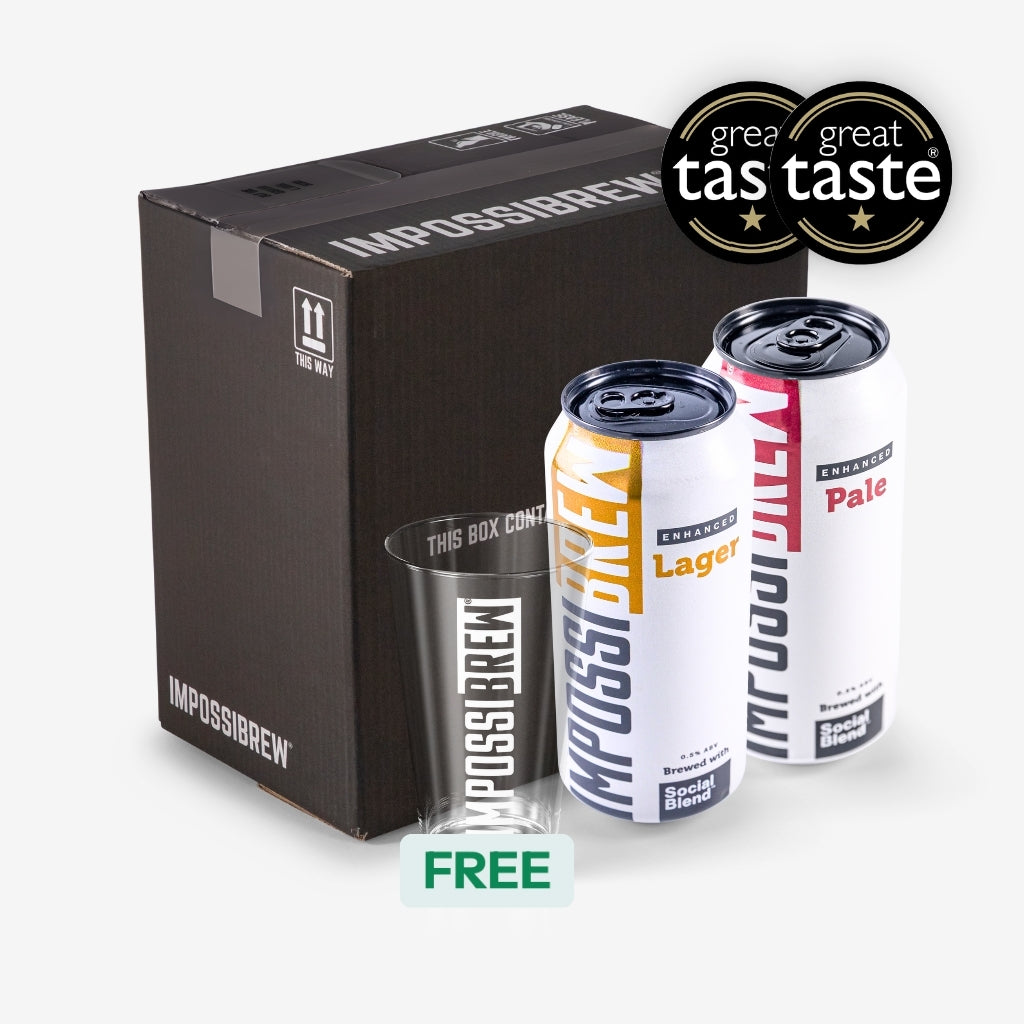
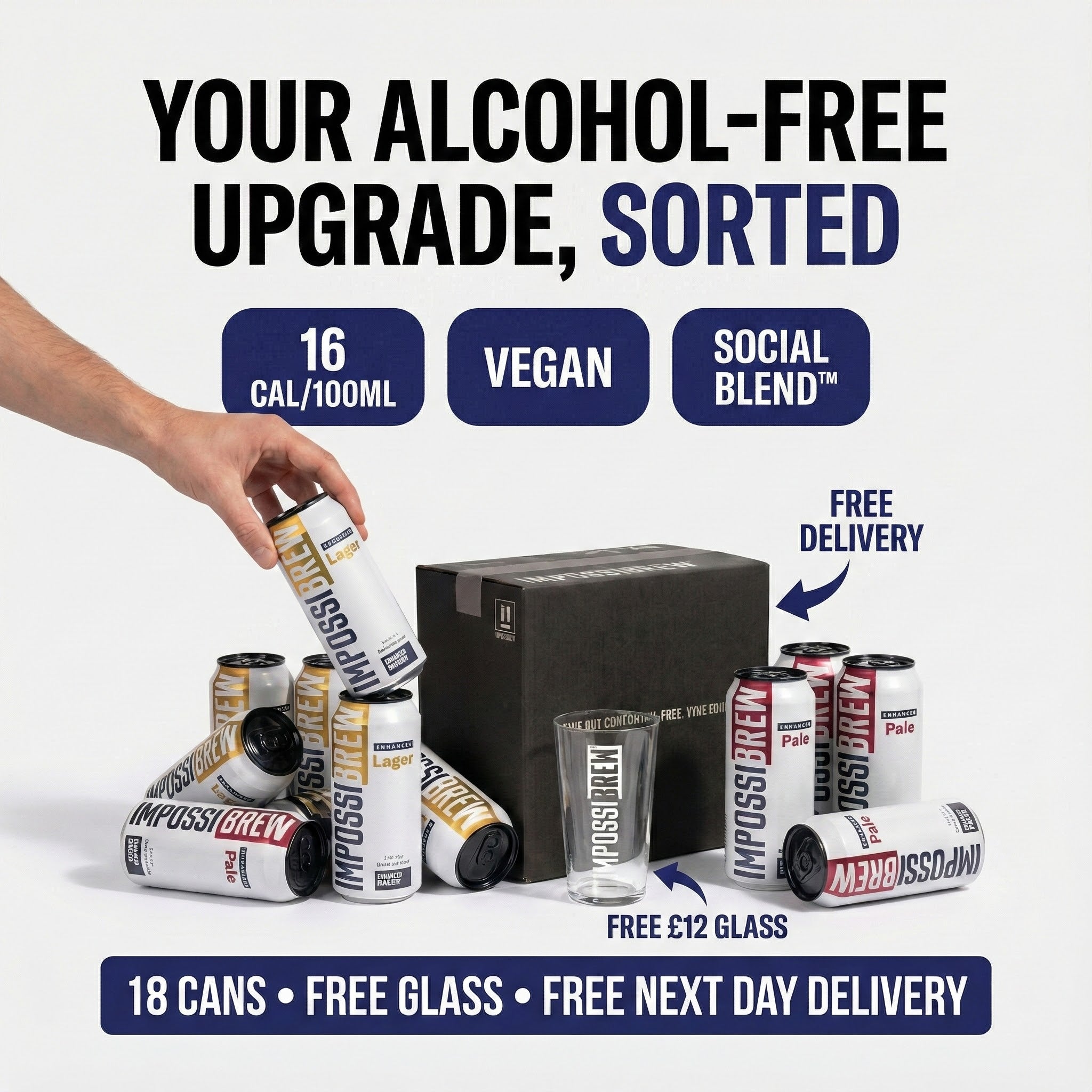
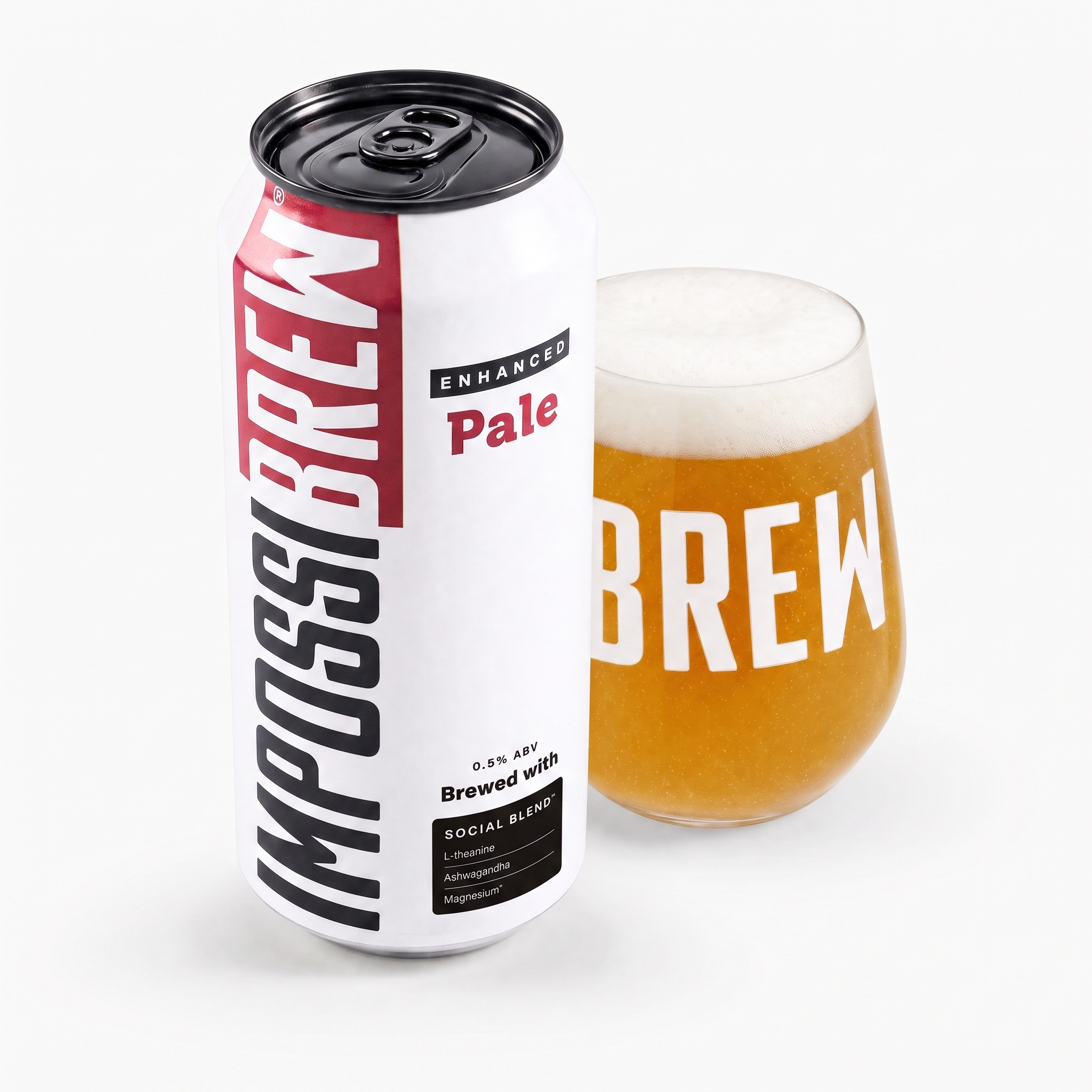
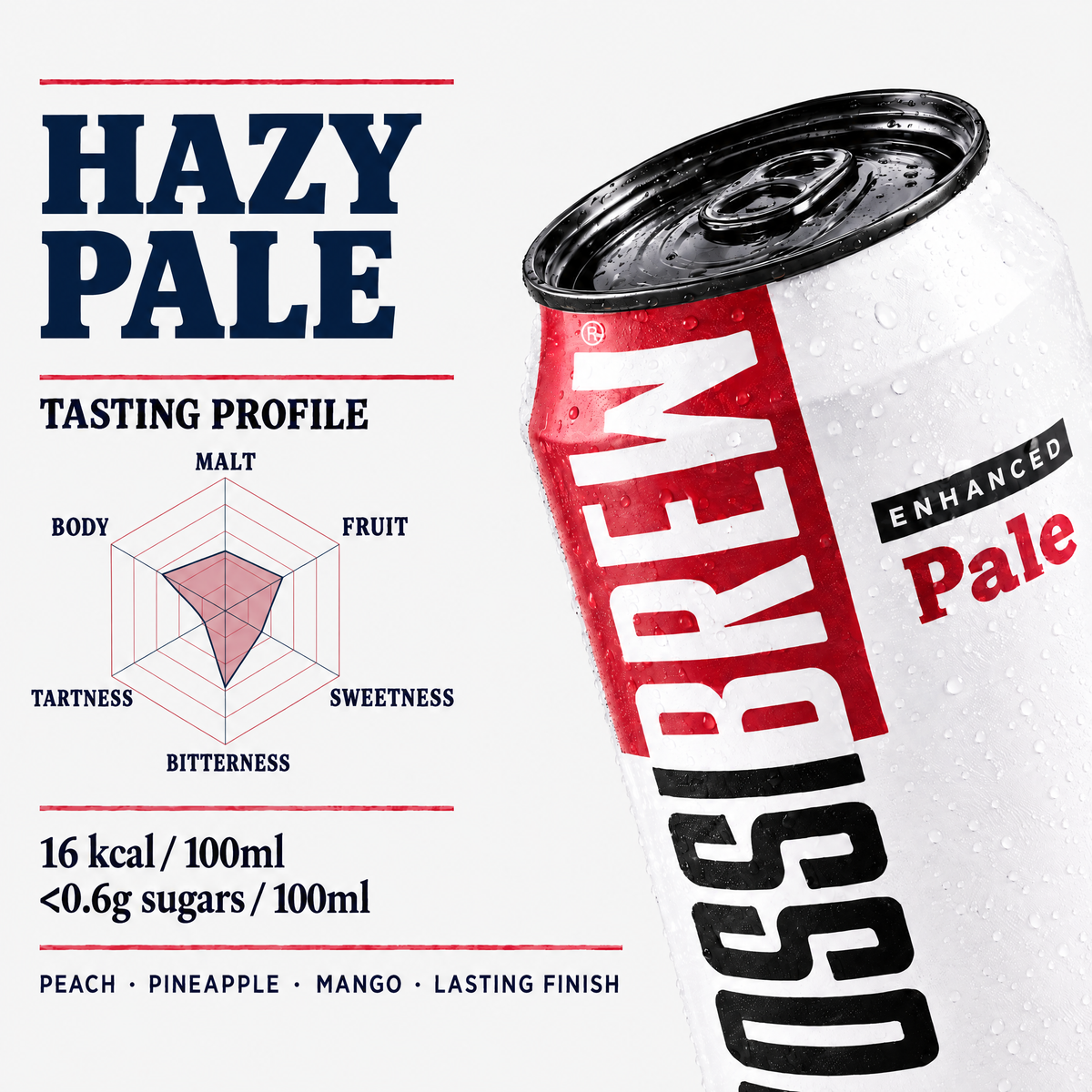
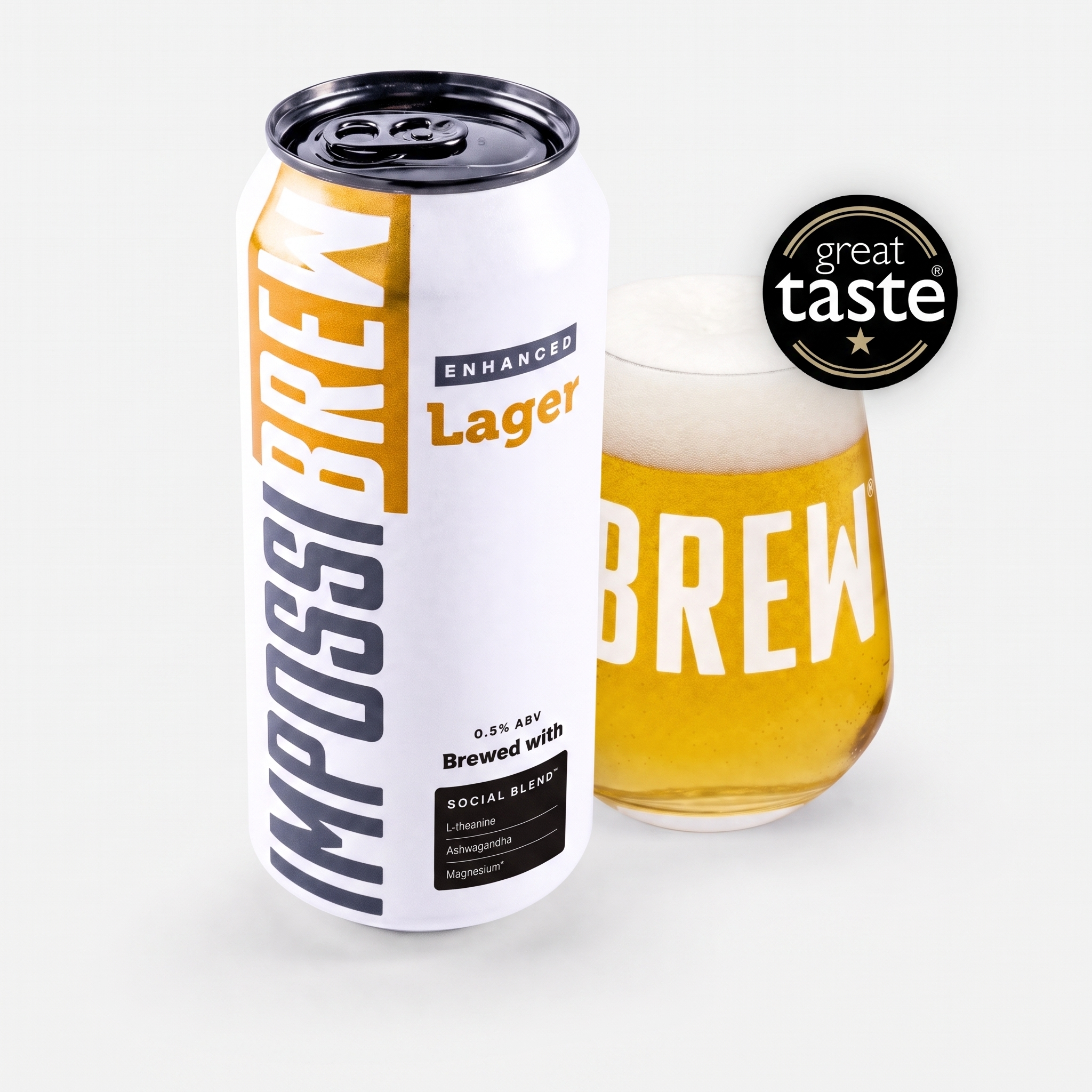
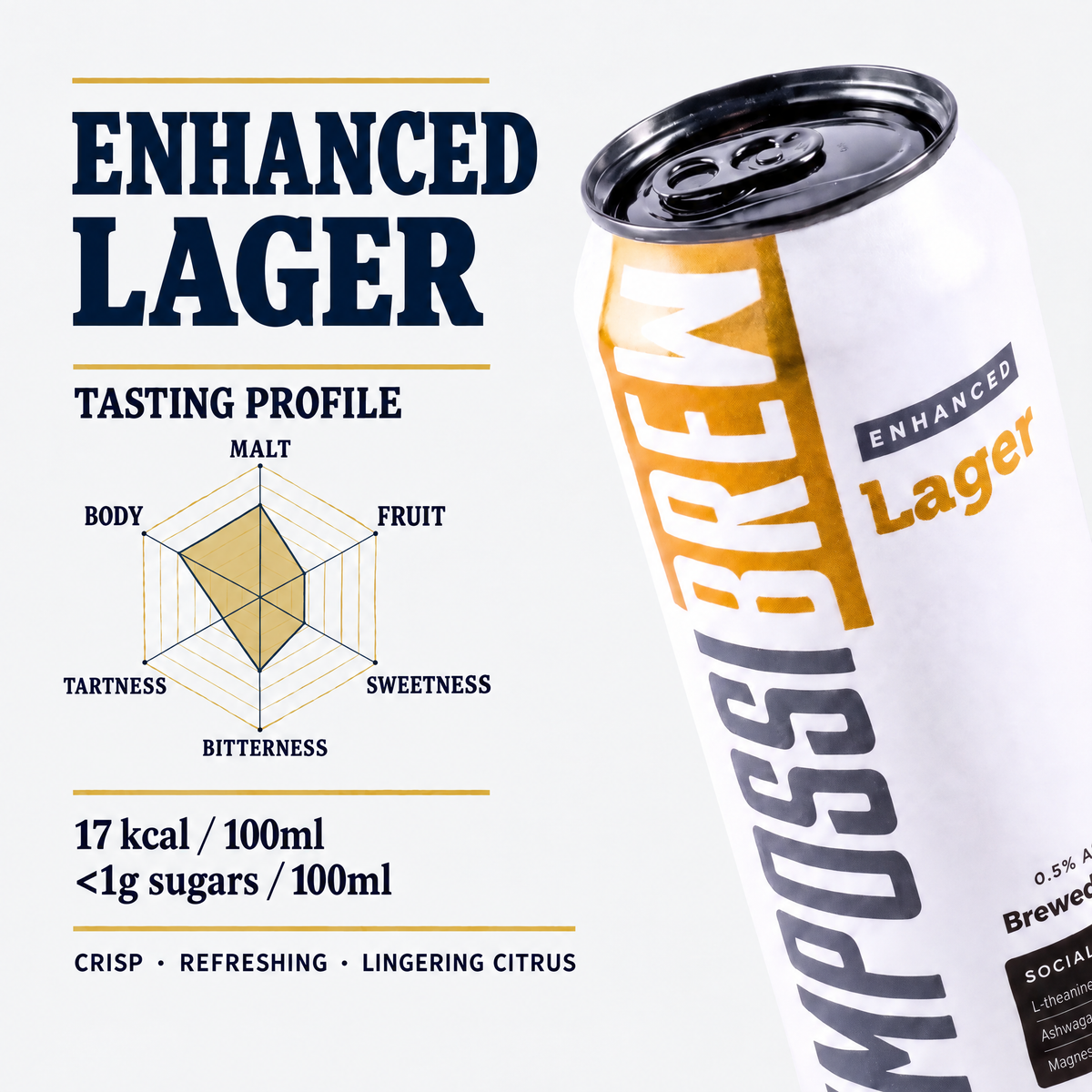
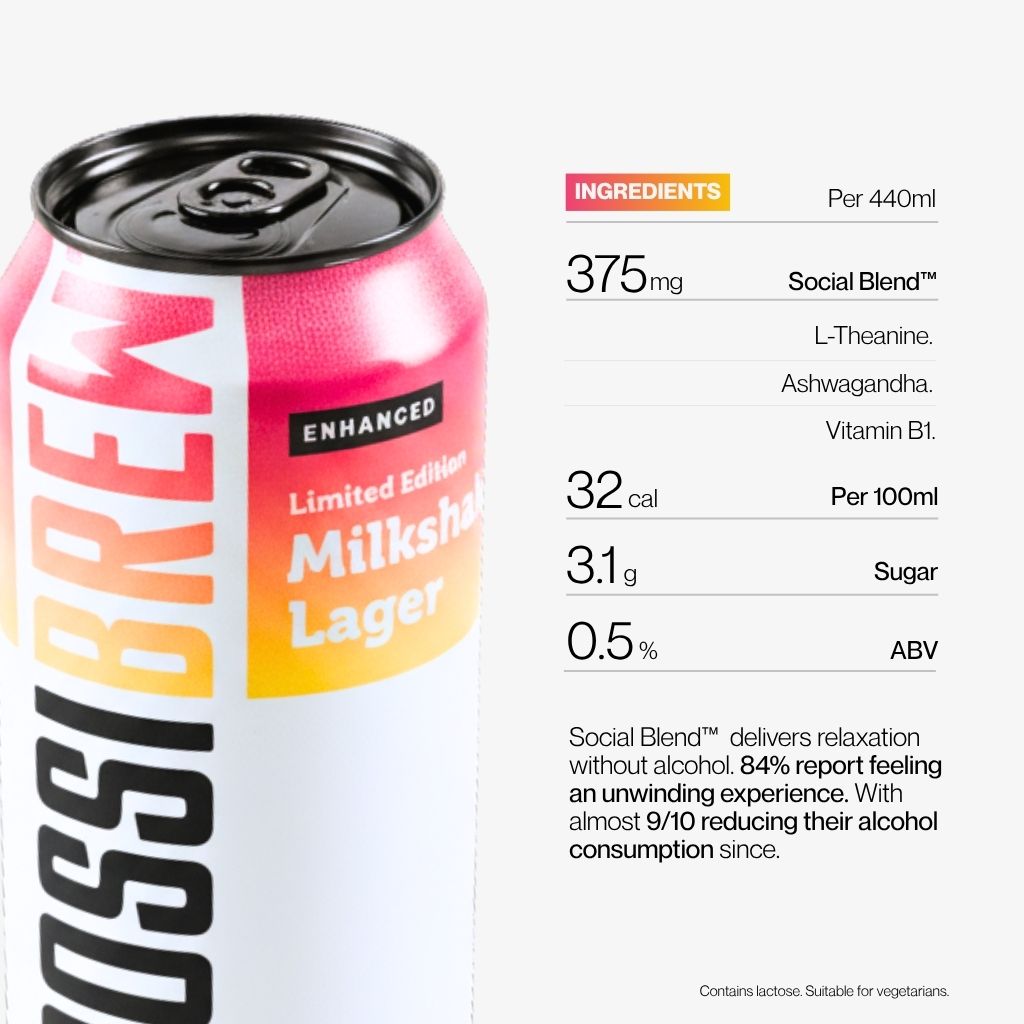
Take IMPOSSIBREW® as an example. Their Social Blend™ uses science-backed ingredients to mimic the relaxing effects of alcohol without intoxication. Their Enhanced Lager and Enhanced Pale Ale deliver the classic flavours British drinkers expect, while incorporating nootropics and adaptogens that promote relaxation. At £1.97 per can, these beers hit the sweet spot of affordability while catering to shifting consumer demands.
The rise of functional beers highlights this shift in priorities. Urban professionals and younger demographics are drawn to products that align with their health goals without sacrificing participation in pub culture and social traditions. This balance between wellness and tradition is reshaping the market. In fact, the UK’s non-alcoholic beer market is projected to grow at an annual rate of 6.5% between 2025 and 2035 [2]. It’s clear that the industry is evolving, blending time-honoured tastes with modern health benefits.
Case Study: IMPOSSIBREW® and Functional Beer Development
IMPOSSIBREW® has reshaped the non-alcoholic beer market by tapping into the growing demand for health-focused and functional beverages. Instead of merely removing alcohol from traditional beer, they’ve crafted a unique approach that enhances the drinking experience with functional ingredients. This strategy aligns with the shifting preferences of British consumers, who now seek more than just alcohol-free options - they want drinks that add value to their lifestyle.
What Sets IMPOSSIBREW® Apart
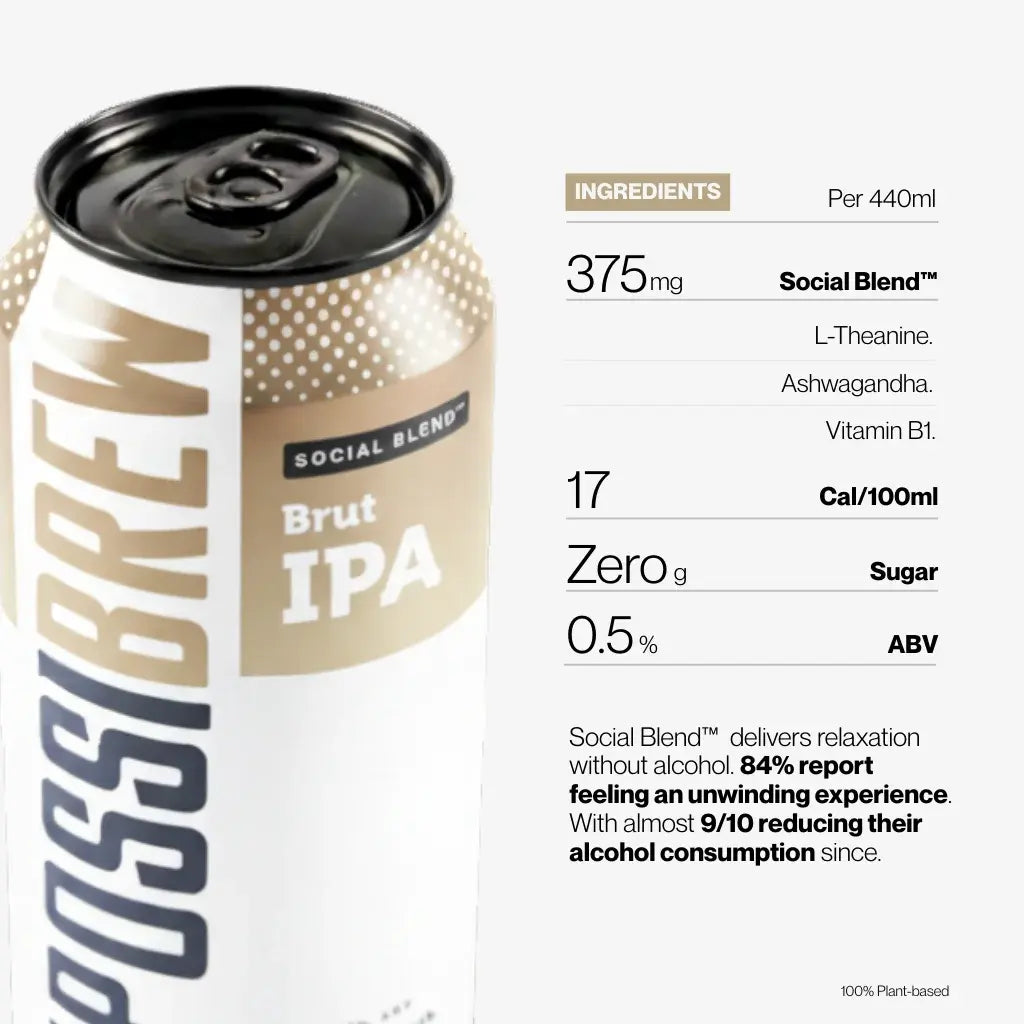
At the heart of IMPOSSIBREW®'s success is its Social Blend™, a proprietary mix of science-backed ingredients designed to mimic the relaxing and social effects of alcohol - without the intoxication. By incorporating nootropics and adaptogens, this blend offers a calming and sociable experience, creating what the brand describes as a "sensory and social experience similar to alcohol."
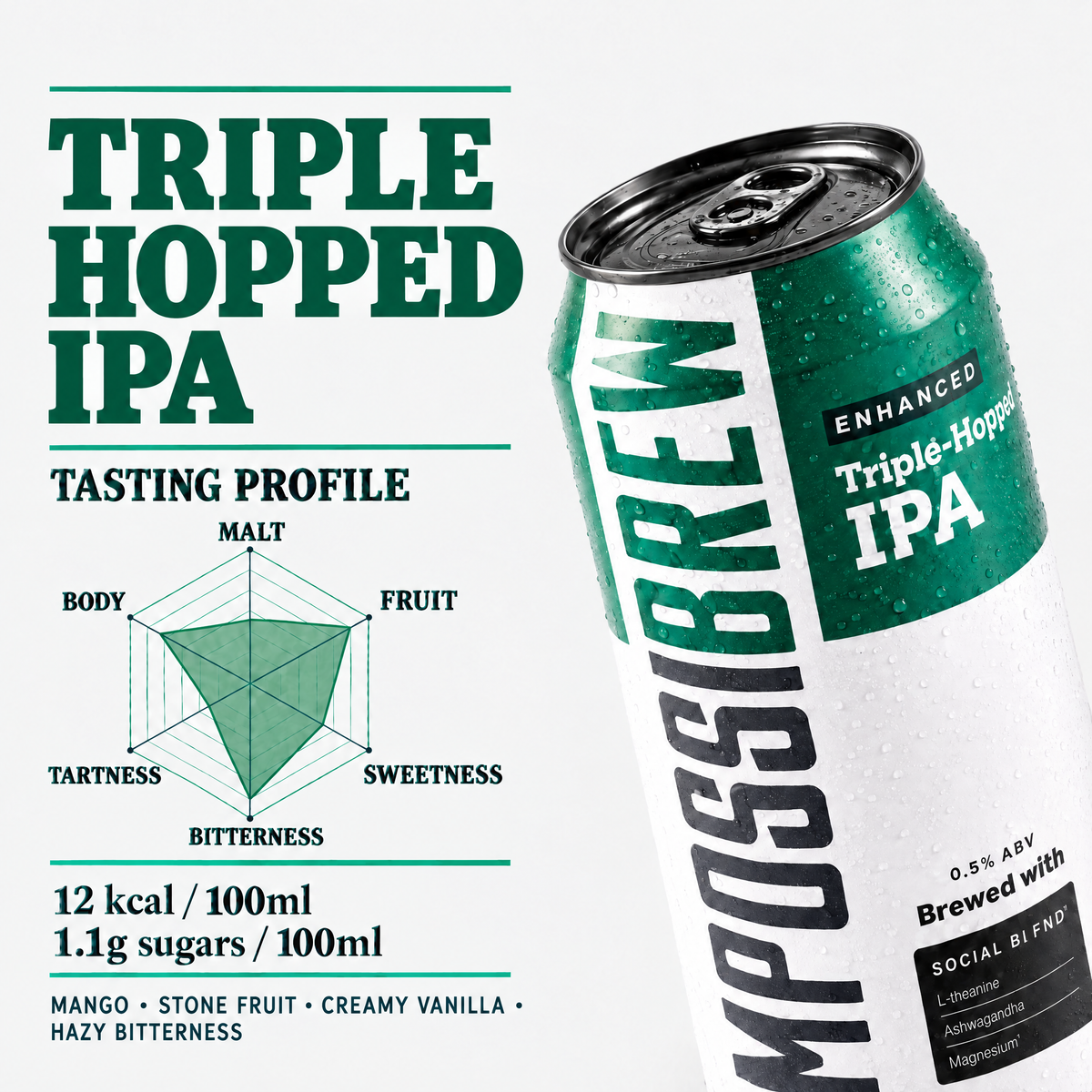
Their product line includes two core offerings: Enhanced Lager and Enhanced Hazy Pale Ale, starting at £1.97 per can. These beers cater to the UK's growing interest in health-conscious drinking, boasting under 16 calories per 100ml, vegan-friendly credentials, and, in the case of the Lager, a gluten-free recipe. IMPOSSIBREW® also experiments with limited seasonal editions, keeping the range fresh while staying true to their functional focus.
The brewing process combines traditional techniques with modern functional ingredients, ensuring that the beers meet both taste expectations and deliver on their promised benefits. This dual focus has positioned the brand as a standout in the non-alcoholic beer market.
Meeting the Needs of Modern Consumers
Research shows that non-alcoholic beers can now rival the taste of their alcoholic counterparts, and IMPOSSIBREW® has leaned into this insight. Their strategy ensures that each beer delivers an authentic flavour, bridging the gap between tradition and innovation.
But taste isn’t the only factor. In the UK, where pub culture is deeply ingrained, the social aspect of drinking is just as important. IMPOSSIBREW®'s Social Blend™ is designed to help drinkers feel relaxed and sociable, addressing a key concern: the fear of feeling excluded in social settings when choosing non-alcoholic options. By offering a functional benefit that supports sociability, the brand eliminates one of the main barriers to adoption.
Feedback from consumers highlights the appeal of this approach. Many appreciate the authentic beer taste and the subtle relaxing effects of the Social Blend™, noting that it allows them to fully participate in social occasions without the downsides of alcohol, like hangovers or impaired judgement. This balance of social inclusion and personal wellbeing resonates strongly with health-conscious British drinkers.
Consumer Impact and Market Growth
IMPOSSIBREW® has played a pivotal role in reshaping perceptions of non-alcoholic beer in the UK. The brand has been recognised within the industry for its innovative approach, earning positive coverage in UK beverage publications for bridging the gap between traditional beers and alcohol-free alternatives.
Younger generations, particularly millennials and Gen Z, have been quick to embrace IMPOSSIBREW®. They’re drawn to the brand’s authentic taste, transparency around ingredients, and functional benefits. This enthusiasm has driven wider market acceptance and expanded the brand's retail footprint, cementing its position as a leader in the functional non-alcoholic beer space.
The ripple effect of IMPOSSIBREW®'s success is evident across the industry. Other brands are now investing in similar products, contributing to the projected 6.5% annual growth rate for the UK non-alcoholic beer market between 2025 and 2035 [2]. This trend shows how functional innovation doesn’t just compete - it grows the entire category.
Conclusion: Future of Non-Alcoholic Beer and Drinking Habits
Main Findings
The connection between the UK's traditional drinking culture and the rise of non-alcoholic beer highlights a growing trend: people want to enjoy the experience of drinking without the downsides. This shift blends the classic flavours Brits love with a focus on wellness, all while maintaining the social rituals tied to pub culture. Pubs are catching on, with more non-alcoholic options now available, especially as 65% of Gen Z plan to cut back on alcohol by 2025. This paints a picture of a future where the old and the new come together effortlessly.
Breweries are stepping up to meet this demand, crafting beers that deliver the familiar taste and even the relaxing elements of traditional brews. A great example is IMPOSSIBREW®, where 88% of customers report drinking less alcohol after trying it, and 95% are happy to recommend it to friends[1]. On top of that, there’s a big focus on perfecting the taste of popular styles like lagers and pale ales to match expectations rooted in tradition.
UK Non-Alcoholic Beer Market Outlook
Looking ahead, the non-alcoholic beer market in the UK is set for a major transformation. It’s expected to grow steadily, with a projected 6.5% compound annual growth rate from 2025 to 2035[2]. Seasonal drinking habits, which have long shaped traditional beer consumption, are now influencing alcohol-free options too, reinforcing their place in everyday life.
From the evolution of pub culture to advancements in functional ingredients, non-alcoholic beers are aligning with today’s consumer priorities while staying true to British heritage. Products that offer wellness benefits or enhance social experiences will likely fuel further growth. Meanwhile, regulatory advantages in online sales are opening up new ways for these products to reach customers[2]. Strong branding will remain crucial to highlight quality and tackle any lingering stigma around choosing alcohol-free options[6].
FAQs
How are younger generations shaping the non-alcoholic beer market in the UK?
Younger generations in the UK are reshaping the non-alcoholic beer market as they lean into healthier lifestyles and look for alternatives to traditional alcoholic drinks. With a growing focus on wellness, balance, and moderation, many are opting for beverages that deliver the social and sensory appeal of alcohol but without the downsides.
This trend is also tied to evolving social norms, with younger people showing more interest in trying inventive options like enhanced non-alcoholic beers. It’s part of a larger movement towards mindful drinking and a heightened awareness of the perks of choosing low- or no-alcohol beverages.
What are the health benefits of non-alcoholic beers compared to traditional beers?
Non-alcoholic beers, like those created by IMPOSSIBREW®, offer a way to enjoy the flavour and social connection of drinking without the downsides of alcohol. They’re typically lower in calories and avoid the unpleasant effects linked to alcohol, such as hangovers or potential long-term health concerns.
What sets IMPOSSIBREW® apart is its Social Blend™ - a carefully crafted mix of ingredients supported by science, designed to mimic the calming effects of traditional alcoholic beverages. This makes it a fantastic option for anyone looking to embrace a healthier, more mindful way to socialise, all while savouring great taste and a satisfying experience.
How are UK pubs responding to the growing popularity of non-alcoholic beers?
Many pubs across the UK are meeting the growing interest in non-alcoholic beer by expanding their drink menus to include a variety of alcohol-free options. As more people prioritise healthier lifestyles or choose to reduce their alcohol consumption, pubs are stepping up to provide non-alcoholic beers that don’t compromise on flavour or the overall drinking experience.
Some venues are even offering alcohol-free alternatives that capture the social and sensory appeal of traditional beers. This ensures everyone, whether they're cutting back temporarily or avoiding alcohol altogether, can still enjoy a satisfying pint. This shift mirrors a broader movement towards more inclusive and mindful drinking habits across the country.