The non-alcoholic beer market in the UK is growing fast, but pricing remains a major challenge. Here’s why it’s happening and what can be done:
- Production Costs: Non-alcoholic beer often costs more to produce than regular beer due to advanced brewing methods, energy-intensive processes, and the inclusion of specialised ingredients like nootropics.
- Consumer Expectations: Many buyers expect non-alcoholic beer to be cheaper than alcoholic versions, creating a mismatch between cost and perceived value.
- Market Dynamics: Smaller production scales, expensive ingredient sourcing, and limited shelf space make it harder for producers to lower prices.
- Solutions: Scaling production, using direct-to-consumer sales, and educating consumers about the value of added health benefits can help balance costs and pricing.
Understanding these factors is key to navigating the pricing challenges in this expanding market.
Why are non-alcoholic beverages so expensive? | Paddy Gower Has Issues
What Makes Non-Alcoholic Beer More Expensive
Non-alcoholic beer often comes with a higher price tag, even though it avoids alcohol duties. This can seem puzzling at first, but the reasons lie in the unique production challenges and operational hurdles that set it apart from traditional brewing. Let’s break down the main factors driving these costs.
Complex Production Methods and Quality Control
Producing high-quality non-alcoholic beer isn’t as straightforward as skipping the alcohol. Advanced brewing techniques are required, many of which go beyond traditional methods. For example, specialised de-alcoholisation processes are used to remove alcohol after fermentation. However, this can strip away important flavour compounds, so some producers employ cryogenic fermentation. This method halts fermentation at sub-zero temperatures, preserving the beer’s flavour profile. While effective, it demands specialised equipment and consumes more energy, which increases costs.
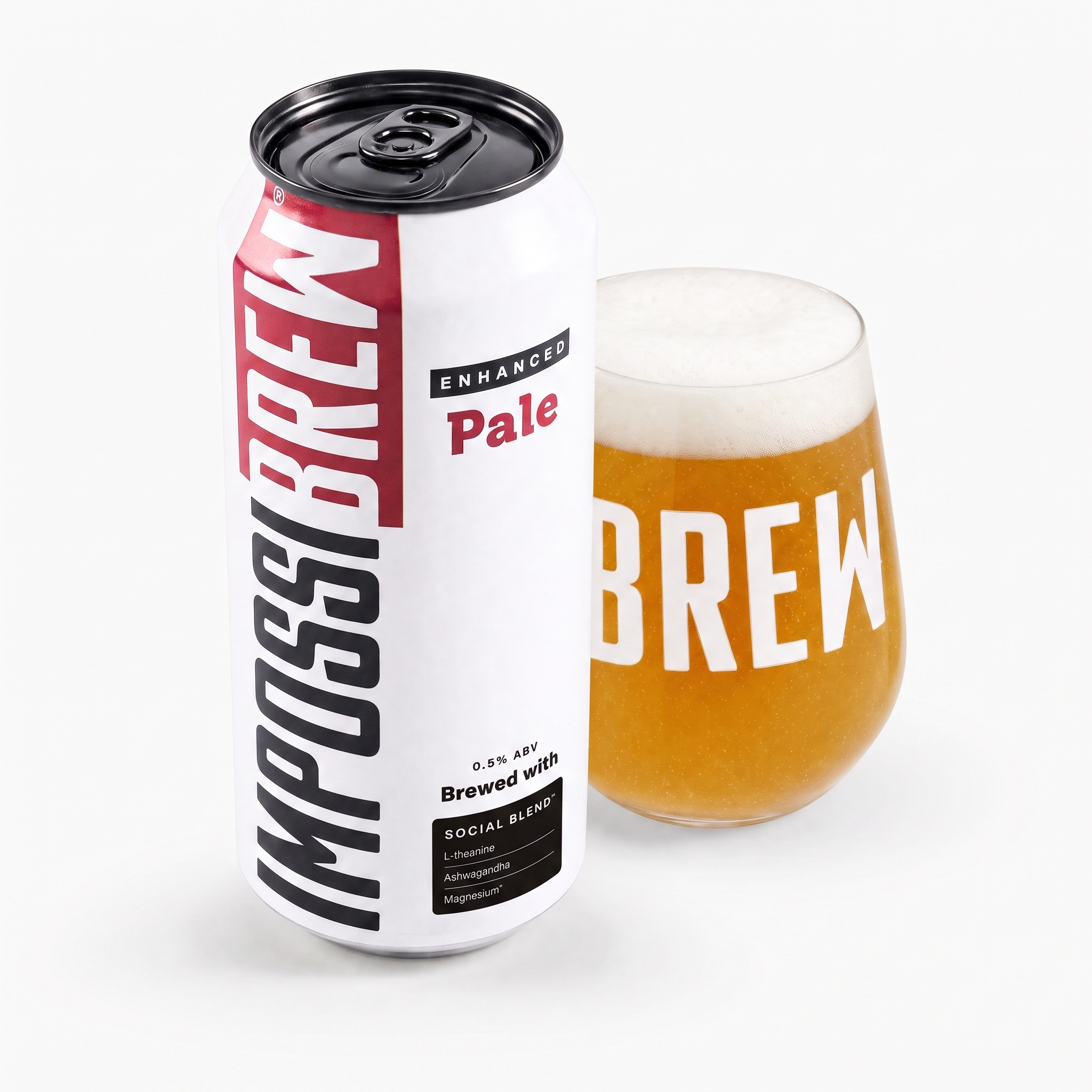
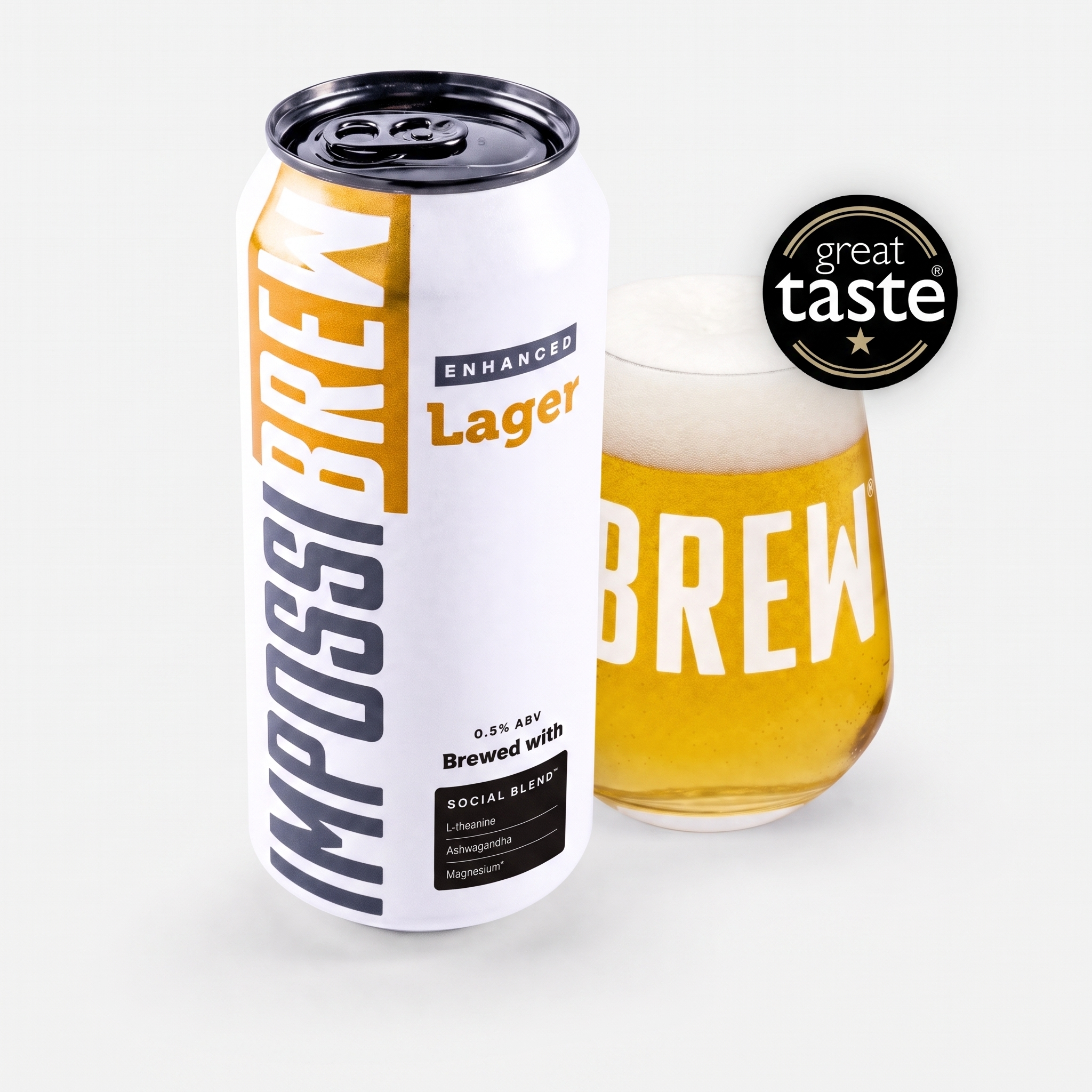
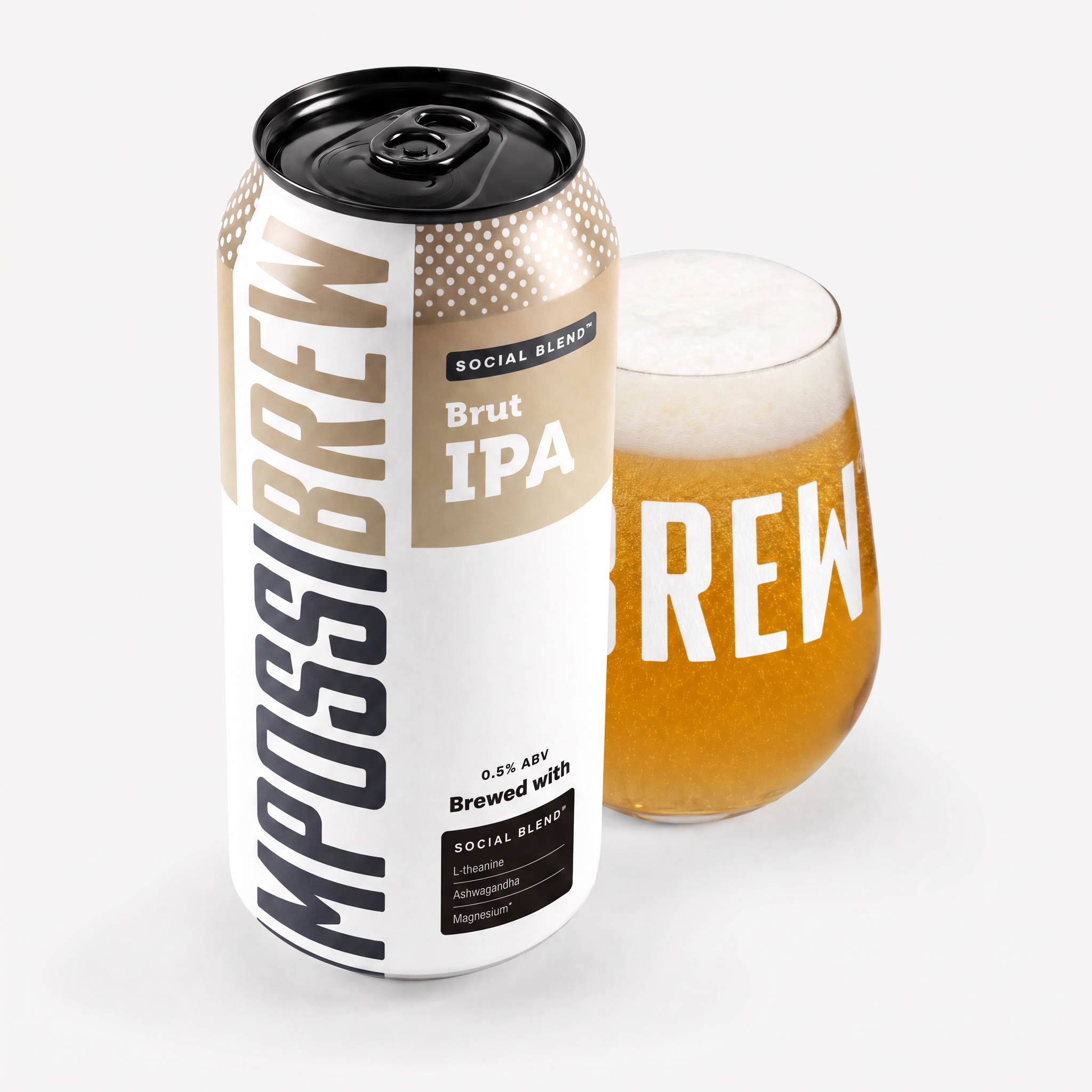
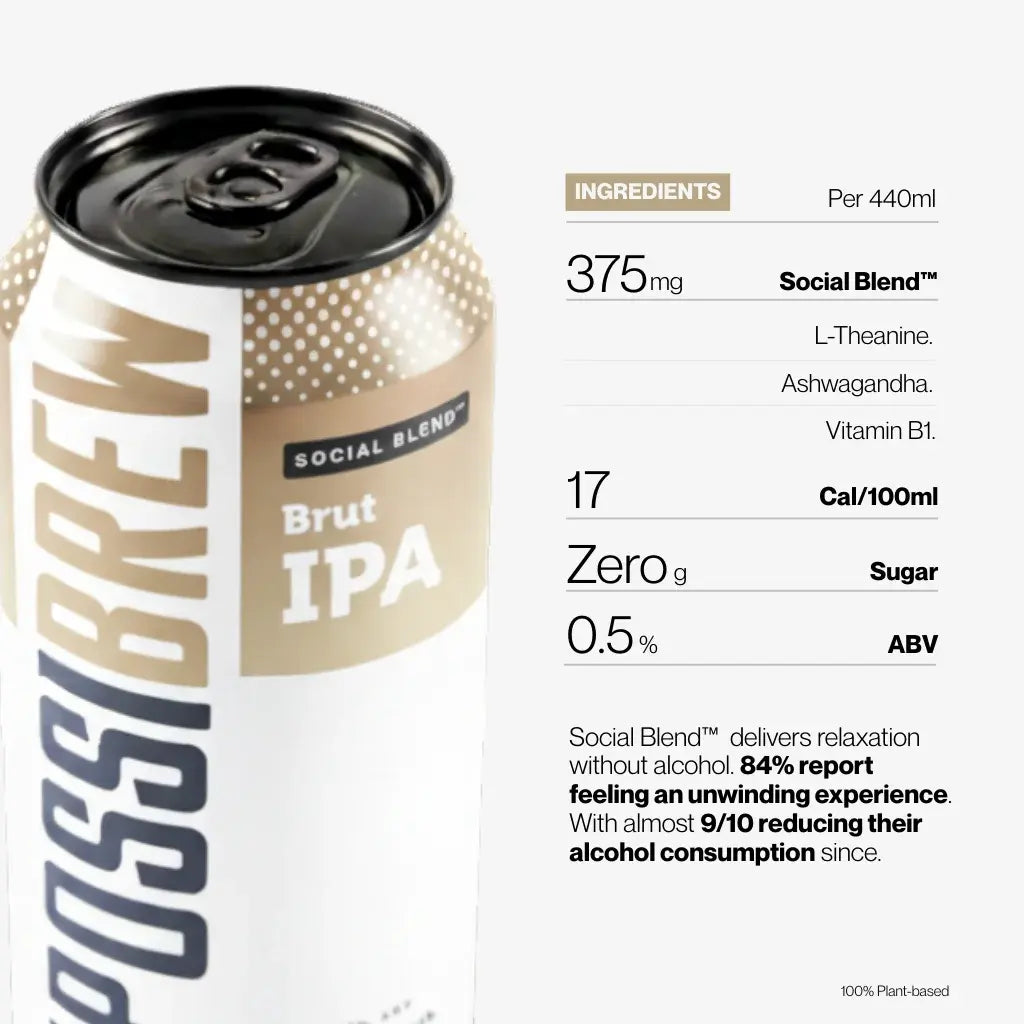
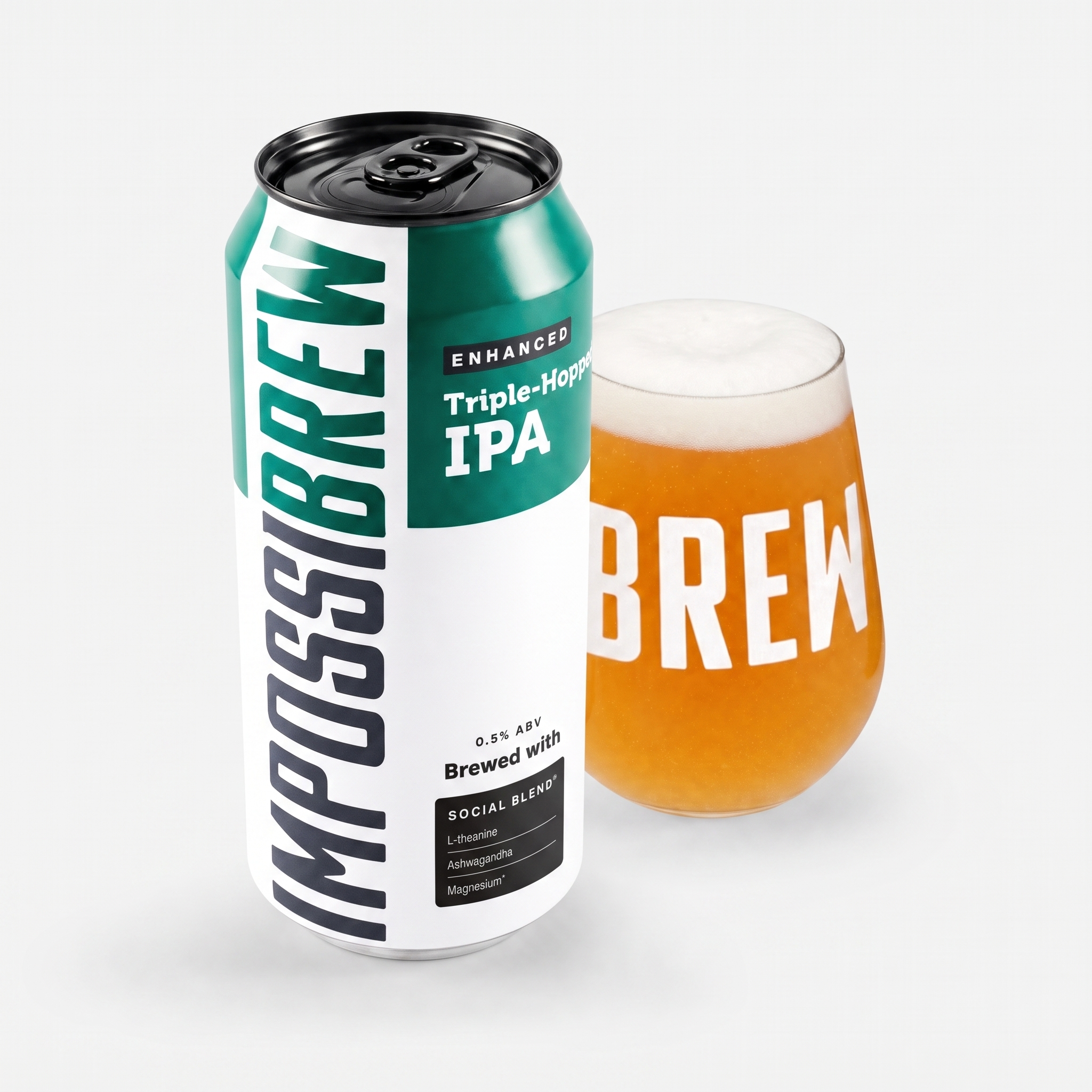
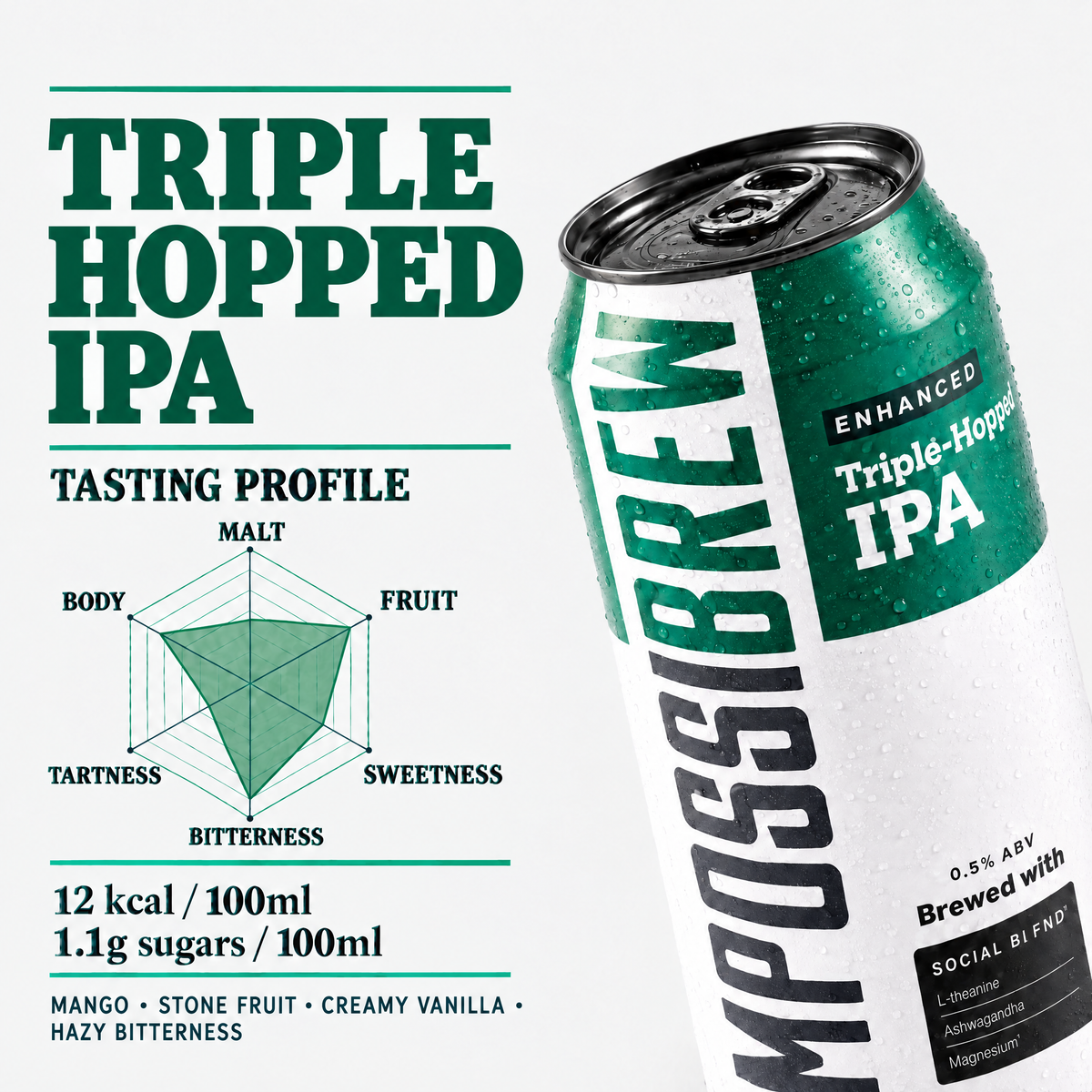
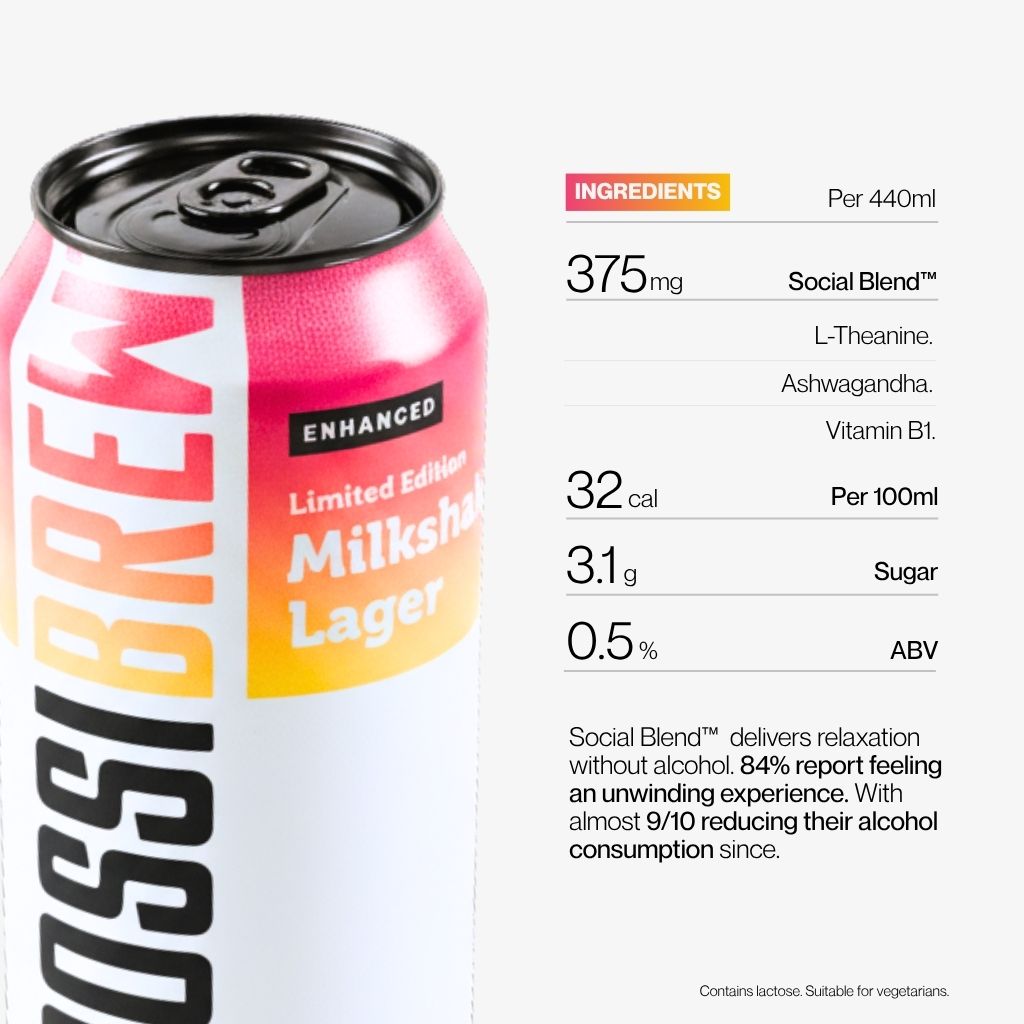
Some non-alcoholic beers also include functional ingredients, like IMPOSSIBREW®'s Social Blend™, which features nootropics and adaptogens such as L-Theanine and Ashwagandha root. Adding these ingredients requires precise dosing and strict quality control, further driving up production expenses. Additionally, many producers follow a meticulous "one-to-one" brewing approach, mirroring the craftsmanship of traditional craft beers. This results in production costs that are often on par with, or even higher than, conventional brewing.
And the challenges don’t stop with brewing - ingredient sourcing adds another layer of complexity.
Supply Chain and Ingredient Sourcing Problems
Sourcing the specialised ingredients needed for non-alcoholic beer is no small feat. Functional ingredients, such as nootropics used in enhanced formulations, are significantly more expensive than the alcohol duty applied to a standard 5% ABV beer.
"At current alcohol tax rates for a 5% ABV beer, the cost of our nootropics more than double that." [1]
Unlike traditional beer ingredients like hops, malt, and yeast - which benefit from well-established supply chains - functional ingredients often come from niche suppliers with limited production capacity. This lack of scale drives up costs, making ingredient sourcing a more expensive challenge for non-alcoholic beer producers.
Small Production Batches and Development Costs
Another factor contributing to higher prices is the smaller production scale of many non-alcoholic beer brands. Unlike large commercial breweries, these producers often operate at lower volumes, which limits their ability to secure bulk discounts. As a result, per-unit costs are significantly higher.
On top of this, the industry’s focus on innovation adds to the expense. Meeting consumer demands for better taste, added functionality, and health benefits requires constant research and development. Developing new flavour profiles and refining functional formulations is a costly process, especially for brands operating in the growing but still niche UK market. These combined factors create a pricing structure that reflects both the complexity and the care involved in producing non-alcoholic beer.
How UK Consumers View Non-Alcoholic Beer Prices
When it comes to non-alcoholic beer, UK consumers consider much more than just price. They evaluate cost alongside value, quality, and their own expectations. The decision-making process often extends beyond simple comparisons with traditional beer, reflecting a more nuanced approach. Let’s dive into how different consumer groups in the UK perceive pricing.
Price vs Health and Functional Benefits
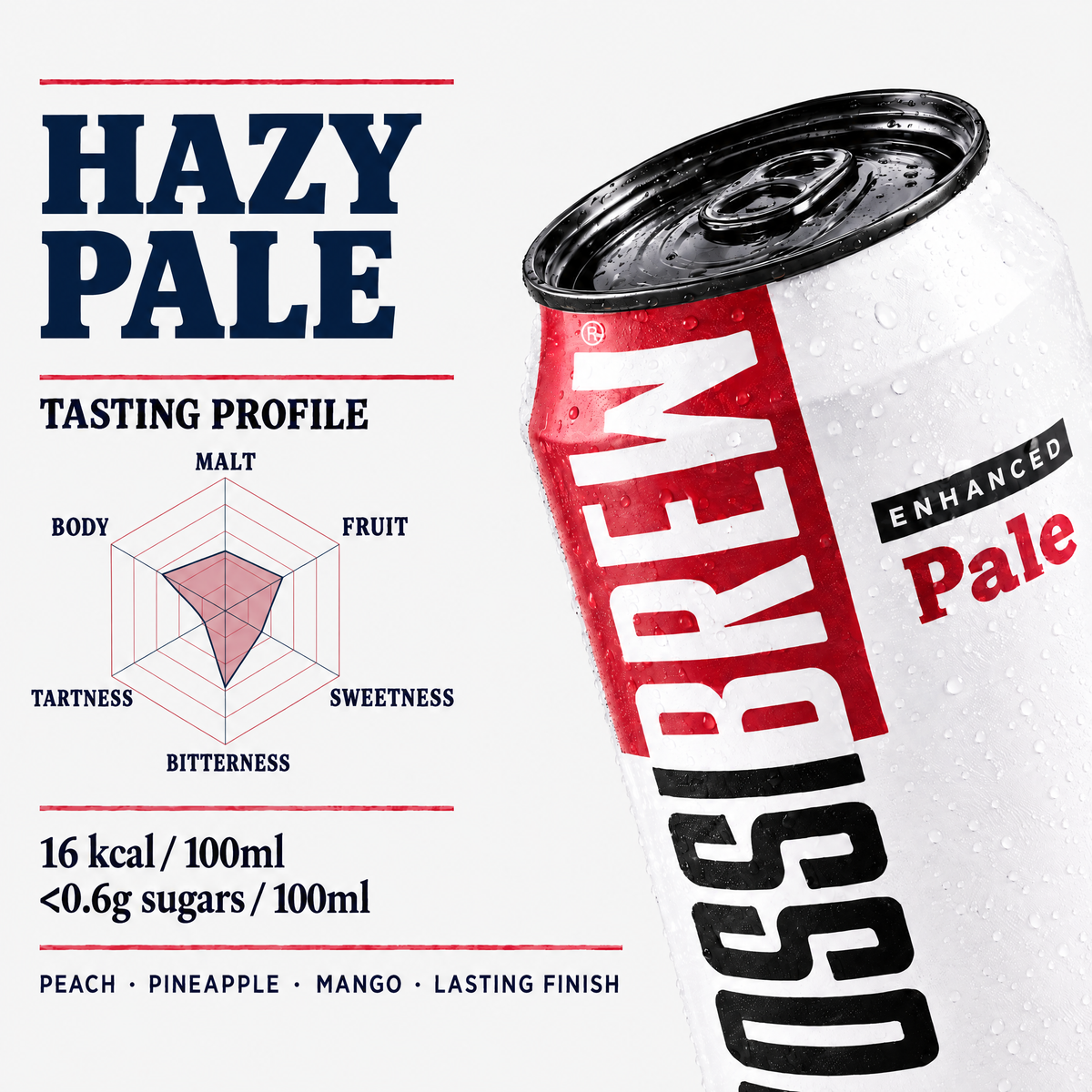
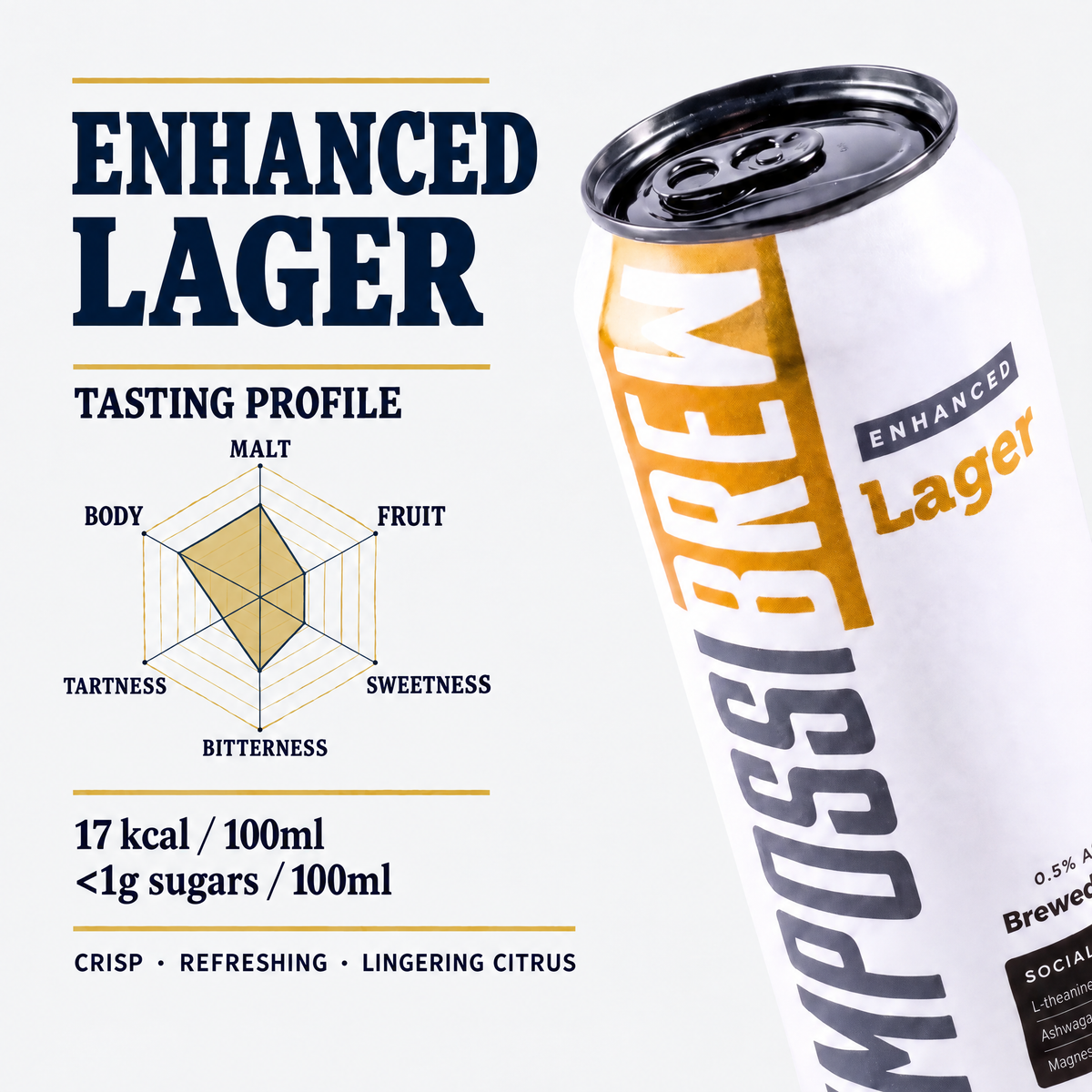
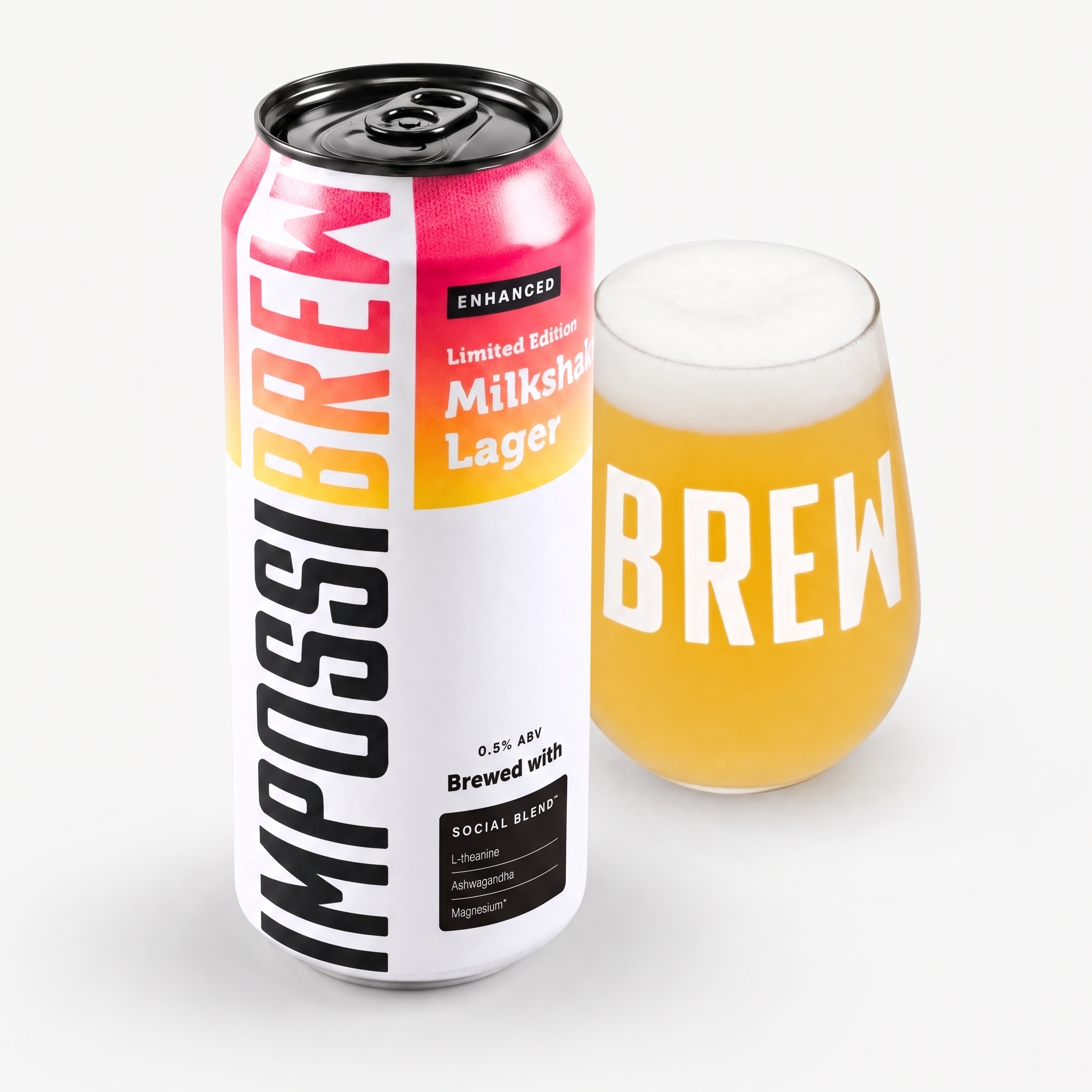
For many UK buyers, the price of non-alcoholic beer is increasingly weighed against its health and functional benefits. These consumers are often willing to pay more if the product delivers tangible advantages. They don’t just see non-alcoholic beers as substitutes for alcoholic options - they view them as entirely new products with unique benefits. For instance, IMPOSSIBREW® offers its Enhanced Lager and Enhanced Hazy Pale starting at £1.97 per can, positioning these as functional beverages enriched with their unique Social Blend™ formulation.
Health-conscious buyers, in particular, are drawn to features like low-calorie content, vegan ingredients, and gluten-free options. Interestingly, they often compare the cost of non-alcoholic beer to wellness drinks or protein shakes rather than traditional beer. However, this perspective isn’t universal. Consumers who prioritise taste over added benefits may find it harder to justify paying a premium, especially when comparing prices directly with regular beer.
Price Sensitivity and Affordability Issues
Price sensitivity varies widely across different consumer demographics. Young professionals and health-focused millennials, for example, tend to be less price-sensitive. For them, buying non-alcoholic beer often feels like an investment in their lifestyle and wellbeing rather than just another drink purchase.
On the flip side, affordability remains a significant issue for price-conscious consumers. When a four-pack of non-alcoholic beer costs as much - or even more - than its alcoholic counterpart, it can deter regular buyers. This affordability barrier is especially challenging for those who could benefit most from alcohol-free options but are limited by their budgets.
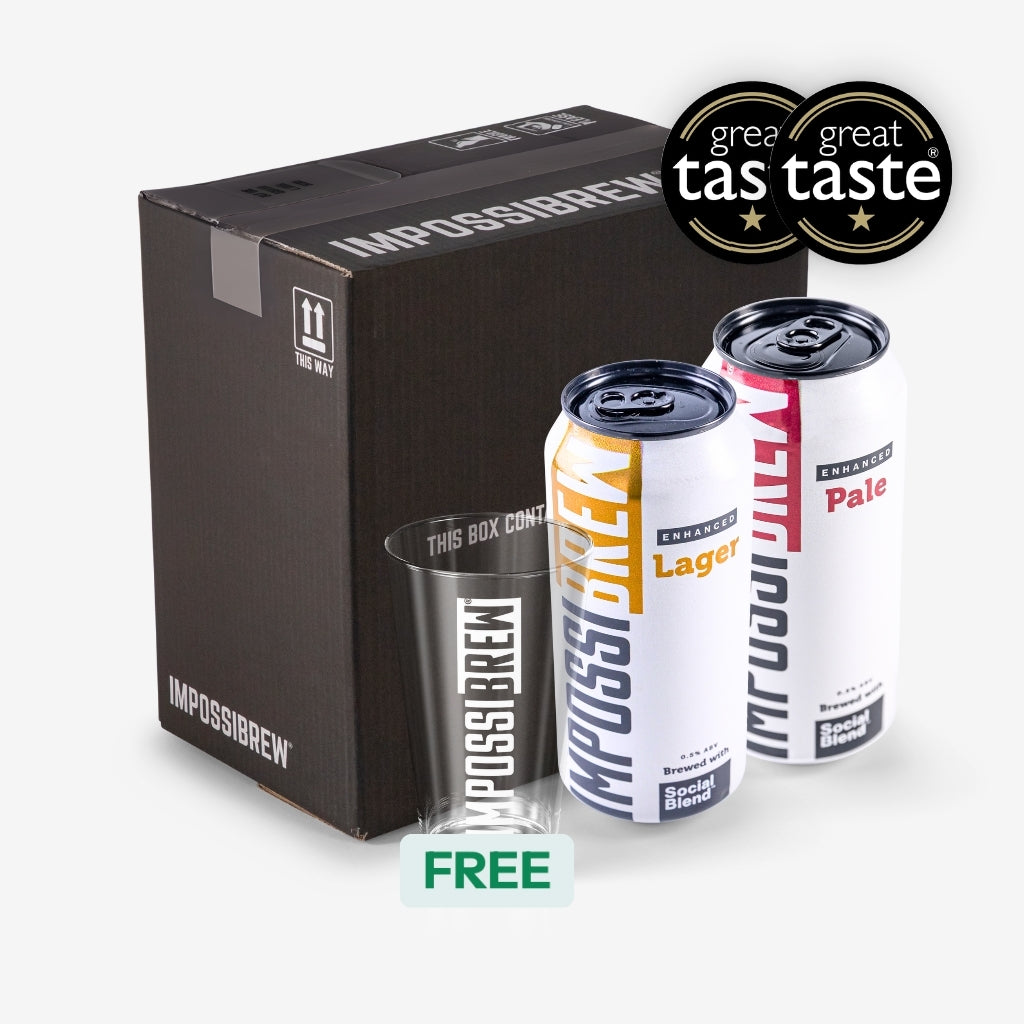
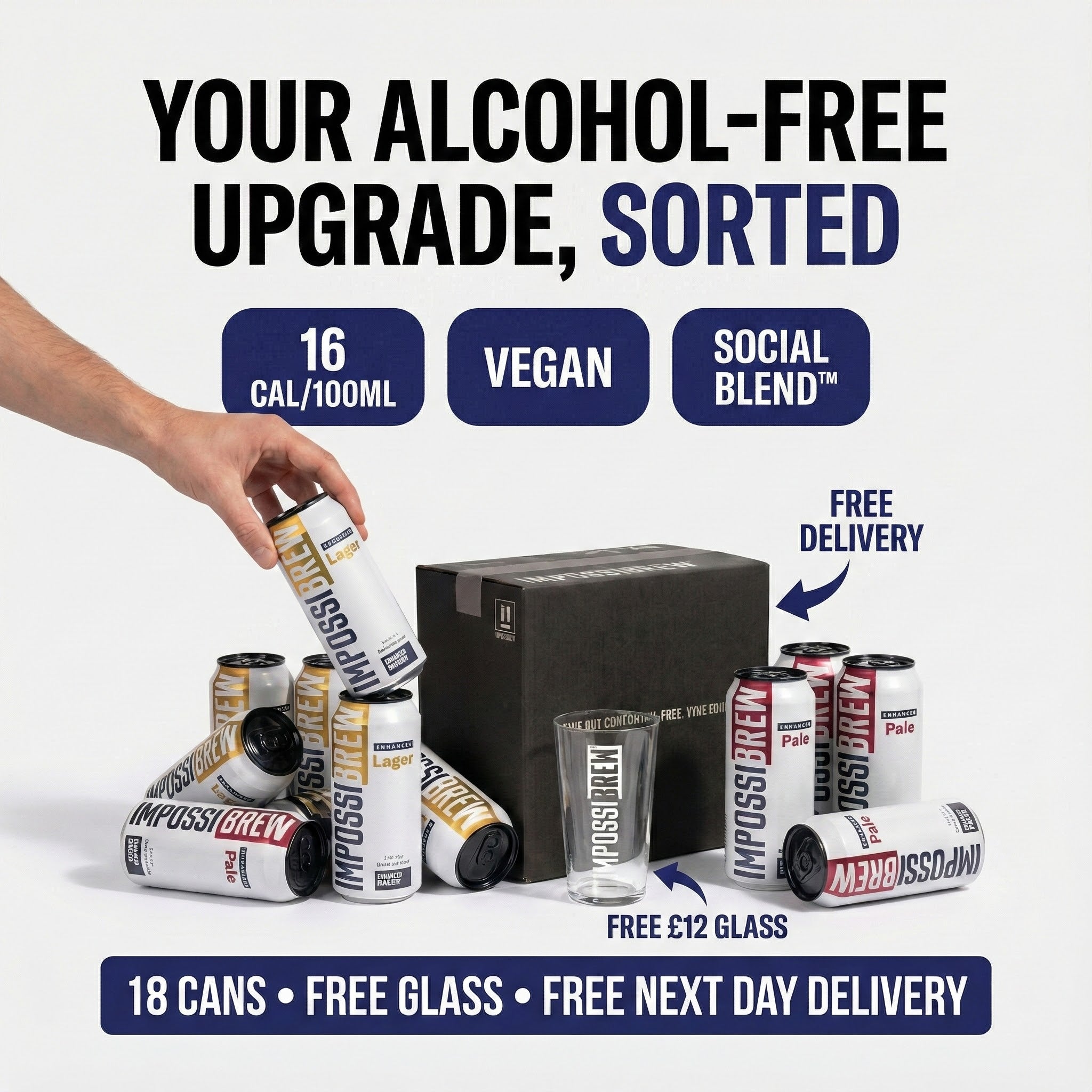
To address these concerns, bundle pricing has become a popular strategy. IMPOSSIBREW®’s Bestseller Bundle, priced at £49.99 for 18 beers plus a free glass, is a good example. By reducing the per-unit cost, these bundles make premium non-alcoholic options more accessible while encouraging bulk purchases.
Changing Taste Expectations and Quality Perceptions
Taste expectations have shifted dramatically, adding another layer to pricing discussions. Early adopters of non-alcoholic beer were often willing to compromise on flavour, but today’s consumers demand exceptional taste alongside functional benefits. This has made quality perception a key factor in determining whether premium pricing is acceptable.
The concept of "taste parity" is crucial here. Many consumers expect non-alcoholic beer to match - or even exceed - the taste quality of traditional beer. When these expectations are met, they’re more likely to accept higher prices. However, when products fall short on flavour, even added health benefits may not justify the cost.
Quality now extends to the entire drinking experience. Non-alcoholic beers that replicate the social and sensory aspects of traditional beer consumption can justify higher prices because they offer more than just a drink - they deliver an experience. Misconceptions about production costs also play a role in pricing perceptions. Some consumers assume that removing alcohol should make the product cheaper, without realising the complexities involved in brewing and maintaining quality. Educating consumers about these processes can help reshape their views.
The influence of craft beer has also shaped expectations. Those familiar with craft beer pricing often understand that premium ingredients and small-batch production come at a cost. This segment is generally more accepting of higher prices, appreciating the craftsmanship and effort behind these beverages.
sbb-itb-a752bf8
How to Fix Non-Alcoholic Beer Pricing Problems
The pricing hurdles faced by non-alcoholic beer makers aren't impossible to overcome. With a mix of creative strategies and a fresh look at traditional business models, manufacturers can strike a balance between affordability and quality. These solutions not only make non-alcoholic beers more accessible but also ensure they meet consumer expectations.
Increasing Production Scale and Streamlining Supply Chains
One effective way to lower costs is by increasing production. Producing larger batches spreads fixed costs over more units, making each one cheaper to create. Manufacturers can also optimise their supply chains by sourcing locally and using equipment that serves multiple purposes.
Non-alcoholic beers often require specialised ingredients that aren’t part of the usual brewing supply chains. Building direct partnerships with suppliers and committing to bulk orders can help secure better pricing and consistent quality.
Another cost-saving measure is the use of dual-purpose brewing equipment. This maximises the use of facilities, making the initial investment in brewing machinery more worthwhile. Additionally, working with local suppliers to find alternatives to imported specialty ingredients can cut transportation costs and make supply chains more reliable. These steps directly address previous challenges with ingredient availability and cost.
Adding Value with Functional Ingredients
Beyond cutting costs, manufacturers can tackle premium pricing by adding value to their products. One way to do this is by including functional ingredients that provide real, noticeable benefits.
Take IMPOSSIBREW® as an example. Their Social Blend™ uses scientifically backed ingredients to mimic the relaxing, social effects of alcohol. This kind of innovation shifts the focus from price to value.
Ingredients like nootropics and adaptogens are gaining traction. These compounds can promote relaxation, improve focus, or boost social confidence - all without alcohol’s downsides. When consumers see these added benefits, they’re more inclined to pay a higher price because they’re getting something beyond a traditional beer.
The key here is positioning. Instead of competing with alcoholic beers on price, these enhanced non-alcoholic options can rival wellness drinks, energy beverages, and other functional products. This reframes the comparison, making higher prices feel justified for health-conscious consumers.
Transparency also plays a big role. Clearly explaining what these ingredients do and why they’re included builds trust and helps consumers see the value. Educating customers on these benefits is a critical step in positioning non-alcoholic beers as premium products.
Using Direct-to-Consumer Sales Models
Another way to address pricing is by rethinking how products are distributed. Direct-to-consumer (DTC) sales eliminate retail mark-ups, making products more affordable for buyers while keeping margins healthy for manufacturers. Traditional retail often adds 40-60% to wholesale prices, significantly inflating costs for consumers.
IMPOSSIBREW® has embraced this model, offering cans from £1.97 and bundles like their Bestseller Bundle (£49.99 for 18 beers), which lowers per-unit costs through bulk discounts. This approach helps maintain affordability without sacrificing quality.
Subscription services are another effective tool. They provide convenience for consumers and predictable demand for manufacturers, allowing for better production planning. Subscribers often enjoy discounted rates, and the recurring nature of these plans fosters brand loyalty while cutting down on customer acquisition costs.
DTC sales also benefit from the precision of digital marketing. Online platforms allow manufacturers to target specific customer groups more effectively than traditional advertising, reducing marketing expenses. These savings can then be passed on to consumers.
Additionally, the direct model creates a stronger feedback loop with customers. Manufacturers can quickly gather insights about preferences and adjust their offerings, reducing the risk of overproducing items that may not sell. Flexible pricing strategies, such as seasonal discounts, loyalty rewards, and bundle deals, are also easier to implement through DTC channels, helping cater to a range of budgets while keeping profitability intact.
Conclusion: Finding the Right Balance for Price and Quality
As we've explored, the non-alcoholic beer industry faces a tricky balancing act when it comes to pricing. On one side, there are the costs of traditional brewing methods, specialised ingredients, and small-batch production. On the other, there’s the need to offer value that resonates with consumers. The path forward isn’t just about cutting costs - it’s about clearly defining and communicating the value of these products while finding ways to streamline operations.
Looking ahead, the focus shifts to how evolving consumer expectations and strategic innovations will shape the future of non-alcoholic beer pricing in the UK.
Future Non-Alcoholic Beer Pricing in the UK
The UK market is changing quickly, and pricing strategies must keep pace. One critical factor in this evolution is consumer education. When people understand the intricate production processes and the added benefits of enhanced non-alcoholic beers, they’re often more willing to pay a premium for quality.
At the same time, transparency will be key. Brands that openly share details about their production methods, ingredient sources, and the science behind their products will foster trust. And trust, in turn, builds loyalty and allows for more flexible pricing.
Another promising shift is the rise of direct-to-consumer models. By cutting out retail mark-ups, these approaches offer more pricing flexibility through subscriptions, seasonal deals, or personalised promotions. They also allow for more targeted marketing, which can lower customer acquisition costs - savings that can then be passed on to consumers.
Finally, scaling production will become increasingly important. As demand grows, brands that can boost production volumes while maintaining quality will enjoy significant cost advantages. But scaling up doesn’t mean compromising on innovation. The brands that truly succeed will find ways to balance efficiency with ongoing product development.
Explaining the Value of Enhanced Non-Alcoholic Beers
For this market to thrive, brands must clearly explain why their products are worth the price. Enhanced non-alcoholic beers, like those from IMPOSSIBREW®, offer a perfect example. Their Social Blend™ technology goes beyond simply removing alcohol - it adds scientifically-supported benefits that traditional beers can’t provide.
For health-conscious consumers, understanding these benefits is crucial. People are willing to pay more when they know exactly what they’re getting. The challenge lies in communication. Brands need to move past vague health claims and instead focus on explaining the specific ingredients, their functions, and the research supporting their formulations. This shifts the conversation from "how much does it cost?" to "what value does it offer?"
Positioning also plays a huge role. Rather than competing directly with alcoholic beers on price, enhanced non-alcoholic options can position themselves alongside wellness drinks, functional beverages, and premium health products. This opens up entirely new pricing strategies and consumer markets.
Lastly, consistent quality is non-negotiable. When consumers pay premium prices, they expect a premium experience every single time. Brands that invest in quality control, reliable supply chains, and consistent production will not only justify higher price points but also build long-term loyalty by delivering dependable value.
The pricing challenges in the non-alcoholic beer market are complex, but they’re far from impossible to solve. Brands that find the right mix of efficiency, innovation, clear communication, and strategic positioning will not just survive - they’ll thrive in this fast-evolving and competitive space.
FAQs
Why is non-alcoholic beer sometimes more expensive than regular beer?
Non-alcoholic beer often comes with a higher price tag than its regular counterpart, and there’s a good reason for it. The process of removing or avoiding alcohol while keeping the flavour intact isn’t straightforward. It involves advanced techniques and extra steps in production, which naturally drive up costs.
On top of that, non-alcoholic beers are usually made in smaller batches, and many producers focus on using top-tier ingredients to ensure the taste meets expectations. While these beers don’t carry alcohol duties, the combination of specialised production and premium components explains why they can cost more than traditional options.
Why is non-alcoholic beer often more expensive than regular beer?
Non-alcoholic beer often comes with a higher price tag, and that’s largely down to the specialised methods and ingredients used in its production. Removing alcohol isn’t as simple as it sounds - it involves advanced processes like vacuum distillation or reverse osmosis. These techniques are energy-intensive, which naturally increases production costs. On top of that, creating authentic flavours often relies on methods like cryogenic fermentation, which can be more expensive than using artificial flavouring, particularly when the beer is produced in smaller batches.
While the core ingredients - malt, hops, water, and yeast - are the same as in traditional beer, the additional steps in processing, along with a focus on premium ingredients, push up costs. Many non-alcoholic beers are crafted with health-conscious consumers in mind, offering options like gluten-free or vegan-friendly formulations. These extra touches not only add to the price but also help ensure the final product delivers the taste and quality people expect.
How can non-alcoholic beer producers keep their prices competitive without compromising on quality?
Cost-Saving Strategies for Non-Alcoholic Beer Producers
Non-alcoholic beer producers have several ways to cut costs while still delivering top-quality brews. One effective approach is refining the production process. For example, reusing yeast or improving dealcoholisation methods can significantly bring down expenses without compromising the final product.
Another smart strategy is sharing specialised equipment, like dealcoholisers, among breweries. This not only reduces overhead costs but also boosts overall efficiency.
Producers can also turn to enzyme solutions to improve stabilisation and production capacity. On top of that, cutting down on energy and water usage during brewing can lead to substantial savings. These measures don’t just keep prices competitive - they also align with sustainability goals, ensuring customers enjoy high-quality beer at fair prices.