Want to feel relaxed without the mental health risks of alcohol? Non-alcoholic beer might be the answer. Here's why:
- Alcohol: Offers short-term relaxation but disrupts brain chemistry, worsens anxiety over time, and affects sleep. Regular use can lead to dependency and higher stress levels.
- Non-Alcoholic Beer: Provides natural relaxation without altering brain chemistry. Ingredients like L-Theanine and Ashwagandha support stress relief, better sleep, and emotional stability.
Quick Comparison
| Aspect | Non-Alcoholic Beer | Alcoholic Beer |
|---|---|---|
| Immediate Effects | Gentle relaxation | Brief calm, rebound anxiety |
| Sleep Quality | Better sleep patterns | Disrupted sleep |
| Anxiety Impact | Reduces anxiety | Increases anxiety over time |
| Dependency Risk | Low | Higher |
| Social Confidence | Natural interaction | Alcohol-driven disinhibition |
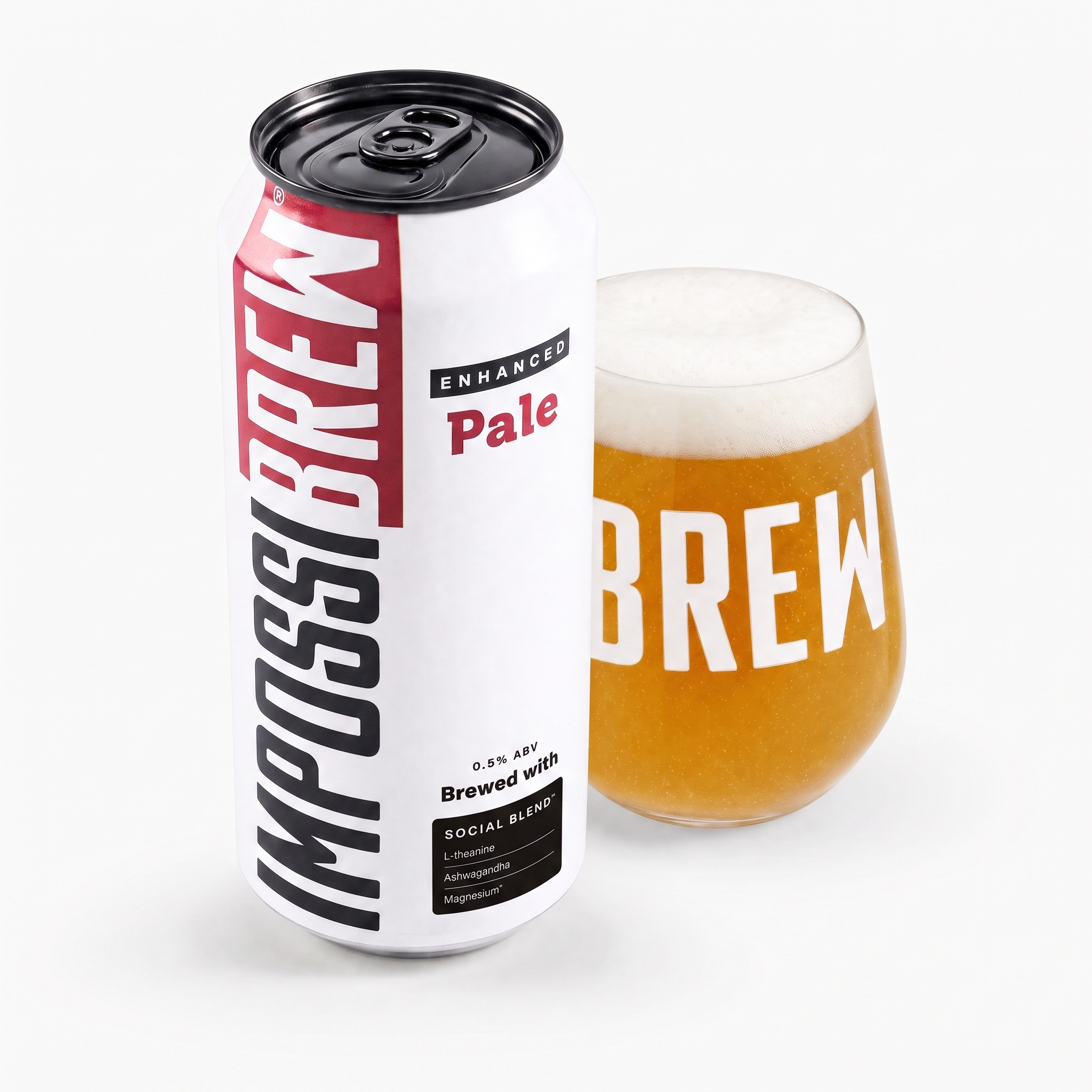
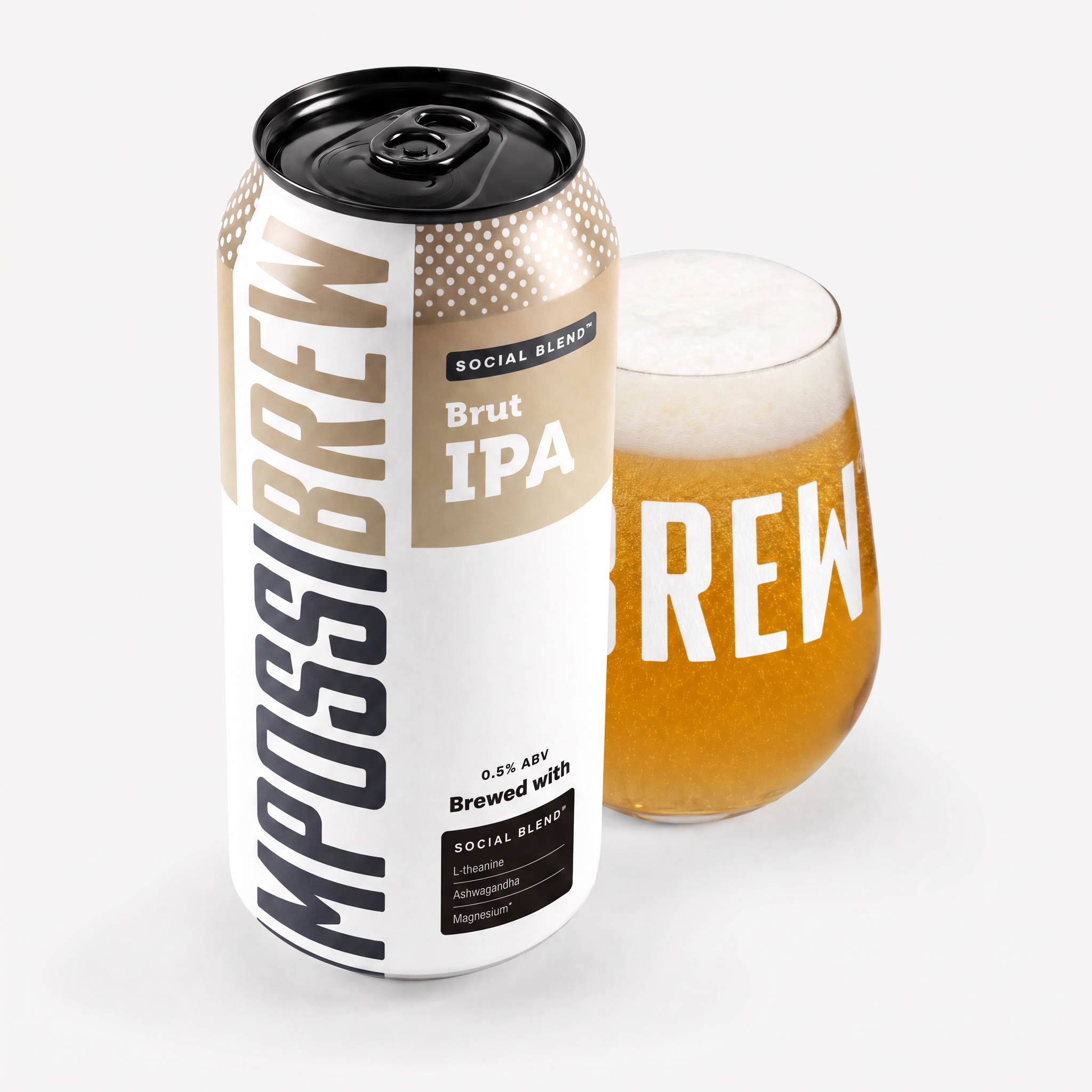
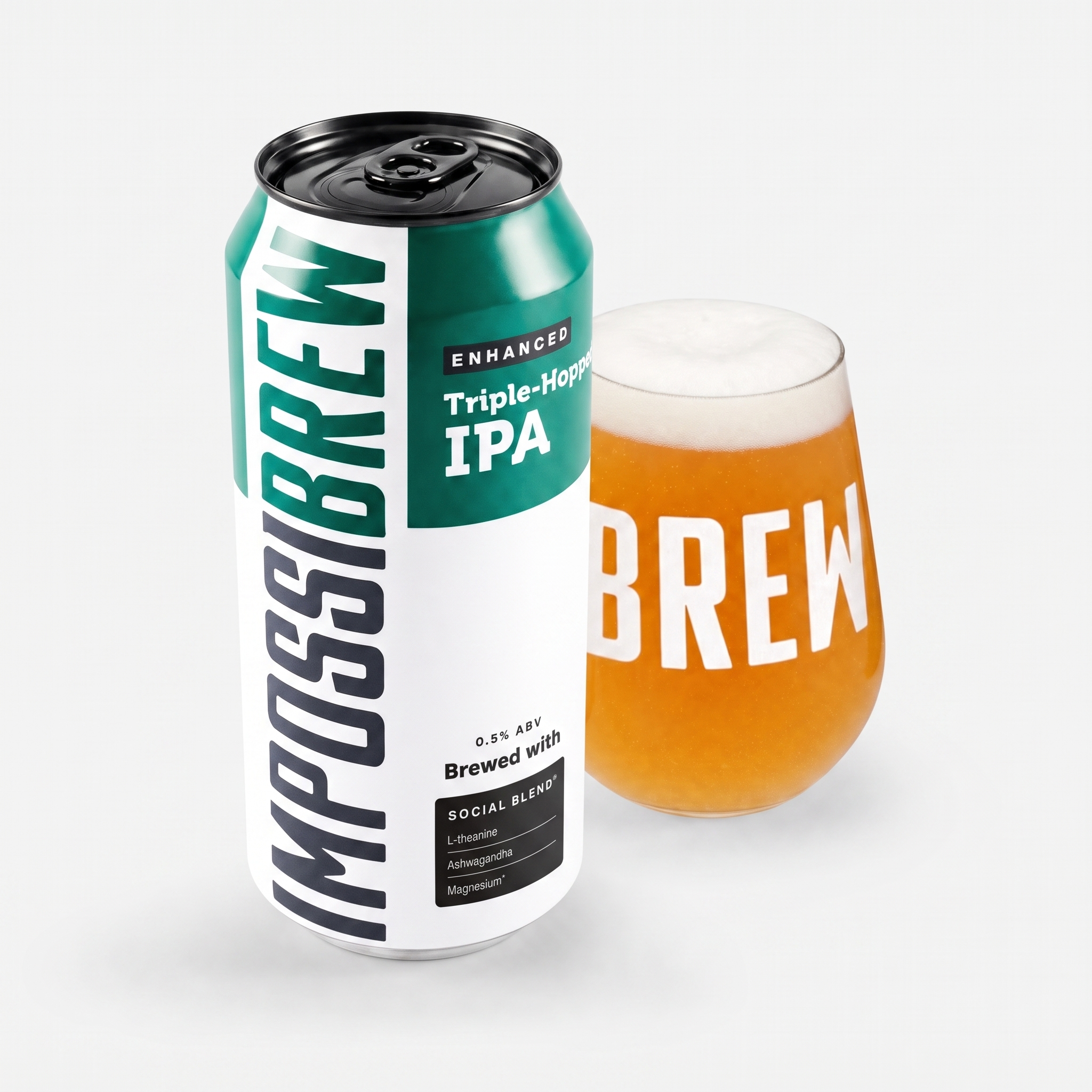
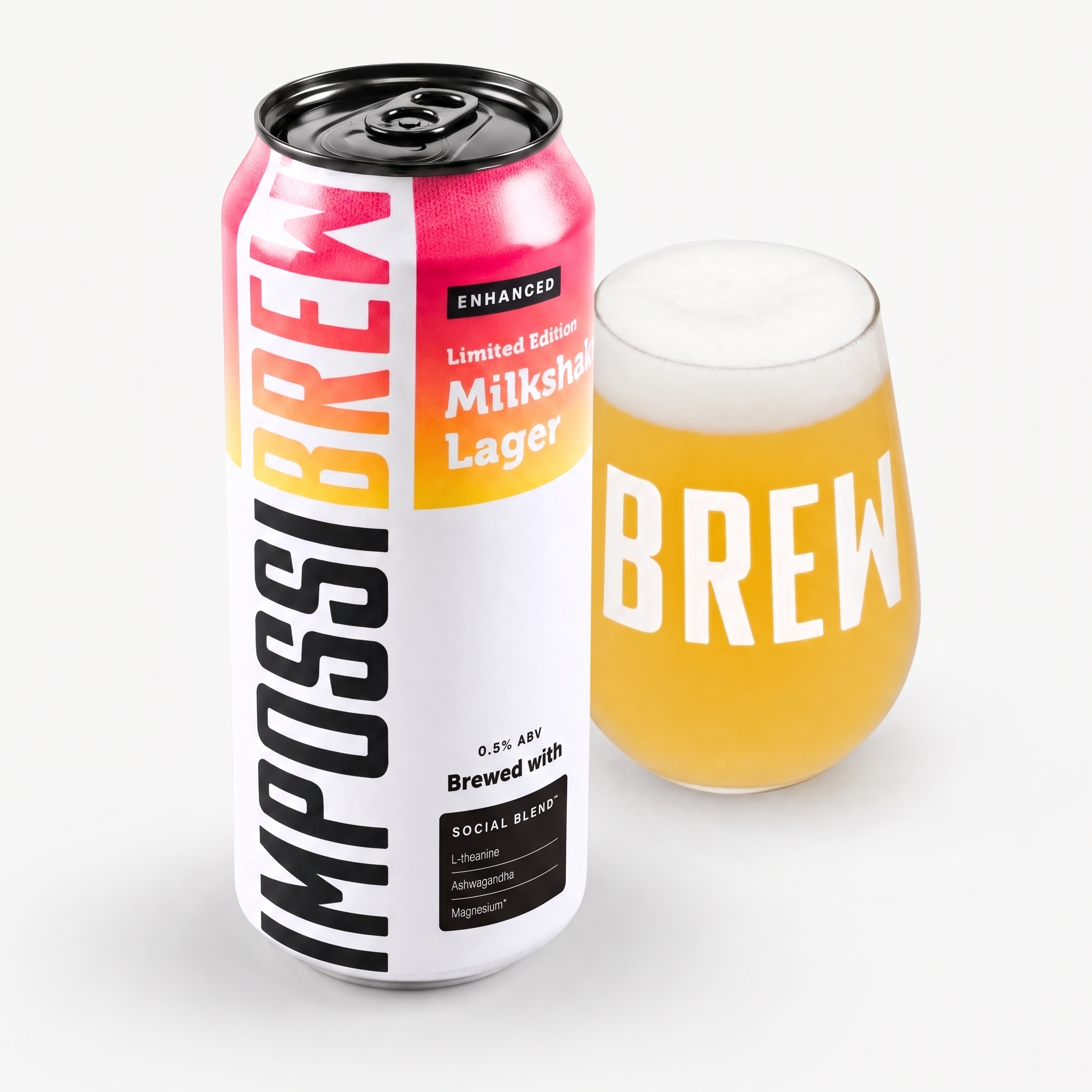
Non-alcoholic beers, like IMPOSSIBREW®, are designed to help you unwind naturally while maintaining mental wellbeing. Whether you're cutting back on alcohol or exploring healthier options, they offer a great alternative for socialising without compromise.
The Surprising Way Alcohol Makes Your Brain More Anxious
How Alcohol Affects Anxiety
Alcohol has a dual effect on anxiety. Initially, it creates a calming sensation by enhancing GABA activity in the brain. However, as its effects wear off, it disrupts brain chemistry, often making anxiety worse. This creates a complex relationship between alcohol use and anxiety.
Immediate Effects vs Anxiety Rebound
When you drink alcohol, it acts as a depressant on your central nervous system. It temporarily boosts GABA activity, which produces a sense of relaxation. But as your blood alcohol levels drop, anxiety often returns - sometimes even stronger than before. This phenomenon, often called "hangxiety", can lead people to drink again in an attempt to alleviate these feelings.
These short-term effects hint at deeper, long-term changes in brain chemistry.
Changes in Brain Chemistry
Regular alcohol use can upset the balance of key brain chemicals. Here's how it affects some of them:
| Brain Chemical | Normal Function | Impact of Alcohol |
|---|---|---|
| Serotonin | Helps regulate mood | Depletes levels, potentially increasing anxiety |
| GABA | Provides a calming effect | Reduces receptor sensitivity, requiring more alcohol for the same effect |
| Cortisol | Acts as a stress hormone | Increases during withdrawal, heightening stress |
| Glutamate | Excites the nervous system | Spikes during withdrawal, leading to restlessness and jitters |
These disruptions can have lasting effects on mental health.
Mental Health Risks Over Time
Long-term alcohol use can lead to several mental health challenges:
- Higher baseline anxiety, even when not drinking
- Poor sleep quality, which can worsen anxiety and stress
- Reduced ability to handle daily stress, as the brain struggles to regulate itself naturally
Over time, the brain’s ability to manage stress and anxiety becomes less effective. Research shows that reducing or stopping alcohol use can help improve anxiety levels. However, if you drink regularly, it’s important to make changes gradually and seek professional guidance to manage potential withdrawal symptoms safely.
Non-Alcoholic Beer's Effect on Anxiety
Non-alcoholic beer provides a calming effect without altering brain chemistry or causing rebound anxiety. It offers a way to relax without the chemical disruptions that come with alcohol. Recent advancements in alcohol-free options have shown encouraging results in helping manage stress and anxiety.
The Role of Hops and Natural Ingredients
Hops, a key component in beer, are known for their calming properties. Modern brewing methods enhance these effects by blending hops with carefully chosen natural ingredients. For instance, products like IMPOSSIBREW®'s Social Blend™ include adaptogenic herbs and amino acids to support the body's natural stress response. These refined brewing techniques allow non-alcoholic beers to maximise their soothing potential.
Today's Non-Alcoholic Beer Choices
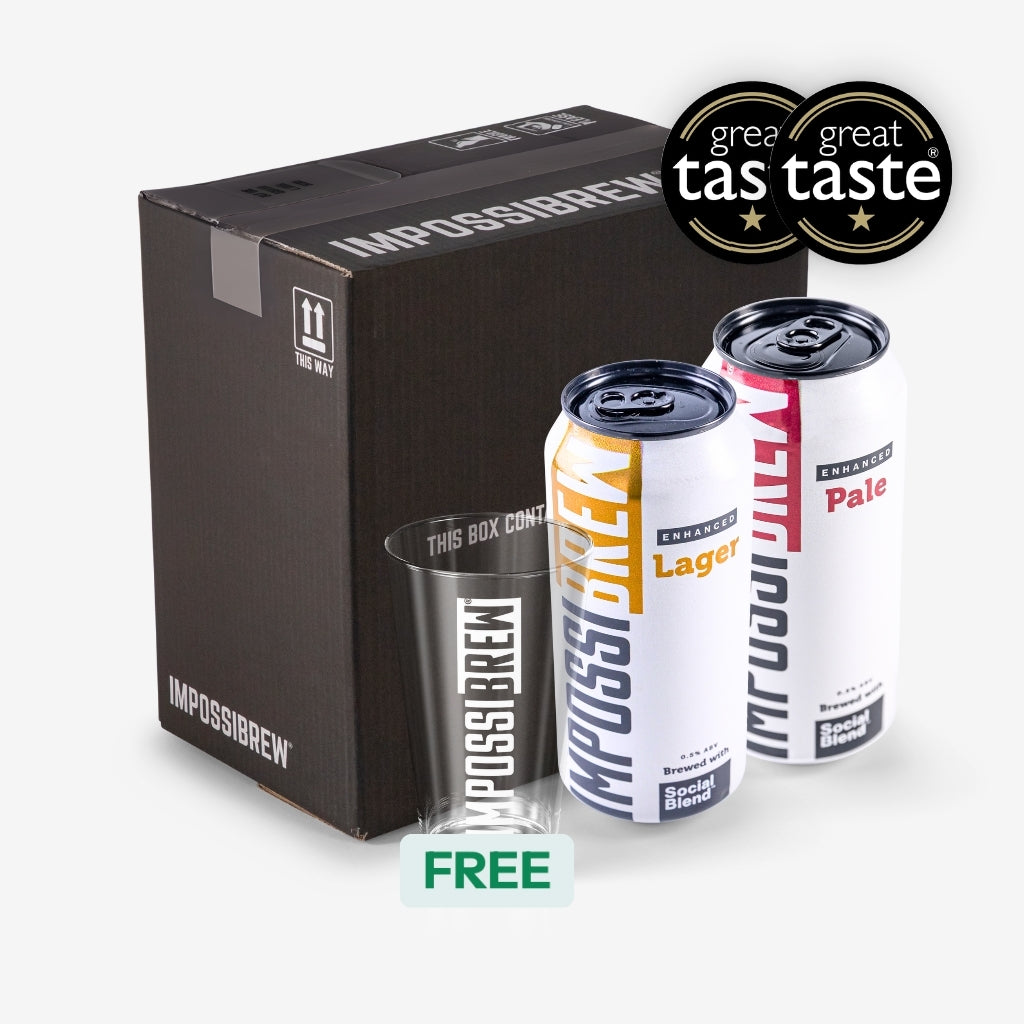
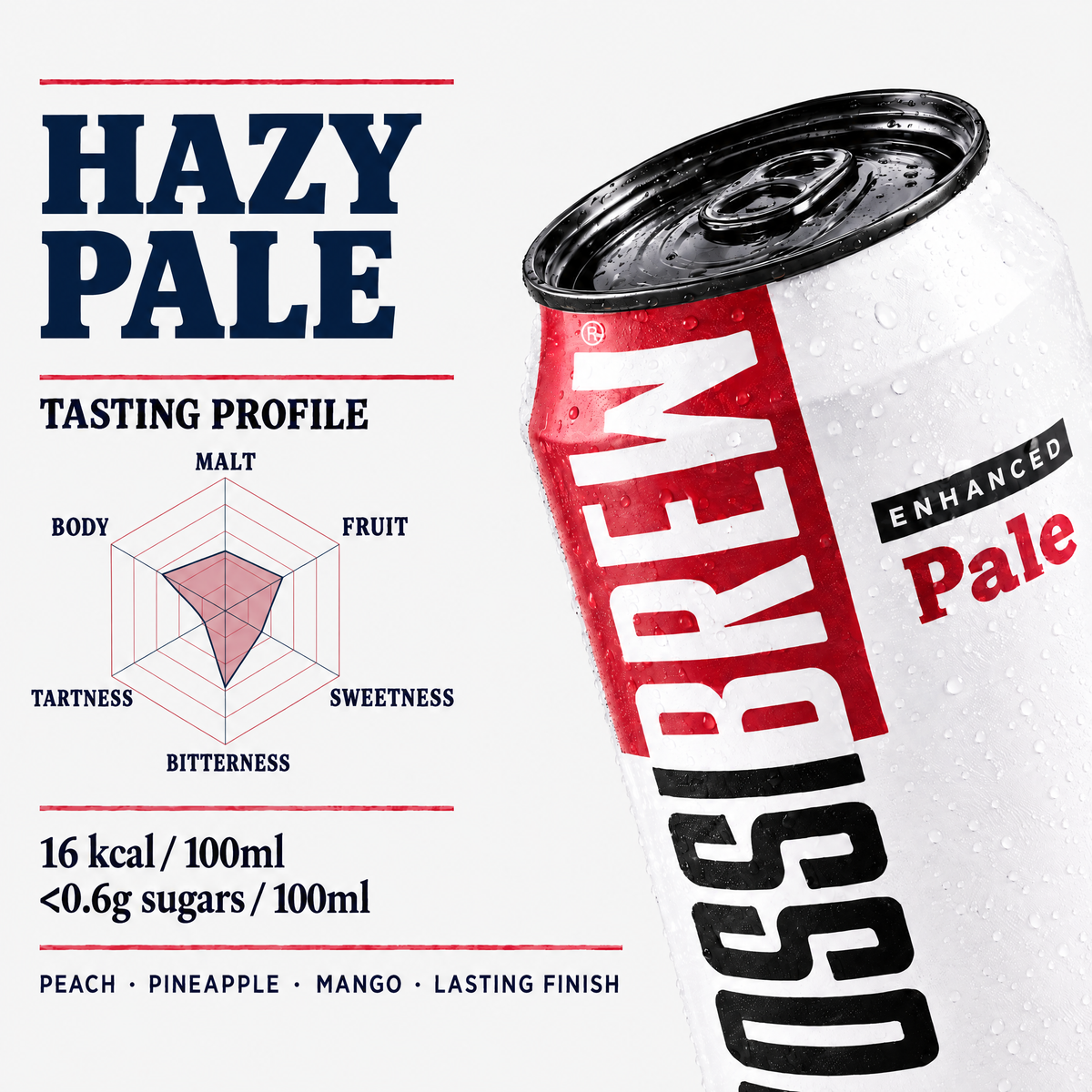
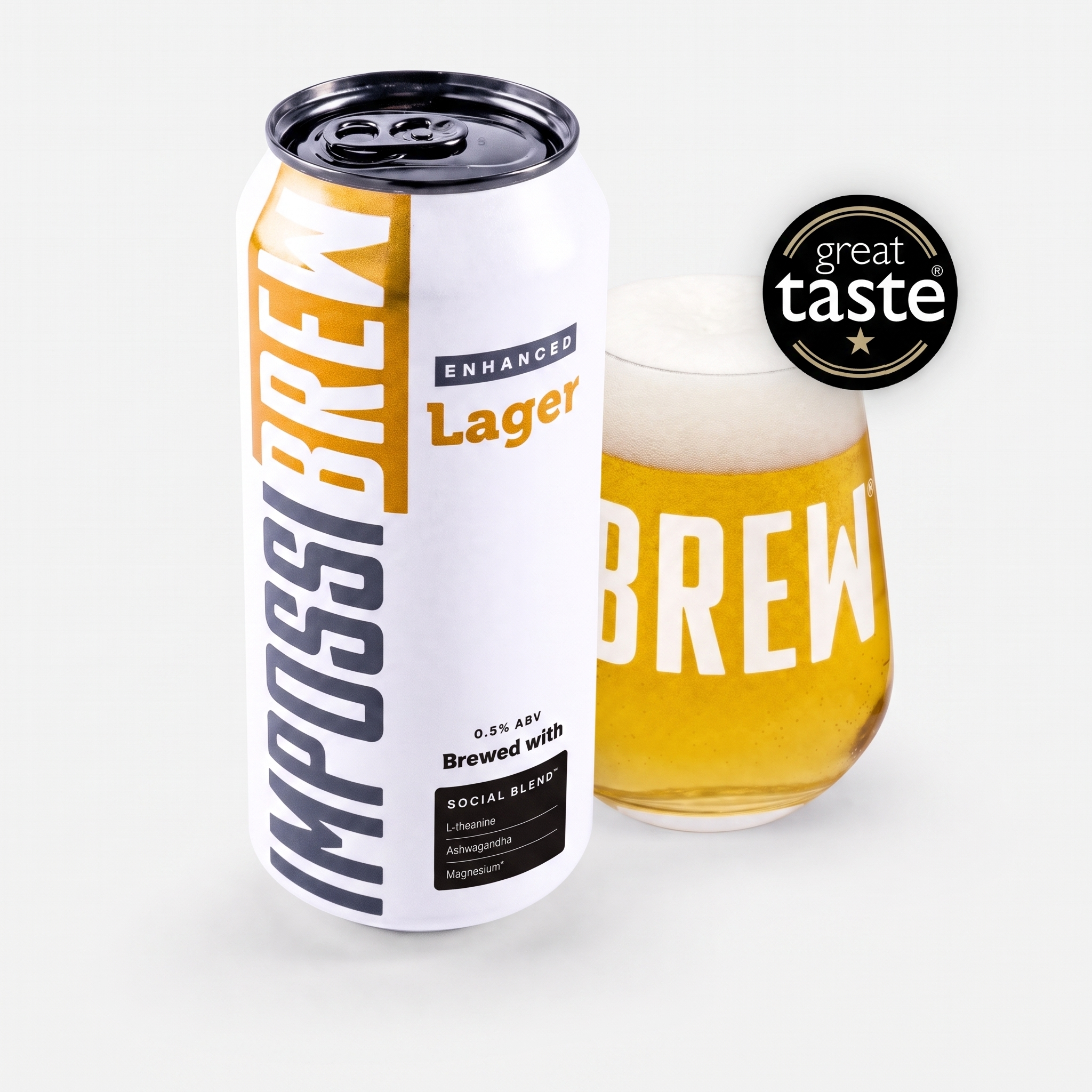
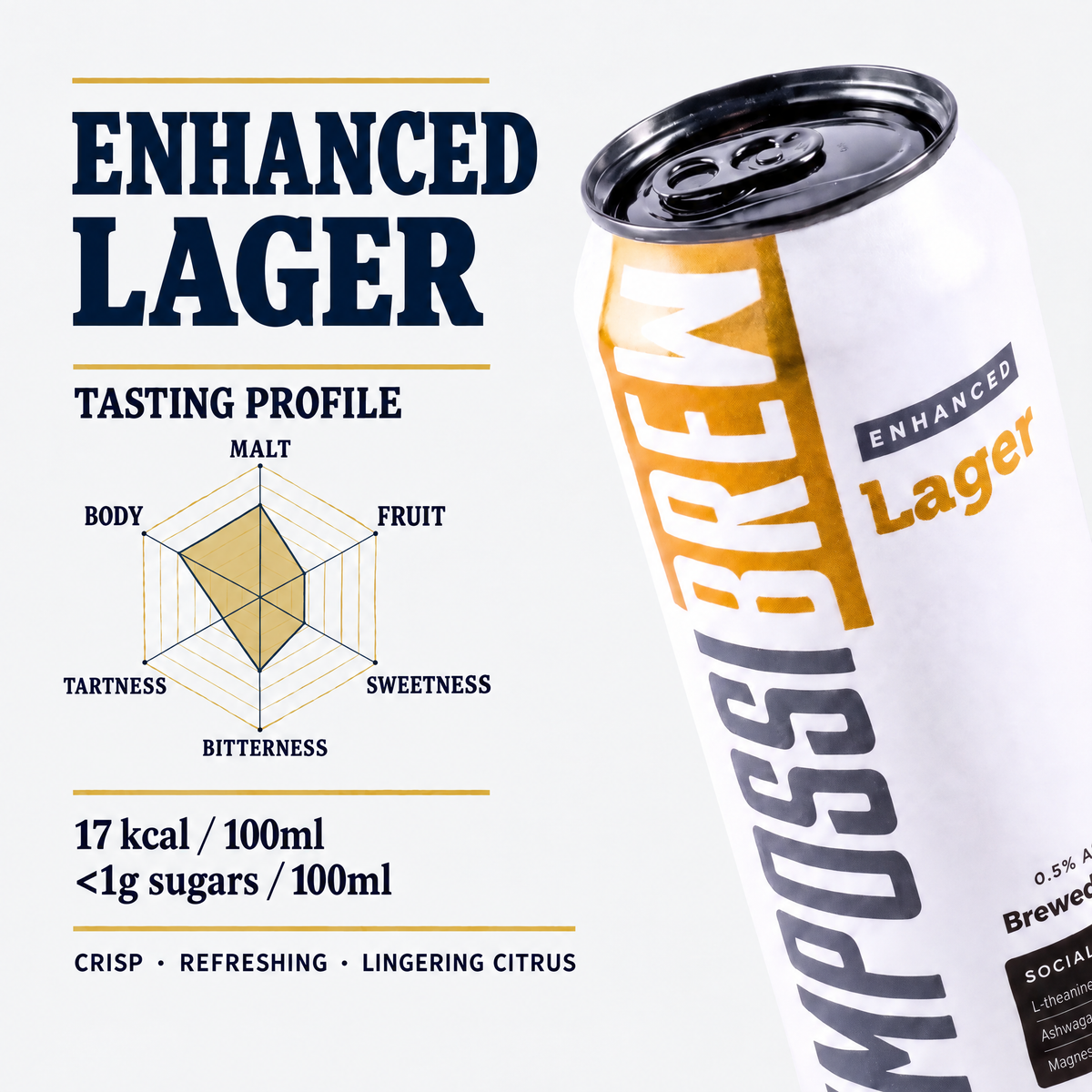
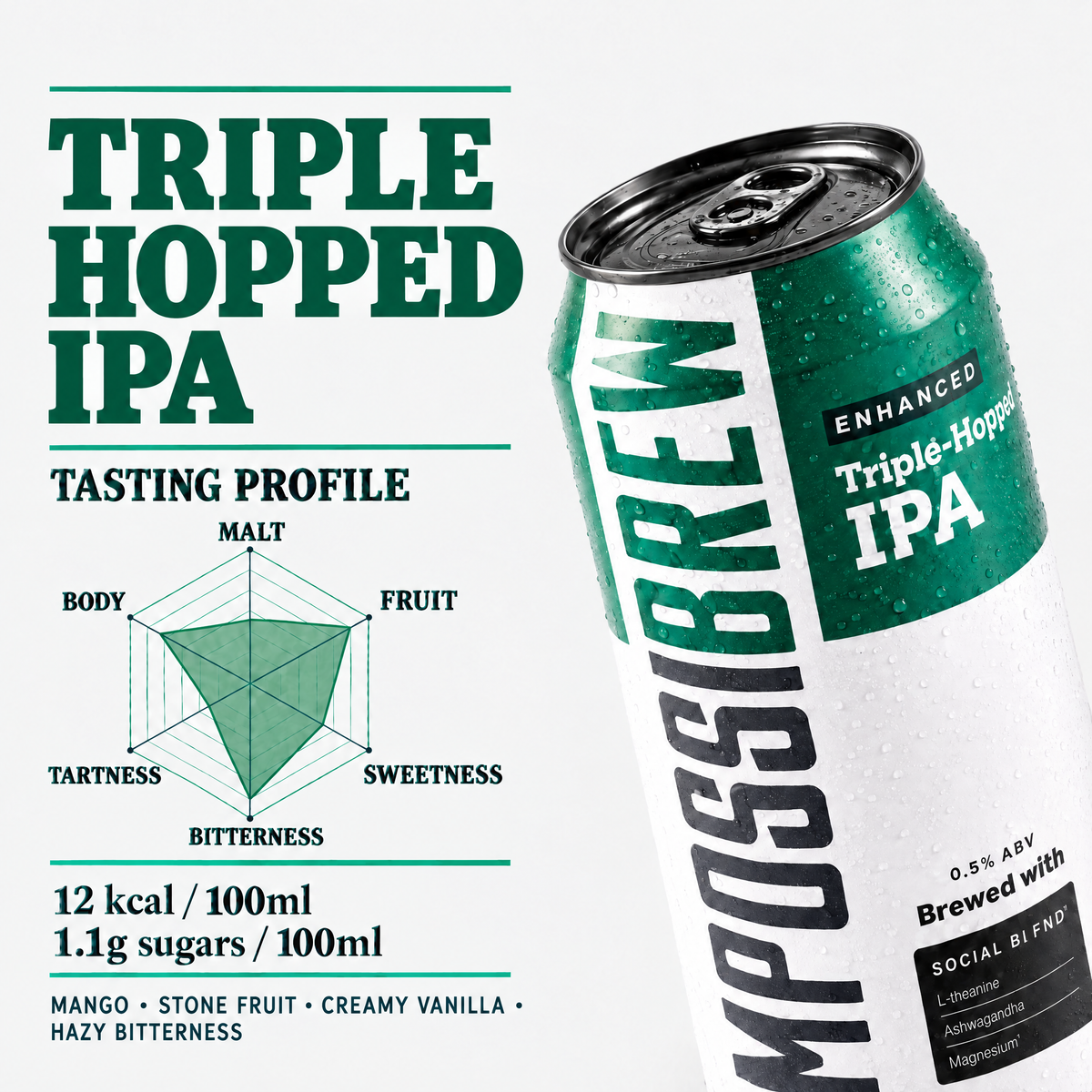
Non-alcoholic beers have come a long way, offering not just great flavour but also relaxation benefits. IMPOSSIBREW® combines traditional brewing methods with its Social Blend™ technology, featuring ingredients like L-Theanine and Ashwagandha Root to encourage natural relaxation. In 2023, their Lager and Pale Ale were recognised as the UK's top non-alcoholic beers by the World Beer Awards [1].
Research on Mental Health Benefits
Studies are shedding light on how non-alcoholic beer can positively impact mental health. Research highlights several areas where these beverages can make a difference:
| Mental Health Aspect | Reported Benefits |
|---|---|
| Stress Response | Reduced perceived stress |
| Sleep Quality | Better sleep duration and quality |
| Anxiety Levels | Lower feelings of tension |
| Social Confidence | Increased comfort in social settings |
sbb-itb-a752bf8
Side-by-Side: Non-Alcoholic vs Alcoholic Beer
When comparing alcoholic and non-alcoholic beer, their effects on anxiety and overall mental wellbeing stand out. Here's a closer look at how they differ, especially in terms of brain chemistry and emotional health.
Key Differences Table
| Aspect | Non-Alcoholic Beer | Alcoholic Beer |
|---|---|---|
| Immediate Effects | Mild relaxation | Brief relaxation followed by rebound anxiety |
| Following Day | No rebound anxiety | Anxiety and mood swings |
| Sleep Quality | Better sleep patterns | Sleep disruptions |
| Dependency Risk | Low | Higher risk of dependency |
| Social Engagement | Natural interaction | Alcohol-driven disinhibition |
| Mental Health | Helps maintain emotional stability | Can increase anxiety over time |
How to Choose What's Right for You
With these differences in mind, non-alcoholic beer has become an appealing choice for those focusing on mental health and overall wellbeing. Here's what to consider:
- Health Goals: Non-alcoholic beers provide relaxation without negatively affecting brain chemistry.
- Social Settings: Today’s non-alcoholic beers replicate the taste and social vibe of traditional beers. For example, IMPOSSIBREW® users have reported an 88% drop in alcohol consumption while still enjoying social occasions [1].
- Sleep Patterns: Non-alcoholic options promote better sleep, steering clear of the disruptions caused by alcohol.
"We decided that wasn't good enough... This isn't about removing alcohol. This is about something better." – IMPOSSIBREW® [1]
Choosing non-alcoholic beer at social gatherings allows you to enjoy the flavours and relaxation without compromising your mental wellbeing.
IMPOSSIBREW®'s Approach to Relaxation
IMPOSSIBREW® offers a non-alcoholic option designed to support mental wellbeing while enhancing social experiences. Here's a closer look at how their method promotes natural relaxation.
Social Blend™ Technology
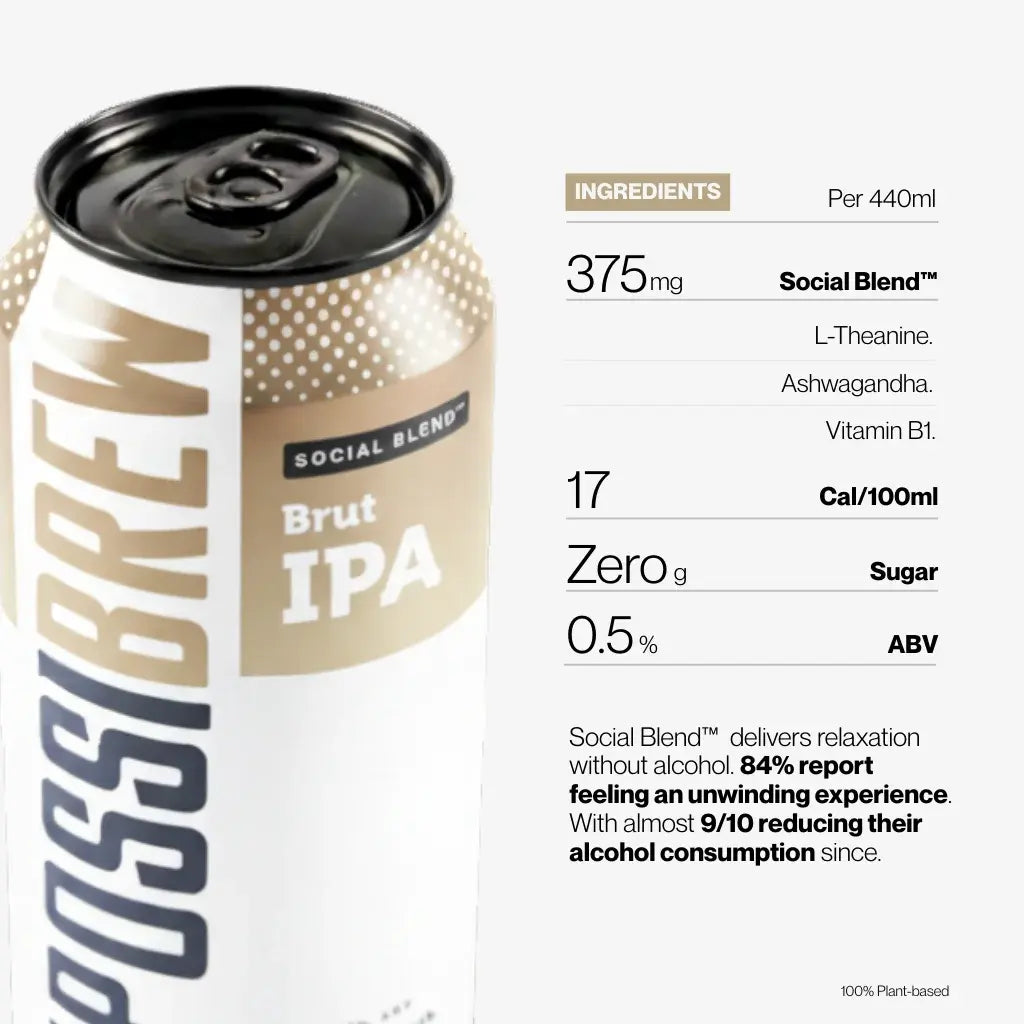
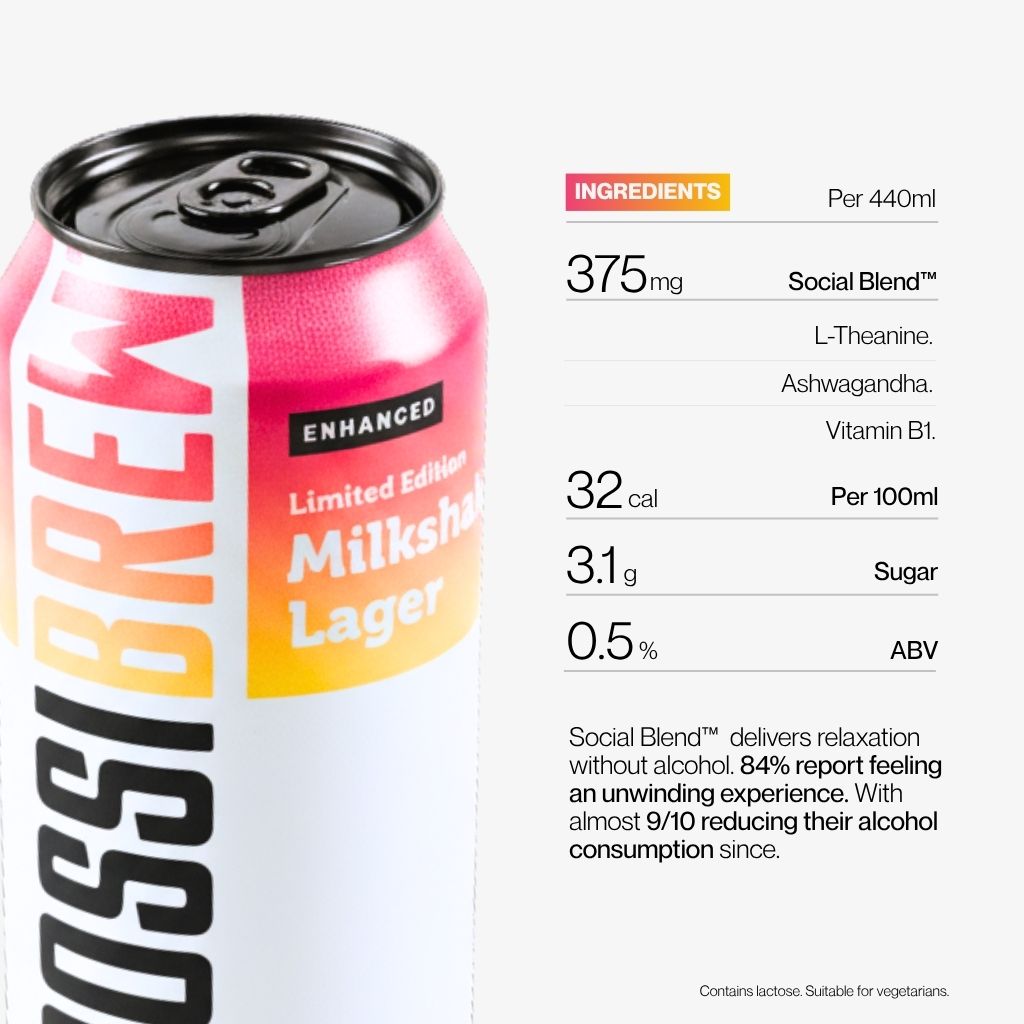
At the core of IMPOSSIBREW®'s method is their unique Social Blend™, created in partnership with Dr Paul Chazot, Chair of Pharmacology at Durham University [1]. This patent-pending formula combines scientifically studied ingredients to encourage relaxation naturally. Key components include:
- L-Theanine: Extracted from tea leaves, it helps create a sense of calm without making you feel sleepy.
- Ashwagandha Root: A well-known herb traditionally used to ease stress.
- Vitamin B1: Supports brain function and mental clarity.
- Nootropic Herbs: These herbs improve mental focus while helping you unwind.
Real Feedback from Users
A study involving over 1,000 participants revealed some impressive results: 71% reported feeling more relaxed, 88% reduced their alcohol intake, and 95% said they’d recommend it to others [1].
Health-Conscious Details
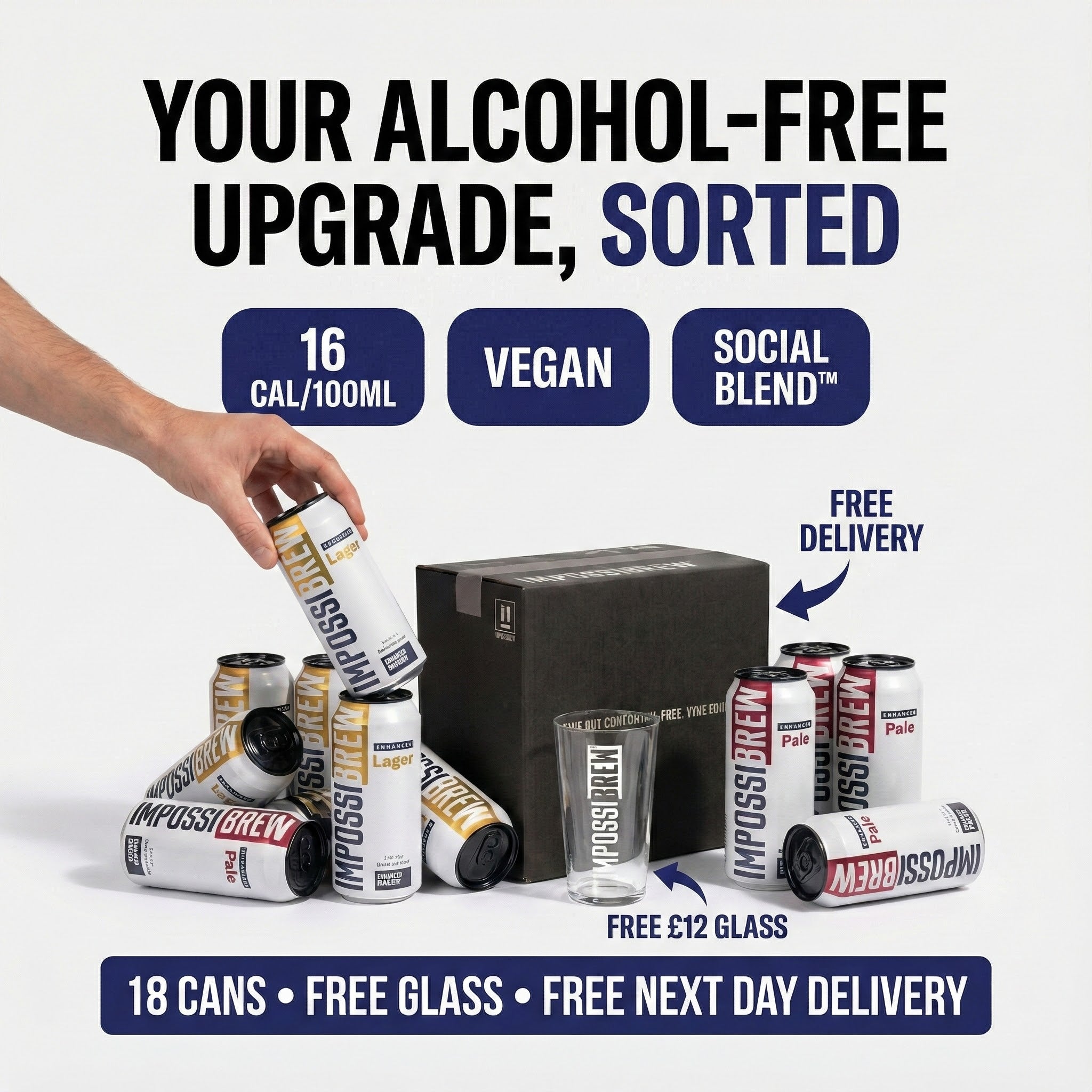
IMPOSSIBREW® combines its technical advancements with features that prioritise your health. It’s low in calories, suitable for vegans, gluten-free, and brewed traditionally to deliver an authentic taste - all with less than 0.5% ABV.
"Our proprietary alcohol alternative made from a blend of science-backed ingredients using patent-pending technology*. Designed to replicate the sensory and social relaxing experience of drinking, minus the headaches (and bad decisions)." – IMPOSSIBREW® [1]
Conclusion: Better Choices for Mental Health
Looking at anxiety and mental wellbeing, the evidence shows that non-alcoholic options can play a key role in managing anxiety and promoting better mental health. While alcoholic drinks might offer brief comfort, they often worsen anxiety and lead to long-term mental health issues.
Non-alcoholic beers today are designed to fit into modern lifestyles seamlessly. For example, IMPOSSIBREW®'s Social Blend™ combines L-Theanine and Ashwagandha, ingredients backed by science. This blend has helped 88% of users cut back on alcohol and 71% feel more relaxed, with over 1,000 reviews giving it an impressive 4.8/5 rating [1].
"We exist because we believe in a world where social connection doesn't demand compromise." – IMPOSSIBREW®
In 2023, the World Beer Awards named IMPOSSIBREW®'s non-alcoholic beers as the UK's best, showing that mental health and great taste can go hand in hand. This recognition highlights the growing appeal of healthier choices for social occasions.
For anyone looking to maintain social connections while focusing on mental health, IMPOSSIBREW®'s non-alcoholic options offer an excellent alternative. This shift mirrors a larger trend towards healthier, more mindful socialising. The way we approach social drinking is changing, showing that prioritising mental health doesn't mean giving up on enjoyment.