Non-alcoholic beer and mocktails are two popular alcohol-free drink options, each with distinct features. Non-alcoholic beer mimics the taste of traditional beer, with low calories and sugar, but limited customization. Mocktails offer endless flavor combinations and customization but may have higher sugar content and take more time to prepare. Your choice depends on your taste, dietary needs, and the occasion.
Quick Comparison:
| Feature | Non-Alcoholic Beer | Mocktails |
|---|---|---|
| Taste | Beer-like, familiar flavors | Highly customizable flavors |
| Calories | Generally lower | Varies widely |
| Sugar Content | Typically low | Can be high due to syrups |
| Customization | Limited | Highly flexible |
| Best For | Casual events, sports games | Formal dinners, creative fun |
Choose non-alcoholic beer for convenience and familiar taste or mocktails for creativity and variety. Both are great alcohol-free options depending on your needs.
Comparing Non-Alcoholic Beer and Mocktails
What Are They Made Of?
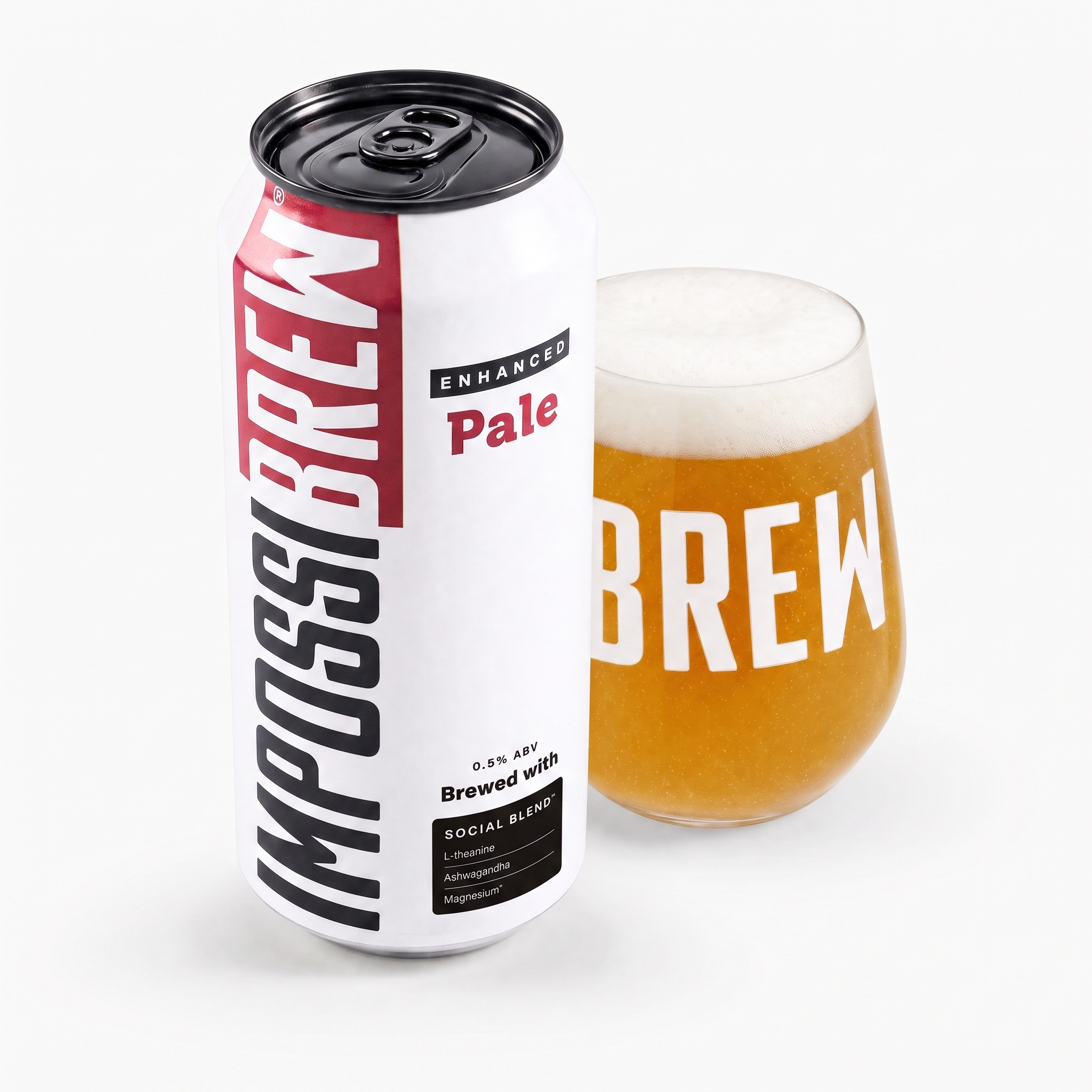
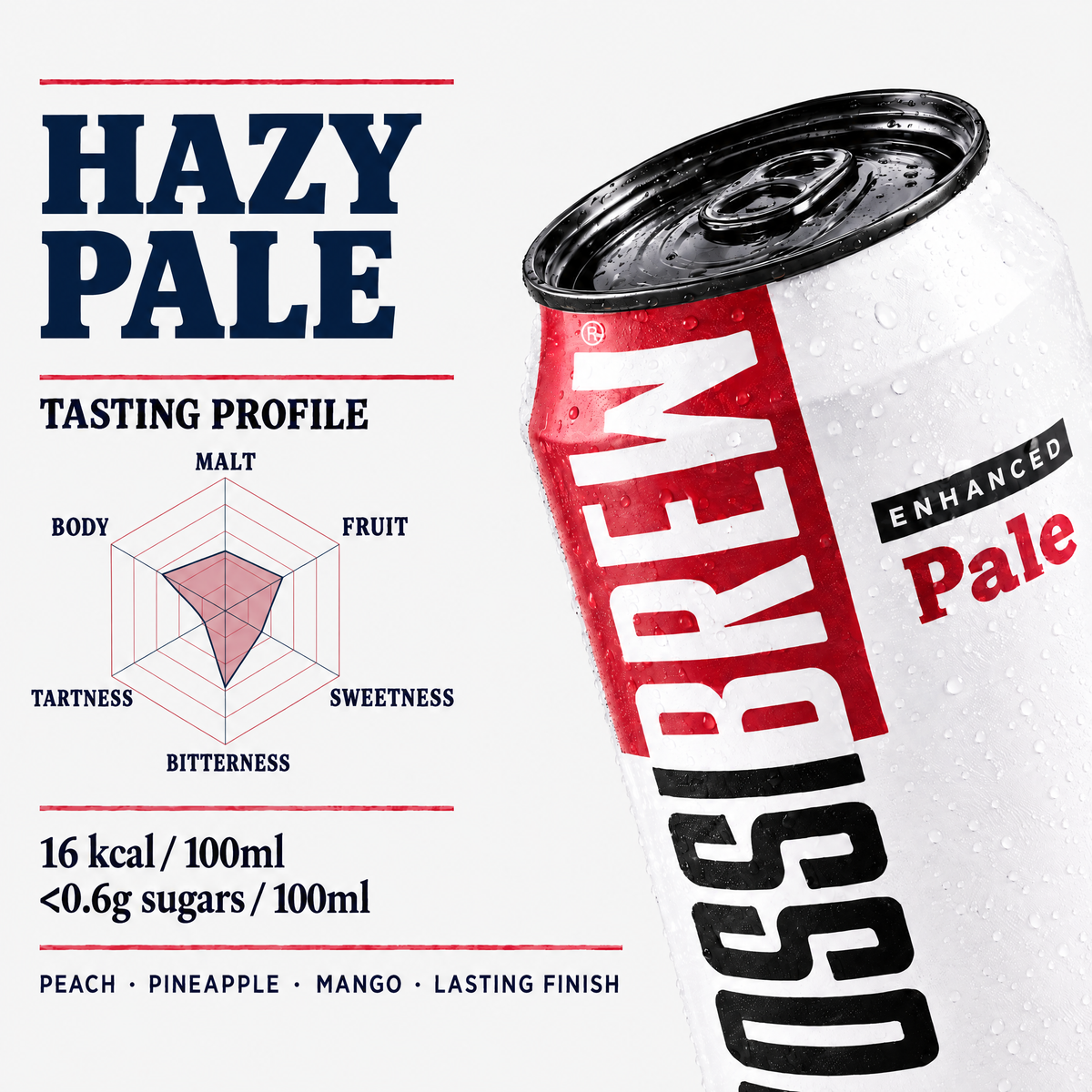
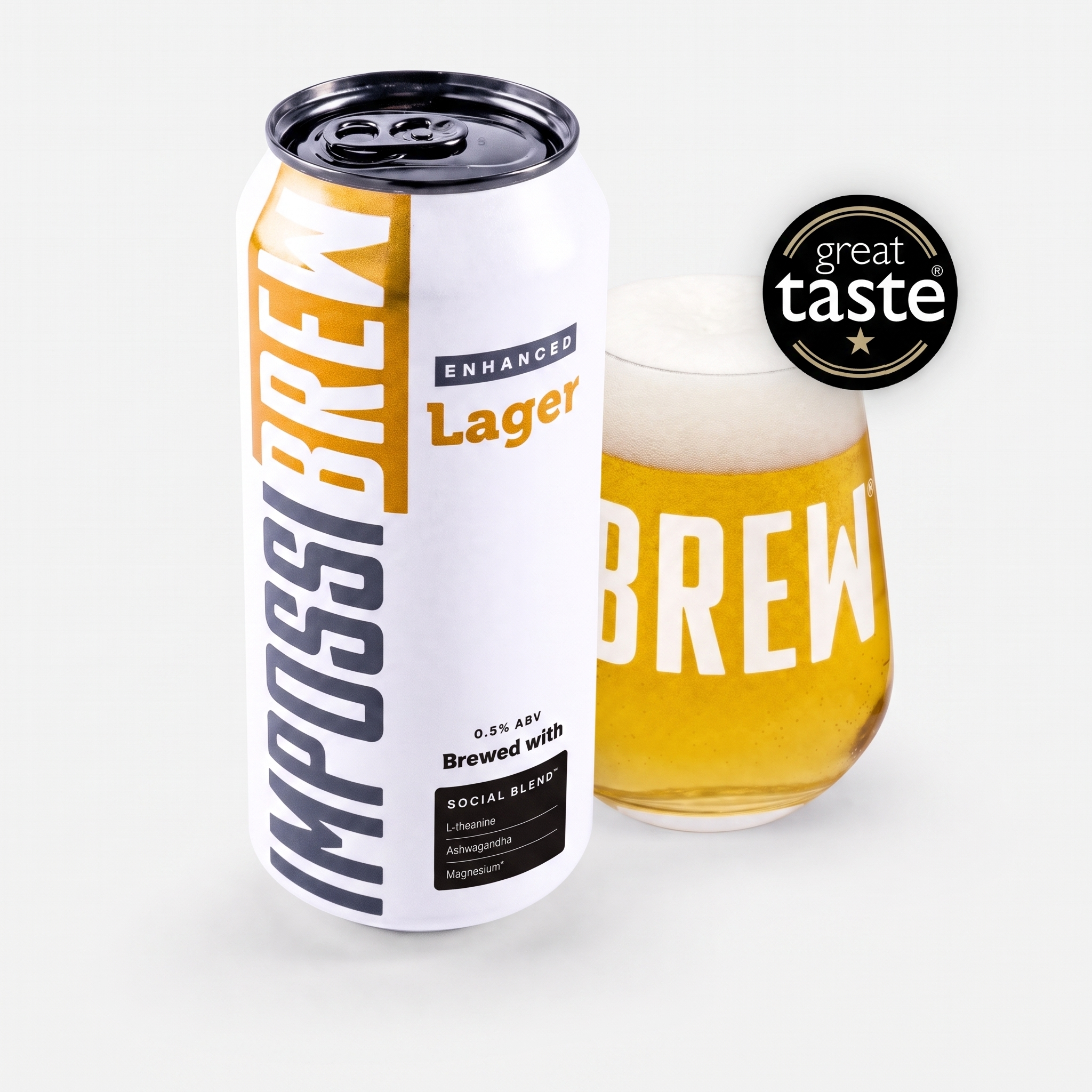
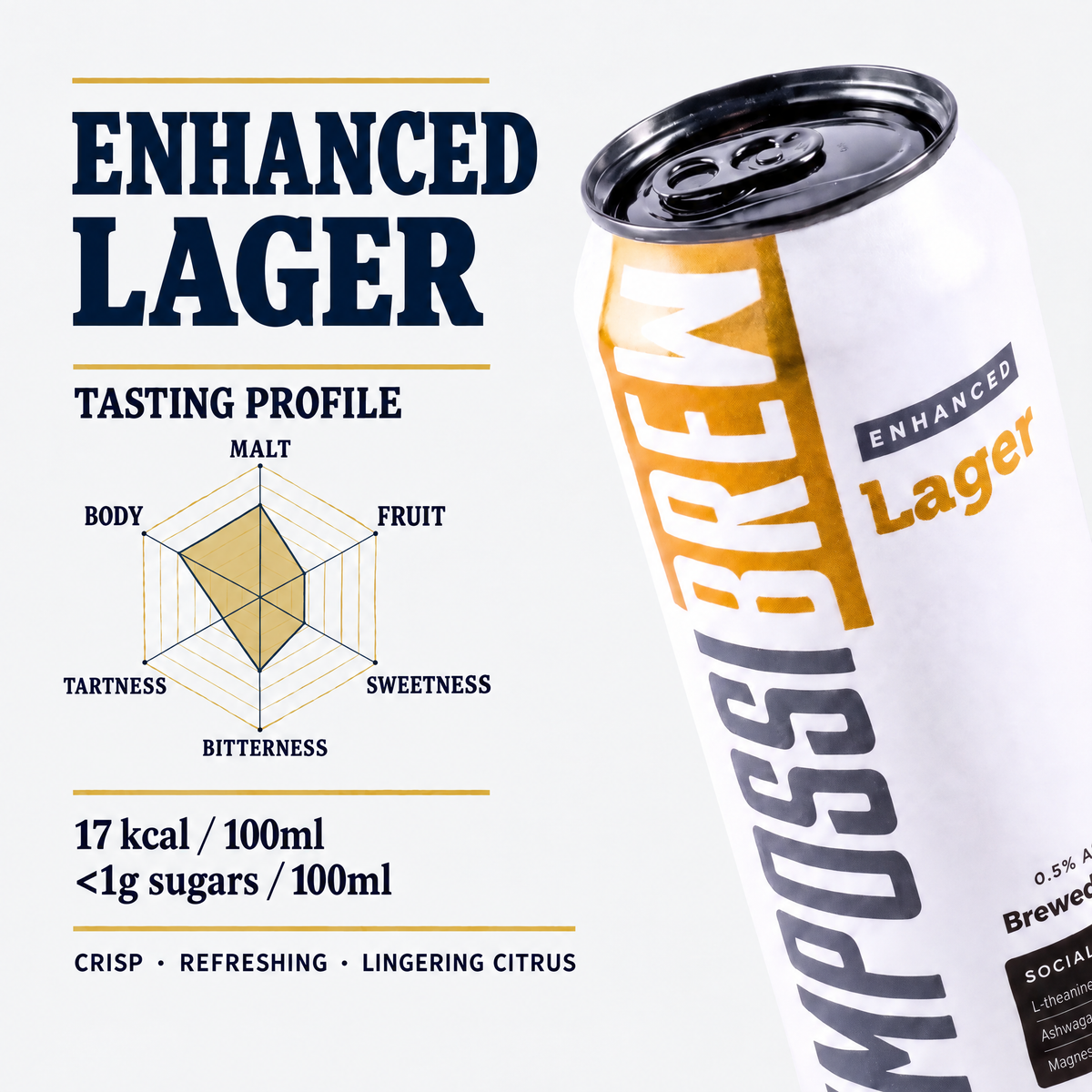
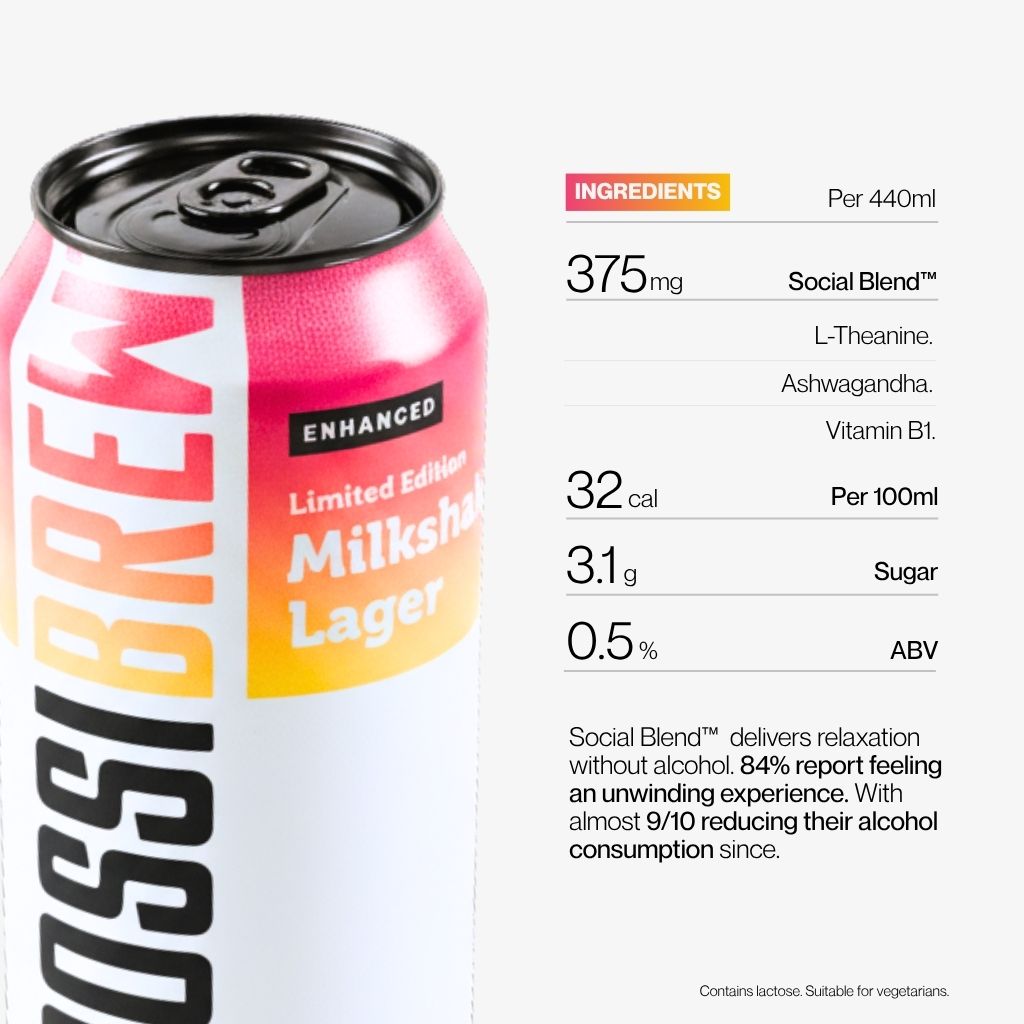
Non-alcoholic beer is brewed using the same core ingredients as traditional beer - hops, malt, and water - but with techniques to keep the alcohol content below 0.5% ABV. Some brands, like HOP WTR, take it a step further by adding ingredients like L-theanine and ashwagandha, which are known for their calming and stress-reducing properties [4].
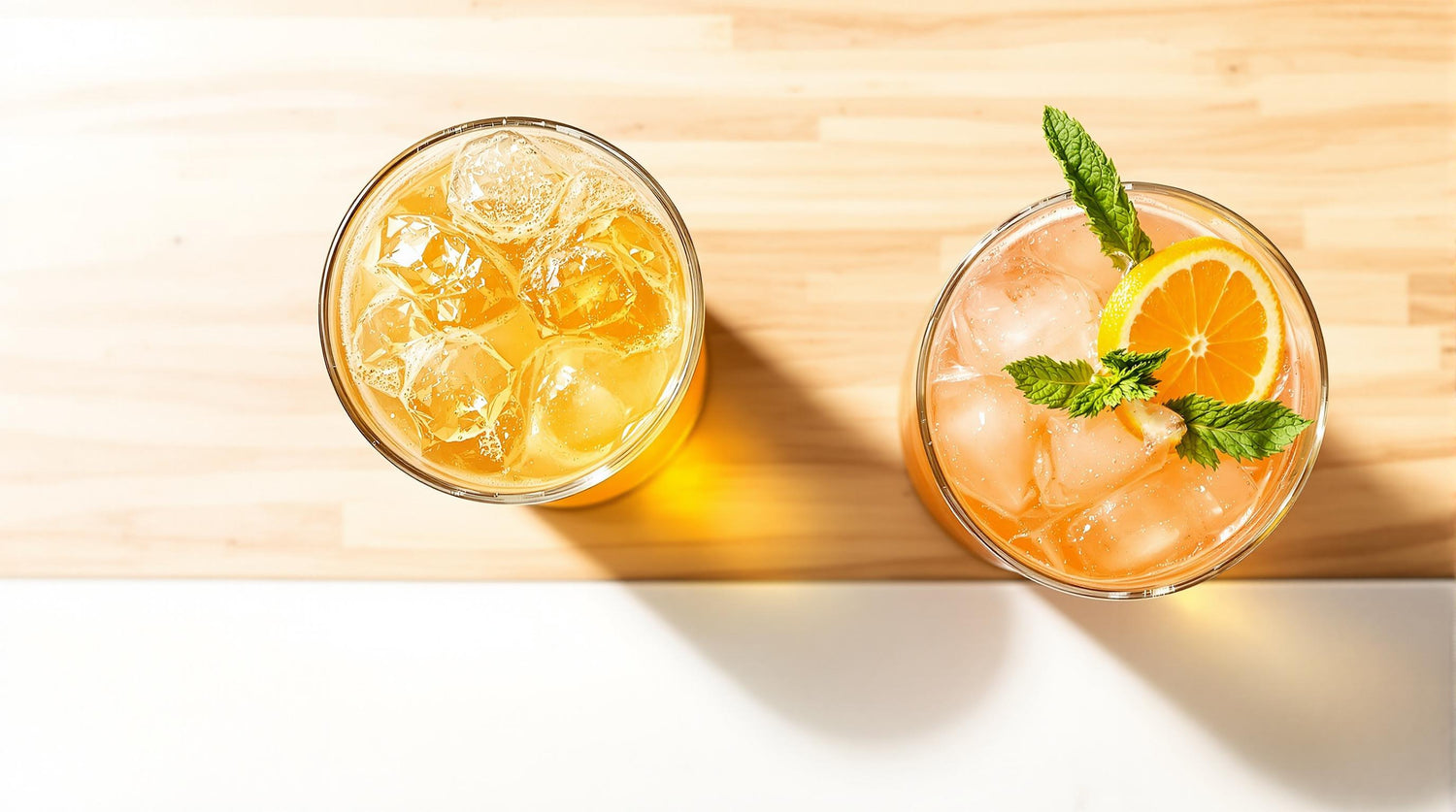
Mocktails, on the other hand, are crafted from a mix of fresh juices, syrups, herbs, and mixers. This opens up endless possibilities for creative flavor combinations [1][3].
Taste and Customization
Non-alcoholic beer has come a long way in recent years, with many options closely mimicking the taste and texture of traditional beer. As one reviewer on Cup of Jo remarked:
"If a brewery served me this and didn't tell me it was non-alcoholic, I'd have no idea" [5]
Brands like Heineken 0.0, Budweiser Zero, and Athletic Brewing Company are known for nailing the complex flavors and mouthfeel of regular beer [2][7].
Mocktails, however, shine when it comes to variety and personalization. Recipes like the Virgin Piña Colada (a blend of pineapple and coconut) or the Shirley Temple (ginger ale with grenadine) showcase the endless creativity possible with these drinks [2][7].
While taste and customization are key, health and nutrition are often deciding factors for many.
Health and Nutrition
| Aspect | Non-Alcoholic Beer | Mocktails |
|---|---|---|
| Calories | Generally lower | Varies widely |
| Sugar Content | Typically low | Can be high due to syrups |
| Additional Benefits | May include functional ingredients | Can feature fresh fruits and herbs |
| Customization for Diet | Limited options | Highly flexible |
Non-alcoholic beer usually has fewer calories and less sugar compared to most mocktails [2][7]. However, mocktails can be customized to fit specific dietary needs by using fresh, natural ingredients and sugar-free alternatives. For those focused on nutrition, mocktails made with fresh fruits and herbs offer a wholesome option, while non-alcoholic beer provides a more consistent nutritional profile, especially for those monitoring sugar intake [2][7].
Choosing between the two ultimately comes down to your personal health goals and dietary preferences.
Pros and Cons of Non-Alcoholic Beer and Mocktails
Non-Alcoholic Beer: Pros and Cons
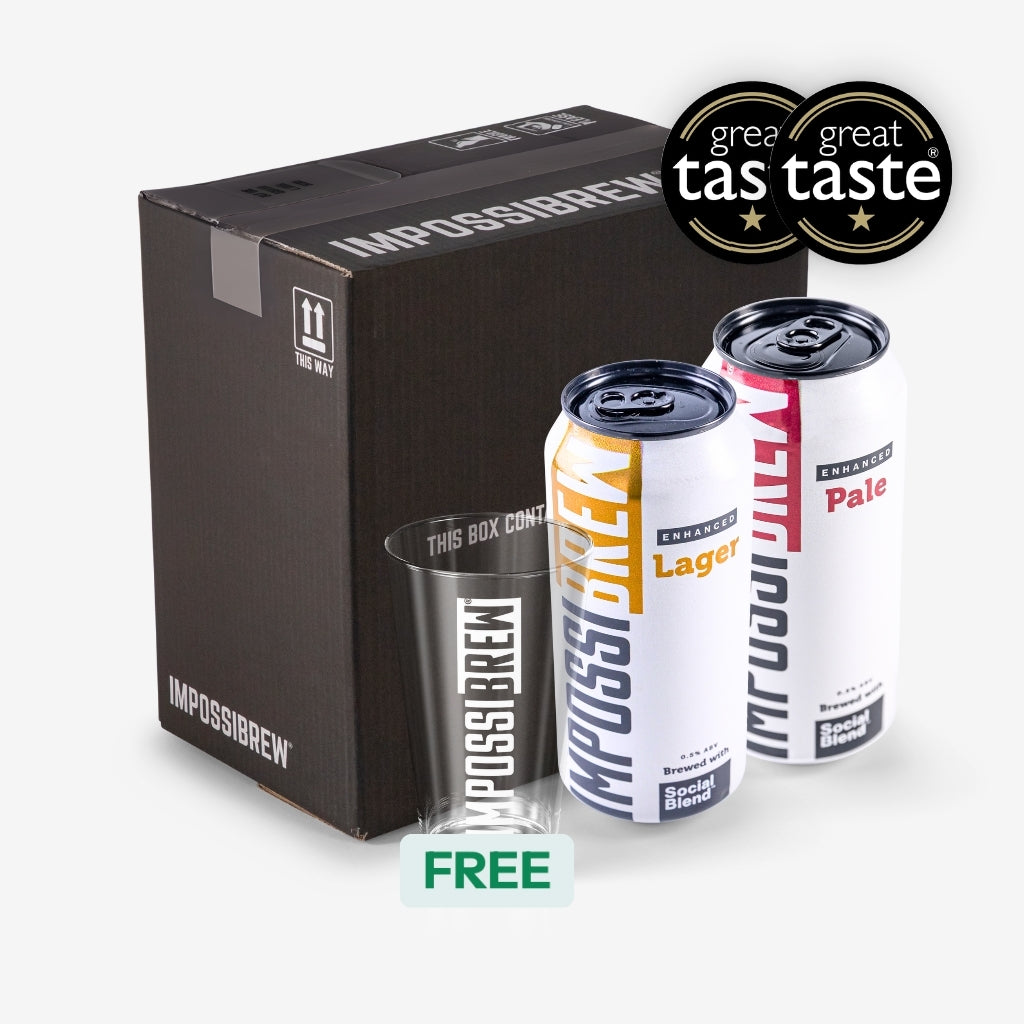
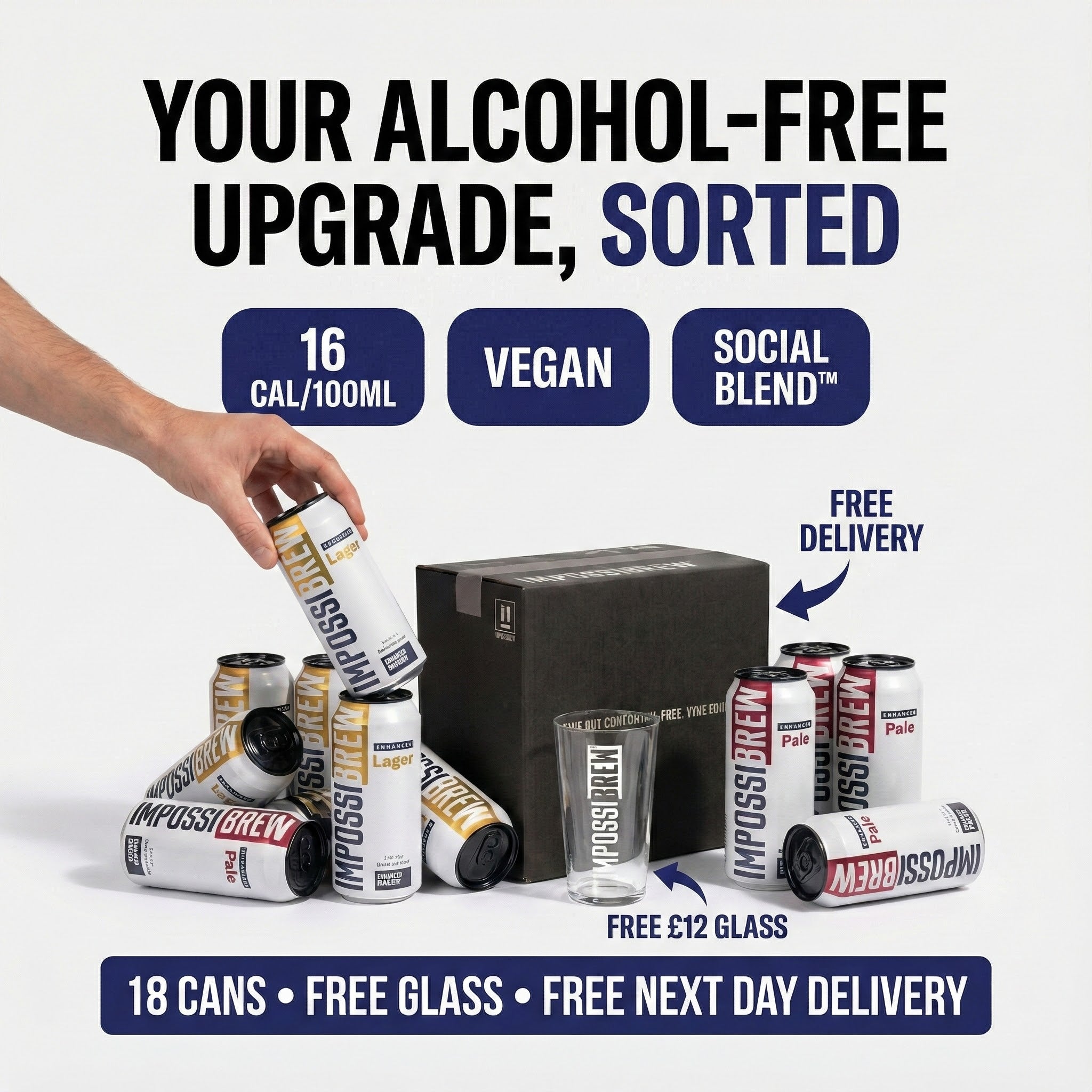
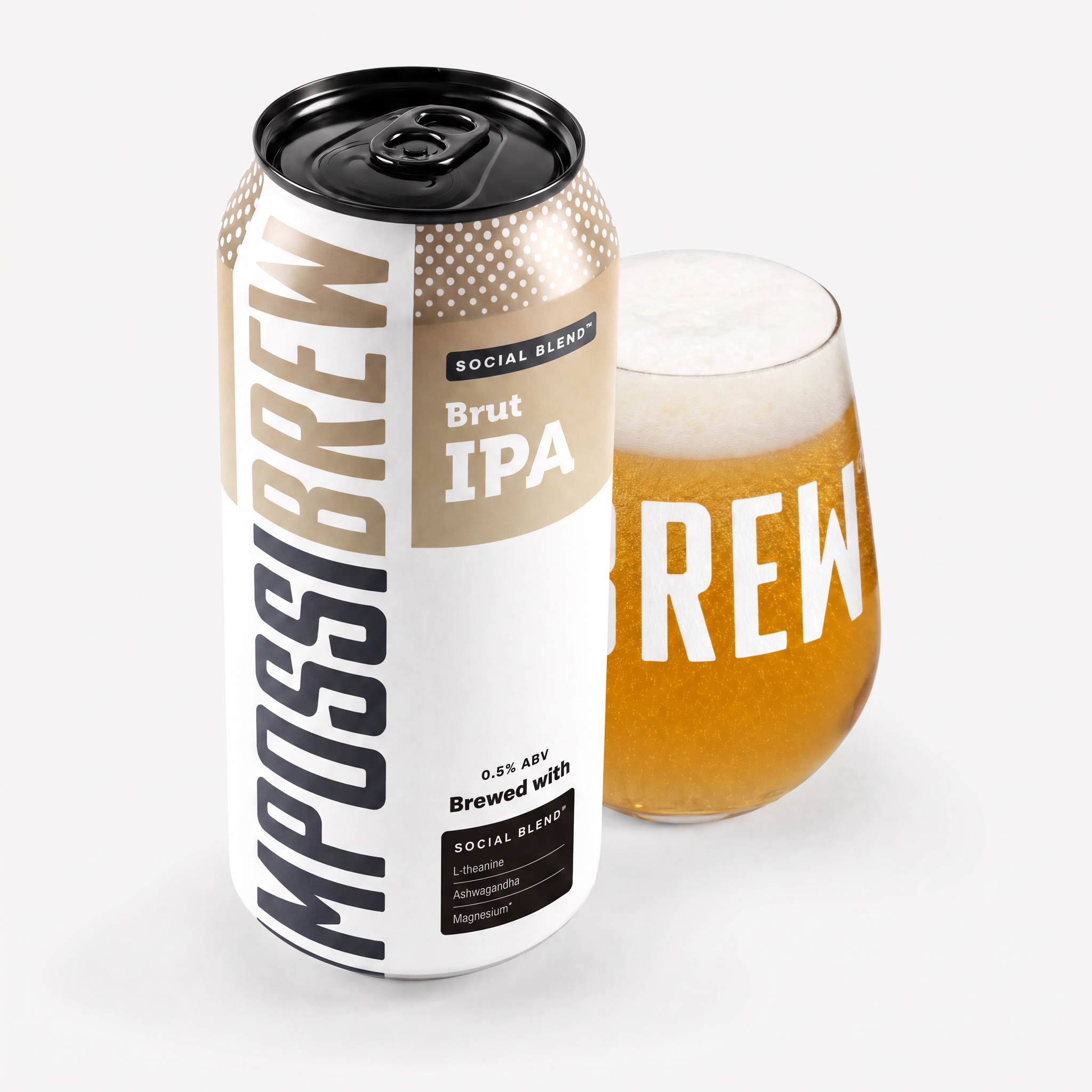
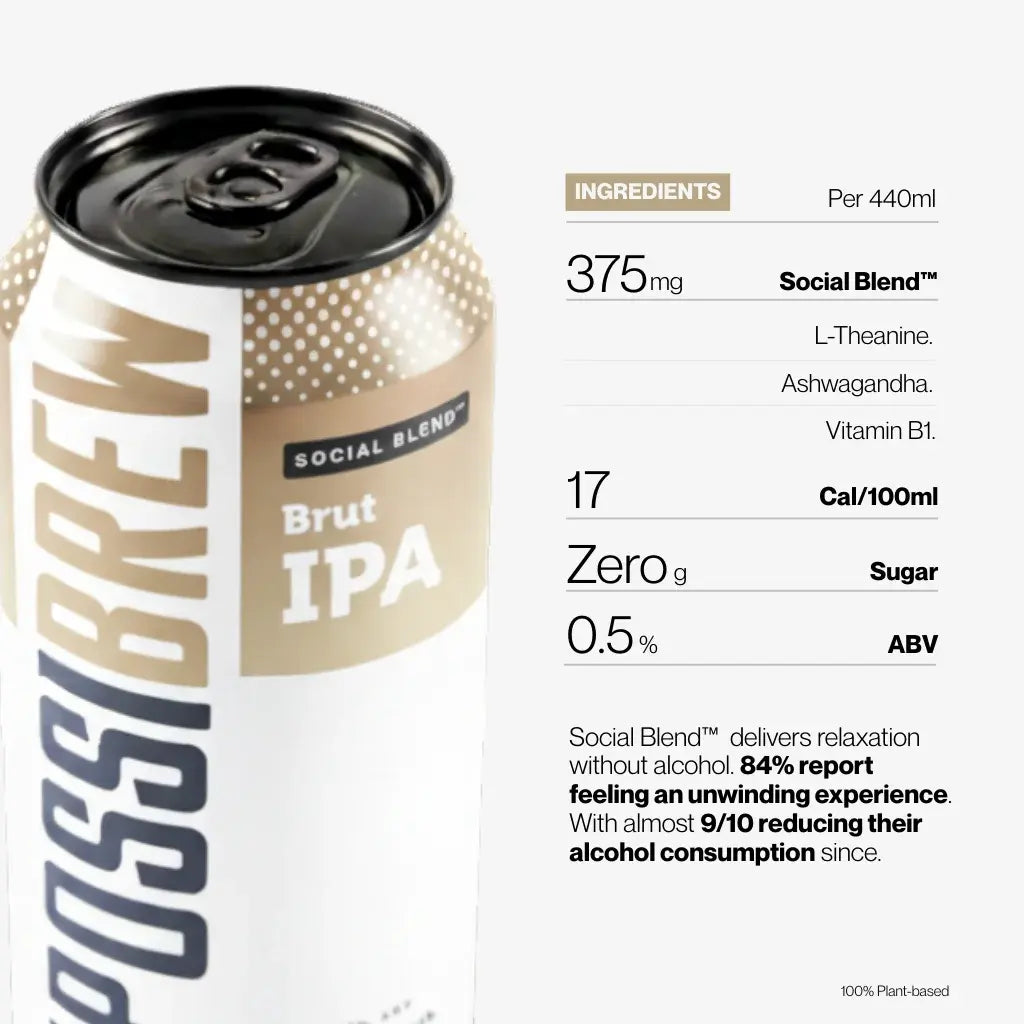
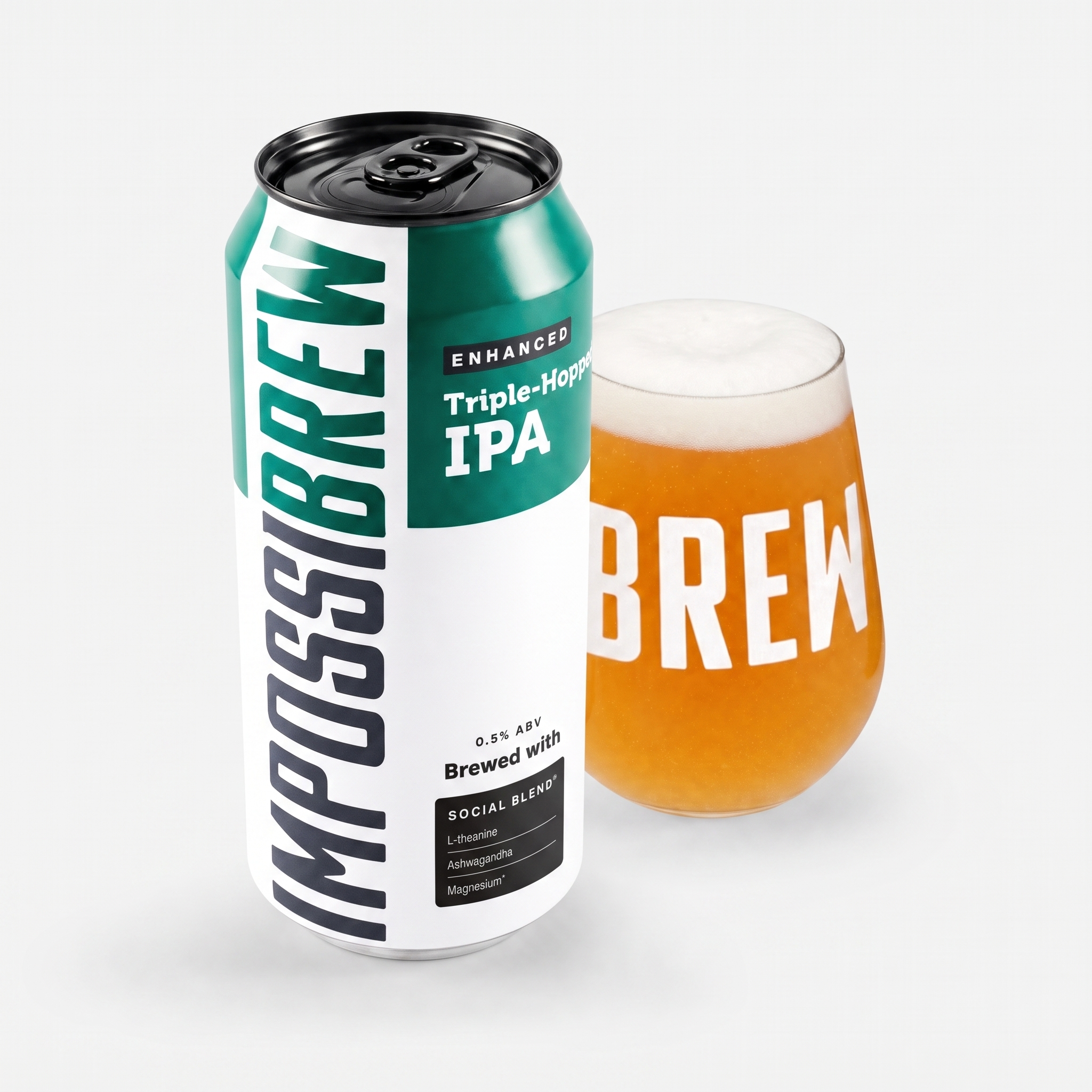
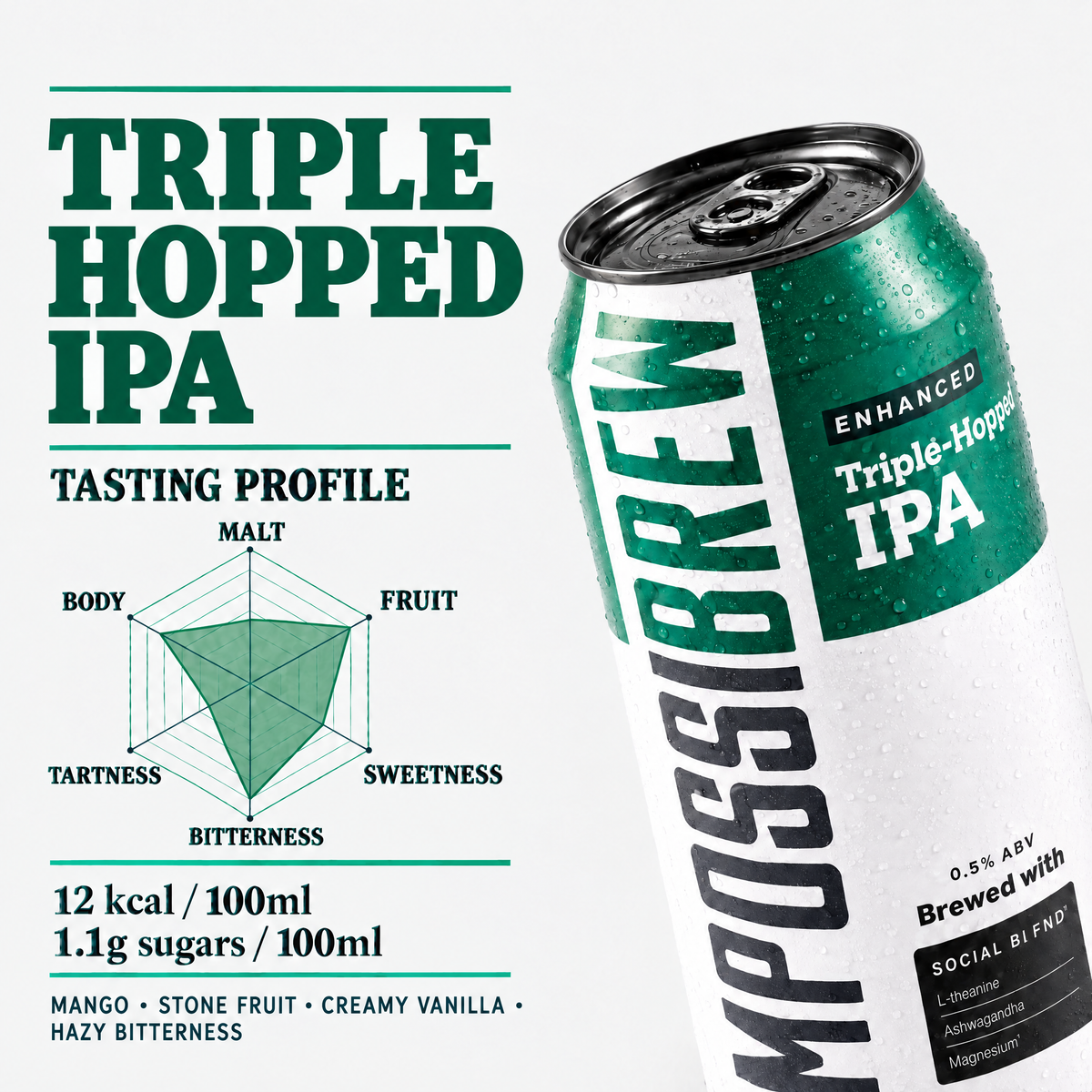
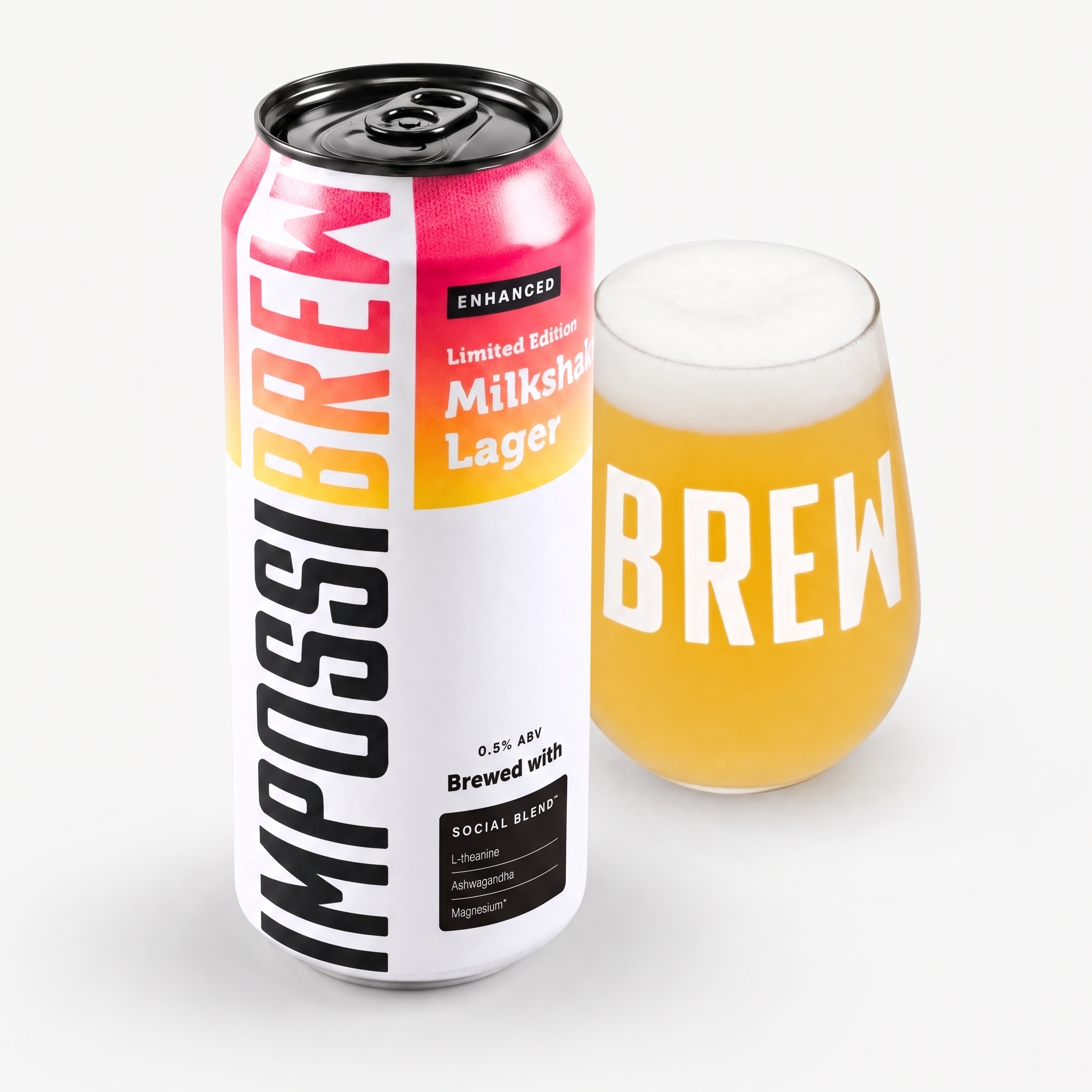
Some brands, like IMPOSSIBREW®, include ingredients designed to promote relaxation, making modern non-alcoholic beers more than just alcohol-free substitutes.
| Pros | Cons |
|---|---|
| Familiar beer taste and texture | May contain up to 0.5% ABV |
| Predictable calorie count | Limited flavor options |
| Lower in sugar compared to many alternatives | Some brands use artificial additives |
| Available in popular beer styles | Often not customizable |
| Produced under regulated standards | Gluten content may be an issue for some |
"NA beers taste authentic, like real beer, not an imitation." [5]
Keep in mind, non-alcoholic beers with up to 0.5% ABV might not be suitable for those avoiding alcohol entirely [6].
Mocktails: Pros and Cons
Mocktails offer endless possibilities, as they can be tailored to fit different dietary needs and flavor preferences.
| Pros | Cons |
|---|---|
| Endless flavor combinations | Calorie content varies |
| Can use fresh, natural ingredients | May be high in sugar |
| Easily customizable | Can take time to prepare |
| Full control over ingredients | Quality depends on preparation skills |
| Can include nutritious ingredients like herbs or fruits | May require uncommon ingredients |
Mocktails are perfect for experimenting with fresh fruits, herbs, and other healthy additions, giving you the freedom to create drinks that suit your taste and lifestyle.
Choosing between non-alcoholic beer and mocktails comes down to your priorities - whether it’s convenience, taste, or health. Trying different brands or recipes can help you discover your favorite alcohol-free option.
Brands and Recipes to Try
Recommended Non-Alcoholic Beer Brands
The non-alcoholic beer market has grown to cater to a variety of tastes and lifestyles. Here's a quick look at some standout brands and what makes them special:
| Brand | Key Feature | Best For |
|---|---|---|
| IMPOSSIBREW® | Includes calming ingredients | Relaxation |
| Athletic Brewing | Infused with electrolytes | Active lifestyle |
| Omission Brewing | Gluten-free options | Dietary restrictions |
| Lagunitas | Low in calories | Weight management |
These brands offer ready-to-drink options for those looking for convenience. However, if you're in the mood to experiment, making your own mocktails can be a fun and customizable alternative.
Simple Mocktail Recipes
Try these easy mocktail ideas that are both flavorful and mindful of your health:
Ritual Tequila Paloma
- Ritual Tequila Alternative
- Grapefruit juice
- Lime juice
- Sparkling water
- Optional: A touch of agave nectar for sweetness
Probiotic Kombucha Spritz
- Ginger kombucha
- Fresh mint leaves
- Lime juice
- Thin cucumber slices
Phony Negroni
- Non-alcoholic gin alternative
- Alcohol-free sweet vermouth
- Orange peel
- Sparkling water
"Non-alcoholic beers and mocktails can offer a wide range of flavors and benefits, making them a great option for anyone looking for a low-alcohol or alcohol-free alternative." [4]
Whether you enjoy the grab-and-go ease of non-alcoholic beers or prefer the creativity of crafting your own mocktails, there’s something for everyone. It all comes down to what suits your mood and lifestyle best.
sbb-itb-a752bf8
Tips for Choosing the Right Drink
Choosing Based on Occasion and Preferences
The setting plays a big role in deciding whether non-alcoholic beer or mocktails are a better fit. For casual events like sports games, barbecues, or relaxed hangouts, non-alcoholic beer can offer a familiar feel. Here's a quick guide to match your drink to the occasion:
| Event Type | Recommended Choice |
|---|---|
| Formal Dinners | Elegant Mocktails |
| Summer Parties | Either Option Works |
| Business Events | Mocktails |
| Sports Gatherings | Non-Alcoholic Beer |
Mocktails shine at formal dinners, thanks to their polished presentation and ability to pair well with refined menus. On the other hand, non-alcoholic beers, like IMPOSSIBREW®, are perfectly suited for laid-back settings where beer is traditionally enjoyed.
Let your taste and dietary needs guide your decision:
Dietary Considerations:
- Gluten Sensitivity: Opt for gluten-free beers or fruit-based mocktails.
- Sugar Control: Look for low-calorie beers or sugar-free mocktails made with natural sweeteners.
- Vegan Requirements: Most options are vegan-friendly, but always double-check the ingredients.
Health Goals: Non-alcoholic beers generally have 50-100 calories per serving, while mocktails vary depending on their ingredients. For instance, a sparkling pomegranate mocktail with fresh fruit and herbs can offer unique nutritional perks compared to beer options [1][2].
"Respect others' drink choices, just as you would expect for yourself" [2]
The recipes and examples mentioned earlier can be tweaked to suit different occasions and dietary needs. Whether you're reaching for Athletic Brewing at a sports gathering or mixing up a Ritual Tequila Paloma for a dinner party, the key is to match the drink to the event and your preferences.
The best choice is the one that fits your occasion, personal taste, and dietary considerations while making the most of what each option has to offer.
A new trend is brewing: Nonalcoholic beers & mocktails
Conclusion: Choosing What Works Best for You
Alcohol-free drinks are becoming more popular, offering choices for every type of occasion. Whether you prefer non-alcoholic beers or mocktails, each brings something different to the table.
Non-alcoholic beers deliver a familiar taste and are brewed using traditional methods. Plus, they come with added nutrients like antioxidants and B vitamins [2]. They're a great pick for casual hangouts where you want the feel of beer drinking without the alcohol.
Mocktails, on the other hand, are all about variety. They’re made with fresh fruits, herbs, and natural ingredients, giving you endless options [3]. This makes them ideal for anyone looking for a wide range of alcohol-free choices.
| Consideration | Non-Alcoholic Beer | Mocktails |
|---|---|---|
| Health Focus | Includes antioxidants & B vitamins | Can be tailored for nutrition |
| Social Setting | Perfect for casual events | Works well for formal occasions |
| Taste Experience | Traditional beer flavor | Broad range of flavors |
| Customization | Limited to available brands | Highly flexible and creative |
When deciding, think about these practical factors:
- Social Context: Non-alcoholic beers are a natural fit for laid-back settings like sports events or barbecues. Meanwhile, mocktails shine at formal dinners or upscale gatherings [7].
- Personal Preference: Your choice should align with your taste and dietary needs. Maybe you love the classic maltiness of beer, or perhaps you enjoy the bold, fresh flavors of a mocktail.
"The rise of non-alcoholic beers and mocktails reflects a broader shift towards healthier and more inclusive social drinking options" [2][7]
You don’t have to stick to just one. Grab a craft non-alcoholic beer for a backyard barbecue or whip up a stylish mocktail for a dinner party. Both options let you join in the social drinking experience while keeping alcohol out of the picture.
Whether you're focused on health, flavor, or the vibe of the event, these alcohol-free beverages let you enjoy the moment on your own terms.
FAQs
Here are answers to some common questions about non-alcoholic beers and mocktails to help you make better choices.
Are mocktails better for your health than alcoholic drinks?
Mocktails are usually better for your health since they don't contain alcohol. Some even offer hydration and antioxidants. Just be cautious of added sugars [4].
What sets zero-proof drinks apart from mocktails?
Zero-proof drinks are crafted to have unique flavors, while mocktails are designed to imitate traditional cocktails [1]. The choice comes down to your taste preferences or the event you're attending.
Do non-alcoholic beers contain any alcohol?
Yes, in the U.S., they can contain a small amount of alcohol (less than 0.5% ABV). This is important to know if you're avoiding alcohol entirely [6].
How should I decide between non-alcoholic beer and mocktails for different events?
Your choice depends on the occasion and what you’re in the mood for:
| Setting | Best Option | Reason |
|---|---|---|
| Casual gatherings | Non-alcoholic beer | Offers a familiar beer-like experience and suits a relaxed vibe [2] |
| Formal events | Mocktails | More elegant presentation and a variety of flavors [3] |
| Health-focused events | Either works | Depends on the ingredients and your nutritional goals [7] |
Are there myths about these drinks?
One common myth is that non-alcoholic options lack complexity in flavor. Brands like Athletic Brewing and skilled mixologists are proving that these alternatives can be just as flavorful as alcoholic versions [2][7].
How can I make these drinks part of a healthy lifestyle?
Look for options made with natural ingredients and minimal added sugar [7]. For mocktails, fresh fruits and herbs are great choices. For non-alcoholic beers, go for low-calorie options that might also include antioxidants.