
Nootropics, or "smart drugs", are substances designed to improve brain function, particularly in areas like memory, focus, and mental clarity. As we age, cognitive decline becomes a common challenge, and many older adults turn to nootropics to help maintain mental sharpness. Research shows that some options, like Ginkgo biloba and piracetam, may slow cognitive decline, while antioxidant-rich foods and vitamins can also support brain health naturally.
However, long-term use of nootropics comes with risks, especially for older adults. Side effects can include cardiovascular strain, sleep disturbances, and potential dependency. Synthetic options like piracetam may even accelerate cognitive issues in some cases, making natural alternatives a safer choice for many. Products like nootropic-infused beverages offer a practical way to incorporate brain-supporting ingredients into daily life, but consulting a healthcare provider is crucial before starting or continuing use.
Key Takeaways:
- Popular options: Ginkgo biloba, alpha-lipoic acid, B vitamins, and nootropic drinks.
- Benefits: May improve memory, focus, and slow age-related decline.
- Risks: Potential side effects include heart strain, sleep issues, and drug interactions.
- Alternatives: Food-based nootropics and beverages may offer fewer risks.
- Safety: Always consult a doctor, especially for long-term use or if managing chronic conditions.
Nootropics can support cognitive health, but their long-term effects remain uncertain. A balanced approach, combined with medical advice, is the best way forward.
Nootropics that 'naturally boost brain power as we age' w/ neuroscientist Dr Elena Seranova
How Nootropics Support Brain Health
Nootropics play a meaningful role in supporting the ageing brain by addressing key biological changes that come with time. While supplements are a common way to use nootropics, they're also finding their way into beverages designed for daily cognitive support. Understanding how these compounds work lays the groundwork for examining their benefits and the safety of long-term use.
How Nootropics Work
Nootropics work through several mechanisms to enhance brain function. They can cross the blood–brain barrier to improve brain metabolism and support neural activity [5]. A key process is increasing cerebral blood flow. For example, ginkgo biloba promotes vasodilation in the brain's small arteries and veins, ensuring a better supply of oxygen and nutrients [2]. Many nootropics also act as antioxidants, neutralising free radicals and improving circulation. This helps combat oxidative stress, a major factor in brain ageing [5].
Different nootropics use distinct pathways to benefit brain health. Take nicergoline, for instance - it works by blocking α₁-adrenoceptors, increasing blood flow, reducing platelet aggregation, and boosting oxygen and glucose use [5]. Meanwhile, pyritinol enhances cortical acetylcholine levels and supports nucleic acid metabolism [5]. However, most nootropics need to be taken over an extended period to deliver noticeable, stable results [5].
Main Cognitive Benefits
Research highlights that the cognitive benefits of nootropics are gradual and build up over time. Long-term studies, such as those on EGb761®, show that consistent use leads to cumulative improvements in cognitive performance.
Antioxidant-based nootropics are particularly promising for addressing neurodegenerative conditions. Studies suggest that antioxidants and vitamin supplements can slow ageing and help manage disorders like Parkinson's and Alzheimer's [2]. For example, compounds like alpha-lipoic acid and N-acetylcysteine have shown success in animal models of Alzheimer's, reducing oxidative stress and improving cognitive function [2]. Identifying nootropics with proven benefits is crucial for effective cognitive support.
Best Nootropics for Ageing Adults
Certain nootropics stand out for their long-term benefits, especially for older adults. Ginkgo biloba extract (EGb761®) is one of the most researched options, with studies linking its use not only to slower cognitive decline but also to improved survival rates in elderly populations [6].
Natural, food-based antioxidants also offer a practical approach to cognitive health. Compounds like alpha-lipoic acid and N-acetylcysteine have shown positive effects in research, while B vitamins, particularly Vitamin B1 (thiamine), address common nutritional deficiencies in older adults. These vitamins also play a role in managing mood and stress.
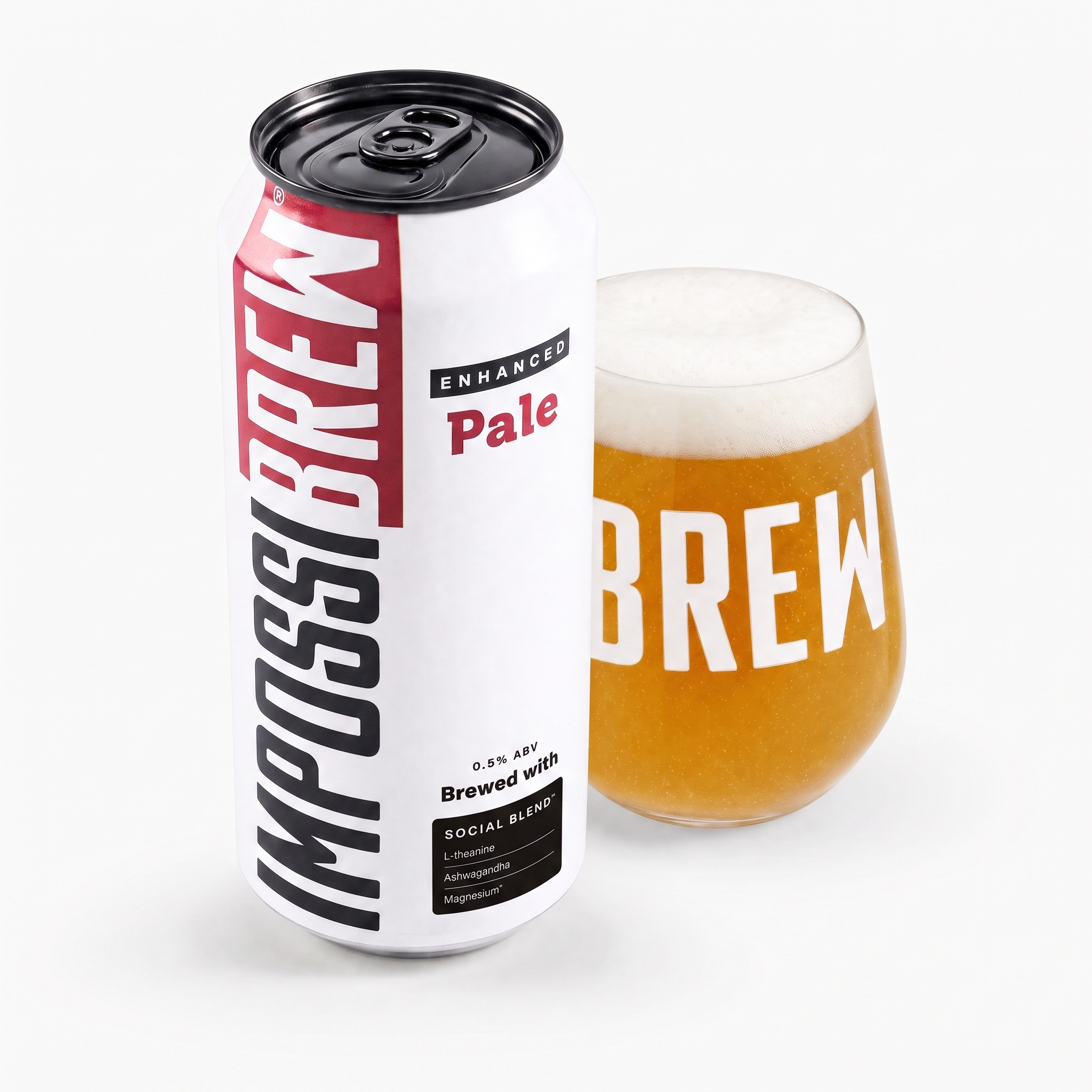
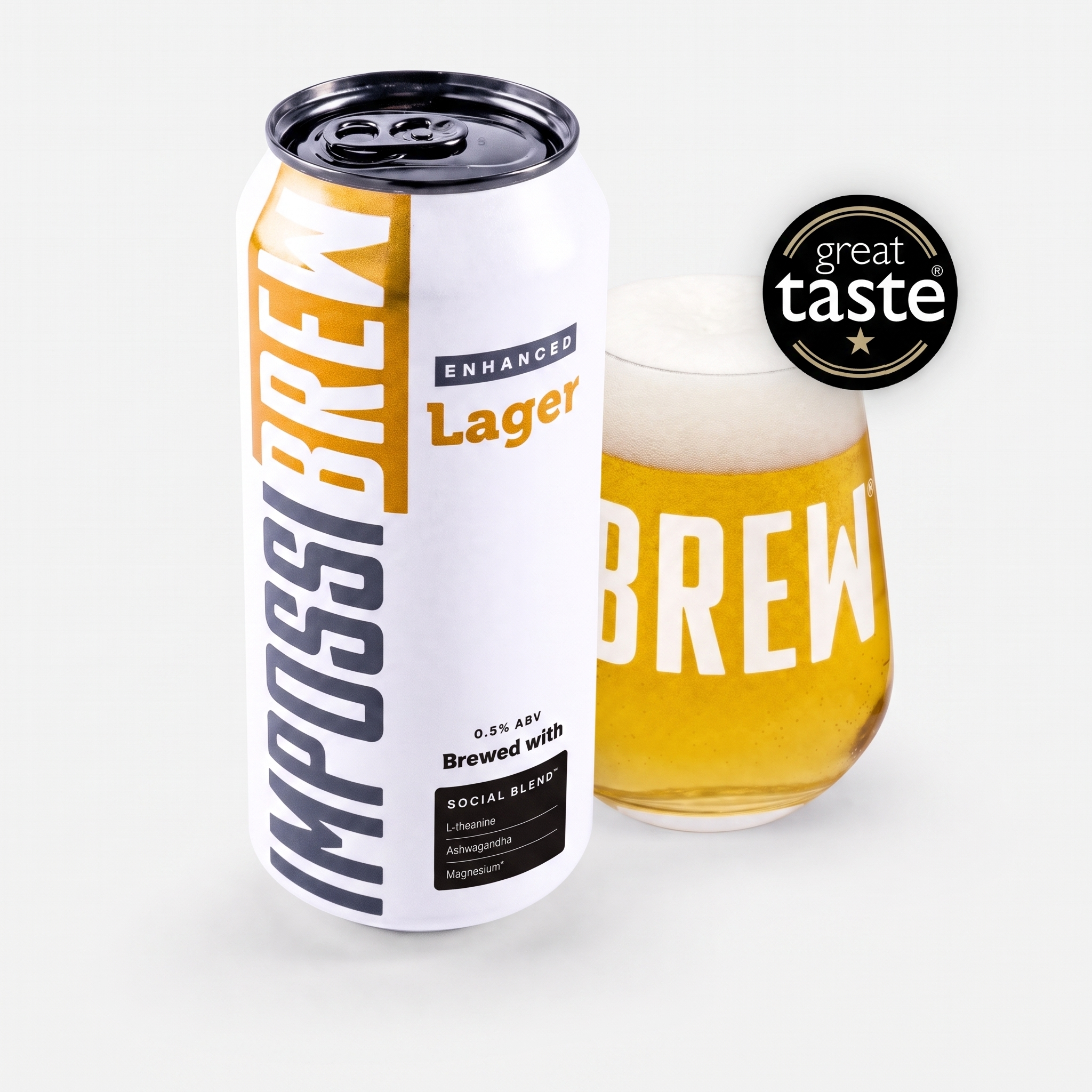
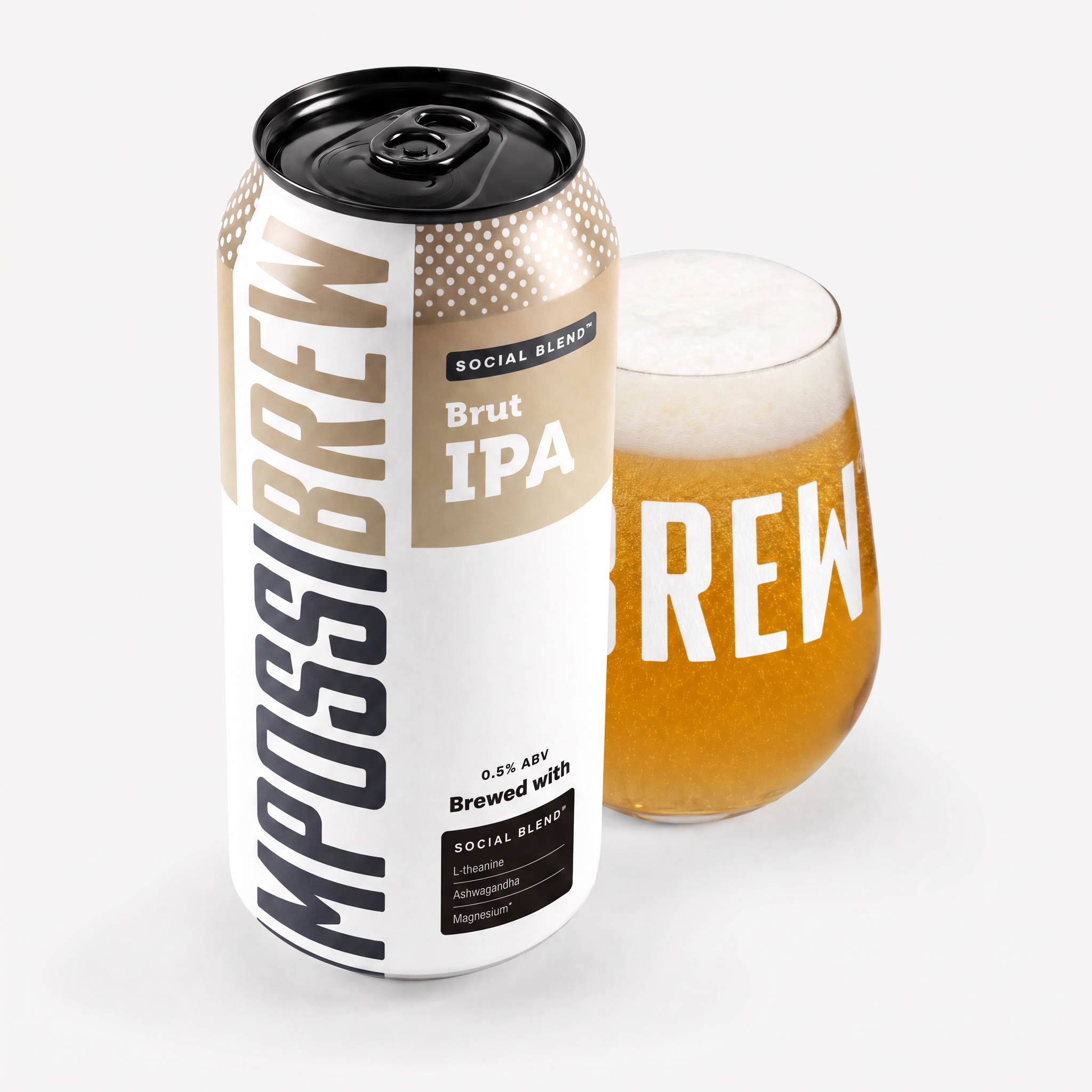
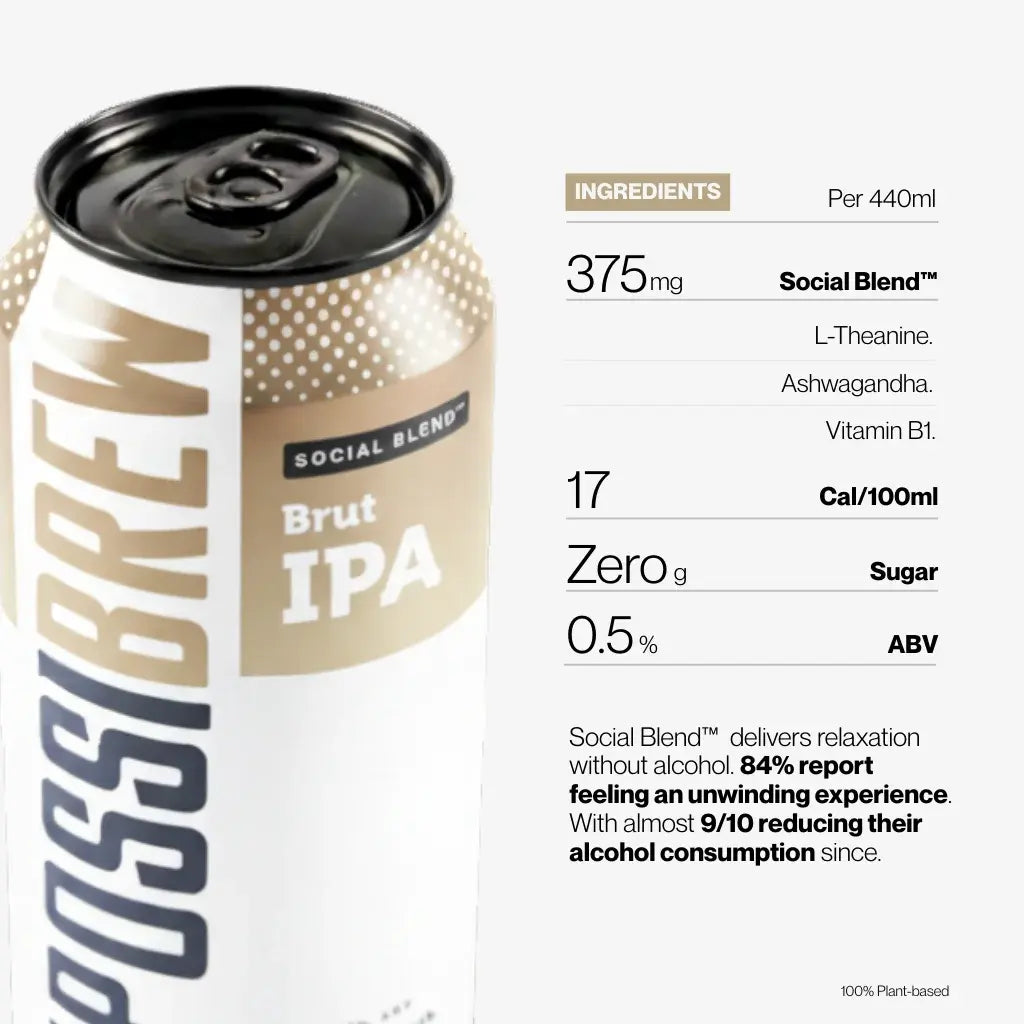
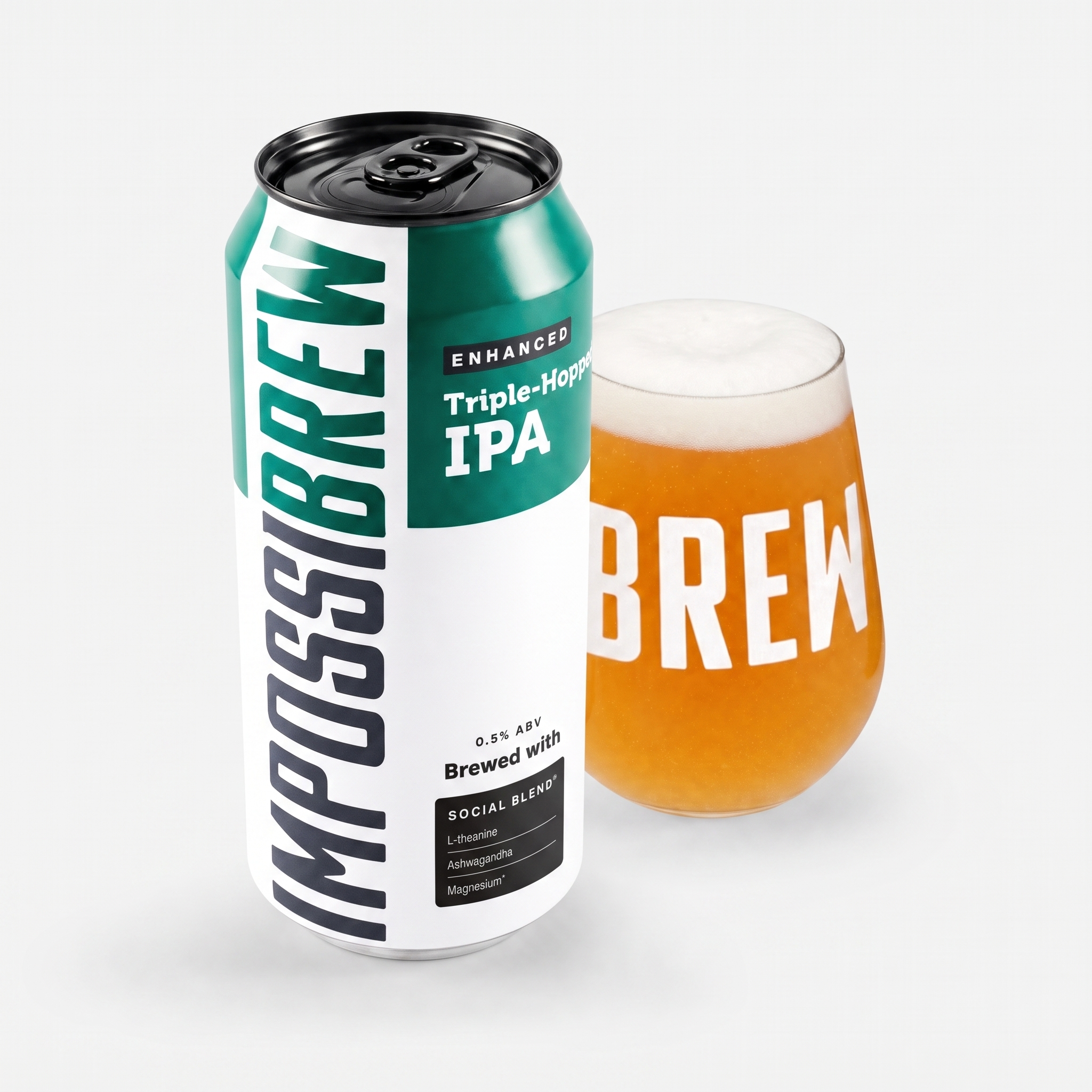
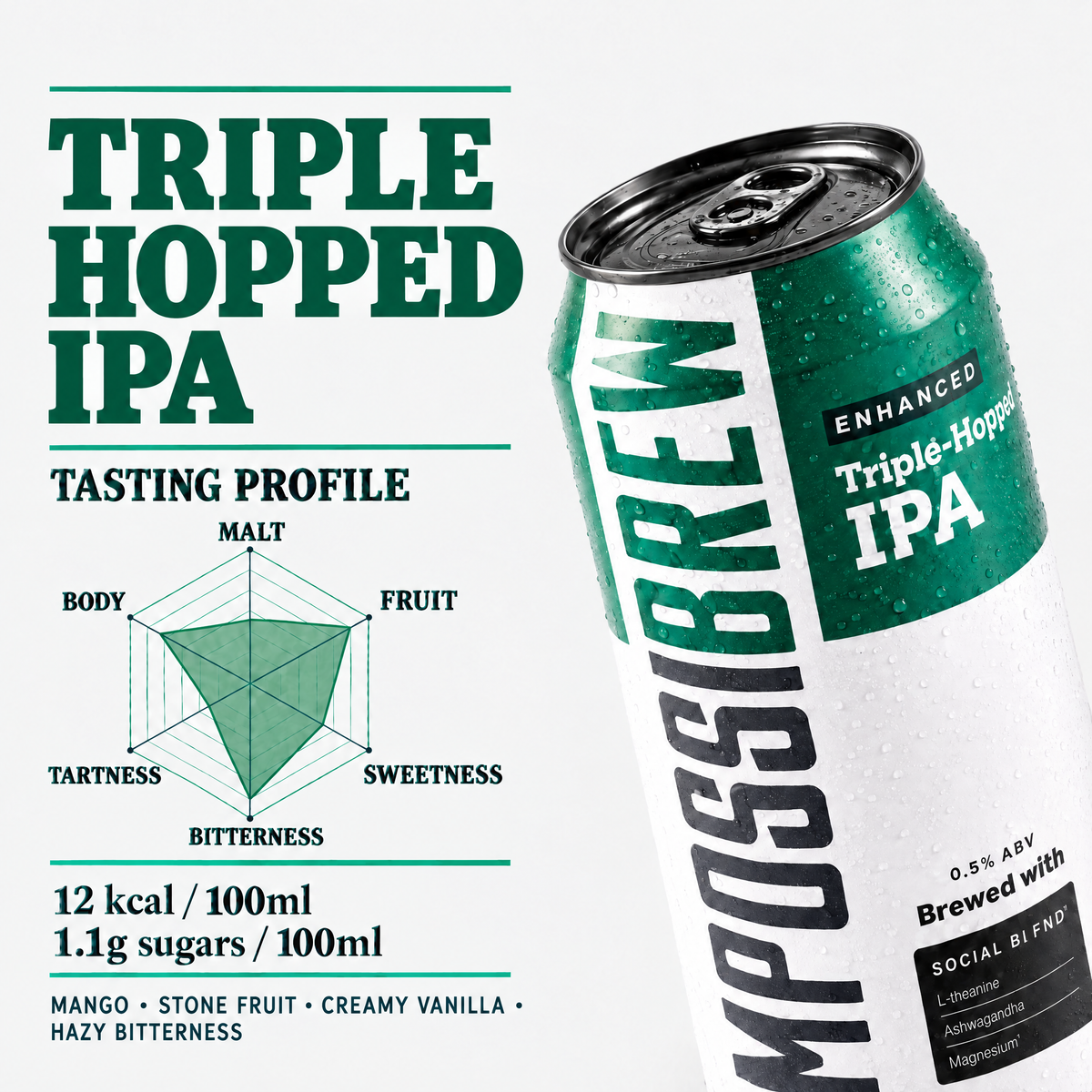
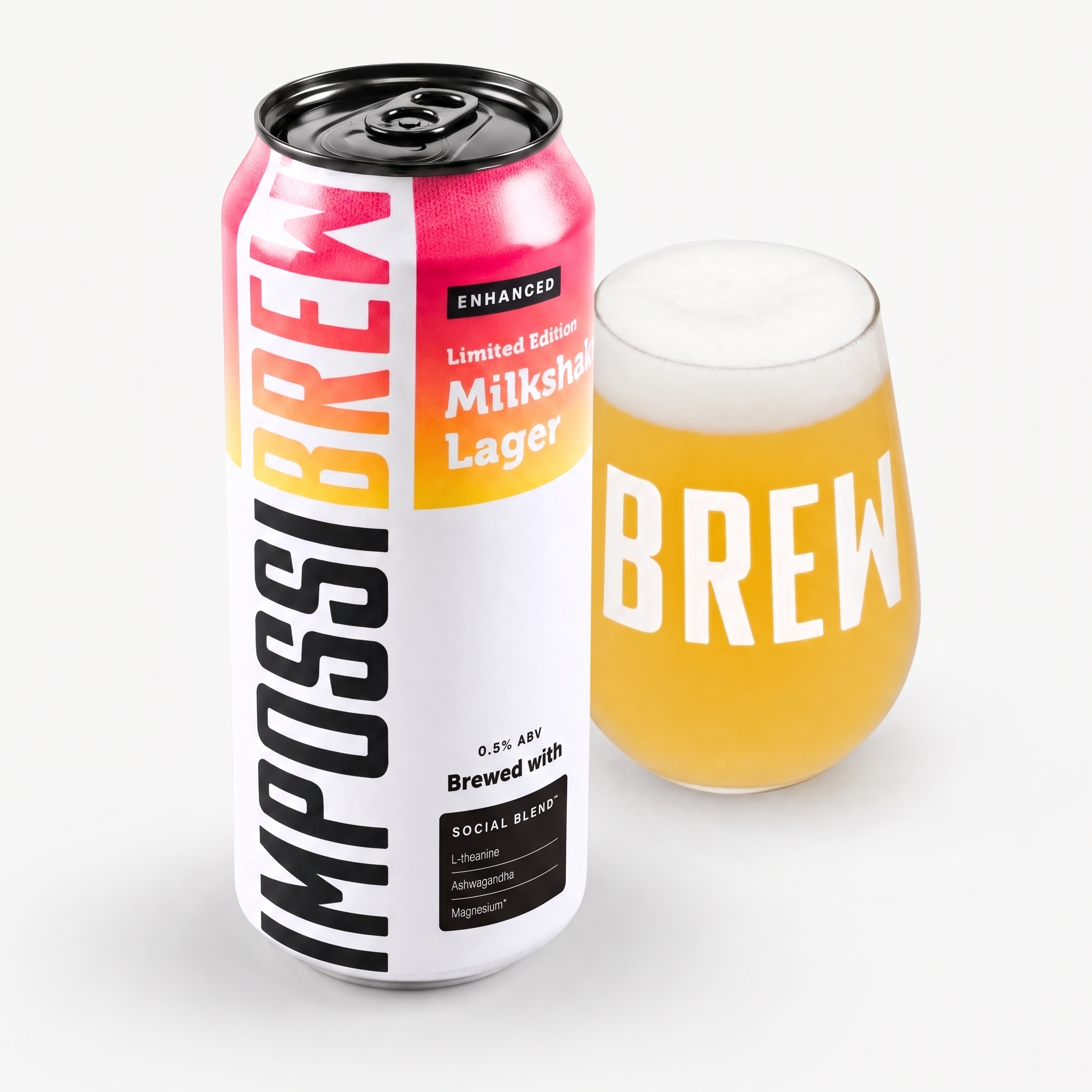
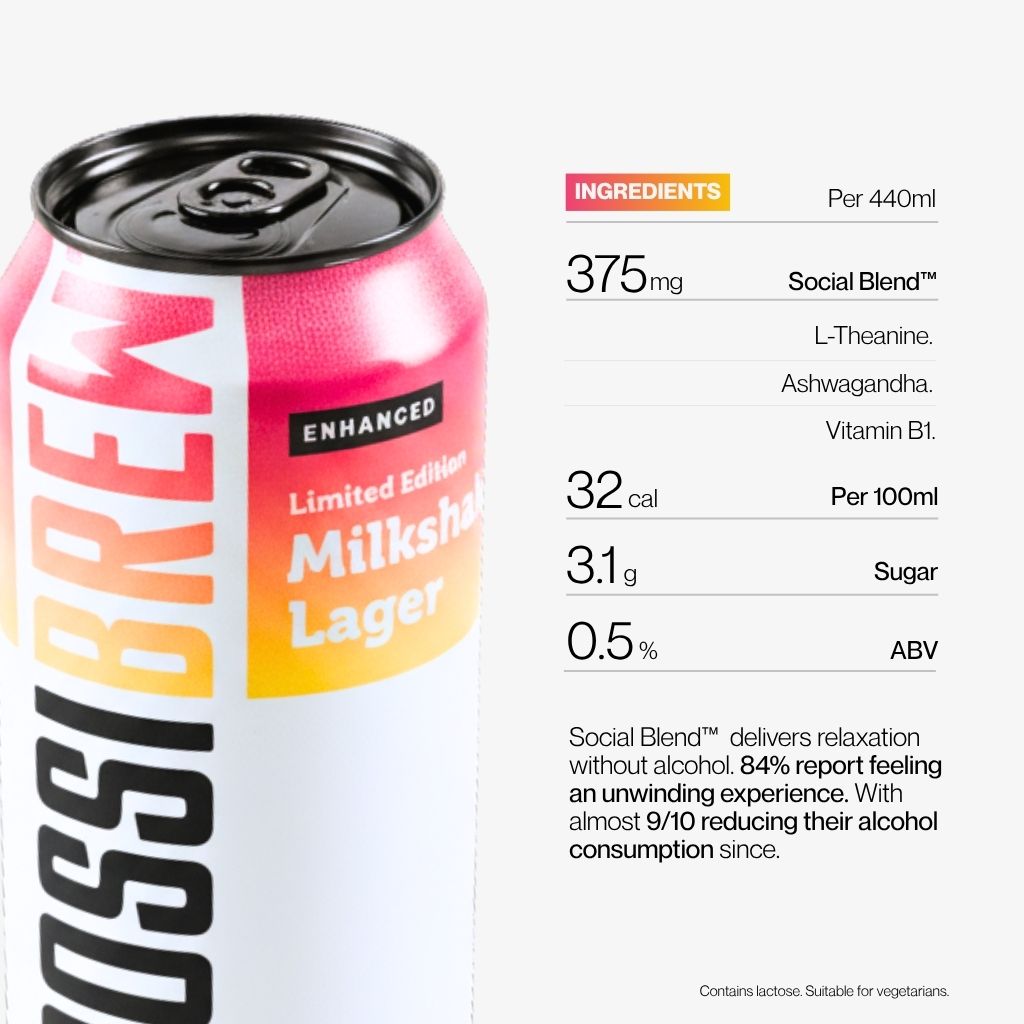
New delivery methods are making nootropics easier to incorporate into daily life. For example, IMPOSSIBREW®'s Social Blend™ combines L-Theanine, Ashwagandha, and Vitamin B1, blending scientific precision with everyday convenience. Such innovations highlight how nootropics can fit seamlessly into daily routines.
Food-based nootropics may also sidestep the costs and side effects linked to synthetic options like piracetam. While piracetam has shown some benefits, research suggests it might accelerate cognitive decline compared to ginkgo biloba in certain groups [6]. This makes natural alternatives an appealing choice for sustainable brain health.
Long-Term Use: Safety and Risks
While the cognitive perks of nootropics are often highlighted, it’s equally important to consider their long-term safety, especially for older adults. Research paints a nuanced picture, where the potential benefits need to be carefully weighed against possible risks, particularly as ageing bodies may be more vulnerable to adverse effects.
Known Risks and Side Effects
Prolonged use of nootropics can lead to several issues, including cardiovascular strain, disrupted sleep patterns, dependency, and stress on the liver and kidneys. For older adults, cardiovascular effects are especially concerning, as pre-existing heart conditions can amplify these risks. Similarly, sleep disturbances can create a vicious cycle, where poor sleep further hampers the cognitive function that nootropics aim to enhance [5][7].
There’s also the risk of dependency or habituation, as extended use may lead to reliance. On top of that, the liver and kidneys, which are tasked with processing these substances, may experience additional strain over time [5][7].
Synthetic nootropics often come with their own set of challenges, such as gastrointestinal discomfort and nervousness [5]. Even plant-based alternatives aren’t entirely risk-free. For instance, a meta-analysis on Ginkgo biloba in elderly individuals with dementia revealed a higher risk of neurovascular complications and stroke when standardised extracts were used [4].
These concerns highlight the importance of understanding the cumulative effects of long-term nootropic use.
Concerns About Long-Term Use
Beyond immediate side effects, the long-term impact of nootropics on the brain and body remains a topic of ongoing research. While some nootropics may help counteract age-related declines in brain function, the cumulative effects are still unclear [5].
For example, research on meclofenoxate in fish models showed mixed outcomes. While it partially offset age-related gene downregulation, its overall impact on the ageing brain was inconsistent [5]. This reflects the complexity of how nootropics interact with brain processes over time.
Chronic use may also disrupt neurotransmitter balance and neuroplasticity, potentially influencing mood and cognition in ways that only become apparent after months or years. For example, long-term use of piracetam has been linked to accelerated cognitive decline in some cases, whereas EGb761® demonstrated more favourable outcomes [6]. This variability underscores how different nootropics can produce vastly different long-term effects.
Need for Medical Advice
Given the complexities and potential risks, it’s essential to consult a healthcare provider before starting or continuing nootropics, especially for extended use [5][7].
Factors like pre-existing health conditions - such as cardiovascular, liver, or kidney issues - can significantly elevate the risk of adverse effects [5][7]. Drug interactions are another concern, as nootropics can interfere with common medications used by older adults, including anticoagulants and antihypertensives [4].
A healthcare provider can help determine safe dosages, monitor for side effects, and assess potential interactions. Regular check-ups are crucial for adjusting treatment plans and tracking both cognitive and physical health outcomes [5].
In the UK, nootropics are generally sold as food supplements unless they make specific health claims, meaning they’re not regulated as medicines. The Medicines and Healthcare products Regulatory Agency (MHRA) advises caution when buying nootropics online and recommends consulting a GP, particularly for older adults or those with chronic health conditions.
For those using nootropics long-term, it’s wise to closely monitor changes in sleep, mood, cardiovascular health, and cognitive function. Any new or worsening symptoms - like insomnia, anxiety, heart palpitations, or digestive issues - should prompt an immediate consultation with a healthcare provider. Periodic blood tests to assess liver and kidney function may also be beneficial for individuals on extended nootropic regimens [5][7].
Interestingly, nootropic-infused beverages, like IMPOSSIBREW®'s Social Blend™, which incorporates food-based antioxidants, may offer similar cognitive benefits with potentially fewer risks. However, medical advice remains essential [2].
sbb-itb-a752bf8
Age-Specific Effects and Dosing
The way nootropics interact with your body evolves as you age. What may be a safe dose for a young adult could pose risks for individuals aged 60 and over. This makes it essential to understand how ageing influences the way your body processes these substances, especially if you’re considering long-term use.
How Age Impacts Safety and Effectiveness
As we grow older, our liver and kidney functions naturally decline, which slows down the body’s ability to process and eliminate nootropics. This can lead to a higher risk of side effects [7]. Additionally, changes in body composition - such as a higher fat-to-lean mass ratio - can alter how these substances are distributed throughout the body, often requiring dose adjustments to maintain both safety and effectiveness [7].
Interestingly, some nootropics may actually work better in older adults. For instance, studies on piracetam suggest it can enhance mitochondrial function and reduce oxidative stress in ageing individuals. However, older users also report being more sensitive to side effects like insomnia, nausea, and anxiety [3][7]. Things get even more complex when multiple medications are involved. For example, Ginkgo biloba, a popular nootropic, can interact with anticoagulants and has been linked to an increased risk of neurovascular events in elderly users [4].
These age-related changes not only affect how safely you can use nootropics but also influence how your body recovers after discontinuing them.
Recovery After Stopping Use
Recovery after stopping nootropics can be more challenging for older adults. Age-related declines in neuroplasticity and slower receptor adaptation mean it may take longer to return to baseline cognitive function. This can lead to more noticeable withdrawal effects, such as temporary dips in clarity or cognitive sharpness. For those planning to stop long-term use, a gradual transition is often the best approach to minimise these challenges [3].
Dosage Considerations for Older Adults
Adjusting dosages based on individual physiology becomes increasingly important with age. Older adults generally need lower doses due to slower metabolism. Starting with a small amount and adjusting under medical supervision is key to avoiding side effects and drug interactions, particularly for individuals with conditions like hypertension or gastrointestinal issues [7]. Unfortunately, there are no universally standardised dosing guidelines for older adults, which makes professional oversight essential [3][6][5].
If you have a medical history that includes conditions like hypertension or gastrointestinal disorders, it’s critical to consult a healthcare provider before starting any nootropic regimen [1]. This is especially important for those already taking medications like antidepressants, blood thinners, or immunosuppressants, as interactions can occur [1]. For example, Ashwagandha, a common nootropic ingredient, may overstimulate those on thyroid medications, potentially causing restlessness. Again, consulting a doctor is vital [1].
For long-term cognitive support, food-based nootropics and antioxidants may offer a safer alternative. Compounds like alpha-lipoic acid, N-acetylcysteine, and certain plant extracts have shown potential in slowing age-related cognitive decline and generally come with fewer risks [2]. Some nootropic beverages are specifically designed to minimise these risks, but professional advice remains important [1].
Regular Monitoring for Older Users
As you age, keeping a closer eye on your health becomes even more important when using nootropics. Regularly track changes in sleep, mood, cardiovascular health, and any interactions with existing medications [5]. Periodic blood tests to check liver and kidney function can also help ensure these organs aren’t being overburdened by long-term nootropic use. This proactive approach can help you maintain both safety and effectiveness as part of your cognitive health strategy.
Nootropic-Infused Beverages: A Practical Approach
For older adults, nootropic-infused beverages provide an easy, science-driven alternative to supplements, offering mental clarity while supporting social engagement.
How Nootropic Beverages Work
Nootropic drinks use carefully chosen ingredients to influence brain chemicals like GABA, serotonin, and dopamine, while also delivering antioxidants for overall brain health [2][3].
Take IMPOSSIBREW®'s Social Blend™, for example. It mimics the social effects of alcohol without the downsides, thanks to ingredients like L-theanine and adaptogens that support cognitive function.
The best part? These drinks fit naturally into everyday life. Instead of remembering to take yet another pill, you can simply enjoy a beverage during social events or as part of your evening wind-down. This makes it much easier to stick to, especially for those juggling multiple medications.
Benefits for Ageing Adults
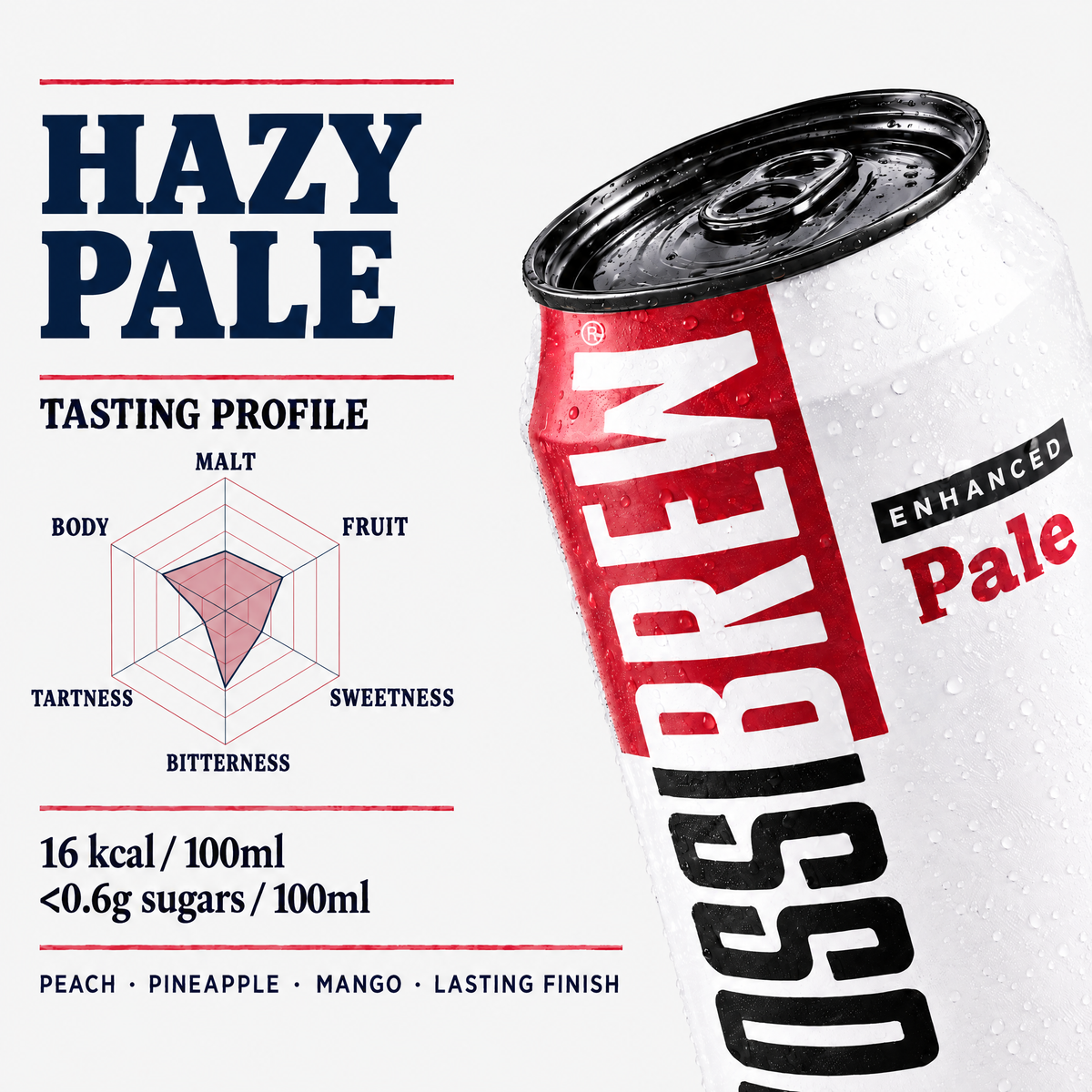
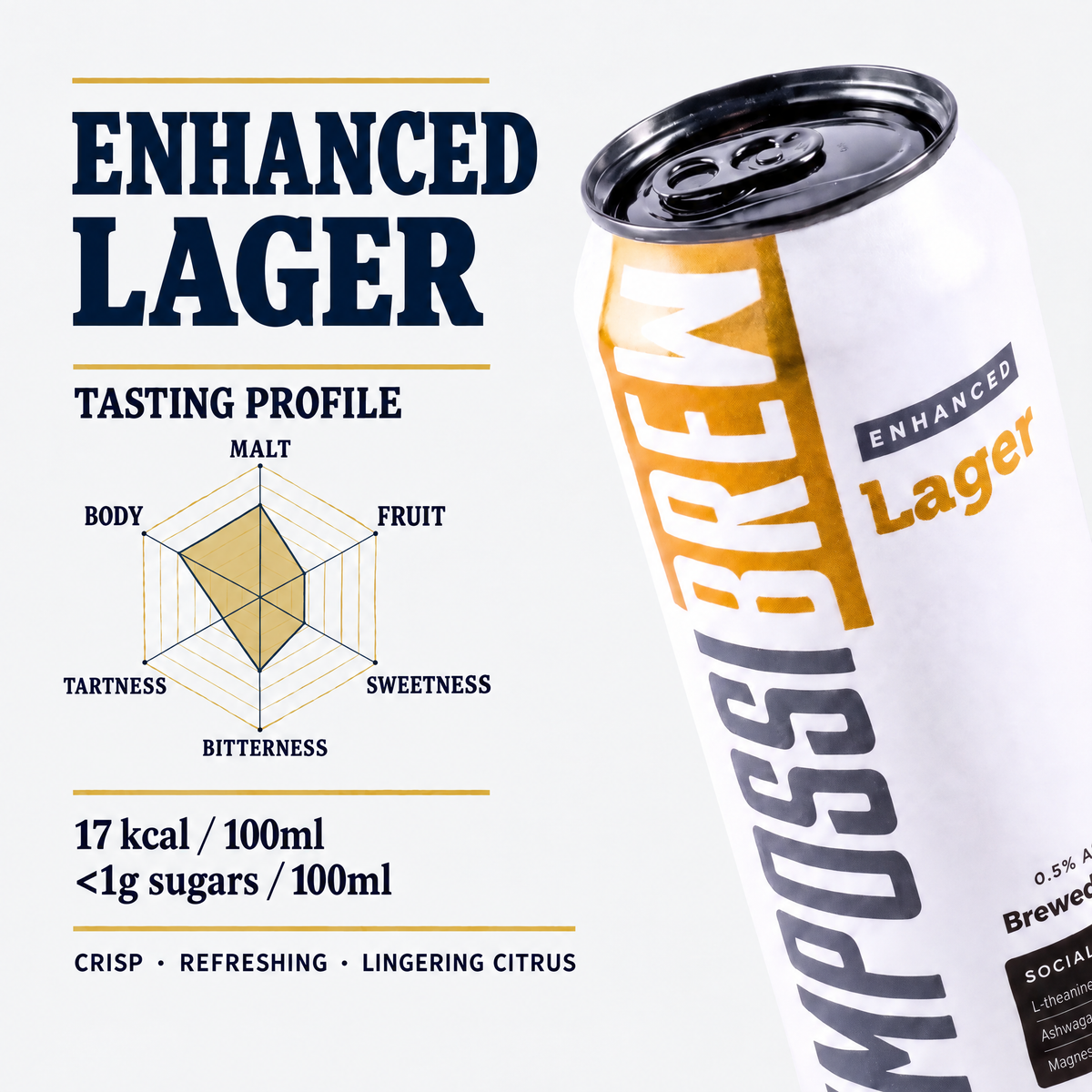
These beverages offer more than convenience - they address specific needs for older adults. Products like IMPOSSIBREW®'s Enhanced Lager and Enhanced Pale Ale tackle common health concerns. They’re low in calories (under 50 per can), vegan-friendly, gluten-free, and alcohol-free (≤0.5% ABV).
By being alcohol-free, they eliminate risks like liver damage, increased chances of falls, and cognitive issues - all concerns linked to alcohol consumption in older adults [2]. Their formulations also cater to dietary sensitivities and the growing trend towards plant-based diets, making them accessible to a wider audience.
Perhaps most importantly, they help maintain social connections - a key factor for mental health in later life. Research shows that staying socially active improves mental well-being, and by offering a functional alternative to alcohol, nootropic beverages allow you to enjoy social rituals without compromising your health goals [2]. On top of that, their ingredients may help with memory, focus, and mental clarity, addressing areas where ageing often takes a toll [6][2].
Adding Nootropic Beverages to Your Daily Routine
Incorporating nootropic drinks into your routine is simple. The idea is to replace rather than add - swap your usual evening glass of wine or beer for a nootropic option, or bring one along to social gatherings where alcohol might otherwise be the go-to.
Timing matters, too. Many people find that having a nootropic beverage in the early evening helps them relax without disrupting their sleep. Unlike alcohol, which can interfere with sleep quality, these drinks use calming ingredients that may actually support better rest.
Their familiar format also avoids any awkwardness in social settings. For instance, IMPOSSIBREW®'s Enhanced Lager looks and tastes like traditional beer, letting you enjoy the experience without compromising your health.
Start with a small serving to see how your body responds, particularly if you have chronic conditions. Keep a selection on hand for different occasions - a crisp lager for a quiet evening or a flavourful pale ale for dinner parties. The goal is to make these beverages a natural and enjoyable part of your day, not something that feels like a chore.
Over time, consistent use may help support cognitive health and overall well-being.
Conclusion: Nootropics and Healthy Ageing
Research highlights the potential of nootropics in maintaining cognitive health as we grow older. For instance, a 20-year study on Ginkgo biloba extract [6] and an 18-month investigation showing a 27% reduction in cognitive decline [8] underscore their role in slowing age-related changes in brain function.
However, it’s clear that balance is key. While substances like piracetam [3] and Ginsenoside Rg1 [5] have demonstrated benefits in areas like memory and synaptic plasticity, they may also pose risks, especially for older adults who can be more sensitive to side effects.
For those seeking safer alternatives, food-based nootropics present a promising option. Antioxidant-rich foods and dietary strategies have been shown to support cognitive health with fewer risks compared to synthetic compounds [2]. Products like nootropic-infused beverages, such as IMPOSSIBREW®, offer a practical solution. These drinks combine scientifically supported ingredients with a familiar and social format, delivering cognitive benefits without the drawbacks of alcohol.
Ultimately, finding the right approach means weighing the benefits and risks carefully. Older adults should focus on evidence-based choices, consult healthcare professionals, and integrate nootropics into a well-rounded lifestyle. Whether through targeted supplements or thoughtfully designed beverages, these tools can contribute to a healthier ageing process when used responsibly.
The path forward lies in making thoughtful, sustainable decisions that support mental clarity and overall well-being as we age.
FAQs
What are the risks and side effects of using nootropics long-term in older adults?
The use of nootropics over the long term in older adults is a topic that’s still being explored. While some studies hint at possible benefits, such as enhanced cognitive function, it’s crucial to weigh these against potential risks. Side effects can range from headaches and digestive discomfort to sleep disturbances, often influenced by the specific ingredients and individual sensitivities.
For older adults, consulting a healthcare professional before starting any nootropic supplements is essential. This is particularly important for those with existing health conditions or those on other medications. A cautious approach, paired with regular monitoring, can help reduce potential risks and ensure safety.
Are food-based nootropics safer and more effective than synthetic ones for supporting cognitive health in ageing adults?
Food-based nootropics come from natural sources like herbs, plants, and certain foods. These have been used for centuries, making them a popular choice due to their traditional roots and lower risk of side effects. They’re known to support memory, focus, and overall brain health, making them especially helpful for older adults. Common examples include ginseng, turmeric, and green tea, all packed with antioxidants and compounds that promote cognitive function.
In contrast, synthetic nootropics are lab-created substances designed to target specific aspects of brain performance. While they might work faster or offer more precise results, their long-term safety isn’t as well-established. Prolonged use can also bring a higher chance of side effects, which is worth considering.
Choosing between food-based and synthetic nootropics often comes down to personal needs. If you’re looking for a natural and gentler way to support your brain, food-based options might feel like the better fit.
Why should older adults consult a healthcare professional before using nootropics?
Before starting or continuing with nootropics, especially for older adults, it's essential to consult a healthcare professional. As we get older, our bodies handle substances differently, and there’s always the chance that nootropics could interact with medications or pre-existing health conditions.
A healthcare provider can evaluate any risks, suggest an appropriate dosage, and confirm whether a specific nootropic is safe and fits your unique needs. This kind of expert advice helps you get the most out of nootropics while reducing the likelihood of side effects or complications.