When you stop drinking alcohol for a month, your sleep improves significantly, according to data from over 600,000 users of devices like the Oura Ring and Fitbit. Alcohol disrupts sleep by reducing REM and deep sleep, increasing your resting heart rate, and lowering heart rate variability (HRV). Removing it allows your body to recover, leading to better sleep quality and overall health.
Key findings include:
- Sleep Score: Improves by 6.8%.
- Total Sleep Time: Increases by 35 minutes per night.
- REM Sleep: Gains an extra 15 minutes.
- Deep Sleep: Adds 5 minutes.
- Resting Heart Rate: Drops by 3.5–13%.
- HRV: Improves by up to 38%.
These changes are measurable with sleep trackers, showing how quickly your body can adjust when alcohol is removed. While the first week may feel challenging due to withdrawal effects, the benefits become clear by the end of 31 days. For those looking to unwind without alcohol, non-alcoholic alternatives like IMPOSSIBREW® can help maintain evening rituals without disrupting sleep.
Does Alcohol Affect Your Sleep? | Matt Walker & Andrew Huberman
Sleep Metrics Before Cutting Alcohol
Baseline sleep data for regular drinkers paints a clear picture: alcohol consumption significantly impacts recovery, setting the stage for noticeable improvements during a 31-day alcohol-free period. Sleep trackers provide the hard data to show exactly what's at risk.
How Alcohol Disrupts Sleep Stages
Before starting the 31-day challenge, it’s essential to grasp how alcohol disrupts your sleep patterns. Alcohol affects sleep in specific ways. In the first half of the night, it may seem like your sleep is uninterrupted. However, as your liver processes the alcohol and blood alcohol levels drop, your sleep becomes fragmented with multiple awakenings [5].
REM sleep, the stage critical for cognitive function and emotional regulation, suffers the most. The more alcohol consumed, the worse the disruption [6]. Meanwhile, deep sleep (also known as slow-wave sleep) follows a more complicated pattern. While alcohol’s sedative effects may initially increase deep sleep early in the night, the overall impact is a reduction in this vital restorative phase [6].
Alcohol also relaxes throat muscles, increasing the likelihood of sleep apnoea symptoms by 25% [4]. On top of that, it interferes with the body’s natural ability to suppress the urge to urinate, leading to more frequent trips to the bathroom during the night [5].
"Sleep is an incredibly active process... our bodies are working really, really hard when we sleep, and if you have alcohol in your system, none of those very active processes can happen." – Emily Capodilupo, Director of Analytics, WHOOP [7]
Average Sleep Scores for Alcohol Drinkers
From January to October 2025, the Oura Data Science Team analysed data from over 600,000 users, comparing alcohol-affected nights to alcohol-free ones. The results showed consistent declines across every sleep metric [5,10]:
| Metric | Impact on Alcohol Nights | Percentage Change |
|---|---|---|
| Sleep Score | −6.55 points | −6.8% |
| Total Sleep Time | −34.6 minutes | −5.0% |
| REM Sleep | −15.26 minutes | −4.2% |
| Deep Sleep | −5.42 minutes | −5.0% |
| Sleep Efficiency | −2.28 points | −2.2% |
| Heart Rate Variability | −10.8 ms | −15.6% |
| Resting Heart Rate | +4.35 bpm | +8.2% |
The relationship between alcohol consumption and sleep quality is dose-dependent. Even a small amount of alcohol (less than two drinks for men or one for women) reduces sleep quality by 9.3%. Moderate drinking cuts sleep quality by 24%, while heavy consumption can reduce it by a staggering 39.2% [4]. WHOOP data backs this up, showing that even a single drink raises resting heart rate by an average of 3 beats per minute, lowers heart rate variability (HRV) by 7 milliseconds, and reduces recovery scores by 8% [12].
These disruptions come at a cost. Poor sleep impacts tissue repair, memory consolidation, and emotional balance. Since 95% of human growth hormone is produced during deep sleep [7], the reduction in this stage alone can have serious implications for physical recovery and overall health. These baseline metrics highlight the potential for transformation when alcohol is removed from the equation.
Week 1: Sleep Changes After Stopping Alcohol
The first week without alcohol can be a tough adjustment for your sleep. Your brain starts working hard to rebalance neurotransmitter levels that have been thrown off by regular drinking. This period is known as the acute withdrawal phase [13].
Early Changes in Sleep Patterns
When you drink regularly, alcohol disrupts the balance between two key neurotransmitters: GABA, which helps you relax, and glutamate, which keeps you alert. Cutting out alcohol causes a surge in glutamate, leaving you feeling wired and making it harder to fall asleep or stay asleep [13].
One of the most noticeable changes during this phase is REM rebound. Alcohol suppresses REM sleep, so when you stop drinking, your brain tries to make up for lost time by overloading you with REM sleep. This can lead to vivid, intense, or even unsettling dreams and nightmares [13][18]. On top of that, physical withdrawal symptoms like night sweats, hand tremors, heart palpitations, and anxiety can make restful sleep even harder to come by [13][17].
How severe these symptoms are depends on your drinking habits. If you're a casual drinker, you might notice "hangover-like" symptoms fading by day three. However, heavy drinkers are likely to experience more serious issues and should consider seeking medical advice during this phase [15]. Sleep trackers can help you see how these changes are affecting your rest in real time.
What Sleep Trackers Show in Week 1
Your sleep tracker data during this first week may look all over the place. While some metrics, like resting heart rate (RHR) and heart rate variability (HRV), might show early signs of improvement as your nervous system starts to recover, other measurements could be inconsistent or even temporarily worsen [14][8]. This instability reflects your body’s efforts to recalibrate and move away from the baseline metrics you had while drinking.
Take Ethan from No Sleepless Nights as an example. In his first month of quitting alcohol, his Fitbit showed his sleep score improve from 79 to 82, while his resting heart rate dropped from 60 bpm to 57.8 bpm. His "restless time" also decreased from 7.9% to 7.1% during this initial period [11].
Expect your sleep onset latency - the time it takes to fall asleep - to increase. While alcohol may have made you fall asleep in under five minutes by sedating you, a more natural and healthy range is 10–20 minutes [5]. Over time, your tracker will show fewer "awake" or "restless" periods, especially in the second half of the night, as your body adjusts to life without alcohol’s metabolic effects [4][5]. The Wake After Sleep Onset (WASO) metric should also start to improve, even if your total sleep time remains unpredictable.
Don’t let these early fluctuations discourage you. Your body is shifting from alcohol-induced sedation to a more natural sleep cycle. To gain better insights, use your sleep tracker’s tagging feature to note periods of being "alcohol-free" or any withdrawal symptoms. This can help you link how you’re feeling to the data you're seeing [5][19].
sbb-itb-a752bf8
Sleep Results After 31 Days Without Alcohol
Sleep Metrics That Improve
After a month without alcohol, the benefits to your sleep are undeniable, and the data proves it. Between January and October 2025, Oura's science team analysed sleep tracker data from over 600,000 members. They discovered that alcohol-free nights led to a 6.8% higher Sleep Score compared to nights when alcohol was consumed [10]. These aren't just abstract numbers - they represent real, measurable improvements visible on your device.
The positive changes span several key sleep metrics. On average, users gain an extra 35 minutes of sleep per night by abstaining from alcohol [10]. Additionally, REM sleep increases by around 15 minutes, while deep sleep improves by 5 minutes [10]. Sleep efficiency - how much of your time in bed is spent actually sleeping - rises by 2.2% [10]. These shifts highlight how quickly your body can recalibrate to its natural sleep rhythms once alcohol is out of the picture.
Cardiovascular health also sees noticeable gains. In October 2023, the "Inside Impact: Sober October Study" by InsideTracker examined 30 light-to-moderate drinkers who gave up alcohol for 31 days. Participants using fitness trackers observed a 3.5% drop in resting heart rate, going from 57.5 bpm to 55.5 bpm. Over half of the participants reported feeling improvements in sleep quality and duration [20]. Some individuals experienced even more dramatic results, such as an 11–13% reduction in resting heart rate and a 38% boost in heart rate variability after one month [9].
Long-Term Effects of Stopping Alcohol
These initial improvements are just the beginning. For moderate drinkers, the benefits continue to build beyond the first 31 days. Total sleep time and resting heart rate often show further progress through the fourth month of abstinence [11]. During this time, your body moves from short-term withdrawal effects to a more stable, natural sleep cycle. However, the long-term outcomes can vary depending on your drinking history.
If you were a moderate drinker, your sleep patterns typically return to a healthy baseline relatively quickly. For those with a history of heavy drinking, some lingering effects on sleep architecture may take longer to resolve. Studies indicate that even after two years of sobriety, former heavy drinkers may experience lower levels of slow-wave sleep compared to those who never drank heavily [22]. Despite this, the overall quality of sleep - evidenced by fewer night-time awakenings, better cardiovascular recovery, and improved daytime alertness - continues to improve with sustained sobriety.
"Sleep has a reputation among the recovering community of being one of the last things that fall back into place for an individual." - David Hodgins, Professor of Psychology, University of Calgary [22][16]
How to Monitor and Improve Your Sleep Scores
Tracking Progress with Sleep Devices
Using sleep trackers can transform your 31-day alcohol-free challenge into a measurable and insightful journey. Devices like Oura Ring, Fitbit, and WHOOP provide detailed insights into your recovery by tracking key metrics such as heart rate variability (HRV) and resting heart rate (RHR), which are strong indicators of how your body is bouncing back.
A good starting point is to use your tracker’s tagging feature. Before you kick off your alcohol-free challenge, tag the nights when you consume alcohol to create a clear “before” dataset. Once you stop drinking, you can monitor these metrics to see how they improve.
Pay attention to your sleep architecture as well. This refers to the different stages of sleep, such as deep sleep, which plays a crucial role in recovery. A 2024 study comparing sleep trackers to the gold-standard polysomnography found that the Oura Ring detected deep sleep with 79.5% sensitivity, outperforming Fitbit (61.7%) and Apple Watch (50.5%) [1]. Instead of focusing on daily variations, look at weekly trends to give your body time to adjust and recalibrate.
This data provides a foundation for replacing traditional alcohol with non-alcoholic alternatives.
Using IMPOSSIBREW® for Relaxation Without Alcohol
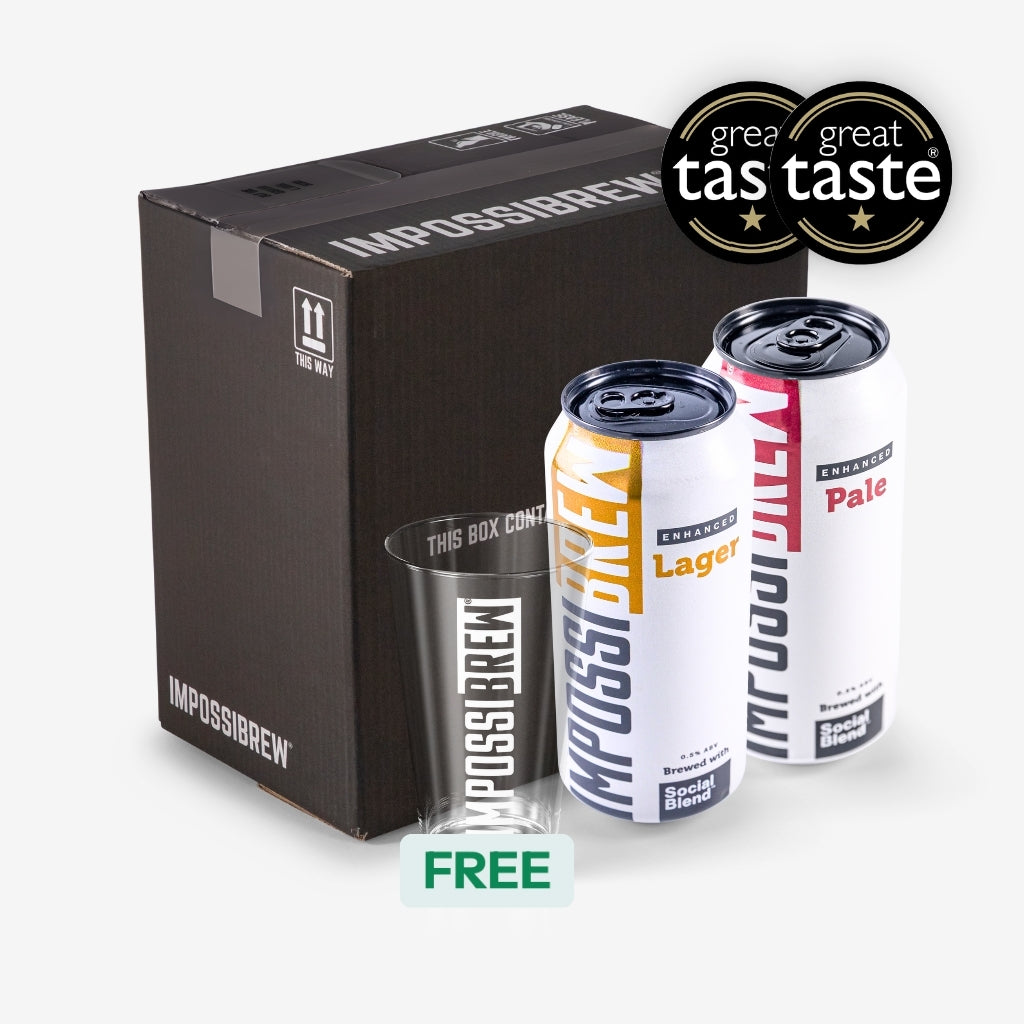
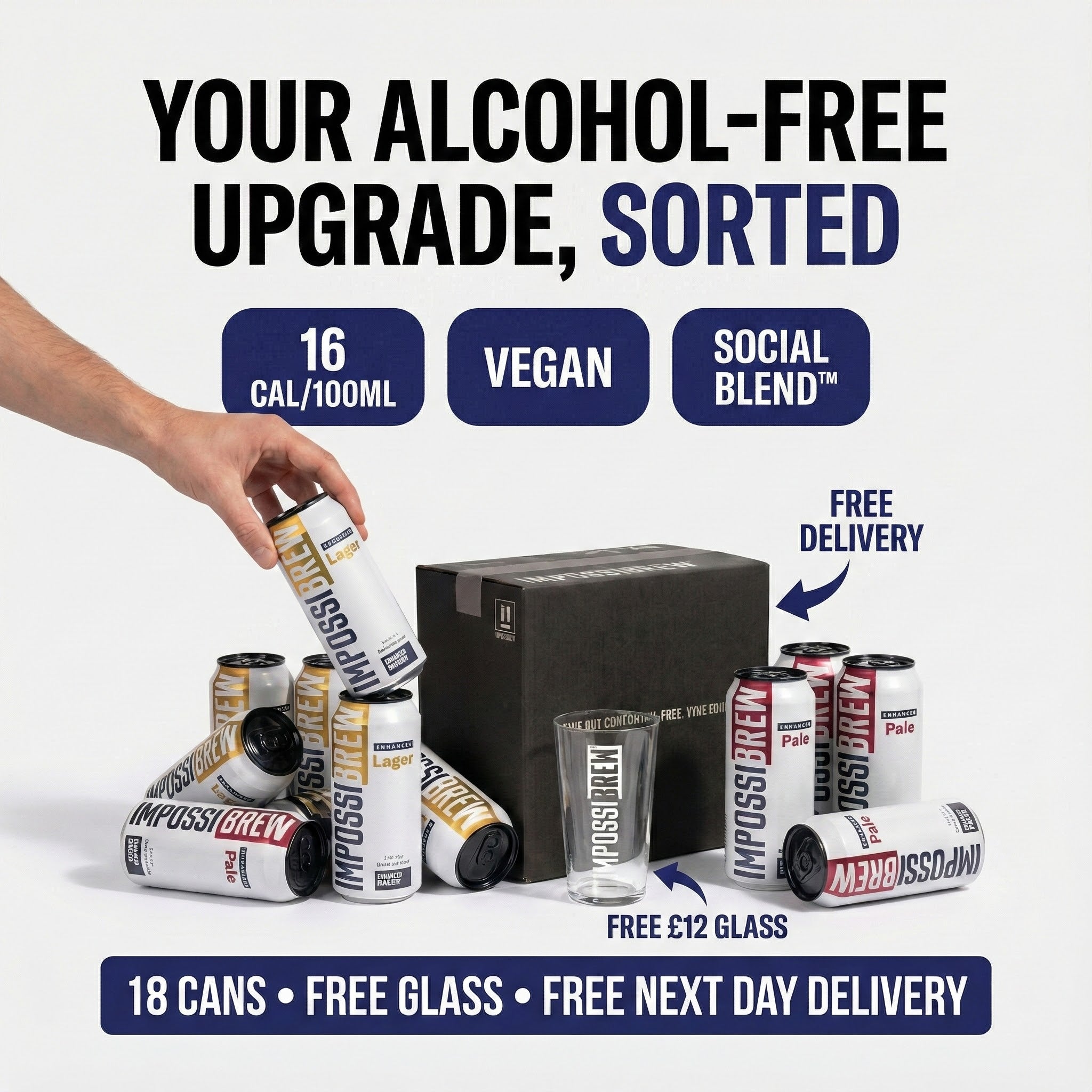
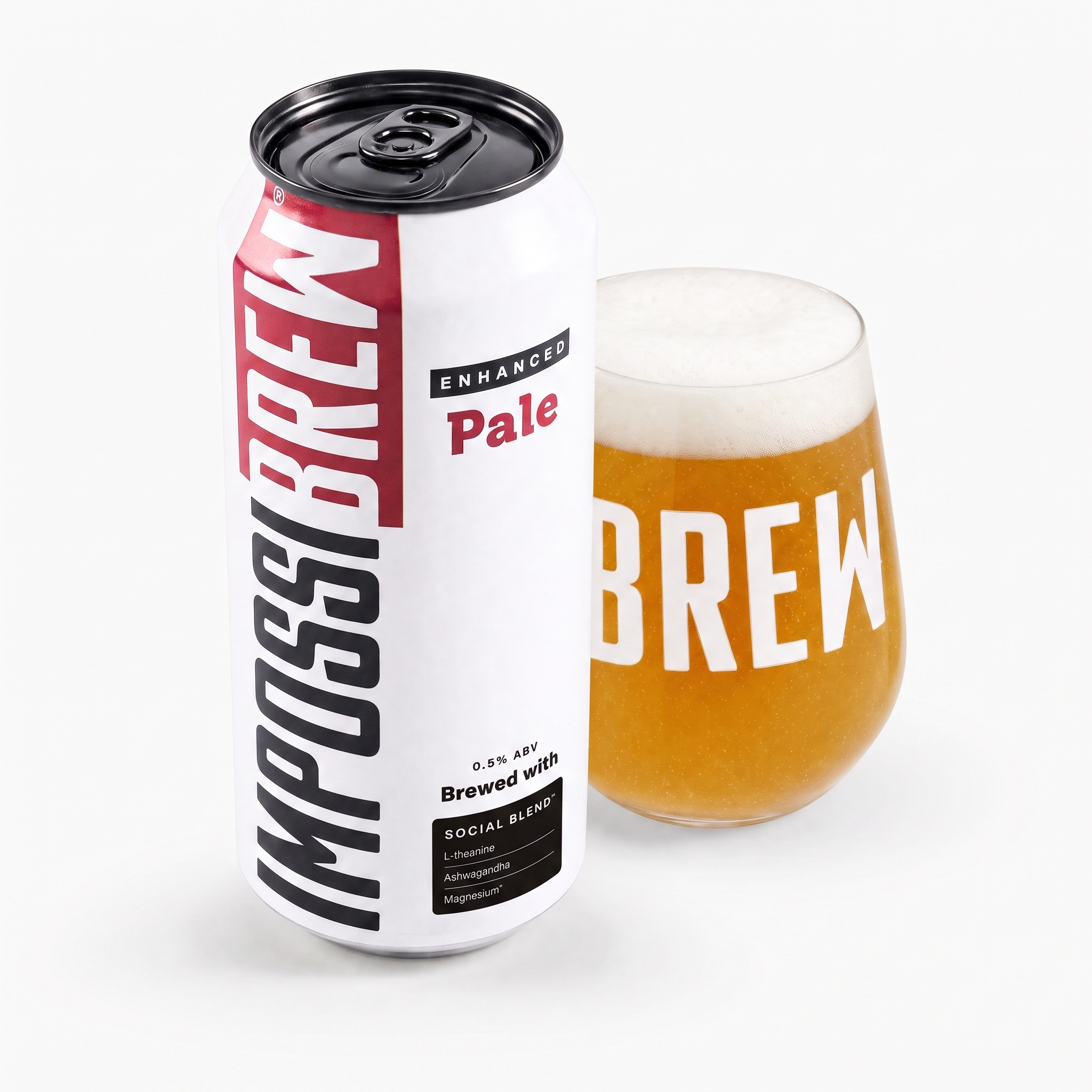
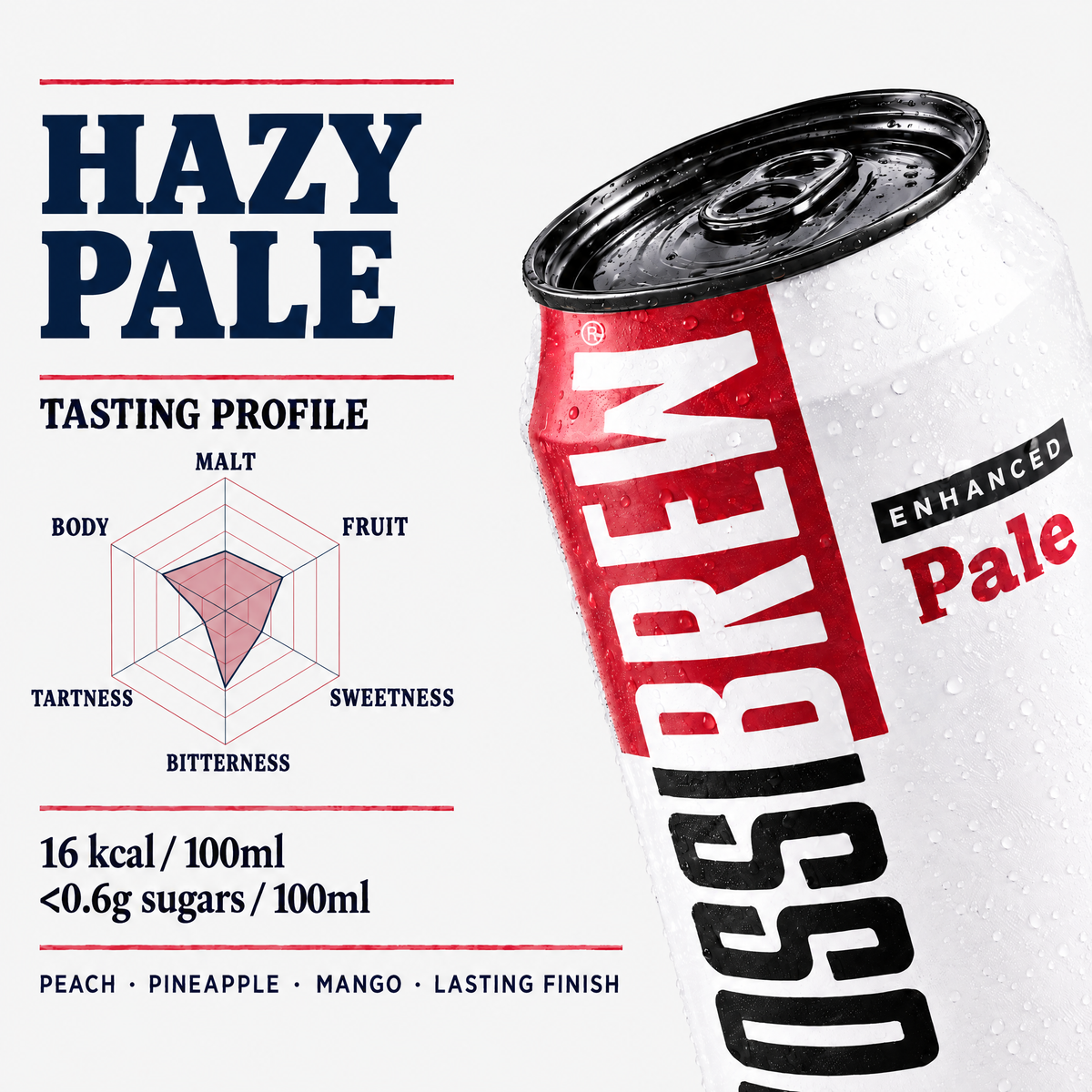
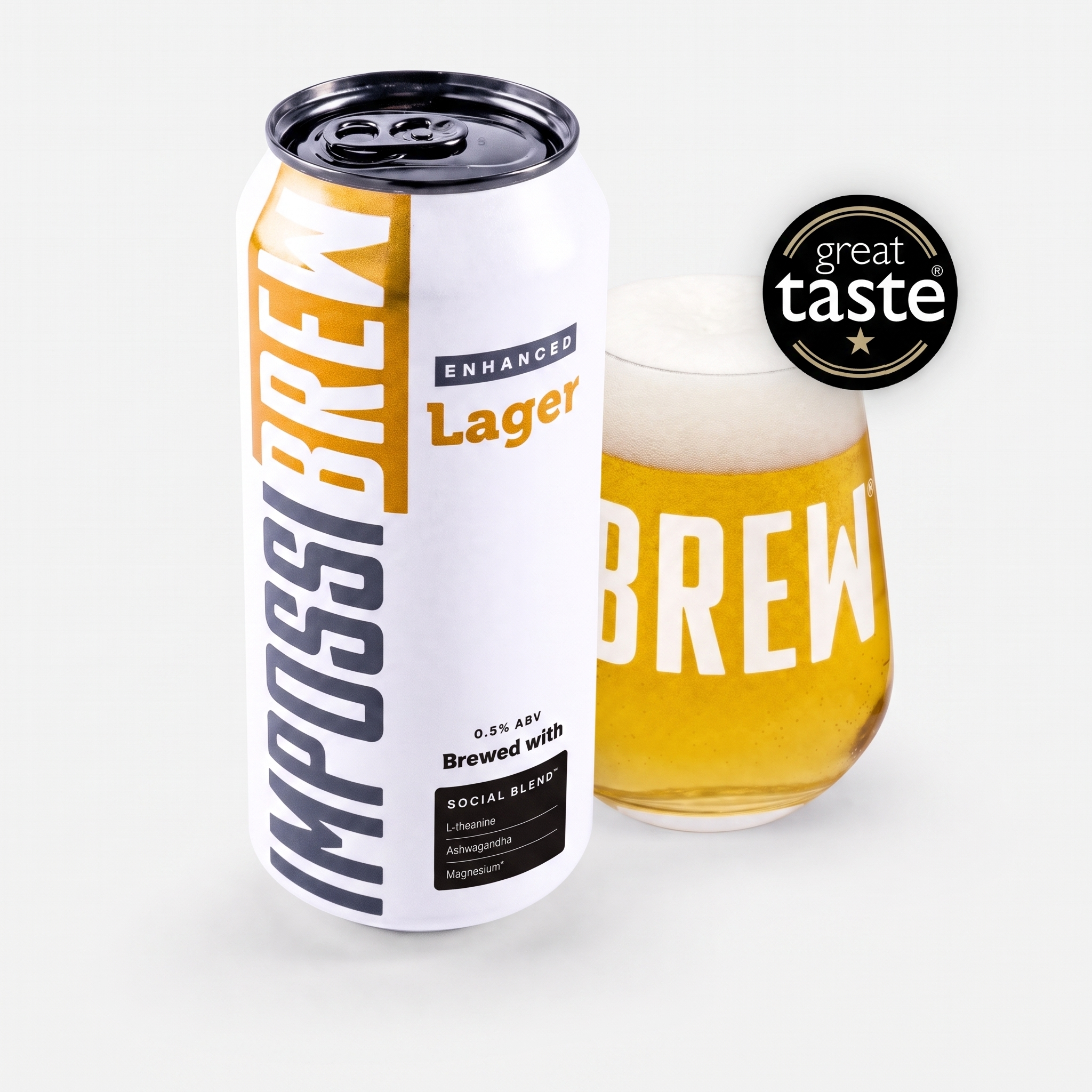
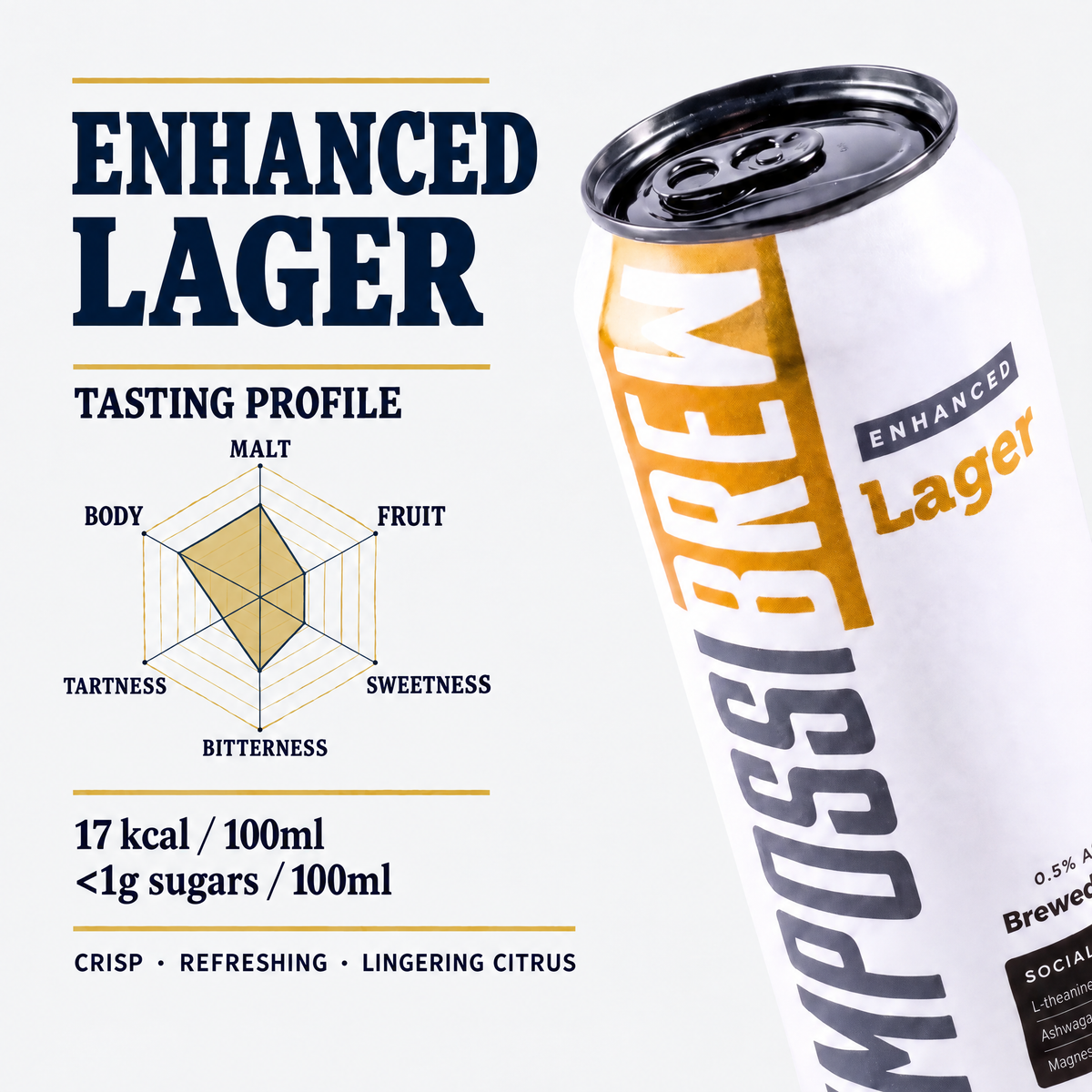
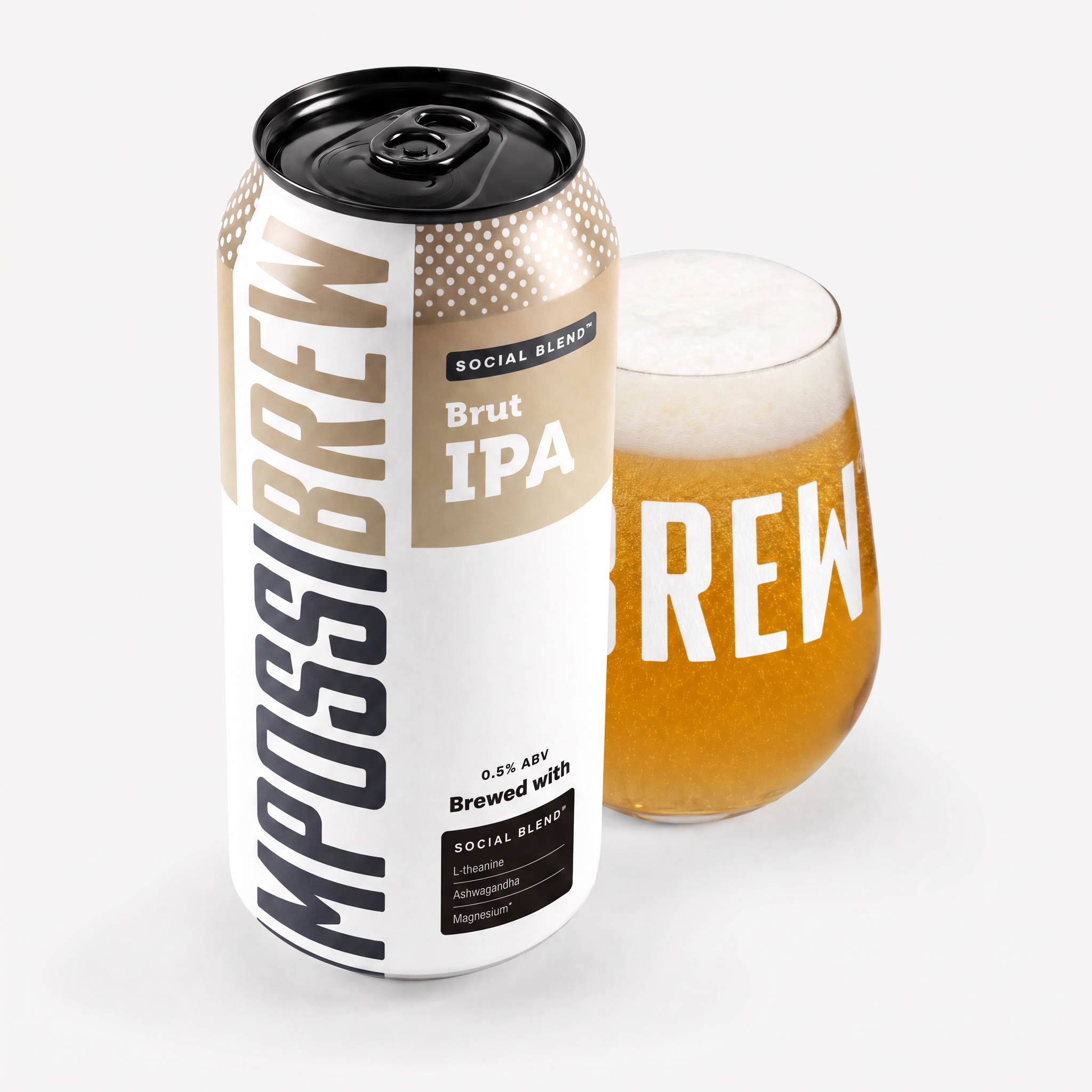
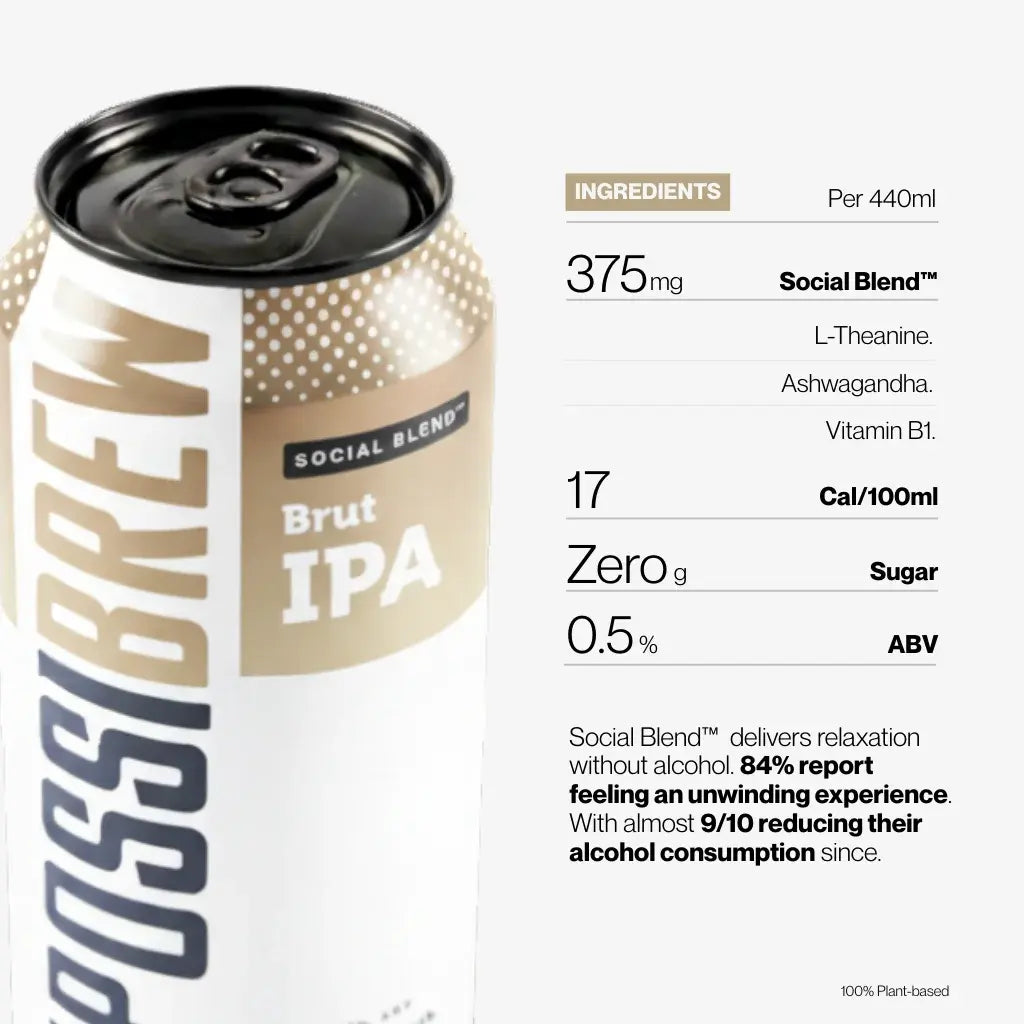
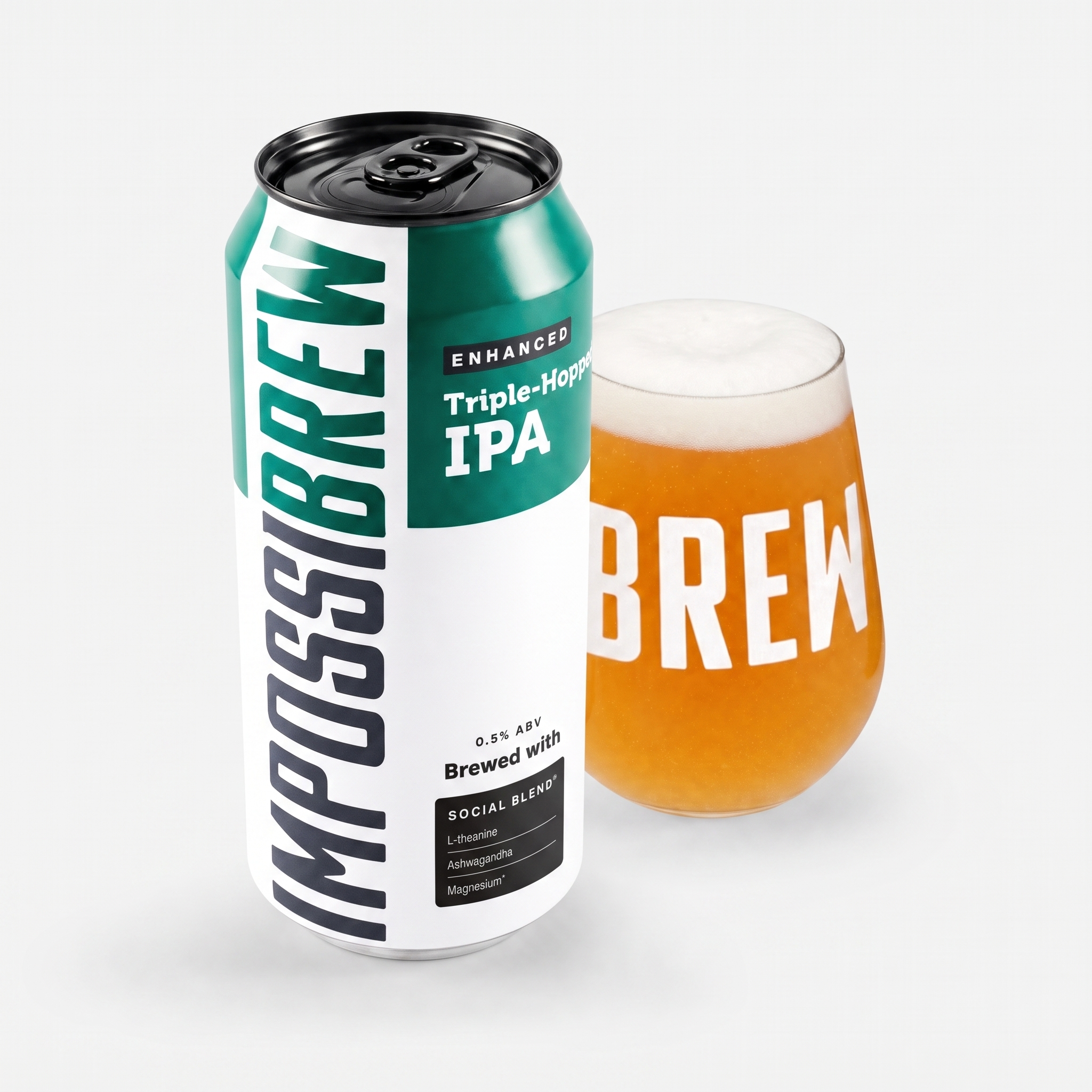
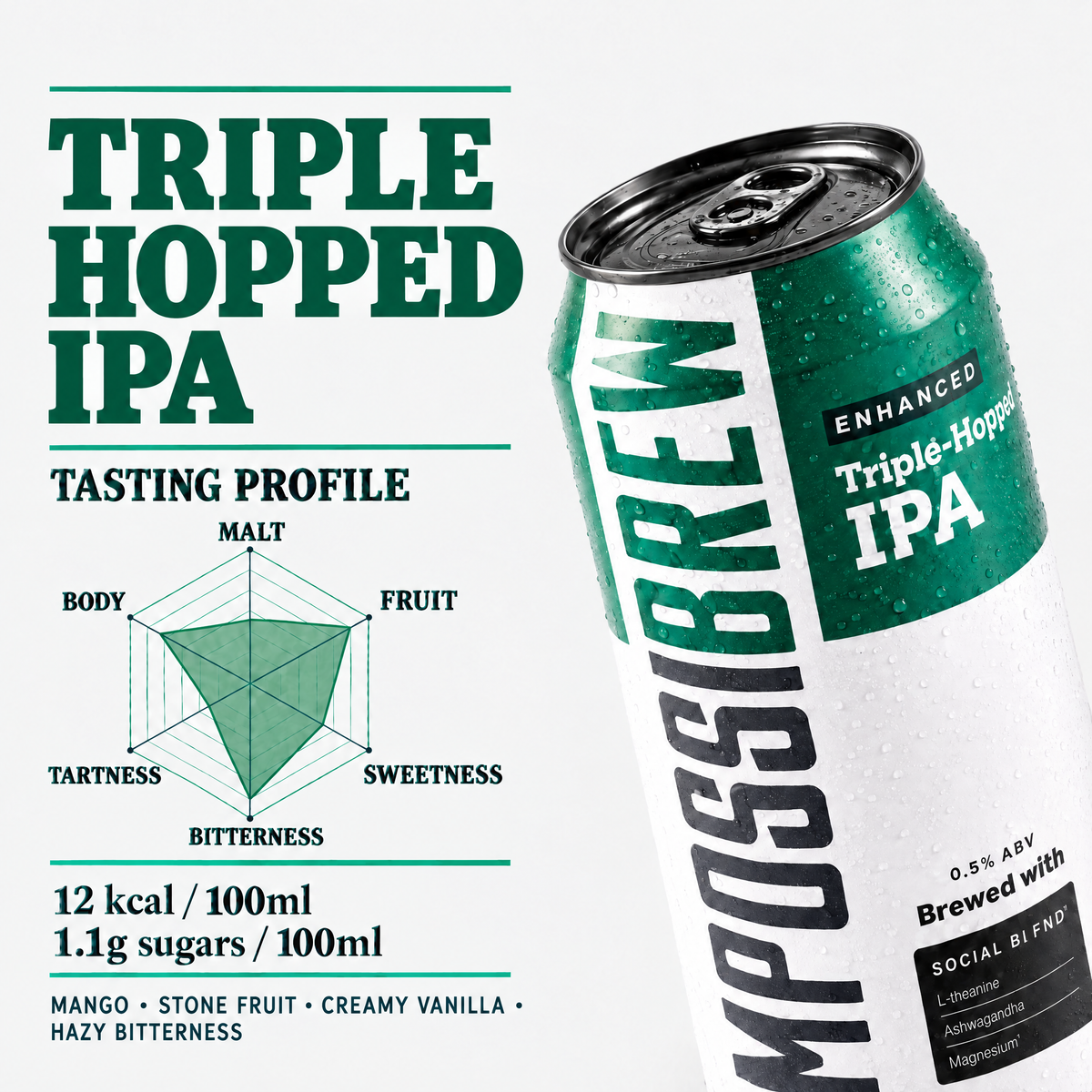
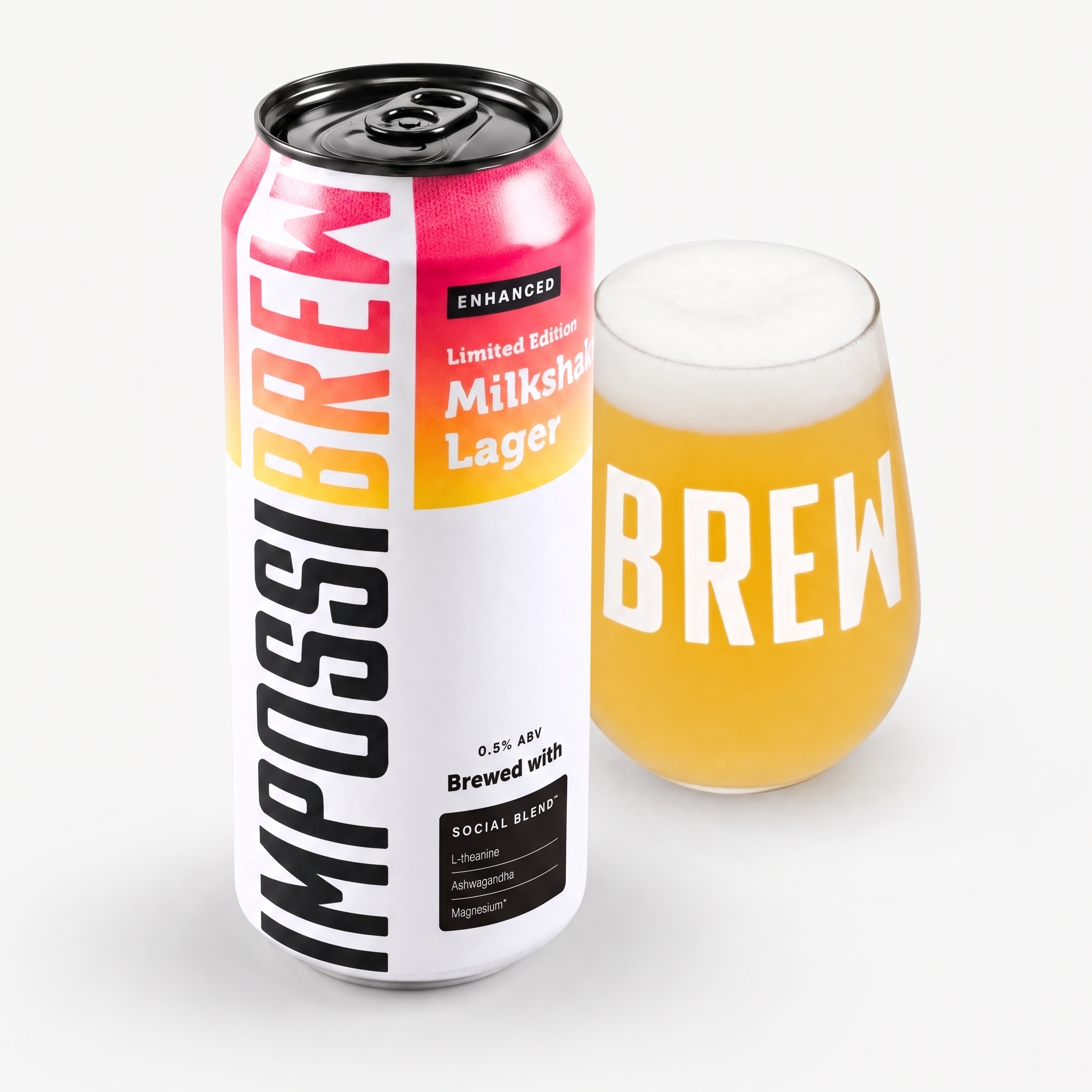
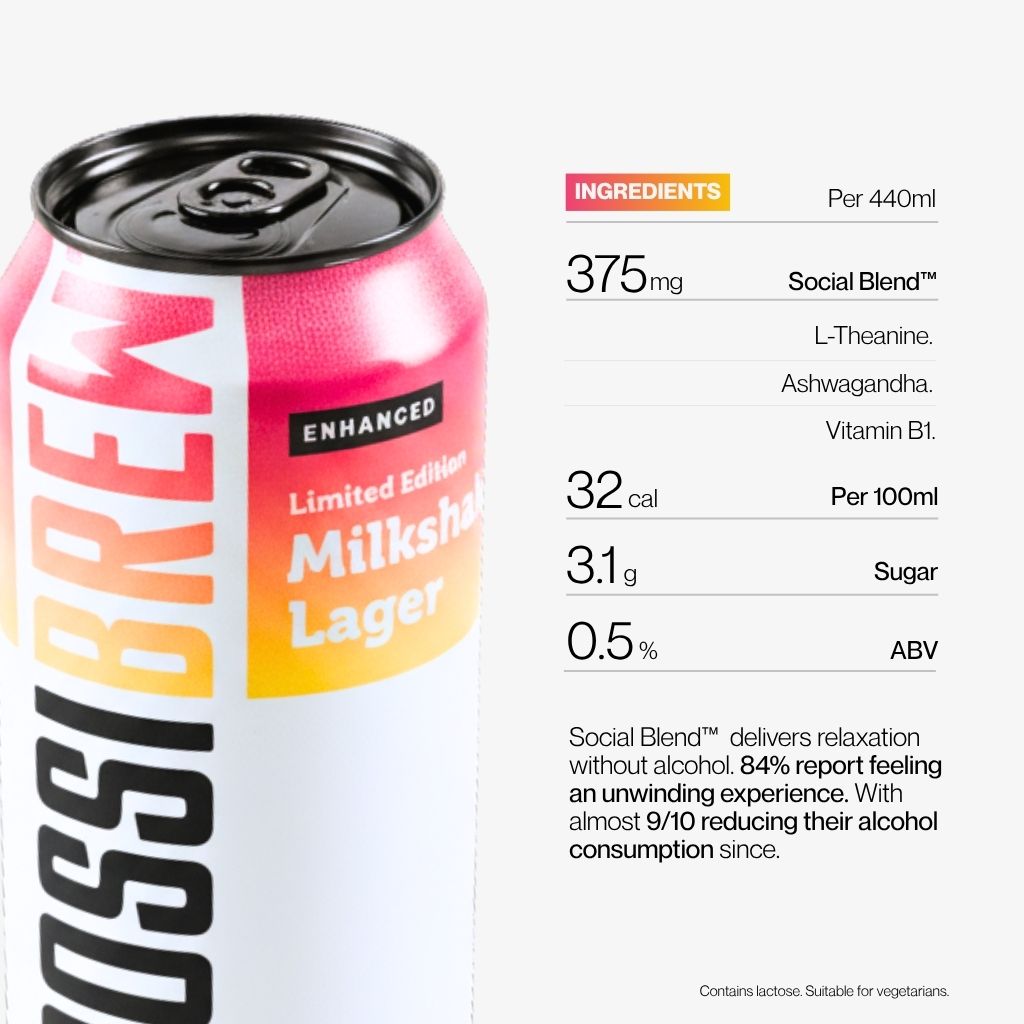
If you’re looking for a way to unwind without alcohol, functional beverages like IMPOSSIBREW® could be the answer. With its proprietary Social Blend™, IMPOSSIBREW® mimics the sensory and social experience of traditional beer but skips the physiological downsides of alcohol.
Both the Enhanced Lager and Enhanced Hazy Pale by IMPOSSIBREW® contain less than 0.5% alcohol by volume (ABV), meaning they won’t lead to the sleep disruptions caused by ethanol. Interestingly, research shows that 52% of individuals aiming to cut back on alcohol turn to non-alcoholic drinks as substitutes [8]. For example, in January 2023, WHOOP partnered with Athletic Brewing for the "Give Dry a Try" initiative. Participants saw an HRV increase five times higher than the baseline population, with 25% reducing their drinking days and 16% abstaining completely for the month [8].
Incorporating IMPOSSIBREW® into your evening routine can support the sleep improvements your tracker highlights. You’ll maintain your usual rituals without needing to wait for alcohol to metabolise, typically a three-hour process. Your sleep tracker may then show a more stable RHR, improved HRV, and no suppression of REM sleep.
Other Sleep Improvement Strategies
As your sleep tracker starts to reflect better sleep patterns, you can amplify these gains by adopting effective sleep hygiene habits.
Create the ideal sleeping environment: keep your bedroom cool (around 18°C), dark, and quiet. This can help improve your "Restfulness" score on devices like the Oura Ring [3].
Aim for a sleep latency (the time it takes to fall asleep) of 15–20 minutes. Falling asleep in under five minutes might indicate you’re overtired, while taking more than 20 minutes suggests your wind-down routine needs some tweaking [2][5]. Avoid heavy meals for at least three hours before bed and limit exposure to bright blue light 1–2 hours before sleeping [5]. Maintaining a consistent wake-up time can also help stabilise your circadian rhythm, which alcohol tends to disrupt [11].
"Sleep is an incredibly active process, our bodies are working really, really hard when we sleep, and if you have alcohol in your system, none of those very active processes can happen."
- Emily Capodilupo, VP of Data Science and Research, WHOOP [23]
Conclusion
Taking a 31-day break from alcohol can lead to noticeable improvements in your sleep. On average, people gain an extra 16 to 35 minutes of sleep per night, while heart health metrics also improve - heart rate variability (HRV) can increase by up to 38%, and resting heart rate (RHR) drops by 11–13% [10][11][9]. These changes often result in waking up feeling more refreshed, focused, and energised.
Better sleep sets off a chain reaction of health benefits. Beyond improved rest, people often experience better metabolic health, enhanced liver function, clearer skin, and reduced anxiety [24][17][14]. In fact, 61% of adults report sleeping better when they abstain from alcohol [21]. This is because your body finally has the opportunity to enter deep and REM sleep - the stages critical for true recovery and restoration.
For those who enjoy an evening ritual, swapping alcohol for functional alternatives like IMPOSSIBREW® can help. With less than 0.5% ABV and its unique Social Blend™, it offers the satisfaction of a quality beer without disrupting your sleep. Many find that their sleep trackers show stable HRV, lower RHR, and uninterrupted sleep patterns when making this switch.
If you're considering a 31-day alcohol-free challenge, using a sleep tracker can be a game-changer. Start by tagging baseline nights, review trends weekly, and watch how your body adjusts. These improvements in sleep quality often inspire long-term changes, making the challenge more than just a temporary experiment [8][10].
Give it a try - commit to 31 days without alcohol, track your progress, and see how your body responds when one of its most vital processes is no longer interrupted. The results might just surprise you.
FAQs
How does alcohol impact your deep sleep and REM sleep?
Alcohol interferes with two of the most important stages of sleep: deep sleep and REM sleep. Even small amounts can disrupt deep sleep – the phase crucial for physical recovery, tissue repair, and strengthening the immune system. At the same time, alcohol reduces REM sleep, which is key for mental recovery and consolidating memories. The result? Sleep becomes fragmented and far less effective.
Though alcohol might help you fall asleep faster due to its sedative properties, it disrupts the natural progression of sleep stages as your body processes it. This often leads to a higher heart rate and interrupted sleep patterns. Over time, heavy or frequent drinking can even alter the brain's REM sleep cycles, further diminishing sleep quality. For many, eliminating alcohol results in noticeable improvements in both deep and REM sleep, paving the way for more restorative rest and recovery.
What are the long-term benefits of giving up alcohol for better sleep?
Giving up alcohol can do wonders for your sleep and overall recovery. Without alcohol interfering with your sleep cycle, your brain can fully experience all the sleep stages, including deep sleep and REM sleep. These stages are crucial for physical recovery and memory processing. Over time, this can lead to noticeable improvements in heart-rate variability (HRV), a lower resting heart rate, and better cardiovascular health.
People often notice they feel more refreshed, energised, and focused during the day after just a few weeks without alcohol. Sleep trackers frequently show better recovery scores and longer sleep durations, with some individuals gaining as much as an extra hour of rest each night. These positive changes tend to stick around as long as alcohol remains off the table, promoting improved sleep and overall well-being in the long run.
How can I monitor changes in my sleep after giving up alcohol for a month?
To see how your sleep changes during a 31-day break from alcohol, start by using a sleep-tracking device like a ring, wristband, or strap. These devices can monitor key metrics such as sleep stages, heart rate variability (HRV), and resting heart rate (RHR). Before you begin, spend 1–2 weeks tracking your sleep while still drinking alcohol to establish a baseline. Pay close attention to averages like the amount of deep sleep, REM sleep, and your RHR.
Throughout the alcohol-free month, keep tracking your sleep data daily and compare it to your baseline. Many people notice improvements, such as a lower RHR, higher HRV, and more time spent in deep sleep. At the end of the 31 days, review the data to spot trends and understand the impact. This can guide you in deciding whether to stick with the alcohol-free lifestyle or adjust your drinking habits to improve your sleep quality.