The drinks industry is shifting as more people in the UK move away from alcohol, seeking healthier, socially engaging options. Enter adaptogens - natural compounds that help manage stress and promote relaxation. These ingredients, like ashwagandha, lion's mane, and reishi mushroom, are now key players in alcohol-free beers and spirits, often paired with nootropics for added mental clarity. Younger generations, driven by wellness and sustainability, are fuelling this trend, with global functional drink sales projected to reach £200 billion by 2030.
Key points:
- Adaptogens support stress relief and relaxation without alcohol's downsides.
- Popular choices include ashwagandha (stress balance), L-theanine (calm focus), and reishi (relaxation and immune support).
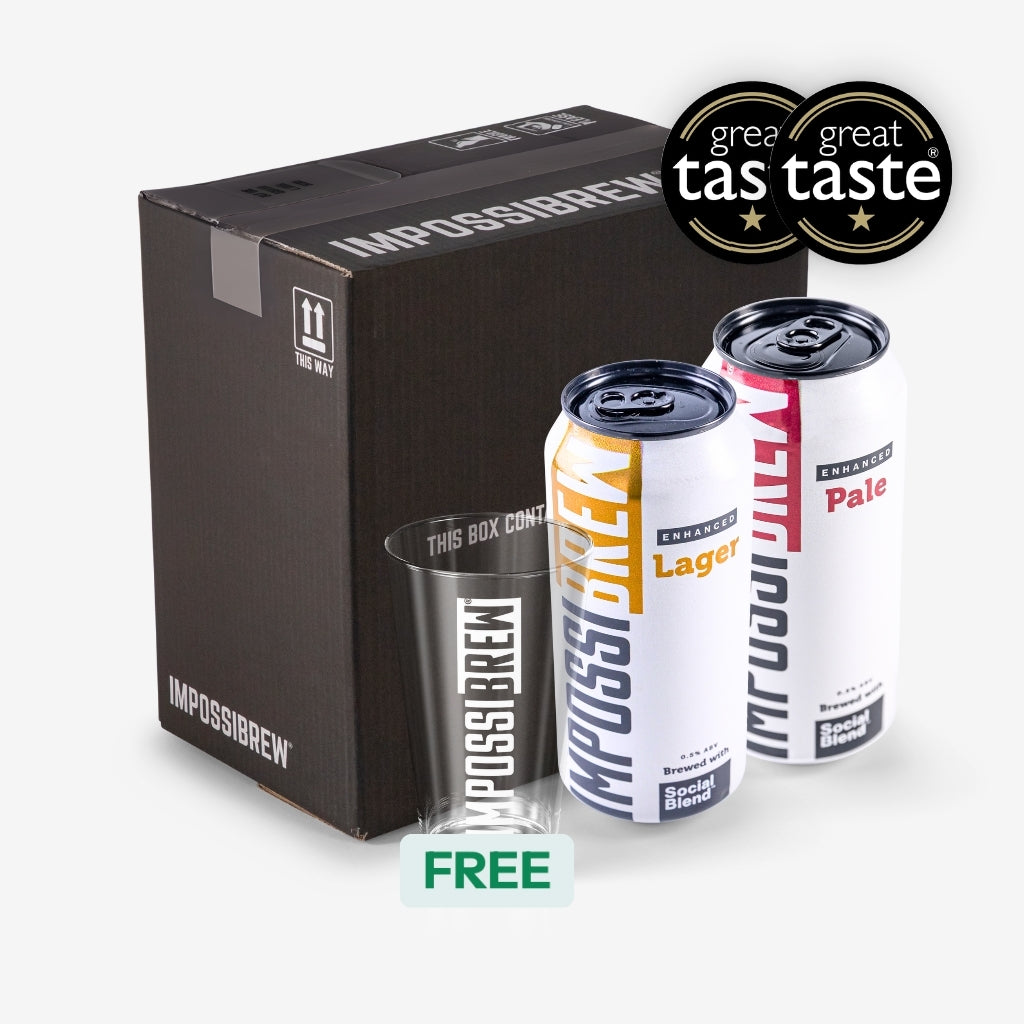
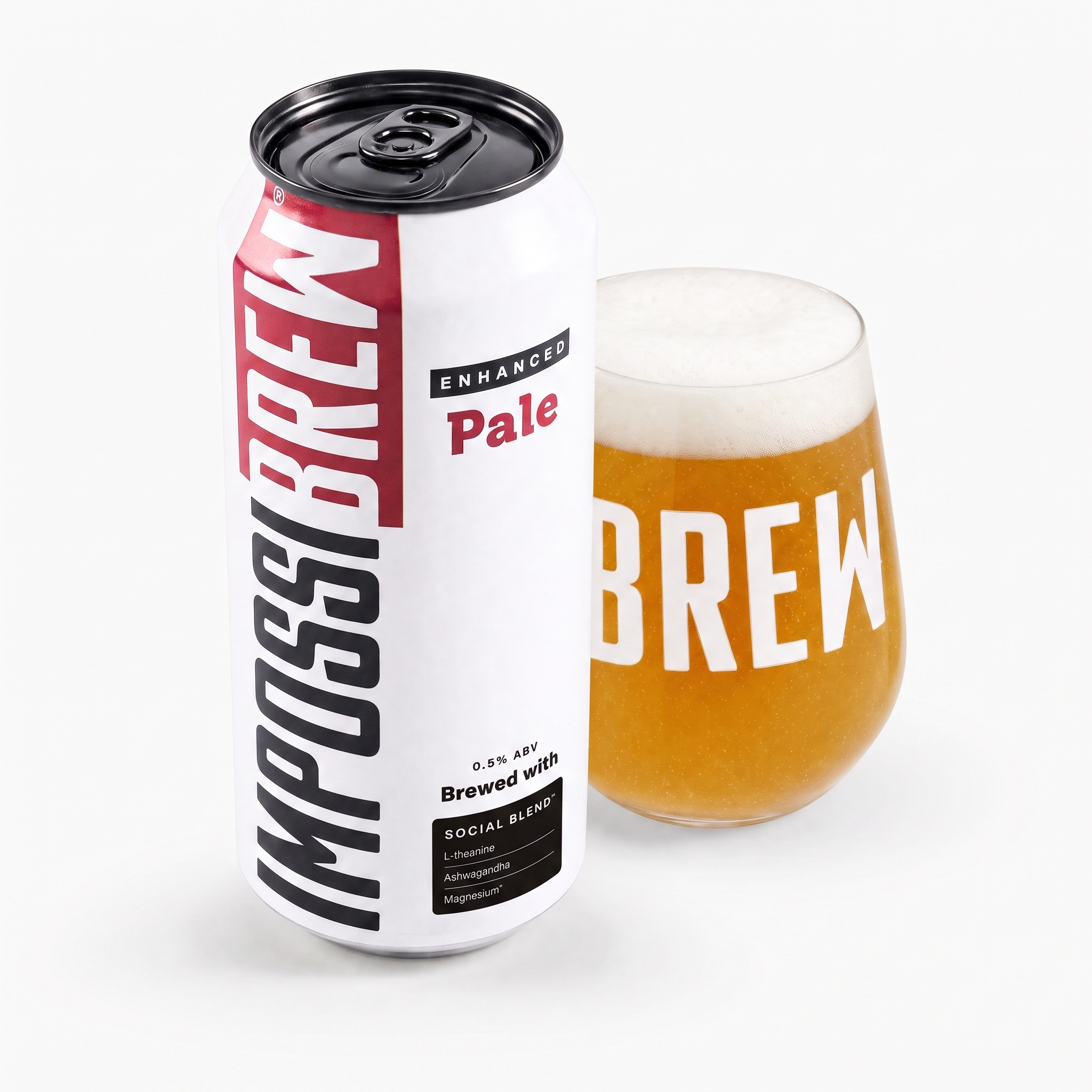
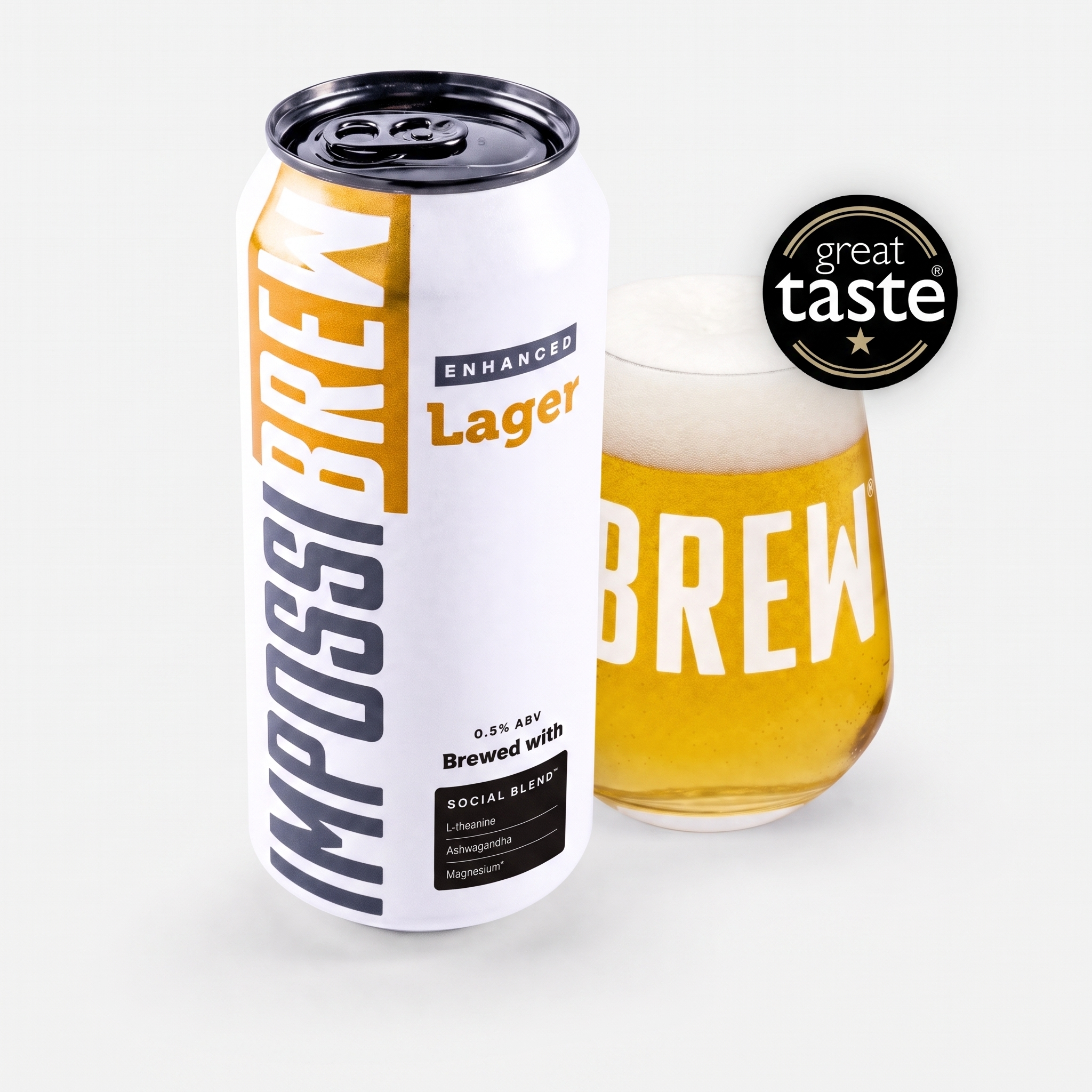
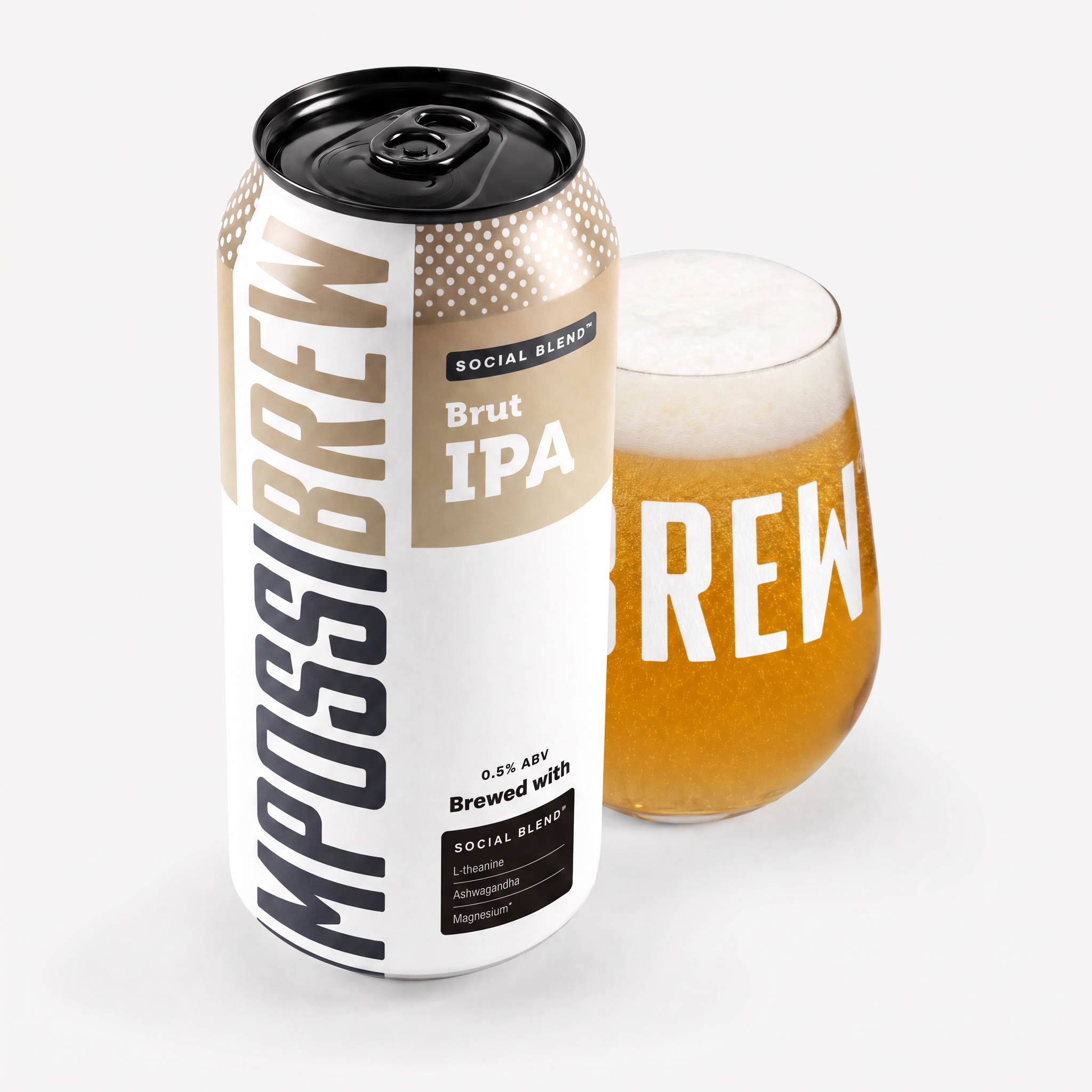
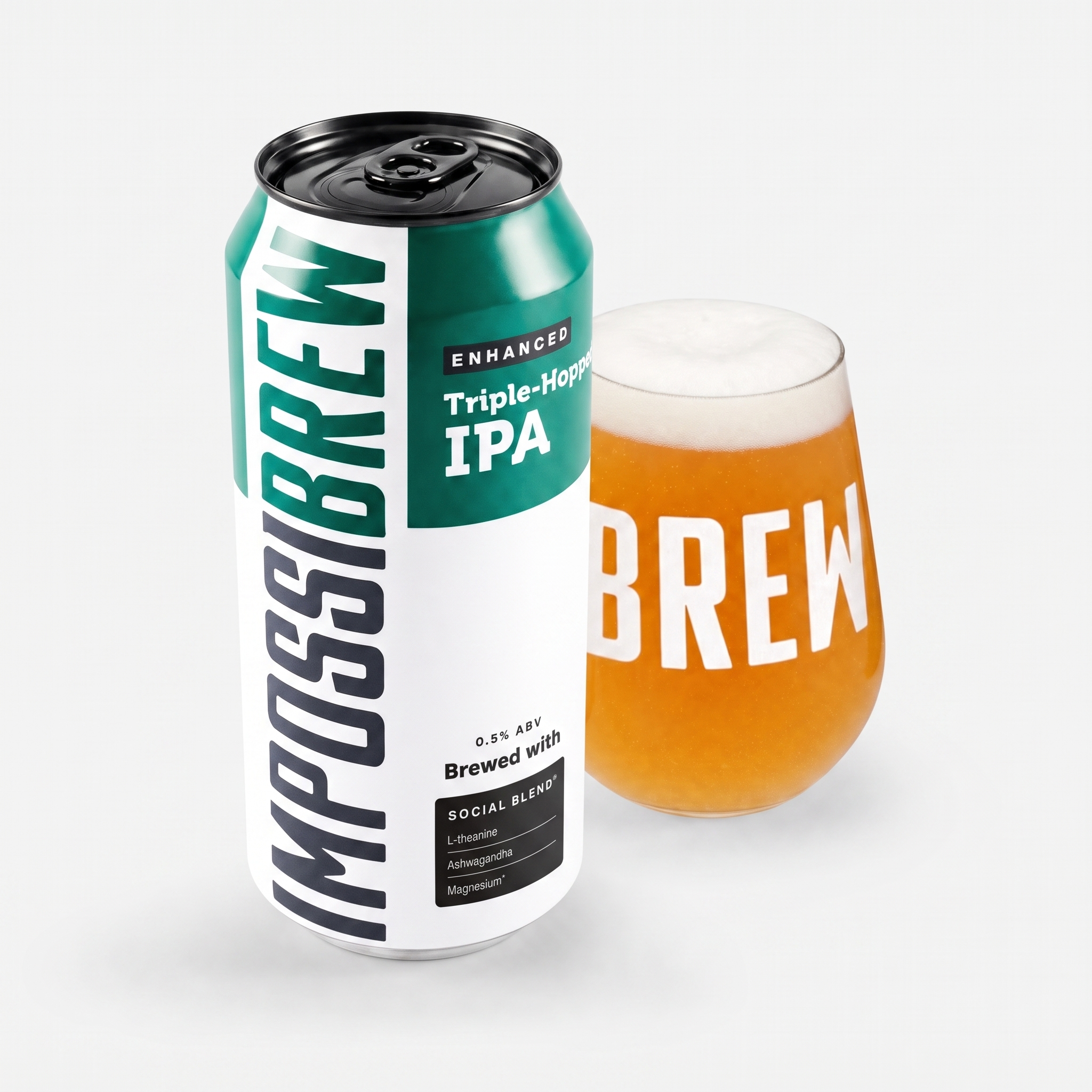
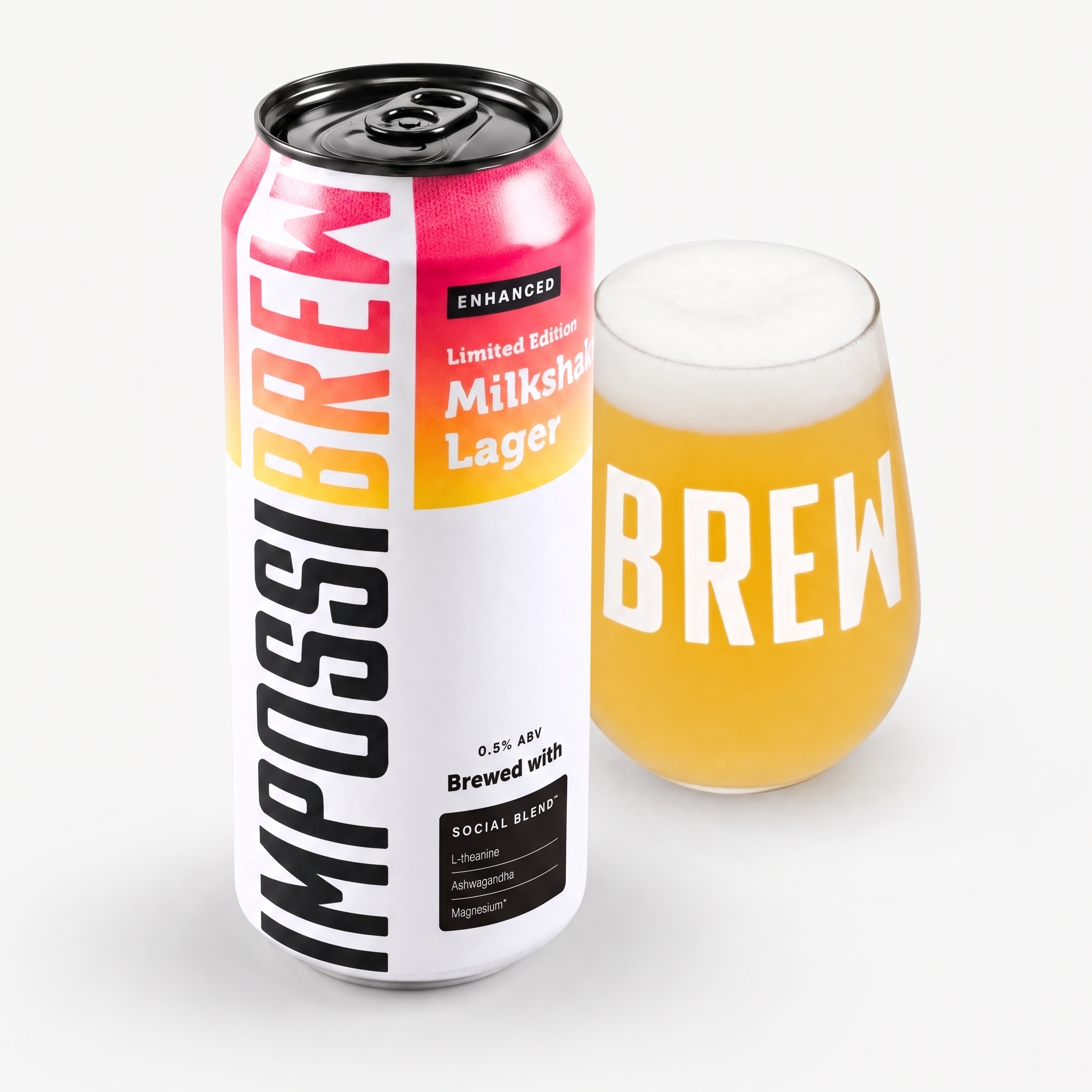
- Brands like IMPOSSIBREW® are leading the way with blends designed for relaxation and social comfort.
- Challenges include balancing flavours and maintaining ingredient potency during brewing.
With rising demand and a focus on wellness, adaptogenic drinks are reshaping how we enjoy social moments - offering relaxation, clarity, and better health.
Get a drink that can give you a buzz, but no hangover
What Are Adaptogens and How Do They Work in Functional Beverages?
Adaptogens are natural substances believed to help the body manage stress by regulating cortisol and other related hormones. Often paired with nootropics, which are known to support memory, creativity, motivation, and focus, adaptogens offer a refreshing alternative to alcohol for those seeking both relaxation and mental clarity.
How Adaptogens Help with Stress and Relaxation
Adaptogens work by supporting the body’s natural response to stress, helping to balance cortisol levels and reinforcing the nervous system’s resilience. For example, L-theanine is known to promote calm focus by increasing alpha brain waves and boosting serotonin levels. When combined with ashwagandha, a well-known adaptogen, the two can reduce stress without causing drowsiness. This combination may also help curb the desire to drink alcohol during times of heightened anxiety.
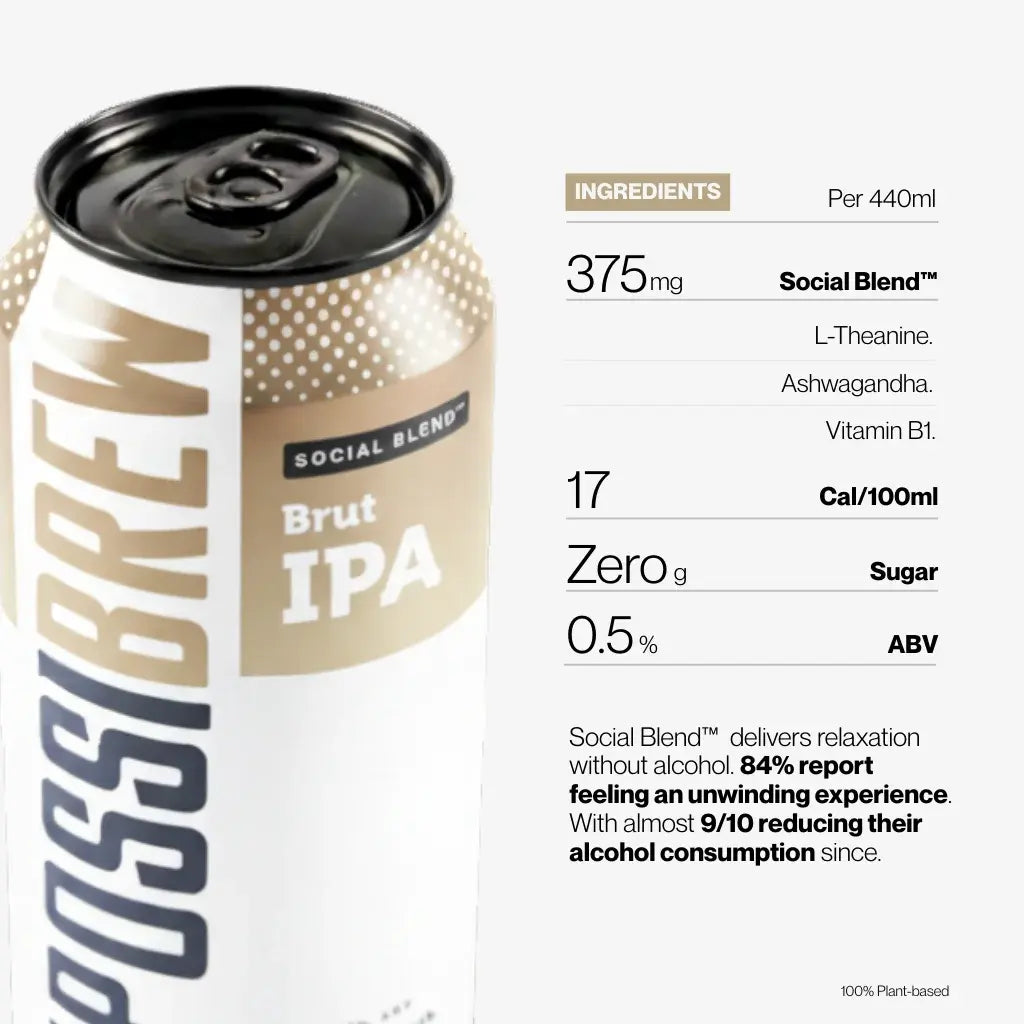
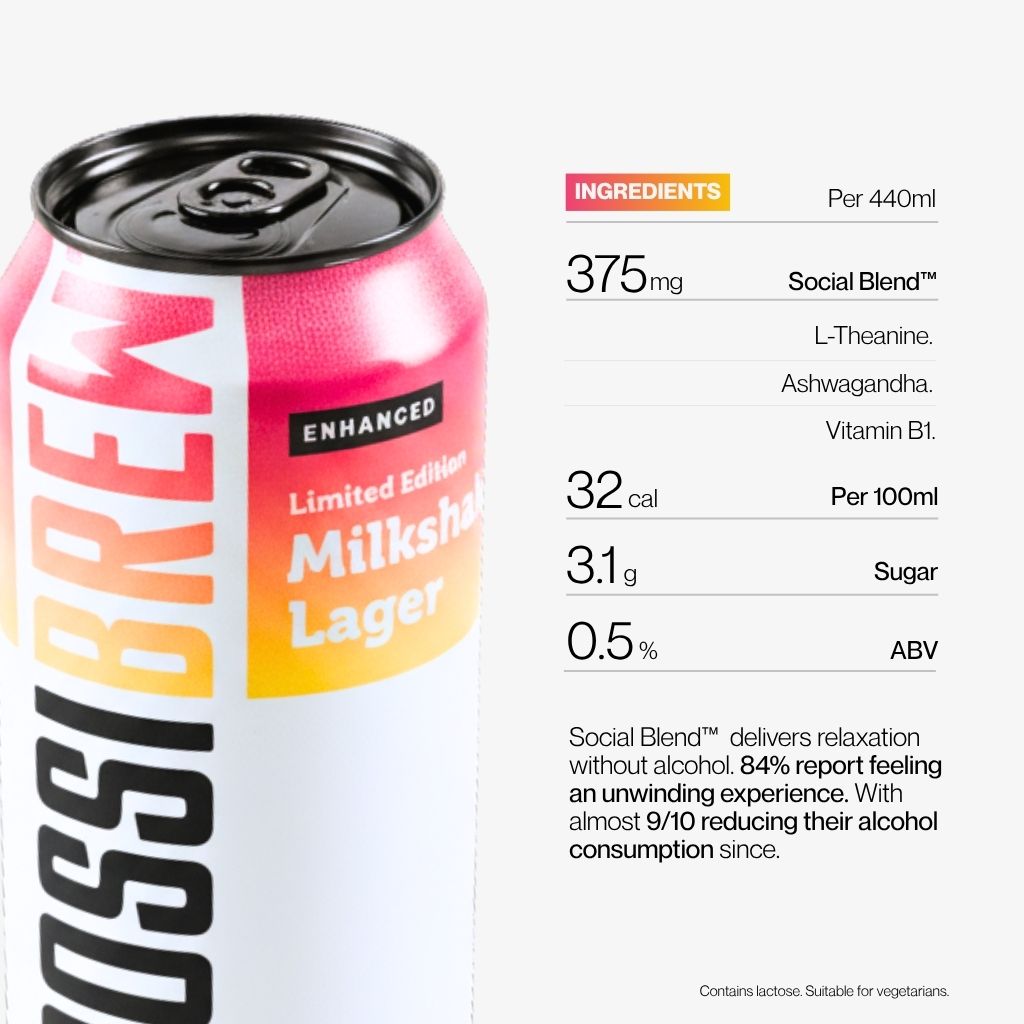
By addressing stress at its root, these compounds may naturally reduce the tendency to rely on alcohol as a coping mechanism. A 2025 study involving over 2,000 participants revealed that 84% of customers reported feeling more relaxed after trying IMPOSSIBREW® Social Blend™ [1].
This ability to balance the body’s stress response makes adaptogens an ideal ingredient for functional beverages that promote both relaxation and mental focus.
Why Adaptogens Are Perfect for Alcohol Alternatives
Adaptogens don’t just help with stress - they also contribute to the social and cognitive benefits of non-alcoholic drinks. These compounds offer the relaxation people often seek in alcohol, but without the hangovers, impaired judgement, or other downsides. Instead of dulling the central nervous system, adaptogenic drinks help users unwind while staying alert and maintaining their physical and mental wellbeing.
In functional beers, adaptogens create a calming effect that allows people to enjoy social interactions without compromising their health. Many beverage creators are now blending adaptogens with ingredients like amino acids and B-vitamins to provide a range of benefits, from stress relief and mood support to improved cognitive function.
This trend is especially popular among Millennials and Gen Z, who are increasingly drawn to health-conscious, multi-functional products. The rise of the "sober curious" movement has further encouraged people to explore alternatives that enable meaningful social experiences without sacrificing their wellbeing. Additionally, low-alcohol beverages - typically containing between 0.05% and 1.12% ABV - are gaining popularity as a healthier way to partake in social rituals.
Adaptogens in alcohol alternatives bring something truly different to the table: they allow people to relax and connect while supporting their health. These natural compounds not only help reduce stress but also mimic the soothing effects of alcohol, offering a way to unwind, enjoy social moments, and maintain mental clarity - all without the drawbacks of traditional alcoholic drinks.
Common Adaptogenic Compounds in Alcohol Alternatives
Functional beers and alcohol alternatives often include a mix of adaptogens and nootropics to mimic the relaxing effects of alcohol while promoting overall wellness. Ingredients like herbal extracts (ashwagandha), medicinal mushrooms (lion's mane and reishi), and natural compounds (L‐theanine) come together to create a balanced drinking experience. Here's a closer look at some of the key adaptogens commonly used in these beverages.
Lion's Mane Mushroom: Supporting Mental Clarity and Stress Management
Lion's mane is known for its ability to boost cognitive clarity and help with stress management. It’s a go-to ingredient for enhancing mental sharpness and focus, making it perfect for social situations. By helping to manage stress-related symptoms, it allows you to stay engaged and alert without feeling overwhelmed.
Ashwagandha: Promoting Calm Through Cortisol Balance
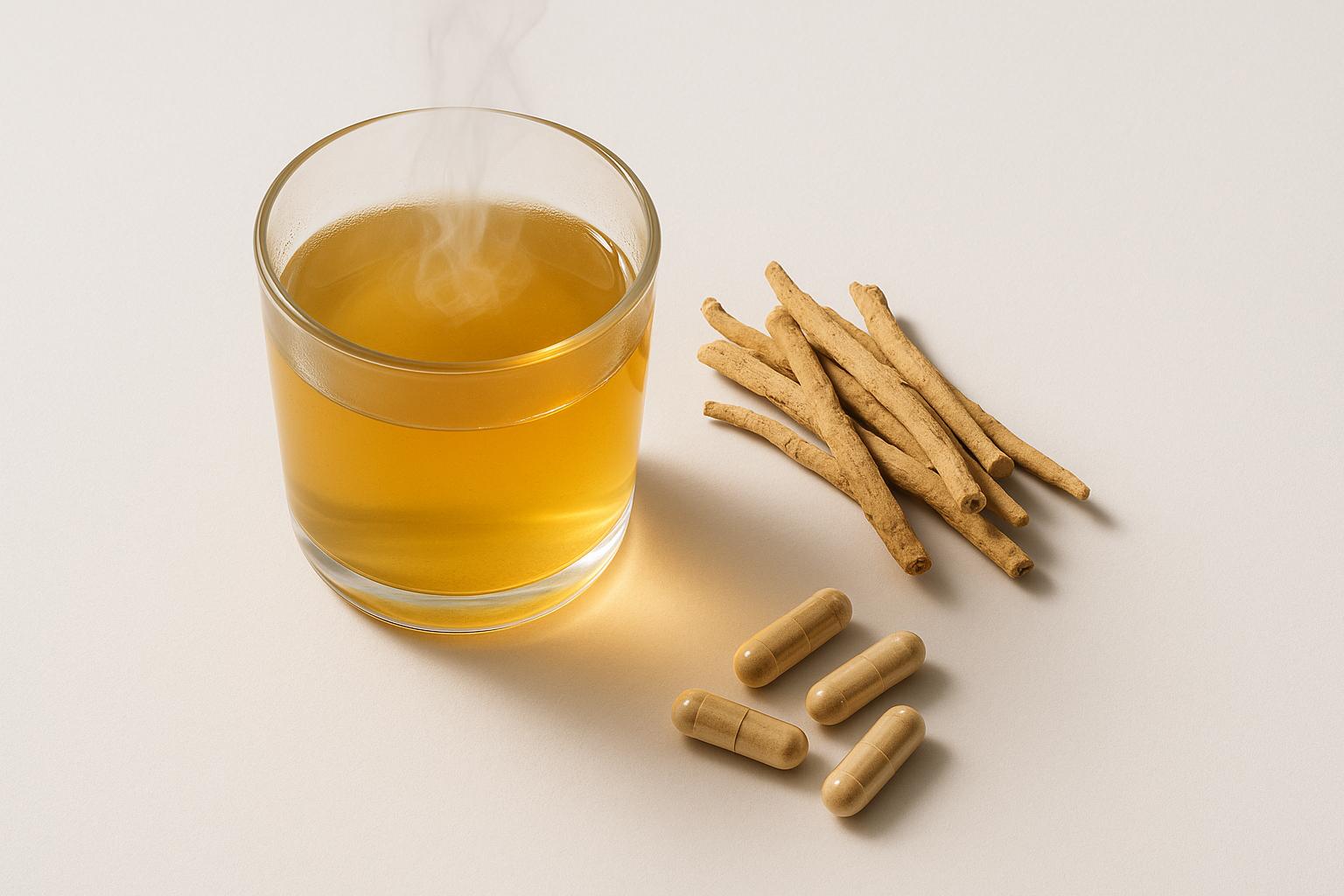
Ashwagandha is famed for its ability to balance cortisol levels, helping to reduce stress while maintaining energy and focus. For example, IMPOSSIBREW®'s Social Blend™ incorporates ashwagandha alongside other scientifically backed ingredients, offering a practical solution for navigating social settings with ease and calm.
L-Theanine: Encouraging Relaxation Without Losing Focus
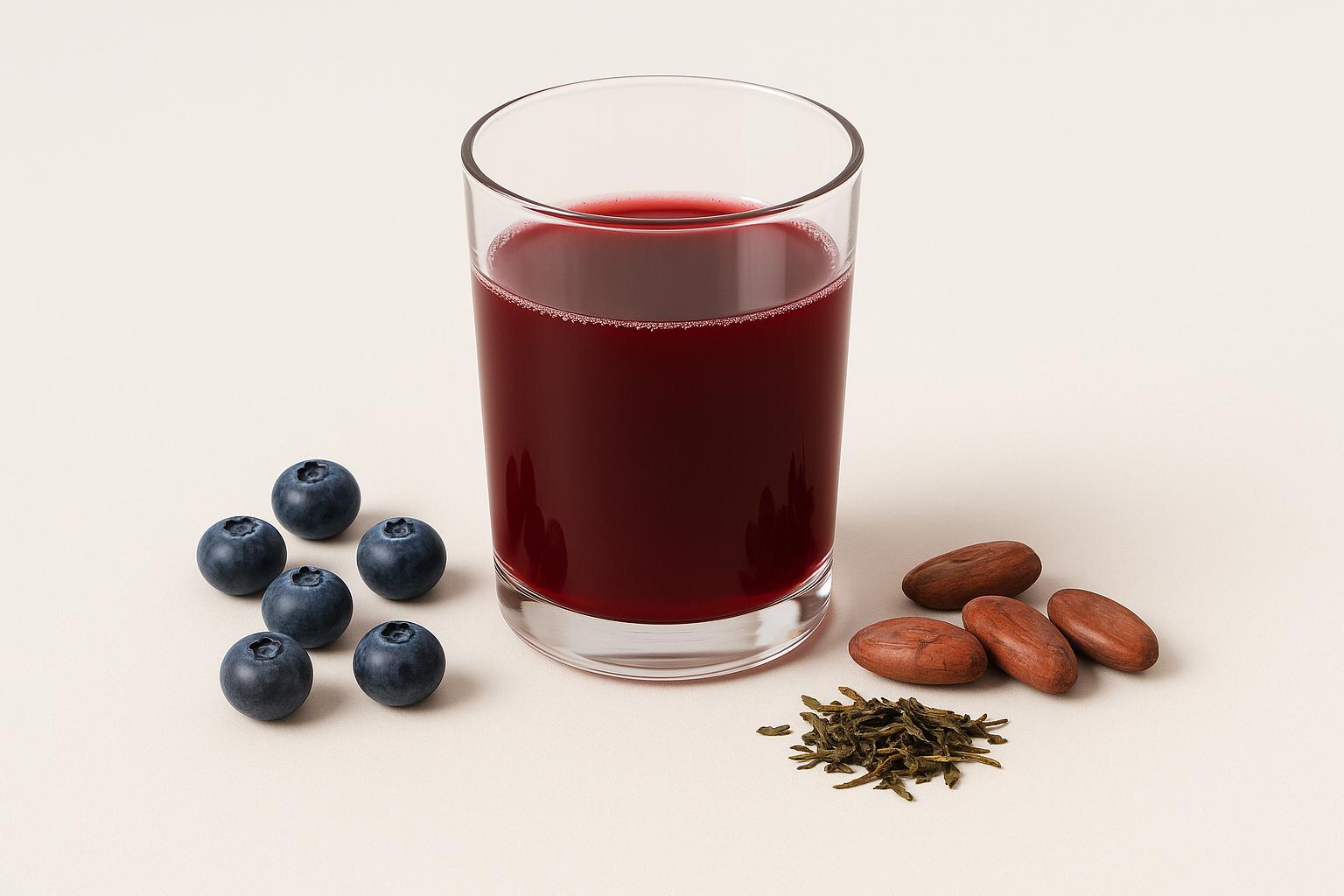
Found naturally in tea leaves, L‐theanine is an amino acid that promotes a sense of calm while keeping you alert. Its ability to increase alpha brain wave activity and regulate serotonin makes it an excellent partner for ashwagandha. Together, they create a calming yet focused state, perfect for enjoying social occasions with clarity and ease.
Reishi Mushroom: Relaxation and Immune Support
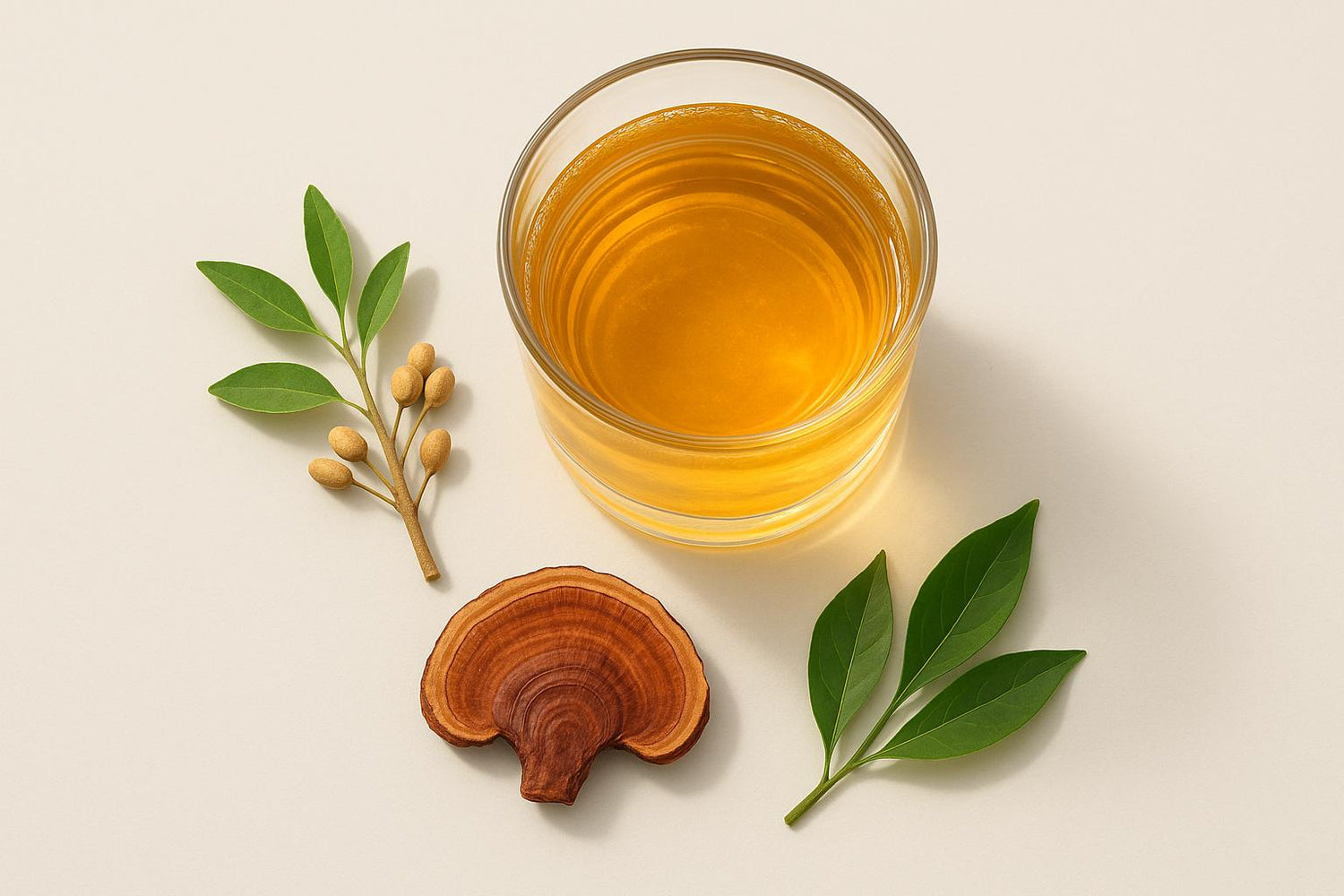
Reishi not only encourages relaxation but also supports immune health, adding a subtle earthy flavour to beverages. It’s particularly suited for evening drinks, helping to ease stress and promote a sense of wellness. Unlike alcohol, reishi helps create a soothing experience without unwanted after-effects, making it an excellent alternative for traditional social drinking moments.
Challenges and Solutions in Brewing Adaptogenic Beers
Crafting beers infused with adaptogens comes with its fair share of challenges. Brewers must strike a delicate balance between delivering the classic beer experience that drinkers love and ensuring the functional ingredients actually provide the benefits they promise.
Balancing Flavour with Functional Ingredients
Traditional beer brewing focuses on perfecting the interplay of hops, malts, and fermentation. Adding adaptogens into the mix complicates this process. Ingredients like ashwagandha bring bitter, earthy tones, while reishi mushrooms add woody, slightly bitter notes - flavours that can clash with the crisp, refreshing taste many beer enthusiasts expect.
The challenge is meeting two sets of expectations. On one hand, drinkers want a beer that delivers the familiar social and sensory experience. On the other, they’re looking for wellness benefits. Brewers must therefore create flavour profiles where adaptogens enhance rather than overpower the beer’s traditional characteristics.
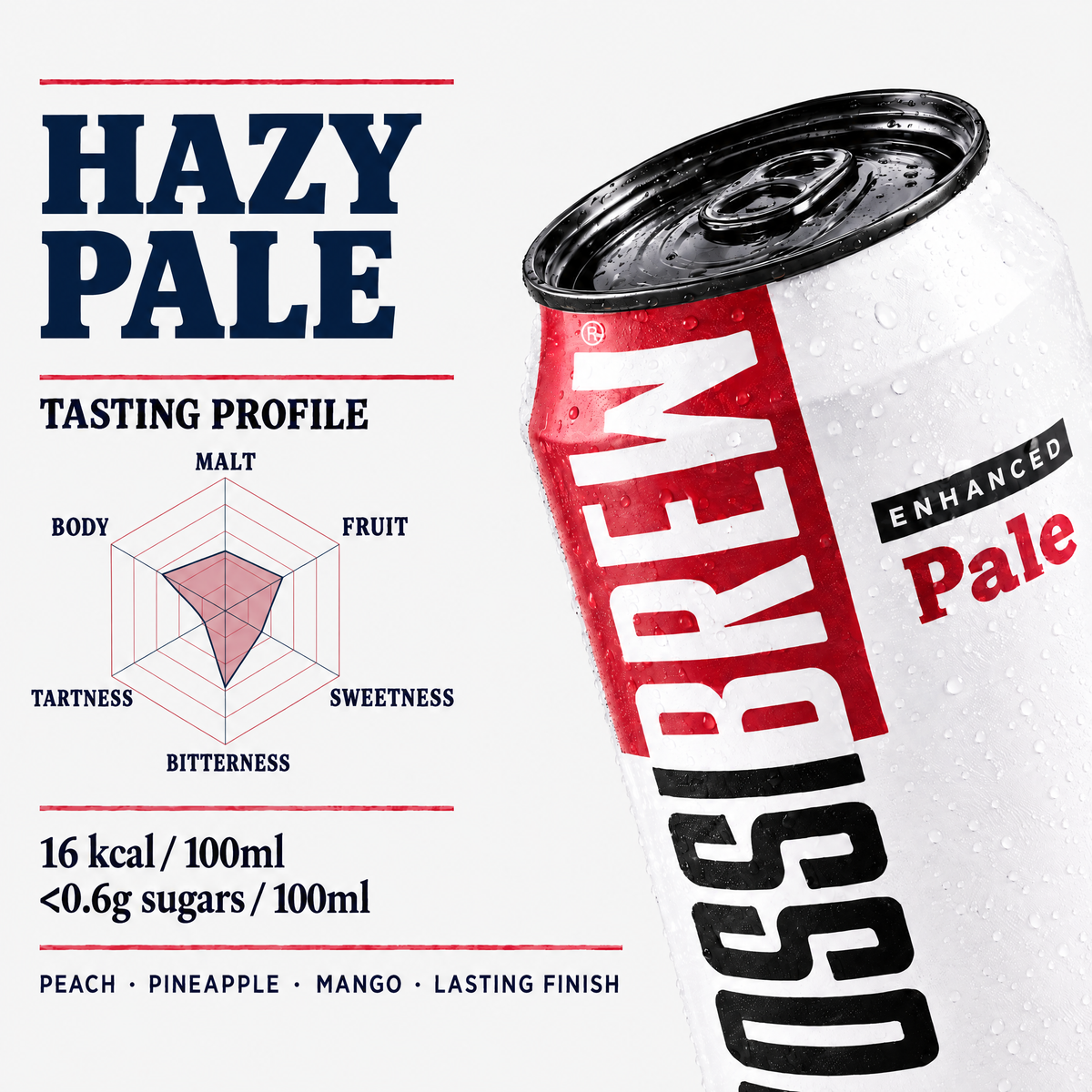
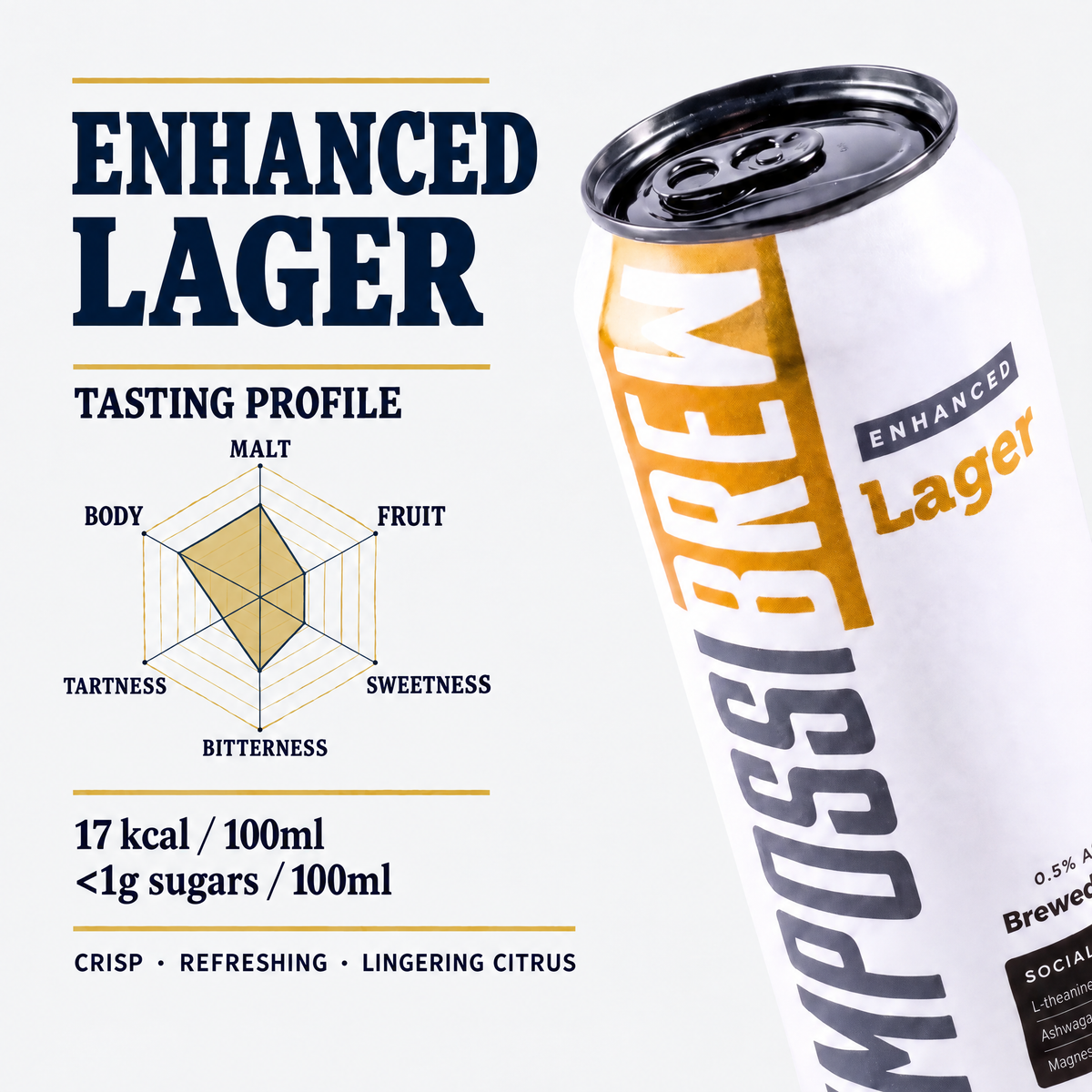
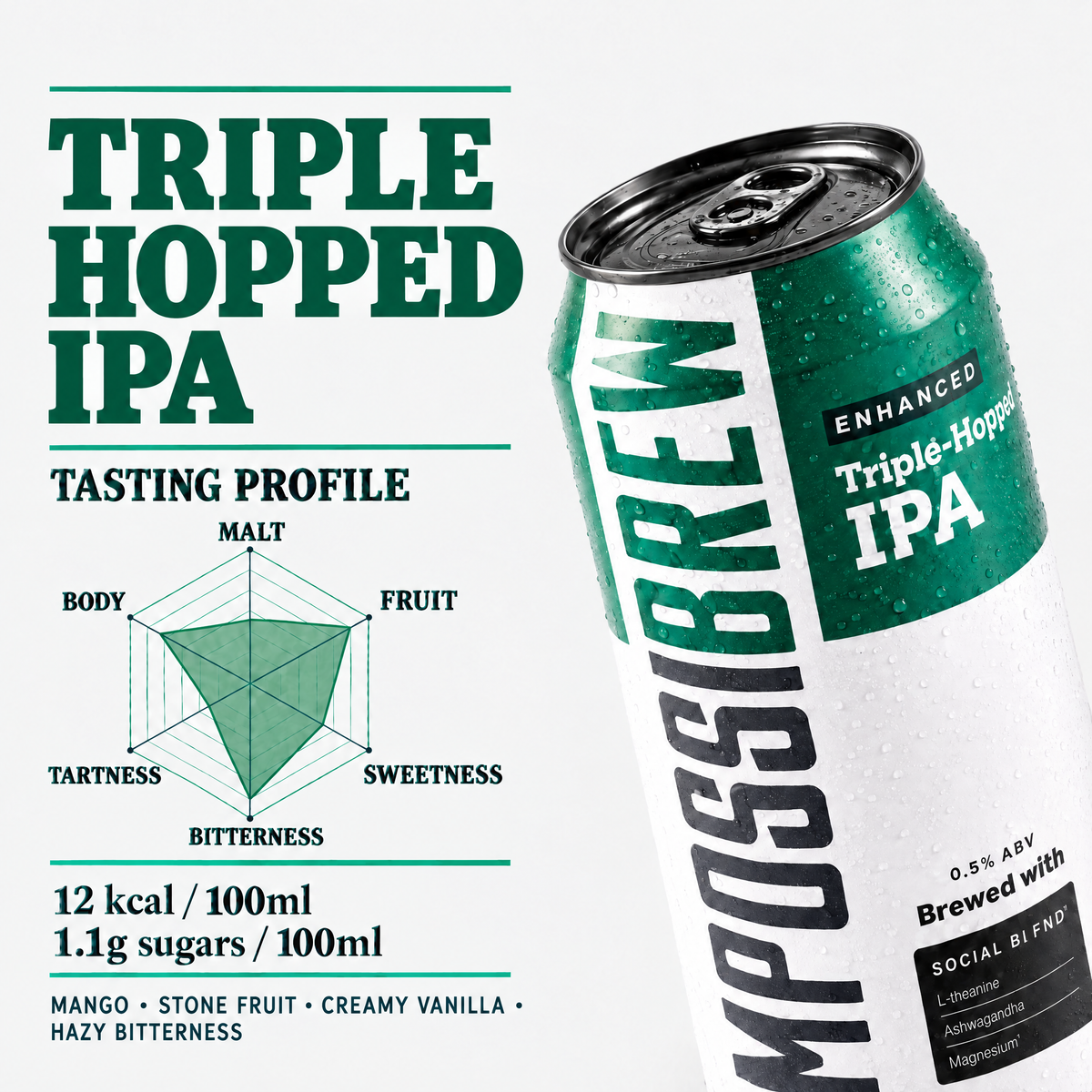
Some beer styles handle these earthy notes better than others. For instance, hoppy pale ales can mask these flavours more effectively than lighter lagers. Brewers often turn to complementary ingredients like botanicals, spices, or fruits to create a more balanced taste.
Temperature also plays a crucial role. Adaptogenic compounds can break down at the high temperatures used in brewing, so many brewers add these ingredients after fermentation to preserve their bioactivity. Additionally, ensuring the stability of these compounds during storage may require special packaging or preservation techniques. With consumers increasingly seeking transparency, many brands now highlight active ingredient dosages and scientific backing on their labels.
To tackle these challenges, brewers have developed innovative techniques and proprietary methods.
Proprietary Blends and Brewing Methods
One effective approach is using proprietary blends that combine multiple adaptogens. By spreading the flavour impact across several ingredients, brewers can avoid relying too heavily on any single compound. This approach not only improves the taste but also allows for a broader range of wellness benefits.
A standout example is IMPOSSIBREW® and its Social Blend™, created in collaboration with Dr Paul Chazot, a Bioscience Professor at Durham University. This blend includes L-theanine, ashwagandha, soluble plant fibres, vitamin B1, and various plant extracts. Together, these ingredients are designed to enhance serotonin levels, promote relaxation, and create a calming effect without making the drinker feel drowsy - perfect for those mid-afternoon moments when focus and calm are equally important.
The success of these blends also lies in the precise ratios and how the ingredients interact. For instance, the combination of L-theanine and ashwagandha is tailored to provide a sense of calm while keeping the mind sharp, meeting the growing demand for functional drinks that fit into busy lifestyles.
Brewing methods are just as crucial. IMPOSSIBREW® pairs traditional brewing techniques with its proprietary Social Blend™ and cryogenic fermentation to maintain both the beer’s flavour and the bioactivity of its adaptogens. Unlike conventional alcohol-free beers, no alcohol is removed from their products, preserving the authentic taste and avoiding the dilution or flavour loss that often comes with alcohol removal.
This approach has paid off. Protected by a patent-pending technology (GB2415685.3), IMPOSSIBREW®’s Enhanced Lager and Enhanced Pale Ale were named "UK's Best Non-Alcoholic Beer" at the World Beer Awards in 2023. This recognition proves that it’s possible to combine functional benefits with great taste.
In a market projected to hit £200 billion in global functional drink sales by 2030 [5], brands that can balance flavour with functionality - and maintain transparency about their methods - are set to lead the way. By treating brewing as both an art and a science, these innovators are redefining what beer can be, blending tradition with cutting-edge advancements in wellness.
sbb-itb-a752bf8
Health Benefits Supported by Research
An increasing number of peer-reviewed studies highlight the wellness potential of adaptogens, showing their effectiveness in managing stress, improving mood, and supporting cognitive function.
Research Findings on Adaptogen Benefits
Adaptogens work by targeting the body's stress response system, helping to reduce impulsive behaviours like the urge to drink alcohol [7]. For instance, L-theanine has been shown to enhance alpha brain waves and boost serotonin levels [1], while ashwagandha is well-documented for its ability to regulate cortisol [1]. Lion's mane mushroom is linked to better cognitive function and stress relief [5], and reishi mushroom is noted for promoting relaxation and strengthening the immune system [5].
These claims are supported by substantial scientific research. For example, IMPOSSIBREW®'s Social Blend™, developed in collaboration with Dr Paul Chazot - Bioscience Professor and Chair of Pharmacology at Durham University - has been tested in 52 randomised, double-blind, peer-reviewed studies [1]. A flagship 2025 study involving over 2,000 participants revealed that 84% felt more relaxed after consuming Social Blend™, while another study with over 1,000 participants found that more than 70% experienced increased relaxation [1].
Reports also suggest that adaptogenic beverages can improve sleep quality, reduce anxiety, and boost energy levels [4]. When combined with nootropics - compounds known to enhance cognitive functions like memory, creativity, and focus - these drinks offer a unique mix of relaxation and mental clarity.
These findings align with the growing demand for drinks that blend wellness benefits with social enjoyment.
Meeting Demand for Healthier Social Drinking Options
Younger generations are drinking less alcohol and increasingly favouring products that offer multiple benefits, a trend driven by the "sober curious" movement and greater awareness of social and environmental issues [5] [6]. Adaptogenic alcohol alternatives address this demand by reducing the health risks of traditional alcohol while still providing stress relief and relaxation [5].
The market response has been substantial. Global sales of functional drinks are expected to reach £200 billion by 2030 [5], with annual growth rates for non-alcoholic beverages projected between 4.7% and 7.75% from 2019 to 2025 [6]. This shift reflects a broader interest in scientifically validated, healthier options for social drinking.
The decline in traditional alcohol consumption marks a significant change in how people enjoy beverages [3]. Adaptogenic alternatives allow consumers to keep social rituals intact while prioritising overall wellness [4]. Brands that combine scientific credibility with great taste and premium branding are well-positioned to lead this emerging market [5]. Clear and detailed labelling, including information on clinical dosages, helps consumers make informed choices about what they’re drinking and why it works [2].
Interestingly, daily cannabis use in the United States has now surpassed daily alcohol use, highlighting wider changes in consumption habits [3]. While cannabis-infused drinks face legal hurdles [8], adaptogenic alcohol alternatives like those from IMPOSSIBREW® are gaining traction across diverse age groups. Backed by research, these adaptogens are reshaping the beverage industry, offering a way to socialise, relax, and support health - all without compromise [5].
The Future of Adaptogens in Alcohol Alternatives
The market for adaptogenic beverages is evolving rapidly, driven by a growing demand for drinks that offer both functional benefits and personalised experiences. With global functional drink sales forecasted to hit £200 billion by 2030 [5], brands are finding new ways to stand out. From tailored formulations to diverse product formats, the focus is shifting towards addressing individual wellness needs.
Personalisation: A New Era of Wellness Drinks
The next big step for adaptogenic beverages is personalisation - using data to create drinks tailored to specific wellness goals. Instead of offering generic options, brands are exploring how individual preferences can shape product development.
People have different priorities when it comes to wellness. Some might need stress relief after a hectic day, while others look for mental clarity in social settings or better sleep support. Future adaptogenic drinks could allow consumers to choose blends that match their needs. Imagine selecting ashwagandha for managing stress, lion’s mane for focus, or reishi for relaxation before making a purchase.
Subscription models could also play a role, offering seasonal blends that adapt to feedback and changing wellness goals throughout the year. Digital platforms might let users monitor how they respond to different adaptogen combinations, providing tailored recommendations over time. Proprietary blends could take this a step further, delivering scientifically balanced ratios of adaptogens and nootropics to suit individual profiles.
The functional beverage sector has the financial resources to support these advancements, particularly in personalisation technologies and data analytics. Brands that successfully implement these innovations are likely to capture the attention of younger consumers, who increasingly expect customised experiences across all product categories.
But personalisation isn’t the only way the industry is growing. New beverage formats are also gaining traction.
Expanding Beyond Traditional Formats
As personalised formulations gain momentum, adaptogenic beverages are branching out into formats that fit seamlessly into modern lifestyles. While adaptogenic beers and spirits laid the groundwork, the next wave of products is designed to meet consumers’ needs throughout their daily routines.
Ready-to-drink adaptogenic cocktails are becoming popular for social occasions. Curious Elixirs, for example, tapped into demand for alcohol-free cocktails with adaptogens and complex flavours [6]. Little Saints has built on this idea, offering sugar-free mocktails like Paloma, Negroni Spritz, and Spicy Margarita, alongside St. Ember, an alcohol-free take on mezcal [6]. These drinks preserve the sophistication of cocktail culture while delivering wellness benefits.
Functional spirits are another growing category. Brands like Three Spirit have created alcohol-free options such as Livener, Social, and Nightcap, each crafted with a unique adaptogenic blend for different moods or occasions [9]. Similarly, Aplós offers premium alternatives like Calme (hemp-infused) and Arise (adaptogen-infused), maintaining the ritual of spirit consumption while providing functional benefits [6].
Beyond social settings, wellness tinctures are making adaptogens part of daily routines. For instance, Apothékary offers plant-based tinctures like "Wine Down" and "Take the Edge Off", catering to those who want to relax without alcohol [3]. This format appeals to consumers looking for wellness benefits outside the traditional drinking experience.
Adaptogenic sparkling waters are perhaps the most accessible option for mainstream audiences. These drinks combine hydration with stress relief and cognitive support, offering a refreshing experience without any alcohol association.
The cannabis-infused beverage market, although currently limited by UK regulations, shows potential for growth. One THC beverage brand reported a 500% year-over-year revenue increase, jumping from £600,000 in November 2023 to £3 million in November 2024 [4]. As attitudes and laws shift, hybrid drinks blending adaptogens with CBD or THC could provide a mix of wellness and recreational benefits.
Celebrity endorsements are also helping these beverages gain popularity. For example, Kin Euphorics, co-founded by Bella Hadid, highlights how celebrity involvement can elevate a brand’s profile and attract consumer interest in adaptogen-infused drinks [4]. This trend is likely to grow as more wellness-focused public figures enter the space.
With the non-alcoholic beverage market growing at an annual rate of 4.7% to 7.75% between 2019 and 2025 [6], the future looks bright for adaptogenic drinks. Brands that combine scientific benefits, premium branding, and great taste are poised to lead the charge [5], especially as Millennials and Gen Z continue to prioritise health, wellness, and environmental responsibility in their choices [6].
Adaptogenic beverages are set to redefine how we think about drinks. From boosting focus in the morning to helping unwind at night, these products are reshaping daily routines and expanding the possibilities of functional wellness.
Conclusion
Adaptogens are shaking up the alcohol alternatives market by offering benefits that go far beyond simply removing alcohol from beverages. Ingredients like ashwagandha, lion's mane, reishi, and L‐theanine work with the body's natural stress response to promote relaxation, mental clarity, and social comfort - without the downside of hangovers or next-day sluggishness. This new approach blends wellness with enjoyment, redefining what social drinking can look like.
These benefits align with rising market trends. Global sales of functional drinks are expected to soar by 2030[5][6]. Younger generations, particularly Millennials and Gen Z, are driving this shift through the "sober curious" movement, focusing on health and environmental awareness while still valuing social experiences.
Brands such as IMPOSSIBREW® are leading the way in this evolution. Their Social Blend™, developed in collaboration with Dr Paul Chazot, a Bioscience Professor and Chair of Pharmacology at Durham University, combines L‐theanine, ashwagandha, and other carefully chosen ingredients to create non-alcoholic beers that replicate the relaxing effects of traditional drinks. In a 2025 study involving over 2,000 participants, 84% reported feeling more relaxed after consuming Social Blend™[1]. These findings highlight how adaptogenic beverages deliver on their promise of functionality. With scientific validation and carefully crafted blends, these drinks prove that wellness-focused beverages can also deliver on taste.
The future of adaptogenic alternatives is full of possibilities. Personalised options and new formats, such as functional spirits and adaptogenic sparkling waters, are set to broaden the range of choices available, catering to specific wellness goals. Brands that integrate research-backed functionality with premium branding and excellent flavour are well-positioned to lead this shift. These drinks not only promote stress relief, mental focus, and better sleep but also maintain the social rituals that people cherish.
Adaptogens aren’t replacing social drinking - they’re reinventing it. By combining real wellness benefits with the traditions of socialising, these beverages offer a healthier, more mindful way to relax and connect with others.
FAQs
What are the health benefits of choosing adaptogenic alcohol alternatives over traditional alcoholic drinks?
Adaptogenic alcohol alternatives, like those crafted by IMPOSSIBREW®, let you savour the social and sensory pleasures of drinking - without the usual drawbacks of alcohol. These beverages are formulated with science-backed ingredients to help you relax and unwind, all while skipping the hangovers, dehydration, and potential long-term health concerns tied to alcohol.
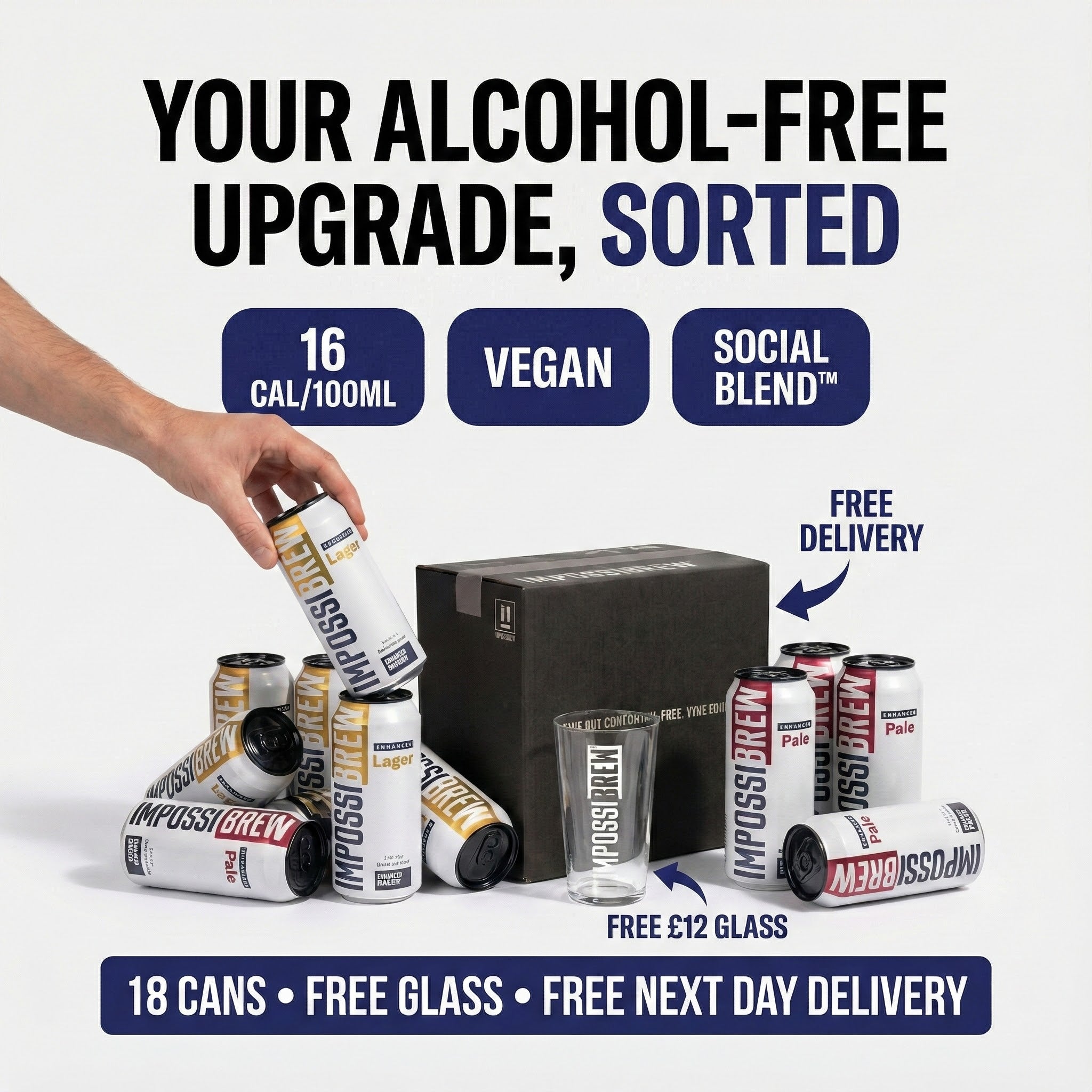
What makes them even more appealing? They’re low in calories, vegan-friendly, and gluten-free. Plus, they include adaptogens - natural compounds that may help your body handle stress and maintain balance. For anyone aiming to enjoy a drink while staying aligned with their health goals, these modern alternatives offer a thoughtful, health-conscious solution.
How do adaptogens like ashwagandha and L-theanine help promote relaxation and focus in alcohol-free drinks?
Adaptogens like ashwagandha and L-theanine are natural substances that can help with relaxation and mental focus. Ashwagandha, a herb long used in traditional practices, is known for its ability to ease stress by lowering cortisol levels, fostering a sense of calm. Meanwhile, L-theanine, an amino acid found in green tea, promotes focus and reduces feelings of anxiety by stimulating alpha brainwave activity - these brainwaves are linked to a state of relaxed alertness.
In alcohol-free beverages, these adaptogens offer a way to recreate the calming effects often linked to alcohol, but without any of the drawbacks. This makes them an appealing option for those who want a more mindful and enjoyable drink.
What obstacles do brewers face when adding adaptogens to alcohol alternatives, and how are they addressed?
Crafting alcohol alternatives with adaptogens isn't always straightforward. These natural compounds often come with distinctive flavours, solubility hurdles, and the tricky task of preserving a well-rounded taste. Brewers need to carefully choose adaptogens that not only align with the drink's flavour profile but also dissolve effectively and stay stable over time.
To tackle these obstacles, brewers turn to methods like flavour masking, precise formulations, and thorough testing. A standout example is IMPOSSIBREW®, which has created its unique Social Blend™. This blend incorporates scientifically supported ingredients to provide a calming, alcohol-like sensation while keeping the taste and quality intact. By doing so, the adaptogens enhance the drink's functional benefits without sacrificing its consumer appeal.