
When it comes to improving gut health, probiotics and functional non-alcoholic beers offer two distinct approaches. Probiotics are supplements or foods containing live bacteria that support digestion and restore gut balance. Functional non-alcoholic beers, like those by IMPOSSIBREW®, combine gut-friendly ingredients with the enjoyment of a social drink. Here's a quick breakdown:
- Probiotics: Found in supplements and fermented foods, they deliver live bacteria to the gut. They help with digestion, nutrient absorption, and gut recovery after antibiotics. Effects take 2–4 weeks and require consistent use.
- Functional Non-Alcoholic Beer: Combines natural brewing compounds with gut-friendly additives like Ashwagandha and L-theanine. Offers immediate enjoyment and supports gut health over time, making it ideal for social settings.
Quick Comparison:
| Aspect | Probiotics | Functional Non-Alcoholic Beer |
|---|---|---|
| Purpose | Boost gut bacteria | Support gut health + social drink |
| Format | Supplements, fermented foods | Ready-to-drink beverage |
| Cost | £15–£40 per month | £1.97 per can |
| Time to See Results | 2–4 weeks | Immediate enjoyment, gradual gut benefits |
| Social Context | Not social | Fits into social occasions |
If you're looking for targeted gut support, probiotics may suit your needs. For a more social, drinkable option, functional beers like IMPOSSIBREW® are a gut-friendly alternative with added mood-supporting ingredients. Your choice depends on your lifestyle, health goals, and preferences.
Probiotic Beer - Alcohol That's Good For Your Gut | Tiger Fitness
How Probiotics Support Gut Health
Understanding how probiotics function offers a helpful backdrop for assessing their benefits alongside the gut-friendly ingredients in functional non-alcoholic beers.
What Are Probiotics?
Probiotics are live microorganisms that play a key role in maintaining gut health. According to the World Health Organisation, they are defined as "live microorganisms which, when administered in adequate amounts, confer a health benefit on the host."
Common strains like Lactobacillus and Bifidobacterium are naturally found in fermented foods such as yoghurt, kefir, kimchi, and sauerkraut. They’re also available in supplements, with different strains offering distinct benefits.
For probiotics to work, they need to survive the harsh environment of the digestive system. This is why many supplements use advanced coating technologies or specialised packaging to protect the bacteria from stomach acid and external factors.
Let’s look at how these tiny organisms create balance in your gut.
How Probiotics Work in Your Gut
Once probiotics reach your intestines, they get to work in several important ways. One mechanism is competitive exclusion, where they prevent harmful bacteria from taking over by competing for the same nutrients and attachment points along the gut lining.
Probiotics also interact with your immune system, which is largely based in your gut – about 70% of it, to be precise. They help your immune system differentiate between beneficial and harmful microbes, reducing unnecessary inflammation while staying alert to actual threats.
Another vital role is the production of short-chain fatty acids like butyrate. These compounds act as energy sources for the cells lining your colon and help maintain the strength of your gut barrier. Some probiotic strains also produce bacteriocins - natural substances that inhibit harmful pathogens, creating a more stable environment for good bacteria to flourish.
Main Benefits of Probiotics
Probiotics offer a range of digestive and overall health benefits. They aid digestion, improve nutrient absorption, and support regular bowel movements. For example, certain Lactobacillus strains produce the enzyme lactase, which helps break down dairy products - making them particularly helpful for people with lactose intolerance.
They also promote regularity. Probiotics can regulate the speed at which food moves through your digestive system, easing both constipation and diarrhoea. This makes them especially useful for individuals managing irritable bowel syndrome (IBS).
Another key benefit is their ability to restore balance in the gut after antibiotic use. While antibiotics are effective at fighting infections, they often disrupt the gut microbiome. Probiotics can help replenish beneficial bacteria during and after treatment, speeding up recovery.
That said, probiotics aren’t a one-size-fits-all solution. Their effects are highly strain-specific, meaning a strain that works wonders for one person might not have the same impact on someone else. Gut microbiomes are as unique as fingerprints, which explains these differences. Additionally, the benefits of probiotics are usually temporary, requiring consistent intake to maintain results.
The quality of probiotic products also matters. Factors like storage, manufacturing methods, and the product's age can affect whether the bacteria remain alive and effective by the time they’re consumed. This makes it essential to choose trusted brands with rigorous quality controls.
These benefits provide a solid foundation for comparing probiotics to the gut-friendly components found in functional non-alcoholic beers.
Functional Non-Alcoholic Beer and Gut Health
Interest in gut health has sparked a wave of innovation in the beverage industry, paving the way for functional non-alcoholic beers. These drinks merge traditional brewing methods with modern, health-focused ingredients to support digestive health while catering to social occasions. They provide a refreshing option for those looking to balance wellness with social enjoyment.
What Is Functional Non-Alcoholic Beer?
Functional non-alcoholic beer takes the familiar brewing process a step further by incorporating ingredients that promote wellness. These beverages are designed for health-conscious individuals who want to enjoy the social aspects of drinking - whether they're embracing Dry January, adopting a sober-curious lifestyle, or simply seeking healthier alternatives - without sacrificing their well-being. The result? A drink that feels familiar but offers added benefits.
Gut-Healthy Ingredients in Functional Beer
These beers aren’t just about flavour; they’re formulated to support digestion. Traditional brewing naturally produces compounds beneficial for overall wellness, but modern recipes go further by adding gut-friendly ingredients. Some brewers even craft their recipes to support the gut-brain axis, the fascinating connection between digestion and mood. This thoughtful approach makes functional non-alcoholic beers more than just a beverage - they’re a step towards holistic health.
IMPOSSIBREW® and Enhanced Functional Beers
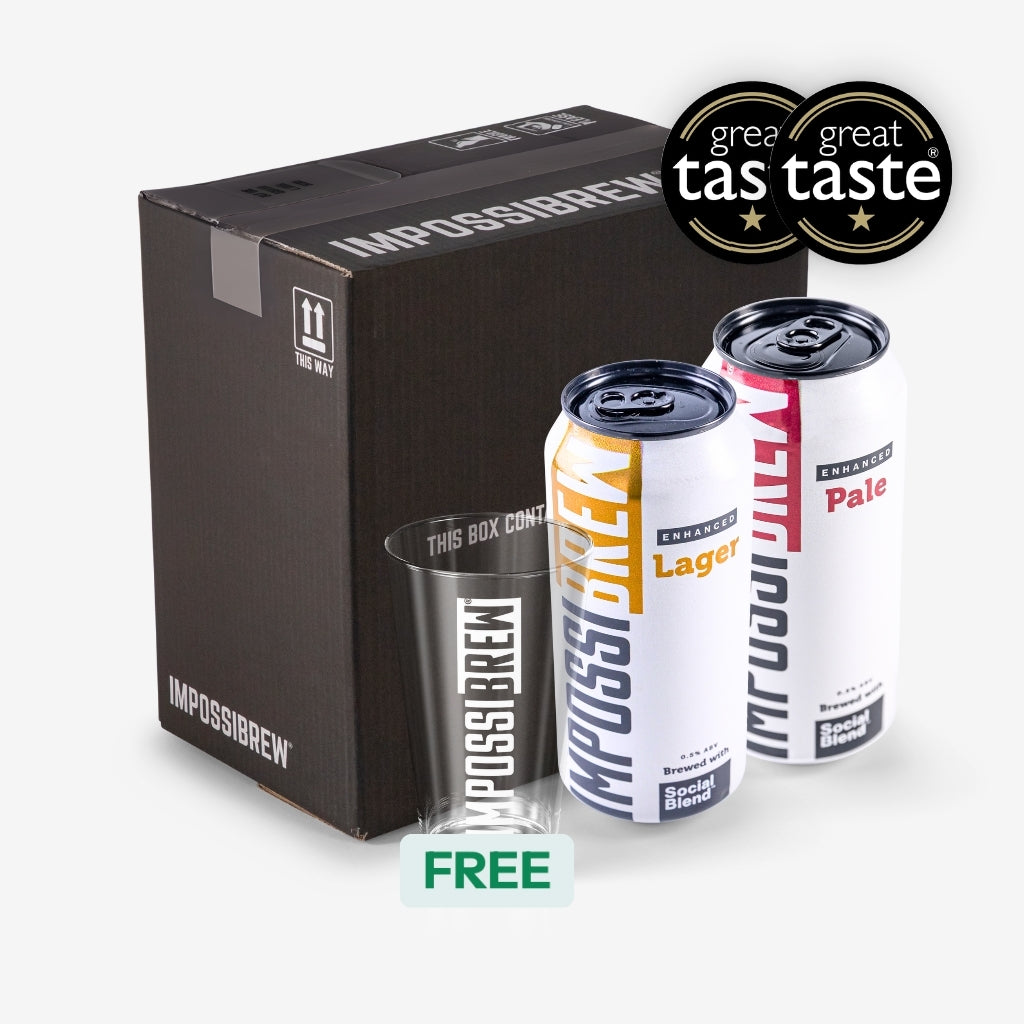
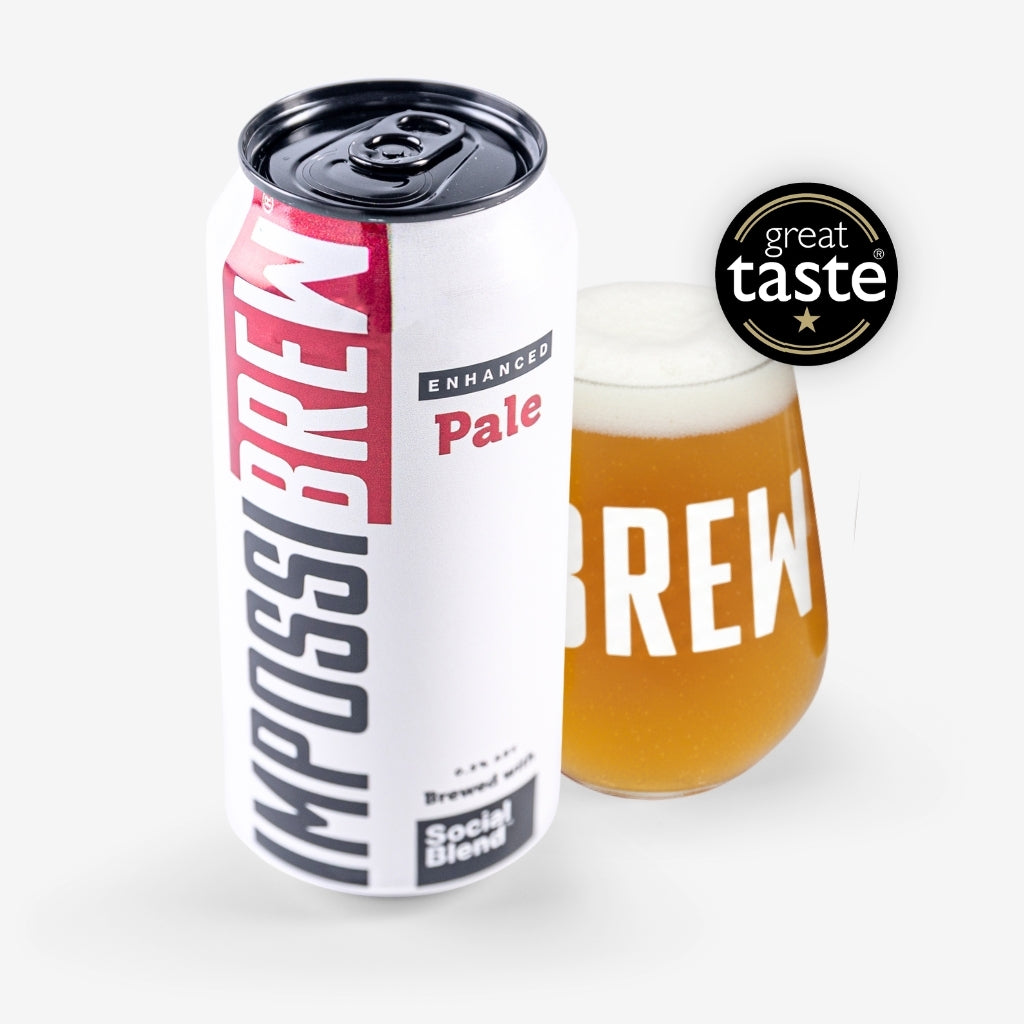
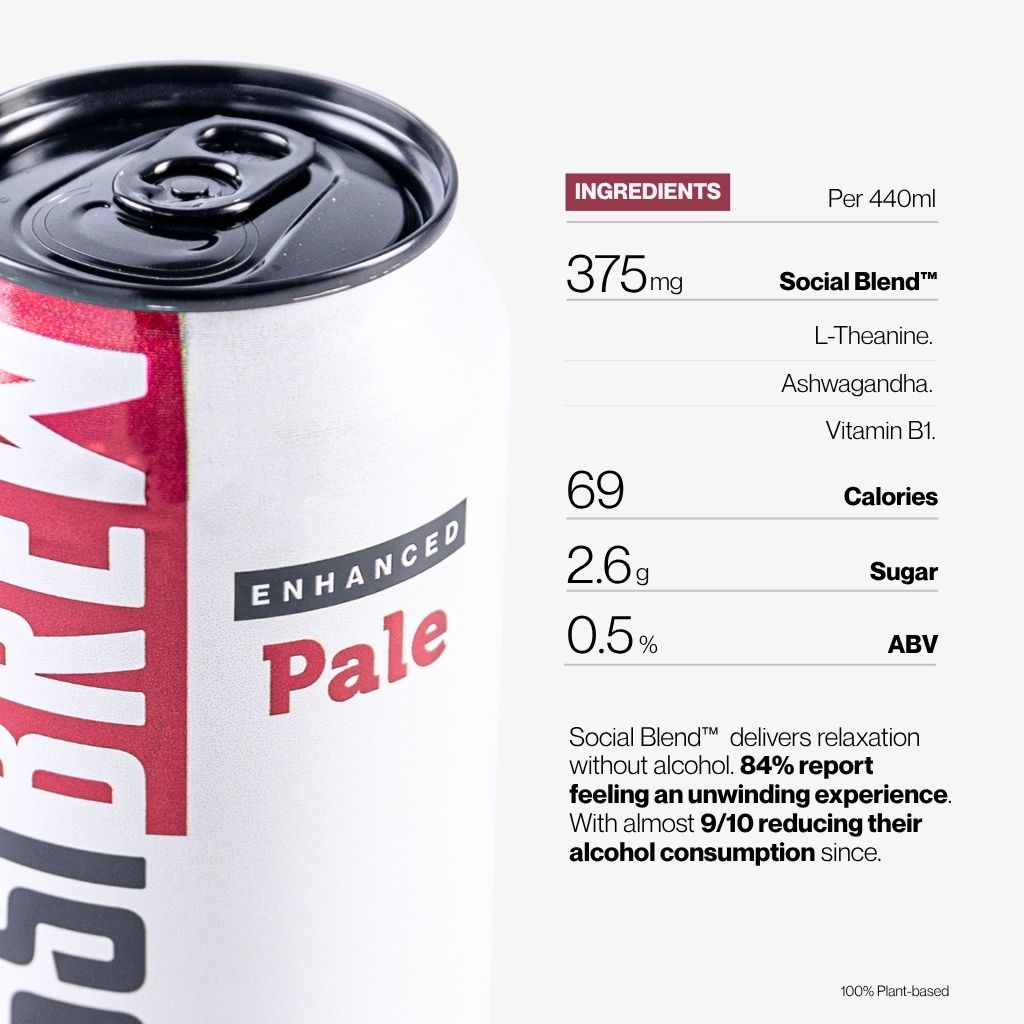
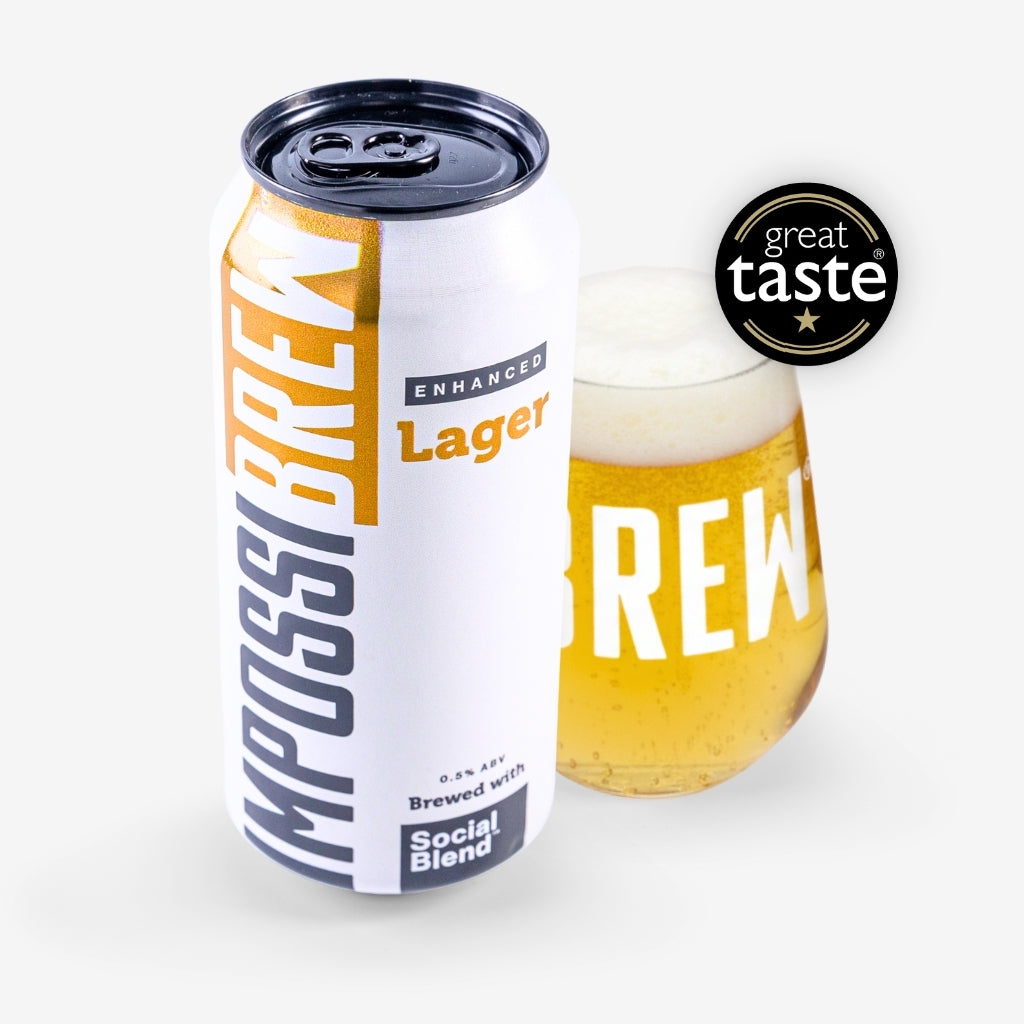
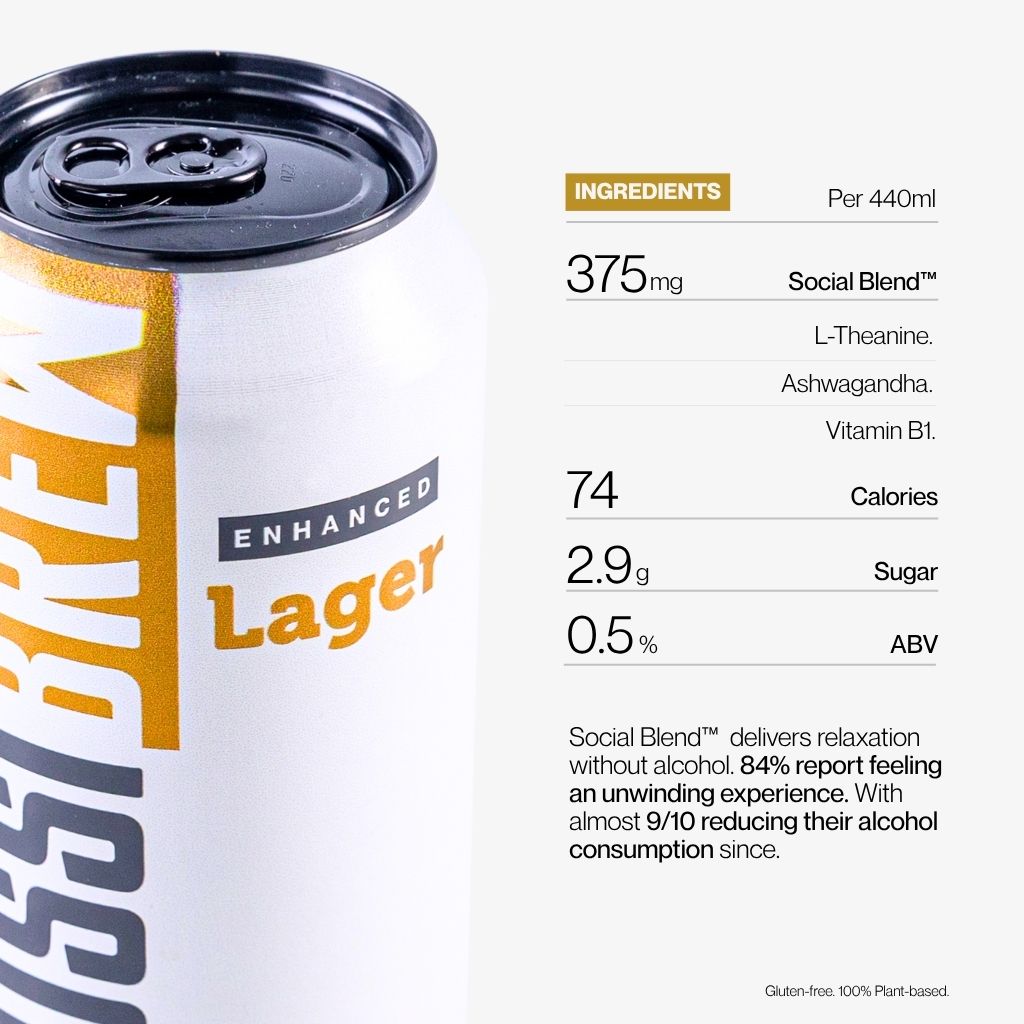
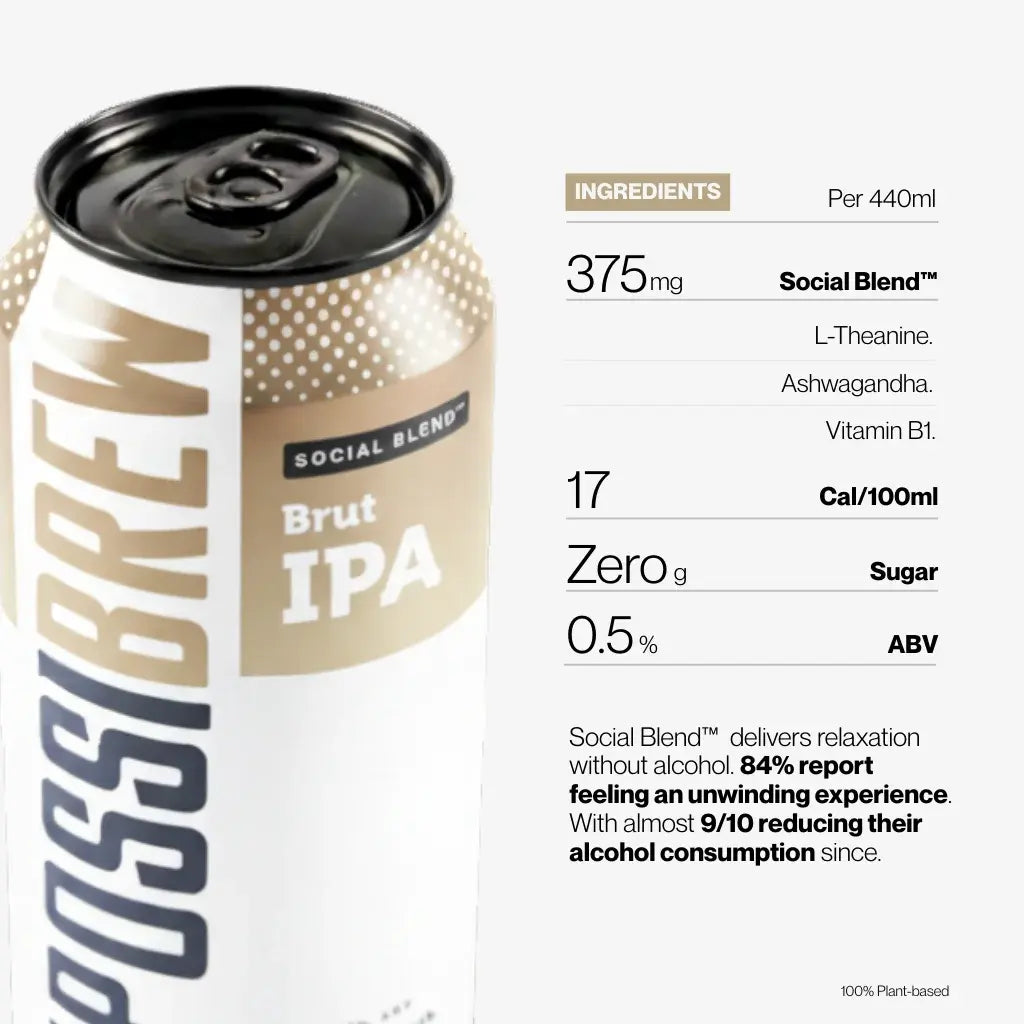
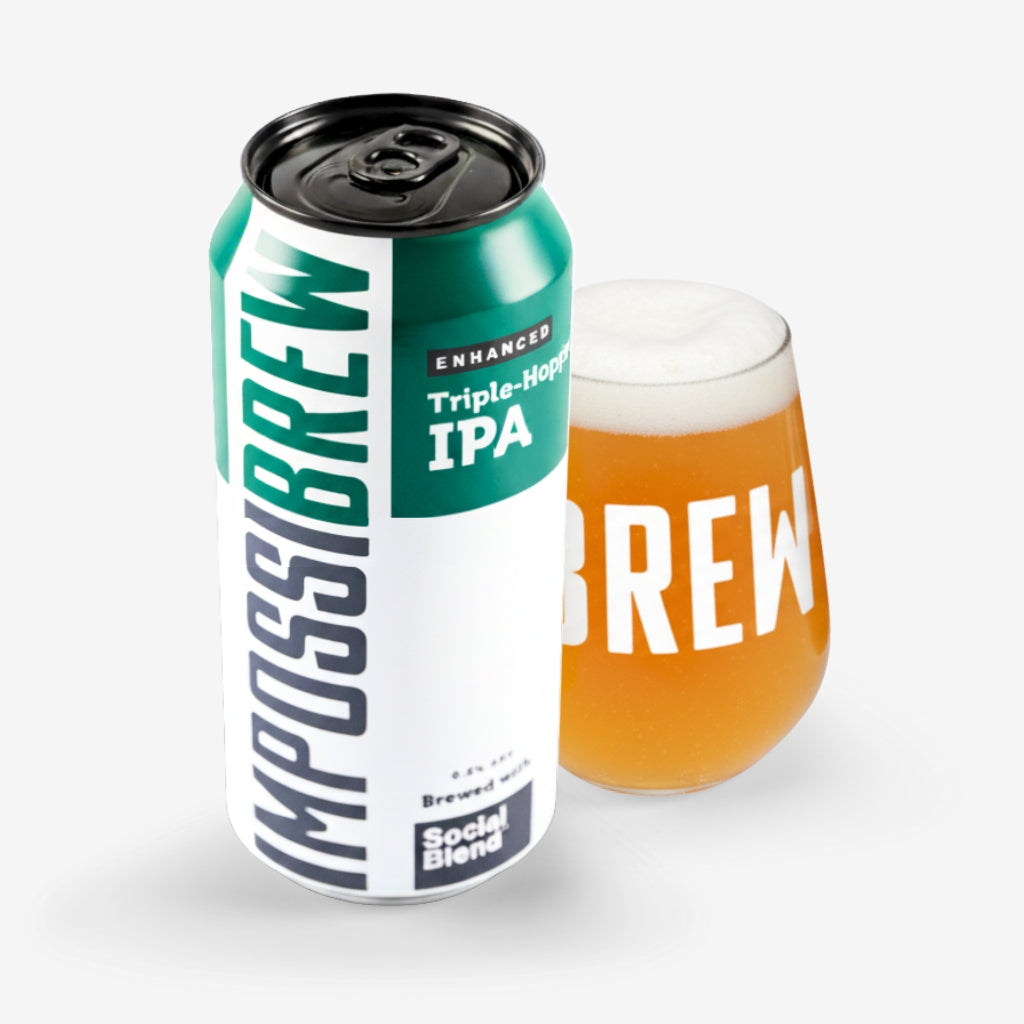
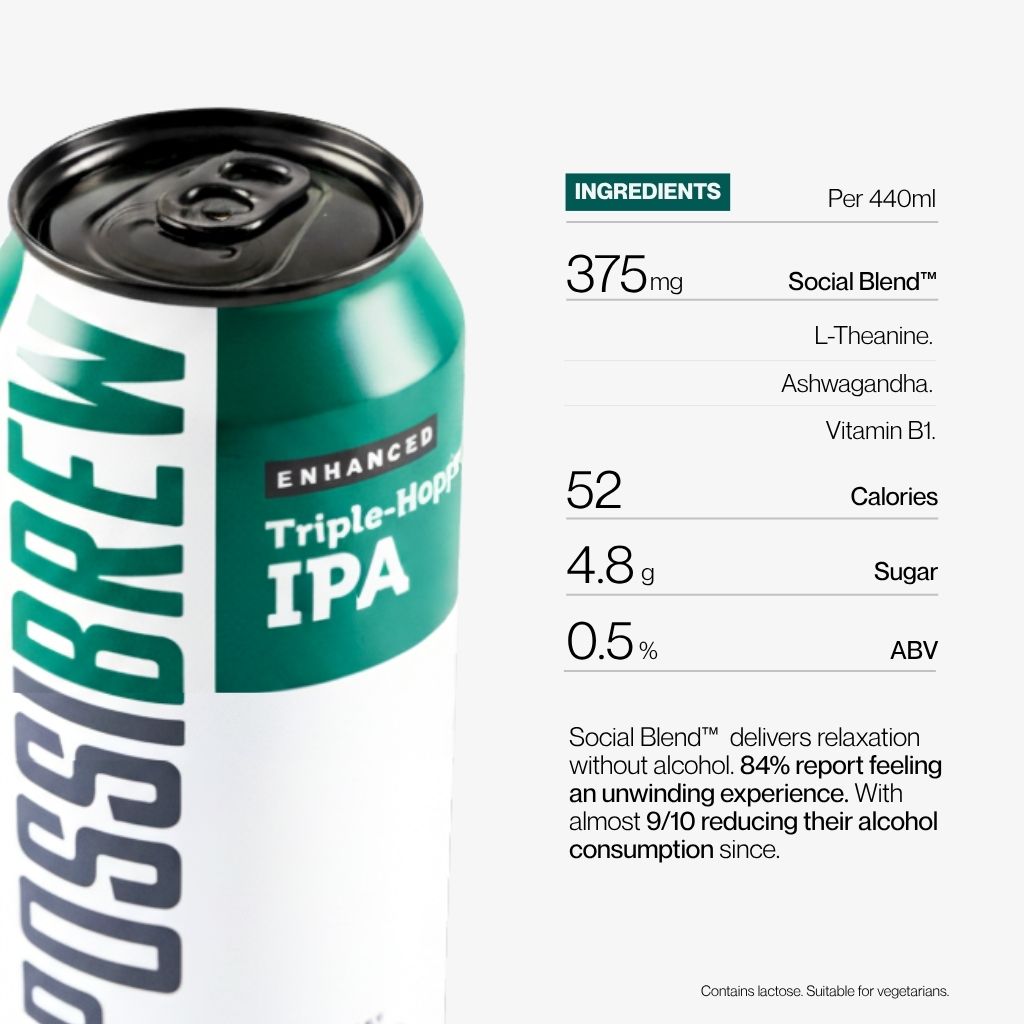
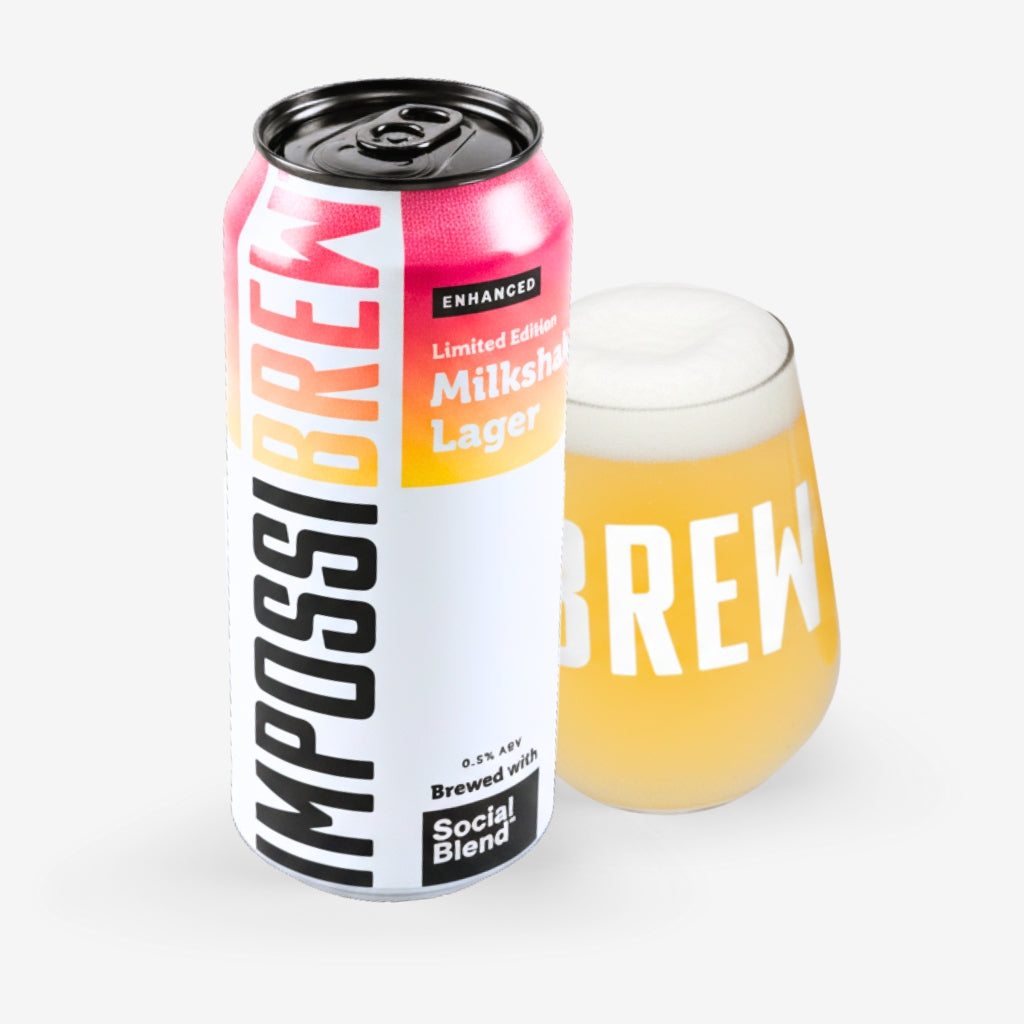
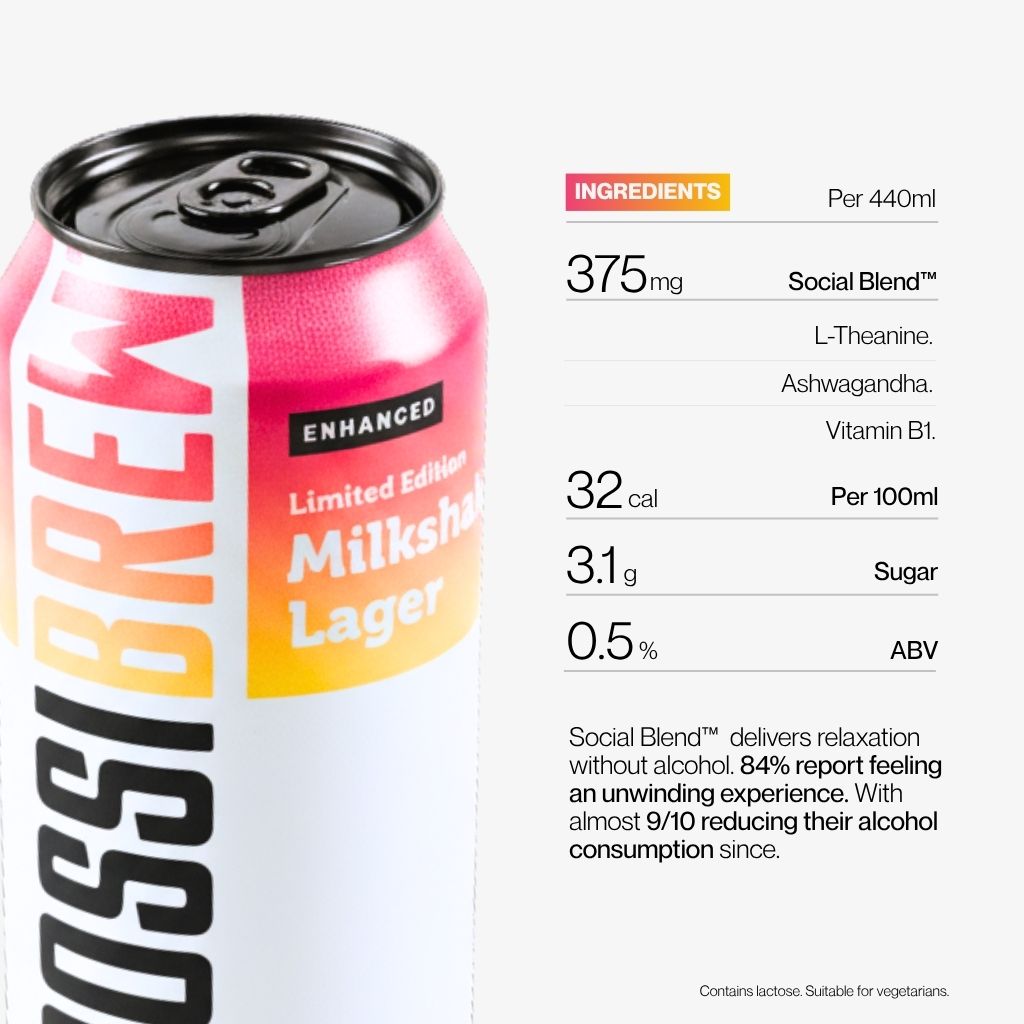
A standout in this space is IMPOSSIBREW®, a brand that’s redefining what non-alcoholic beer can be. Their Enhanced Lager and Pale Ale feature a proprietary Social Blend™ that combines L-theanine and Ashwagandha. L-theanine, an amino acid found in tea leaves, is known for its calming effects, while Ashwagandha, an adaptogen, is recognised for helping reduce stress.
From a gut-health perspective, these beers offer more than just a great taste. Ashwagandha, for example, has been studied for its potential to support the gut-brain axis, impacting both mood and digestive function. Priced at £1.97 per can, IMPOSSIBREW® positions itself as a premium option, delivering immediate social enjoyment alongside long-term wellness benefits.
sbb-itb-a752bf8
Probiotics vs. Functional Beer: Direct Comparison
Looking at probiotics alongside functional non-alcoholic beer reveals two distinct approaches to supporting gut health. Probiotics focus on replenishing beneficial bacteria in the gut, while functional beers like IMPOSSIBREW® offer gut-friendly compounds wrapped in a social drinking experience. Both contribute to gut health, but they do so in very different ways.
Side-by-Side Comparison: Probiotics vs. Functional Beer
| Aspect | Probiotics | Functional Non-Alcoholic Beer |
|---|---|---|
| Primary Mechanism | Introduces live beneficial bacteria to boost gut microbiome health | Combines natural, adaptogenic ingredients with a refreshing drinking experience |
| Key Bioactive Compounds | Includes strains like Lactobacillus and Bifidobacterium | Features brewing compounds alongside nootropic and adaptogenic ingredients |
| Onset of Effects | Requires 2–4 weeks for noticeable gut health improvements | Offers immediate enjoyment with potential benefits over time |
| Social Context | Taken as a daily supplement | Enjoyed in social settings, mimicking traditional drinking habits |
| Consumption Format | Available as capsules, powders, or fermented foods | Ready-to-drink beverage |
| Scientific Evidence | Well-documented for digestive health | Emerging research on adaptogenic ingredients for wellness |
| Storage Requirements | Often needs refrigeration | Shelf-stable, no special storage needed |
| Cost Consideration | Costs around £15–£40 per month for quality products | Approximately £1.97 per can for IMPOSSIBREW® options |
This table highlights the key differences between the two options, helping you weigh their benefits based on your preferences and goals.
When to Choose Each Option
Deciding between probiotics and functional beer largely depends on your lifestyle and what you're aiming to achieve.
Opt for probiotics if you're addressing specific gut health concerns, recovering after a course of antibiotics, or seeking targeted digestive support. Probiotics work well as part of a structured wellness routine, though they require consistent use and patience, as their benefits usually take weeks to appear.
Go for functional beer when you're looking for a gut-friendly option that complements social occasions. IMPOSSIBREW®'s Enhanced Lager and Enhanced Pale Ale are great choices if you're exploring a sober-curious lifestyle, participating in Dry January, or simply want a refreshing drink that fits into your social life while offering added benefits.
Budget and storage might also influence your choice. Probiotics involve a monthly cost and often need refrigeration, whereas functional beers like IMPOSSIBREW® are shelf-stable and cost £1.97 per can. These differences make it easier to choose what aligns with your health priorities and lifestyle in the UK.
Choosing Options for UK Consumers
When deciding between probiotics and functional beer, UK consumers need to weigh up dietary needs, lifestyle considerations, and local regulations to find the best fit for their preferences.
Dietary Needs and Product Availability
For those with specific dietary requirements, both probiotics and functional beers offer options, but availability can differ. IMPOSSIBREW® stands out by catering to common dietary restrictions, making its functional beers suitable for individuals following plant-based diets or managing coeliac disease.
On the other hand, traditional probiotic supplements may not align with all dietary preferences. Many probiotics are derived from dairy-based cultures, which can be unsuitable for vegans or those with lactose intolerance. While plant-based probiotic alternatives do exist in the UK, they often require careful scrutiny of labels and tend to be pricier. However, their shelf-stable nature ensures they are widely accessible across the country. These factors highlight the importance of considering both practicality and dietary compatibility when choosing between these options.
Lifestyle and Social Situations
Functional beers shine in social settings by offering a healthier and enjoyable alternative to regular alcoholic drinks. Whether you're relaxing at home or celebrating with friends, they provide the familiar experience of beer in formats like a 440ml can, making them a versatile choice for various occasions [1]. Probiotics, on the other hand, are more aligned with daily routines and lack the immediate social appeal of a drinkable product.
Pricing and UK Labelling Rules
Pricing and labelling also play a crucial role in the decision-making process. IMPOSSIBREW® functional beers are priced at approximately £1.97 per can (with multi-packs starting at £22.38), while probiotics generally incur a recurring monthly expense.
UK labelling regulations further highlight the differences between these products. Notably, the term "probiotic" is not permitted on food supplement labels in the UK due to the absence of authorised health claims [3]. Additionally, probiotics are classified as food rather than medicine, meaning they are not subject to the rigorous testing standards applied to pharmaceuticals. This classification raises questions about whether these products contain the stated bacteria in sufficient quantities or if the bacteria can survive storage and digestion [4].
In contrast, functional beers like IMPOSSIBREW® adhere to distinct regulatory standards that ensure transparency about their ingredients and brewing process. Their Social Blend™, which includes nootropic and adaptogenic components, provides clear information about what you're consuming. Research even suggests that certain compounds in beer, including low or non-alcoholic varieties, may positively impact gut microbiota diversity and immune function, potentially offering benefits comparable to traditional probiotics [2]. The polyphenols found in malt and hops further add to these potential advantages, making functional beer an intriguing alternative for those seeking gut health support.
Conclusion: Finding the Right Gut Health Solution
Both probiotics and functional non-alcoholic beers contribute to gut health, but they cater to different needs and preferences. Probiotics provide concentrated bacterial strains aimed at targeted digestive support.
On the other hand, functional non-alcoholic beers take a fresh approach, blending gut health benefits with the sociability of enjoying a drink. For instance, consuming 330 mL of non-alcoholic beer daily for four weeks has been shown to boost gut microbiota diversity from 2.7 ± 0.3 to 2.9 ± 0.3 [5]. This improvement is attributed to beer polyphenols rather than alcohol, highlighting the role of gut-friendly ingredients.
"The goal of functional beers is to combine the enjoyment of beer with potential health-related effects." - Dry Drinker [1]
A standout in this category is IMPOSSIBREW®, with its Enhanced Lager and Enhanced Pale Ale. These beers feature the proprietary Social Blend™, which includes nootropic and adaptogenic ingredients, delivering the essence of a traditional beer while offering additional benefits. At around £1.97 per can, they provide transparency about their ingredients, making them an appealing choice for those seeking a balanced option.
This comparison highlights the ongoing discussion between targeted supplementation and a more social, lifestyle-based approach. If you prefer a structured routine of supplementation, probiotics remain a solid choice. However, if you’re drawn to the idea of enhancing gut health through a relaxing and enjoyable experience, functional beers like those from IMPOSSIBREW® are worth considering.
"Drinking non-alcoholic beer or alcoholic beer increases gut bacterial diversity, without significantly changing body weight, body fat mass, and serum cardiometabolic markers, making these beverages an interesting approach to increase microbiota diversity." - Cláudia Marques et al. [5]
For those in the UK looking to support their gut health, functional non-alcoholic beers offer a unique solution. They combine microbiome benefits with the pleasure of beer and cater to dietary preferences, including vegan and gluten-free options. Ultimately, the best choice depends on your habits and lifestyle.
FAQs
How can functional non-alcoholic beers like IMPOSSIBREW® benefit gut health compared to probiotics?
Functional non-alcoholic beers like IMPOSSIBREW® offer an unexpected way to support gut health, acting similarly to traditional probiotics. These beverages are packed with natural components like prebiotic fibres, polyphenols, and essential vitamins, all of which help feed the beneficial bacteria in your gut, promoting a healthier and more balanced digestive system.
What sets functional beers apart is their approach. While probiotics introduce specific strains of bacteria into your system, these beers focus on enhancing the environment for the bacteria already present in your gut. By creating conditions where your microbiome can flourish, they can work alongside probiotics - or even amplify their benefits - providing a well-rounded method to boost gut health.
Are functional non-alcoholic beers effective for gut health issues like IBS or lactose intolerance?
Functional non-alcoholic beers can play a role in supporting gut health by promoting a diverse microbiota and including prebiotic fibres. However, their effects are broader and less targeted compared to probiotics, which are designed to deliver specific strains of beneficial bacteria directly to the gut.
When it comes to conditions like IBS or lactose intolerance, probiotics are often the better choice. They provide specialised bacterial strains tailored to help manage these specific digestive challenges. While functional beers can support general gut health, they don't offer the same precise benefits for addressing these particular issues.
What are the long-term benefits of adding functional non-alcoholic beer to your diet for gut health?
Incorporating functional non-alcoholic beers into your diet can be a simple and enjoyable way to support gut health. These beers are often packed with polyphenols, B vitamins, and prebiotic fibres, which work together to nourish beneficial gut bacteria and aid digestion.
A well-balanced gut microbiome is connected to stronger immune function, improved metabolism, and a reduced risk of chronic illnesses. Plus, functional non-alcoholic beers offer these benefits without the calories or side effects associated with alcohol, making them a refreshing choice for overall well-being.