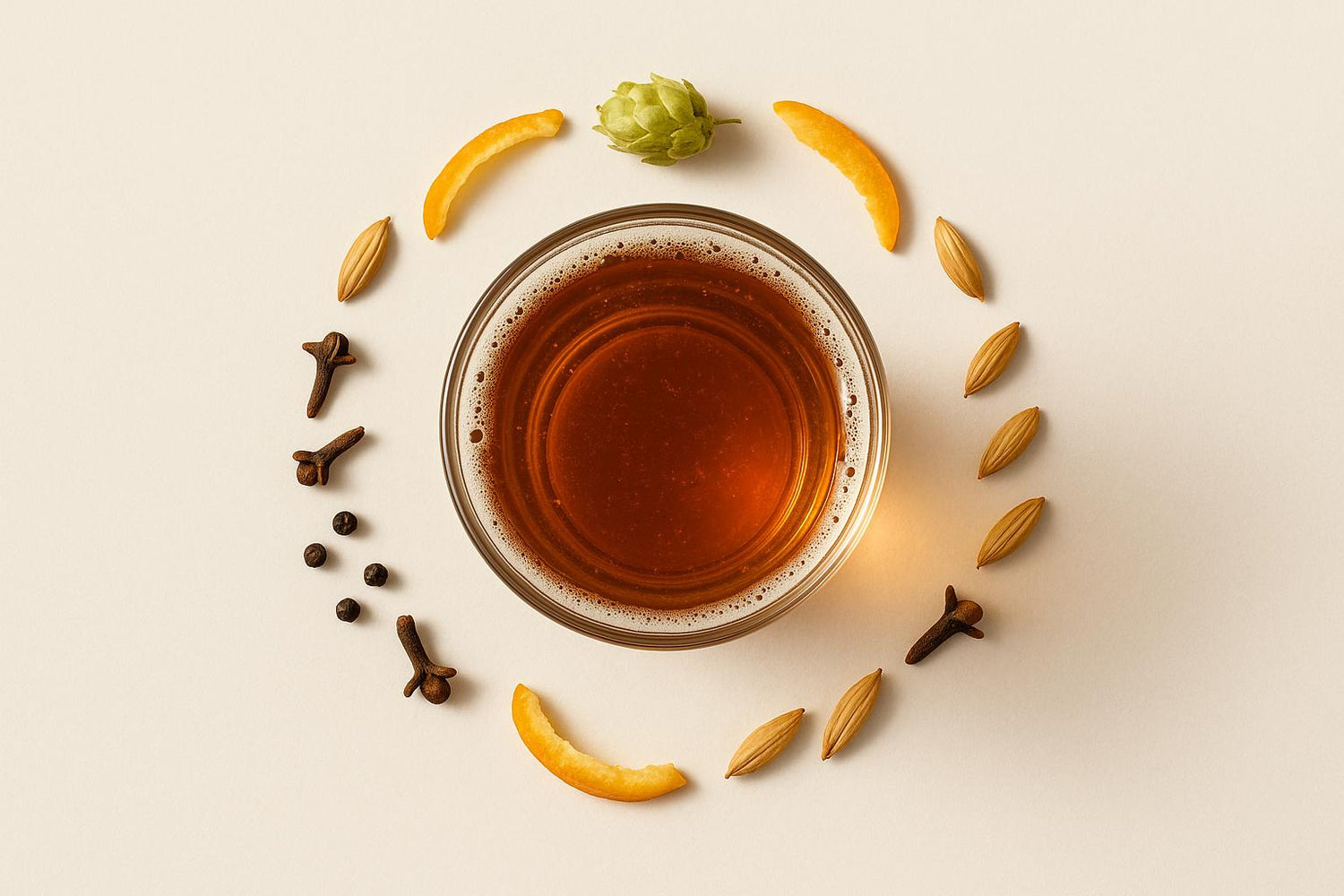
Flavour matching algorithms are changing how beer is brewed. These tools use data and machine learning to predict and replicate beer flavours with precision, saving time and improving consistency. They're particularly useful in crafting non-alcoholic beers, where achieving complex flavours without alcohol is a challenge.
Key Takeaways:
- What they do: Predict and replicate beer flavours using chemical data, sensory feedback, and brewing parameters.
- How they work: Analyse compounds like hop acids and malt sugars, use machine learning models (e.g., neural networks), and rely on real-time sensors.
- Why they matter: Ensure flavour consistency across batches, save resources, and help create non-alcoholic beers that taste like their alcoholic counterparts.
- Future trends: AI-driven recipe creation, live sensor data for real-time adjustments, and integrating sustainability metrics.
Flavour matching algorithms are helping brewers meet the growing demand for non-alcoholic options while maintaining the taste beer lovers expect.
Artificial intelligence crafts beer to customers' tastes
Core Components of Flavour Matching Algorithms
Flavour matching algorithms hinge on three essential elements: diverse data inputs, advanced machine learning models, and real-time sensor integration. Together, these components form the backbone of the system, each playing a crucial role in replicating flavours with precision and consistency.
Data Inputs for Flavour Matching
The effectiveness of any flavour matching system begins with the quality and diversity of its data. At the heart of this process is chemical composition data, which captures key elements like volatile organics, hop acids, malt sugars, and other compounds that define a beer's flavour profile.
To complement this, sensory panel results provide the human touch that chemical data alone cannot offer. Trained panels evaluate attributes such as bitterness, hop character, malt sweetness, and overall balance using standardised scoring systems. These insights help algorithms bridge the gap between chemical analysis and the actual taste experience.
Adding another layer, consumer feedback introduces the preferences and reactions of everyday beer drinkers. This data enriches the system by reflecting market trends and regional flavour preferences. Lastly, brewing parameter data - from fermentation temperatures to ingredient ratios - provides the contextual information needed to understand how brewing conditions influence the final product.
Once this diverse dataset is assembled, machine learning models step in to interpret and make sense of it all.
Machine Learning Models in Brewing
Flavour matching systems employ a range of machine learning models, each suited to specific tasks within the brewing process.
- Gradient boosting algorithms are ideal for analysing complex, non-linear relationships between brewing variables and flavour outcomes. By combining multiple weak learners, these models deliver robust predictions.
- Random forest models excel at managing large datasets with many variables. By averaging the outputs of multiple decision trees, they reduce the risk of overfitting and ensure reliable results, even with inconsistent input data.
- Neural networks offer a more advanced approach, capable of identifying intricate patterns across hundreds of variables. These deep learning systems are particularly valuable in recreating traditional flavours in non-alcoholic beers or other challenging brewing scenarios.
Many breweries opt for an ensemble approach, blending different models to maximise their strengths while minimising individual weaknesses. The choice of model often hinges on the specific brewing challenge and the quality of the available data.
Sensor Integration and Real-Time Data
Real-time monitoring plays a pivotal role in ensuring consistency and quality during brewing. Sensors provide continuous feedback on critical parameters, enabling brewers to make on-the-fly adjustments.
- Temperature sensors track mash temperature, fermentation heat, and cooling rates, ensuring these stay within target ranges.
- pH sensors monitor acidity levels during various stages, optimising enzyme activity and yeast performance.
- Specific gravity sensors measure sugar consumption and byproduct formation during fermentation, offering early warnings of potential issues.
- CO₂ monitoring systems assess yeast activity and fermentation health by tracking carbon dioxide production.
- Acoustic velocity sensors and viscosity measurements provide additional insights into liquid density, composition, and the mouthfeel of the final product.
This real-time data allows brewers to quickly address issues like temperature fluctuations, off-flavour development, or fermentation anomalies - often within hours rather than days. Such precision is especially critical when brewing non-alcoholic beers, where even minor deviations can significantly impact flavour.
How Flavour Matching Algorithms Work: Step-by-Step Process
Modern flavour matching algorithms have transformed how brewers replicate flavours, offering a level of precision that was previously hard to achieve. These algorithms break down raw chemical data and translate it into accurate flavour predictions through a structured, three-phase process. Here's a closer look at how it all comes together.
Data Collection and Analysis
To start, brewers gather chemical data that reflects essential flavour elements, such as the concentrations of flavour-active compounds. This raw data is then cleaned and prepared for analysis. Steps include removing descriptors with little to no variance, filtering out highly correlated variables, and scaling the data for consistency. The result? A refined dataset that serves as the backbone for further processing.
Feature Selection and Model Training
Next, brewers identify the most critical compounds that influence sensory perception and consumer preferences. Techniques like impurity-based feature importance and SHAP (Shapley Additive Explanations) help pinpoint these key factors [1]. Using this refined dataset, they train predictive models such as Gradient Boosting, Random Forest, Support Vector Machines (SVM), and Artificial Neural Networks (ANN) [1][2][3][4]. These models learn to map the chemical composition of ingredients to specific flavour outcomes, setting the stage for accurate predictions.
Prediction, Validation, and Optimisation
Once the models are trained, they’re put to work generating flavour profiles tailored to new brewing scenarios. These predictions guide brewers in achieving desired flavour outcomes. Importantly, the process doesn’t end there - new data is continuously fed into the system, allowing the models to refine and improve their predictions over time. This ensures consistency and precision in every batch.
sbb-itb-a752bf8
Applications in Non-Alcoholic Functional Beer
Expanding on the role of algorithmic data processing, these applications highlight how technology is reshaping non-alcoholic brewing. Flavour-matching algorithms are tackling the challenge of creating alcohol-free beverages that deliver the same sensory experience as traditional beers while incorporating ingredients that offer added benefits.
Replicating Traditional Beer Flavours
One of the biggest challenges in non-alcoholic brewing is recreating the intricate flavour profile that alcohol naturally provides. Alcohol contributes to the mouthfeel, aroma, and overall balance of beer. Without it, brewers face noticeable gaps in flavour complexity.
Flavour-matching algorithms address this by analysing key flavour compounds like volatile compounds, esters, and phenols - elements that define a beer's unique character. These algorithms can predict how different ingredients, such as hop varieties, malt types, and brewing temperatures, will interact to produce desired flavour notes. They also compensate for the absence of ethanol, which not only adds a warming sensation but also acts as a carrier for certain flavours. By suggesting ingredient adjustments and process tweaks, the algorithms ensure the final product retains the crisp, refreshing qualities associated with traditional beer styles.
These precise modifications also pave the way for integrating functional ingredients without compromising on taste.
Integrating Functional Ingredients
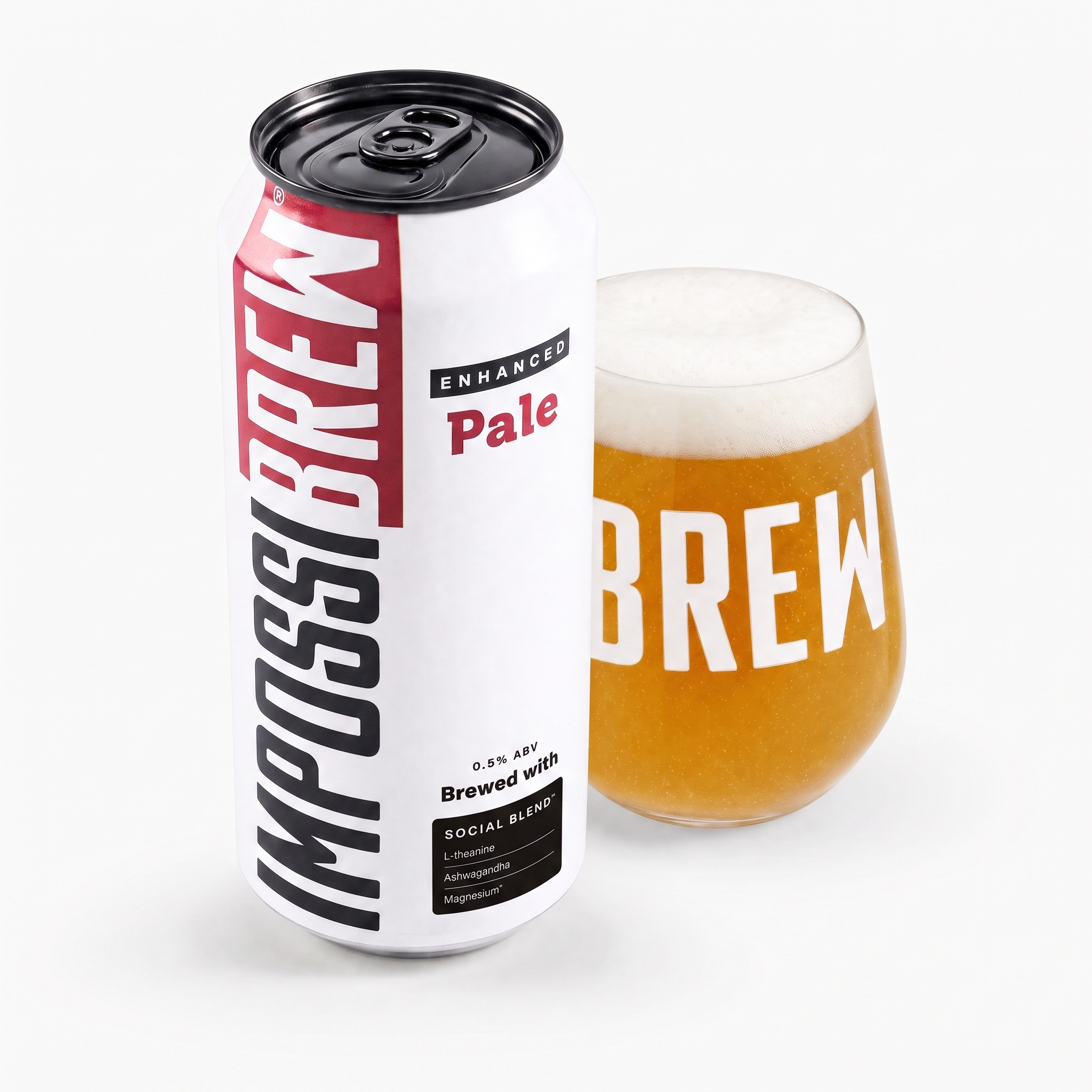
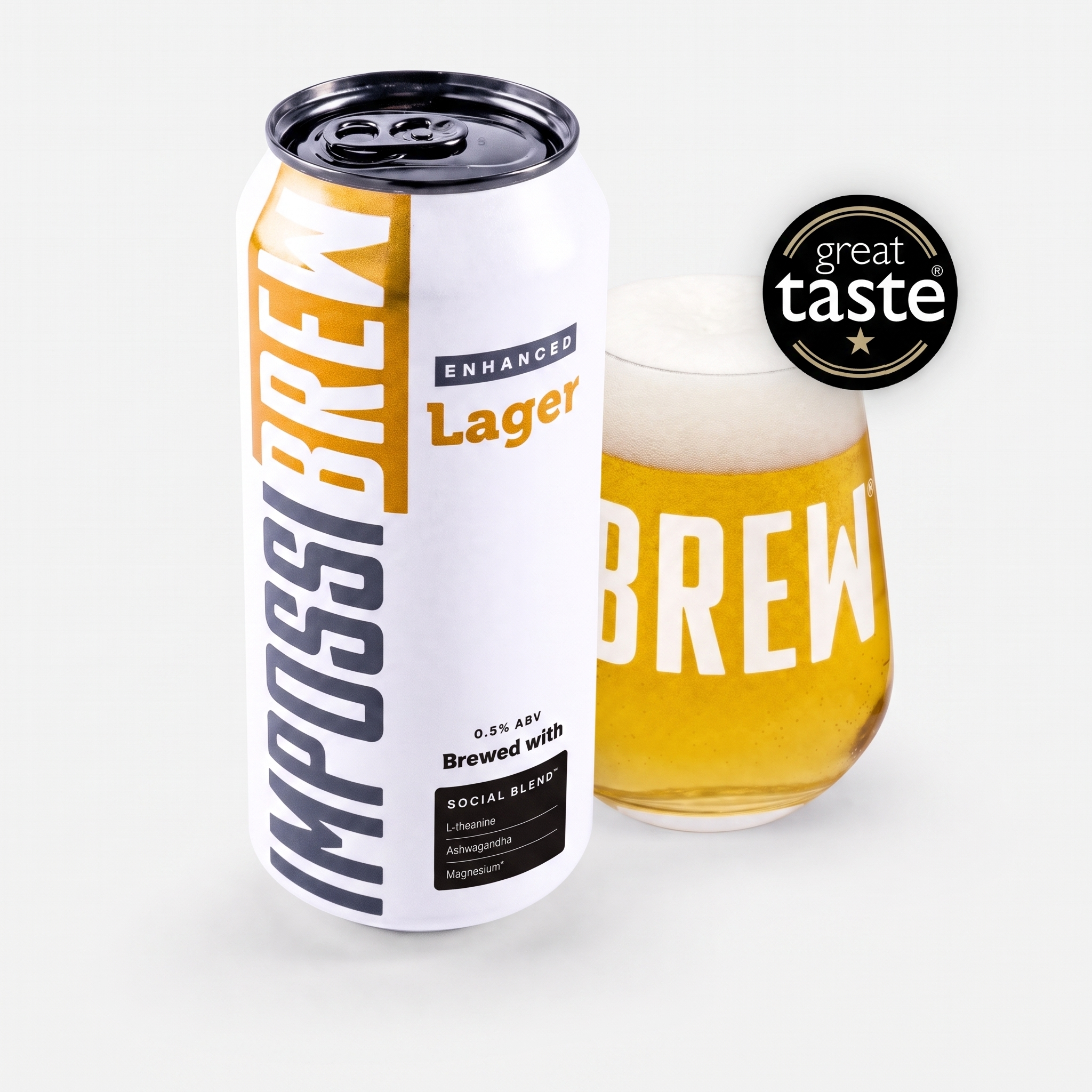
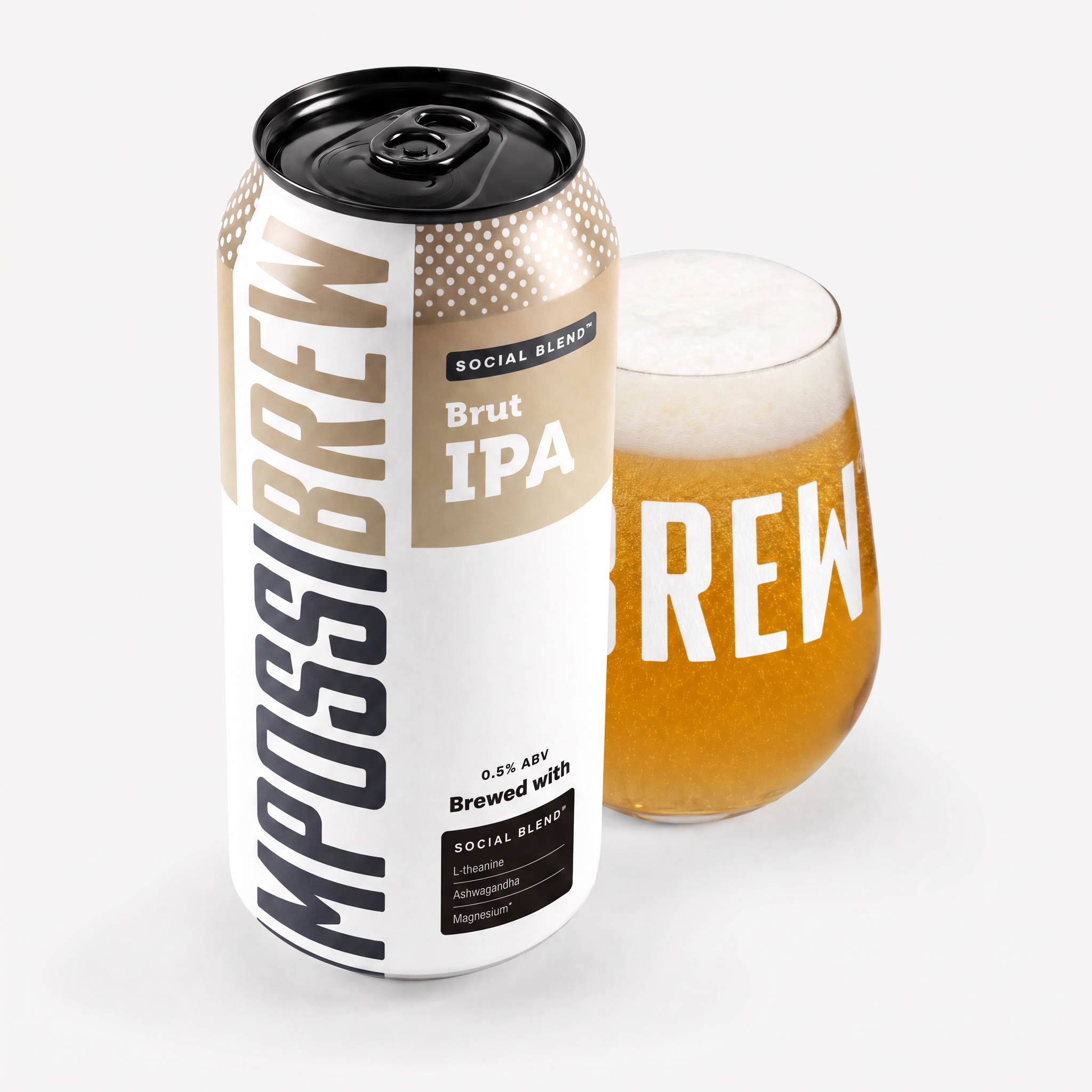
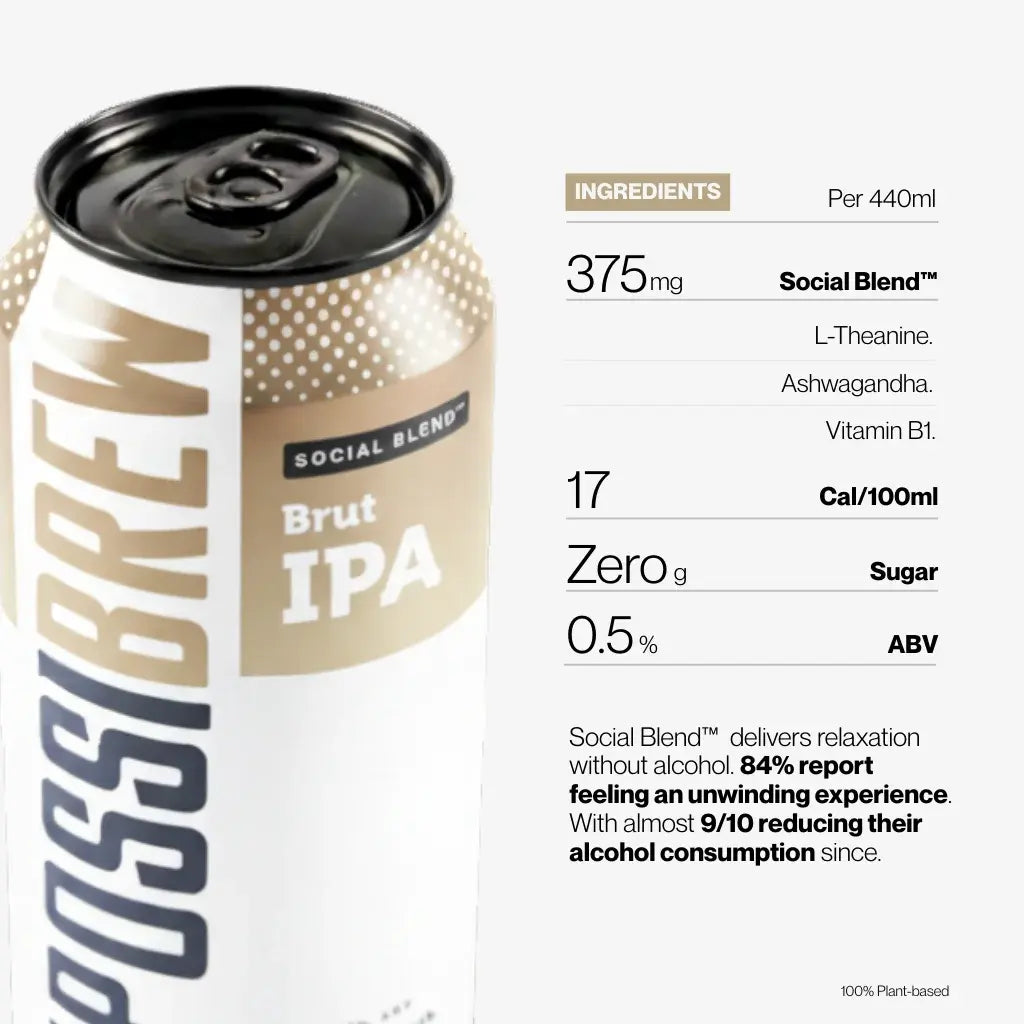
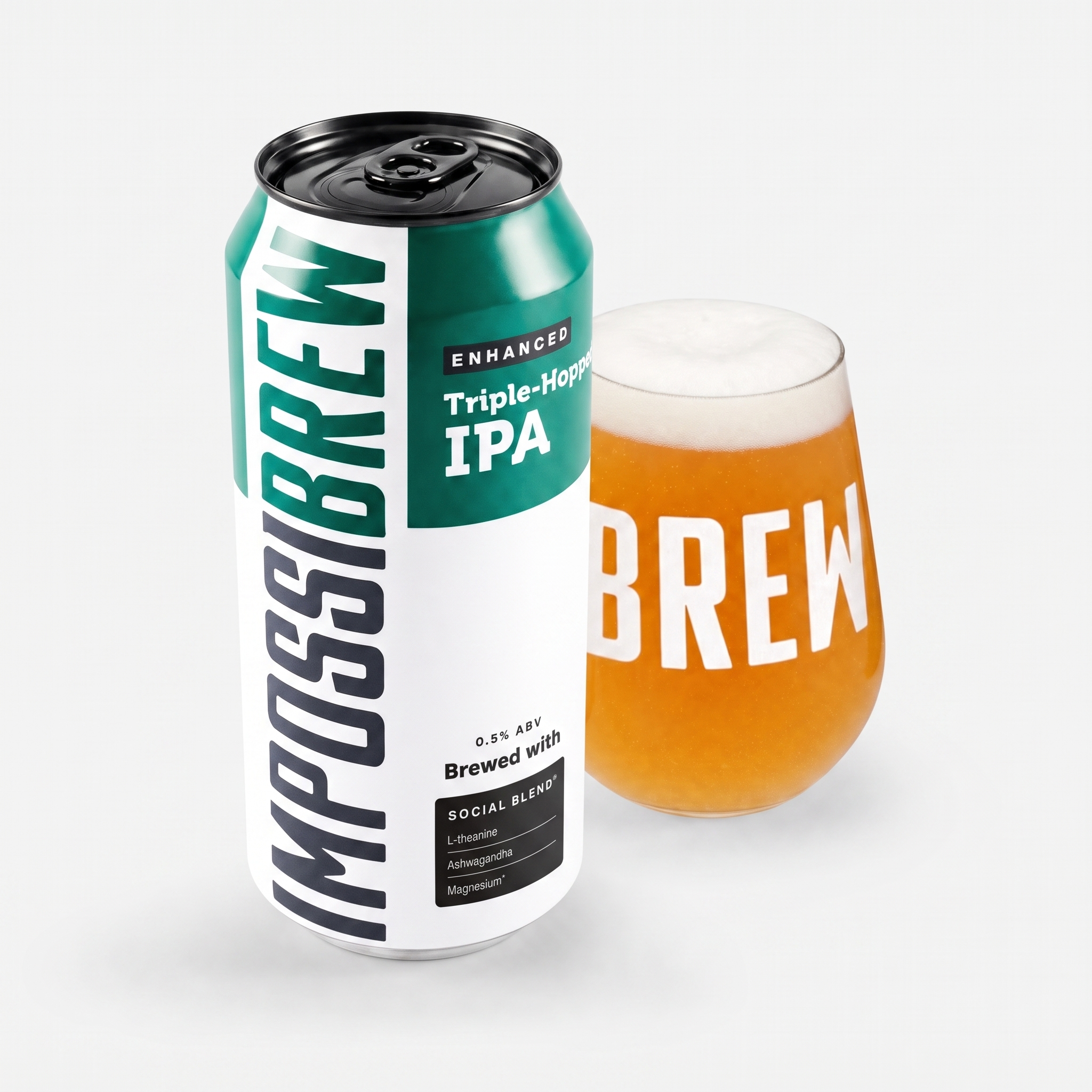
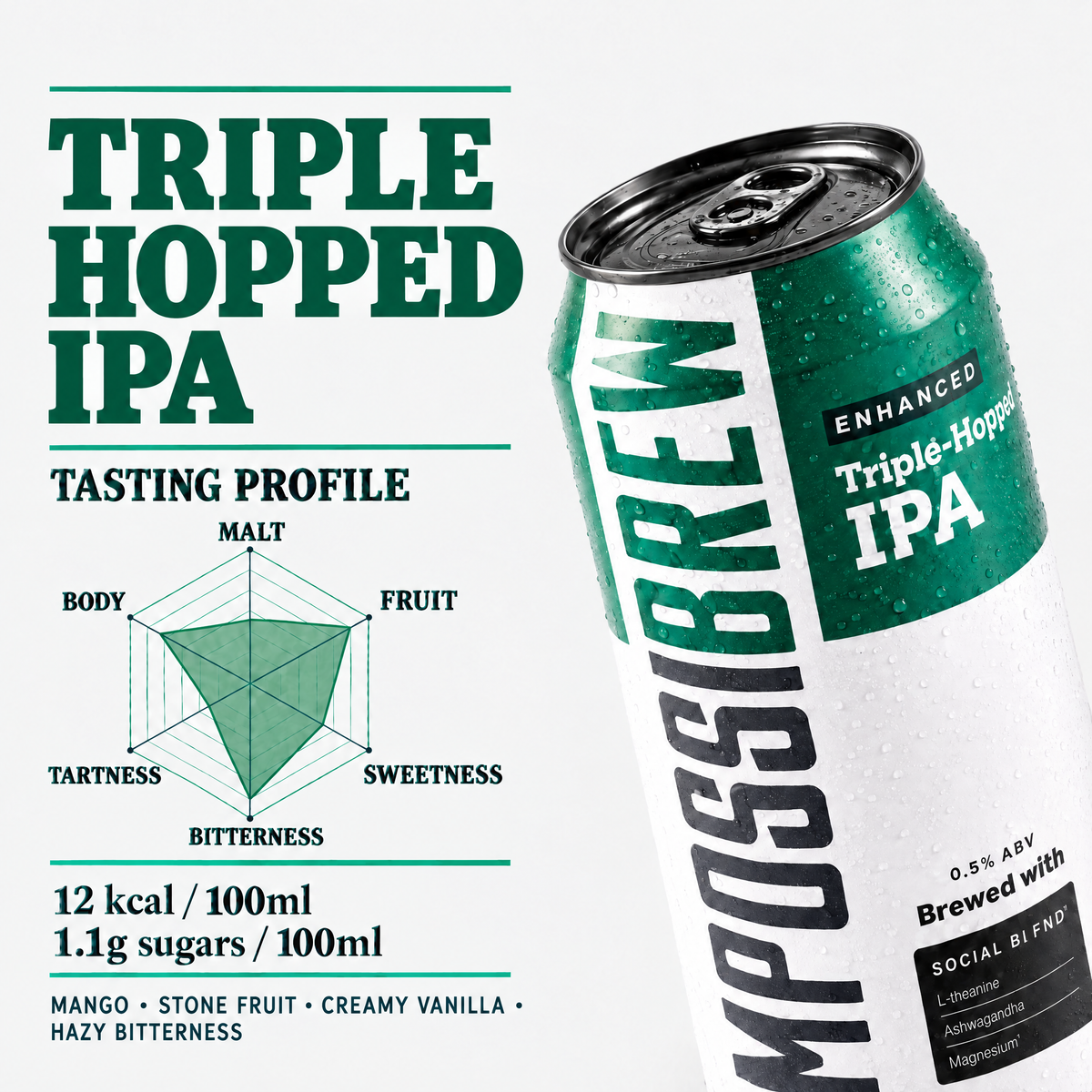
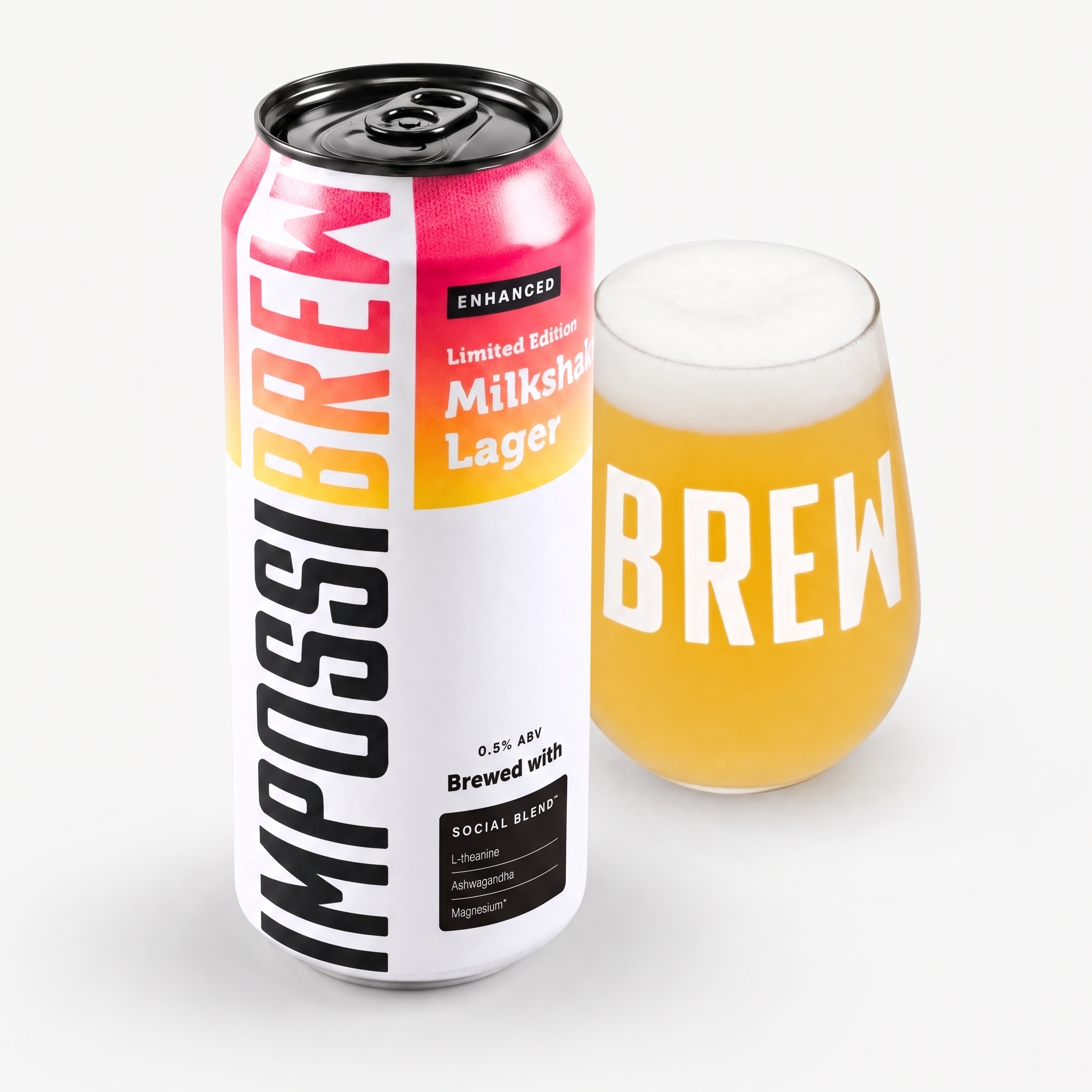
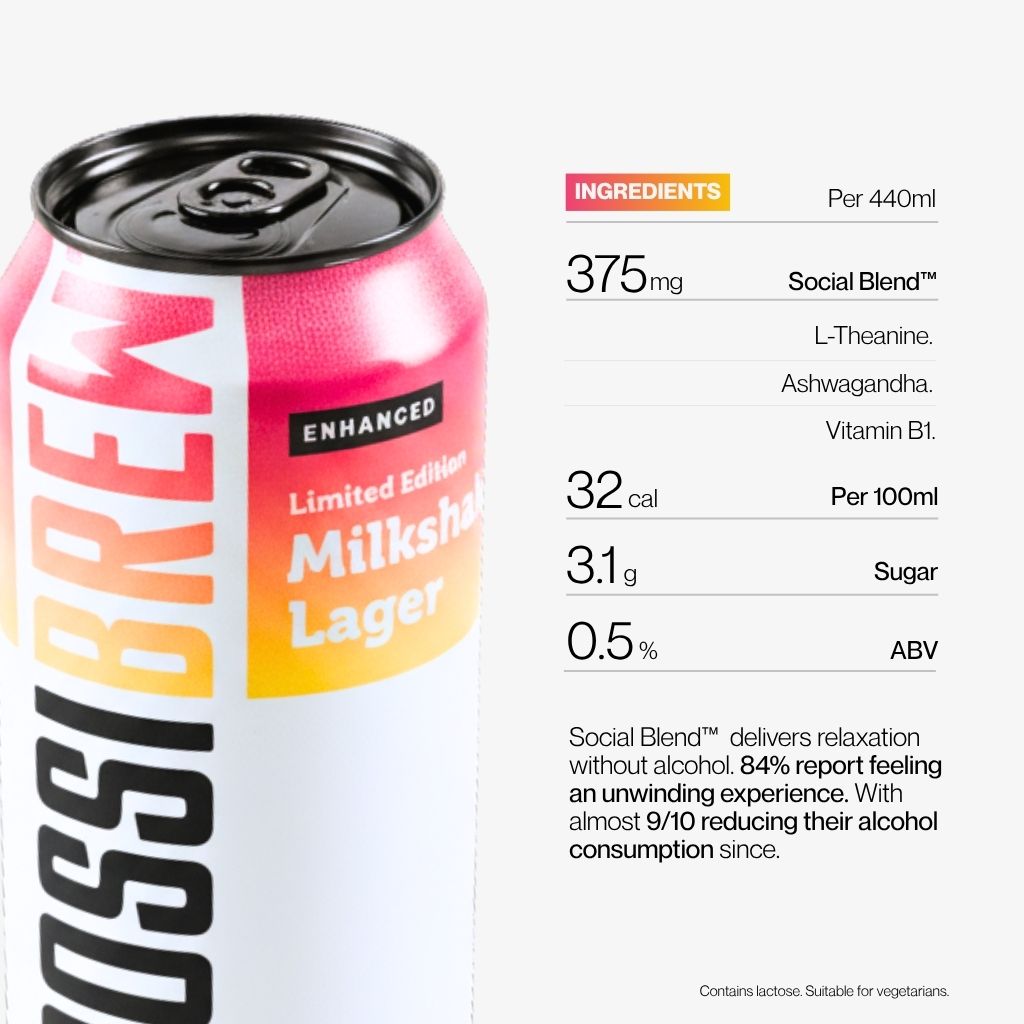
Incorporating functional ingredients while preserving the beer's flavour is a delicate balancing act. A standout example of this is IMPOSSIBREW®'s Social Blend™, a proprietary mix of nootropic and adaptogenic ingredients designed to mimic the relaxing effects of alcohol - without the downsides.
Flavour-matching algorithms guide brewers in determining how and when to introduce these functional ingredients during the brewing process. They assess how these compounds interact with traditional ingredients, ensuring the functional benefits remain intact while avoiding potential flavour clashes. If conflicts arise, the algorithms suggest masking techniques or complementary ingredients to enhance the overall taste.
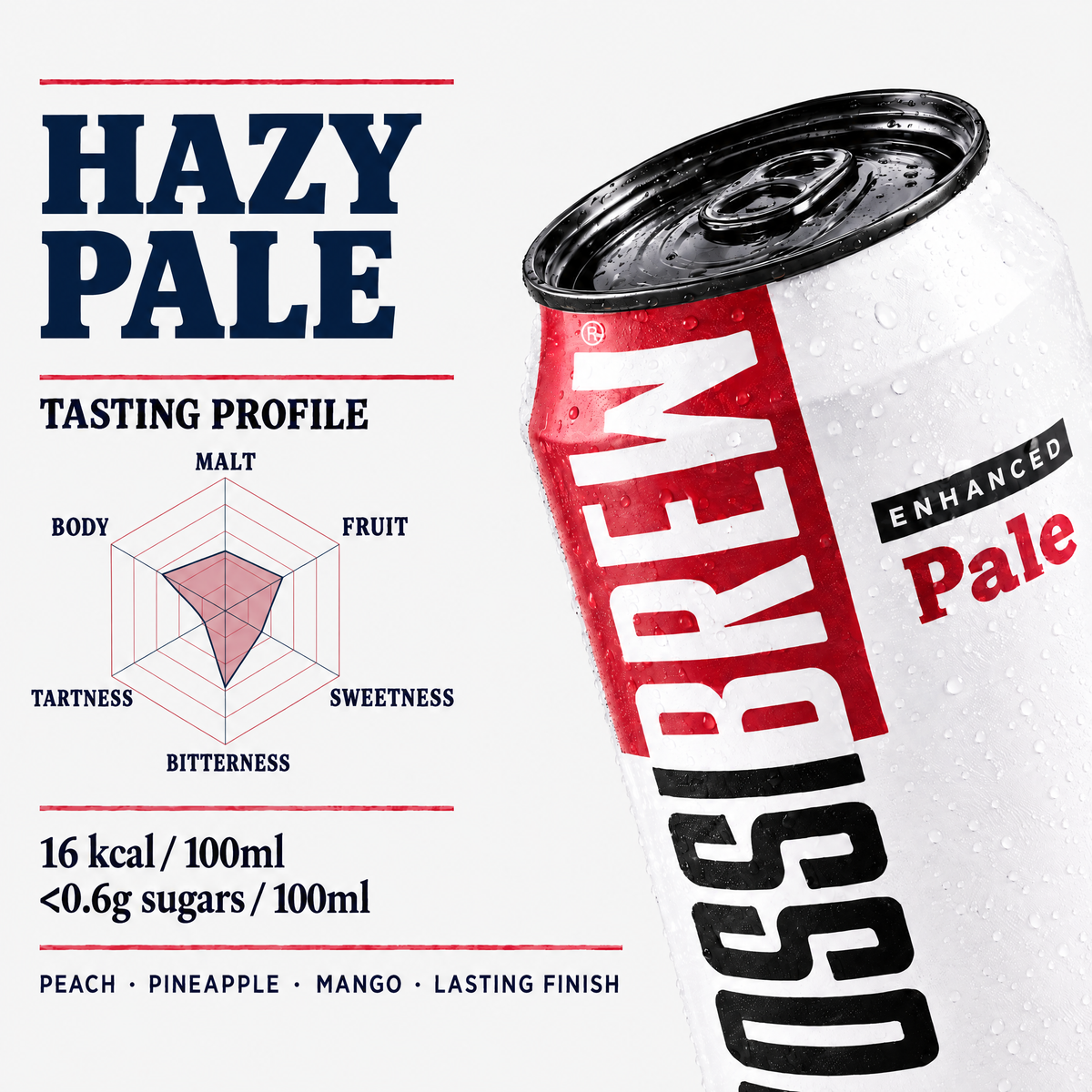
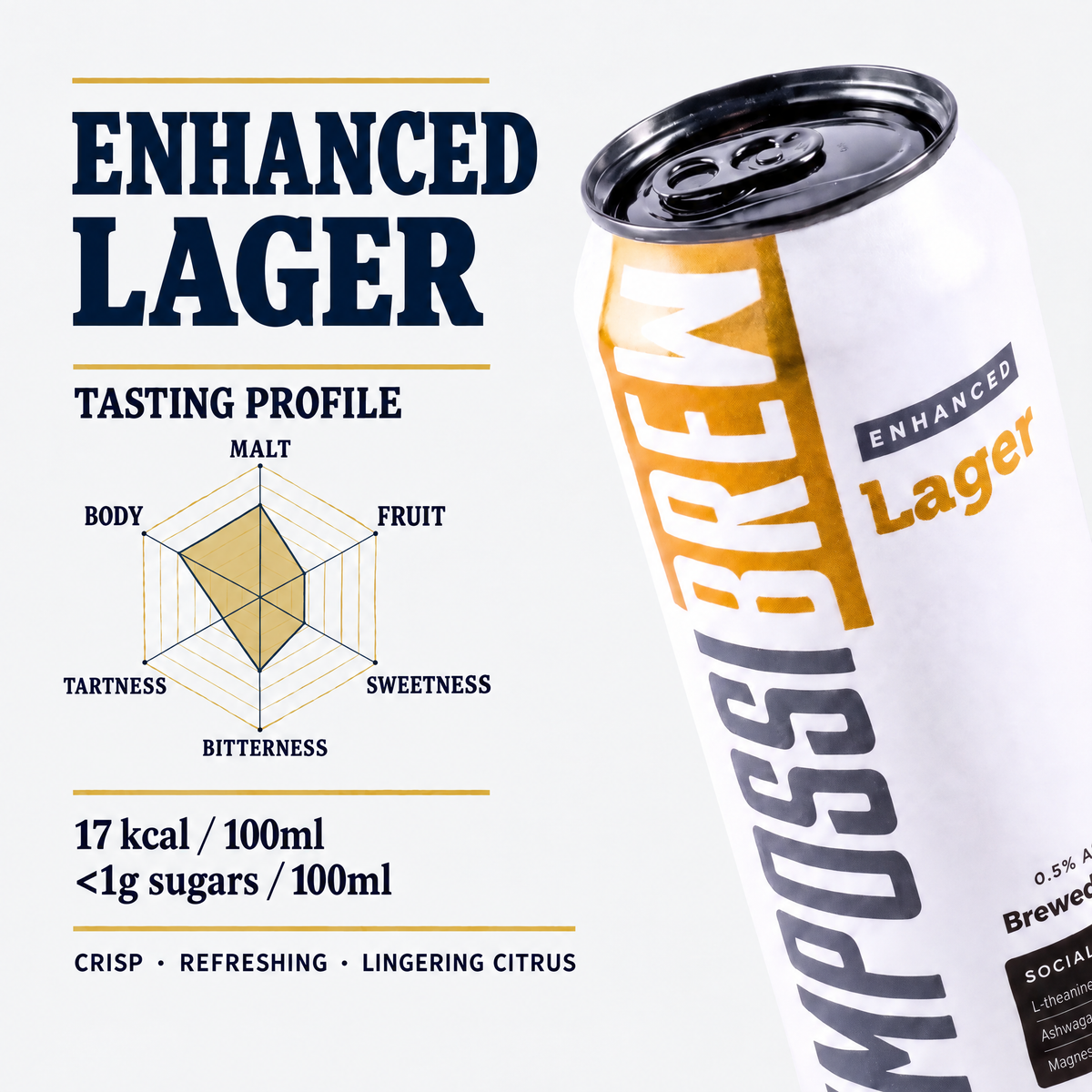
This approach has enabled the creation of products like Enhanced Lager and Enhanced Pale Ale, which combine sensory appeal with functional benefits. For example, the Social Blend™ is seamlessly integrated, maintaining the clean citrus finish of lagers or the tropical, fruity notes of pale ales. This careful balance ensures that the beer remains enjoyable while offering additional benefits.
Consistency and Quality for UK Consumers
As the non-alcoholic beer market in the UK evolves, so do consumer expectations. It's no longer just about removing alcohol; it's about offering a high-quality, consistent product. Flavour-matching algorithms play a critical role in meeting these demands, ensuring consistency across every batch.
These algorithms monitor and adjust for variables that can cause inconsistencies, such as seasonal ingredient changes, variations in water chemistry, or differences in brewing equipment. This level of precision ensures that each can of Enhanced Lager delivers the same experience, whether it’s the first batch or the hundredth.
For specialised formulations - like low-calorie, vegan-friendly, or gluten-free beers - algorithms provide even greater value. They predict how alternative ingredients, such as plant-based proteins or gluten-free grains, will behave during brewing and suggest adjustments to maintain the intended flavour and texture.
British consumers, who are increasingly health-conscious, expect premium non-alcoholic beers to match the quality of traditional options. Flavour-matching algorithms ensure these beers not only meet but often exceed expectations, delivering consistent taste, aroma, and mouthfeel. With products containing less than 0.5% ABV, brewers can now compete directly with traditional beers on taste while offering the added appeal of functional benefits. This continuous refinement process ensures that every batch meets the high standards demanded by modern British drinkers.
Future Developments in Flavour Matching Algorithms
The brewing world is on the brink of a technological leap. With computational methods advancing and new ways of integrating data emerging, flavour matching algorithms are set to transform how brewers craft and refine beer flavours - especially in the growing category of non-alcoholic functional beers.
Advanced Algorithm Approaches
Deep learning is taking centre stage in identifying intricate flavour patterns, offering more accurate predictions. Meanwhile, live sensor data - tracking volatile compounds, pH levels, and temperature - enables brewers to make real-time adjustments to their processes. This kind of responsive technology ensures that flavours stay consistent, even as conditions change.
On the operational side, predictive maintenance systems are becoming a game-changer. By keeping an eye on equipment performance, these systems flag potential issues before they affect flavour quality, saving time and reducing waste.
These advancements not only refine existing methods but also encourage brewers to explore and optimise different types of algorithms for various brewing challenges.
Comparing Algorithm Types
While earlier sections laid out the basics of flavour matching models, here’s a closer look at how different algorithms could tackle future brewing challenges:
- Gradient Boosting: This method shines when dealing with complex flavour profiles, refining predictions step by step for improved accuracy.
- Random Forest: Known for its reliability, it’s ideal when substituting ingredients, ensuring consistency even with diverse datasets.
- Neural Networks: Perfect for real-time flavour adjustments, these algorithms excel at learning intricate patterns from continuous streams of data.
- Support Vector Machines: A solid choice for quality control and maintaining batch consistency, particularly when working with smaller datasets.
Each algorithm has its strengths, and brewers can choose based on their specific needs, whether it’s handling complexity or ensuring quick and precise adjustments.
Future Brewing Technology Trends
The brewing industry isn’t just stopping at better algorithms; it’s gearing up for a broader transformation. Artificial intelligence is beginning to play a role in creating inventive beer recipes by analysing consumer preferences and market trends. At the same time, enhanced IoT networks are helping to gather data from across the industry, building larger and more diverse datasets to improve algorithm accuracy.
Sustainability is also becoming a key focus. Future systems may integrate environmental metrics - like carbon footprint, water consumption, and waste reduction - alongside flavour and consistency goals. This shift aligns with growing consumer demand for drinks that are not only delicious but also responsibly produced.
As these technologies evolve, the gap between traditional and alcohol-free beers is expected to shrink, paving the way for exciting new products that combine flavour, function, and sustainability. The future of brewing is not just about making beer; it’s about making it smarter, greener, and more in tune with what consumers want.
Conclusion
Flavour matching algorithms are transforming the brewing industry, reshaping how brewers maintain consistency and elevate quality. These advanced computational tools ensure precise flavour replication, making them especially useful for crafting high-quality non-alcoholic functional beers that align with shifting consumer preferences.
By analysing sensory data - like volatile compounds, pH levels, and temperature fluctuations - these algorithms translate complex information into actionable brewing adjustments. With the help of machine learning, real-time sensors, and predictive analytics, brewers can now achieve a level of flavour consistency that was once challenging to maintain across batches. This technological precision supports both traditional brewing practices and more experimental approaches.
Beyond simply replicating flavours, these systems open up opportunities to craft intricate taste profiles traditionally associated with alcoholic beverages while incorporating functional, science-backed ingredients. A great example of this is IMPOSSIBREW®'s Social Blend™, which showcases how flavour matching can be applied innovatively. These algorithms also help brewers refine ingredient substitutions, minimise waste through predictive maintenance, and adapt recipes to suit varying market demands - all while upholding the high standards of UK consumers, who increasingly seek healthier drinking options without sacrificing taste or enjoyment.
Looking ahead, advancements in AI and IoT are set to refine brewing precision even further. Integrating these technologies with sustainability metrics promises to not only enhance flavour consistency but also promote environmentally responsible practices. As these systems evolve, the line between traditional and alcohol-free beers may blur, paving the way for new products that combine outstanding flavour, functional benefits, and eco-consciousness.
Flavour matching algorithms are doing more than improving beer production - they're reshaping the very definition of beer for a health-conscious, tech-savvy audience.
FAQs
How do flavour matching algorithms help create consistent non-alcoholic beers with the same taste as alcoholic ones?
Flavour matching algorithms are designed to capture the complex flavour profiles of alcoholic beers and recreate them in non-alcoholic versions. By combining sensory data with chemical analysis, these algorithms pinpoint essential flavour components - such as aroma, taste, and mouthfeel - ensuring the non-alcoholic beer comes remarkably close to the original.
This meticulous process guarantees consistency from batch to batch, offering a dependable and enjoyable drinking experience. By preserving the balance of flavours, non-alcoholic beers can deliver the same richness and satisfaction as their alcoholic counterparts, meeting the expectations of beer lovers without compromise.
How do real-time sensors contribute to flavour matching in brewing?
Real-time sensors play a crucial role in brewing by keeping a constant check on essential factors such as temperature, pH levels, carbon dioxide (CO₂), and gravity. This steady stream of data enables brewers to adjust the fermentation process with precision, ensuring consistent flavours and top-notch quality in every batch.
These sensors also act as an early warning system. By immediately flagging any unexpected changes, they allow brewers to step in and make timely corrections, preventing issues that could impact the taste. Their accuracy ensures that each beverage aligns perfectly with the intended flavour profile.
How do flavour matching algorithms support sustainability in brewing?
Flavour matching algorithms are transforming brewing by fine-tuning ingredient usage and improving fermentation techniques. These sophisticated tools are designed to cut down on waste, save water, and reduce energy consumption throughout the brewing process.
By helping breweries create top-notch beers with fewer resources, these algorithms support eco-conscious practices and significantly reduce the industry's carbon footprint. This forward-thinking method meets the rising demand for sustainable brewing while ensuring the beer's flavour remains outstanding.