Did you know? Plant extracts are transforming beer, especially in non-alcoholic options, offering relaxation, better taste, and fewer calories. Here's what you need to know:
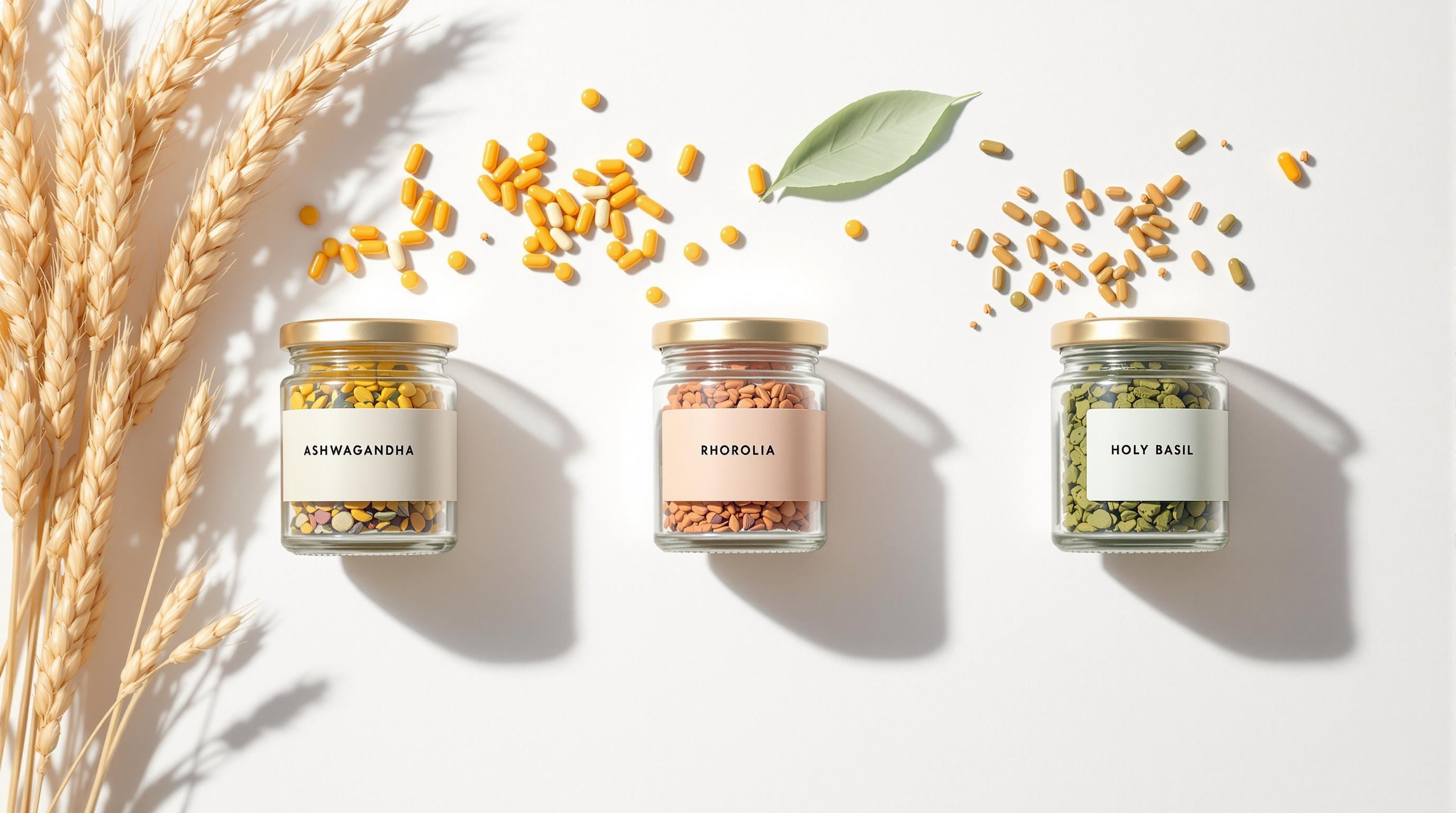
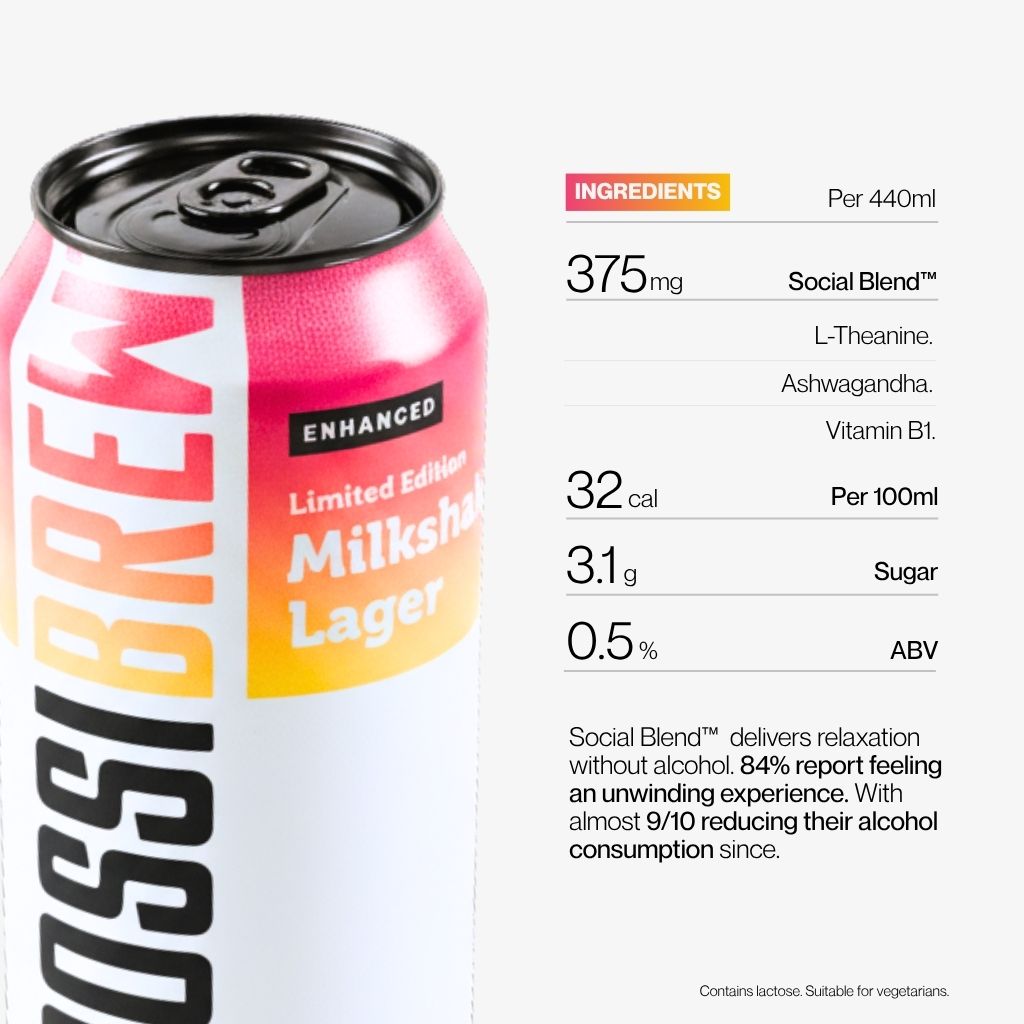
- What are plant extracts? Concentrated compounds from plants, like L-Theanine and Ashwagandha, used to enhance flavour, relaxation, and nutrition in beer.
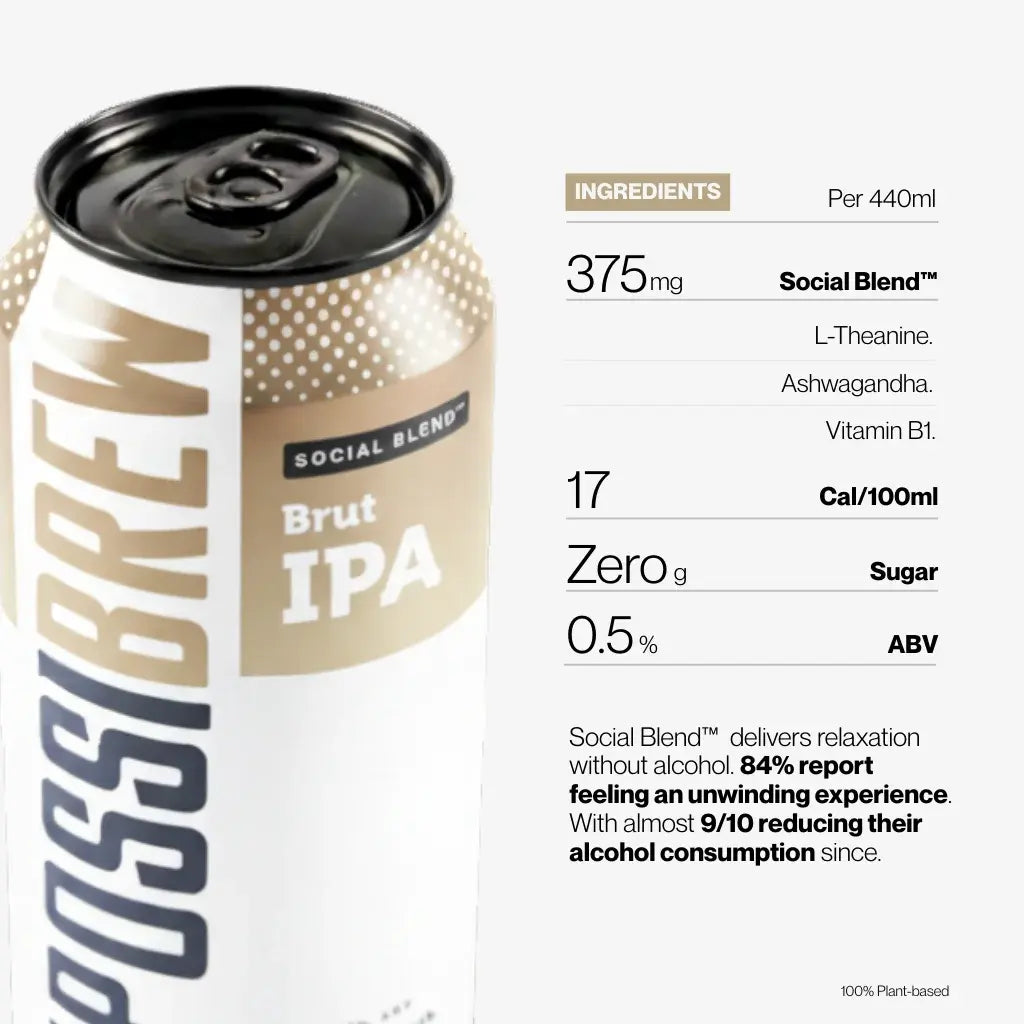
- Why does it matter? Over 71% of people feel calmer, and 88% reduce alcohol intake after trying beers with these extracts.
- How is it done? Advanced brewing methods ensure consistent quality, taste, and benefits without compromising the beer experience.
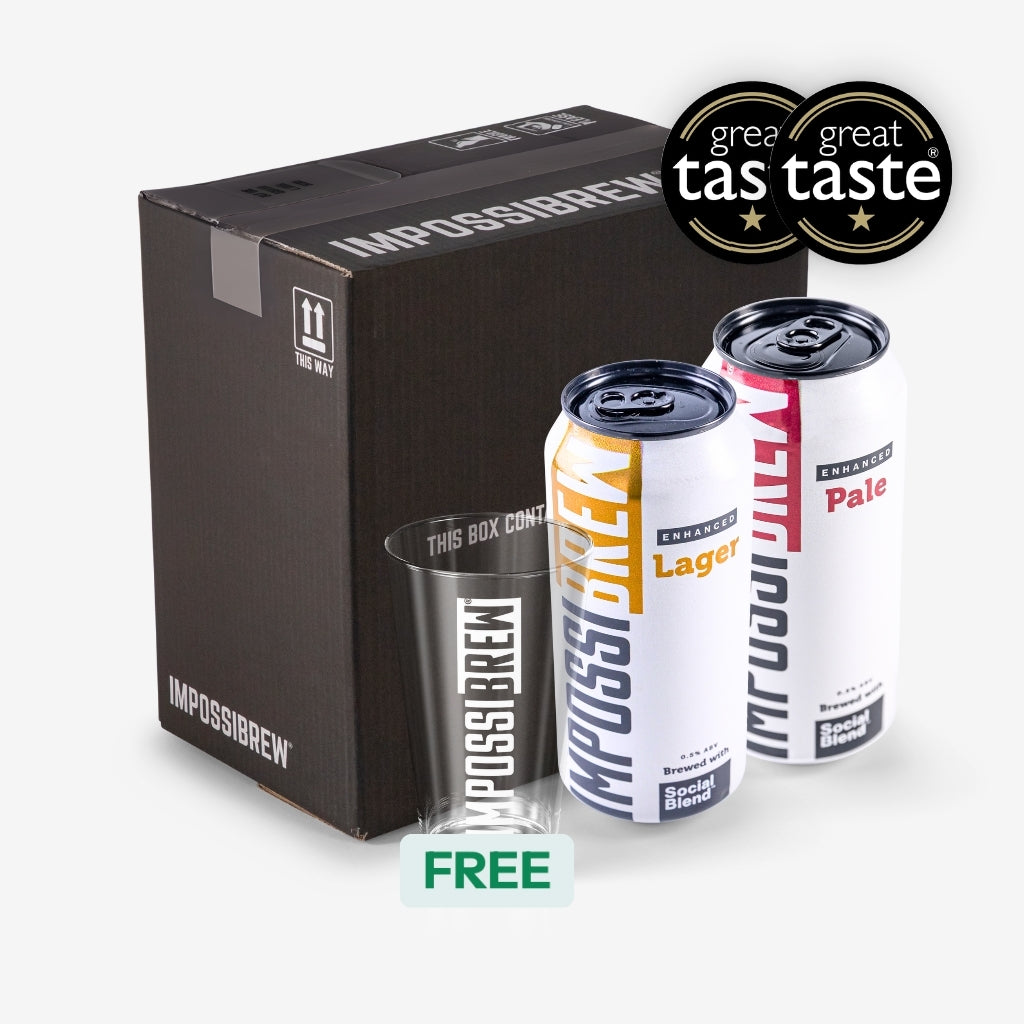
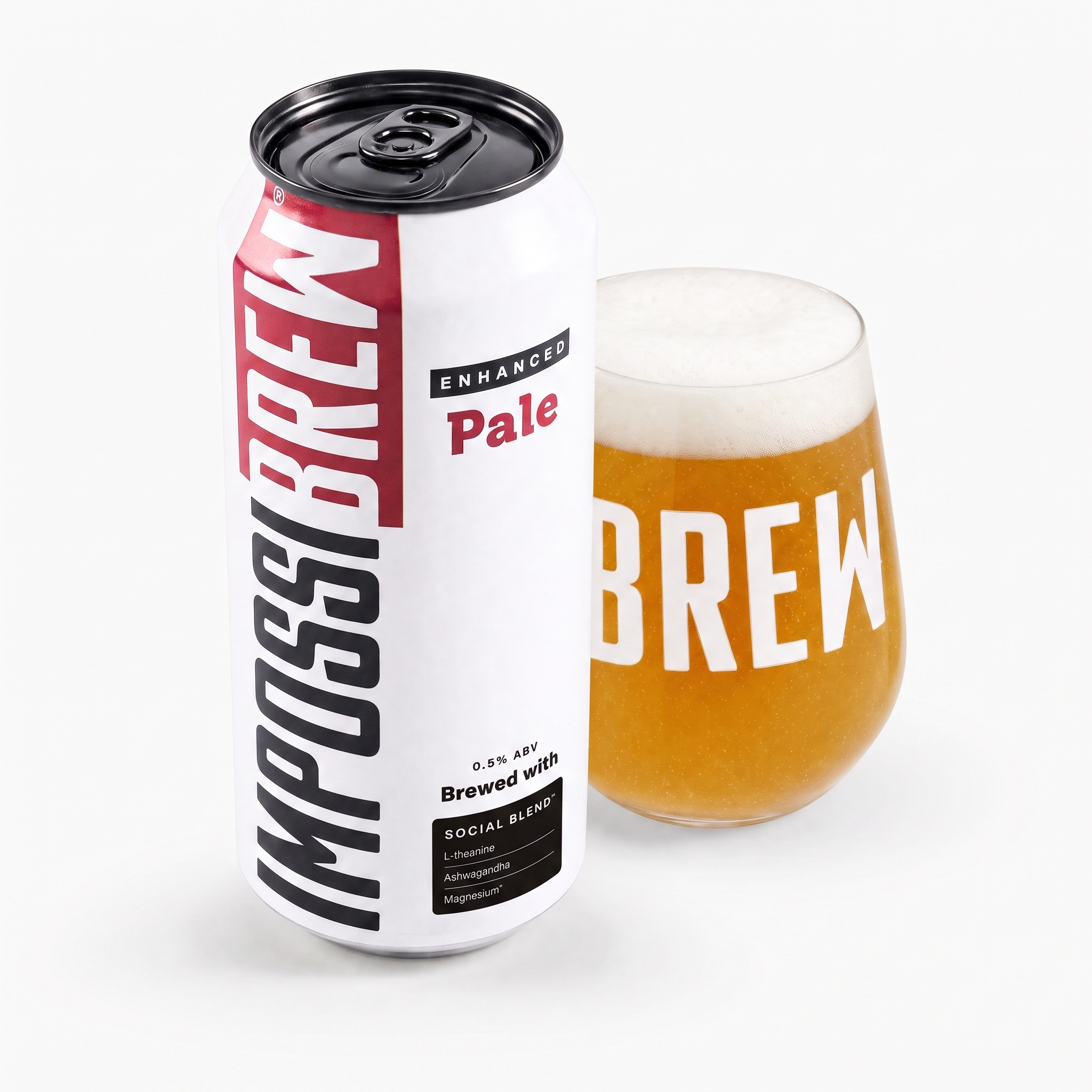
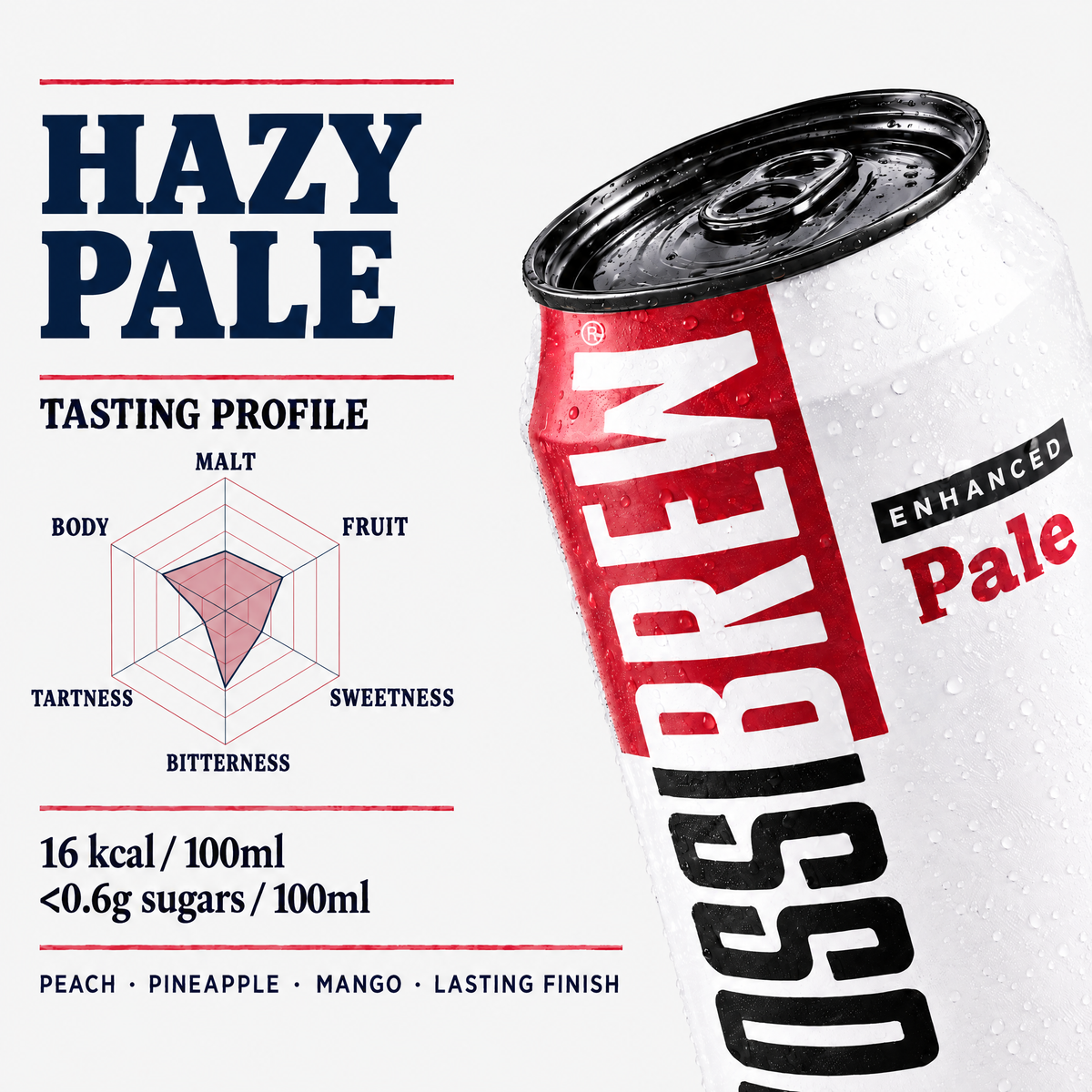
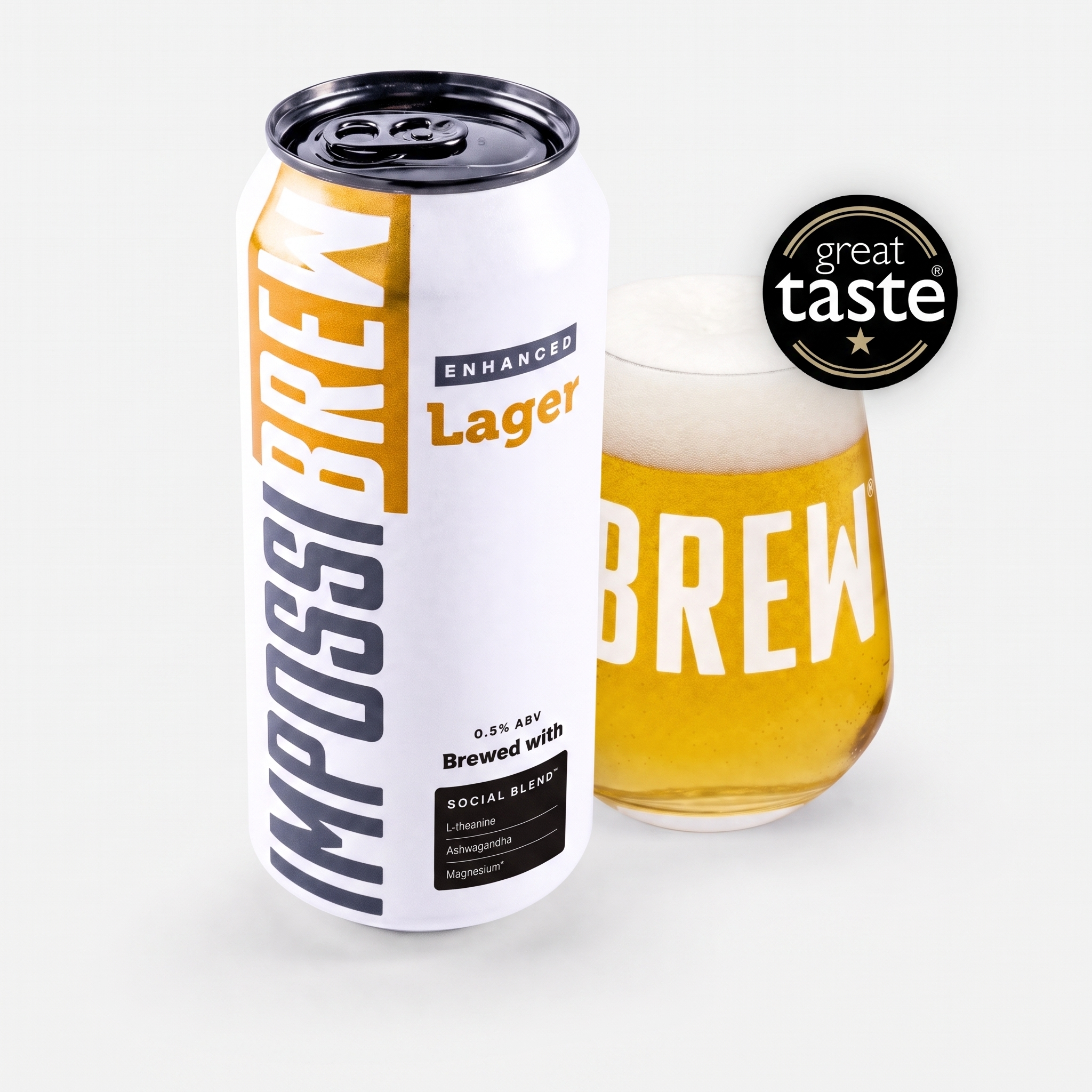
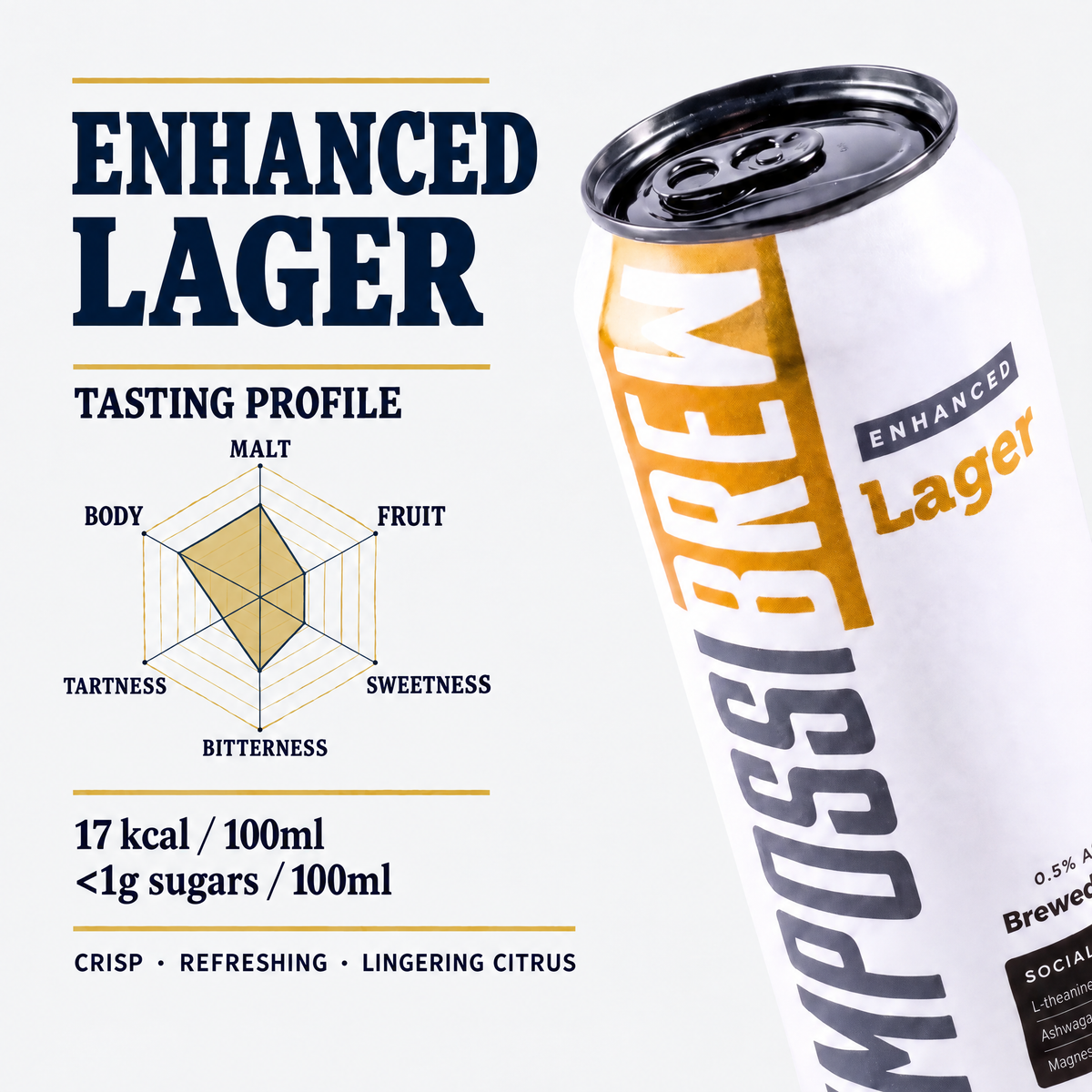
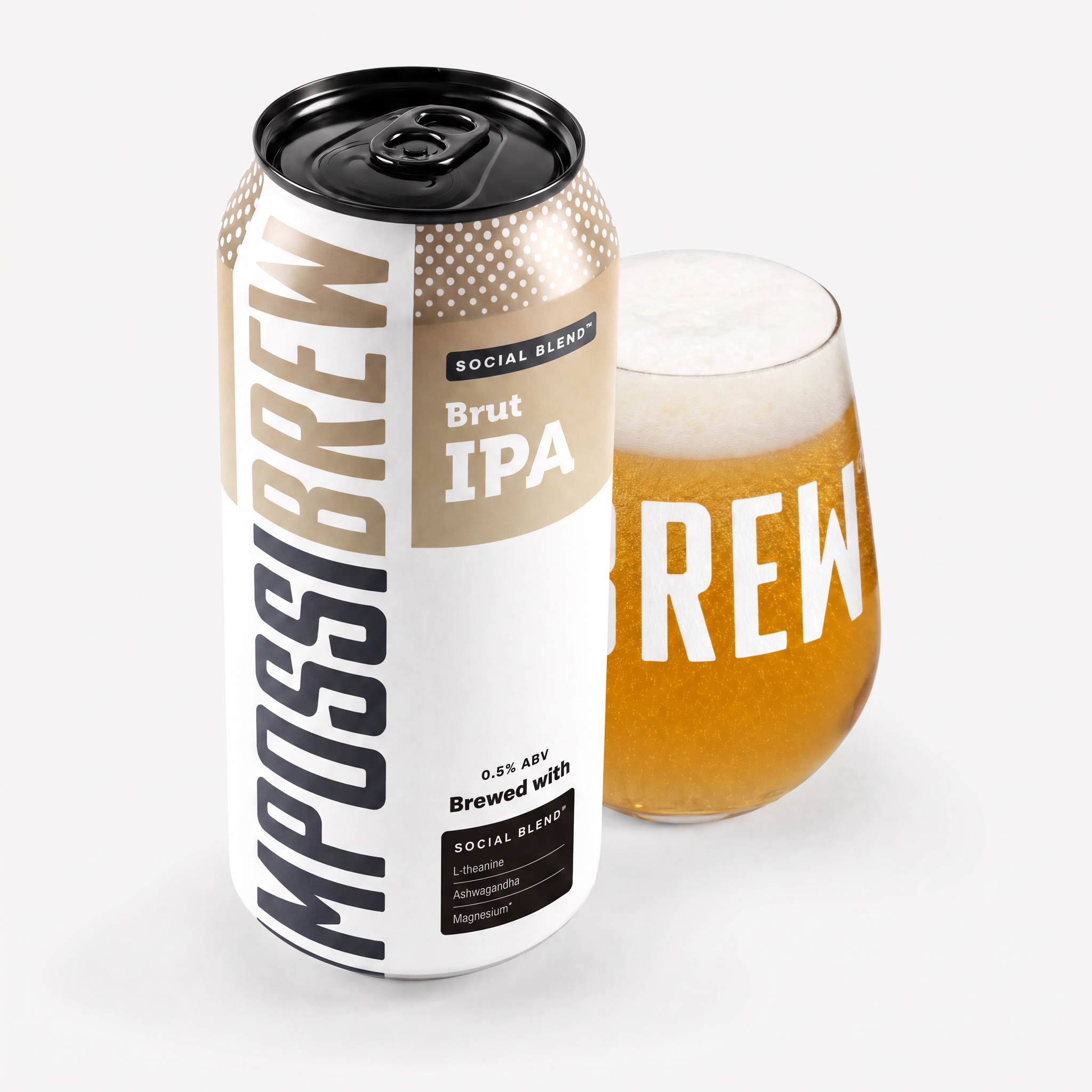
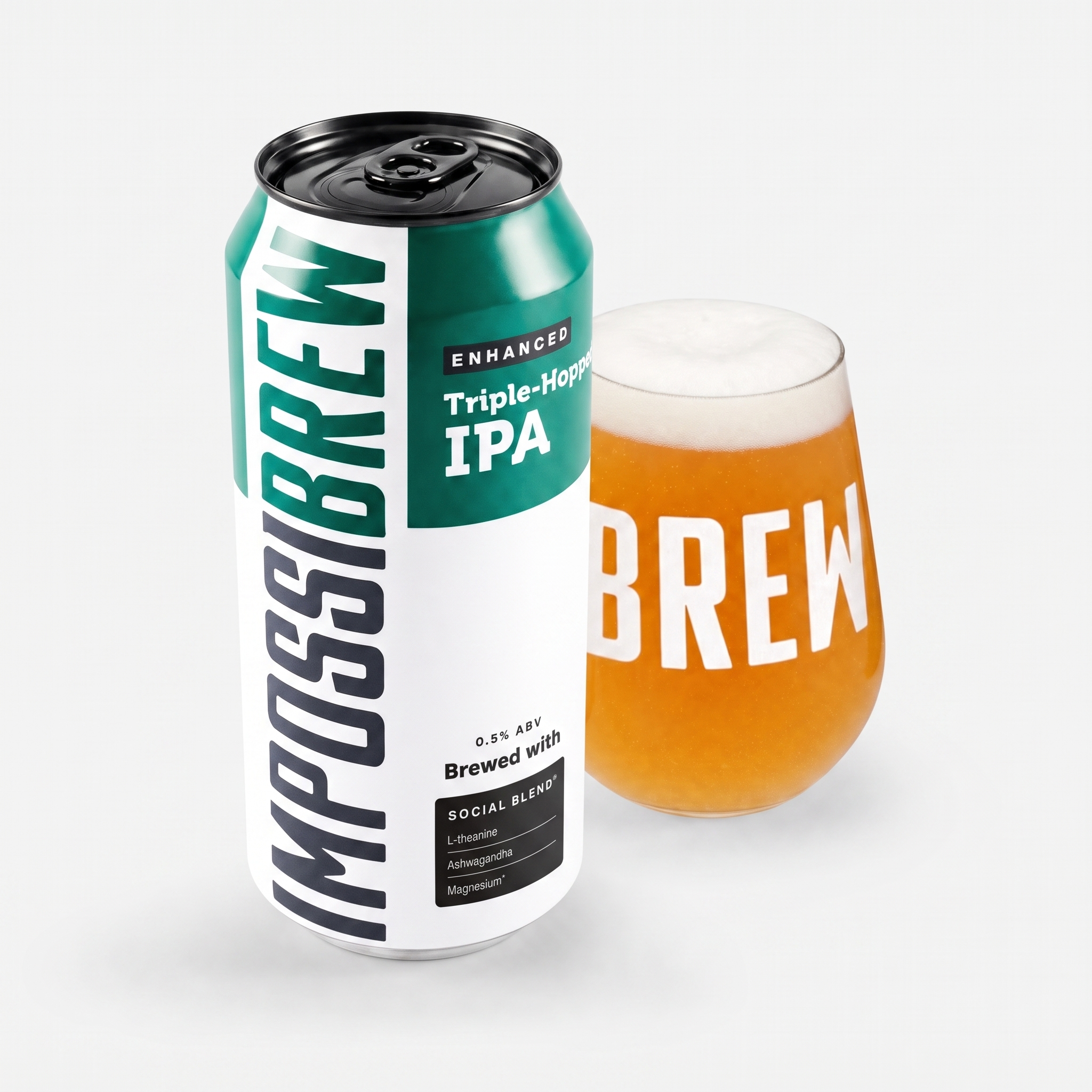
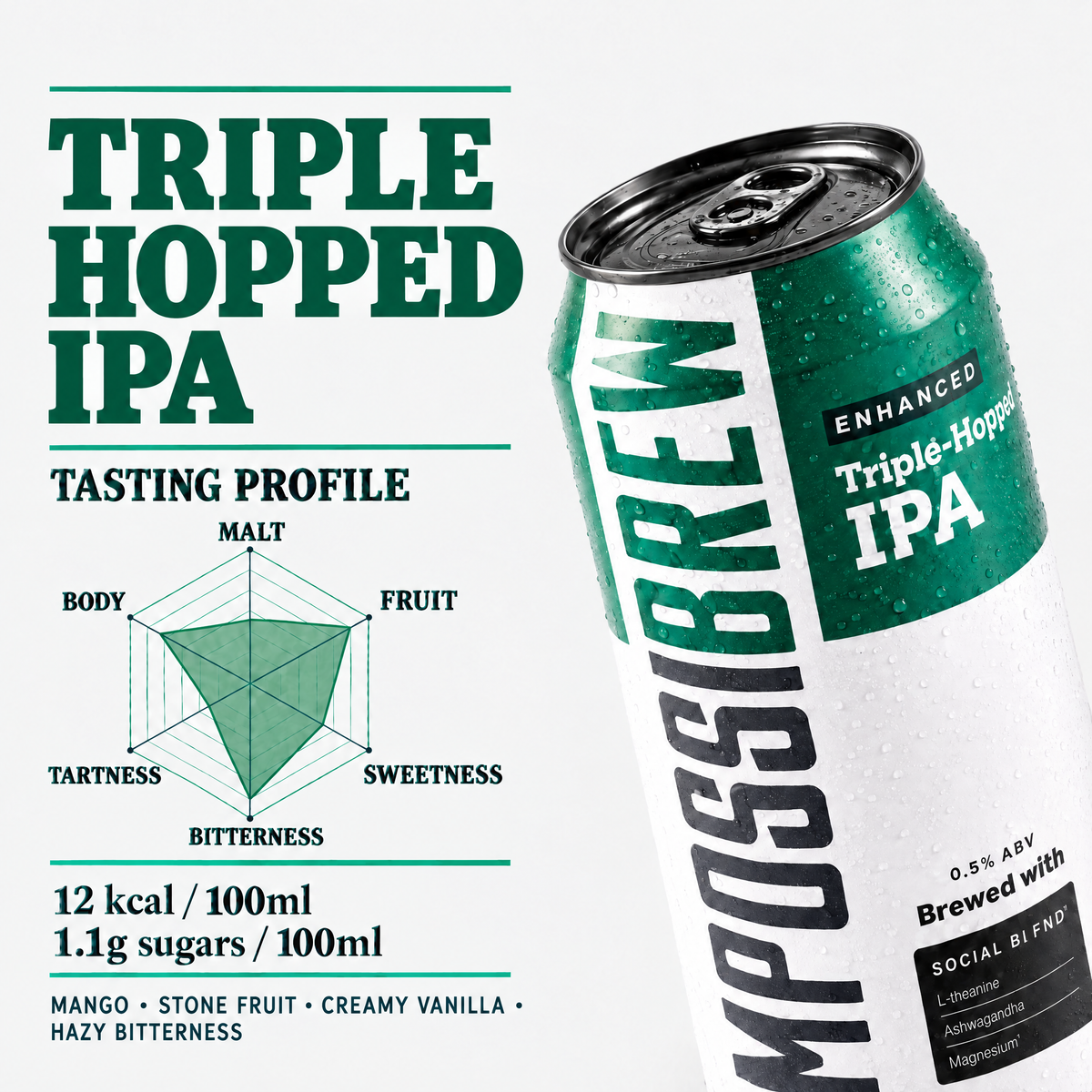
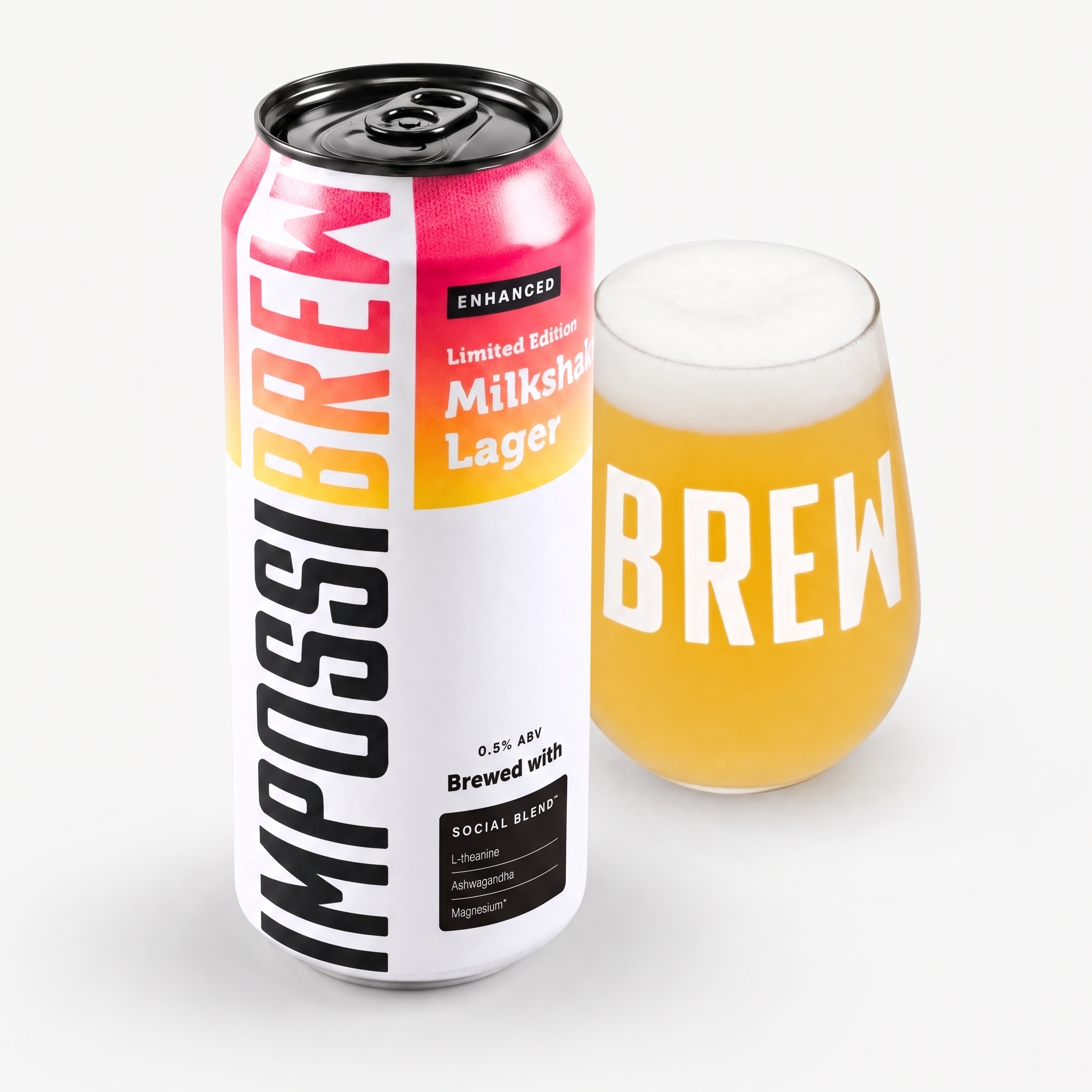
- Who’s leading? Brands like IMPOSSIBREW® use proprietary blends to create vegan, gluten-free, and low-calorie non-alcoholic beers.
Plant extracts are changing beer production, making it healthier and more sustainable while still delivering great taste. Dive into the details below.
Lisa Ganora and Sam Coffman - Plant Chemistry, Cannabis ...
Research on Plant Extracts in Beer
Scientific studies have shed light on how plant extracts play a role in beer production while offering benefits to consumers. Recent findings highlight their functional contributions to brewing.
Health Effects of Plant Extracts
Research led by Dr Paul Chazot, a Bioscience Professor and Chair of Pharmacology at Durham University, has shown encouraging results when plant extracts are used in brewing. A study involving more than 1,000 participants revealed that 71% reported feeling more relaxed after consuming beverages containing specific plant compounds [1].
Additionally, 88% of participants reduced their alcohol consumption as a result of these formulations [1]. These findings have prompted further investigation into the potential uses of specific plant extracts in brewing.
Common Plant Extracts in Brewing
Modern brewing has identified several plant extracts that serve distinct purposes:
| Plant Extract | Primary Function | Effect |
|---|---|---|
| L-Theanine | Promotes relaxation | Encourages mental calm |
| Ashwagandha Root | Helps with stress | Supports emotional balance |
| Soluble Plant Fibres | Adds nutritional value | Boosts overall nutrition |
| Vitamin B1 | Enhances mood | Contributes to a positive mood |
When integrated effectively, these plant extracts can replicate the sensory experience of traditional beers. In fact, 75% of consumers describe these beverages as "the most complete alcohol alternative currently available" [1].
These insights highlight the ability of plant extracts to mimic the taste and feel of conventional beer, offering an alternative without the typical downsides of alcohol. This paves the way for new and exciting approaches in brewing.
Brewing Methods with Plant Extracts
Using plant extracts in brewing requires careful techniques and close monitoring. Advances in brewing technology now allow for incorporating these ingredients without compromising the consistency of the final product. Below, we’ll explore some of the methods brewers use to achieve this balance.
Extract Addition Techniques
The timing and method of adding plant extracts play a big role in the final flavour and quality of the brew. Brewers typically use three main approaches:
| Stage | Method | Advantages |
|---|---|---|
| Pre-fermentation | Adding extracts to the wort | Blends well with base flavours |
| Post-fermentation | Controlled infusion | Maintains the properties of extracts |
| Blending | Mixing after production | Allows precise control over flavour |
Temperature control is crucial. For example, heat-stable compounds are added during brewing, while temperature-sensitive extracts are introduced during conditioning to avoid degradation.
Dosage Control
Maintaining consistent extract levels requires advanced tools and strict quality checks. Brewers use techniques like:
- Digital dosing for precision
- Near-infrared spectroscopy for real-time monitoring
- Automated checkpoints to ensure consistency throughout production
Each batch undergoes thorough testing to ensure the extracts are balanced and stable. This includes testing extract potency before production, monitoring during the brewing process, and analysing the final product. These steps ensure every batch delivers consistent flavour and quality.
sbb-itb-a752bf8
Plant Extracts and Resource Efficiency
Using concentrated plant extracts in brewing helps manage resources more effectively. It reduces the need for raw materials, cuts down water and energy consumption, and requires less storage space, all while improving processing workflows.
Resource Benefits
Switching to concentrated extracts can lower the demand for raw ingredients. This shift often means using less water and energy and needing less storage space compared to traditional brewing methods. Additionally, moving from bulky fresh materials to compact and stable extracts can streamline processing and transport.
Current Limits and Solutions
While the benefits are clear, there are still some challenges to overcome:
- Extract Stability: Temperature changes and exposure to light can weaken the potency of extracts. To handle this, methods like UV-protected storage, temperature control, and the use of natural stabilisers are being tested.
- Standardisation: Maintaining consistent extract concentrations across batches is a challenge. Solutions include advanced analytics, automated dosing systems, and strict extraction protocols to ensure uniformity.
- Cost Considerations: The initial expense of processing equipment can be high. However, lower storage and transport costs, along with reduced waste, often balance out these upfront costs over time.
Research and development efforts continue to refine these processes, aiming to make resource use more efficient and ensure consistent results.
Non-Alcoholic Beer Applications
Plant extracts play a key role in non-alcoholic beer, offering both functional benefits and great taste. This allows brewers to craft alcohol-free options that don't compromise on flavour or experience.
Current Market Products
Using IMPOSSIBREW®'s Social Blend™ technology, advanced extract processing has led to gluten-free options with less than 10 PPM of gluten. These beers are also low in calories, with some containing just 27 calories per serving [1]. This approach not only improves the nutritional profile but also ensures a satisfying sensory experience.
Consumer feedback highlights consistent quality across batches, which has helped these products gain traction in the market [1]. These improvements are driving growth and increasing acceptance of non-alcoholic beers.
Market Growth and Demand
Thanks to advancements in extract processing, plant-based formulations are being adopted more widely. This trend reflects growing interest in healthier beverage choices that are also resource-efficient.
"We exist because we believe in a world where social connection doesn't demand compromise." - IMPOSSIBREW® [1]
Since its launch in 2021, IMPOSSIBREW® has achieved impressive milestones:
- Distributed over 1 million beers by 2024
- Maintained a 4.8/5 customer rating
- Developed patent-pending extraction technology
- Created vegan-friendly formulations
These achievements resonate with consumers looking for the social and sensory enjoyment of beer without the effects of alcohol. This demand continues to drive innovation in using plant extracts for non-alcoholic brewing.
Conclusion
Key Benefits
Plant extracts have transformed the non-alcoholic beer market by offering improved flavours and wellness-focused options. Studies involving over 1,000 participants highlight how advanced formulations, including adaptogens and nootropics, promote relaxation without relying on alcohol. This development has struck a chord with consumers looking for healthier choices that still deliver an enjoyable experience.
Industry Trends
The industry is set for further evolution, building on recent research and innovative techniques. Since 2021, IMPOSSIBREW® has been at the forefront, combining traditional brewing with plant extract technology to create leading non-alcoholic beers. Notable advancements include:
- Patent-pending extraction methods pushing the boundaries of functional brewing
- Increased consumer interest, with 88% of users cutting back on traditional alcohol consumption [1]
- A wider selection of vegan-friendly and gluten-free options
- Award-winning products setting new benchmarks for quality
These ongoing innovations highlight the role of functional plant extracts in shaping the brewing industry's future, aligning perfectly with the growing demand for healthier lifestyle choices.
FAQs
What are the health benefits of using plant extracts in beer?
Plant extracts in beer can offer a range of functional and health-enhancing properties, making them an innovative addition to brewing. These extracts often contain natural compounds like antioxidants, vitamins, and minerals that may support overall well-being. For example, certain botanicals are known to promote relaxation, aid digestion, or even boost immunity.
Non-alcoholic beers that incorporate plant extracts, such as those crafted by IMPOSSIBREW®, are designed to deliver a similar sensory and social experience to traditional alcoholic drinks, but without the negative effects of alcohol. This makes them a great option for those looking to enjoy a healthier lifestyle while still savouring the taste and experience of beer.
What challenges do brewers face when using plant extracts in beer, and how are these overcome?
Incorporating plant extracts into beer presents several challenges for brewers. These include ensuring the extracts do not overpower the beer's natural flavours, maintaining a consistent taste profile across batches, and addressing potential interactions between the extracts and other brewing ingredients.
To overcome these challenges, brewers rely on precise formulation techniques and extensive testing. By carefully selecting high-quality plant extracts and using advanced brewing methods, they can achieve a harmonious balance of flavours and retain the functional benefits of the extracts. This approach ensures that the final product meets both taste and quality expectations.
How do plant extracts improve the flavour and sensory experience of non-alcoholic beer?
Plant extracts play a key role in enhancing both the flavour and sensory qualities of non-alcoholic beer. By incorporating natural compounds derived from plants, brewers can introduce unique taste profiles, ranging from floral and citrus notes to earthy and herbal undertones. These extracts can also add depth and complexity to the beer, making it more enjoyable and satisfying.
In addition to taste, certain plant extracts are known for their functional benefits, such as promoting relaxation or boosting well-being. When carefully formulated, these ingredients not only elevate the sensory experience but also contribute to a more holistic and enjoyable alternative to traditional alcoholic beverages.