
Low-alcohol beer is booming in the UK, driven by health-conscious drinkers seeking flavourful, lower-alcohol options. But brewing these beers comes with challenges, especially nutrient deficiencies in the brewing process. Recent research highlights how adding key nutrients like zinc, nitrogen, and vitamins can improve fermentation, speed up production, and enhance beer quality. While nutrient additions don't drastically change flavour, they can improve yeast health, reduce off-flavours, and even slightly boost the nutritional profile of the beer. Brewers are also exploring new techniques, like enzyme-assisted brewing and functional ingredients, to refine the sensory experience and meet consumer demands for healthier, satisfying beverages.
Key takeaways:
- Zinc and nitrogen are crucial for fermentation efficiency and yeast performance.
- Nutrient-enriched beers are gaining popularity among health-conscious UK consumers.
- Regulatory compliance and transparent labelling are essential when incorporating added nutrients.
For brewers, balancing traditional methods with emerging innovations offers opportunities to create better low-alcohol beers that align with market trends.
Yeast Nutrient Requirements in Low-Alcohol Beer Production
Challenges in Low-Alcohol Beer Fermentation
Producing low-alcohol beer comes with its own set of challenges, especially when working with low-gravity worts or high adjunct ratios. These brewing methods can lead to a lack of essential nutrients for yeast, which are crucial for proper fermentation. Without enough nutrients, yeast reproduction and activity slow down, often causing fermentation to stall. This can directly impact the beer's attenuation and overall quality. To tackle these issues, it’s essential to have a clear understanding of the nutrients yeast needs to thrive.
Key Yeast Nutrients
Zinc plays a vital role in protein synthesis, yeast growth, and fermentation efficiency. Studies show that adding zinc can boost fermentation rates, reduce the risk of stuck fermentations, enhance yeast health and flocculation, and even speed up the reduction of diacetyl - a compound that can affect flavour [1]. Keeping zinc levels balanced is critical for smooth and effective fermentation.
Nitrogen, particularly in the forms of Free Amino Nitrogen (FAN) and Yeast Assimilable Nitrogen (YAN), is another key nutrient. It’s essential for yeast to produce the proteins it needs to function properly [1][2][3]. Low-alcohol beers, especially those made with low-gravity worts or high adjunct ratios, are often nitrogen-deficient [1][3]. When nitrogen levels are too low, yeast reproduction and fermentation efficiency can suffer.
Vitamins like biotin, pantothenic acid, and thiamin are also necessary for yeast growth and activity [2]. Without these, yeast struggles to perform effectively during fermentation.
Impact of Nutrient Deficiencies
When yeast doesn’t get the nutrients it needs, fermentation slows down, and the quality of the beer can take a hit. This underscores the importance of carefully managing yeast nutrition to ensure a successful brewing process and a high-quality final product.
[Webinar] Low Alcohol Brewing
Impact of Nutrient Additions on Beer Quality and Nutrition
Recent studies have taken a closer look at whether adding extra nutrients can enhance both the quality and nutritional profile of beer, building on the basics of yeast nutrient requirements.
Improving Fermentation and Yeast Health
When it comes to brewing low-alcohol beer, getting the nutrient balance right is crucial. Yeast rely on specific minerals to ensure a smooth fermentation process. While the importance of zinc, nitrogen, and vitamins has already been highlighted, newer research has explored whether other nutrients, like magnesium or potassium, could make a difference. So far, there’s no solid evidence to suggest these additions boost yeast activity or improve fermentation efficiency.
Better Sensory Properties
When it comes to taste, aroma, and mouthfeel, nutrient additions don’t seem to be the magic fix. Research indicates that the sensory challenges in low-alcohol beers are more likely tied to the unique brewing methods used, rather than any lack of nutrients.
Boosting Nutritional Content
Adding nutrients might improve the levels of vitamins and minerals in low-alcohol beer, but the overall nutritional impact appears to be modest at best. More studies are needed to determine whether fine-tuning nutrient levels can deliver noticeable health benefits without affecting the beer’s quality.
sbb-itb-a752bf8
Optimising Nutrient Management in Brewing
Brewers have long recognised the value of adding nutrients to improve fermentation, but the focus has now shifted to refining these strategies for even better results. Fine-tuning nutrient management is especially important in crafting low-alcohol beers, where precise control over fermentation is key to maintaining product quality and consistency.
Best Practices for Nutrient Addition
Getting the timing right for nutrient addition can make all the difference. Adding essential nutrients like zinc and nitrogen early in the fermentation process supports yeast health and activity, which are vital for achieving optimal results. Regularly monitoring the progress of fermentation allows brewers to adjust nutrient levels as needed, ensuring consistent quality in the final product.
New Approaches
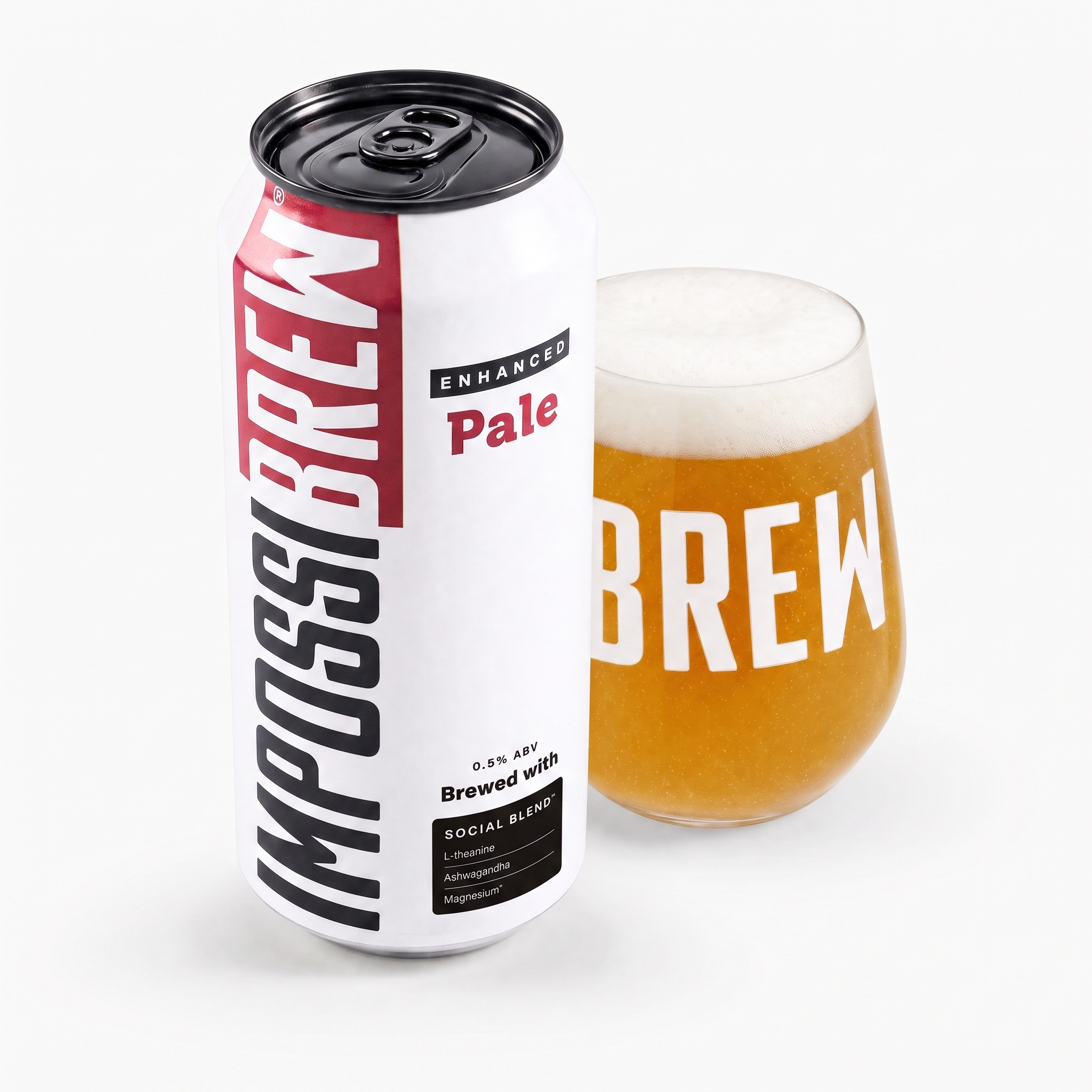
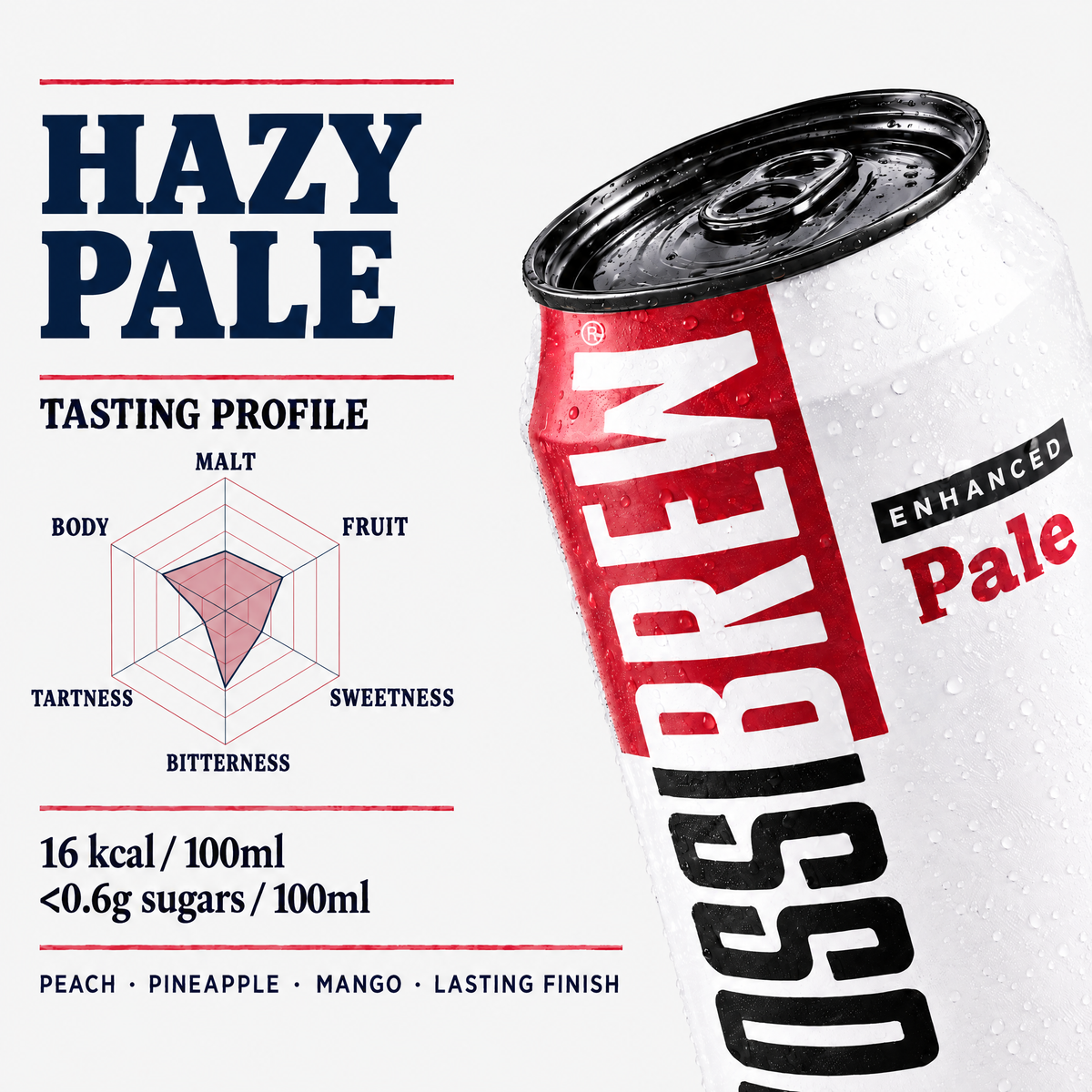
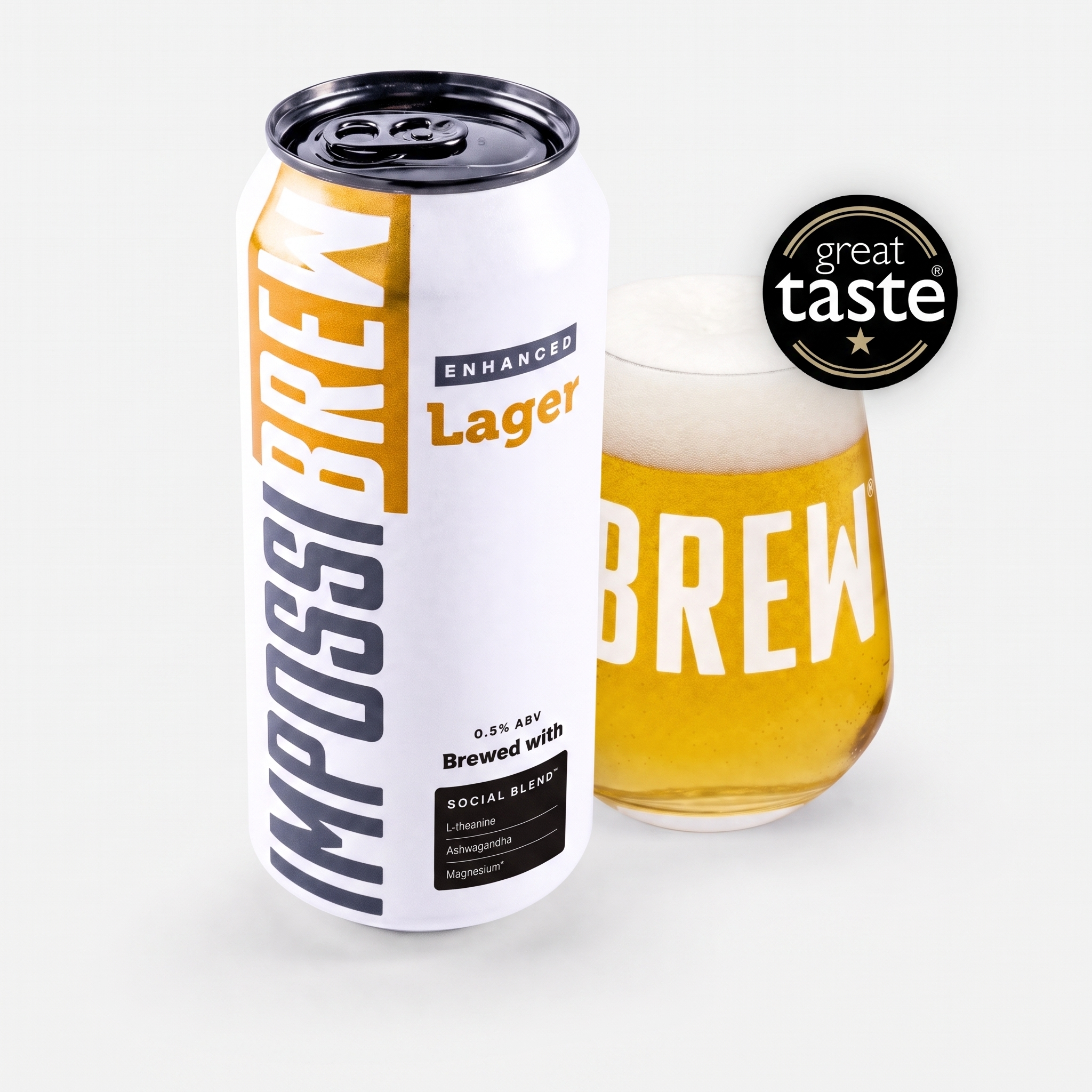
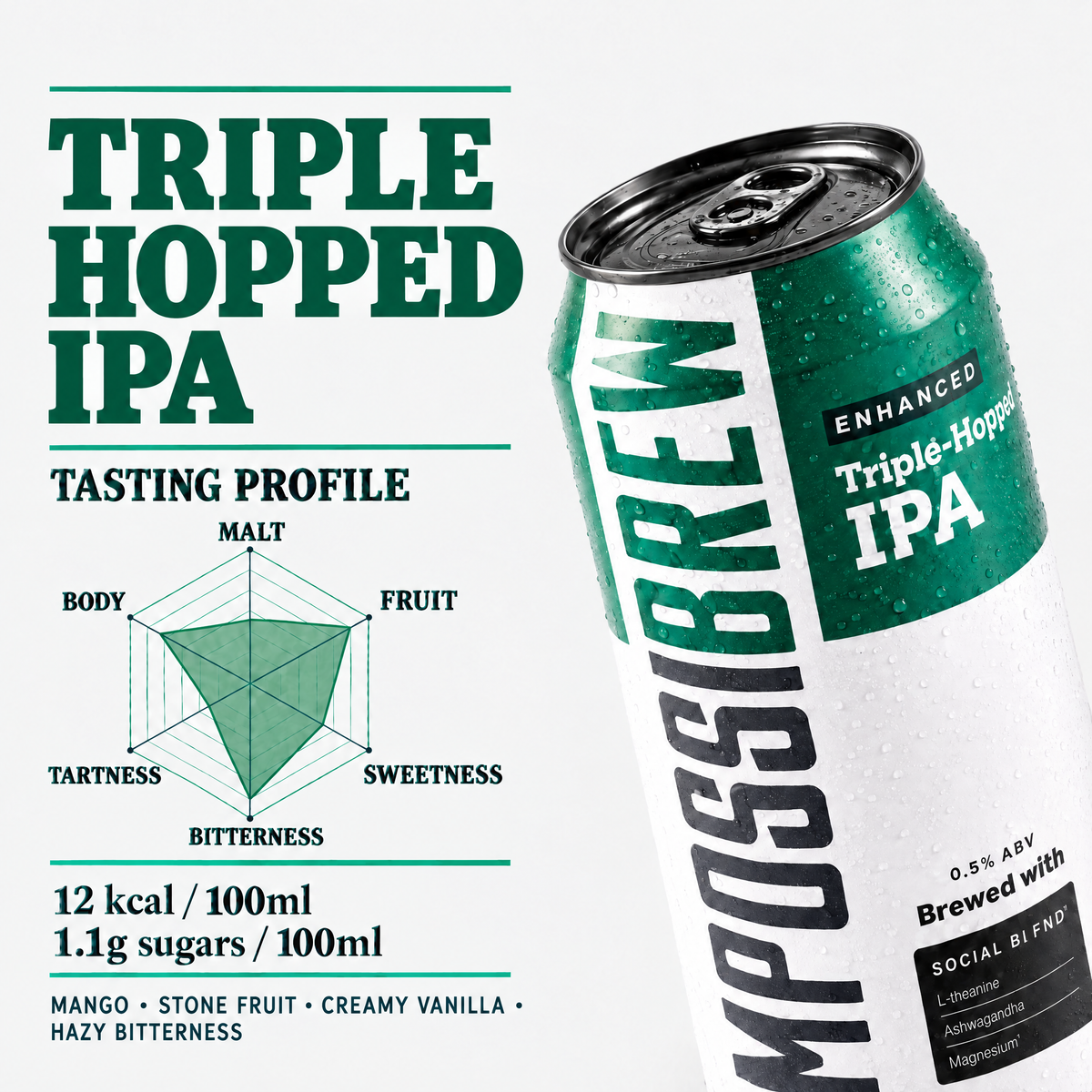
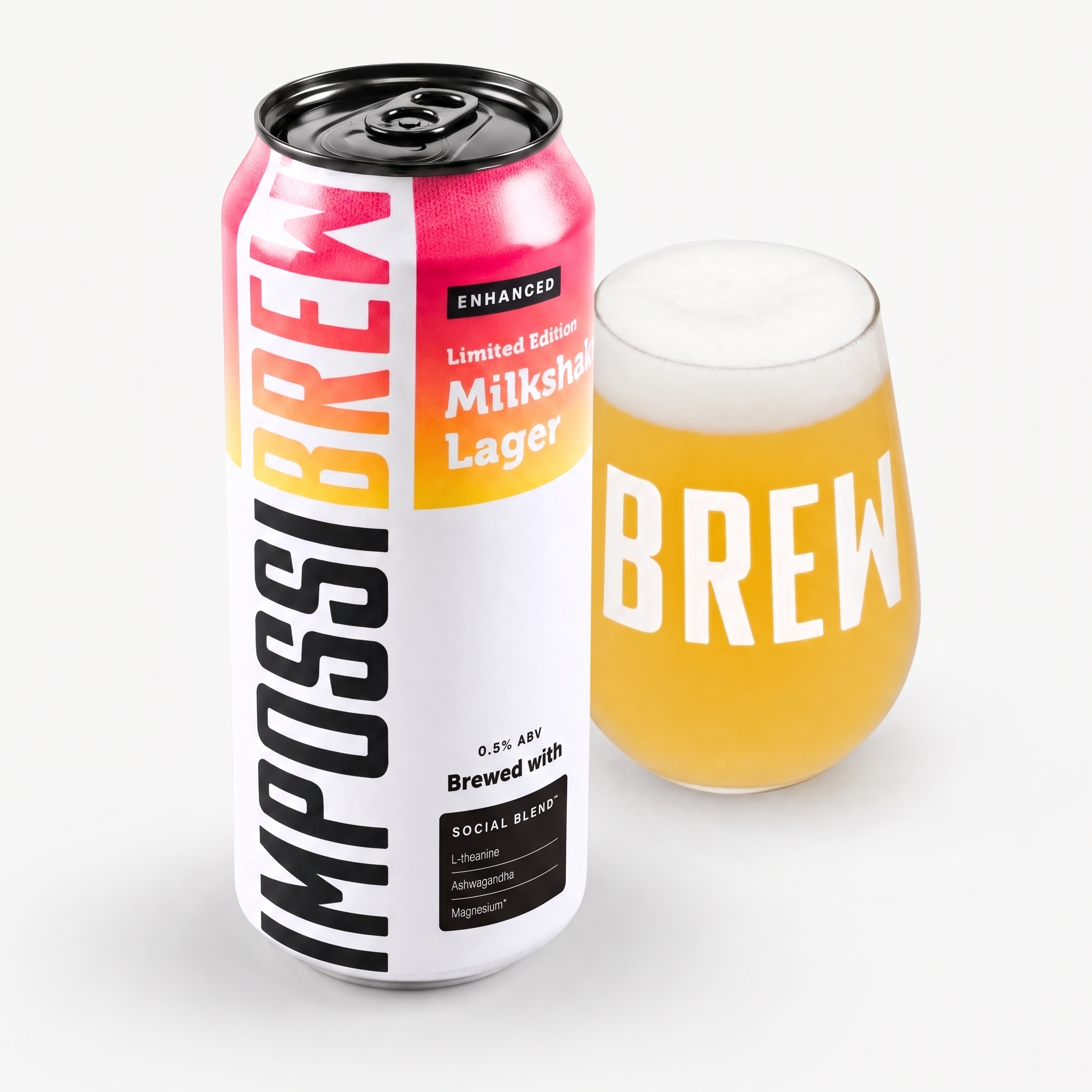
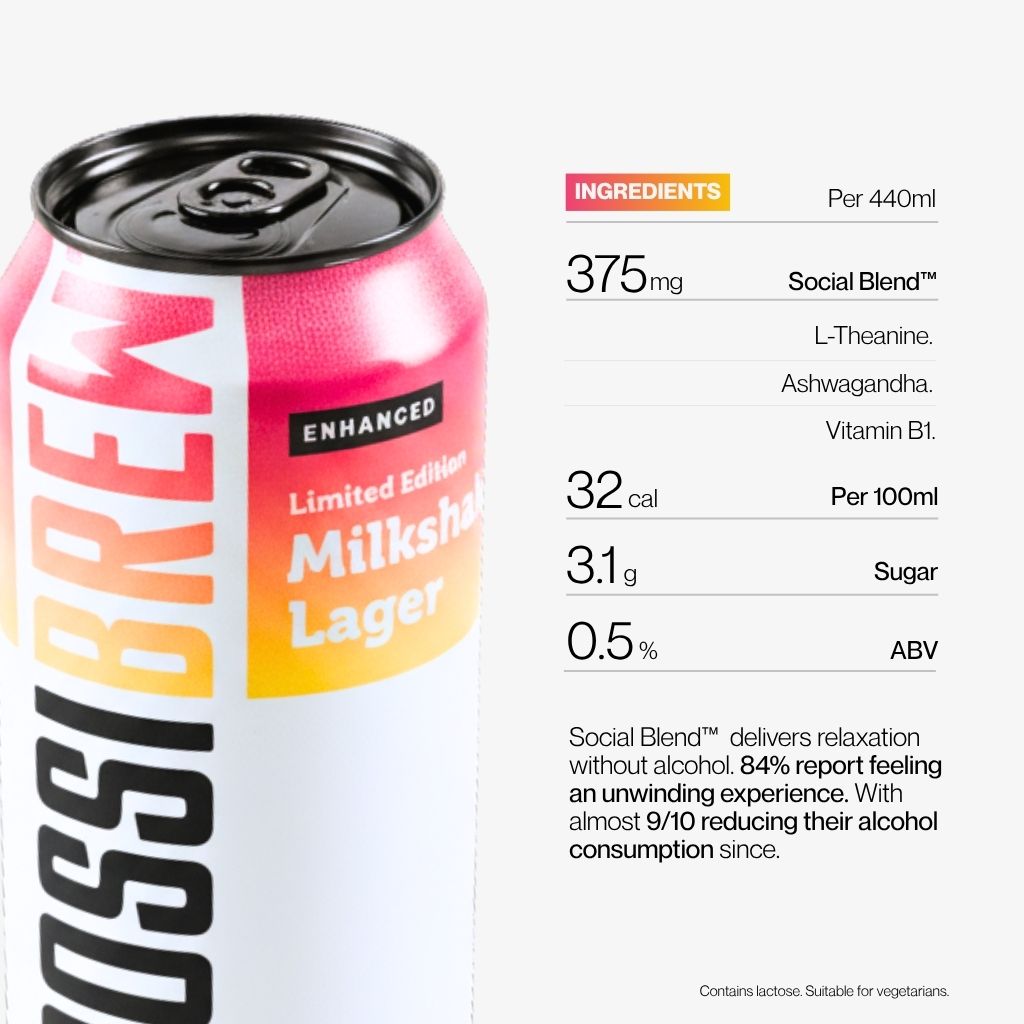
Brewers today are exploring methods that go beyond traditional nutrient supplementation. While these conventional techniques provide a solid foundation, newer approaches are pushing boundaries. For example, IMPOSSIBREW®'s Social Blend™ incorporates functional ingredients through a scientifically developed process, enhancing both fermentation efficiency and sensory characteristics. Other innovations, such as enzyme-assisted brewing, are gaining traction for their ability to improve flavour profiles and mouthfeel. Additionally, combining specific yeast strains with tailored nutrient profiles is being studied as a way to further optimise fermentation, particularly for low-alcohol beer production.
Comparison of Strategies
The choice of nutrient management strategy often depends on a brewer's quality goals and market focus. A more traditional approach, centred on balanced additions of zinc and nitrogen, offers a dependable way to support fermentation. On the other hand, newer methods - like functional ingredient integration or enzyme-assisted brewing - can elevate sensory qualities, such as flavour and texture. By blending tried-and-tested practices with cutting-edge innovations, brewers can achieve greater consistency while enhancing the overall drinking experience.
Consumer Perceptions and Regulatory Considerations
As brewers refine nutrient management strategies, the role of consumer preferences and regulatory standards becomes increasingly important in shaping the future of low-alcohol beer.
The success of nutrient-enriched low-alcohol beers hinges on how well they align with consumer expectations while adhering to the complex rules governing food and drink production. These factors are critical for creating products that resonate with the market and comply with legal standards.
Consumer Preferences for Nutrient-Enriched Beer
In the UK, consumers are showing a growing interest in low-alcohol beers that go beyond simply reducing alcohol content. While taste remains the top priority - drinkers expect the same depth of flavour and satisfaction as traditional beers - there’s a rising demand for beverages that pair great taste with added functional benefits.
Health-conscious drinkers increasingly look for clear, transparent information about added nutrients and their specific benefits. This has pushed brewers to highlight the advantages of their nutrient choices, creating an opportunity to connect with this audience.
Low-alcohol beers are also valued for their ability to combine health benefits with the social enjoyment of drinking, without the downsides of alcohol. This trend has opened doors for products that enhance the sensory experience while incorporating functional ingredients.
The broader focus on wellness further shapes these expectations. Many UK consumers now see their drink choices as part of a larger approach to healthy living. These evolving preferences naturally tie into the strict regulatory framework that governs such products.
UK Regulatory Guidelines
Brewers face a detailed regulatory framework to ensure both the safety of their products and the accuracy of their labelling. The Food Standards Agency (FSA) plays a key role here, requiring that all added ingredients are safe for consumption and clearly listed on product packaging.
Labelling rules demand transparency, with all nutrients, their quantities, and any associated health claims clearly stated. The Advertising Standards Authority (ASA) also oversees marketing efforts, ensuring that any health or wellness claims are well-supported and not misleading.
When brewers introduce innovative functional ingredients, they may need to comply with novel food regulations, which require additional safety checks and approvals. Additionally, to qualify as low-alcohol beer, products must contain no more than 1.2% alcohol by volume. This limit influences not only taxation but also the types of health claims that can be made.
Health and Wellness Significance
Nutrient-enriched low-alcohol beers offer a unique way to support overall health and wellness. By incorporating B vitamins, minerals, and other functional ingredients, these products can help bridge nutritional gaps while maintaining a satisfying taste.
Many low-alcohol beers also naturally have fewer calories, making them attractive to those mindful of their calorie intake. When combined with added nutrients, these beverages strike a balance between social enjoyment and health-conscious choices.
Mental wellness is another area gaining attention, as more consumers seek drinks that promote relaxation and social connection without the drawbacks of alcohol. This growing trend in functional beverages presents a significant opportunity for brewers who can deliver great taste, added benefits, and regulatory compliance.
IMPOSSIBREW® is a prime example of how science-driven nutrient management can align with strict regulatory standards to meet the needs of today’s UK drinkers. Successfully blending scientific innovation with these consumer and legal demands will be essential for future advancements in this space.
Conclusion and Key Takeaways
Research highlights that adding nutrients can significantly improve the quality of low-alcohol beer while catering to health-conscious consumers. By carefully managing nutrients, brewers can turn the challenges of producing low-alcohol beer into unique advantages.
Summary of Research Findings
The study confirms that nutrient additions play a key role in enhancing low-alcohol beer across multiple aspects. Effective nutrient management not only addresses fermentation issues but also introduces nutritional benefits, such as malt-derived polyphenols known to support gut health.
Low-alcohol beers also stand out for their antioxidant properties. Research shows that 55%–88% of the antioxidant capacity in commercial beers comes from just six compounds, with ferulic acid accounting for over half [4]. Moreover, about 70–80% of beer polyphenols are derived from malt [6]. These polyphenols offer health benefits, with evidence suggesting that a 30-day intake of non-alcoholic beer can enhance gut microbial diversity [5].
When brewing methods are optimised, these natural compounds provide functional benefits that go beyond basic nutrition.
Implications for Brewers and Consumers
The findings offer practical insights for both brewers and consumers. For brewers, the research provides clear strategies to refine production processes. Using complete beer yeast nutrients can reduce sulphur production, eliminating the need for extended warm clean-up stages during fermentation [7]. Zinc supplementation enhances fermentation efficiency and overall beer quality. Additionally, brewing methods that preserve polyphenol content, such as those involving less heat, can improve both flavour and health benefits [6].
For consumers, nutrient-enhanced low-alcohol beers represent a new standard in quality. These beers not only provide isotonic and electrolyte properties that aid rehydration - especially for athletes - but also maintain the social enjoyment of beer [4][6]. They are evolving into functional beverages that align with active lifestyles without sacrificing taste.
Brands like IMPOSSIBREW® showcase how these findings can be applied, using scientifically backed ingredients to create beers that deliver both flavour and health benefits without compromise.
Future Research and Opportunities
This research opens the door to exciting opportunities for further innovation. Exploring different yeast strains could amplify health benefits and reduce the downsides of low-alcohol content, all while preserving the sensory appeal [4]. Some yeast strains even exhibit probiotic properties, further enhancing the beer's nutritional value [4].
Another promising area lies in biotransformation, which can tackle flavour challenges by improving aroma profiles through specific nutrient additions [8]. Interestingly, both non-alcoholic and alcoholic beers have been shown to increase gut microbiota diversity, suggesting that these benefits stem from beer polyphenols rather than alcohol content [5]. This insight could pave the way for developing beers with targeted functional benefits.
Overall, these findings lay a strong groundwork for future progress in low-alcohol beer production. By prioritising nutrient management, brewers can create products that rival traditional beers while offering additional health advantages. This research highlights the important role of nutrient management in crafting superior low-alcohol beers that meet modern consumer preferences and health-focused trends.
FAQs
How do nutrients like zinc and nitrogen enhance the fermentation process in low-alcohol beer production?
Nutrients like zinc and nitrogen are essential for enhancing the fermentation process in low-alcohol beer production. Zinc is particularly important for yeast health. It aids in yeast growth, improves sugar absorption, and helps maintain yeast vitality, reducing the risk of problems like stuck fermentations.
On the other hand, nitrogen, often added through sources like diammonium phosphate (DAP), ramps up yeast activity, making the fermentation process more efficient. This can cut fermentation time by as much as 50%, while still ensuring a smooth and effective process. The result? A well-crafted low-alcohol beer with consistent quality.
What are the health benefits of drinking nutrient-enriched low-alcohol beer?
Nutrient-enriched low-alcohol beers bring a blend of enjoyment and health-conscious benefits to the table. Packed with B-complex vitamins like folate, these beverages support red blood cell production and aid in DNA synthesis. They also contain polyphenols, which are known for their potential to boost circulation and help lower the risk of heart-related issues.
Additionally, these beers may play a role in reducing inflammation and promoting heart health, adding to their appeal for those seeking options that align with their wellness goals. As a lighter choice compared to traditional beers, they offer a refreshing way to enjoy a drink while reaping some added nutritional perks.
How do UK regulations shape the production and labelling of nutrient-enriched low-alcohol beers?
In the UK, low-alcohol beers - those with an ABV of up to 1.2% - must clearly state their alcohol content on the label. On the other hand, products labelled as 'alcohol-free' are defined as having an ABV of no more than 0.05%. Producers are required to comply with the Food Information to Consumer Regulations, which are designed to ensure accurate labelling and transparency for consumers. However, it’s worth noting that a full nutritional breakdown isn’t a legal requirement for alcoholic beverages.
The UK government is currently reviewing labelling guidelines for low and no-alcohol products to make them clearer for consumers. These rules play a key role in shaping the way nutrient-enriched low-alcohol beers are created and marketed, ensuring they align with both legal requirements and consumer preferences.