Trace minerals like zinc, magnesium, and selenium play a key role in managing stress. Stress depletes these nutrients, which are essential for regulating cortisol (the stress hormone), protecting cells, and supporting recovery. Maintaining balanced levels through diet, supplements, or functional drinks can help your body handle stress more effectively.
Key findings:
- Stress lowers levels of trace minerals, creating a cycle of nutrient depletion.
- Zinc reduces cortisol and supports the stress-response system (HPA axis).
- Selenium and copper protect cells from oxidative damage caused by stress.
- Chromium helps stabilise blood sugar and cortisol levels.
Practical tips:
- Eat foods like nuts, seafood, whole grains, and leafy greens.
- Consider functional drinks or supplements with chelated minerals for better absorption.
- Balance intake to avoid deficiencies or excessive doses.
Trace minerals work best as a team, so focus on a varied diet to support stress resilience.
Zinc Enhanced Trace Minerals: Dr. Berg's Product Review
How Trace Minerals Work in the Body During Stress
Trace minerals play an essential role in how your body manages stress. When stress strikes, it triggers processes that drain key nutrients. Science helps us understand why certain minerals are so important for handling stress effectively. A key player in this process is the HPA axis, which relies on these minerals to regulate your body's stress response.
How the HPA Axis Controls Stress Responses
The hypothalamic-pituitary-adrenal (HPA) axis acts as the control centre for your body's stress management system. Think of it as an advanced alarm network that coordinates your body's reactions to stressful situations.
When stress kicks in, the HPA axis releases a cascade of hormones, including CRH, ACTH, and cortisol. Adequate levels of trace minerals like zinc can help temper this response. Research shows that zinc supplementation can directly reduce cortisol secretion in humans, helping to calm an overactive stress response[1]. Similarly, studies in cattle have found that chromium supplementation lowers cortisol levels during stressful times, suggesting these minerals help regulate the intensity of the HPA axis's reaction to stress[1].
This balance is crucial. With enough trace minerals, your body can fine-tune its stress response, avoiding an overwhelming surge of stress hormones. However, when minerals like zinc are deficient, the results can be problematic. Low zinc levels can lead to hypercortisolemia, a condition where cortisol levels spiral out of control due to overstimulation of the HPA axis[1]. This creates a vicious cycle: stress depletes minerals, leaving the body less equipped to handle future stress.
Which Trace Minerals Affect Stress and How
Different trace minerals contribute to stress management in unique ways. Among them, zinc, copper, selenium, and chromium stand out for their specific roles in regulating stress responses.
- Zinc: This mineral directly regulates the stress response. During acute stress, zinc levels in the hippocampus rise significantly, highlighting its importance in managing stress[7].
- Copper: Copper supports antioxidant defences by activating superoxide dismutase (SOD), an enzyme that neutralises harmful free radicals generated during stress[4].
- Selenium: Selenium is a key component of selenoproteins, which protect against oxidative damage, reduce inflammation, and enhance antioxidant activity[4].
- Chromium: As an insulin cofactor, chromium also plays a role in moderating the stress response. Research in cattle has shown that chromium can lower cortisol levels during stressful periods[1].
These minerals don’t just work in isolation - they interact to provide even greater benefits. For example, zinc and copper team up in the activity of superoxide dismutase, while selenium supports the function of glutathione peroxidase, another vital antioxidant enzyme. This interconnected system means that maintaining a balance of these minerals offers more effective stress protection than focusing on just one.
Stress rapidly depletes these minerals, making it essential to maintain a balanced intake. The takeaway? Your body's ability to handle stress and recover depends heavily on having enough trace minerals. When these nutrients are abundant, stress responses stay under control, and recovery is quicker. But when they're lacking, stress can feel overwhelming, and recovery slows down.
What Recent Research Shows About Trace Minerals and Stress
Recent studies highlight that trace minerals do more than just support overall health - they also play a vital role in managing stress. These nutrients help regulate stress hormones, shield cells from oxidative damage, and aid in recovery after stressful situations. Let’s take a closer look at how this connects to cortisol regulation.
How Trace Minerals Control Cortisol Levels
Evidence suggests that trace minerals can influence cortisol, the body’s primary stress hormone. For instance, zinc supplementation in humans has been shown to suppress cortisol secretion[1]. Similarly, animal studies reveal that chromium can lower cortisol levels[1]. In beef calves exposed to viral challenges, injectable trace minerals significantly reduced serum cortisol, while also improving their growth and overall health[1]. These findings suggest that maintaining sufficient levels of trace minerals may help regulate the hypothalamic-pituitary-adrenal (HPA) axis, enabling the body to better manage cortisol levels during stress.
Reducing Cell Damage and Inflammation
Trace minerals don’t just regulate hormones - they also provide direct cellular protection. Stress often leads to oxidative damage and inflammation, which can harm cells. Minerals like zinc, copper, manganese, iron, and selenium act as antioxidants by boosting the activity of critical protective enzymes[2][3][4]. Research on broiler chickens and pigs shows that supplementing these minerals reduces the production of inflammatory markers such as IL-1β and IL-6, while also safeguarding cellular structures from damage caused by stress[3][4]. Notably, chelate-based (organic) trace minerals have shown stronger effects, significantly lowering IL-1β and IL-6 levels (P < 0.05) and enhancing GPx1 enzyme activity[3]. Organic forms of these minerals also appear to outperform inorganic versions in strengthening antioxidant defences and reducing inflammation[2][3].
Supporting Recovery and Metabolism After Stress
Trace minerals not only help manage immediate stress but also play a role in post-stress recovery. Livestock studies have demonstrated improved immune and metabolic recovery following stress when trace minerals are supplemented[1][4]. For example, research on Quarter Horses found that complexed trace minerals increased muscle GPx activity during stress and improved resting SOD activity over a 12-week period[8]. In pigs, supplementation with zinc, copper, and selenium has been linked to better immune function and enhanced intestinal barrier protection, speeding up recovery from heat stress[4].
These insights highlight how trace minerals contribute to managing stress in the moment while also supporting recovery and building resilience for future challenges - an essential factor in handling everyday stress effectively.
sbb-itb-a752bf8
Using Trace Minerals for Stress Relief in Daily Life
Applying lab-based insights to everyday stress management is all about practicality. For those in the UK, there are several ways to include these essential nutrients in daily life, from innovative functional drinks to more traditional dietary options.
Trace Minerals in Functional Drinks
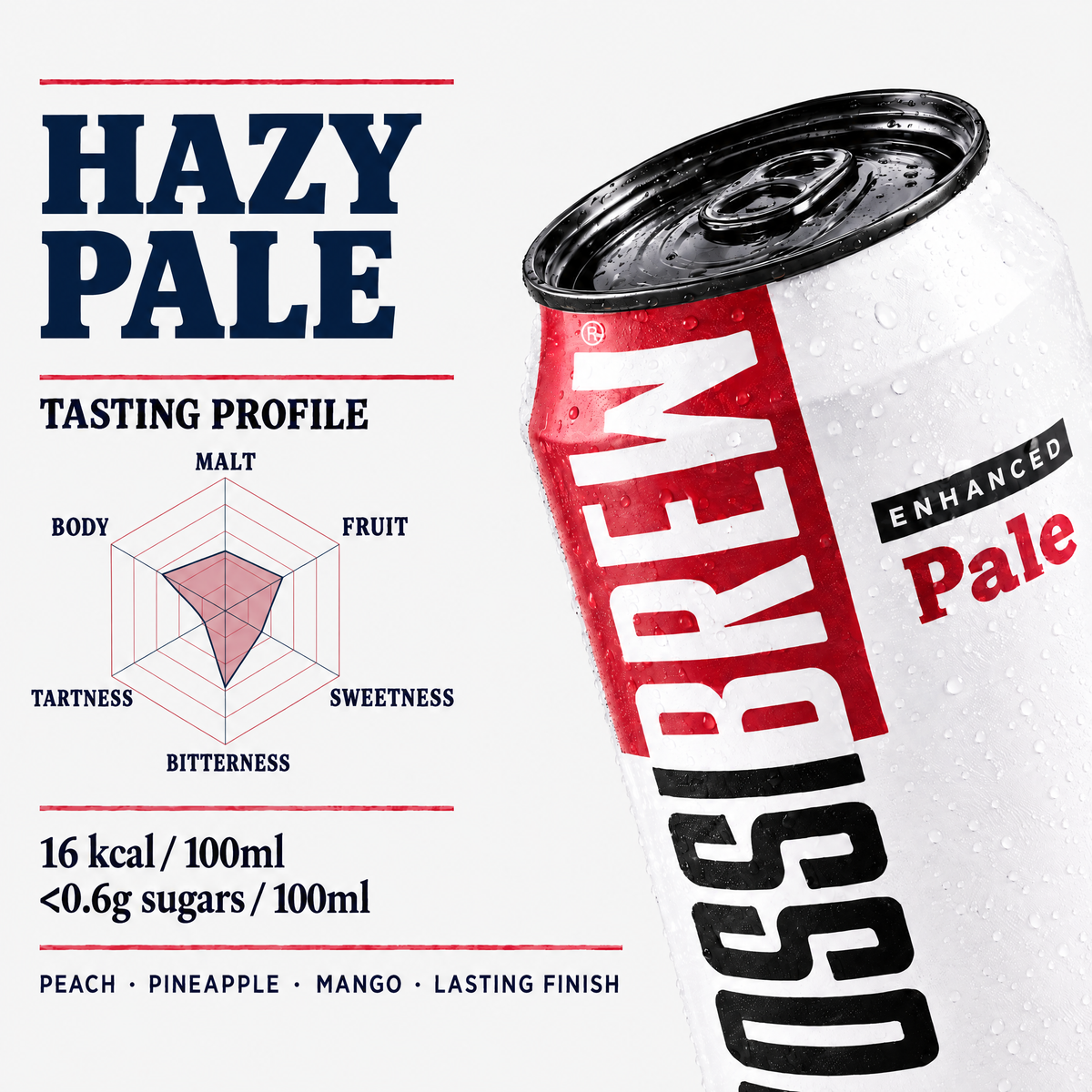
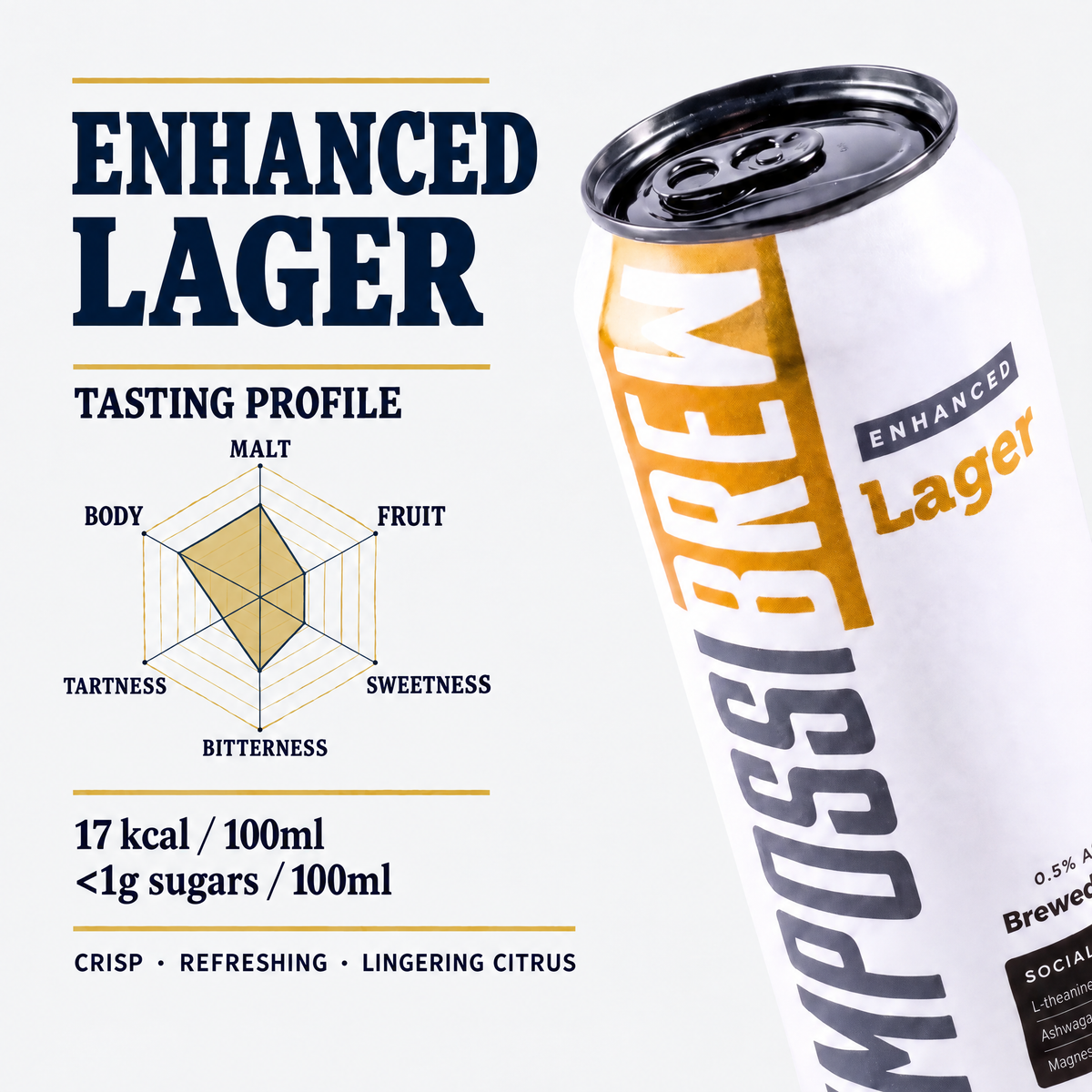
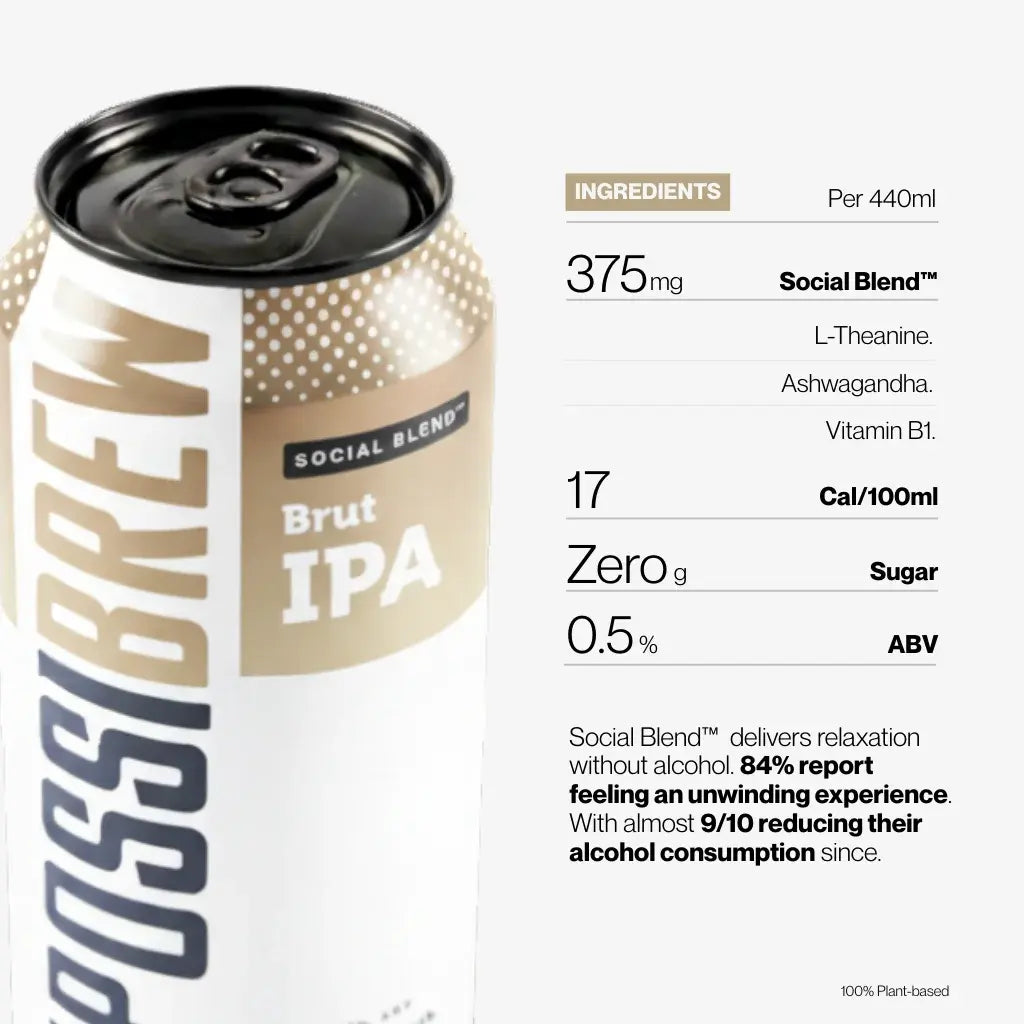
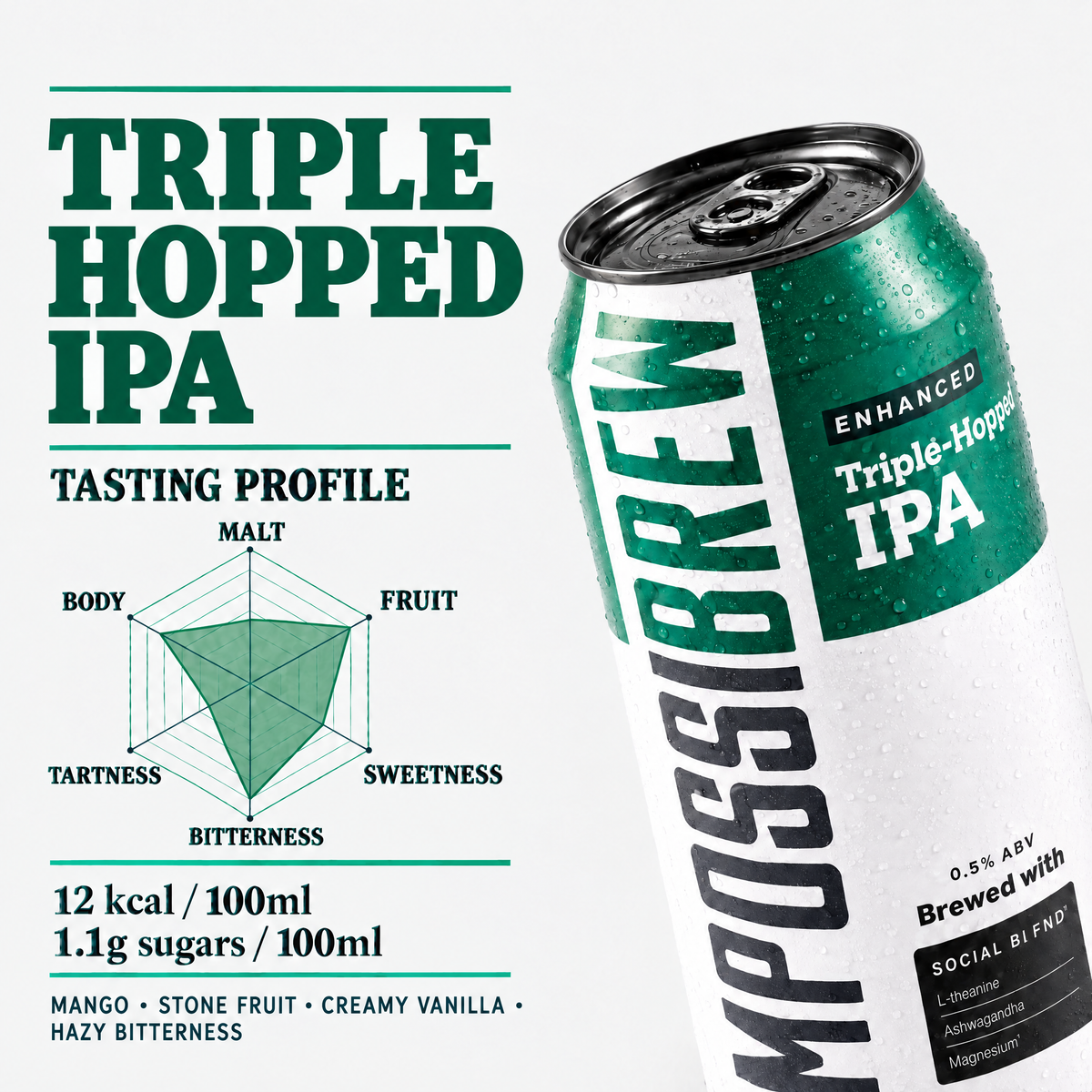
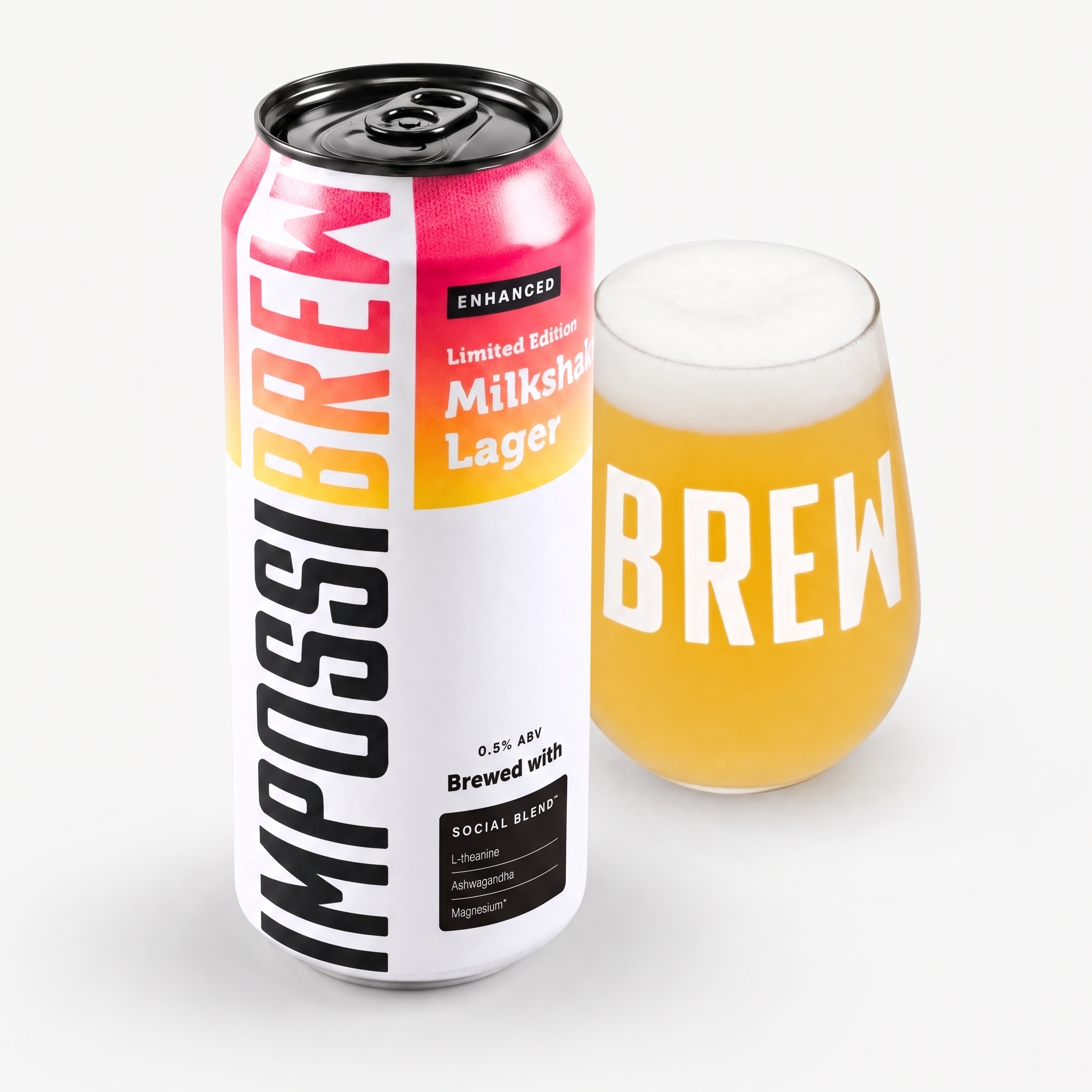
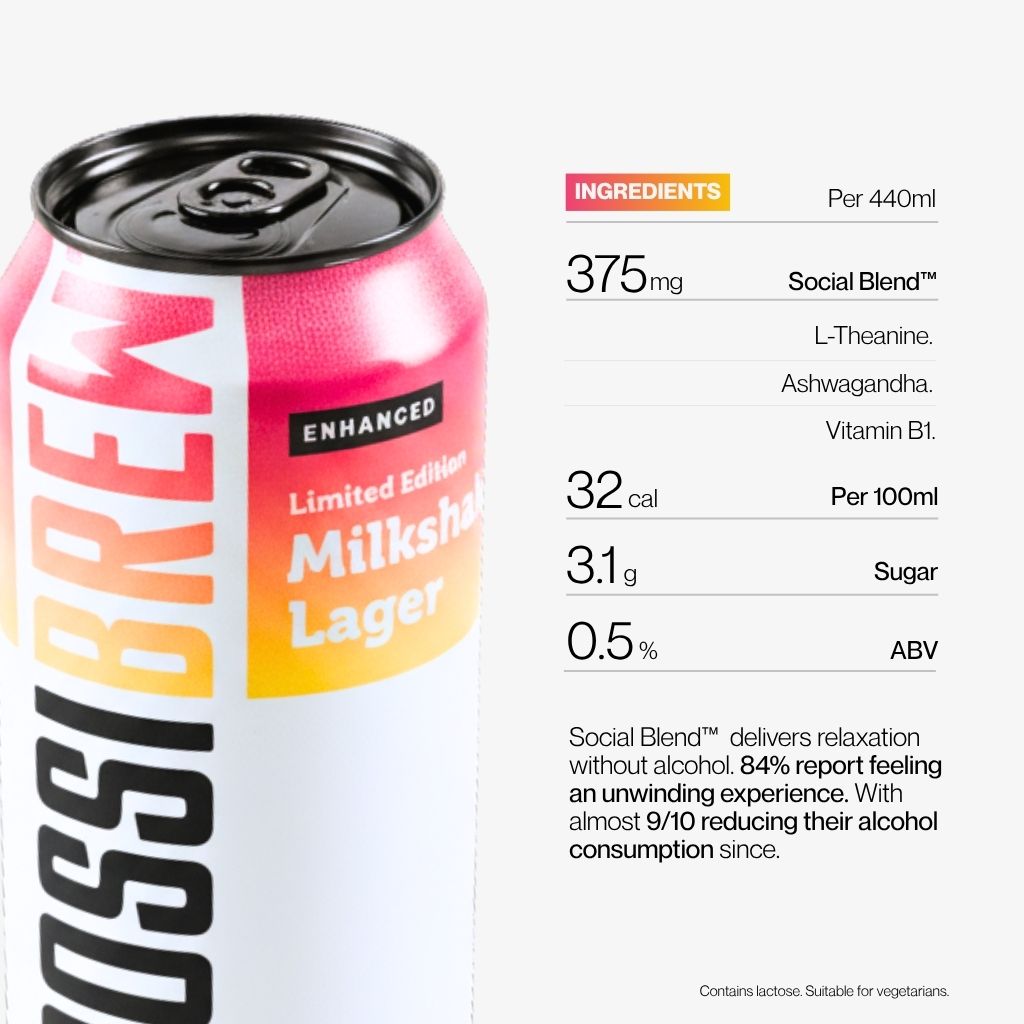
The functional beverage market has stepped up to meet the growing demand for stress-relief options that fit seamlessly into social settings. Take, for instance, IMPOSSIBREW® Enhanced Lager and Enhanced Pale Ale. These non-alcoholic drinks use a specially crafted Social Blend™ designed to promote relaxation and focus. They offer a refreshing alternative for managing stress in social environments without the downsides of alcohol.
What makes functional drinks stand out is their boosted bioavailability. Using chelated forms of trace minerals enhances absorption, making it easier for your body to utilise these stress-busting nutrients. And they’re not just effective - they’re designed with health-conscious consumers in mind. Low in calories, vegan-friendly, and gluten-free, these products cater to a broad range of dietary preferences in the UK.
Whether it’s unwinding after work, catching up with friends, or relaxing in the evening, functional drinks provide an easy way to support stress relief while enjoying familiar social rituals. They complement traditional dietary sources, helping ensure a well-rounded daily intake.
Getting Trace Minerals from Food and Supplements
While functional drinks are convenient, traditional foods remain a powerful source of trace minerals. In the UK, foods like seafood, red meat, legumes, nuts, and whole grains are excellent options. Brazil nuts, for example, are a standout for selenium - just two nuts a week can meet most adults’ selenium needs. Manganese, another key mineral, can be found in whole grains, nuts, leafy greens, and even a simple cup of tea, making everyday choices like your morning brew a valuable contributor to your mineral intake. The secret is variety: incorporating a mix of these foods ensures a broad spectrum of nutrients.
For those who need more precise control, supplements can be an effective solution, particularly for individuals with deficiencies or higher nutritional needs. However, it’s important to approach supplementation with care - taking too much can lead to toxicity. Seeking professional advice before starting a supplement regimen is crucial, especially for groups at greater risk of deficiencies, such as vegetarians, vegans, pregnant women, older adults, and individuals with absorption issues like coeliac disease.
The best results often come from combining strategies. A diet rich in whole foods provides a solid foundation, functional drinks can address specific lifestyle needs, and supplements can fill in any gaps. Regular monitoring ensures that you’re getting enough without overdoing it, helping to build a strong defence against stress.
Comparison Table: Trace Minerals and Their Stress-Fighting Effects
Here's how different trace minerals help manage stress, along with the best ways to include them in your diet.
| Trace Mineral | Primary Stress-Fighting Mechanism | Key Benefits | Best UK Food Sources | Recommended Daily Intake | Notable Risks |
|---|---|---|---|---|---|
| Zinc | Regulates cortisol secretion and balances HPA axis activity [1][5] | Lowers stress hormones, boosts immune recovery, supports tissue repair | Red meat, shellfish, dairy, whole grains | 9.5mg (men), 7mg (women) | May impair copper absorption; immune issues if deficient |
| Copper | Fuels antioxidant enzymes (SOD) to counter oxidative stress [2][4] | Protects cells, supports energy production, aids collagen formation | Nuts, seeds, shellfish, whole grains | 1.2mg (adults) | Risk of liver toxicity or digestive upset |
| Selenium | Key player in glutathione peroxidase enzyme [2][4] | Shields cells from damage, restores antioxidants, supports thyroid health | Brazil nuts, seafood, eggs | 75μg (men), 60μg (women) | Excess can cause hair loss or nerve issues (selenosis) |
| Chromium | Balances cortisol and stabilises glucose levels [1][2] | Regulates blood sugar affected by stress, aids energy recovery | Whole grains, broccoli, lean meats | 25μg (adequate intake) | Rare risk of kidney or liver issues |
While the table gives an overview, here's a closer look at how these minerals help combat stress:
Zinc is a standout for directly lowering cortisol levels [1][5]. Among trace minerals, it’s the most effective at managing this stress hormone, making it a cornerstone for stress relief.
Selenium is a powerhouse antioxidant, thanks to its role in glutathione peroxidase. It tackles free radicals generated under stress, offering robust cell protection [2][4].
Copper doesn’t directly impact stress hormones but enhances your body’s antioxidant defences by supporting superoxide dismutase activity, which reduces inflammation and oxidative harm [2][4].
Chromium addresses stress-induced metabolic chaos by lowering cortisol and stabilising blood sugar levels. This dual action aids in energy recovery and keeps stress from wreaking havoc on your metabolism [1][2].
For those in the UK, food remains the best source of these minerals. For example, eating just two Brazil nuts a week can meet your selenium needs. However, the way your body absorbs these minerals can vary. Chelated forms, often found in supplements or functional drinks, may offer better absorption than standard dietary sources.
The bottom line? These minerals are most effective when they work together. Zinc might be the go-to for cortisol control, but without copper and selenium backing your antioxidant defences, your stress-management strategy could fall short. Think of them as a team, each playing a vital role in keeping stress at bay.
Conclusion: Using Trace Minerals to Manage Stress Better
Research highlights how trace minerals like zinc, copper, and iron play a crucial role in managing stress. They help regulate cortisol levels, support antioxidant defences, and strengthen the immune system - key factors in coping with stress effectively.
For those in the UK, the good news is that these solutions are highly accessible. You don’t need costly supplements or complex routines. A diet that includes foods such as shellfish, nuts, whole grains, and leafy greens can provide the trace minerals your body needs to handle stress more efficiently.
One important takeaway from recent studies is how stress can create a draining cycle. When you’re stressed, your body uses up these minerals more quickly, leaving you less equipped to manage future stressors [6][7]. This depletion makes replenishing these nutrients through diet or other means even more important.
To put this into practice, combining dietary changes with functional products can be a practical way to enhance your stress management efforts. For instance, functional drinks like IMPOSSIBREW® incorporate proven ingredients, including trace minerals, to support relaxation and stress resilience. These beverages can be a great alternative to alcohol in social settings, offering a healthier way to unwind.
Scientific evidence backs this up. Studies in both humans and animals show that maintaining optimal levels of trace minerals isn’t just about avoiding deficiencies - it’s about building resilience. For example, research shows that injectable trace minerals in cattle can lower cortisol levels and improve stress responses. Similarly, zinc supplementation in humans has been repeatedly linked to better regulation of stress hormones [1][4]. This demonstrates how research can translate into actionable strategies for better stress management.
Think of trace minerals as a team. Zinc takes the lead in regulating cortisol, but copper and iron provide essential support by enhancing antioxidant defences and strengthening the immune system. A balanced approach - rooted in a nutrient-rich diet and, when needed, targeted supplementation - ensures you’re covering all bases, while staying within safe daily intake limits.
Blending nutrient-dense foods with functional products offers a practical, long-term strategy for stress resilience. Consistency is key. Whether it’s through your diet, functional drinks, or supplements, building habits that prioritise trace mineral intake can make a meaningful difference in how you manage stress day to day.
FAQs
What role do trace minerals play in managing stress through the HPA axis?
Trace minerals like zinc, copper, and iron play a crucial role in keeping the hypothalamic-pituitary-adrenal (HPA) axis - our body's main stress response system - working as it should. These minerals are key to enzyme activity and neurotransmitter production, both of which help regulate stress hormones such as cortisol.
Although researchers are still uncovering the full picture, maintaining balanced levels of these minerals appears to support the body's ability to manage stress naturally. For those seeking a way to relax, IMPOSSIBREW® offers non-alcoholic beers designed to help you unwind. Packed with science-backed ingredients, they deliver a calming experience without the downsides of alcohol.
What are the best foods rich in trace minerals to help with stress, and how can I easily include them in my meals?
Trace minerals like zinc, copper, and iron are crucial for helping the brain function properly and keeping inflammation in check, both of which are key in managing stress. To make sure you're getting enough of these nutrients, aim to include foods like nuts and seeds (think pumpkin seeds or almonds), leafy greens (like spinach and kale), legumes (such as lentils and chickpeas), and lean meats (like chicken or turkey) in your meals. If you're vegetarian, options like fortified cereals and tofu can also provide a good boost.
Simple tweaks to your meals can make a big difference: sprinkle some nuts over your morning porridge, mix leafy greens into your lunchtime salad, or add legumes to hearty soups and stews. By including these foods in your diet, you can naturally support your body's ability to handle stress while also improving your overall health.
Are there any potential risks of taking trace mineral supplements, and how can I maintain a healthy balance?
Taking trace mineral supplements can be risky if not approached with care. Overdoing it might lead to imbalances or even toxicity. For instance, consuming too much zinc can interfere with your body's ability to absorb copper, potentially causing deficiencies.
The best way to meet your trace mineral needs is through a balanced diet packed with whole foods. Include plenty of nuts, seeds, leafy greens, and lean proteins to naturally support your body's mineral levels. If you're thinking about adding supplements, it's smart to consult with a healthcare professional first. They can help determine if supplements are necessary and ensure they're safe for you. Regular check-ups can also help keep your mineral levels and overall health in check.