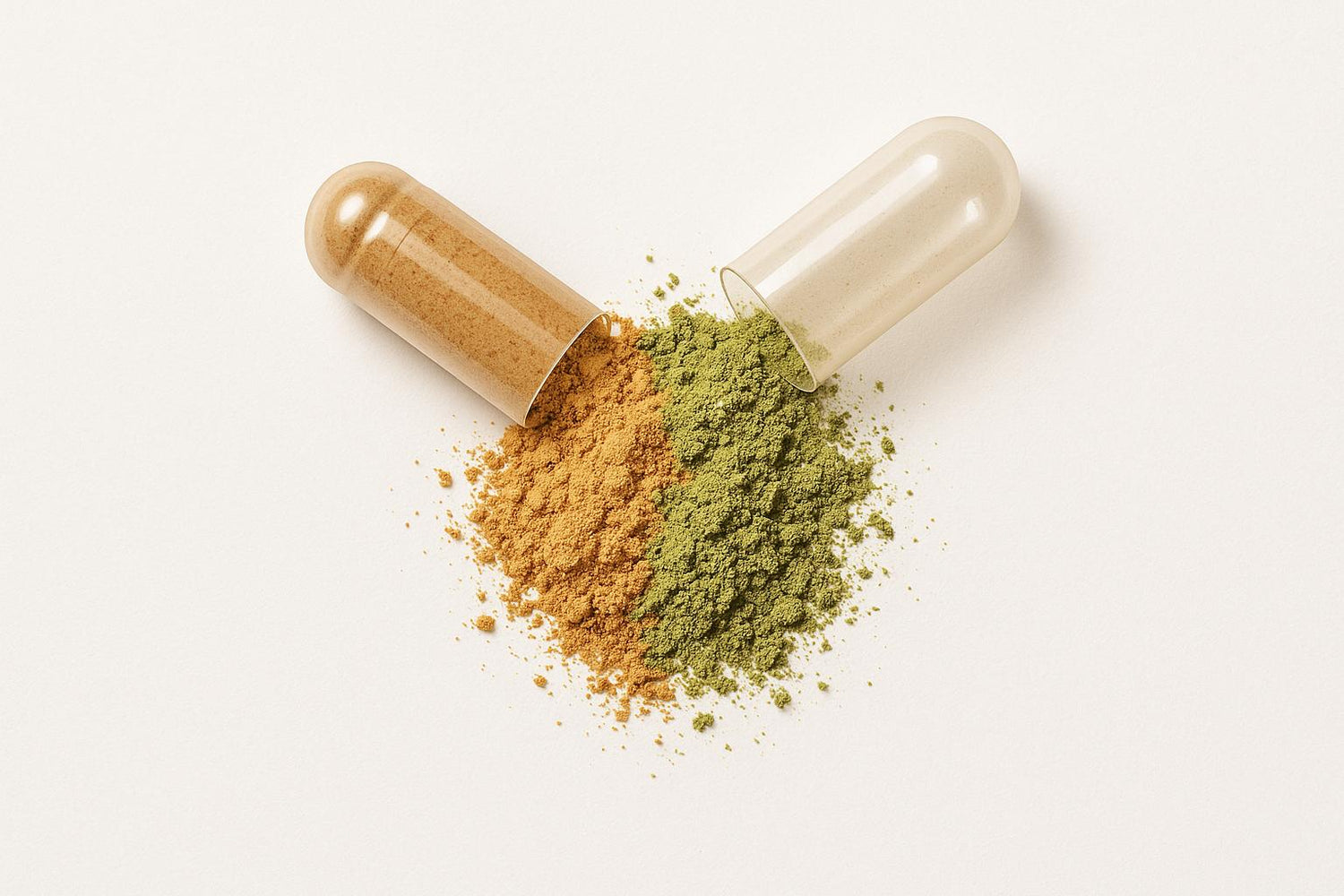
Nootropics and adaptogens are popular choices for improving mental performance and managing stress, but they work differently. Nootropics provide quick cognitive boosts by targeting brain chemicals, while adaptogens build long-term stress resilience by regulating the body's stress response. Choosing between them depends on your goals: short-term focus or long-term balance.
Key Points:
- Nootropics: Fast-acting, improve memory, focus, and mood. Ideal for exams or high-pressure tasks.
- Adaptogens: Gradual effects, reduce stress and support overall well-being. Best for chronic stress management.
- Some ingredients, like Rhodiola and Bacopa, offer benefits in both areas.
- Functional drinks combining both are gaining popularity in the UK.
Quick Comparison:
| Feature | Nootropics | Adaptogens |
|---|---|---|
| Primary Target | Cognitive functions | Stress regulation |
| Effect Timeline | Immediate | Gradual |
| Best For | Quick mental boosts | Long-term stress management |
| Safety | May have side effects (e.g., insomnia) | Generally well-tolerated |
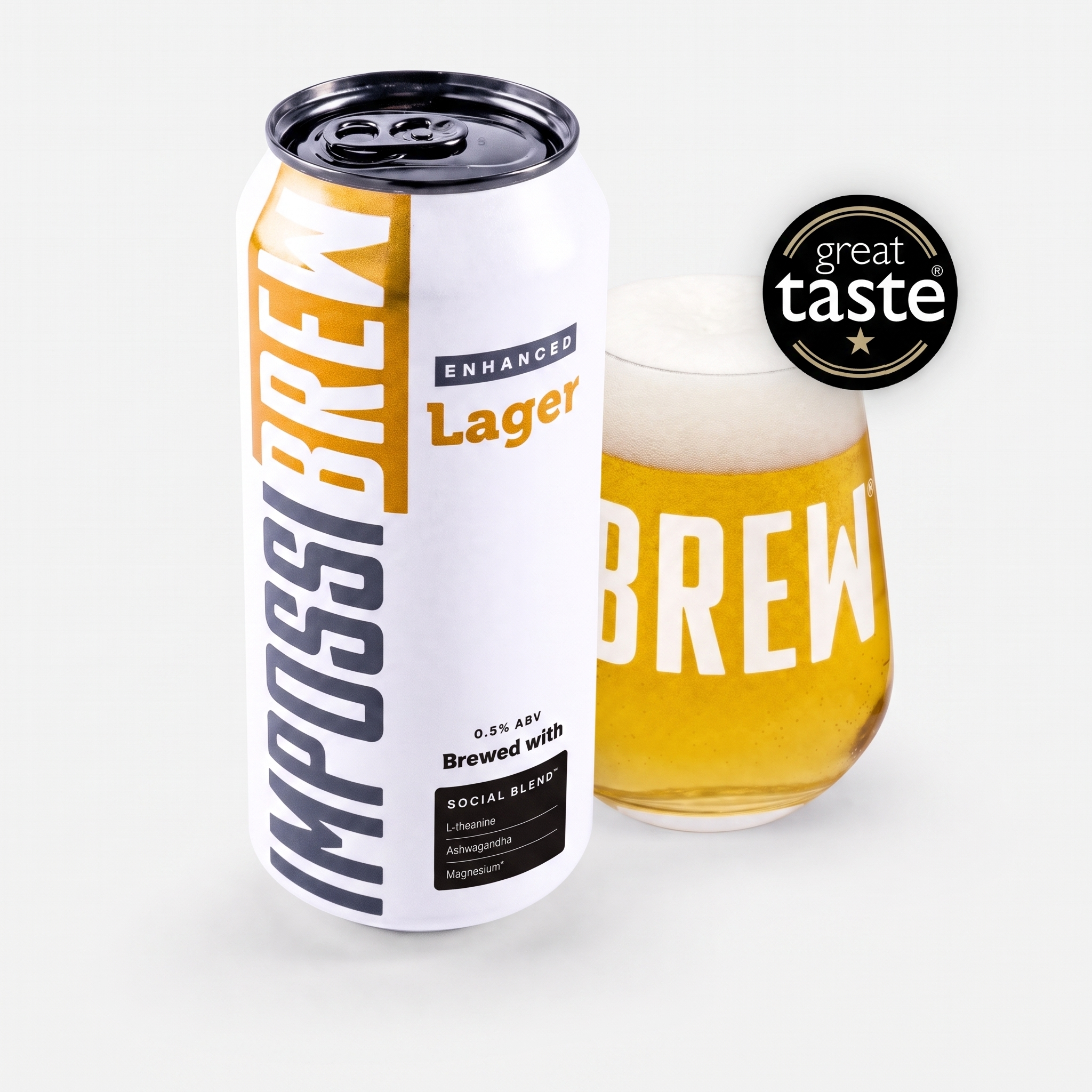
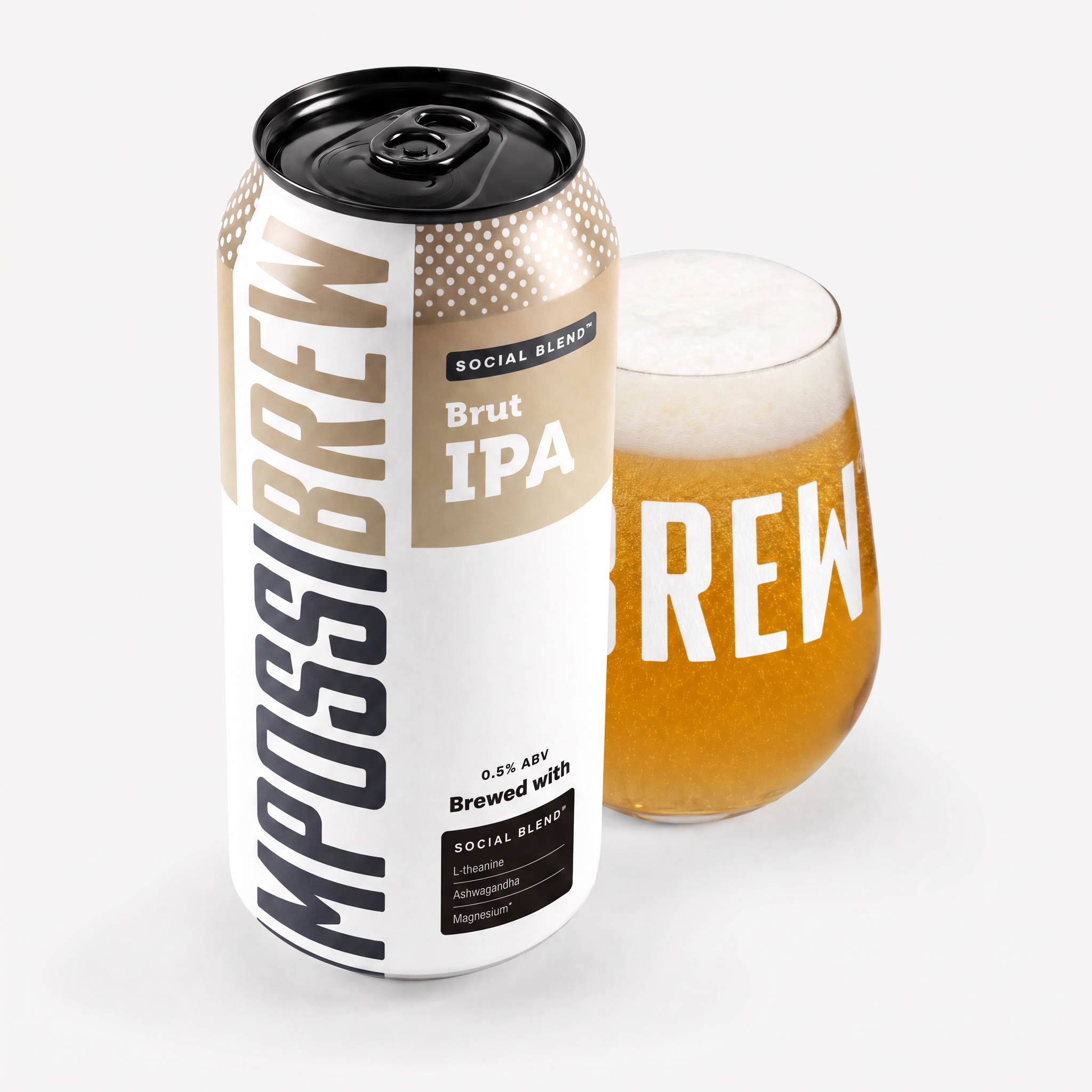
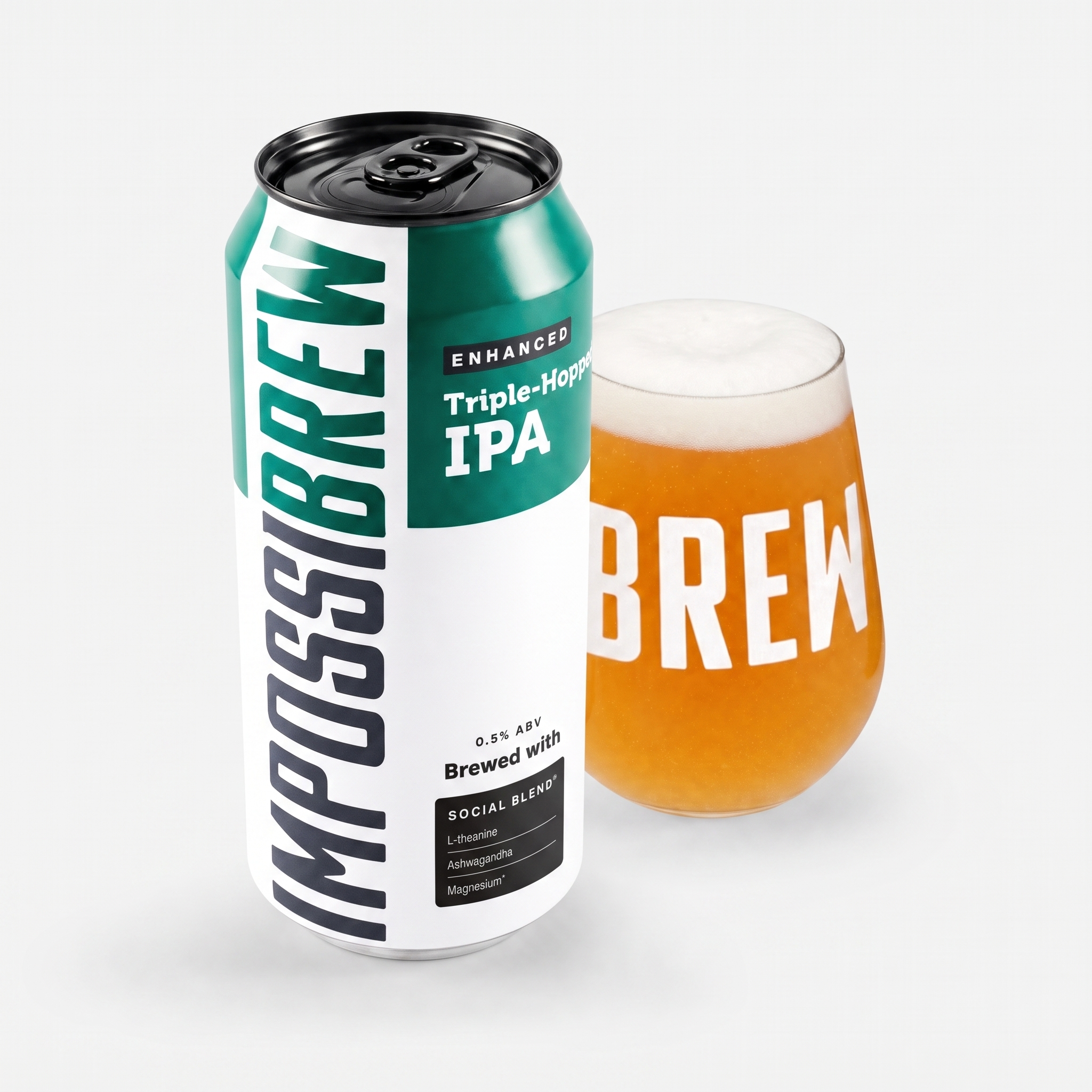
Functional drinks, such as IMPOSSIBREW®'s Social Blend™, combine these benefits for a balanced solution, catering to those who want both mental clarity and stress relief.
Do Adaptogens and Nootropics Actually Work? (What the Science Says)
How They Work: Different Approaches
Nootropics and adaptogens each support mental performance, but they do so through unique biological mechanisms.
Nootropics: Direct Cognitive Effects
Nootropics focus on specific neurochemical pathways, altering neurotransmitters like acetylcholine, dopamine, and serotonin. They enhance brain plasticity and improve blood flow to the brain, making them effective for sharpening focus, boosting memory, and improving mood[2][4][5].
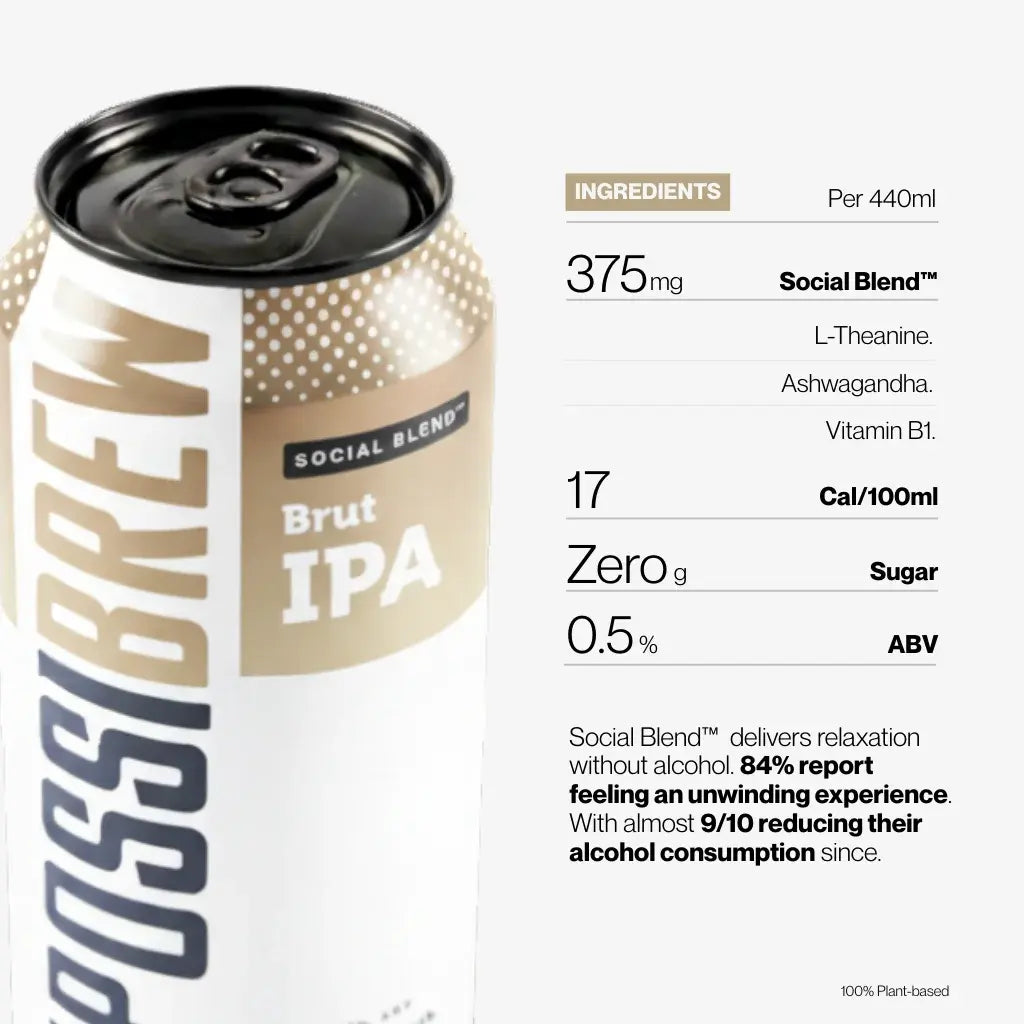
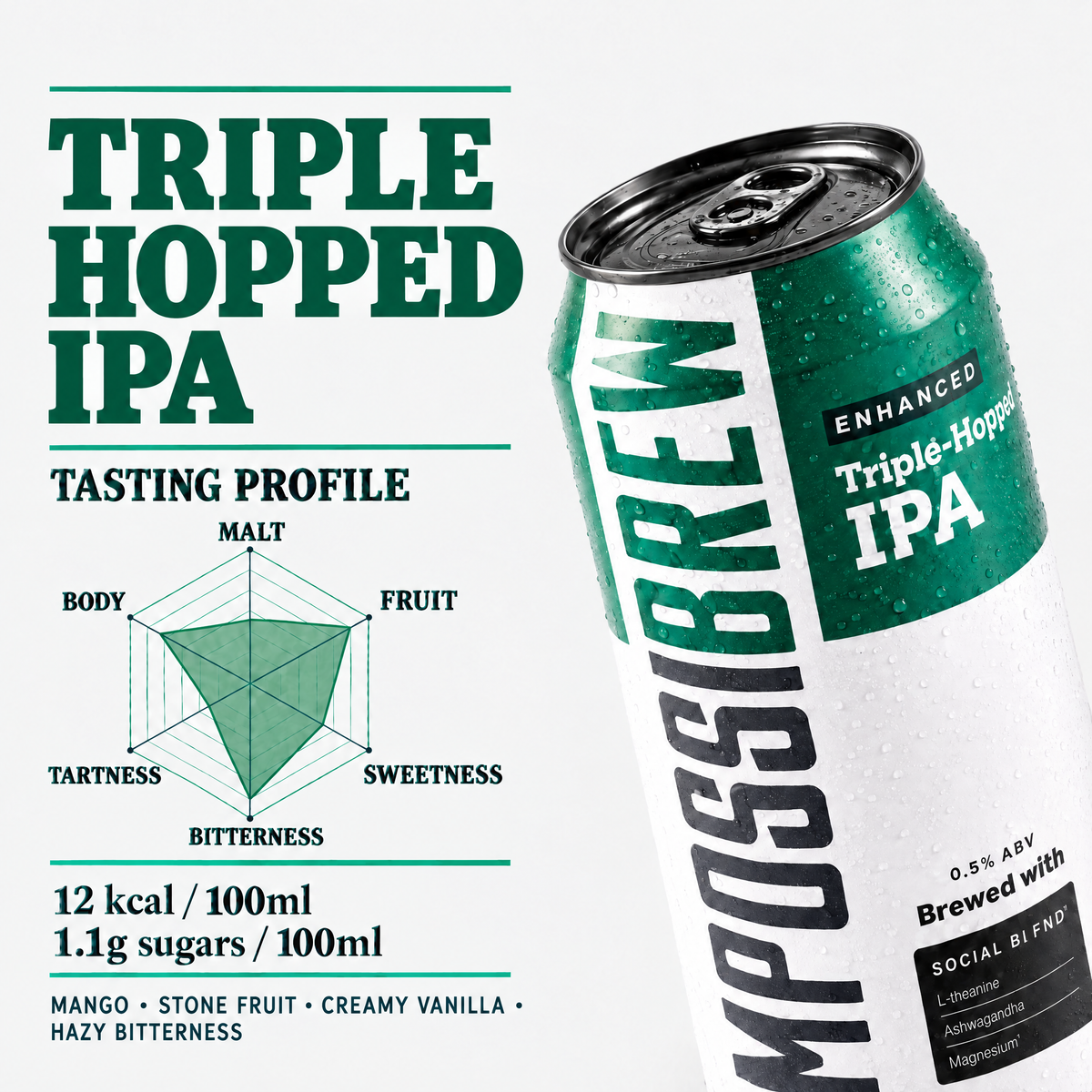
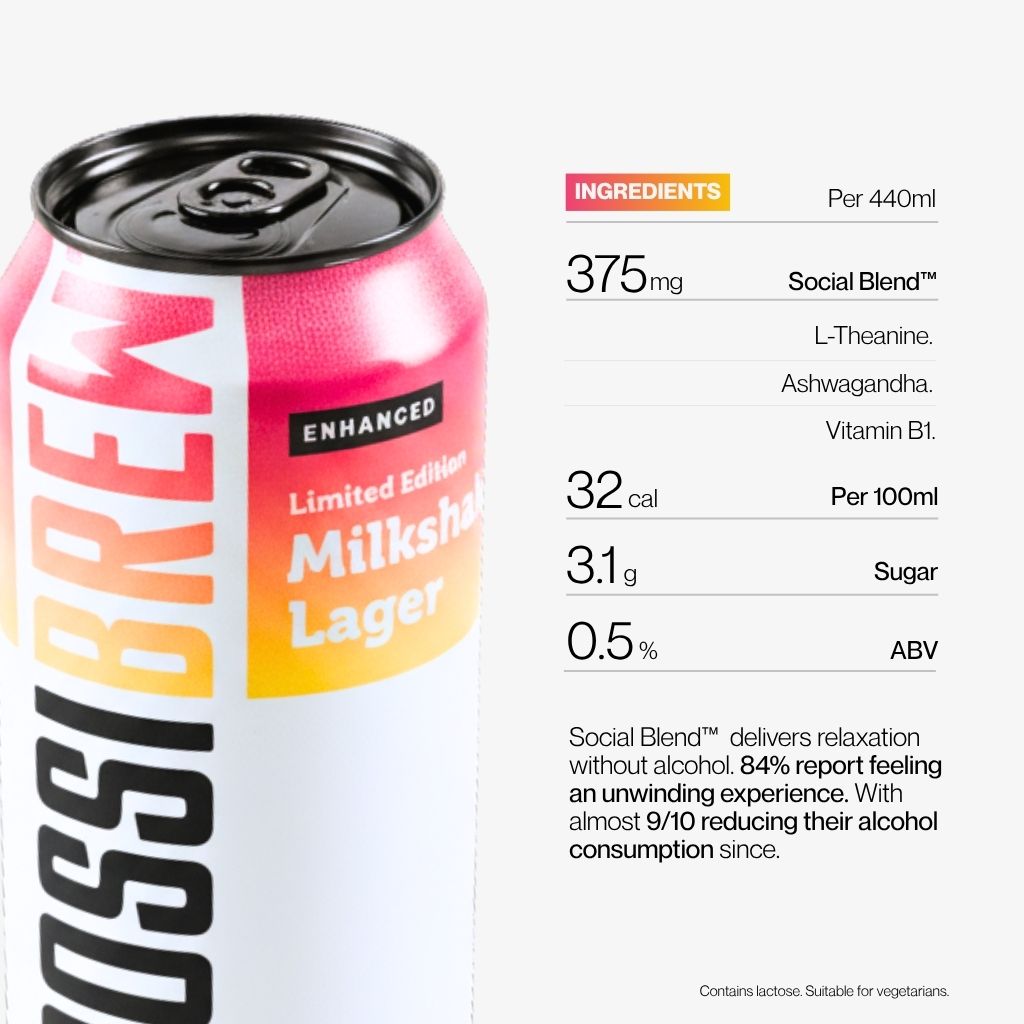
One of the key ways nootropics work is by adjusting neurotransmitter levels. These chemical messengers are critical for processes like memory, concentration, and emotional balance. For instance, IMPOSSIBREW®'s Social Blend™ includes L-Theanine, which promotes alpha brain waves and increases serotonin, fostering a calm yet focused state of mind. This targeted approach highlights how nootropics can directly support cognitive function.
Another benefit of nootropics is their ability to enhance brain plasticity - the capacity to form and reorganise neural connections. This supports learning, memory retention, and adaptability. Additionally, many nootropics protect the brain against oxidative stress and inflammation, contributing to overall brain health.
Improved cerebral blood flow is another significant mechanism. By increasing oxygen and nutrient delivery to the brain, nootropics stimulate neural activity and encourage the formation of new pathways. This leads to better memory, sharper focus, and enhanced mental clarity[2].
Unlike nootropics, adaptogens focus on managing stress rather than directly enhancing brain function.
Adaptogens: Stress Control and Balance
Adaptogens act as regulators for the whole body, with a particular focus on the hypothalamic-pituitary-adrenal (HPA) axis, which governs the body’s stress response system[2][3][4].
Under stress, the HPA axis releases hormones like cortisol. While this response is essential for short-term challenges, chronic activation can harm cognitive function and overall health. Adaptogens help balance this system, ensuring cortisol levels remain controlled and preventing the negative effects of prolonged stress.
By modulating the HPA axis, adaptogens not only reduce chronic stress but also support mental clarity and emotional balance. For example, IMPOSSIBREW®'s Social Blend™ incorporates Ashwagandha Root, a well-known adaptogen that promotes relaxation, reduces stress, and lifts mood - all without the side effects of alcohol.
What makes adaptogens stand out is their ability to help the body adapt to various stressors - whether physical, emotional, or environmental - without pushing it into overdrive. They don’t force a specific reaction but instead promote balance, allowing the body to respond more efficiently to challenges.
These contrasting mechanisms highlight the differences between the two approaches.
Main Differences in How They Work
The approaches of nootropics and adaptogens are distinct. Nootropics provide quick, targeted effects, making them ideal for tasks requiring immediate mental sharpness, such as studying or high-pressure work[4]. Adaptogens, on the other hand, focus on building long-term resilience, supporting sustained mental performance over time rather than delivering instant results[4].
Here’s a quick comparison of their key features:
| Feature | Nootropics | Adaptogens |
|---|---|---|
| Primary Target | Brain-specific pathways | HPA axis and stress regulation |
| Effect Timeline | Immediate, short-term | Gradual, long-term |
| Mechanism | Adjust neurotransmitters, boost brain plasticity | Balance cortisol, maintain homeostasis |
| Best For | Quick cognitive boosts | Long-term stress management |
Interestingly, some compounds, like Bacopa monnieri, Rhodiola rosea, and Lion’s Mane, offer a blend of both benefits. They can support neurotransmitter activity while also regulating the HPA axis, providing a balance of cognitive and stress-related benefits[4].
This difference in how they work explains why combining both nootropics and adaptogens - like in products such as IMPOSSIBREW®'s Social Blend™ - can deliver well-rounded support for both immediate mental tasks and long-term wellbeing.
Effectiveness Comparison: Cognitive Performance and Stress Relief
When deciding between nootropics and adaptogens, it’s essential to consider what you’re looking to achieve. Both have distinct roles in supporting mental performance and overall well-being, but their benefits shine in different areas.
Side-by-Side Comparison: Nootropics vs Adaptogens
Here’s a quick comparison to highlight how nootropics and adaptogens differ in their practical applications and effects:
| Aspect | Nootropics | Adaptogens |
|---|---|---|
| Primary Function | Enhance memory, focus, creativity, and motivation | Improve stress resistance and restore balance |
| Mechanism of Action | Immediate impact on specific cognitive processes | Regulate stress hormones and support neurotransmitter balance |
| Onset of Effects | Quick, noticeable shortly after use | Gradual, requiring consistent use over time |
| Duration | Short-term, immediate benefits | Long-term, cumulative effects over weeks or months |
| Safety Profile | Synthetic versions may pose risks like insomnia, high blood pressure, or dependency | Minimal risk of addiction, tolerance, or misuse |
| Best For | Acute cognitive demands (e.g., exams, deadlines, presentations) | Managing chronic stress and building long-term resilience |
This comparison makes it clear: nootropics are great for short-term cognitive boosts, making them a go-to for students or professionals needing sharp focus under pressure. Adaptogens, on the other hand, provide a steady, long-term solution for managing stress and promoting resilience over time.
When it comes to safety, adaptogens are widely praised in traditional practices like Ayurveda for their ability to stabilise bodily functions with little to no risk of dependency or tolerance[2]. In contrast, some synthetic nootropics can carry side effects, such as disrupted sleep or elevated blood pressure, especially with prolonged use.
Research Evidence for Both Types
Scientific studies back up the distinct advantages of both nootropics and adaptogens, showing how each can be effective in its own way.
For nootropics, research highlights the benefits of compounds like caffeine, L-theanine, and Bacopa monnieri. These have been shown to improve attention, memory, and processing speed[4]. For instance, clinical trials reveal that consistent use of Bacopa monnieri can significantly enhance memory and cognitive performance over time[4].
Adaptogens, meanwhile, excel in stress management. Studies on Rhodiola rosea, ashwagandha, and ginseng show they can reduce stress, anxiety, and fatigue while boosting mood and resilience[2][3][4]. Take ashwagandha, for example - randomised controlled trials have found it lowers cortisol levels and alleviates chronic stress symptoms[4]. Unlike quick fixes, adaptogens address the root causes of stress, helping the body achieve balance rather than just masking symptoms[2].
Ingredients That Do Both
Some ingredients blur the line between nootropics and adaptogens, offering benefits in both areas. Bacopa monnieri and Rhodiola rosea are standout examples[4].
Bacopa monnieri not only enhances memory and learning but also helps the body adapt to stress, making it a dual-purpose ingredient. Similarly, Rhodiola rosea supports mental performance during stressful situations while reducing fatigue, making it useful for both cognitive enhancement and stress relief[4].
These dual-action ingredients illustrate the potential of combining both approaches. For instance, IMPOSSIBREW®'s Social Blend™ integrates these benefits, offering immediate cognitive support alongside long-term stress management.
In practical terms, this combination works well for different needs. Students preparing for exams might turn to nootropics for sharper focus and better recall[2]. Meanwhile, professionals dealing with chronic workplace stress could benefit more from adaptogens, which promote sustained well-being and performance over time.
sbb-itb-a752bf8
Safety and Which One to Choose
Safety Considerations
When it comes to safety, both nootropics and adaptogens are generally well-tolerated, but there are important distinctions to keep in mind. Nootropics are designed for daytime use and are formulated to maintain alertness without causing drowsiness[5]. On the other hand, adaptogens are widely used in Ayurvedic medicine for their ability to stabilise physiological processes and are usually safe with regular use[2].
That said, there are specific situations where caution is needed. Products that combine nootropics and adaptogens may not be suitable for individuals with certain medical conditions, those who are pregnant, or those who are breastfeeding. It's always best to consult your GP to discuss any potential interactions with your health conditions or medications[1].
For example, IMPOSSIBREW®'s Social Blend™ highlights that Ashwagandha, a popular adaptogen, can overstimulate when taken alongside thyroid medication[1]. This underscores the importance of seeking advice from a healthcare professional before starting any new supplement, especially if you have pre-existing conditions or are on prescription medications.
UK consumers should also ensure that any supplements they purchase comply with local regulations and come from trustworthy suppliers. For those with specific dietary needs, look for certifications such as vegan, gluten-free, or allergen-free options to ensure the product aligns with your requirements.
With these safety considerations in mind, the next step is to determine which of these compounds aligns best with your goals - whether that's improving cognitive performance or managing stress.
Choosing for Cognitive vs Stress Needs
The choice between nootropics and adaptogens largely depends on your specific goals. If you're looking for a quick mental boost, nootropics are the way to go. If you're aiming for long-term stress management, adaptogens are better suited to your needs[3][4].
Nootropics are ideal for tasks that require immediate focus and mental clarity, such as studying, working on tight deadlines, or delivering presentations. For instance, a student preparing for exams might find nootropics beneficial for improving concentration and memory recall, as they directly influence neurotransmitters and brain pathways[2]. They’re a great choice when you need to perform at your peak during high-pressure situations.
Adaptogens, on the other hand, are better for those seeking to build resilience against stress over time. These compounds work by regulating the hypothalamic-pituitary-adrenal (HPA) axis and balancing stress hormones like cortisol, making them effective for managing chronic stress[3]. Instead of simply masking stress symptoms, adaptogens help the body return to a balanced state, promoting overall wellbeing[2].
While nootropics deliver fast results, adaptogens require consistent use to achieve their full benefits. If you need sharp focus right now, go for nootropics. If your goal is to manage stress and improve resilience over the long haul, stick with adaptogens.
Personal Factors That Matter
Your personal circumstances and preferences also play a big role in deciding which option is right for you. For example, if you're sensitive to stimulants, nootropics might not be the best fit, as they can have energising effects. Adaptogens, in contrast, tend to offer a gentler, calming experience.
Dietary needs are another factor to consider. Both nootropics and adaptogens are derived from natural sources like plants, herbs, and mushrooms[3]. If you follow a vegan or gluten-free diet, you'll find plenty of options to choose from. IMPOSSIBREW®, for instance, offers vegan-friendly products, and its Enhanced Lager is certified gluten-free with less than 10 PPM gluten[1].
Lifestyle is equally important. For busy professionals or parents looking to unwind without the downsides of alcohol, adaptogen-based products like those from IMPOSSIBREW® can be a great fit[1]. Whether you need a cognitive boost during the workday or stress relief in the evening, your daily routine should guide your choice.
Finally, your health conditions and current medications matter. Everyone’s physiology is different, so what works for one person might not work for another. Starting with a lower dose and observing how your body responds can help you find the right balance[4].
Practical Uses: Functional Beverages and Products
Functional beverages have become a practical and enjoyable way to incorporate the benefits of nootropics and adaptogens into daily routines.
Nootropics and Adaptogens in Drinks
Today’s functional drinks combine nootropic and adaptogenic ingredients into ready-to-drink formats that are as convenient as they are beneficial. Ingredients like ashwagandha, Rhodiola, Bacopa, ginseng, and lion's mane are thoughtfully selected to offer both short-term cognitive support and long-term stress relief[4]. These beverages not only provide targeted benefits but also fit seamlessly into social rituals - whether it’s a refreshing morning pick-me-up or a soothing evening drink.
UK Interest in Functional Beverages
In the UK, there’s a growing demand for wellness-focused, alcohol-free functional beverages[3]. This trend is fuelled by a shift towards healthier lifestyles, with many consumers seeking natural ways to improve mental clarity and manage stress. Younger generations, in particular, are driving this movement, favouring products that align with their priorities of physical and mental well-being. These drinks cater to this demand by offering science-backed formulations with transparent labelling, delivering both enjoyable flavours and targeted benefits. As a result, functional beverages have become a go-to choice for those wanting to enhance cognitive performance while maintaining balance in their lives.
IMPOSSIBREW®: Functional Beverage Example
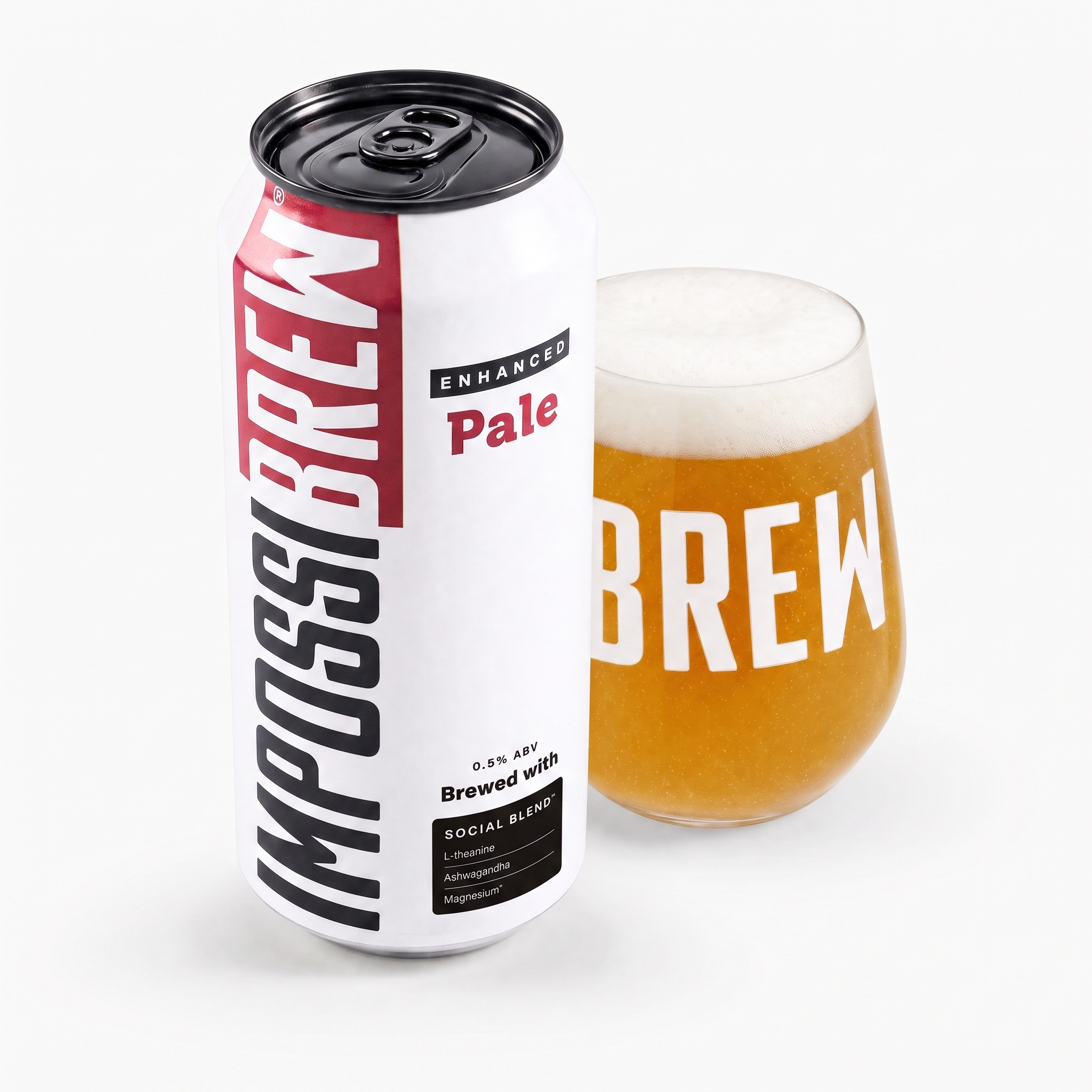
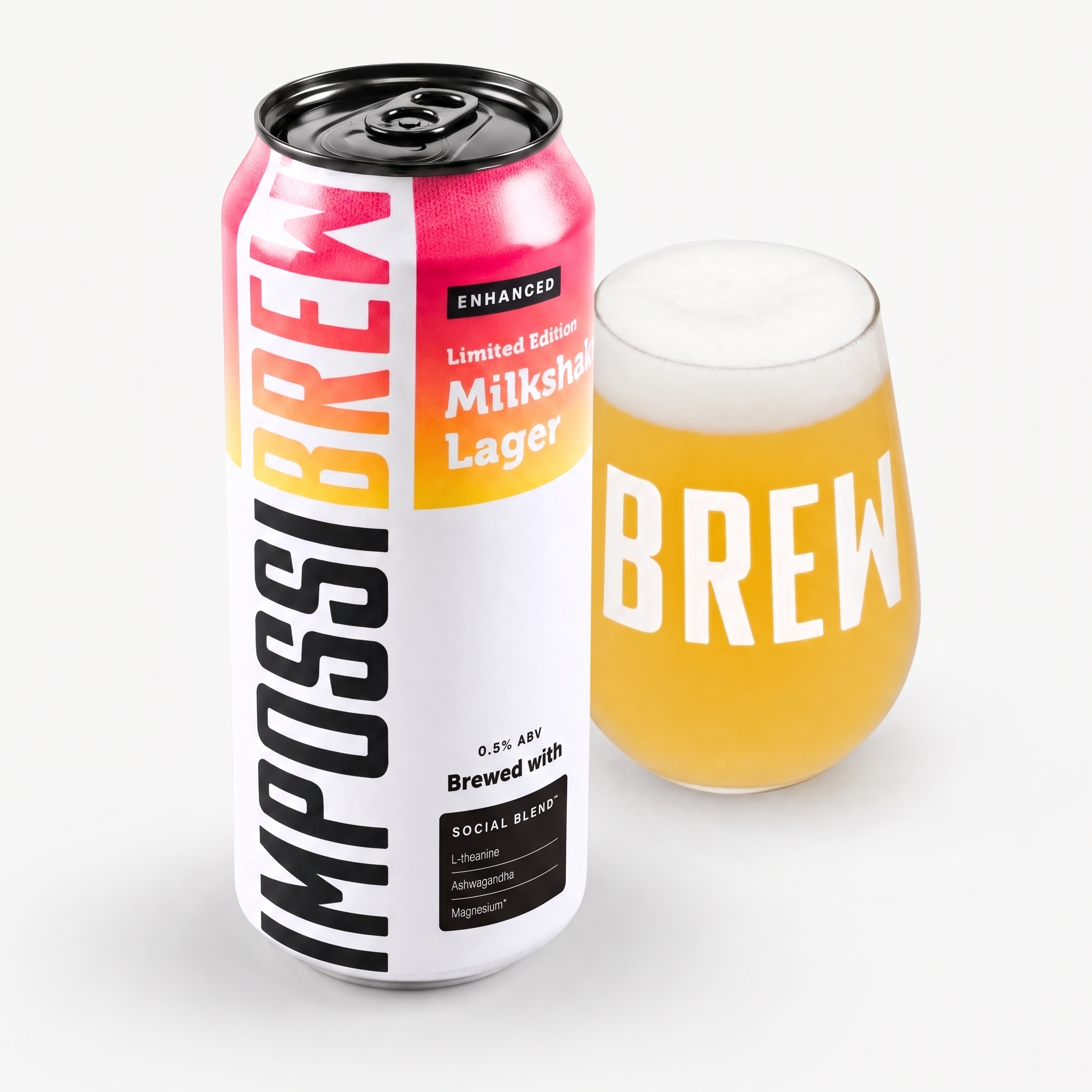
IMPOSSIBREW® exemplifies the evolution of functional beverages, blending the social enjoyment of traditional alcoholic drinks with wellness-focused ingredients in its proprietary Social Blend™. Designed to promote relaxation and mental clarity without the downsides of alcohol, it appeals to socially active individuals who value cognitive support.
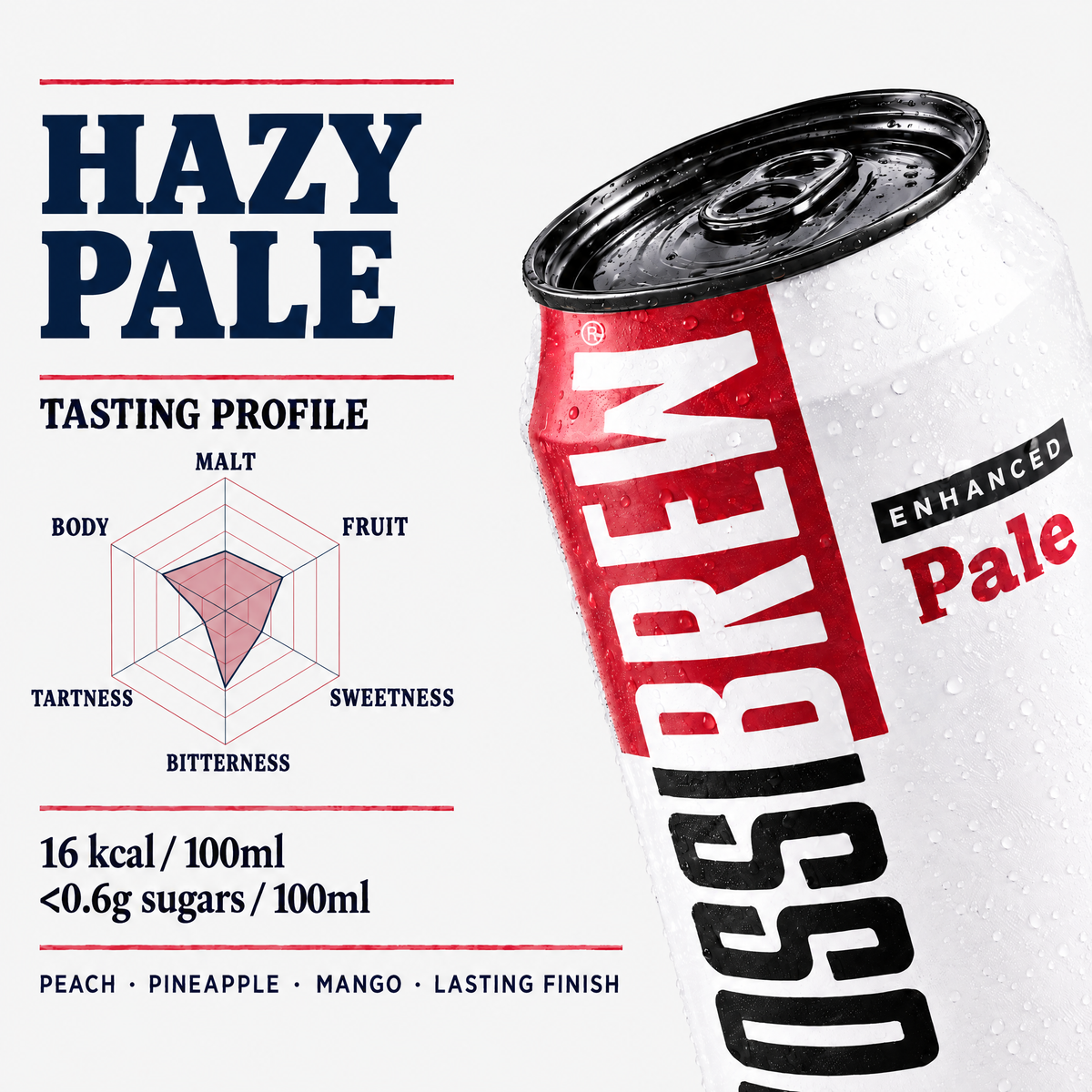
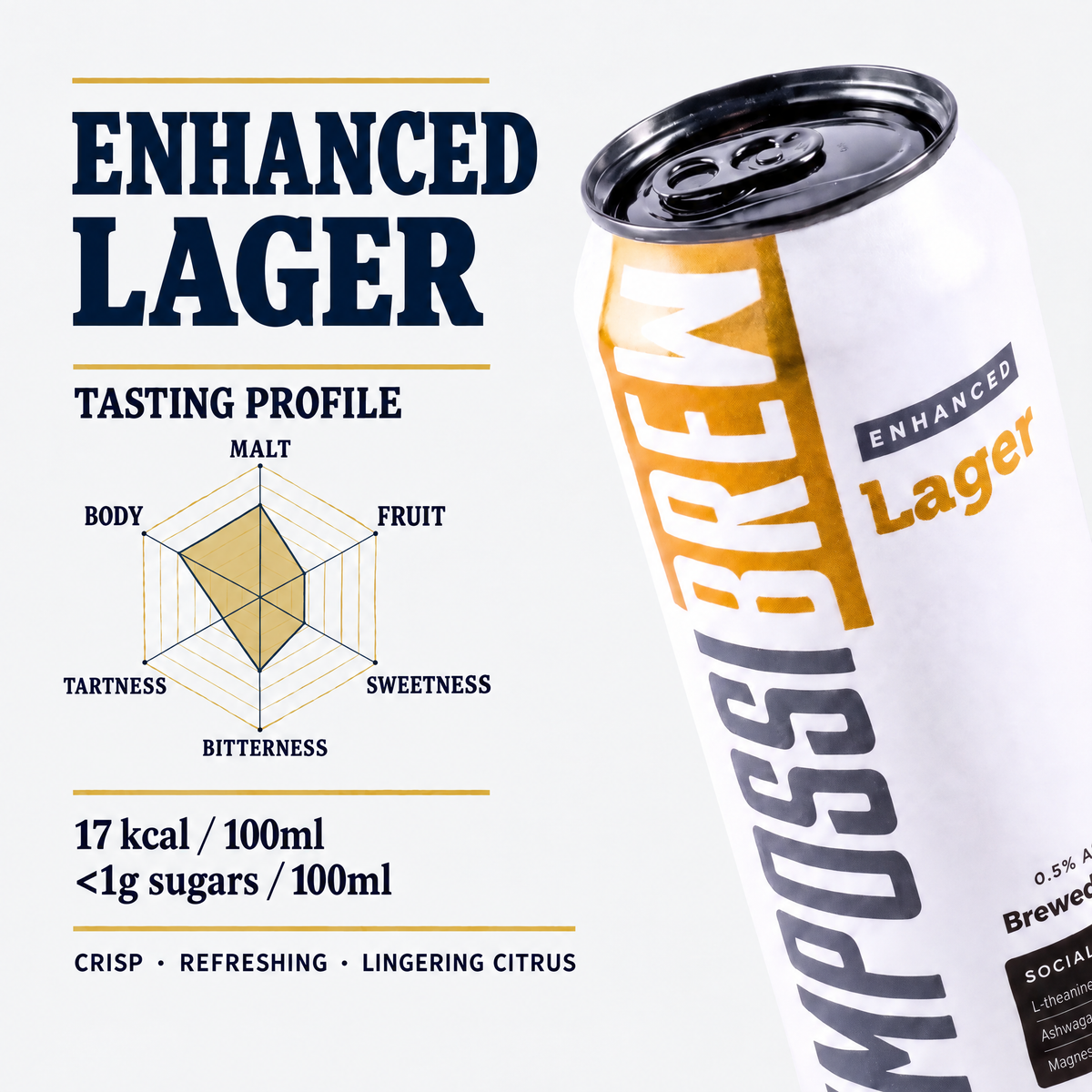
Their range includes Enhanced Lager, Enhanced Pale Ale, and seasonal editions, all crafted with low-calorie, vegan-friendly recipes. The Enhanced Lager is certified gluten-free (containing less than 10 PPM gluten) and offers a crisp, dry taste with a clean citrus finish. Meanwhile, the Enhanced Hazy Pale delivers tropical, fruity notes. Each drink contains less than 0.5% ABV and is brewed using a mix of traditional and innovative techniques. Priced from £1.97 per can, these beverages provide an accessible introduction to the world of nootropic and adaptogenic drinks, offering a modern alternative for those seeking both flavour and function.
Conclusion: Main Points
Summary of Nootropics vs Adaptogens
Nootropics are known for their fast-acting ability to enhance cognitive function by influencing neurotransmitters. They provide noticeable mental boosts shortly after use, making them a go-to for those seeking immediate results [2][3].
On the other hand, adaptogens focus on long-term stress management. By working through the hypothalamic-pituitary-adrenal (HPA) axis, they help regulate the body’s stress response and cortisol levels over time [2][3][4]. This gradual approach makes adaptogens ideal for building resilience and improving well-being with consistent use.
Interestingly, you don’t have to pick one over the other. Some botanicals function as both nootropics and adaptogens, offering a dual-action benefit for mental performance and stress relief [4].
Final Thoughts on Functional Options
Functional beverages are stepping up as a modern solution, combining the benefits of nootropics and adaptogens into convenient, ready-to-drink formats. These products offer a balanced approach, addressing both cognitive performance and stress relief in one package.
Today’s UK consumers value this blend of scientifically supported ingredients, which fits seamlessly into their active lifestyles. Brands like IMPOSSIBREW® exemplify this trend, delivering drinks that promote relaxation, mental clarity, and social enjoyment all at once.
Whether your focus is on sharp mental performance, steady stress management, or a combination of both, functional drinks provide an enjoyable and practical way to achieve these goals. They represent a forward-thinking approach to wellness, offering effectiveness and balance without sacrificing the pleasure of the experience.
FAQs
Can nootropics and adaptogens work together in drinks to boost focus and reduce stress?
Nootropics and adaptogens work hand in hand in functional beverages, delivering a blend of benefits that target both cognitive performance and stress management. Nootropics focus on enhancing brain function, helping with memory, focus, and mental clarity. On the other hand, adaptogens are all about helping the body handle stress and maintain equilibrium. When combined, they offer a well-rounded approach to supporting mental well-being.
Take functional drinks like those from IMPOSSIBREW®, for instance. They incorporate scientifically supported ingredients to create a unique balance - promoting relaxation while keeping your mind sharp and focused. These blends are perfect for moments when you want to unwind but still need to stay productive and alert.
What are the possible side effects of nootropics and adaptogens, and how can they be managed?
Nootropics and adaptogens are generally safe when used correctly, but they can occasionally cause side effects, depending on the individual and the specific product. Nootropics, often used to support cognitive performance, might lead to headaches, digestive discomfort, or trouble sleeping - especially if taken in large amounts or too late in the day. On the other hand, adaptogens, which aim to assist the body in handling stress, are usually gentler but may still trigger mild digestive issues or allergic reactions in some individuals.
To minimise the risk of side effects, it’s a good idea to start with a low dose and gradually adjust while paying attention to how your body reacts. Always stick to the recommended dosage on the product label and consult a healthcare professional if you have any concerns or existing health conditions. Opting for high-quality, research-supported blends, like those found in IMPOSSIBREW®, can also help ensure both safety and effectiveness.
Do adaptogens work as quickly as nootropics for improving focus and cognition, or are they better for managing stress over time?
Adaptogens and nootropics cater to different needs, and their effects depend on what you're aiming to achieve. Nootropics are known for offering fast, noticeable cognitive benefits, such as sharper focus, better memory, or improved mental clarity. Because they work quickly, they’re often the go-to for those who need an instant mental lift.
Adaptogens, in contrast, take a more gradual approach. They’re primarily about helping your body handle stress and maintaining balance over the long haul. While they can subtly aid cognitive performance over time, their main purpose is to build resilience and ease the impact of stress, rather than providing immediate effects.
So, if you’re after an instant brain boost, nootropics might be your best bet. But if your focus is on managing stress and supporting your overall well-being for the long term, adaptogens could be a valuable addition to your daily routine.